A pure sine wave inverter is the better choice for most homes, solar battery systems, refrigerators, pumps, computers and modern electronically controlled appliances. A modified sine wave inverter can still be economical for simple, non-critical resistive loads, but it should only be selected after confirming that every connected device accepts its stepped waveform.
The decision is not only about paying more for cleaner electricity. The waveform can affect appliance compatibility, motor temperature, audible noise, timing circuits, power supplies and the usable runtime of a battery system.
This guide explains where each inverter type works, where it does not, and how to make the decision using actual load data rather than broad marketing claims.
What Is the Difference Between Modified and Pure Sine Wave Inverters?
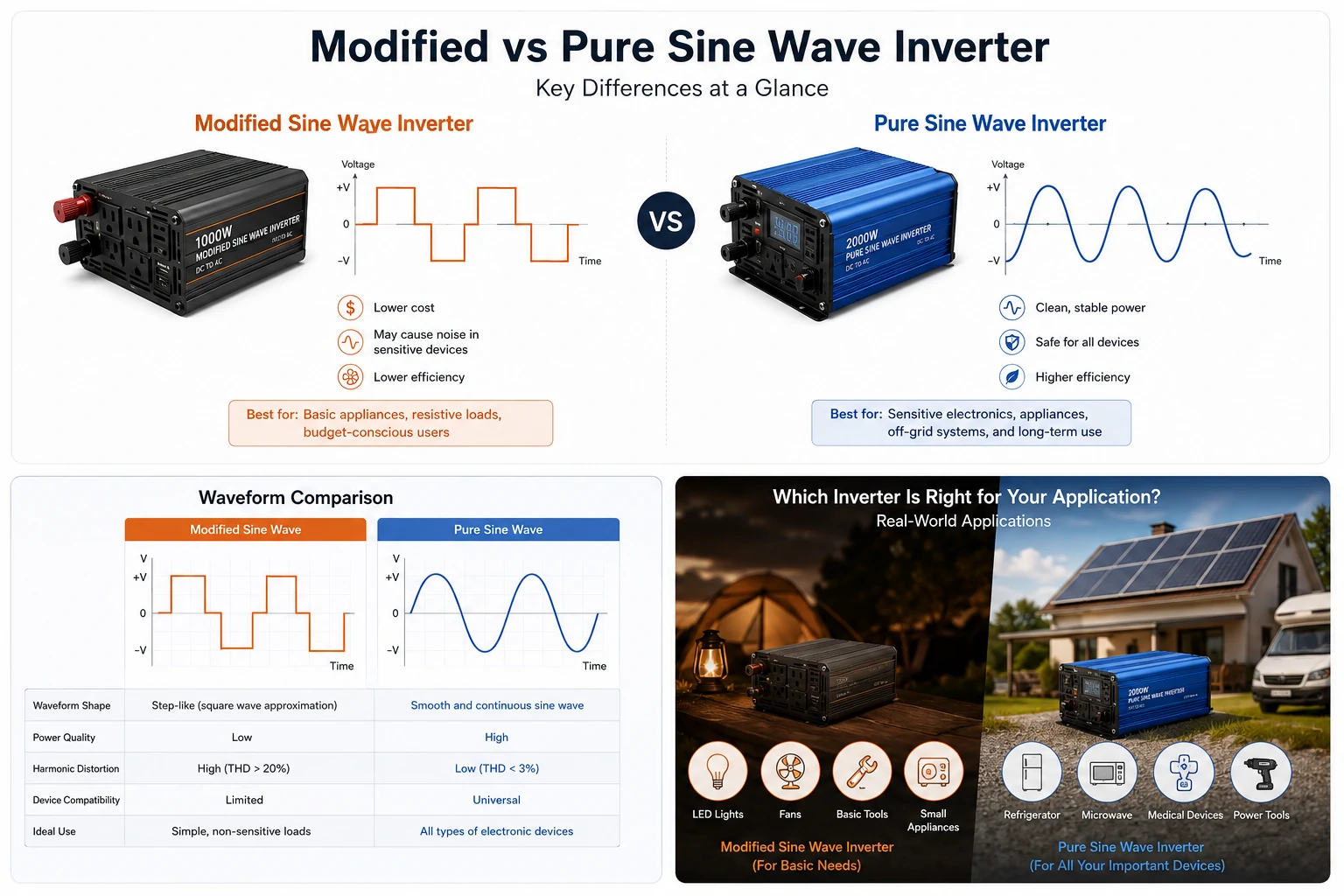
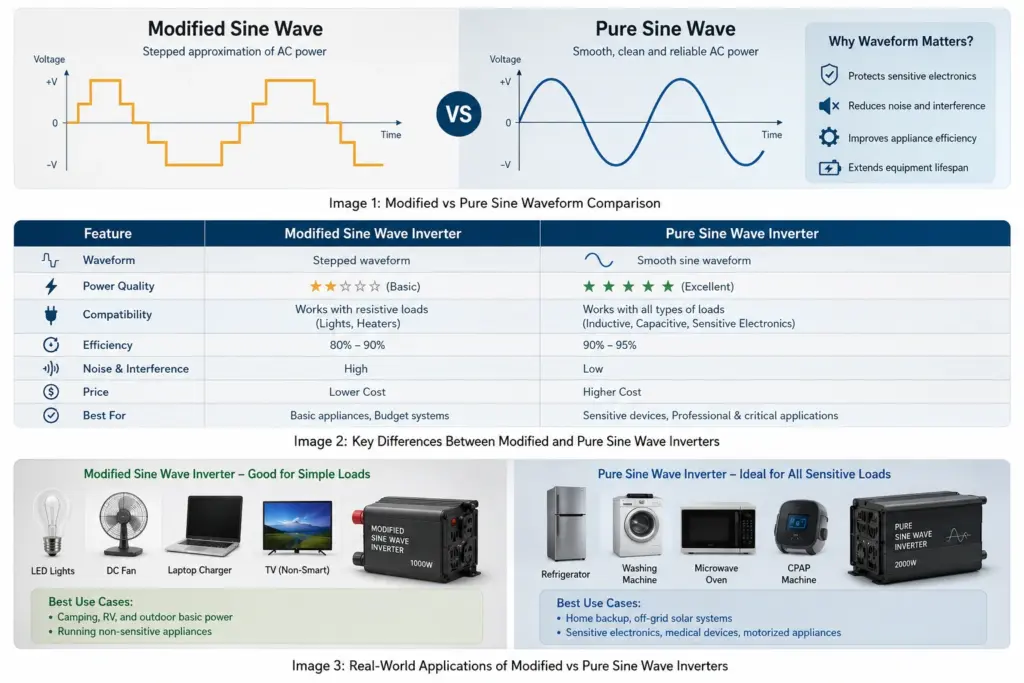
The main difference is the shape and quality of the AC output. A pure sine wave inverter produces a smooth waveform similar to normal utility electricity, while a modified sine wave inverter produces a stepped approximation that contains more harmonic content and abrupt voltage transitions.
| Feature | Modified Sine Wave Inverter | Pure Sine Wave Inverter |
|---|---|---|
| Output waveform | Stepped or block-like approximation | Smooth sinusoidal waveform |
| Harmonic distortion | Normally higher | Normally lower |
| Appliance compatibility | Limited and load-dependent | Broad compatibility |
| Motor operation | May run hotter, noisier or less smoothly | Normally smoother and quieter |
| Audio interference | Buzzing or interference is more likely | Usually minimal |
| Electronic controls | Compatibility must be confirmed | Better choice for modern controls |
| Initial cost | Usually lower | Usually higher |
| Long-term system flexibility | Limited | Better for future load additions |
| Typical application | Basic temporary loads | Homes, solar storage and professional backup |
A “modified sine wave” is not exactly the same as a basic square wave, but both differ significantly from smooth utility-style AC.
Match the Inverter, Battery and Load Before Ordering
A reliable energy storage system starts with more than choosing pure sine output. Avepower helps solar installers, distributors, project developers and OEM/ODM partners review battery capacity, inverter power, startup loads, communication protocols and project operating requirements before production.
Explore Avepower’s home energy storage solutions or submit the exact inverter model, load list, target runtime and project quantity for a system-matching review.
Which Is Better: Modified or Pure Sine Wave?
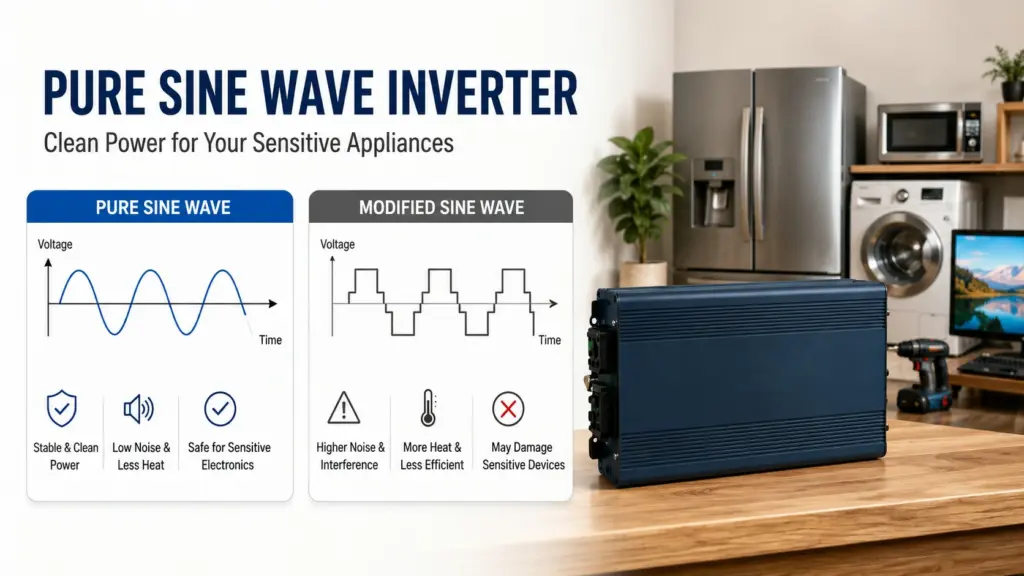
Pure sine wave is the better default whenever the load list includes a motor, compressor, electronic controller, medical device, audio system or expensive equipment. Modified sine wave can be considered only when every connected load is simple, non-critical and explicitly approved for that waveform.
Use the following decision table rather than relying only on the inverter price.
| Project Condition | Better Choice | Reason |
|---|---|---|
| Whole-home or essential-load backup | Pure sine wave | Household loads change and include mixed electronics |
| Refrigerator or freezer | Pure sine wave | Compressor starting and motor heating matter |
| Pump, air conditioner or washing machine | Pure sine wave | Motor and control-board compatibility |
| CPAP or medical equipment | Follow device manual; usually pure sine | Safety-critical manufacturer requirements |
| Server, router or office equipment | Pure sine wave | Stable power and active-PFC compatibility |
| Audio, recording or measurement equipment | Pure sine wave | Reduces waveform-related interference |
| Basic resistance heater without controls | Modified may be acceptable | Heating element is less waveform-sensitive |
| Incandescent lighting | Modified may be acceptable | Predominantly resistive load |
| Temporary low-cost emergency kit | Modified may be acceptable | Only after confirming every load |
| Solar-plus-storage system | Pure sine wave | Wider compatibility and long-term system value |
Avepower recommends asking whether the load contains a motor, medical device, rectifier or direct DC option before choosing a waveform. That is a useful first screen, but the equipment manual and actual input specification should make the final decision.
Readers who need a more detailed explanation of inverter operation can refer to Avepower’s pure sine wave inverter guide and guide to what an inverter does.
Which Appliances Can Run on a Modified Sine Wave Inverter?
Simple resistive loads are the strongest candidates for modified sine wave operation, while appliances containing compressors, induction motors, active-PFC supplies, digital controls or safety-critical electronics should use pure sine wave unless their manufacturer explicitly approves another waveform.
The following table is a screening guide rather than a substitute for the appliance manual.
| Appliance or Load | Modified Sine Wave | Pure Sine Wave | Practical Guidance |
|---|---|---|---|
| Incandescent lamp | Usually acceptable | Compatible | Simple resistive load |
| Basic resistance heater | Often acceptable | Compatible | Confirm there is no digital control |
| Simple kettle | Often acceptable | Compatible | Electronic temperature controls may change the decision |
| Phone charger | May operate | Compatible | Check adapter heat and manufacturer input requirements |
| Laptop adapter | May operate, not guaranteed | Recommended | Active-PFC and adapter design vary |
| LED light | Load-dependent | Recommended | Drivers and dimmers may buzz or flicker |
| Brushed power tool | Sometimes acceptable | Recommended | Verify charger and speed-control electronics |
| Cordless-tool charger | Not recommended without approval | Recommended | Modern charging electronics may reject poor input |
| Refrigerator or freezer | Not recommended | Strongly recommended | Compressor surge and heating |
| Water pump | Not recommended | Strongly recommended | Motor starting and torque |
| Air conditioner | Not recommended | Required in most projects | Compressor, fan and control electronics |
| Washing machine | Not recommended | Recommended | Variable-speed motor and electronic controls |
| Microwave oven | Not recommended | Recommended | Output power and control behavior may be affected |
| Television | Load-dependent | Recommended | Power-supply design varies |
| Audio amplifier | Not recommended | Recommended | Buzzing and interference risk |
| Laser printer | Not recommended | Recommended | High transient demand and fuser control |
| CPAP or medical device | Only when manual permits | Normally required | Follow exact manufacturer instructions |
| Server or network equipment | Not recommended | Recommended | Active-PFC and uptime requirements |
Do not assume that an older device is automatically more tolerant or that a newer device is automatically sensitive. The internal circuit design is more important than the product’s age.
Can a Modified Sine Wave Inverter Damage Electronics?
A modified sine wave inverter does not automatically damage every electronic device, but it can cause overheating, buzzing, reduced output, resets, charging errors or failure in incompatible equipment. The risk is unacceptable when the load is expensive, safety-critical or not approved for stepped-wave operation.
Warning signs include:
- An adapter or motor becoming unusually hot
- Audible buzzing that was not present on grid power
- Flickering displays or lighting
- A charger stopping before completion
- Error codes or repeated equipment resets
- A motor struggling to start
- The inverter entering overload despite apparently adequate running wattage
Stop the test if any of these symptoms appear. Do not continue operating the device simply because it initially switched on.
Is a Pure Sine Wave Inverter More Efficient?
Pure sine wave often allows motors and waveform-sensitive loads to operate more effectively, but the inverter’s own conversion efficiency must still be checked separately. A modified sine wave model can have a competitive headline DC-to-AC efficiency while causing a connected load to consume more current or produce less useful output.
Three different measurements are commonly confused:
| Measurement | What it Tells You |
|---|---|
| Inverter conversion efficiency | How much battery DC energy becomes AC output |
| Load operating efficiency | How effectively the appliance uses that AC output |
| Whole-system efficiency | Battery, cables, inverter, appliance and standby losses combined |
A 94% efficient inverter is not necessarily better than a 92% model in every project. The figures must be measured under comparable load, DC voltage and temperature conditions.
Ask suppliers for:
- Efficiency curve rather than only peak efficiency
- Test conditions and input voltage
- Efficiency at 10%, 25%, 50% and full load
- No-load consumption
- Search or eco-mode consumption
- THD under resistive and nonlinear loads
- Temperature derating information
Avoid relying on generic claims that pure sine wave is always a fixed percentage more efficient. Actual results depend on both inverter design and load type.
Does a Pure Sine Wave Inverter Use Less Battery?
A pure sine wave inverter may reduce battery consumption when it allows the appliance to operate more efficiently, but runtime also depends on inverter efficiency, standby draw, battery usable capacity and the load profile. Waveform alone cannot predict how long the battery will last.
Use this basic runtime formula:
Estimated runtime = nominal battery energy × usable DoD × inverter efficiency ÷ average AC load
Example runtime calculation
Assume:
- Battery capacity: 15kWh
- Usable depth of discharge: 90%
- Average inverter efficiency: 92%
- Average AC load: 1.2kW
Calculation:
15kWh × 0.90 × 0.92 ÷ 1.2kW
= 10.35 hours
This is an estimate, not a guaranteed runtime. Temperature, inverter idle draw, battery protection limits, cable losses, load cycling and motor starts can change the result.
For a more complete process, see Avepower’s guide on how to calculate solar panel, battery and inverter size.
How Do You Calculate the Required Inverter Size?
Size the inverter using the highest realistic simultaneous running load and the worst probable startup event, not by adding only appliance nameplate watts. Continuous power must cover sustained demand, while the surge rating and surge duration must support motors, compressors and other transient loads.
Consider the following small backup system:
| Load | Running Power | Estimated Startup Demand |
|---|---|---|
| Refrigerator | 200W | 1,200W |
| Water pump | 750W | 2,250W |
| LED lighting | 120W | 120W |
| Router | 20W | 20W |
| Laptop | 100W | 100W |
Step 1: Calculate Simultaneous Running Power
200 + 750 + 120 + 20 + 100
= 1,190W
A 1,200W inverter would still be unsuitable because it leaves virtually no continuous margin and cannot support the startup loads.
Step 2: Calculate the Largest Single Startup Event
If the pump starts while the refrigerator and other loads are already running:
2,250 + 200 + 120 + 20 + 100
= 2,690W
A practical minimum could be a 3kW inverter with a verified surge rating above 2.7kW for the required start duration.
Step 3: Consider Simultaneous Motor Starts
If the refrigerator and pump can start at the same time:
2,250 + 1,200 + 120 + 20 + 100
= 3,690W
The project then needs one of three solutions:
- A larger inverter
- Load sequencing that prevents simultaneous starts
- A detailed startup measurement using actual appliances
Do not accept a supplier’s “two-times peak power” claim without checking how many milliseconds or seconds that output can be maintained. A high numerical peak that lasts only a few cycles may not start a compressor.
When Is a Modified Sine Wave Inverter Acceptable?
A modified sine wave inverter remains practical for low-cost, temporary systems containing only simple and confirmed-compatible loads. It should not be selected merely because the present load is small, because waveform sensitivity depends on circuit design rather than wattage alone.
A modified sine wave inverter may make sense when all of these conditions are met:
- The system powers only simple resistive loads or approved equipment
- No compressor, induction motor or sensitive controller is connected
- Audible interference is not a concern
- The equipment is non-critical and inexpensive to replace
- Use is occasional rather than continuous
- Future appliances are unlikely to change
- The appliance manufacturer permits the waveform
- The cost saving is meaningful after considering replacement risk
When Should You Choose a Pure Sine Wave Inverter?
Choose pure sine wave for permanent solar installations, residential backup, off-grid homes, mixed commercial loads and any application where future appliances are unknown. Its main value is not simply cleaner-looking output, but lower compatibility risk and easier long-term system expansion.
Pure sine wave is strongly recommended when the project includes:
- Refrigerators, freezers or compressors
- Pumps, fans or HVAC equipment
- Computers with active-PFC power supplies
- Servers, network equipment or security systems
- Audio, laboratory or measurement equipment
- Modern chargers and digitally controlled tools
- Medical equipment when required by its manufacturer
- Appliances with electronic timers or control boards
- Daily cycling over several years
- Installer warranties or uptime commitments
Is Pure Sine Wave Required for Solar and Battery Storage?
Pure sine wave is the practical standard for modern solar battery backup, but waveform is only one part of system compatibility. Installers must also match battery voltage, inverter DC range, current limits, BMS communication, protection settings, grounding and local electrical requirements.
A solar battery inverter may manage PV input, battery charging, grid interaction, backup output and load priorities in addition to converting DC into AC.
A system can therefore have pure sine output and still be unsuitable because:
- The battery voltage is outside the inverter’s DC range
- The inverter requires a different CAN or RS485 protocol
- Charge or discharge current exceeds the battery limit
- The BMS cannot transmit required limits and alarms
- The neutral-ground arrangement conflicts with the installation
- The backup output cannot start the project’s motors
- The product lacks the certification required in the destination market
Avepower publishes an inverter compatibility list covering supported protocol names and communication methods. Compatibility should still be confirmed using the exact inverter model, firmware, battery configuration and project settings.
Grid-Connected Systems Require More Than a Waveform Label
A standalone modified sine wave inverter must never be connected in a way that backfeeds the utility grid.
For photovoltaic power conversion equipment, IEC 62109-2 covers particular inverter safety requirements and applies to grid-interactive, stand-alone and multimode inverter products used with PV and energy storage configurations.
How Does an Avepower All-in-One System Fit This Decision?
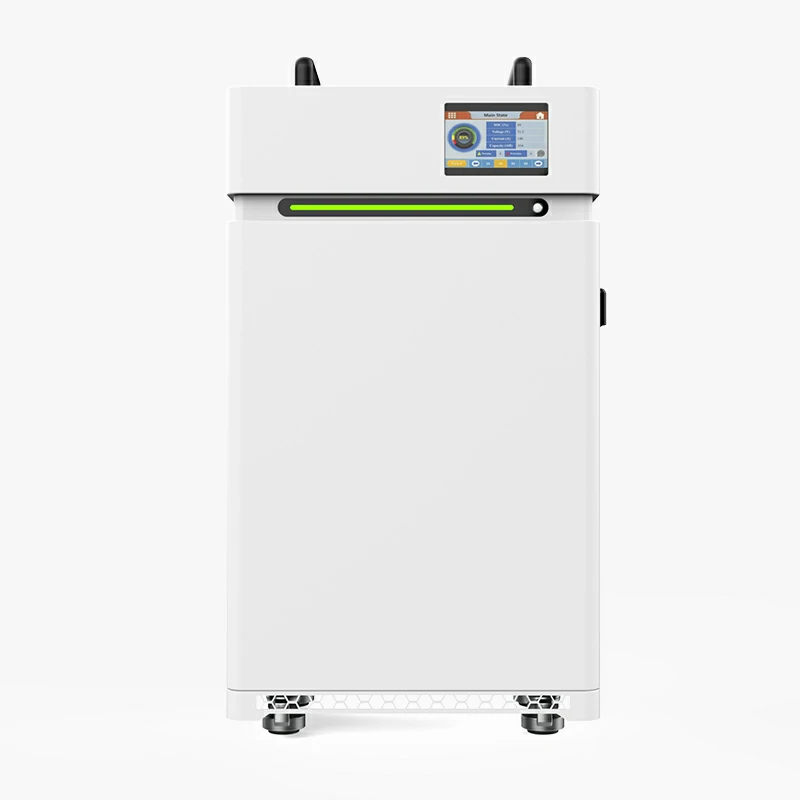
An integrated battery and pure sine wave inverter can reduce component-matching work, but buyers should still validate load surge, usable battery energy, local certification, communication settings and installation design. Published product specifications are useful for preliminary selection; they should not be treated as a substitute for the final project datasheet or commissioning review.
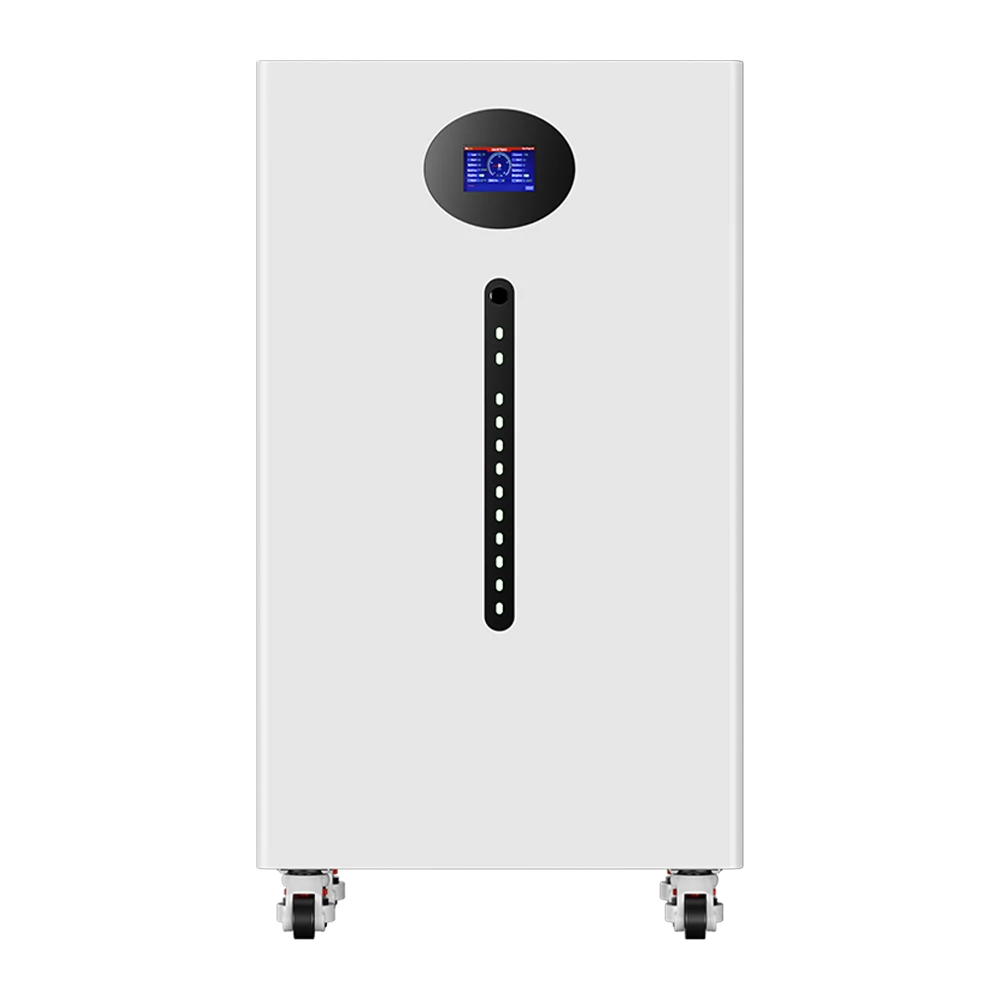
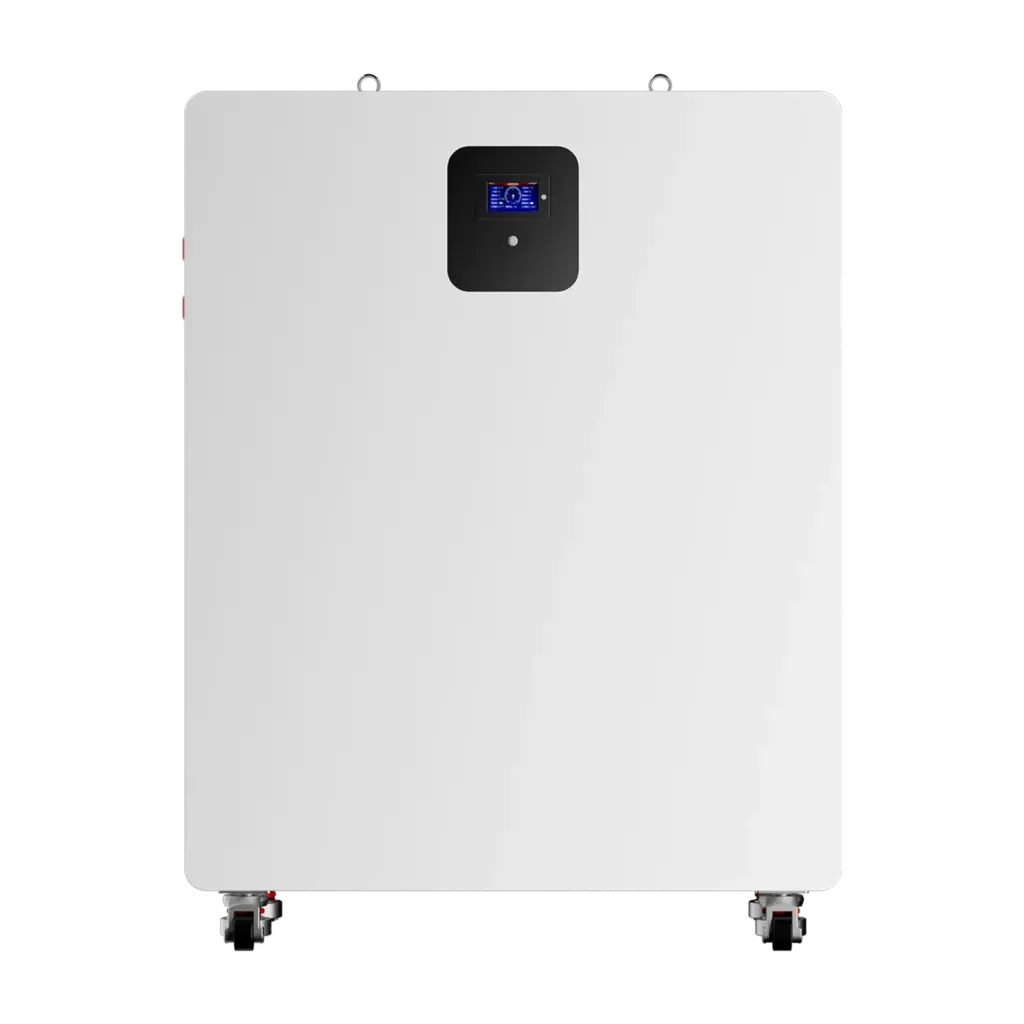
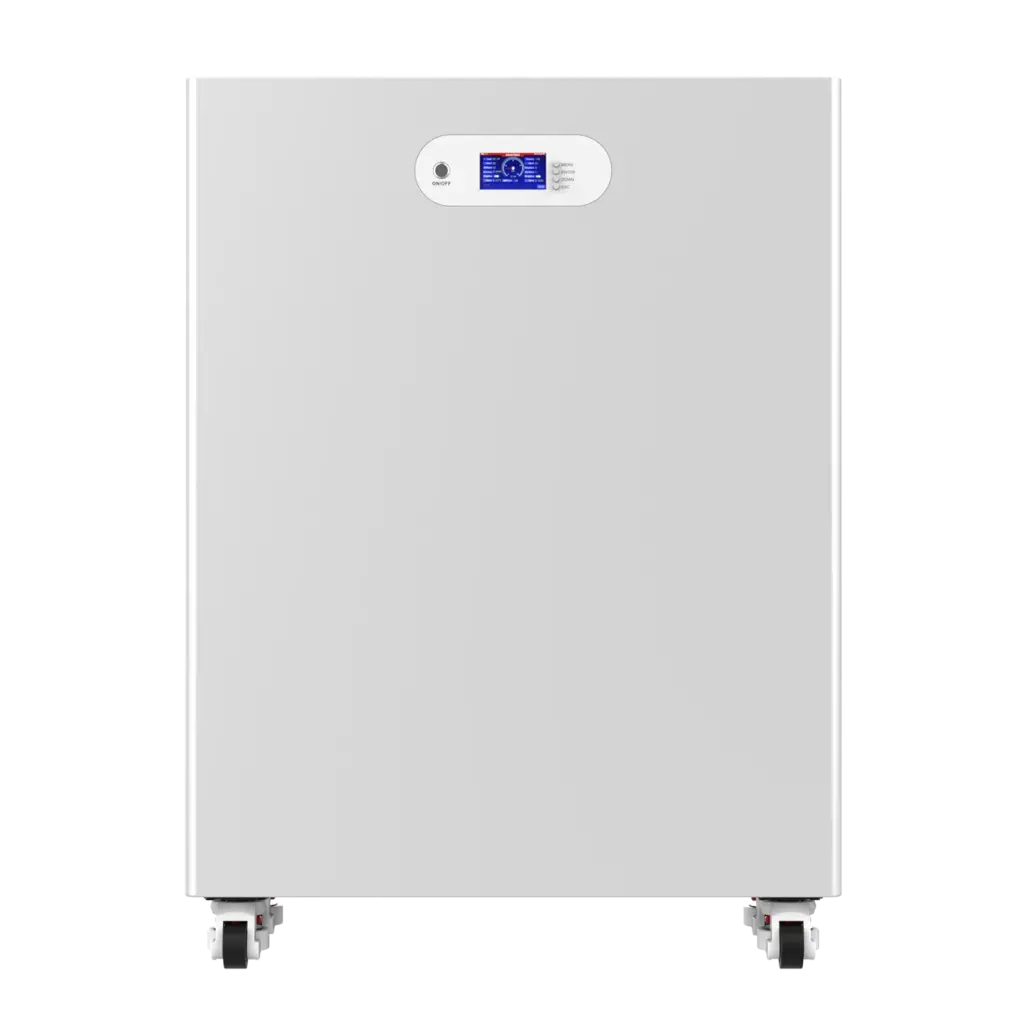
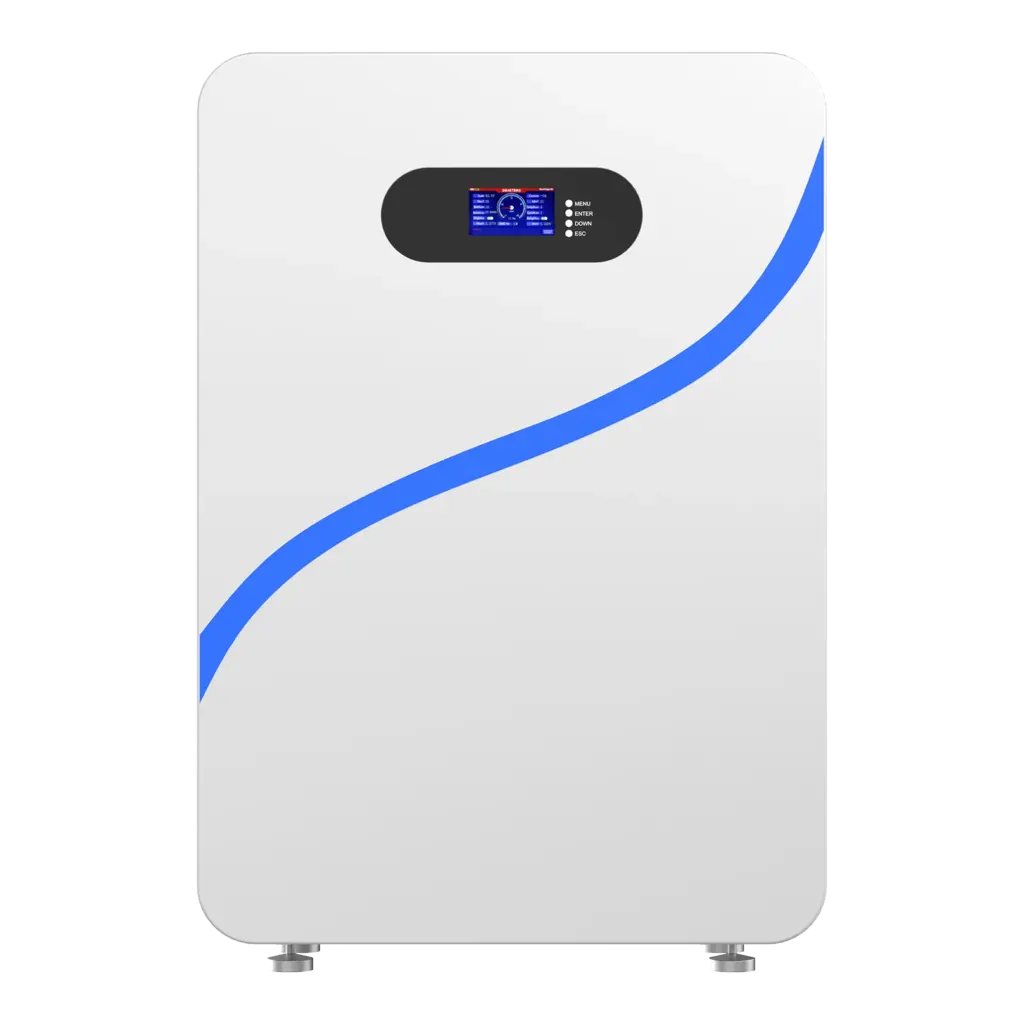
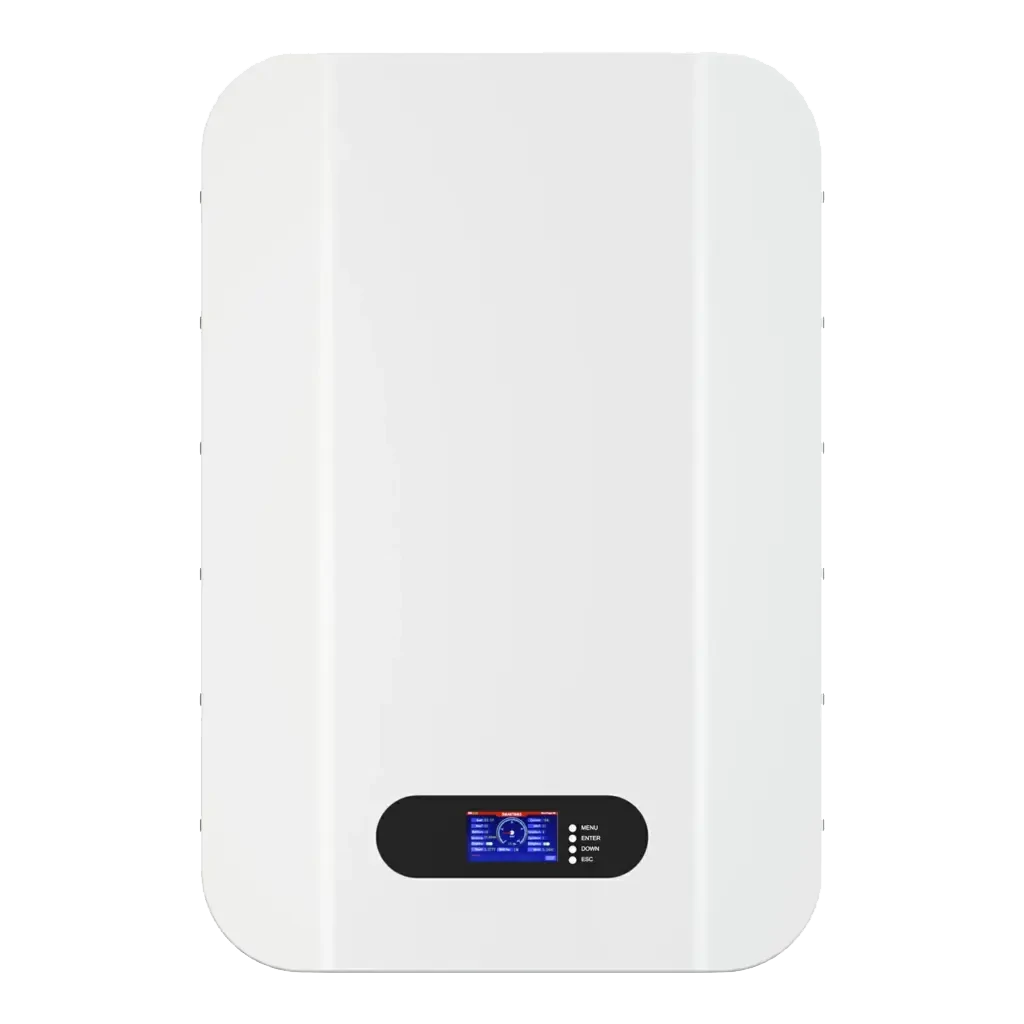
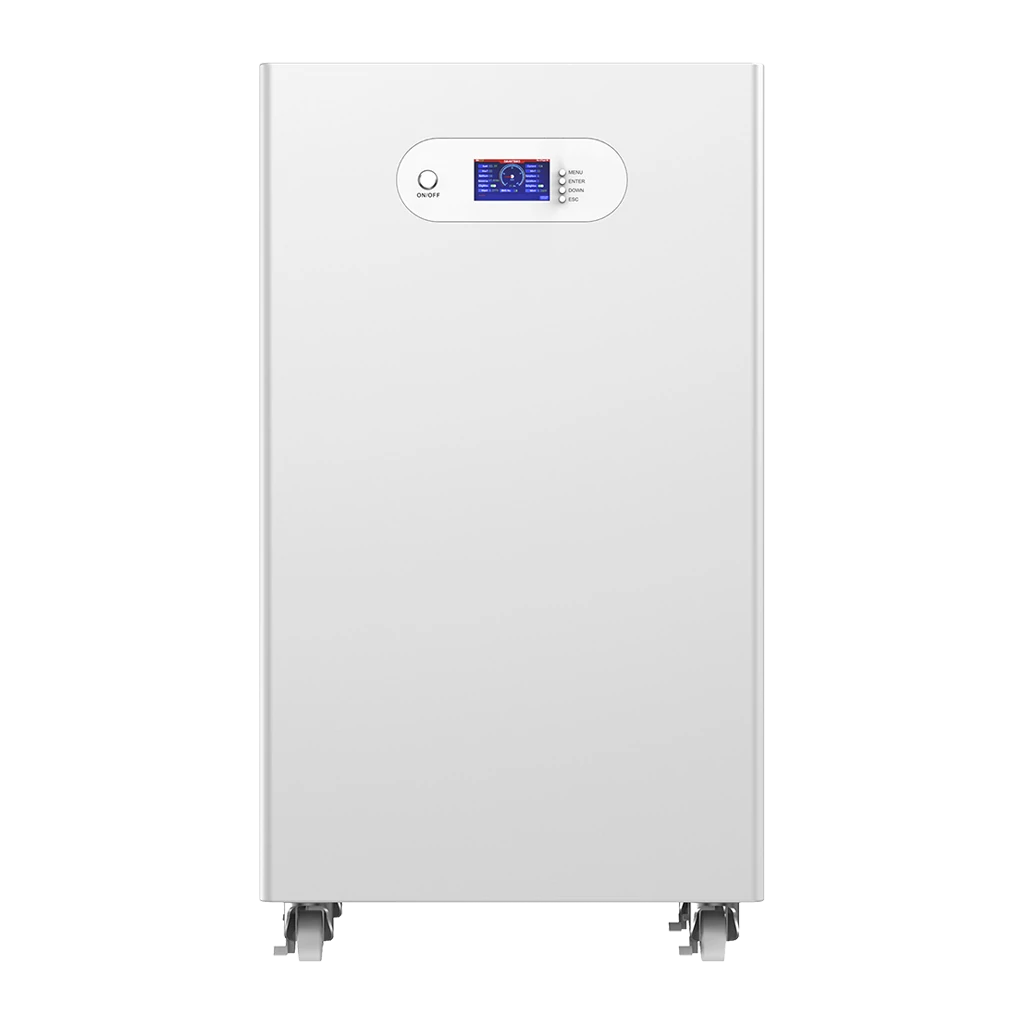
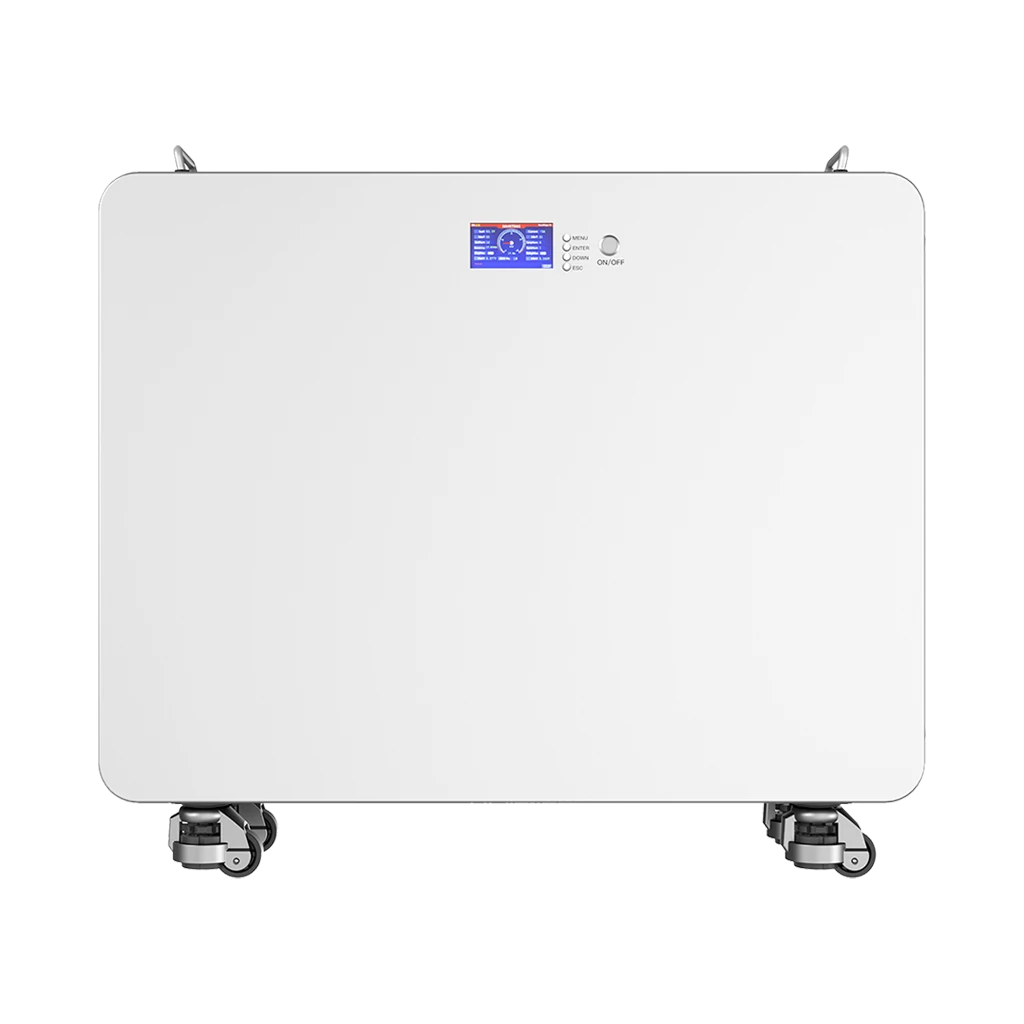
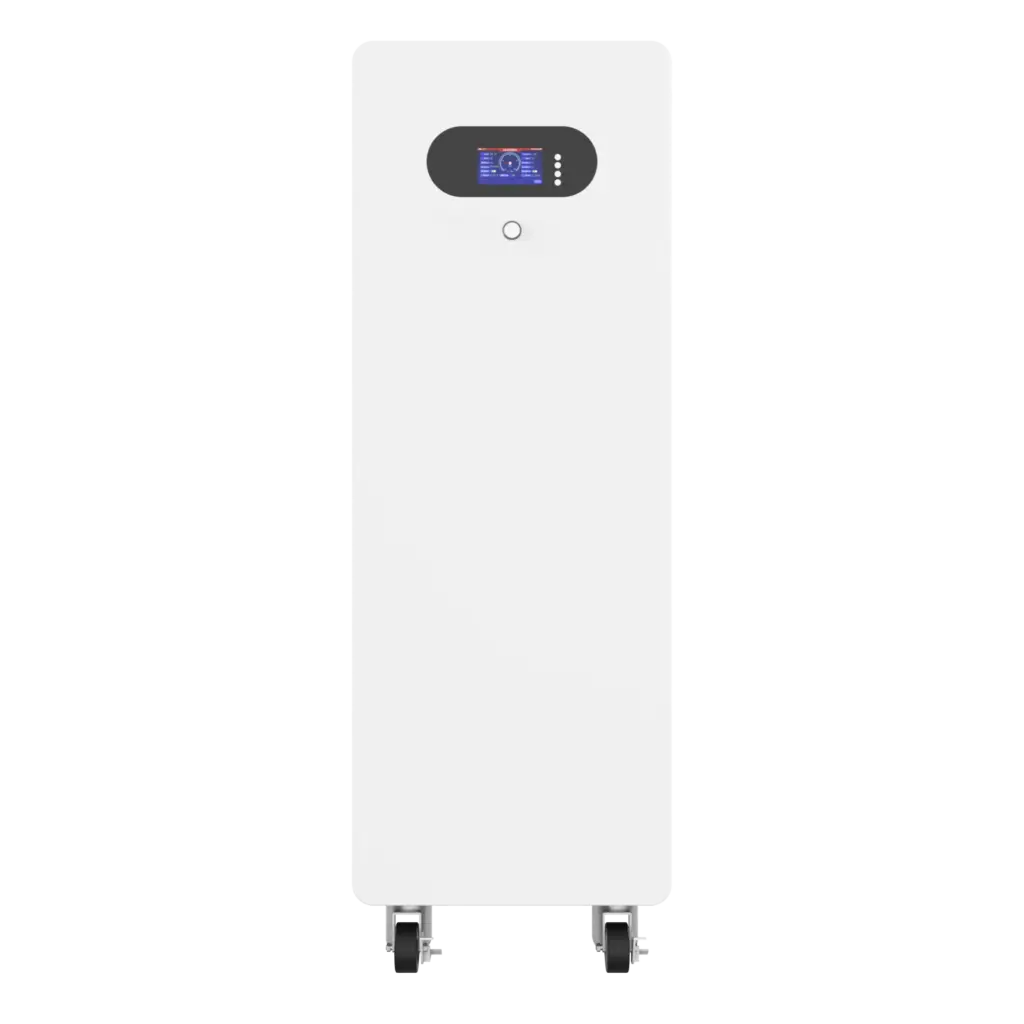
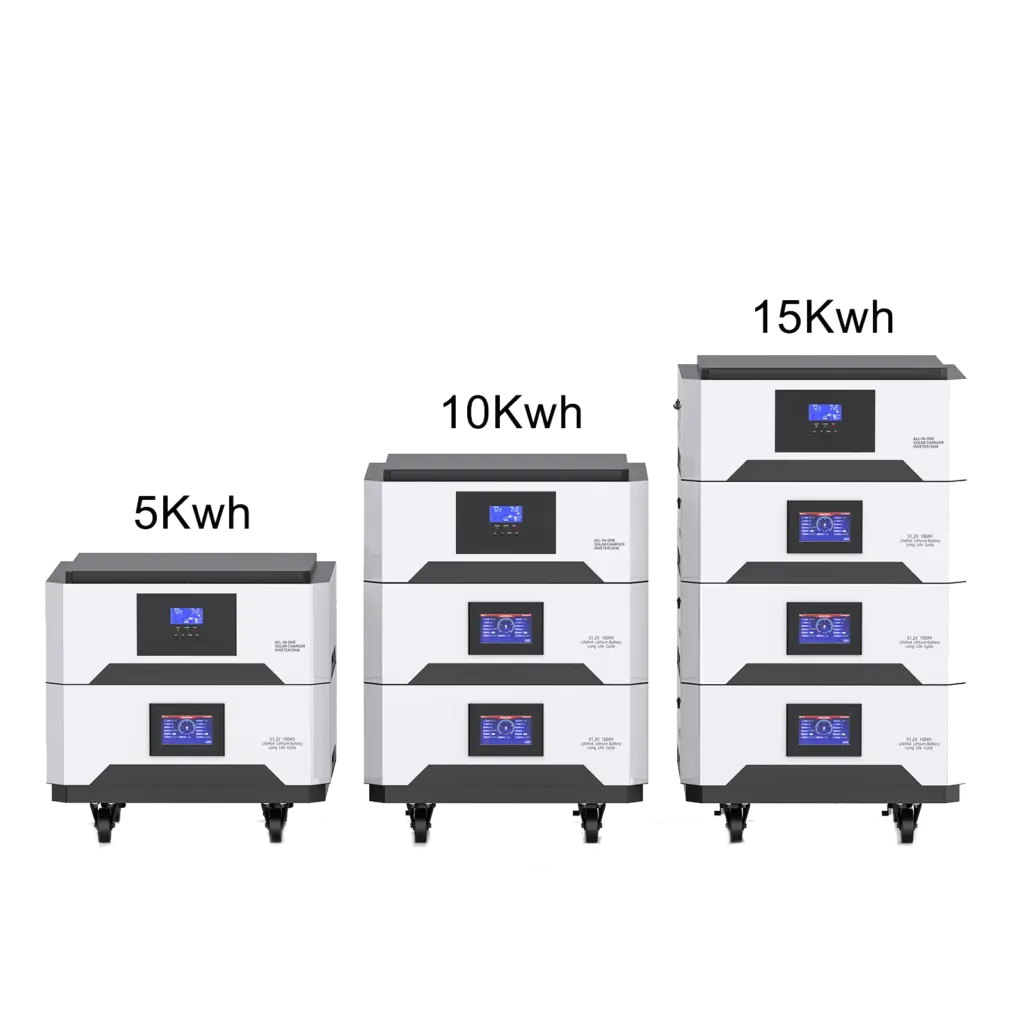
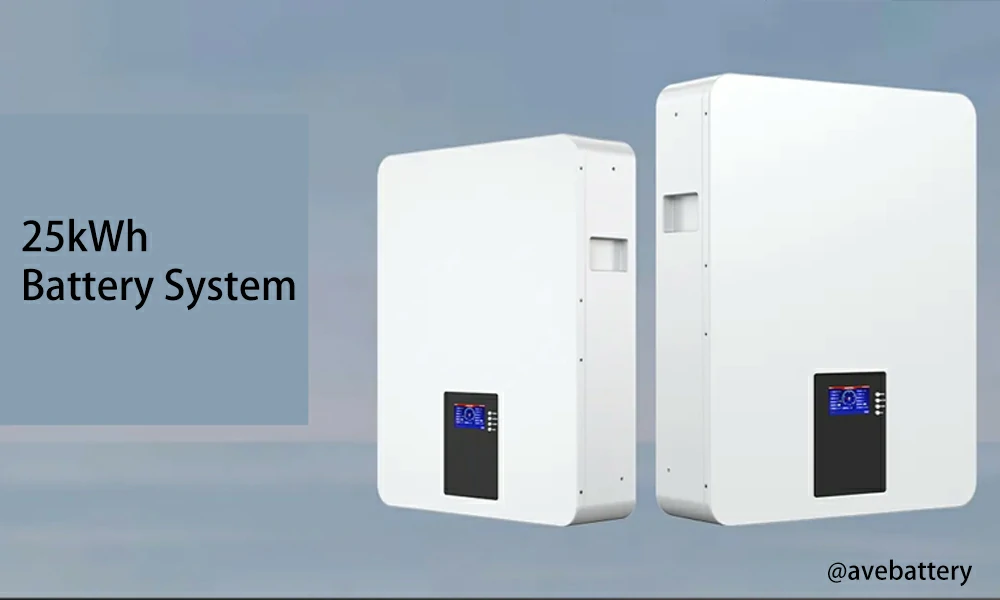
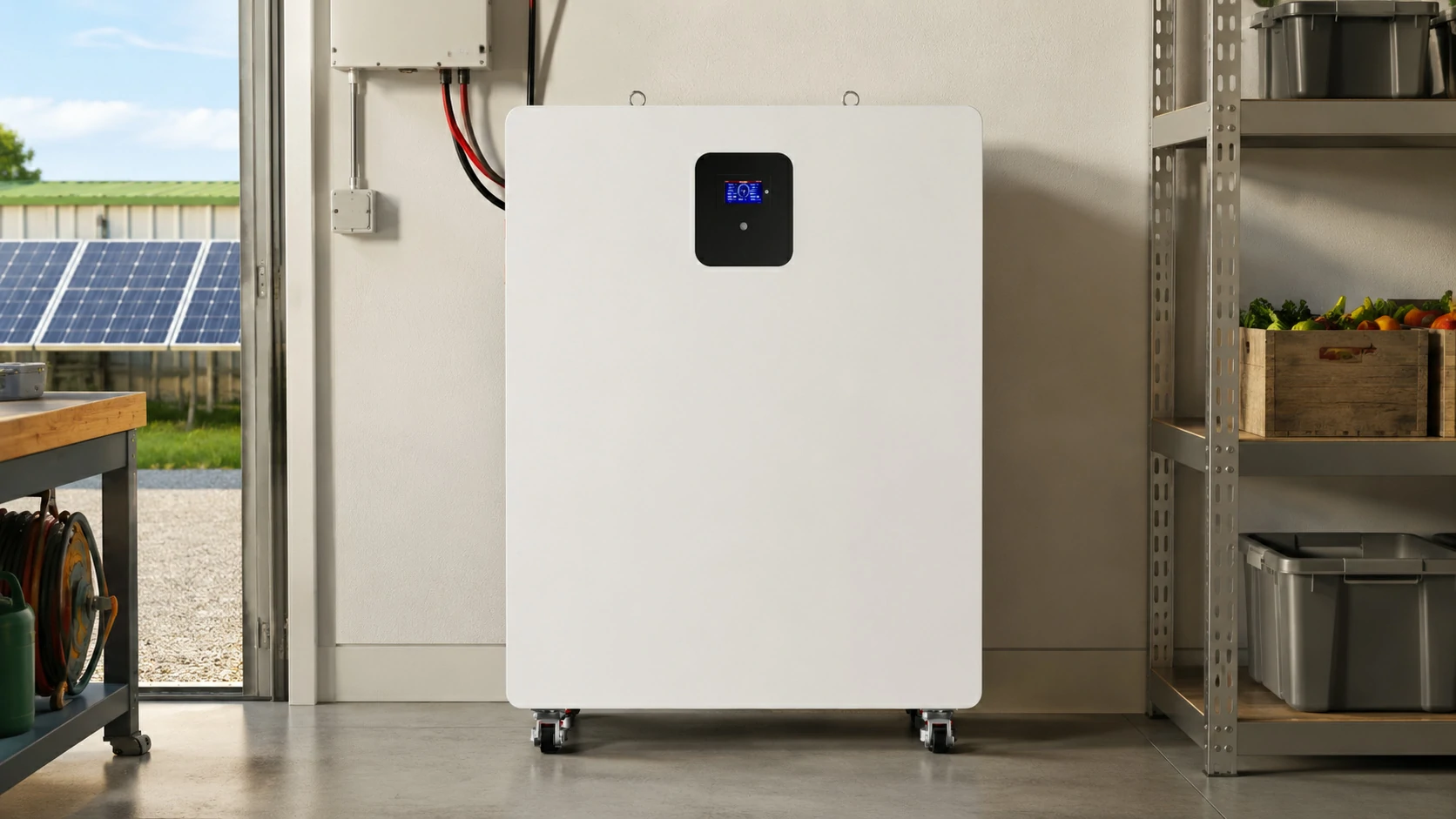
Avepower’s 15kWh all-in-one battery with a pure sine wave inverter lists the following configuration:
| Published Parameter | Value |
|---|---|
| Battery class | 15kWh |
| Battery voltage | 51.2V |
| Cell capacity | 314Ah |
| Rated inverter output | 6.2kW |
| Peak output | 12,400VA |
| PV input | Up to 6.2kW |
| MPPT range | 120–500V DC |
| BMS rating | 200A |
| Communication | CAN and RS485 |
| Transfer time | 10ms or 20ms, depending on setting |
These are manufacturer-published specifications and should be verified against the configuration supplied to the destination market.
At 6.2kW AC output, 51.2V battery voltage and an assumed 92% conversion efficiency.
This preliminary calculation is below the published 200A BMS rating, but that fact alone does not approve continuous full-power operation. Engineers must also confirm:
- The manufacturer’s continuous discharge-current limit
- Temperature derating
- Cell and BMS protection settings
- Cable and connector ratings
- DC breaker capacity
- Permitted overload duration
- Battery state of charge
- Parallel configuration where applicable
What Can a Real Energy Storage Project Teach About Inverter Selection?
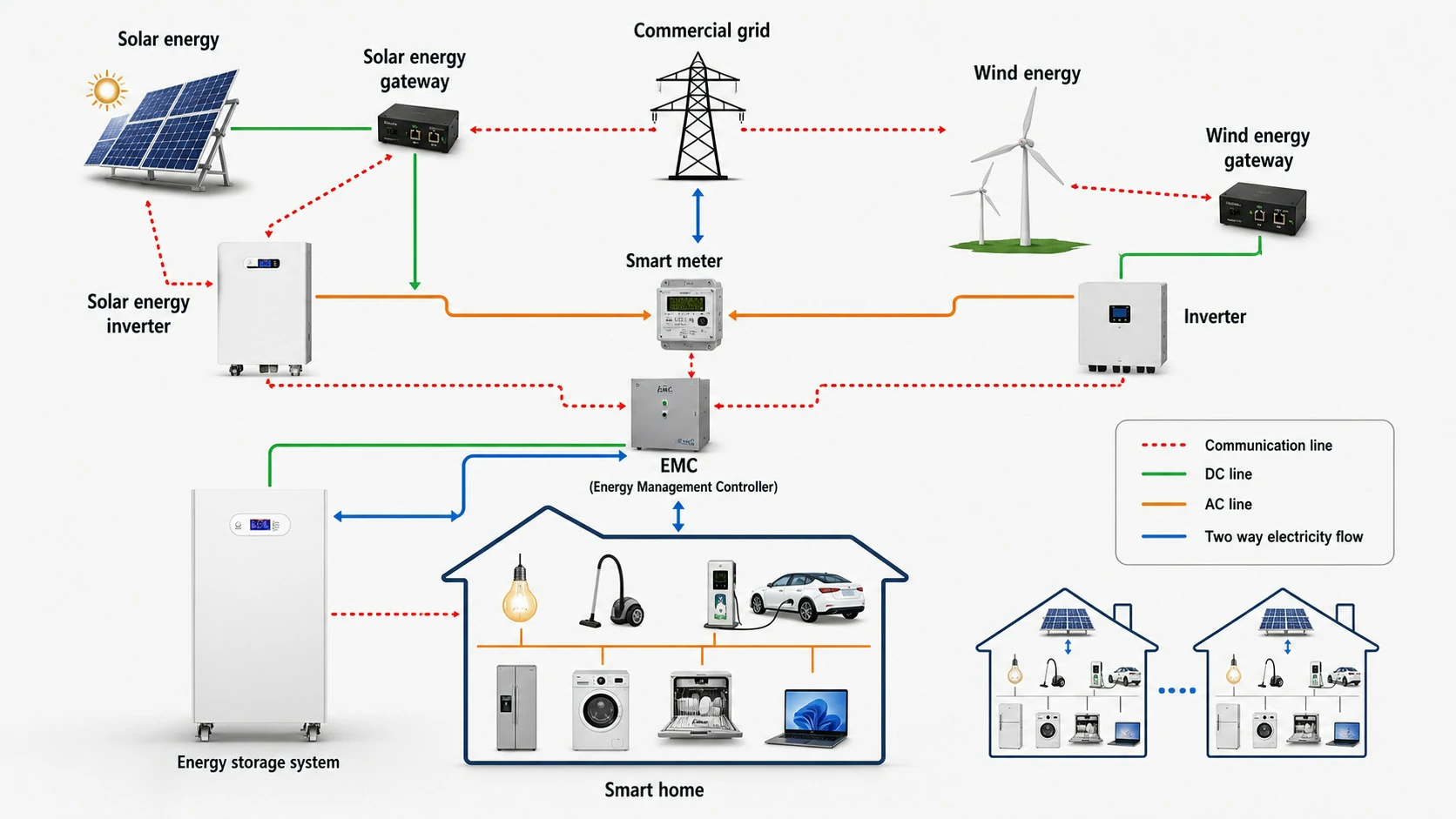
Real projects show that inverter selection is a system-integration decision rather than a waveform-only purchase. Engineers must match power, voltage, operating mode, communication, switching behavior, battery current and energy-management logic to the site’s measured loads and reliability objective. Pure sine output is necessary for many loads, but it is only one requirement.
In Avepower’s 640kWh hotel solar BESS project, the system used:
- 20 × 32kWh LiFePO4 battery units
- Smart project-matched inverters
- An energy management system
- Grid-connected and off-grid operating modes
- Peak shaving and load shifting
- Backup support and solar integration
The published case does not provide a waveform comparison and should not be treated as a test of modified versus pure sine technology. Its decision value is different: it demonstrates that commercial backup depends on coordinated batteries, inverters, EMS controls and operating strategy rather than one component specification.
Plan a Battery and Inverter System with Avepower
Avepower supports installers, distributors, project developers and OEM/ODM partners with LiFePO4 battery systems, all-in-one storage solutions, inverter communication matching and project-based battery configurations.
Provide your load list, inverter model, required capacity, backup duration, operating voltage, destination market and certification requirements to receive a more defensible system recommendation.
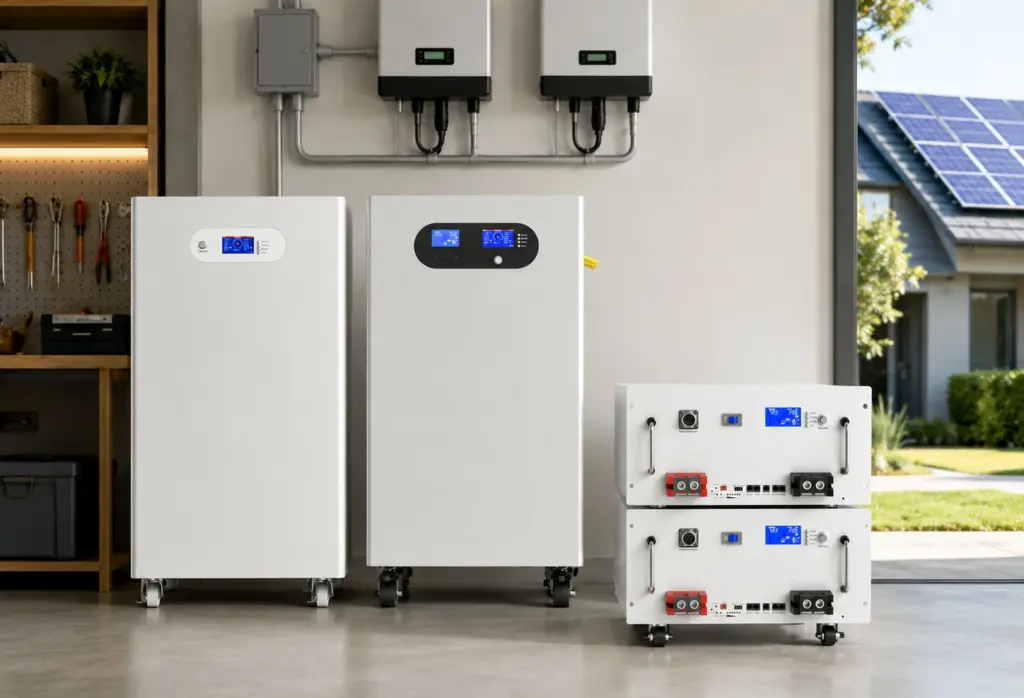
Take Control of Your Energy with Avepower!
Reliable home solar battery solutions with OEM/ODM customization and in-house manufacturing, tailored to the needs of distributors, installers, and energy partners.
Conclusion
The choice between a modified and pure sine wave inverter should be based on the connected loads, not price alone. Modified sine wave can power some simple devices economically, but pure sine wave offers broader compatibility for modern appliances, motors, compressors, active-PFC power supplies and solar battery backup systems.
Before purchasing, verify continuous power, startup surge, THD, efficiency at realistic loads, standby consumption, battery voltage, BMS current, communication protocol and applicable certification. When compatibility is uncertain, use pure sine wave or obtain written approval from the appliance manufacturer.
FAQ
Some refrigerators may start, but pure sine wave is strongly recommended. Compressor startup, electronic controls, additional heat and reduced motor torque can make modified sine wave unreliable for long-term refrigeration backup.
It may operate some microwaves, but heating performance, transformer noise, clock accuracy and electronic controls may be affected. A pure sine wave inverter with adequate continuous and surge power is the safer selection.
A simple external filter is rarely a practical or safe conversion method across different loads and power levels. Replacing the inverter with a correctly sized pure sine wave model is normally more predictable than attempting to redesign its output stage.
No. Pure sine wave describes output waveform, not grid-interconnection approval. A grid-connected inverter must meet the applicable interconnection, anti-islanding, safety and local utility requirements.
Add the loads that may run simultaneously, calculate the largest likely startup event and include a suitable design margin. Then verify that the battery, BMS, cables, fuse and disconnect can safely supply the resulting DC current.