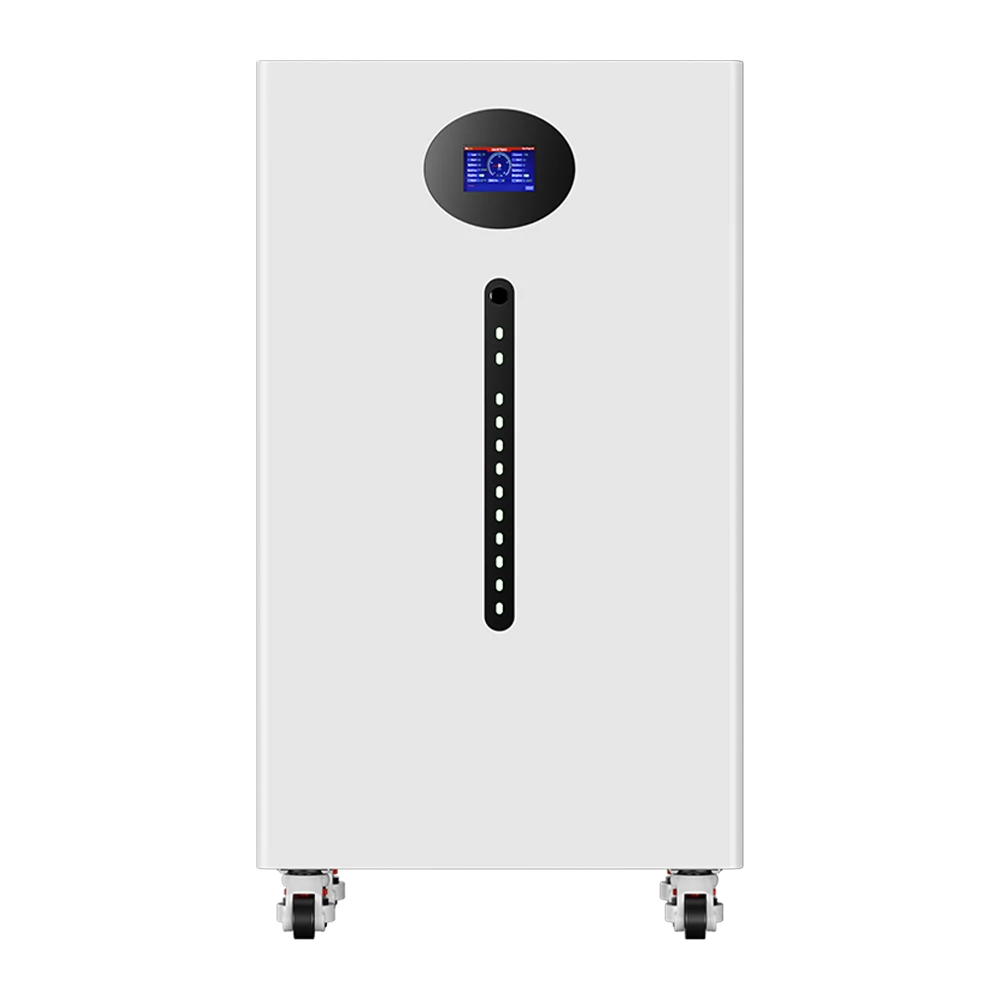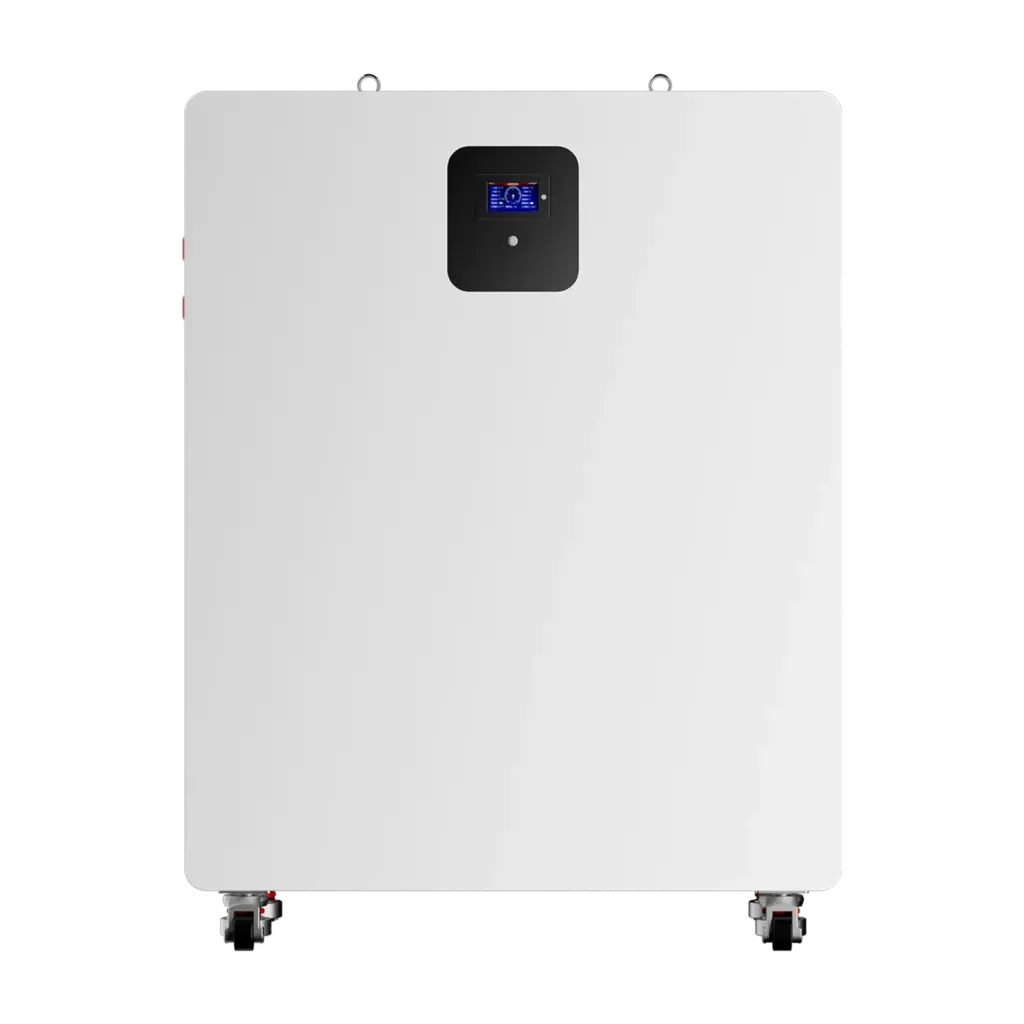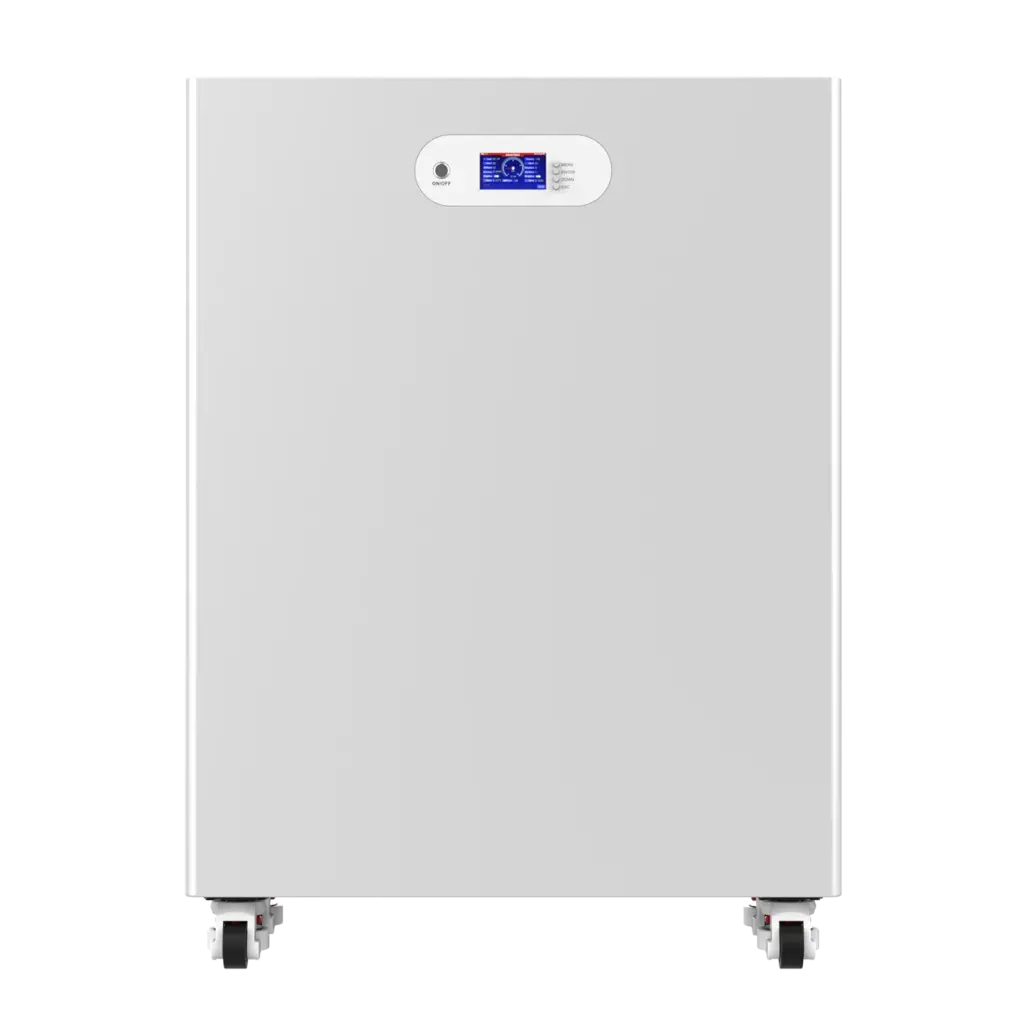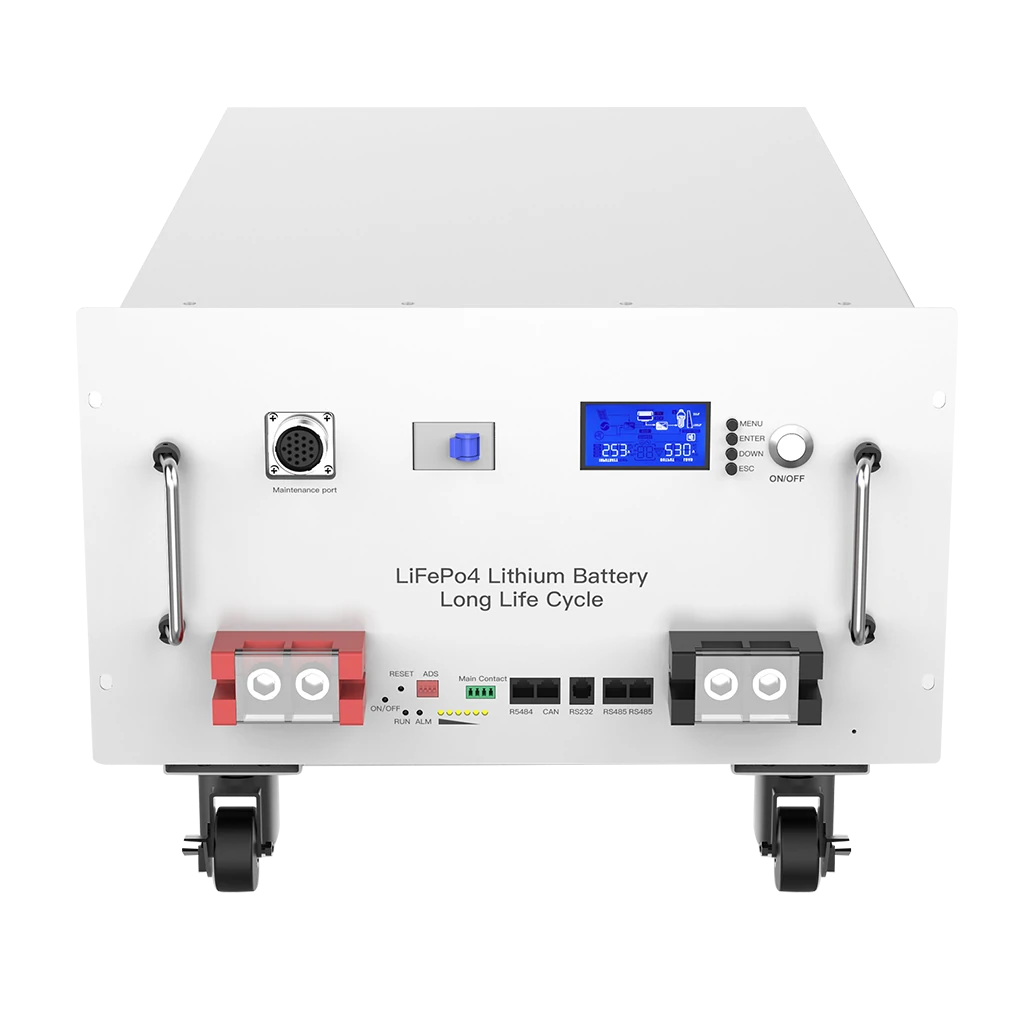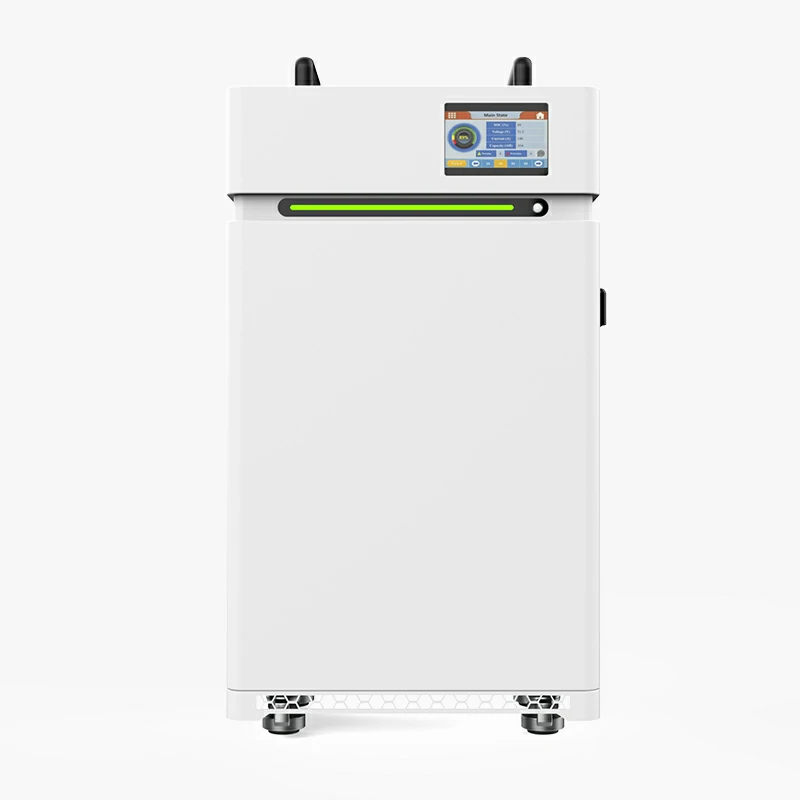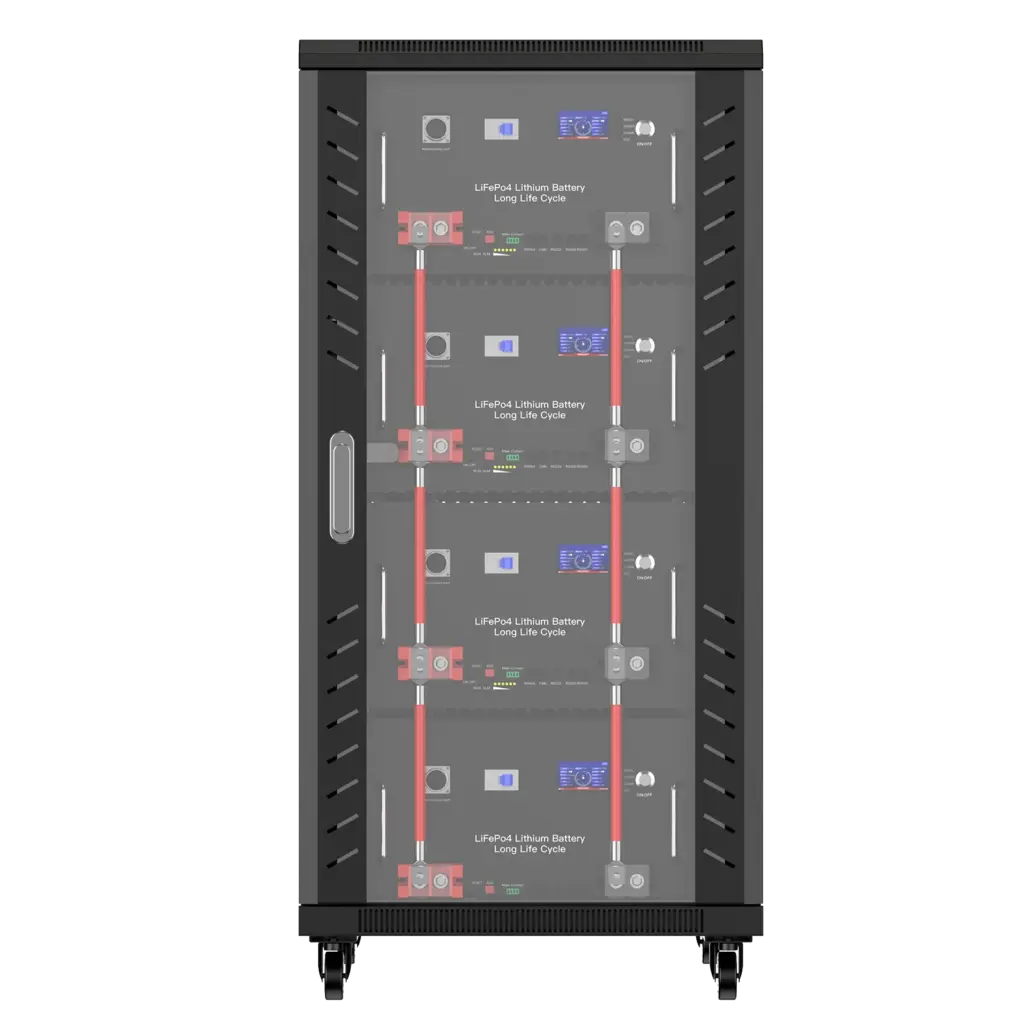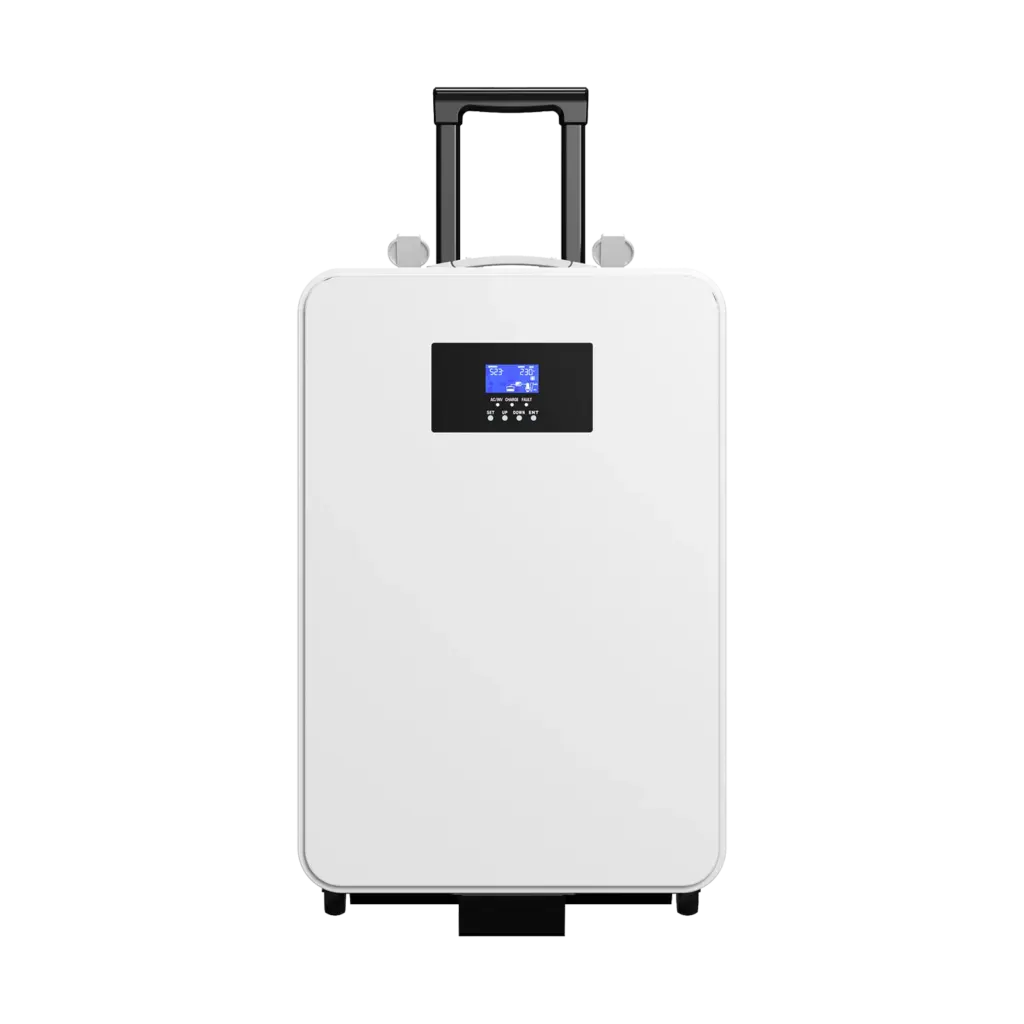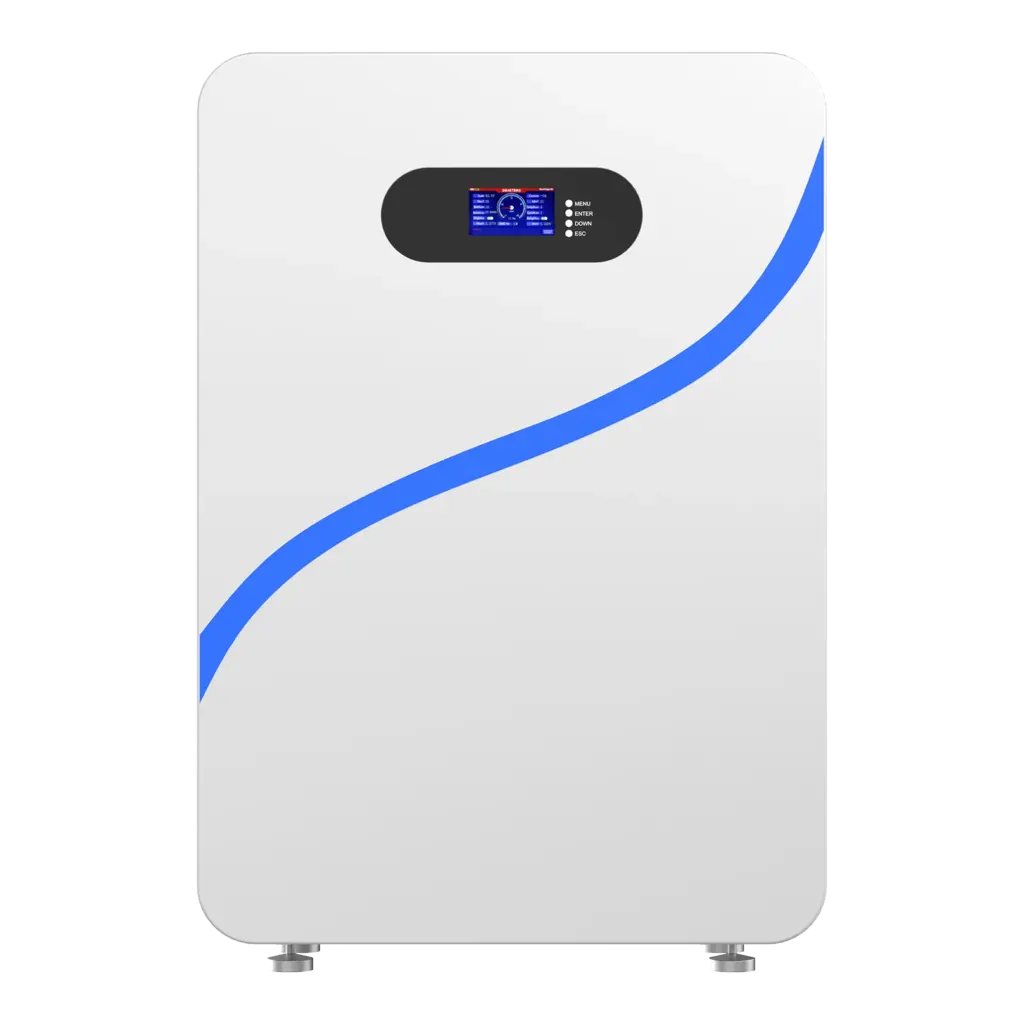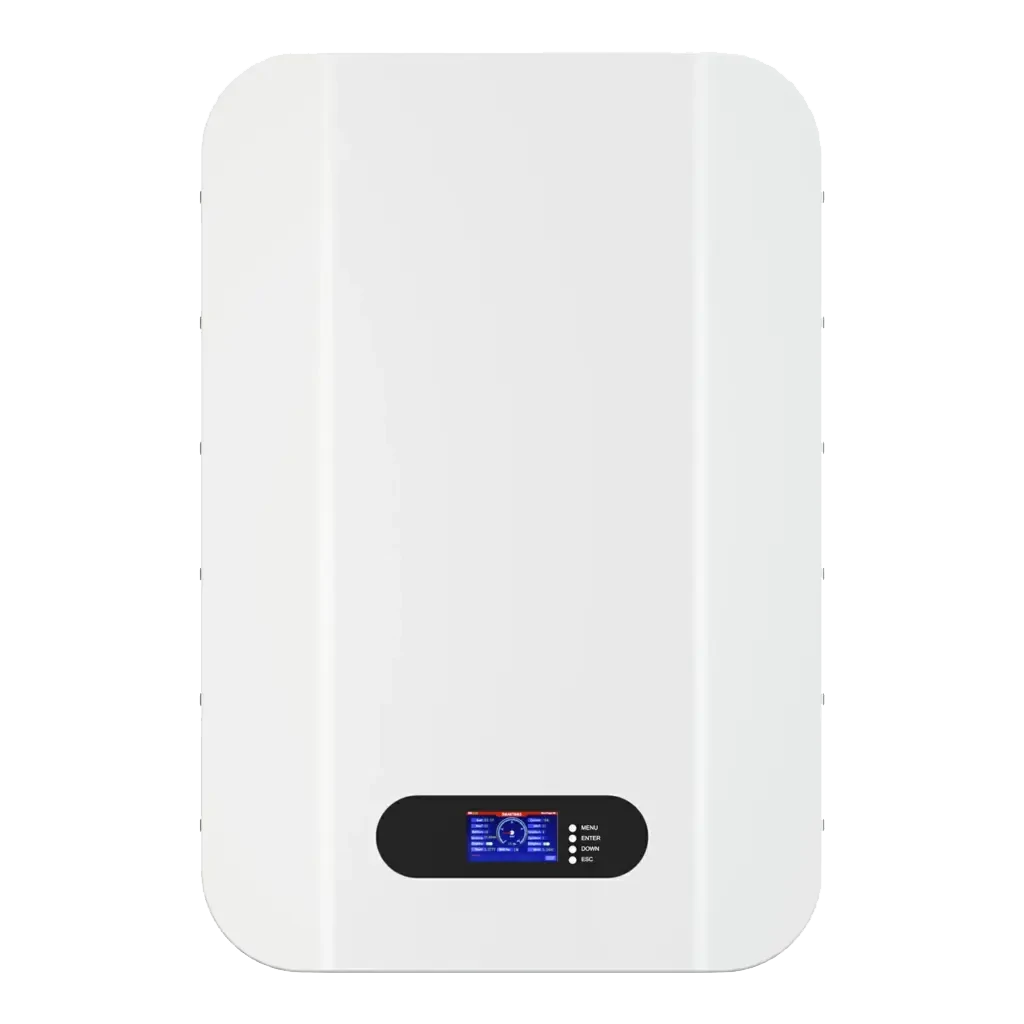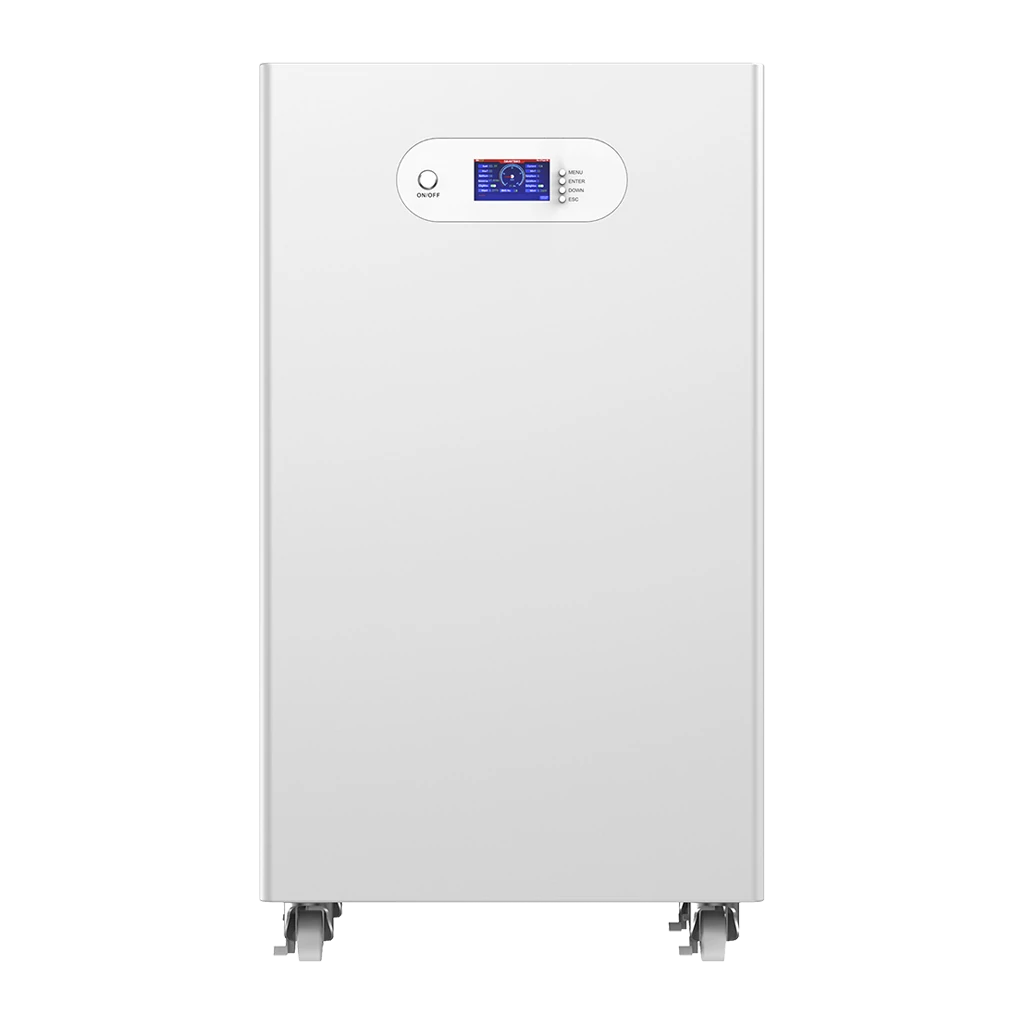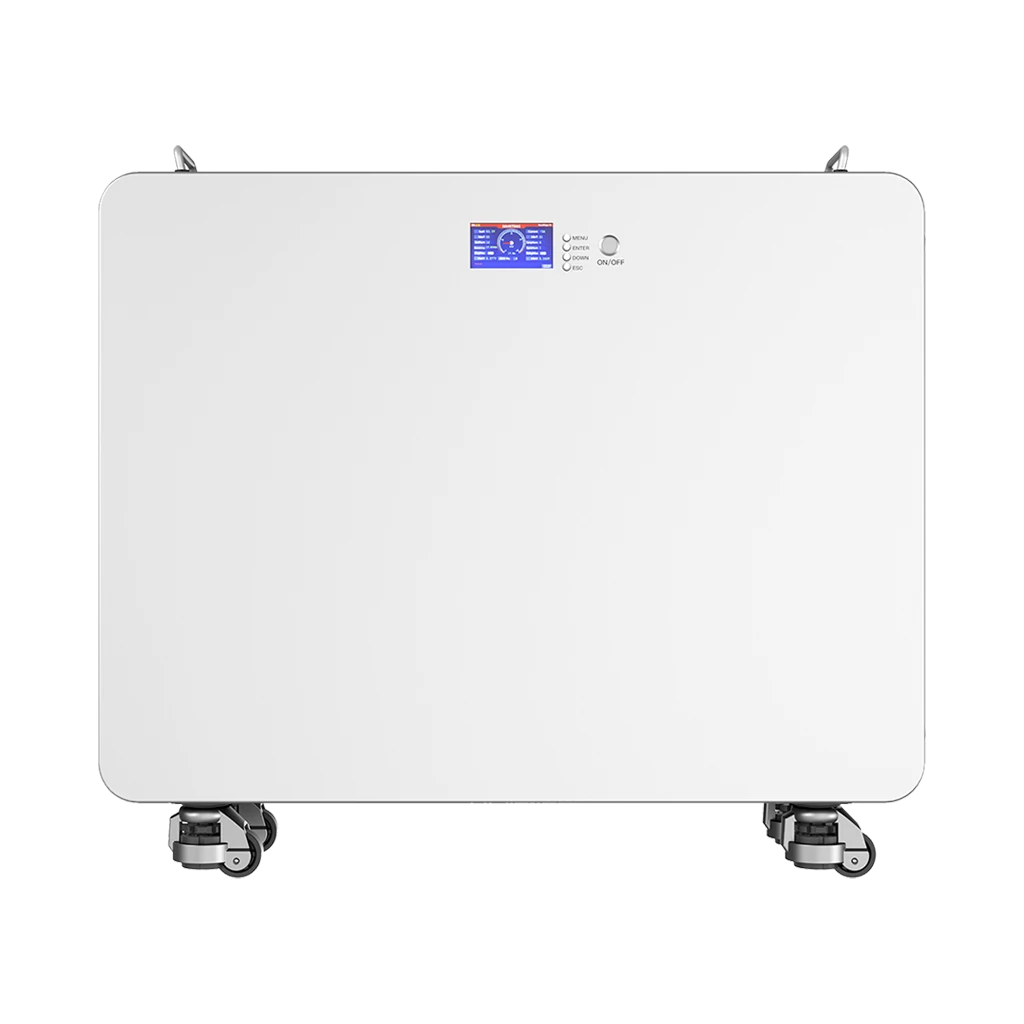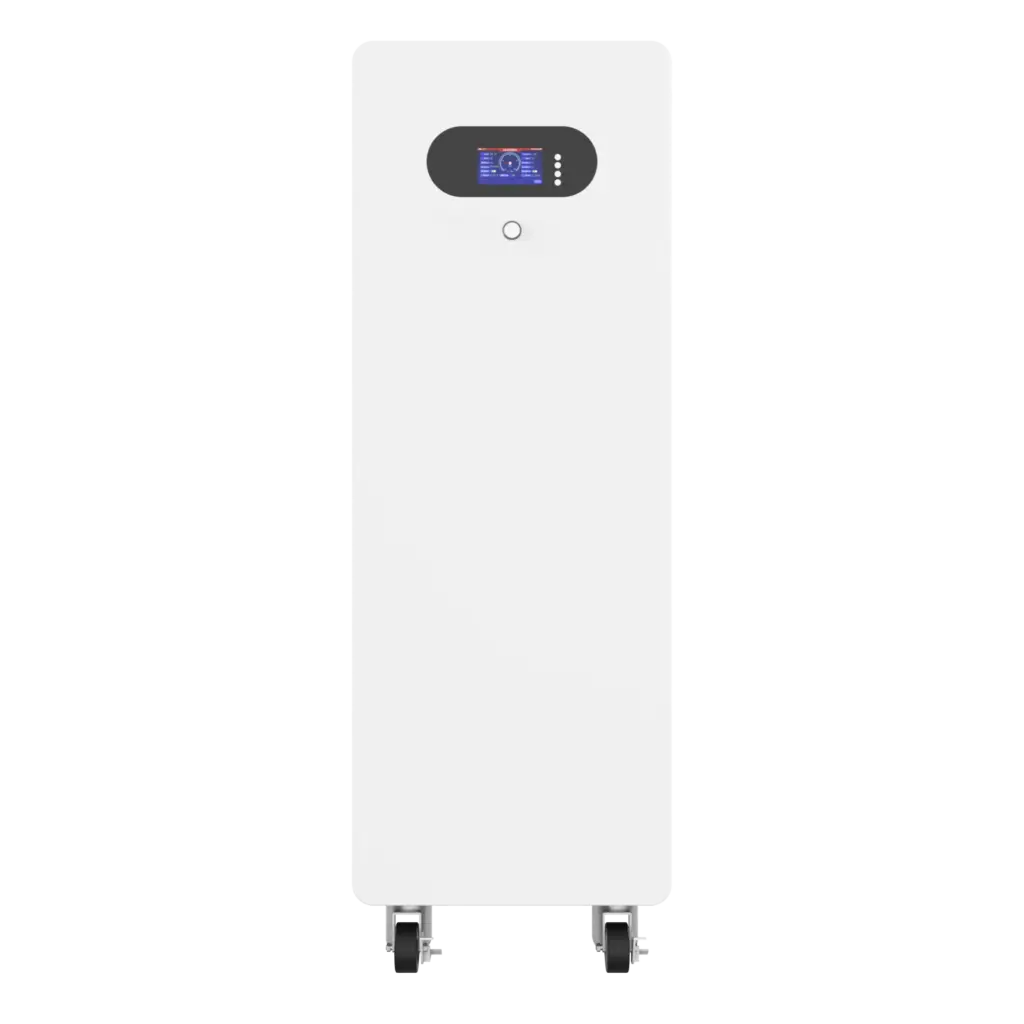

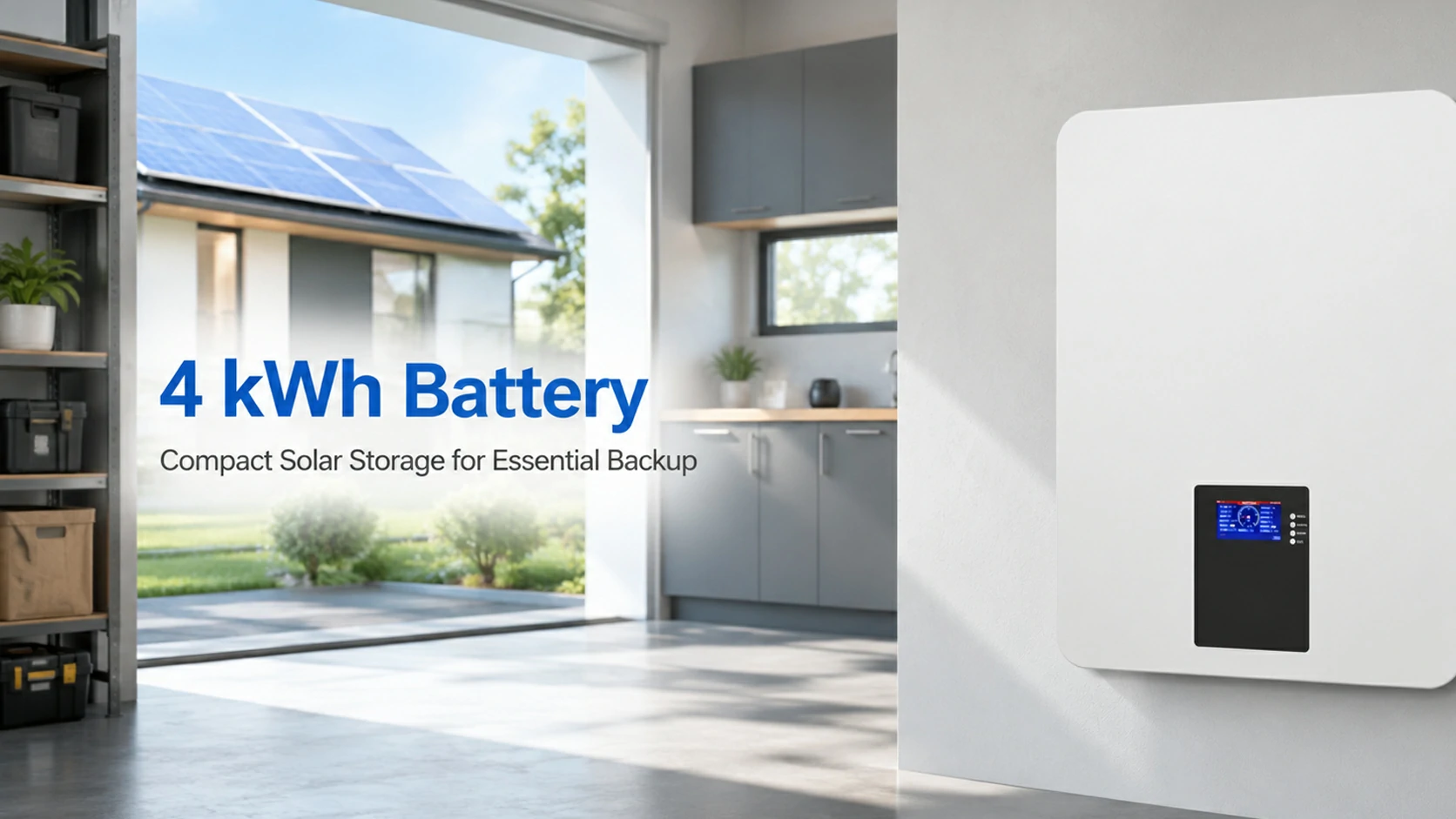
A 4 kWh battery is enough for selected essential loads, modest evening electricity use or a small solar storage project, but it is rarely enough for unrestricted whole-home backup. After allowing for operating limits and conversion losses, a 4 kWh system may deliver roughly 3.2–3.5 kWh of usable AC energy.
That can be genuinely useful. It may keep refrigeration, internet, lighting, computers and low-power communication equipment operating through a short outage. It can also move several kilowatt-hours of daytime solar generation into the evening.
This guide explains what a 4 kWh battery can realistically do, how to calculate runtime and when a 5 kWh, 10 kWh or larger system is a better choice.
Quick Answer: Is a 4 kWh Battery Enough?
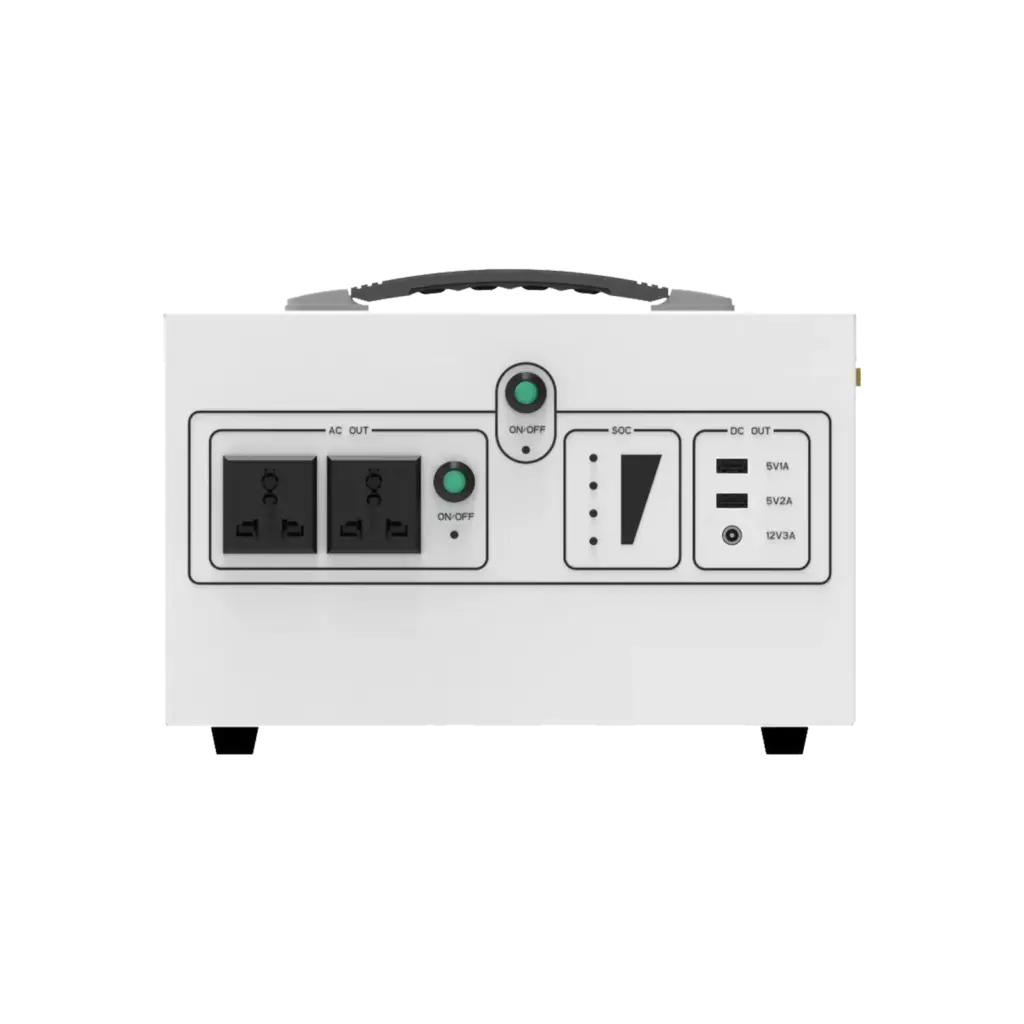
A 4 kWh battery is enough for essential backup, not full home backup. It can support low-to-medium loads such as lighting, Wi-Fi, phones, a refrigerator, laptop charging, security devices, and some small appliances. It is a good fit for short outages, small solar systems, RVs, compact off-grid cabins, and backup circuits.
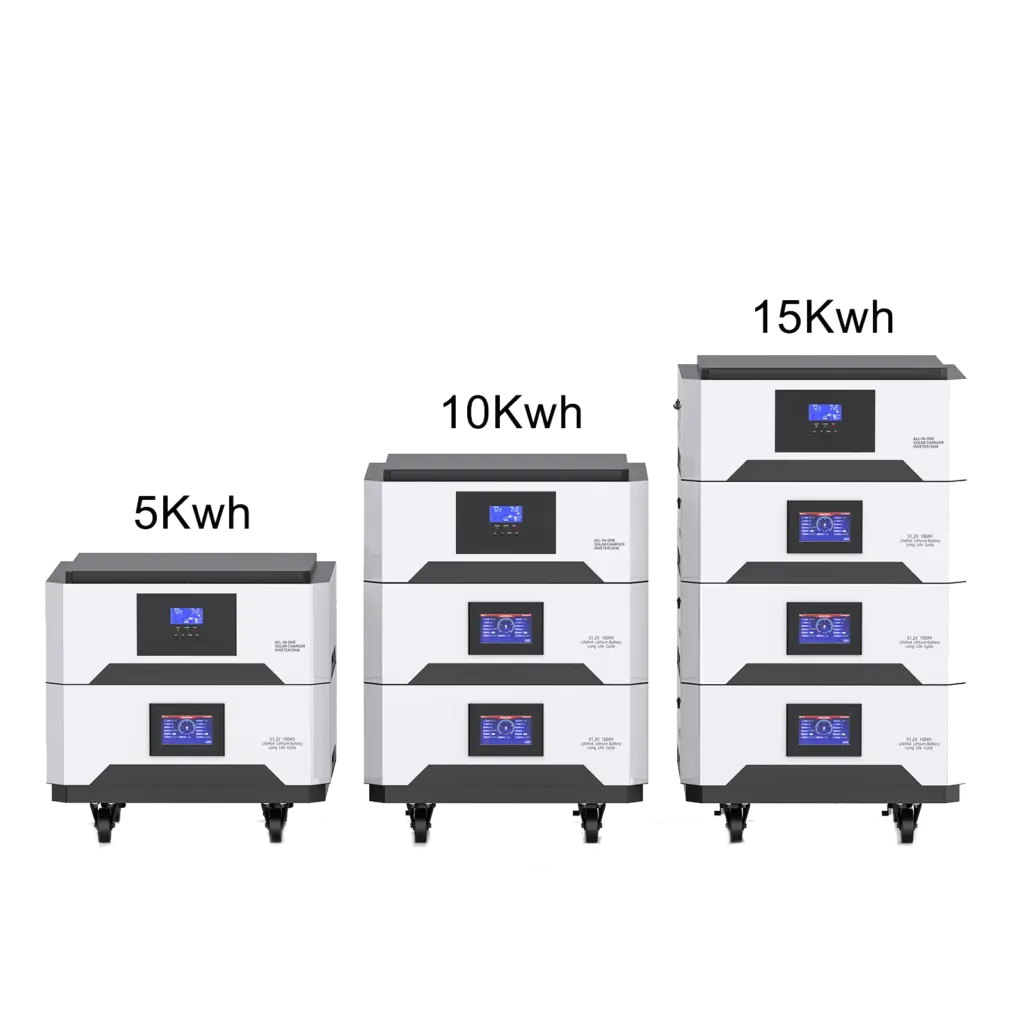
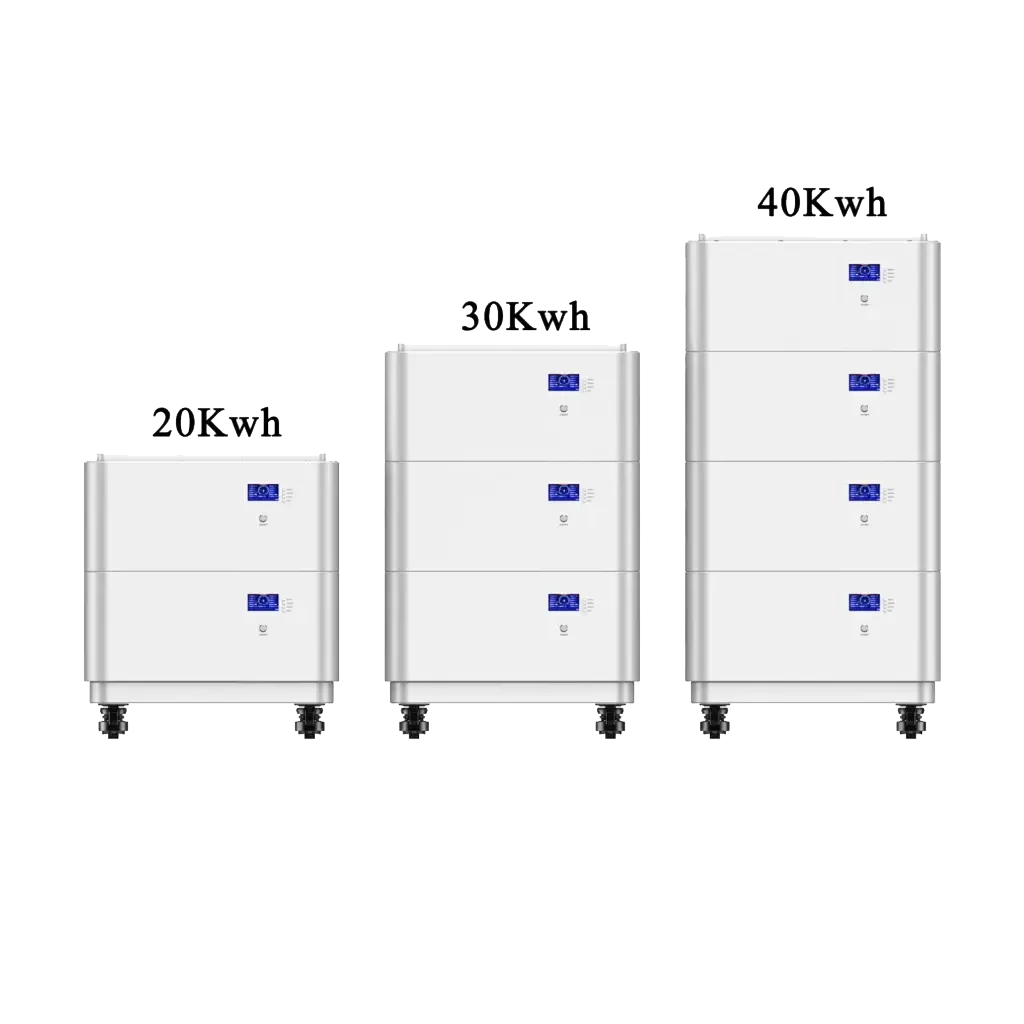
However, if your goal is daily solar self-consumption, overnight home backup, or longer outage protection, a slightly larger system such as a 48V 5kWh home solar battery or an expandable 5kWh 10kWh 15kWh stackable solar battery system will usually provide more flexibility.
A 4 kWh battery is most suitable for:
| Application | Is 4 kWh Suitable? |
|---|---|
| Refrigerator, router and lighting backup | Usually yes |
| Small apartment evening use | Possibly |
| Home office backup | Usually yes |
| Small rooftop solar self-consumption | Possibly |
| Garden office or remote workspace | Usually yes |
| Short outage backup | Usually yes |
| Whole-home overnight supply | Usually no |
| Electric heating or large air conditioning | Usually no |
| EV charging | No for meaningful charging |
| Fully off-grid family home | Usually no |
Plan a Small Home Battery System Around Real Loads
Avepower supports installers, distributors, project developers and OEM/ODM partners with wall-mounted and stackable LiFePO4 battery systems for residential solar storage, essential-load backup and retrofit projects.
Provide the inverter brand and model, solar-array size, electrical phase, daily export data, evening consumption and required backup circuits. Avepower can then help evaluate whether a 5 kWh-class module or a larger expandable system is the more practical configuration.
Discuss Your Home Battery Project With Avepower
What Does a 4 kWh Battery Mean?
It means the battery has a nominal energy capacity of approximately four kilowatt-hours, equivalent to 4,000 watt-hours. Under ideal conditions, that represents 1,000 watts for four hours, 500 watts for eight hours or 200 watts for twenty hours.
The basic relationship is:
Energy in kWh = Power in kW × Time in hours
A theoretical 4 kWh battery could therefore supply:
| Constant Load | Theoretical Runtime |
|---|---|
| 100W | 40 hours |
| 200W | 20 hours |
| 500W | 8 hours |
| 1,000W | 4 hours |
| 2,000W | 2 hours |
| 4,000W | 1 hour |
These figures do not yet allow for:
- Battery reserve
- Depth-of-discharge limits
- Inverter conversion loss
- Inverter standby consumption
- Low or high temperature
- Battery ageing
- Cable and connection losses
- BMS discharge limits
For a more detailed explanation of energy and power units, see Avepower’s guide to kW vs kWh.
For accurate sizing, it is better to calculate your daily load profile. Avepower’s solar battery size calculator explains how daily energy use, backup time, depth of discharge, and inverter efficiency affect the final battery size.
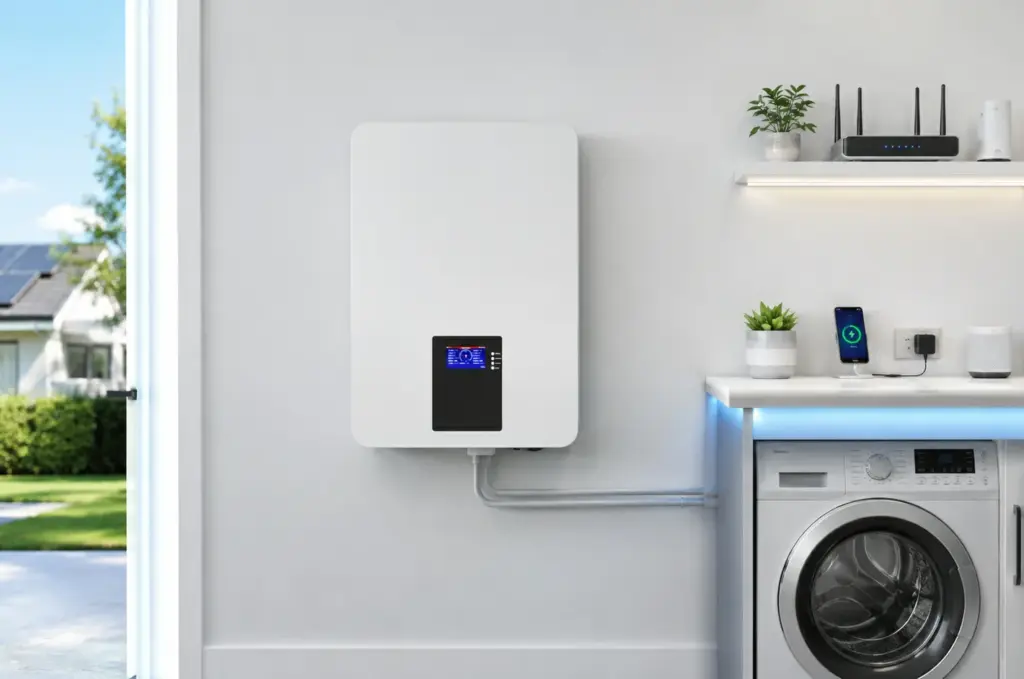
Need a Compact Battery for Essential Backup?
Avepower offers LiFePO4 battery solutions for small backup power, solar self-consumption, and scalable home energy storage systems.
NHow Much Usable Energy Does a 4 kWh Battery Provide?
A nominal 4 kWh battery may deliver approximately 3.2–3.5 kWh to AC household loads after allowing for the permitted discharge window and inverter losses, although the exact figure must come from the manufacturer’s usable-capacity and efficiency specifications.
An illustrative calculation is:
- Nominal capacity: 4.0 kWh
- Available discharge window: 90%
- Inverter efficiency: 92%
4.0 × 0.90 × 0.92 = 3.31 kWh
The estimated usable AC output is therefore approximately 3.31 kWh.
For more information about discharge limits, see Avepower’s guide to battery depth of discharge.
How Long Will a 4 kWh Battery Last Per Charge?
Using an illustrative 3.3 kWh of delivered AC energy, runtime ranges from about 33 hours at a steady 100W load to approximately 1.65 hours at 2kW. Actual runtime changes when appliances cycle, start, stop or draw surge power.
Realistic Runtime by Constant Load
| Average Load | Approximate Runtime from 3.3 kWh |
|---|---|
| 50W | 66 hours |
| 100W | 33 hours |
| 200W | 16.5 hours |
| 300W | 11 hours |
| 500W | 6.6 hours |
| 750W | 4.4 hours |
| 1,000W | 3.3 hours |
| 1,500W | 2.2 hours |
| 2,000W | 1.65 hours |
| 3,000W | 1.1 hours |
These are planning estimates, not performance guarantees.
A refrigerator does not normally draw its compressor power continuously. A kettle may draw 2kW, but only for a few minutes. A space heater may also draw 2kW, yet continue operating for hours.
That difference changes the energy calculation substantially:
| Appliance | Power | Operating Time | Energy Used |
|---|---|---|---|
| Kettle | 2kW | 5 minutes | 0.17 kWh |
| Microwave | 1.2kW | 10 minutes | 0.20 kWh |
| Space heater | 2kW | 1 hour | 2.00 kWh |
| Laptop | 60W | 5 hours | 0.30 kWh |
| LED lighting | 40W | 6 hours | 0.24 kWh |
A 4 kWh battery may operate a kettle briefly if the inverter supports the load, but continuous electric heating can use most of the battery within one or two hours.
What Can a 4 kWh Battery Power During an Outage?
It can usually support a carefully selected group of essential loads, including refrigeration, internet, lighting, security equipment and computers. The exact combination depends on daily energy use and whether the inverter can handle the combined running and startup power.
Illustrative Essential-Load Backup Case
Assume the household wants to support:
| Load | Assumed Use | Daily Energy |
|---|---|---|
| Refrigerator | Cycling throughout the day | 1.20 kWh |
| Wi-Fi router | 12W for 24 hours | 0.29 kWh |
| LED lighting | 40W for 6 hours | 0.24 kWh |
| Laptop | 60W for 4 hours | 0.24 kWh |
| Phones and small electronics | Intermittent | 0.08 kWh |
| Security system | 15W for 24 hours | 0.36 kWh |
| Total | 2.41 kWh |
With approximately 3.3 kWh of delivered energy, the battery could support this illustrative load list for roughly one day, with some remaining margin.
The result changes if:
- The refrigerator is older or larger
- More lights remain on
- A television is added
- A pump or fan runs continuously
- The inverter consumes significant standby power
- Part of the battery is reserved for later
- The battery cannot recharge from solar during the outage
The safest approach is to read actual energy consumption from smart plugs, appliance labels or interval monitoring rather than relying only on generic online figures.
How Many Solar Panels Are Needed to Charge a 4 kWh Battery?
The answer depends on the energy that must be replenished, local peak-sun hours, system losses and the electricity being consumed while the battery charges. A fixed “number of panels” cannot be accurate without panel wattage and site conditions.
A useful formula is:
Required PV power = Energy to replenish ÷ peak-sun hours ÷ system yield
Illustrative Calculation
Assume:
- Energy required to recharge: 3.6 kWh
- Peak-sun hours: 4
- Combined solar charging yield: 80%
3.6 ÷ 4 ÷ 0.80 = 1.125 kW
Under these assumptions, approximately 1.1 kW of available PV capacity could theoretically replace the battery energy during the day.
However, the solar array must also power active household loads.
If the home consumes 4 kWh during daylight hours while the battery also requires 3.6 kWh, the array must generate approximately 7.6 kWh plus system losses. That may require a substantially larger solar array.
The correct calculation is:
Required daily solar generation = daytime load + battery recharge target + expected system losses
Solar production also changes significantly between summer and winter. A system sized only from a bright summer day may fail to recharge reliably during shorter or cloudier periods.
Illustrative Annual Savings Calculation
Assume:
- AC energy delivered each active day: 3.2 kWh
- Energy required for charging at 90% round-trip efficiency: 3.56 kWh
- Active battery days: 300 per year
- Grid import rate: $0.30/kWh
- Solar export rate: $0.08/kWh
Avoided grid purchases:
3.2 × 300 × $0.30 = $288
Export revenue forgone:
3.56 × 300 × $0.08 = $85.44
Estimated annual value:
$288 − $85.44 = $202.56
This example is not a universal savings forecast. The result changes with:
- Tariff differences
- Available solar surplus
- Battery utilisation
- Round-trip efficiency
- Seasonal production
- Battery reserve
- VPP income
- Financing cost
- Installation cost
Is a 4 kWh Battery Suitable for a Retrofit Solar Battery Project?
It can be suitable when the existing system exports a modest amount of solar energy and the user needs partial evening coverage or selected-load backup. The retrofit method depends on the existing inverter, network rules, phase arrangement and required blackout operation.
A retrofit solar battery can normally be added through:
AC Coupling
AC coupling usually retains the existing solar inverter and adds a separate battery inverter, making it practical when the current PV system is working well or uses panel-level microinverters.
The solar path is:
Solar DC → existing PV inverter → AC → battery inverter → battery DC
Advantages include less disruption to the existing PV system. Limitations include additional conversion stages and another inverter that must comply with network capacity rules.
Hybrid-Inverter Replacement
Hybrid-inverter replacement connects the battery and solar array through a compatible hybrid inverter, which can reduce conversion stages but may require the existing inverter and part of the PV wiring to be changed.
This option may make sense when the existing inverter:
- Is approaching the end of its service life
- Is not compatible with storage
- Cannot provide the required backup function
- Restricts future system expansion
Avepower’s retrofit solar battery guide explains the site assessment in more detail, while the AC vs DC coupling guide compares both architectures.
How Much Does a 4 kWh Battery Cost?
A 4 kWh battery usually costs less than a full-size home battery system, but the final price depends heavily on whether you are buying a portable power station, a battery-only LiFePO4 pack, or a professionally installed home solar battery system.
| Type of 4 kWh Battery | Typical Price Range | Notes |
|---|---|---|
| Battery cells / battery module only | $1,200–$3,000+ | Usually for OEM, DIY, or project-based buyers; inverter and installation not included |
| Portable 4 kWh power station | $3,000–$5,000+ | Often includes inverter, outlets, display, app, and charging ports |
| Installed home battery system | $4,000–$8,000+ | May include inverter, backup panel, wiring, labor, permits, and commissioning |
| Premium backup kit with transfer switch | $5,000+ | Designed for essential circuit backup |
What Is the Difference Between a 4 kWh and 5.12 kWh Battery?
A 5.12 kWh battery provides 1.12 kWh, or 28%, more nominal energy. It also matches a common low-voltage LiFePO4 configuration of 51.2 volts and 100 amp-hours, making it widely used as a standard residential battery module.
Battery Size Comparison
| Nominal Capacity | Illustrative AC Delivered Energy | Best Suited To | Main Limitation |
|---|---|---|---|
| 4 kWh | About 3.3 kWh | Essential loads and small evening use | Limited headroom |
| 5.12 kWh | About 4.2 kWh | Small home storage and backup | Still limited for large loads |
| 10 kWh | About 8–9 kWh | Broader evening use | Higher installed cost |
| 15 kWh | About 12–13.5 kWh | Larger homes and longer backup | Requires more solar and planning |
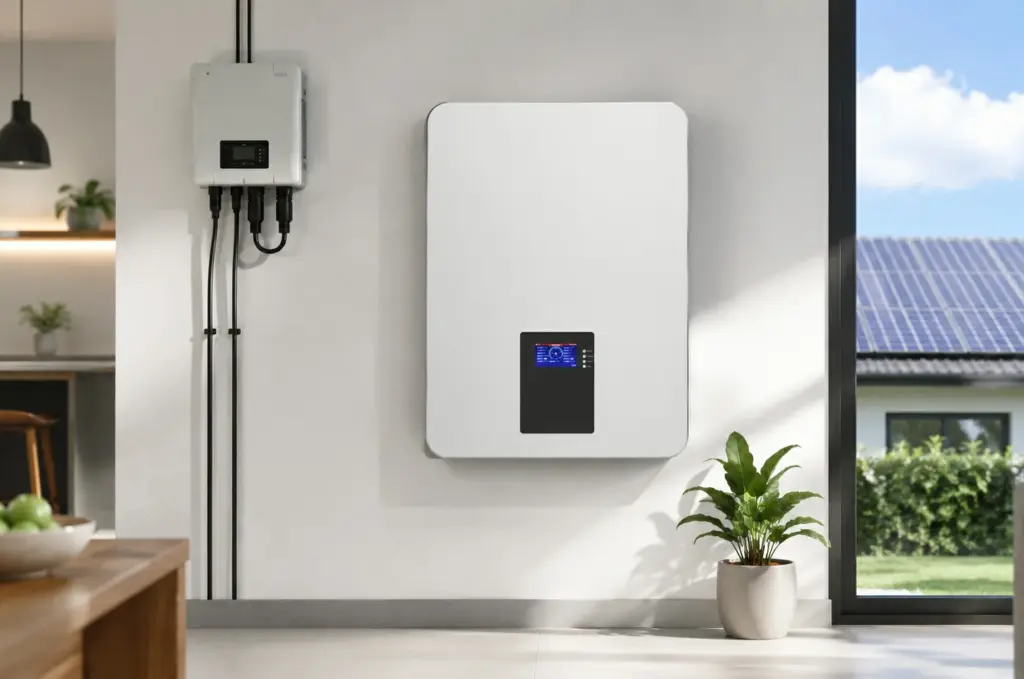
Build a Smarter Solar Backup System
Looking for a practical alternative to a 4 kWh battery? Avepower provides 5.12kWh, wall-mounted, rack-mounted, stackable, and all-in-one battery systems with BMS protection, inverter communication, and OEM / ODM customization support.
LiFePO4 vs Lead-Acid for a 4 kWh Battery
For modern solar storage, LiFePO4 is usually the better chemistry for a 4 kWh battery.
| Feature | LiFePO4 Battery | Lead-Acid Battery |
|---|---|---|
| Usable capacity | Higher | Lower |
| Cycle life | Longer | Shorter |
| Maintenance | Low | Higher |
| Weight | Lighter | Heavier |
| Depth of discharge | Deeper | Shallower |
| Upfront cost | Higher | Lower |
| Long-term value | Better | Lower |
A 4 kWh lead-acid battery bank may need to be oversized because lead-acid batteries should not usually be deeply discharged. A 4 kWh LiFePO4 battery can typically use more of its rated capacity, making it more practical for compact backup and solar storage.
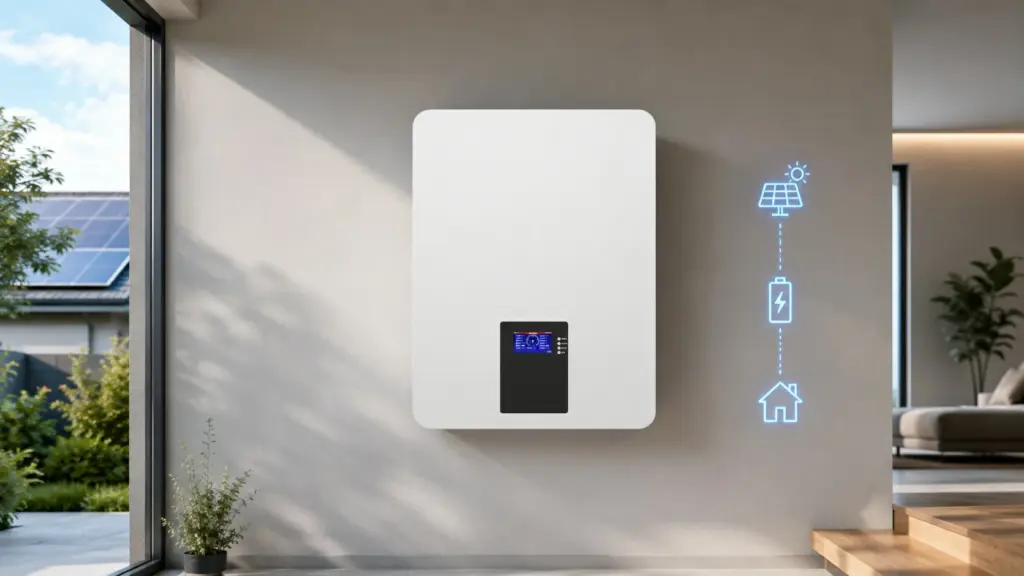
What Battery Chemistry Is Best for a 4 kWh Battery?
Most modern 4 kWh home and solar batteries use lithium-based chemistry. The two most common types are:
1. LiFePO4 Battery
LiFePO4, also called lithium iron phosphate or LFP, is widely used in solar storage because it offers:
- Strong thermal stability
- Long cycle life
- Good safety profile
- Stable daily charge and discharge performance
- Lower maintenance than lead-acid batteries
- Good fit for solar self-consumption
For home energy storage, LiFePO4 is generally the preferred chemistry because it is durable, safe, and suitable for frequent cycling.
2. NMC Lithium Battery
NMC batteries are common in electric vehicles and some compact power stations. They can offer high energy density, but LiFePO4 is often preferred for stationary solar storage due to its long cycle life and thermal stability.
3. Lead-Acid Battery
Lead-acid batteries are cheaper upfront but have lower usable capacity, shorter cycle life, heavier weight, and more maintenance requirements. For a 4 kWh system, lead-acid can become bulky and less efficient compared with LiFePO4.
For most solar and home backup buyers, a 4 kWh LiFePO4 battery or a slightly larger 5.12 kWh LiFePO4 battery is the better long-term option.
How Does Avepower Approach Small Home Battery Projects?
How does Avepower approach small home battery projects? Avepower recommends starting with measured load and inverter compatibility rather than forcing every project into a strict 4 kWh capacity. In many low-voltage LiFePO4 systems, a 5 kWh or 5.12 kWh module offers a more standard configuration and additional operating margin.
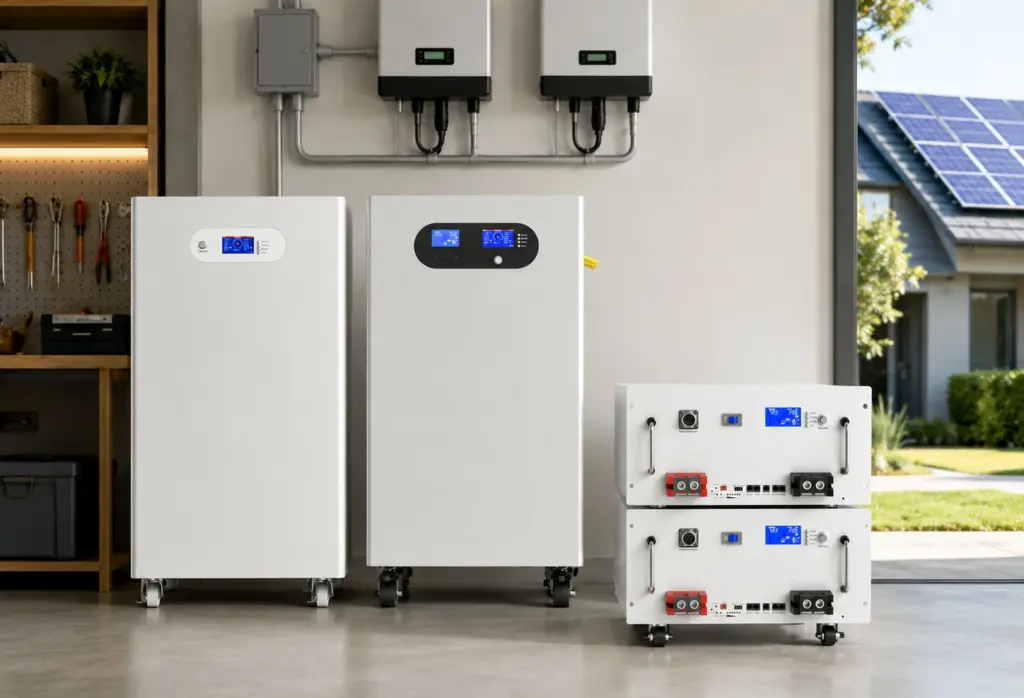
Avepower’s current wall-mounted home battery range includes a 51.2V or 48V, 100Ah, 5 kWh-class LiFePO4 unit with CAN, RS485 and RS232 communication, BMS protection and parallel-expansion support.
Take Control of Your Energy with Avepower!
Reliable home solar battery solutions with OEM/ODM customization and in-house manufacturing, tailored to the needs of distributors, installers, and energy partners.
Final Verdict: Is a 4 kWh Battery Worth It?
A 4 kWh battery is worth it if you need compact, affordable, essential backup power. It can keep important devices running, improve solar self-consumption, and provide peace of mind during short outages.
However, it is not a whole-home backup solution. For most homeowners, a 4 kWh battery should be viewed as an entry-level storage system. If you want longer runtime, stronger inverter output, better solar storage, or room for expansion, consider moving up to a 5.12 kWh, 10 kWh, or modular LiFePO4 battery system.
FAQ
A 4 kWh battery may provide approximately 3.2–3.5 kWh of usable AC energy, giving about 6–7 hours at a 500W average load or roughly 3–3.5 hours at 1kW. Runtime is shorter when the battery retains a reserve or the inverter and loads consume more energy than assumed.
A 4 kWh battery can run a kettle when the inverter output is high enough. A 2kW kettle operating for five minutes uses only about 0.17 kWh, but its 2kW instantaneous demand may exceed the capability of a small battery inverter even though sufficient stored energy remains.
The number of panels depends on panel power, local sunlight, system yield and daytime consumption. Replacing 3.6 kWh in four peak-sun hours at 80% yield requires about 1.1 kW of solar capacity before household daytime loads are added. A site-specific solar-production estimate is still required.
A 4 kWh battery may be sufficient for tightly controlled essential loads, while a 5 kWh or 5.12 kWh battery provides more margin for conversion loss, reserve energy and unexpected use. The larger option may also fit standard low-voltage configurations and regional incentive requirements more easily.