
Choosing the right size for a home solar battery can feel confusing. Many people are not sure how to turn their power bill into a real battery size in kilowatt-hours (kWh). A simple solar battery size calculator can make this much easier.
The calculator uses your daily energy use, the number of backup days you want, and the usable part of the battery (depth of discharge, or DoD) to estimate how many kilowatt-hours (kWh) of storage you need.
Avepower is a home backup battery manufacturer, and our team designs sloar battery systems for houses, small businesses, and off-grid cabins.
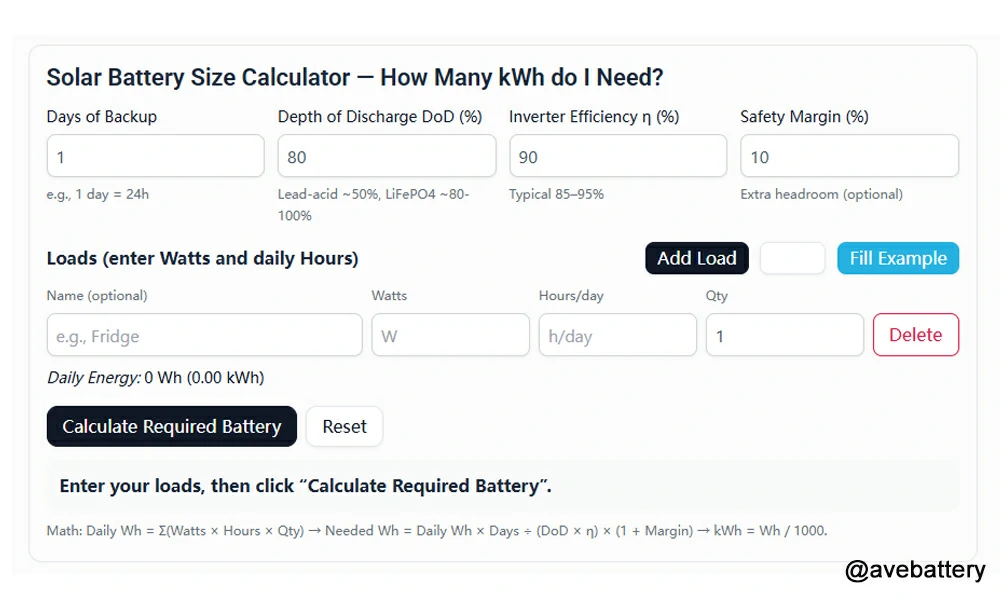
Solar Battery Size Calculator
When you enter your daily energy use, your backup days, and your battery type, the calculator can show you a realistic battery size for your home.
Solar Battery Size Calculator — How Many kWh do I Need?
Solar Battery Size Calculator — How to Use It
1. Set System Parameters
- Days of Backup
Enter how many days you want the battery to support your loads during no-sun / blackout periods (e.g. 1–3 days). - Depth of Discharge (DoD)
Enter the battery’s usable discharge level.- Lead-acid: typically around 50%
- LiFePO4: usually 80–100% recommended
- Inverter Efficiency (η)
Enter your inverter efficiency, usually between 85–95%. - Safety Margin
Optional. Add 10–20% extra margin to cover higher-than-expected energy use.
2. Add Your Loads
- Click “Add Load” to insert a new row.
- In Name, enter the appliance name (optional, e.g. Fridge, TV).
- In Watts, enter the appliance power rating (W).
- In Hours/day, enter how many hours per day the appliance runs.
- In Qty, enter how many identical units you have.
- The section below will automatically calculate your Daily Energy in Wh and kWh.
3. Use Quick Buttons (Optional)
- Click “Fill Example” to auto-fill a sample set of common loads for reference.
- Click “Clear” to remove all loads and start again.
4. Calculate Required Battery Size
- After confirming all parameters and loads, click “Calculate Required Battery”.
- The result area will show:
- “Recommended Battery Size ≈ X kWh” — your suggested total battery capacity.
- The details section will show:
- Daily energy use (Wh / kWh)
- Values used for days of backup, DoD, inverter efficiency, and safety margin
- Required energy on the battery side (Wh / kWh)
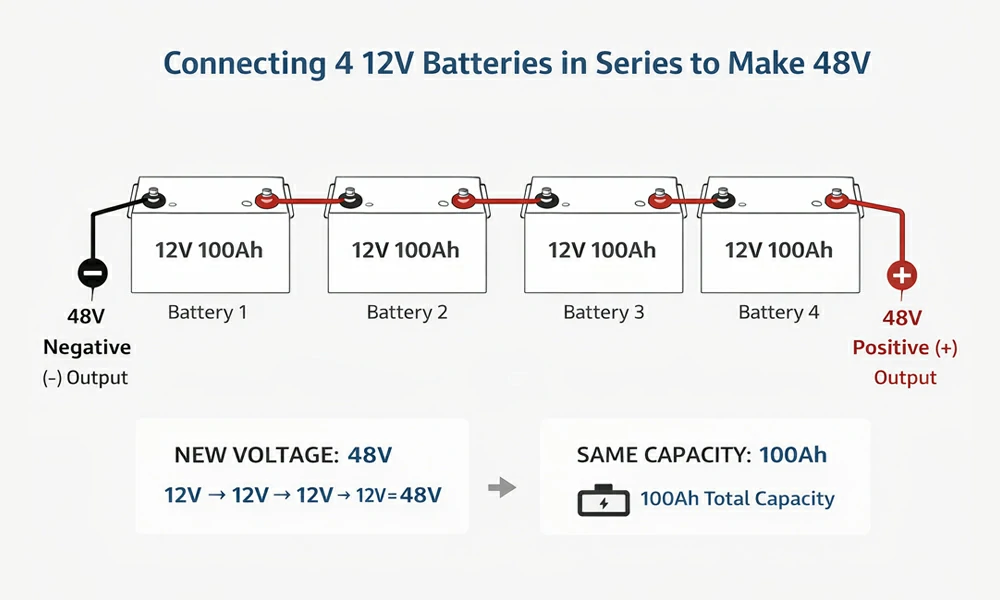
- Approximate Ah capacity for 12V / 24V / 48V systems
5. Reset the Calculator
- If you want to start over, click “Reset”.
All parameters and loads will return to their default values.
How A Solar Battery Size Calculator Works
A solar battery size calculator does not guess. The calculator follows a simple logic that you can understand and check.
At the core, the calculator uses this idea:
Total Storage Required (kWh) = Daily Energy Usage (kWh) × Number Of Backup Days
Then the calculator adjusts this number for:
- The usable part of the battery (DoD).
- Real-world losses in the system.
- Your future plans, such as an EV or more electric appliances.
If you are not sure how to interpret the numbers from your calculator, you can share your daily kWh, your backup days, and your DoD assumption with an installer or with Avepower’s technical partner network. We can help you confirm the design and choose the right configuration.
How To Size A Solar Battery Bank For Off-Grid Systems
Off-grid systems need more careful planning than grid-tied backup systems. When you live off-grid, your battery bank is not only for outages; it is your main energy storage every day.
Step 1: Work From The Worst Month Of Sun
You should design from the month that gives you:
- The lowest solar production (short days, low sun angle, cloudy weather), and
- The highest realistic energy use.
You can use local solar data from online tools to estimate peak sun-hours in the worst month. You can then compare this to your daily kWh usage to see how many panels and how much storage you need.
Step 2: Match Solar Panels To Battery Bank
Your solar array must be able to:
- Recharge the battery after a night of use, and
- Still run your daytime loads, at least most of the time.
You can apply this idea:
- Your battery bank size should cover your chosen backup days.
- Your solar array should be large enough to refill at least 50–100% of that use in one good day of sun.
Many off-grid users set a target where one or two good days of sun can recover from several cloudy days.
Step 3: Choose Charge Controller And Inverter
You also need the right solar charge controller and inverter that match:
- Your system voltage (for example 24V or 48V).
- Your maximum solar array current and voltage.
- Your peak power needs (how many watts your home may draw at one time).
Avepower’s technical team often helps installers and end users match our LiFePO₄ batteries with suitable inverters and charge controllers. When these parts match well, the battery bank works more efficiently and lasts longer.
Typical Home Usage And Solar Battery Sizes
| Home Type / Use Pattern | Daily Use (kWh) | Backup Days | DoD (LiFePO4) | Suggested Battery Size (kWh) |
|---|---|---|---|---|
| Small apartment, few devices | 5–8 | 1 | 90% | 6–10 |
| Average home, basic appliances | 10–15 | 1–2 | 90% | 12–30 |
| Larger home, more air-conditioning | 15–25 | 1–2 | 90% | 18–45 |
| Large home with EV charging | 25–40 | 1–2 | 90% | 30–70 |
| Rural home with weak grid or frequent outages | 15–25 | 2–3 | 90% | 30–70 |
| Off-grid cabin, efficient loads | 5–15 | 3–4 | 80–90% | 20–60 |
When To Use A Calculator And When To Talk To A Specialist
A solar battery size calculator gives you a strong starting point. It helps you:
- Understand your own energy use.
- See how backup days and DoD change the battery size.
- Compare rough sizes across different brands and models.
However, some cases need a deeper check:
- Homes with three-phase power or complex loads.
- Buildings with large motors, such as deep-well pumps or workshops.
- Systems that will join virtual power plants or special tariff programs.
- Off-grid systems in areas with very harsh winters or extreme heat.
In those cases, you can still use the calculator first. Then you can share your result with a designer or with the Avepower team. A human expert can check your numbers, ask a few more questions, and adjust the design if needed.
How Avepower Batteries Fit Into Your Sizing Plan
You can use any compatible home battery with the method in this guide. However, the type of battery you choose will slightly change the calculator results.
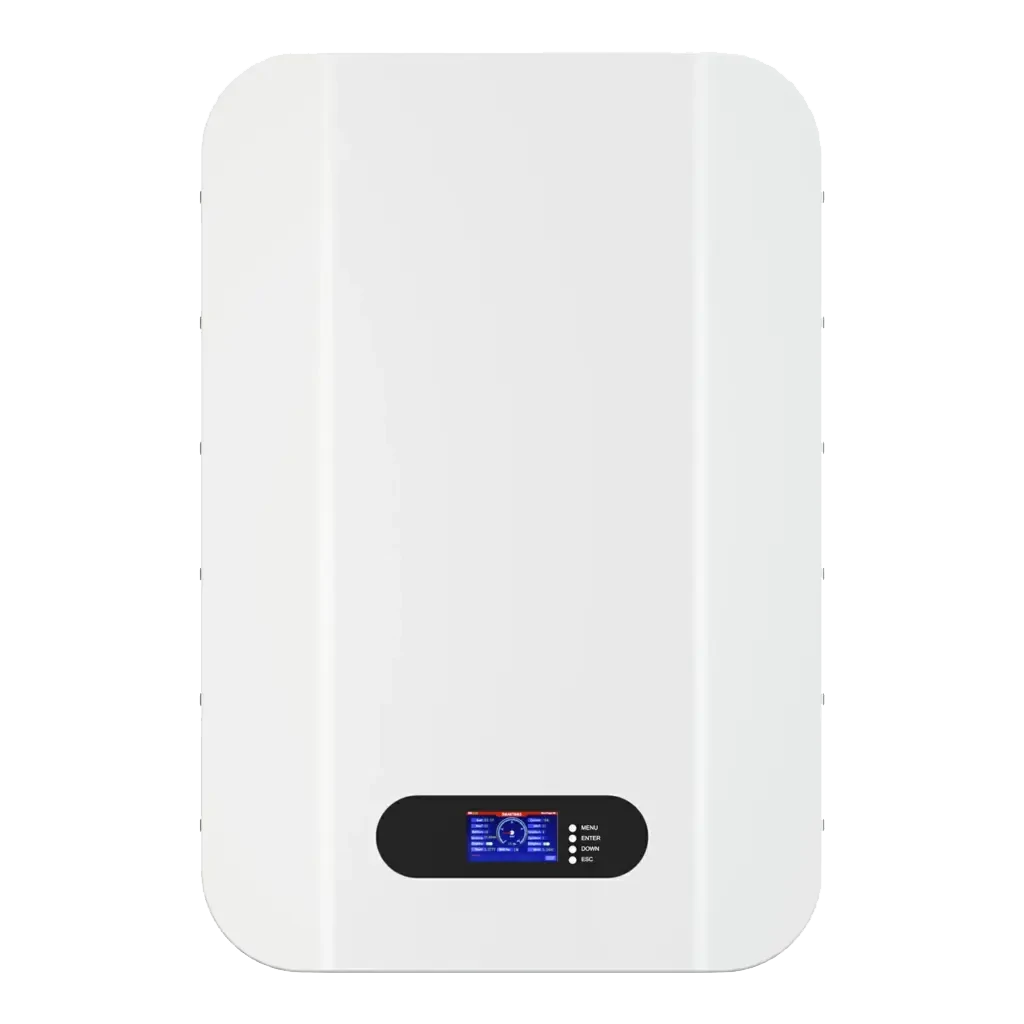
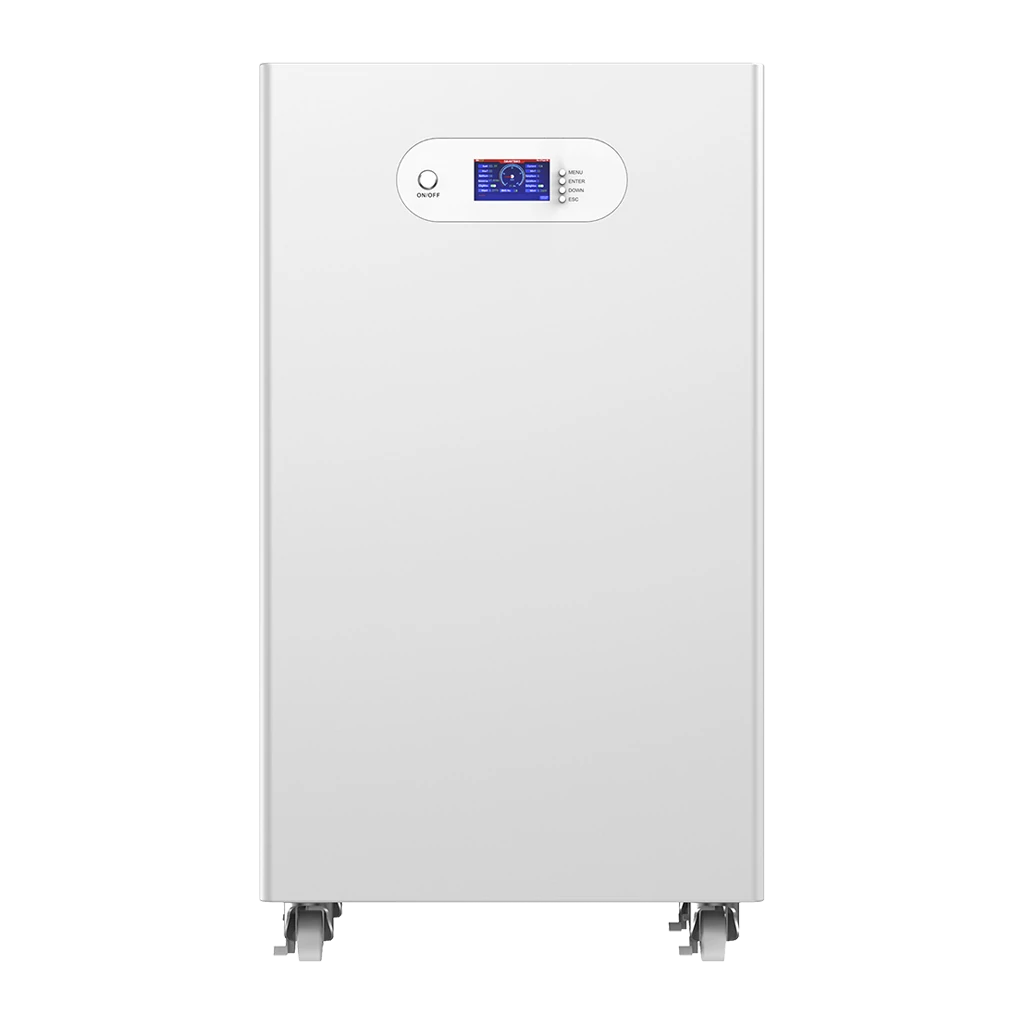
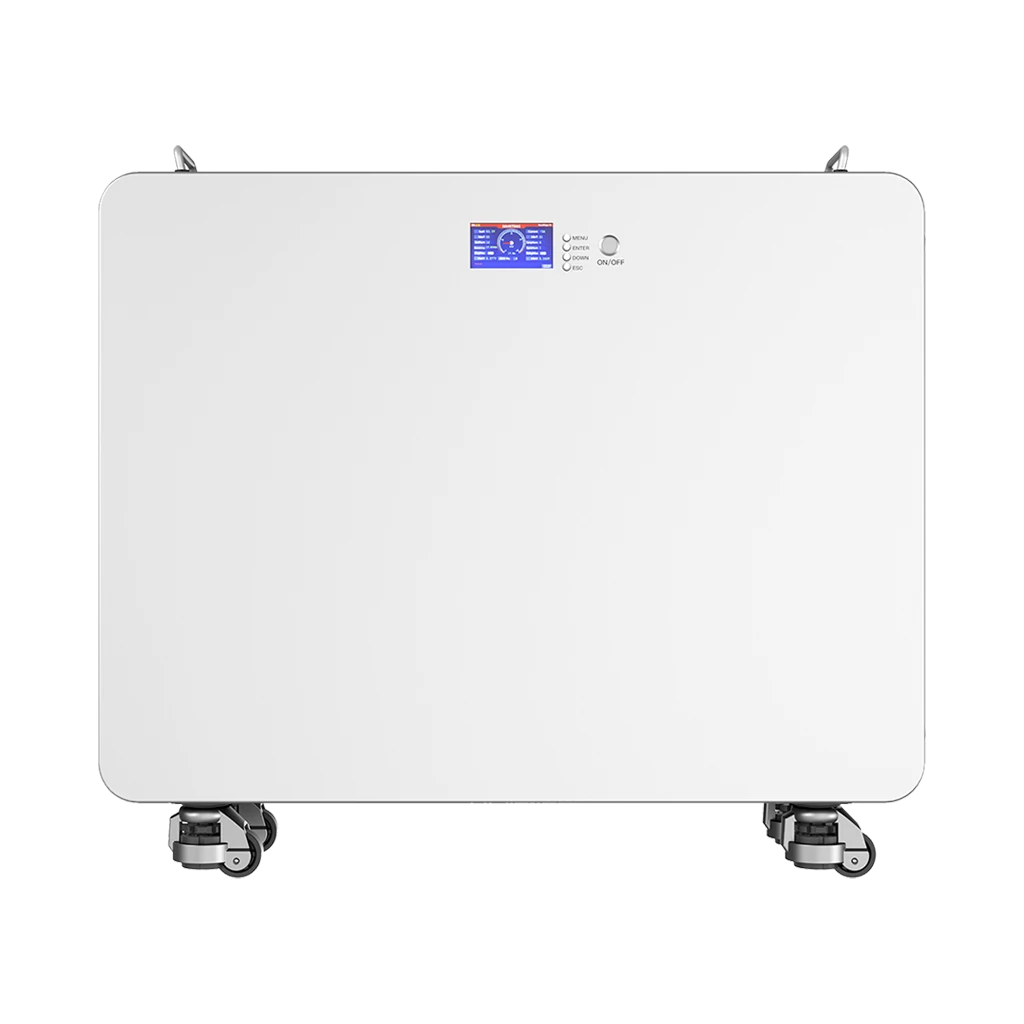
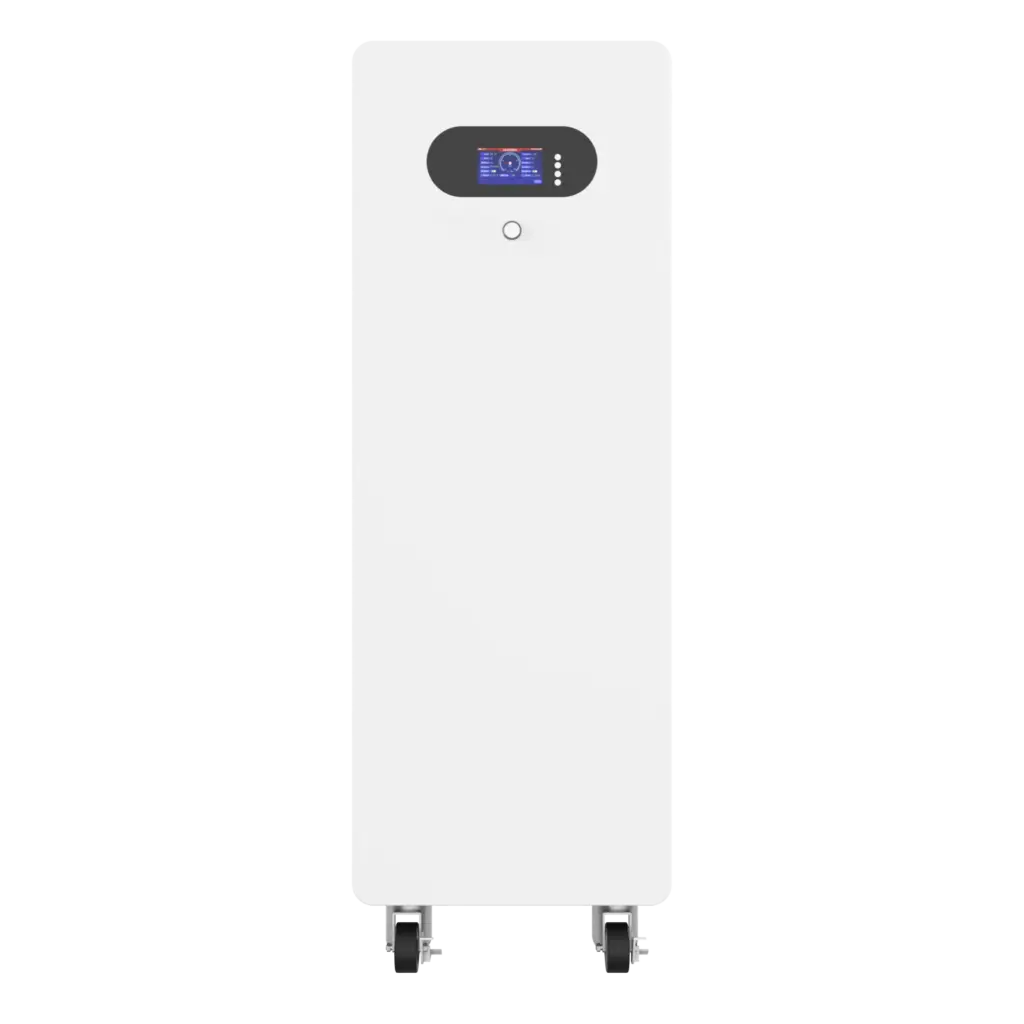
Avepower is a manufacturer that focuses on home backup and solar energy storage systems. The systems are built around:
- LiFePO4 chemistry for safety, 8000+ cycle service life, and high usable DoD.
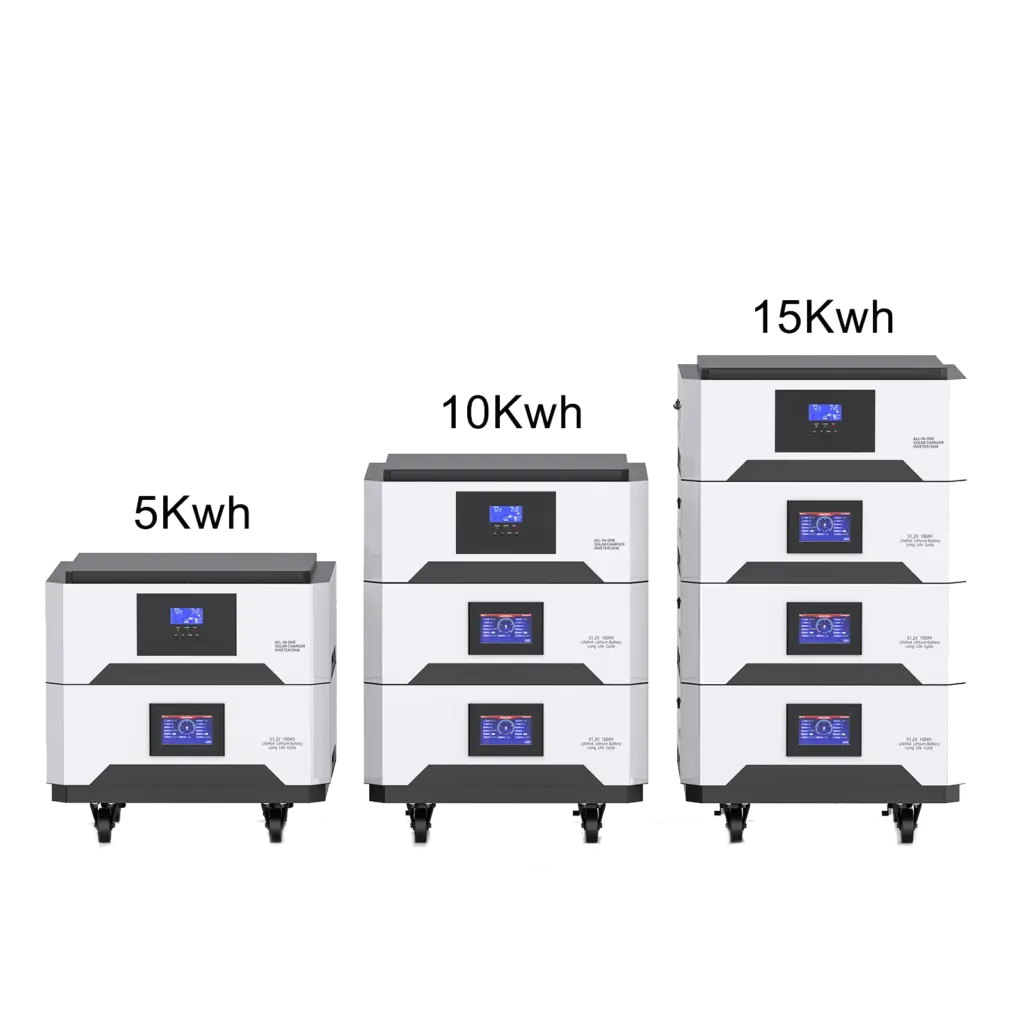
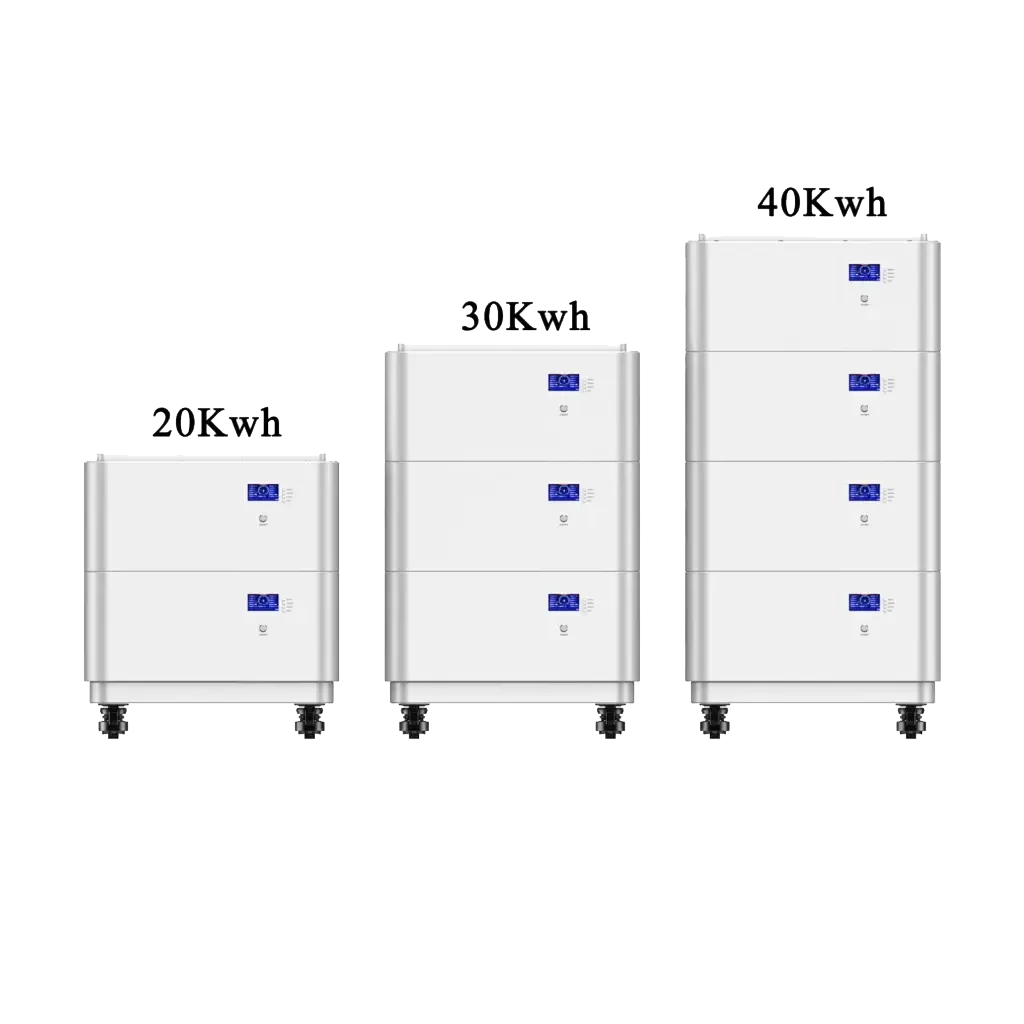
- Modular designs that let you start at a smaller size and add capacity later.
- Integrated BMS protection to manage DoD and protect the cells.
- International certifications that help installers trust the product in different markets.
Because Avepower batteries allow a high usable fraction (DoD), you often get more usable energy from the same installed kWh than you would from more limited chemistries.
If you prefer not to work through the numbers alone, you can still start with this calculator and then share your basic results (daily usage, backup days, and your location) with an Avepower partner or installer. We can check your inputs, suggest a matching battery size, and confirm that your wiring, inverter, and safety requirements are all properly covered.
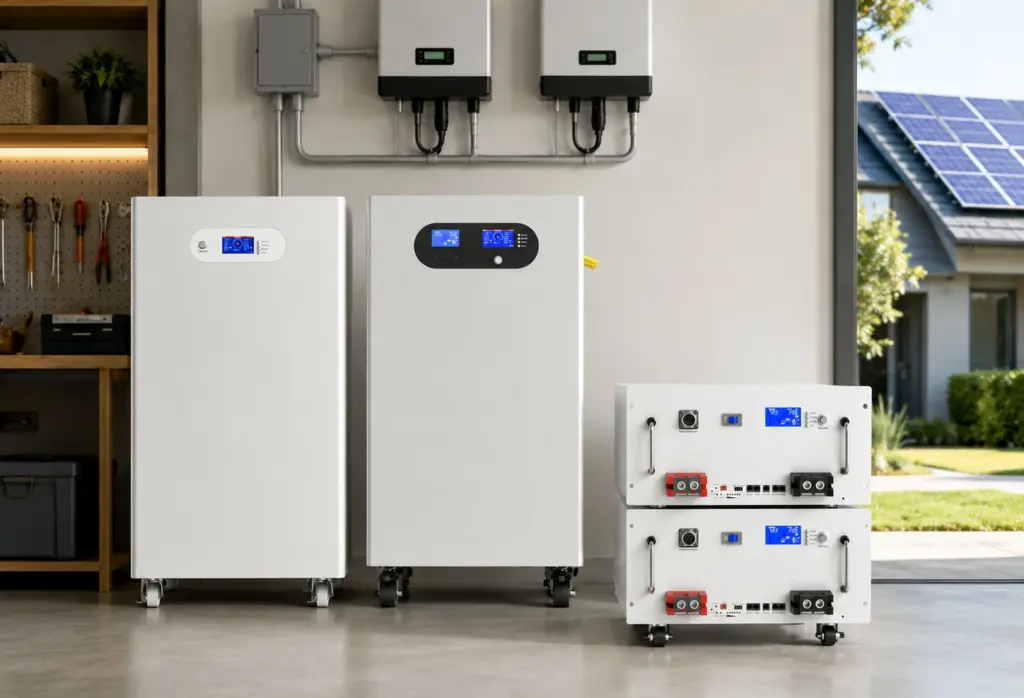
Take Control of Your Energy with Avepower!
Reliable home solar battery solutions with OEM/ODM customization and in-house manufacturing, tailored to the needs of distributors, installers, and energy partners.
FAQ
You do not always need more than one day. If your grid is reliable and your main goal is to avoid peak tariffs or cover short outages, 1 day of backup may be enough. If you live in a place with longer outages or you want more independence, you may feel more comfortable with 2–3 days.
If you already know your approximate required kWh, Avepower or your local installer can quickly suggest a combination of battery modules that match your need.