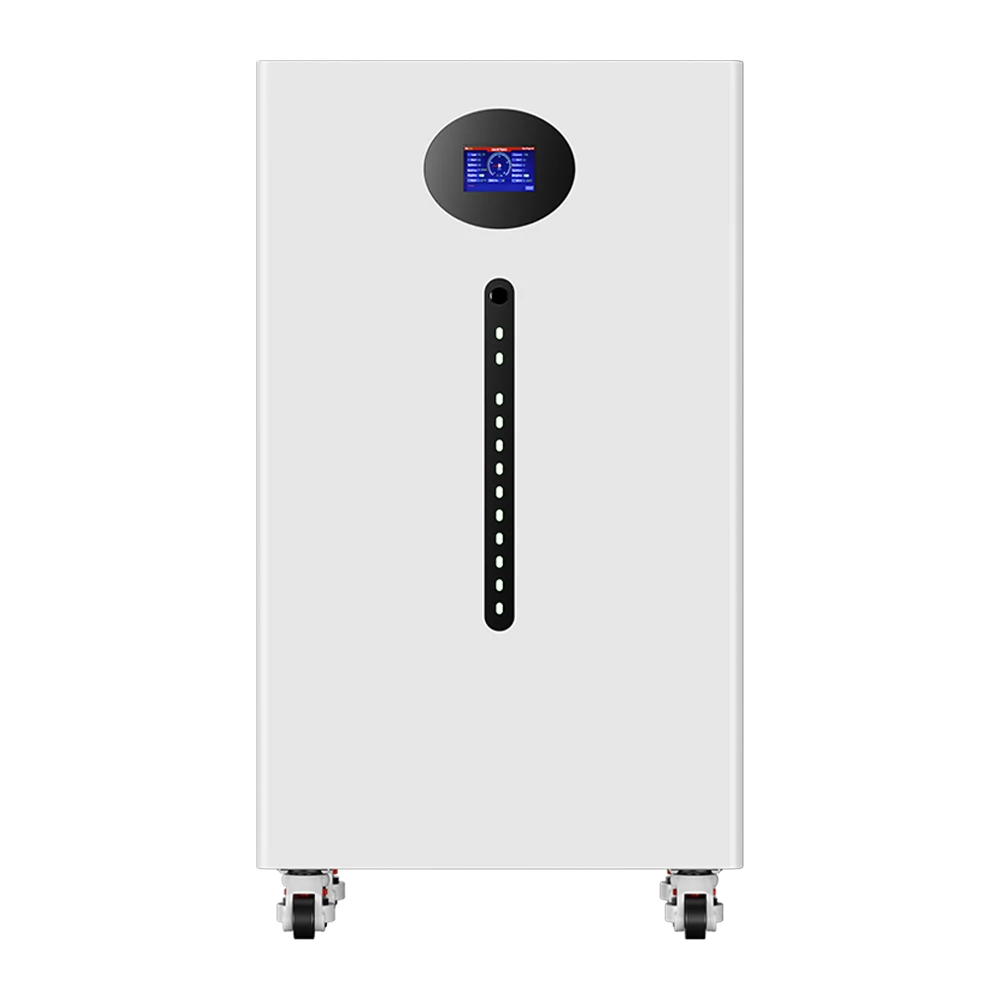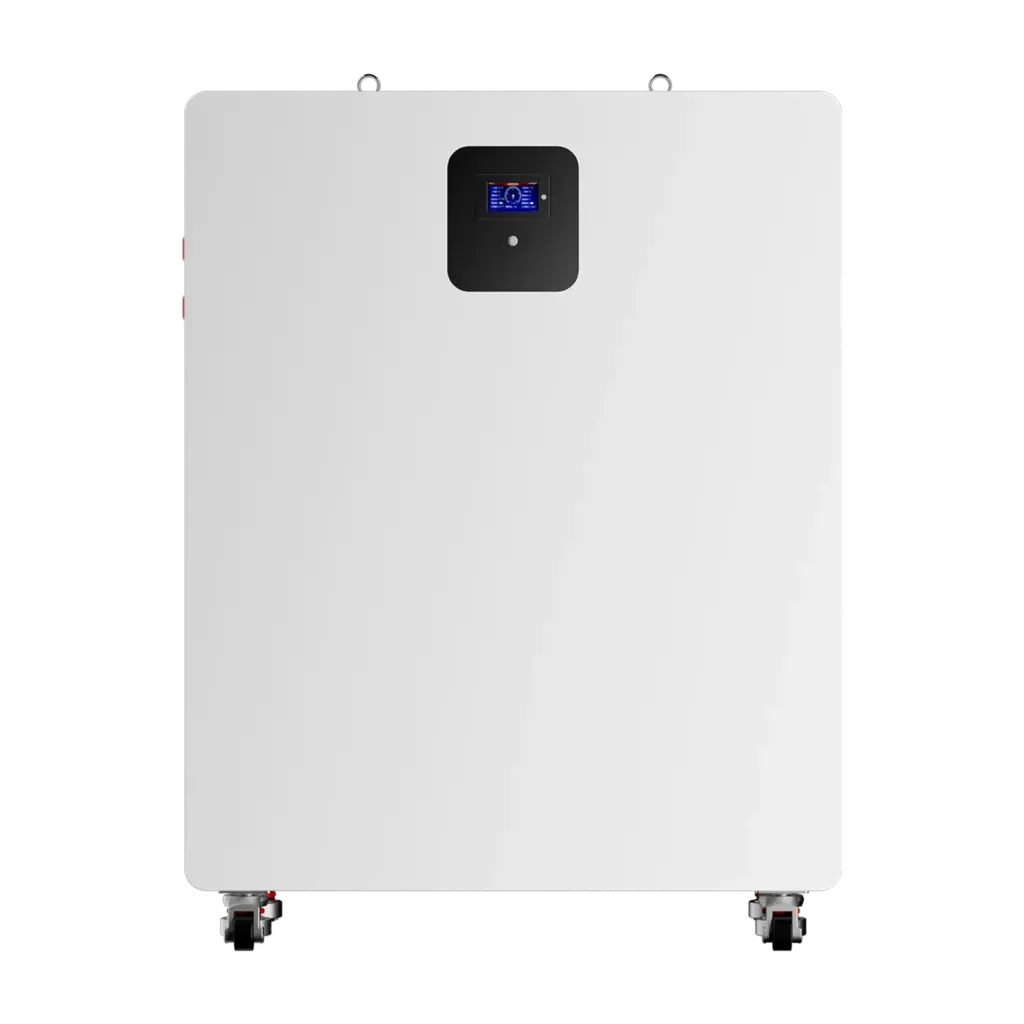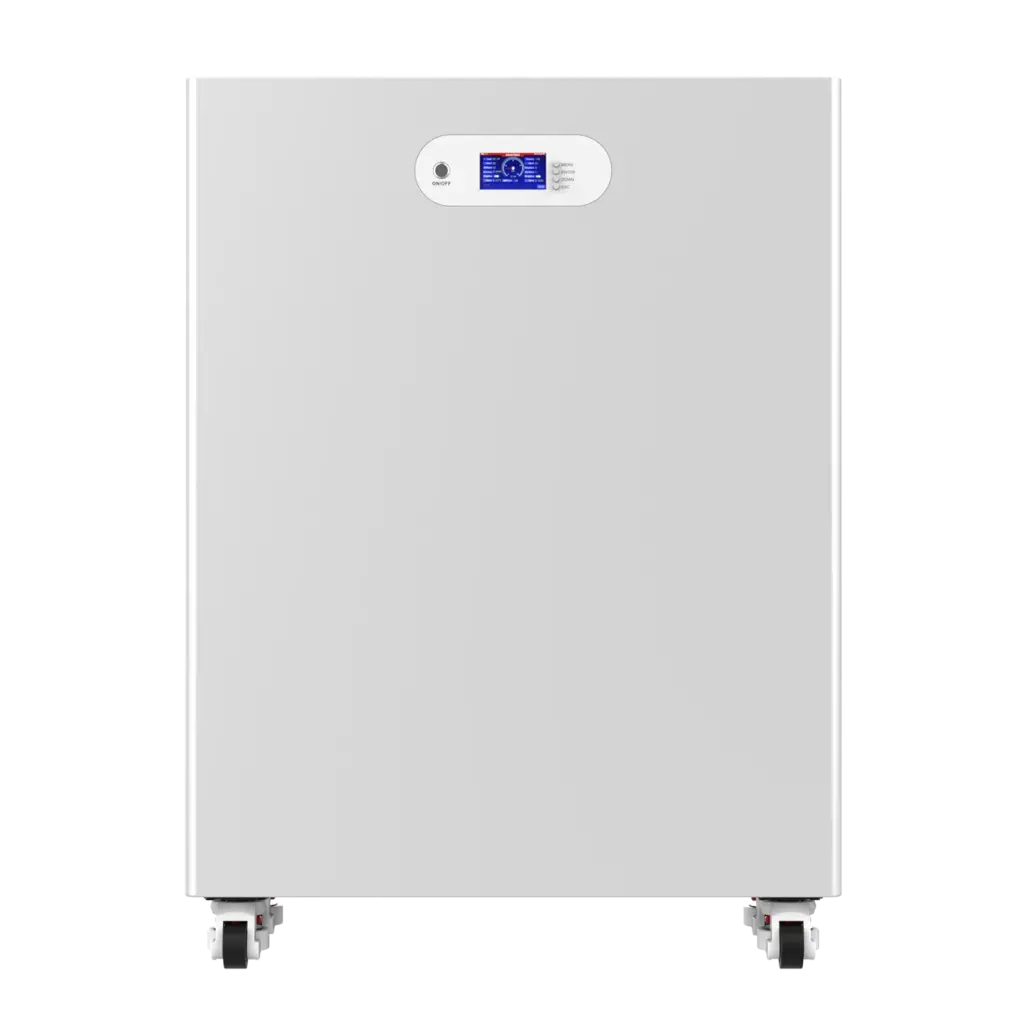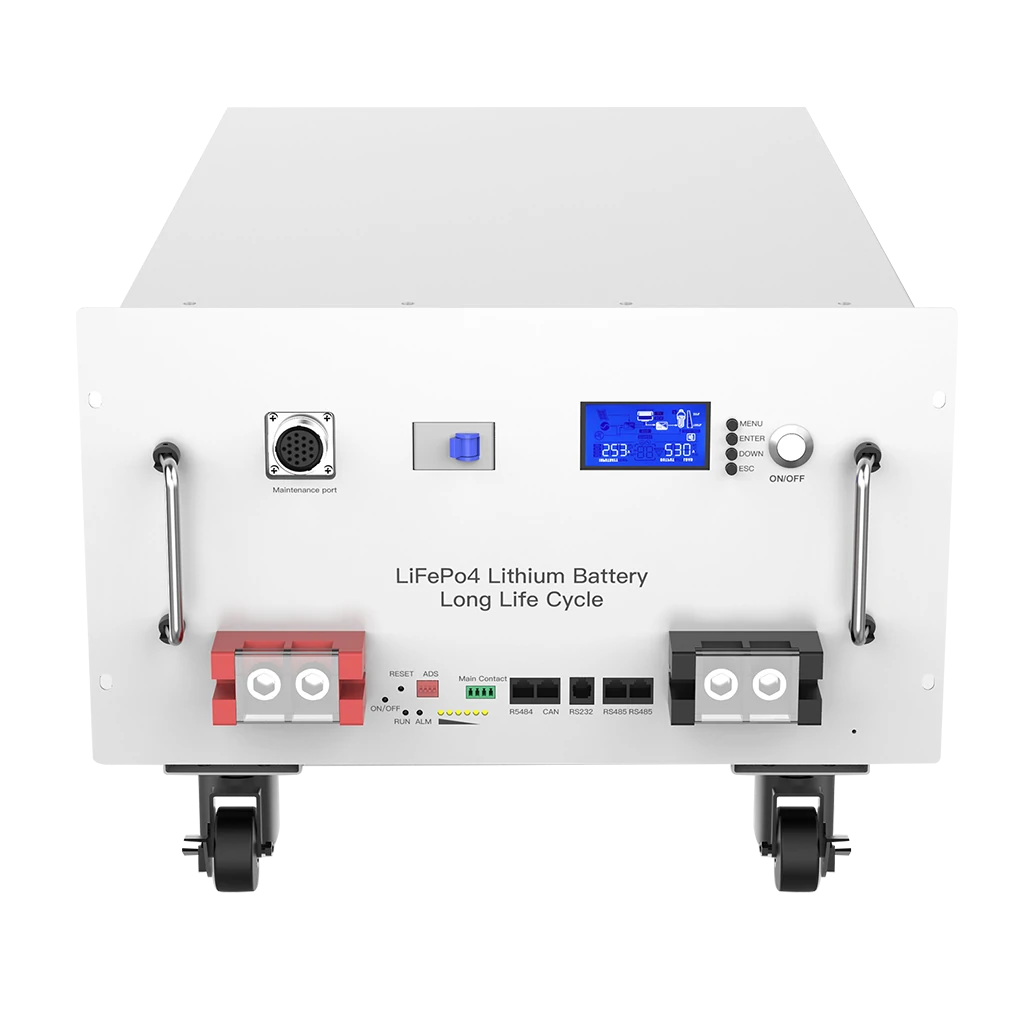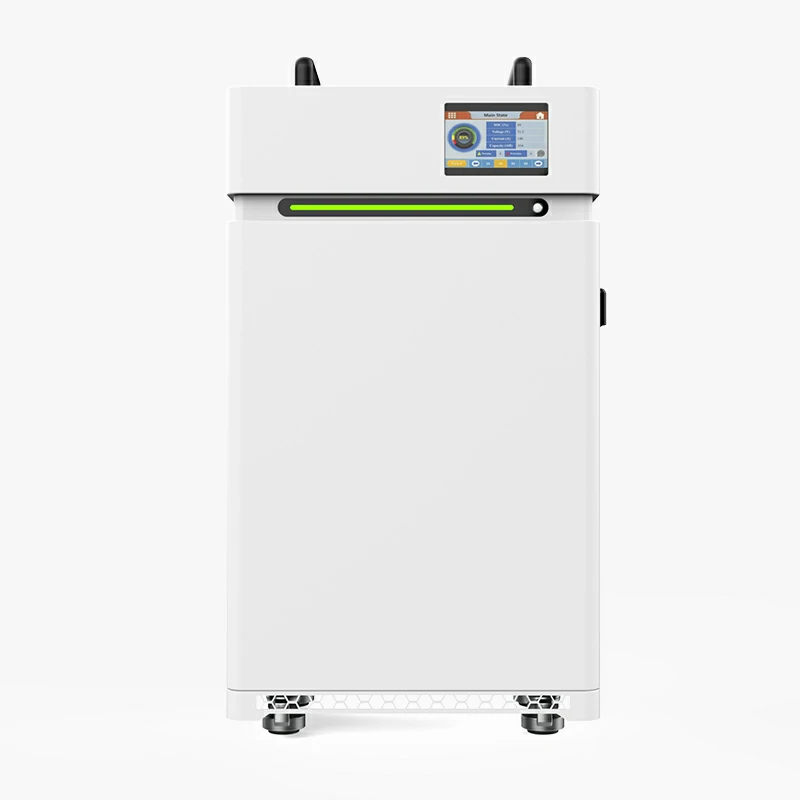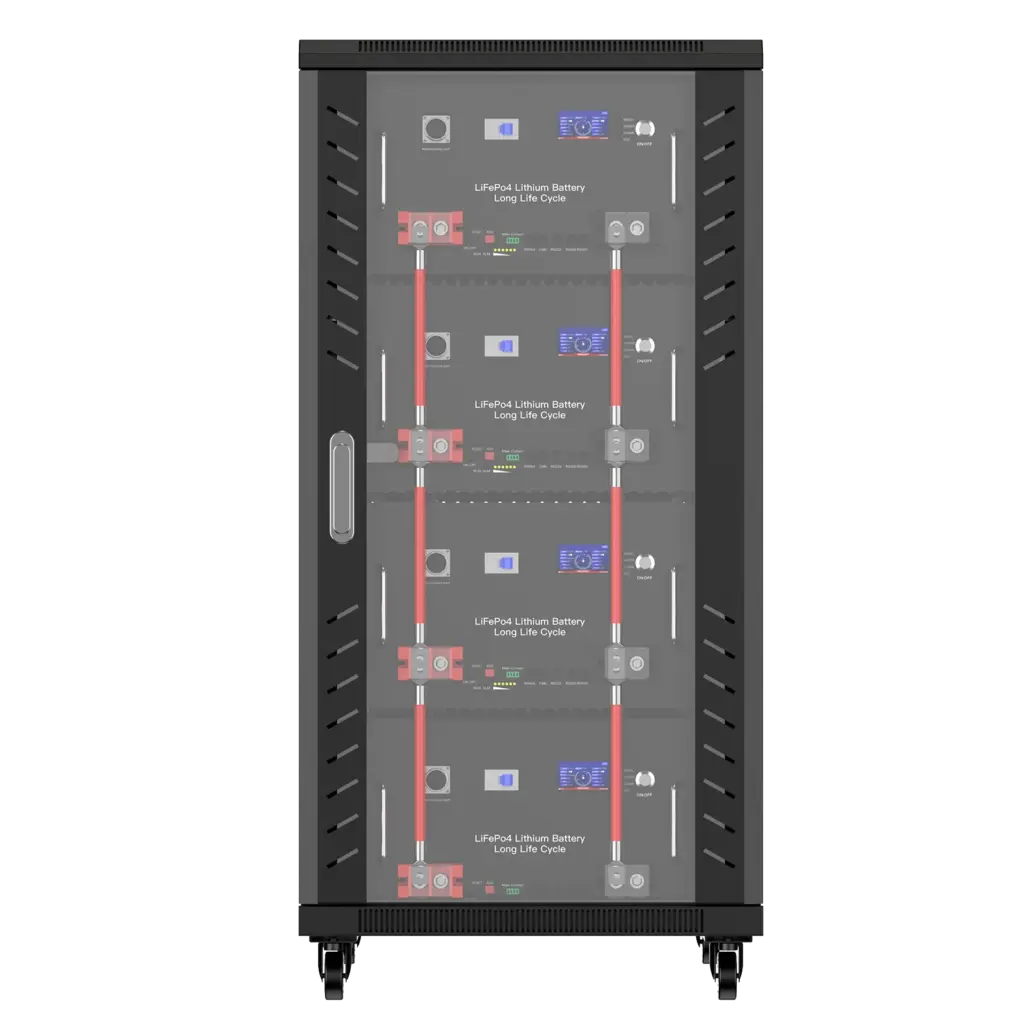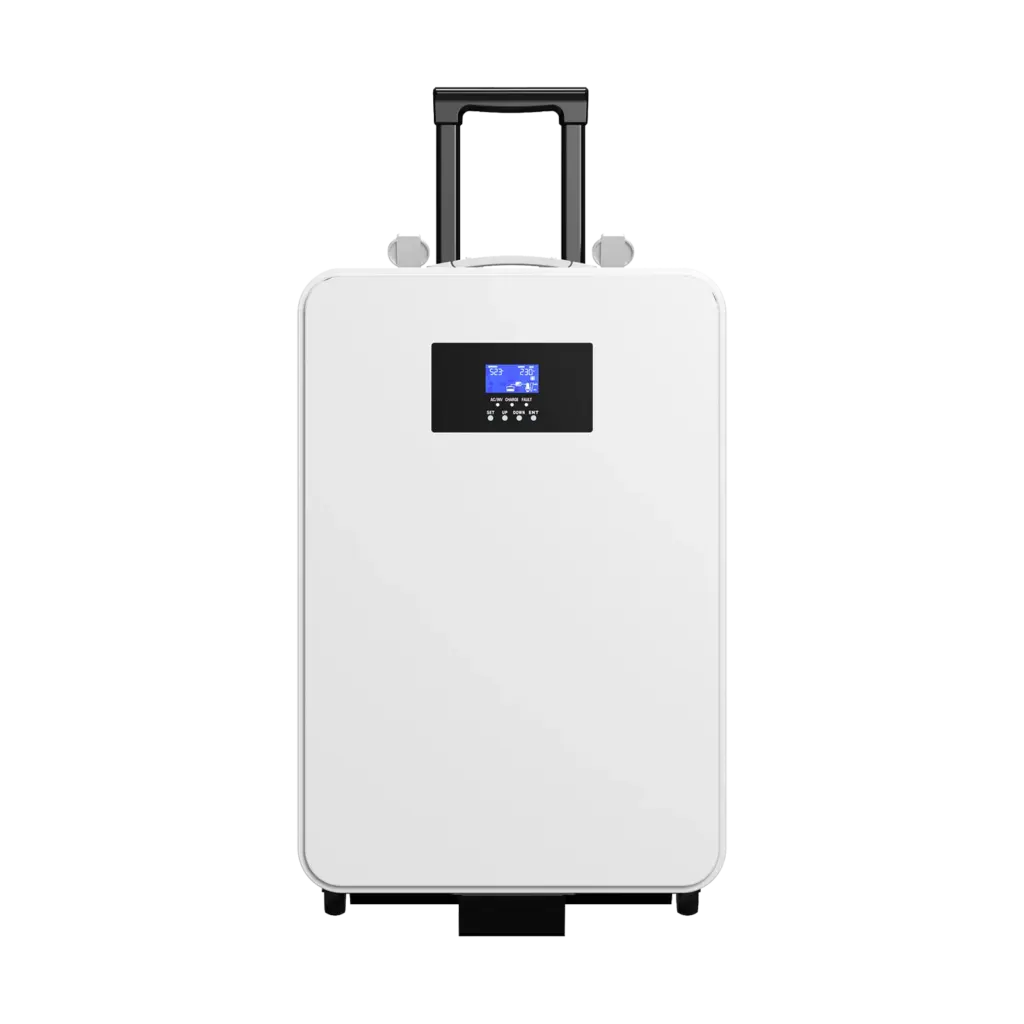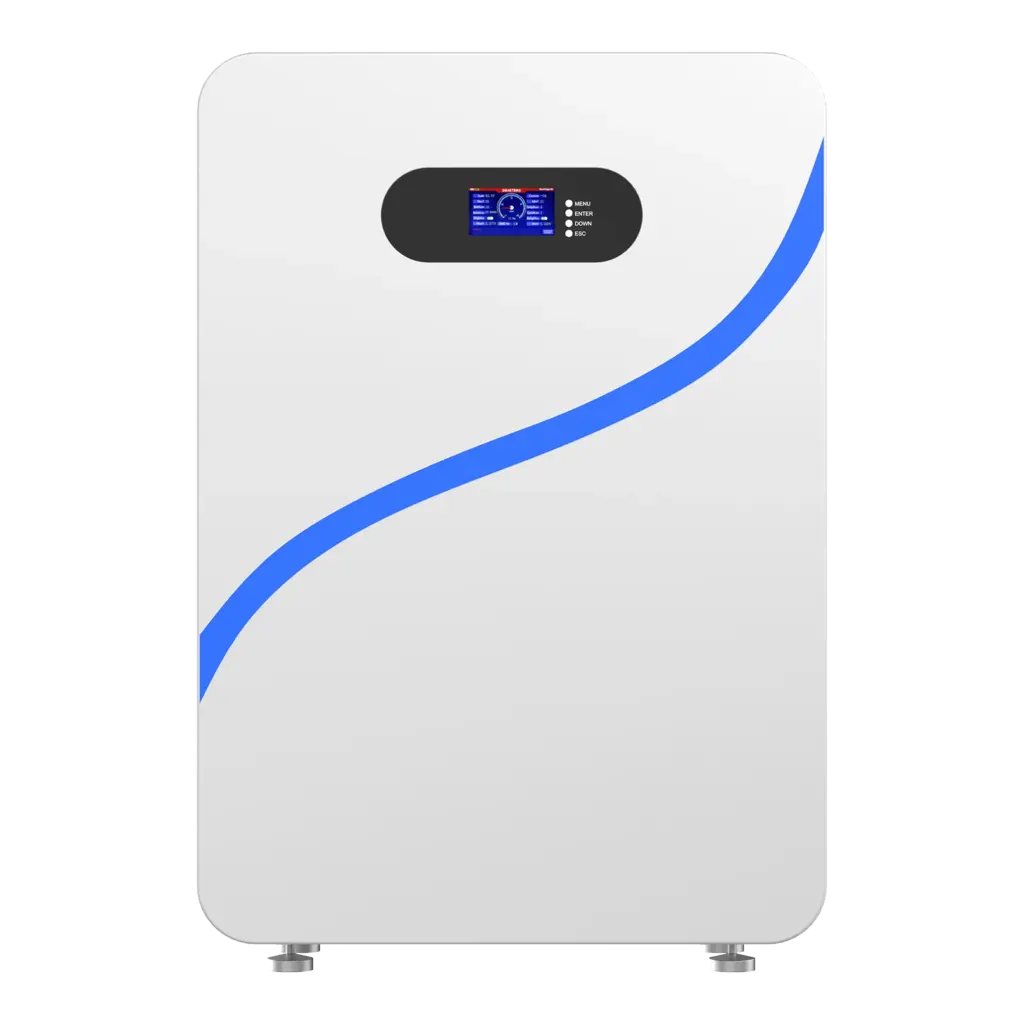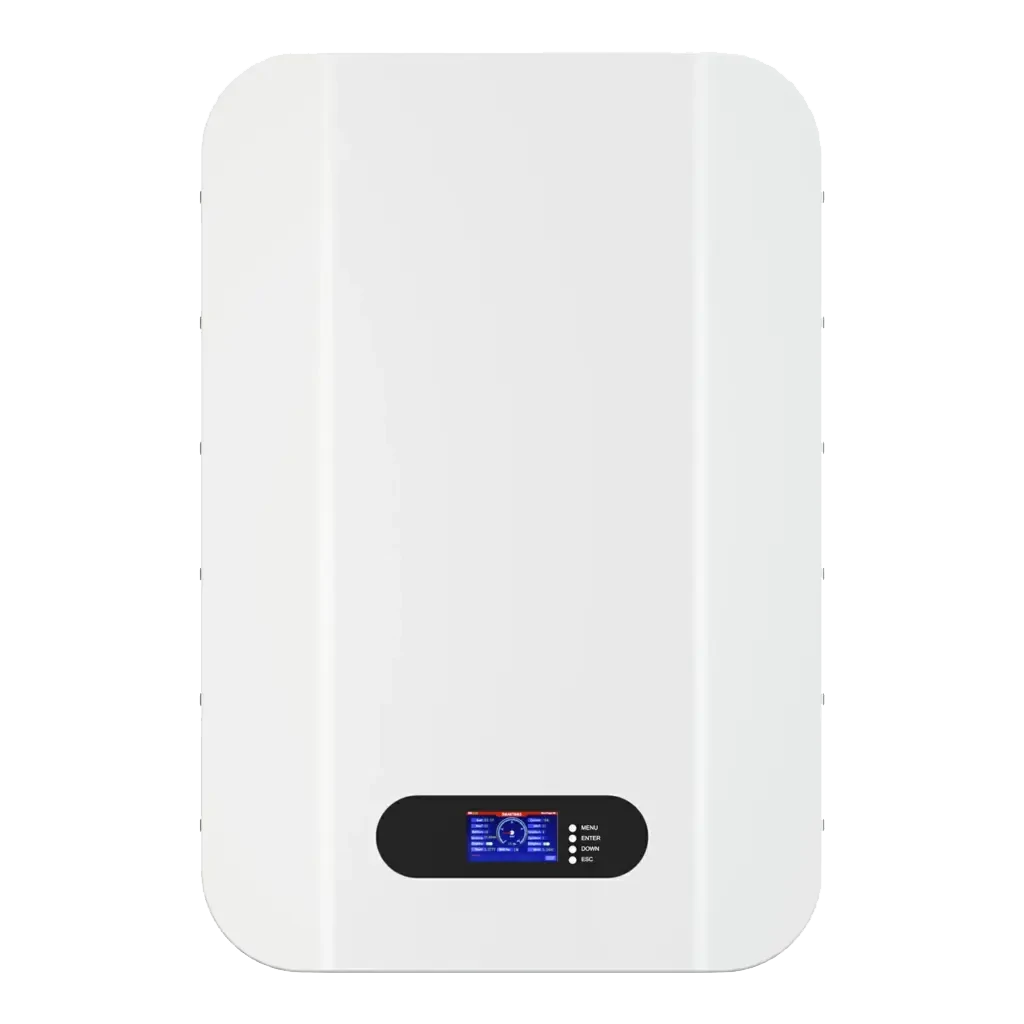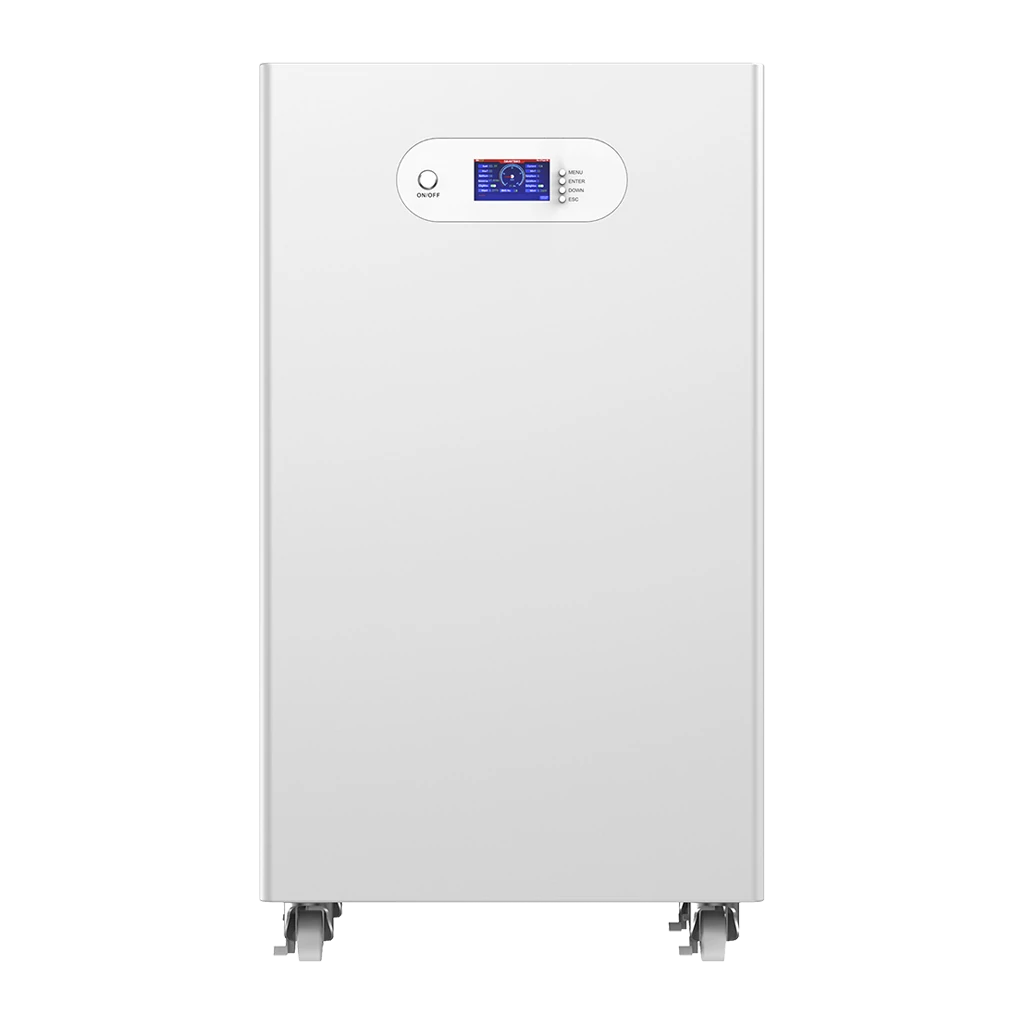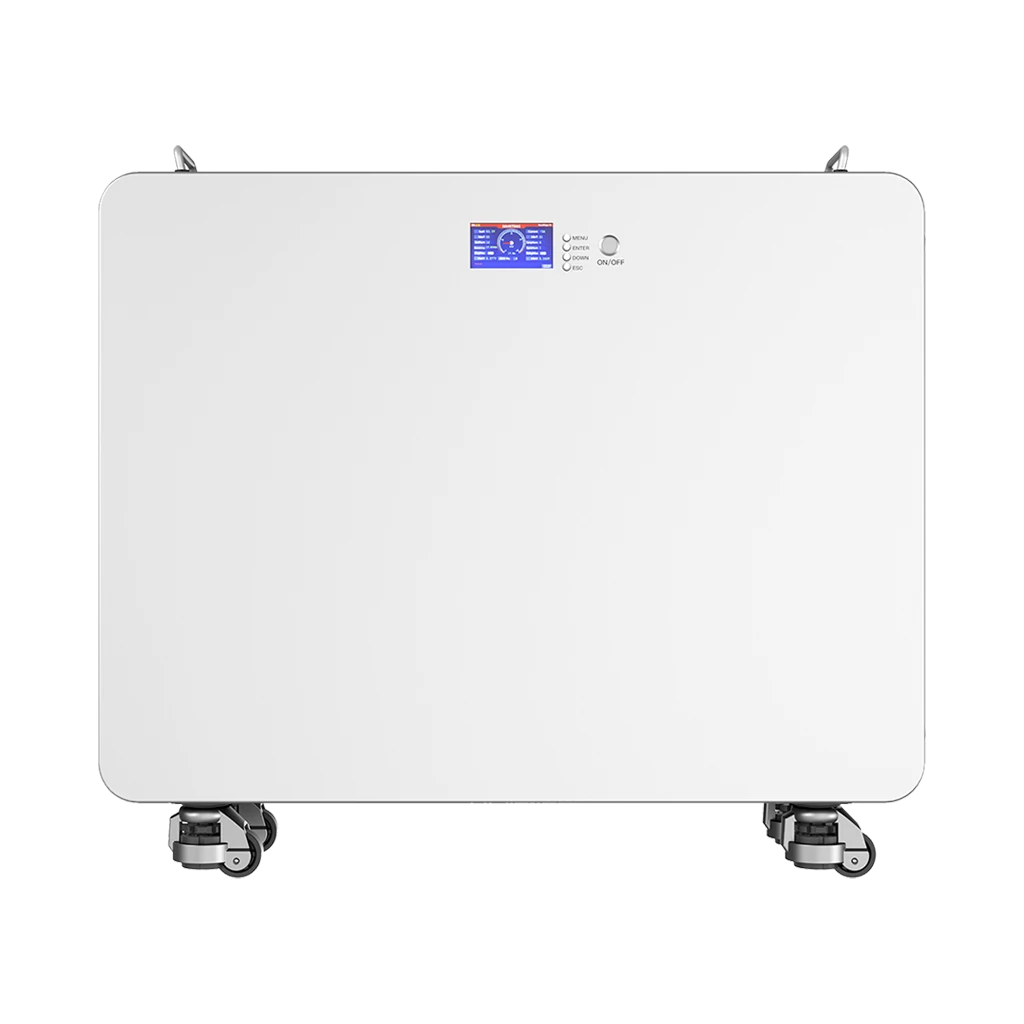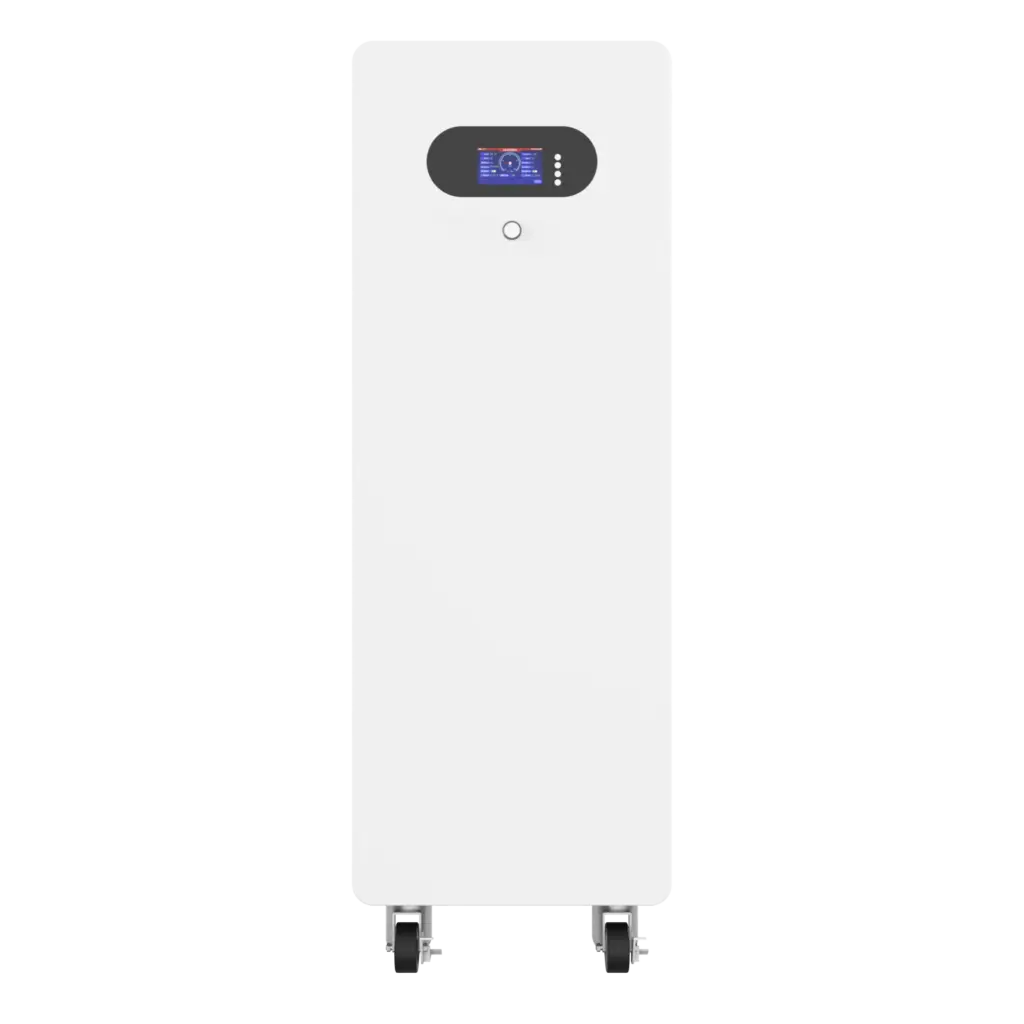

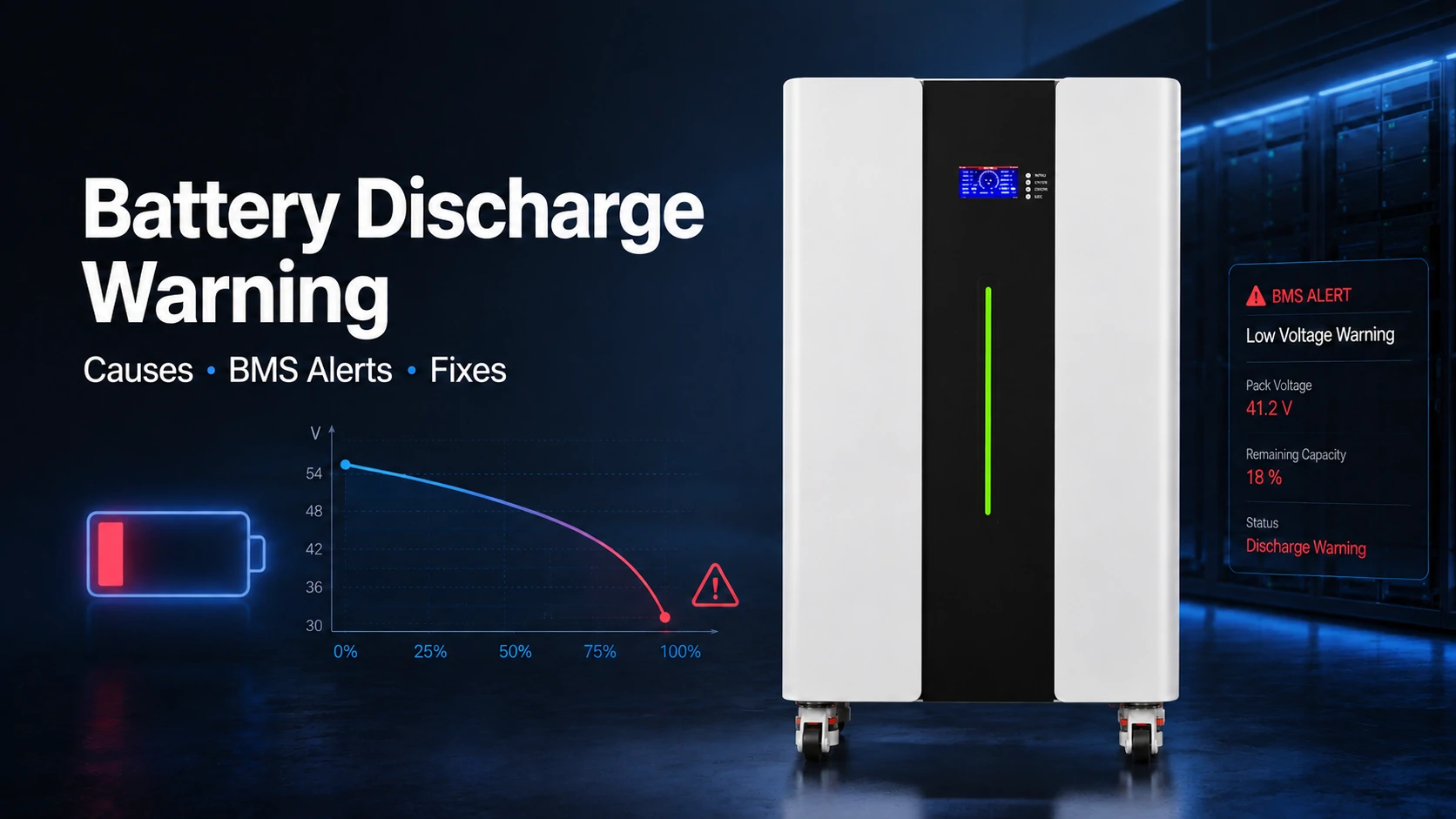
A battery discharge warning means the battery or its control system has detected that available battery power is falling, discharge demand is too high, or one or more operating limits are being approached. In lithium energy storage systems, the real cause may involve low SOC, cell undervoltage, excessive discharge current, temperature, charging problems or BMS-inverter communication.
A low battery does not automatically mean a defective battery, and a battery discharge warning does not automatically mean the battery must be replaced. The first task is to determine which operating limit triggered the warning and why.
What Does a Battery Discharge Warning Mean in an Energy Storage System?
A battery discharge warning means that continued discharge may soon exceed a safe or configured operating limit, but it does not necessarily mean the battery has failed. The BMS or inverter may issue the warning before reducing output or stopping discharge completely, giving the system time to protect the cells and connected equipment.
For lithium energy storage batteries, the warning may be generated by the:
- Battery management system
- Hybrid inverter
- PCS
- Energy management system
- Battery display
- Remote monitoring platform
A modern battery management system monitors individual cell voltage, pack voltage, current, temperature and other operating information rather than relying on battery percentage alone.
Is a Battery Discharge Warning the Same in a Car and a Solar Battery System?
A car battery discharge warning and an energy-storage battery warning describe a similar energy imbalance but usually come from very different electrical systems. Automotive warnings commonly involve a 12V battery and alternator, while solar storage warnings are normally generated by a BMS, inverter or EMS monitoring a multi-cell rechargeable battery pack.
For stationary storage, the equivalent comparison looks like this:
| Factor | Automotive Battery | Solar / LiFePO₄ Energy Storage Battery |
|---|---|---|
| Main charging source | Alternator | Solar inverter, charger or PCS |
| Main controller | Vehicle electronics | BMS + inverter/PCS/EMS |
| Common warning trigger | Accessories consuming power | Low SOC, undervoltage, current or protection limit |
| Voltage monitoring | Mainly battery/system voltage | Pack + individual cells |
| Current control | Vehicle charging system | BMS charge/discharge limits |
| Communication | Vehicle network | CAN / RS485 / proprietary protocol |
| Typical response | Reduce loads / inspect charging system | Reduce load, check BMS data and restore approved charging |
| Hard protection | Vehicle electrical shutdown | BMS discharge FET/contactor or inverter shutdown |
Need Help Matching Your Battery, BMS and Inverter?
A recurring battery discharge warning should be treated as a system-design or diagnostic question before it becomes a battery-replacement decision.
Avepower supports solar installers, distributors, EPC companies and OEM/ODM partners with LiFePO4 battery systems, BMS configuration, CAN/RS485 protocol matching and project-specific energy storage design.
Send us your inverter brand and model, required battery capacity, expected continuous/peak load and application. Avepower’s engineering team can help evaluate battery sizing, discharge-current requirements and communication compatibility before you order.
Is a Battery Discharge Warning the Same as a Low Battery Warning?
A battery discharge warning is not always the same as a low battery warning because low SOC is only one possible trigger. A battery can still show significant remaining energy while the BMS limits discharge because one cell is too low, current is excessive, temperature is abnormal or another protection condition has occurred.
This is one of the most important differences between simple battery indicators and lithium battery management systems.
For a deeper explanation of SOC and battery condition, see Avepower’s guide to SOC and SOH in batteries.
What Causes a Battery Discharge Warning in a Lithium Energy Storage System?
The most common causes are low SOC, one cell reaching its undervoltage limit, excessive discharge current, voltage sag under heavy load, inadequate charging, cell imbalance, abnormal temperature, cable voltage drop, battery aging or incorrect communication and inverter settings. The operating condition when the warning appears usually provides the fastest diagnostic clue.
| When the Warning Appears | Most Likely Causes | What to Check First |
|---|---|---|
| Near low SOC | Normal discharge limit | SOC, minimum cell voltage |
| When a large appliance starts | Current surge / voltage sag | Battery current, minimum cell voltage, inverter power |
| At 30–60% SOC | Cell imbalance / weak cell / SOC error | Min-max cell voltage difference |
| Only in cold or hot weather | Temperature restriction | Cell/BMS temperature |
| After changing inverter | Protocol or settings | Battery profile, CAN/RS485 |
| After firmware update | Configuration mismatch | Firmware and protocol versions |
| During long cloudy periods | Energy deficit | Daily charge versus daily load |
| During standby | Auxiliary/parasitic load | Standby consumption |
| Under high continuous power | Battery undersizing | Required current versus permitted discharge current |
| Randomly | Loose connector / communication fault | BMS cable, power cables, event log |
Which BMS Conditions Can Stop Battery Discharge?
A BMS may reduce or completely stop discharge whenever continued operation could move cells, wiring or the battery pack outside approved limits. Undervoltage and discharge overcurrent are common examples, but temperature, short circuit, system faults and manufacturer-specific protection logic can also cause discharge shutdown.
Typical BMS protection functions include:
| Protection | What BMS Detects | Typical Response |
|---|---|---|
| Cell undervoltage | Cell voltage below limit | Warning, derating or load disconnect |
| Pack undervoltage | Pack below approved range | Stop discharge |
| Discharge overcurrent | Current above limit | Reduce or disconnect output |
| Short circuit | Very high fault current | Immediate protection |
| High temperature | Battery/BMS too hot | Derate or stop discharge |
| Low temperature | Temperature below approved operation | Product-dependent restriction |
| Cell imbalance | Individual-cell divergence | Earlier voltage protection |
| Communication loss | Missing/inconsistent BMS data | Inverter fallback or shutdown |
Can a Large Inverter Cause a Battery Discharge Warning?
A large inverter can cause a discharge warning when its required DC current approaches the battery’s continuous current limit, especially as battery voltage falls near the end of discharge. The same AC load that operates normally at nominal voltage may require substantially more battery current when the pack voltage becomes lower.
Consider Avepower’s 51.2V 314Ah 16kWh vertical LiFePO₄ battery.
Specifications include:
- 51.2V nominal voltage;
- 314Ah capacity;
- 16kWh nominal energy;
- 40–58.4V working range;
- 157A continuous discharge;
- up to 200A maximum discharge for 300 seconds;
- CAN / RS485 / RS232;
- PACE 200A BMS.
Assume a 6kW inverter at 92% efficiency.
Battery-side current can be estimated as:
DC Current ≈ AC Power ÷ Battery Voltage ÷ Inverter Efficiency
At 51.2V:
6,000 ÷ 51.2 ÷ 0.92
≈ 127A
At 44V:
6,000 ÷ 44 ÷ 0.92
≈ 148A
At 40V:
6,000 ÷ 40 ÷ 0.92
≈ 163A
At nominal voltage, approximately 127A is below the battery’s published 157A continuous rating.
At 40V, however, the same 6kW load requires approximately 163A, which is above that continuous-current value.
The battery still contains some energy, but the current required to maintain the same inverter output has increased.
This is one reason a high-load system may experience a discharge warning or derating near low battery voltage before a user expects the battery to be completely empty.
Can Low Temperature Cause a Battery Discharge Warning?
A low or high temperature can contribute to battery discharge warnings because battery voltage, resistance, available current and BMS operating limits are temperature dependent. However, temperature limits vary significantly between batteries, so the correct troubleshooting value must always come from the specific product datasheet or BMS configuration.
For example, Avepower’s 51.2V 314Ah 16kWh battery specifies an operating discharge range down to sub-zero conditions, while its charging requirements differ. Those limits apply to that specific product rather than to every LiFePO₄ battery.
The practical rule is:
Do not use a generic internet temperature threshold to override the BMS.
If a temperature alarm occurs, determine:
- which temperature sensor triggered;
- measured temperature;
- whether current derating is active;
- environmental temperature;
- whether cooling or ventilation is obstructed.
What Should You Do Immediately After a Battery Discharge Warning?
A persistent lithium battery discharge warning should be handled by reducing unnecessary loads, recording BMS data and restoring charging only through the manufacturer-approved system rather than repeatedly resetting or bypassing protection. If the BMS has stopped discharge, first determine which protection condition caused the shutdown.
A practical response is:
- Record the exact battery and inverter alarm.
- Remove unnecessary high-power loads.
- Check SOC and pack voltage.
- Check minimum individual cell voltage.
- Check current and temperature.
- Confirm the approved charger or inverter is available.
- Verify BMS-inverter communication.
- Recharge according to the battery manufacturer’s instructions.
- Confirm the alarm clears normally.
- Investigate further if the warning returns.
Do not bypass the BMS simply to force the battery to discharge.
The BMS exists to protect cells and the complete battery system from conditions such as undervoltage and excessive current.
When Is a Battery Discharge Warning Normal and When Does It Indicate a Problem?
An occasional warning at the intentionally configured minimum SOC may represent normal system operation, while warnings at moderate SOC, repeated shutdowns under ordinary loads, large cell-voltage differences, abnormal temperature or recurring communication errors require investigation because the system is reaching a limit earlier than expected.
| Condition | Usually Normal? | Investigation Needed? |
|---|---|---|
| Warning at configured reserve SOC | Often | If unusually frequent |
| Warning after unusually large load | Possibly | If load is within system rating |
| Warning at 40–60% SOC | No | Yes |
| Same cell repeatedly reaches low voltage first | No | Yes |
| Warning after inverter replacement | No | Yes |
| Communication alarm after firmware change | No | Yes |
| Voltage falls only across long DC cable | No | Yes |
| Warning during extreme temperature | Possibly protective | Check operating limits |
| Battery repeatedly trips under normal load | No | Yes |
| Smoke, swelling or abnormal heat | No | Stop operation |
How Does Avepower Apply BMS Protection in Real Energy Storage Projects?
A real energy-storage project requires BMS protection to operate at pack and system level rather than merely displaying SOC on a screen. Avepower’s published Lithuania project provides an example of a high-voltage architecture in which cell monitoring, battery controllers, CAN/RS485 communication and multiple electrical protections were integrated into the complete ESS.
The 522.5kWh Lithuania high-voltage ESS case study documents:
| Item | Project Data |
|---|---|
| Total energy | 522.496kWh |
| Nominal DC voltage | 832V |
| Capacity | 628Ah |
| Continuous current | 200A |
| Cabinets | 4 × 42U |
| Pack design | 1P20S, 20.096kWh each |
| Communication | CAN / RS485 |
| Protection | Overcharge / over-discharge / overcurrent / temperature |
The system used two battery clusters in parallel, with 13 battery packs in each cluster. Avepower also reports BMU/BCU architecture and system integration support for the project.
Avepower’s battery safety technology page describes BMS monitoring of voltage, current, temperature and SOC, while its battery quality control process covers BMS testing, communications verification, charge/discharge testing and final inspection.
For B2B procurement, buyers can also review Avepower’s manufacturing facility, certification documentation and energy storage case studies rather than evaluating a battery from marketing specifications alone.
Need Help Solving Battery Discharge Warnings Before Your Next Project?
For installers, distributors, EPC companies and OEM/ODM energy-storage brands, preventing battery discharge alarms starts with matching the battery, inverter, BMS, communication protocol and real load profile before installation.
Avepower provides project-based LiFePO₄ battery configuration and OEM/ODM support backed by published manufacturing, quality-control and field-project information.
Send the engineering team:
- inverter or PCS brand and model;
- required battery capacity;
- continuous load;
- peak or surge load;
- required backup time;
- system voltage;
- expected operating temperature;
- communication protocol;
- destination country;
- estimated order quantity.
Avepower can help evaluate the required capacity, discharge current, BMS configuration and inverter communication before you finalize the system.
Explore Avepower Energy Storage Batteries
Check Inverter Compatibility
View Custom OEM/ODM Battery Solutions
Battery Solutions for Solar Installers
Contact Avepower
Take Control of Your Energy with Avepower!
Reliable home solar battery solutions with OEM/ODM customization and in-house manufacturing, tailored to the needs of distributors, installers, and energy partners.
FAQ
No. A battery discharge warning can result from low SOC, excessive load, cell undervoltage, temperature, insufficient charging or communication problems. A battery should only be judged defective after the relevant BMS data, cell voltages and system configuration have been checked.
It depends on the alarm. A simple low-SOC notification may only require charging, while an undervoltage, overcurrent, temperature or system-fault alarm can require load reduction or shutdown. Always follow the exact manufacturer’s alarm instructions.
SOC is an estimate of remaining energy and does not override individual-cell protection. One cell may reach its minimum permitted voltage before calculated SOC reaches zero, causing the BMS to stop discharge.
The system may have insufficient remaining SOC, inadequate daytime charging, a large nighttime load, a scheduled reserve, inverter cutoff settings or a cell-voltage protection event. Check the previous day’s charge energy and BMS event log before increasing battery capacity.
Higher inverter power requires more battery current. As battery voltage falls, even more current is required to maintain the same AC power, potentially reaching the BMS continuous-current or undervoltage limits.