

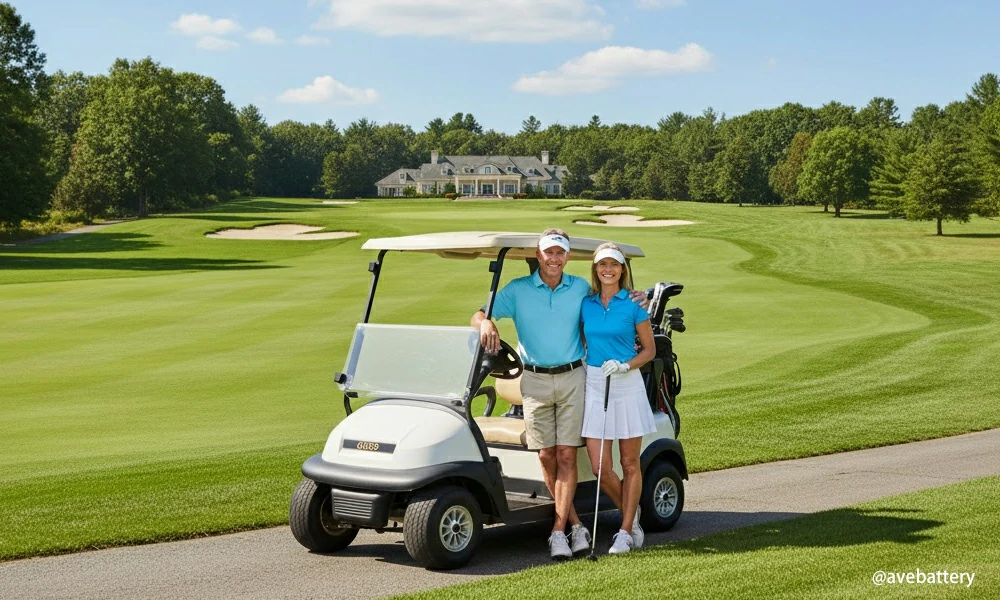
36-volt golf cart batteries are still commonly used in older Club Car, EZGO, and some Yamaha models. Many owners want longer driving range, stronger climbing power, or simply a more economical way to replace aging batteries. Some even ask, “Can I use three 12-volt batteries to make 36 volts?” — a good question, but it’s only part of the picture. A 36-volt golf cart is a complete system. The battery pack, cables, charger, and how you use the cart all work together. If one component isn’t performing properly, the golf cart may run inconsistently, the batteries may drain too quickly, or the charger may never fully recharge them.
This article provides you with a thorough exploration of 36 volt golf cart batteries.
What Does “36-Volt Golf Cart” Really Mean?
A 36-volt golf cart is a cart whose motor controller and charger are built to work at about 36 volts. The cart reaches that 36 volts by joining several batteries in series. When batteries are in series, the voltages add up.
- Six 6-volt batteries in series = 6 × 6V = 36V
- Three 12-volt batteries in series = 3 × 12V = 36V
- One single 36-volt lithium pack = 36V
So the cart does not care if the 36 volts comes from 6V, 12V, or one smart lithium pack. The cart only “sees” total voltage. But the cart does care about how much energy (Ah/Wh) the pack can hold and how much current it can safely deliver. That is why some carts feel strong and last 36 holes, and other carts feel slow and die after 9 holes. The voltage is right, but the energy is not.
Can You Use 3 12V Batteries in a 36V Golf Cart?
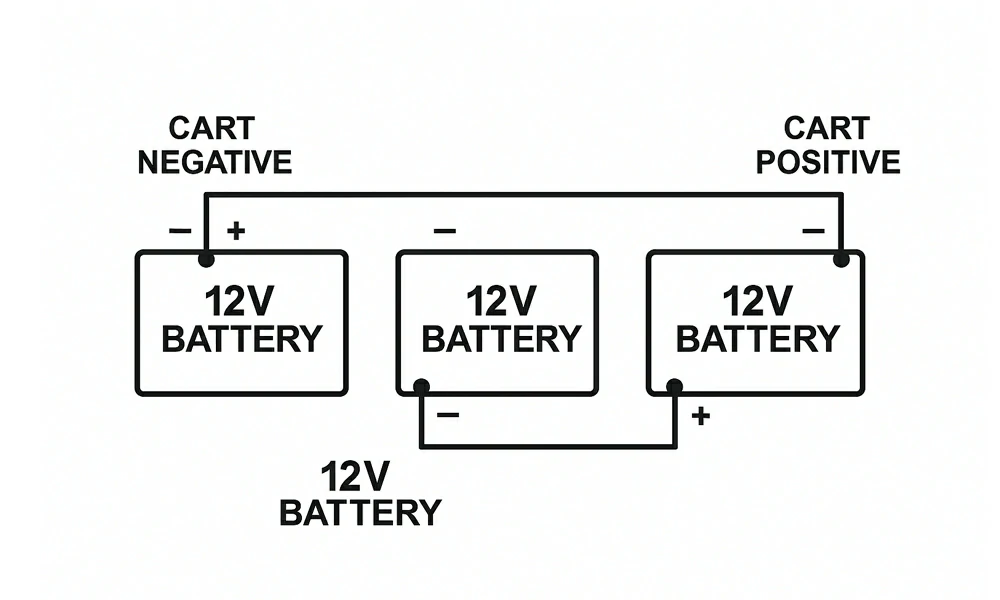
Yes, you can. Connecting three 12-volt batteries in series will give you a total of 36 volts. To do this, wire them in sequence:
Battery 1 (+) → Battery 2 (–) → Battery 2 (+) → Battery 3 (–) → Battery 3 (+) connects to the cart. The cart’s main negative cable connects to Battery 1 (–). This creates a 36-volt battery bank.
But here’s what many people don’t explain:
Not all 12-volt golg buggy batteries are designed for deep-cycle use. Some 12-volt batteries are made for cars (starting batteries). These provide high current for short bursts but aren’t built for deep discharges. Golf carts require deep-cycle batteries.
Compared with six 6-volt batteries, capacity may drop significantly. Many 36-volt carts come standard with six 6-volt 225Ah lead-acid batteries. Three random 12-volt 50Ah batteries will deliver 36 volts, but only 50Ah of capacity—resulting in much shorter runtime.
Battery size and weight must also fit your battery compartment. While you can install three standard-size 12-volt batteries, you may need to replace cables or brackets.
Your charger must match both the 36-volt configuration and the battery chemistry. A 36-volt charger for lead-acid batteries cannot properly charge a 36-volt lithium pack.
So, you must look at:
- battery type (flooded lead-acid / AGM / lithium)
- real capacity (Ah)
- discharge rate
- size and weight
- compatibility with your 36V charger
If you pick three weak 12V batteries that were made for small boats or cars, the cart will move, but it will not go far and the batteries will wear out quickly. That is the main risk.
Pros and Cons of Using 3 × 12V Instead of 6 × 6V
Pros
- Fewer batteries to buy and install
- Easier to test and replace one battery
- Can switch to 12V lithium units when the old ones die
- Cleaner battery bay
Cons
- If you pick car-style 12V, the cycle life may be lower
- If the three 12V are not the same brand / age, the pack will age unevenly
- You must still reach the right total Ah, which sometimes means big 12V batteries
- Stock charger may not charge them the best way
Common 36-Volt Golf Cart Battery Configurations
To make things clearer, here are the main ways to build a 36-volt battery setup:
Six 6V Flooded Lead-Acid Batteries
This is the traditional factory setup.
- Good capacity (typically 200–235Ah)
- Requires regular watering and cleaning
Three 12V Deep-Cycle Lead-Acid Batteries
Easier to find in some regions.
- Works well if the Ah rating is high enough
- May offer shorter runtime than six 6V batteries
Three 12V AGM or Gel Deep-Cycle Batteries
- Maintenance-free—no watering needed
- Better vibration resistance
- Higher cost
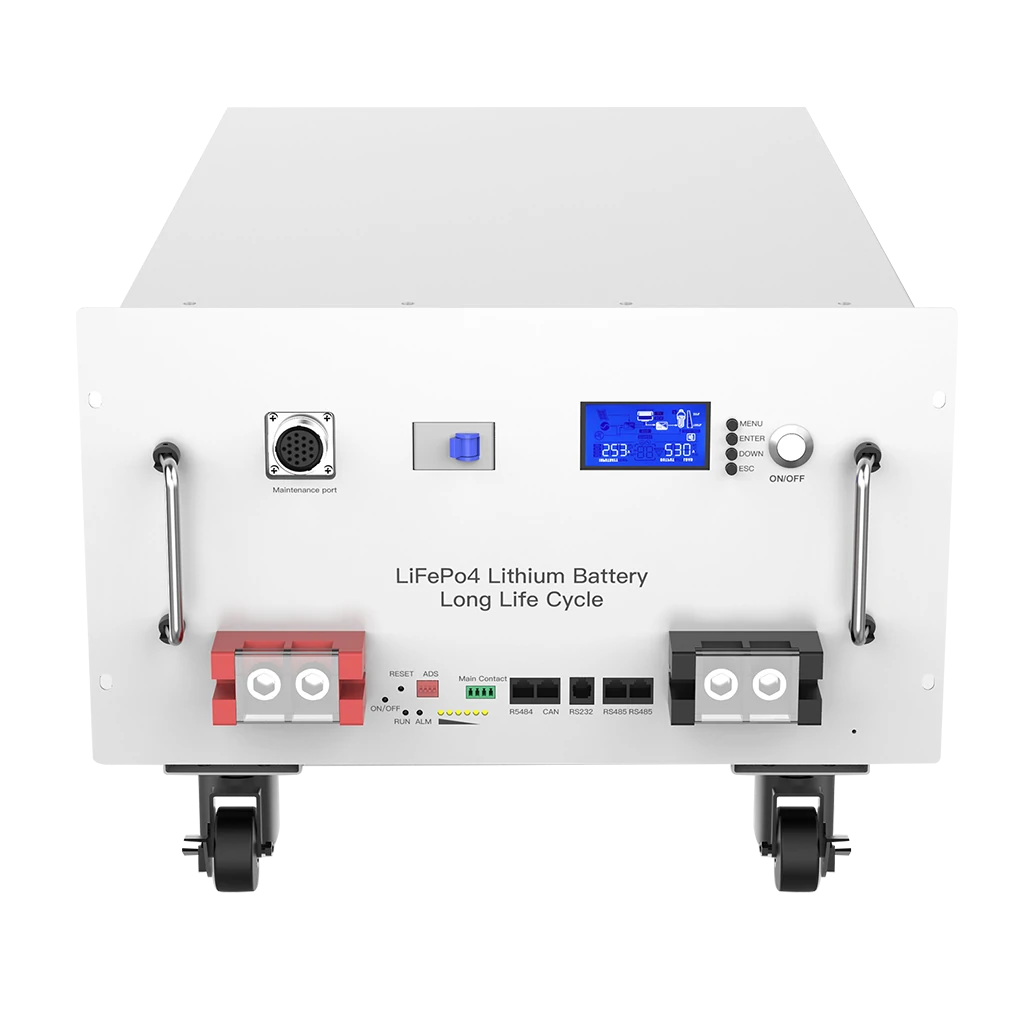
Single 36V Lithium (LiFePO₄) Golf Cart Battery or Three 12V Lithium Batteries in Series
- Lightweight, fast-charging, and long-lasting
- Built-in Battery Management System (BMS) for protection
- Requires a lithium-compatible charger
- Often comes with Bluetooth or a display screen
Comparing Battery Types: Lead-Acid vs. AGM vs. Gel vs. Lithium
The market offers several battery types for golf carts. Each type presents its advantages and drawbacks:
| Feature | Lead-Acid (Flooded) | AGM (Absorbent Glass Mat) | Gel | Lithium (LiFePO₄) |
|---|---|---|---|---|
| Chemistry | Lead-acid | Lead-acid (sealed) | Lead-acid (gel electrolyte) | Lithium Iron Phosphate |
| Typical Lifespan | 2–4 years (~300–500 cycles) | 3–5 years (~500–800 cycles) | 3–6 years (~500–1,000 cycles) | 8–10+ years (~4,000+ cycles) |
| Depth of Discharge (DoD) Recommended | 50% | 50–60% | 50–60% | 80–90% |
| Usable Capacity (per 100Ah battery) | ~50Ah | ~55–60Ah | ~55–60Ah | ~80–90Ah |
| Weight (per 12V/100Ah) | ~60–70 lbs | ~50–60 lbs | ~55–65 lbs | ~25–30 lbs |
| Maintenance | Regular watering & terminal cleaning | None | None | None |
| Charge Time (Full) | 8–10 hours | 6–8 hours | 6–8 hours | 2–5 hours |
| Temperature Tolerance | 32–120°F (0–49°C) | 32–120°F (0–49°C) | 32–120°F (0–49°C) | -4–140°F (-20–60°C) |
| Self-Discharge Rate | ~5% per month | ~3% per month | ~2–3% per month | <2% per month |
| Vibration Resistance | Low | Medium | High | High |
| Safety Notes | Risk of acid spills; emits hydrogen gas | Sealed—spill-resistant | Sealed—low risk | Very safe; built-in BMS protects cells |
| Upfront Cost (100Ah) | $100–$200 | $200–$300 | $250–$350 | $600–$900 |
| Best For | Budget setups, occasional use | Spill-free, moderate use | Harsh environments, temperature extremes | Daily use, long-term efficiency, high performance |
| Pros | Low initial cost, widely available | Maintenance-free, spill-resistant | Excellent vibration resistance, maintenance-free | Lightweight, long lifespan, fast charging, high usable capacity, low maintenance |
| Cons | Heavy, short lifespan, slow charging, frequent maintenance | Heavier than lithium, slower charging than LiFePO₄ | Slower charge, more expensive than flooded/AGM | Higher upfront cost, requires lithium-compatible charger, BMS essential |
Why Many Owners Choose 36V Lithium Battery Packs
Most modern guides agree that 36V golf carts perform better with lithium batteries. Lithium batteries maintain consistent voltage—so even when the charge is halfway down, the cart still delivers full power. In contrast, lead-acid batteries tend to lose strength as they discharge. Charging is also much faster: typically 1–3 hours for lithium, compared to 8–10 hours for older lead-acid packs. This makes lithium ideal for users who drive their carts multiple times a day.
Other advantages include:
- Maintenance-free: No need to add water.
- Fewer batteries, same energy output: Lithium batteries have higher usable capacity.
- Safety and reliability: LiFePO₄ chemistry is well-known for its stability in golf cart applications.
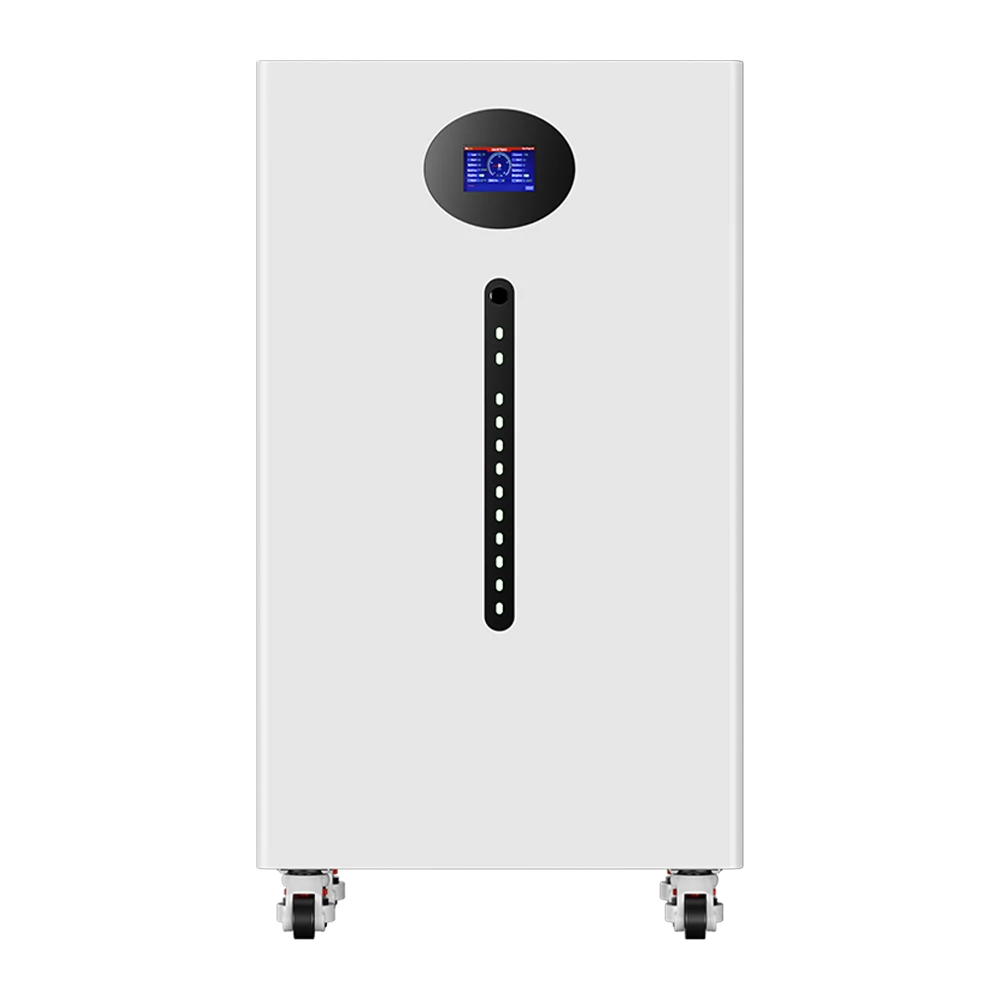
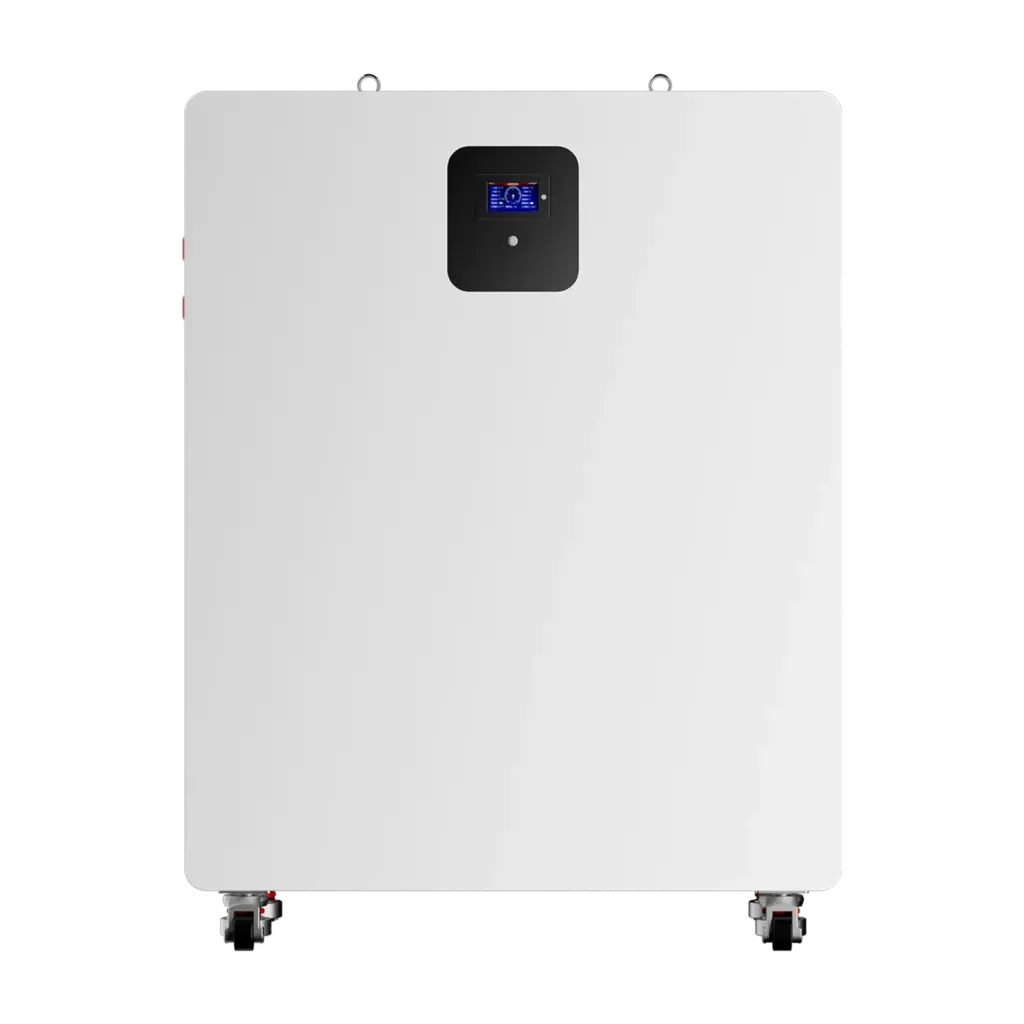
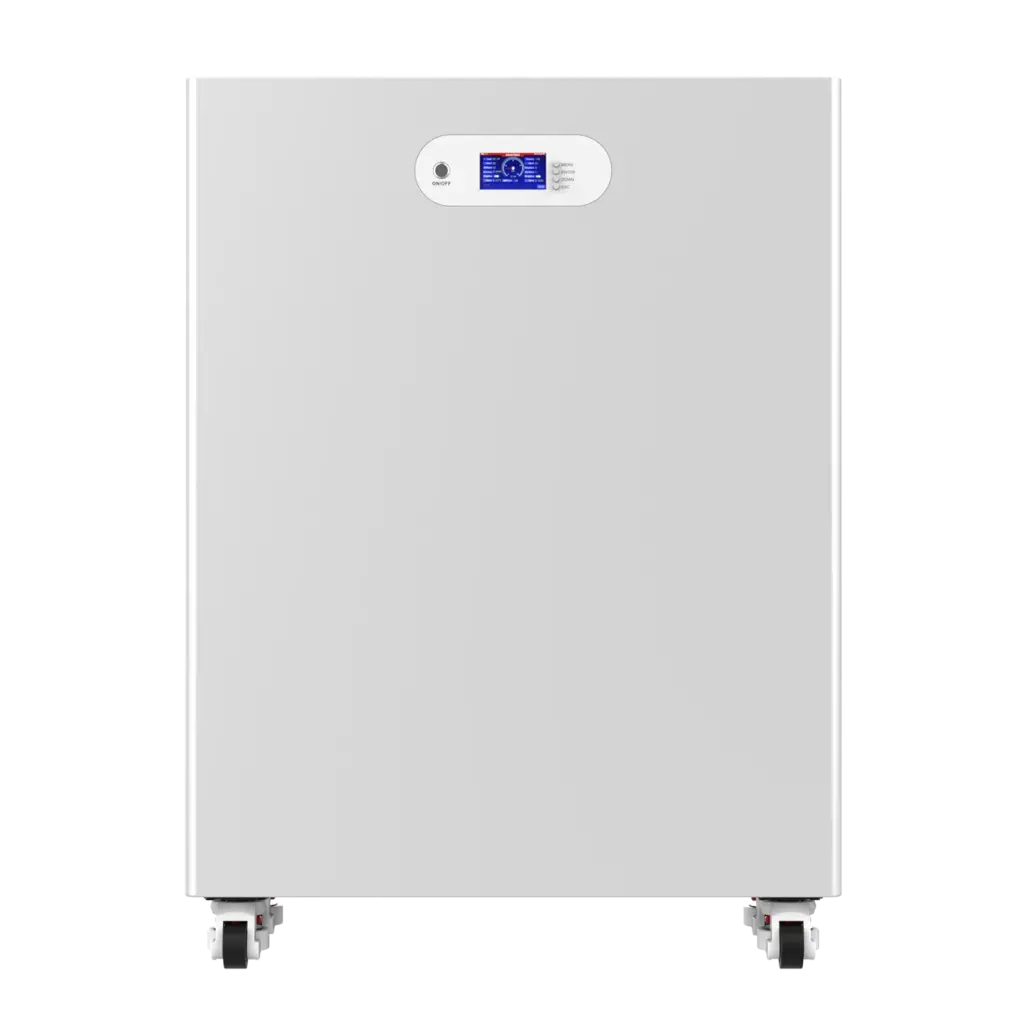
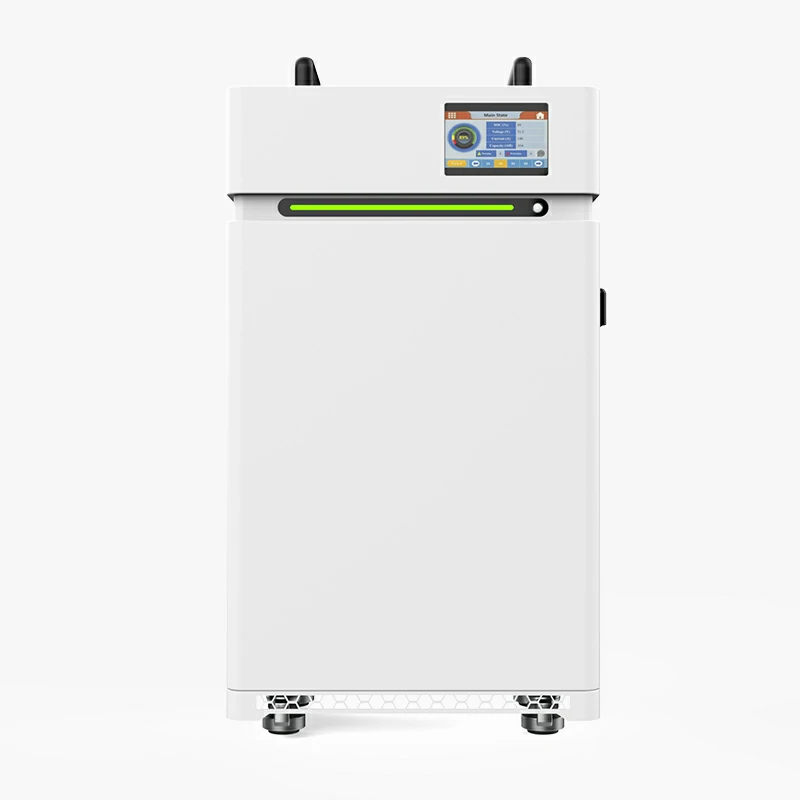
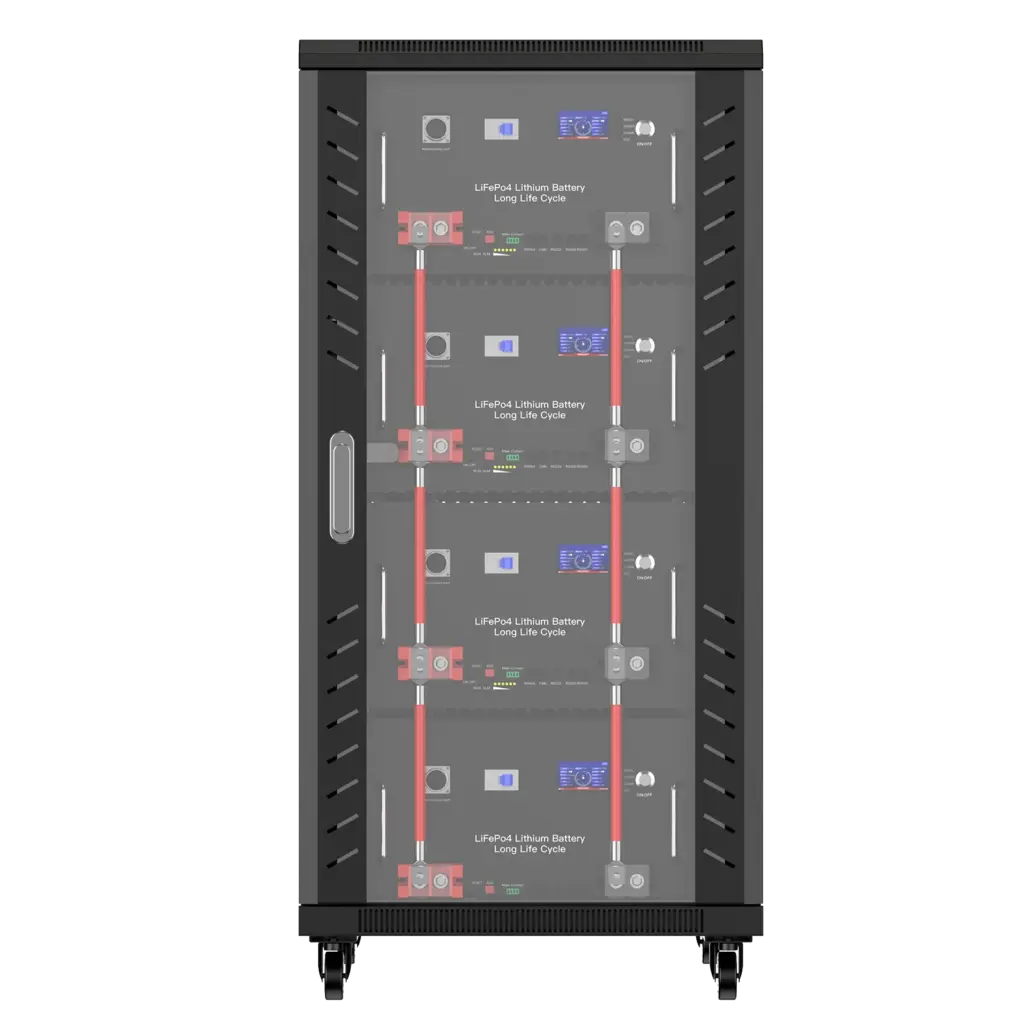
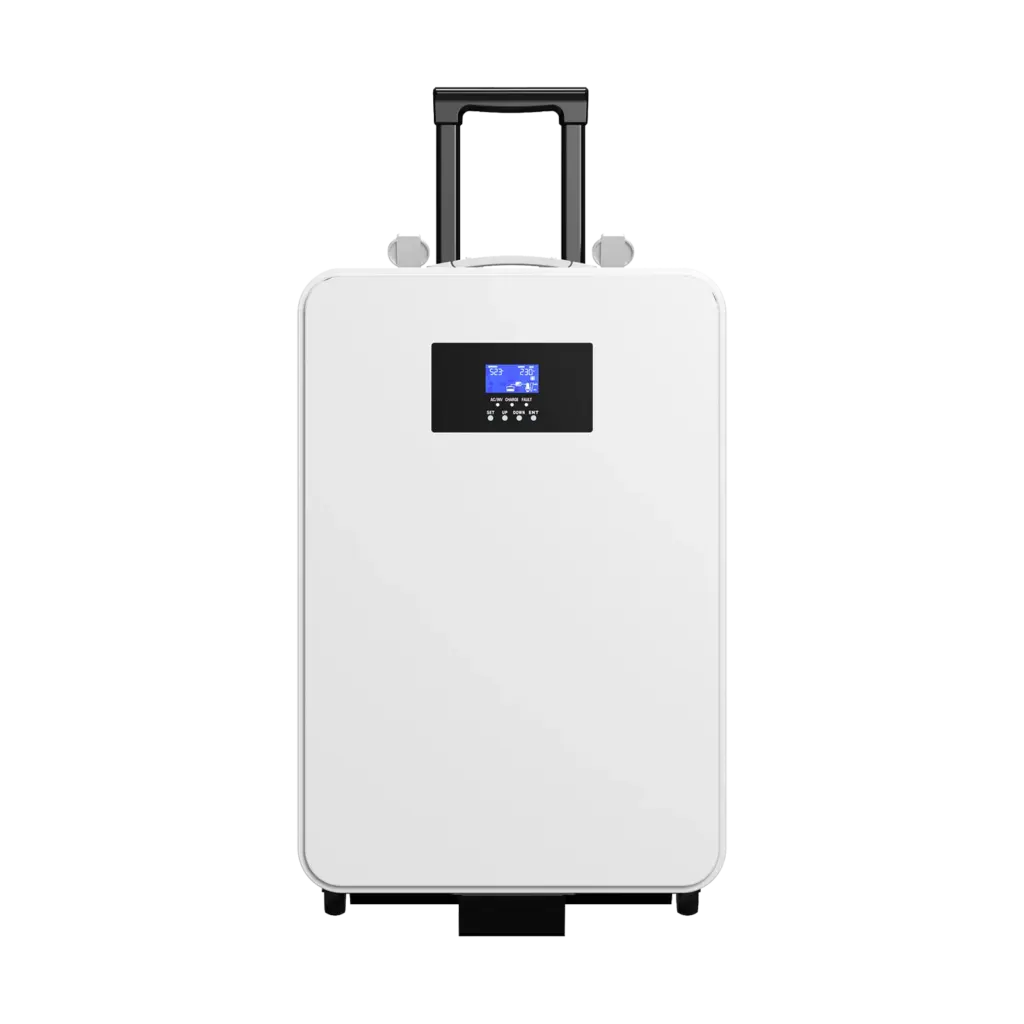
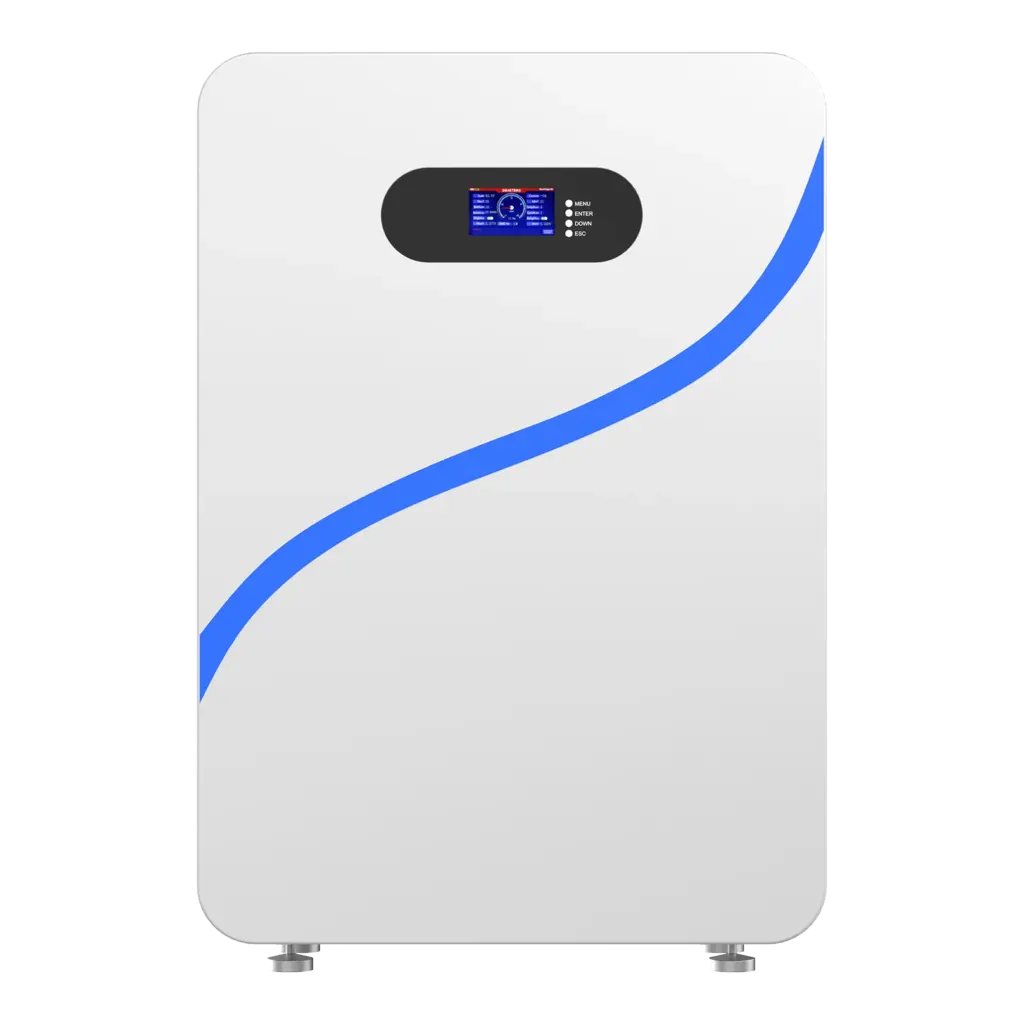
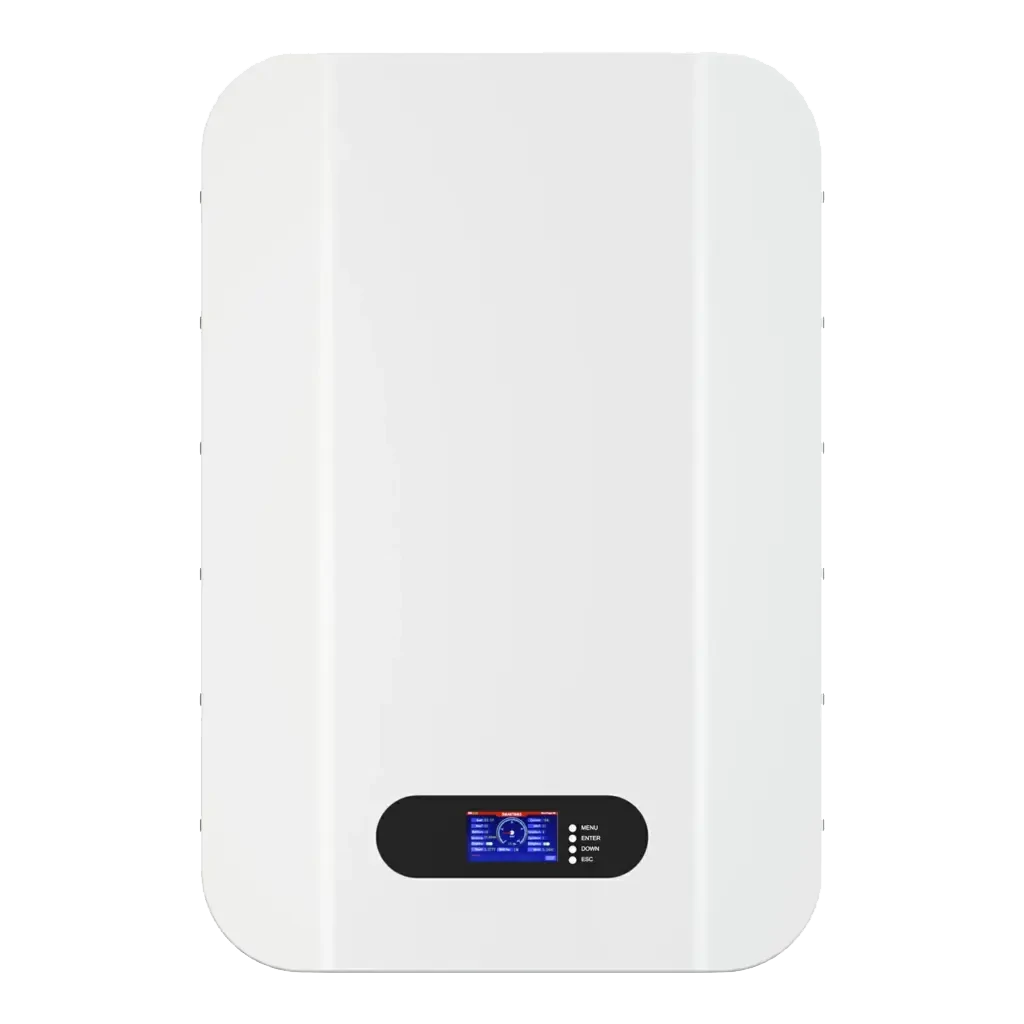
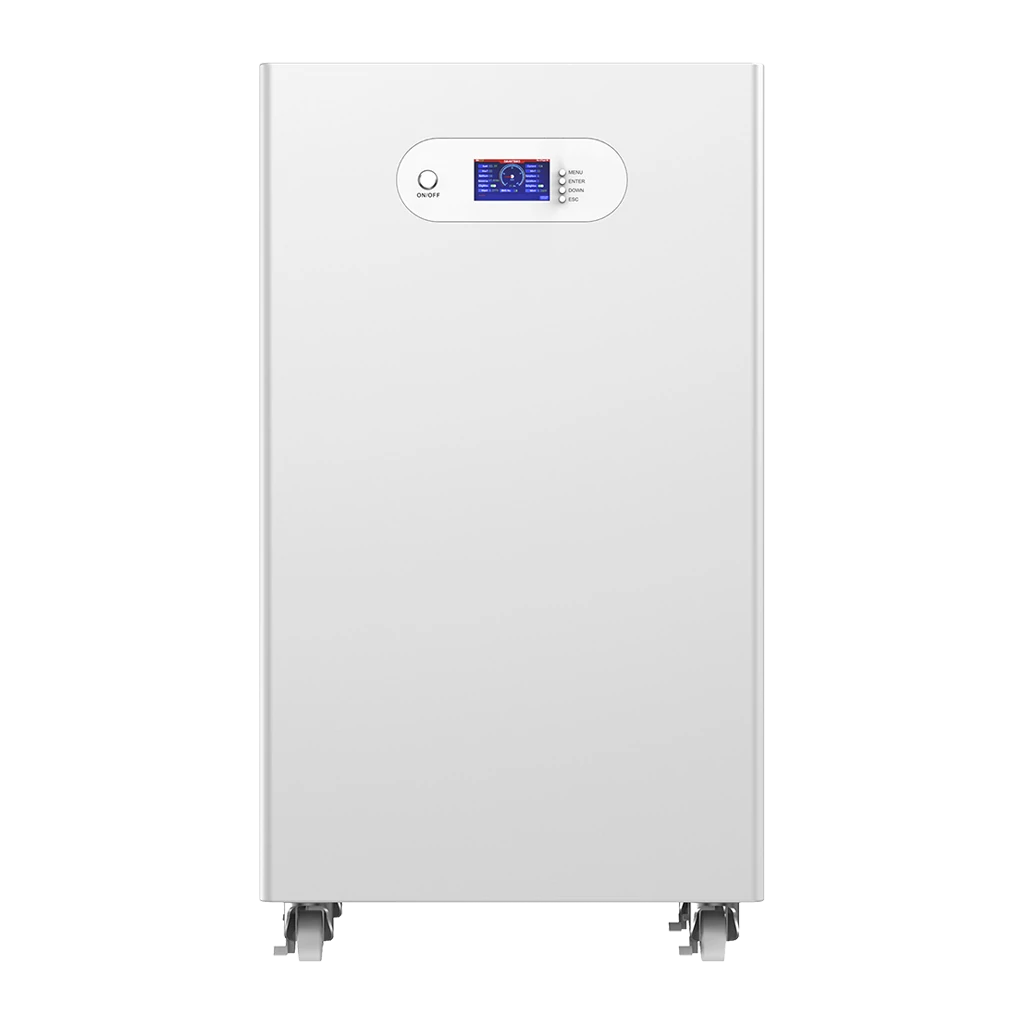
Avepower offers 36V LiFePO4 batteries designed for golf carts and utility vehicles, with 48V and 72V options available for higher power demands.
How to Wire Three 12 Volt Batteries for a 36V Golf Cart
Setting up three deep-cycle 12V batteries for a 36V system is fairly straightforward. Series wiring adds up the voltages while keeping the amp-hour rating unchanged.
Simple wiring steps:
- Charge and clean each battery before starting. Place them securely in the tray with space for cables and ventilation.
- Connect the positive terminal (+) of the first battery to the negative (-) terminal of the second battery. Repeat this process with the second and third batteries.
- The negative terminal of the first battery and the positive of the third are your main output points.
- Use thick cables (2–4 gauge) and firmly tighten connections to avoid problems on bumpy rides.
If you need more amp-hours for longer trips, consider wiring pairs of batteries in parallel, then connecting those pairs in series. This requires more space and careful planning.
Always follow the cart manufacturer’s diagrams, and double-check your setup before driving.
How to Choose the Right Capacity (Ah)
If you only use the cart for 9–18 holes on flat ground, 36V 50–75Ah lithium or 36V 180–200Ah lead-acid (six 6V) is fine. If you carry 4 people and run on hills, you need more. Match the total energy, not just the voltage. Check the Ah of the old pack and choose a 36V pack that gives the same or higher usable energy.
Golf Cart Battery Capacity Calculator
Calculate how many Ah of battery your golf buggy needs based on power / current, runtime, voltage, DoD and efficiency.
Basic Wiring for a 36-Volt Battery Pack
Anyone using 36-volt golf cart batteries should understand the wiring steps.
- Set the batteries in place. Put all three 12V batteries (or six 6V) in the tray.
- Join in series.
- Cable 1: Battery A (+) to Battery B (–).
- Cable 2: Battery B (+) to Battery C (–).
- The pack now has Battery A (–) as main negative, and Battery C (+) as main positive.
- Connect to the cart.
- Cart main negative goes to Battery A (–).
- Cart main positive goes to Battery C (+).
- Secure cables and check polarity. Wrong polarity can damage controller.
Important: The cables must be heavy enough to handle cart current. Old corroded cables can cause voltage drop and heat.
Do You Need to Change the Charger?
Yes, often you do.
If you move from six 6V lead-acid batteries to three 12V lead-acid batteries, you may still be fine with the same 36V lead-acid charger, as long as total voltage and charge profile match. But if you move to lithium, you should use a 36V LiFePO₄ charger that stops at the right voltage and does not run long equalization cycles.
36V vs 48V: Should You Upgrade the Whole System?
Some buyers ask, “Should I just change to 48V?” The answer is that a 36-volt cart is still good for light use, for flat courses, for resorts, and for rental fleets that do not want to change motors and controllers. A 48-volt cart has more torque and better hill performance, but it also has higher parts cost. If your customers mainly want steady, reliable runtime, a well-built 36-volt lithium pack is more than enough.
Signs your 36-volt pack is dying
- The cart slows down early in the day.
- The charger runs longer than before.
- One battery shows a lower voltage after charging.
- Cables or terminals get hot.
- Water levels in flooded batteries keep dropping.
Conclusion
A 36-volt golf cart can operate with either three 12-volt batteries or a single 36-volt lithium battery pack. The key is not the number of batteries, but the proper matching of voltage, battery chemistry, and the controller. A well-matched 36V system, equipped with the right charger and a robust Battery Management System (BMS), delivers stable performance, longer range, and fewer maintenance issues.
For the simplest installation and cleanest wiring, a single 36V lithium battery with BMS protection and a compatible charger is recommended. For a more flexible setup with lower upfront cost, three 12V deep-cycle batteries in series can work, but it’s essential that all three batteries are the same model and type.
If you have questions about choosing the right batteries or upgrading your golf cart’s power system, feel free to reach out to the Avepower team. We’re here to help you get more out of every round, every ride, and every adventure on the course.
FAQ
Most 36 volt golf carts accept lead-acid, AGM, or lithium batteries. The best option depends on your usage, climate, and budget.
Replacement costs vary depending on the battery type and capacity. Lead-acid battery packs typically cost $300–$600, while lithium (LiFePO₄) packs can range from $600–$900 or more for a 36V setup.
Run time depends on battery capacity, cart load, terrain, and speed. A typical 36V 100Ah battery pack can provide 8–12 miles of range under normal conditions.
Run time depends on load and terrain. For a 36V 100Ah battery pack, expect roughly 4–6 hours of moderate use, or 8–12 miles of range.
GC2 refers to a standard group size for 6V deep-cycle lead-acid batteries commonly used in golf carts.





1 thought on “Can You Use Three 12V Batteries to Power a 36 Volt Golf Cart?”
Hi – informative data you gave.
However you don’t mention about battery re the required continous current max or peak current max – which typical single Seater 36v buggy would require 100A & peak of 170A.