
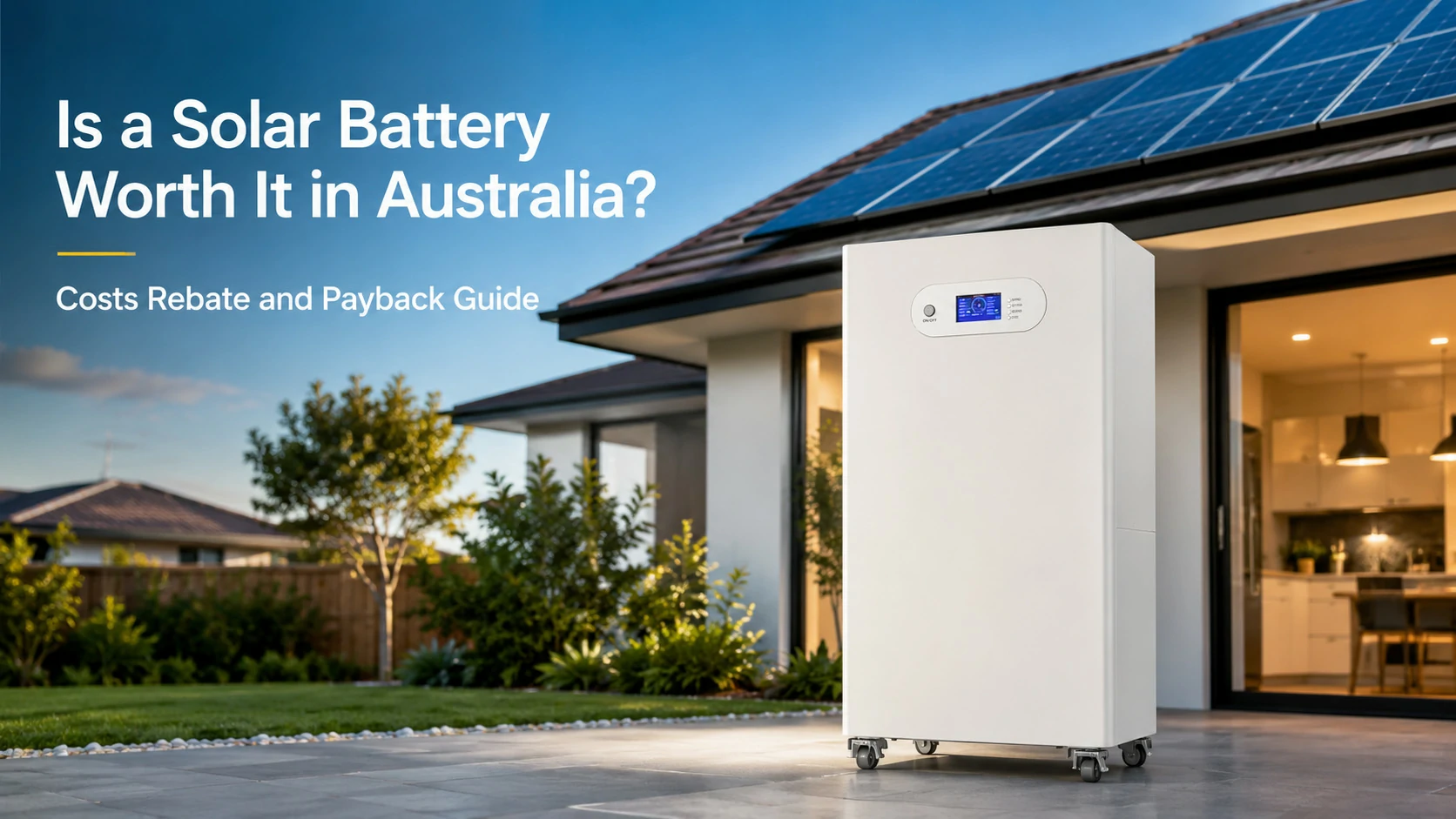
For many homes with rooftop solar, evening energy use, low feed-in tariffs, and access to the Cheaper Home Batteries Program, a battery can now make stronger financial sense than it did a few years ago. The Australian Government says eligible households, businesses, and community organisations can receive around a 30% upfront discount for eligible small-scale battery systems from 5 kWh to 100 kWh, with support based on usable capacity and STCs.
However, a solar battery is not automatically the best choice for every household. It is usually most worthwhile if you already export a lot of solar energy during the day, use significant power in the evening, pay high grid electricity rates, want blackout backup, or plan to stay in your home long enough to recover the upfront cost.
Is It Worth Buying a Solar Battery in Australia in 2026?
In short: usually yes — but only if the battery is properly sized and correctly installed for the household’s energy usage.
In the past, many Australian households found that solar panels delivered a faster return on investment than battery storage. This was mainly because batteries were expensive, solar feed-in tariffs were higher, and battery payback periods could sometimes exceed the warranty period. However, by 2026, the situation has started to change. Battery prices have declined, electricity prices remain high, solar feed-in tariffs are relatively low, and the federal battery rebate has reduced upfront costs for eligible systems.
In Australia, a typical residential battery system is still a significant investment. Installed prices commonly range from around AUD 8,600 to more than AUD 16,000 before additional federal or state incentives, depending on usable capacity, brand, and system configuration.
This means the key question is whether the battery can reduce enough grid electricity usage, provide sufficient backup power, and match the household’s energy consumption patterns well enough to justify the cost.
For many Australian households, the answer is now increasingly yes — and more likely than it was in previous years.
What Changed With Australia’s Federal Battery Rebate?
The most important policy factor in 2026 is the “Home Battery Price Reduction Scheme.” This program provides eligible households, businesses, and community organizations in Australia with an approximately 30% discount on eligible small battery systems ranging from 5kWh to 100kWh.
However, the subsidy structure changed starting May 1, 2026. The STC factor now decreases based on battery capacity:
| Battery Usable Capacity | Rebate Support Level |
|---|---|
| 0–14 kWh | 100% STC factor |
| Above 14 kWh to 28 kWh | 60% STC factor |
| Above 28 kWh to 50 kWh | 15% STC factor |
This means a 10–14 kWh battery is often more attractive than an oversized battery from a rebate-efficiency perspective. Larger systems can still make sense, but they need a stronger reason: high night-time consumption, EV charging, business loads, backup requirements, or participation in a suitable Virtual Power Plant.
The Clean Energy Regulator also states that eligible batteries must be connected to a new or existing solar PV system, must meet relevant Australian standards such as AS/NZS 5139:2019, and must use approved components. Batteries installed without solar PV are not eligible for STCs under the program. For trade buyers, Avepower’s for installers page can be used to support compatibility checks, product selection and project discussions.
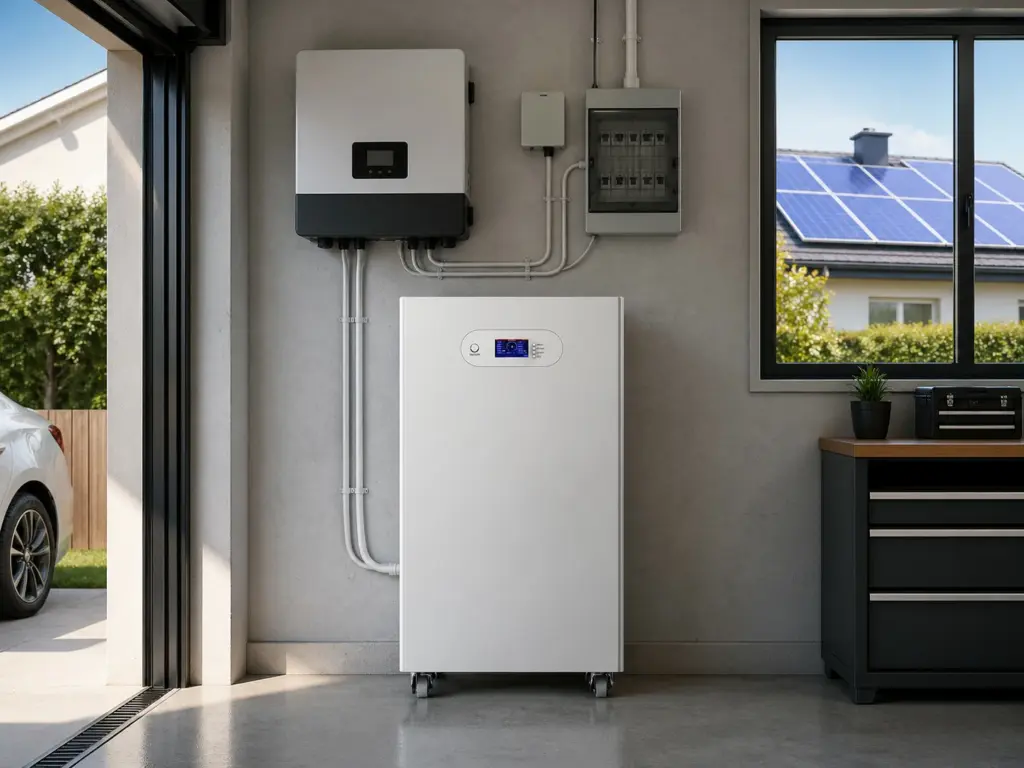
Need a Reliable Solar Battery Supplier for Australia?
Avepower supports residential solar battery projects with safe LiFePO4 technology, flexible OEM/ODM options, scalable battery designs and compatibility support for different inverter systems.
What Size Solar Battery Is Worth It in Australia?
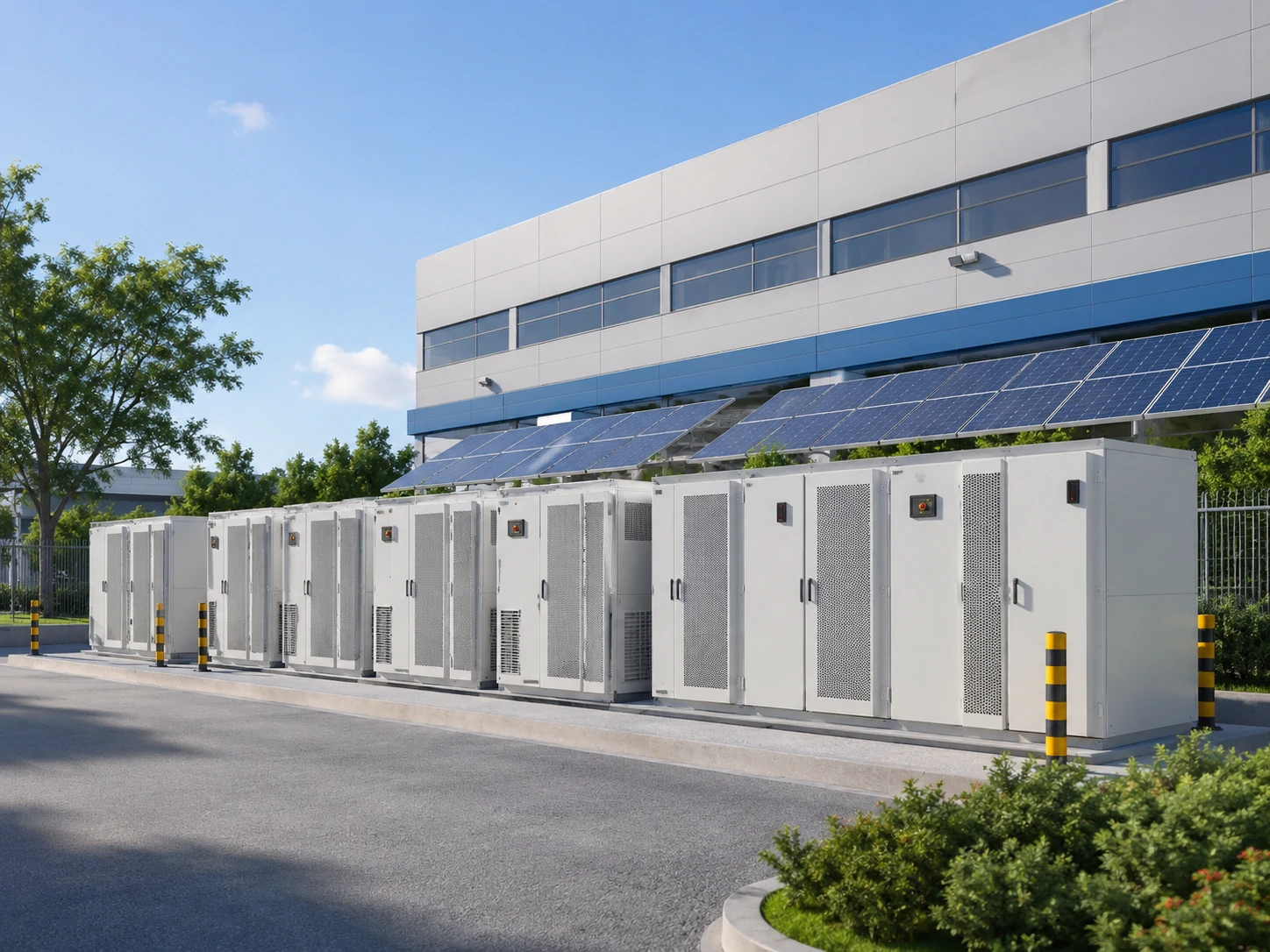
For most homes, a solar battery between 5 kWh and 15 kWh is often the starting point for serious consideration. Larger homes, EV owners, off-grid properties, and small commercial sites may need more capacity, but oversizing can reduce return if the battery is not fully cycled.
The ABC reported in May 2026 that the economics vary by household, and noted that popular Australian batteries from brands such as BYD and Tesla are often around 13 kWh, with installed costs before subsidies roughly in the $12,000 to $14,000 range.
Here is a practical sizing guide:
| Household situation | Likely suitable battery size |
|---|---|
| Small home with low evening usage | 5–7 kWh |
| Average solar household | 8–13 kWh |
| Larger family home | 13–20 kWh |
| High usage home with pool, EV, or heat pump | 15–30 kWh |
| Off-grid or backup-focused property | Custom sizing required |
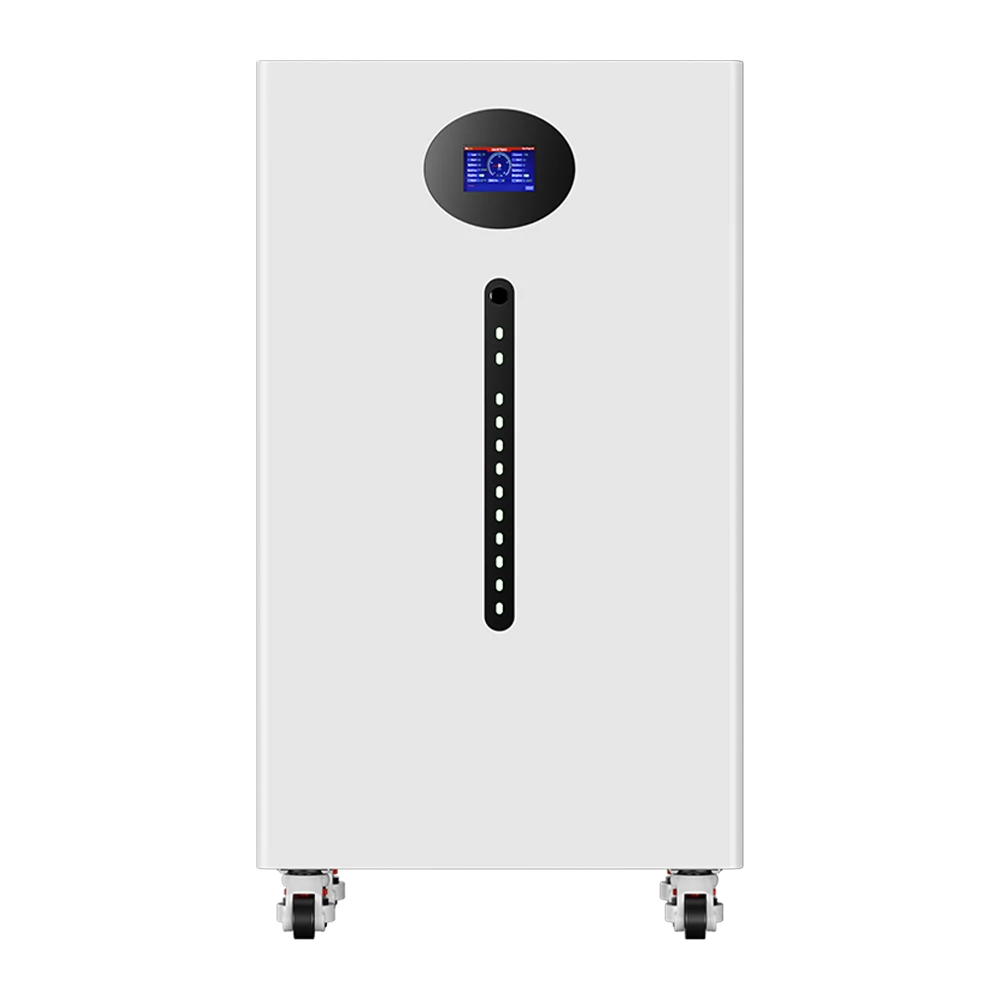
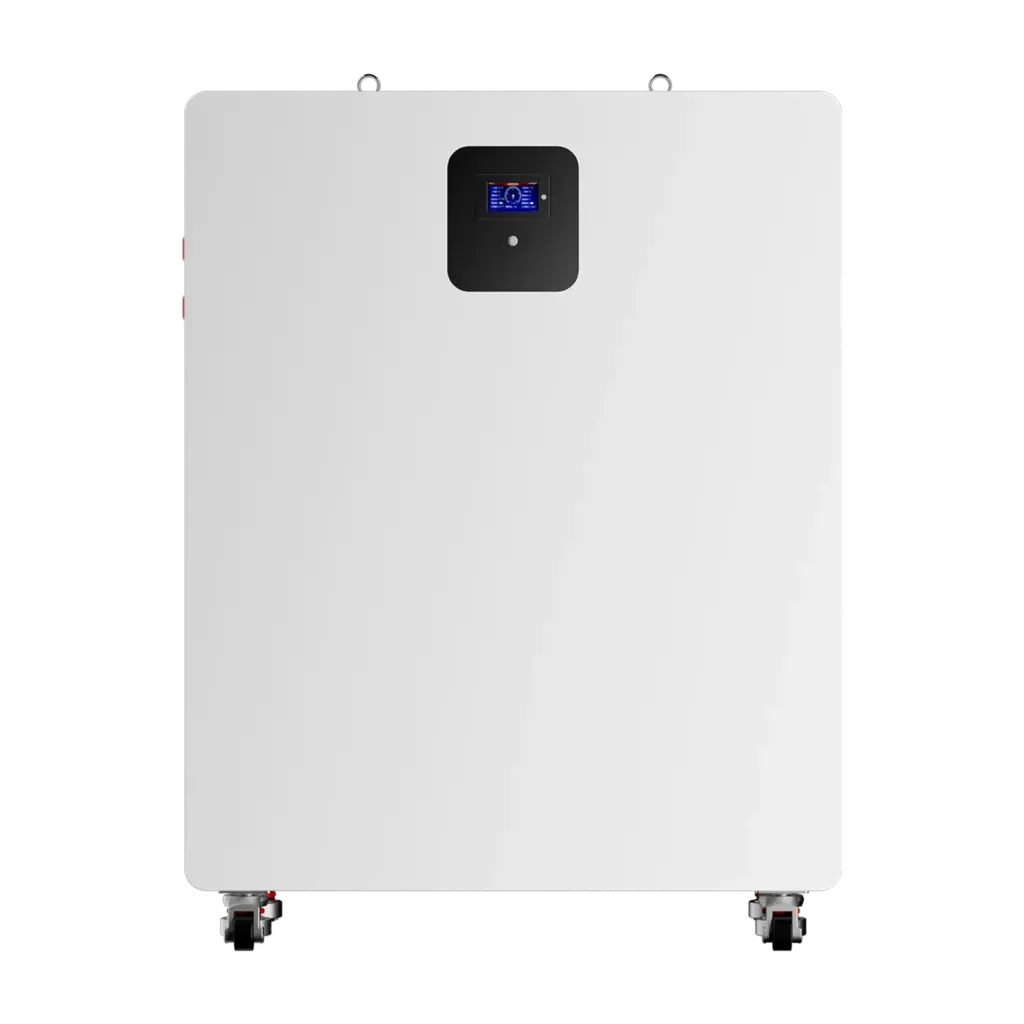
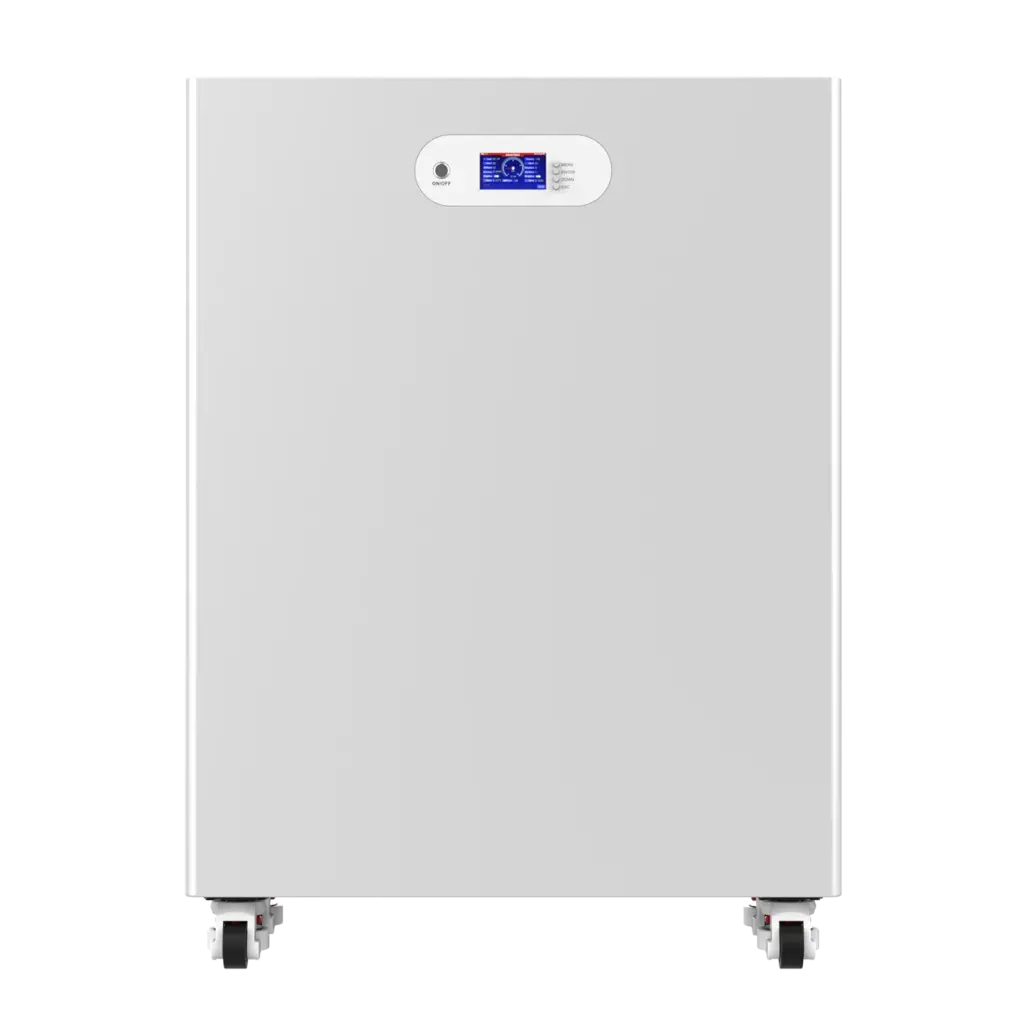
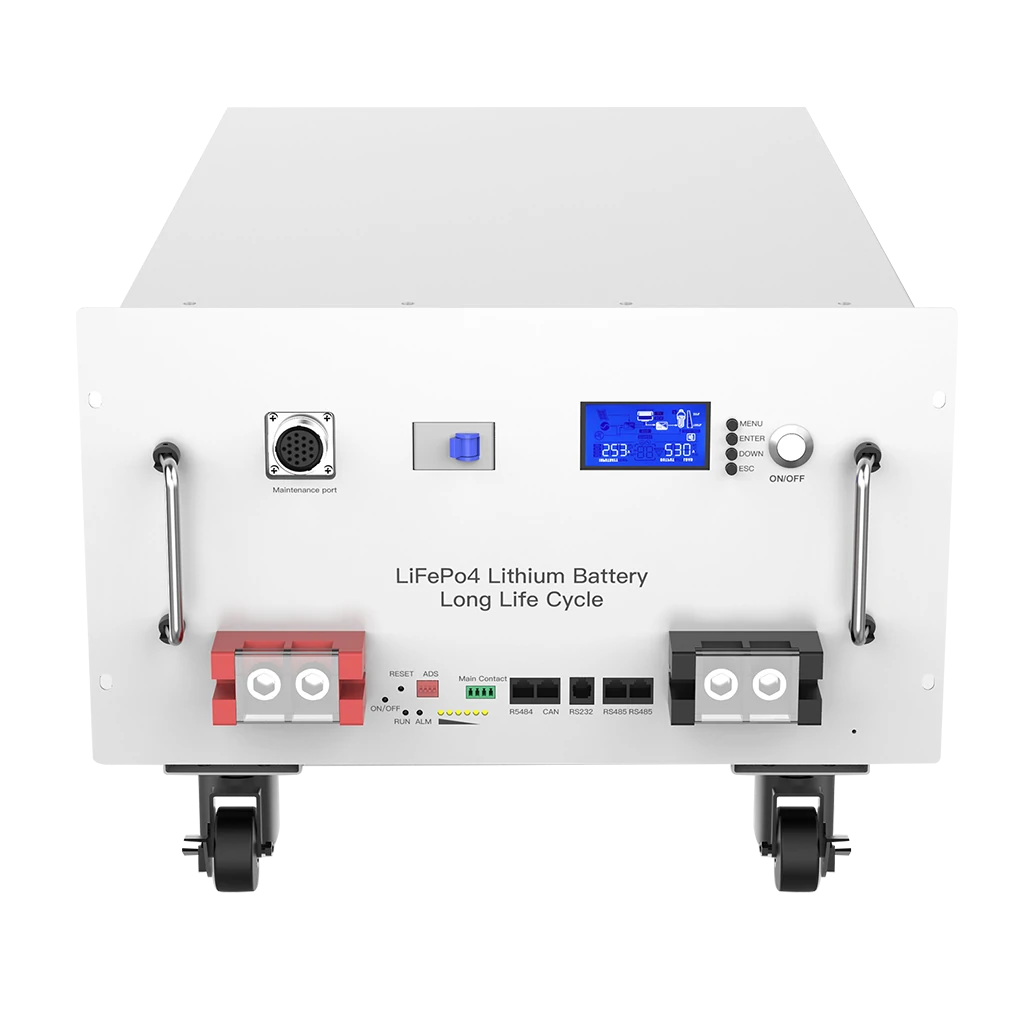
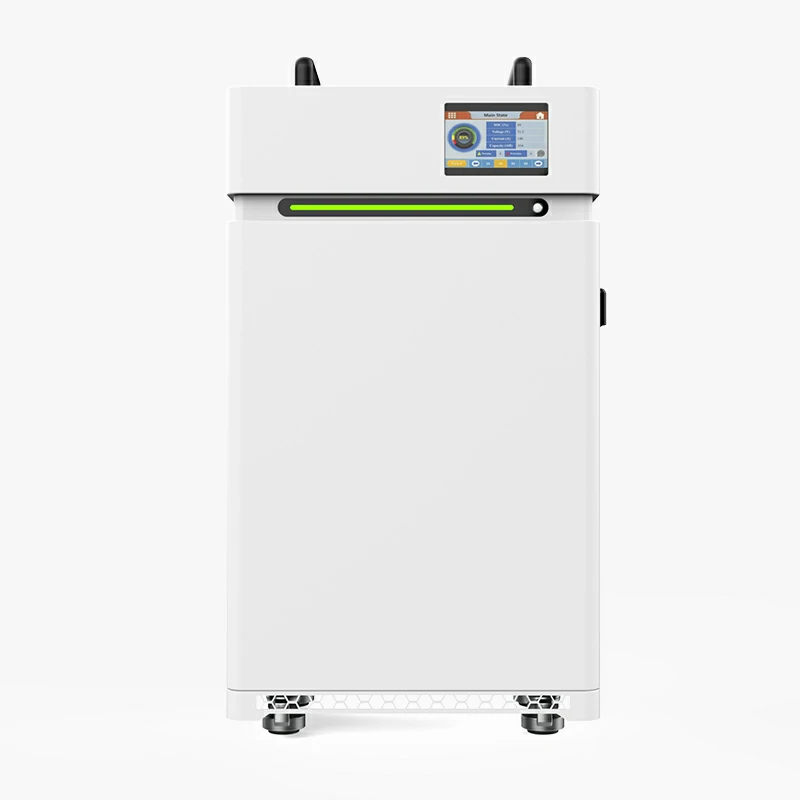
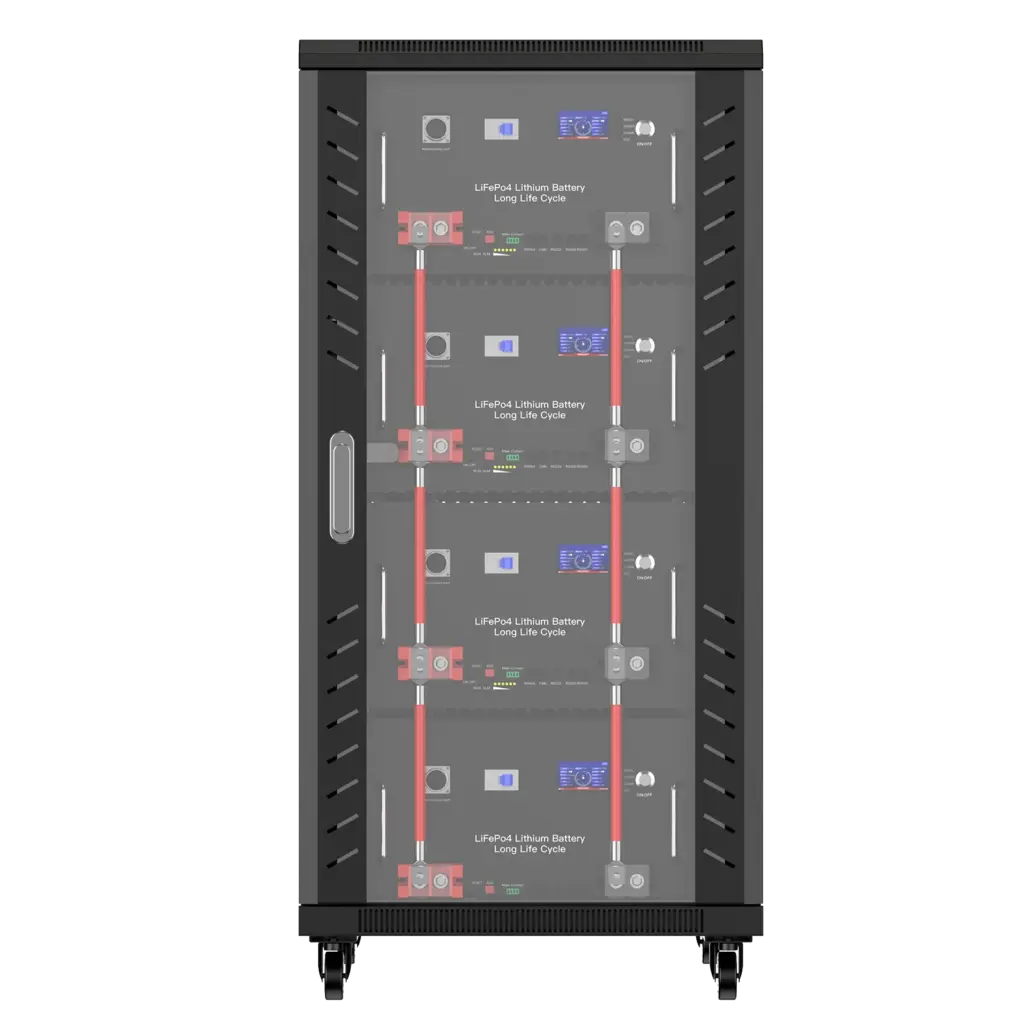
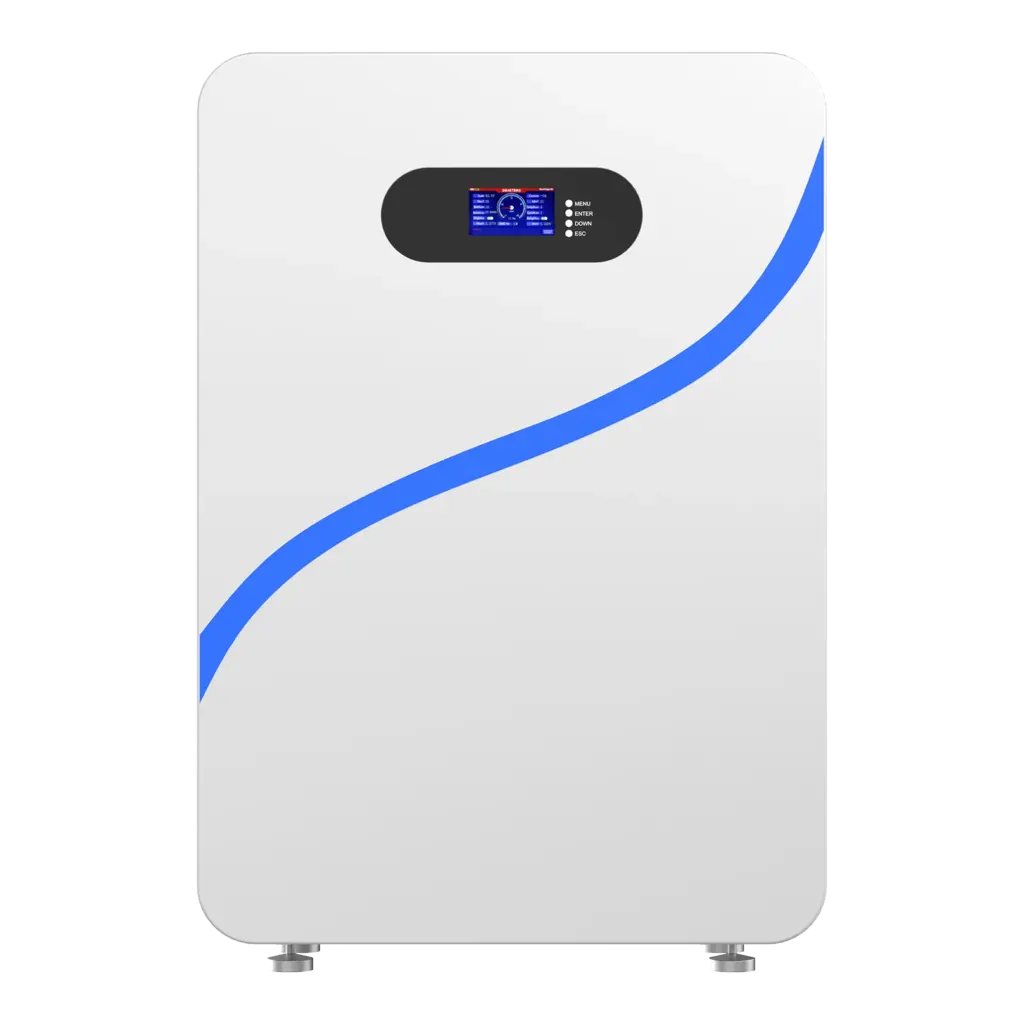
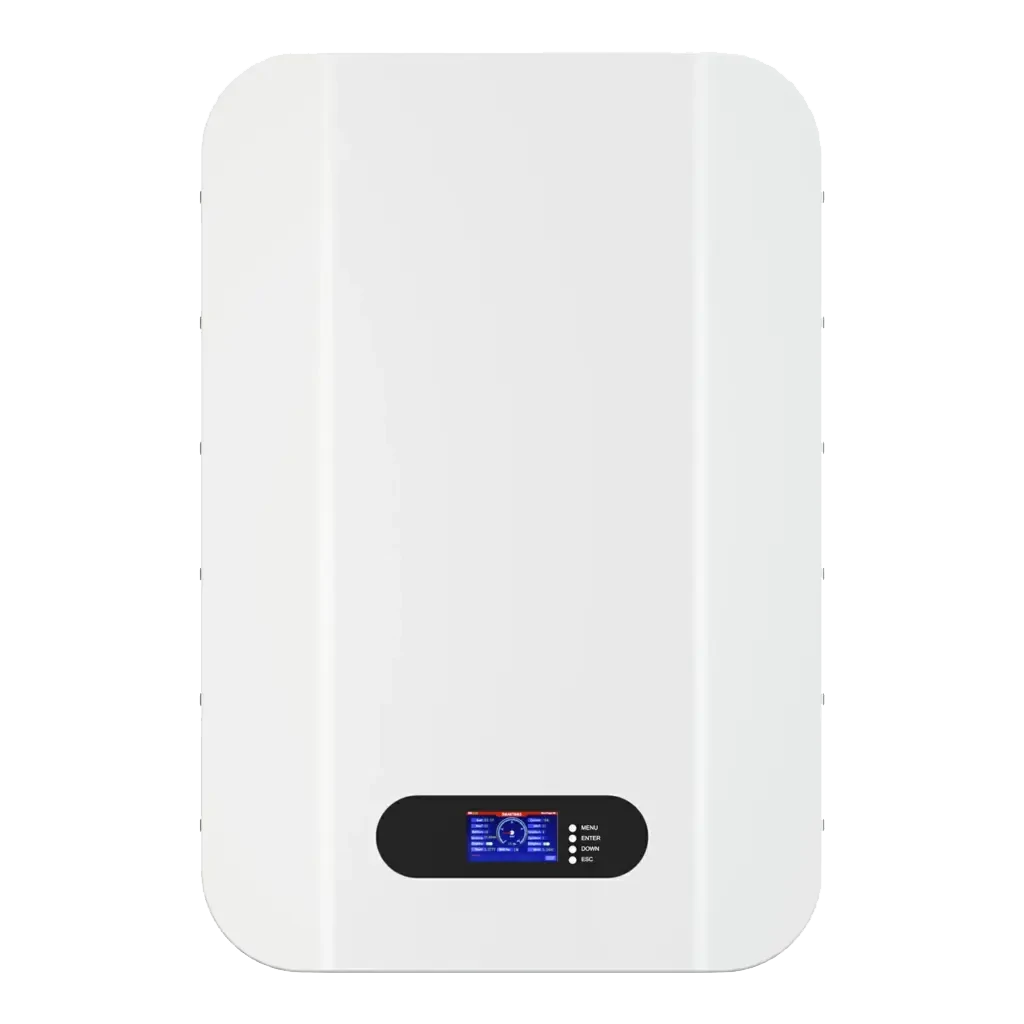
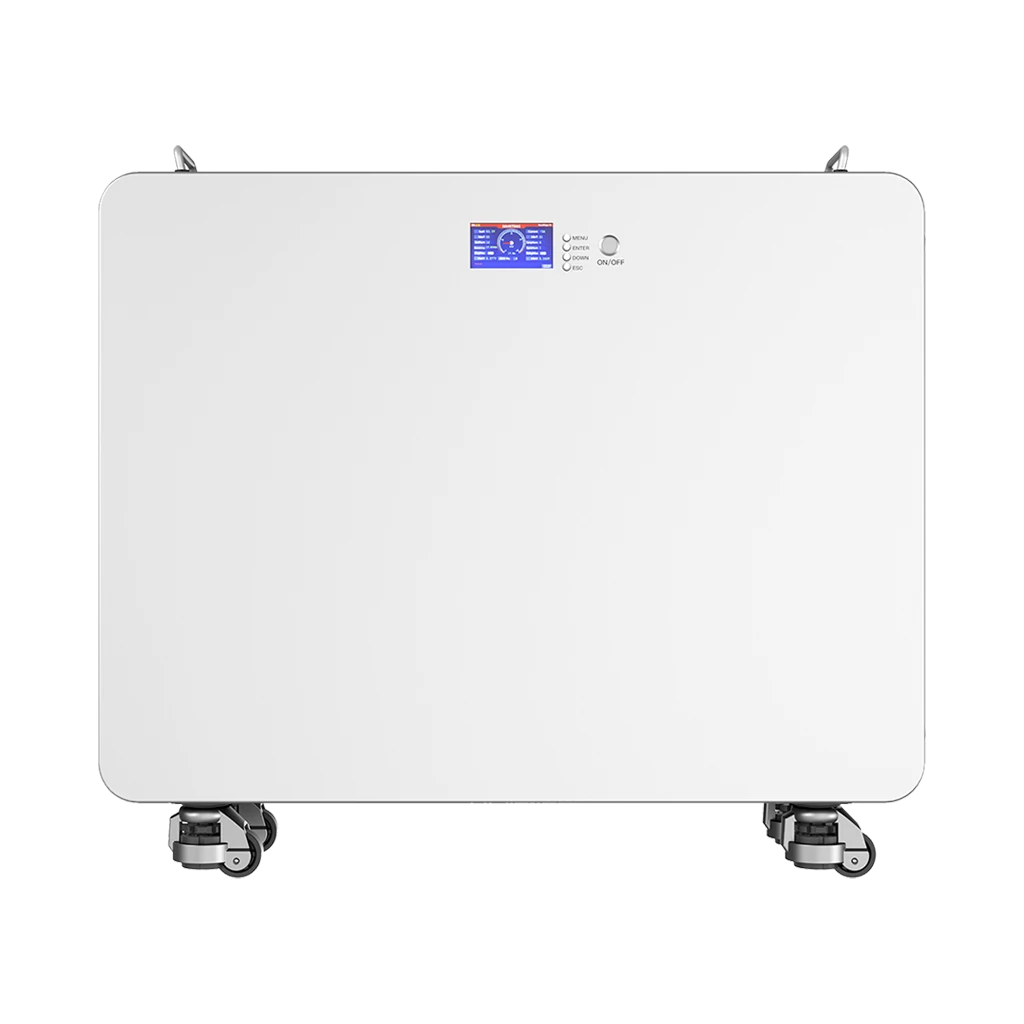
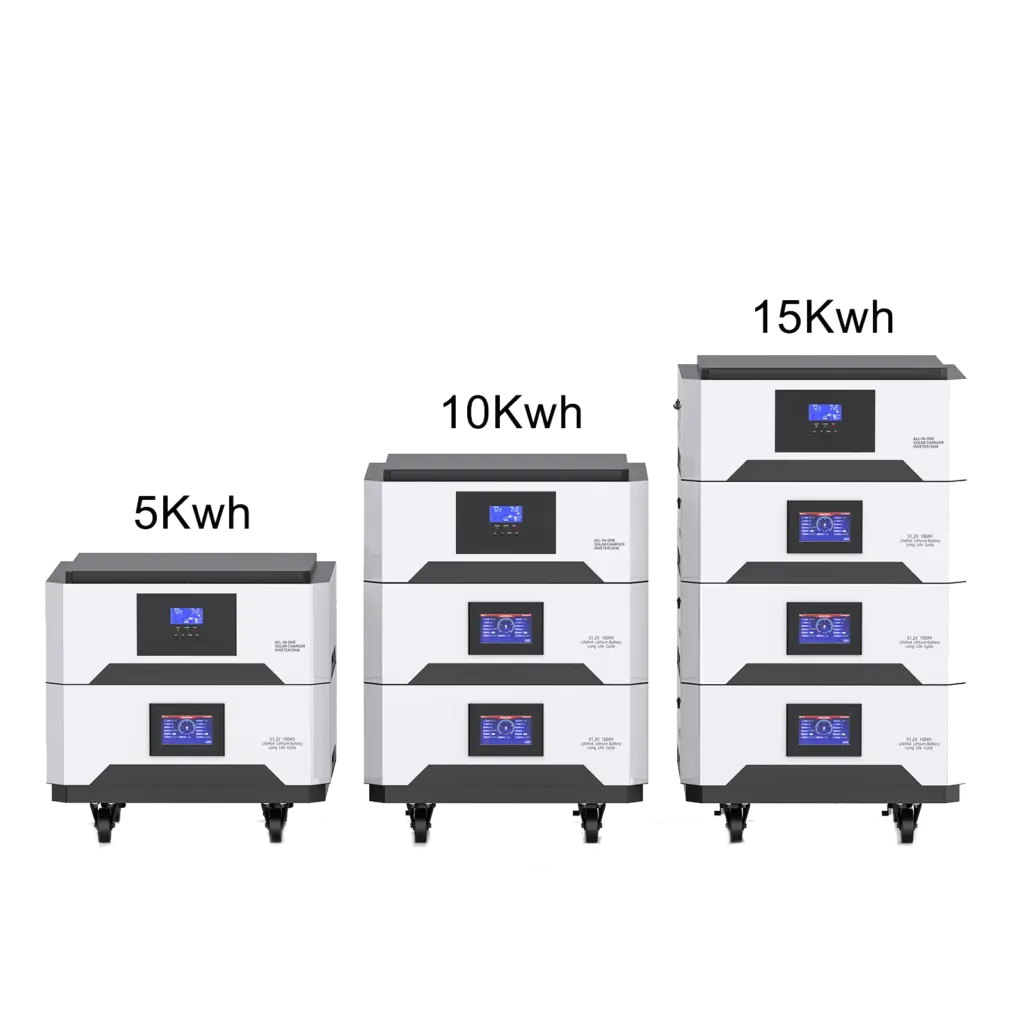
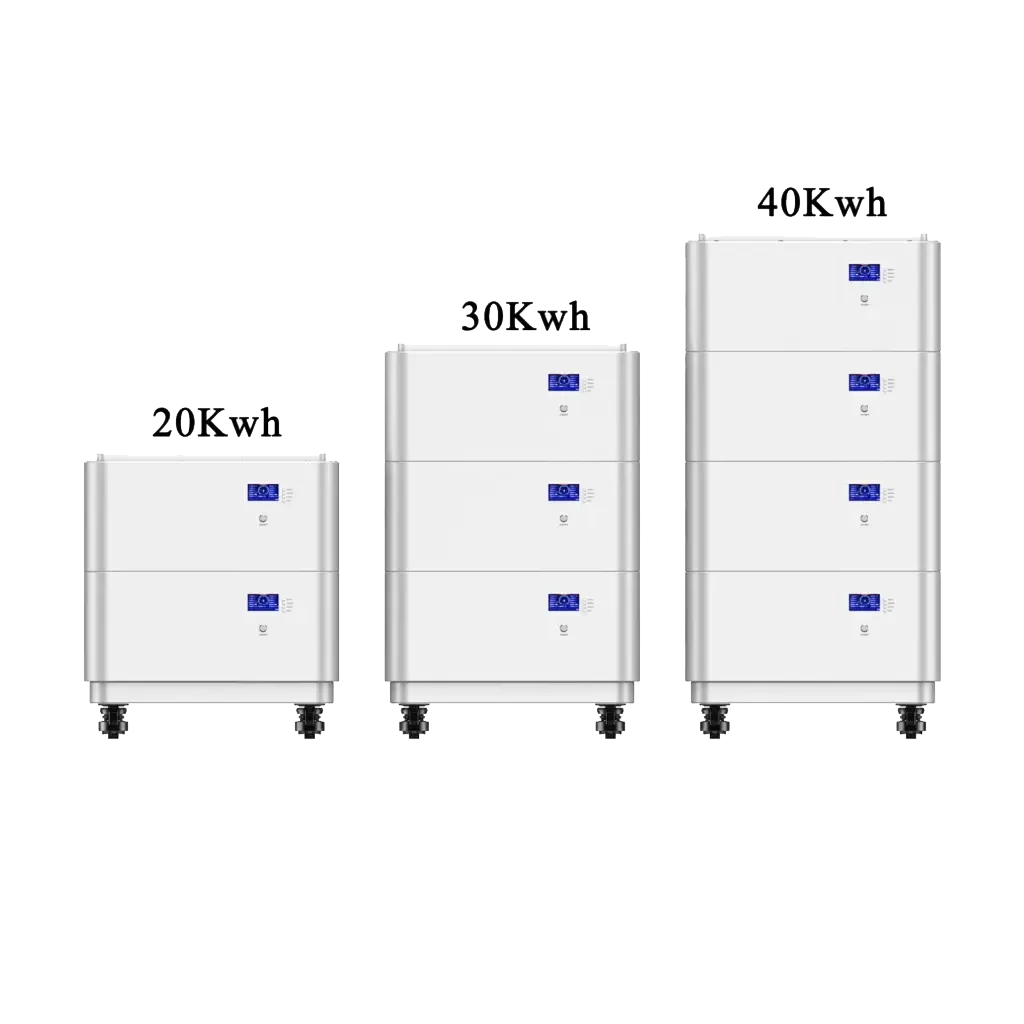
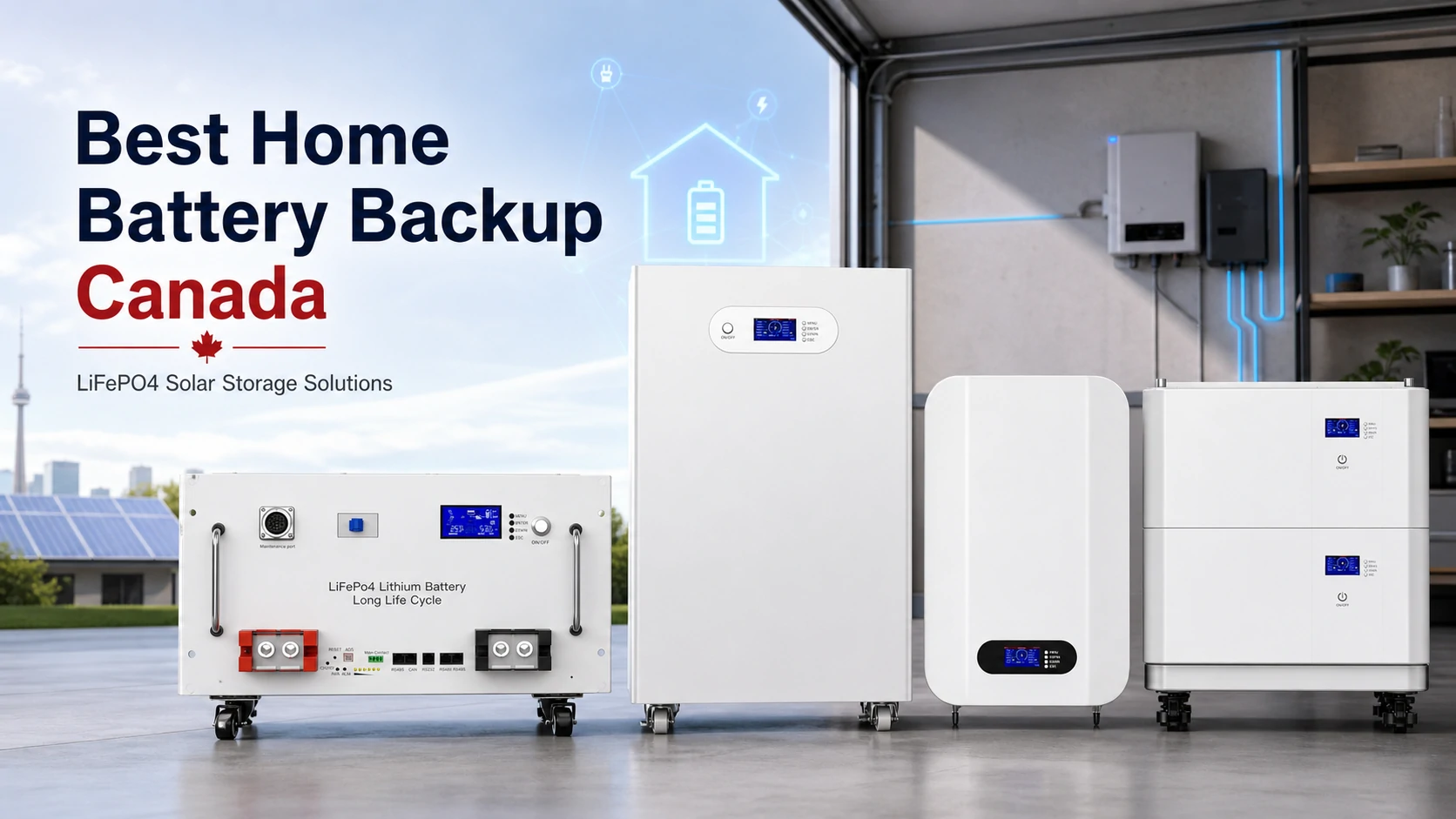
If your home has limited installation space, a wall mounted battery may suit compact residential projects. If you want flexible future expansion, a stackable solar battery can make it easier to add capacity over time. For installers or structured equipment rooms, a rack mount battery can support cleaner servicing and scalable layouts.
How Much Do Solar Batteries Cost in Australia?
The price of a solar battery in Australia varies depending on several factors, including the brand, usable capacity, inverter requirements, installation complexity, location, switchboard condition, and whether the battery is installed with a new solar system or added later as a retrofit.
The total installed cost of a battery system can vary significantly. Current price index estimates (including the federal rebate but excluding state incentives) suggest approximate battery-only pricing of:
- 5kWh battery: around AUD 5,325
- 10kWh battery: around AUD 8,450
- 15kWh battery: around AUD 11,325
- 20kWh battery: around AUD 14,300
If the solar system requires additional hardware such as a compatible inverter, battery charger, backup interface, or switchboard upgrades, the total installation cost may be higher.
Solar Battery Payback in Australia
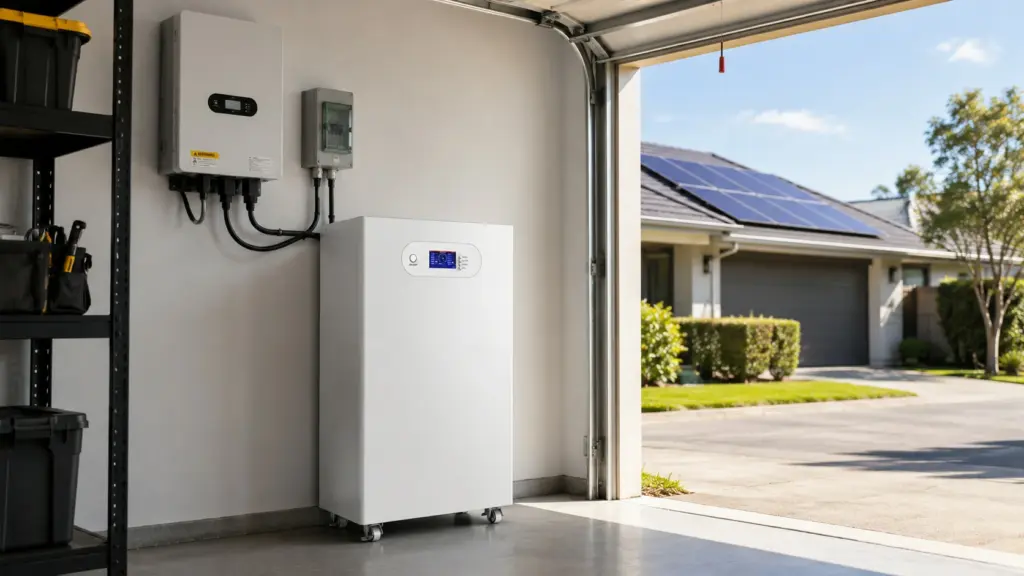
Battery payback is not the same across Australia. It depends on electricity prices, feed-in tariffs, solar generation, weather, tariff structure, battery price, and household behaviour.
SolarQuotes’ 2026 payback analysis estimates that a 10 kWh battery costing $9,500 after the federal rebate could have simple payback periods of around 7.0 years in Adelaide, 8.6 years in Brisbane, 8.5 years in Perth, and 9.2 years in Sydney, assuming typical overnight electricity use and a sufficiently large solar system.
| City | Estimated annual saving | Simple payback estimate |
|---|---|---|
| Adelaide | $1,350 | 7.0 years |
| Brisbane | $1,100 | 8.6 years |
| Perth | $1,120 | 8.5 years |
| Sydney | $1,030 | 9.2 years |
| Canberra | $700 | 13.6 years |
| Melbourne | $610 | 15.6 years |
| Hobart | $410 | 23.2 years |
This does not mean every home in Adelaide or Sydney should buy a battery, or that every home in Melbourne should avoid one. It means the economics are highly local and highly personal. A Melbourne home with high evening consumption, time-of-use tariffs, backup needs, and a strong VPP offer may still find a battery worthwhile. A Sydney home with low evening consumption may not.
Example Payback Logic
A simple formula for calculating solar battery payback is:
Battery payback period = installed battery cost ÷ annual savings
For example, suppose a household installs a 10kWh battery after receiving the subsidy. If the installation cost is around AUD 8,500 and the battery saves approximately AUD 1,100 per year, the simple payback period would be about 7.7 years.
If the household saves AUD 1,500 per year due to high evening electricity usage or favorable time-of-use electricity rates, the payback period could shorten to around 5.7 years.
When a Solar Battery Is More Worthwhile
- Higher evening or nighttime electricity usage: Batteries work best when they are regularly discharged. Homes using air conditioning, cooking appliances, lighting, entertainment systems, computers, or heat pumps after sunset can benefit more from battery storage.
- Large amounts of excess solar exports: If your solar system frequently exports unused electricity during the day, a battery can store that energy for later self-use instead of sending it back to the grid at low feed-in tariff rates.
- Time-of-use electricity pricing: Batteries can help reduce electricity costs by avoiding expensive peak-period grid power during evening hours.
- Access to rebates or incentives: Federal battery rebates lower upfront costs, while some state incentives and Virtual Power Plant (VPP) programs may further improve financial returns, including programs available in New South Wales and Western Australia.
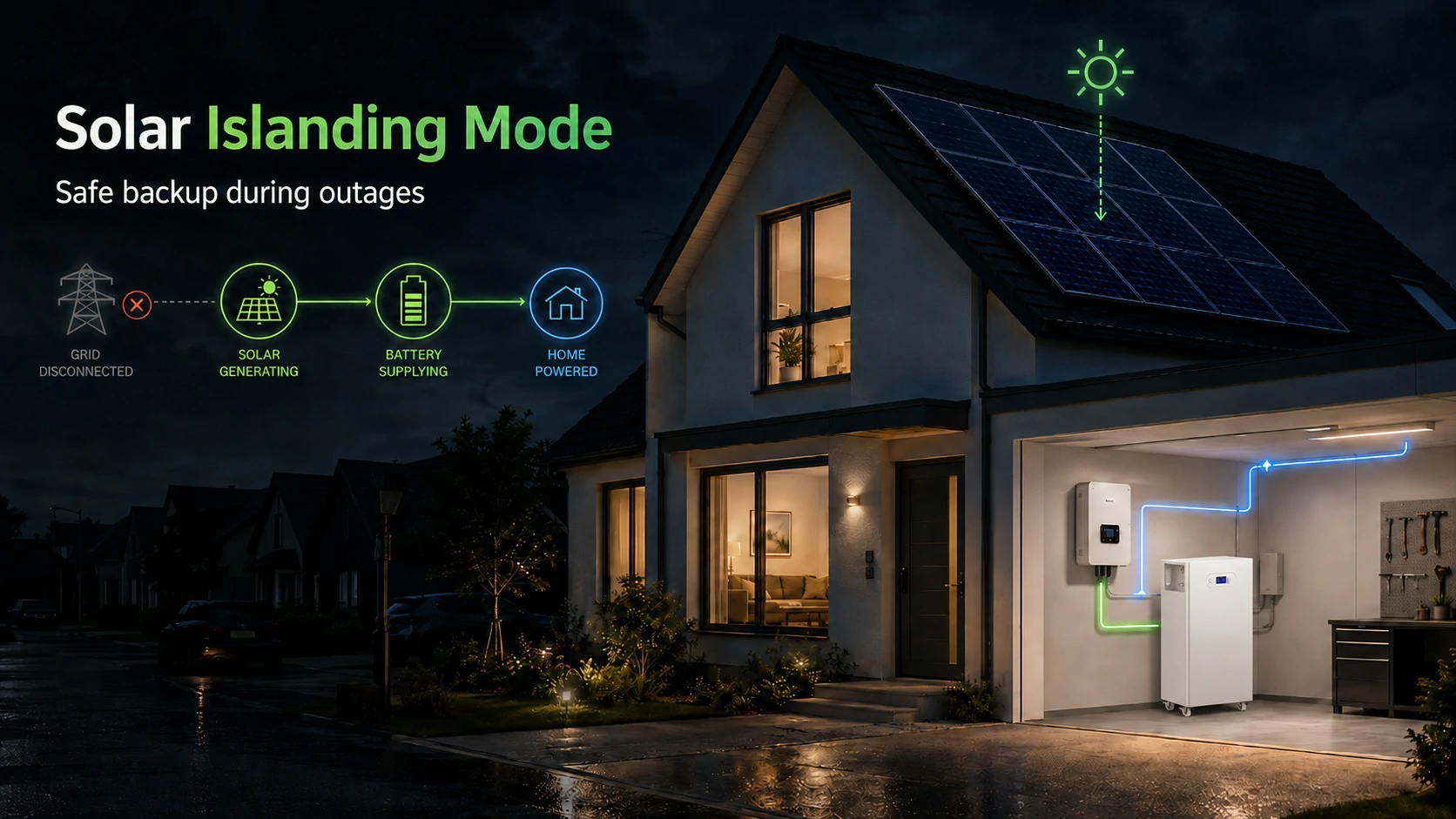
- Need for backup power during outages: Batteries may provide value beyond financial savings if blackout protection is important for your household. Backup capability depends on the battery, inverter, and installation design.
- Long-term home ownership plans: Solar batteries are long-term investments. Many modern lithium-ion batteries are designed to last around 10–15 years and commonly include warranties of about 10 years. For homeowners, installers, or distributors comparing system reliability, Avepower’s warranty and service support page can help explain what to check before selecting a LiFePO4 battery supplier.
When a Solar Battery May Not Be Worth Buying
- Most electricity usage happens during the day: If your household already consumes solar energy directly during daylight hours, the additional benefit of a battery may be limited.
- Your solar system is too small: Batteries require surplus solar generation to charge properly. Small solar systems may not consistently produce enough excess power, especially during winter.
- The battery is oversized for your needs: Choosing a battery larger than your household’s actual energy usage may reduce overall value and extend the payback period.
- You only want the fastest financial return: Solar panels often achieve faster payback than batteries. Improving energy efficiency, upgrading solar capacity, or changing electricity plans may deliver better short-term returns.
- Your installation requires expensive electrical upgrades: Older switchboards, backup circuits, inverter retrofits, long cable runs, or complex three-phase electrical work can increase installation costs significantly.
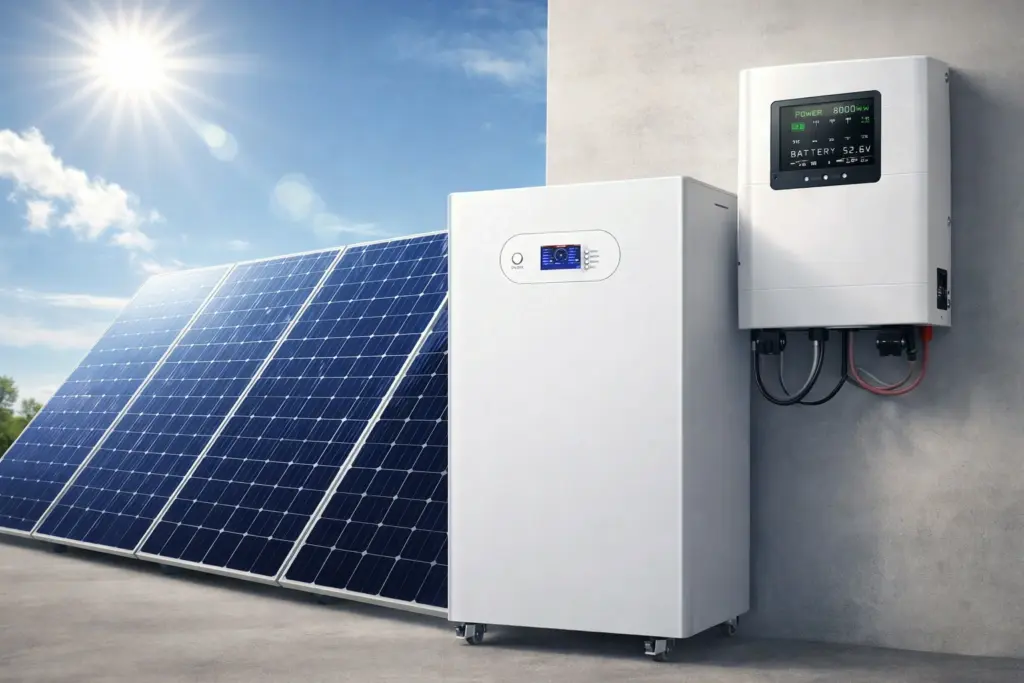
Planning a Solar Battery Project for the Australian Market?
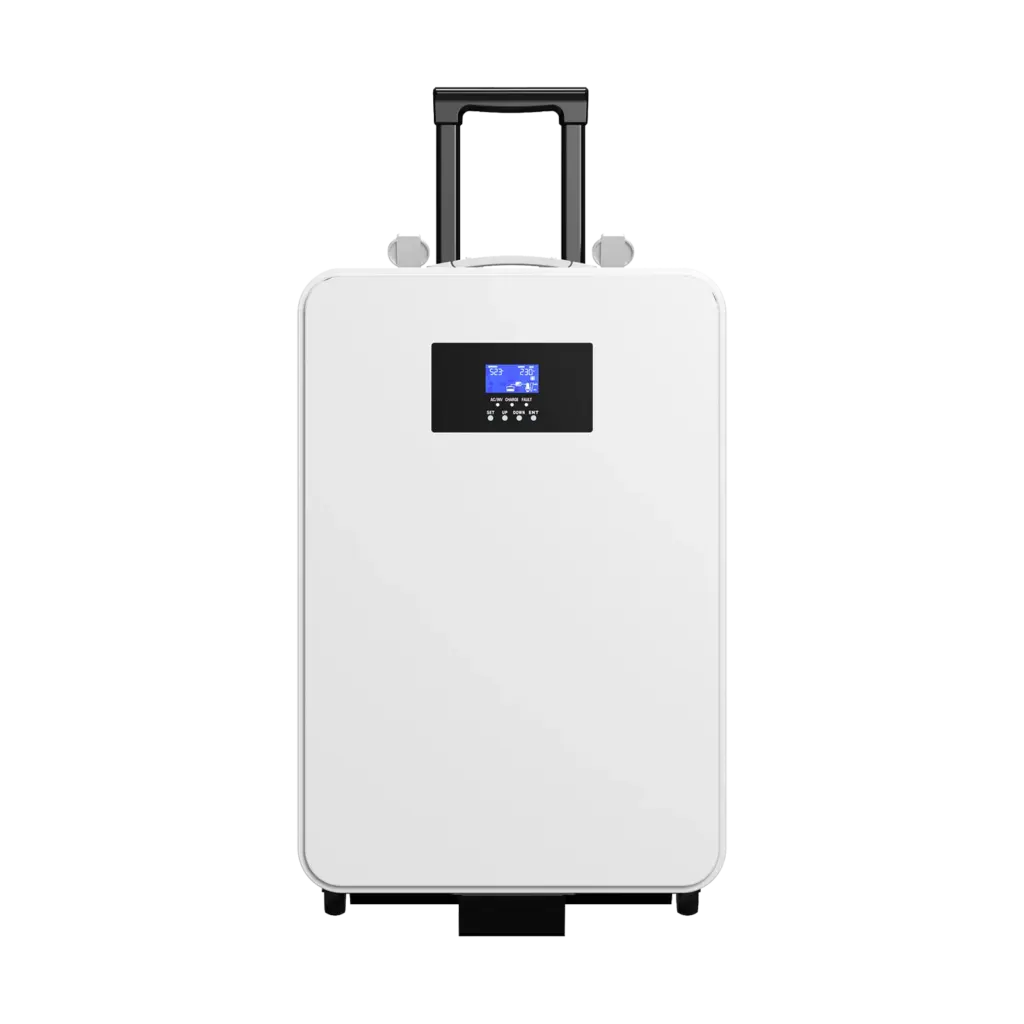
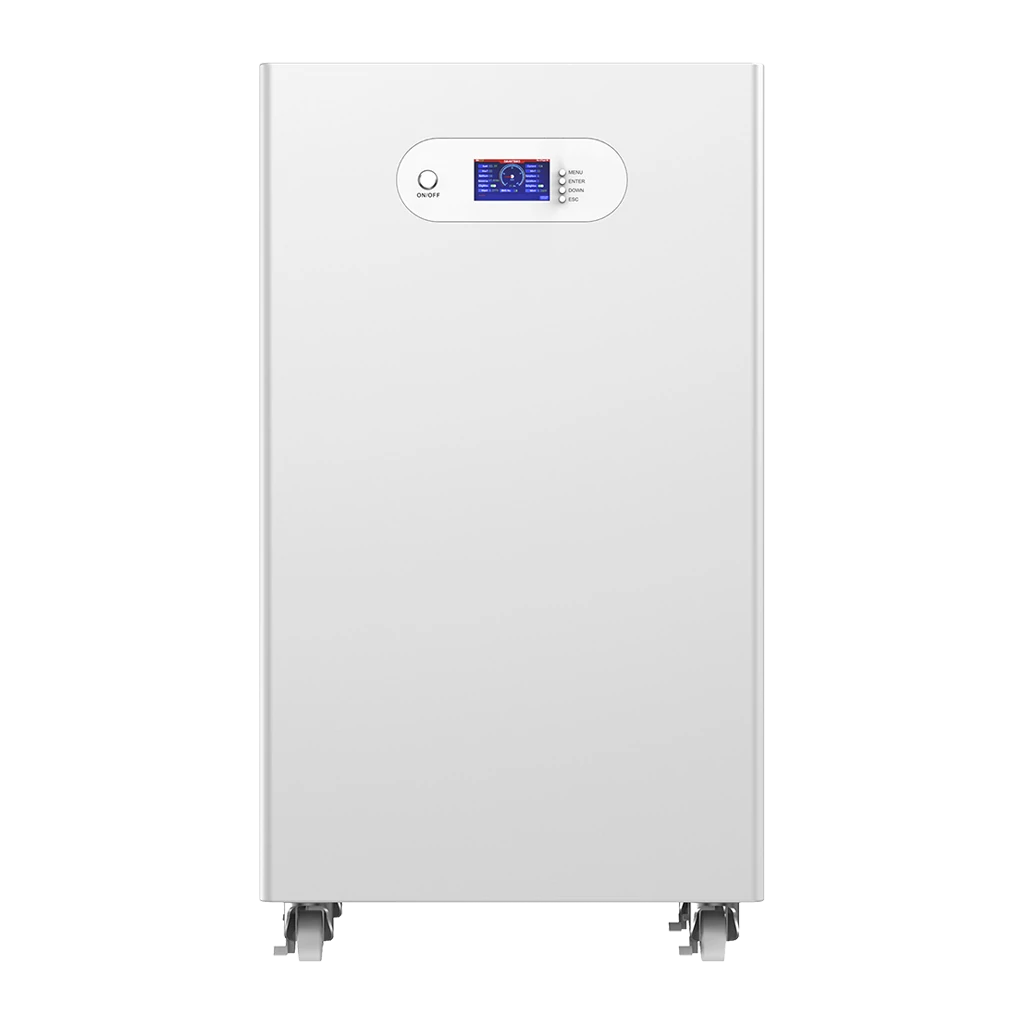
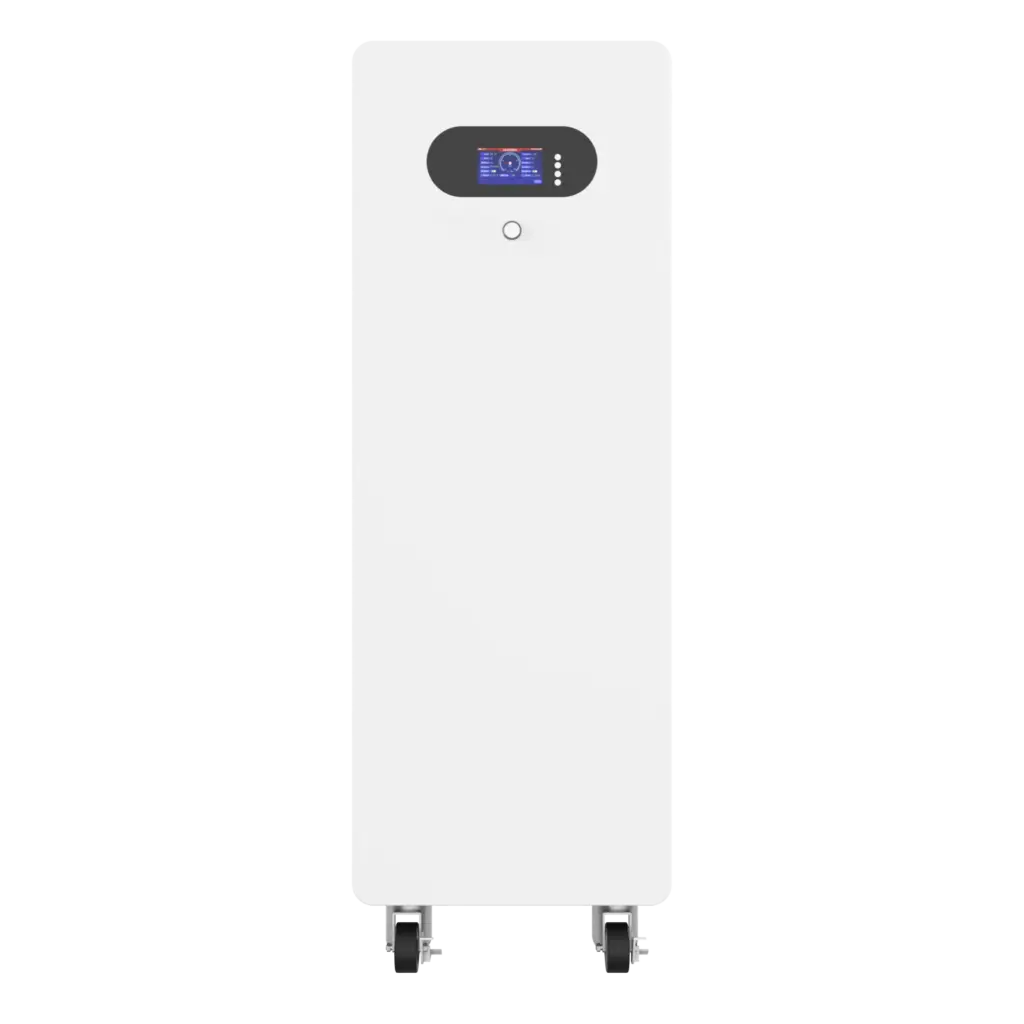
Avepower can help you compare wall-mounted, stackable, rack-mounted, vertical, and all-in-one LiFePO4 battery options based on capacity, installation space, inverter compatibility, and project requirements.
What Type of Battery Should You Choose?
Most modern home batteries use lithium-ion technology, and many now use lithium iron phosphate, or LFP, chemistry. RACV notes that LFP is widely used in current home batteries and is known for safety and durability.
For Australian homeowners and installers, the key selection factors include:
- Usable capacity, not just nominal capacity
- Round-trip efficiency
- Battery chemistry
- Warranty length and retained capacity terms
- Backup capability
- Inverter compatibility
- CEC-approved product status
- Installation environment
- Monitoring and communication options
- Local electrical compliance
Under the federal program, eligible systems need to meet approval and installation requirements. Eligible systems include CEC-approved batteries, Solar Accreditation Australia installer requirements, 5–100 kWh nominal battery systems, and STCs for the first 50 kWh of usable capacity.
Avepower focuses on LiFePO4 home energy storage systems with intelligent BMS protection, scalable capacity options, and inverter communication support. For Australian projects where installers need flexible capacity planning, Avepower’s vertical LiFePO4 battery and all in one battery options may be suitable references when comparing system architecture, installation space, and future expansion needs.
Solar Battery vs More Solar Panels: Which Comes First?
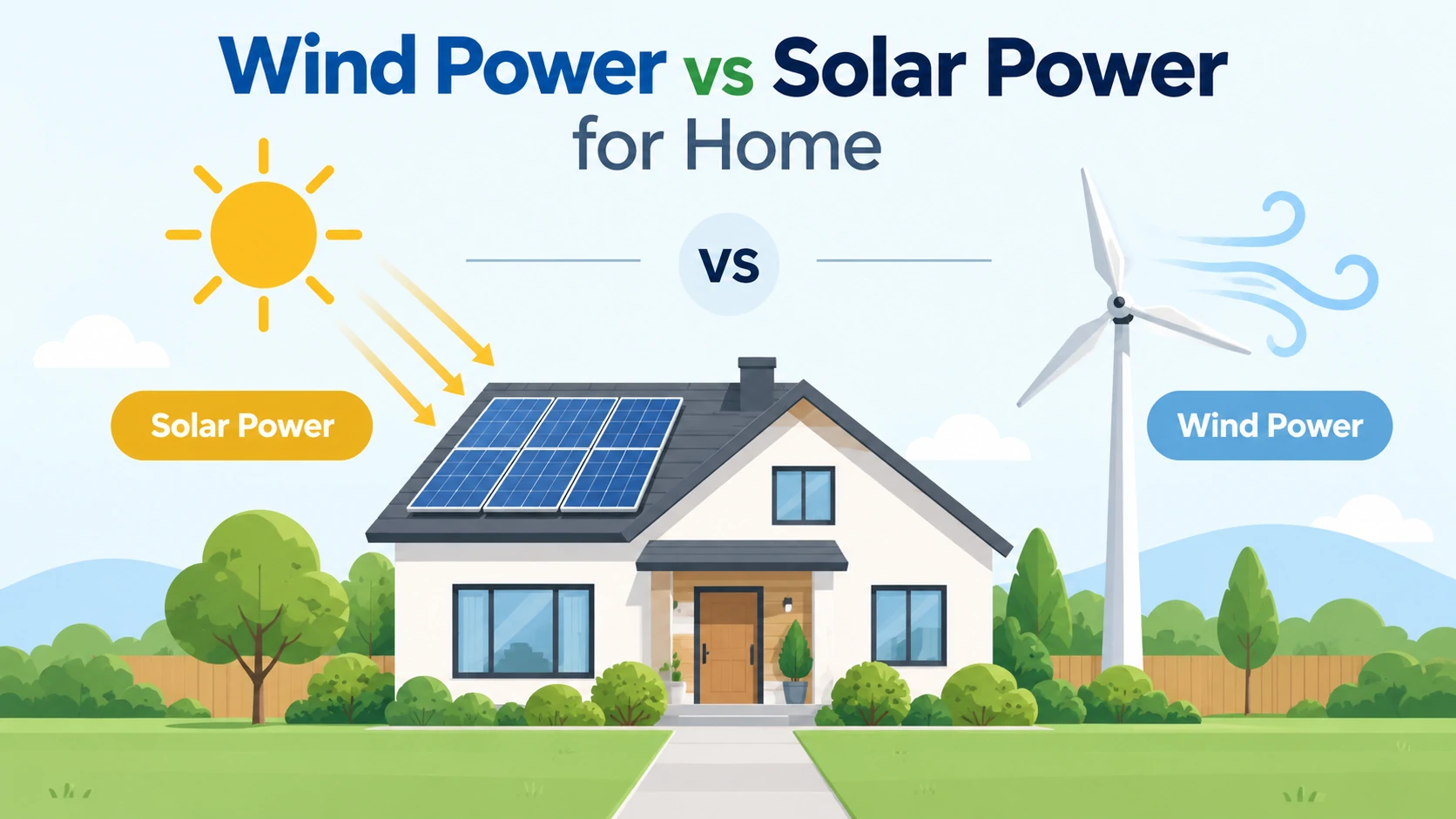
If your roof still has space, adding more solar panels may sometimes deliver a faster return than adding a battery. Panels generate additional energy, while a battery only stores energy that already exists.
A useful order of priority is:
- Improve household energy efficiency
- Shift flexible loads to daytime solar
- Make sure the solar system is large enough
- Compare electricity tariffs
- Add a battery when there is enough surplus solar to store
- Consider VPP participation if the terms are attractive
That said, many homeowners now install solar and battery together because the system can be designed as one package. This may reduce retrofit complexity and make inverter selection easier.
Avepower’s all-in-one battery systems are relevant for projects that need a more integrated solar-plus-storage format. Visit Avepower or explore our home energy storage solutions to find a battery configuration that fits your next solar-plus-storage project.
Should You Join a Virtual Power Plant?
A Virtual Power Plant, or VPP, connects many household batteries together so they can support the electricity grid. In return, participants may receive credits, payments, or special energy plans.
VPPs may compensate households for sharing stored solar energy, help balance supply and demand, reduce network costs, and increase grid resilience.
A VPP can improve battery economics, but homeowners should read the terms carefully. Check:
- how often the provider can discharge your battery
- whether backup reserve is protected
- how payments are calculated
- whether your battery and inverter are compatible
- whether joining affects battery warranty conditions
- whether the energy plan is still competitive
If you are choosing a battery for VPP participation, compatibility matters. Avepower’s inverter compatibility page is relevant for installers and buyers who need to check communication protocols such as CAN, RS485, and inverter matching before project deployment.
Final Verdict Is It Worth Getting a Solar Battery in Australia
A solar battery is worth getting in Australia if it is sized correctly, installed properly and matched to your electricity usage. In 2026, the federal battery rebate has made the economics more attractive, especially for homes with rooftop solar, evening electricity demand and low feed in tariffs.
For many households, the strongest value may come from a 6 kWh to 14 kWh battery because this range often matches evening use and receives stronger rebate support under the updated 2026 rules. Larger batteries can still be worthwhile, but they should be justified by real load data, backup requirements, EV charging plans or off grid needs.
The best approach is to avoid guessing. Check your smart meter data, calculate your night time usage, compare your tariff, confirm rebate eligibility and ask for several quotes. A battery should not be sold as a one size fits all product. It should be designed as part of a complete solar energy system.
For homeowners, installers and distributors looking for flexible LiFePO4 battery options, Avepower provides home energy storage systems with modular capacity options, BMS protection, inverter communication support and OEM/ODM customization for different project needs.
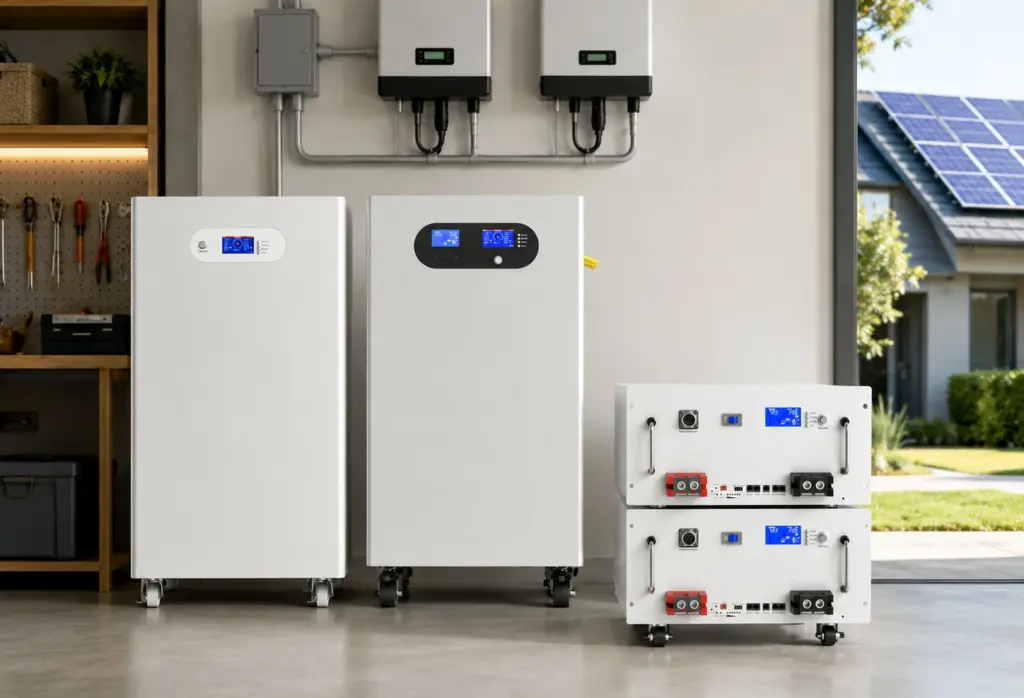
Take Control of Your Energy with Avepower!
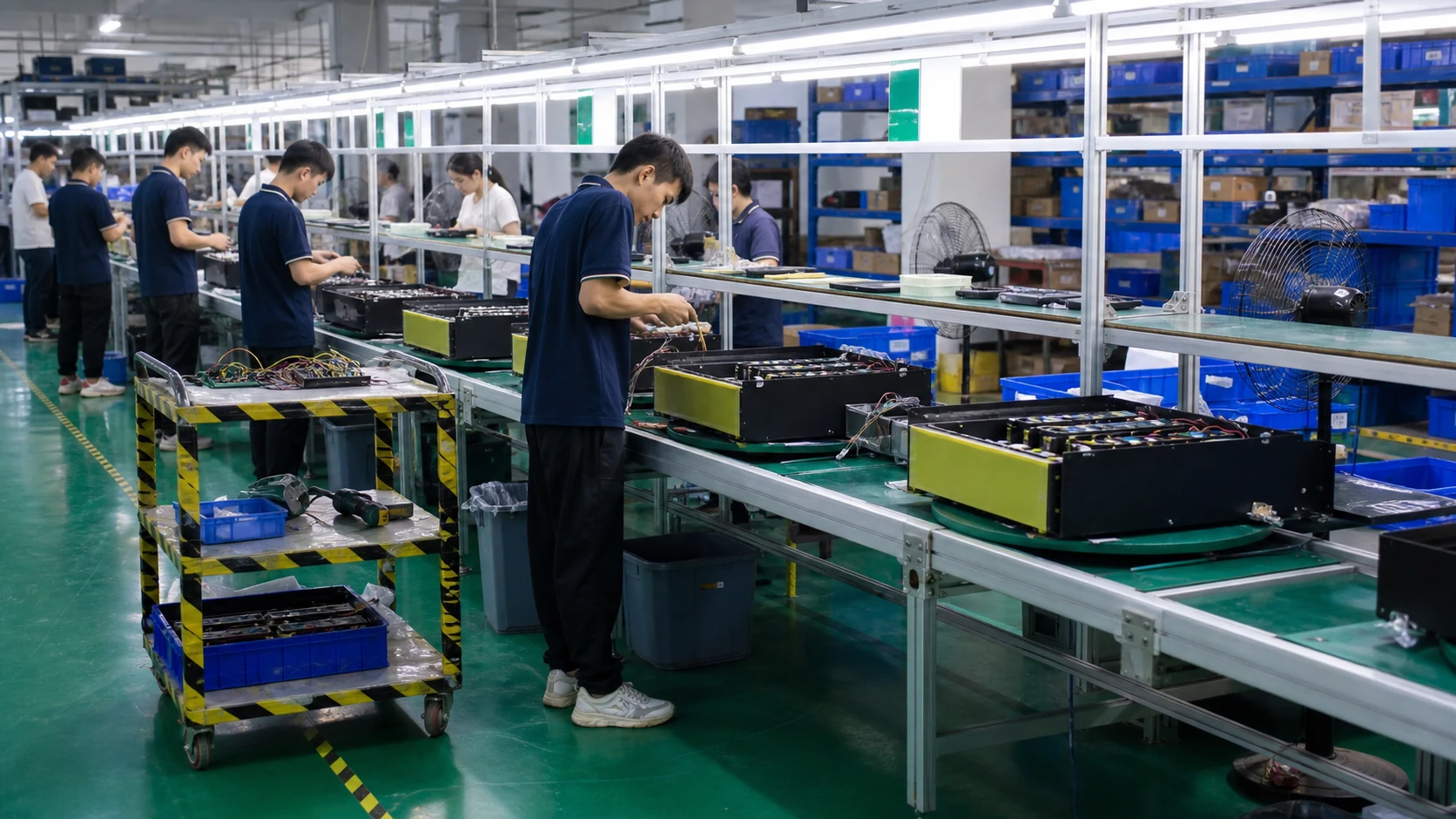
Reliable home solar battery solutions with OEM/ODM customization and in-house manufacturing, tailored to the needs of distributors, installers, and energy partners.
FAQ
Yes, it can be worth it if you have rooftop solar, high evening electricity use, low feed in tariffs and access to the federal battery rebate. It is less worthwhile if your night time electricity use is low or your solar system does not generate enough surplus energy.
Many homes may suit a 6 kWh to 13 kWh battery. Smaller households may only need 5 kWh to 7 kWh, while larger family homes or EV ready homes may need 13 kWh or more.
Payback can range from around 6 to 10 years in favourable cases, but it may be longer in homes with low evening usage, low tariff spread or high installation costs. Location, tariff structure and battery size all matter.
The Cheaper Home Batteries Program provides an upfront discount through STCs for eligible battery systems. From 1 May 2026, the rebate support is tiered by usable capacity, with stronger support for the first 14 kWh.
A VPP can improve returns if the payments or credits are worthwhile. However, you should check how often the operator can discharge your battery and whether it affects backup reserve or warranty conditions.