
As electricity prices become more dynamic and solar generation continues to grow, energy arbitrage is becoming a practical way to improve the value of a battery energy storage system. However, it is not profitable in every case. The real benefit depends on electricity tariffs, battery efficiency, battery cycle life, system size, installation cost, export rules and how intelligently the battery is controlled.
This guide explains what energy arbitrage is, how it works, when it makes financial sense and how to evaluate a battery storage system for energy arbitrage applications.
What Is Energy Arbitrage?
Energy arbitrage is the process of taking advantage of electricity price differences across time.
In electricity markets, prices are not always the same throughout the day. Power is often cheaper when demand is low or when renewable generation is abundant. It is usually more expensive when demand is high, such as in the evening when households return home, businesses are still operating and solar production is falling.
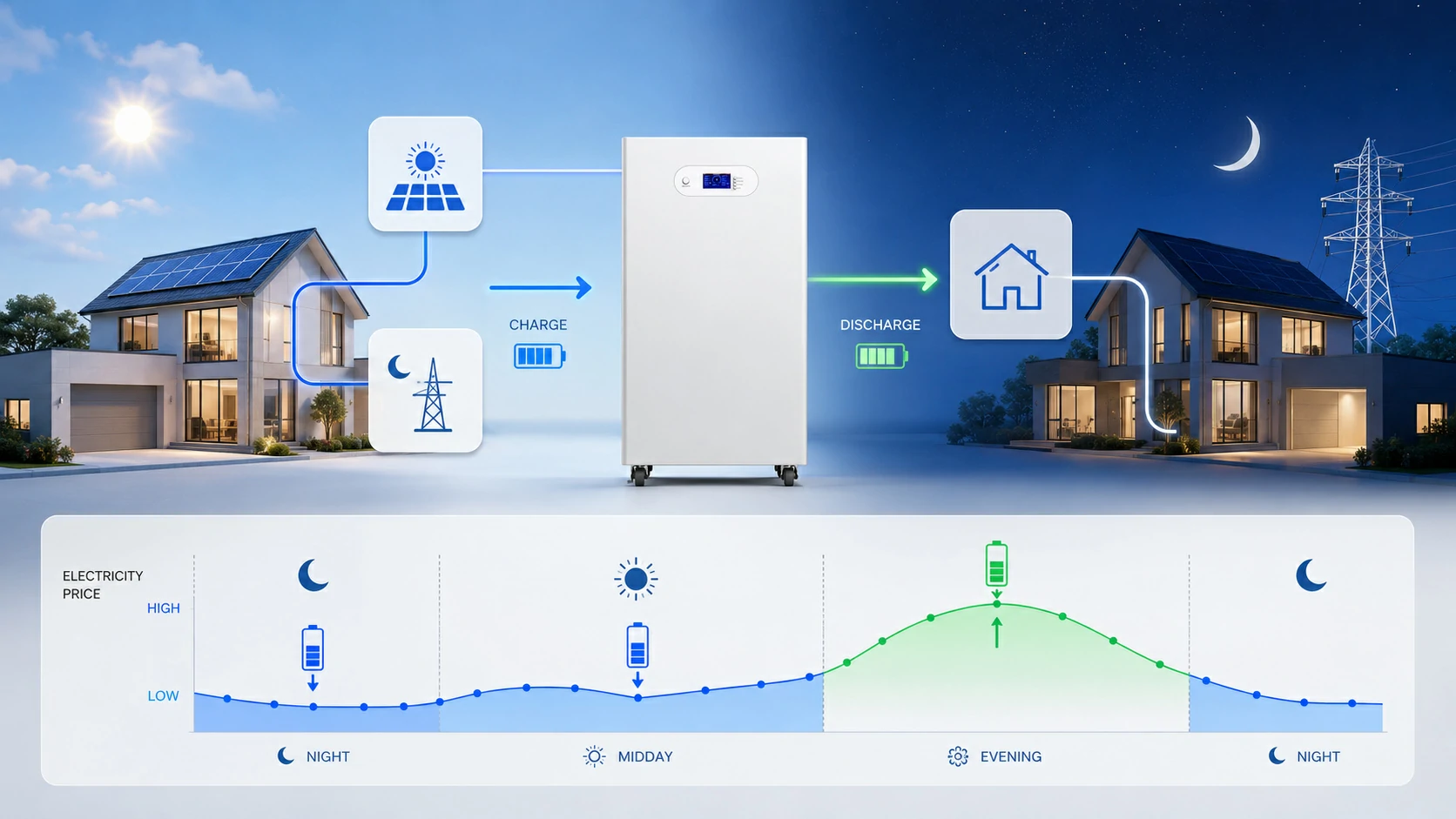
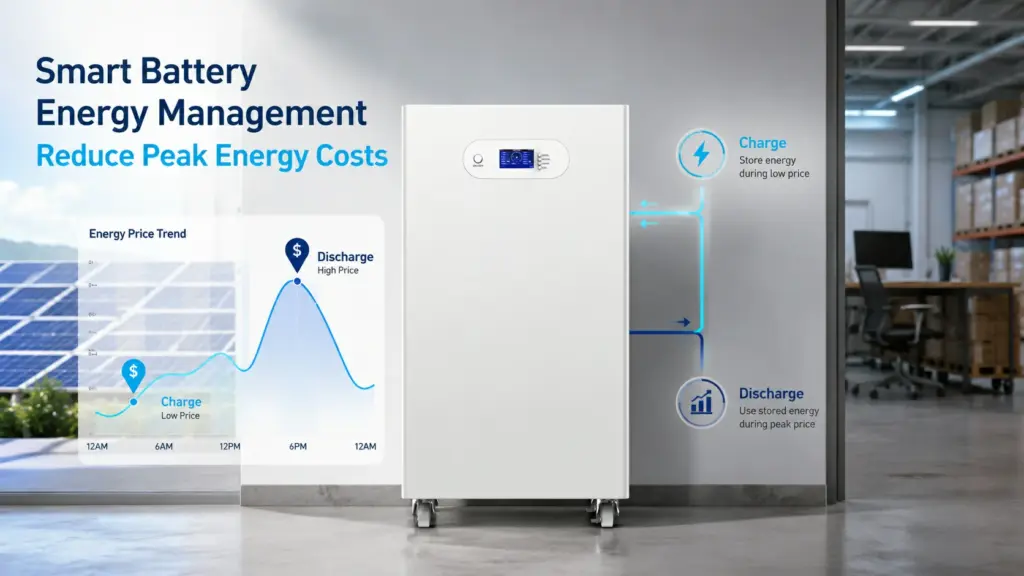
A battery energy storage system makes energy arbitrage possible by storing electricity during low-price periods and discharging it during high-price periods.
In a basic example:
- Charge the battery at night when grid electricity is cheap.
- Store the electricity in the battery.
- Discharge the battery during expensive peak hours.
- Reduce grid purchases or export stored power where market rules allow.
This is why energy arbitrage is closely connected with battery energy storage systems, time-of-use electricity pricing, smart meters, energy management systems and solar battery storage.
How Energy Arbitrage Works with Battery Storage
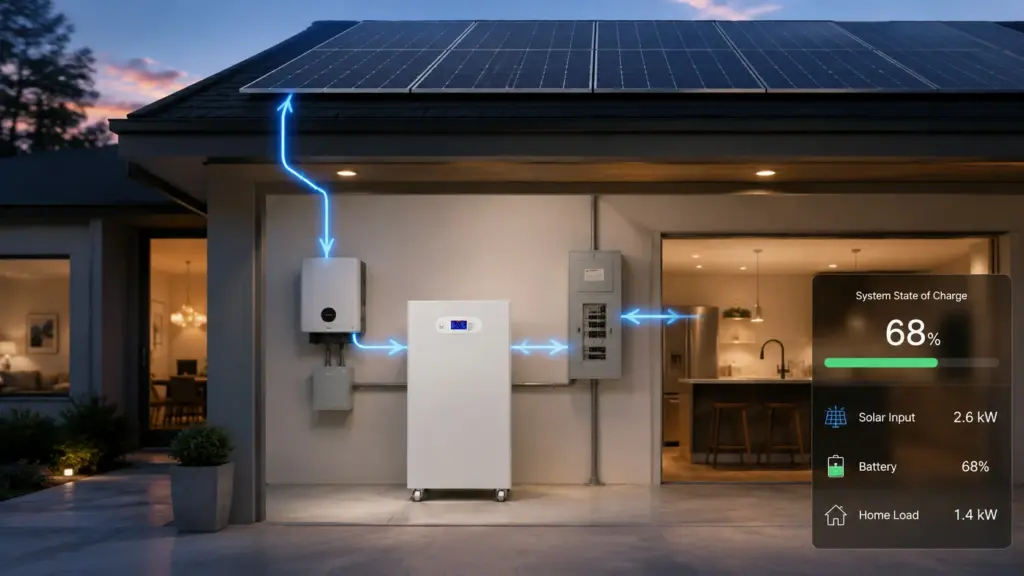
A solar energy storage system makes energy arbitrage practical because it allows electricity to be stored and used later. Without storage, electricity normally has to be consumed at the same time it is generated or purchased.
A typical home or small commercial energy arbitrage process works like this:
1. Charge When Electricity Is Cheap
The battery can charge from solar panels or from the grid.
If there is solar PV, the battery may charge during the day when solar production is high and export prices are low. If there is no solar system, the battery may charge from the grid during off-peak tariff periods.
2. Store Energy for Later Use
Once charged, the battery stores electricity until it becomes more valuable. The stored energy may be used for evening household loads, commercial peak periods, backup loads, or export opportunities depending on the local rules and system design.
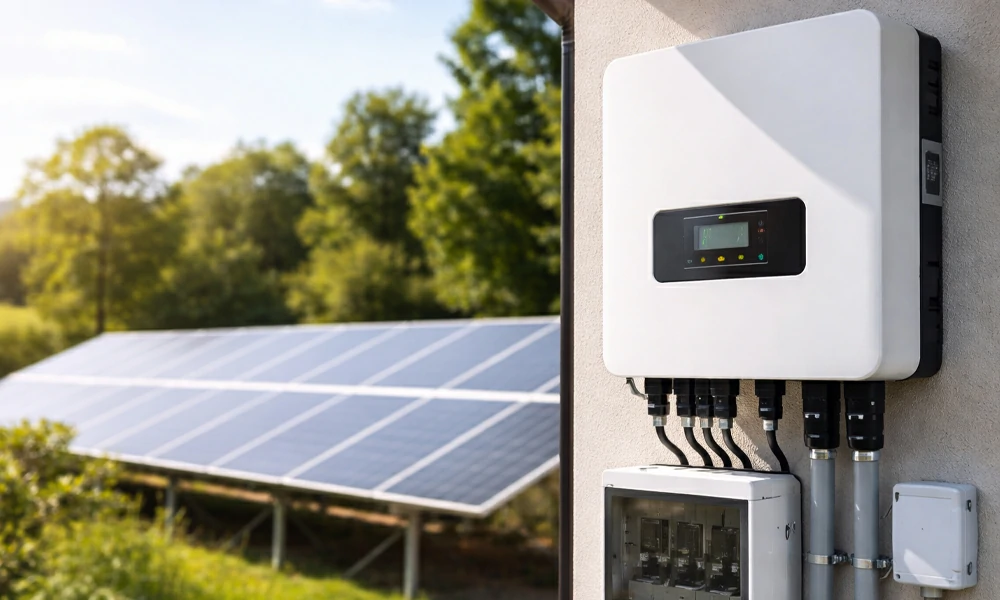
The battery management system and inverter help control charging, discharging, safety protection, communication, and system operation.
3. Discharge During Peak Pricing
When electricity prices rise, the battery discharges. This can reduce grid imports during expensive periods and lower the total electricity bill.
For example, a home may use stored battery energy between 5 p.m. and 10 p.m. when household demand is high and grid electricity prices are more expensive.
4. Export Energy Where Permitted
In some regions, users may be allowed to export stored energy to the grid. However, this depends on local electricity market rules, tariff structures, inverter settings, grid connection agreements, and export credit policies.
For many residential systems, the primary benefit is not selling electricity back to the grid. It is reducing expensive grid imports during peak hours.
Looking for a Battery Solution for Energy Arbitrage?
If your customers want to reduce peak-hour electricity costs, improve solar self-consumption or use time-of-use pricing more efficiently, Avepower can support scalable LiFePO4 battery storage solutions for residential and commercial projects.
Energy Arbitrage, Peak Shaving, and Load Shifting
These terms are related, but they are not exactly the same.
Energy Arbitrage
Energy arbitrage focuses on price differences. The goal is to charge when energy is cheap and discharge when energy is expensive.
Load Shifting
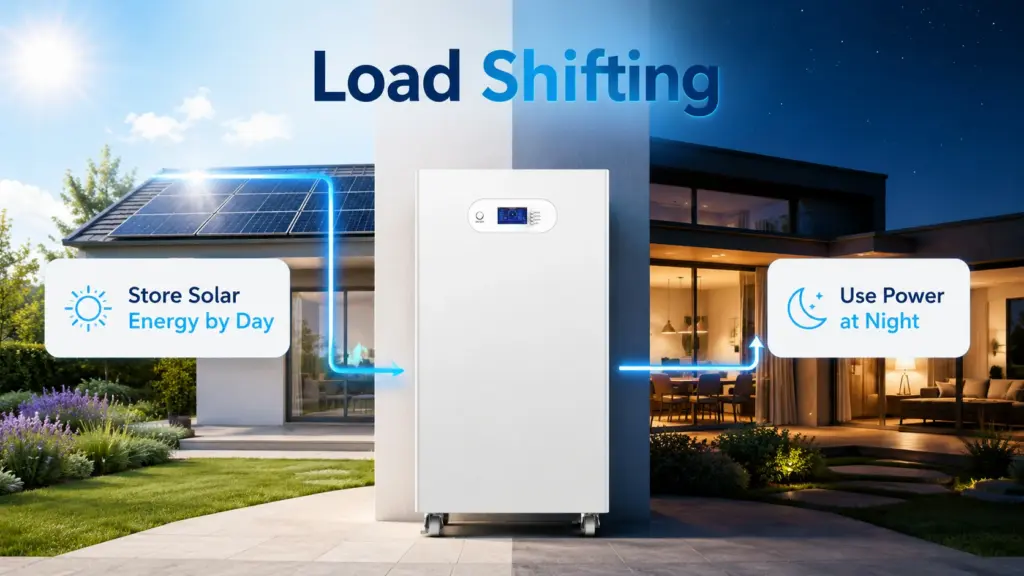
Load shifting means moving energy use from one time period to another. Energy arbitrage is one type of load shifting, but load shifting can also involve changing when equipment runs, when EVs charge or when heating and cooling systems operate.
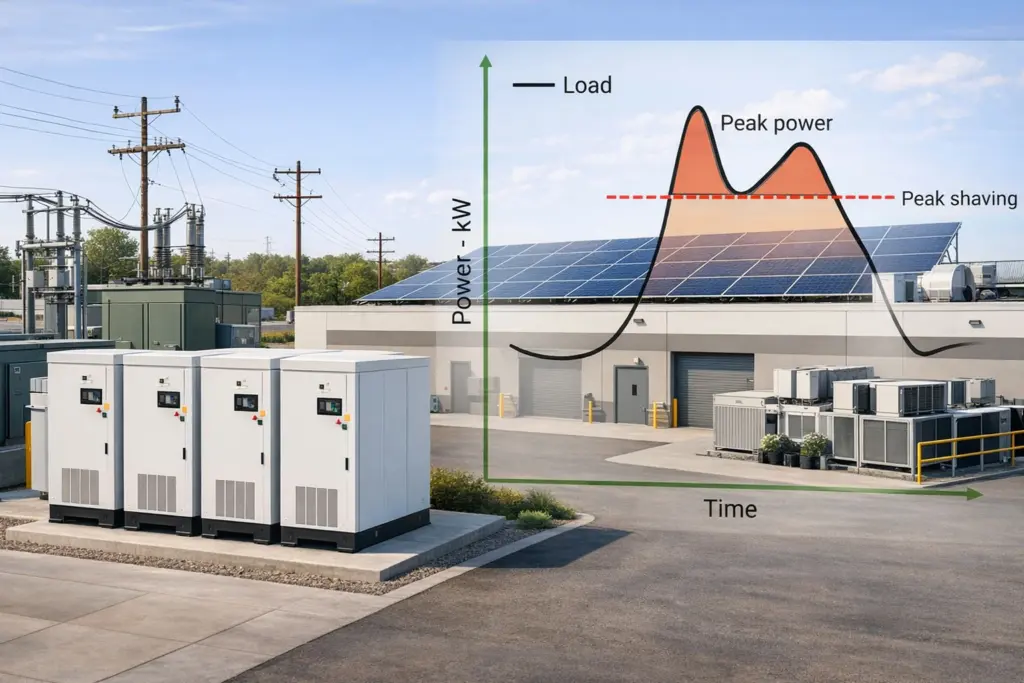
Peak Shaving
Peak shaving focuses on reducing the highest power demand during a billing period. This is especially important for commercial and industrial users because demand charges can make up a major part of the electricity bill.
A battery can support all three strategies at the same time. For example, it can charge during off-peak hours, reduce grid use during peak hours and lower a site’s maximum demand.
Why Battery Storage Makes Energy Arbitrage Practical
Without energy storage, electricity usually needs to be consumed when it is generated or purchased. A battery changes this by separating the time of purchase from the time of use.
This makes battery storage valuable for:
- Homes with time-of-use electricity rates
- Solar homes with low export credits
- Commercial buildings with high evening or daytime peak tariffs
- Farms and rural sites with variable load patterns
- EV charging sites with high peak power demand
- Factories and warehouses with demand charges
- Solar project developers seeking better energy utilization
- Grid-connected BESS projects seeking market participation
For residential and small commercial applications, a home energy storage battery system can store solar or off-peak grid energy and supply it during higher-cost periods.
For installers, wholesalers and project buyers, scalable residential battery energy storage systems can support solar storage, backup power and energy cost management when matched correctly with the inverter, tariff structure and site load profile. Looking for a battery storage solution for energy arbitrage, solar self-consumption or backup power? Contact Avepower to discuss your project requirements, battery capacity, inverter compatibility and OEM/ODM customization needs.
Key Conditions That Make Energy Arbitrage Profitable
Energy arbitrage is not automatically profitable just because a battery is installed. Several conditions must be checked before recommending or investing in a system.
1. There Must Be a Clear Price Spread
The price spread is the difference between low-price electricity and high-price electricity.
For example:
- Off-peak price: $0.12/kWh
- Peak price: $0.40/kWh
- Gross spread: $0.28/kWh
The larger the spread, the more potential value the battery can create. If the electricity tariff is flat all day, arbitrage value may be low or even negative after efficiency losses.
2. Round-Trip Efficiency Matters
No battery returns 100% of the energy used to charge it. Some energy is lost during charging, conversion, storage and discharging.
If a battery has 90% round-trip efficiency, then 10 kWh charged into the battery may deliver about 9 kWh of usable energy. This means the price spread must be large enough to cover energy losses.
3. Battery Degradation Must Be Considered
Every charge and discharge cycle contributes to battery aging. A good arbitrage calculation should consider battery cycle life, usable capacity, depth of discharge, warranty terms and the expected value per cycle.
LiFePO4 batteries are widely used in stationary storage because they offer good safety, long cycle life and stable performance. For B2B projects, battery cycle life and BMS protection are important when evaluating long-term arbitrage economics.
4. Smart Control Is Required
Energy arbitrage requires more than just a battery. The system needs a control strategy that decides when to charge and discharge.
This may involve:
- Time-of-use tariff schedules
- Solar generation forecasts
- Load forecasts
- Battery state of charge
- Minimum backup reserve
- Export limits
- Inverter power limits
- Grid rules
- Battery degradation cost
- Demand charge management
For advanced projects, an energy management system can help optimize battery operation across multiple value streams.
5. Local Rules and Tariffs Matter
Energy arbitrage depends heavily on local electricity market rules. In some regions, users can export stored energy to the grid. In others, the battery may only be used to offset on-site consumption.
Before designing a project, check:
- Import electricity rates
- Export credit rates
- Net metering or net billing rules
- Time-of-use tariff periods
- Demand charges
- Grid interconnection rules
- Battery export restrictions
- Incentives or rebate programs
- Metering requirements
The U.S. Energy Information Administration explains that energy storage can support price arbitrage, peak demand reduction, renewable integration, backup power and grid reliability. These use cases are often combined in real-world projects.
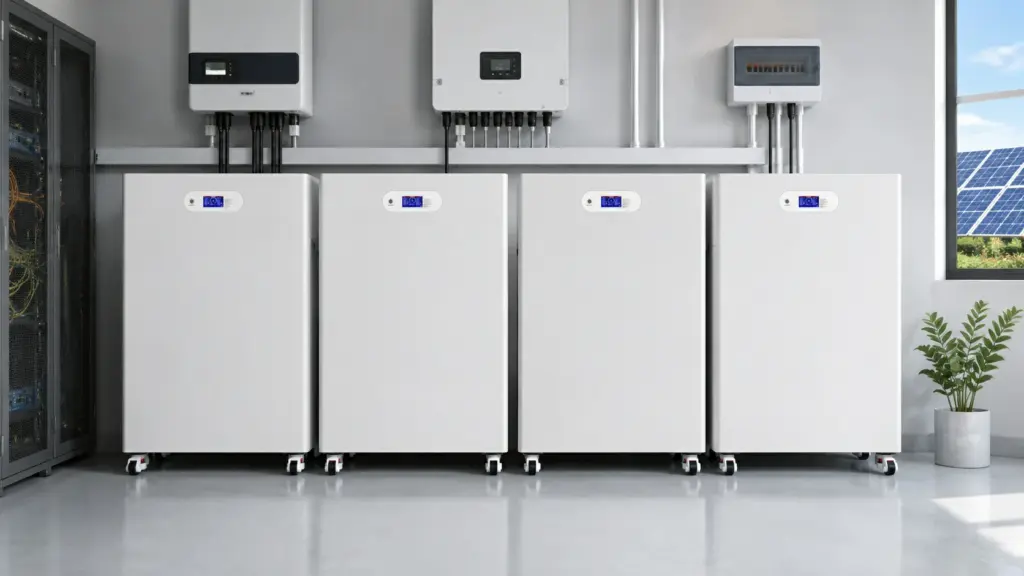
Turn Electricity Price Differences into Storage Value
Energy arbitrage works best when the battery system is properly sized and matched with the right inverter, tariff and control strategy. Avepower supports installers, distributors and project developers with battery selection, communication matching and OEM/ODM options.
Simple Energy Arbitrage Calculation
Here is a simplified calculation for a home or small commercial battery.
Assume:
- Battery usable capacity: 10 kWh
- Off-peak electricity price: $0.12/kWh
- Peak electricity price: $0.40/kWh
- Round-trip efficiency: 90%
- Battery charged once per day
Charging 10 kWh at $0.12/kWh costs:
10 kWh × $0.12 = $1.20
With 90% round-trip efficiency, the battery delivers:
10 kWh × 90% = 9 kWh
If those 9 kWh offset peak electricity at $0.40/kWh, the avoided cost is:
9 kWh × $0.40 = $3.60
Gross daily arbitrage value:
$3.60 – $1.20 = $2.40 per day
Annual gross value:
$2.40 × 365 = $876 per year
This is only a simplified estimate. A real calculation should also include battery degradation cost, inverter losses, installation cost, battery replacement cost, maintenance, backup reserve settings, seasonal tariff changes and actual site load behavior.
When Energy Arbitrage Makes Financial Sense
Energy arbitrage does not work equally well in every market. It usually works best when there is a meaningful price difference between low-cost and high-cost electricity periods.
Energy Arbitrage Is More Attractive When:
- Electricity rates are higher during peak hours.
- Off-peak rates are significantly cheaper.
- Solar export credits are low during the day.
- Evening grid import prices are high.
- The battery has high round-trip efficiency.
- The system cycles frequently without excessive degradation.
- The user has predictable evening or peak-time loads.
- Local rules allow grid charging or battery export where needed.
- Smart meters and TOU tariffs are available.
Energy Arbitrage May Be Less Attractive When:
- Electricity prices are flat all day.
- Net metering credits are equal to import prices.
- Peak and off-peak price differences are small.
- Battery costs are too high compared with expected savings.
- The battery is oversized and underused.
- System losses reduce the value of stored energy.
- Export rules prevent profitable discharge.
- The battery is mainly needed for backup rather than daily cycling.
A good battery storage design should compare the expected value of each stored kWh against the cost of battery cycling, inverter losses, tariff rules, and long-term battery life.
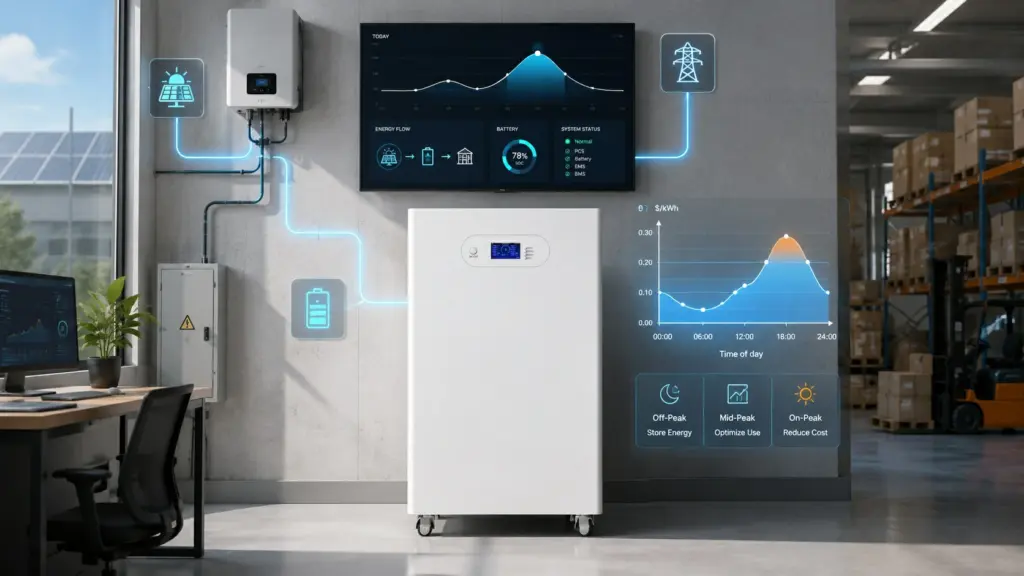
Where Energy Arbitrage Is Most Useful
Energy arbitrage does not create the same value everywhere. It works best when electricity prices vary meaningfully across the day or when users have high energy demand during expensive periods.
Residential Energy Arbitrage
For homeowners, energy arbitrage is usually about bill savings rather than market trading.
A home battery can help reduce electricity costs by storing cheaper energy and using it during expensive hours. This can be especially useful for households with evening energy demand, solar PV systems, heat pumps, EV charging, or time-of-use tariffs.
Example Residential Scenario
A homeowner has solar panels and a battery.
During the day, solar panels generate more power than the home needs. Instead of exporting all surplus solar at a low credit rate, the battery stores part of that energy.
In the evening, electricity import prices rise. The battery discharges to power lighting, refrigeration, cooking, WiFi, entertainment devices, and other household loads.
The homeowner buys less electricity from the grid during expensive hours.
This is one of the most practical forms of household energy arbitrage.
Battery-Only Energy Arbitrage
A home battery can also support energy arbitrage without solar panels if the tariff allows cheap off-peak charging.
In this case, the battery charges from the grid at night or during low-cost periods, then powers the home during peak-rate periods.
However, the financial return depends on the price difference between off-peak and peak electricity, battery efficiency, installation cost, and battery life.
Build Your Energy Arbitrage Project with Avepower
Whether you need home battery storage, stackable battery systems or commercial energy storage solutions, Avepower can help you choose a reliable LiFePO4 battery system for solar storage, peak shaving and long-term energy cost management.
Commercial and Industrial Energy Arbitrage
For commercial and industrial users, energy arbitrage can be more complex but also more valuable.
Businesses often have larger electricity loads, more predictable operating schedules, and higher exposure to peak pricing. Battery storage can help reduce costs by shifting energy use away from expensive periods.
Common commercial applications include:
- Factories
- Warehouses
- Offices
- Retail stores
- Farms
- Hotels
- Schools
- EV charging sites
- Telecom rooms
- Cold storage facilities
- Small industrial sites
Commercial systems may combine energy arbitrage with peak shaving, solar self-consumption, backup power, and demand charge reduction.
For example, a warehouse with rooftop solar may charge a battery during midday solar production and discharge it during late afternoon demand peaks. An EV charging site may use a battery to reduce grid demand during busy charging hours. A hotel may use battery storage to reduce peak utility costs while keeping essential loads protected during outages.
For project developers and EPC companies, the key is not just selecting a battery size. The project should be modeled using half-hourly or hourly load data, tariff information, solar generation forecasts, and operational requirements.
Utility-Scale Energy Arbitrage
At the grid scale, energy arbitrage is one of the major applications for battery storage.
Utility-scale battery systems can charge when wholesale electricity prices are low and discharge when prices rise. This can help balance supply and demand, absorb excess renewable energy, reduce curtailment, and support grid stability.
High renewable energy penetration often increases electricity price volatility. Solar generation may push prices lower during midday, while evening demand and lower solar output can push prices higher. Battery storage helps shift energy from periods of oversupply to periods of higher demand.
This is why energy storage is increasingly important for power systems with more solar and wind generation. It provides flexibility that traditional power systems did not need as much before.
Solar Plus Storage Projects
Solar generation often does not match energy demand perfectly. A solar system may generate more power at midday, while the highest demand may happen in the evening.
Battery storage helps solve this mismatch. The battery stores excess solar energy during the day and discharges it later when the site needs power or when grid electricity is more expensive.
This improves solar self-consumption and can reduce reliance on grid electricity during peak periods.
Types of Energy Arbitrage
Energy arbitrage can happen in different ways depending on the market and system design.
1. Time-Based Arbitrage
This is the most common type for battery owners. Energy is stored during low-price periods and used during high-price periods.
It is common in residential TOU tariffs, commercial peak pricing, and wholesale electricity markets.
2. Solar Arbitrage
Solar arbitrage stores low-value midday solar energy and uses it later when grid electricity is more expensive.
This is especially useful when daytime export credits are lower than evening import prices.
3. Market Arbitrage
Market arbitrage happens when electricity can be bought and sold across different market products, such as day-ahead and intraday markets.
This is more relevant to professional traders, utilities, aggregators, and large-scale storage operators.
4. Geographic Arbitrage
Geographic arbitrage happens when electricity prices differ between regions or price zones. It usually depends on grid interconnections, transmission capacity, and market rules.
This is generally not a residential strategy, but it can be relevant to utility-scale storage and power trading.
5. Product or Interval Arbitrage
Some electricity markets use different trading intervals, such as hourly or 15-minute products. Traders may benefit from price differences between different delivery products.
This requires sophisticated market access and trading expertise.
How to Design an Energy Arbitrage Battery System
For installers, distributors, and project buyers, the best approach is to design the system around real energy data.
Step 1: Review the Electricity Tariff
Check the customer’s import rates, export rates, peak periods, off-peak periods, fixed charges, and demand charges.
Step 2: Analyze Load Profile
Use hourly or half-hourly consumption data if available. Identify evening loads, daytime loads, seasonal patterns, and peak demand periods.
Step 3: Estimate Solar Generation
If the site has solar PV, model expected solar generation by month and hour. This helps estimate how much excess solar can be stored.
Step 4: Select Battery Capacity
Choose a battery size that can store enough energy for peak periods without being oversized.
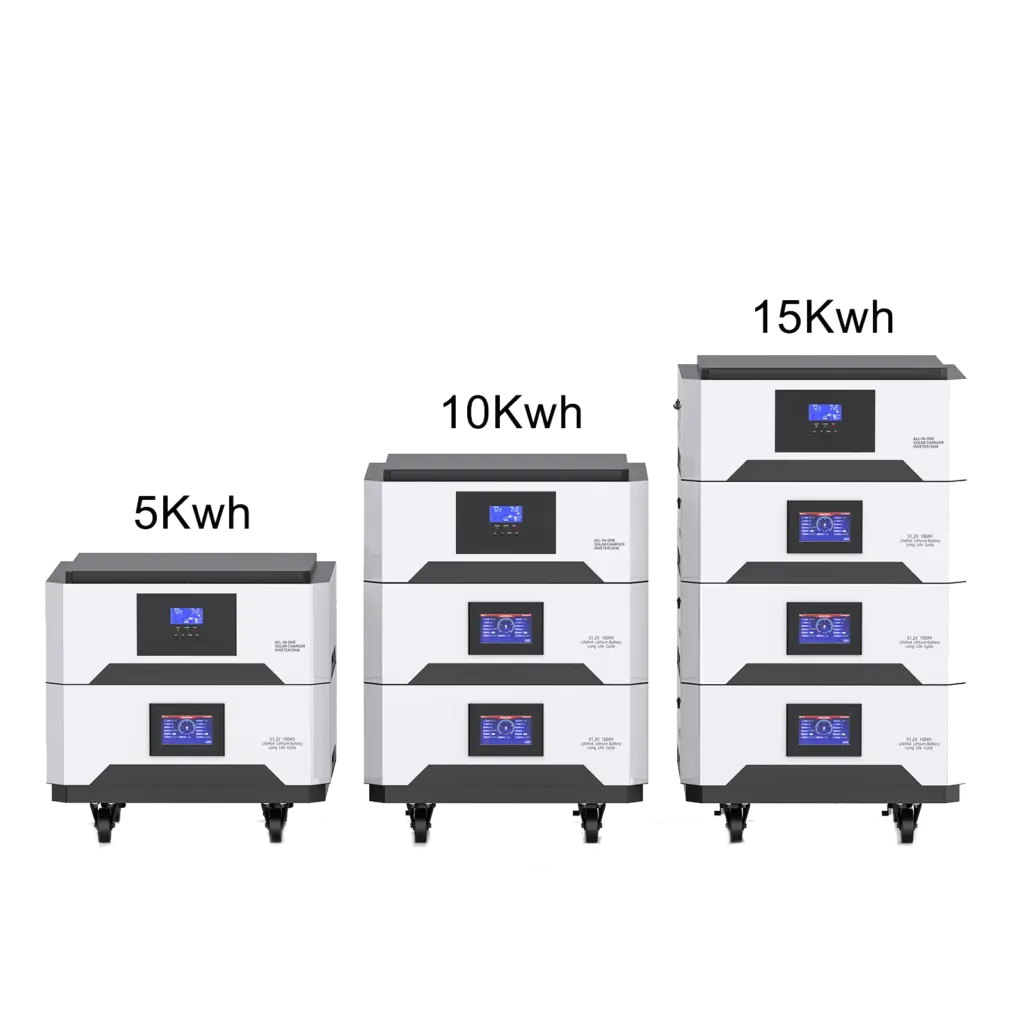
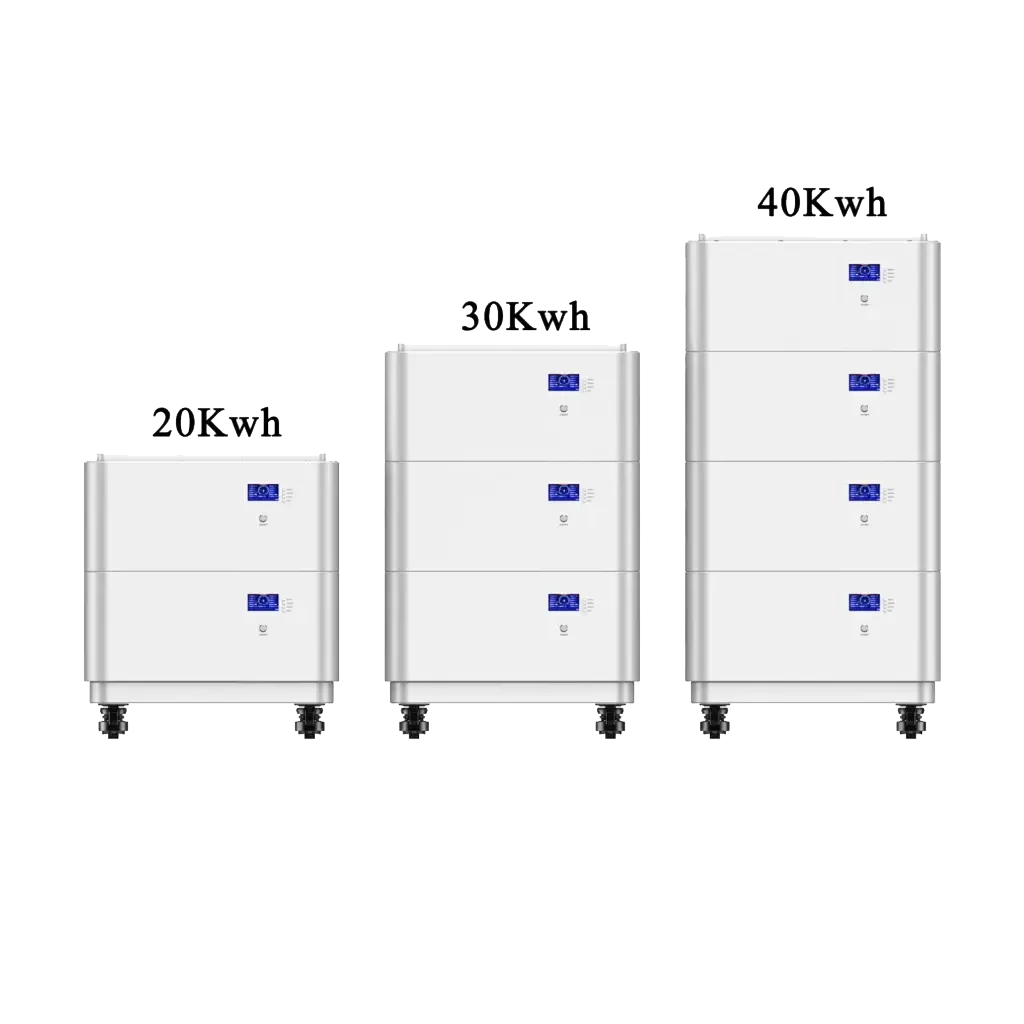
For many homes, a 5 kWh to 20 kWh system may be practical depending on household consumption, solar size, tariff, and backup needs. Larger villas, farms, and small commercial projects may require modular battery banks.
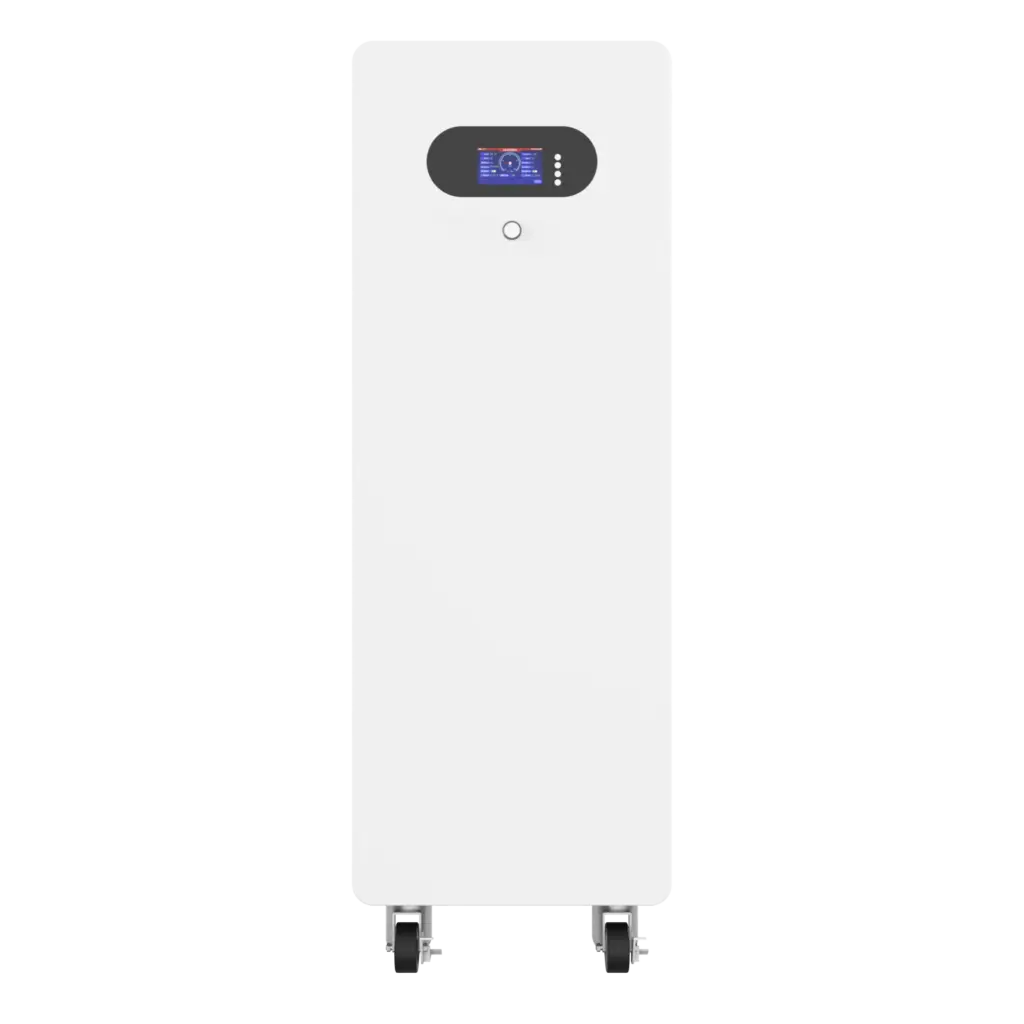
Avepower’s vertical LiFePO4 battery series supports scalable energy storage applications and can be used for homes, villas, off-grid projects, and small commercial storage systems.
Step 5: Confirm Power Output
Battery capacity tells you how much energy can be stored. Power rating tells you how much power can be delivered at one time.
A system with enough kWh but insufficient kW may not support high-load peak periods effectively.
Step 6: Confirm Inverter Compatibility
Make sure the battery and inverter can communicate properly. Check voltage range, BMS protocol, charge current, discharge current, and approved inverter models.
Step 7: Set Operating Strategy
Choose the correct operating mode:
- Self-consumption first
- TOU optimization
- Backup reserve
- Grid charging
- Export control
- Peak shaving
- Demand response participation
Step 8: Monitor and Adjust
Energy arbitrage should be reviewed after installation. Users and installers should check whether the battery is charging during low-value periods and discharging during high-value periods.
Seasonal tariff changes may require updated settings.
How Avepower Supports Energy Arbitrage Projects
Avepower provides LiFePO4 battery energy storage systems for residential, commercial and industrial applications. For installers, distributors, wholesalers and project developers, Avepower supports scalable battery solutions that can be used for solar self-consumption, backup power, peak shaving and time-of-use energy management.
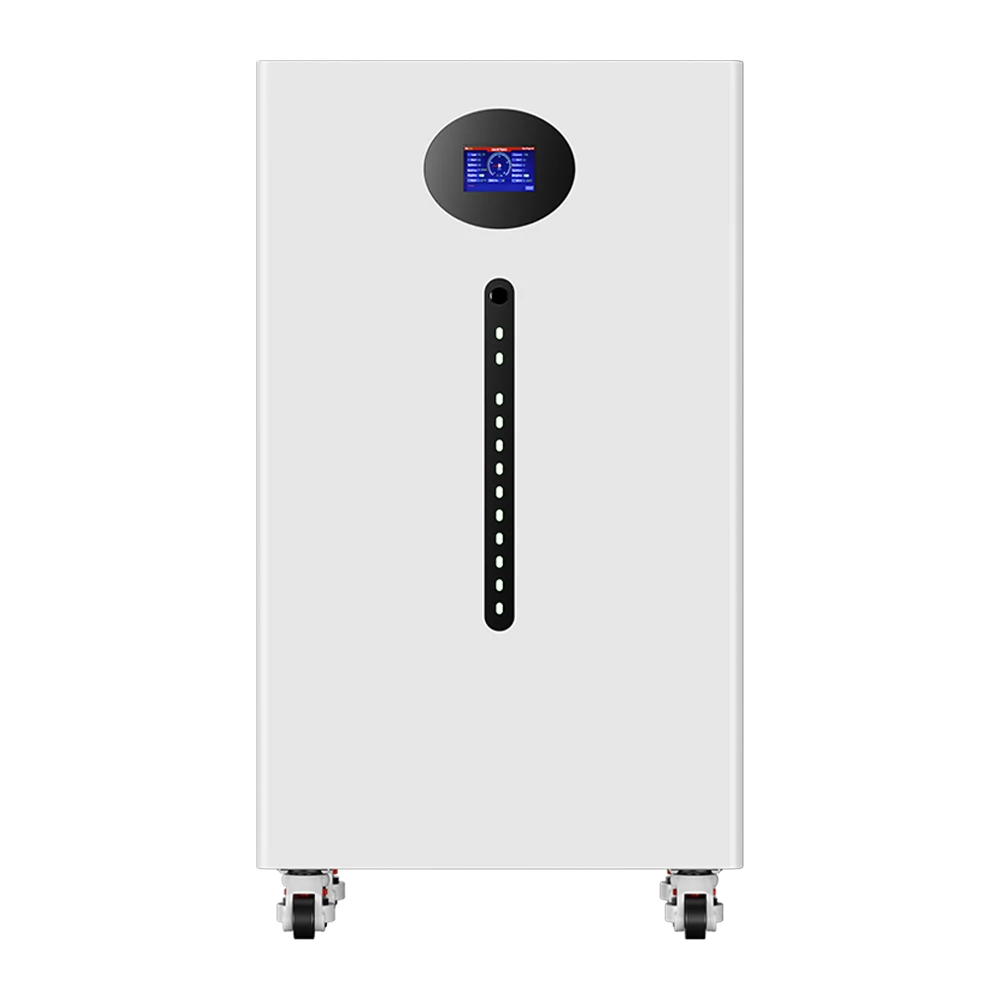
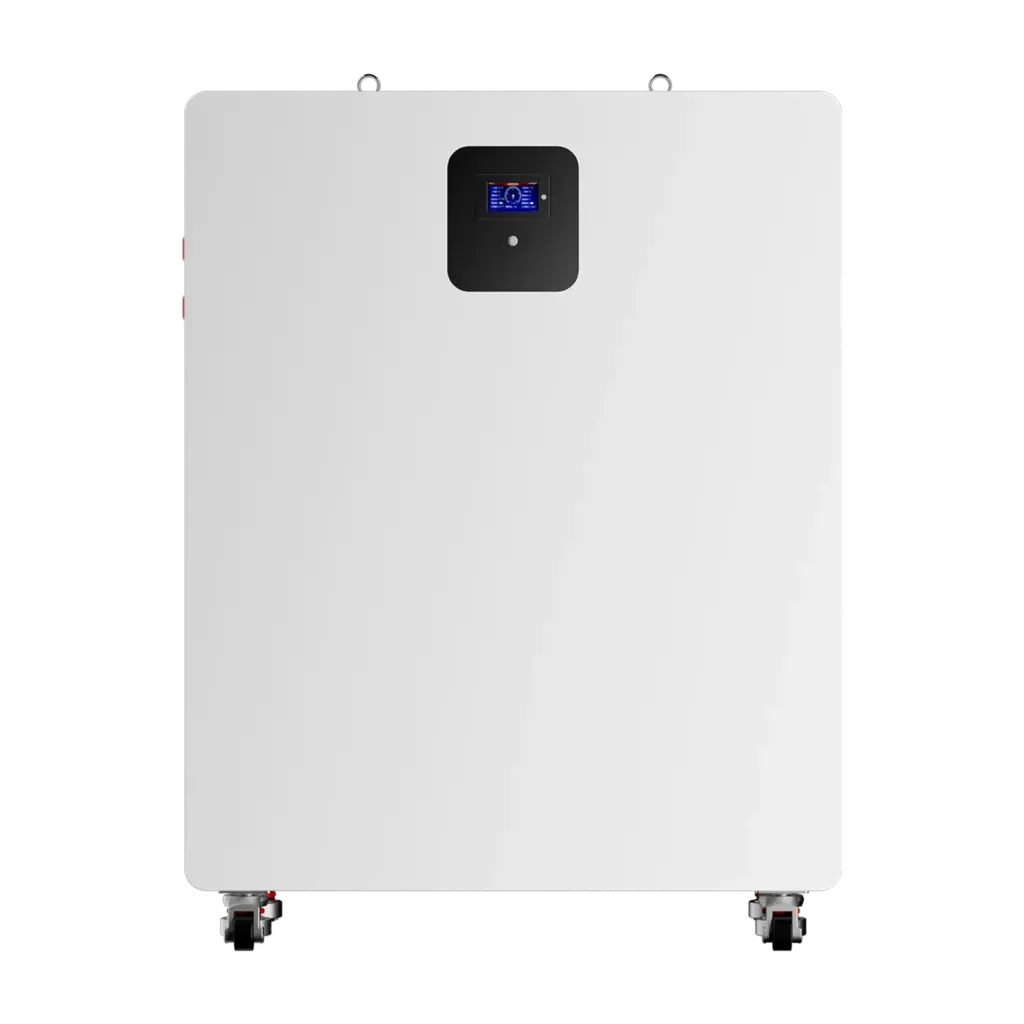
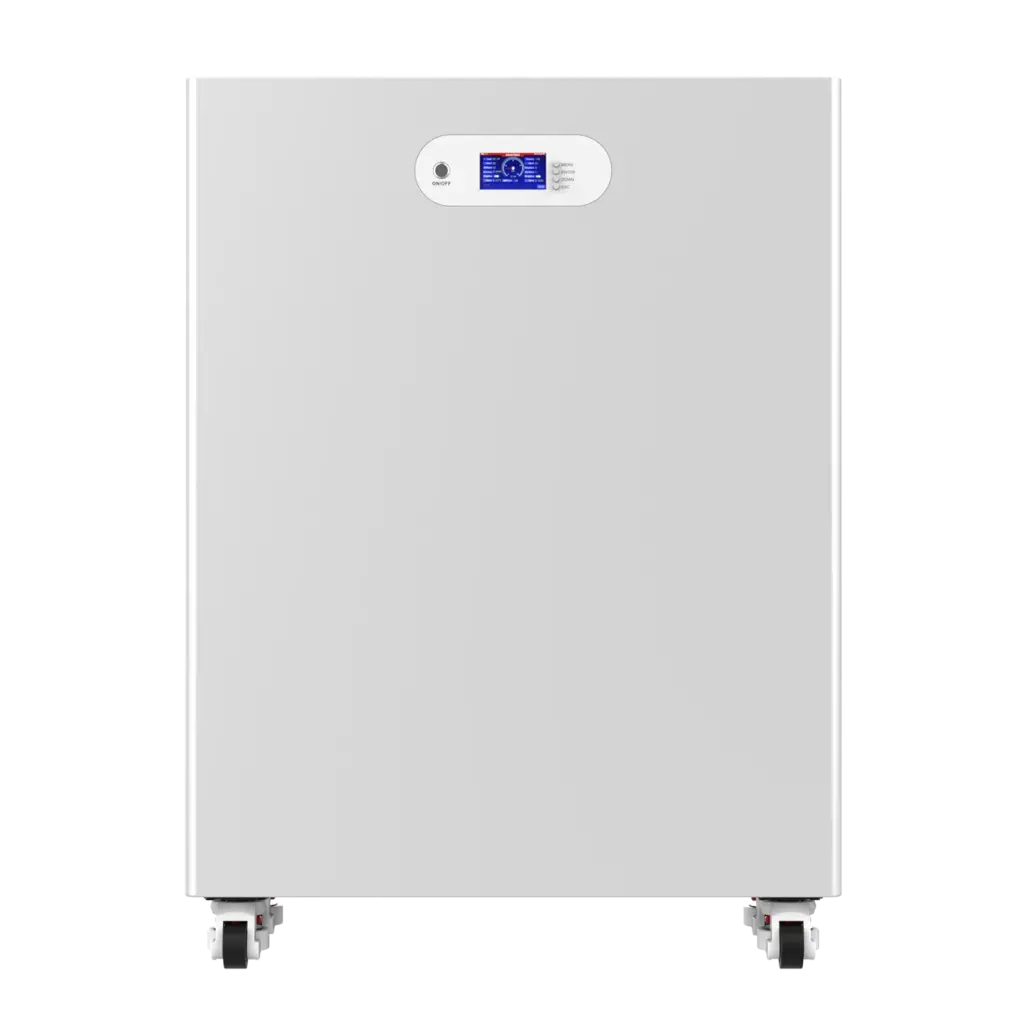
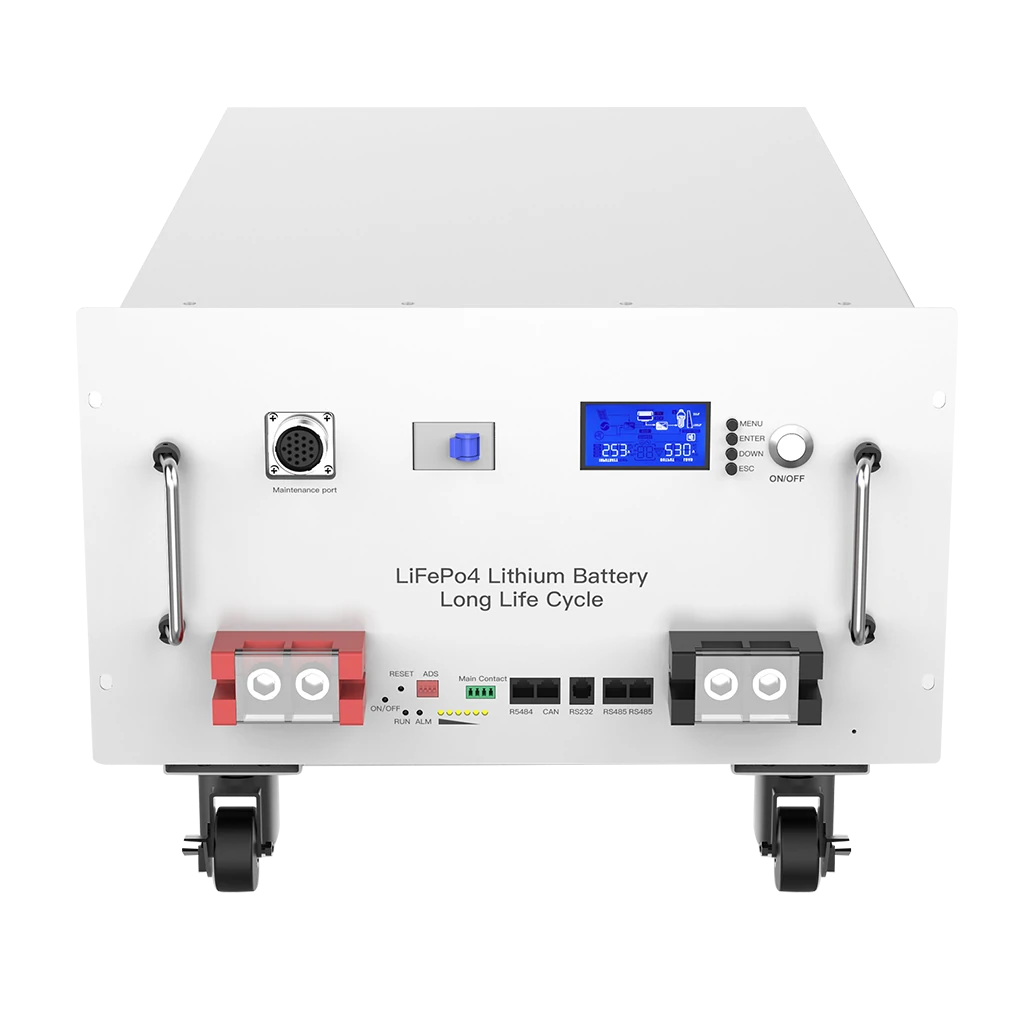
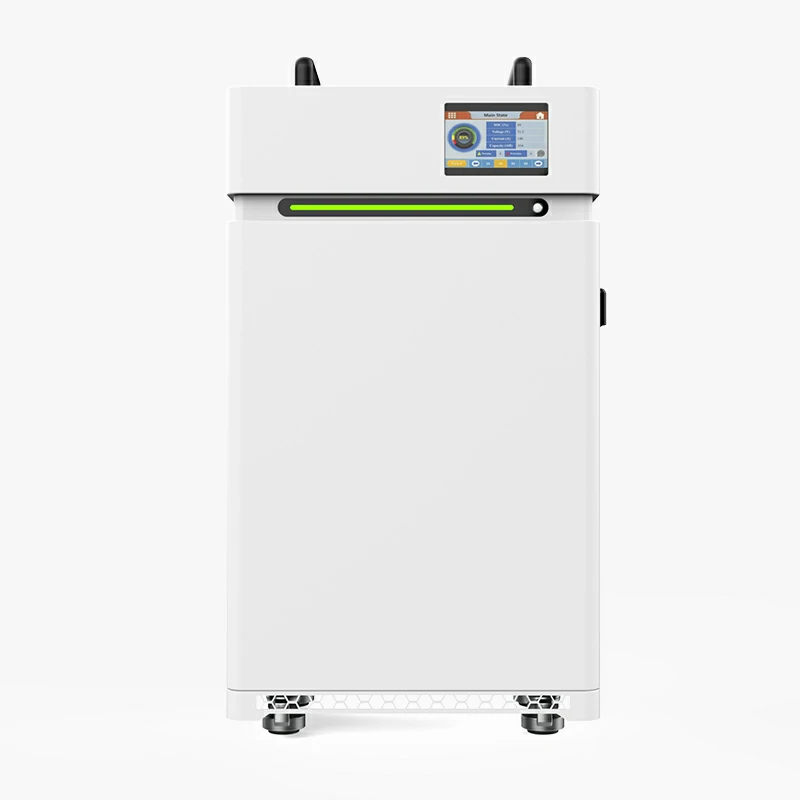
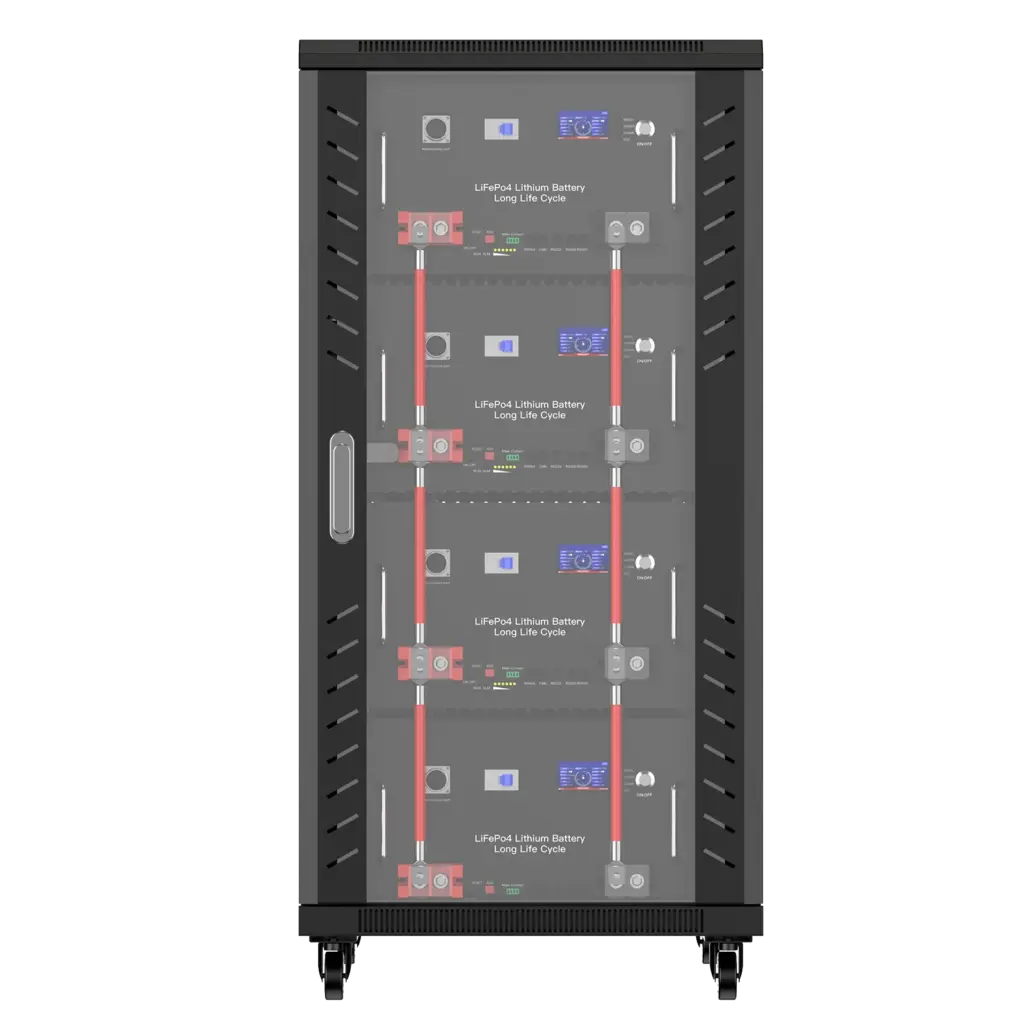
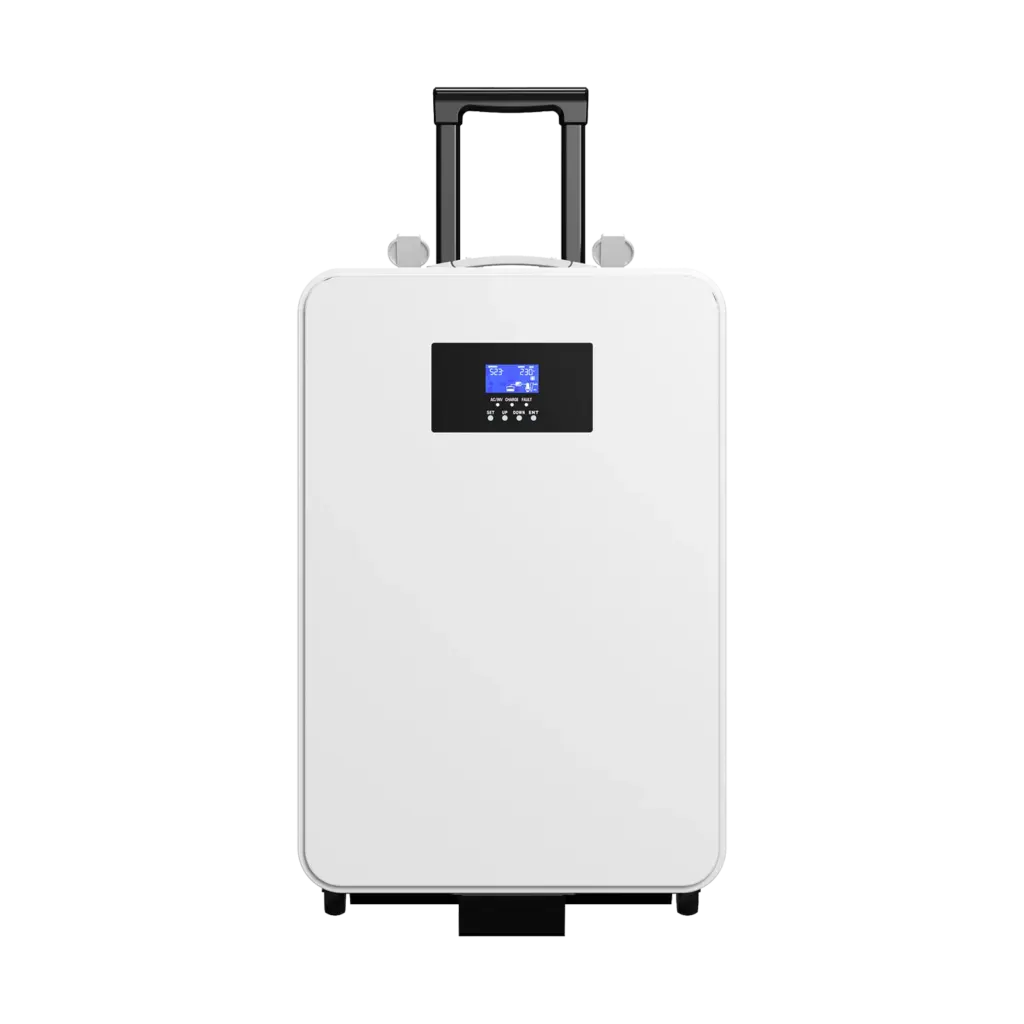
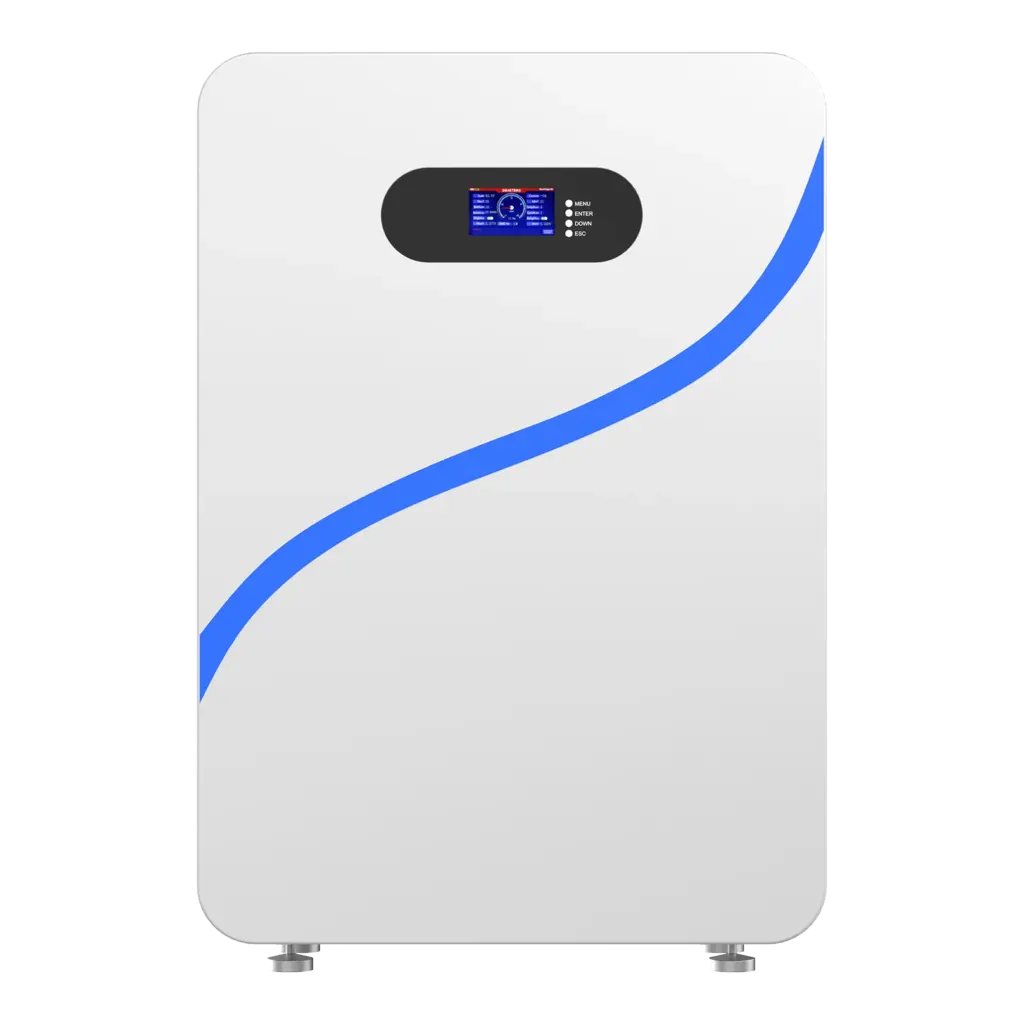
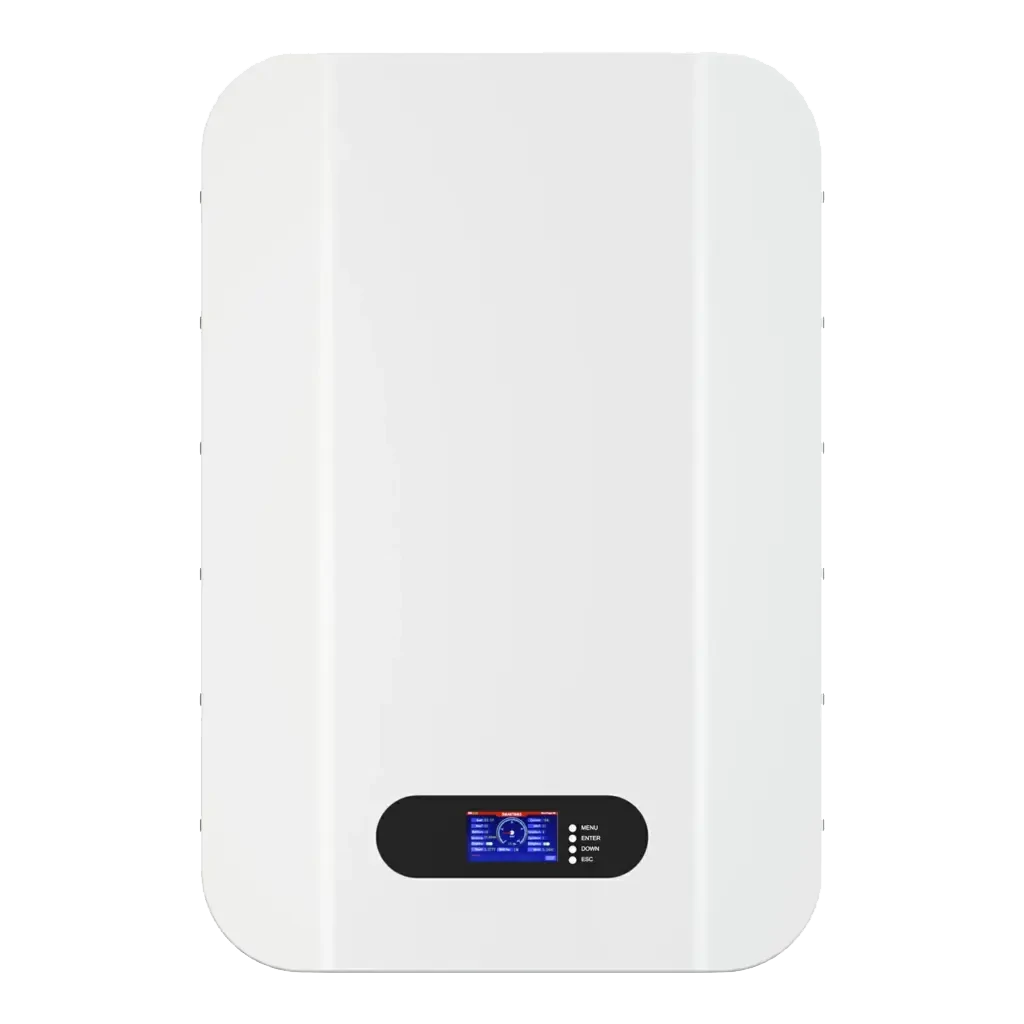
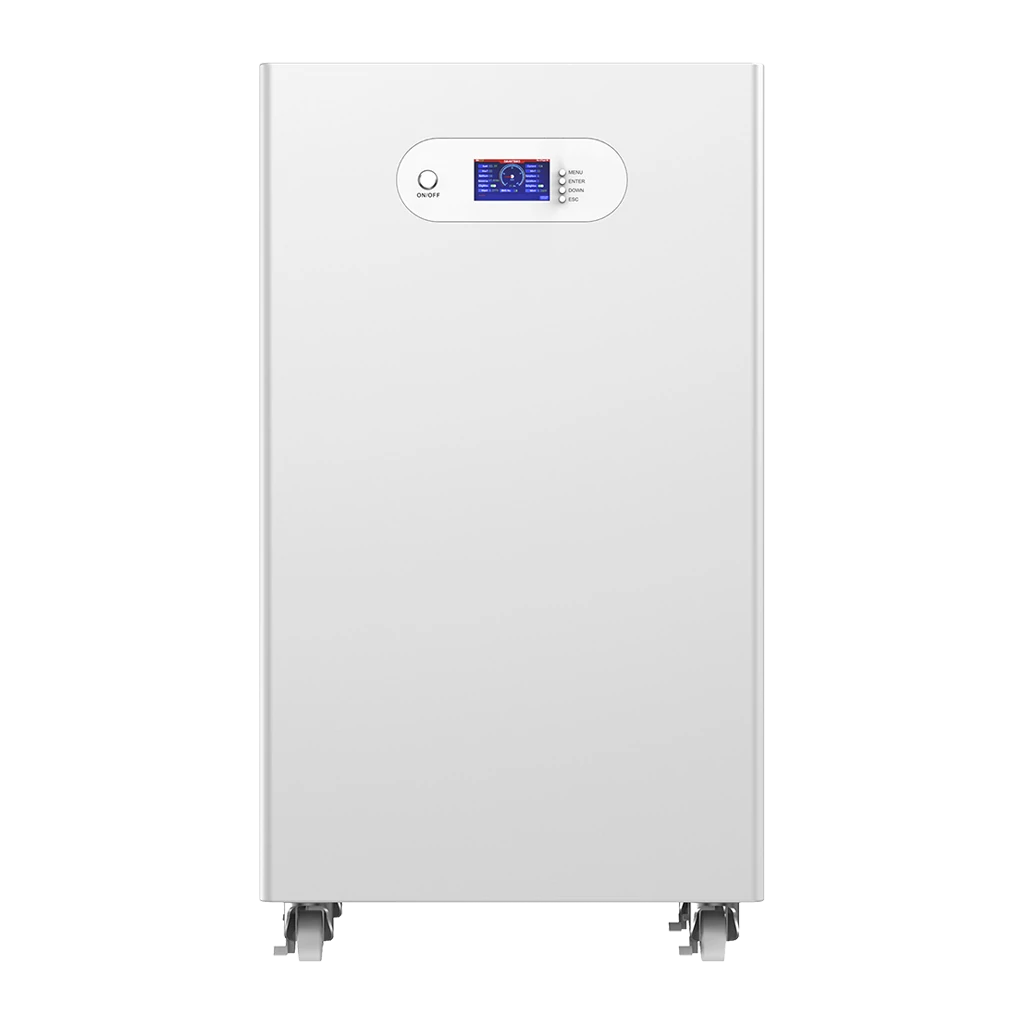
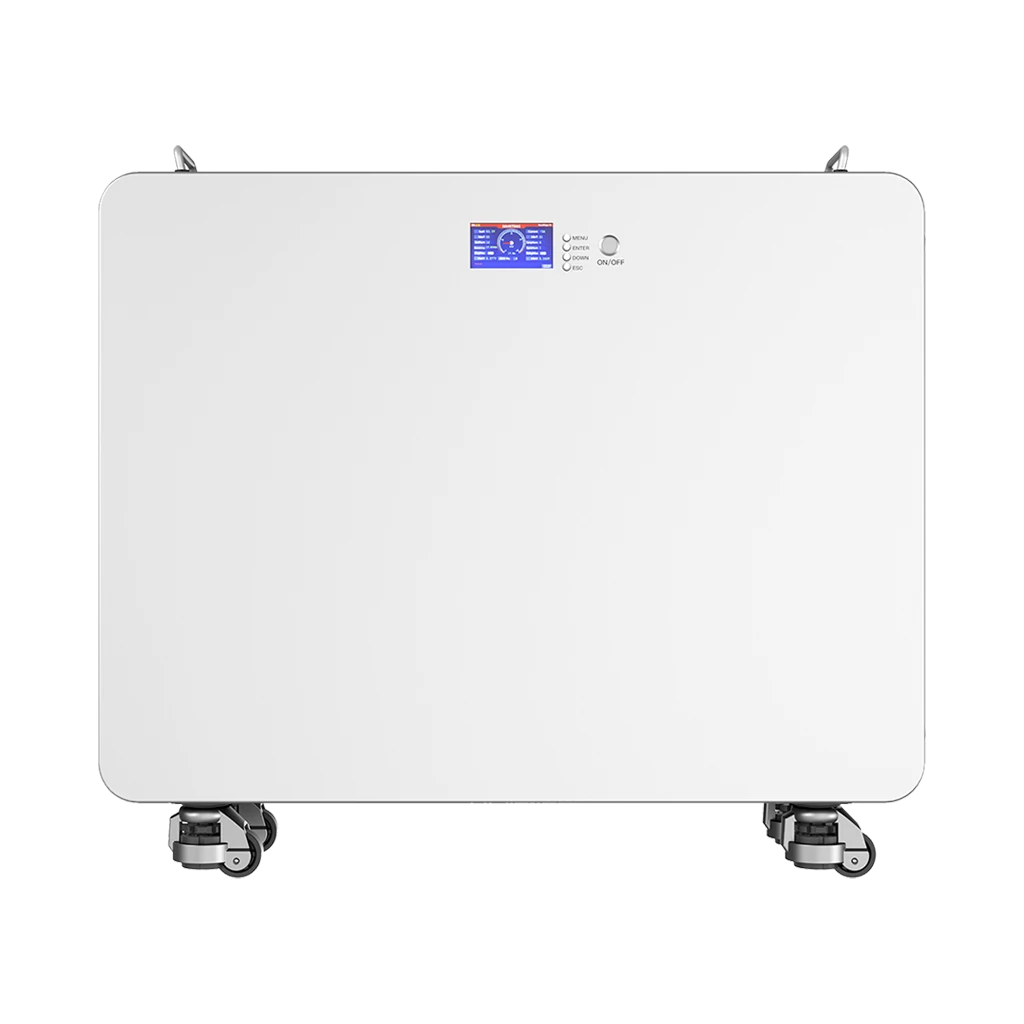
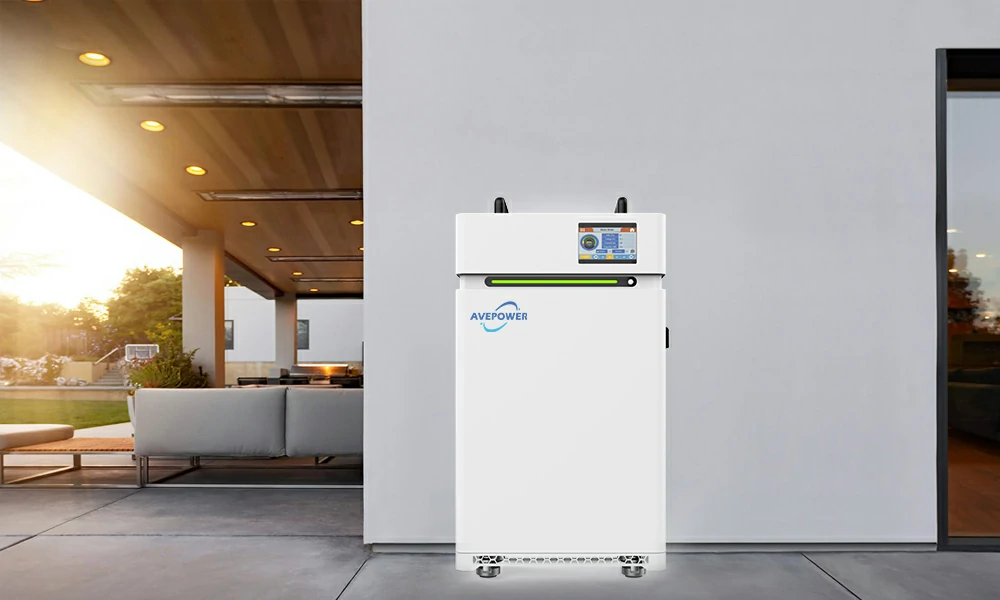
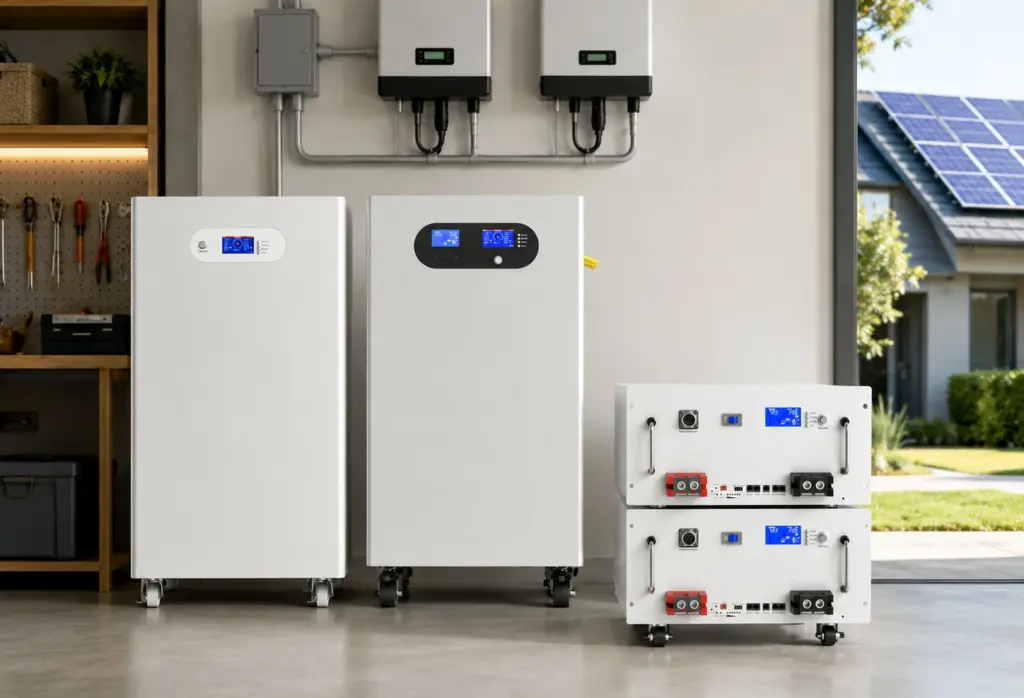
Its product range includes wall-mounted batteries, rack-mounted batteries, stackable batteries, vertical batteries, all-in-one battery systems, and commercial energy storage cabinets.
For larger sites, Avepower provides commercial energy storage systems designed for peak shaving, load balancing, backup power and long-term energy cost control.
Avepower can also support OEM/ODM customization, including capacity configuration, cabinet design, communication protocol matching, monitoring functions, labeling, packaging and project documentation support.
Take Control of Your Energy with Avepower!
Reliable home solar battery solutions with OEM/ODM customization and in-house manufacturing, tailored to the needs of distributors, installers, and energy partners.
Conclusion
Energy arbitrage is one of the most practical ways to unlock more value from battery storage. By charging when electricity is cheap and discharging when electricity is expensive, homes and businesses can reduce peak-hour grid consumption, increase the value of solar energy, and improve energy independence.
However, successful energy arbitrage depends on more than buying a battery. It requires the right tariff, smart meter, inverter, battery capacity, BMS protection, control strategy, and installation design.
If you are planning a residential or small commercial battery project, Avepower can help you select a suitable LiFePO4 battery system, confirm inverter compatibility, and build scalable energy storage solutions for your market.
FAQ
Energy arbitrage means storing electricity when it is cheap and using or selling it when it is expensive. A battery makes this possible by shifting energy from low-value periods to high-value periods.
Yes, if the local tariff allows cheap off-peak grid charging and expensive peak-time electricity. In this case, the battery charges from the grid during low-cost hours and discharges during peak hours.
No. Peak shaving focuses on reducing maximum grid demand. Energy arbitrage focuses on price differences between charging and discharging periods. A battery system can support both strategies.
Normal cycling does not damage a properly designed battery beyond expected battery aging. However, frequent cycling uses part of the battery’s cycle life, so battery degradation should be included in financial calculations.
LiFePO4 batteries are commonly used for home and small commercial energy storage because they offer strong safety performance, long cycle life, and stable operation. The best choice depends on capacity, power output, inverter compatibility, tariff structure, and installation environment.
It depends on your peak-period energy use, solar production, tariff, and backup requirements. Many homes use battery systems in the 5 kWh to 20 kWh range, while villas, farms, and commercial sites may need larger modular systems.
Sometimes, but it depends on local rules, export tariffs, inverter settings, and grid connection agreements. In many residential systems, the main benefit is avoiding expensive grid imports rather than selling electricity.
It can be profitable or cost-saving when the price difference between low-cost and high-cost electricity is large enough to cover efficiency losses, battery cycling cost, and system investment. Proper modeling is essential.