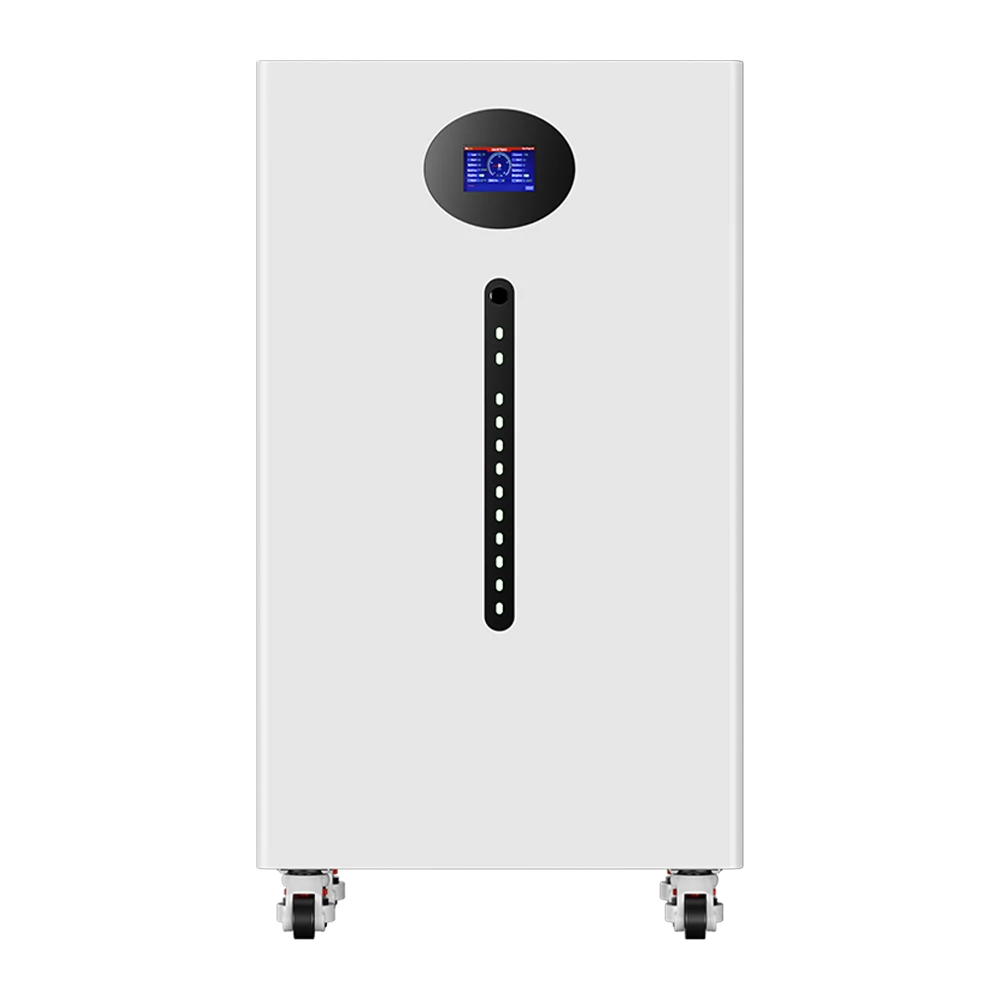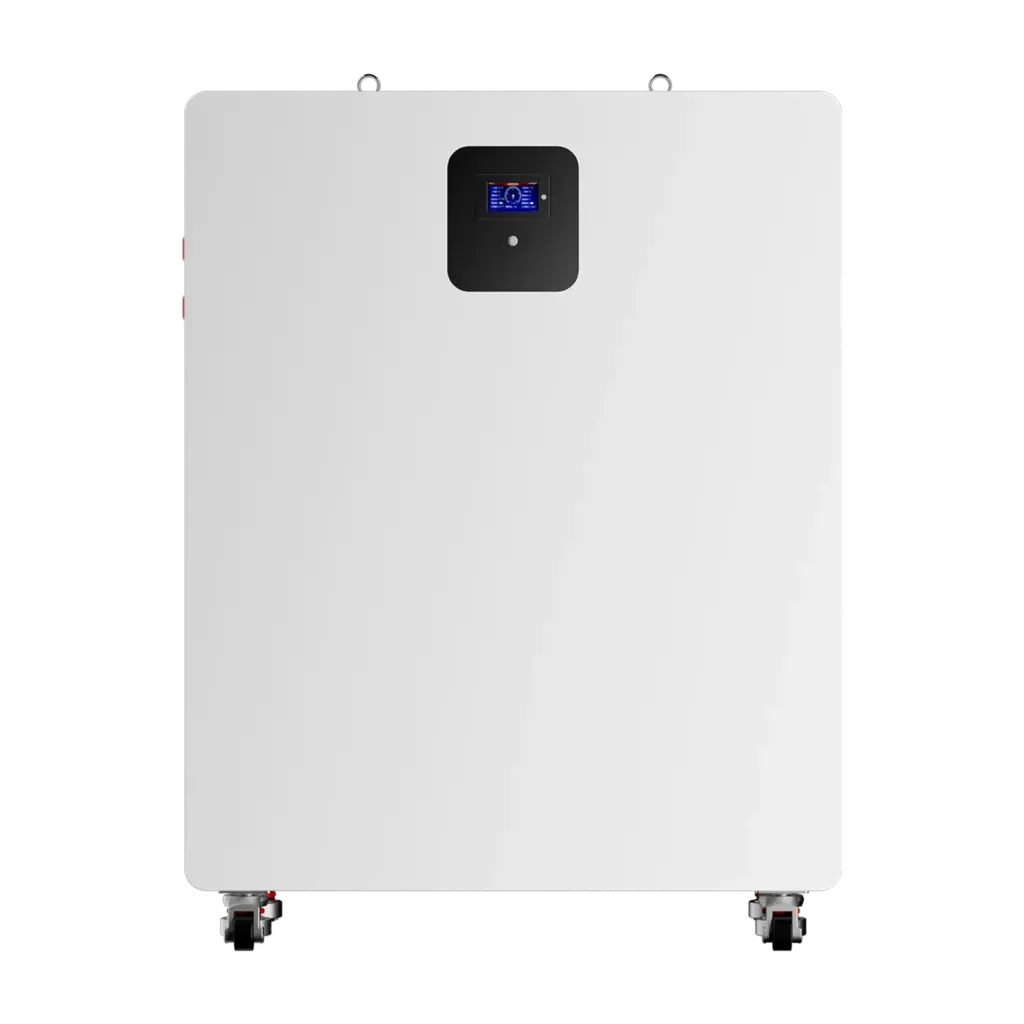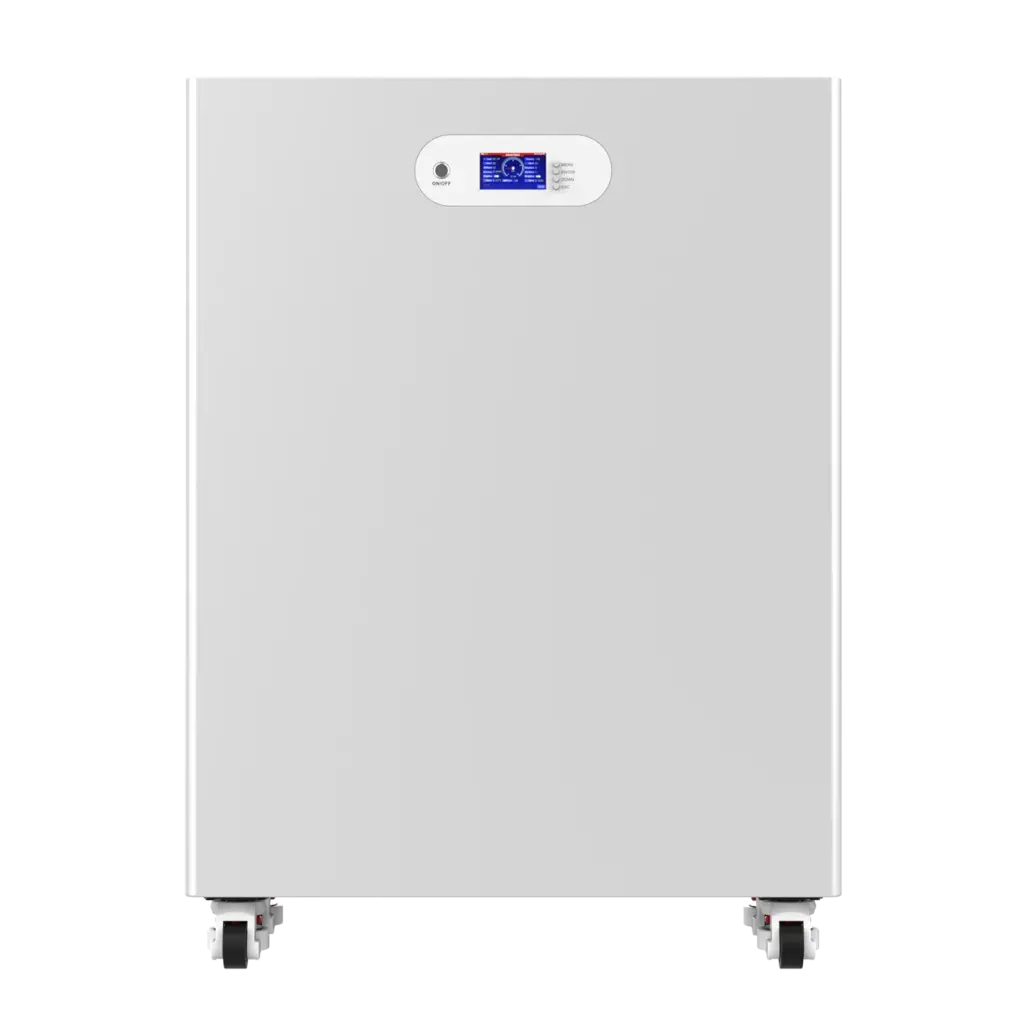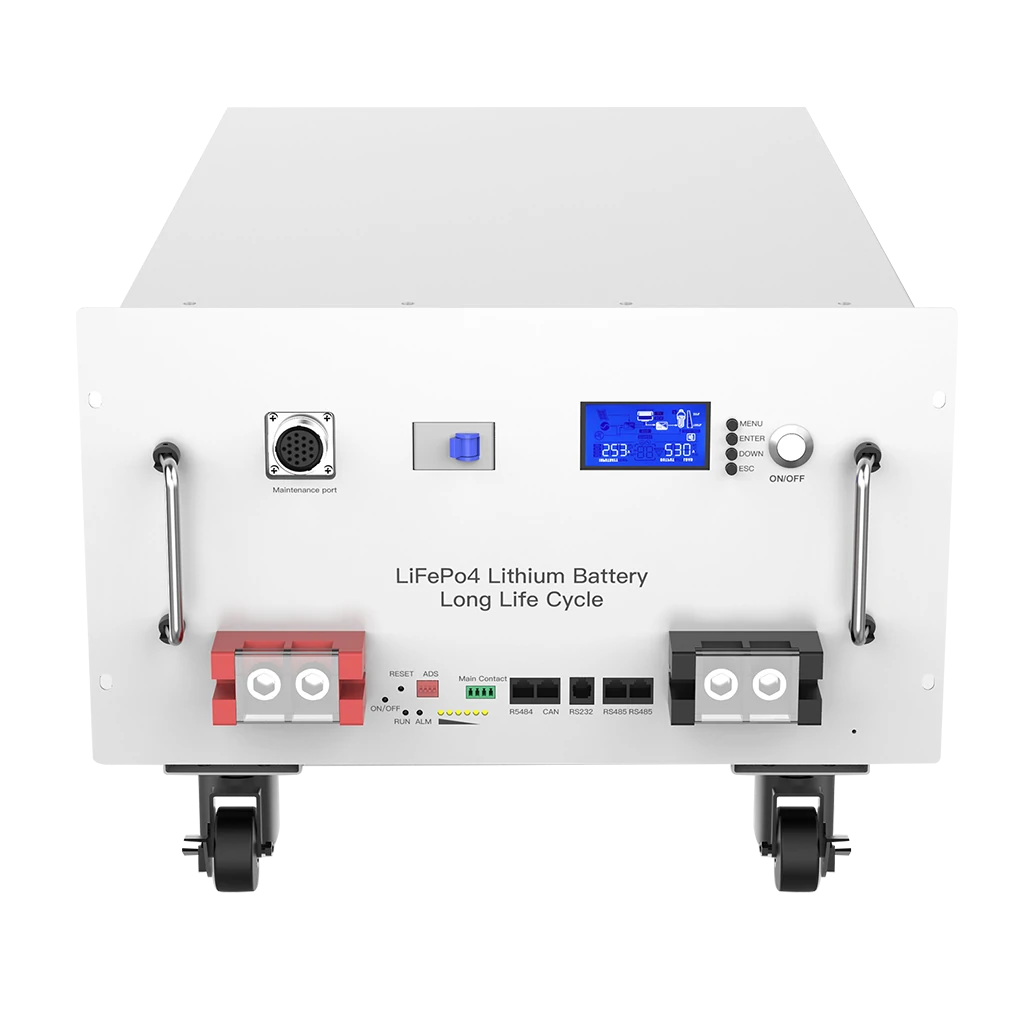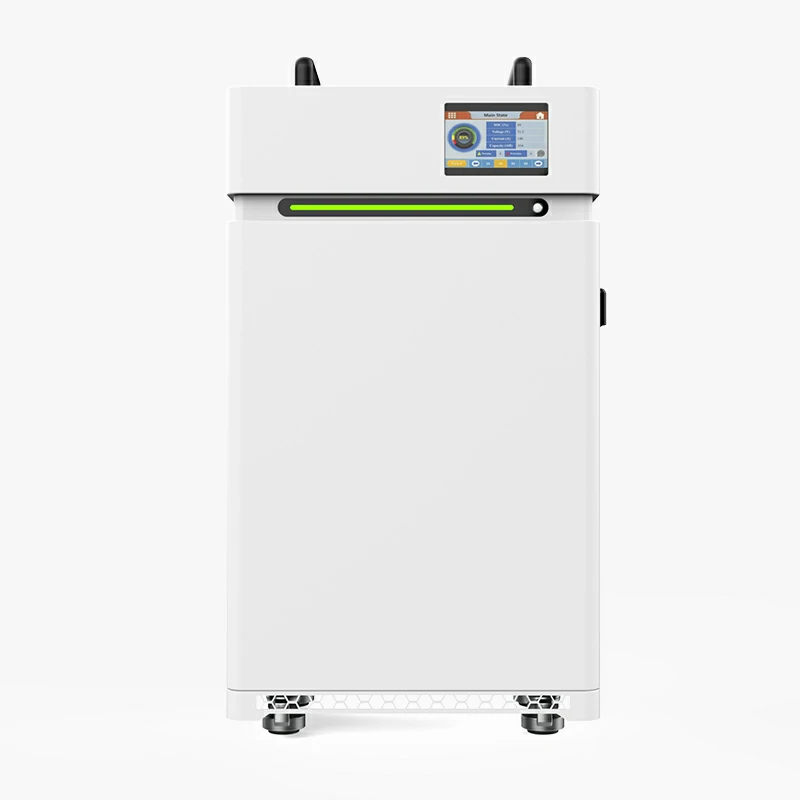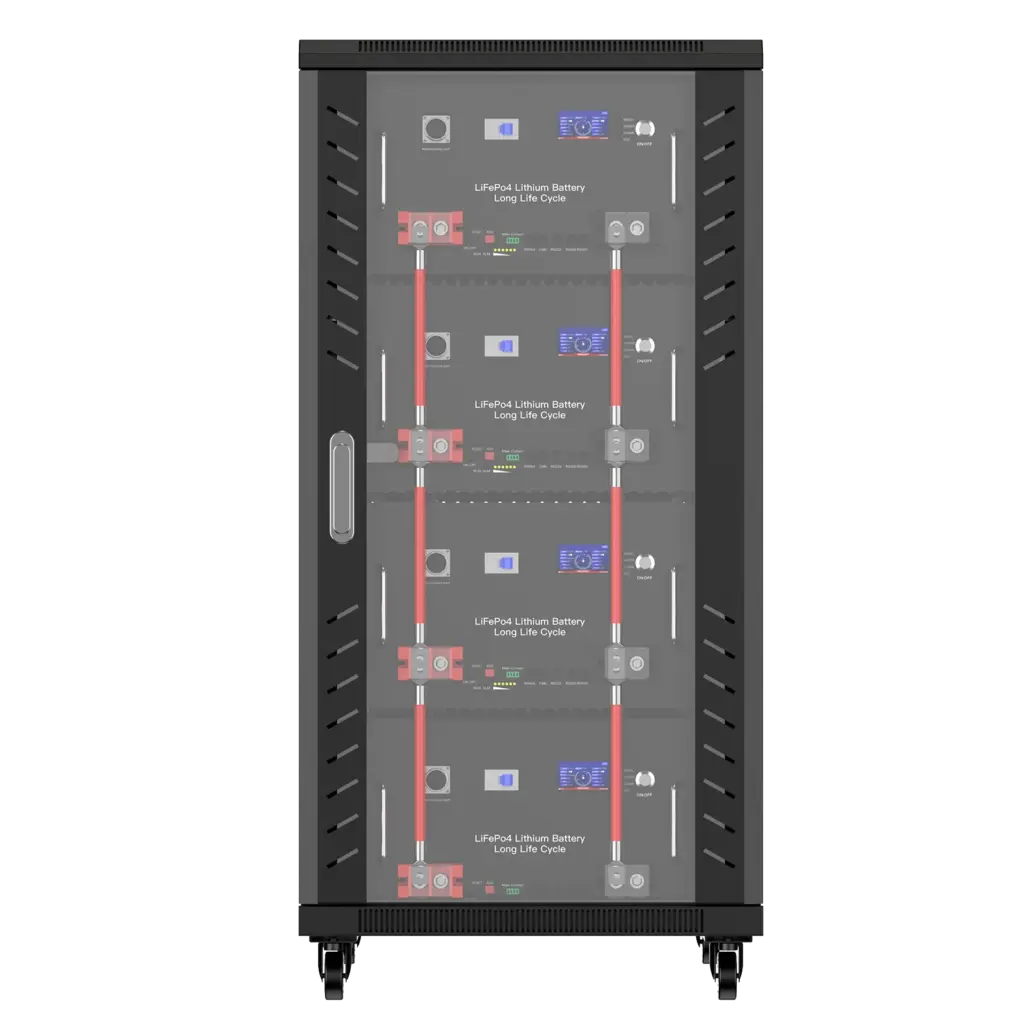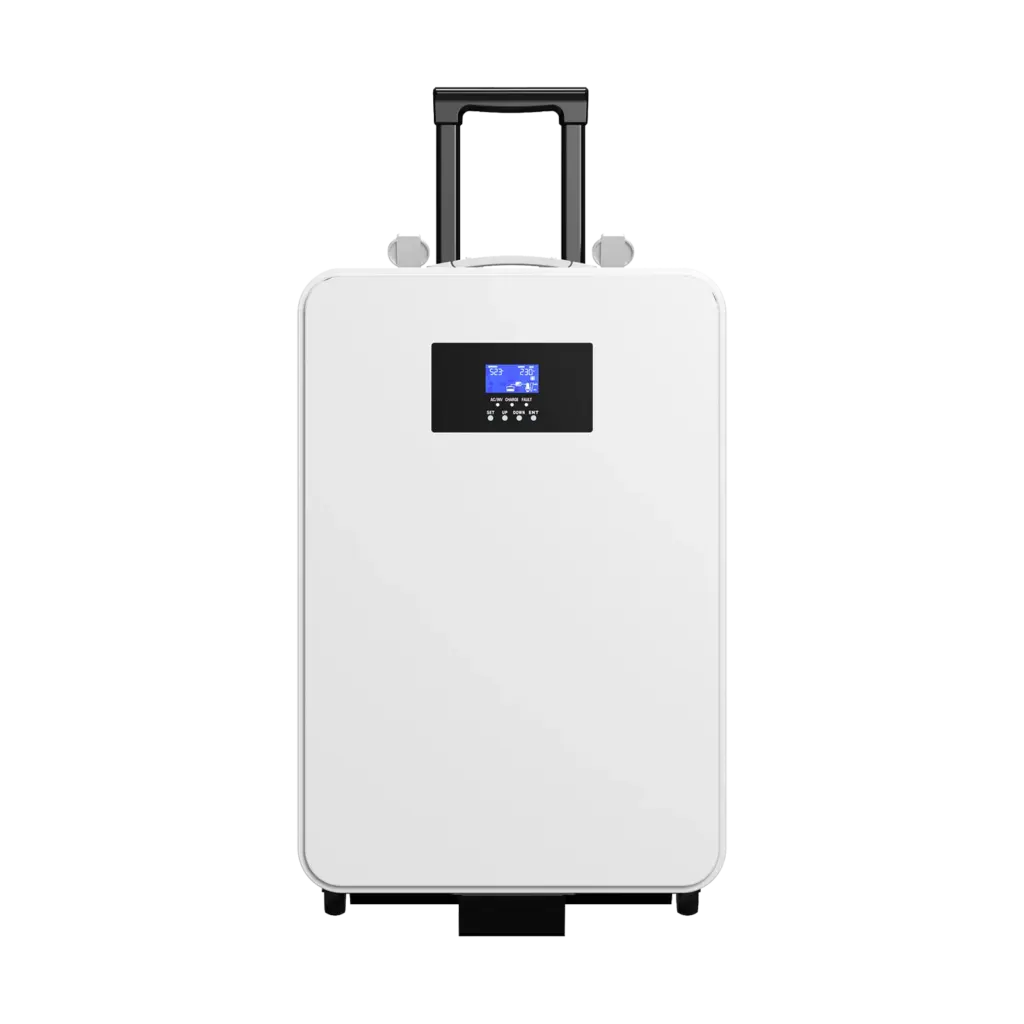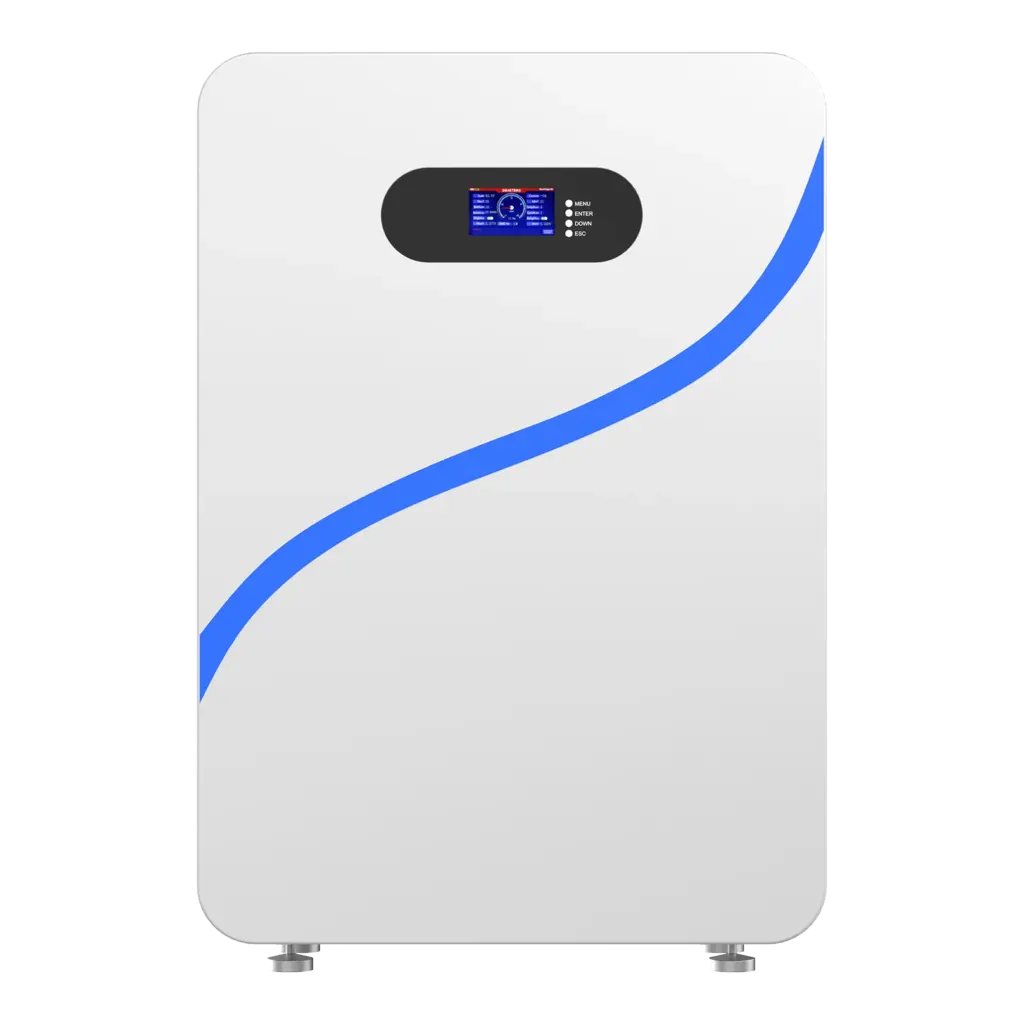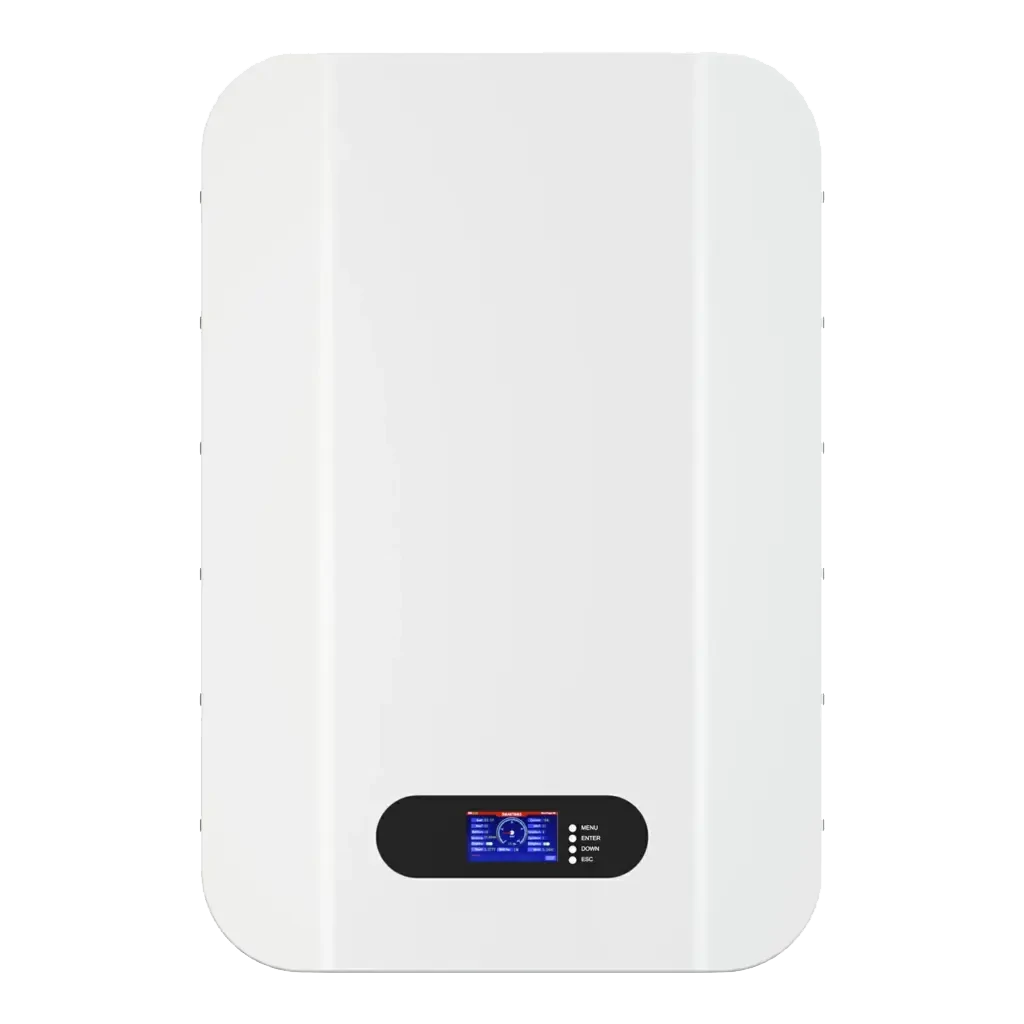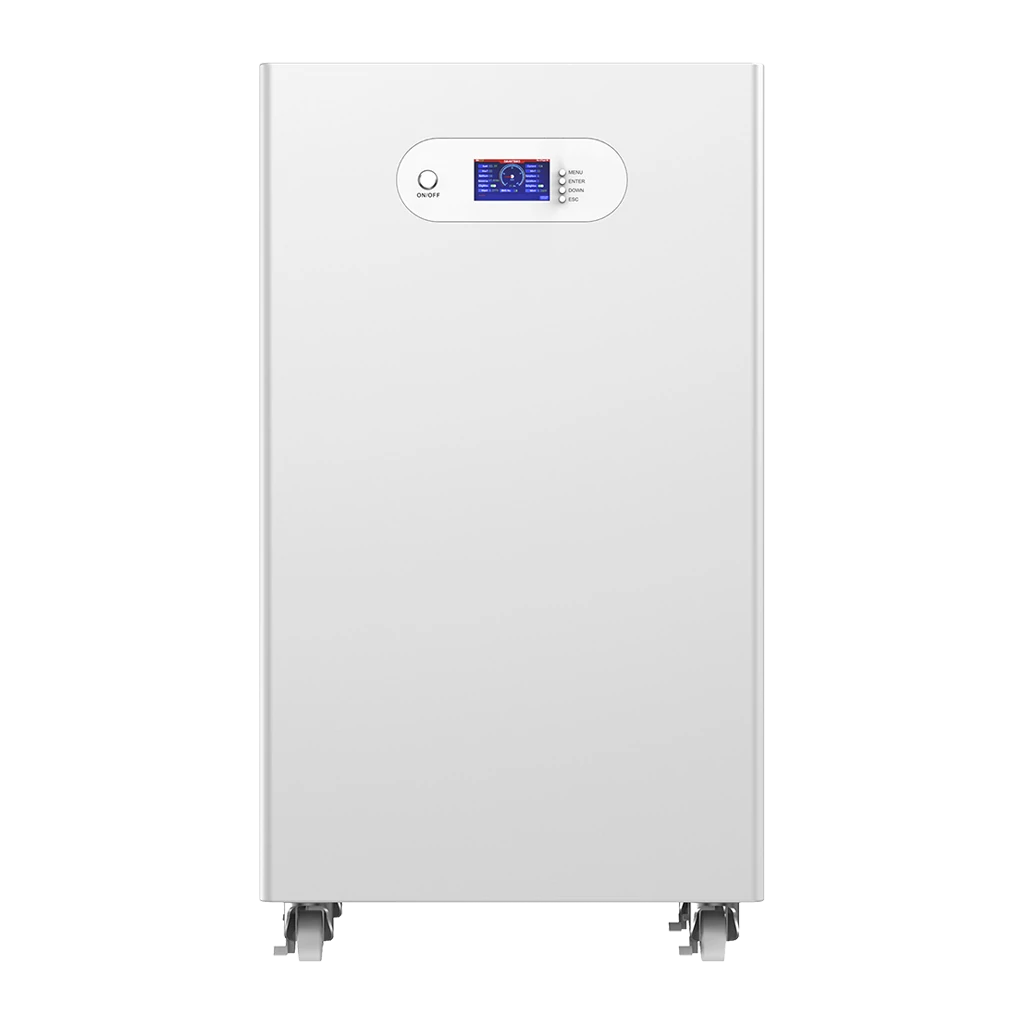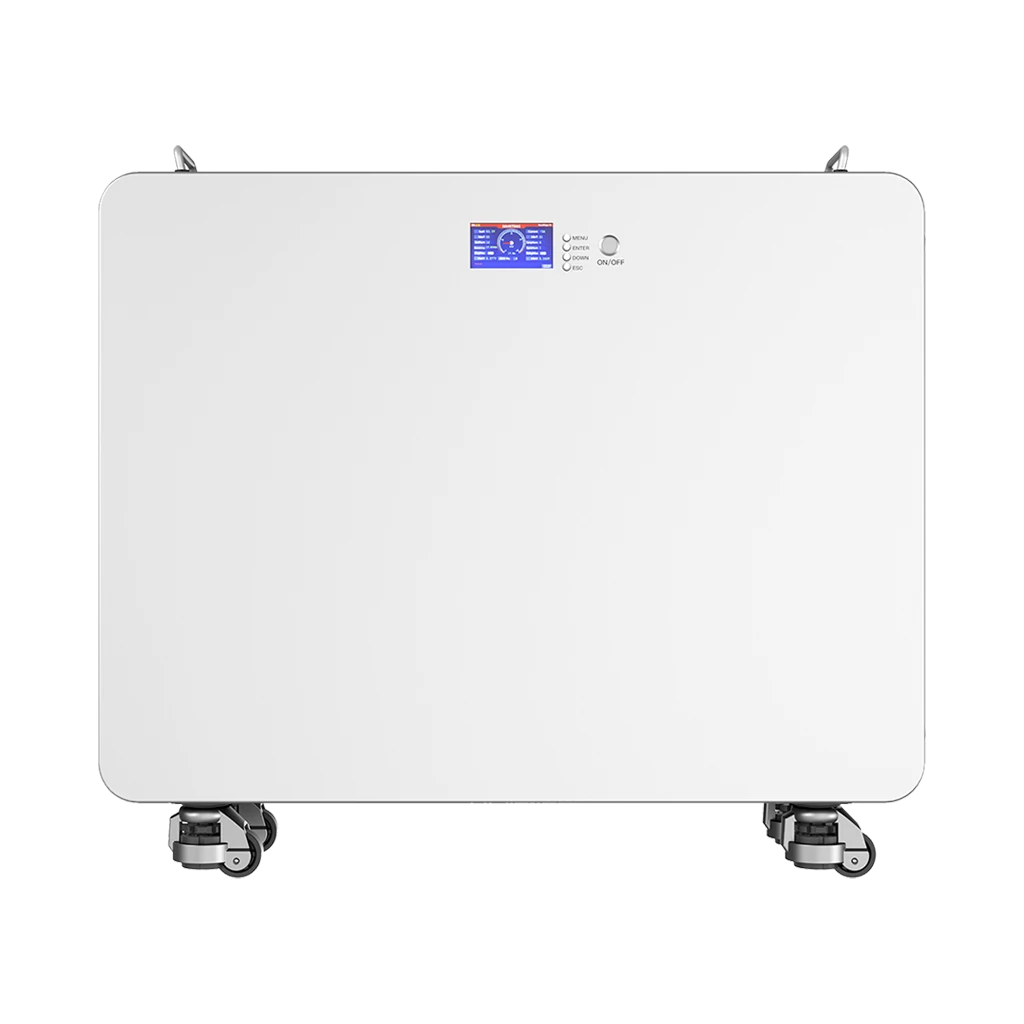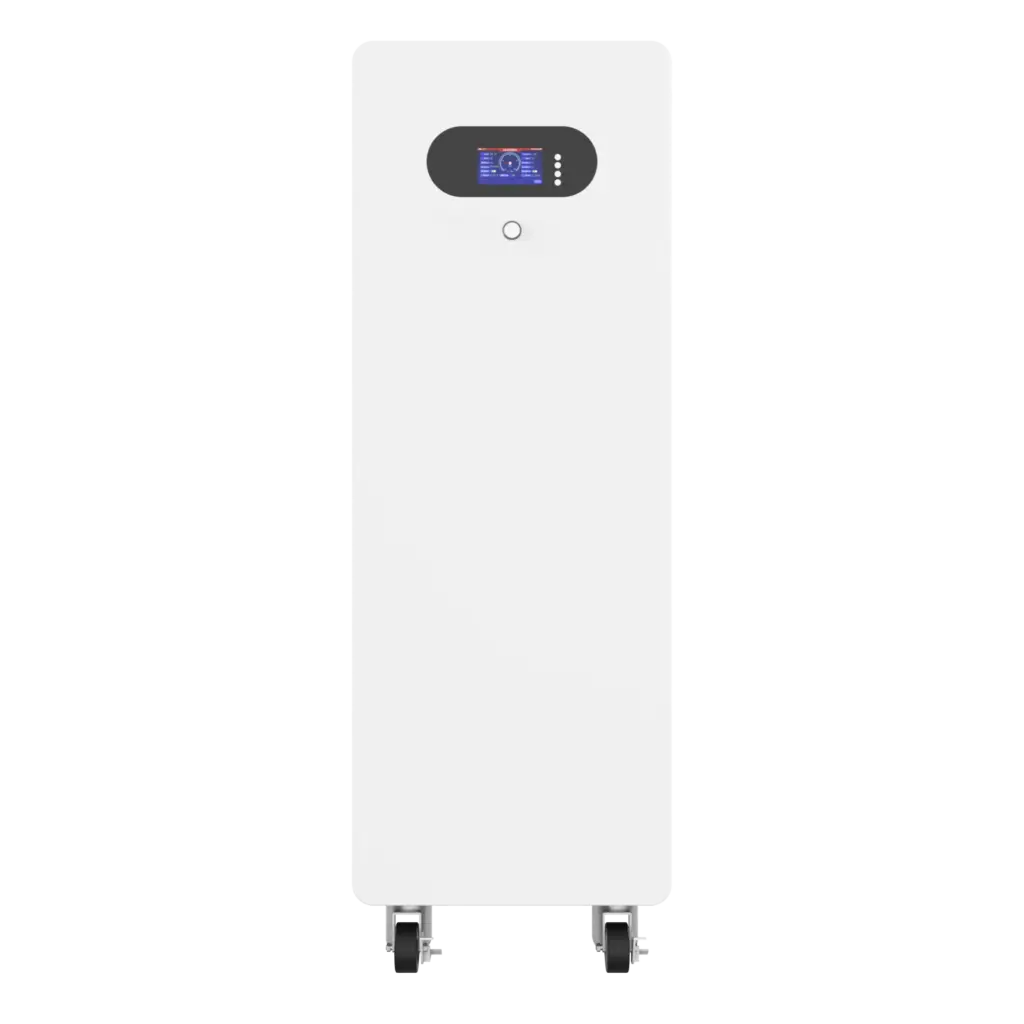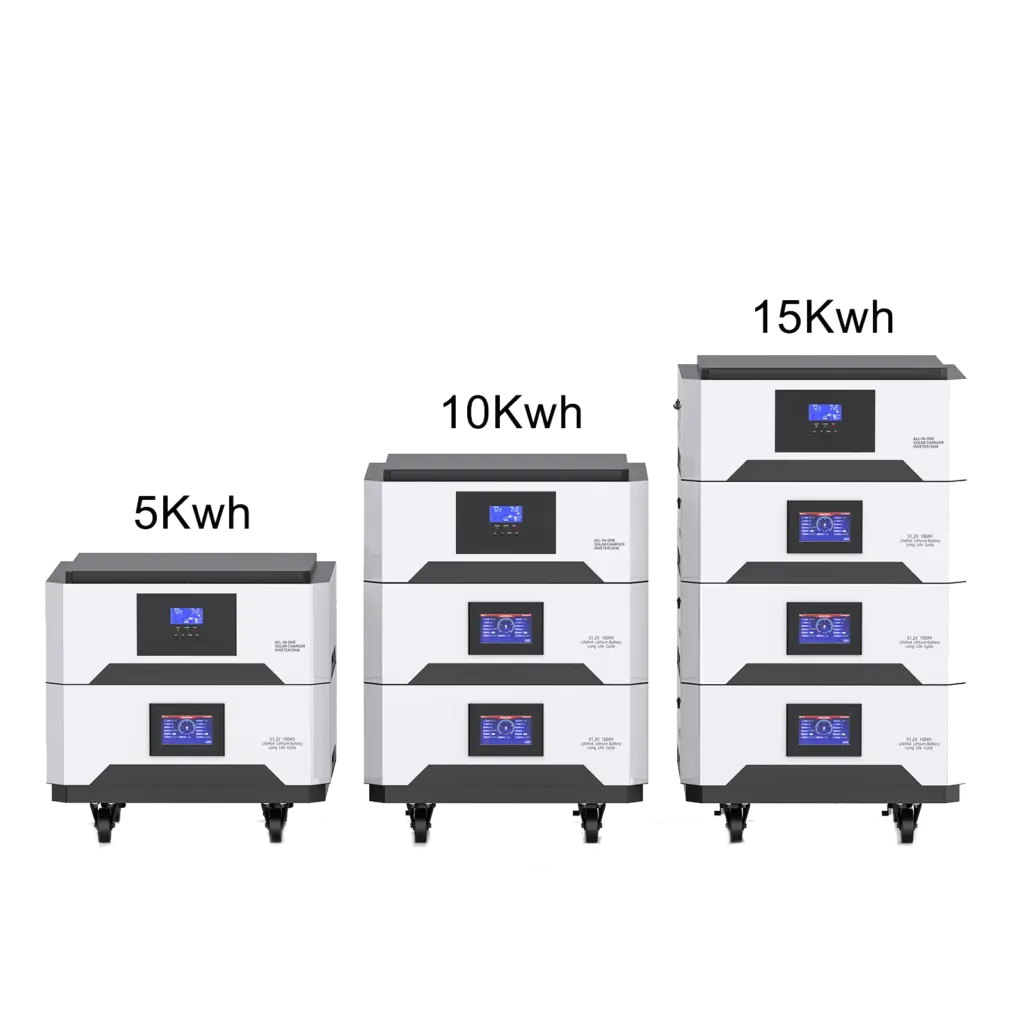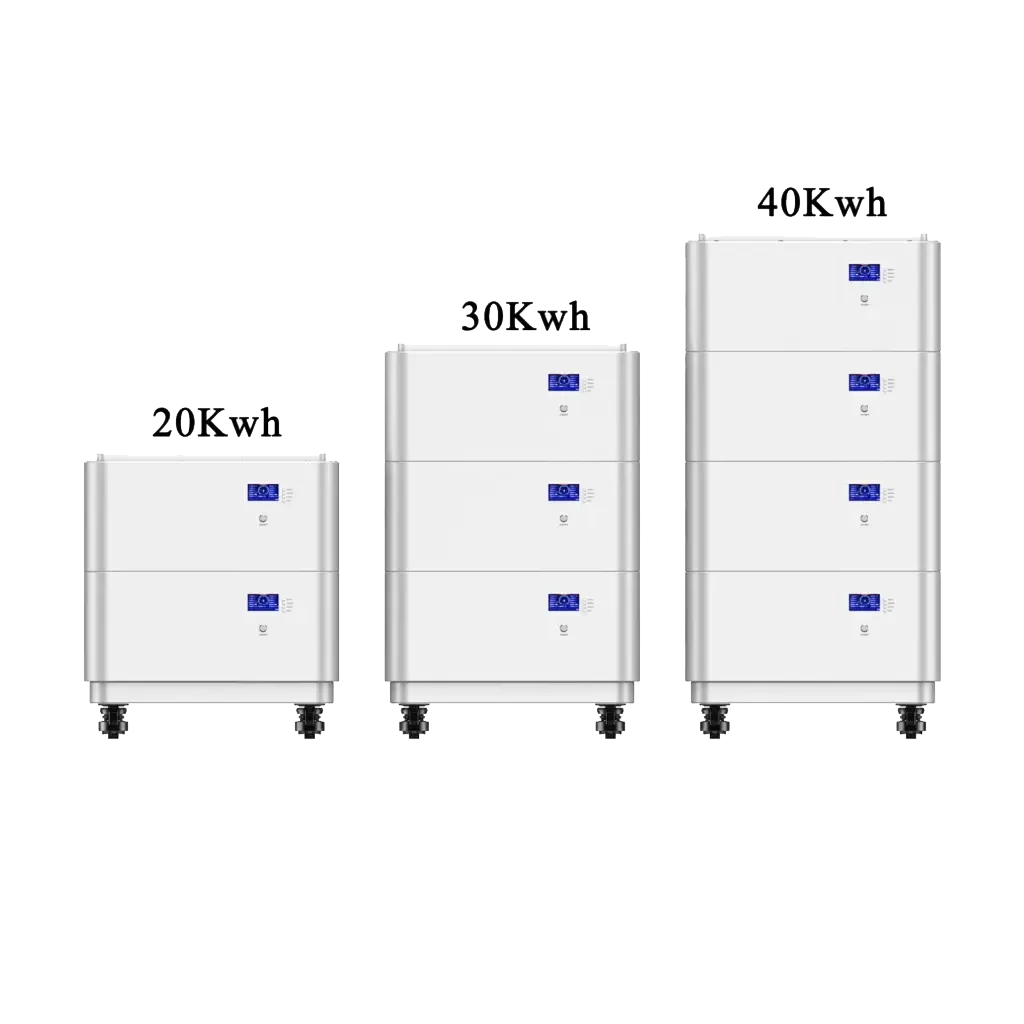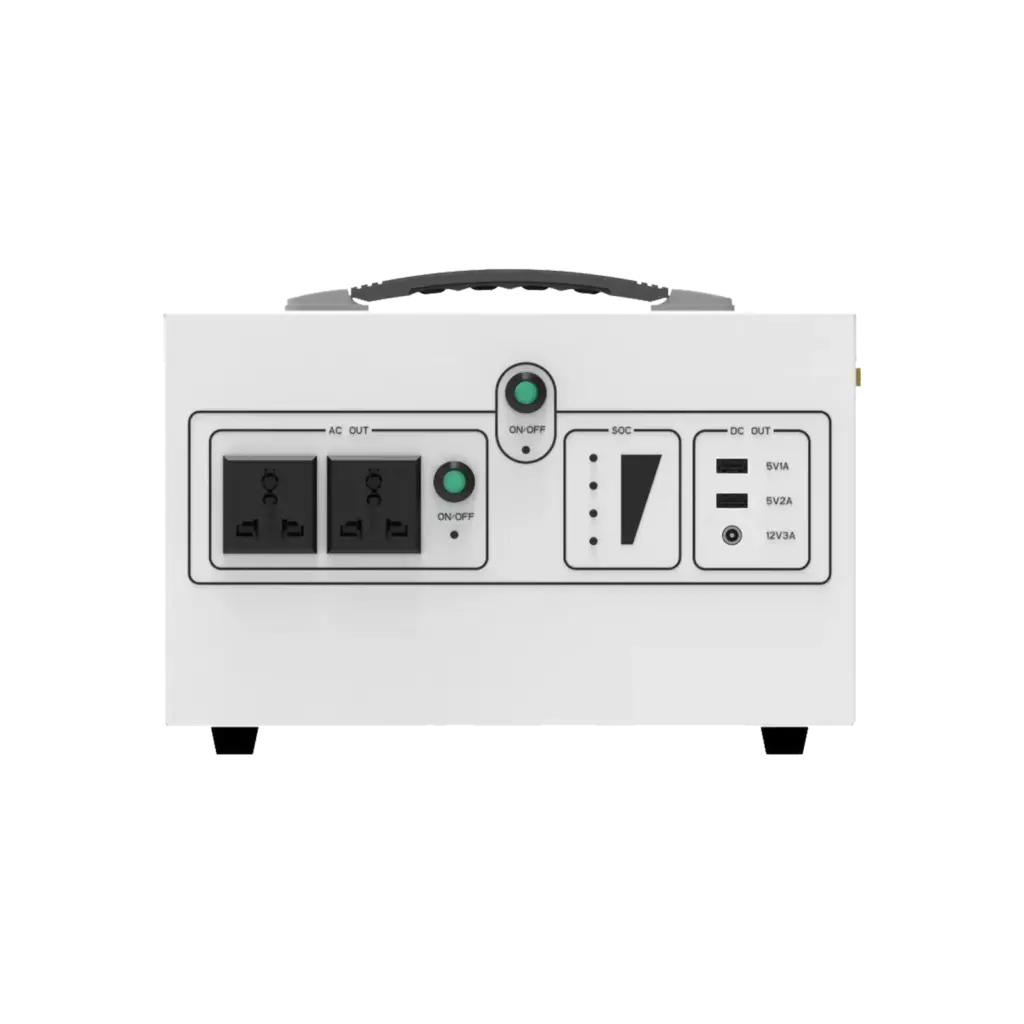

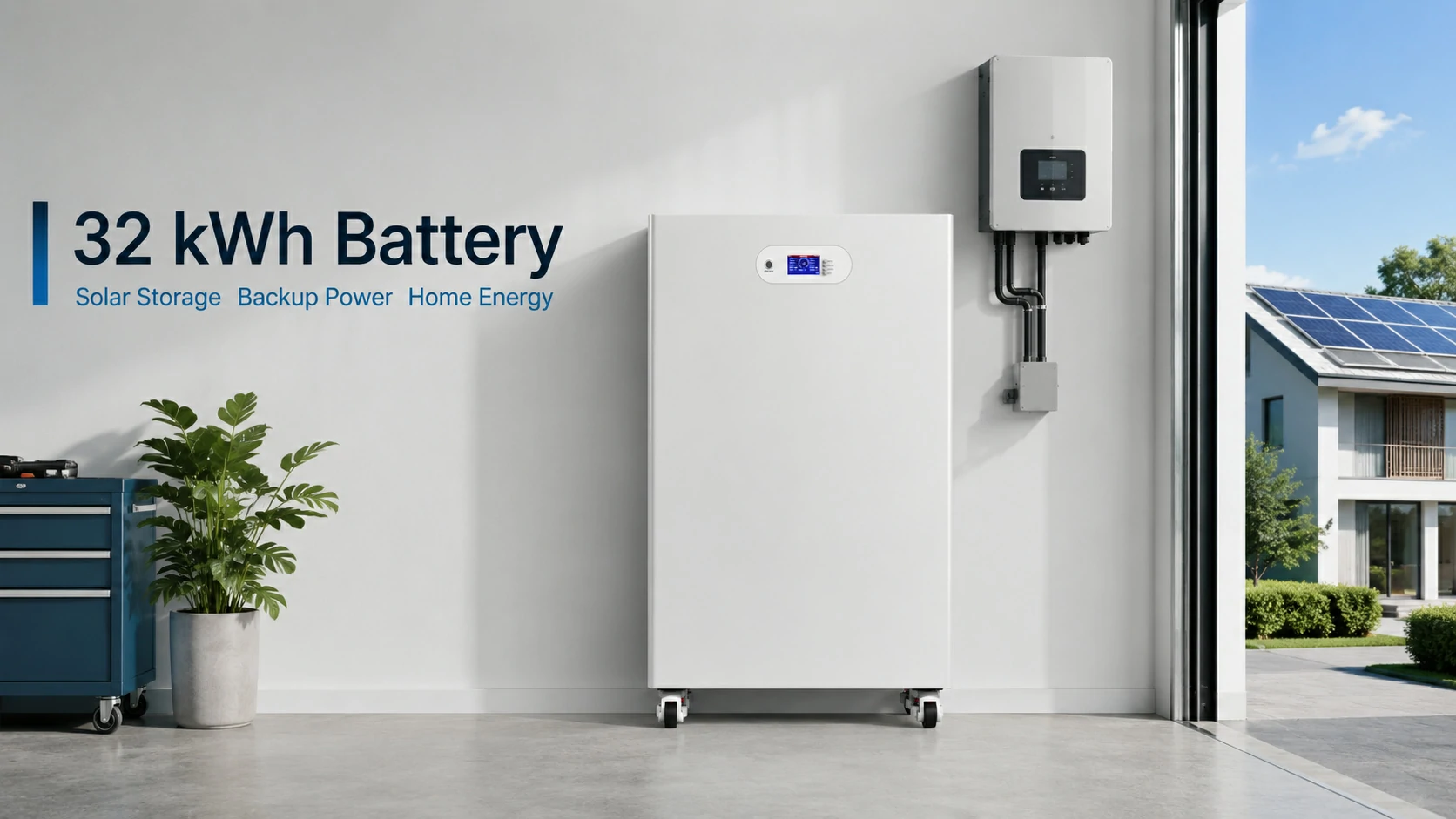
A 32 kWh battery sits in a practical middle ground between standard home batteries and larger commercial energy storage systems. It is bigger than most 10–15 kWh residential batteries, but still compact enough for many homes, villas, off-grid cabins, farms, small businesses, and installer-led solar backup projects.
This guide explains what a 32 kWh battery means, how long it can run different loads, what specifications matter, how it works with solar panels, and how to choose a reliable system for home or light commercial use.
Quick Answer: What Is a 32 kWh Battery?
A 32 kWh battery stores about 32 kilowatt-hours of electrical energy. In simple terms, it can theoretically supply:
| Load Size | Approximate Runtime from 32 kWh |
|---|---|
| 1 kW load | About 32 hours |
| 2 kW load | About 16 hours |
| 4 kW load | About 8 hours |
| 8 kW load | About 4 hours |
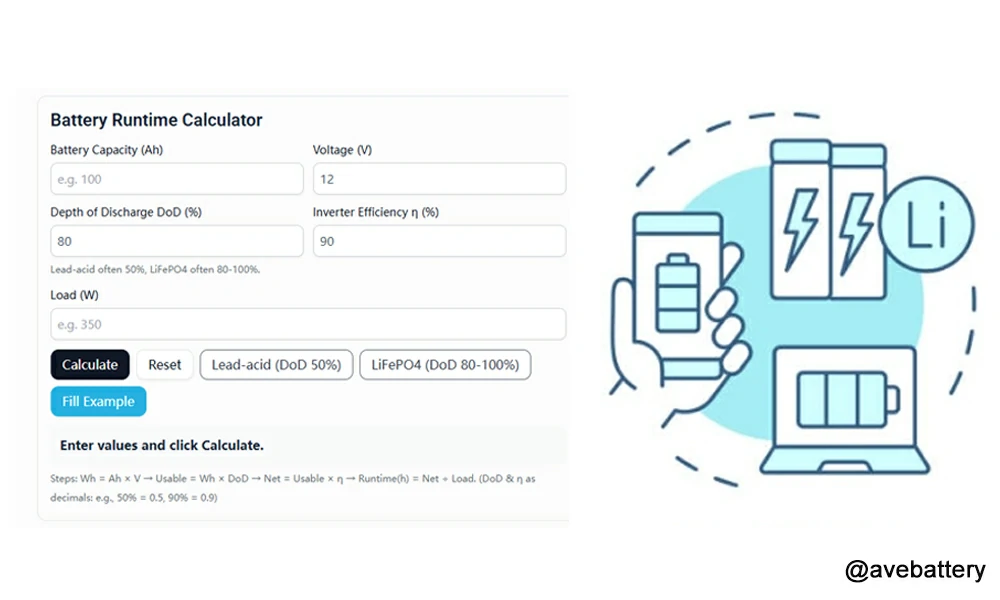
In real installations, usable energy is usually lower than nominal energy because of depth of discharge limits, inverter losses, temperature, battery management settings, and reserve capacity. For example, if a 32 kWh battery is operated at about 90% usable depth, the practical usable energy may be closer to 28–29 kWh before system losses.
For many households, that is enough to cover overnight solar usage, backup critical loads for extended periods, or support a larger solar-plus-storage system.
What Does 32 kWh Mean?
The term 32 kWh describes the battery’s energy capacity, not its power output.
- kWh means kilowatt-hour, a measure of stored energy.
- kW means kilowatt, a measure of real-time power output.
- A battery with more kWh can run loads for longer.
- A battery with higher kW output can support larger loads at the same time.
A common 32 kWh LiFePO4 battery configuration is around 51.2V 628Ah, because: 51.2V × 628Ah ÷ 1000 ≈ 32.15 kWh
This is why many 32kWh home battery listings are described as 51.2V 628Ah LiFePO4 batteries. Several current 32kWh battery products in the market follow this voltage and capacity class.
32 kWh Battery vs Smaller Home Batteries
A 10 kWh battery may be enough for basic nighttime usage or essential backup loads. A 15 kWh battery may support a larger home overnight if loads are managed carefully. A 32 kWh battery, however, gives much more flexibility.
| Battery Size | Typical Use Case | Limitation |
|---|---|---|
| 5 kWh | Small backup, basic loads | Short runtime |
| 10 kWh | Nighttime solar use, essentials | Limited whole-home support |
| 15 kWh | Medium home backup | May not cover heavy loads long |
| 32 kWh | Larger home, off-grid, extended backup | Needs proper inverter and wiring |
| 50 kWh+ | Villas, small commercial, multi-load backup | More space, cost, engineering needed |
For buyers comparing capacity classes, Avepower’s 30kWh solar battery storage system is close to the 32kWh category and is designed for high-capacity home storage, off-grid backup, and small commercial peak shaving, with CAN/RS485/RS232 communication and parallel expansion support.
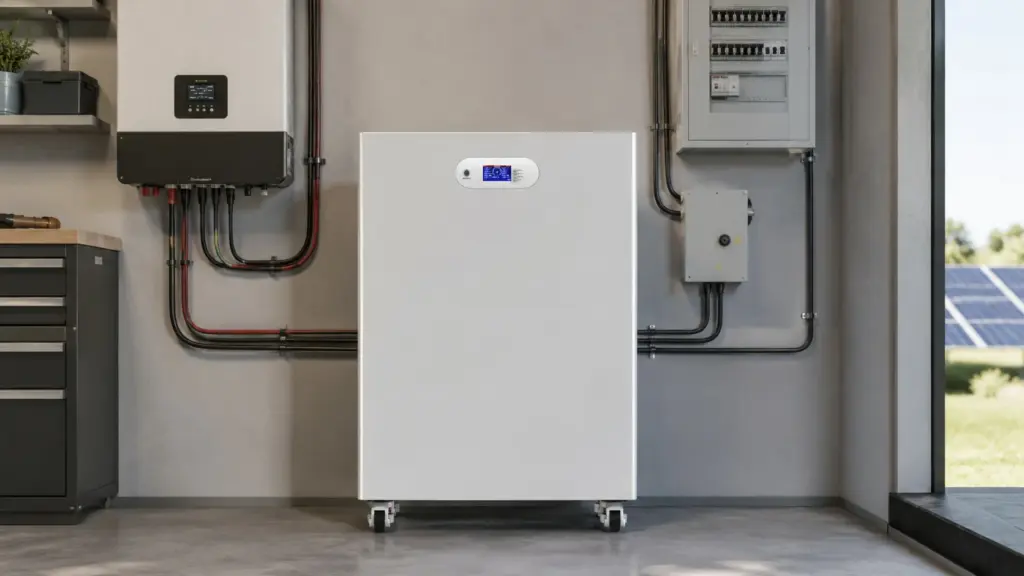
Need a 32 kWh Battery for Solar Storage?
Avepower provides scalable 32kwh battery solutions with BMS protection, inverter communication support, and OEM/ODM customization for installers, distributors, and project buyers.
How Long Will a 32 kWh Battery Last?
Runtime depends on load size. A 32 kWh battery does not always power everything for the same amount of time. The more power your home uses, the faster the battery discharges.
Here is a practical runtime estimate using 28.8 kWh usable energy, assuming 90% usable capacity before additional inverter losses:
| Average Load | Estimated Runtime |
|---|---|
| 500 W | 57.6 hours |
| 1 kW | 28.8 hours |
| 2 kW | 14.4 hours |
| 3 kW | 9.6 hours |
| 5 kW | 5.8 hours |
| 8 kW | 3.6 hours |
| 10 kW | 2.9 hours |
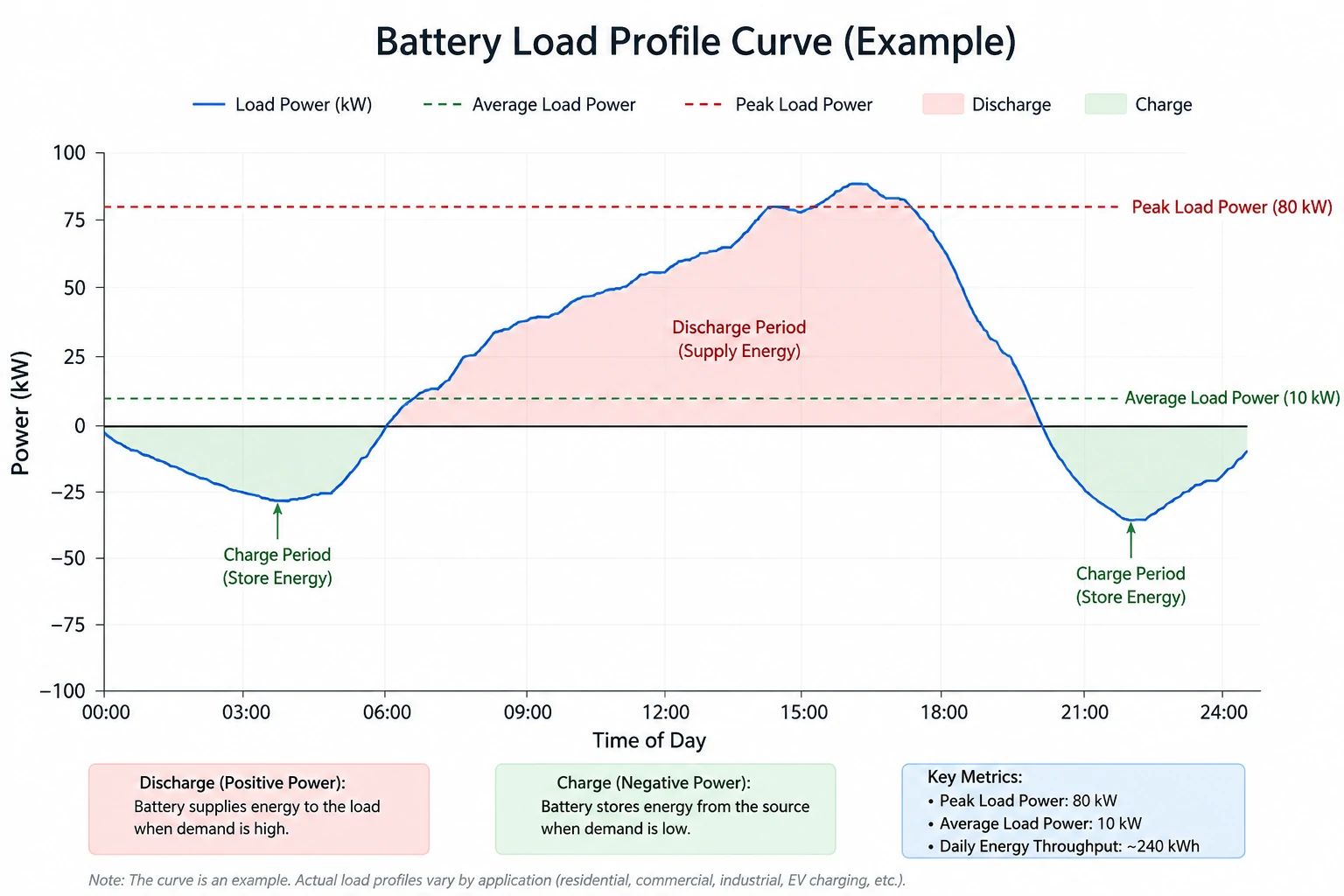
But a real home does not usually draw one fixed load all day. Refrigerators cycle on and off, air conditioners surge, water pumps start briefly, and cooking appliances may draw high power for short periods. That is why both battery capacity and inverter power rating must be checked.
How Much Usable Energy Does a 32 kWh Battery Provide?
Nominal capacity is not always the same as usable capacity.
A 32 kWh battery may provide:
| Depth of Discharge Setting | Approx. Usable Energy |
|---|---|
| 70% DoD | 22.4 kWh |
| 80% DoD | 25.6 kWh |
| 90% DoD | 28.8 kWh |
| 95% DoD | 30.4 kWh |
Is a 32 kWh Battery Enough for a House?
For many homes, yes — but it depends on your load profile.
The average U.S. household consumes about 10,500 kWh per year, although usage varies significantly by region, home type, heating method, cooling demand, and building size. That works out to roughly 28–29 kWh per day as a broad average.
This means a 32 kWh battery may cover close to one day of average household electricity use in some cases. However, that does not mean it can automatically support every appliance at all times.
A 32 kWh battery is more suitable for whole-home backup if the system is designed around:
- Essential load circuits
- Inverter continuous and surge power
- Solar recharge capacity
- Battery discharge current
- HVAC and water heater strategy
- Backup duration target
- Local electrical code and installation rules
For high-consumption homes with electric heating, large air conditioners, EV charging, pool pumps, or workshops, 32 kWh may be best used as part of a larger expandable storage system.
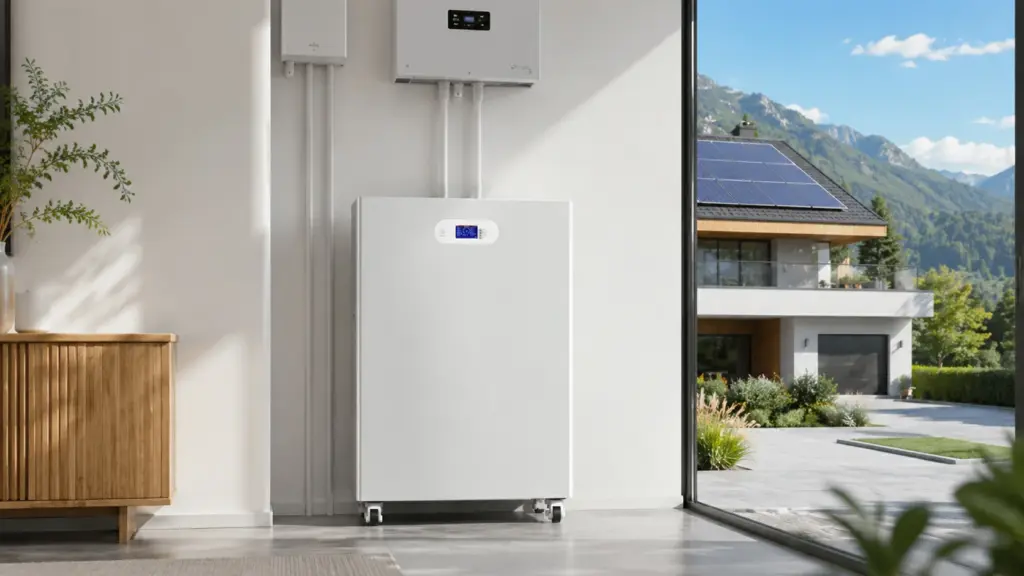
What Size Solar System Works with a 32 kWh Battery?
There is no single fixed solar size for every 32 kWh battery. A rough starting point is to match the battery with a solar system large enough to recharge it during typical daylight hours while also serving daytime loads.
For many residential or light commercial projects, a 32 kWh battery may be paired with solar systems in the approximate 8 kW to 15 kW range, depending on local sunlight, roof space, consumption pattern, inverter design, and whether the battery must recharge fully every day.
For example:
| Solar System Size | Typical Match with 32 kWh Battery |
|---|---|
| 5 kW | May be too small unless loads are low |
| 8 kW | Possible for moderate daily recharge |
| 10 kW | Common match for larger homes |
| 12–15 kW | Better for high usage or faster recharge |
| 15 kW+ | May suit larger homes or small businesses |
For installers, the important point is not only panel capacity. The system also needs correct charge/discharge settings, cable sizing, protection devices, inverter communication, and commissioning.
Avepower provides home battery systems for solar installers and EPC teams, including inverter compatibility support, technical documents, project-based quotation support, and OEM/private label options.
32 kWh Battery Cost: What Affects the Price?
The cost of a 32 kWh battery can vary widely because different suppliers include different components, service levels, certifications, and installation requirements in the final price. A low online price may only cover the battery pack itself, while a complete solar storage system may include the battery, inverter, BMS, protection devices, installation labor, shipping, permitting, monitoring, and after-sales support.
As a rough market reference, some current equipment-only 32kWh LiFePO4 battery listings are priced around $3,200–$3,900 before full system installation, depending on warehouse location, battery cell type, enclosure design, active balancing, heating pads, and accessories.
Several factors affect the final cost of a 32 kWh battery system:
- Battery Cells & Chemistry: LiFePO4 cell quality, consistency, and brand directly affect price and lifespan.
- BMS Quality: Advanced BMS features improve safety, protection, and system reliability.
- Cabinet & Design: Stronger enclosures, displays, breakers, and professional cabinet structures increase cost.
- Inverter Compatibility: CAN/RS485 communication support adds value and improves system integration.
- Certifications: CE, UN38.3, MSDS, IEC, and other certifications raise cost but support compliance and shipping.
- Shipping & Logistics: Large battery size means freight, tariffs, and warehouse location impact total price.
- Installation Costs: Labor, wiring, permits, and inverter setup can significantly increase project cost.
- Warranty & Support: Longer warranties and reliable technical support usually come with higher-quality systems.
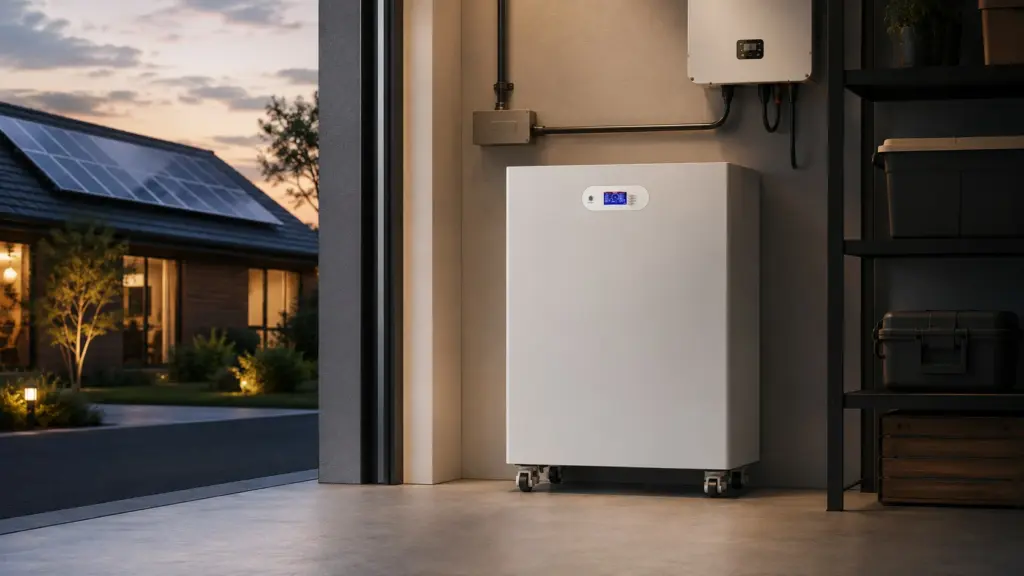
Build a Safer, Expandable Energy Storage System
Whether you need one 32 kWh battery module or a larger solar storage system, Avepower can help you match the right battery capacity, inverter compatibility, communication protocol, and installation layout for your project.
One 32 kWh Battery vs Multiple Smaller Batteries
Both approaches can work. The right choice depends on project priorities.
| Option | Advantages | Limitations |
|---|---|---|
| One 32 kWh cabinet | Cleaner layout, fewer parallel connections, compact design | Heavy, harder to move, less modular |
| Two 16 kWh batteries | Easier handling, modular, flexible installation | More wiring and communication setup |
| Four 8 kWh batteries | Good scalability and placement flexibility | More installation complexity |
| Rack-mounted system | Professional layout, easy maintenance, scalable | Requires rack space and planning |
| Stackable system | Residential appearance, modular expansion | May have brand-specific limits |
For homeowners, one larger cabinet can look cleaner. For installers, multiple smaller modules may be easier to transport and service. For commercial projects, rack-mounted or cabinet-based systems may be preferred because they support organized wiring and future expansion.
Avepower’s 48V 30kWh 600Ah home solar battery system supports Bluetooth/WiFi monitoring, CAN/RS485/RS232 communication, 8000+ cycles at 80% DOD, and parallel expansion up to 16 units, making it relevant for buyers comparing 30–32kWh storage systems.
Can You Connect Multiple 32 kWh Batteries in Parallel?
Yes, many 32kWh LiFePO4 batteries support parallel expansion, but only when the system is designed correctly.
Before paralleling batteries, check:
- Maximum number of parallel units
- Same model and same chemistry
- Same nominal voltage
- Similar state of charge before connection
- Proper busbar or combiner design
- Cable length consistency
- BMS communication settings
- Inverter charge/discharge limits
- Manufacturer commissioning process
Some manufacturers specifically warn against mixing different models or cell types in the same parallel system because it can cause imbalance, reduced lifespan, or safety problems.
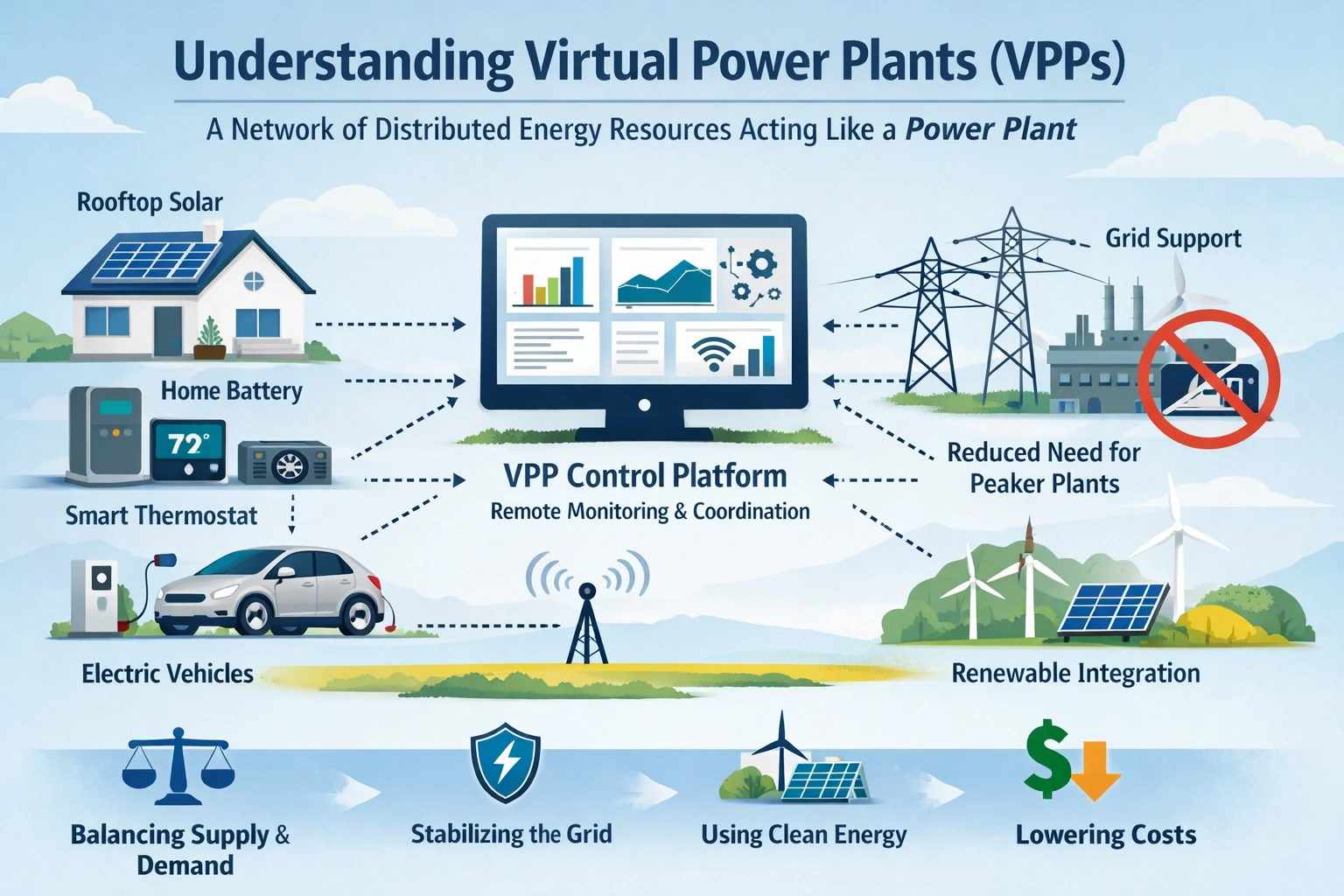
Avepower’s project experience includes a 640kWh hotel solar BESS case study using 20 × 32 kWh LiFePO4 battery units in parallel, paired with smart inverters and EMS for peak shaving, load shifting, backup power, and rooftop PV integration.
What Size Inverter Do You Need for a 32 kWh Battery?
A 32 kWh battery does not automatically mean you need a 32 kW inverter. The battery capacity tells you how much energy is stored. The inverter size should match the maximum power demand of the loads.
Common inverter sizes for 32 kWh residential systems include:
| Inverter Size | Typical Use |
|---|---|
| 5 kW | Essential backup, small homes, low loads |
| 6 kW | Common residential solar + battery system |
| 8 kW | Larger backup loads, stronger solar use |
| 10 kW | Whole-home backup with load management |
| 12 kW+ | Larger homes, workshops, pumps, high surge loads |
The inverter must also support the battery voltage range, charge/discharge current, communication protocol, and protection logic. For lithium battery systems, CAN or RS485 communication is commonly used so the inverter can read battery status, voltage, current, state of charge, alarms, and protection limits.
Avepower 32 kWh Battery Class Solutions
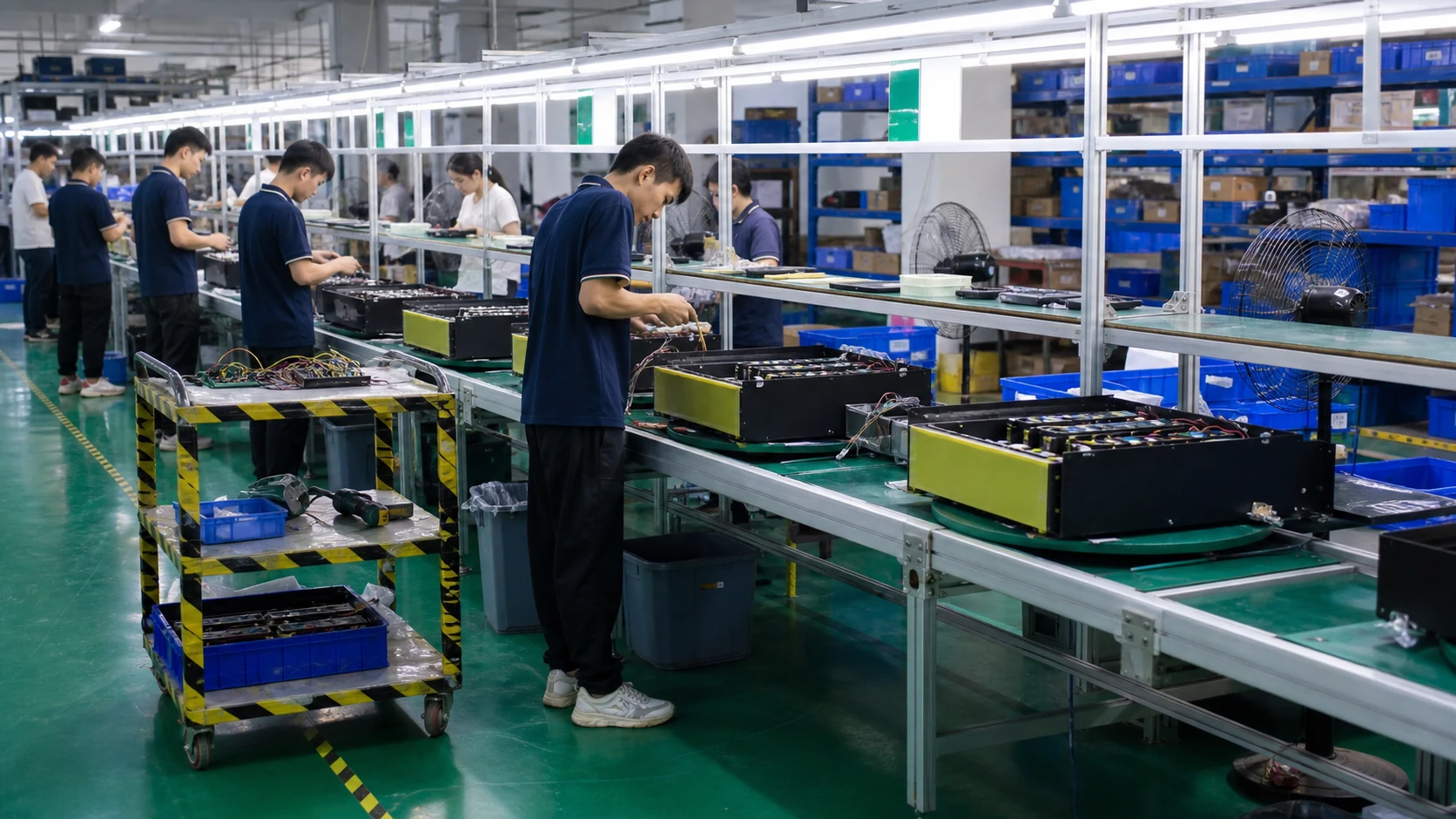
Avepower focuses on LiFePO4 battery storage solutions for residential, commercial, industrial, installer, distributor, and OEM/ODM markets. For buyers considering a 32 kWh battery, Avepower can support several system approaches:
- 51.2V LiFePO4 battery modules
- Rack-mounted battery systems
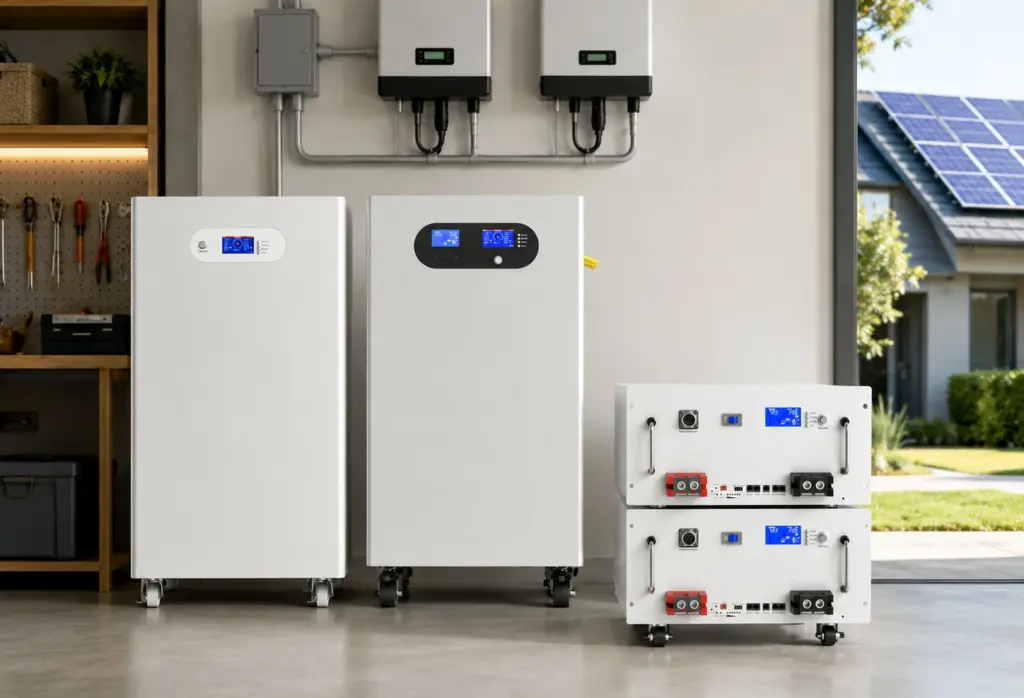
- Vertical home battery cabinets
- Modular expandable battery layouts
- Custom OEM/ODM battery design
- BMS communication matching
- Solar + battery system sizing support
- Larger C&I ESS solutions when 32 kWh is not enough
Avepower’s 640 kWh Afghanistan hotel BESS case used 20 units of 51.2V 628Ah 32 kWh LiFePO4 battery modules in parallel, with EMS control, smart inverter matching, rooftop PV compatibility, and functions such as peak shaving, load shifting, and grid/off-grid switching. This shows how a 32 kWh module can also become a building block for larger energy storage systems.
For residential and small project buyers, the 30 kWh solar battery storage system is also a close alternative when a project does not require the full 32 kWh capacity. It includes LiFePO4 chemistry, 48V nominal voltage, 600Ah capacity, CAN/RS485/RS232 communication, Bluetooth and WiFi monitoring, and up to 16-unit parallel expansion.
Take Control of Your Energy with Avepower!
Reliable home solar battery solutions with OEM/ODM customization and in-house manufacturing, tailored to the needs of distributors, installers, and energy partners.
Conclusion: Is a 32 kWh Battery Worth It?
A 32 kWh battery can be a smart choice if you need more than basic backup power. It is especially useful for larger homes, solar-plus-storage systems, off-grid properties, and small commercial sites that require longer runtime, stronger energy independence, or better use of solar power.
However, capacity alone should not drive the purchase decision. The best 32kWh battery system should also match your inverter, load profile, installation environment, safety requirements, future expansion plan, and technical support needs.
FAQ
A 32 kWh battery stores energy, but the power it can provide depends on the inverter and BMS rating. For example, the battery may store 32 kWh, but the inverter determines whether it can deliver 5 kW, 8 kW, 10 kW, or more at one time.
It depends on household consumption. If your average load is 2 kW, a 32 kWh battery may last roughly 14–16 hours before considering system losses and reserve settings. If your average load is 5 kW, runtime may be closer to 5–6 hours.
Many 32kWh LiFePO4 batteries are 48V-class systems, commonly around 51.2V nominal with approximately 628Ah capacity. Higher-voltage configurations are also possible depending on system design.
A 32 kWh battery is suitable for larger homes, off-grid properties, solar backup systems, villas, small businesses, farms, telecom rooms, and installer-led projects that need more storage than standard residential batteries.
Many projects pair a 32 kWh battery with roughly 8–15 kW of solar, depending on sunlight, daily consumption, and recharge expectations. The best size should be calculated from your actual load profile and local solar production.