
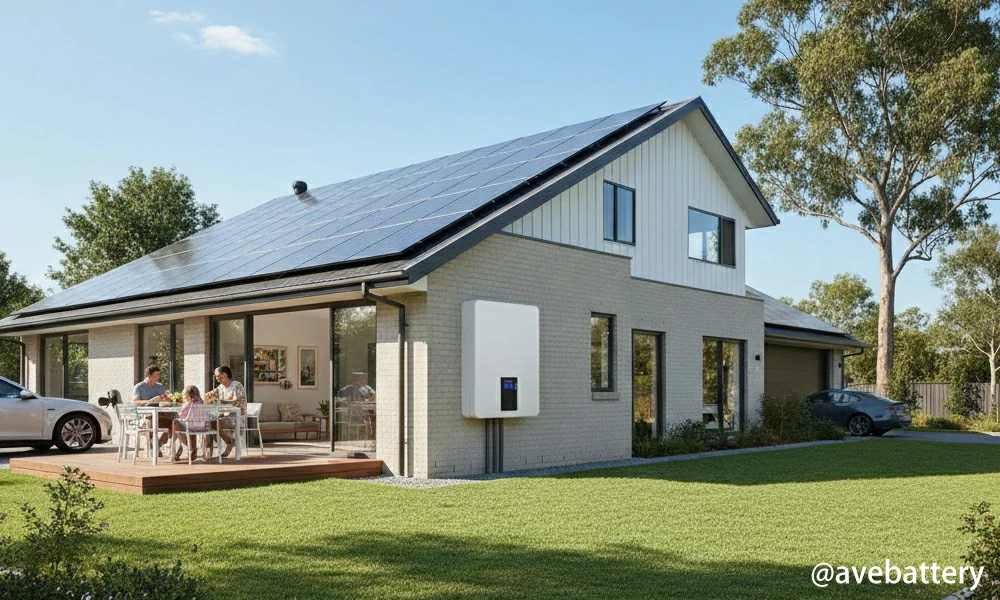
The solar battery market in Australia is growing fast. People are looking for smart ways to use the power their solar panels generate, especially as electricity prices go up. Many households already have rooftop solar, and many households now ask the same question: which solar battery is the best choice in 2026 for Australian homes? This guide gives you a clear answer.
Why Australians Need a Solar Battery
Australians experience significant sunshine, which is great for solar generation. However, the highest energy usage often happens in the evening (peak hours) when the sun has set. Without a battery, the excess electricity your panels produce during the day is typically sent back to the grid for a small feed-in tariff payment. You then buy power back from the grid at a higher price when you need it later.
There are several reasons why investing in a solar battery is worthwhile:
- Energy Independence: With a solar battery, you are less reliant on the grid. This is especially valuable in areas where electricity prices are high or supply is unreliable.
- Cost Savings: Storing your solar energy for later use can reduce your electricity bills. You avoid buying electricity at peak times when it is most expensive.
- Backup Power: Solar batteries can act as a backup power source during blackouts, keeping essential appliances running.
- Sustainability: By using stored solar energy, you reduce your carbon footprint and contribute to cleaner energy usage.
Understanding these benefits helps you appreciate why selecting the right solar battery is crucial for maximizing your system’s efficiency and value.
Top Picks for 2026: Who Each Battery Suits Best
The Australian market is flooded with high-quality battery options, but a few key players consistently stand out for their performance, reliability, and value. We have carefully reviewed the leading contenders to provide an objective assessment.
| Brand / Model | Key Strengths | Check Before Buying | Best For | Warranty |
|---|---|---|---|---|
| Avepower | One-stop, customizable LFP, long service life, global certs | Local installers, inverter partners, AU warranty terms | Custom projects, Whole-home backup, private-label, special sizes | Varies (confirm throughput & capacity) |
| Tesla Powerwall 3 | Premium all-in-one, 11.5 kW AC, strong surge, slick app | Switchboard & backup scope, 1- vs 3-phase, VPP eligibility, rebates | Whole-home backup, polished UX | ~10 yrs (region-specific) |
| Sungrow SBR | Modular HV stack, great value, neat hybrid pairing | Min/max stack, backup kW, warranty throughput | Value-focused new builds | ~10 yrs |
| BYD Battery-Box (HVS/HVM) | Widely compatible, scalable towers | Pick HVS vs HVM, AU warranty details, phase backup | Flexibility with inverter choice | ~10 yrs (throughput-based) |
| Enphase IQ 5P | 5 kWh blocks, deep monitoring, long warranty | Backup kW per unit, 3-phase behavior, interface | Enphase ecosystems, long-term cover | 15 yrs / up to 6,000 cycles |
| Alpha ESS SMILE | Budget-friendly, LFP, modular | Exact model warranty, backup kW, enclosure rating | Value seekers needing growth | ~10 yrs |
1. Avepower
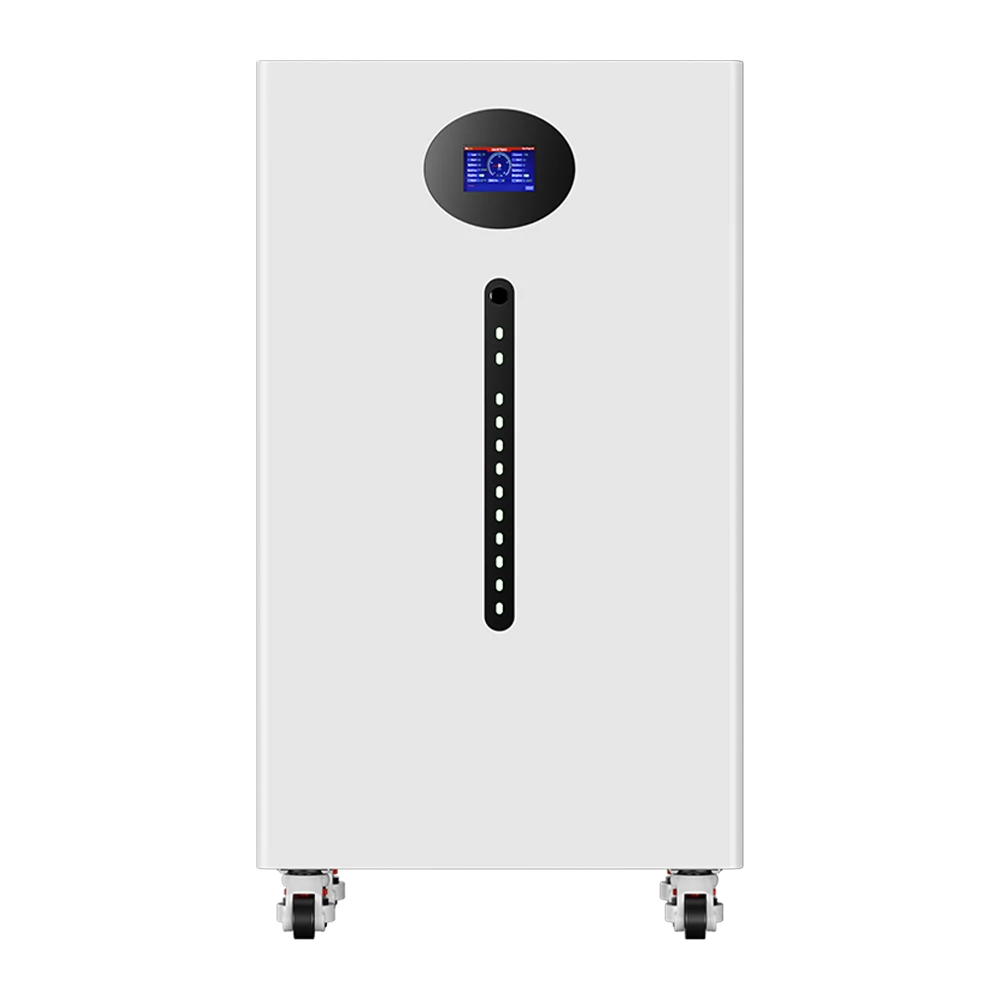
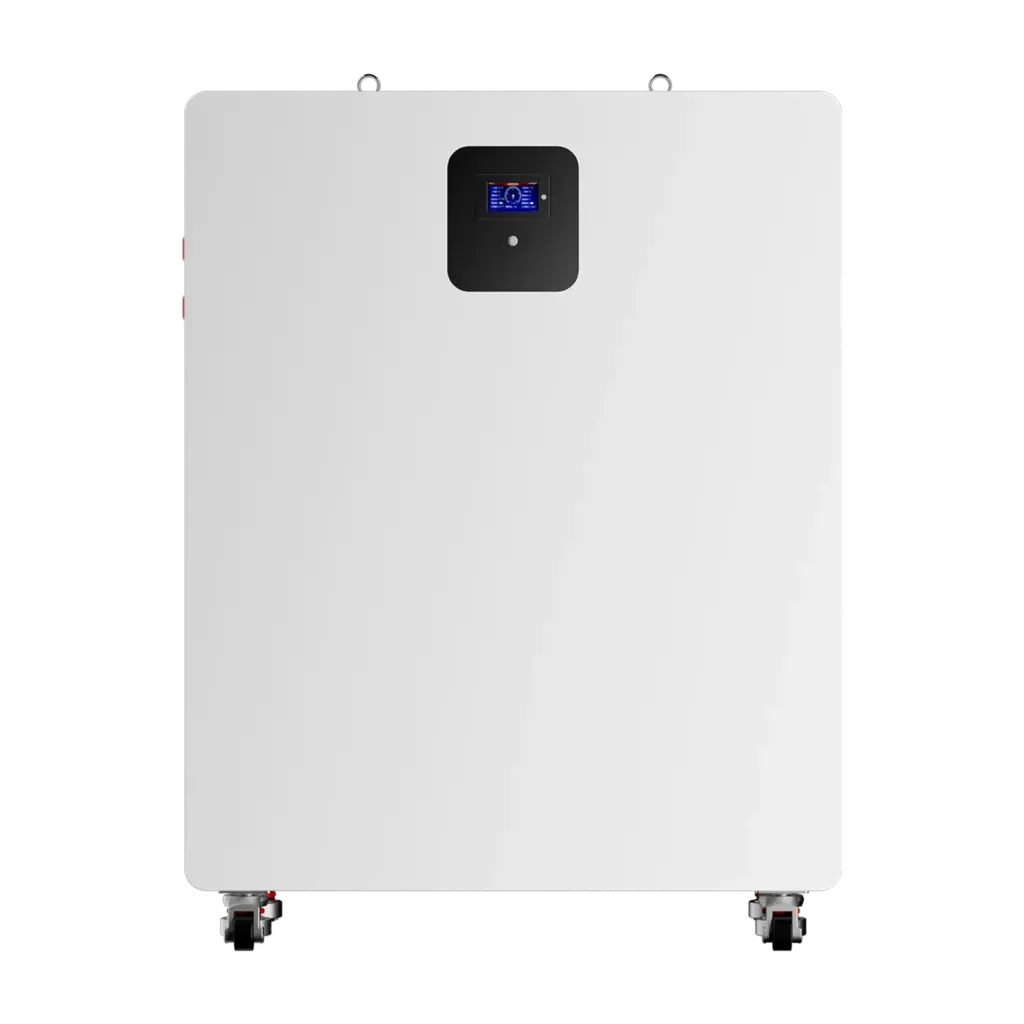
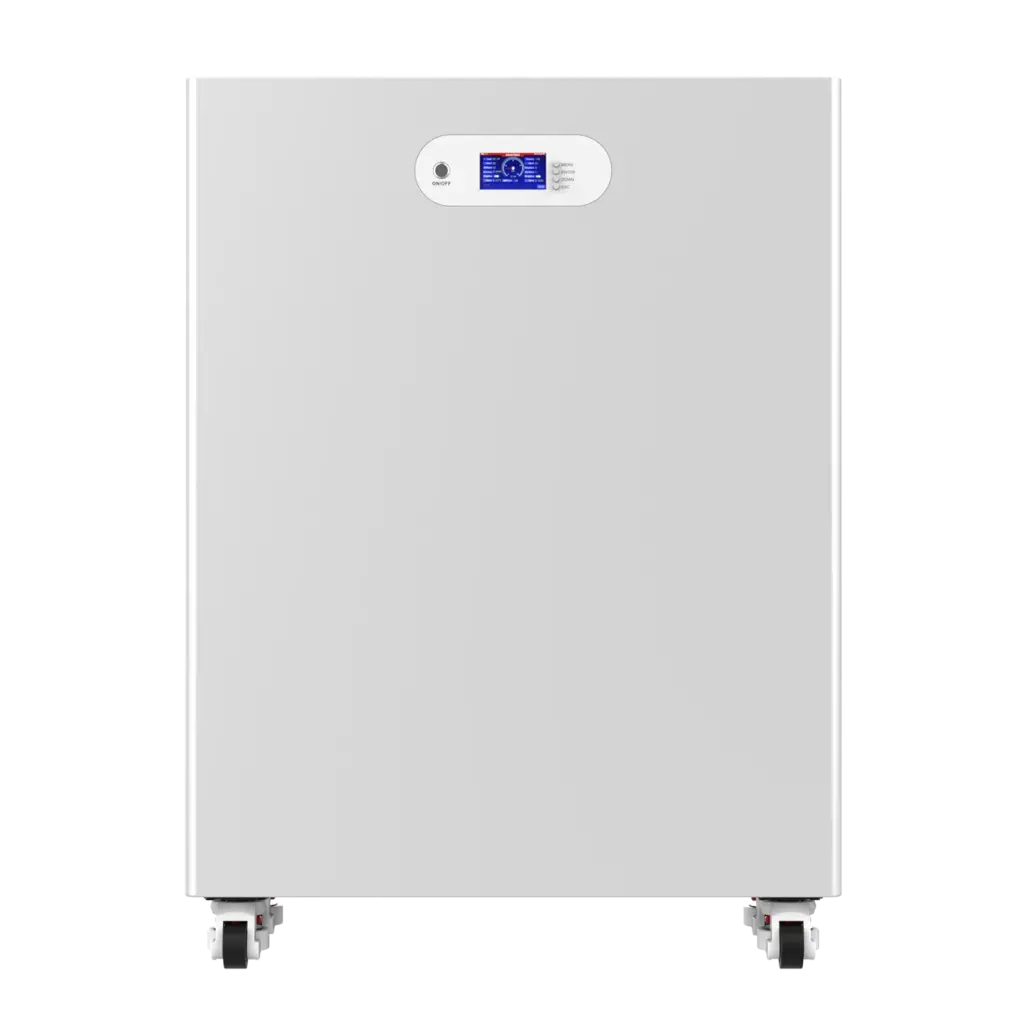
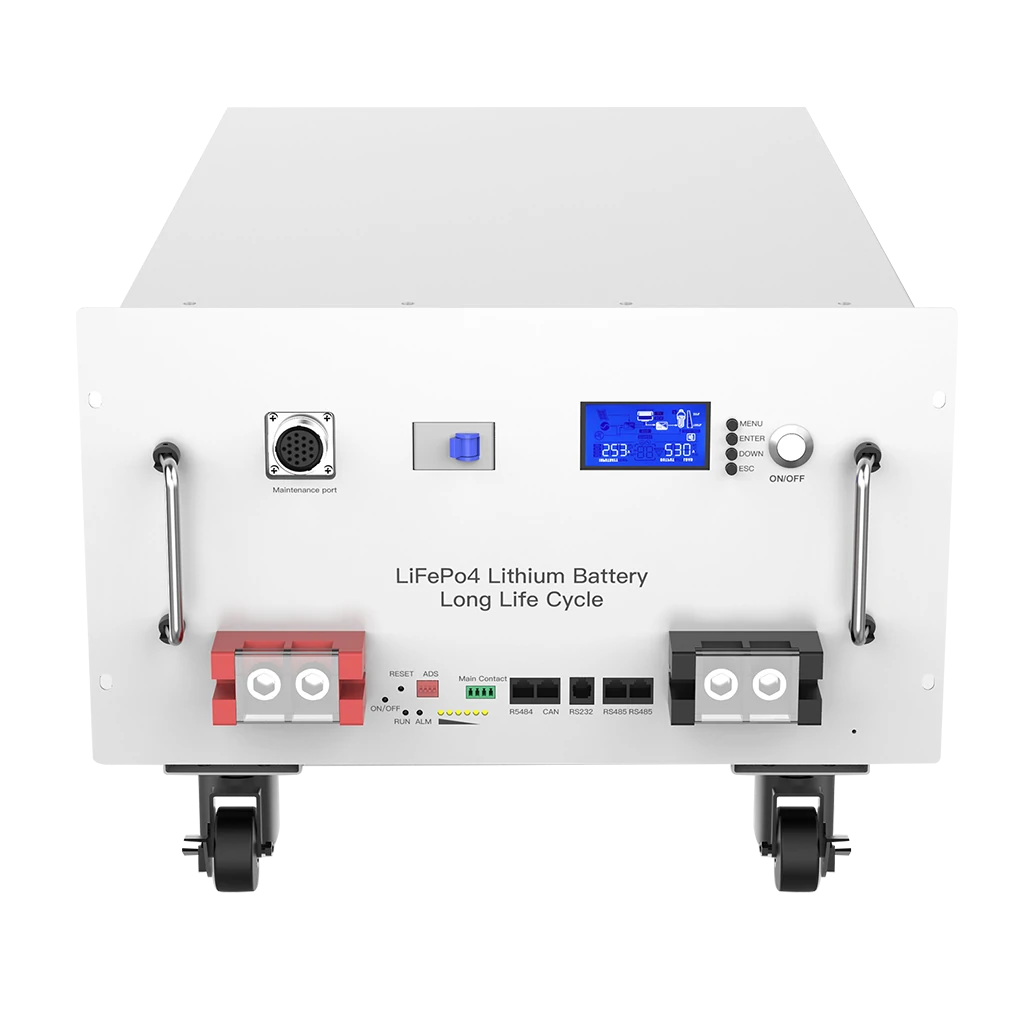
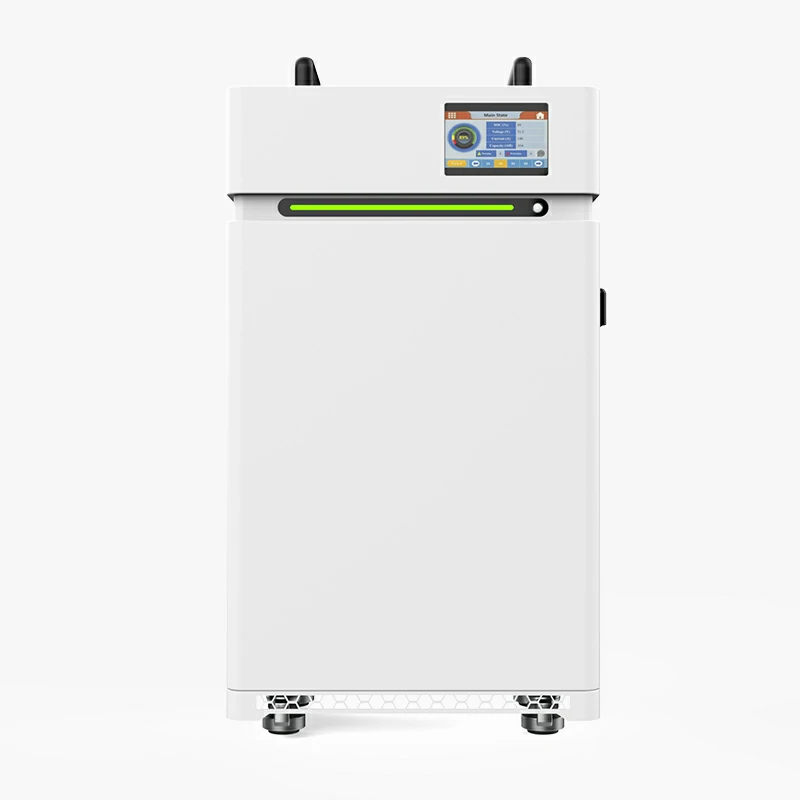
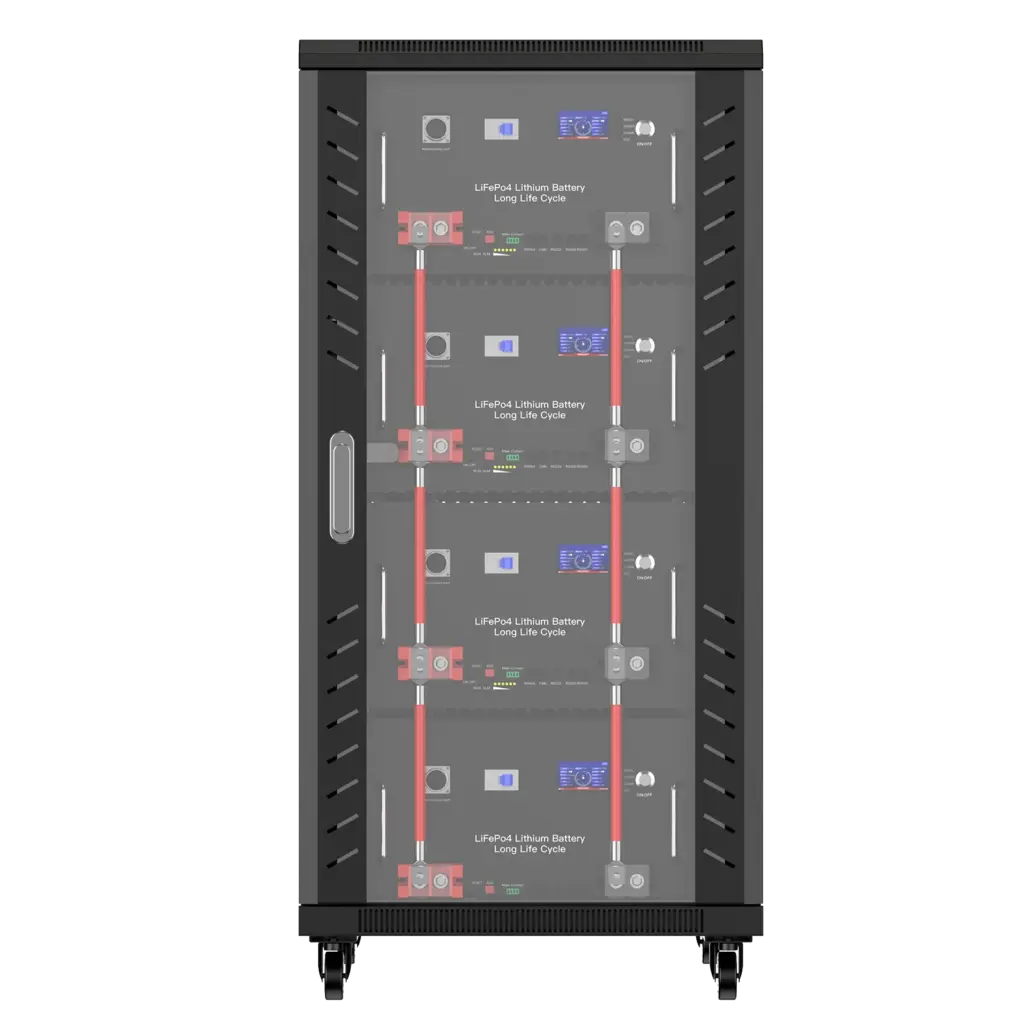
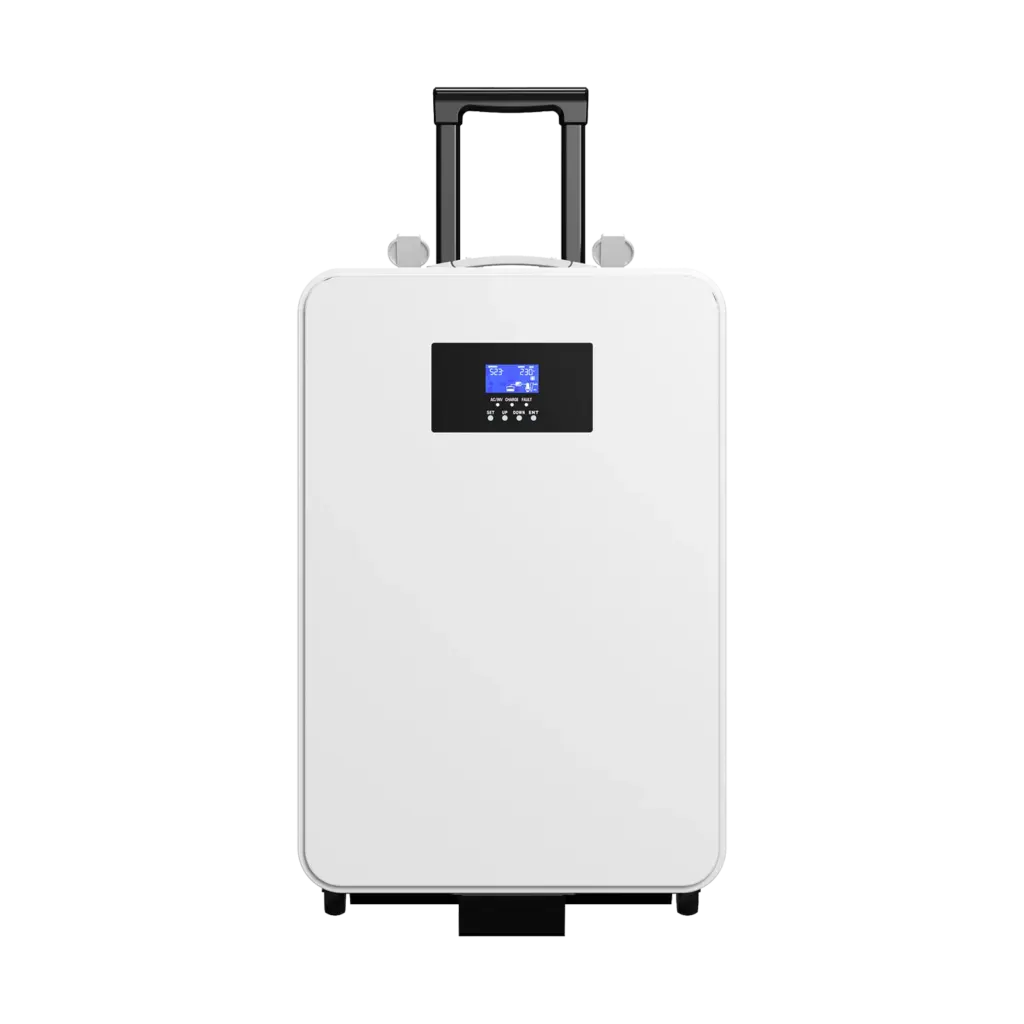
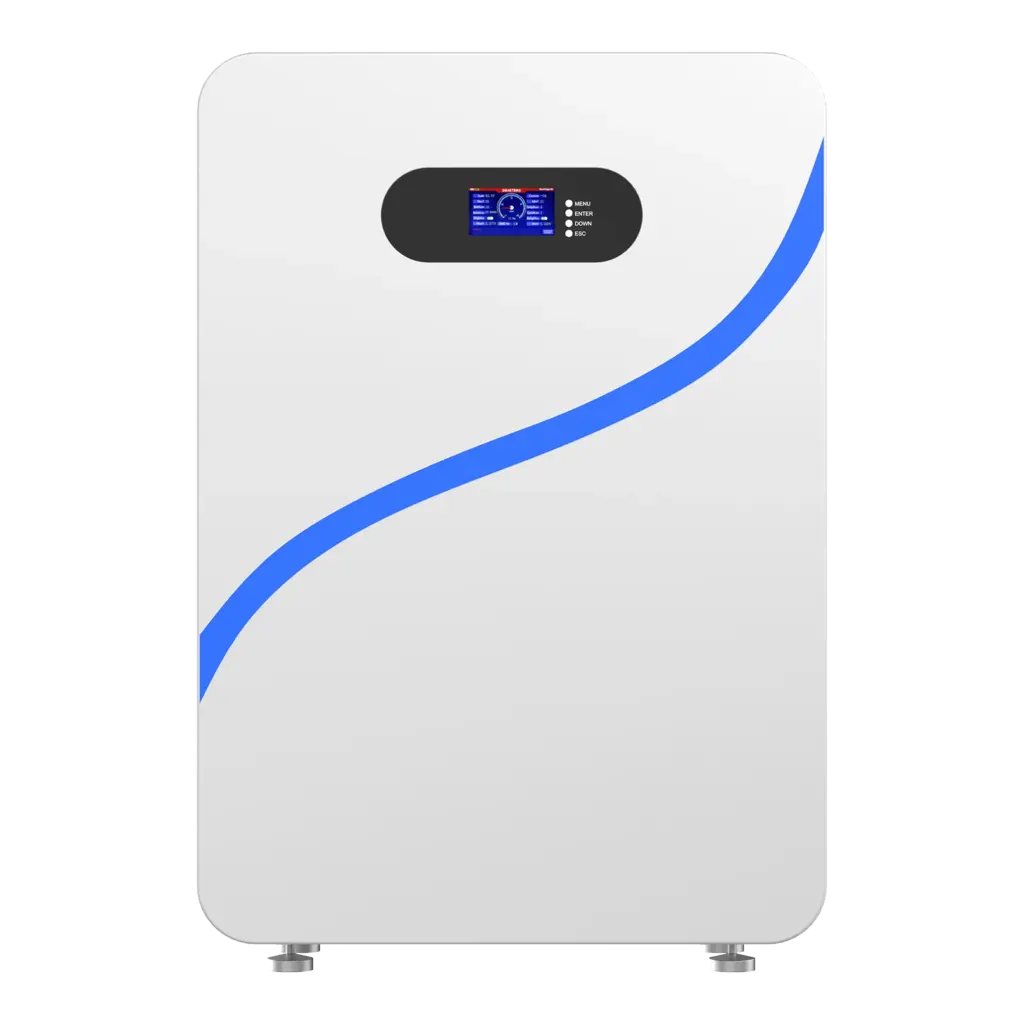
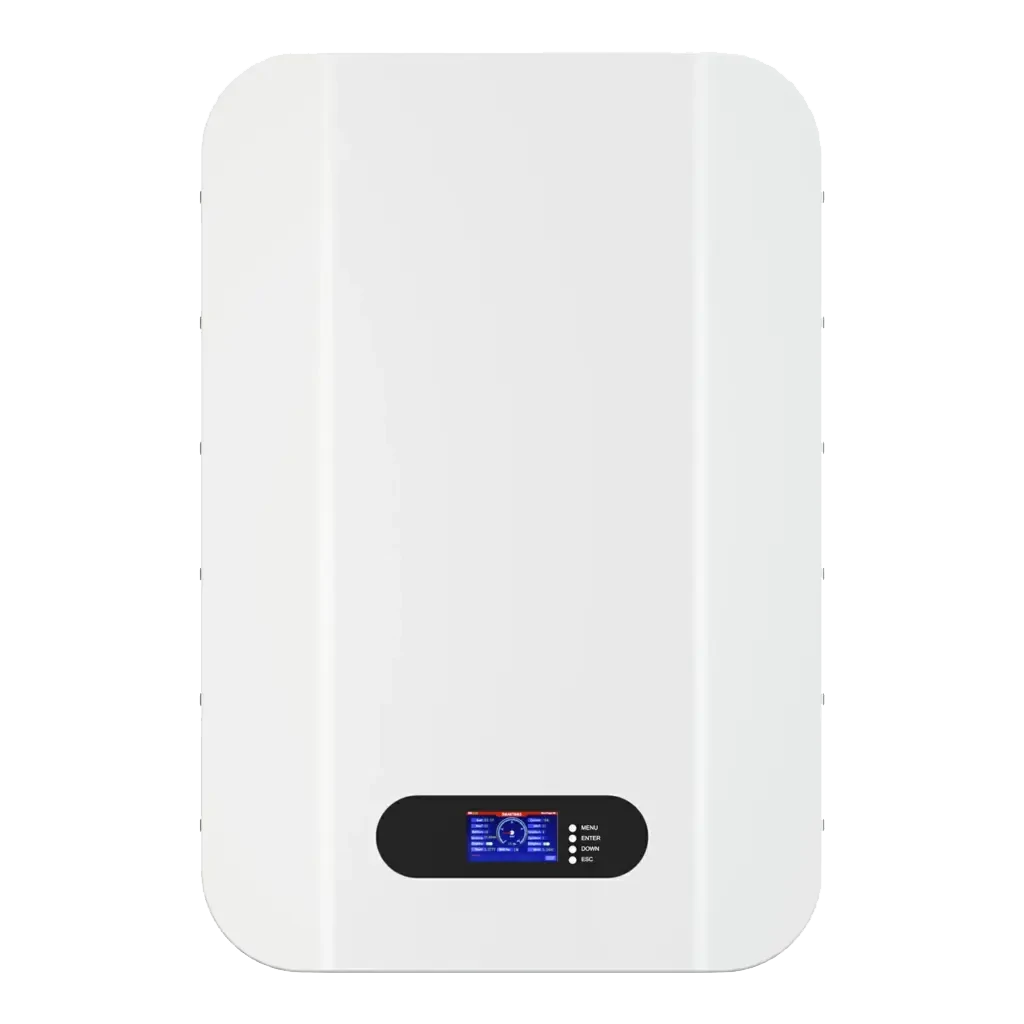
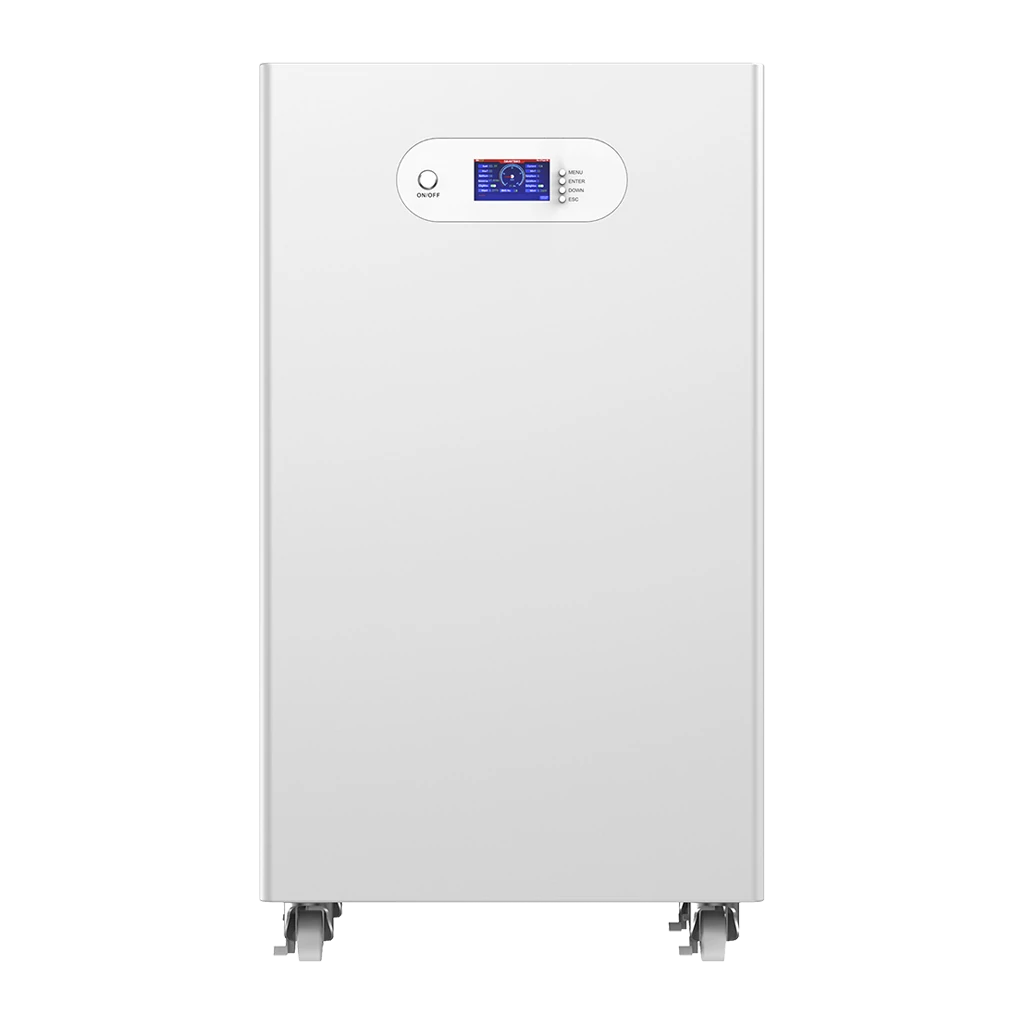
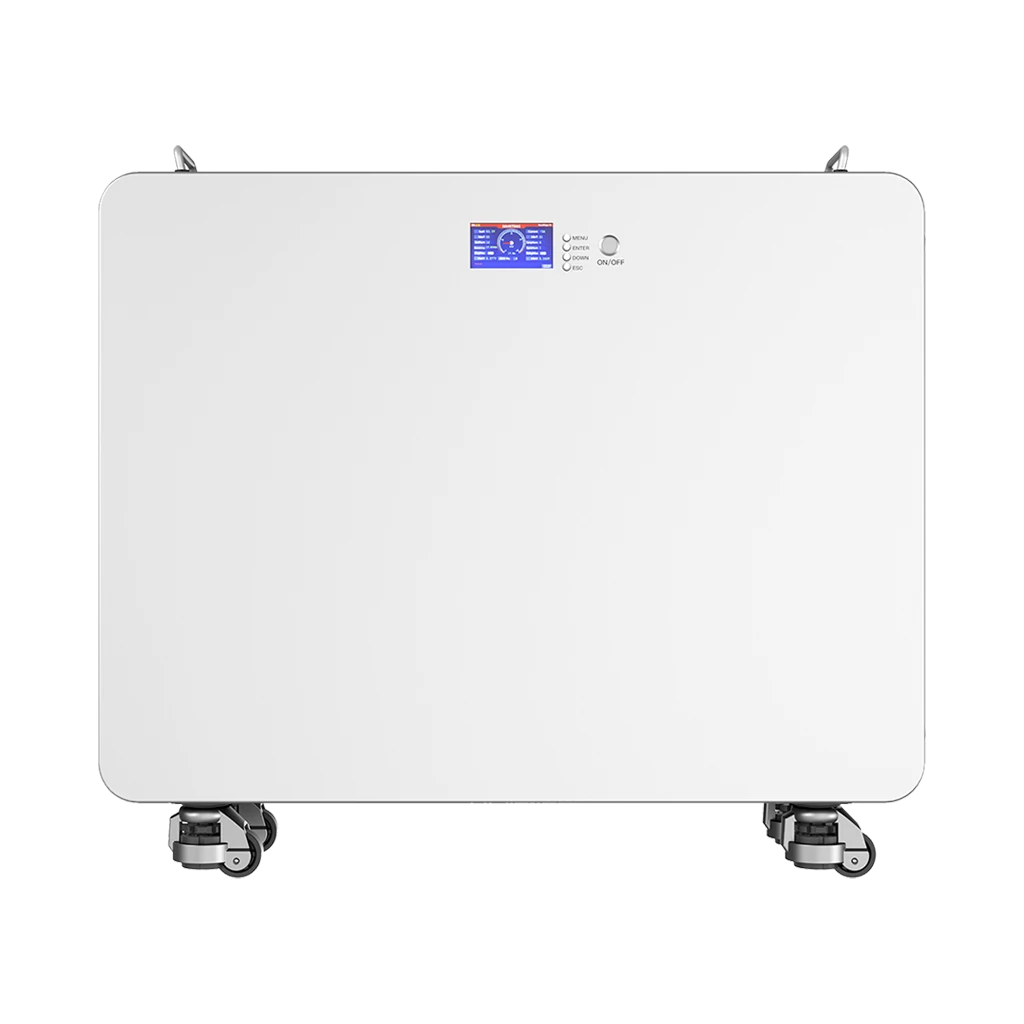
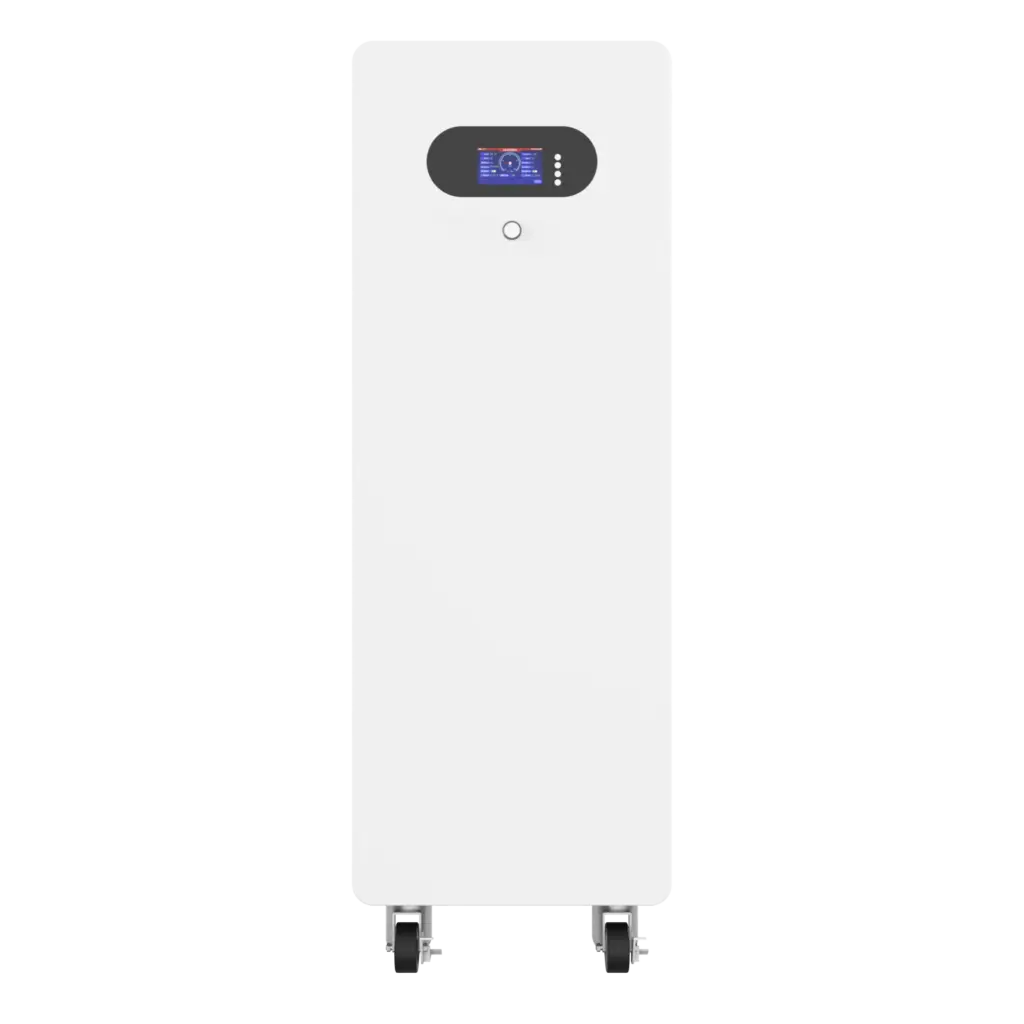
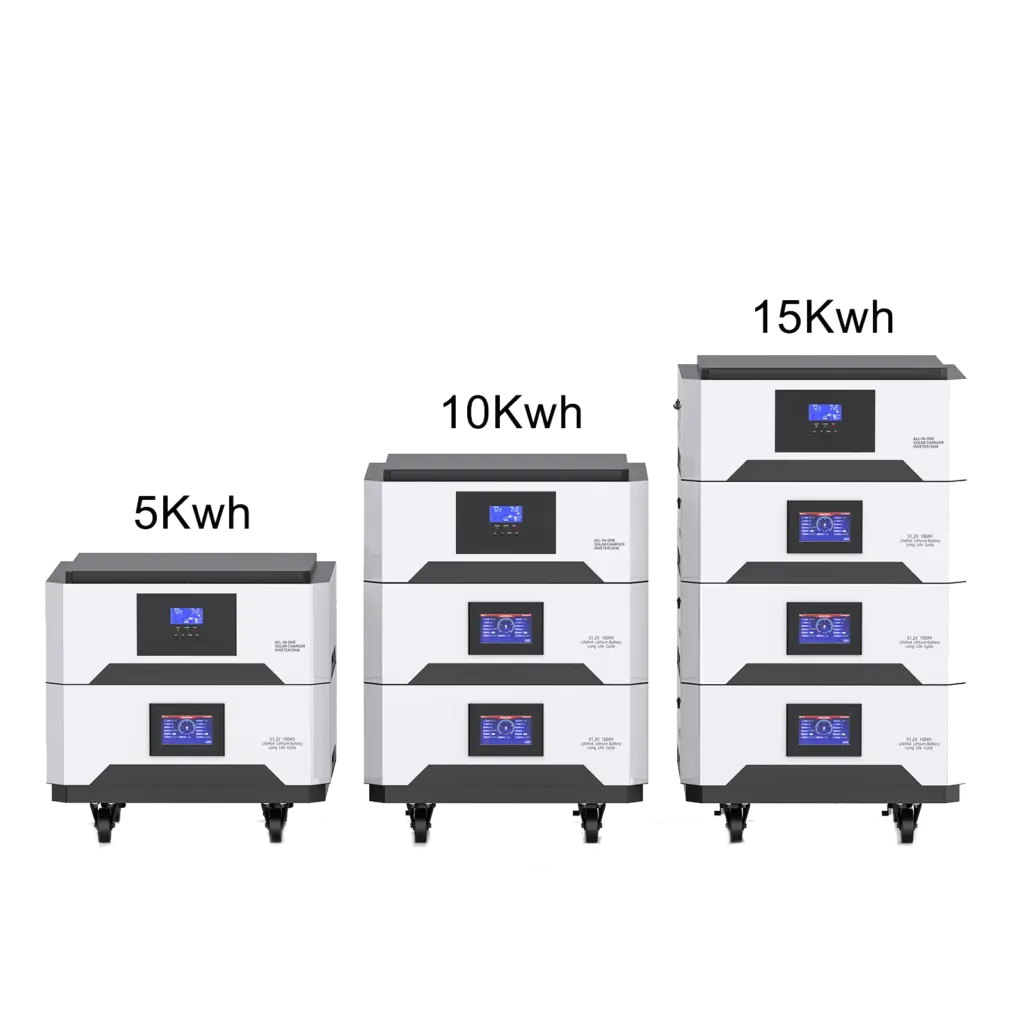
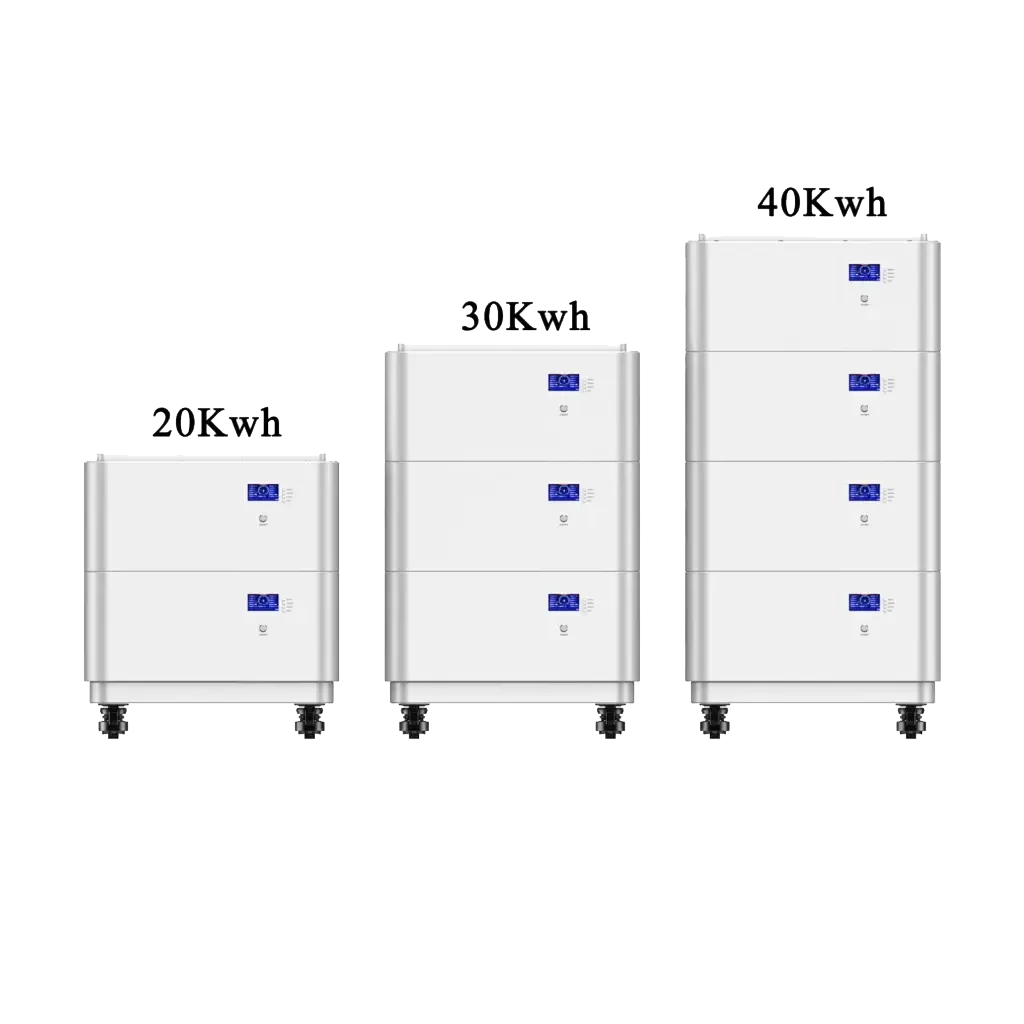
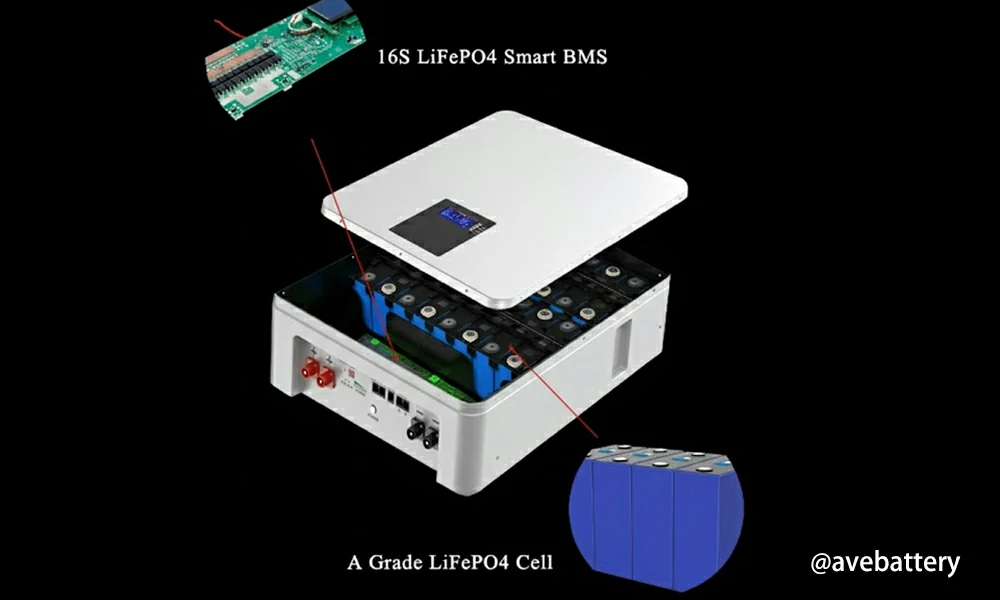
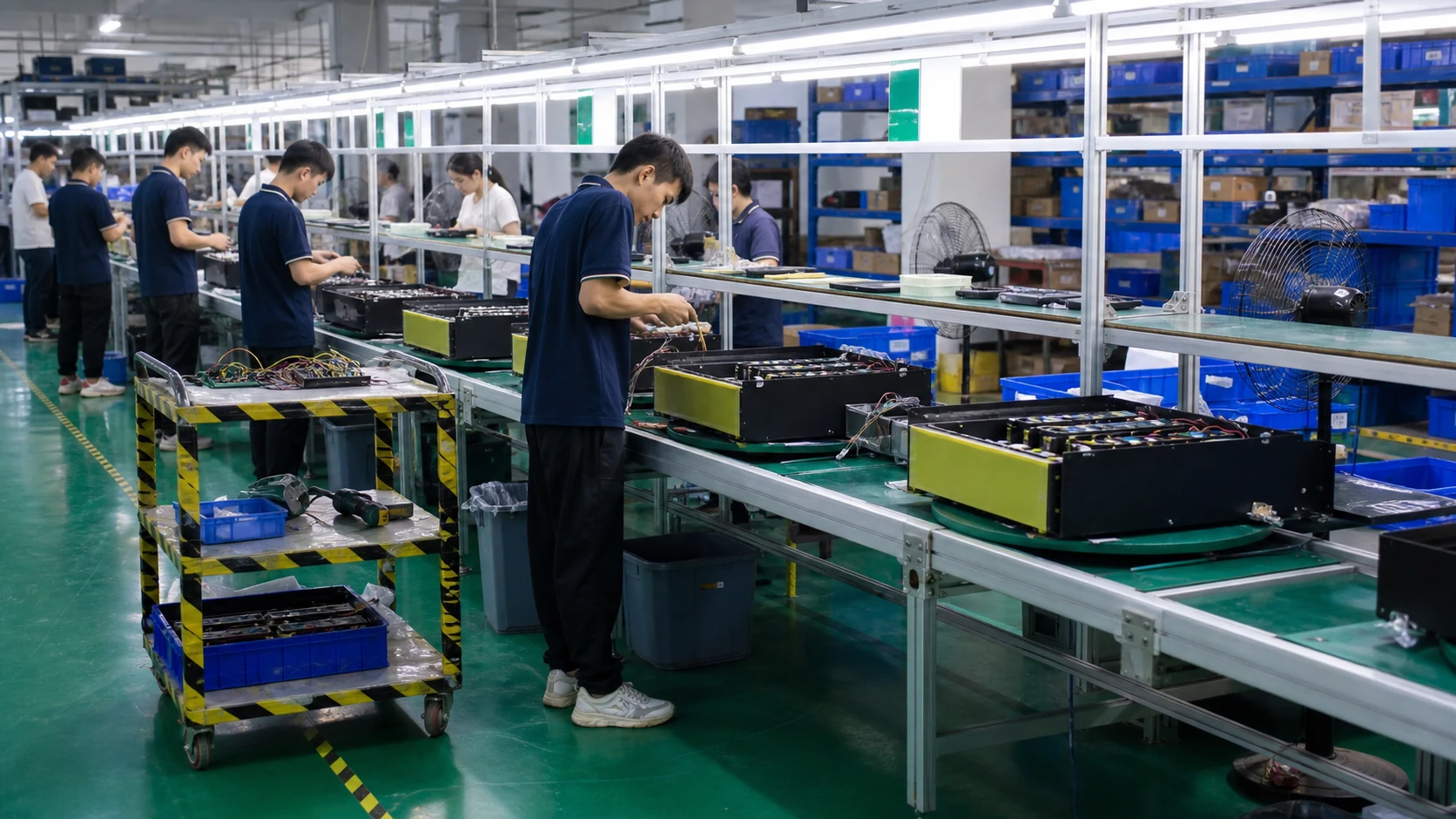
Avepower offers a one-stop battery energy storage solution that aims to meet different home needs and project needs. Avepower designs products around LFP cells with BMS protection and supports international certifications such as CE, UL, RoHS, and ISO9001. Avepower highlights 10 years of battery R&D, design, and production, a 20,000 m² factory, and 18+ R&D engineers. Avepower supports custom options for appearance, capacity, and features. These traits can help builders, integrators, and B2B buyers who want branding control, special sizes, or special backup behavior.
Why Australians choose it:
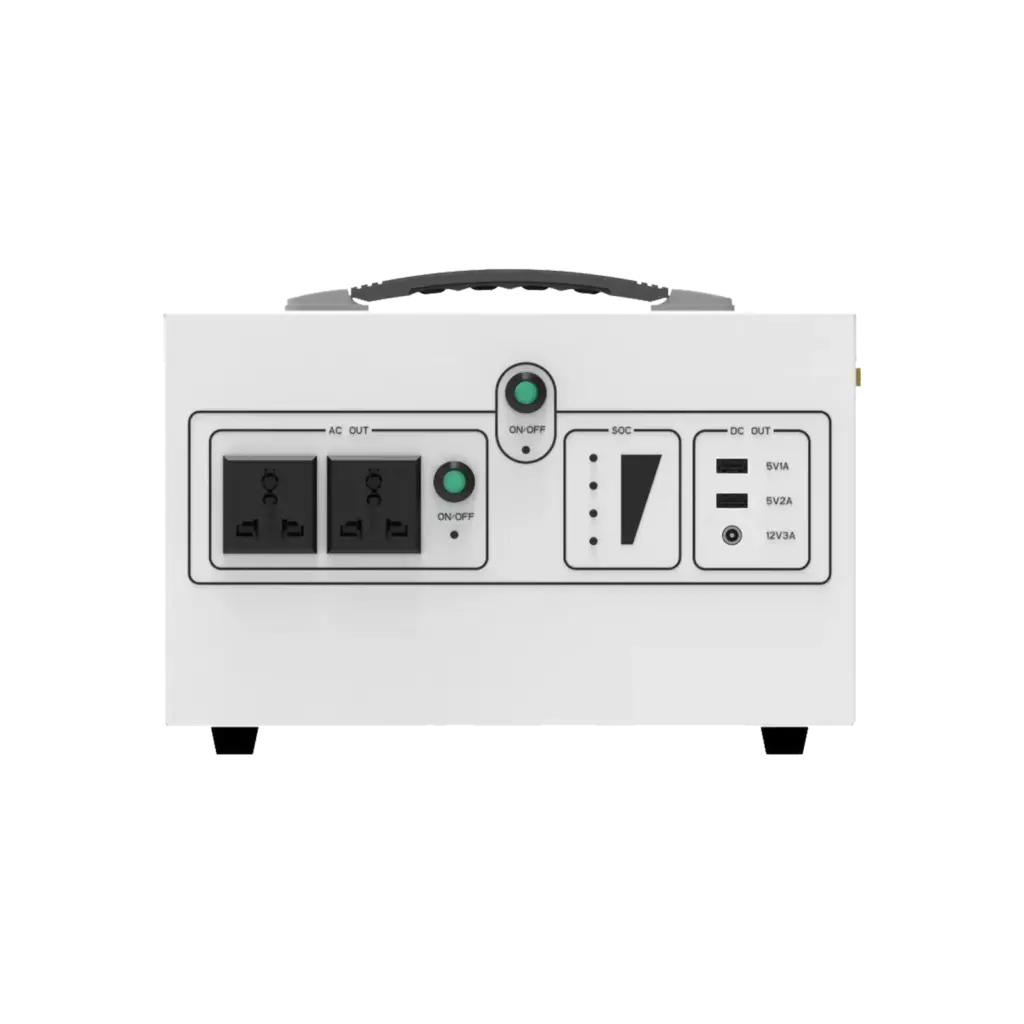
Avepower can fit buyers who want end-to-end help, private-label options, or modular designs that can scale. Avepower can also fit sites that have tighter design rules or space limits. Avepower can tune capacity and features to your home or project. Avepower designs products for wall-mounted use, rack systems, stackable towers, and all-in-one units, so the brand can match many homes and many power profiles.
2. Tesla Powerwall 3
Powerwall 3 combines a high-capacity battery, a high-power inverter, and smart controls in one system. Powerwall 3 supports up to 20 kW DC of solar input and can deliver up to 11.5 kW AC continuous power per unit. A single unit can start heavy loads up to 185 LRA, which helps with air-con start-ups. These traits make whole-home backup and stacked systems simpler.
Why Australians choose it:
Australians value easy integration, strong app support, and a large installer base. Australians also value access to the Tesla Energy Plan VPP, which can improve returns through grid support credits in some areas. Australians can also stack multiple Powerwall 3 units for large homes and short-term high power.
3. Sungrow SBR series
Sungrow’s high-voltage SBR battery modules build from small stacks to large stacks, so you can start modestly and add capacity later. Sungrow lists a 10-year HV battery warranty in Australia, and Sungrow runs a visible local service site for Australia and New Zealand. Sungrow’s hybrid inverters and the SBR batteries pair well for new builds, and many installers know this stack well.
Why Australians choose it:
Australians who want a solid price-to-performance balance pick Sungrow often. Australians can keep the look clean with the hybrid inverter plus battery stack. Australians like that the system is expandable and that the brand has local support and documentation.
4. BYD Battery-Box Premium (HVS/HVM)
The BYD Battery-Box Premium range is one of the most widely used modular batteries in Australia and around the world. The HVM stacks cover about 8.3 to 22.1 kWh per tower, and you can parallel towers to reach around 66 kWh for large homes or small businesses. BYD publishes a 10-year warranty for the Battery-Box Premium line, with performance tied to throughput (stored energy over life). BYD units work with inverters such as Fronius GEN24 Plus, which many Australian installers know well.
Why Australians choose it:
Australians like BYD because it is chemistry-stable LFP, simple to scale, and very compatible. Australians can start with one tower and add more later. Australians can mix BYD with a strong inverter brand and keep service paths clear.
5. Enphase IQ Battery 5P
The Enphase IQ Battery 5P uses integrated microinverters that pair naturally with Enphase solar. The IQ 5P lists a 15-year limited warranty up to 6,000 cycles, which is one of the longest headline warranties in the home segment. The system scales in 5 kWh steps and offers strong app visibility.
Why Australians choose it:
Australians who already use Enphase microinverters like the clean fit and the single-brand app. Australians value the high warranty term, the robust monitoring, and the modular size for tight spaces or apartments where permitted.
6. Alpha ESS SMILE series
Alpha ESS offers the SMILE series with LFP chemistry, modular growth paths, and smart controls. Alpha ESS lists 10-year product and performance warranties for current SMILE models in Australia, subject to proper installation by an accredited installer. Alpha ESS maintains local documentation for Australia.
Why Australians choose it:
Australians see Alpha ESS as a strong value option with good features at a fair price. Australians can expand capacity and tailor backup circuits. Australians can also find installers who know the platform.
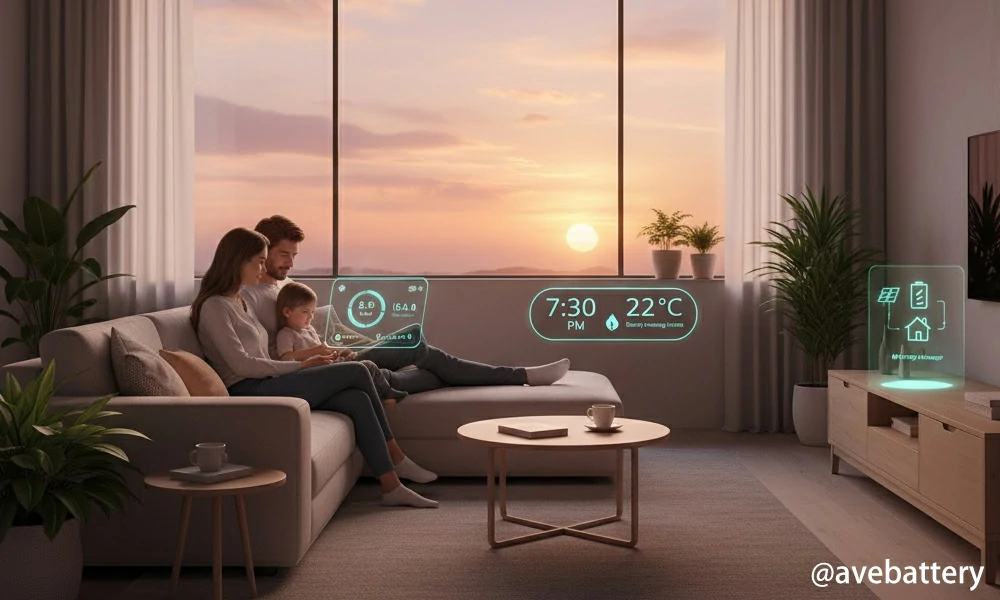
How to Size Your Solar Battery the Simple Way
A good size choice starts with your daily energy use and your solar export window. You can calculate the size of solar battery your household needs by using the following calculator.
Battery Size Calculator — How Many kWh do I Need?
You Can Also Start with Four Simple Steps:
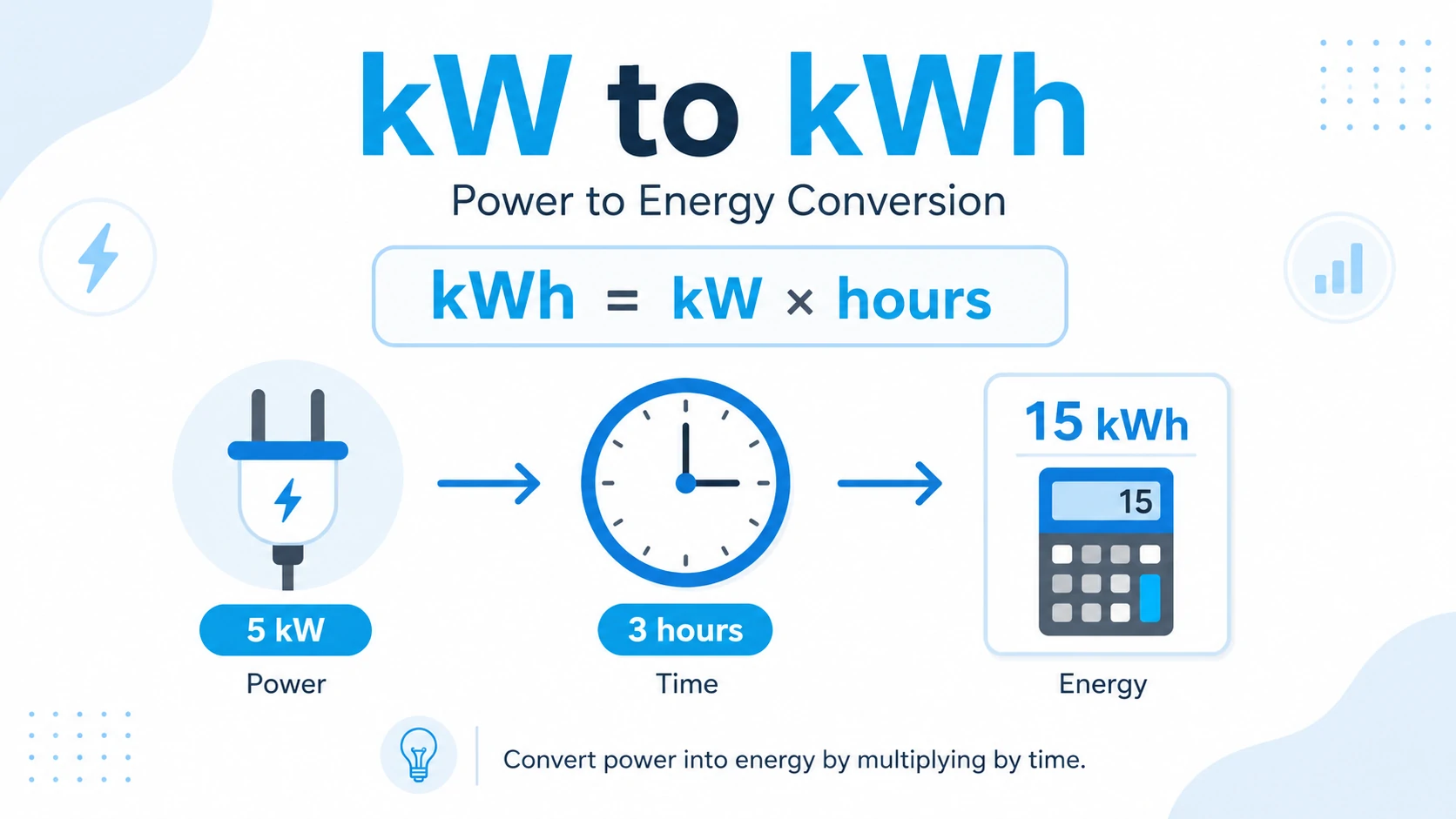
- Check Your Nighttime Energy Usage: Review your electricity bills to understand your daily consumption. Your smart meter or app can show how much power you use after sunset. A typical three-bedroom home usually consumes 6–10 kWh of electricity between sunset and midnight — though your actual usage may vary.
- Match Available Capacity with Nighttime Demand: A 10–15 kWh battery usually covers the overnight needs of many households. However, homes using induction cooktops, pool pumps, EV chargers, or ducted air conditioning may require a larger capacity.
- Consider Power Output, Not Just Capacity: If your home includes large appliances or ducted AC, you’ll need a battery that can deliver 7–10 kW or more of continuous power. The Tesla Powerwall 3 excels in this area with around 11 kW of sustained output. Alternatively, you can consider the Avepower 10kWh Powerwall, designed to meet strong household energy demands.
- Plan for Future Growth: Your lifestyle and energy needs can evolve over time. A modular battery system makes expansion easy. Avepower offers scalable solutions that start from 5 kWh and can grow up to 260 kWh, allowing you to begin small and expand as your needs increase.
If you want a very quick rule of thumb, you can start with 1–1.5 kWh of storage per 1 kW of solar in most Australian homes that want strong self-consumption and some backup. You should adjust up for large evening loads or adjust down if your nights are light.
How Long Will Backup Last?
Backup time depends on battery size and load. A home that runs on 1 kW average during an outage will get about 13 hours from a 13 kWh battery. A home that runs on 3 kW average will get about 4–5 hours. Your habits and your appliance mix set the result.
Battery Runtime Calculator
Rebates, VPPs, And Rules That Matter In 2026
The Cheaper Home Batteries Program started on 1 July 2025 and offers around a 30% discount on eligible battery installs. The discount flows through the installer, so the quote should already show the lower price when the battery and the installer qualify. Some states add extra incentives when you connect your battery to a Virtual Power Plant (VPP). New South Wales increased VPP incentives in 2025 to attract more homes to join. You should ask your installer to model the savings with and without a VPP so you can judge the trade-offs.
Australia also enforces AS/NZS 5139 for battery installs. The standard covers siting, clearances, enclosures, and fire separation. Standards Australia also published a free safety guide in 2025 that promotes CEC-approved products, CEC-accredited installers, and compliance with AS/NZS 5139 and the emerging TS 5398 specification. You should ask your installer to confirm compliance in writing.
A battery payback depends on your tariff, your solar size, your load shape, and your VPP credits. A typical battery that cost A$12,000–$16,000 installed in previous years may now cost closer to A$8,000–$12,000 after the federal discount, before any state offers. Actual quotes will vary by brand, size, labor, and switchboard work.
Related articles: 10kW Solar Battery Price Guide in Australian
Related articles: 20kW Solar Battery Price in Australia
The Future of Solar Battery Storage in Australia
The future of solar energy storage in Australia looks bright. Government incentives, technological improvements, and growing public awareness are driving adoption faster than ever.
Companies like Avepower are at the forefront of this transition—offering modular, future-ready solutions that make renewable energy accessible to everyone. As more Australians embrace solar storage, the country moves closer to achieving energy independence and a sustainable energy future.
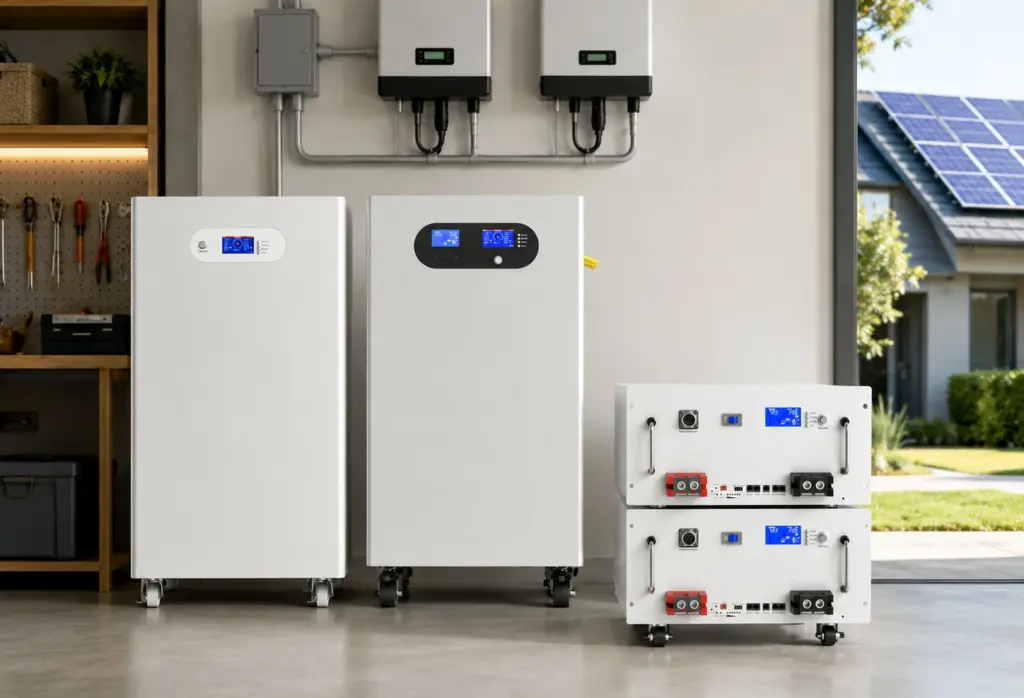
Take Control of Your Energy with Avepower!
Reliable home solar battery solutions with OEM/ODM customization and in-house manufacturing, tailored to the needs of distributors, installers, and energy partners.
Conclusion: Which Solar Battery Is Best for You?
Choosing the best solar battery in Australia depends on your household energy needs, budget, and system goals.
| Brand | Battery Type | Capacity Range | Modularity | Chemistry | Warranty | Highlight |
|---|---|---|---|---|---|---|
| Avepower | Residential / Commercial | 5–260 kWh | ✅ Yes | LiFePO₄ | 10+ years | Safe, scalable, cost-effective |
| Tesla Powerwall 3 | Residential | 13.5 kWh | ❌ No | Li-ion | 10 years | Premium design, smart integration |
| Sungrow | Residential / Small Business | 9.6–25 kWh | ✅ Yes | Li-ion | 10 years | Reliable, great value |
| BYD Battery-Box | Residential / Commercial | 5–60+ kWh | ✅ Yes | LiFePO₄ | 10 years | Modular, proven brand |
| Enphase IQ 5P | Residential | 5–20 kWh | ✅ Yes | LiFePO₄ | 15 years | Long warranty, high efficiency |
| Alpha ESS | Residential | 5–15 kWh | ✅ Yes | Li-ion | 10 years | Affordable and easy to install |
- If you want premium performance and design, the Tesla Powerwall 3 is a strong contender.
- For value and scalability, Sungrow and BYD are excellent mid-range options.
- If you prefer top-tier efficiency and long warranties, Enphase delivers strong results.
- For affordable, high-quality storage with flexible capacity, Avepower stands out as one of the most practical and future-oriented choices in 2025.
Whichever system you choose, investing in a solar battery will help you take control of your energy use, reduce your power bills, and support a greener future for Australia.
Ready to explore your options?
Contact Avepower today to discover how their smart, modular solar batteries can power your home efficiently—day and night.
FAQ
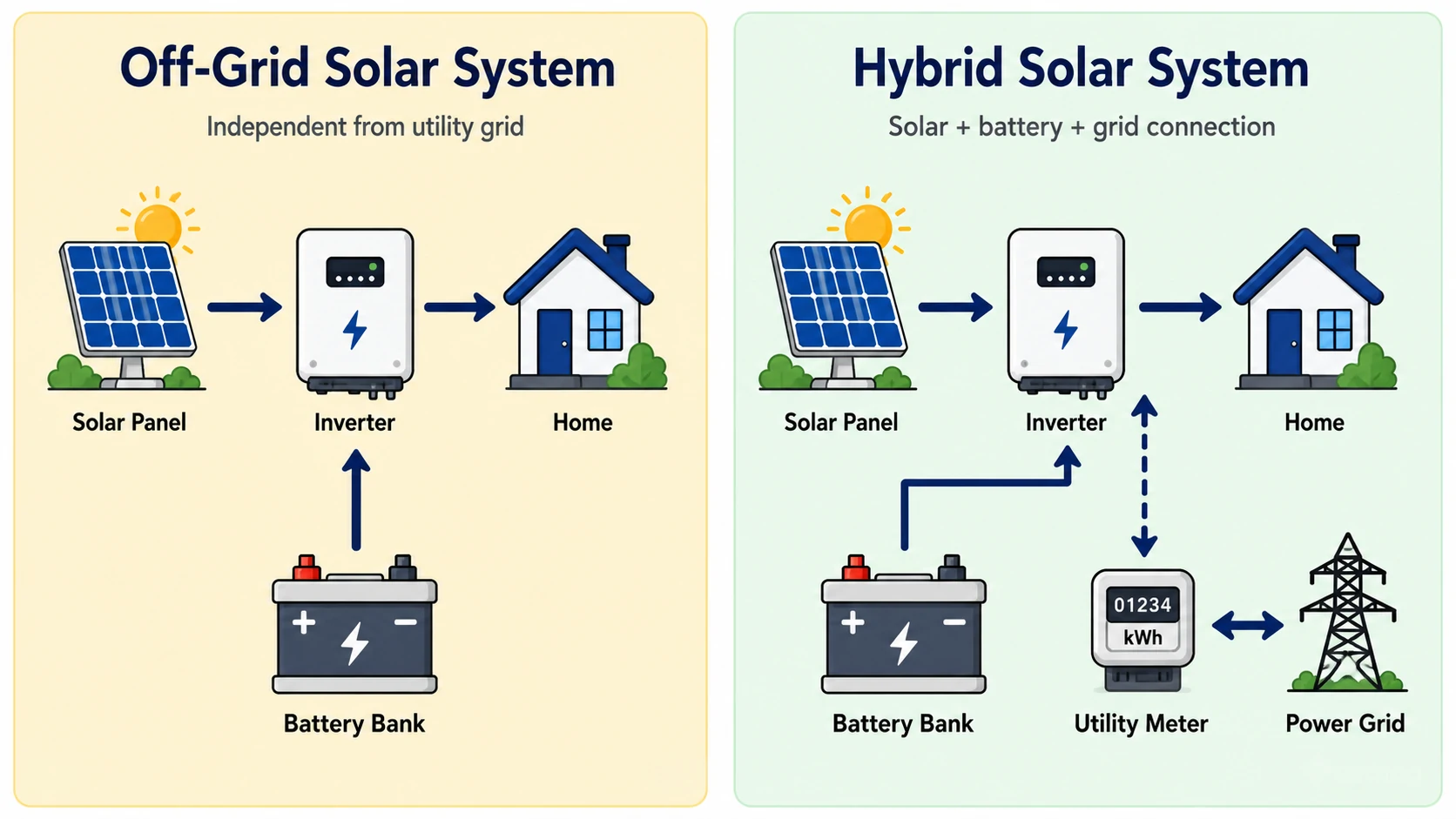
Your battery can reduce grid use, but full off-grid needs a larger solar array, a large battery bank, and often a backup generator. Most city homes stay grid-connected.
Most family homes start with 10–15 kWh. Larger homes or homes with pool pumps or ducted air-con may start at 15–20 kWh. Your meter data gives the best answer.
Tesla, LG Chem, BYD, and Avepower are among the most trusted solar battery brands in the market. They are known for reliability, long lifespan, and strong warranties, making them popular choices for home and commercial energy storage.
Lithium Iron Phosphate (LFP) batteries typically last the longest, often over 10–15 years with thousands of charge cycles. Brands like Tesla Powerwall, BYD, and Avepower using LFP chemistry are known for long lifespans and high reliability.
Yes, Avepower is a Chinese company that manufactures portable and home energy storage batteries. It has gained international popularity for its reliable and innovative products.