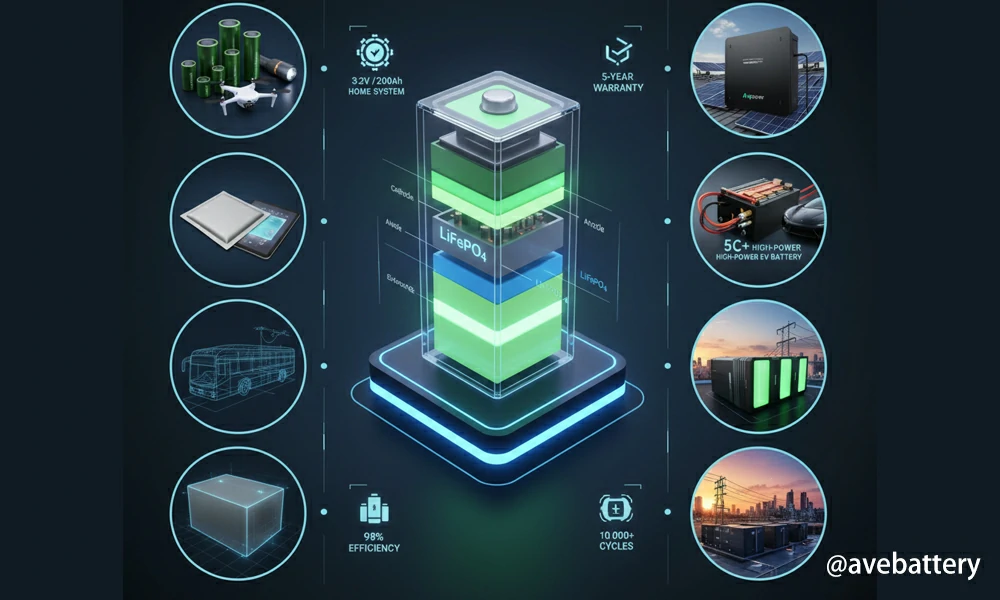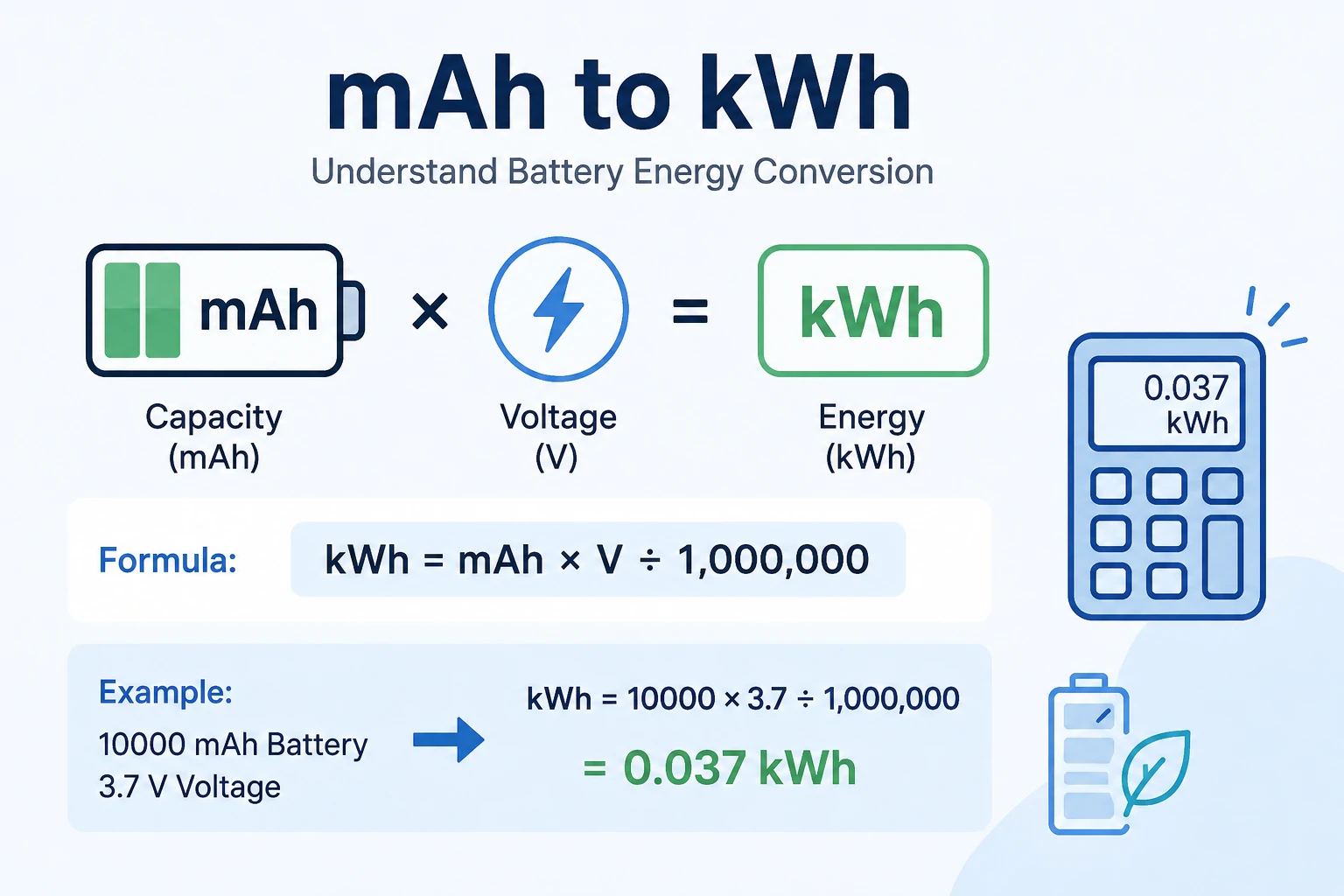

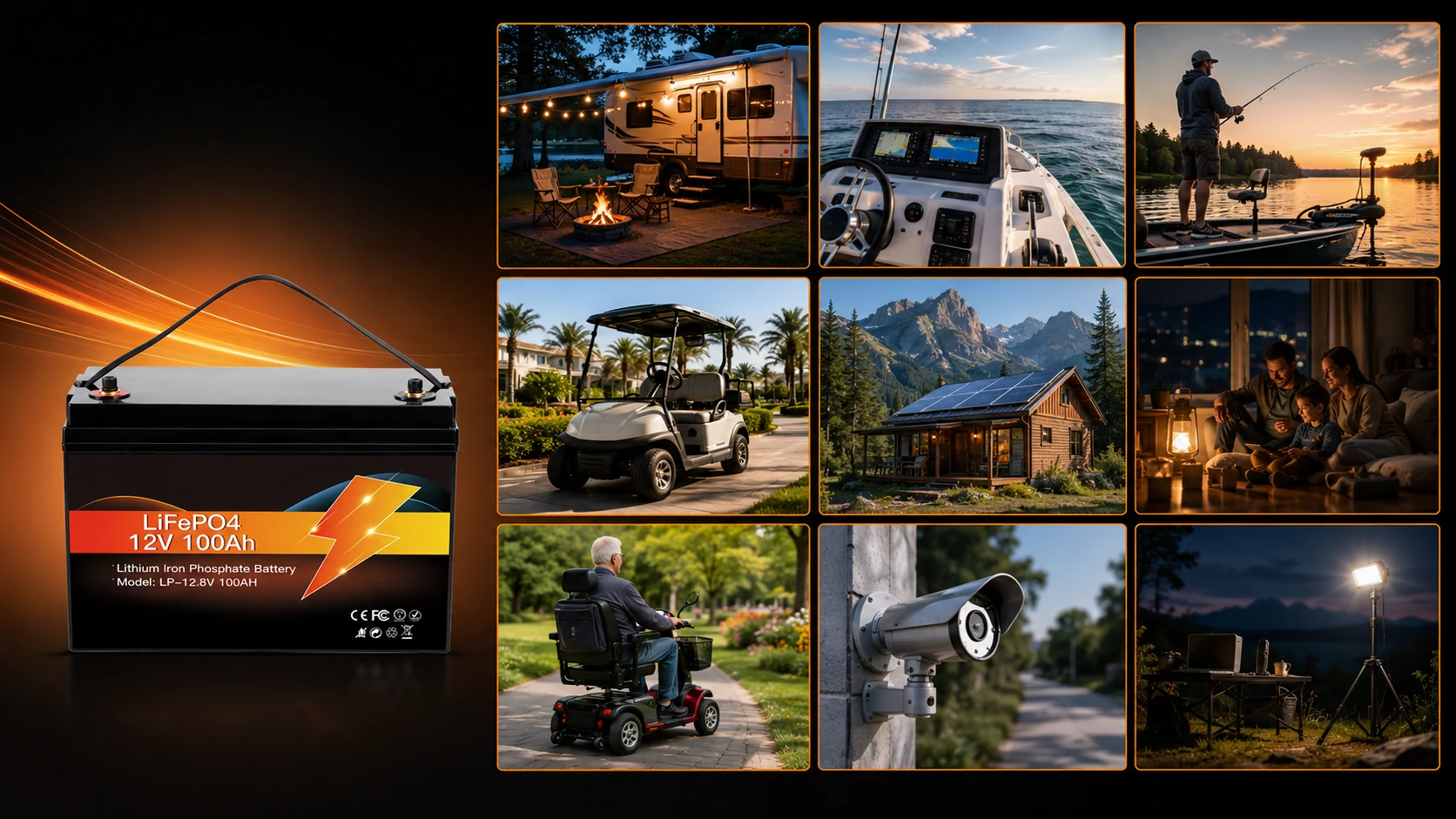
Lithium batteries are used to power portable electronics, electric vehicles, power tools, medical equipment, drones, telecom systems, solar energy storage, backup power, industrial machinery and many other devices. They are selected when an application requires compact size, low weight, rechargeability, high efficiency, stable voltage or long operating life.
The following table provides a quick overview.
| Application | Typical Lithium Battery Type | Why Lithium is Used | Main Limitation |
|---|---|---|---|
| Smartphones and laptops | LCO, NMC, lithium polymer | High energy in a small, light package | Heat and aging at high state of charge |
| Electric cars | NMC, NCA, LFP | Rechargeability, range and high power | Cost, thermal management and weight |
| Home solar storage | Mainly LFP | Long cycle life and frequent daily cycling | Higher upfront cost than lead-acid |
| Grid battery storage | LFP, NMC | Fast response and modular installation | Less attractive for some long-duration uses |
| Power tools | NMC, LMO, LFP | High current and low weight | Requires compatible pack and charger |
| Medical devices | Primary lithium, LMO, lithium-ion | Reliability, compact size and long runtime | Strict qualification and safety requirements |
| Telecom and UPS | LFP, NMC | Fast response and low maintenance | Requires monitoring and thermal control |
| Drones and robotics | Lithium polymer, NMC | High power-to-weight ratio | Short runtime and greater damage sensitivity |
| RV and marine systems | LFP | Deep-cycle performance and lower weight | Charging and low-temperature limits |
| Golf carts and mobility devices | LFP, NMC | Long cycle life and reduced maintenance | Must match motor controller and charger |
| Smart meters and sensors | Primary lithium | Long shelf life and low self-discharge | Normally cannot be recharged |
| Aerospace and satellites | Qualified lithium-ion systems | High specific energy and low mass | Extensive qualification and redundancy |
Need a Custom LiFePO4 Battery Solution?
Avepower supports solar installers, distributors, project developers and energy brands with OEM and ODM battery services. Custom options can include capacity, voltage, enclosure design, branding, BMS functions and inverter communication protocols.
Are Lithium Batteries and Lithium-ion Batteries the Same?
Lithium batteries are a broad family that includes both non-rechargeable lithium-metal batteries and rechargeable lithium-ion batteries. The terms are often used interchangeably in general articles, but this can be misleading because primary lithium batteries must not be recharged, while lithium-ion batteries are designed for repeated charging under controlled conditions.
Primary Lithium Batteries
Primary lithium batteries normally use metallic lithium and are designed for one-time discharge.
Common uses include:
- Watches
- Smoke alarms
- Utility meters
- Remote sensors
- Security devices
- Memory backup circuits
- Medical implants
- Cameras
- Emergency transmitters
They are useful where long shelf life, low self-discharge and reliable standby operation matter more than rechargeability.
Rechargeable Lithium-ion Batteries
Lithium-ion batteries move lithium ions between the positive and negative electrodes during charging and discharging.
Rechargeable lithium-ion batteries are commonly used in:
- Smartphones
- Laptops
- Electric vehicles
- Solar batteries
- Power tools
- Medical equipment
- Drones
- UPS systems
- Industrial machinery
For a more detailed explanation of stored battery energy, see Avepower’s guide to what type of energy is stored in a battery.
What Everyday Devices use Lithium Batteries?
Lithium batteries power most modern portable electronics because they can store relatively large amounts of energy without making the device excessively heavy or bulky. Their rechargeable design also allows phones, tablets, cameras, headphones and wearable devices to operate repeatedly without replacing disposable batteries after every discharge.
Smartphones, Tablets and Laptops
Portable electronics require a balance of:
- High energy density
- Thin cell design
- Low weight
- Rechargeability
- Predictable voltage
- Fast charging
- Low self-discharge
LCO, NMC and lithium-polymer cell designs are commonly used because they allow manufacturers to fit more energy into a restricted enclosure.
These chemistries are suitable when size and weight are critical. They are less suitable for large stationary batteries where cycle life, thermal stability and serviceability usually matter more than maximum energy density.
Wearable Devices and Wireless Accessories
Lithium batteries are also used in:
- Smartwatches
- Fitness trackers
- Wireless earbuds
- Bluetooth speakers
- GPS trackers
- Digital cameras
- Handheld gaming systems
- Portable scanners
The battery is normally custom-shaped to fit the device and includes protection circuitry that controls charging, voltage and current.
Smart Meters and Remote Sensors
Devices that operate for years without regular charging may use primary lithium batteries rather than rechargeable lithium-ion cells.
Examples include:
- Water and gas meters
- Asset trackers
- Remote environmental sensors
- Alarm systems
- Agricultural monitoring equipment
A rechargeable battery is not automatically better when a device uses very little power and will be installed in a location where regular charging is impractical.
How are Lithium Batteries Used for Solar and Grid Energy Storage?
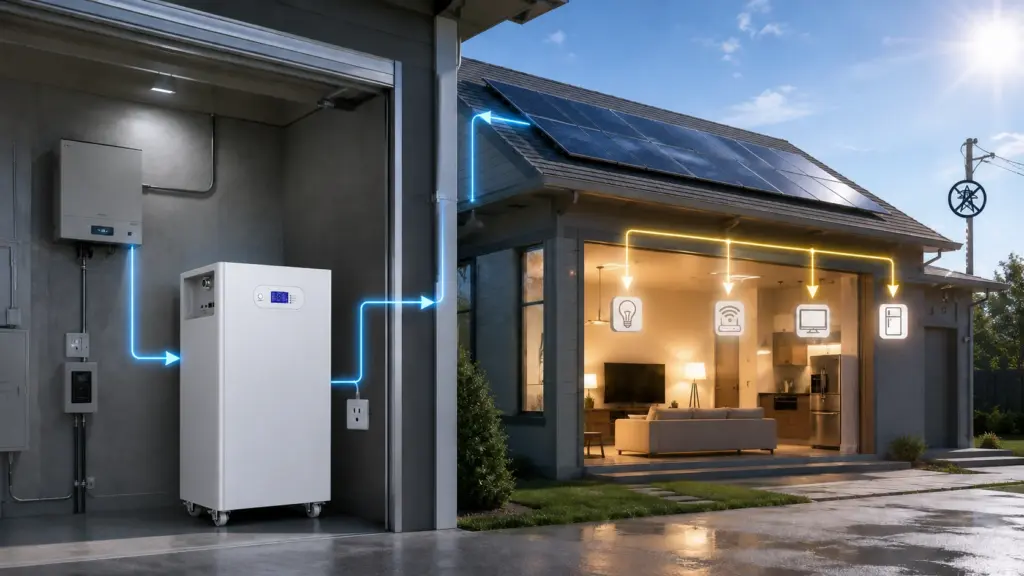
Lithium batteries store electricity from solar panels or the grid and release it at night, during expensive tariff periods, when demand rises or when the grid fails. LiFePO₄ is commonly selected for modern stationary storage because daily cycling, safety, usable capacity and service life are usually more important than achieving the smallest possible battery enclosure.
Home Solar Self-Consumption
A solar battery can store excess daytime photovoltaic generation and use it later when solar production decreases.
Typical energy flow:
Solar panels → inverter or charger → battery → household loads
This can increase solar self-consumption, but the battery will not automatically provide backup power. Backup operation also requires:
- A backup-capable inverter
- Grid isolation
- Protected essential-load circuits
- Correct transfer equipment
- Enough battery power
- Suitable system controls
Avepower’s guide to lithium-ion batteries for solar energy storage explains the difference between self-consumption, backup power, off-grid operation and commercial peak shaving.
Residential Backup Power
Home lithium batteries can support loads such as:
- Refrigerators
- Lighting
- Internet equipment
- Security systems
- Computers
- Water pumps
- Selected air conditioners
- Medical equipment
Runtime depends on energy capacity, while the number and type of appliances that can operate simultaneously depend on power and current capability.
For example, a 10kWh battery may contain enough energy to operate essential loads overnight but still be unable to start a large pump when its BMS or inverter has insufficient surge capacity.
Looking for a Lithium Battery for Solar Energy Storage?
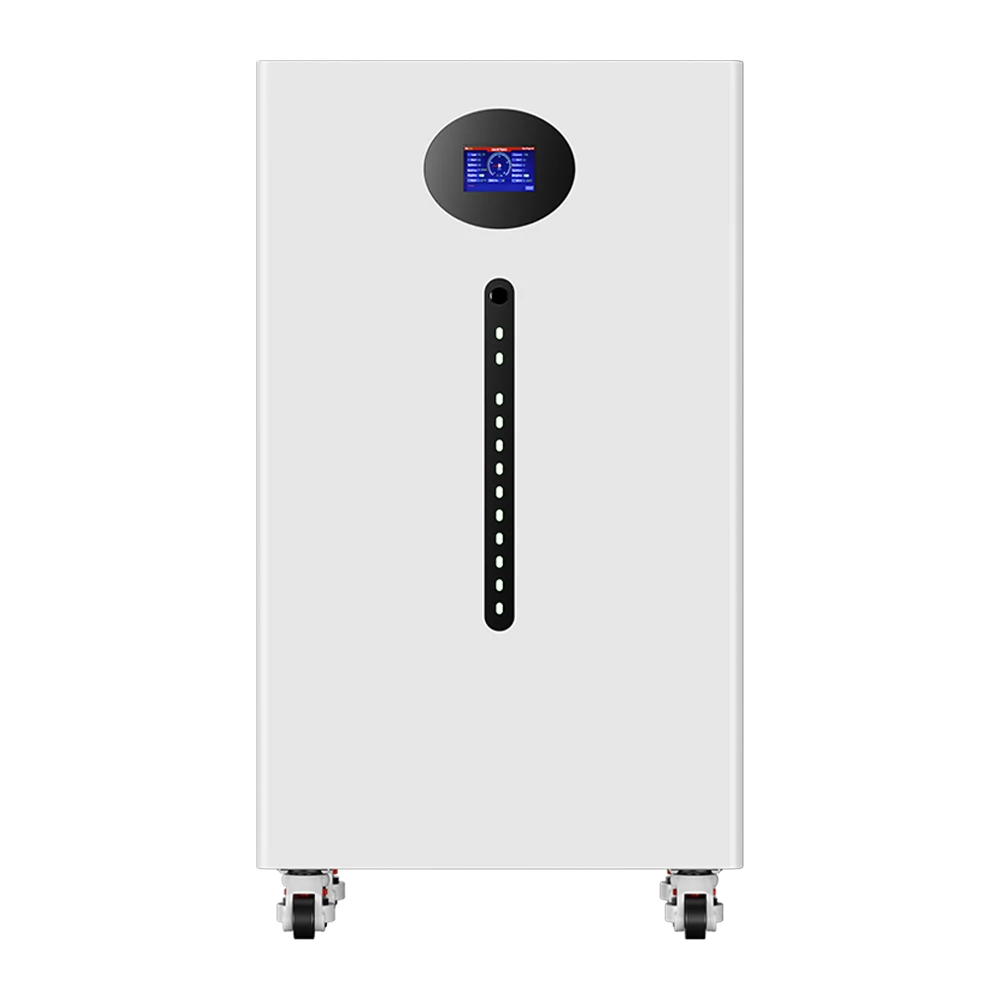
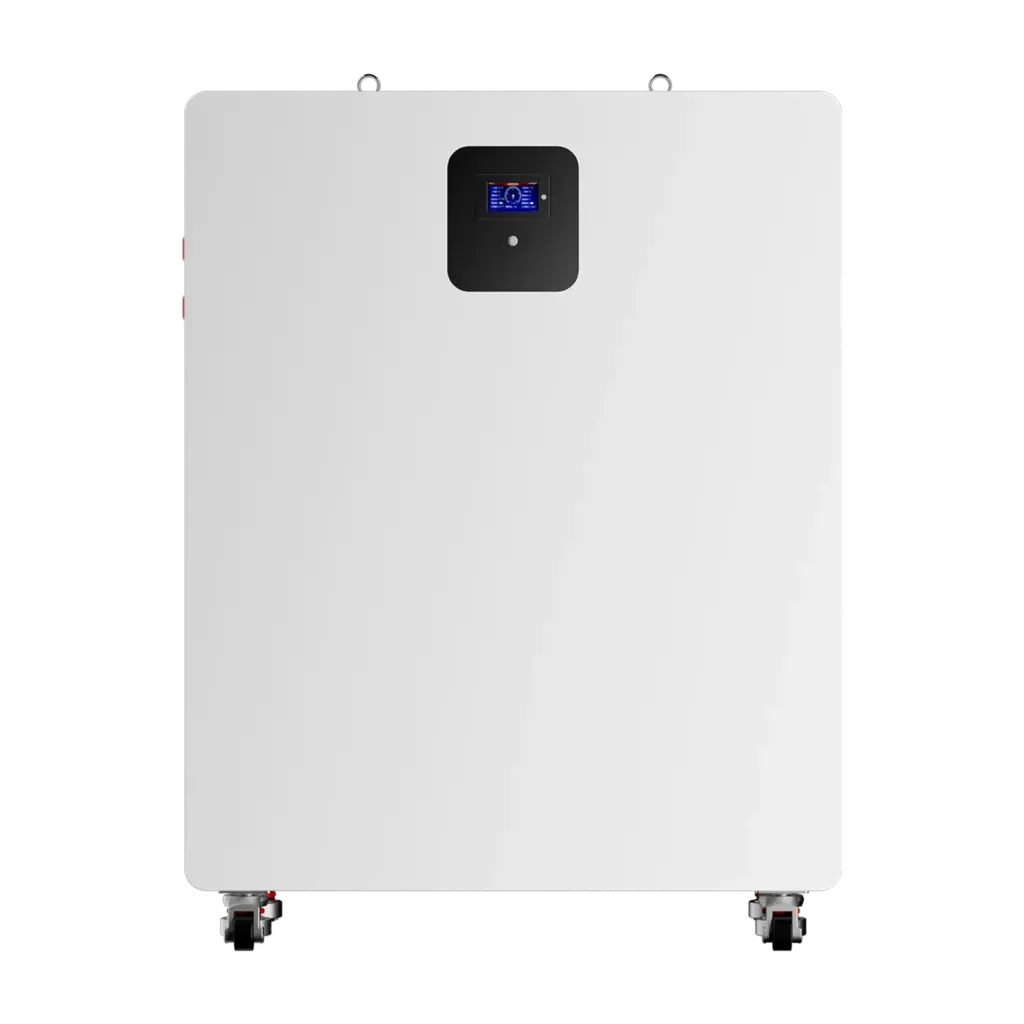
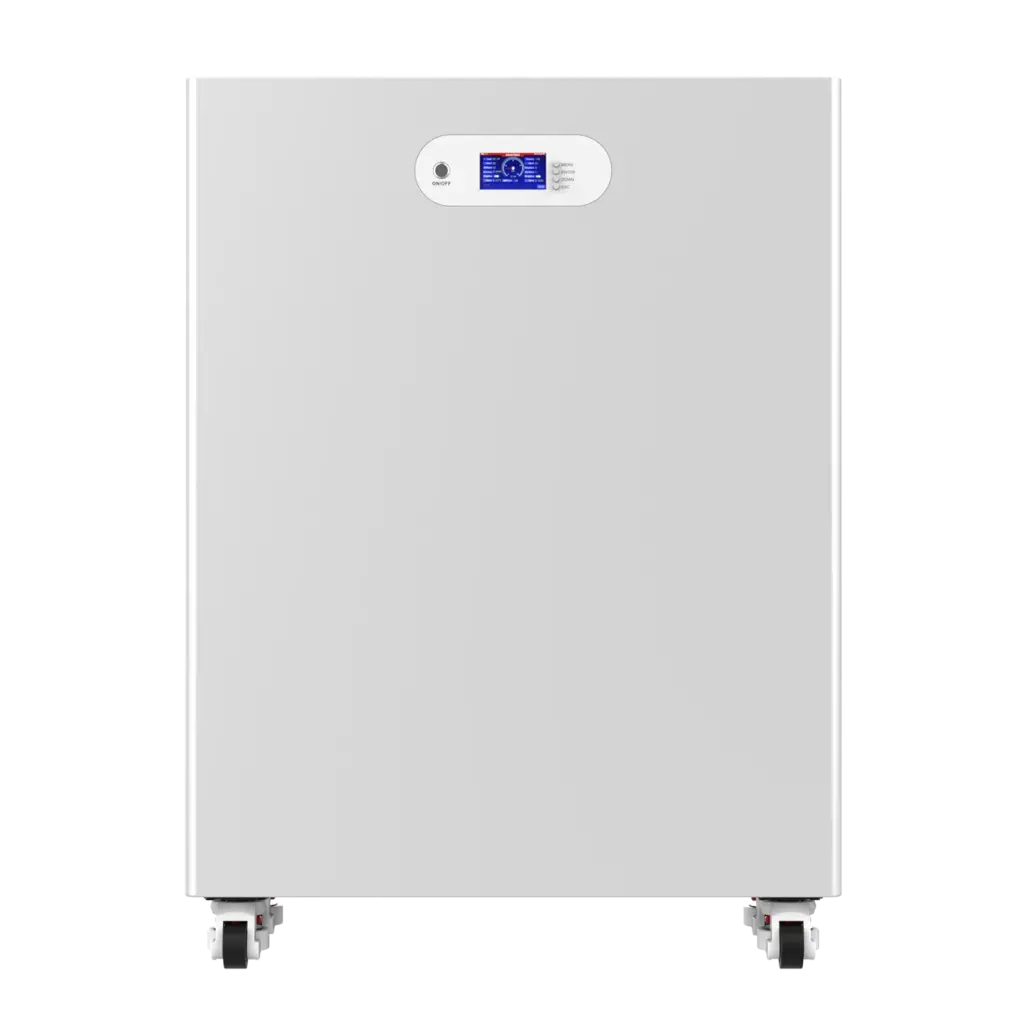
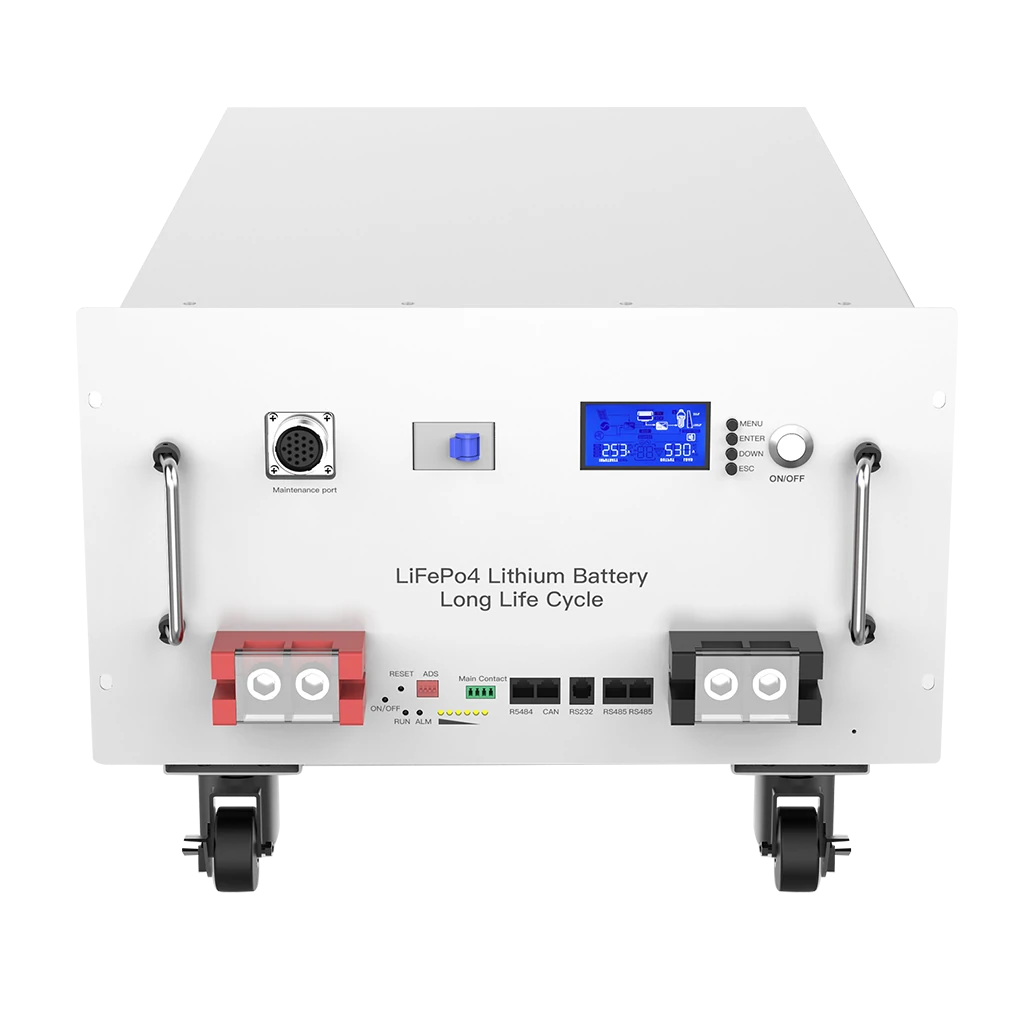
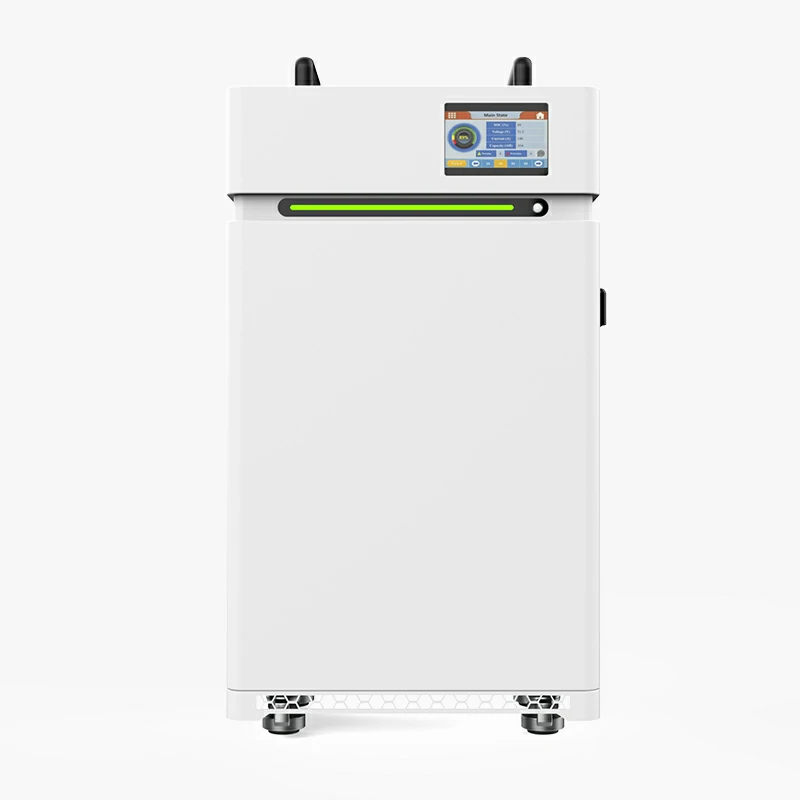
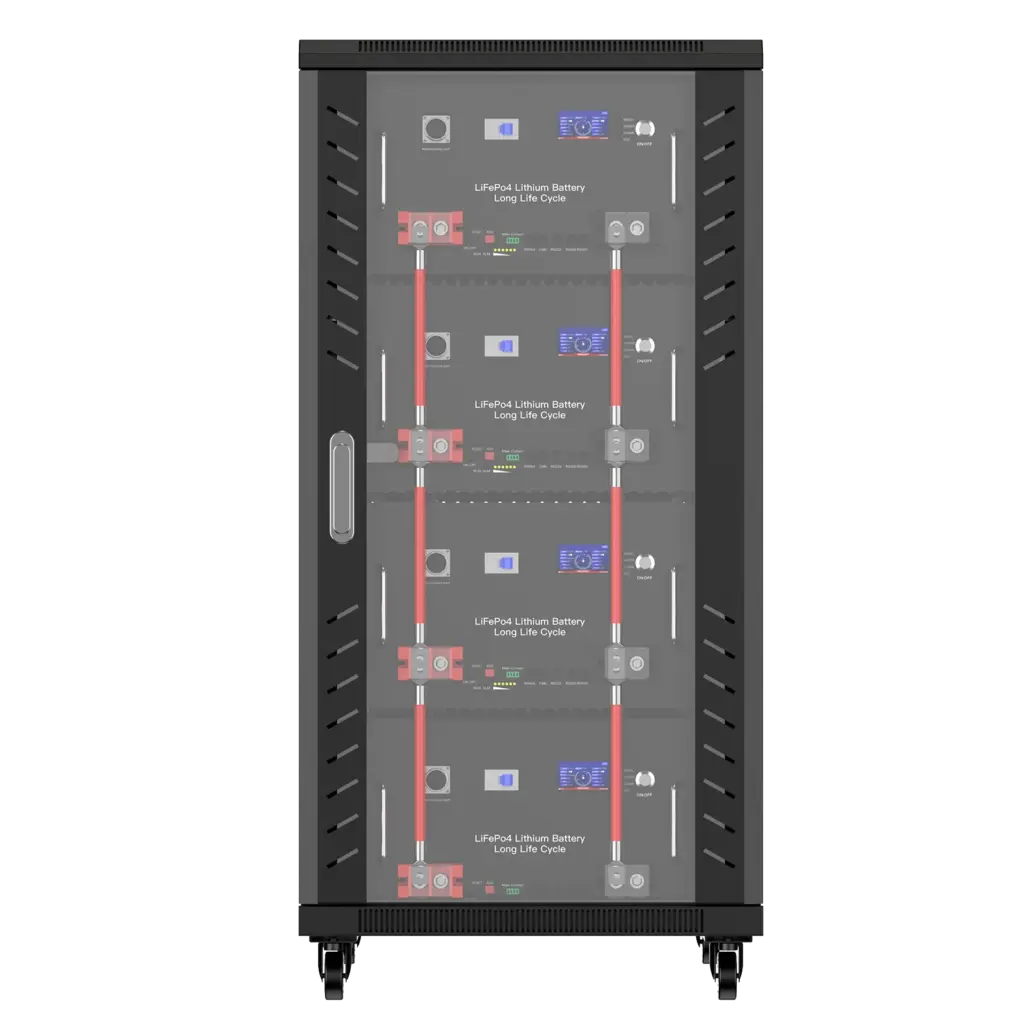
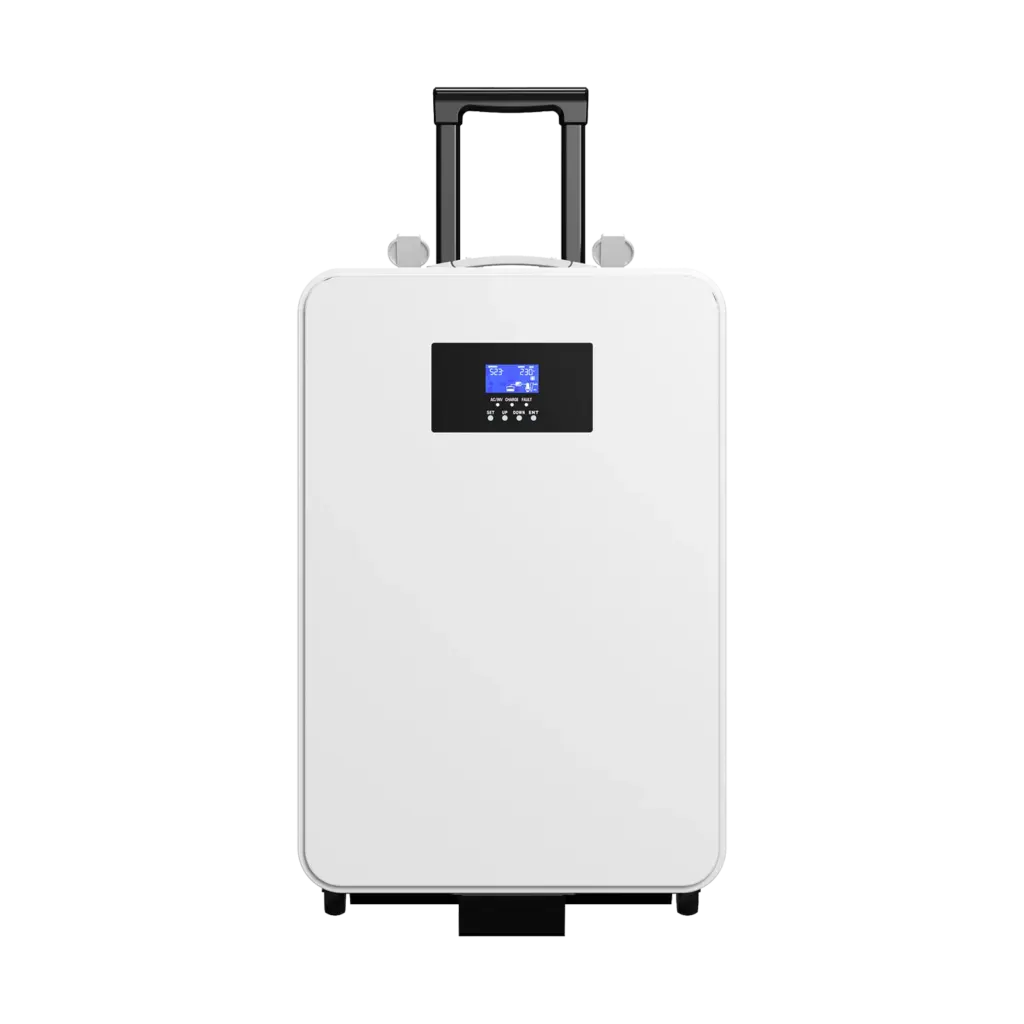
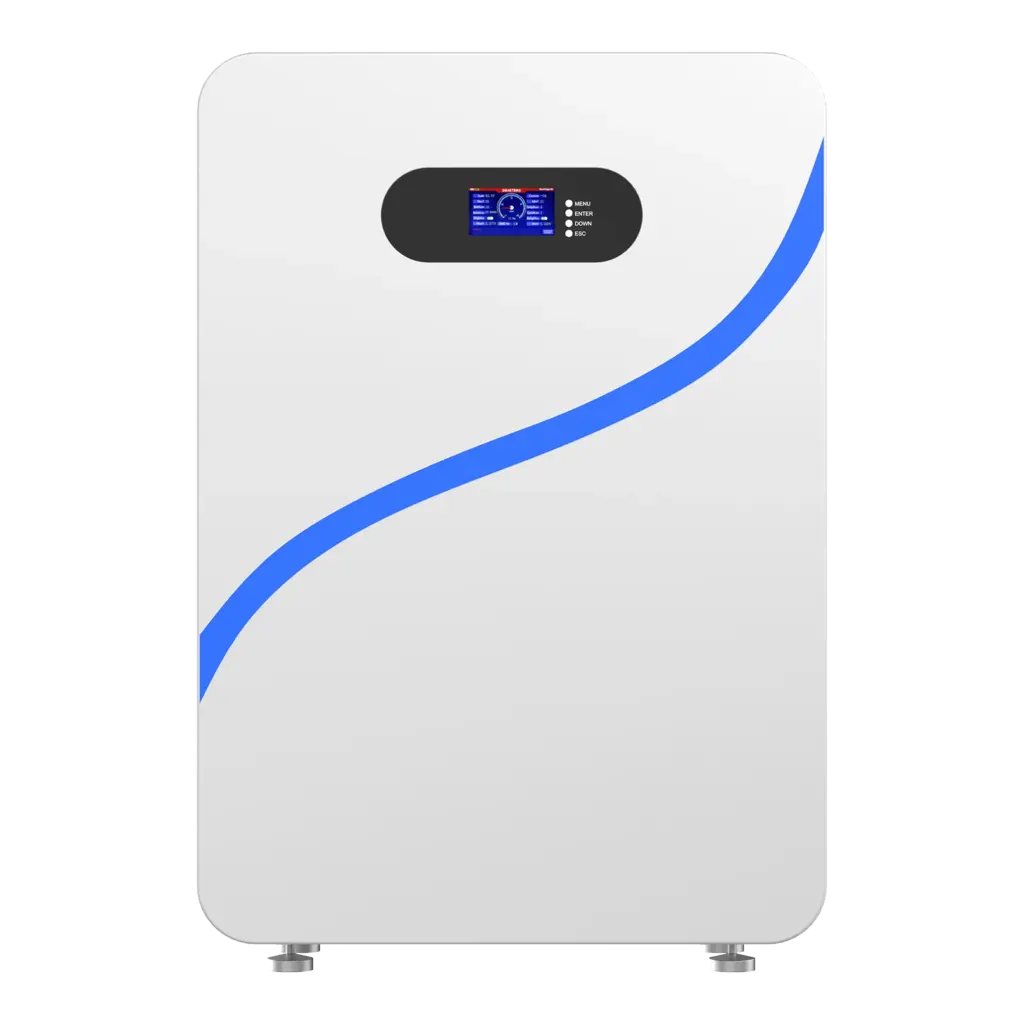
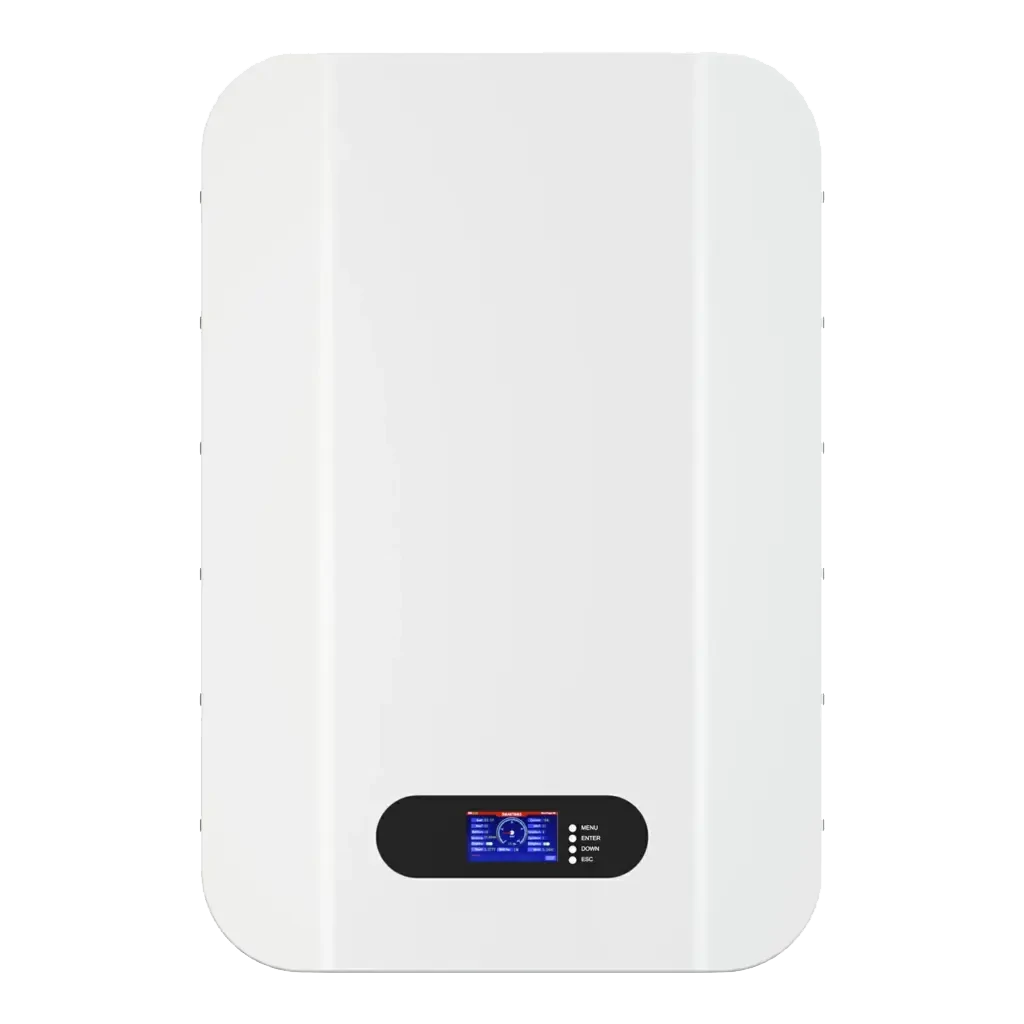
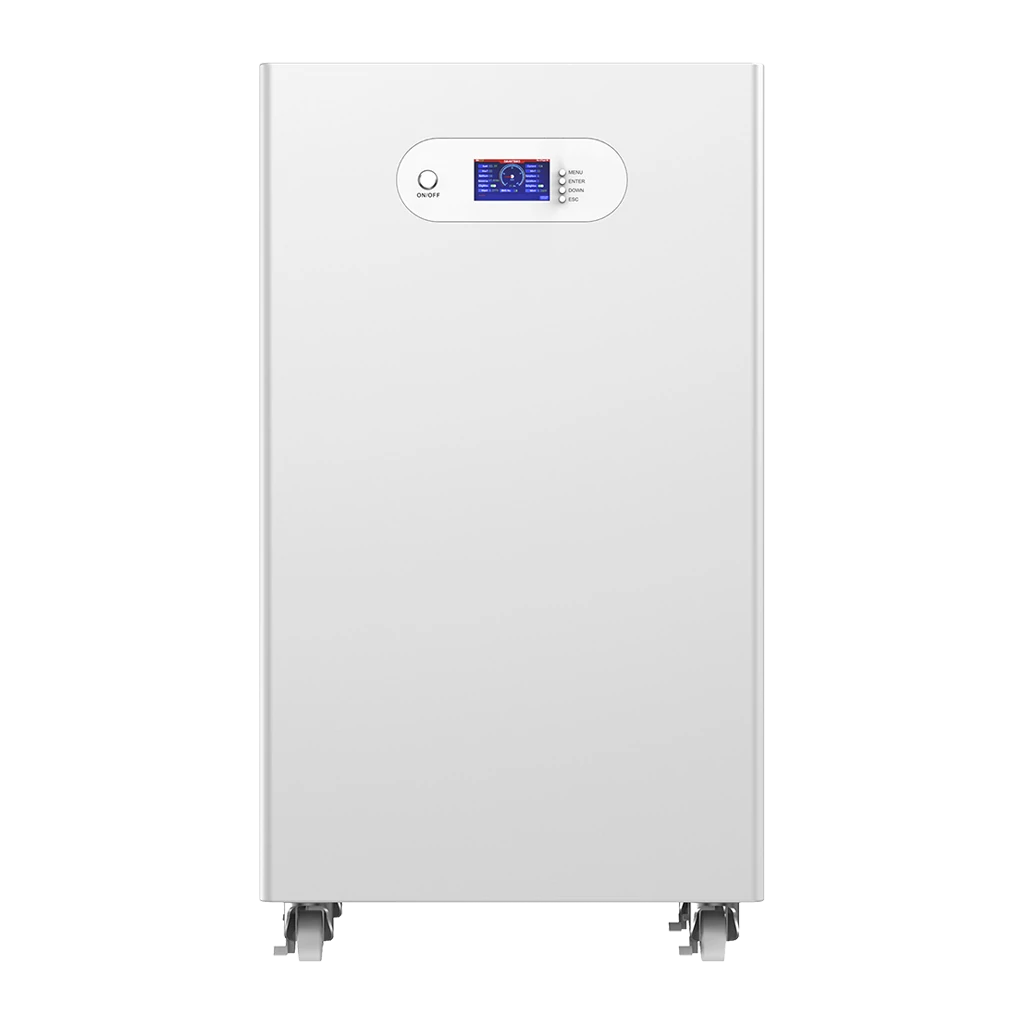
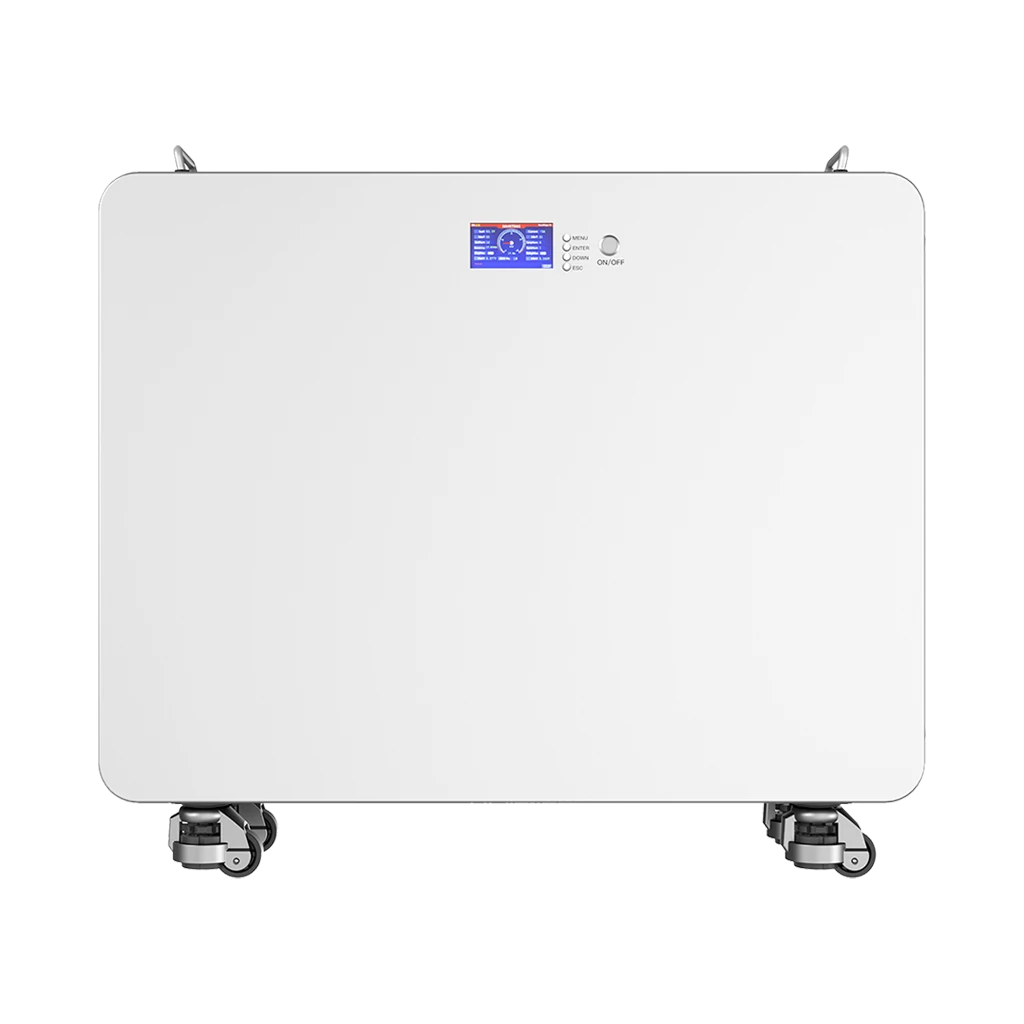
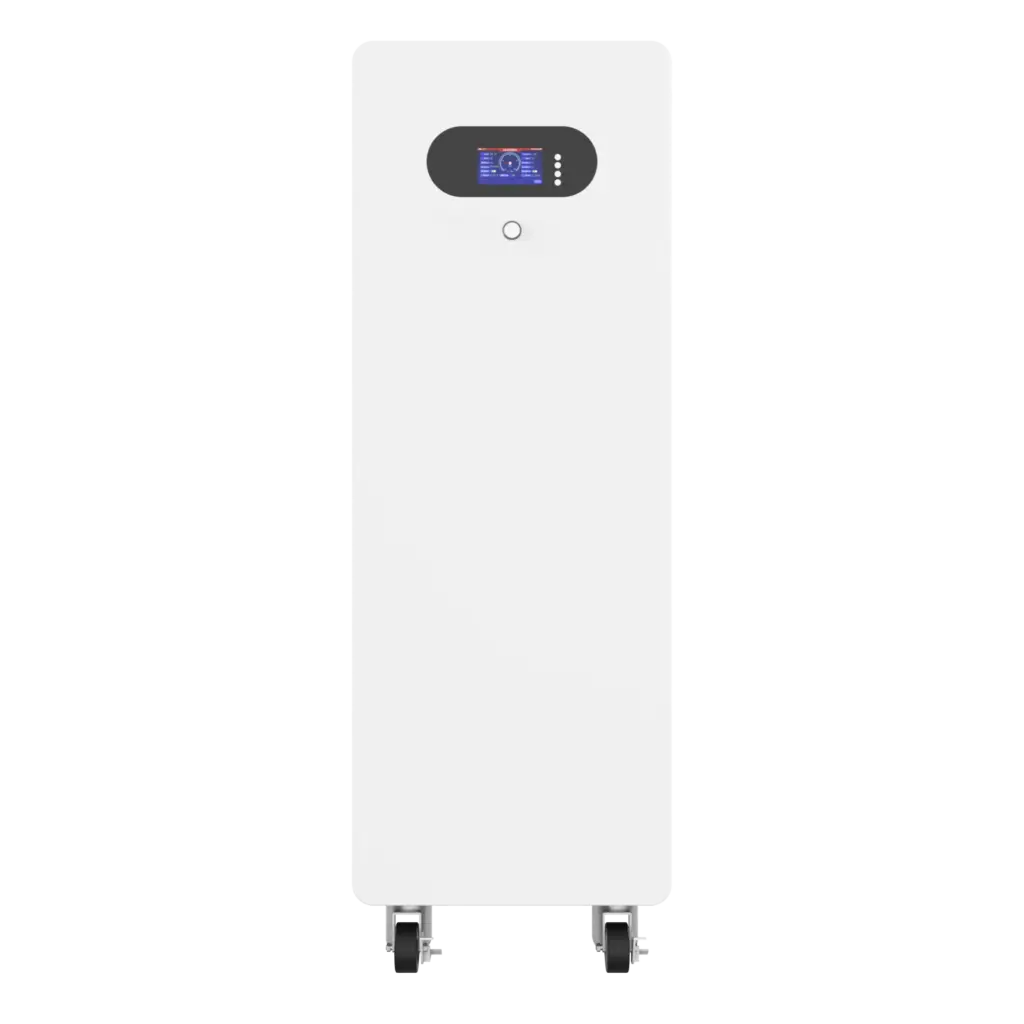
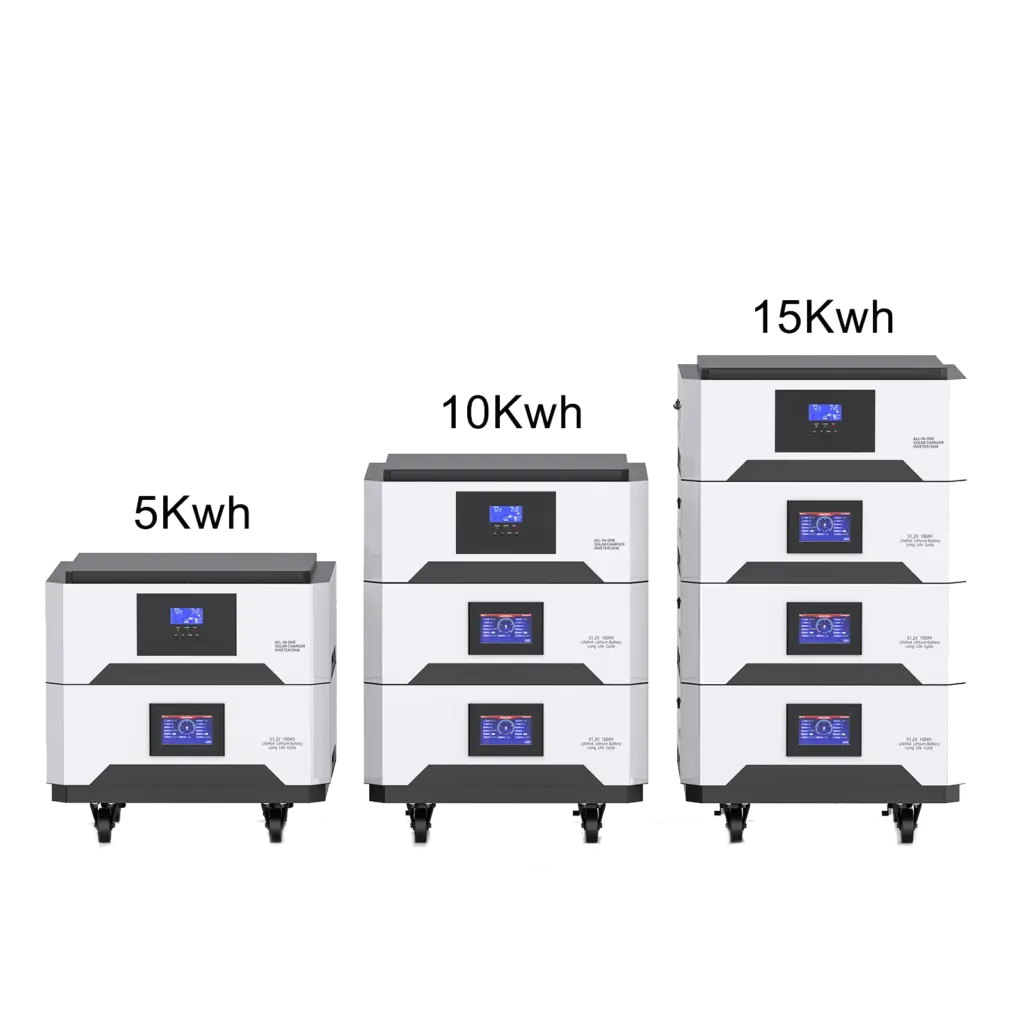
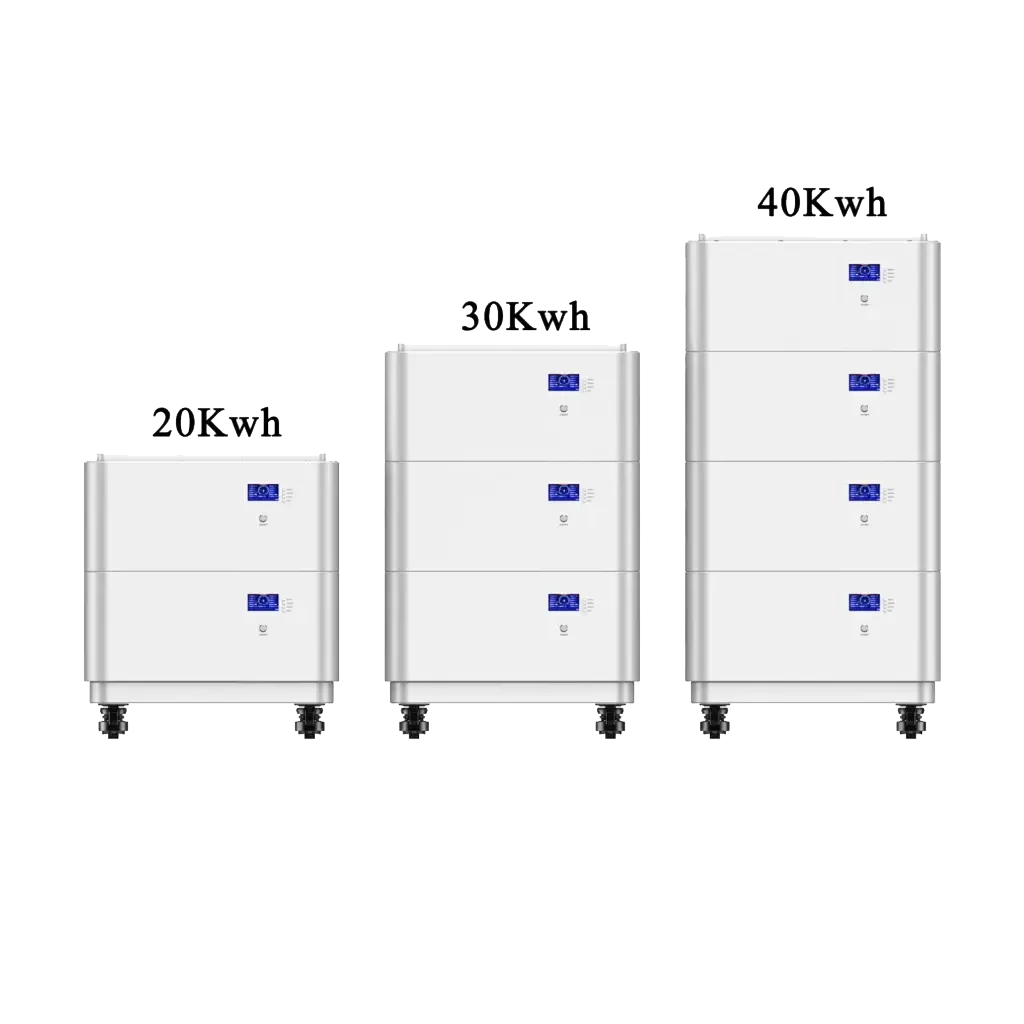
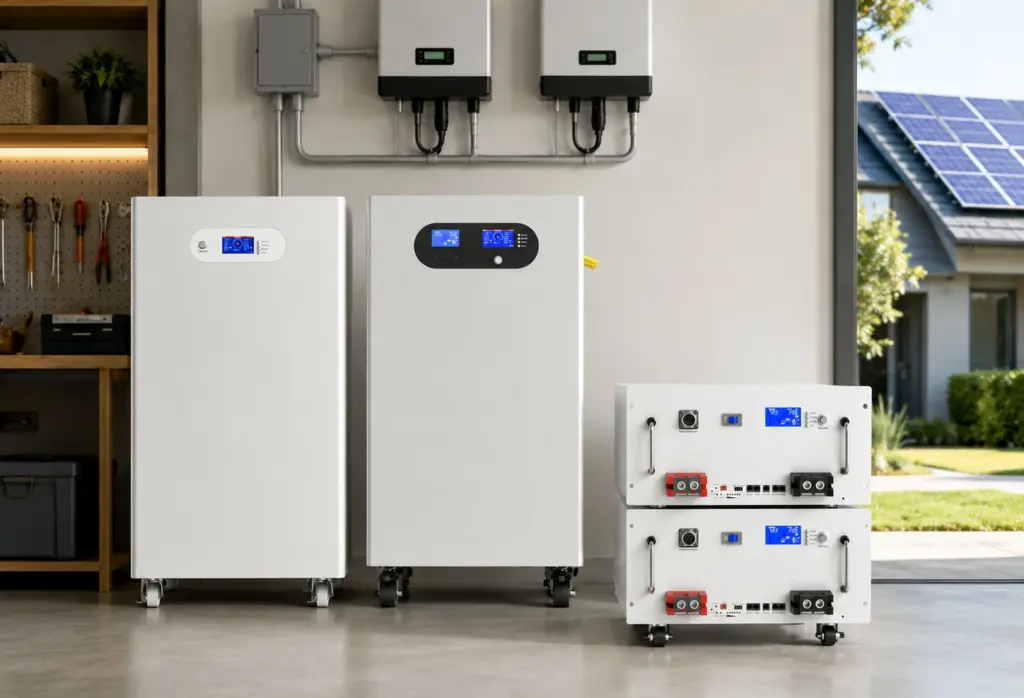
Avepower provides wall-mounted, rack-mounted, stackable and floor-standing LiFePO₄ battery systems for residential solar, backup power and off-grid applications. Compare available voltage, capacity, current and expansion options before selecting a system.
Commercial Peak Shaving and Load Shifting
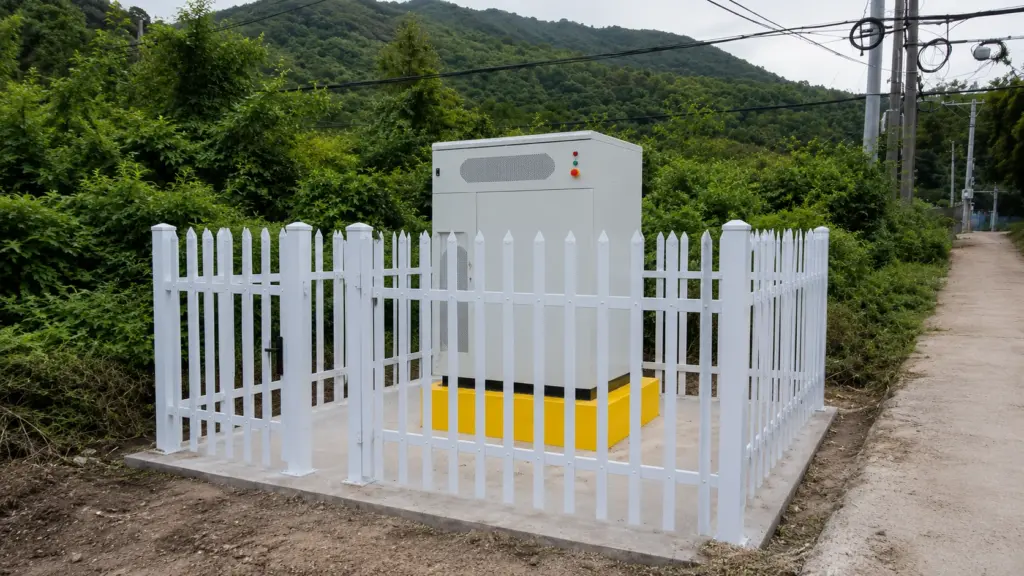
Commercial battery systems can charge during low-demand periods and discharge when site demand approaches a peak.
Typical commercial uses include:
- Peak shaving
- Load shifting
- Solar self-consumption
- Demand-response participation
- Backup power
- Generator support
- EV-charging load management
- Microgrid operation
Grid Support
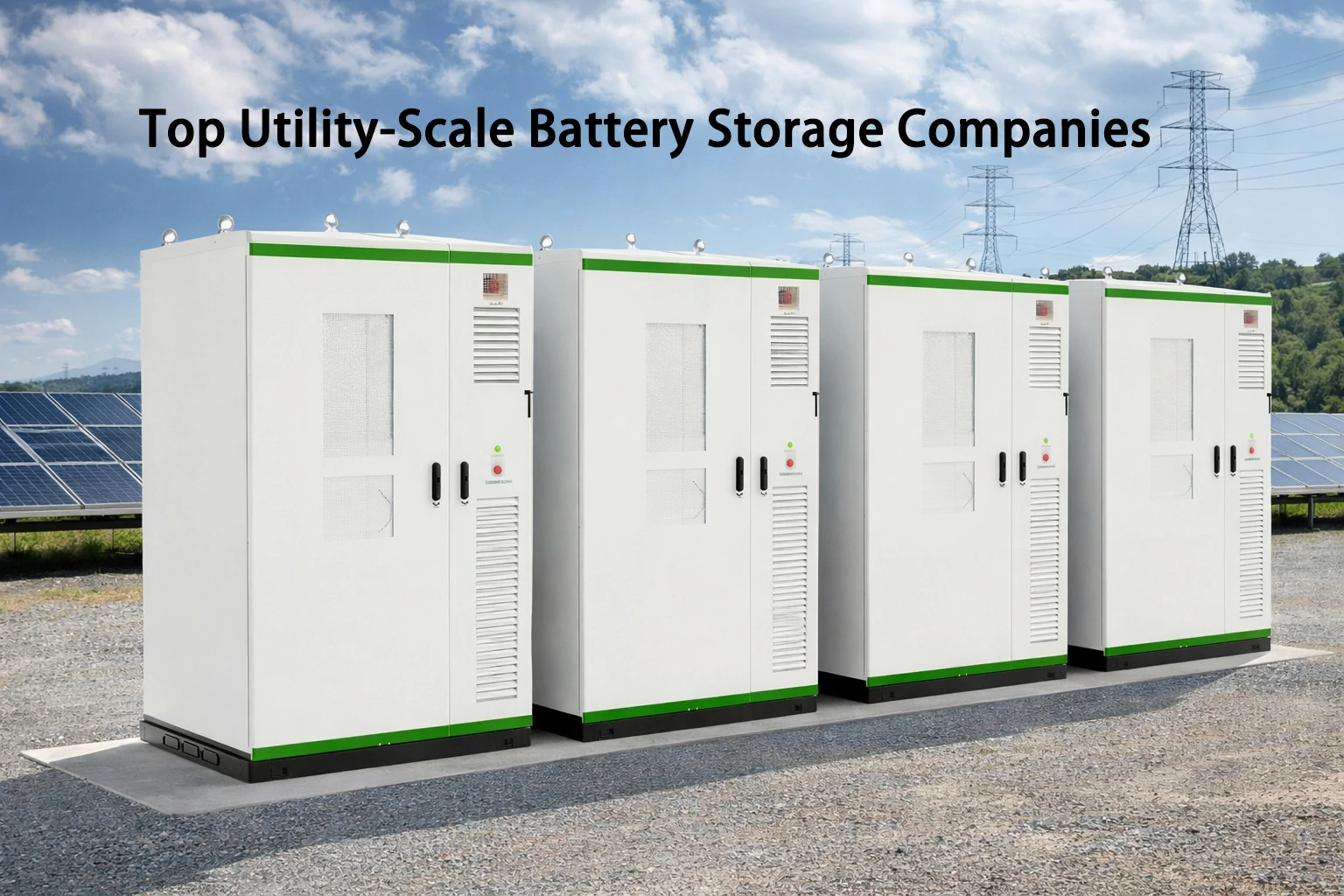
Utility-scale lithium-ion systems can respond rapidly to changes in grid frequency and power demand.
They may provide:
- Frequency regulation
- Voltage support
- Renewable smoothing
- Capacity support
- Black-start support
- Congestion management
- Short-duration energy shifting
Lithium-ion is particularly competitive for short-duration storage. It is not automatically the lowest-cost technology for storage durations exceeding eight to ten hours, where flow batteries, thermal storage, pumped hydro, compressed air, sodium-based systems or other technologies may offer advantages.
What Power Tools and Industrial Machines use Lithium Batteries?
Power tools and industrial equipment use lithium batteries when high current, mobility and frequent recharging are required. Battery-powered drills, saws, robots, automated guided vehicles and warehouse equipment benefit from reduced cable dependence, but the battery must be engineered for repeated high-power pulses, mechanical shock and demanding duty cycles.
Common examples include:
- Cordless drills
- Impact wrenches
- Circular saws
- Lawn equipment
- Vacuum cleaners
- Welding tools
- Inspection equipment
- Industrial robots
- Automated guided vehicles
- Cleaning machines
- Warehouse carts
Power-tool batteries are optimized for power rather than maximum runtime. High-power cells, low-resistance connections and thermal monitoring help the pack deliver short bursts of current.
A battery rated for energy storage should not be substituted into a high-power tool simply because the voltage is similar.
The battery C-rate provides a useful way to compare current demand against battery capacity.
For a 100Ah battery:
- 0.5C equals 50A
- 1C equals 100A
- 2C equals 200A
Higher C-rates normally increase voltage drop and heat, so both continuous and peak ratings must be verified.
What Outdoor, Marine and Leisure Applications Use Lithium Batteries?
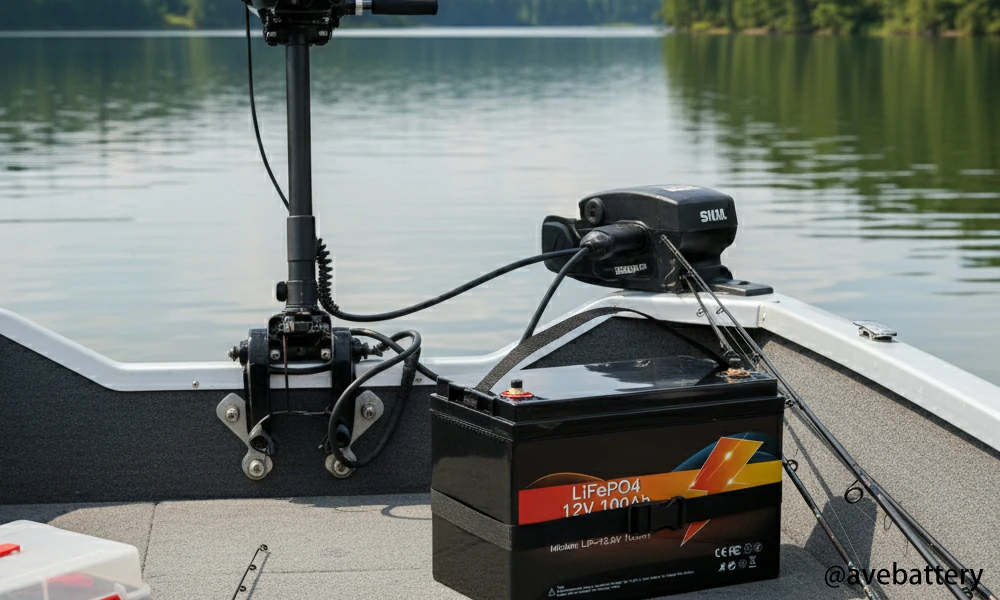
LiFePO₄ batteries are commonly used in RVs, boats, golf carts, cabins, camping systems and portable power equipment because they provide deep-cycle energy with lower weight and less routine maintenance than many lead-acid alternatives. Their suitability still depends on waterproofing, charging temperature, current limits and installation protection.
Common uses include:
- RV house power
- Marine auxiliary power
- Trolling motors
- Golf carts
- Camping refrigerators
- Portable lighting
- Off-grid cabins
- Fish finders
- Caravan solar systems
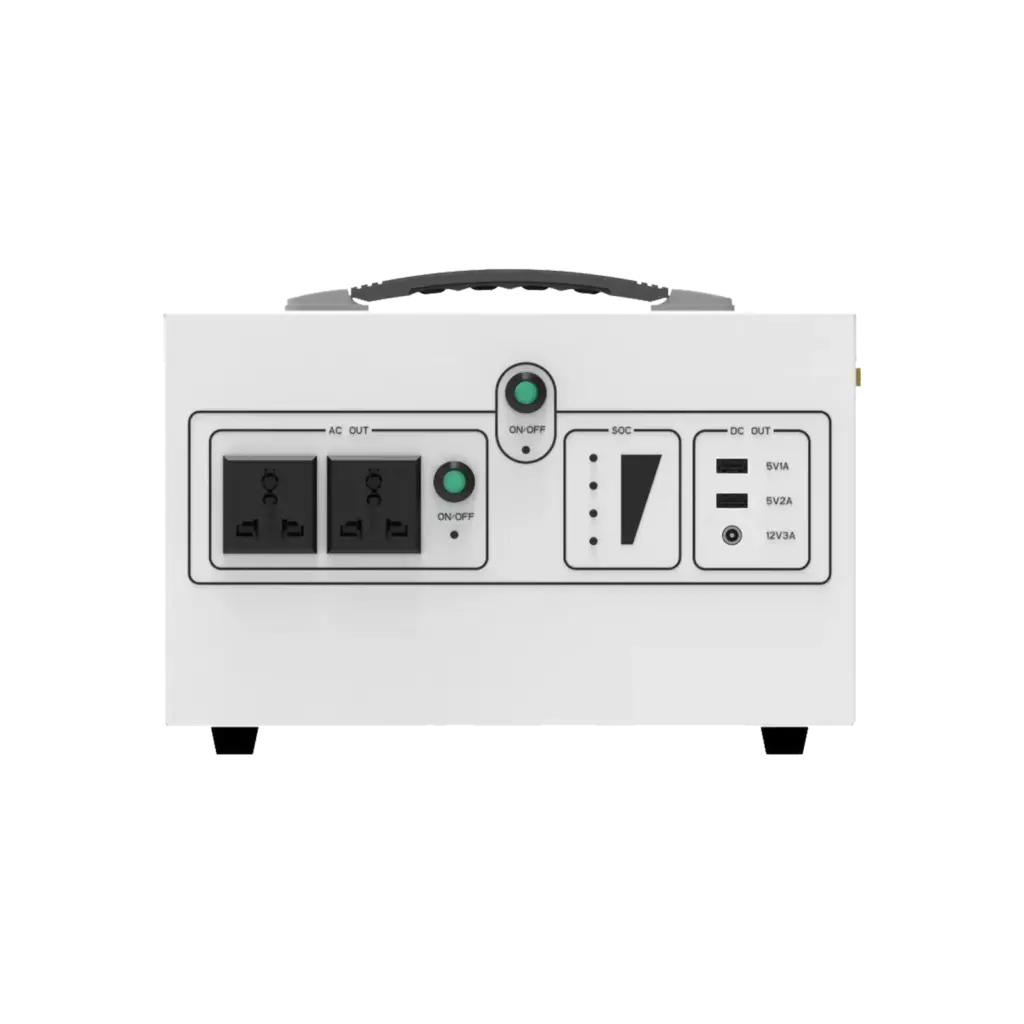
- Emergency power stations
Avepower’s 12V and 24V LiFePO₄ battery packs are positioned for applications such as marine systems, RVs, UPS, solar, robotics and golf carts. The published range includes intelligent BMS protection, 4,000-plus cycle claims for applicable models and optional Bluetooth monitoring.
Important Marine Limitation
An IP-rated enclosure does not mean every electrical connection is waterproof.
Installers must also protect:
- Terminals
- Busbars
- Communication ports
- Fuses
- Disconnects
- Cable entries
- Chargers
Marine starting batteries and marine house batteries also perform different jobs. A deep-cycle LiFePO4 house battery should not be used as an engine-starting battery unless the manufacturer specifically approves the required cranking current.
Which Lithium Battery Chemistry is Used for Each Application?
Different lithium chemistries are selected because no single cathode and anode combination provides the highest energy density, longest life, greatest power, lowest cost and strongest thermal stability at the same time.
| Chemistry | Typical Applications | Main Strength | Main Limitation |
|---|---|---|---|
| LCO | Phones, tablets, laptops, cameras | High energy density | Lower thermal stability and cycle life |
| NMC | EVs, e-bikes, tools, drones, storage | Balanced energy and power | Nickel and cobalt supply considerations |
| NCA | EVs and high-energy equipment | High specific energy | More demanding thermal control |
| LFP / LiFePO₄ | Solar storage, buses, RVs, marine, UPS, some EVs | Long cycle life and thermal stability | Lower energy density |
| LMO | Tools, medical devices, selected vehicles | Good power and thermal performance | Moderate lifespan and energy density |
| LTO | Fast-charge transport and specialist industrial systems | Fast charging and long cycle life | High cost and low energy density |
| Primary lithium metal | Sensors, meters, alarms, implants | Long shelf and standby life | Non-rechargeable |
Why are Lithium Batteries Used Instead of Lead-acid or Nickel Batteries?
Lithium batteries are often selected because they combine high energy efficiency, useful depth of discharge, low weight, rechargeability and low maintenance. Their advantage is strongest in frequently cycled or space-constrained systems, while lower-cost lead-acid batteries may remain reasonable for selected standby or infrequently used applications.
Main Reasons Lithium is Selected
- High energy density: More energy can be stored within a given mass or enclosure volume.
- Low weight: Weight reduction is especially valuable for vehicles, portable devices, drones, boats and mobile equipment.
- High usable capacity: Many lithium systems can regularly use a larger share of their nominal capacity than traditional lead-acid designs.
- Fast response: Lithium batteries can respond quickly in EV, UPS and grid-regulation applications.
- Low maintenance: They do not require electrolyte watering or routine equalization charging.
- Long cycle-life potential: Some lithium chemistries, particularly LFP and LTO, can support thousands of cycles when used within their specified limits.
When Lead-Acid May Remain Reasonable
Lead-acid may still be considered when:
- Initial price is the dominant factor
- The battery is used only occasionally
- Weight and space are not important
- A mature local recycling channel is available
- The application requires traditional engine starting
- Existing charging equipment is designed around lead-acid
The right comparison is lifecycle cost per usable kWh, not purchase price alone.
When Should Lithium Batteries Not Be Used?
Lithium batteries should not be used when the product is not approved for the equipment, when the charging system cannot control lithium-specific voltage limits, when the environment exceeds the battery’s operating range or when a lower-cost or longer-duration technology better satisfies the project’s actual requirements.
Avoid using a lithium battery when:
- The voltage range does not match the equipment
- The charger is not approved
- The continuous-current rating is insufficient
- The battery has visible swelling or physical damage
- The BMS communication cannot be validated
- The installation area exceeds temperature limits
- The enclosure lacks suitable environmental protection
- The product has no traceable safety or transport documentation
Long-Duration Storage Limitation
Lithium-ion batteries are widely deployed for short-duration energy storage, but systems requiring ten, twenty or more hours of discharge should also evaluate:
- Flow batteries
- Sodium-based batteries
- Thermal storage
- Pumped hydro
- Compressed-air storage
- Hydrogen systems
The best technology depends on duration, cycling frequency, location, efficiency, footprint and project cost.
What Does a Real Commercial Lithium Battery Application Look like?
A practical commercial battery project combines energy capacity, inverter power, energy management, operating modes and load requirements rather than simply installing a large number of battery modules. The battery is only one part of the system; reliable operation also depends on controls, protection, communication, thermal conditions and commissioning.
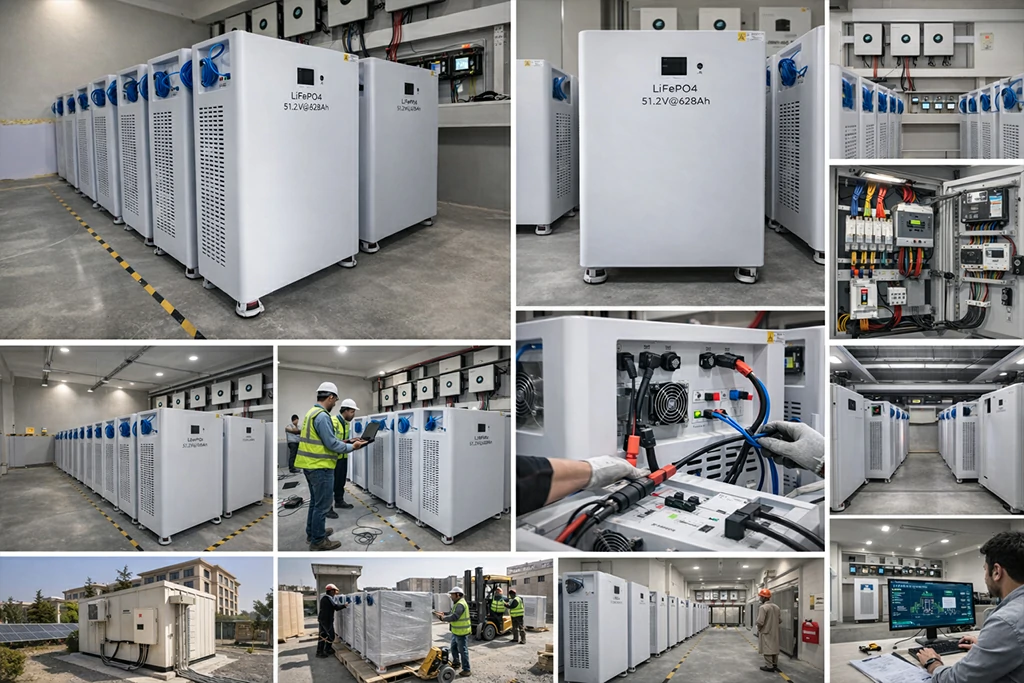
Avepower 640kWh Hotel Solar BESS Case
Avepower publishes a hotel energy-storage project in Afghanistan using:
| Item | Project Configuration |
|---|---|
| Total battery energy | 640kWh |
| Chemistry | LiFePO₄ |
| Individual battery | 51.2V, 628Ah, 32kWh |
| Battery quantity | 20 |
| Connection | 20 units in parallel |
| Main components | Batteries, smart inverters and EMS |
| Operating modes | Grid-connected and off-grid |
| Main uses | Solar storage, load shifting, peak shaving and backup |
Capacity verification:
20 batteries × 32kWh = 640kWh
The project uses an energy management system to coordinate solar storage, peak-hour discharge and grid/off-grid switching.
This is an Avepower-published company case rather than an independently audited performance study. It demonstrates the system architecture and application, but any claimed savings should be confirmed using the site’s measured load, tariff and operating data.
Avepower also publishes a 522.5kWh high-voltage project in Lithuania and a 215kWh liquid-cooled commercial system in Germany, showing how lithium storage is adapted for different voltage, power, cooling and cabinet requirements.
Planning a Commercial or Off-Grid Energy Storage Project?
Review how Avepower batteries are applied in hotel backup, solar self-consumption, peak shaving and high-voltage energy storage projects. Each project requires coordinated battery capacity, inverter power, BMS communication and protection design.
How Should Buyers Choose a Lithium Battery for Their Application?
Buyers should match the battery to the load, voltage, current, environment, operating cycle and service requirements before comparing price. A reputable product should provide model-specific specifications, safety documentation, charging limits, communication information and a clear warranty route rather than relying on general claims about lithium technology.
A CAN or RS485 connector does not prove compatibility.
The battery and inverter must match in:
- Electrical interface
- Pin definition
- Communication speed
- Message structure
- Device role
- Firmware version
- Charge and discharge control logic
Avepower’s battery communication guide explains why protocol matching is different from simply having the same port.
How Does Avepower Support Lithium Battery Applications?
Avepower focuses on LiFePO₄ batteries for residential, commercial, industrial and customised energy-storage applications. Its strongest relevance is not small consumer electronics but scalable solar storage, backup power, RV and marine batteries, high-voltage systems and OEM/ODM projects for installers, distributors and energy brands.
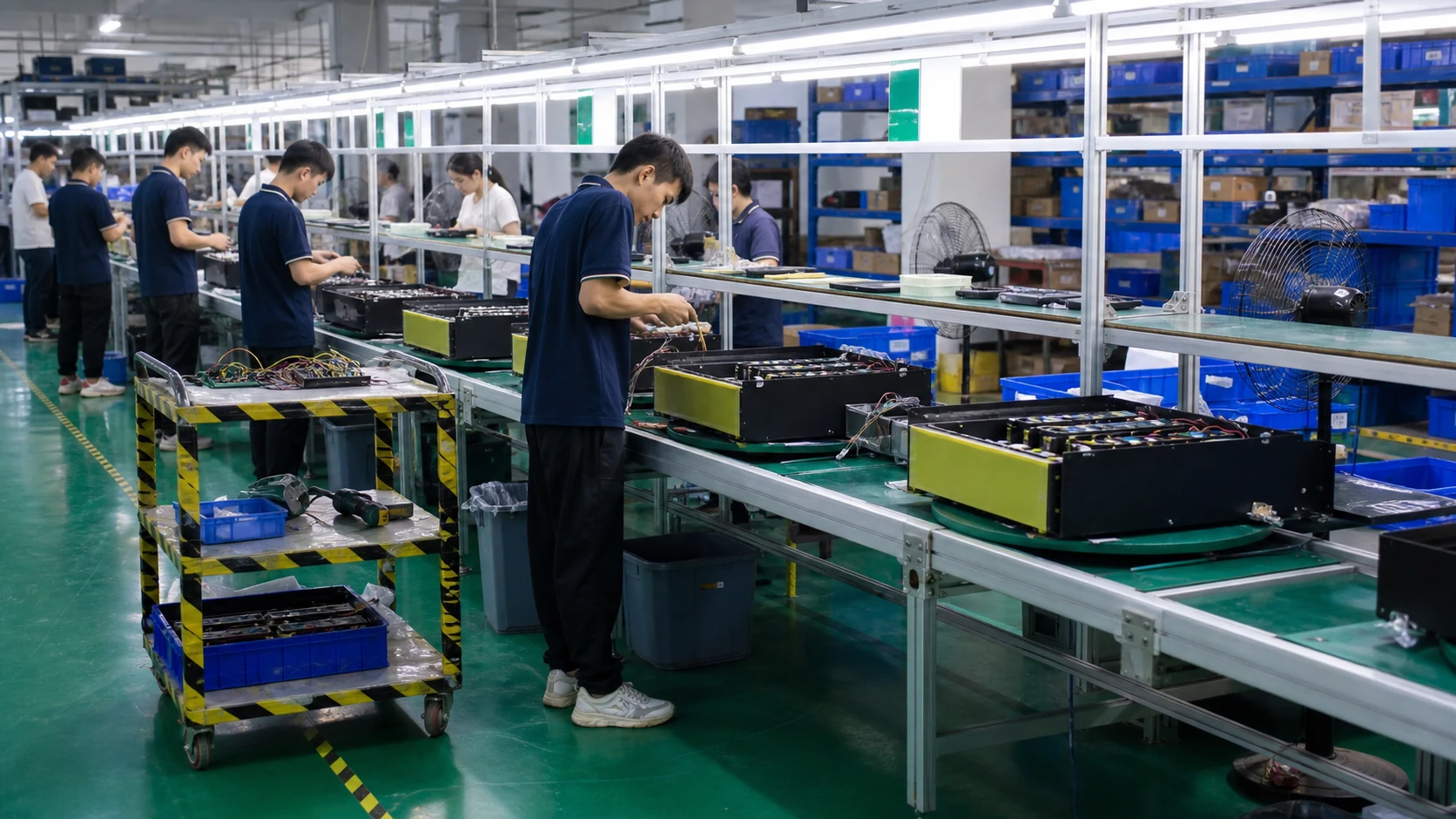
Avepower manufacturing operation includes:
- More than 20,000m² of production space
- More than 15 production lines
- More than 50 R&D and engineering personnel
- Approximately 5GWh of annual capacity
- Cell sorting and matching
- Laser welding
- Aging and performance testing
- Capacity and BMS communication checks
Relevant product and solution pages include:
- Home energy storage systems
- Residential battery solutions
- Commercial and industrial battery storage
- High-voltage battery storage systems
- OEM and ODM battery customisation
- Battery project case studies
A project buyer should provide the required voltage, usable energy, inverter model, continuous load, surge load, installation environment, communication protocol, certification market and expected order quantity before selecting a battery.
Take Control of Your Energy with Avepower!
Reliable home solar battery solutions with OEM/ODM customization and in-house manufacturing, tailored to the needs of distributors, installers, and energy partners.
Conclusion
Lithium batteries are used across modern life because they provide a practical combination of stored energy, power, rechargeability and compact size. However, the battery used in a phone is not interchangeable with the battery used in an EV, medical device, RV or solar energy-storage system.
The correct selection starts with the application:
- Use high-energy chemistries where size and weight are critical.
- Use high-power packs where motors and tools create large current demand.
- Use long-cycle, well-managed systems for daily solar and stationary storage.
- Use qualified primary lithium batteries for selected long-life sensors and medical devices.
- Evaluate alternatives when storage duration, temperature or cost makes lithium unsuitable.
For solar installers, distributors, project developers and OEM partners, Avepower provides LiFePO₄ battery systems ranging from 12V and 24V packs to residential storage, commercial cabinets and custom high-voltage ESS platforms.
Send Avepower your required capacity, voltage, inverter model, load profile, project country, installation environment and expected quantity through the custom lithium battery project page to receive a project-matched configuration rather than selecting a battery from capacity alone.
FAQ
Lithium batteries are most commonly used in phones, laptops, tablets, electric vehicles, power tools, solar storage systems, medical equipment, wireless devices, drones, UPS systems and portable outdoor equipment.
LiFePO₄ batteries are commonly used in solar storage, home backup, RVs, boats, golf carts, buses, telecom systems, UPS equipment and commercial battery-storage projects.
No. Lithium-metal batteries are normally primary, non-rechargeable batteries. Lithium-ion batteries are rechargeable. A primary lithium battery must never be placed in a charger unless the manufacturer specifically identifies it as rechargeable.
They can overheat or enter thermal runaway when severely damaged, short-circuited, overheated, overcharged or improperly manufactured. Correct cells, BMS protection, installation, thermal management and external circuit protection reduce risk.
Evaluate the exact product specification, cell and BMS traceability, continuous-current rating, cycle-test conditions, certifications, factory quality control, communication support, warranty process and real project evidence.