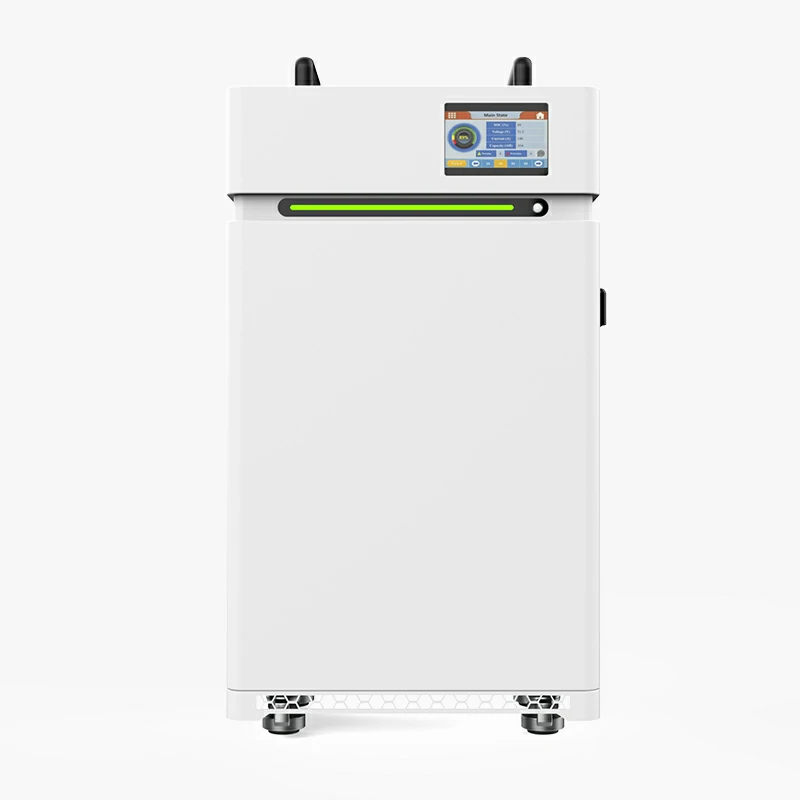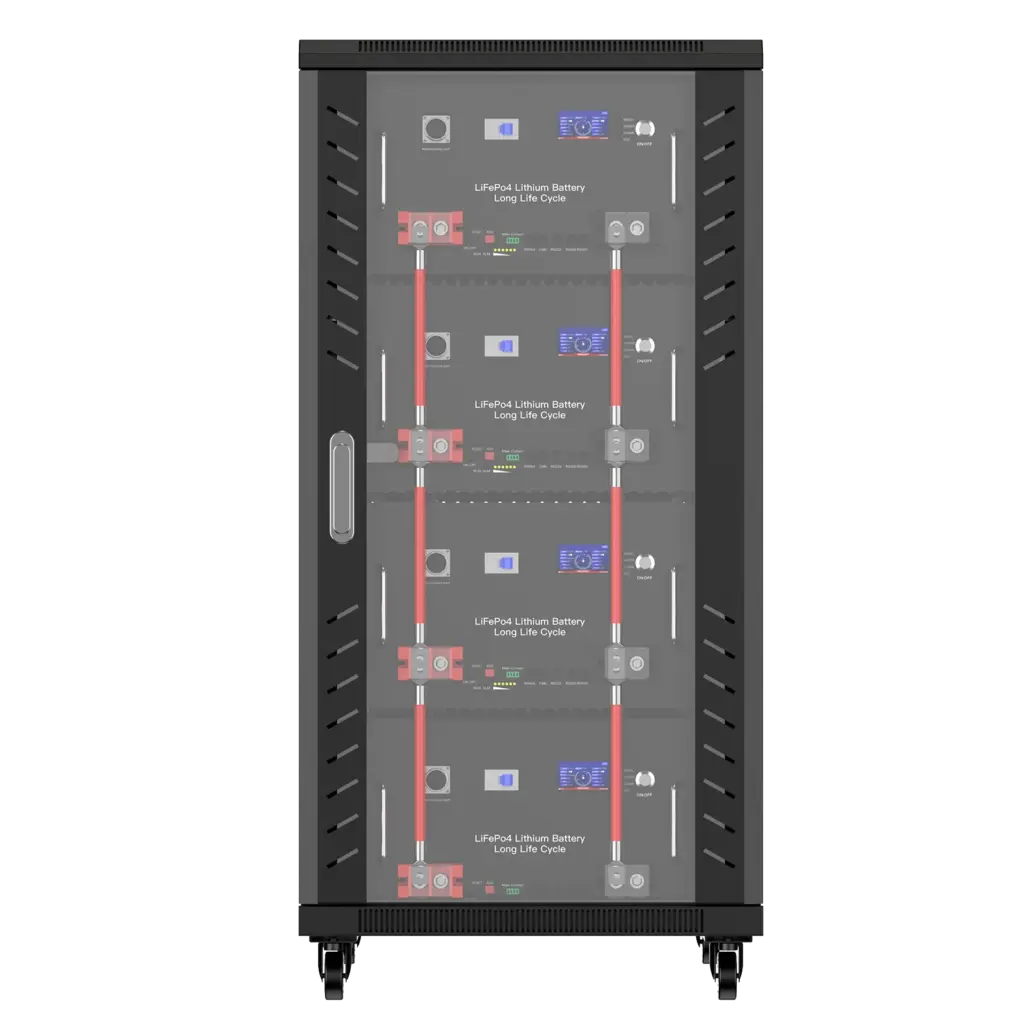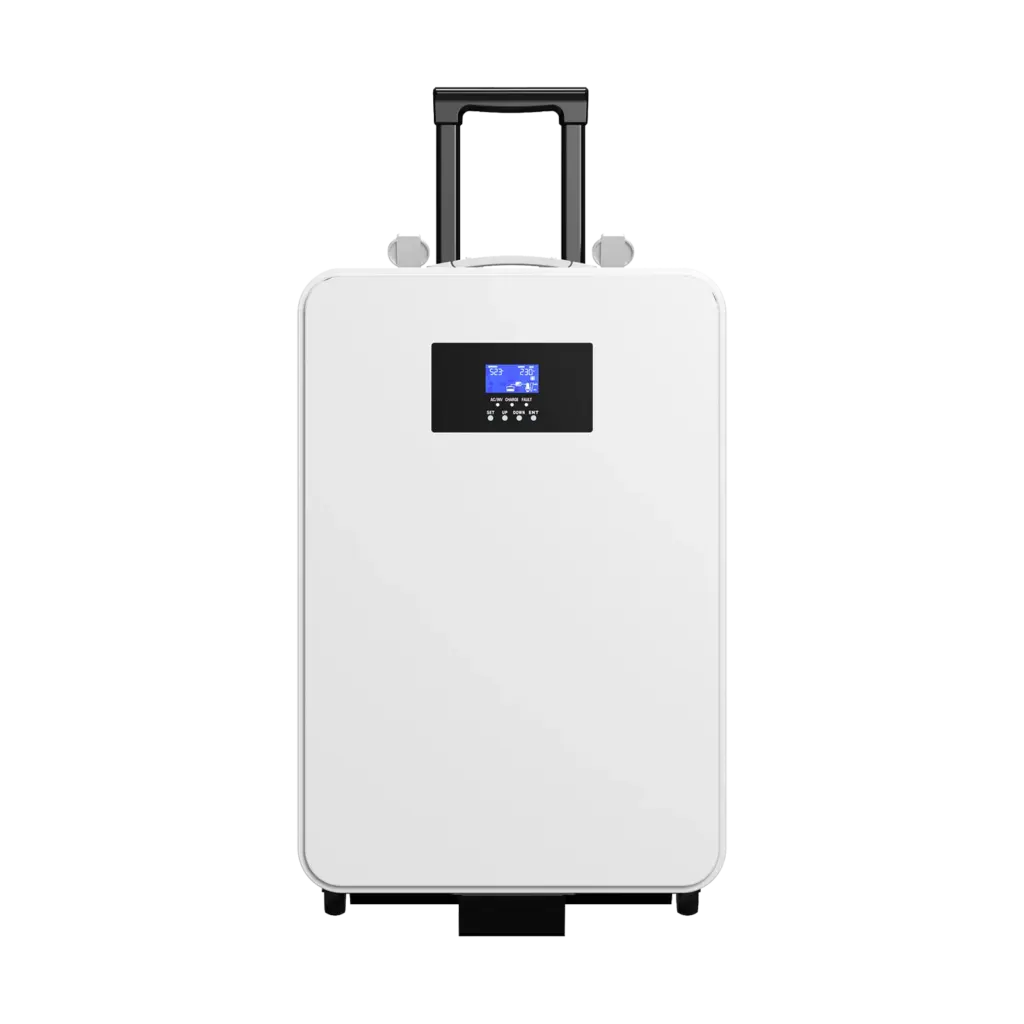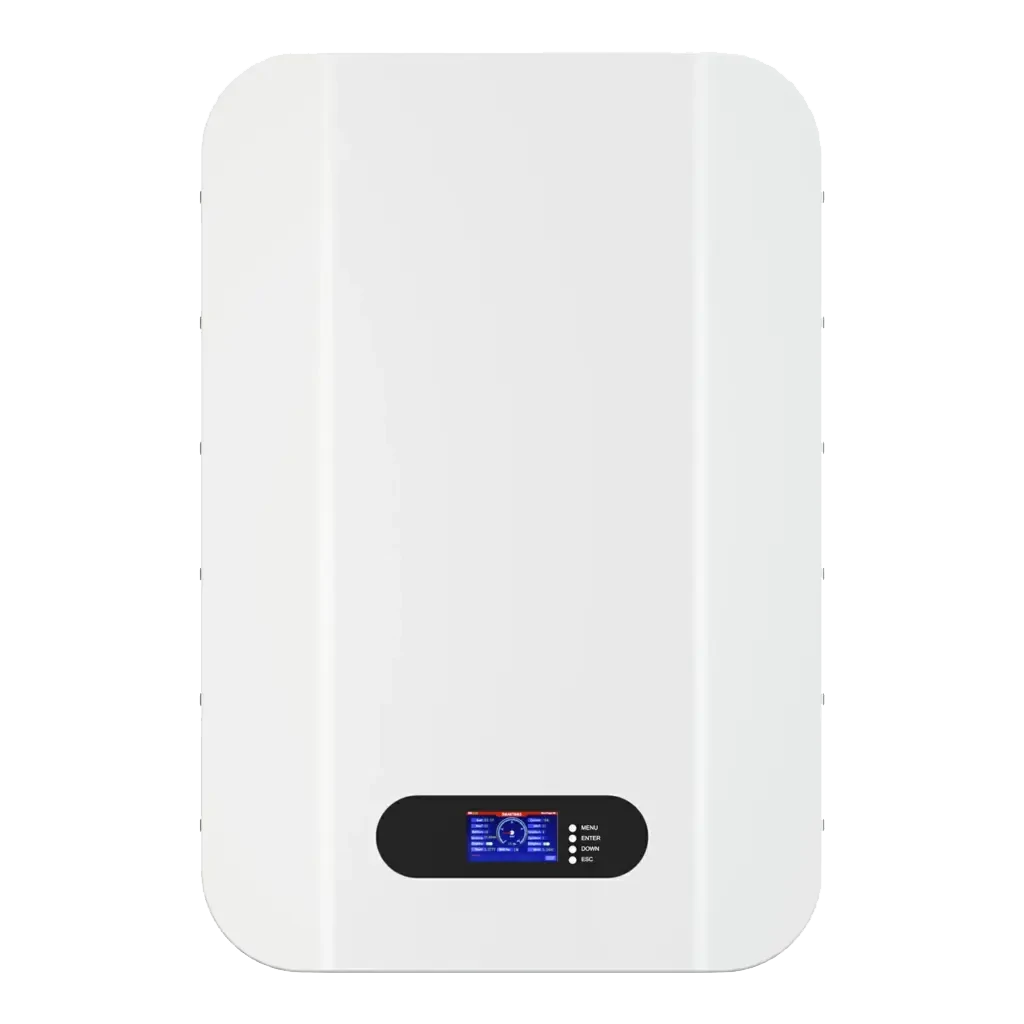

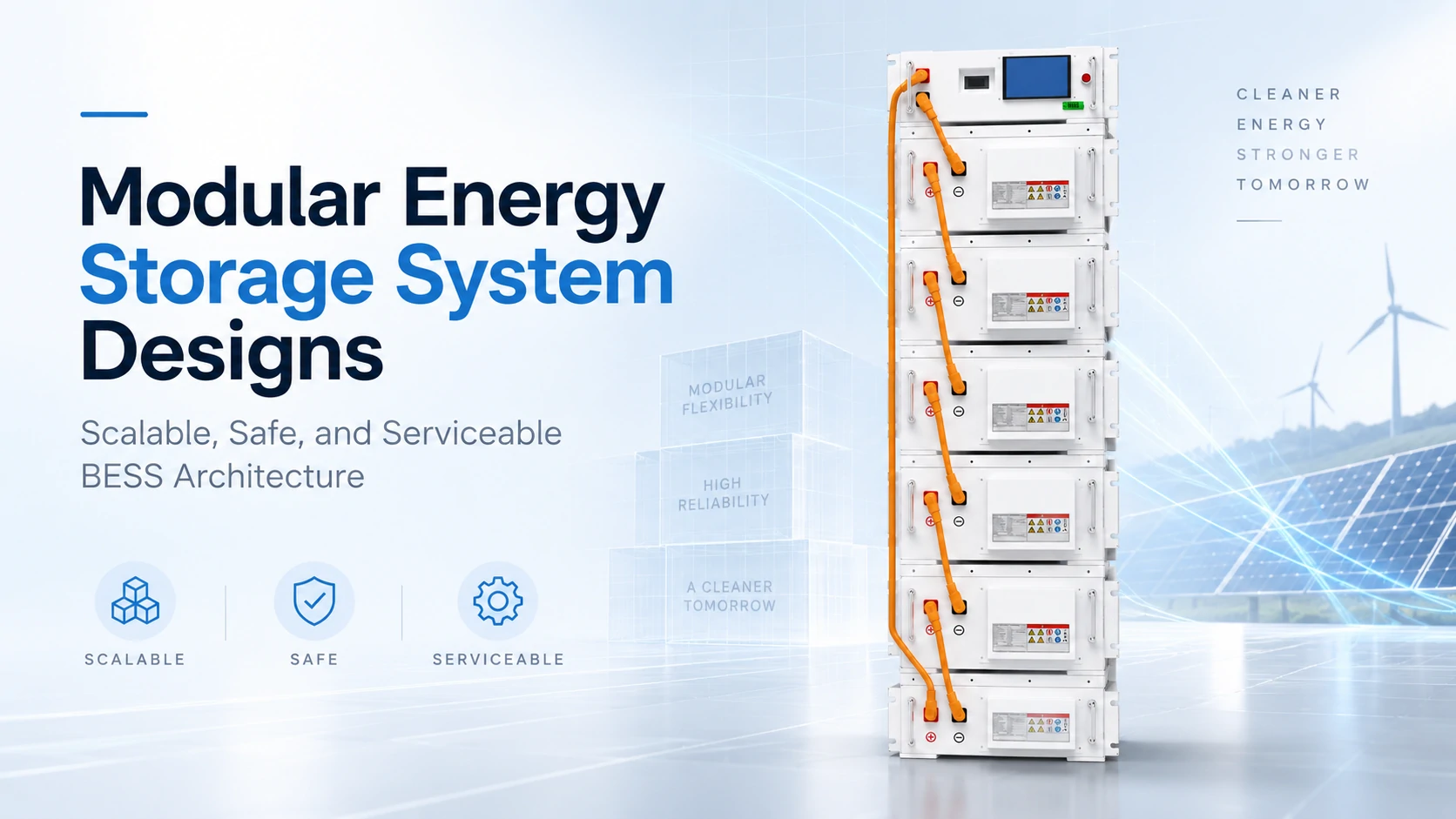
The best modular energy storage system designs do more than make batteries stackable. They divide energy storage, protection, control and—in some architectures—power conversion into repeatable building blocks that can be sized, isolated, serviced and expanded without redesigning the entire system.
For most commercial and industrial projects, the correct design process starts with the load profile and required kW/kWh, then determines battery voltage, module count, series/parallel architecture, PCS limits, BMS hierarchy, thermal management, protection and compliance requirements.
Modularity is not automatically better. More modules also mean more connections, fuses, contactors, communication nodes and possible fault locations. A modular BESS therefore delivers the greatest value when its interfaces, protection philosophy and future expansion strategy are engineered from the beginning.
What Makes an Energy Storage System Truly Modular?
A truly modular energy storage system uses standardized electrical and mechanical building blocks that can be combined without changing the fundamental system architecture. The modules should have defined voltage, current, communication, protection and thermal interfaces, while the BMS, PCS and enclosure architecture must support safe isolation and predictable expansion.
A battery that is physically divided into boxes is not necessarily a fully modular BESS.
Modularity can exist at several levels:
| Level of modularity | Typical building block | What can be scaled | Main engineering concern |
|---|---|---|---|
| Cell/module level | Battery module | Energy and voltage | Cell matching, balancing, protection |
| Rack/cluster level | HV rack or battery cluster | Energy capacity | Series voltage, parallel current, BCU coordination |
| Cabinet level | Complete battery cabinet | Capacity and sometimes power | Fault isolation, thermal management, parallel control |
| Power-conversion level | Modular PCS/DC-DC converter | Power | Synchronization, efficiency, fault behavior |
| System level | Battery + PCS + EMS block | Energy and power | Site controls, protection coordination, interconnection |
Typical battery modules in approximately the 48–100 V and 1–10 kWh range, racks or clusters around 700 V–1.5 kV, and larger battery stacks extending from roughly 50 kWh to 2.5 MWh.
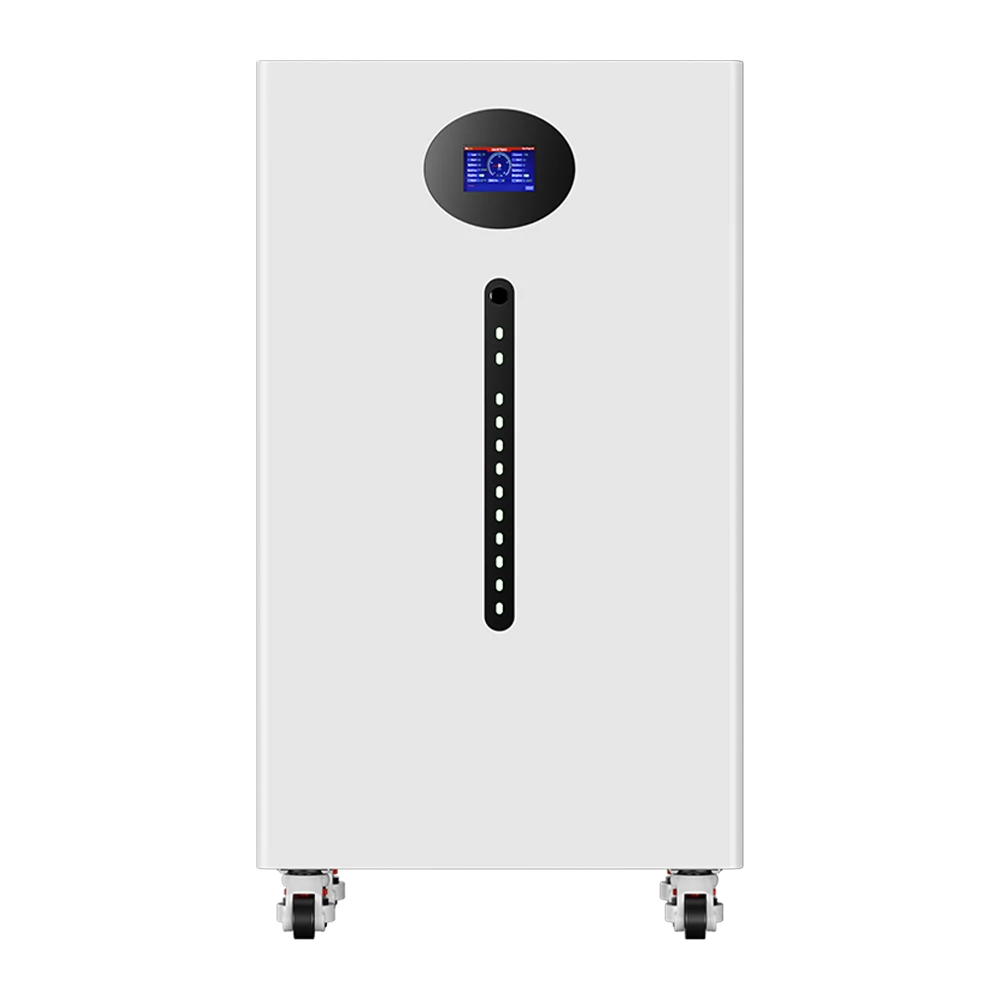
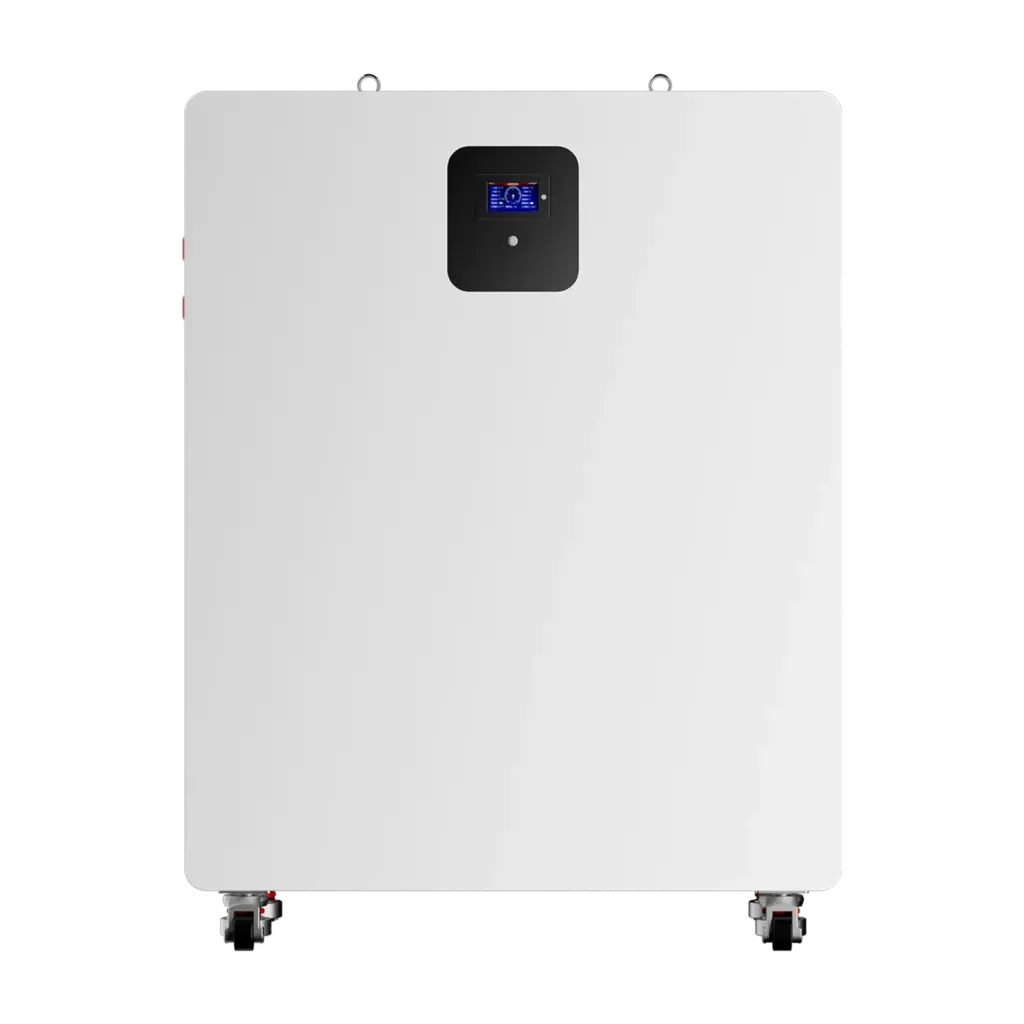
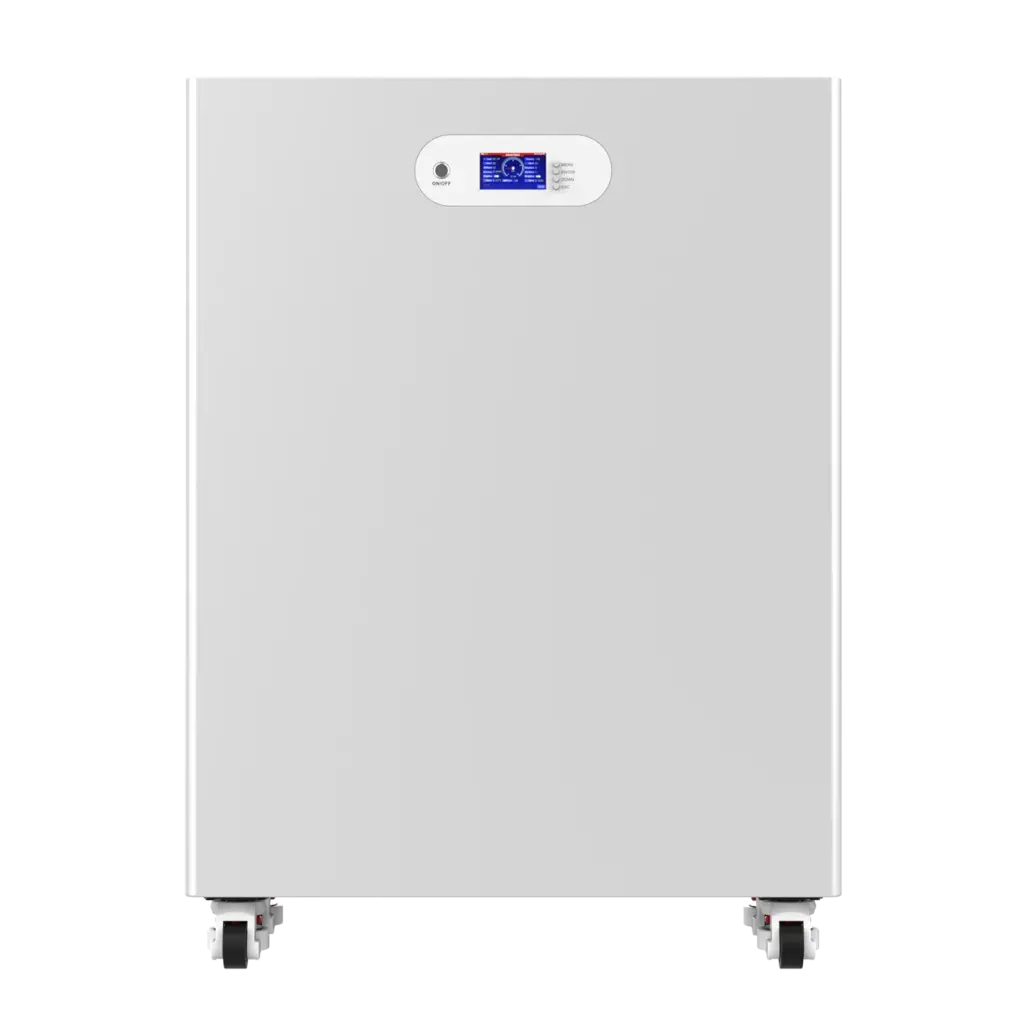
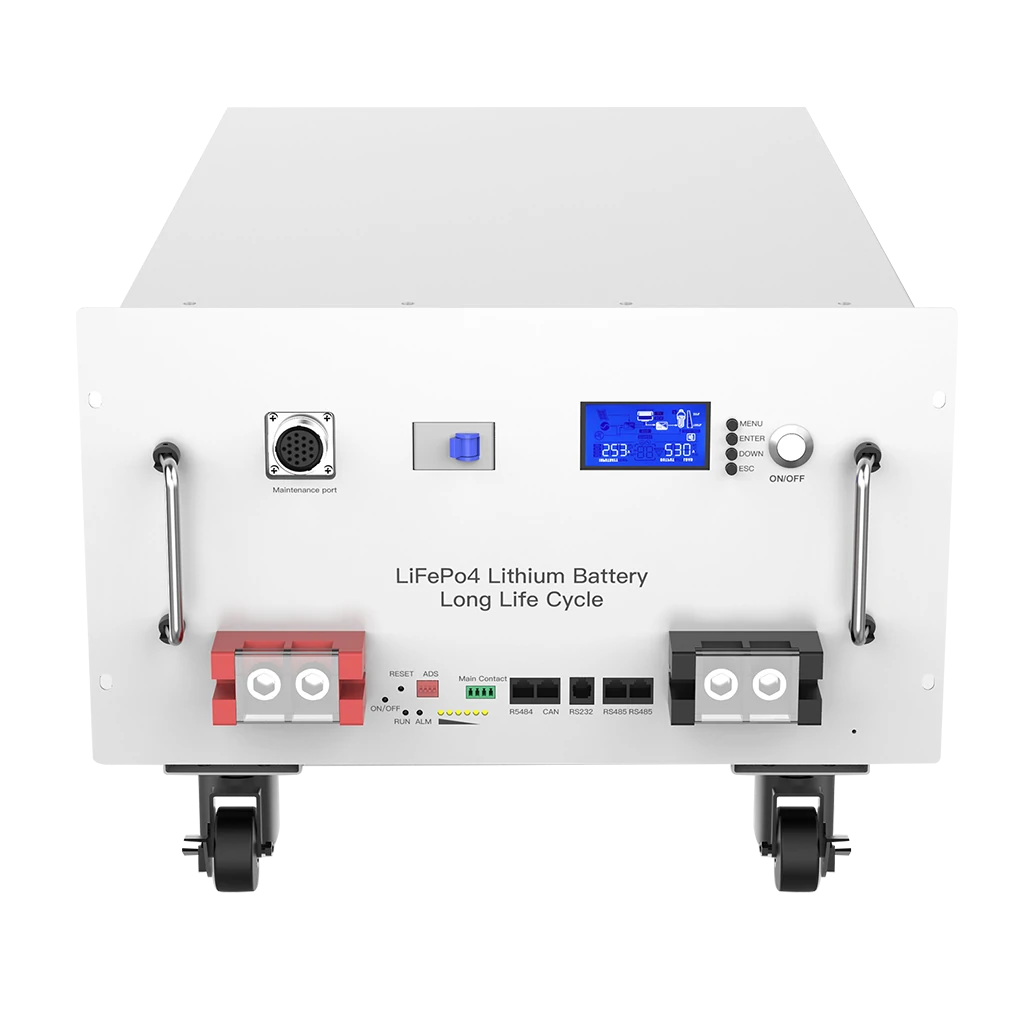
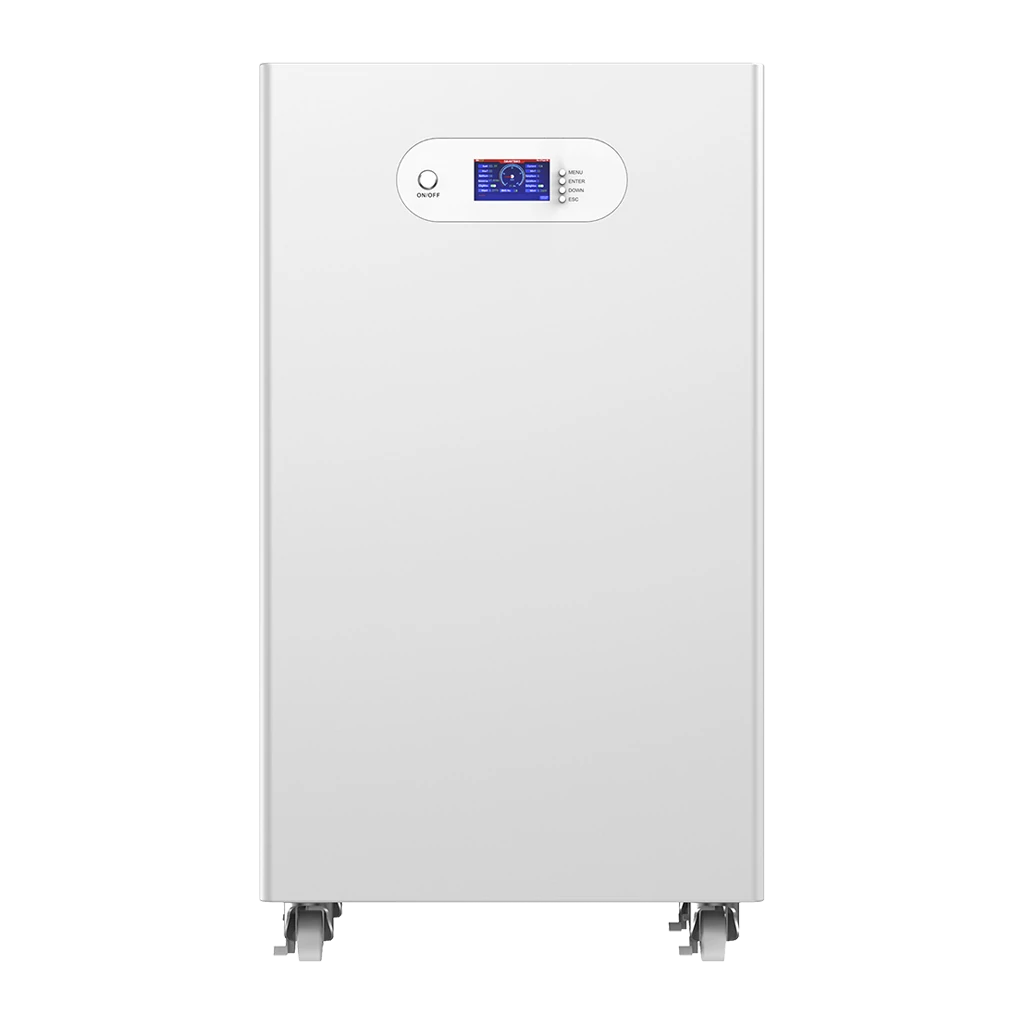
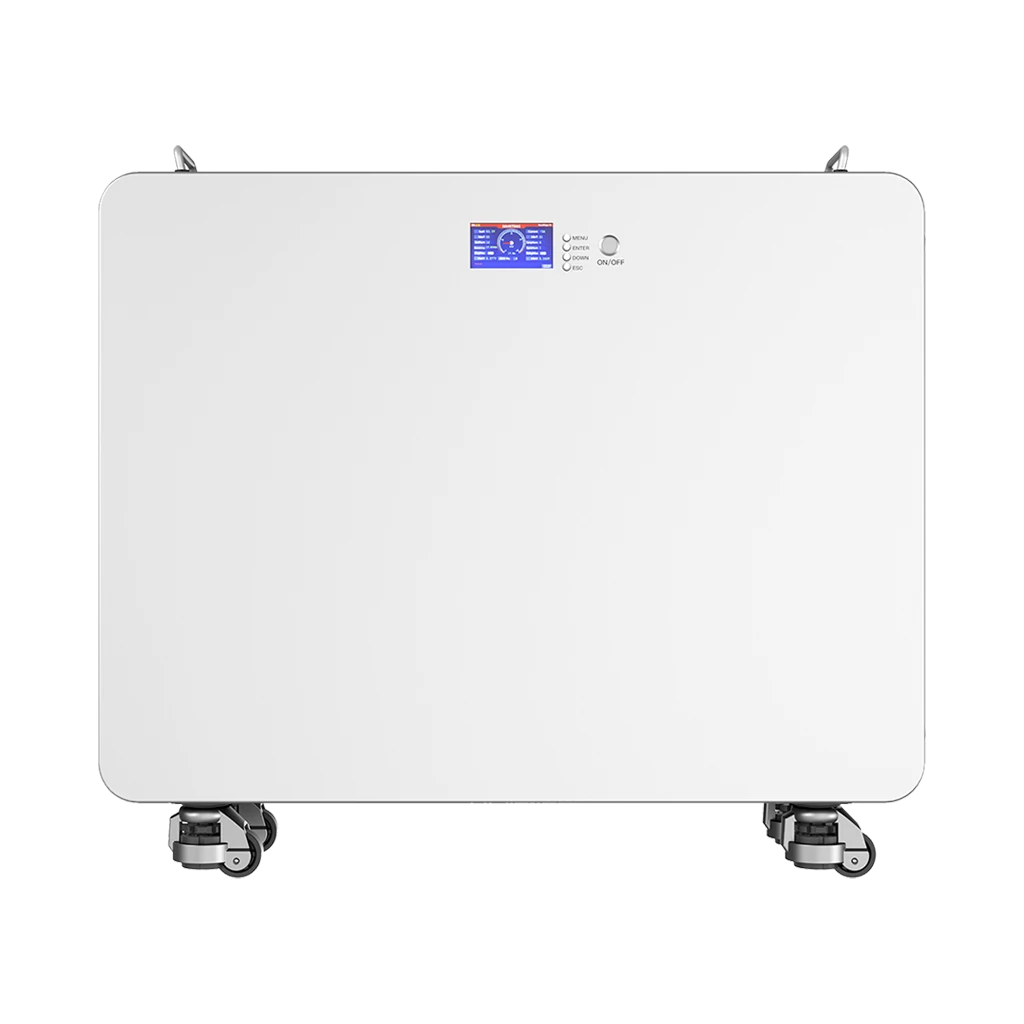
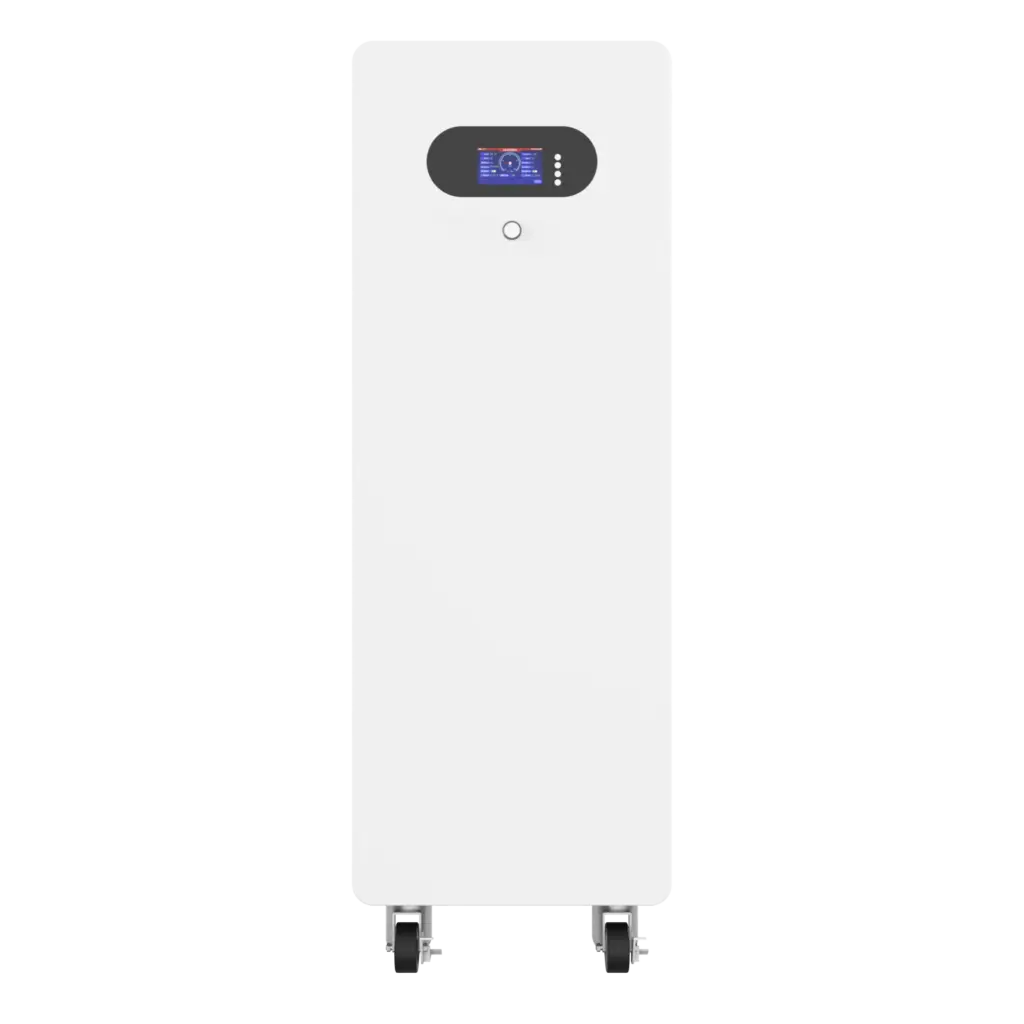
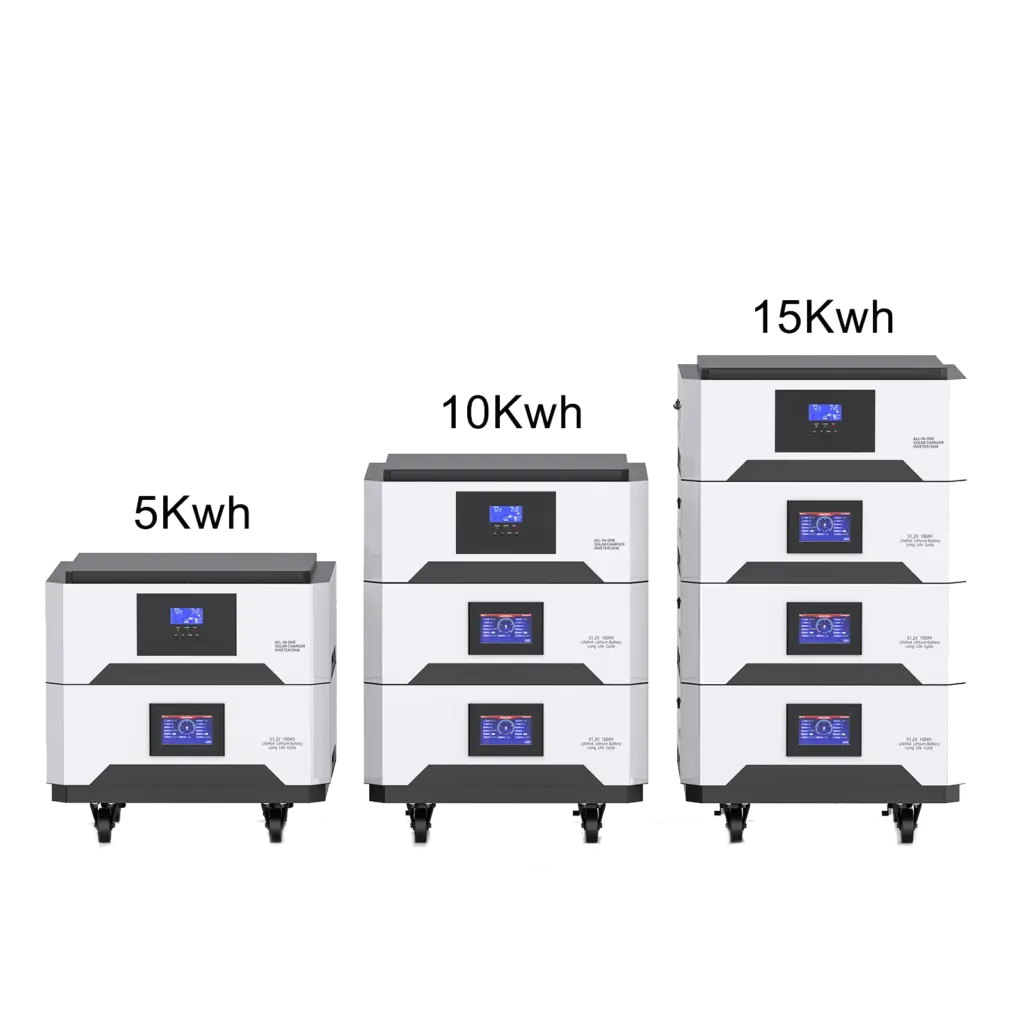
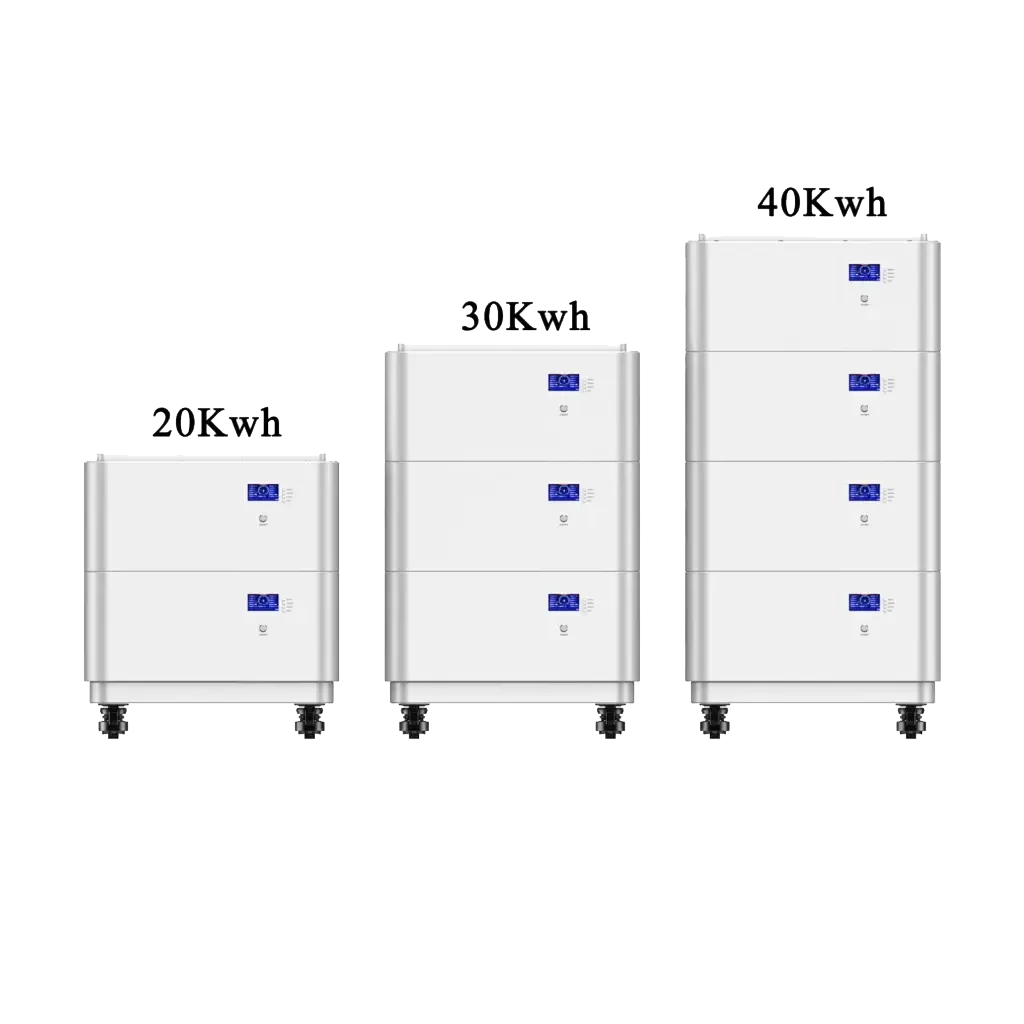
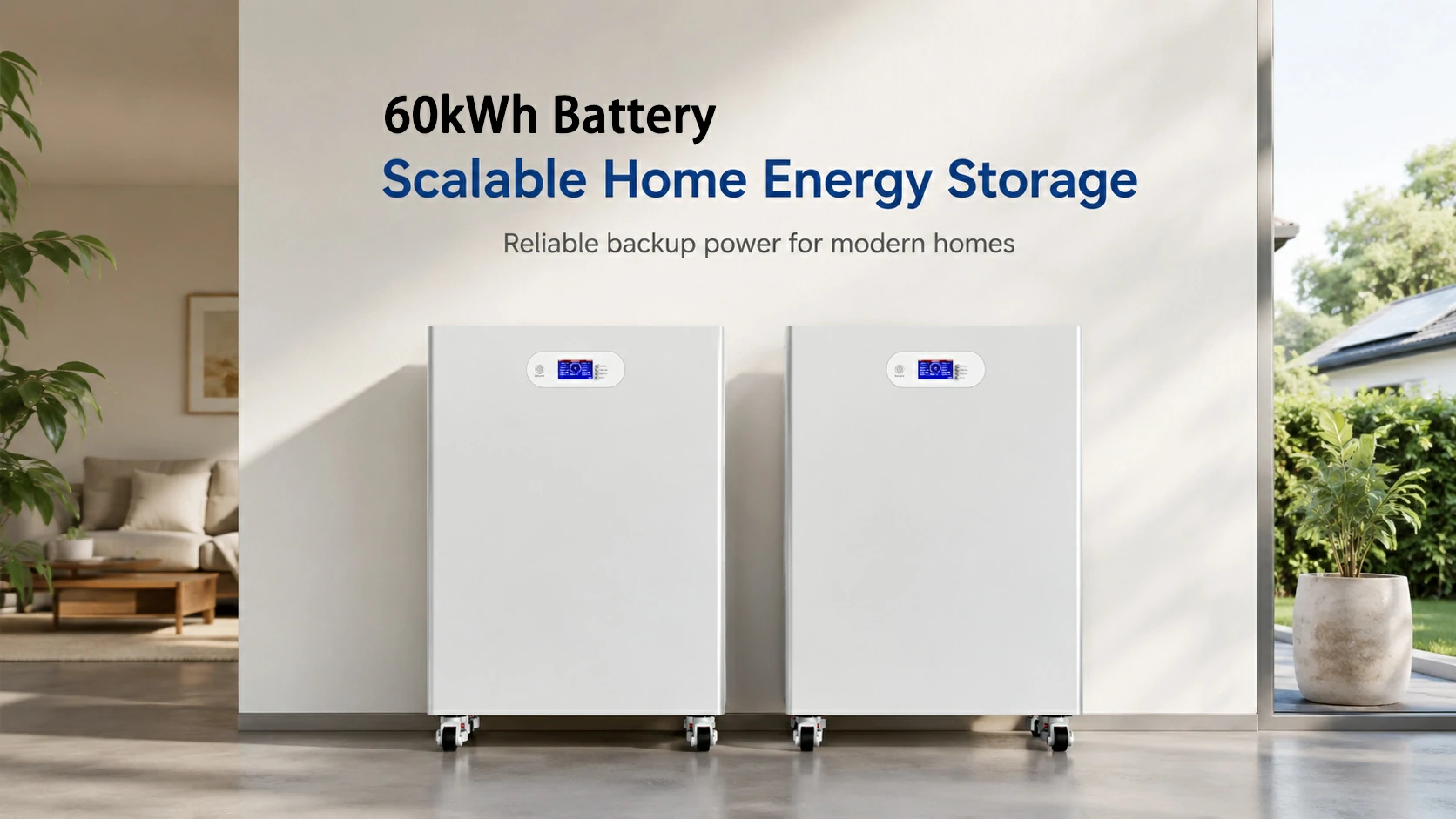
For lower-voltage residential systems, a stackable or parallel modular battery can be appropriate. Avepower, for example, publishes stackable LiFePO4 battery platforms and rack-mounted systems for incremental storage expansion.
For larger C&I projects, the design usually shifts toward high-voltage racks, clusters or cabinets connected to a compatible PCS. Avepower’s high-voltage battery storage solution portfolio illustrates this project-based architecture.
Which Modular BESS Architecture Should You Choose?
Choose the architecture from the required power, usable energy, DC voltage, installation environment and service strategy—not from the enclosure style alone. Low-voltage parallel modules suit smaller systems, while high-voltage series-connected racks or independently controlled cabinets are generally more practical as project power and capacity increase.
Four practical architectures appear repeatedly in modular battery energy storage projects.
| Architecture | Best suited to | Main advantage | Main limitation |
|---|---|---|---|
| Low-voltage parallel modules | Residential, telecom, small backup | Simple capacity expansion | Very high DC current at larger power |
| High-voltage series rack | C&I, UPS, solar + storage | Lower current for the same power | Higher insulation and HV safety requirements |
| Parallel HV clusters/cabinets | Larger C&I and project ESS | Capacity expansion with cluster isolation | Requires careful parallel-current and BMS coordination |
| Module-level converter / distributed PCS | Advanced grid or research applications | Independent module control and fault tolerance | More converters, controls, cost and complexity |
How Do You Size a Modular Energy Storage System?
Start with the measured load profile, not a desired battery capacity. Determine required continuous and peak power, discharge duration, usable energy, efficiency losses, reserve capacity and expected degradation; only then divide the result by the selected module or cabinet capacity to determine the required number of modular building blocks.
A useful pre-design sequence is:
- Determine peak and continuous load in kW.
- Determine required discharge duration.
- Calculate required AC energy.
- Account for usable state-of-charge window.
- Account for conversion and wiring losses.
- Add any design margin for degradation or future growth.
- Round up to complete modules, racks or cabinets.
- Recheck current, voltage and PCS limits.
For a project that must support a 100 kW critical load for two hours, the basic AC energy requirement is:
100 kW × 2 h = 200 kWh
Suppose the preliminary design assumes:
- 90% usable battery window;
- 92% discharge-chain efficiency;
- 10% additional aging/design margin.
The nominal battery requirement before rounding becomes approximately:
200 ÷ (0.90 × 0.92) × 1.10 ≈ 266 kWh
How Should You Choose Module Voltage and Series/Parallel Configuration?
Series connections primarily raise system voltage, while parallel strings primarily increase ampere-hour capacity and current capability. The right configuration is the one that stays inside the PCS voltage window across the full battery SOC and temperature range while keeping parallel-current sharing, protection and maintenance complexity manageable.
For an LFP module, the voltage cannot be calculated from nominal voltage alone. Engineers must check:
- maximum charge voltage;
- minimum permitted discharge voltage;
- PCS minimum and maximum DC input;
- temperature-related operating limits;
- contactor and fuse ratings;
- insulation monitoring;
- commissioning and maintenance voltage.
If one module contains 20 LFP cells in series and each cell has a nominal voltage of approximately 3.2 V:
20 × 3.2 V = 64 V nominal module voltage
Thirteen of these packs connected in series produce:
13 × 64 V = 832 V nominal
Adding a second identical 832 V cluster in parallel does not double voltage. It doubles ampere-hour capacity and increases available system current.
Where Should BMS, PCS and EMS Control Sit in a Modular Design?
Use hierarchical control: monitor cells locally, manage racks or clusters at the battery-system level, and let the EMS coordinate site-level power objectives. A scalable BESS should continue to expose clear module, rack and system status so faults can be isolated without losing visibility into the remaining healthy equipment.
A typical high-voltage architecture contains:
| Layer | Typical function |
|---|---|
| BMU / module controller | Cell voltage and temperature measurement, balancing |
| BCU / rack controller | Rack voltage/current, SOC/SOH, contactors, insulation, alarms |
| Master BMS | Coordination of multiple clusters or cabinets |
| PCS | DC/AC conversion and active/reactive power control |
| EMS | Dispatch, peak shaving, PV integration, tariff optimization, site strategy |
Communication may include CAN, RS485, Ethernet or TCP/IP depending on the equipment.
Real Case: How Was a 522.496 kWh / 832 V Modular BESS Built?
Avepower’s Lithuania project demonstrates a practical high-voltage modular architecture: standardized 20.096 kWh packs were assembled into 13-pack series clusters, and two identical clusters were paralleled to produce 522.496 kWh at a nominal 832 V while keeping the system divided into serviceable cabinet-based building blocks.
The published project specifications are:
| Parameter | Published value |
|---|---|
| Total energy | 522.496 kWh |
| Nominal DC voltage | 832 V |
| Capacity | 628 Ah |
| Continuous current | 200 A |
| Cabinets | 4 × 42U |
| Pack configuration | 1P20S |
| Pack energy | 20.096 kWh |
| Packs per cluster | 13 |
| Number of clusters | 2 |
| Communication | CAN / RS485 |
The capacity calculation can be checked directly:
20.096 kWh/pack × 13 packs/cluster = 261.248 kWh/cluster
Two clusters in parallel give:
261.248 × 2 = 522.496 kWh
The nominal voltage can also be reconstructed from the pack design. Twenty nominal 3.2 V LFP cells in series produce approximately:
20 × 3.2 V = 64 V
Then:
64 V × 13 packs = 832 V
See the complete 522.5 kWh Lithuania high-voltage ESS case study for the cabinet arrangement, pack architecture and BMS data.
Avepower has also deployed a different modular strategy in a U.S. project: five 441.6 V cabinets were connected in parallel to produce 693.312 kWh, demonstrating that modularity can be implemented at cabinet level as well as pack level. View the 693 kWh U.S. ESS case
When Should You Use a Modular Design—and When Should You Not?
Use modular architecture when capacity growth, serviceability, transport constraints, redundancy or product standardization creates measurable value. A simpler fixed architecture may be better when the required capacity will never change, available space is extremely constrained or additional interfaces and controls would create more complexity than operational benefit.
Modular BESS is especially suitable for:
- phased C&I expansion;
- solar-plus-storage projects;
- microgrids;
- facilities expecting load growth;
- sites where downtime is expensive;
- OEM/ODM platforms serving multiple capacity ranges;
- projects requiring easier transportation and replacement.
It can be less attractive when:
- the project is very small;
- system voltage and capacity are permanently fixed;
- every additional connector or controller creates unacceptable failure exposure;
- there is no maintenance capability to take advantage of modular replacement;
- the PCS cannot support the proposed expansion architecture.
Build the Modular BESS Around the Project—Not the Catalogue
A modular energy storage system should make expansion and maintenance easier without transferring complexity into protection, thermal management or system controls.
The strongest design starts with real site requirements, verifies power and energy separately, selects a suitable DC architecture, checks the complete PCS operating window, designs BMS and fault isolation at every level, and confirms the correct certification and installation requirements before manufacturing begins.
Avepower supports residential, high-voltage and C&I LiFePO4 energy storage projects with project-based battery configuration, BMS/BCU integration, cabinet design and OEM/ODM development. Its published project portfolio ranges from modular residential systems to several-hundred-kWh high-voltage installations.
If you are planning a new project, send the load profile, required kW, required kWh, inverter/PCS model, project country, site conditions and expected expansion requirement through Avepower’s custom energy storage solution service. The engineering team can use those inputs to determine whether a rack-based, cabinet-based or custom high-voltage modular architecture is the more practical option.
FAQ
A modular BESS divides energy storage into standardized battery modules, racks or cabinets that can be combined to reach a required voltage, power and energy capacity. More advanced systems may also modularize the PCS, DC-DC conversion and system controls.
No. Physical modularity does not guarantee electrical scalability. Expansion is limited by BMS architecture, PCS voltage/current range, protection equipment, communication, cabinet ratings and manufacturer-approved series/parallel limits.
Neither is universally better. Series connections raise voltage, while parallel connections increase ampere-hour capacity and current capability. Most high-voltage BESS use both concepts at different levels of the architecture.
Only when the manufacturer has approved an augmentation procedure. Differences in SOC, capacity, resistance, cell age, firmware and temperature behavior can cause poor current sharing or accelerated degradation if new and aged modules are connected without proper engineering.
Air cooling is simpler and may be sufficient for lower heat loads and moderate climates. Liquid cooling can offer tighter temperature uniformity and higher heat-removal capability in denser or higher-power systems. The correct choice depends on thermal calculations and site conditions.
They can be, especially when redundancy and fault isolation allow a failed module to be removed without shutting down the entire system. However, the additional connectors, protection devices and control nodes can also introduce more failure points if the architecture is poorly designed.