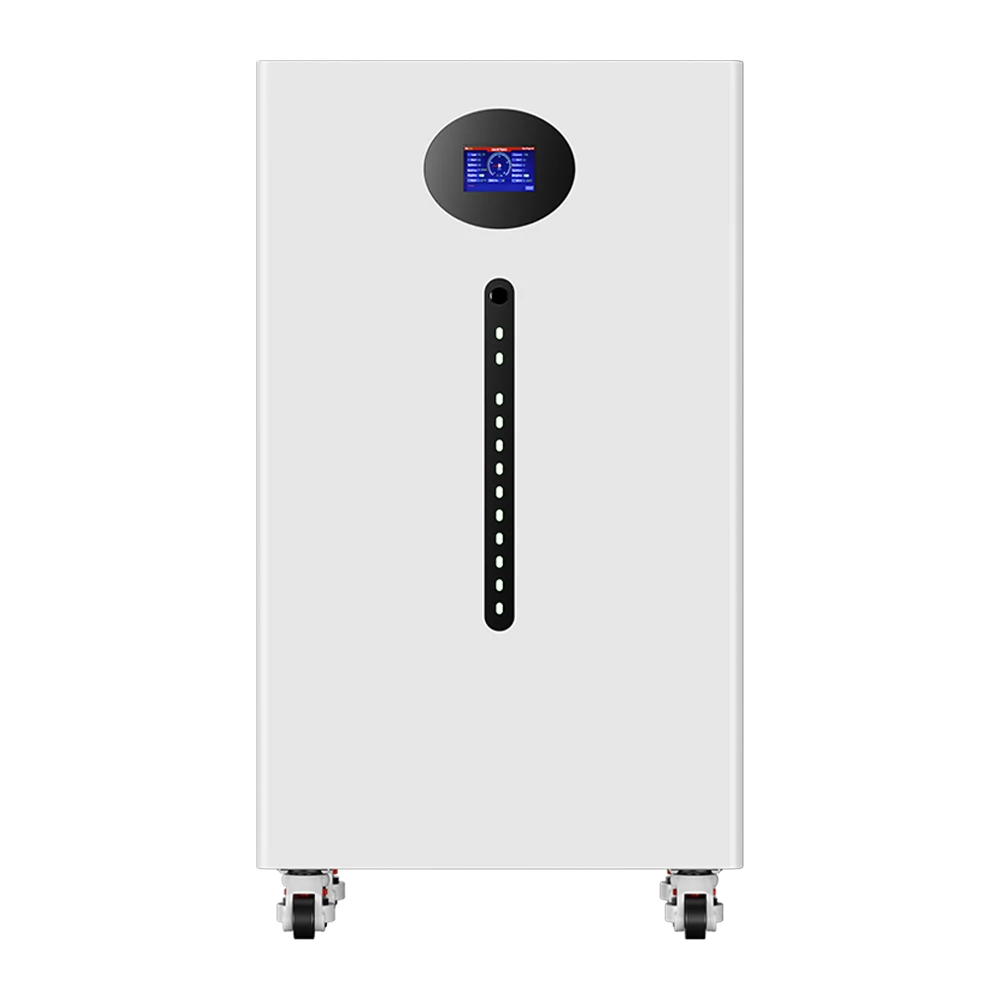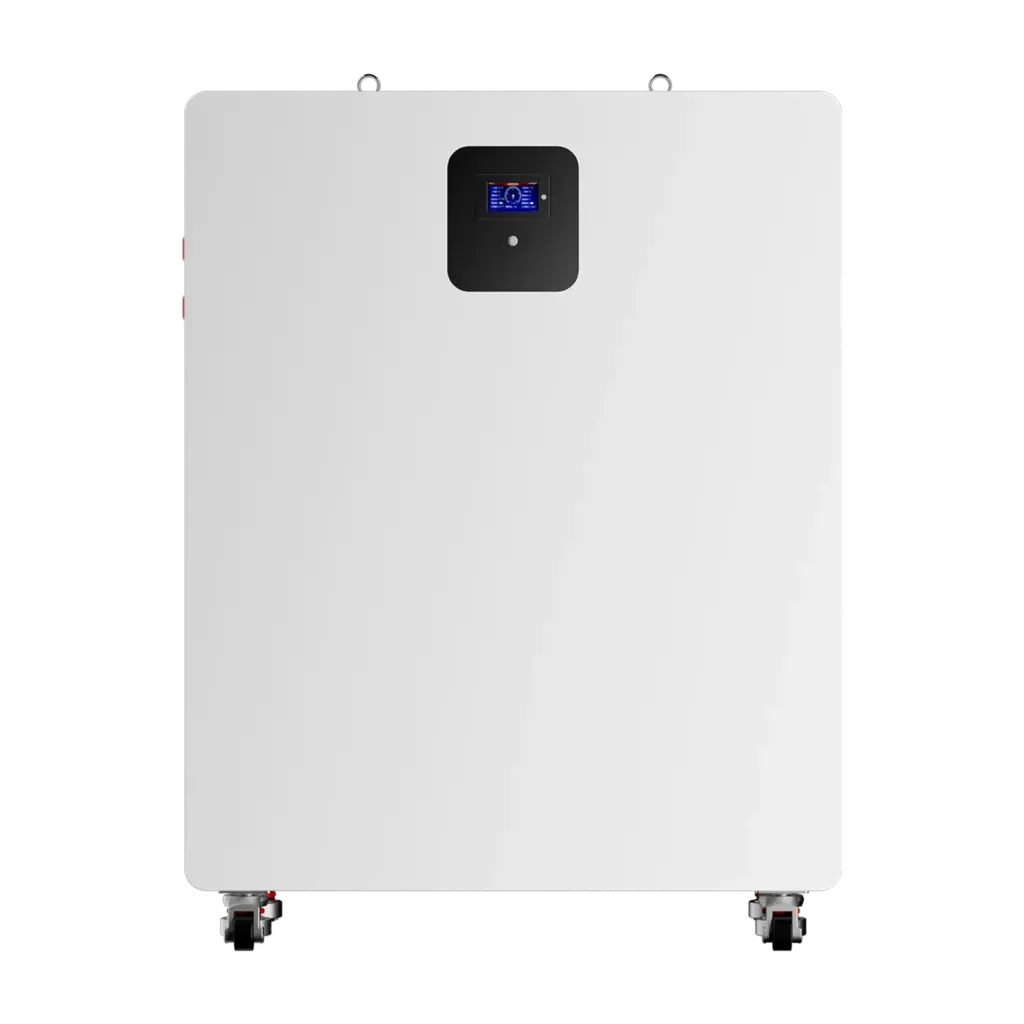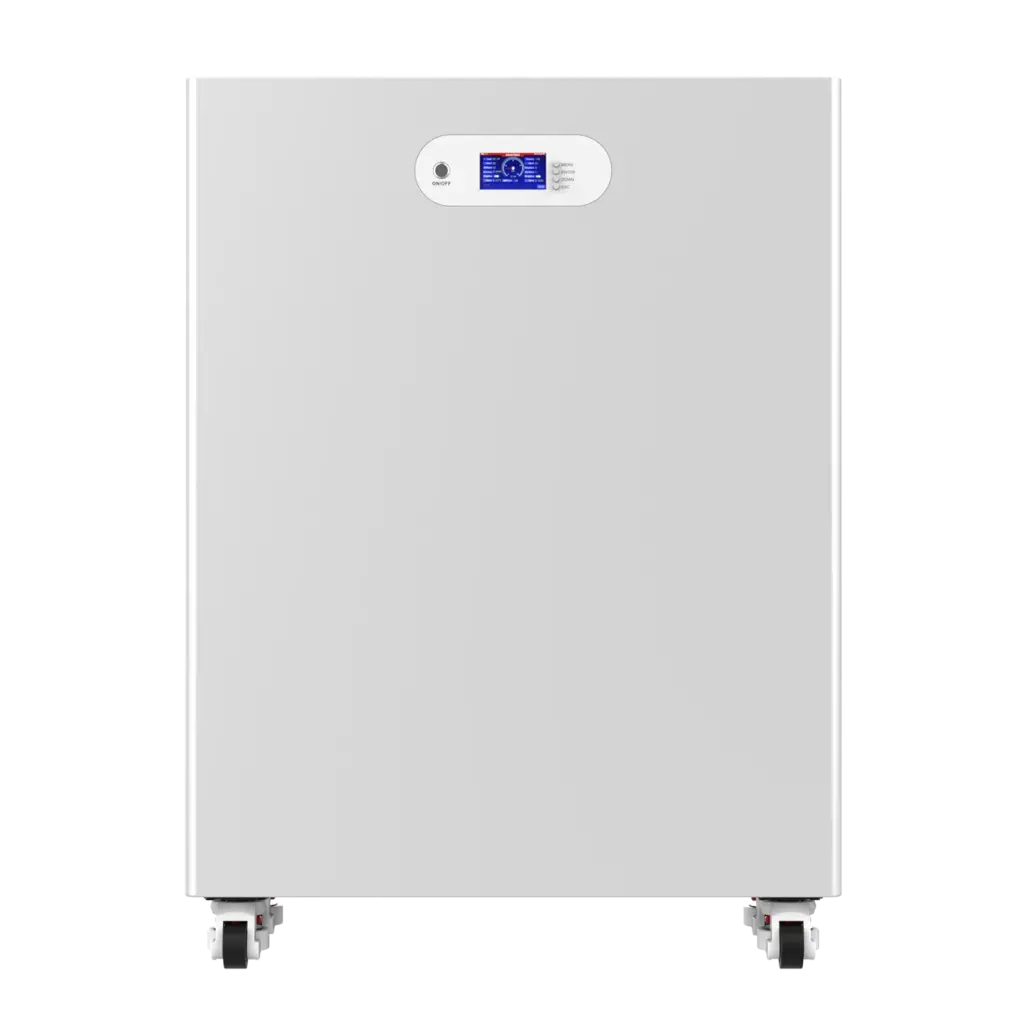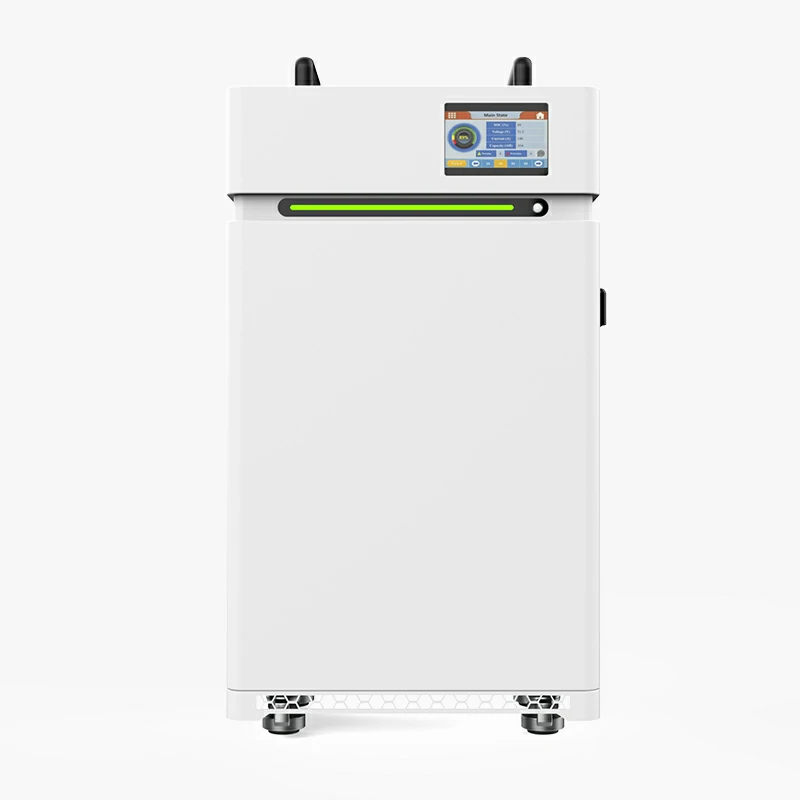

Commercial energy management is the process of monitoring, controlling, and optimizing energy use across commercial buildings, industrial facilities, and business operations. It helps organizations reduce electricity costs, improve energy efficiency, manage peak demand, and make better use of solar power and battery storage.
The most effective approach starts with energy data, identifies avoidable consumption, and then combines operational improvements, intelligent controls, and suitable energy technologies.
This guide explains how commercial energy management works, which technologies deliver measurable value, how to calculate potential savings, and how to evaluate real-world commercial energy storage projects.
What Is Commercial Energy Management?
Commercial energy management is a systematic approach to measuring and optimizing energy consumption in offices, factories, warehouses, hotels, retail buildings, and other commercial facilities. It combines energy monitoring, equipment control, performance analysis, and operational planning to reduce unnecessary energy use while maintaining reliable building or production operations.
A commercial energy management program generally addresses four areas:
- Energy consumption: How much electricity, heating fuel, or other energy the business uses.
- Energy demand: When equipment creates high electrical loads and expensive peak demand.
- Energy efficiency: How effectively building systems and industrial equipment use energy.
- Energy cost: How consumption patterns interact with utility rates, demand charges, and operating schedules.
For example, a commercial building may consume unnecessary electricity because its HVAC system operates after business hours. A factory may have expensive demand peaks when several machines start simultaneously.
Commercial energy management identifies these problems and helps operators correct them.
For a more detailed explanation of the technology, see Avepower’s guide to energy management systems and their components.
Why Does Commercial Energy Management Matter?
Commercial energy management matters because energy costs are influenced by more than the total electricity consumed. Inefficient equipment, peak demand charges, operating schedules, and changing utility rates can all increase business expenses. Effective management helps identify these cost drivers and improve financial performance without compromising essential operations.
What Are the Main Benefits?
| Benefit | How Energy Management Helps | Relevant Performance Indicator |
|---|---|---|
| Lower electricity bills | Reduces waste and optimizes energy schedules | Monthly energy cost |
| Reduced peak demand | Limits simultaneous electrical loads | Maximum demand (kW) |
| Improved efficiency | Optimizes HVAC, lighting, and equipment | kWh per square foot or production unit |
| Better solar utilization | Coordinates solar generation with facility demand | Solar self-consumption rate |
| Higher resilience | Coordinates storage and backup resources | Critical-load backup duration |
| Improved maintenance | Detects abnormal operating patterns | Equipment faults and downtime |
| Better energy reporting | Tracks consumption and improvement | Normalized energy use and verified savings |
How Does a Commercial Energy Management System Work?
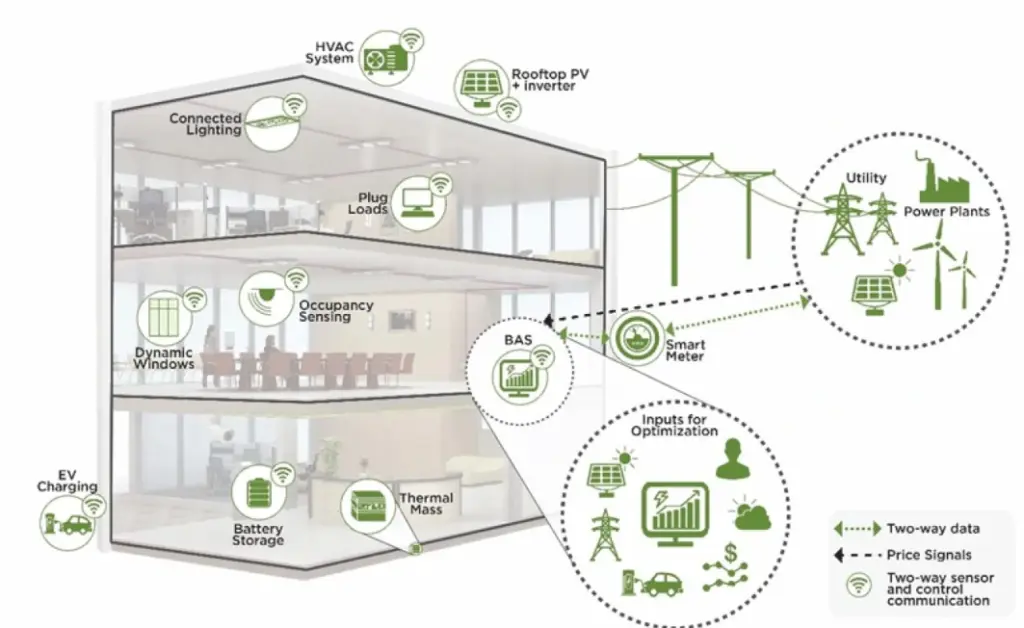
A commercial energy management system collects information from electrical meters, sensors, building equipment, solar installations, and battery systems. Software analyzes this information and recommends or automatically executes operating adjustments. The system’s value depends on data accuracy, equipment compatibility, control capabilities, and the organization’s ability to act on the information.
A typical commercial EMS follows five steps:
- Measure: Collect electricity consumption, demand, equipment status, and other relevant data.
- Analyze: Identify consumption patterns, abnormal loads, and potential inefficiencies.
- Optimize: Determine more efficient equipment schedules and energy dispatch strategies.
- Control: Adjust controllable loads, solar generation, and battery charging or discharging.
- Verify: Compare energy performance against a documented baseline.
What Equipment Is Included?
| Component | Main Function | Example |
|---|---|---|
| Smart meter | Measures electricity and power demand | Main utility connection meter |
| Submeters and sensors | Identify equipment-level consumption | HVAC or production-line metering |
| EMS software | Monitors and optimizes site energy use | Energy dashboard and control platform |
| Building Automation System (BAS) | Controls building equipment | HVAC and lighting schedules |
| Battery Management System (BMS) | Monitors and protects battery operation | Cell voltage, temperature, and SOC monitoring |
| Power Conversion System (PCS) | Converts power between battery DC and site AC | Bidirectional battery inverter |
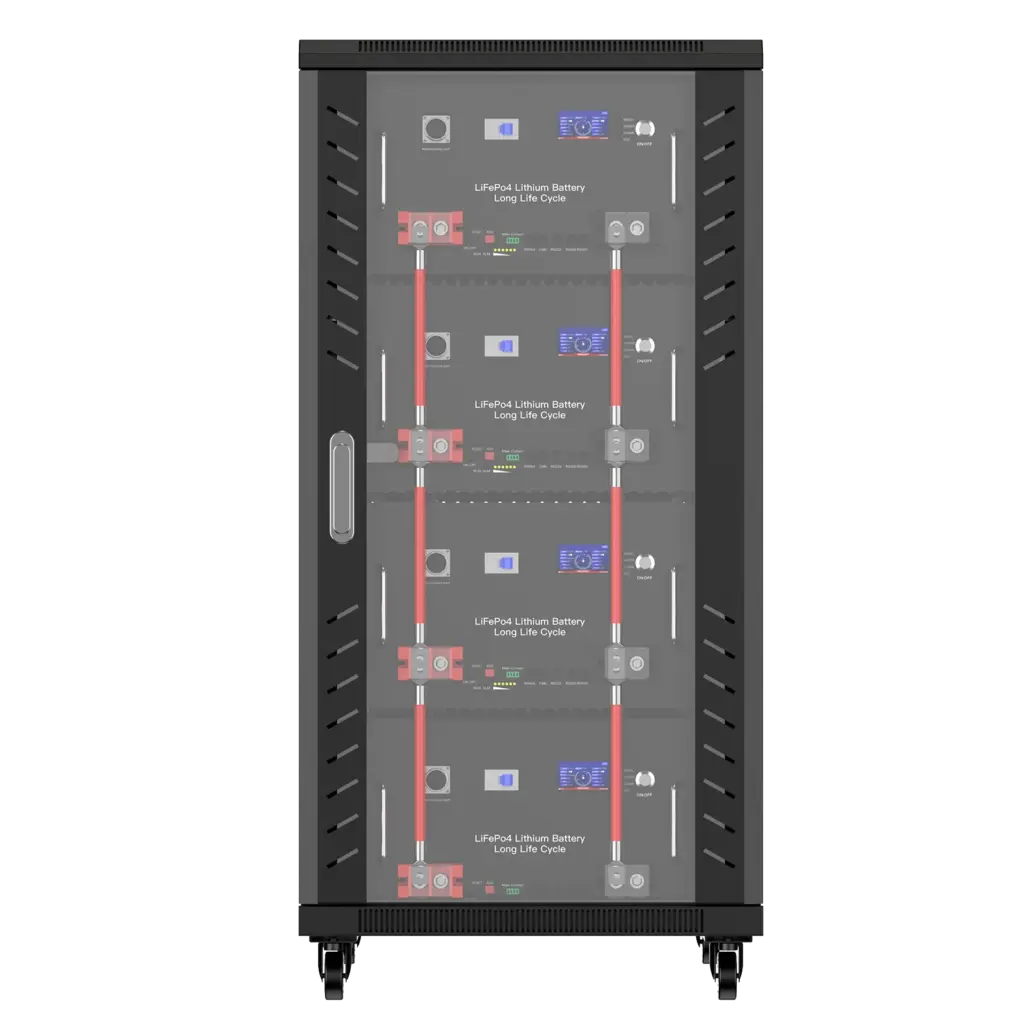
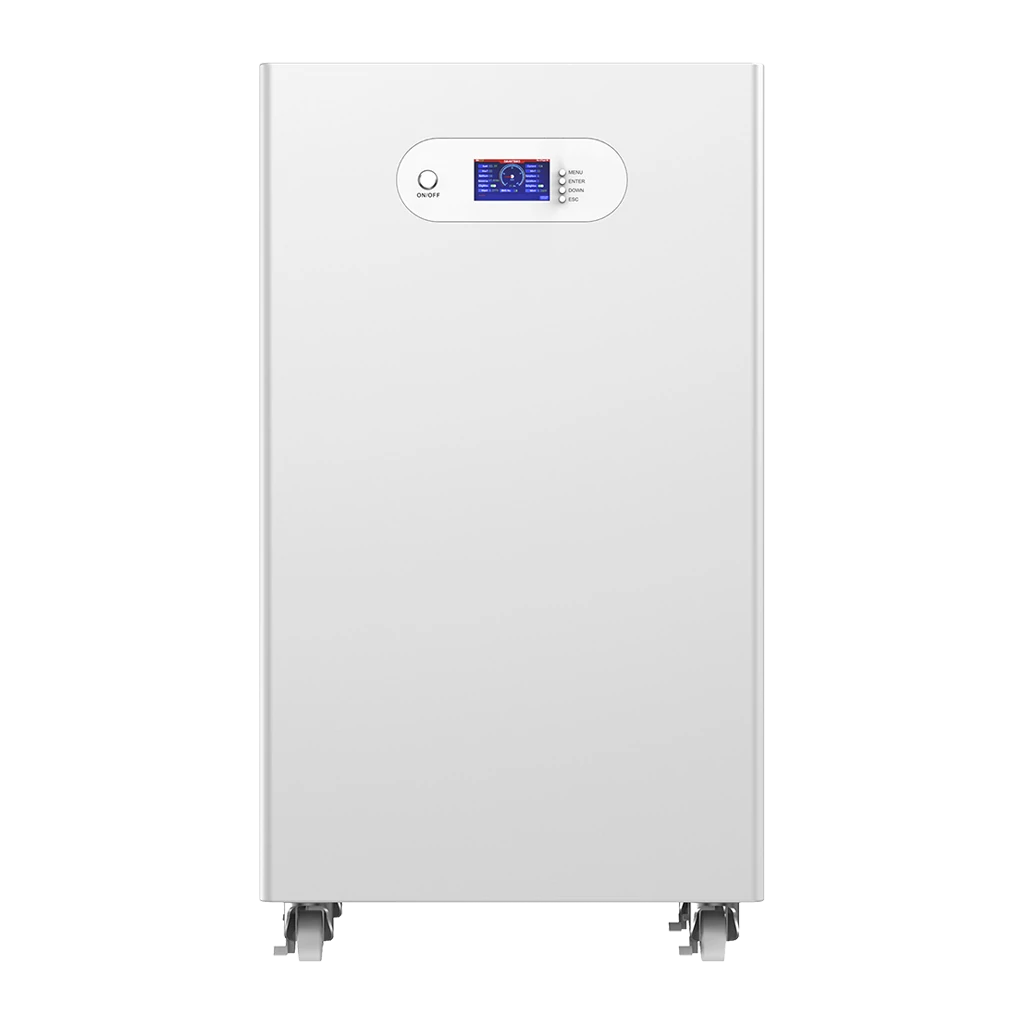
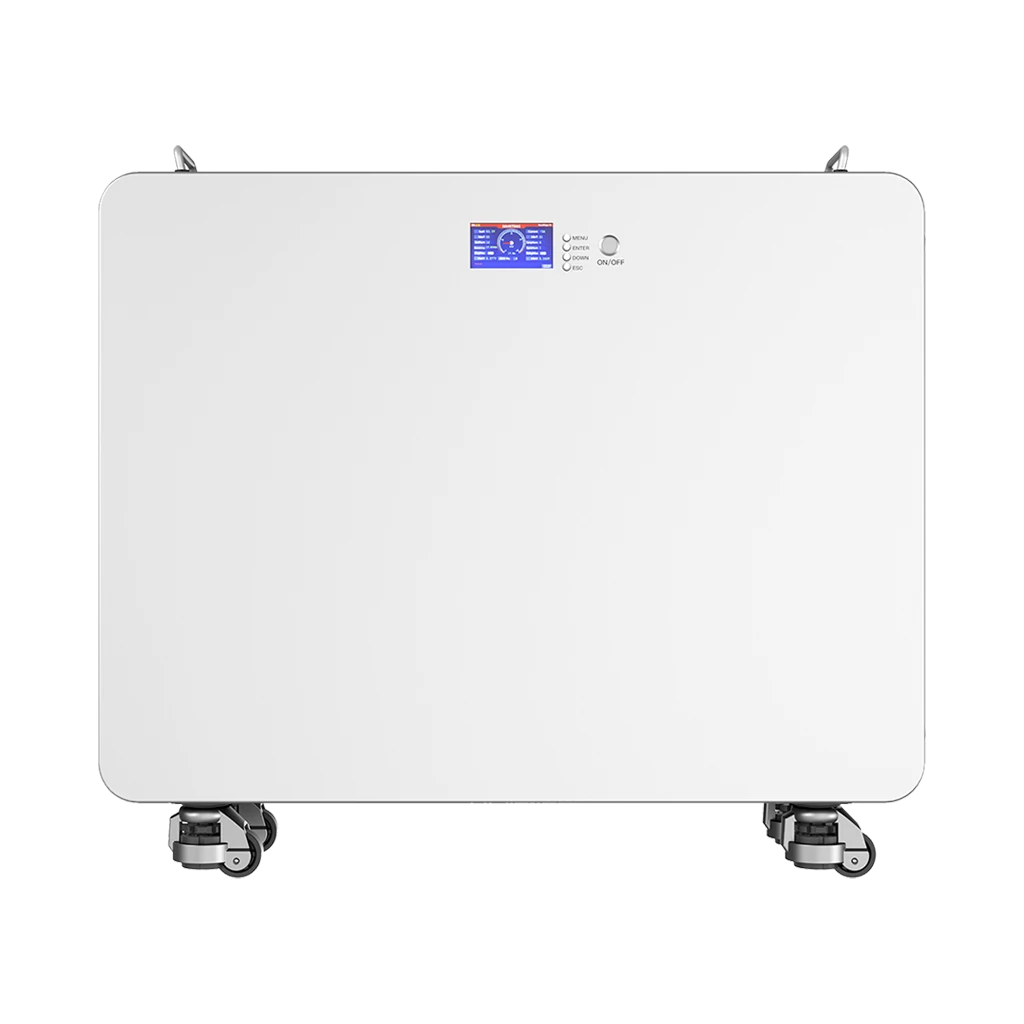
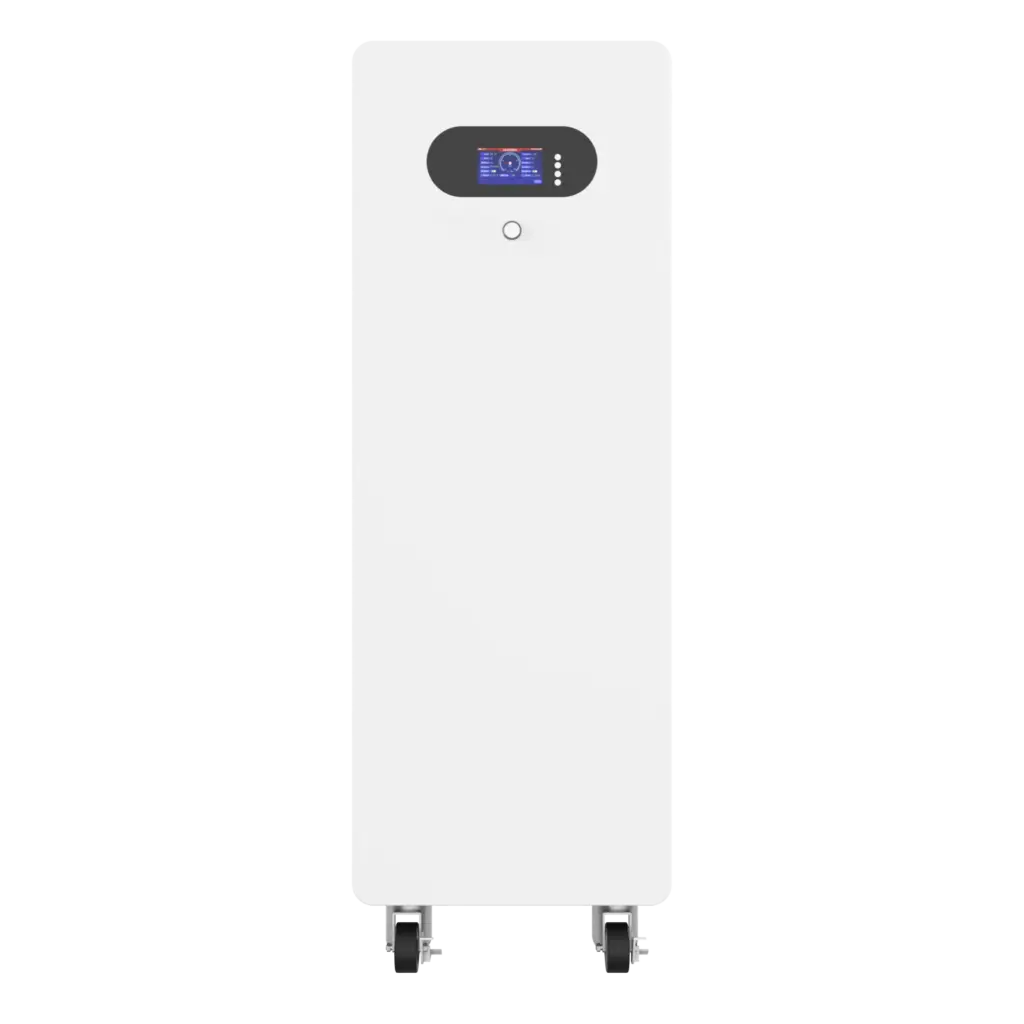
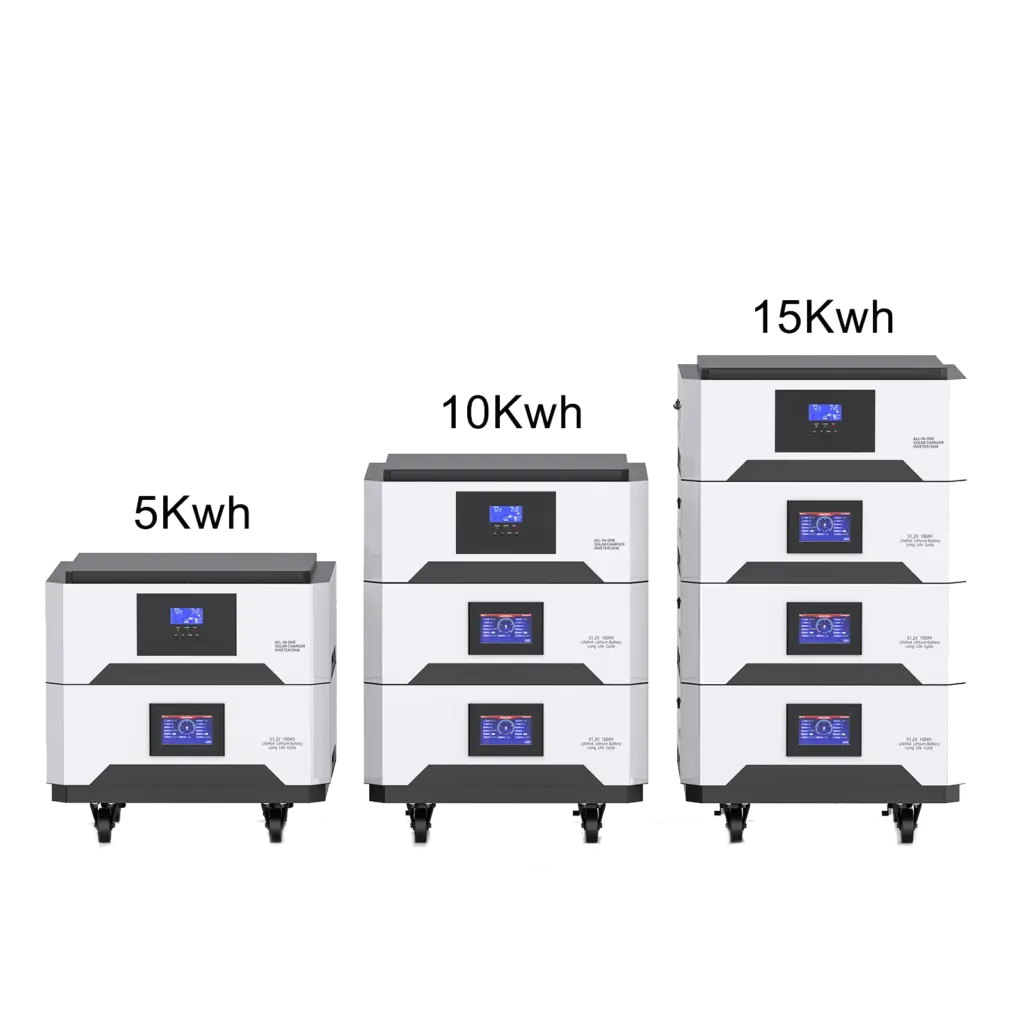
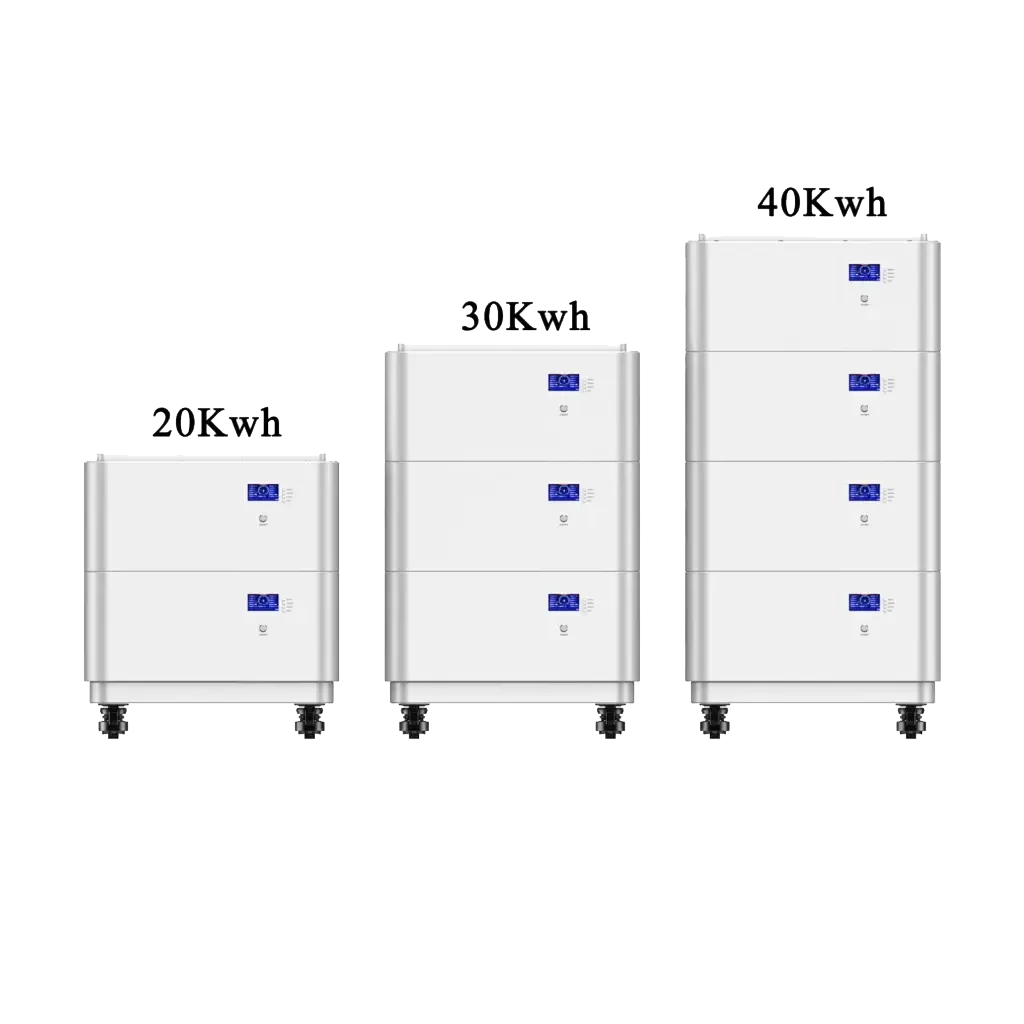
| Battery Energy Storage System (BESS) | Stores and delivers electrical energy | Commercial LFP storage cabinet |
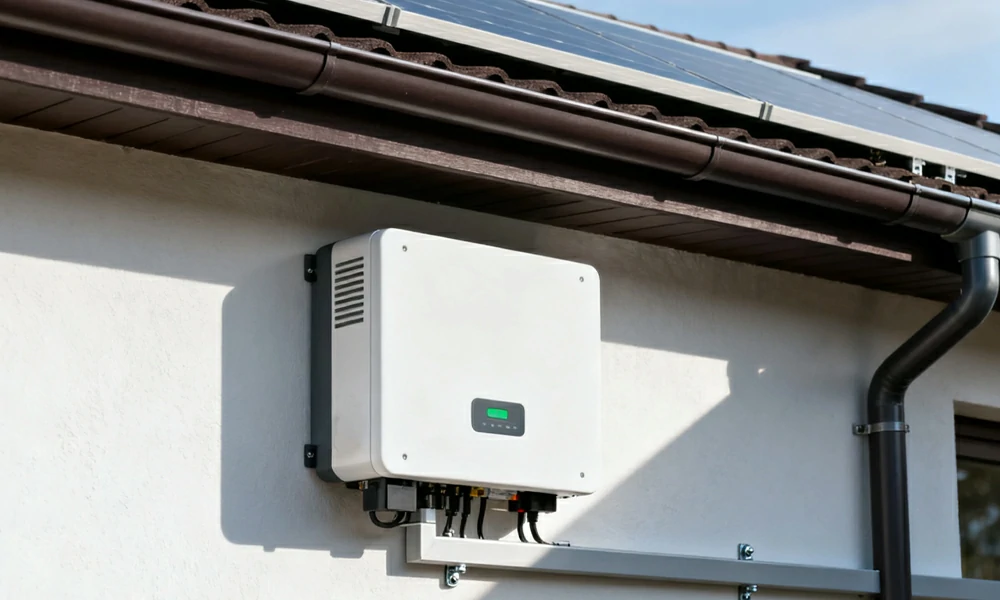
| Solar PV system | Generates onsite renewable electricity | Commercial rooftop solar |
Comparison of Commercial Energy Management Solutions
| Strategy | Primary Goal | Best Application | Important Limitation |
|---|---|---|---|
| Energy monitoring | Identify waste and inefficiency | Most commercial facilities | Monitoring alone does not create savings |
| HVAC and lighting optimization | Reduce electricity consumption | Offices, hotels, retail buildings | Savings depend on existing controls |
| Equipment scheduling | Avoid unnecessary operating hours | Factories, warehouses | Operational flexibility is required |
| Peak shaving | Reduce maximum grid demand | Sites with demand charges | Depends on tariff and peak duration |
| Load shifting | Move consumption to lower-cost periods | Facilities with flexible loads | Savings depend on electricity price differences |
| Solar PV | Generate electricity onsite | Buildings with suitable solar resources | Generation varies with weather and time |
| Battery energy storage | Shift energy, reduce peaks, support backup | Sites with suitable tariffs and load profiles | Requires capital investment and system integration |
| Demand response | Respond to grid or utility events | Eligible facilities with controllable resources | Program availability and rules vary |
How Much Can Commercial Energy Management Save?
Example: Estimating Demand Charge Savings
Consider a hypothetical commercial facility with:
| Parameter | Assumption |
|---|---|
| Existing monthly peak demand | 400 kW |
| Target monthly peak demand | 300 kW |
| Demand reduction | 100 kW |
| Applicable demand charge | $18/kW/month |
| Months achieving the full reduction | 12 |
Monthly demand charge savings:
100 kW × $18 = $1,800
Annual demand charge savings:
$1,800 × 12 = $21,600
Example: Simple Payback Calculation
Assume the following hypothetical investment:
| Financial Parameter | Assumed Value |
|---|---|
| Installed storage project cost | $120,000 |
| Annual gross demand charge savings | $21,600 |
| Annual operating costs and additional energy costs | $2,600 |
| Annual net financial benefit | $19,000 |
| Simple payback | 6.3 years |
Simple Payback = Total Installed Cost ÷ Annual Net Benefit
$120,000 ÷ $19,000 = approximately 6.3 years.
How Can Battery Energy Storage Improve Commercial Energy Management?
Battery energy storage systems can improve commercial energy management by storing electricity and delivering it when grid power is expensive, demand is high, or backup power is needed. Their main benefits are energy flexibility, peak demand reduction, solar utilization, and resilience. Battery storage does not automatically reduce total electricity consumption because charging and discharging involve energy losses.
Commercial Battery Storage Applications
- Peak shaving: A battery discharges when facility power demand approaches an established grid import limit.
- Time-of-use optimization: The system charges during cheaper electricity periods and discharges during more expensive periods.
- Solar self-consumption: Excess solar electricity is stored for later use.
- Backup power: A properly configured battery, inverter, transfer system, and controls can support critical equipment during outages.
- EV charging support: Batteries can help manage simultaneous charging loads and reduce short grid demand peaks.
- Microgrids: Storage helps coordinate on-site generation, critical loads, and power supply during grid-connected or islanded operation.
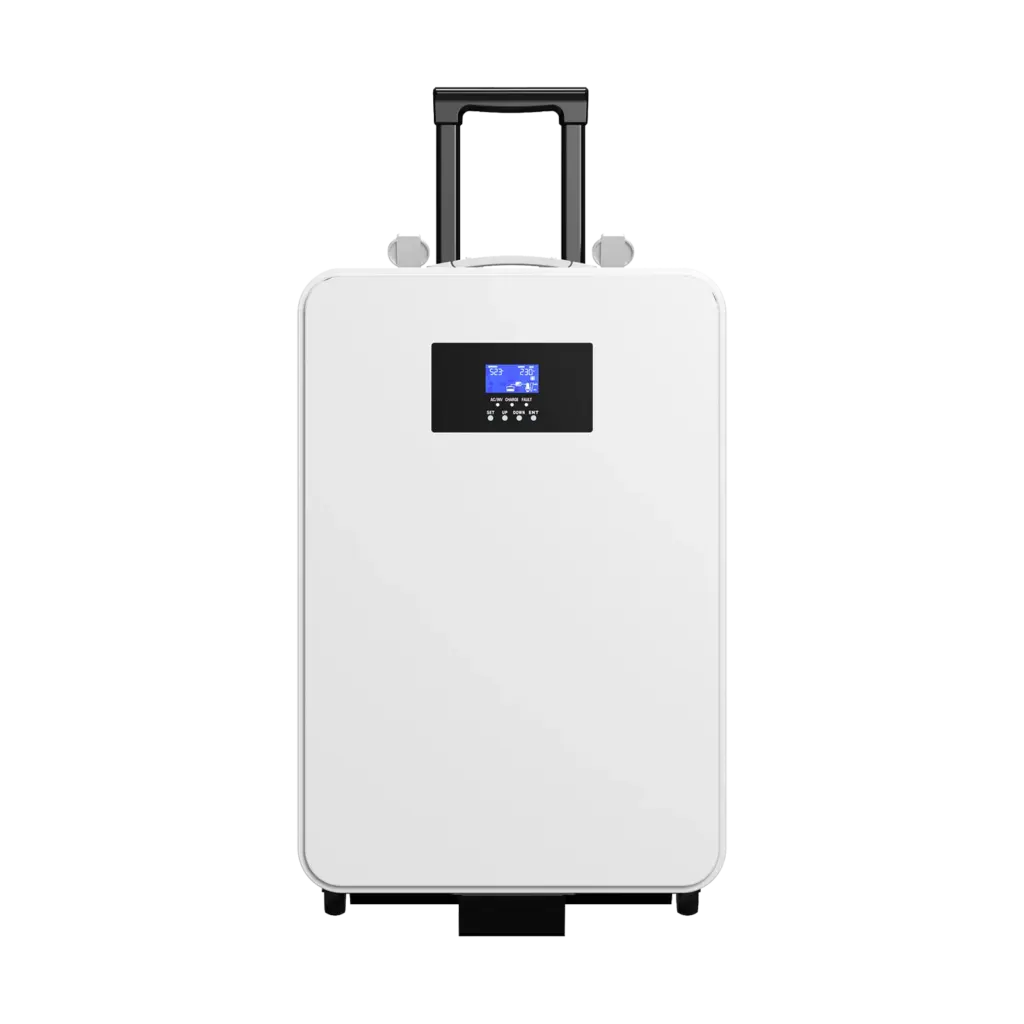
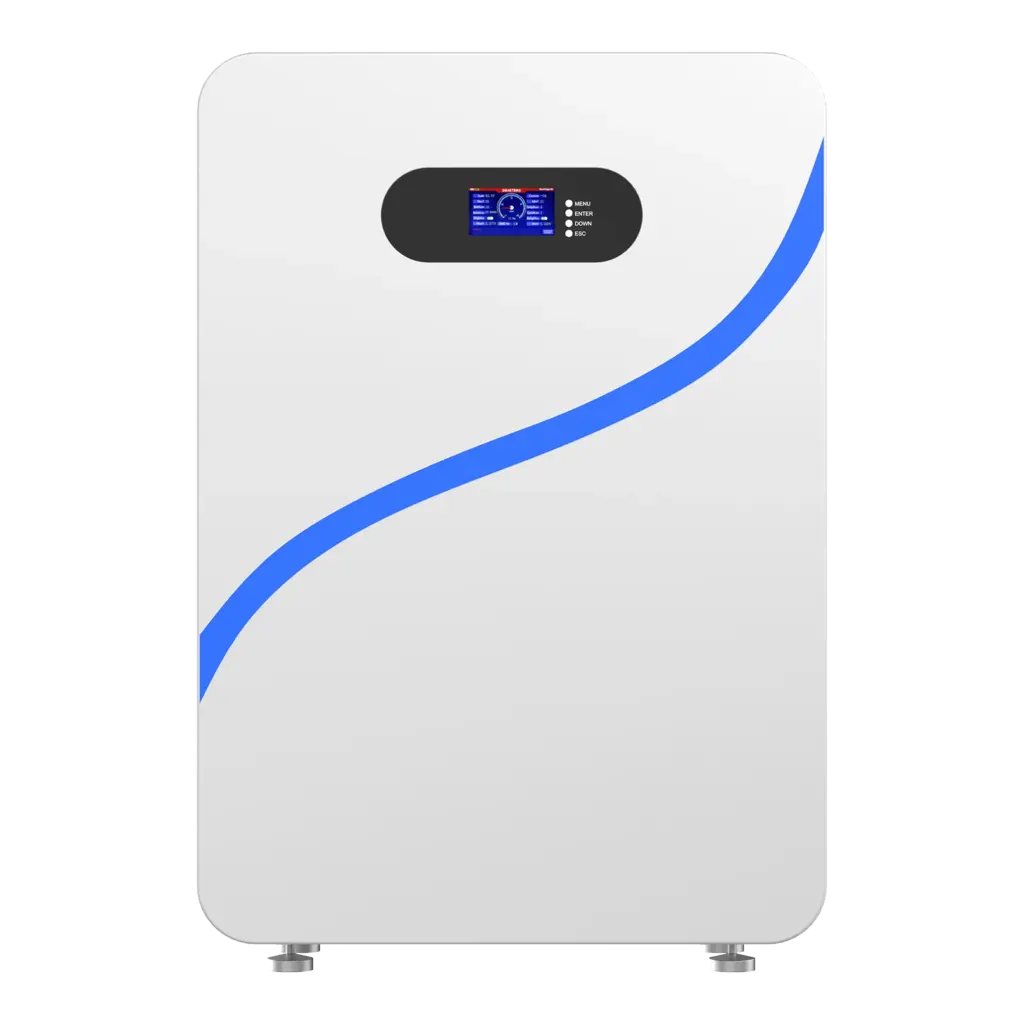
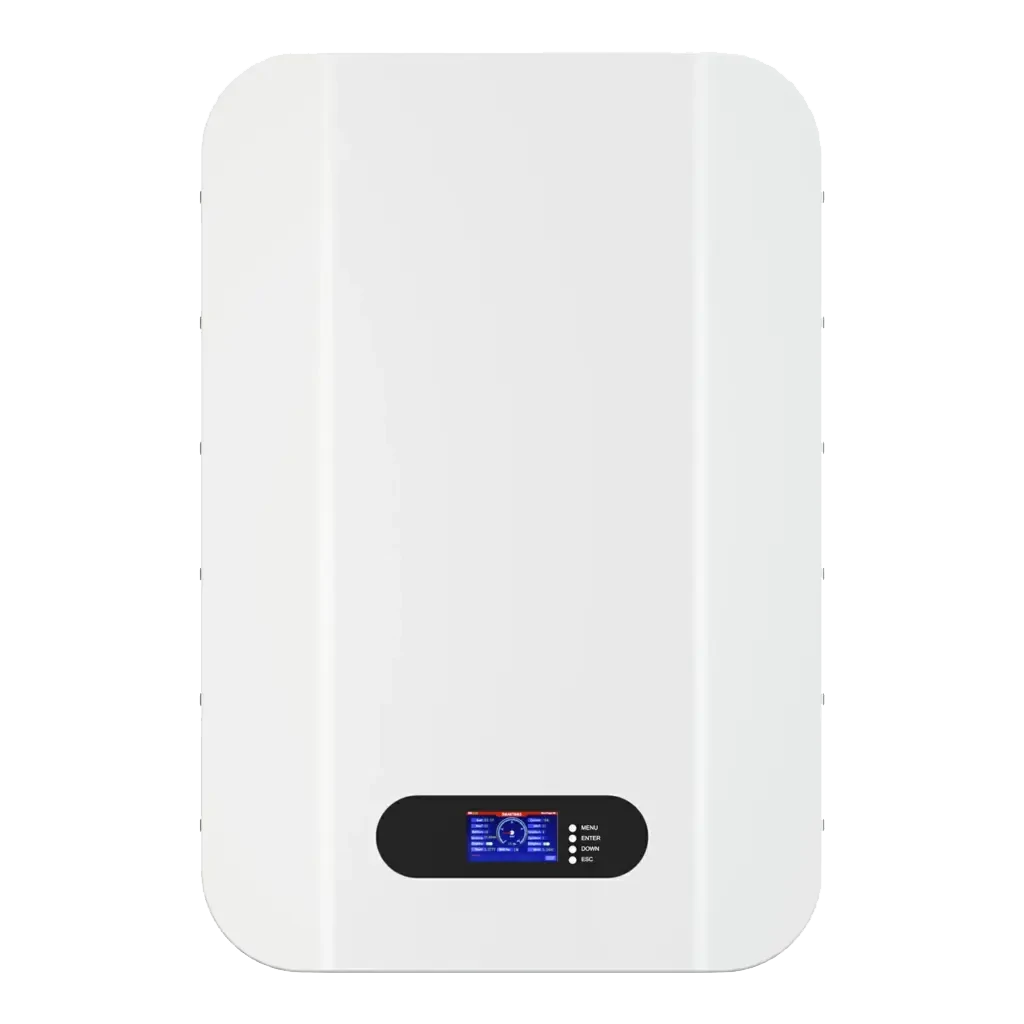
Avepower provides commercial and industrial energy storage solutions for these types of applications, including systems that integrate battery storage, PCS, BMS, EMS, and thermal management.
Build a More Efficient Commercial Energy System with Avepower
Effective commercial energy management requires the right combination of reliable data, intelligent controls, efficient equipment, and appropriately sized energy resources.
For businesses facing high demand charges, expanding solar generation, or increasing power reliability requirements, commercial battery energy storage can become an important part of that strategy.
Avepower provides configurable LiFePO4 commercial and industrial energy storage solutions for EPC contractors, solar installers, distributors, and project developers.
Its published project portfolio includes commercial battery cabinet applications and larger high-voltage energy storage configurations, with technical support for battery capacity, voltage, PCS integration, communication interfaces, and project-specific requirements.
Explore Avepower commercial energy storage solutions or review its real-world energy storage project portfolio.
Planning a commercial energy storage project?
Share your facility’s load profile, electricity tariff, required power and capacity, backup priorities, and installation country with Avepower’s technical team to evaluate a suitable system configuration and project quotation.
FAQ
Commercial energy management means monitoring and improving how a business uses energy. It involves understanding consumption, reducing waste, managing electrical demand, and selecting suitable energy technologies to lower operating costs while maintaining normal business activities.
A commercial energy management system is a combination of software, metering, controls, and connected equipment that helps businesses monitor and optimize energy consumption. Depending on the application, it may control HVAC, lighting, production equipment, solar generation, or battery storage.
Savings depend on the facility’s baseline consumption, existing efficiency, electricity tariff, and implemented measures. DOE commercial building analytics research has reported median annual energy savings of 3% for energy information systems and 9% for fault detection and diagnostics, but individual results vary.
EMS typically manages overall energy monitoring and optimization. In battery storage, BMS means Battery Management System, which monitors and protects battery operation. In commercial building automation, BMS may instead mean Building Management System. The intended meaning depends on the application.
Yes, when the tariff includes demand charges and the facility can successfully reduce its billed maximum demand. Strategies include equipment scheduling, flexible load control, and battery peak shaving. Actual savings depend on the utility’s billing rules and the site’s demand profile.