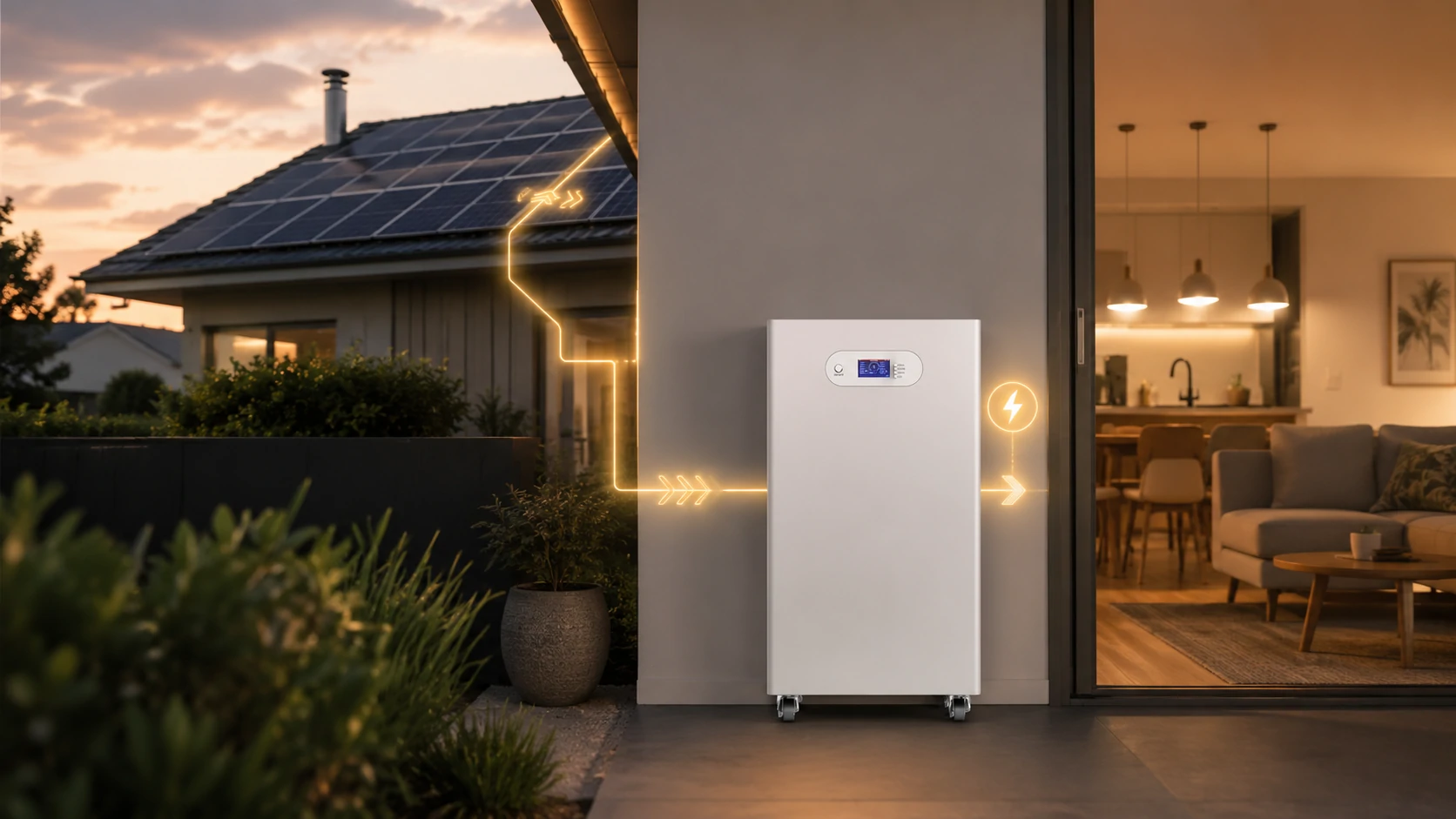

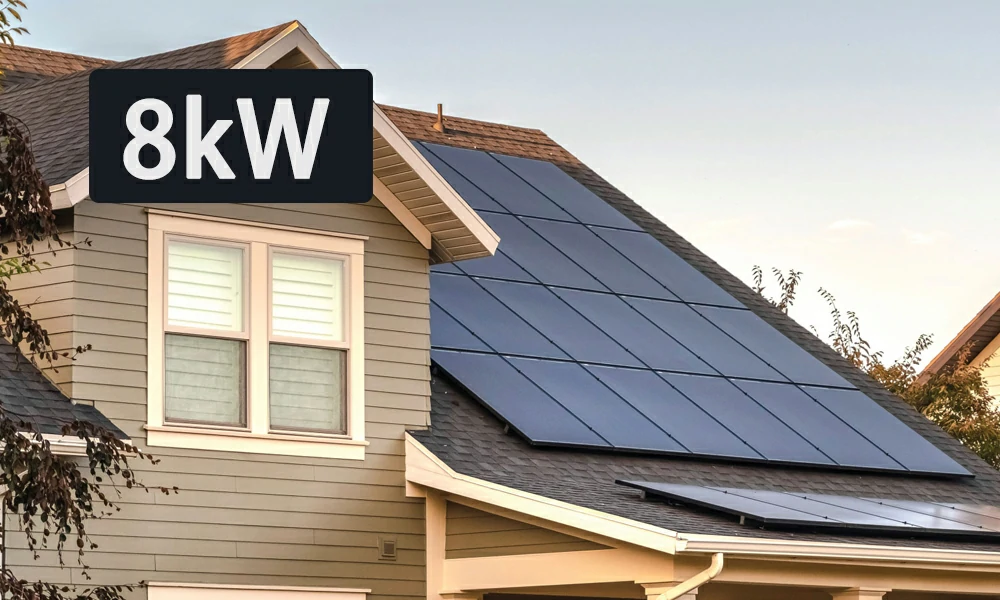
As electricity prices continue to rise and power outages become more common, many homeowners actively look for ways to reduce long-term energy costs. Solar power has become one of the most reliable and practical solutions. Among residential system sizes, the 8 kW solar system stands out as a balanced option for medium to large households.
An 8 kilowatt solar system can supply a significant portion of a home’s electricity demand while lowering monthly utility bills and reducing dependence on the power grid. However, many homeowners still ask important questions before making a decision. These questions usually include system cost, daily energy production, battery requirements, roof space needs, and long-term financial returns.
This article provides a complete and updated guide to 8 kW solar systems, including pricing in different countries, performance expectations, battery storage options, and return on investment.
What Is an 8 kW Solar System?
An 8 kW solar system is a residential photovoltaic system with a total rated output of 8,000 watts under standard test conditions. The system converts sunlight into usable electricity through multiple solar panels connected to an inverter.
Most homeowners choose an 8 kW system when their household electricity consumption falls between 800 and 1,200 kWh per month. This system size works well for families with multiple occupants, electric appliances, air conditioning, or partial electric vehicle charging.
An 8 kW solar system can operate as:
- A grid-tied system
- A hybrid system with battery storage
- A fully off-grid system when paired with sufficient batteries
How Much Does an 8 kW Solar System Cost?
The cost of an 8 kW solar system varies widely depending on country, location, equipment quality, and labor rates. Before incentives, the average price range globally is approximately $7,400 to $25,000. Several factors affect the final price, including panel brand, inverter type, roof complexity, local permitting fees, and available government incentives.
8 kW Solar System Cost in the United States
In the United States, the average cost of installing an 8 kW solar system typically ranges from $16,000 to $25,000 before incentives. Prices differ by state due to labor costs, sunlight levels, and local solar programs.
Average Installed Cost by State
- Texas: $16,960
- Massachusetts: $24,400
- Arizona: $16,160
- New Jersey: $20,960
- Florida: $17,360
- Washington: $20,800
- California: $18,080
- New York: $23,360
- Colorado: $22,880
- Maryland: $22,240
Each state offers different rebate programs, tax credits, or performance-based incentives that can significantly reduce upfront costs.
Federal Solar Investment Tax Credit (ITC)
The U.S. Federal Solar Investment Tax Credit (ITC) allows homeowners to deduct 30% of the total system cost from their federal income taxes. This incentive can reduce the net cost of an 8 kW solar system to approximately $11,200 to $16,800, saving homeowners $4,800 to $7,200.
Many states also provide additional incentives such as solar renewable energy credits (SRECs), rebates, or property tax exemptions. These programs further improve the affordability of solar installations.
8 kW Solar System Cost in Australia
Australia has some of the lowest solar installation costs in the world due to strong market competition and high solar adoption. The average price of an 8 kW solar system in Australia is around $7,400, including GST and after Small-scale Technology Certificate (STC) rebates.
Average Costs by City
- Perth: $7,420
- Canberra: $6,790
- Hobart: $9,650
- Sydney: $6,830
- Brisbane: $7,270
- Melbourne: $7,500
- Adelaide: $6,810
Prices vary due to installation demand, local labor costs, and system design requirements.
Factors That Affect the Cost of an 8 kW Solar System
Several variables determine the final price of an 8 kW solar installation, beyond just the size of the system itself.
Equipment Quality and Brand
High-efficiency solar panels generally cost more than standard models, but they generate more electricity per square meter, making them ideal for homes with limited roof space. Premium inverter brands also increase upfront costs while offering better reliability, longer warranties, and more accurate performance monitoring.
Roof Design and Installation Complexity
Roof characteristics play a major role in installation cost. Steep slopes, multiple roof sections, limited access, or shading from trees and nearby buildings can require additional labor, specialized mounting hardware, or design adjustments, all of which raise total costs.
Permits and Inspections
Solar installations must comply with local building and electrical codes. Permit applications, inspections, and utility interconnection fees vary by region and add to the overall system price.
Labor Costs
Installing an 8 kW solar system requires skilled technicians. Labor expenses depend on regional wage levels, installation difficulty, and project duration, and they can account for a significant portion of total system cost.
Incentives and Rebates
Federal, state, and local incentives can substantially reduce upfront expenses. Tax credits, rebates, and net metering policies vary by location and are often the most important factor in lowering the net cost of an 8 kW solar system.
Cost of an 8 kW Solar System With Battery Storage
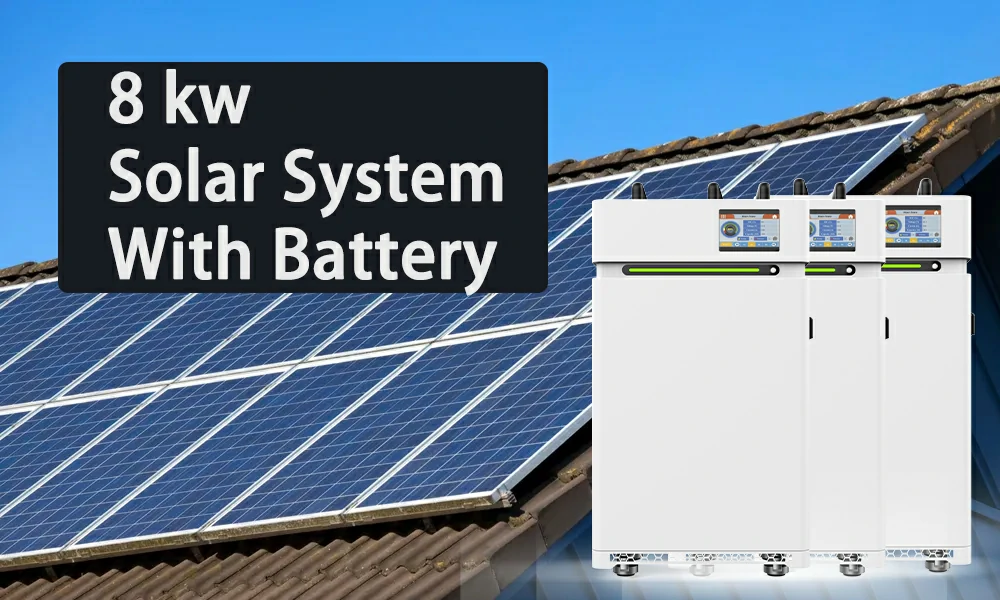
Many homeowners now choose to combine solar panels with battery storage to gain backup power and greater energy independence. An 8 kW solar system with batteries typically costs $29,300 to $62,500, depending on battery capacity and system design.
Typical Cost Breakdown
| Component | Estimated Cost |
|---|---|
| Solar panels | $7,400 – $25,000 |
| Inverter | $1,200 – $2,500 |
| Battery (30 kWh capacity) | $15,000 – $25,000 |
| Mounting hardware | $900 – $1,800 |
| Installation labor | $3,500 – $5,500 |
| Permits & inspections | $300 – $700 |
| Wiring & monitoring | $1,000 – $2,000 |
Battery systems increase upfront cost but offer protection during outages and allow homeowners to store excess solar energy for nighttime use.
How Many Batteries Does an 8 kW Solar System Need?
The number of batteries depends on daily energy usage, backup duration goals, and battery technology.
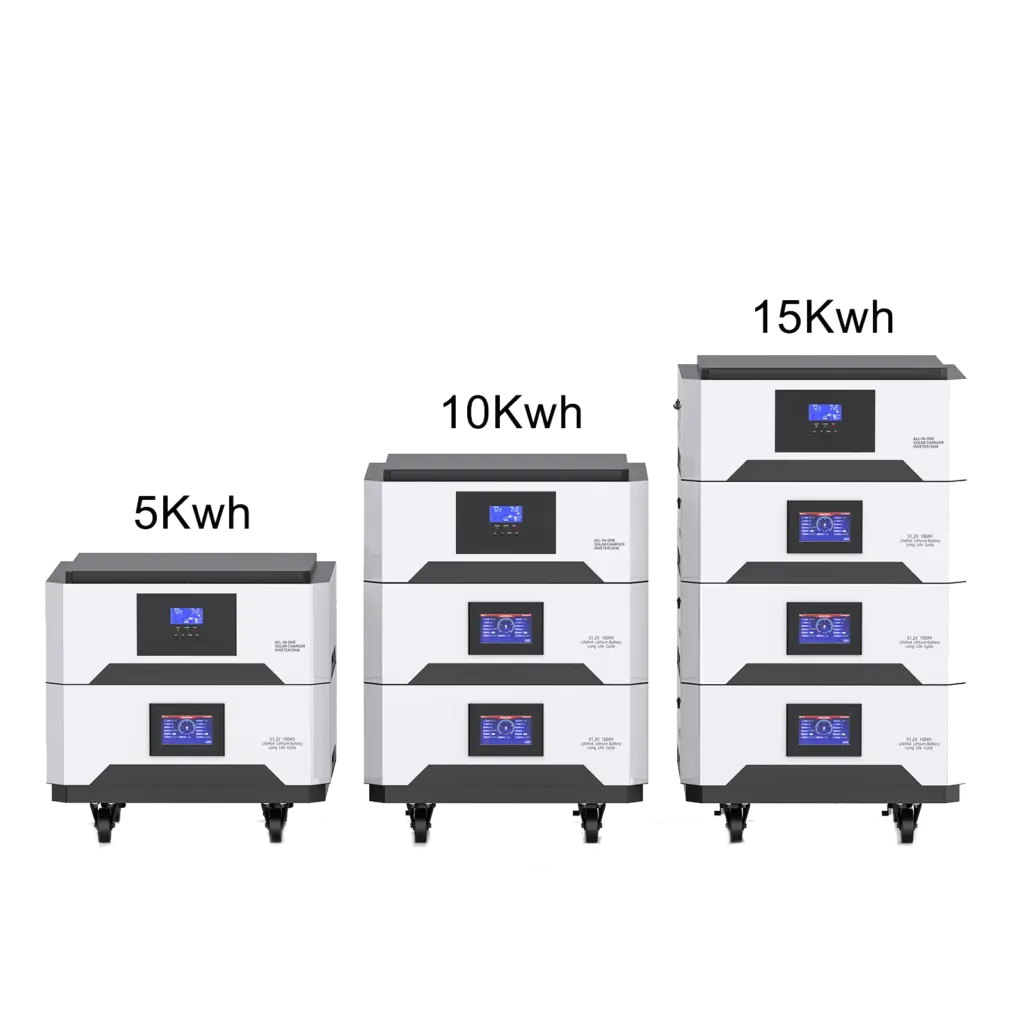
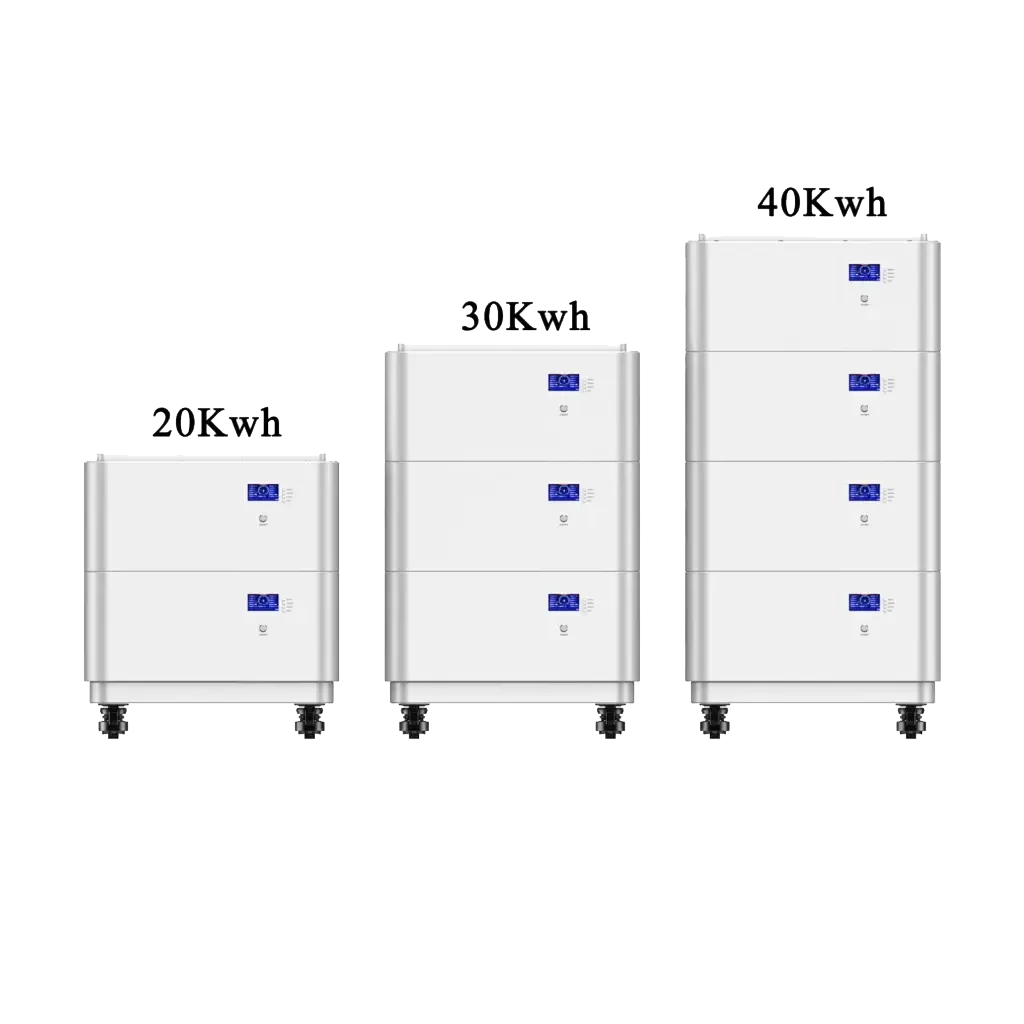
If a household consumes approximately 30 kWh per day, a battery system should store at least 30 kWh to cover nighttime or outage usage. This capacity often equals three 10 kWh batteries connected in parallel or one 30 kwh battery.
Depth of Discharge Considerations
Battery depth of discharge (DoD) determines usable energy:
- Lithium iron phosphate batteries usually allow 80–90% DoD
- Lead-acid batteries typically allow 50–60% DoD
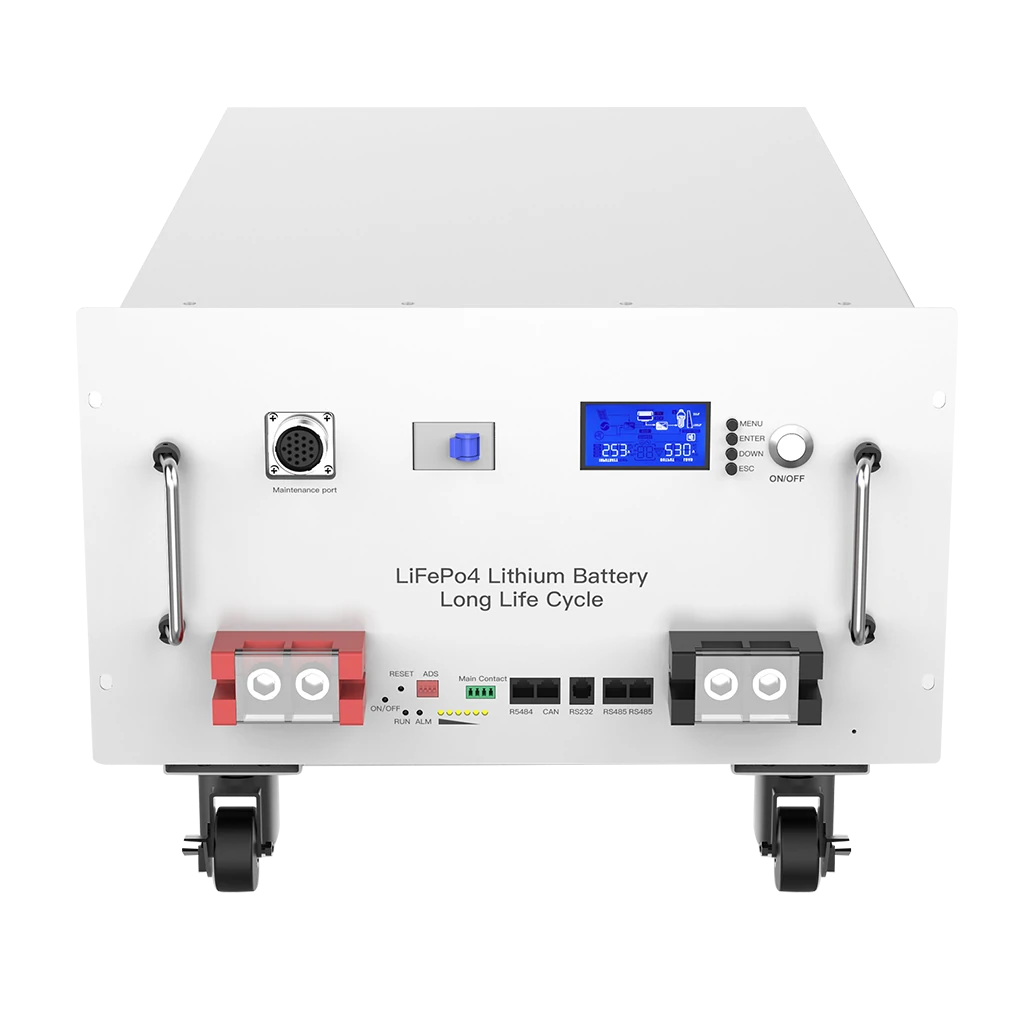
At an 80% DoD, a 10 kWh lithium battery provides about 8 kWh of usable energy. A household would need four batteries to reach 30 kWh of usable storage. Lead-acid batteries would require approximately six units to deliver the same usable capacity. High-quality lithium batteries like Avepower’s offer over 8,000 cycles at 80% DoD, increasing their lifespan and value.
Multi-Day Backup Planning
If a household consumes about 30 kWh of electricity per day and requires two days of backup power, the battery capacity needs to be increased to 60 kWh. In this case, an 8 kW solar system should be paired with a larger 60 kWh battery bank to meet energy security and reliability goals.
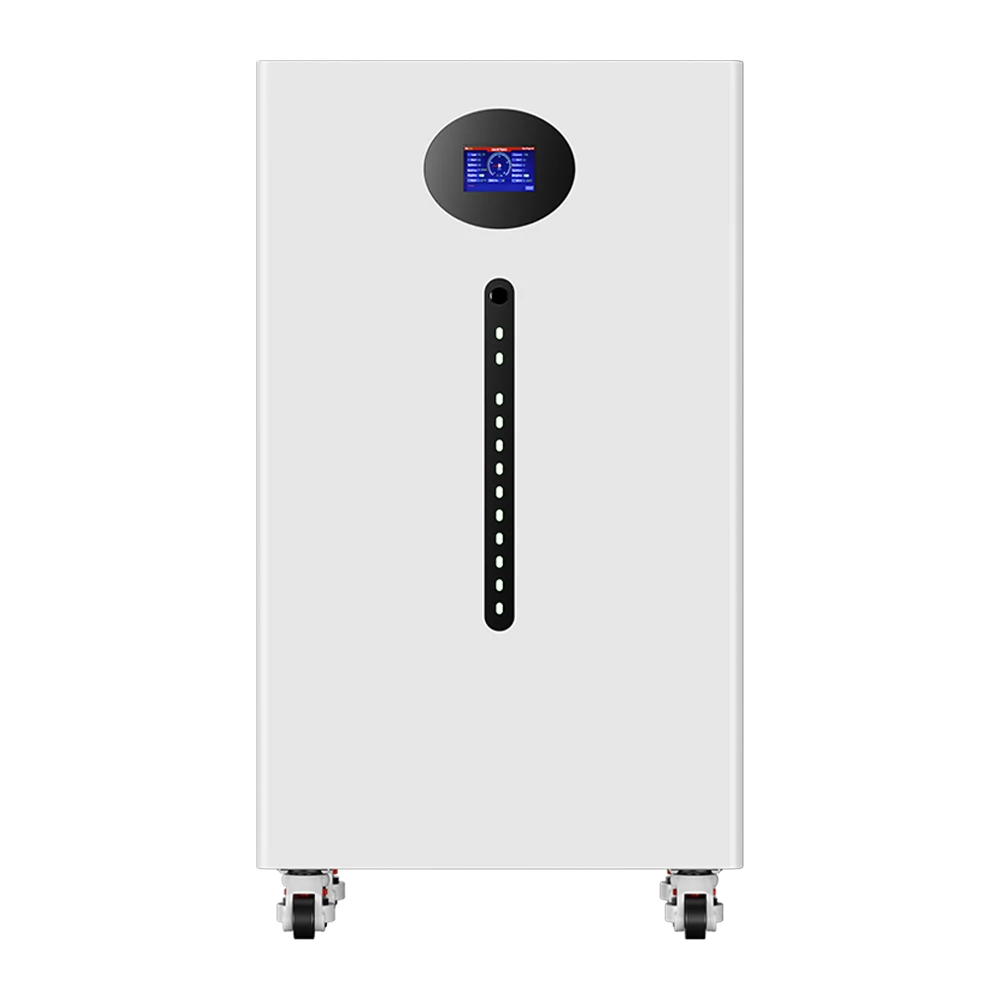
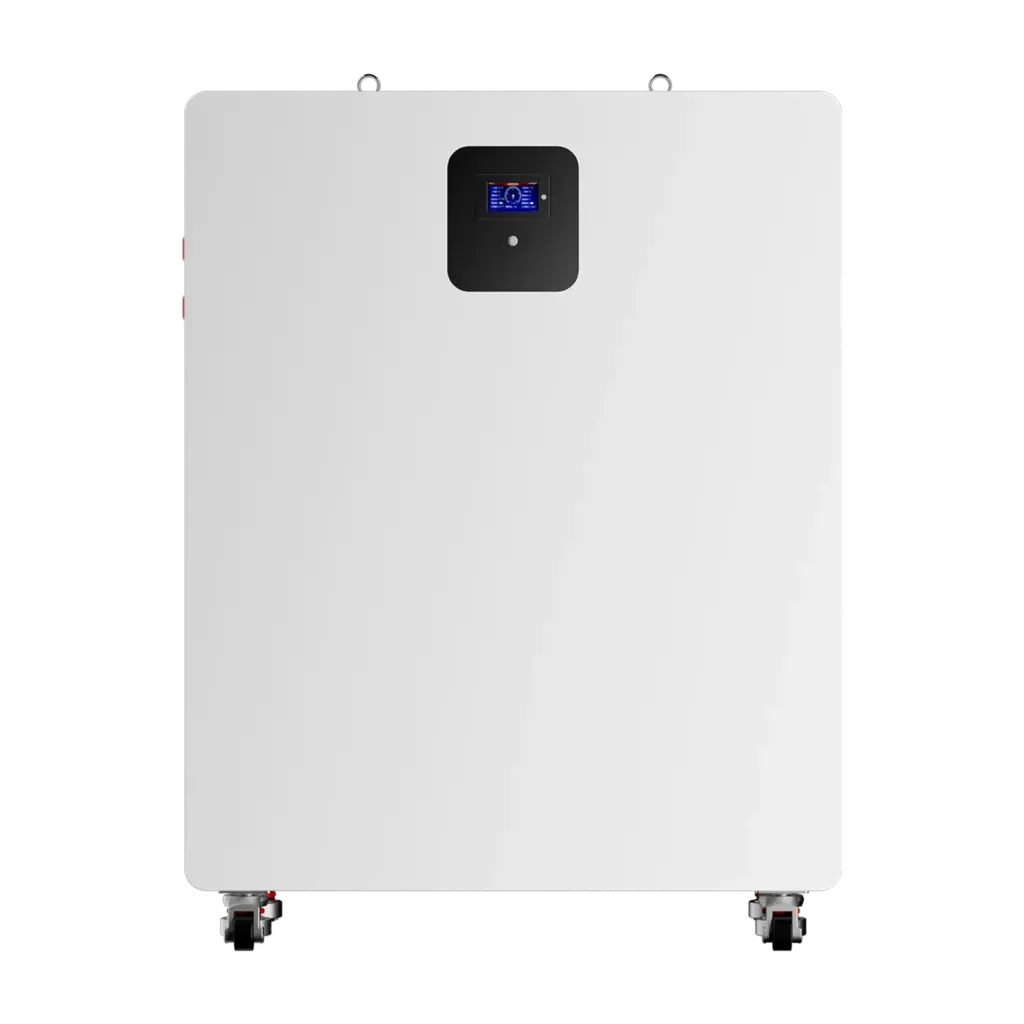
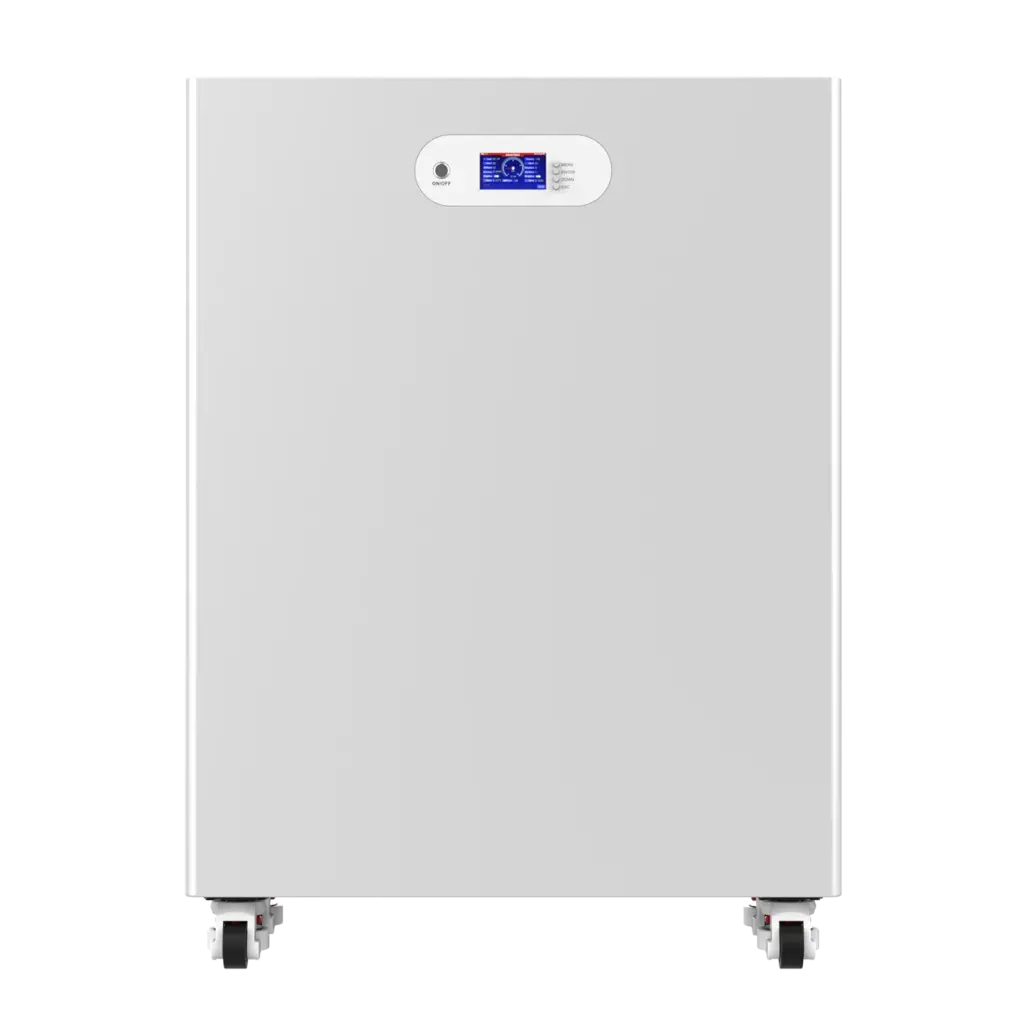
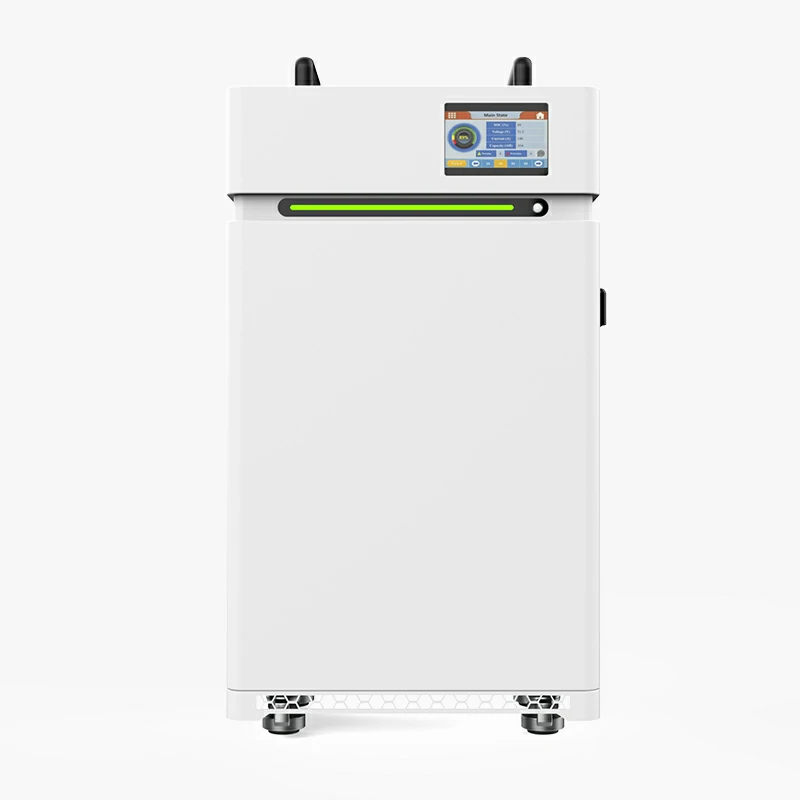
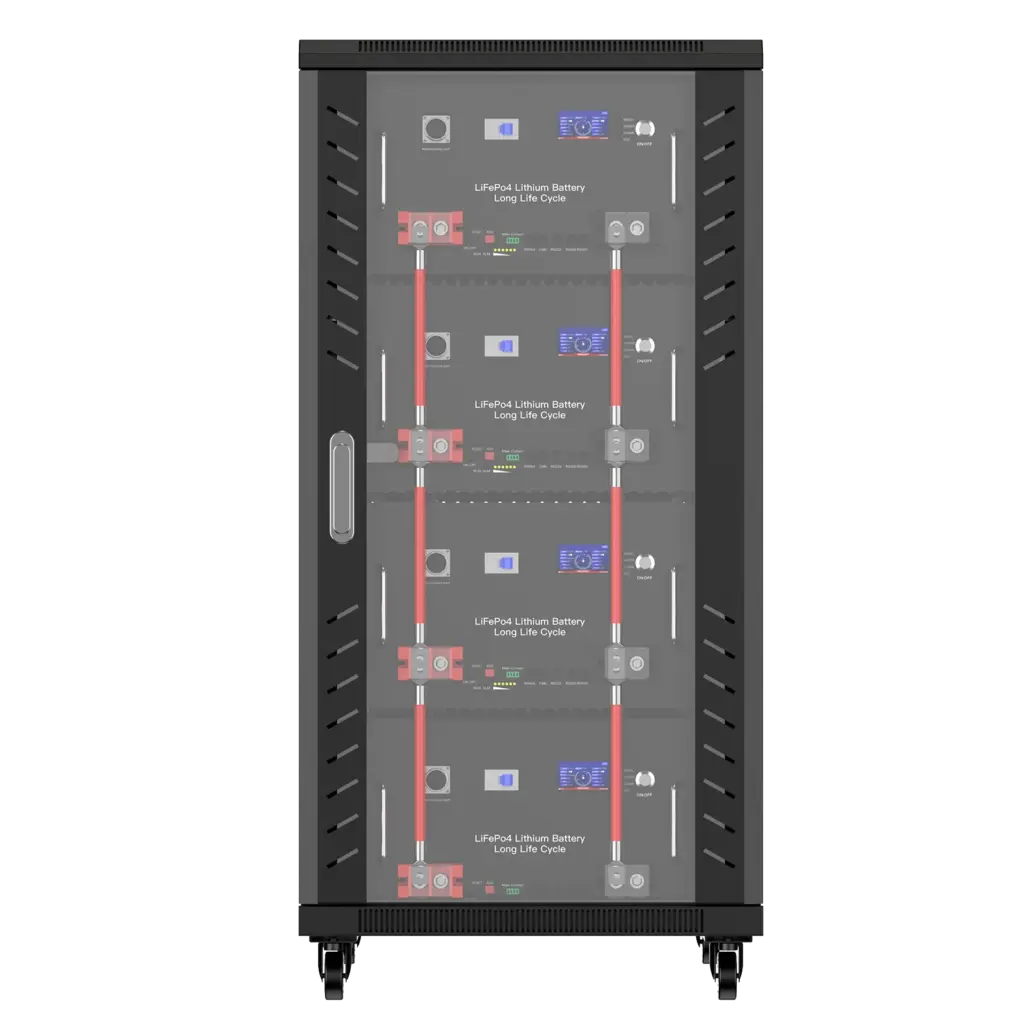
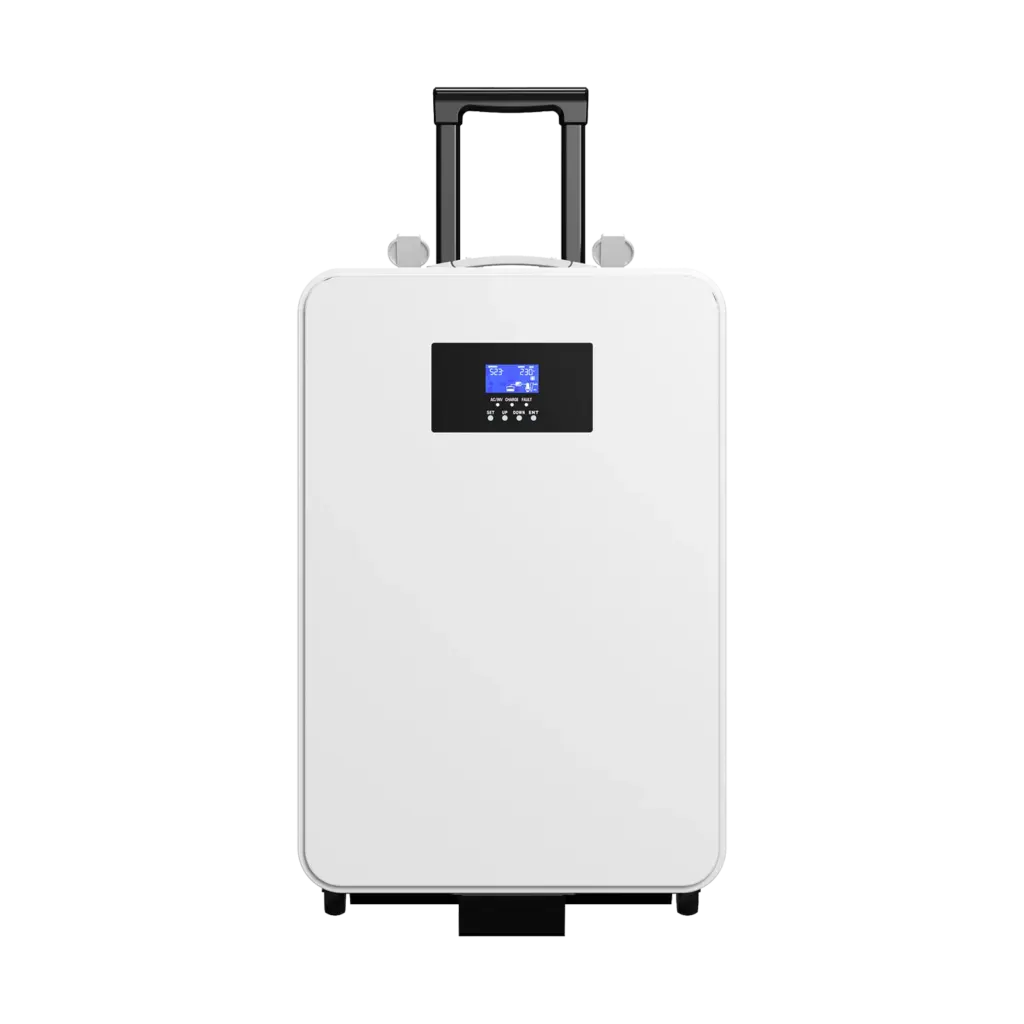
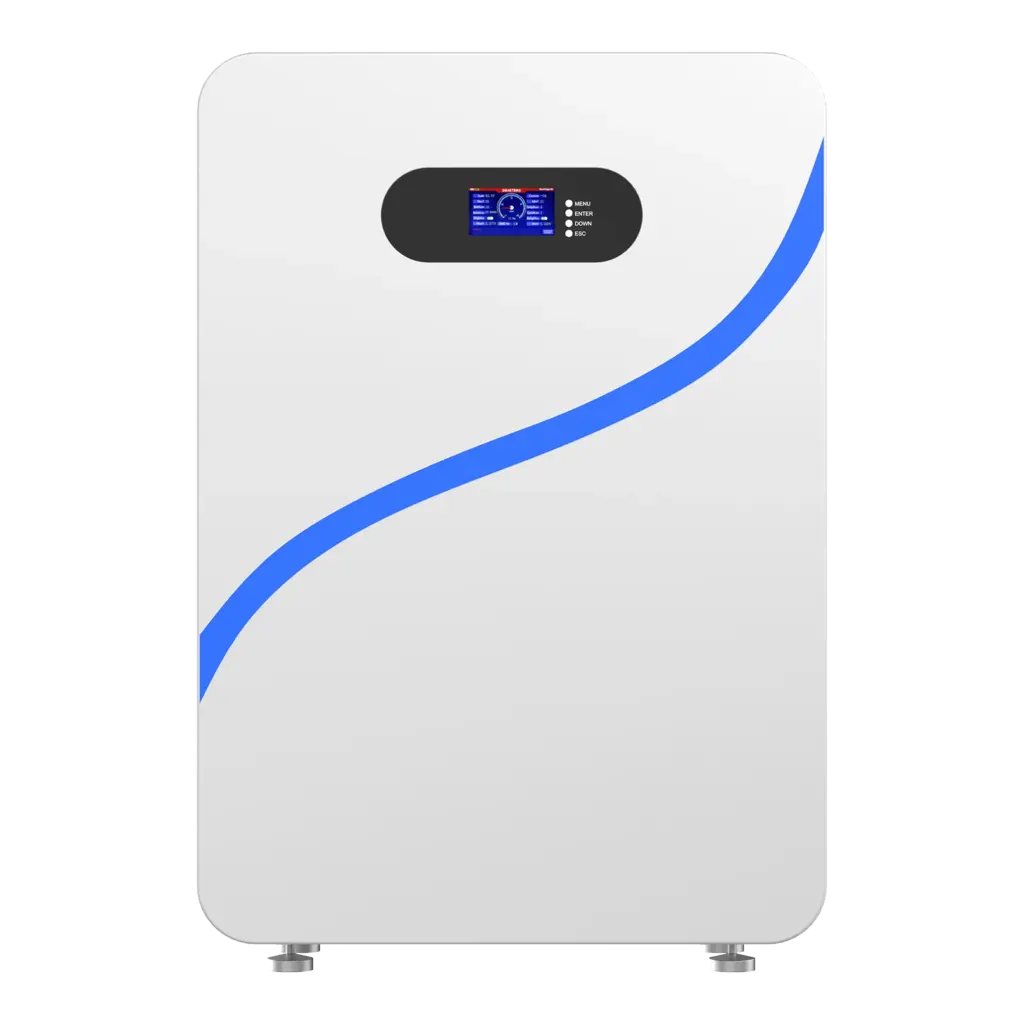
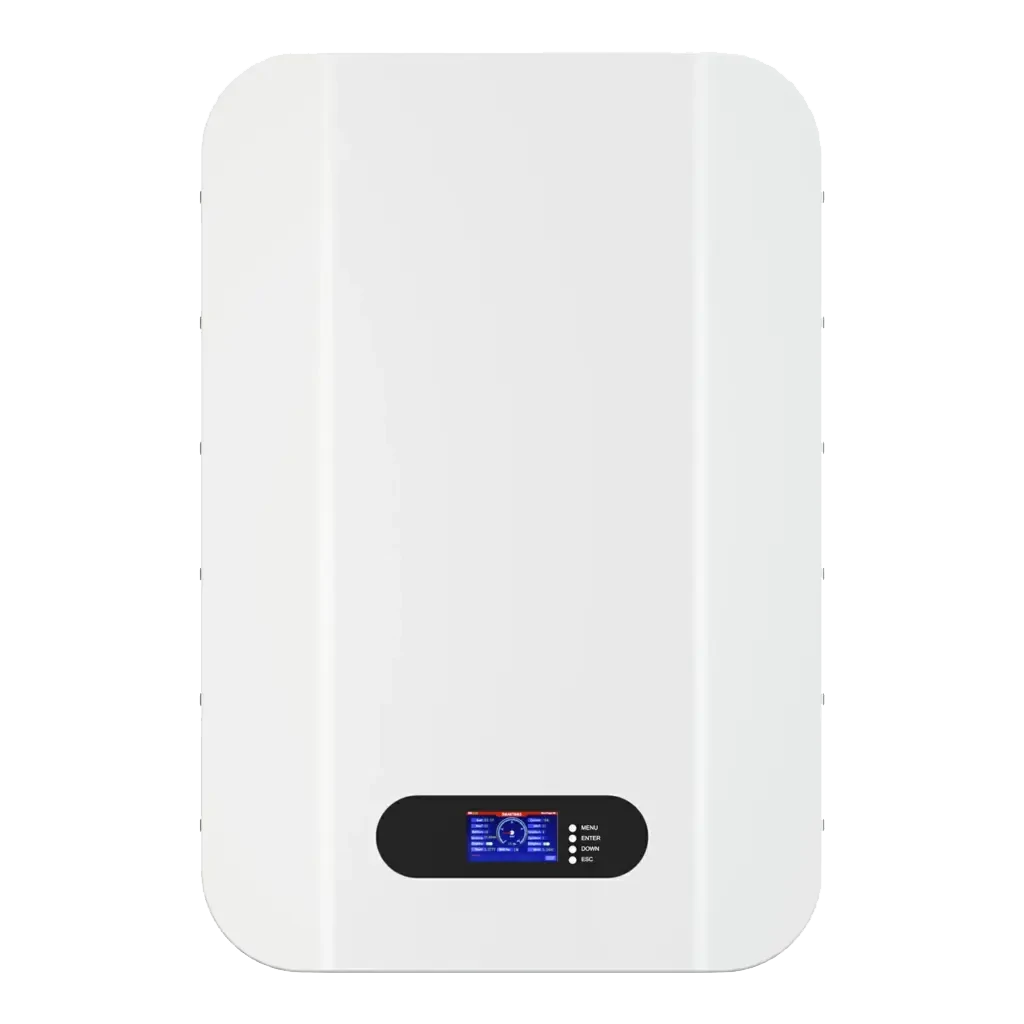
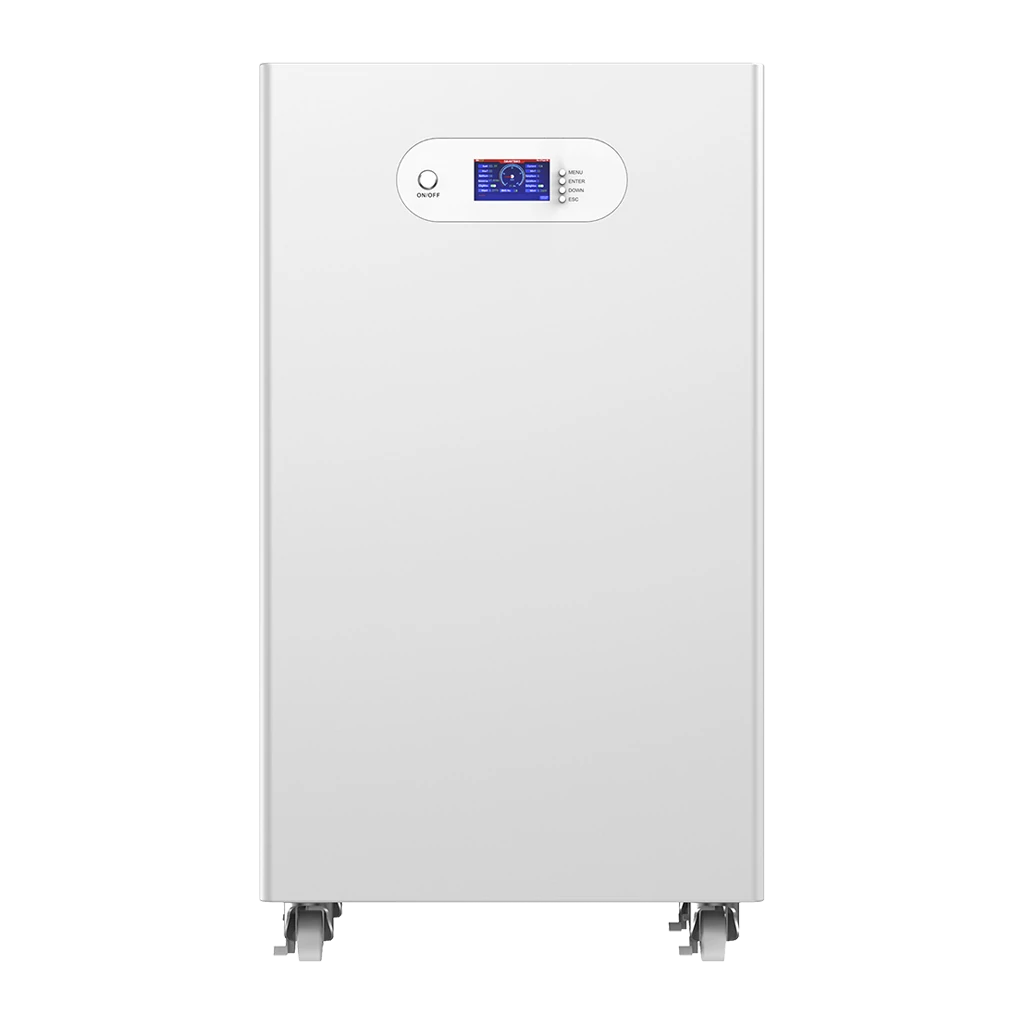
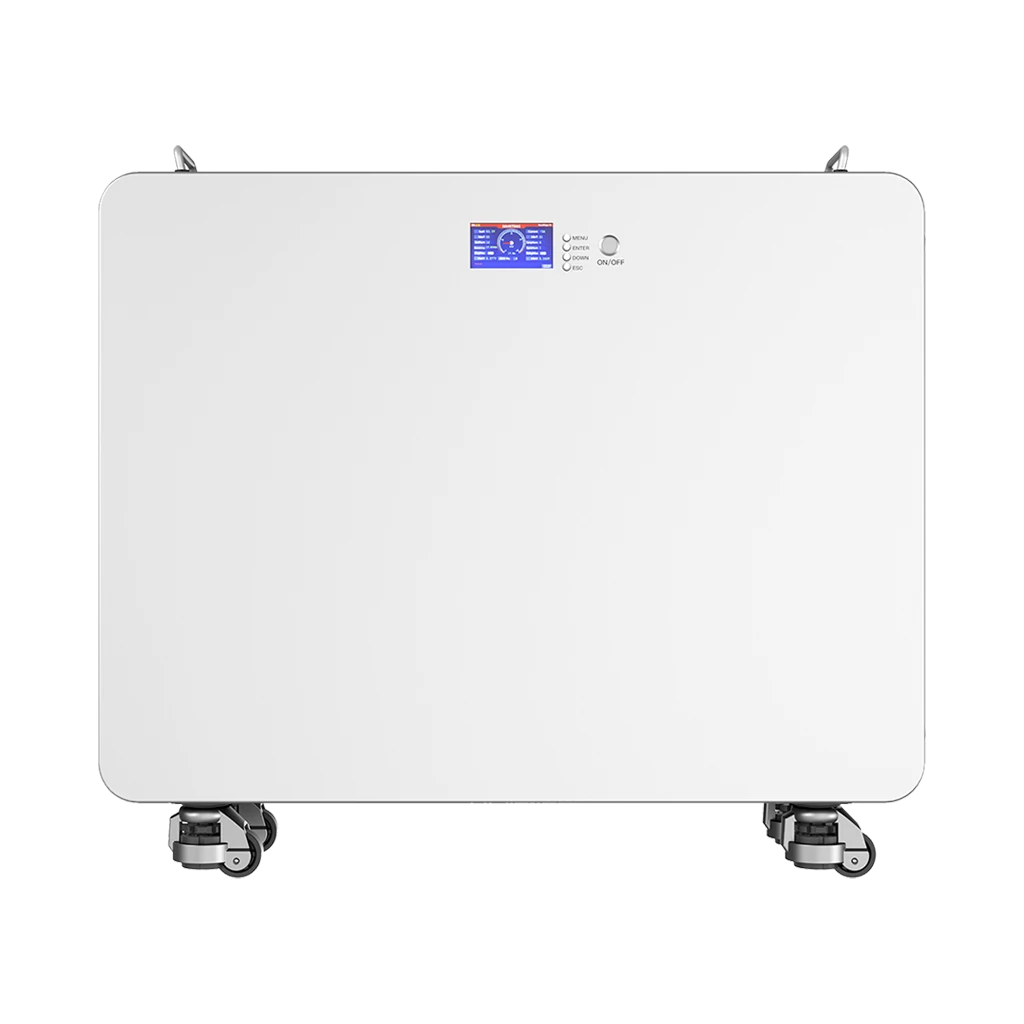
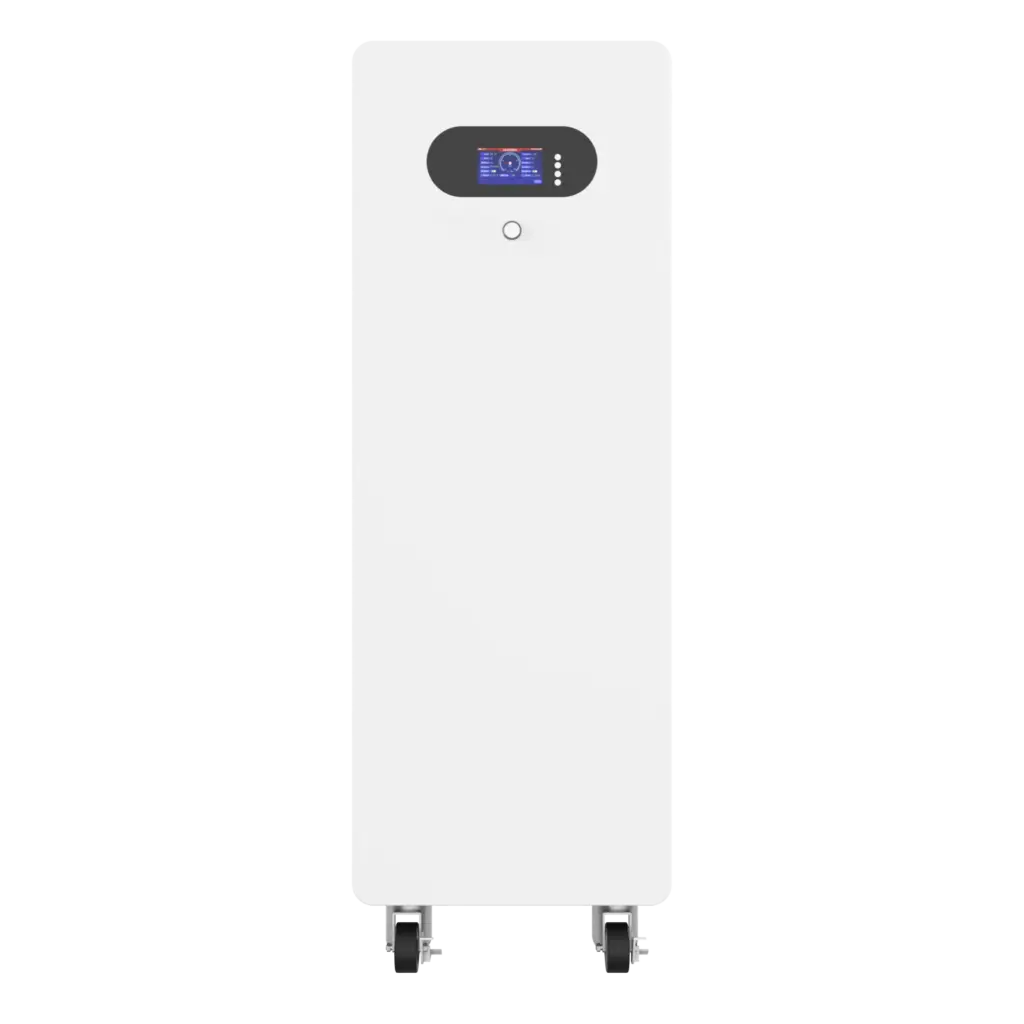
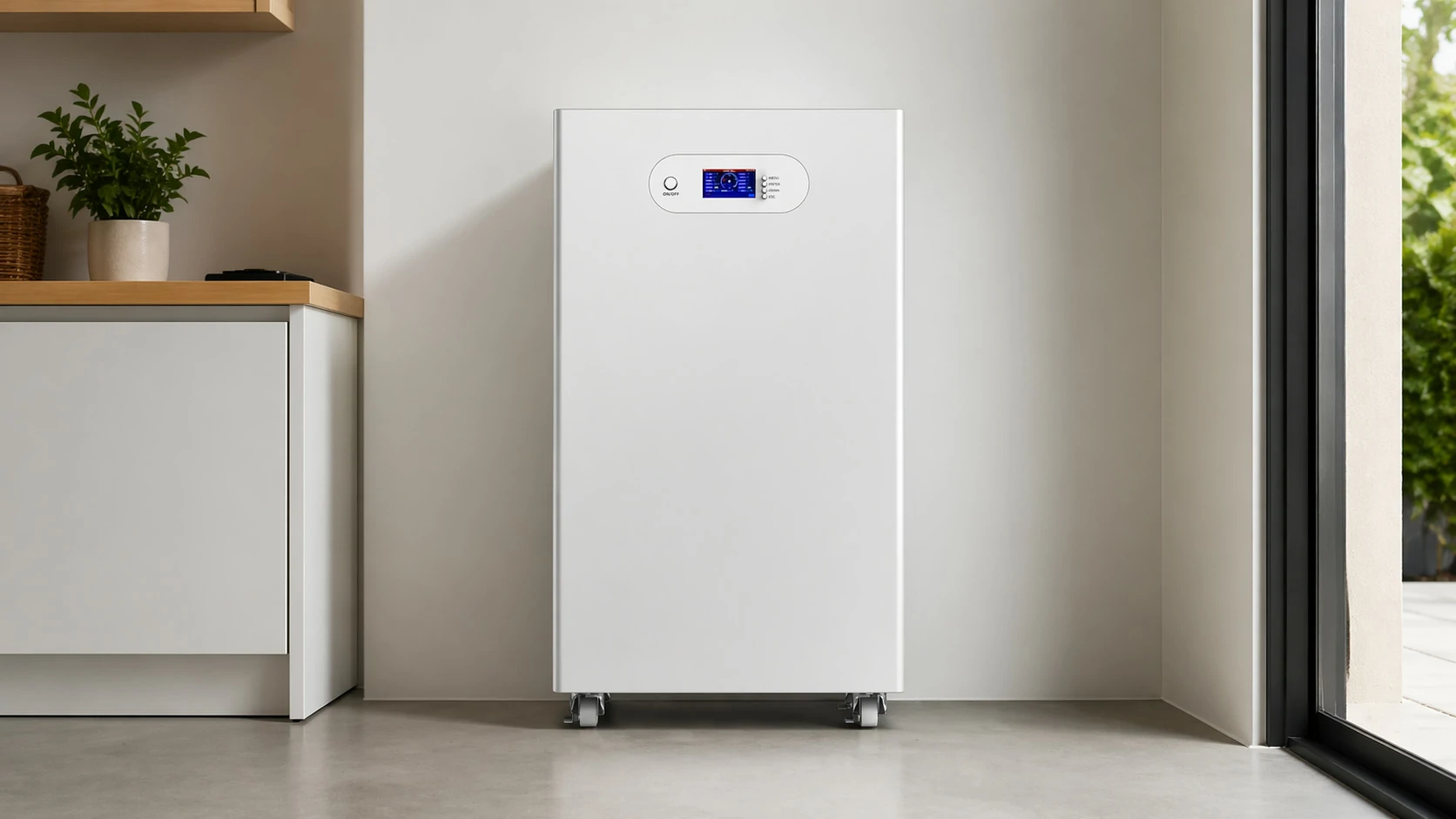
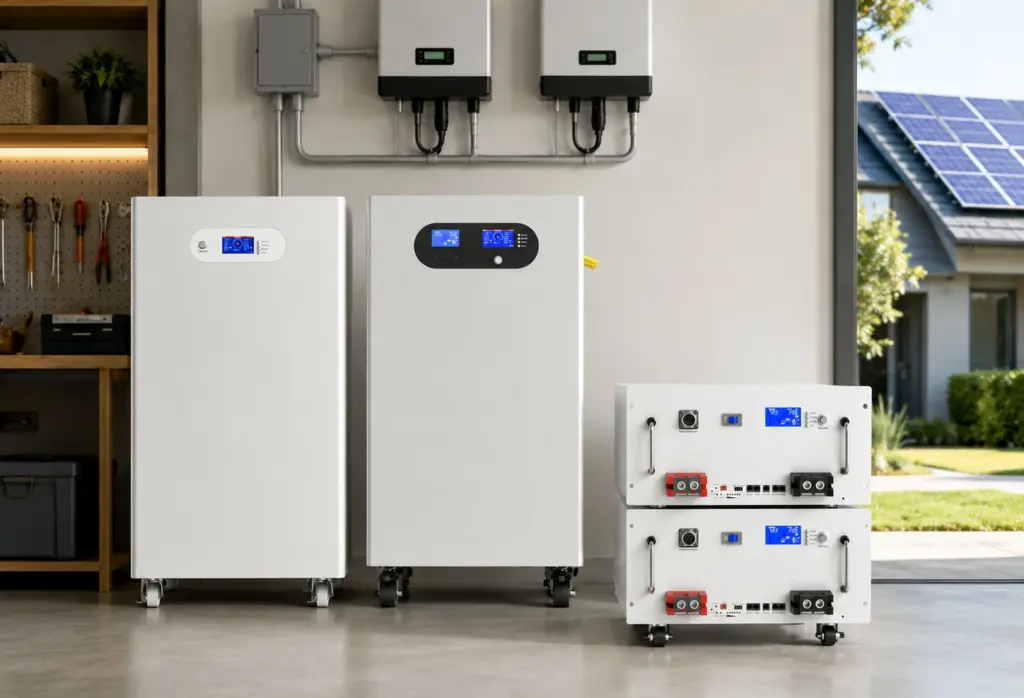
But there’s no need to worry—if you use Avepower wall mounted batteries, our modular design supports seamless expansion with zero energy loss. The battery bank can be expanded up to 160 kWh, allowing you to easily scale your battery capacity up or down based on your power needs, avoiding high upfront costs. Each battery module operates independently, so a failure in one module won’t affect the overall system performance.
How Much Energy Does an 8 kW Solar System Produce?
Energy production depends on sunlight availability, system design, and environmental conditions.
Key factors include:
- Geographic location and climate
- Roof orientation and tilt angle
- Shading from trees or nearby buildings
- Panel temperature and ventilation
- Inverter efficiency and system losses
On average, an 8 kW solar system produces between 8,700 kWh and 14,100 kWh per year, which roughly translates to about 24 kWh to 39 kWh per day, depending on sunlight availability and local conditions.
Average Energy Production in the United States
Daily, monthly, and annual production varies by city:
- Denver, CO: ~12,784 kWh/year
- Miami, FL: ~12,420 kWh/year
- Seattle, WA: ~8,749 kWh/year
- Boston, MA: ~10,478 kWh/year
- Phoenix, AZ: ~14,117 kWh/year
- Cleveland, OH: ~10,175 kWh/year
- New York City, NY: ~10,324 kWh/year
- Austin, TX: ~11,823 kWh/year
- Las Vegas, NV: ~14,073 kWh/year
- Los Angeles, CA: ~13,476 kWh/year
Average Energy Production in Australia
Australian cities also show strong performance:
- Darwin: ~12,848 kWh/year
- Brisbane: ~11,680 kWh/year
- Hobart: ~9,052 kWh/year
- Canberra: ~11,242 kWh/year
- Sydney: ~10,512 kWh/year
- Perth: ~12,264 kWh/year
- Melbourne: ~9,782 kWh/year
- Adelaide: ~11,242 kWh/year
What Can an 8 kW Solar System Power?
An 8 kW solar system generates enough energy to power many common household appliances during the day. When paired with a solar battery storage system, it can also supply power during the night or outages.
Below are typical devices it can support and estimated running times based on average energy consumption.
Common Household Appliances Powered by an 8 kW Solar System
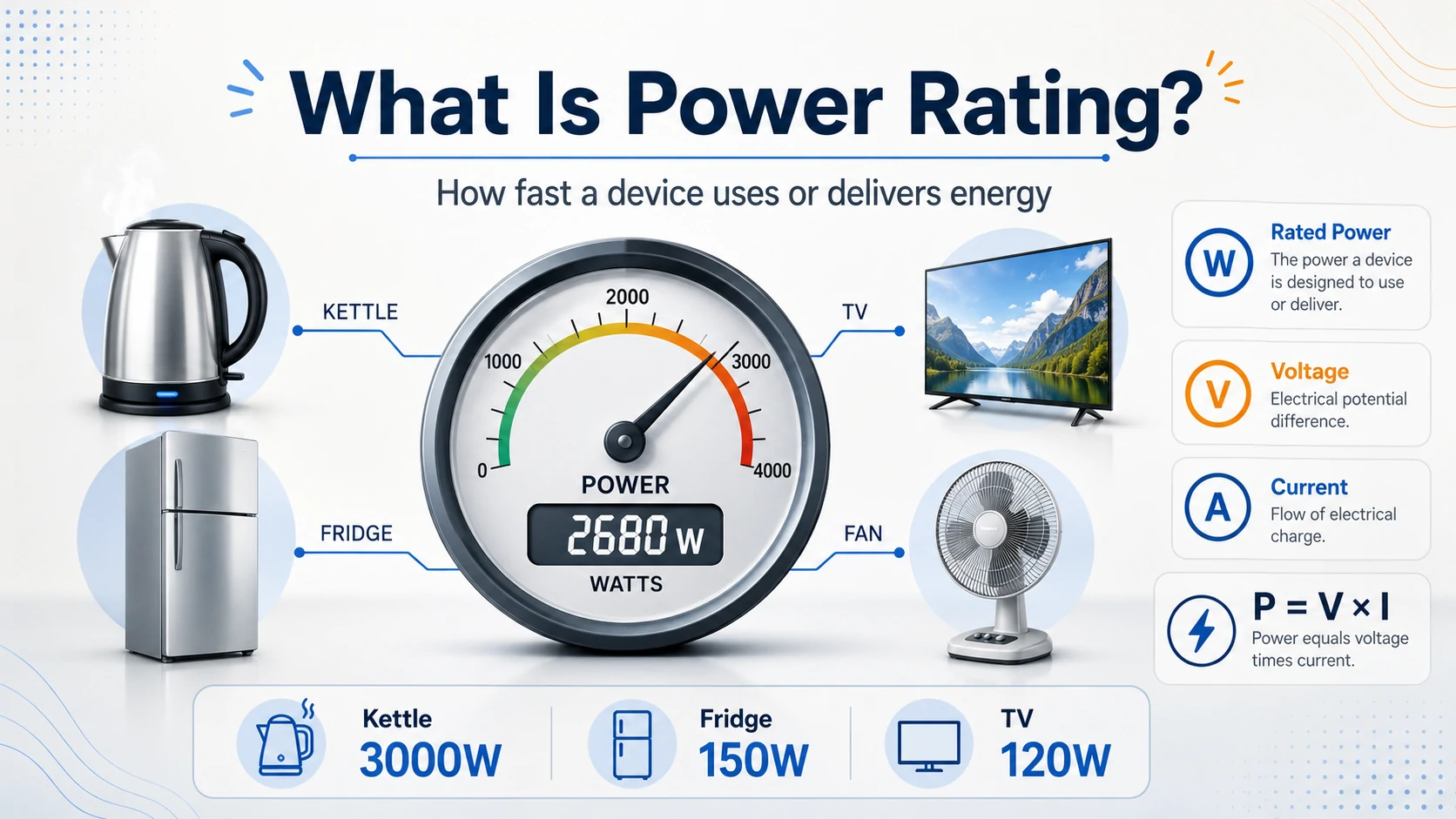
| Appliance | Average Power Consumption (Watts) | Typical Daily Usage (Hours) | Daily Energy Consumption (Wh) |
|---|---|---|---|
| Refrigerator | 200 | 24 | 4,800 |
| LED Lighting | 15 | 5 | 75 |
| Air Conditioner (Central AC) | 3,000 | 6 | 18,000 |
| Electric Water Heater | 3,000 | 2 | 6,000 |
| Television | 150 | 4 | 600 |
| Laptop | 50 | 8 | 400 |
| Microwave Oven | 1,000 | 0.5 | 500 |
| Ceiling Fan | 75 | 8 | 600 |
| Washing Machine | 500 | 1 | 500 |
If you run several of these together during the day, total consumption might reach around 20,000 to 30,000 Wh (20 to 30 kWh), which is within the daily output range of an 8 kW solar system depending on your location and sunlight.
Battery Storage: How Long Can It Power These Devices?
Let’s assume your home is equipped with a 30 kWh battery system (common for backup) paired with the 8 kW solar setup. Taking into account a battery depth of discharge (DoD) of 80%, usable capacity is roughly: 30 kWh × 0.8 = 24 kWh usable energy
| Appliance | Power (Watts) | Estimated Battery Runtime (Hours) (24 kWh usable) |
|---|---|---|
| Refrigerator | 200 | 120 hours (5 days) |
| LED Lighting | 15 | 1,600 hours (about 66 days) |
| Air Conditioner | 3,000 | 8 hours |
| Electric Water Heater | 3,000 | 8 hours |
| Television | 150 | 160 hours (6+ days) |
| Laptop | 50 | 480 hours (20 days) |
| Microwave Oven | 1,000 | 24 hours |
| Ceiling Fan | 75 | 320 hours (13 days) |
| Washing Machine | 500 | 48 hours |
How Many Solar Panels Does an 8 kW Solar System Need?
Individual solar panels typically have power ratings between 330 and 400 watts. To build an 8,000-watt (8 kW) system, you generally need 20 to 24 panels.
Each panel usually measures about 1.7 square meters (approximately 18 square feet). Therefore, an 8 kW system requires roughly 45 to 60 square meters (about 485 to 645 square feet) of roof space. This estimate accounts for gaps between panels and clearance near roof edges to ensure proper installation and maintenance access. Keep in mind the solar panels should face true south (in the Northern Hemisphere) at an angle between 30 and 45 degrees for optimal energy capture.
Financial Benefits and Return on Investment (ROI)
Installing an 8 kW solar system is a long-term investment that often pays for itself in 5 to 7 years through savings on electricity bills. After that, the energy you generate is essentially free. Typical U.S. homeowners save between $1,500 and $2,500 annually on electric bills, depending on local rates and energy consumption.
Added Home Value
If you install an off-grid system with battery storage, your home’s market value can increase by 4% to 6%, making solar a smart investment beyond monthly savings.
Net Metering and Additional Savings
Many areas offer net metering programs where excess solar energy is fed back into the grid for credits or payments. This can further improve your financial returns over the 25 to 30 years lifespan of a solar system.
Avepower Solution: 8 kW Solar + Modular Battery Storage
Avepower provides complete home energy storage solutions, including solar panels, inverters, and battery storage. Our systems are built for long-term use, and our battery packs include BMS protection to improve safety, stability, and daily performance. Our modular design also helps homeowners expand capacity later, so your system can grow with future loads like EV charging or additional air conditioning.
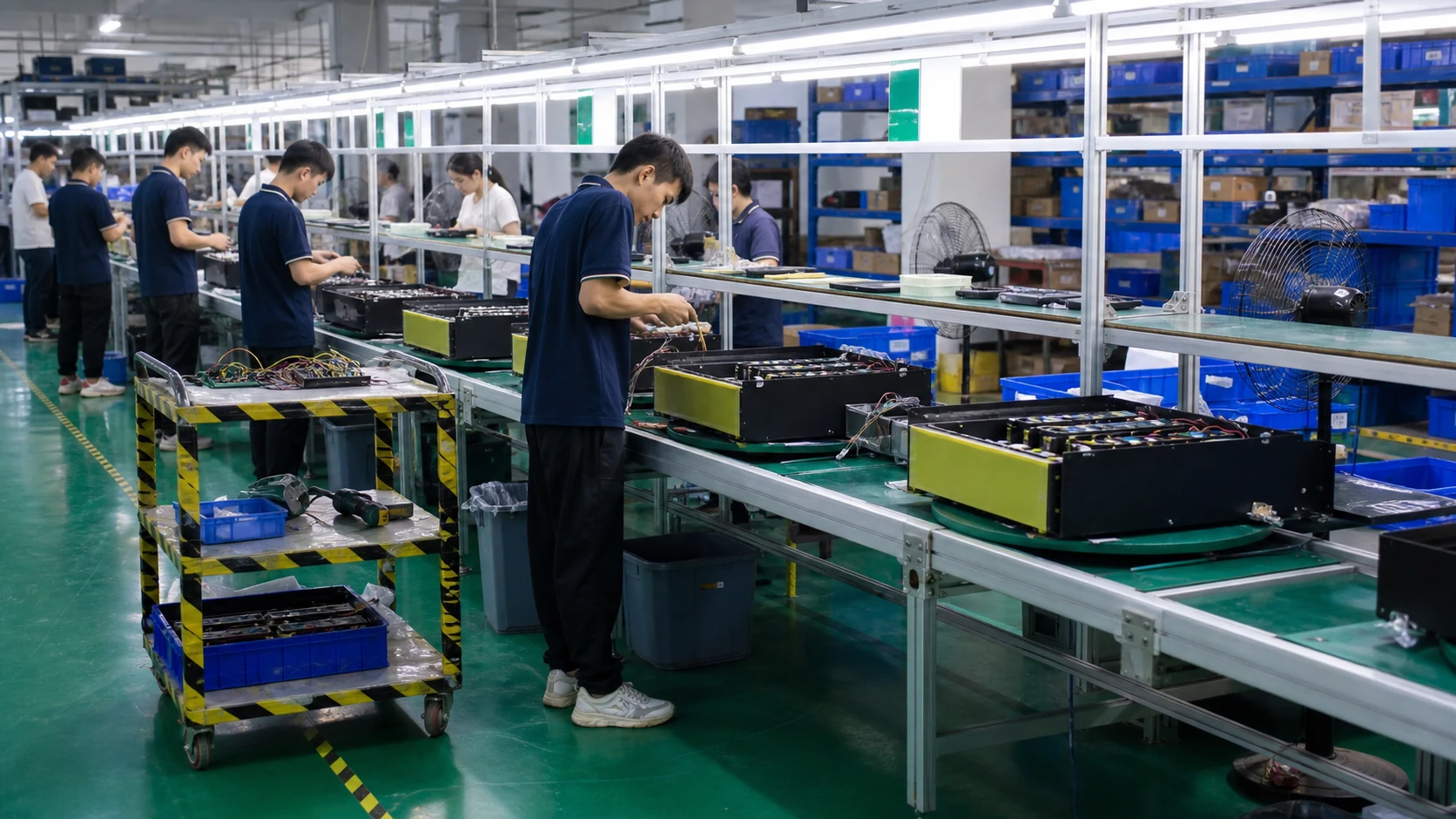
Avepower supports OEM/ODM customization, including appearance, capacity, and system functionality. Our factory brings 10 years of battery R&D and production experience, with a 20,000 m² facility, and our products follow widely recognized certifications such as CE, UL, RoHS, and ISO9001.
If you share your daily kWh use, your city, and whether you want backup power, our team can recommend a practical 8 kW solar + battery capacity plan that matches your real loads. Contact Avepower to get a clear system proposal, battery sizing advice, and a reliable solution that helps you use more solar day and night.
Take Control of Your Energy with Avepower!
Reliable home solar battery solutions with OEM/ODM customization and in-house manufacturing, tailored to the needs of distributors, installers, and energy partners.
FAQ
An 8 kW solar system means the system has a peak power output of 8,000 watts under ideal conditions. It typically produces between 24 to 39 kWh of electricity daily, depending on location, weather, and system setup.
The cost varies by region and equipment quality but generally ranges from $7,400 to $25,000 before incentives. In the U.S., after applying federal tax credits, the net cost is often between $11,000 and $18,000.
Usually, an 8 kW system requires about 20 to 24 solar panels, each rated between 330 and 400 watts. The exact number depends on the panel wattage.
For a daily usage of 30 kWh, you would need about four 10 kWh lithium iron phosphate batteries (considering 80% usable capacity) or around six lead-acid batteries with lower usable capacity.
Most homeowners recover their investment within 5 to 7 years through savings on electricity bills.