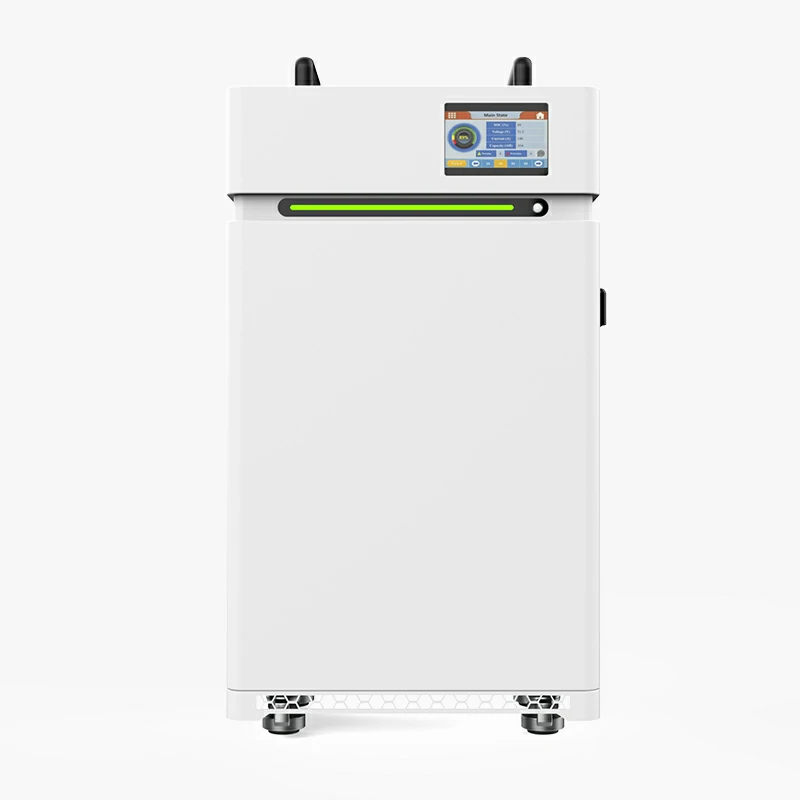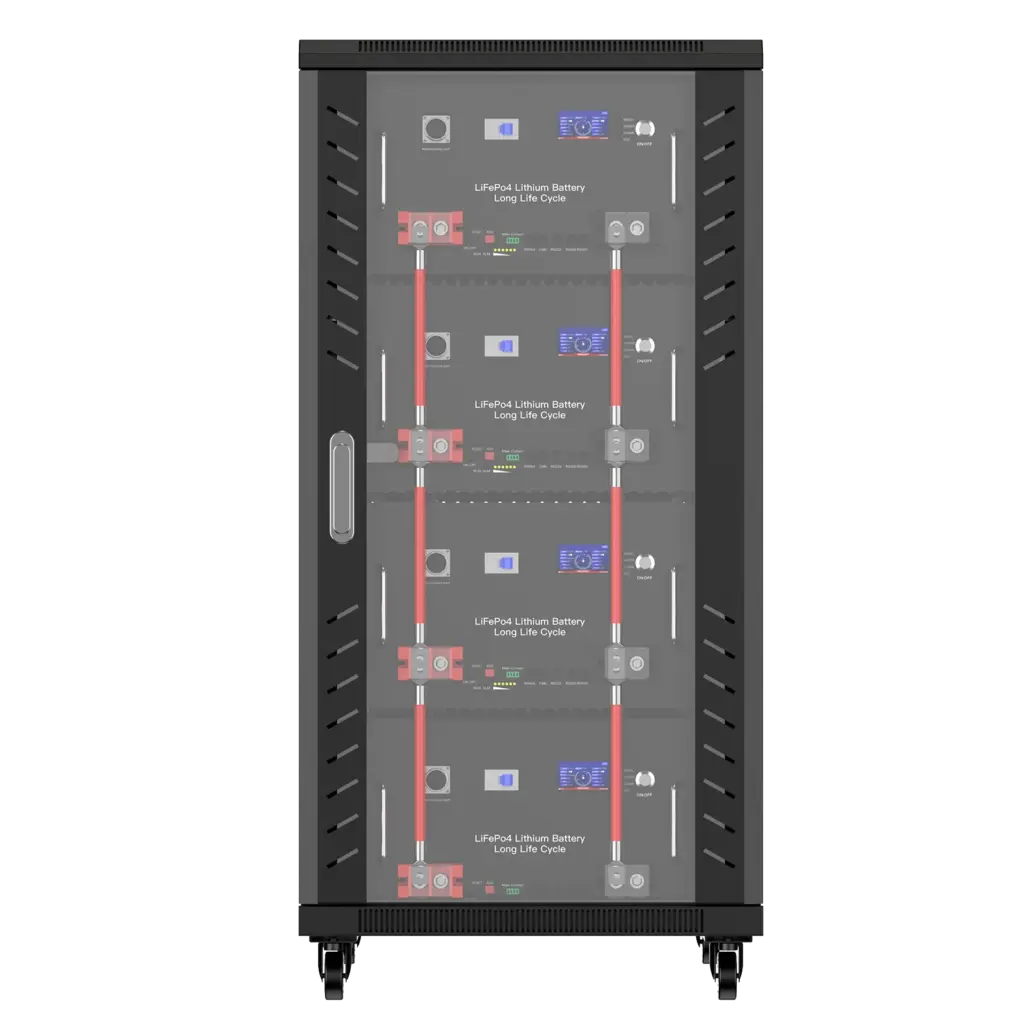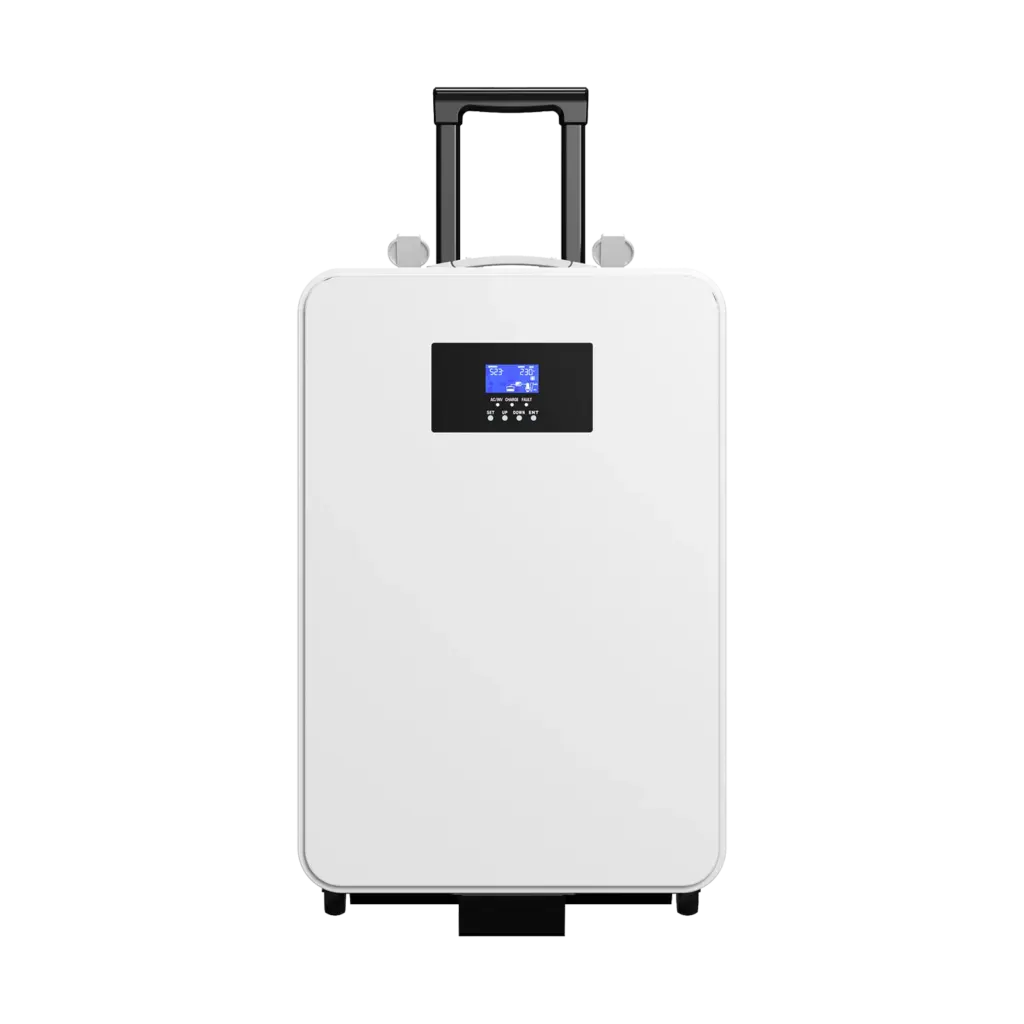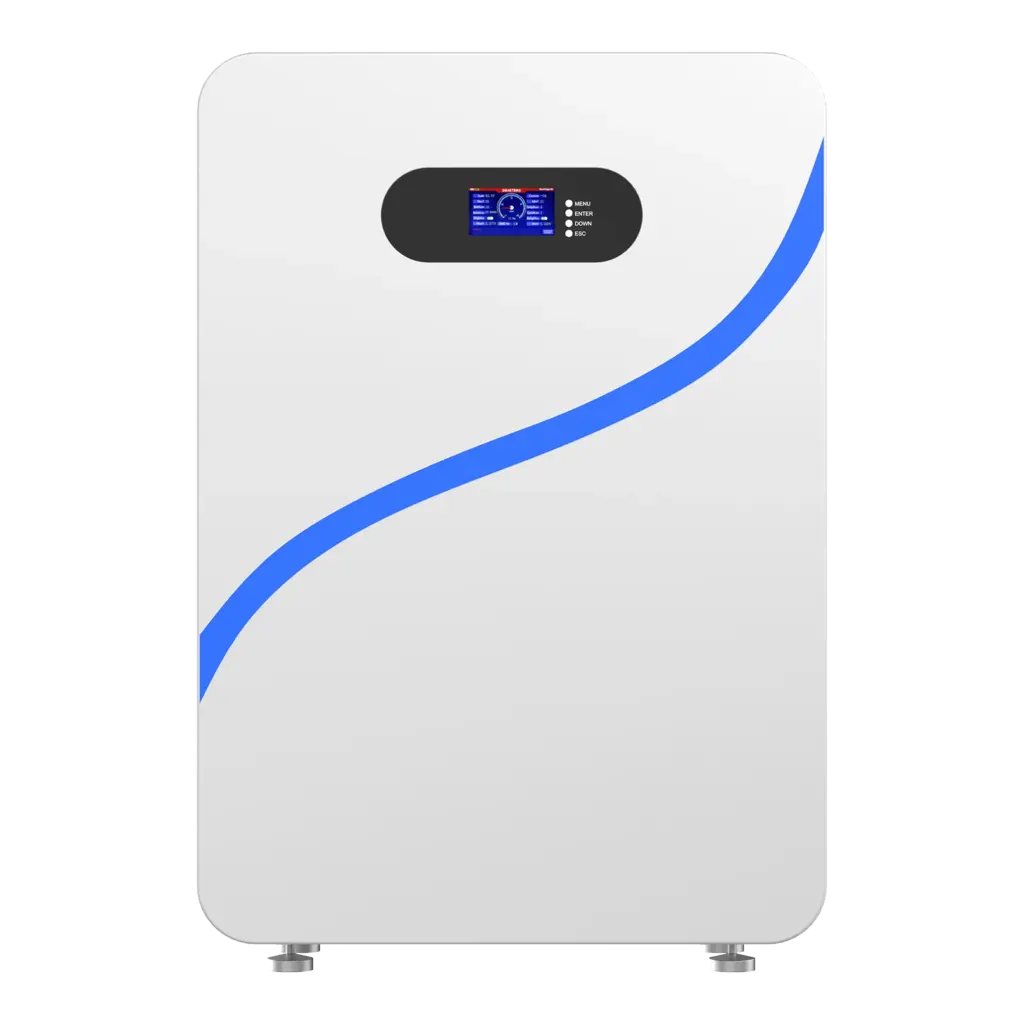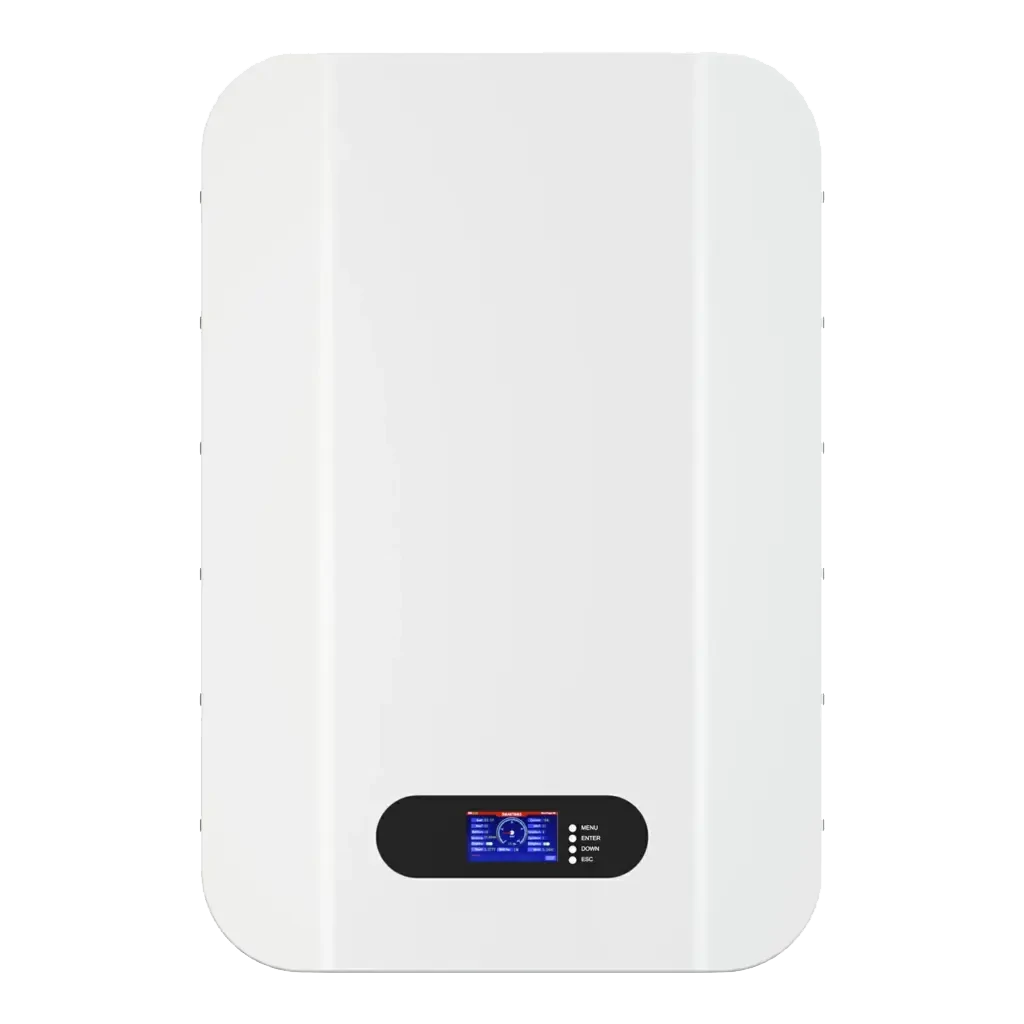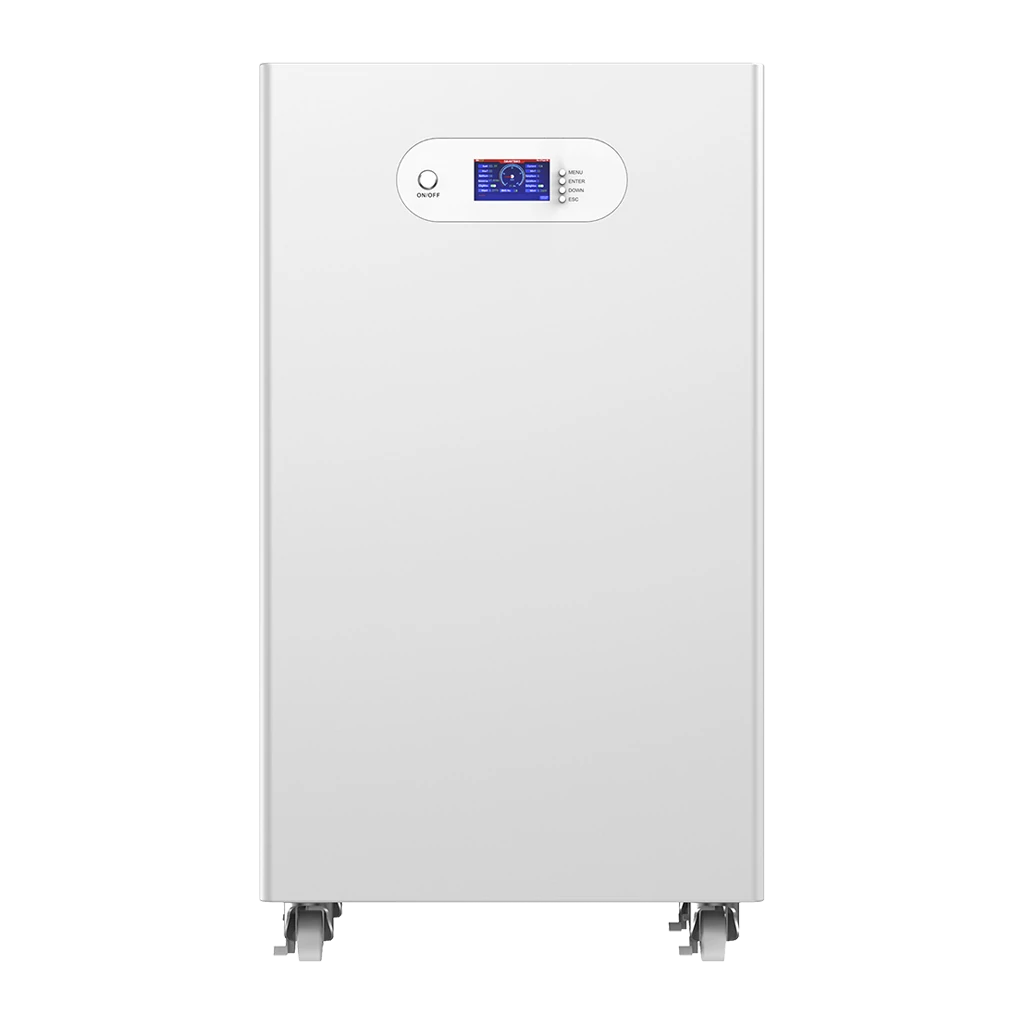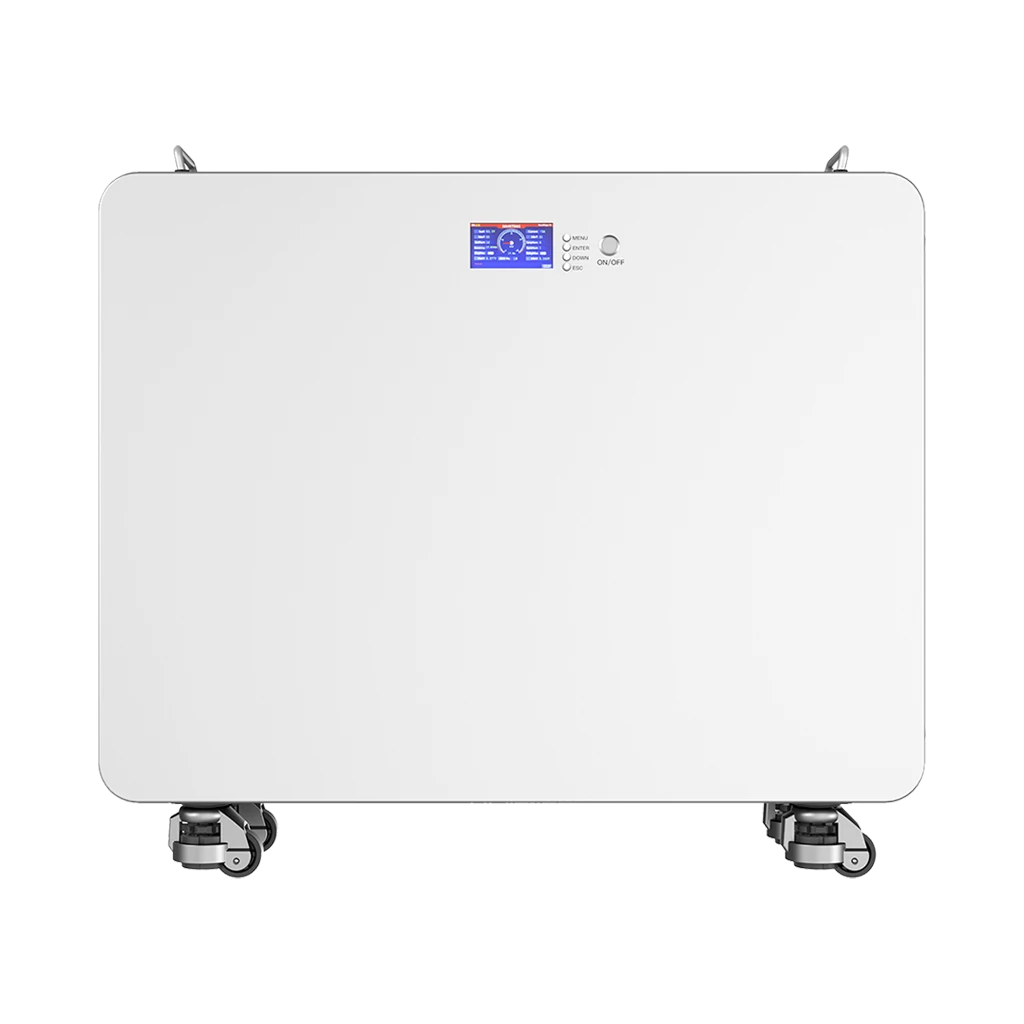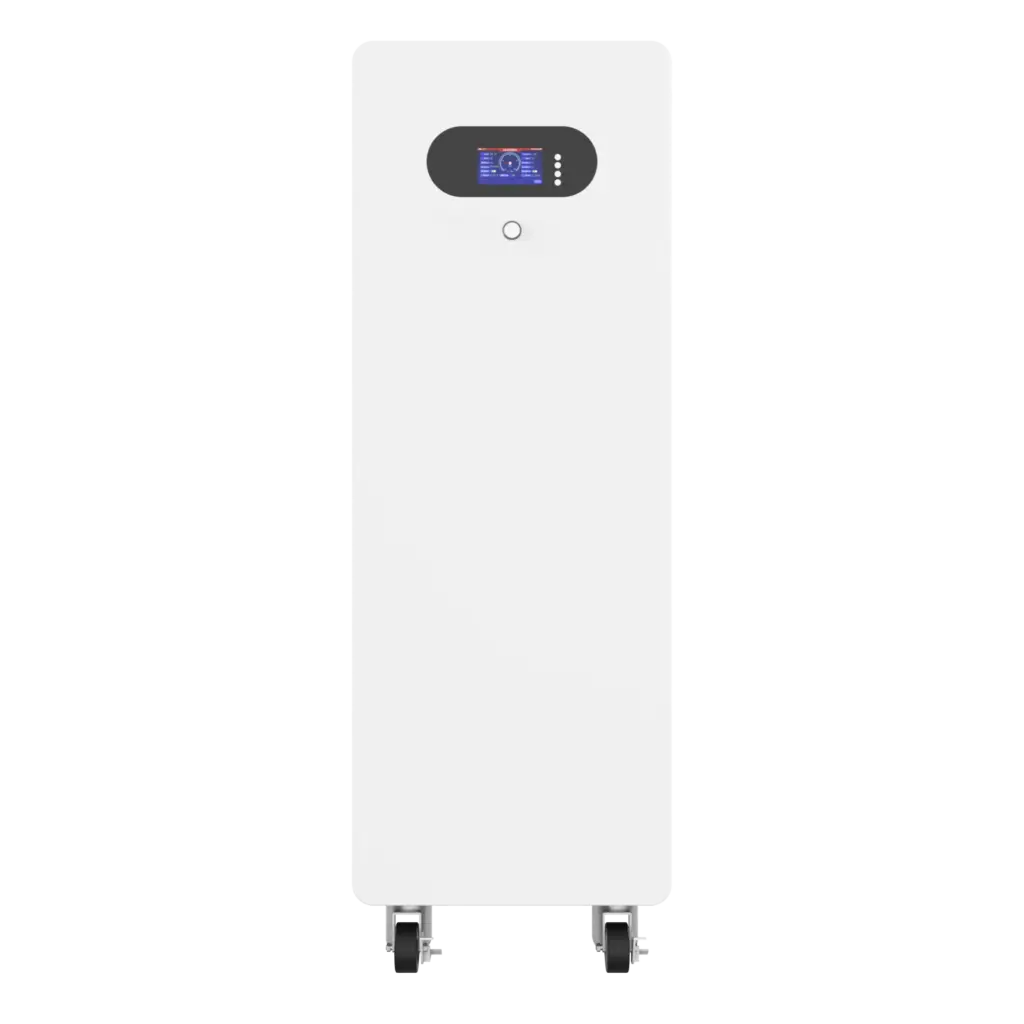

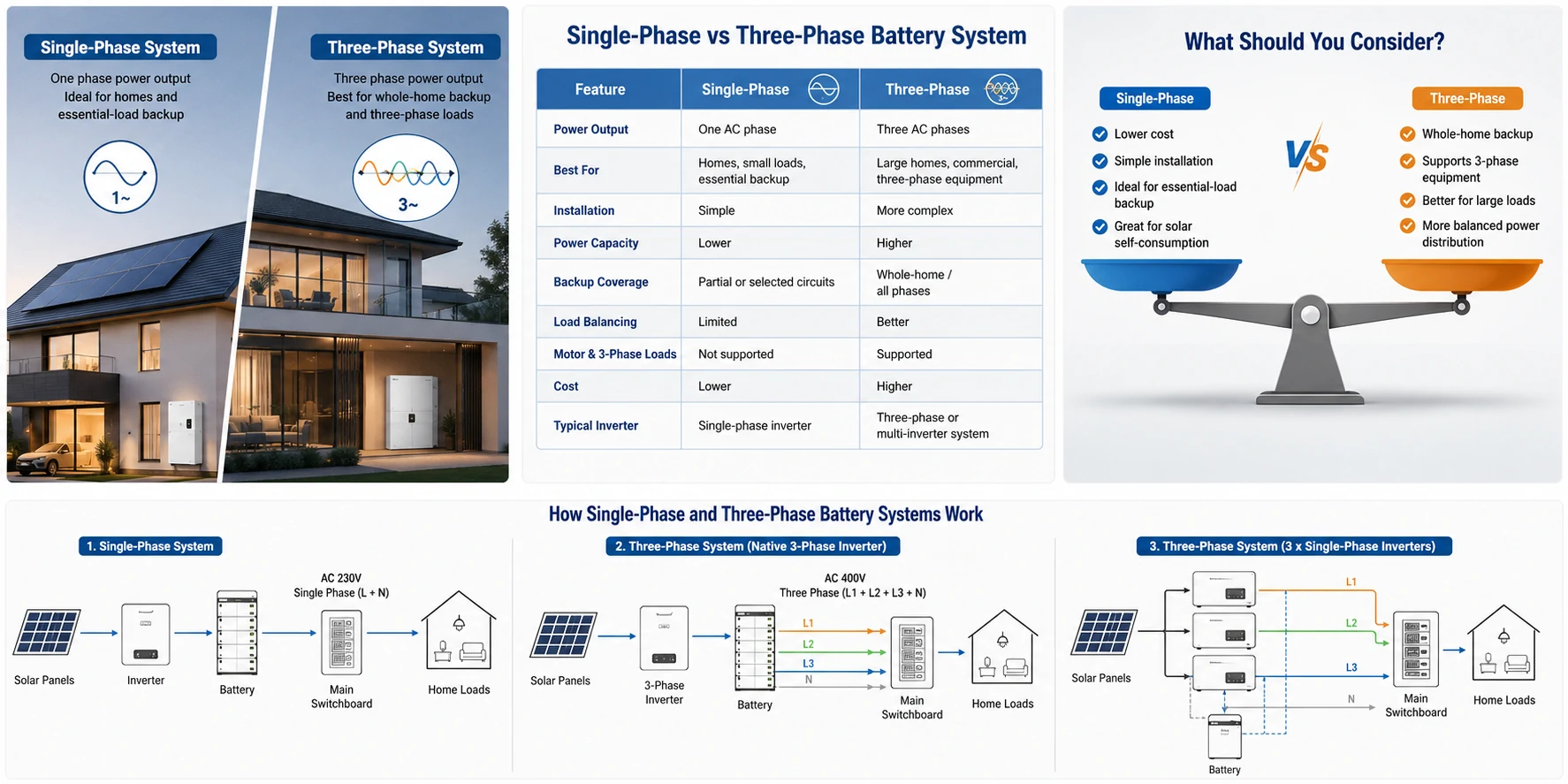
For most ordinary homes, a single-phase battery system is the more practical and economical choice—even when the property has a three-phase grid connection. A true three-phase battery system becomes necessary when the site must maintain power across all three phases, operate genuine three-phase equipment during an outage, or support larger and more evenly distributed commercial loads.
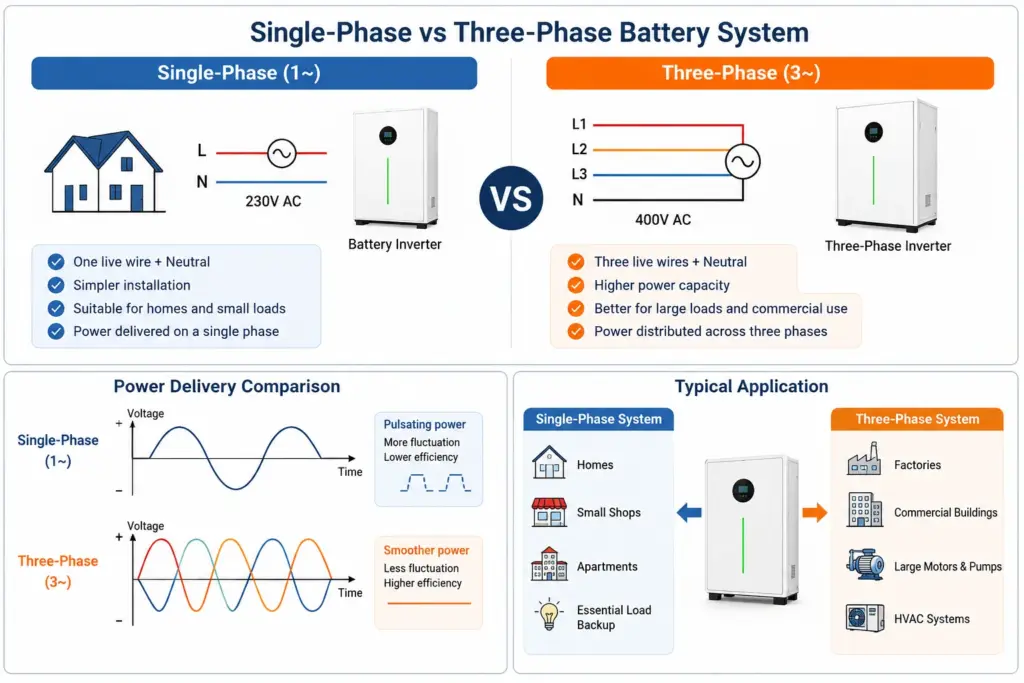
The important detail is that a battery does not inherently produce single-phase or three-phase electricity. Batteries store DC energy. The inverter, power conversion system, backup interface and electrical design determine whether the stored energy is delivered as single-phase or three-phase AC power.
Single Phase vs 3 Phase Battery: Quick Comparison
A single-phase system concentrates its available inverter power on one AC phase, while a three-phase system distributes power through three synchronized phases. The correct choice depends more on the backup circuits, simultaneous kW demand, three-phase equipment and inverter architecture than on battery capacity alone.
| Comparison Point | Single-Phase Battery System | Three-Phase Battery System |
|---|---|---|
| Battery energy | Stored as DC | Stored as DC |
| AC output | One phase | Three synchronized phases |
| Typical application | Homes, apartments, small shops, essential-load backup | Large homes, farms, workshops, hotels and C&I sites |
| Installation complexity | Lower | Higher |
| Equipment availability | Wider | More limited |
| Backup on a three-phase property | Usually one selected phase | Can support all three phases if designed accordingly |
| Three-phase motor support | No direct support from a single-phase output | Possible when inverter power and motor starting requirements are met |
| Per-phase power | Full inverter output may be available on one phase | Output is divided or controlled across three phases |
| Load balancing | Limited to the connected phase | Better suited to distributed loads |
| Protection and switching | Normally simpler | Requires coordinated multi-pole switching and protection |
| Best choice when | Essential circuits can be grouped onto one phase | Critical loads are spread across all phases or include three-phase equipment |
| Main risk | Assuming it will back up the entire three-phase property | Assuming total inverter power is available on every phase |
Build the Right Battery System With Avepower
Avepower supports installers, distributors, EPC companies and project developers with home energy storage solutions, high-voltage C&I battery systems, inverter compatibility matching and OEM/ODM customization.
Share your project country, grid phase, inverter model, required capacity, peak load, backup duration and three-phase equipment list. Avepower can help evaluate the battery voltage, current, capacity, communication protocol and cabinet configuration before production.
What Does Single Phase vs 3 Phase Battery Actually Mean?
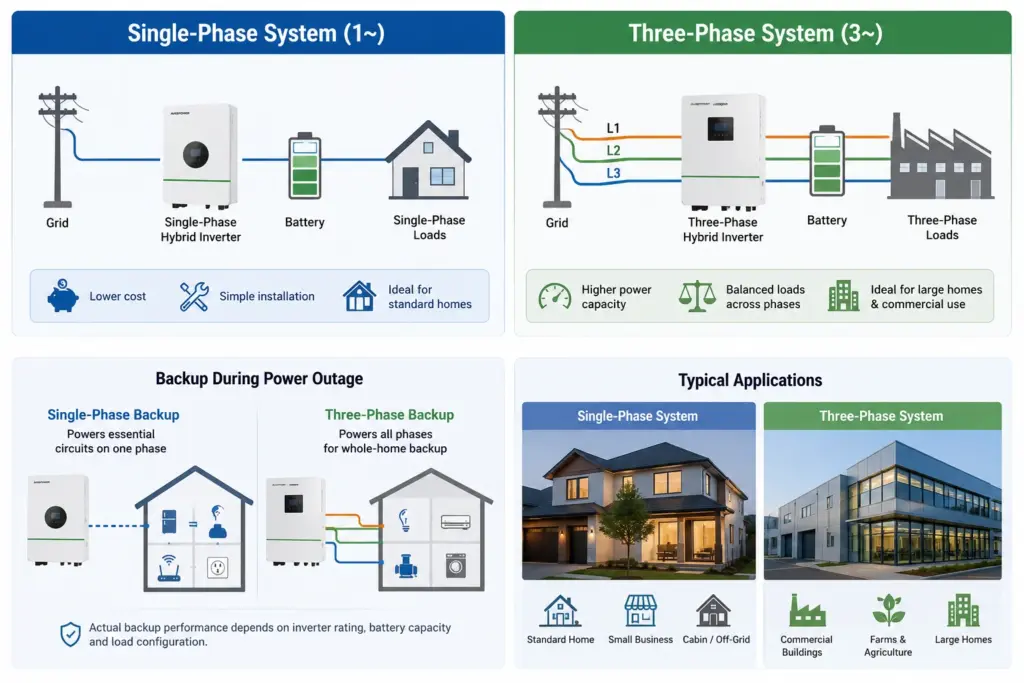
A single-phase battery uses a single-phase inverter or backup output, while a 3-phase battery system uses an inverter or PCS that creates three synchronized AC phases. The terms describe the complete storage system’s AC interface rather than the lithium cells or battery modules inside it.
A single-phase system produces one alternating-current waveform. In many European, UK, Australian and Asian residential systems, this is approximately 220–240V between line and neutral.
A three-phase system produces three AC waveforms separated by 120 degrees. A common European configuration provides approximately 230V line-to-neutral and 400V line-to-line. The UK government’s Energy Technology List defines three-phase motors as being supplied by three equal-frequency AC currents with a 120-degree phase difference.
The energy flow is therefore:
Battery cells and BMS → DC bus → single-phase or three-phase inverter → AC loads or grid
For a deeper explanation of this distinction, see Avepower’s guides to a single phase battery and a 3 phase inverter. Avepower’s existing technical content also confirms that the inverter determines whether the usable AC output is single-phase or three-phase.
How Much Current Does a 10kW Single-Phase or Three-Phase System Need?
For the same balanced 10kW load, a three-phase system carries much less current per phase than a single-phase system. At 230V single phase and 0.95 power factor, the current is about 45.8A; at 400V three phase, it is approximately 15.2A on each phase.
Single-Phase Calculation
For a single-phase load:
Current = Power ÷ (Voltage × Power Factor)
For 10kW at 230V and a power factor of 0.95:
10,000 ÷ (230 × 0.95) = 45.8A
Balanced Three-Phase Calculation
For a balanced three-phase load:
Current per phase = Power ÷ (√3 × Line Voltage × Power Factor)
For 10kW at 400V and a power factor of 0.95:
10,000 ÷ (1.732 × 400 × 0.95) = 15.2A per phase
| System | Voltage Assumption | Total Active Power | Power Factor | Calculated Current |
|---|---|---|---|---|
| Single phase | 230V | 10kW | 0.95 | 45.8A |
| Balanced three phase | 400V line-to-line | 10kW | 0.95 | 15.2A per phase |
This comparison explains why three-phase power is useful for high-load equipment and longer distribution runs. However, it does not mean a 10kW three-phase inverter can provide 10kW to one phase.
The datasheet must be checked for:
- Backup-mode limits
- Total continuous power
- Maximum power per phase
- Permitted phase imbalance
- Neutral current
- Short-duration overload
- Motor-starting capability
Does a 3-Phase Battery Charge Faster or Operate More Efficiently?
A three-phase connection does not automatically make the battery charge faster or store more energy. Charging speed depends on PV availability, inverter charging power, battery voltage, battery charge-current limit, BMS instructions, grid limits, temperature and state of charge rather than phase count alone.
A 15kWh battery remains a 15kWh battery whether it is connected to a single-phase or three-phase inverter.
Likewise, a 20kW three-phase inverter does not make a battery with a 10kW discharge limit deliver 20kW. The usable system output is restricted by the lowest applicable limit among:
- Battery continuous discharge power
- BMS discharge-current limit
- Inverter or PCS rating
- Per-phase output limit
- Cable and breaker ratings
- State of charge
- Cell temperature
- Grid export or import limit
- Backup-switch rating
Three-phase systems can distribute high output more effectively across multiple conductors and are widely used for larger BESS projects. However, phase count by itself is not a reliable measure of round-trip efficiency.
How Do You Size the Battery and Inverter?
Size the battery from the required energy over time, but size the inverter from simultaneous load and startup demand. The system must satisfy both calculations: enough kWh to achieve the target backup duration and enough kW on the correct phase or phases to start and operate the connected equipment.
A practical initial battery formula is:
Required nominal battery capacity = Load × Runtime ÷ (Usable DoD × Inverter efficiency)
A design reserve should then be added for aging, temperature, forecast uncertainty and future load growth.
Example A: Essential-Load Single-Phase Backup
Assume a three-phase home moves its essential circuits onto one backup phase.
- Average essential load: 2.4kW
- Required runtime: 4 hours
- AC energy required: 2.4 × 4 = 9.6kWh
- Planned usable depth of discharge: 80%
- Inverter efficiency assumption: 92%
- Design reserve: 15%
Calculation:
9.6 ÷ (0.80 × 0.92) = 13.04kWh
Including 15% reserve:
13.04 × 1.15 = 15.0kWh
A 15–16kWh battery class would therefore be a reasonable initial capacity target, subject to the actual battery’s usable-energy specification.
Example B: Full Three-Phase Backup
Assume a large home or workshop needs an average of 10.5kW across all three phases for four hours.
- Average load: 10.5kW
- Runtime: 4 hours
- Required AC energy: 42kWh
- Usable depth of discharge: 80%
- Inverter efficiency: 92%
- Design reserve: 15%
Calculation:
42 ÷ (0.80 × 0.92) = 57.07kWh
Including reserve:
57.07 × 1.15 = 65.63kWh
The initial battery target is therefore approximately 64–70kWh.
This does not complete the design. The installer must also determine:
- Peak simultaneous power
- Power on each individual phase
- Largest motor or compressor startup
- Inverter overload duration
- Whether loads can be shed automatically
- Available solar and grid charging power
- Required reserve state of charge
Avepower’s inverter size chart explains how running power and surge power affect inverter selection, while the battery storage design guide covers project objectives, load profiles, kW/kWh sizing and BESS architecture.
When Should You Choose a Single-Phase Battery?
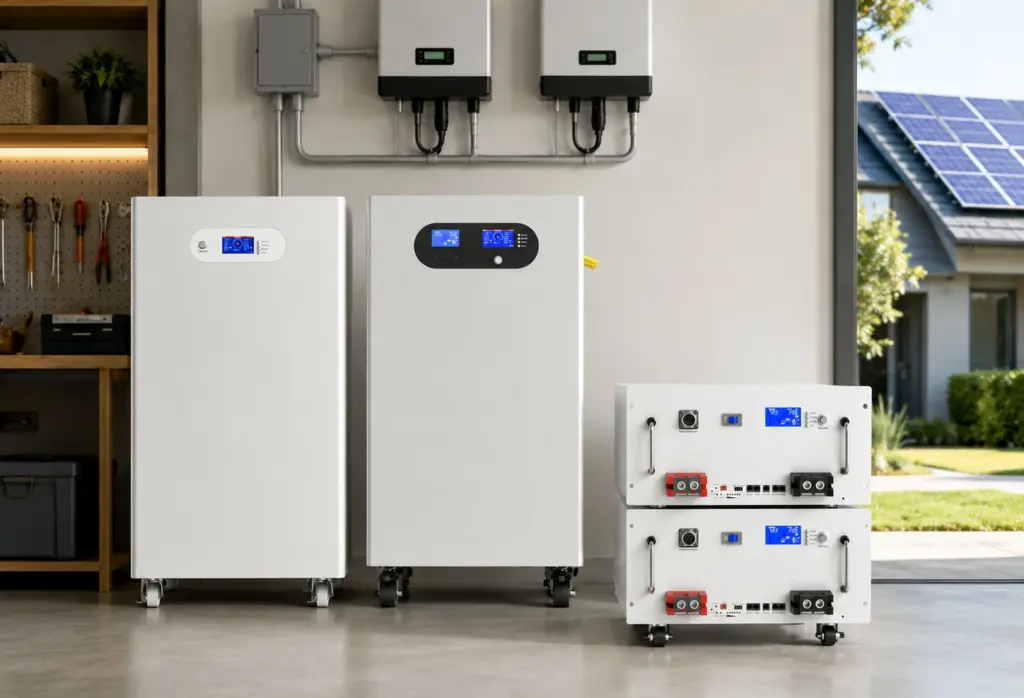
Choose a single-phase battery when the property has a single-phase supply, the required backup loads fit within one inverter output, and no essential equipment requires genuine three-phase power. It can also be suitable for a three-phase property when only selected single-phase circuits need backup.
A single-phase system is usually appropriate when:
- The property already has a 220–240V single-phase connection
- Most loads are lighting, sockets and household appliances
- Backup can be limited to essential circuits
- The largest simultaneous demand fits within the inverter rating
- Motor-starting current is within the surge rating
- Existing solar is single-phase or integrated on the DC side
- Lower installation complexity is a priority
- The local grid permits the proposed inverter capacity
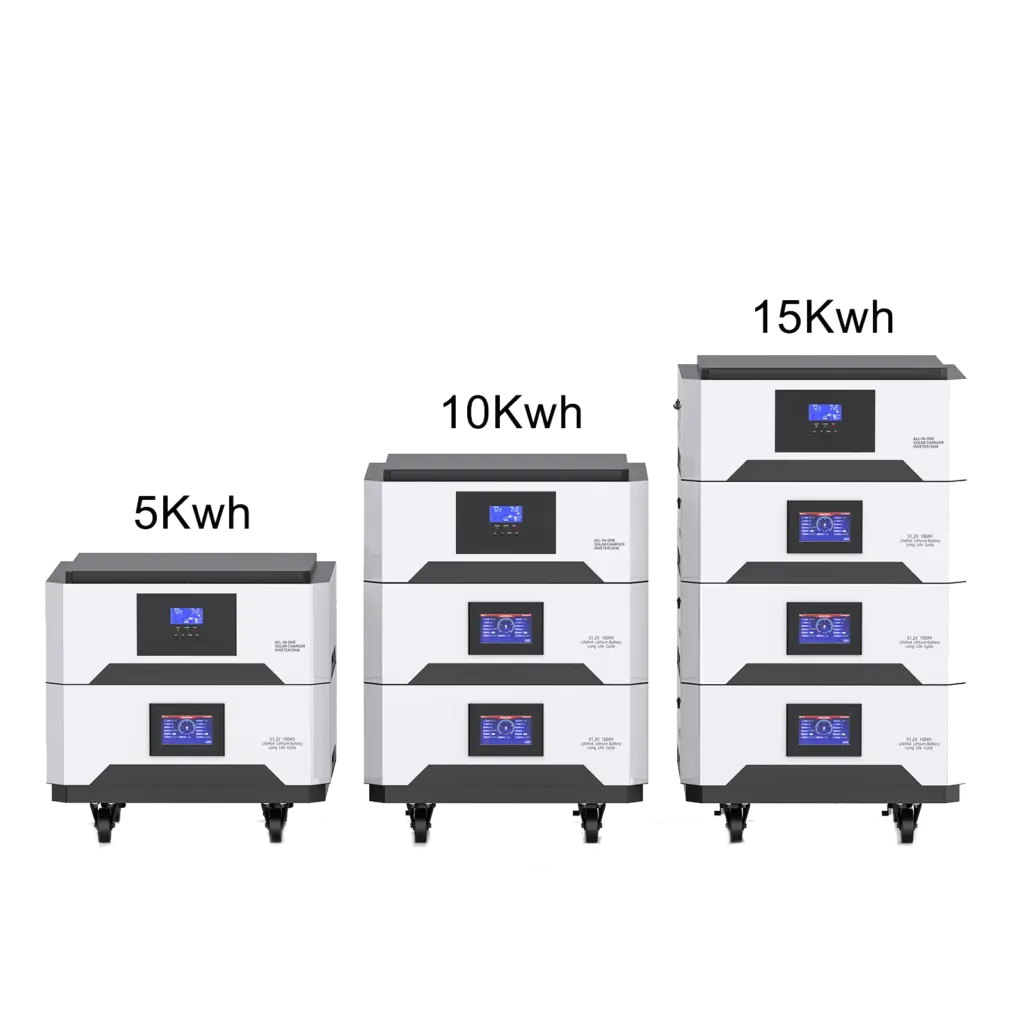
For example, Avepower’s 15kWh all-in-one solar battery with a 6kW inverter integrates a 51.2V 314Ah LiFePO4 battery, 6.2kW-class pure sine wave inverter, MPPT solar charging and backup transfer functions. Its output must still be evaluated against the site’s maximum simultaneous and surge loads.
When Should You Choose a 3-Phase Battery System?
Choose a 3-phase battery system when three-phase equipment must operate during an outage, power demand needs to be distributed across several phases, or the project uses a larger three-phase PCS for commercial, agricultural, hospitality or high-consumption residential applications.
A three-phase system becomes more valuable when:
- The site already has a three-phase service
- Essential loads are distributed across L1, L2 and L3
- Reorganizing all backup loads onto one phase is impractical
- A three-phase heat pump, pump, motor or compressor must operate off-grid
- The solar inverter is three-phase and must continue operating during an outage
- The project requires more output than the network permits on one phase
- The system serves a farm, workshop, hotel or commercial facility
- Future expansion includes large HVAC, machinery or high-power EV charging
- Phase balancing or per-phase export control is required
Local grid rules must be confirmed before ordering. In Great Britain, for example, the Energy Networks Association’s G98 and G99 framework uses per-phase current thresholds and applies connection requirements to electricity-storage inverters as well as other generating equipment. These UK limits should not be applied automatically to other countries. Review ENA Engineering Recommendation G99.
Single-Phase & Three-Phase Energy Storage System Case Studies
Avepower’s product and project data demonstrate why capacity, battery current and AC phase configuration must be evaluated separately. A residential battery may provide enough kWh for essential backup but still be limited by DC current, while a high-voltage C&I cabinet requires a correctly matched PCS to create three-phase output.
Example 1: Matching a 16kWh Battery to Inverter Power
The Avepower 51.2V 314Ah 16kWh LiFePO4 battery provides approximately 16.08kWh of nominal energy.
Published operating data include:
- Nominal voltage: 51.2V
- Nominal capacity: 314Ah
- Nominal energy: approximately 16.08kWh
- Continuous discharge current: 157A
- Maximum discharge current: 200A for up to 300 seconds
- CAN, RS485 and RS232 communication
- Up to 16 batteries in parallel
At a nominal 51.2V, the approximate continuous DC power before conversion losses is:
51.2V × 157A = 8.04kW DC
Assuming 92% inverter efficiency:
- A 6kW AC inverter requires approximately
6,000 ÷ (51.2 × 0.92) = 127A - An 8kW AC inverter requires approximately
8,000 ÷ (51.2 × 0.92) = 170A
One battery therefore has a more comfortable continuous-current match with a 6kW-class inverter than with an inverter expected to deliver 8kW continuously. The 200A figure is a short-duration limit and should not be treated as the normal continuous rating.
Actual current will increase as battery voltage falls, and BMS settings, temperature, SOC and cable losses may reduce available power.
At 80% depth of discharge and 92% inverter efficiency, approximate delivered AC energy is:
16.0768 × 0.80 × 0.92 = 11.83kWh
At an average essential load of 2.4kW:
11.83 ÷ 2.4 = approximately 4.9 hours
This calculation provides more decision value than capacity alone. The installer must verify both runtime and current capability.
Example 2: Scaling Capacity Does Not Determine Phase Output
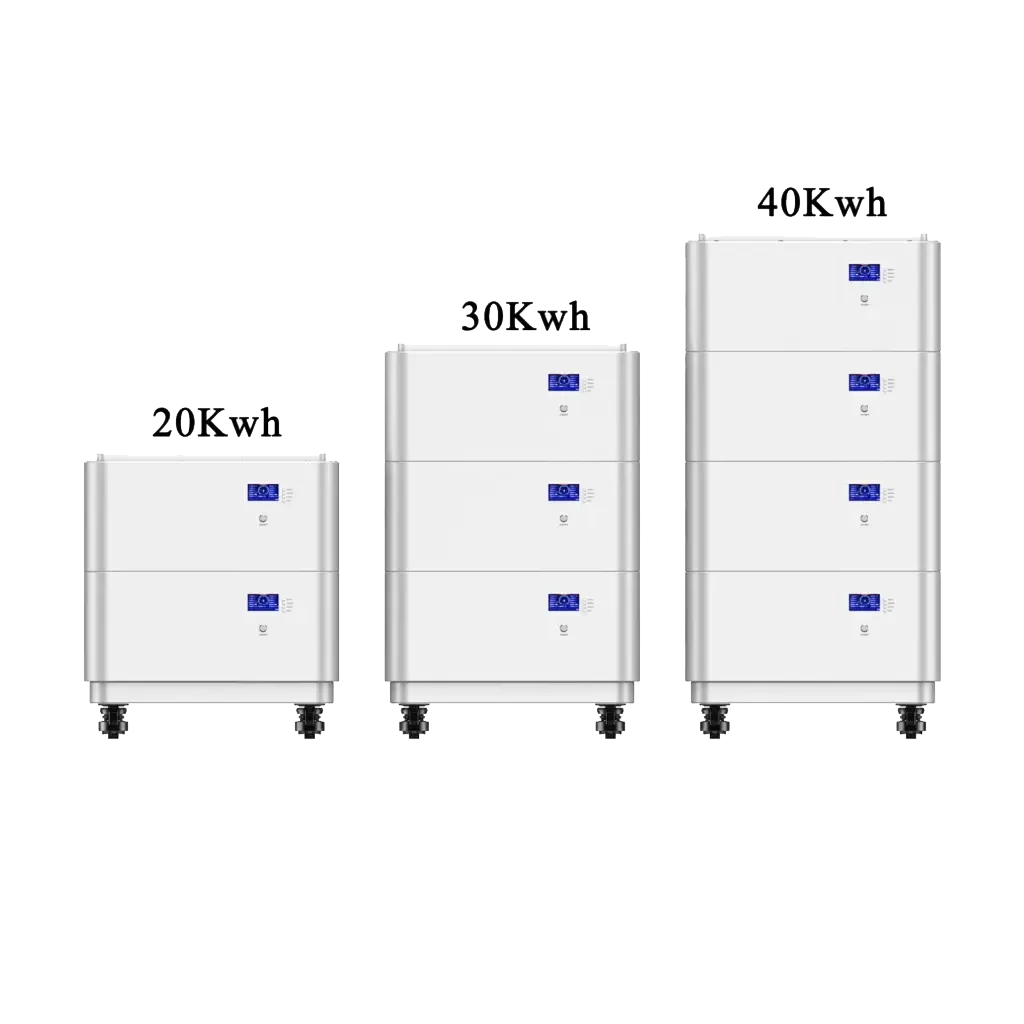
Avepower’s France 64kWh solar battery case uses four 16kWh LiFePO4 batteries connected in parallel to create a 64kWh low-voltage battery bank.
The case demonstrates how parallel batteries increase:
- Total energy capacity
- Available battery current
- Expansion flexibility
- Serviceability
The published case does not specify that the system provides three-phase AC output. It should therefore be used as evidence of battery-bank scaling, not as evidence that parallel batteries automatically create a three-phase system.
The phase output still depends on the connected inverter architecture.
Example 3: High-voltage C&I Battery Matched to a PCS
Avepower’s Netherlands 108.5kWh high-voltage ESS project uses:
- 108.5184kWh nominal energy
- 345.6V nominal DC voltage
- Six 57.6V 314Ah battery packs in series
- One high-voltage BCU box
- A 1P108S architecture
- Maximum inverter power stated as 70kW
This project illustrates an important engineering principle:
The 345.6V battery cabinet supplies high-voltage DC energy; the matched inverter or PCS determines whether the site receives three-phase AC power.
For a commercial project, the buyer must therefore confirm:
- PCS DC voltage range
- PCS maximum DC current
- Three-phase AC voltage
- Per-phase output
- CAN protocol
- BCU and PCS control logic
- Grid-forming or backup capability
- EMS functions
- Switchgear and protection
Avepower’s commercial and industrial energy storage solutions include high-voltage battery configurations for project-based PCS integration.
Get a Project-Matched Battery Configuration from Avepower
Avepower supplies home energy storage batteries, integrated battery systems and custom high-voltage battery storage for installers, distributors, project developers and OEM/ODM energy brands.
Submit your site phase, inverter model, required battery capacity, maximum load, backup circuits and project country. Avepower can help evaluate the battery voltage platform, continuous current, communication protocol, parallel configuration and suitability for single-phase or three-phase inverter integration before you place an order.
Take Control of Your Energy with Avepower!
Reliable home solar battery solutions with OEM/ODM customization and in-house manufacturing, tailored to the needs of distributors, installers, and energy partners.
What Single-Phase vs 3-Phase Battery Mistakes Should You Avoid?
The most common mistakes are selecting from battery kWh alone, assuming a three-phase property always needs a three-phase battery, or assuming a three-phase inverter’s full nameplate power is available on every phase. These errors can produce inadequate backup, nuisance trips and failed inverter integration.
Avoid the following:
- Calling the battery module single-phase or three-phase without checking the inverter.
- Sizing only from monthly energy consumption.
- Ignoring per-phase loads on a three-phase property.
- Assuming all 3-phase inverters support unbalanced output.
- Assuming grid-connected performance equals blackout performance.
- Expecting a single-phase battery to run a true three-phase motor.
- Ignoring the starting current of pumps and compressors.
- Assuming three single-phase batteries automatically form synchronized three-phase backup.
- Adding a single-phase battery to three-phase solar without checking outage charging.
- Matching equipment only by voltage and connector type.
- Using another country’s grid limits without local verification.
- Choosing extra battery capacity when the real limitation is inverter power.
Conclusion: Should You Choose a Single-Phase or 3-Phase Battery?
Choose the simplest system that can safely operate the required loads. Most homes can use a single-phase battery—even on a three-phase connection—when essential circuits are grouped correctly. Choose a true three-phase system when all phases, large distributed loads or critical three-phase equipment must remain operational.
FAQ
A battery normally stores DC electricity and does not have an AC phase. The terms single-phase battery and three-phase battery describe the inverter, PCS, backup output and overall system configuration.
Not necessarily. A single-phase battery is often sufficient when the objective is self-consumption or backup of selected essential circuits. A three-phase system is needed when all phases or genuine three-phase equipment must remain powered.
A normal single-phase backup output cannot directly run a genuine three-phase air conditioner. A correctly sized three-phase inverter or another manufacturer-approved power-conversion arrangement is required.
The required capacity depends on the loads and backup duration, not on the grid phase alone. A home using only essential loads may need 10–16kWh, while full three-phase backup can require 40–70kWh or more.
They can only do so when the inverter and backup architecture support off-grid solar operation. Phase mismatch between the backup inverter and solar inverter can prevent the PV system from restarting.
It is usually more expensive because the inverter, switching, protection, metering and commissioning are more complex. The battery-cell cost may be similar when usable kWh capacity is the same.