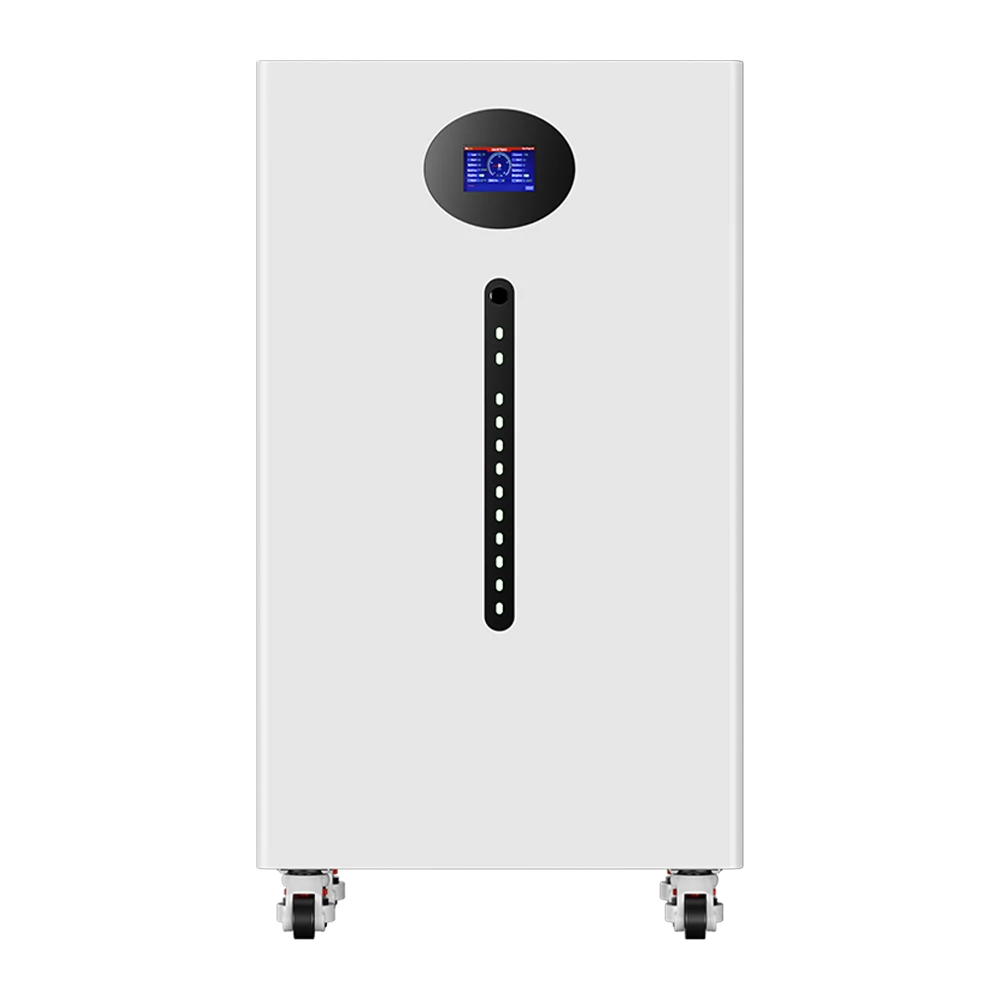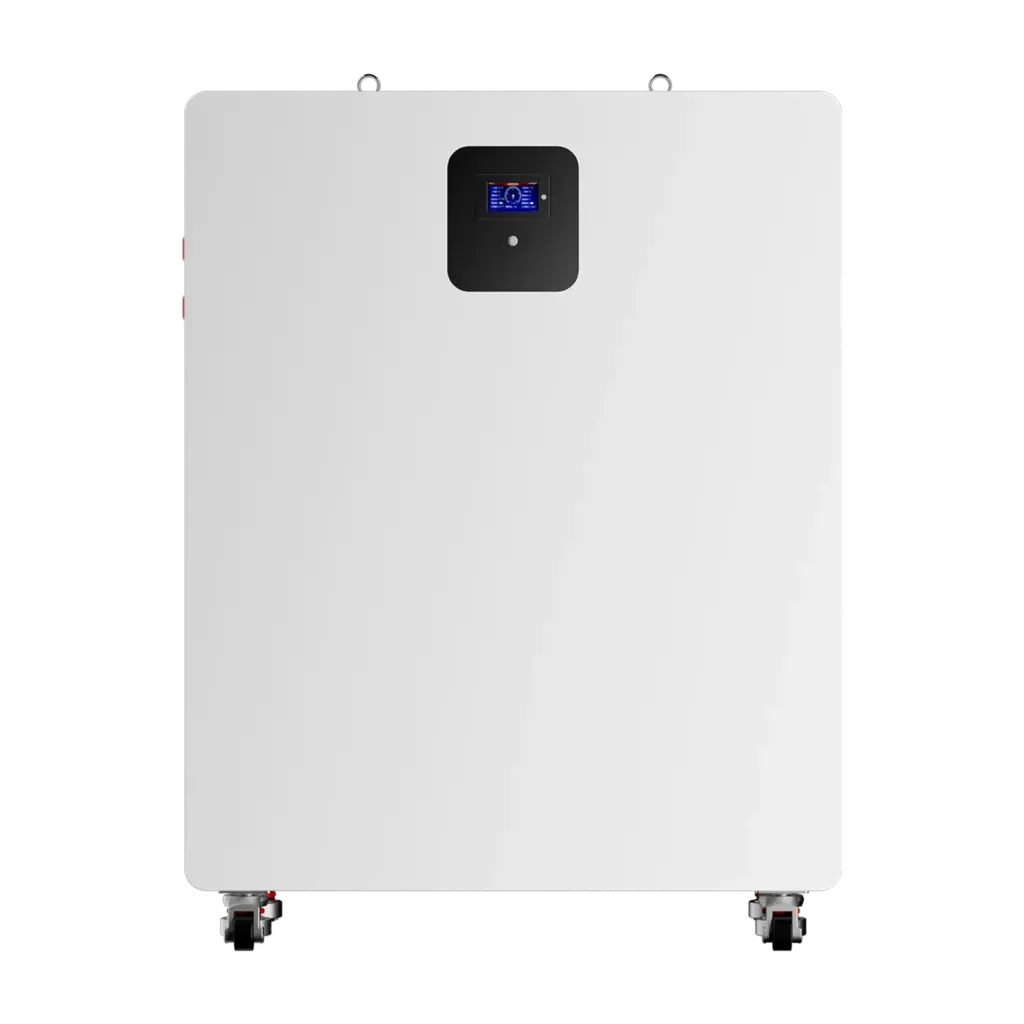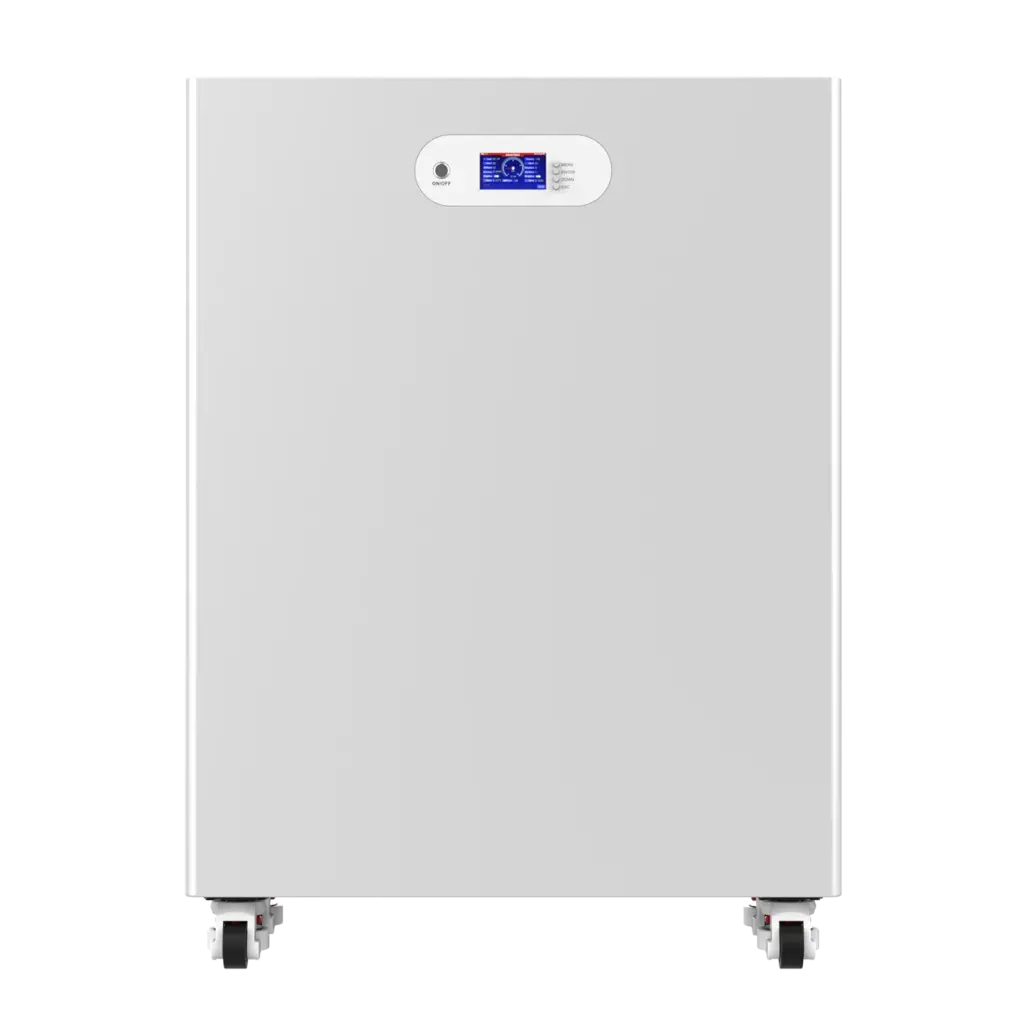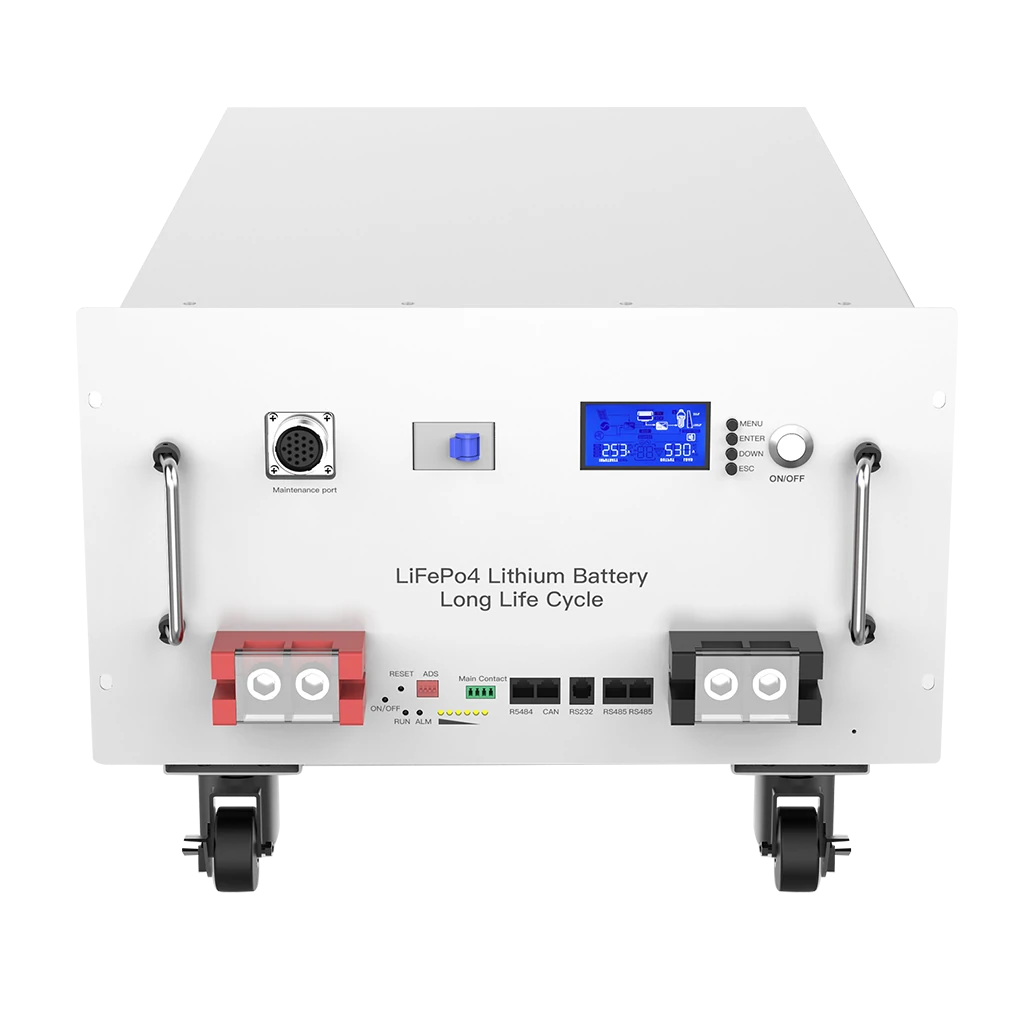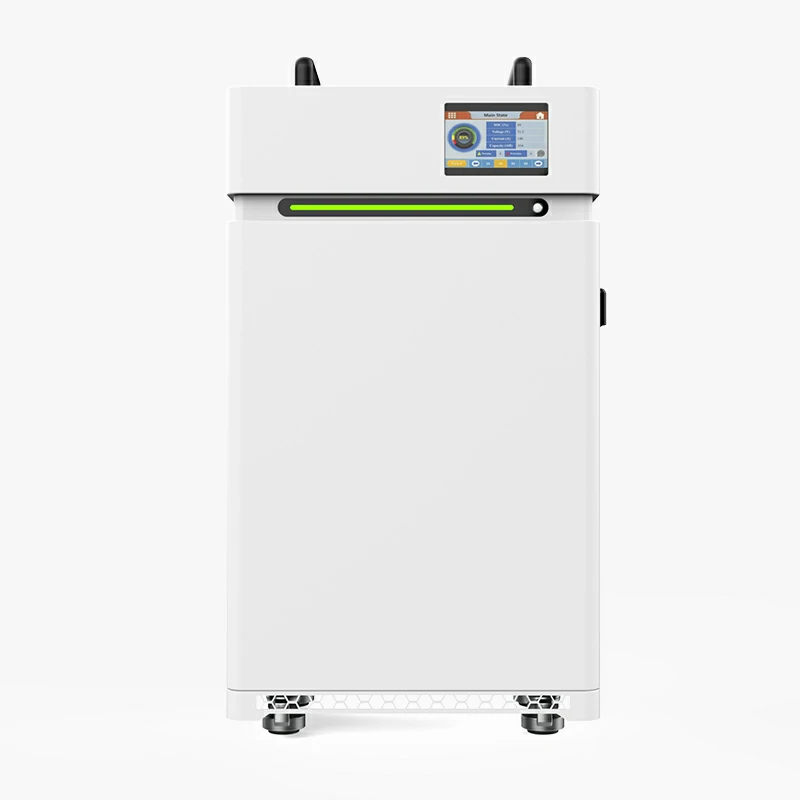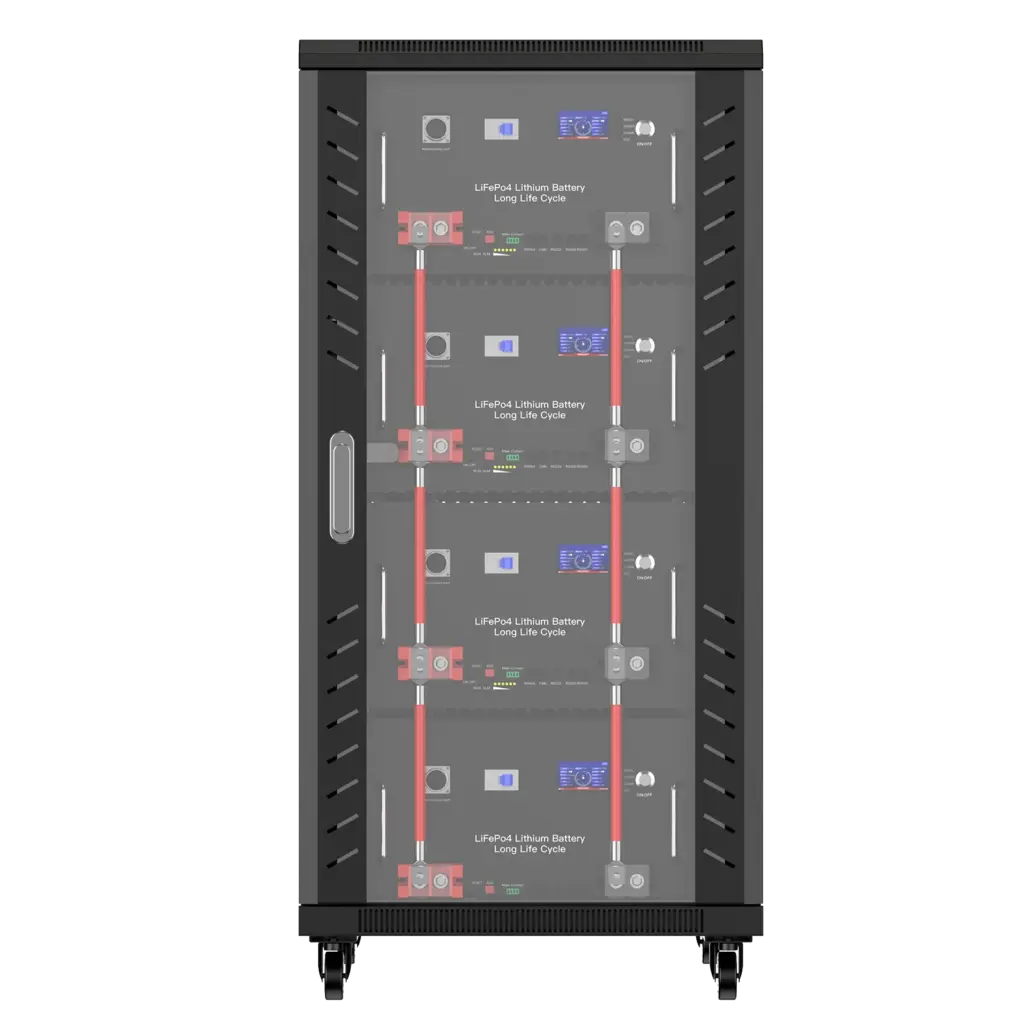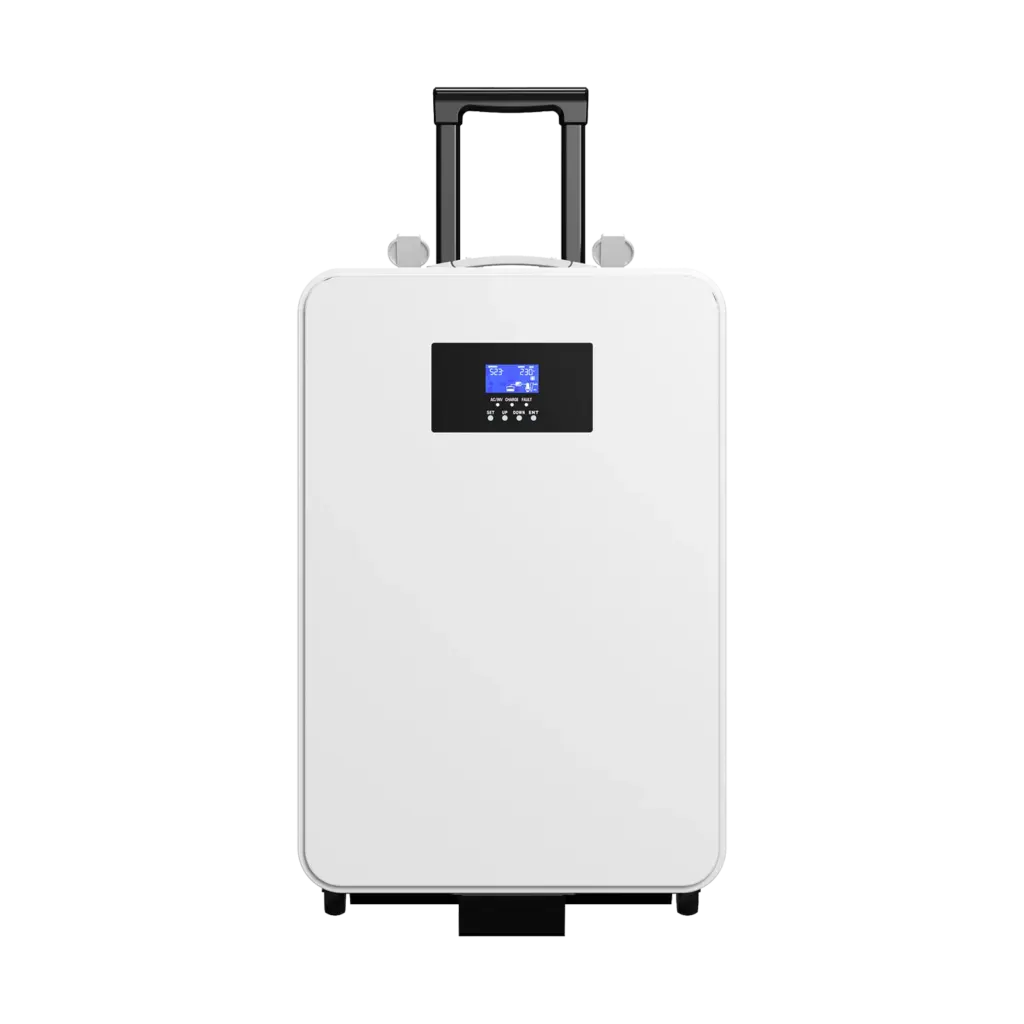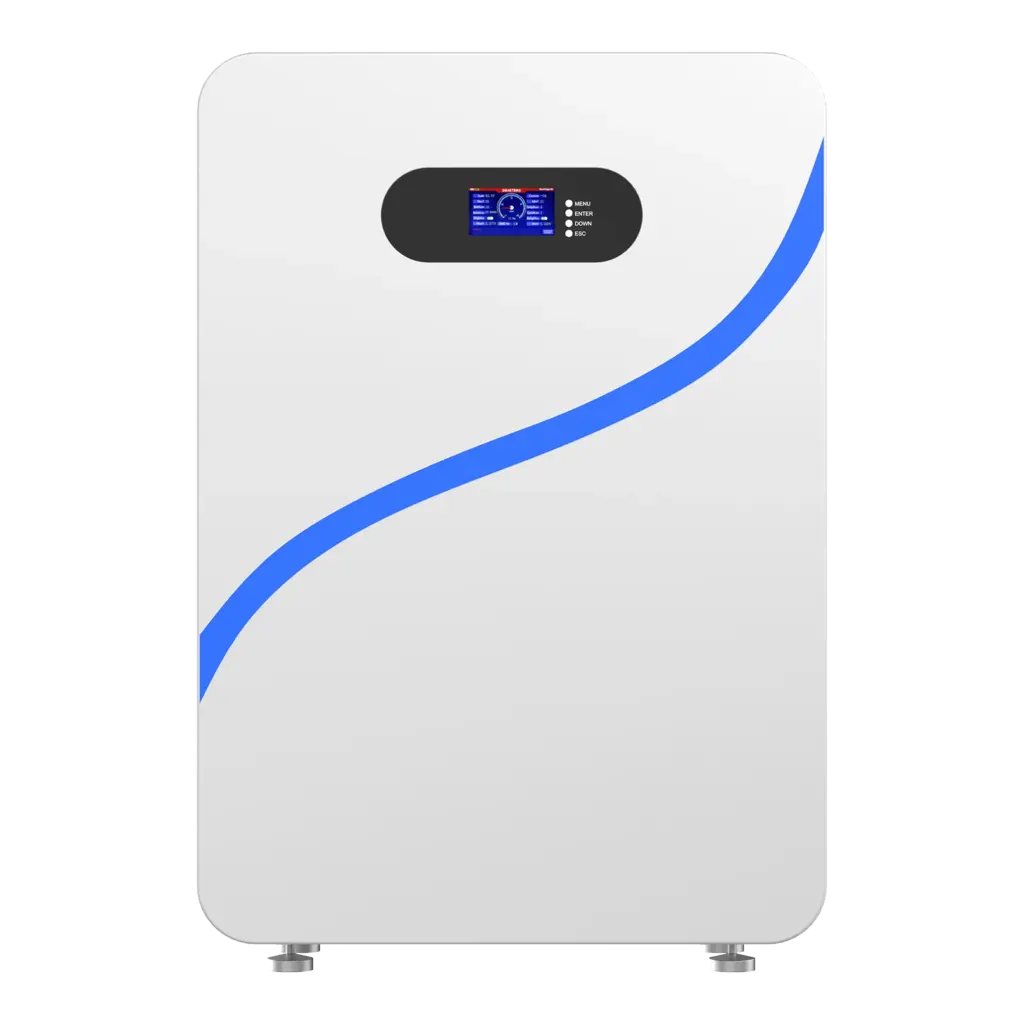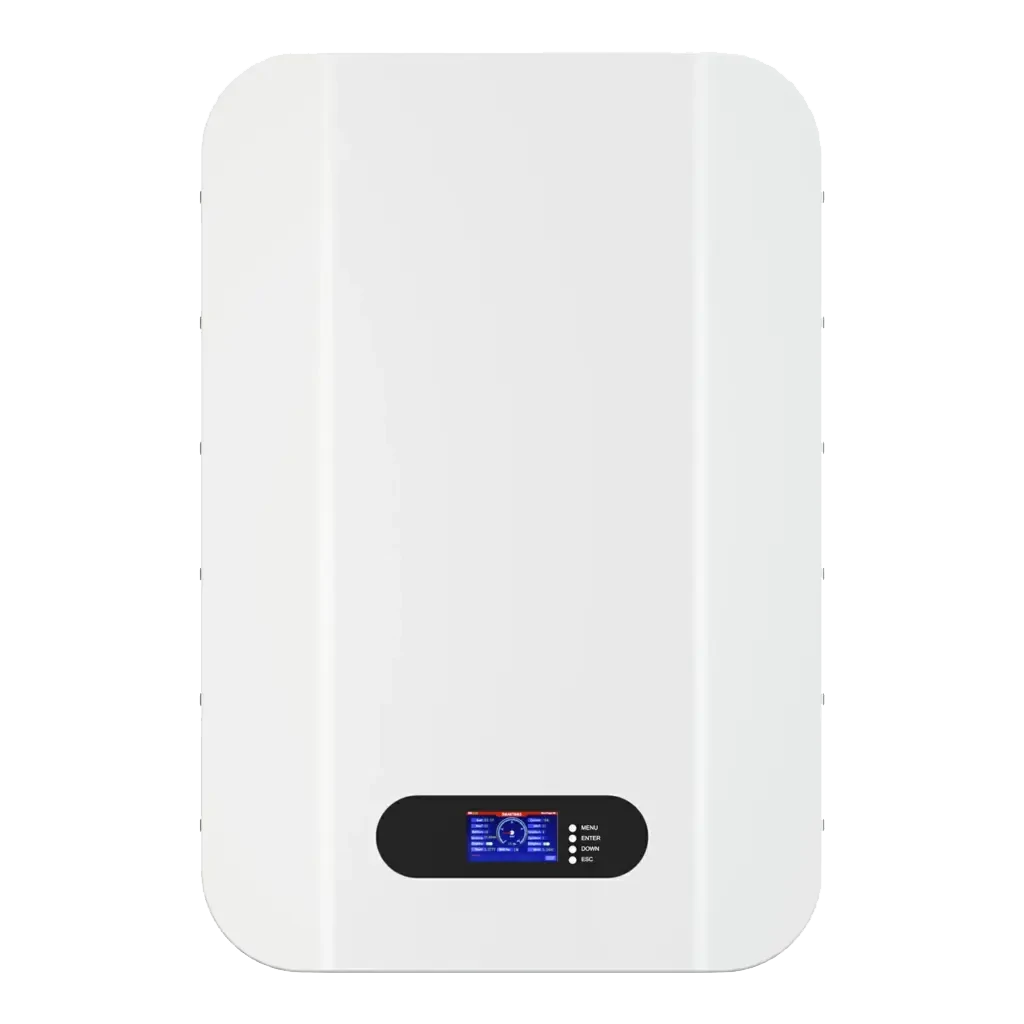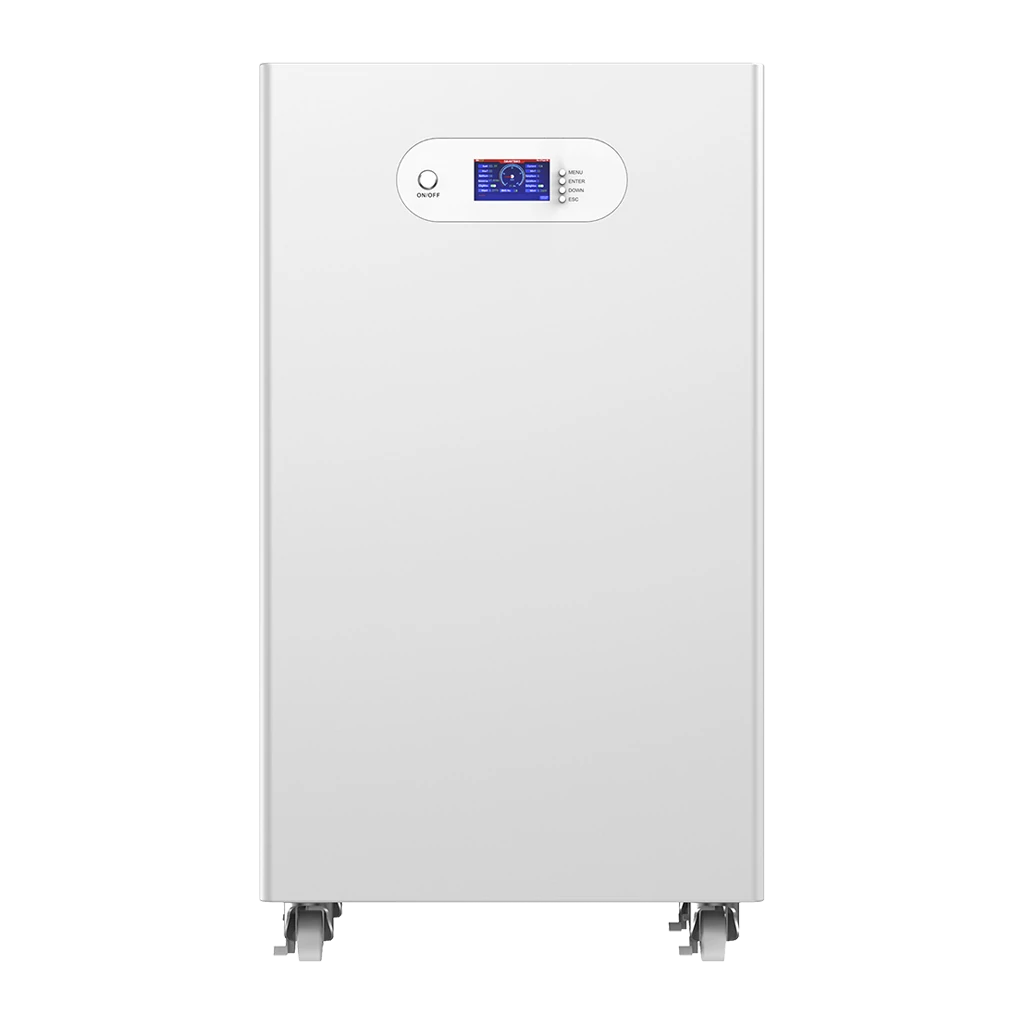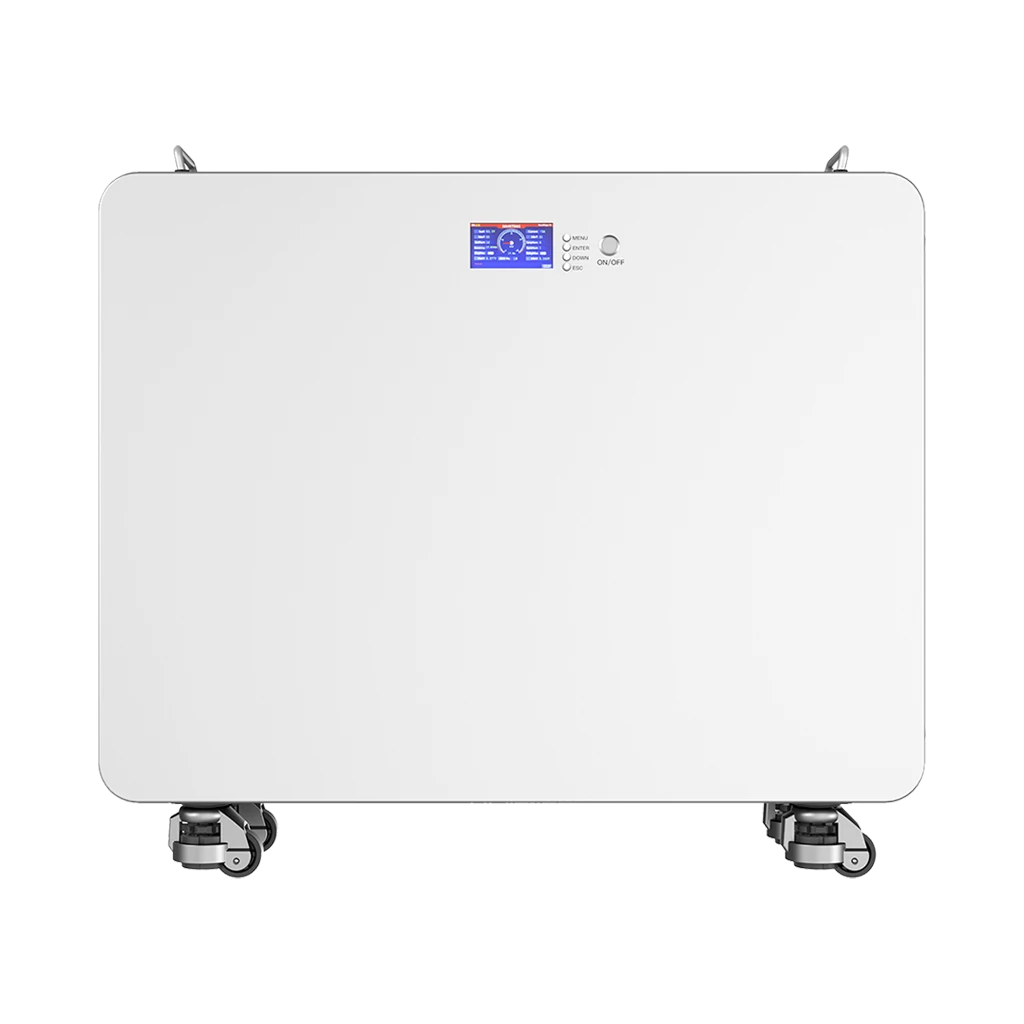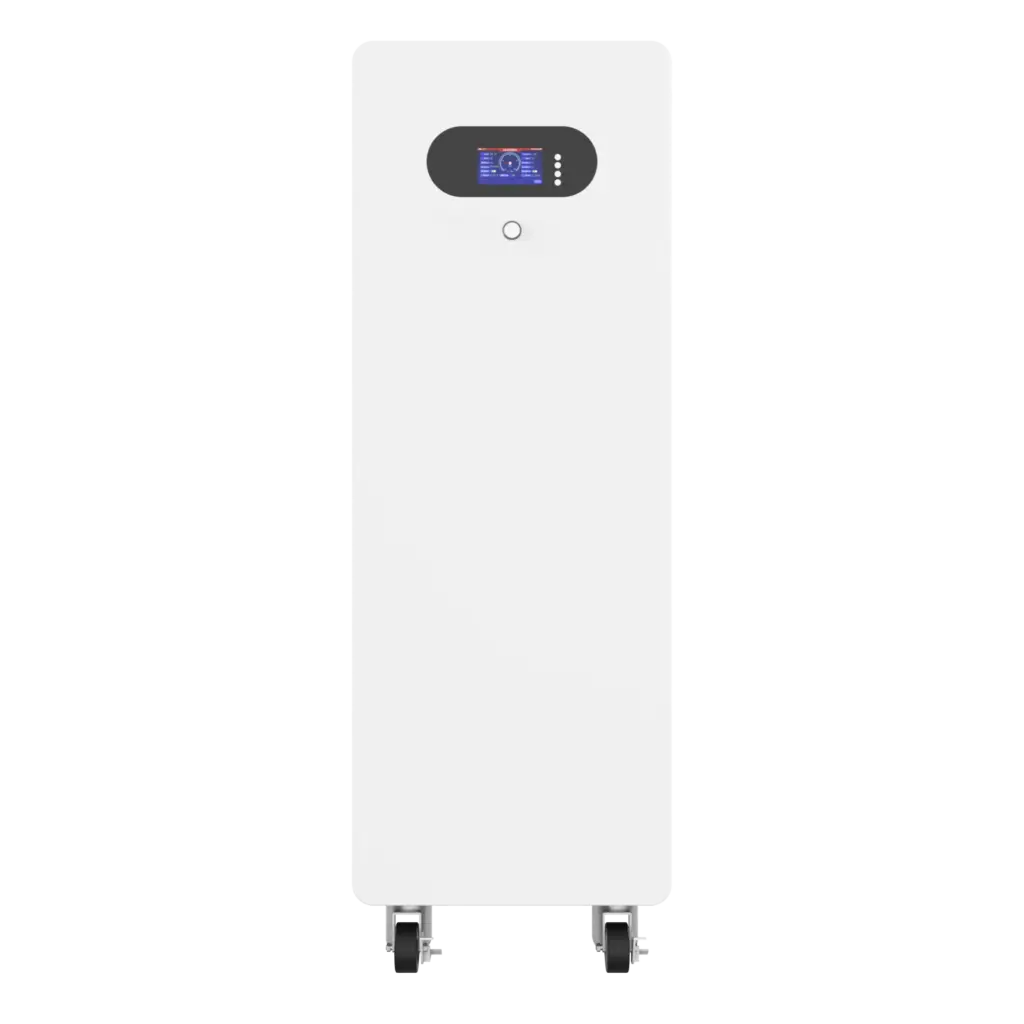

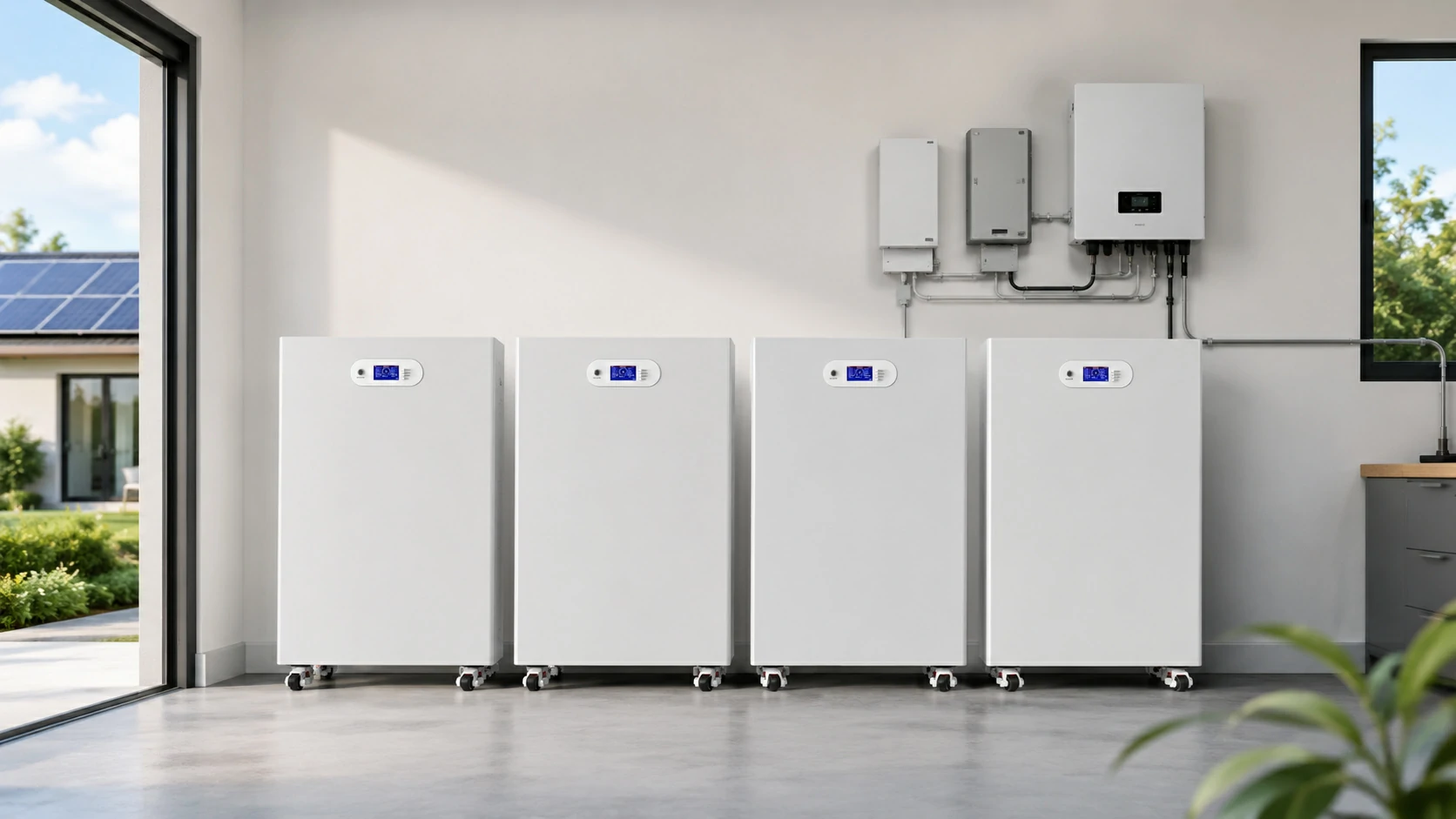
A 110 kWh battery is a high-capacity energy storage system that can store about 110 kilowatt-hours of electrical energy. For a standard home, this is a large battery bank. For villas, farms, multi-family homes, shops, clinics, offices, telecom rooms, and small commercial facilities, it can be a practical size for solar self-consumption, backup power, peak shaving, off-grid operation, or generator reduction.
This guide explains what a 110 kWh battery can do, how long it can run different loads, how much it may cost, what system architecture to choose, and when this capacity is suitable for residential and small commercial applications.
Quick Answer: What Is a 110 kWh Battery?
A 110 kWh battery is an energy storage system with approximately 110 kilowatt-hours of nominal capacity. Depending on usable depth of discharge, inverter efficiency, and system design, the usable energy may be around 90–105 kWh.
A kilowatt-hour, or kWh, measures energy capacity. It tells you how much electricity a battery can store and deliver over time.
For example, if a load uses 10 kW continuously, a 110 kWh battery could theoretically support it for about 11 hours before considering usable capacity limits and losses. In real projects, the actual runtime depends on inverter efficiency, battery depth of discharge, system temperature, discharge rate, and whether the system is powering all loads or only selected backup loads.
A simple way to understand the number is:
Battery runtime = usable battery energy ÷ load power
For planning, it is better not to use the full nominal capacity. If a 110 kWh battery has 90% usable depth of discharge and about 90% inverter efficiency, the practical AC energy may be around 89 kWh.
| Average Load | Estimated Runtime from 110 kWh Battery* | Typical Scenario |
|---|---|---|
| 3 kW | About 29–30 hours | Essential home loads, lighting, fridge, router, small appliances |
| 5 kW | About 17–18 hours | Larger home backup or small office essentials |
| 10 kW | About 8–9 hours | Home with more appliances or small business daytime support |
| 20 kW | About 4–5 hours | Small commercial backup, shop, clinic, equipment loads |
| 50 kW | About 1.5–2 hours | High-power commercial load or peak shaving event |
What Can a 110 kWh Battery Power?
A 110 kWh battery can support different loads depending on system power rating and backup design. In practical projects, not every load should be backed up. Critical loads are usually separated from non-critical loads to improve runtime and reduce system cost.
A large home may use a 110 kWh battery to support lighting, refrigeration, communication equipment, security systems, selected air conditioning, well pumps, garage systems, and EV charging control. A small business may use it for POS systems, lighting, computers, routers, cameras, refrigeration, office equipment, small machines, and emergency operation.
Need a 110 kWh Battery for Home or Small Business Backup?
Avepower provides scalable LiFePO4 battery storage solutions for large homes, farms, villas, workshops and small commercial projects. Tell us your load profile, backup time and inverter requirements, and our team can help recommend a suitable battery configuration.
110 kWh Battery vs 100 kWh Battery vs 150 kWh Battery
A 110 kWh system is often compared with 100 kWh battery and 150 kWh battery systems. The best choice depends on load size, backup duration, available space, and expansion plan.
| System Size | Best Fit | Typical Use Case |
|---|---|---|
| 50 kWh | Large home or small commercial backup | Essential loads, short backup duration |
| 100 kWh | Large home, shop, farm, clinic | Solar storage, backup, peak shaving |
| 110 kWh | Flexible mid-size solution | Slightly more margin than 100 kWh, often cabinet-based |
| 150 kWh | Small commercial or larger off-grid site | Longer backup, higher daily cycling |
| 200 kWh+ | Commercial and industrial | Demand management, microgrid, heavy loads |
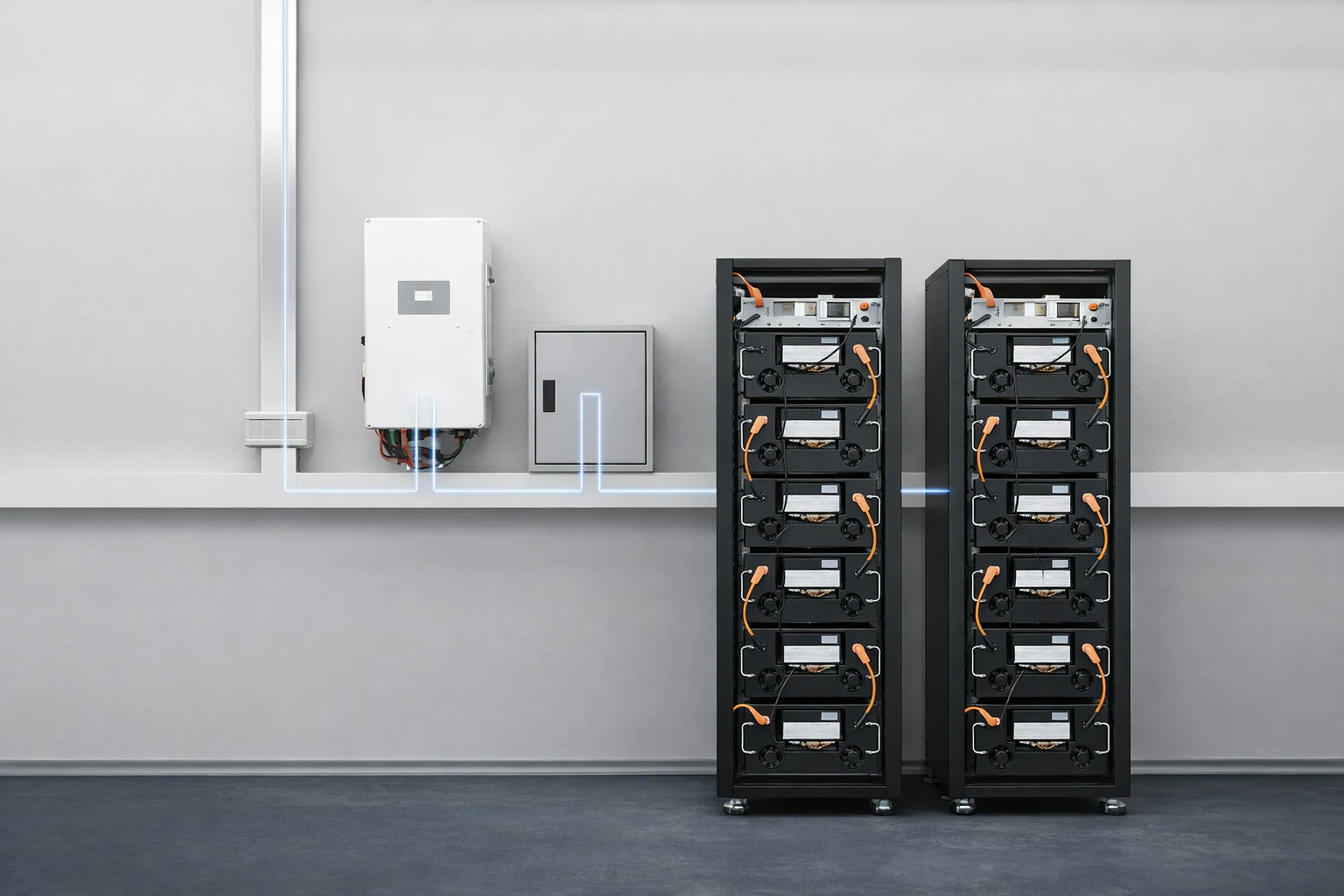
Many 100–110 kWh products on the market use cabinet-based designs with LFP batteries, BMS, PCS/inverter options, cooling, monitoring, and communication interfaces. Some commercial systems in this class use 50 kW PCS with around 100 kWh of battery capacity, designed for peak shaving, microgrids, and backup applications.
For Avepower, buyers who need project-level customization can explore the custom high-voltage battery storage system for commercial, solar-plus-storage, UPS, and customized ESS integration. Avepower’s high-voltage ESS scalable configuration, LiFePO4 chemistry, BMU/BCU management, CAN/RS485 communication, modular cabinet design, and project-based customization.
Is a 110 kWh Battery Suitable for a Home?
A 110 kWh home battery system may be suitable for large villas, homes with multiple air conditioners or heat pumps, properties with EV charging, off-grid homes, farms, estates, remote houses with unstable grids, or multi-family residential buildings. It is also useful when the homeowner wants several days of essential backup rather than only a few hours.
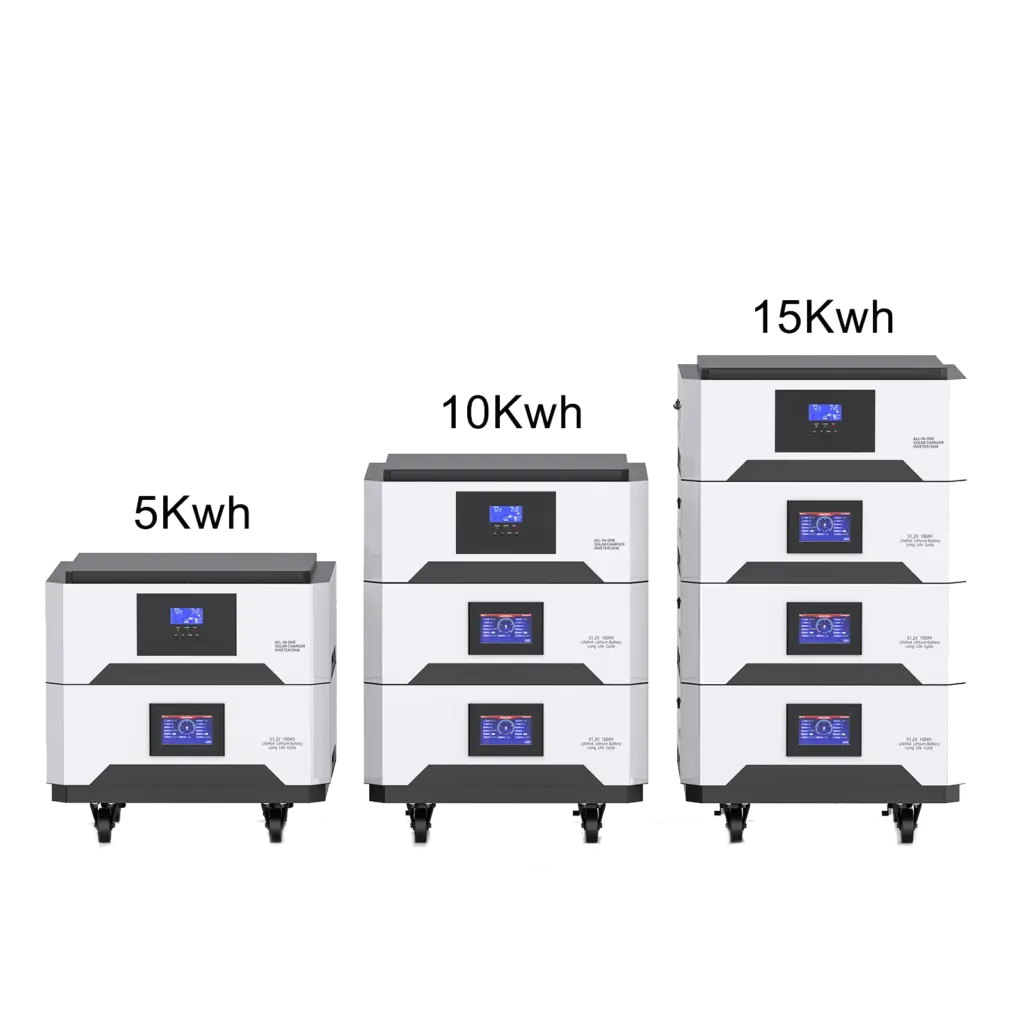
For residential projects, modular low-voltage batteries can be easier for installers to design and expand. For example, Avepower’s 15kWh vertical LiFePO4 battery supports parallel expansion, Bluetooth and WiFi monitoring, CAN/RS485/RS232 communication, and up to 16 units in parallel, allowing installers to build larger 48V-class storage banks according to project needs.
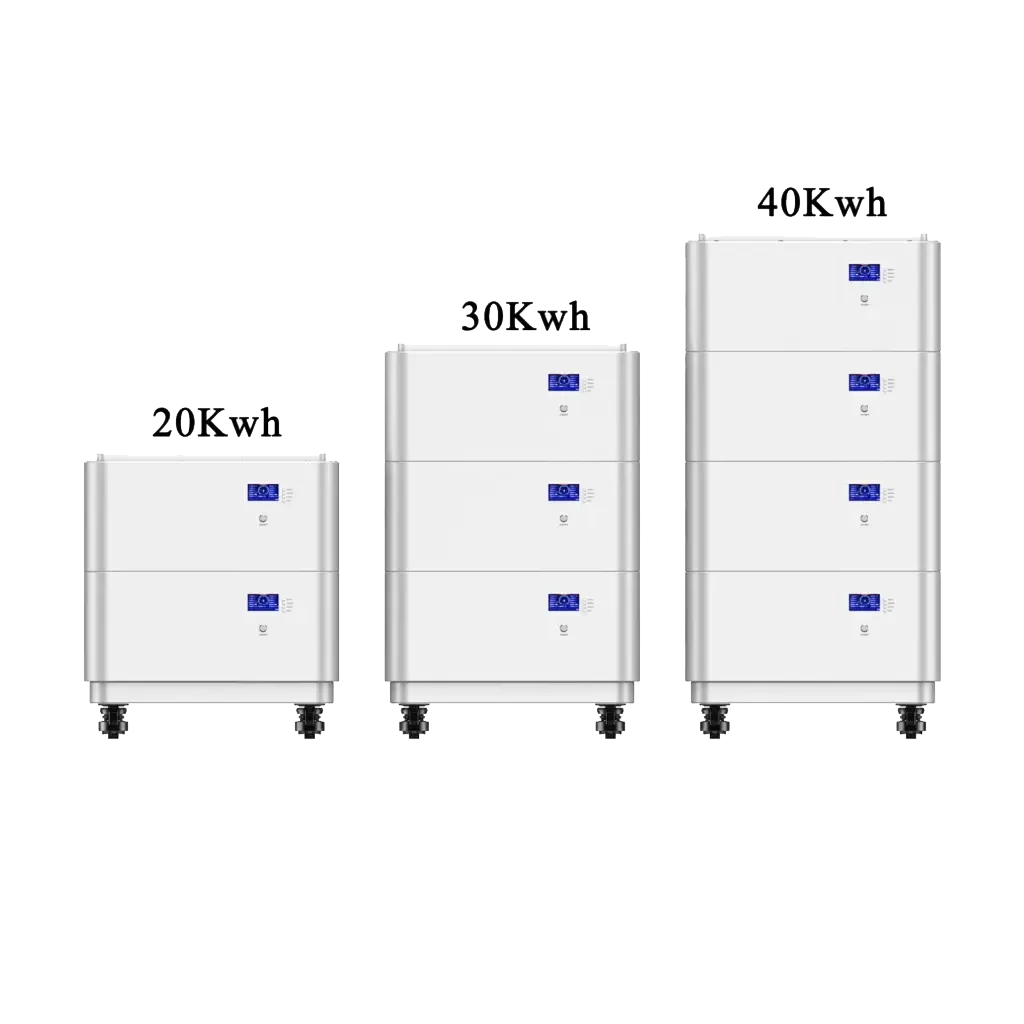
For homes that need fewer cabinets but higher per-unit energy, Avepower’s 30kWh solar battery can be used as a higher-capacity modular building block for large residential or small project storage systems.
Common Use Cases for a 110 kWh Battery
1. Solar Self-Consumption
A 110 kWh battery can store surplus solar energy during the day and release it in the evening or during peak tariff periods. This is useful when the building produces more solar electricity than it can immediately use.
2. Backup Power
For homes and small businesses in areas with unstable grids, outages, storms, or weak utility infrastructure, a 110 kWh battery can provide extended backup power. For best results, the site should divide loads into essential and non-essential circuits. This prevents the battery from being drained too quickly by unnecessary high-power loads.
3. Peak Shaving
Small commercial customers may pay demand charges based on their highest power draw during a billing period. A battery can discharge during short demand spikes to reduce grid draw. This can be especially useful for shops, workshops, clinics, and buildings with equipment that starts at the same time.
4. Time-of-Use Load Shifting
In regions with time-of-use pricing, electricity is cheaper during off-peak hours and more expensive during peak hours. A 110 kWh battery can charge when electricity is cheaper or when solar production is high, then discharge when rates are higher.
5. Off-Grid
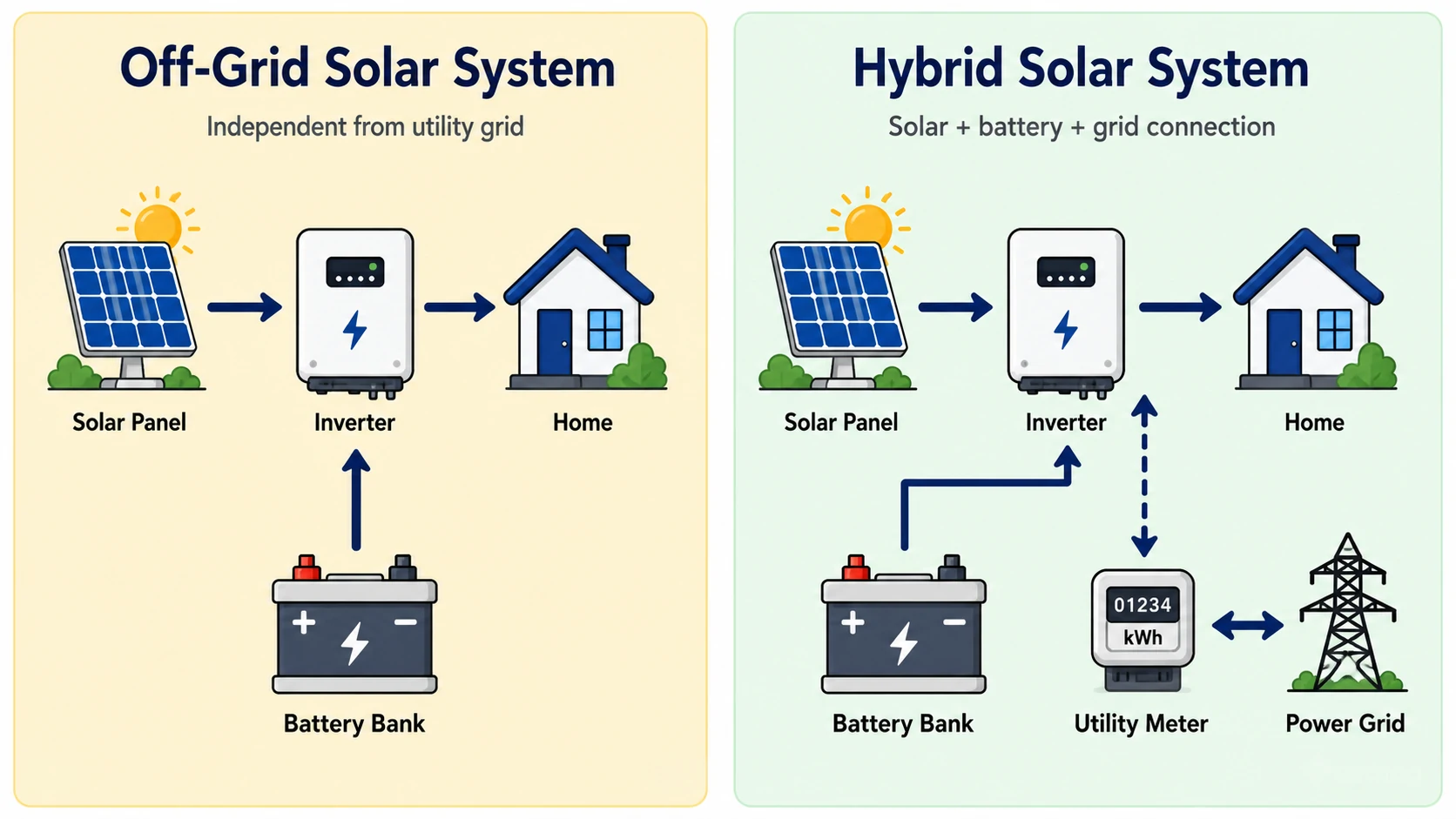
For remote homes, farms, islands, telecom sites, or rural commercial projects, a 110 kWh battery can work with solar PV, diesel generators, wind power, or hybrid inverters. The battery helps reduce generator runtime, fuel use, noise, and maintenance.
Low-Voltage Modular Battery or High-Voltage Battery System?
A 110 kWh battery can be built in different ways. The two most common approaches are low-voltage modular expansion and high-voltage cabinet systems.
| System Type | Advantages | Limitations | Best Fit |
|---|---|---|---|
| Low-voltage modular battery | Flexible, familiar for installers, easy expansion, common in home storage | Higher current, thicker cables, more parallel management | Large homes, villas, smaller solar backup systems |
| High-voltage battery cabinet | Better efficiency at higher power, lower current, suitable for PCS/inverter integration | Requires professional design and commissioning | Small commercial, C&I, high-power backup |
Low-Voltage Modular System
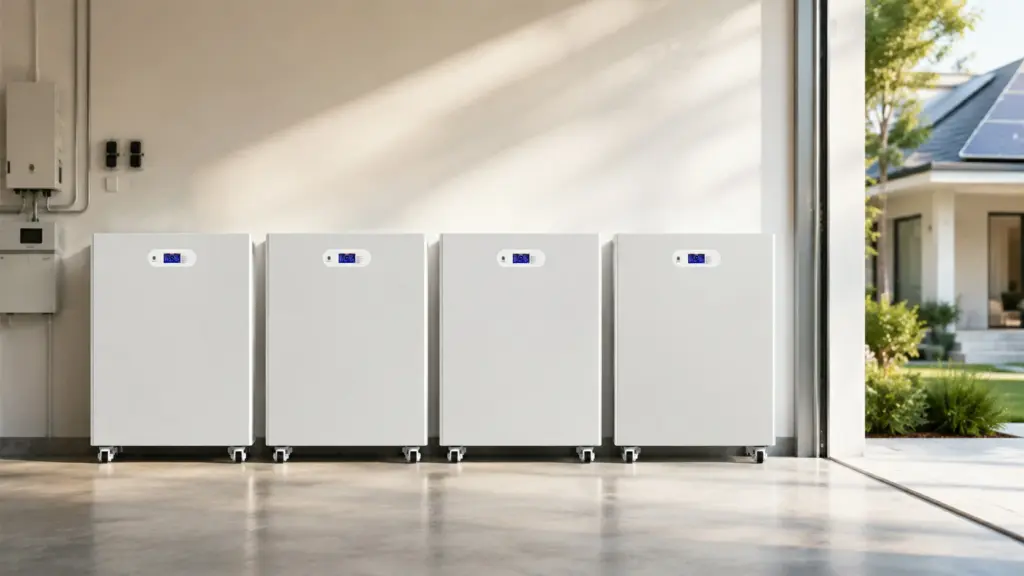
A low-voltage system may use multiple 48V-class LiFePO4 batteries connected in parallel. This format is common in residential solar storage and installer-led projects. It can be easier to expand gradually and may work well with many hybrid inverters.
For example, several 15 kWh or 30 kWh cabinets can be combined to create a battery bank near 110 kWh. Avepower’s vertical LiFePO4 battery series is designed around modular home energy storage and supports scalable system planning for different load requirements.
The key challenge is current. At low voltage, higher power requires higher current, which means cable sizing, busbars, protection devices, fuses, breakers, and inverter matching must be handled carefully.
High-Voltage Battery System
A high-voltage battery system uses a higher DC voltage platform. For the same power, higher voltage reduces current, which can improve system efficiency and simplify power conversion in larger projects. High-voltage systems are often preferred for commercial and industrial storage, larger solar-plus-storage projects, UPS applications, and custom ESS integration.
Avepower’s custom high-voltage lithium battery storage system supports configurable voltage platforms, cabinet layouts, BMS/BCU control, CAN/RS485 communication, and project-based customization for C&I storage and solar integration.
For a 110 kWh project, the practical choice depends on whether the system behaves more like a large home battery or a small commercial BESS.
Key Components of a 110 kWh Battery System
Battery Cells
Most modern stationary battery systems use lithium-ion technology. In commercial and stationary storage, lithium iron phosphate, or LiFePO4/LFP, is widely used because of its thermal stability, long cycle life, and suitability for daily cycling.
BMS
The battery management system monitors voltage, current, temperature, state of charge, and fault conditions. In larger systems, the BMS is not optional. It is the core protection and control layer that helps prevent overcharge, over-discharge, overcurrent, short circuit, and abnormal temperature operation.
Inverter or PCS
The inverter converts DC battery power into AC power for the building. For commercial projects, this may be called a PCS, or power conversion system. The inverter or PCS must match the battery voltage, current, communication protocol, grid connection requirement, and load power demand.
EMS
An energy management system controls when the battery charges and discharges. In a basic home system, this may be handled by the hybrid inverter. In small commercial systems, a more advanced EMS may be used for peak shaving, solar optimization, generator control, tariff scheduling, and monitoring.
Protection and Switchgear
A 110 kWh battery system needs proper DC and AC protection, disconnects, breakers, fuses, grounding, emergency shutdown planning, surge protection, and labeling. These details should be designed by qualified electrical professionals.
Monitoring
Remote monitoring helps installers and users track state of charge, charging status, operating history, alarms, temperature, and system performance. For distributed residential and small commercial projects, WiFi, Bluetooth, CAN, RS485, RS232, or cloud-based monitoring can reduce maintenance time.
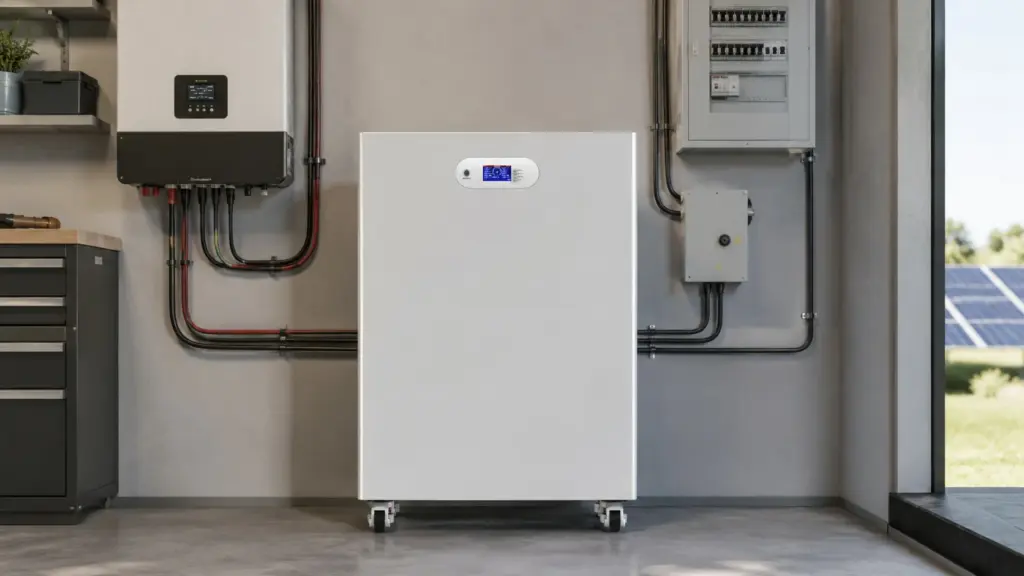
Plan Your 110 kWh Battery Storage System with Confidence
From battery capacity and inverter matching to BMS communication, cabinet design and expansion planning, Avepower supports installers, distributors and project buyers with flexible energy storage solutions for real project needs.
How Much Solar PV Is Needed for a 110 kWh Battery?
There is no single answer. It depends on how quickly the battery must recharge, local peak sun hours, weather, roof space, shading, seasonal variation, and whether the grid or generator can also charge the battery.
A simple planning formula is:
Required solar size = daily recharge energy ÷ peak sun hours ÷ system efficiency
For example, if you want to recharge about 90 kWh per day, and the site has 4.5 peak sun hours with 80% total system efficiency, the solar array may need to be around 25 kW.
That does not mean every 110 kWh battery requires a 25 kW solar system. Some users only need partial daily recharge. Some use the battery mainly for backup. Some businesses use grid charging during off-peak hours. Others combine solar, grid, and generator input.
For most home and small commercial projects, the solar PV system and battery should be designed together instead of being purchased separately.
Typical 110 kWh Battery Configurations
| Configuration | Example Capacity Path | Best For | Main Advantage |
|---|---|---|---|
| Multiple 15 kWh modul | 7–8 units = about 105–120 kWh | Large homes, villas, installer-led projects | Flexible expansion and easier modular service |
| Multiple 30 kWh cabinets | 4 units = about 120 kWh | Large homes, farms, small commercial sites | Fewer cabinets and higher energy per unit |
| High-voltage 100–120 kWh cabinet | Custom HV cabinet system | Small commercial, C&I, UPS, solar-plus-storage | Better high-power efficiency and PCS matching |
| All-in-one ESS | Battery + inverter integrated | Faster deployment projects | Simplified installation and integrated controls |
| Custom project system | Built by voltage, capacity, cabinet, communication needs | OEM/ODM, distributors, EPCs | Designed around exact market or project requirements |
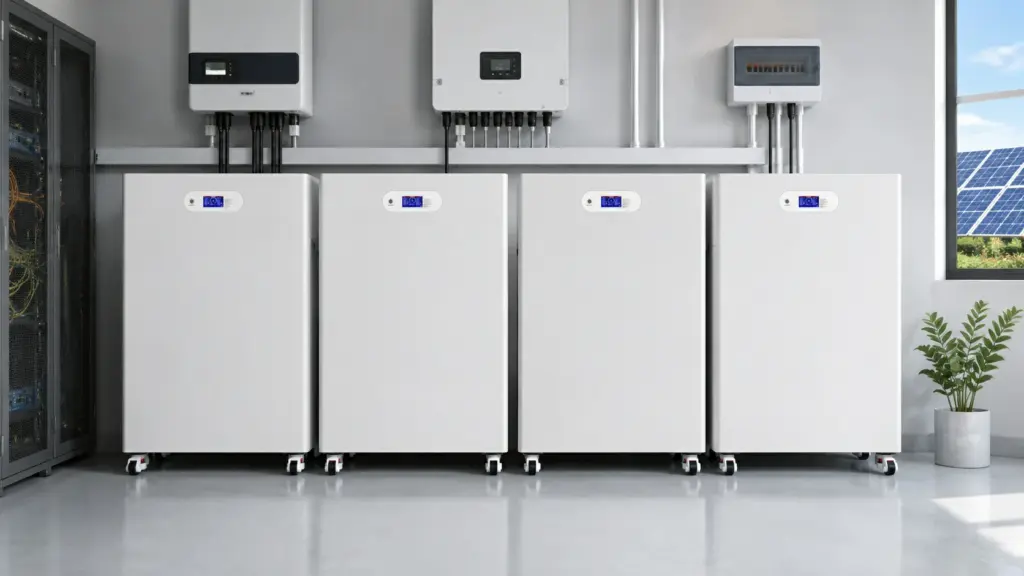
Avepower supports both modular home storage formats and customized project-based energy storage solutions. For trade buyers, the home solar battery wholesale program includes bulk supply, OEM/ODM private label support, compliance documentation, logistics options, and long-term supply planning for distributors, wholesalers, and project buyers.
How Much Does a 110 kWh Battery Cost?
The cost of a 110 kWh battery depends on whether you are buying battery modules only, a battery cabinet, or a fully installed system with inverter, EMS, switchgear, installation, commissioning, and compliance work.
Place 100 kWh-class installed systems broadly around $180–$580 per kWh, depending on system size, power rating, installation complexity, chemistry, and site conditions.
| Cost Basis | Estimated Range |
|---|---|
| $180/kWh | About $19,800 |
| $250/kWh | About $27,500 |
| $380/kWh | About $41,800 |
| $580/kWh | About $63,800 |
This should not be treated as a final quote. Real project cost can change significantly based on:
- Battery-only vs complete system
- Inverter or PCS power rating
- Indoor vs outdoor cabinet
- Low-voltage vs high-voltage architecture
- Backup panel and electrical upgrade requirements
- Fire safety and permitting requirements
- Monitoring and EMS functions
- Installation labor and local code requirements
- Shipping, duties, and logistics
- Certification and documentation requirements
- Whether solar PV is included
For residential projects, the installed cost may be higher per kWh if the site requires complex electrical work, backup load panels, long cable runs, code upgrades, or premium inverter equipment.
110 kWh Battery: Best-Fit Applications
A 110 kWh battery is usually a good fit for:
- Large homes requiring long-duration backup
- Solar-powered villas and rural properties
- Small businesses with high evening electricity rates
- Retail stores and offices needing reliable backup
- Clinics, pharmacies, and refrigeration loads
- Farms and agricultural energy systems
- Telecom rooms and weak-grid sites
- Small workshops and light manufacturing
- EV charging support for homes or businesses
- Generator hybrid systems
- Solar self-consumption projects
- Peak shaving and time-of-use optimization
It may not be the best fit for:
- Small apartments
- Basic emergency backup only
- Homes with low daily energy use
- Projects without enough space for batteries and inverter equipment
- Sites where local code requirements cannot be met
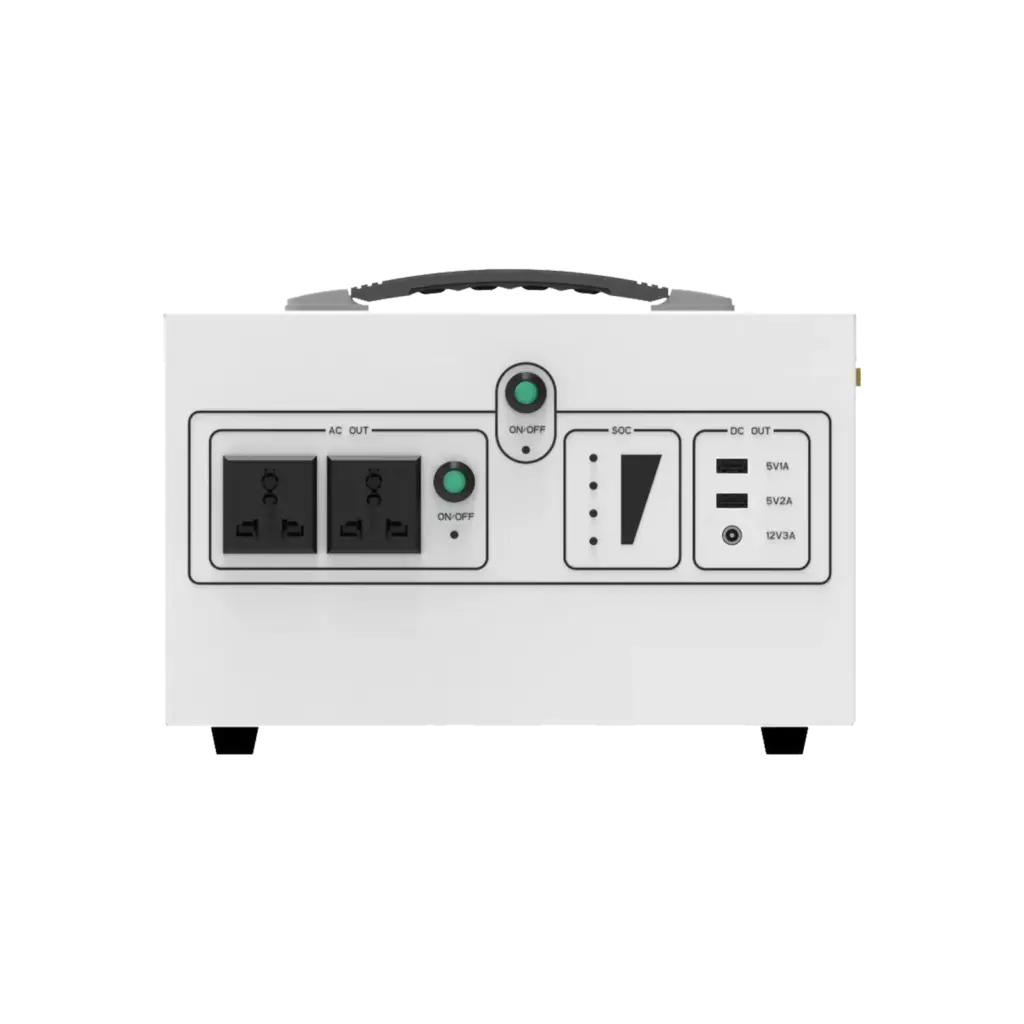
- Users looking for a plug-and-play portable battery
Avepower Battery Options for 110 kWh Projects
Avepower does not position a 110 kWh system as a one-size-fits-all product. Instead, the right solution depends on whether the project is residential, small commercial, off-grid, solar-plus-storage, or installer-led.
For large homes and villas, Avepower’s vertical LiFePO4 battery pack and modular home battery options can be configured for scalable storage. These systems are suitable for solar storage, backup power, off-grid applications, and installer-led residential projects.
For small commercial buildings, farms, workshops, telecom rooms, and light C&I applications, Avepower’s custom high-voltage battery storage system provides a more project-based solution, with LiFePO4 chemistry, intelligent battery management, modular cabinet design, CAN/RS485 communication, and project-specific configuration.
For installers, distributors, and OEM/ODM buyers, Avepower’s home battery systems for solar installers and EPC teams provide flexible sourcing options, private label support, inverter compatibility discussion, and capacity customization for different regional markets.
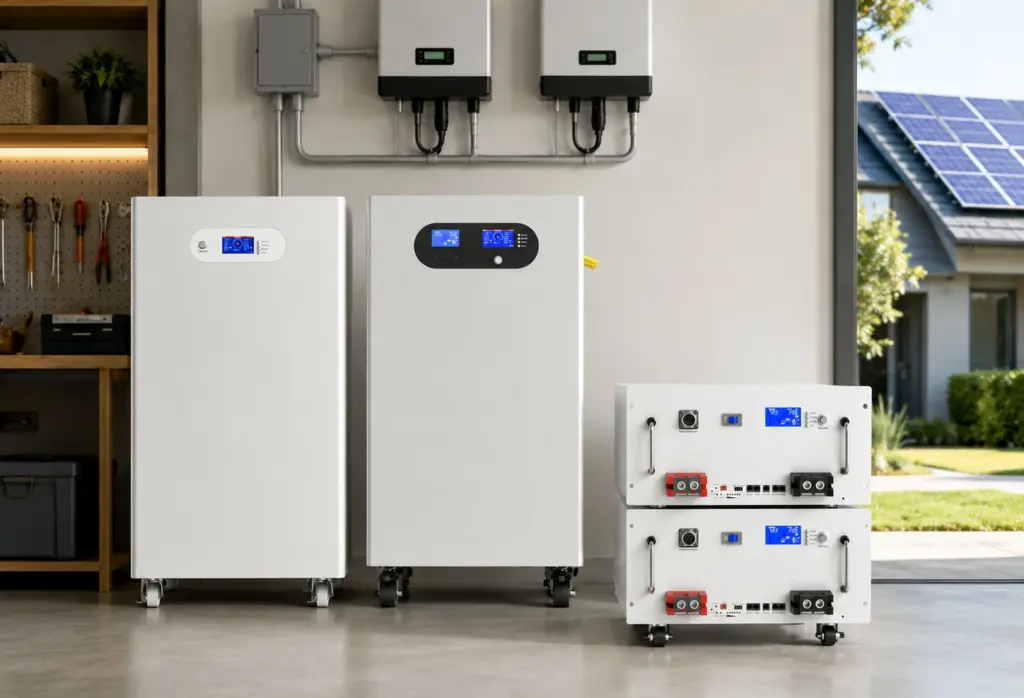
Take Control of Your Energy with Avepower!
Reliable home solar battery solutions with OEM/ODM customization and in-house manufacturing, tailored to the needs of distributors, installers, and energy partners.
Conclusion: Is a 110 kWh Battery Right for Your Project?
A 110 kWh battery is a serious energy storage solution for large homes, villas, farms, small businesses, and light commercial projects. It can provide long-duration backup, improve solar self-consumption, reduce peak energy costs, support generator hybrid systems, and strengthen energy resilience.
However, the best system is not chosen by capacity alone. A successful 110 kWh battery project requires proper load analysis, inverter sizing, voltage platform selection, safety planning, monitoring, and professional installation.
For residential installers, distributors, EPC teams, and small commercial project buyers, Avepower can support scalable LiFePO4 battery solutions, modular home storage systems, and custom high-voltage ESS configurations based on real project requirements.
FAQ
It depends on the load. If the usable AC energy is around 89 kWh, a 5 kW load may run for about 17–18 hours, while a 10 kW load may run for about 8–9 hours. Runtime changes with inverter efficiency, battery settings, temperature, and actual load behavior.
The inverter size depends on peak load, startup surge, grid connection type, and backup requirements. Many projects may use 20–60 kW inverter or PCS capacity, but the correct size should be calculated from the actual load profile.
It depends on local sunlight and daily recharge target. If the goal is to recharge about 90 kWh per day, a site with 4.5 peak sun hours and 80% system efficiency may need roughly 25 kW of solar PV. The actual design may be smaller or larger depending on the use case.
Ask about usable capacity, battery chemistry, cycle life, inverter compatibility, BMS protection, communication protocol, warranty, certifications, installation requirements, monitoring, after-sales support, and whether the supplier can help with project-specific configuration.