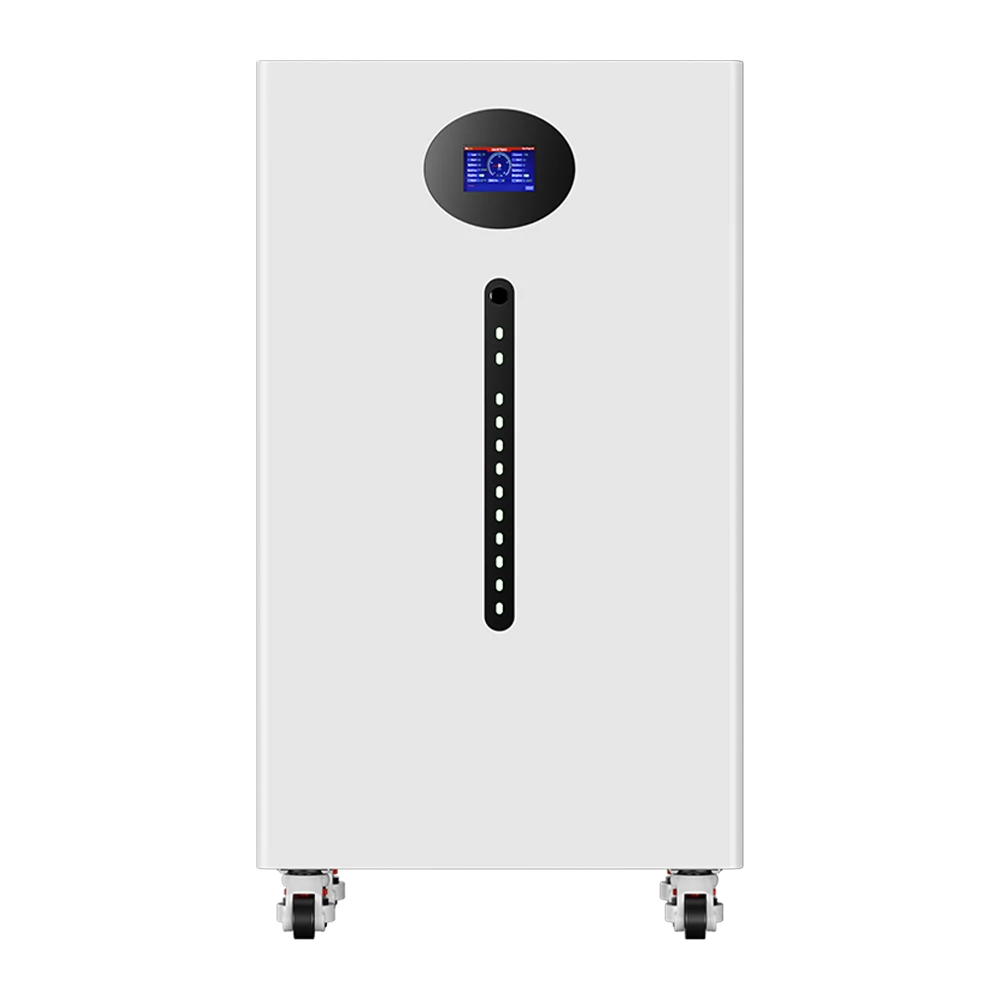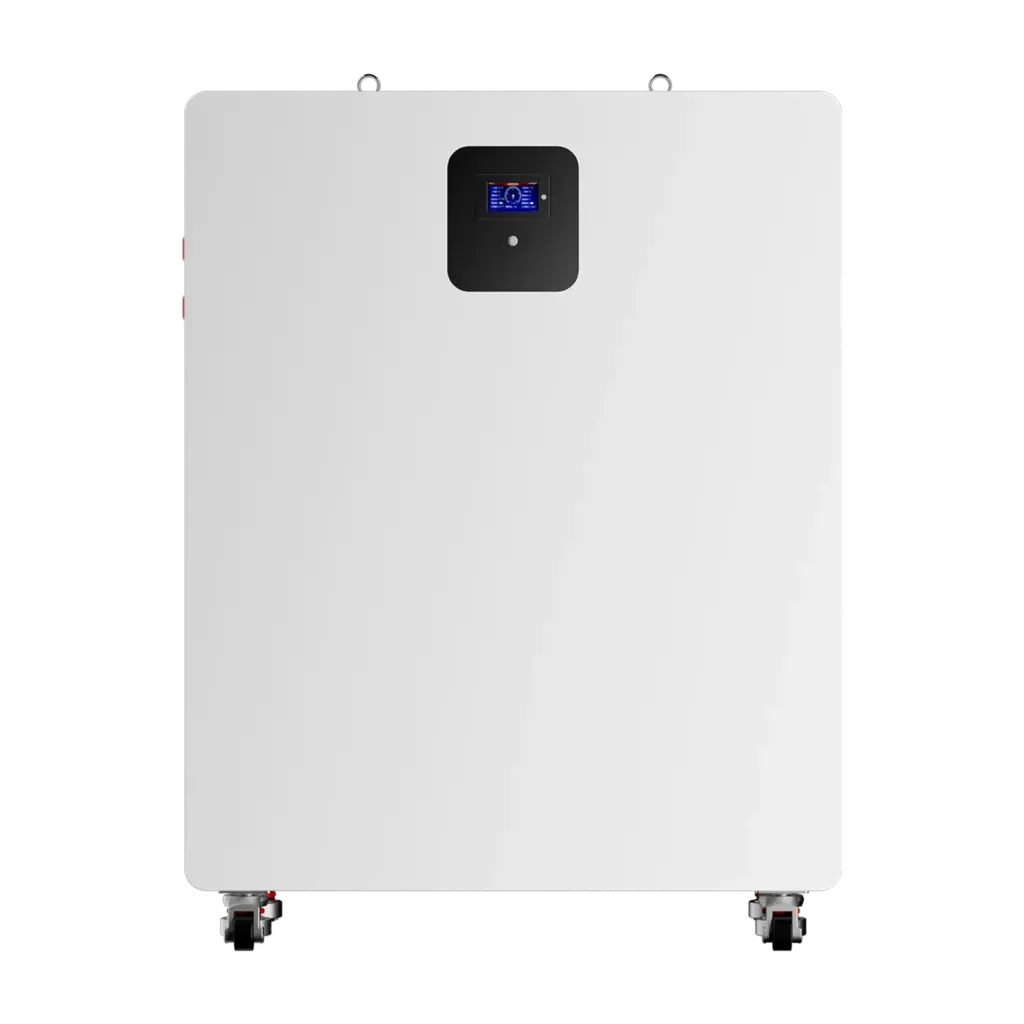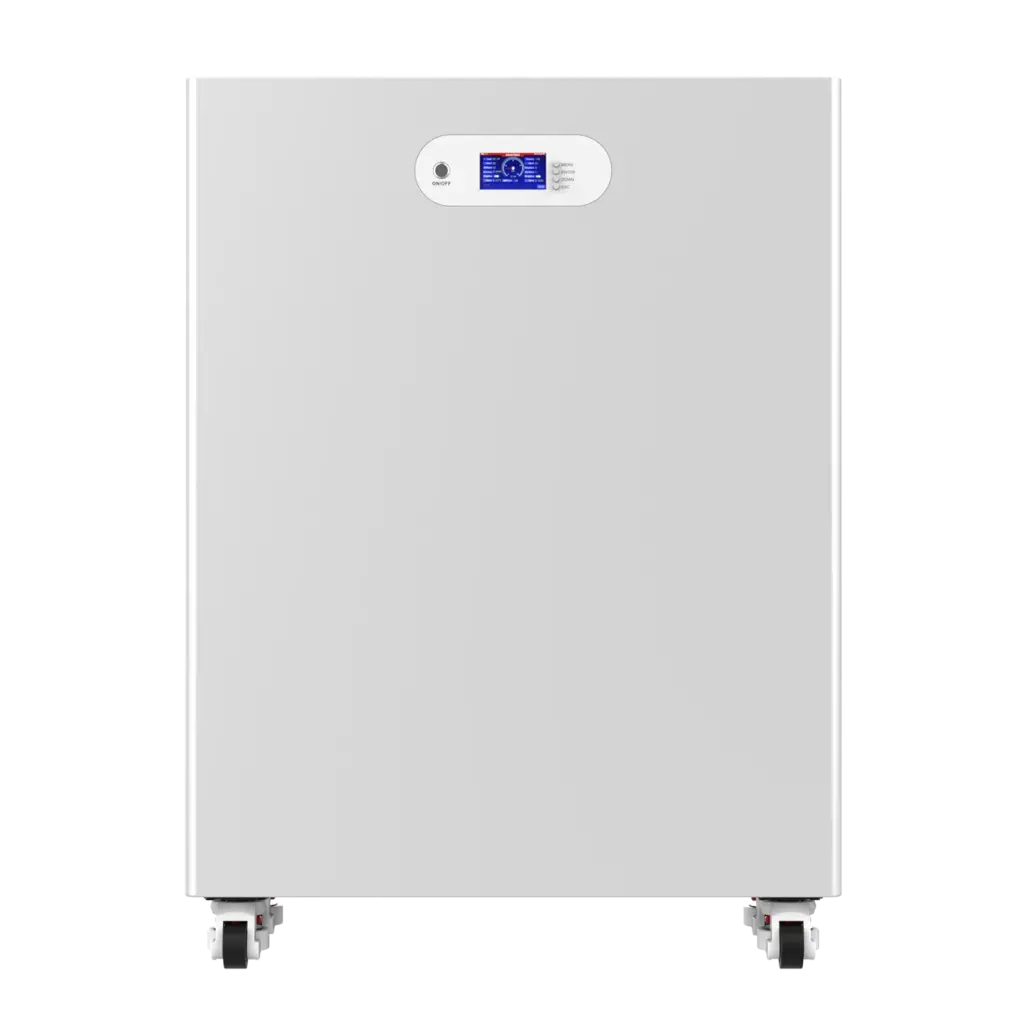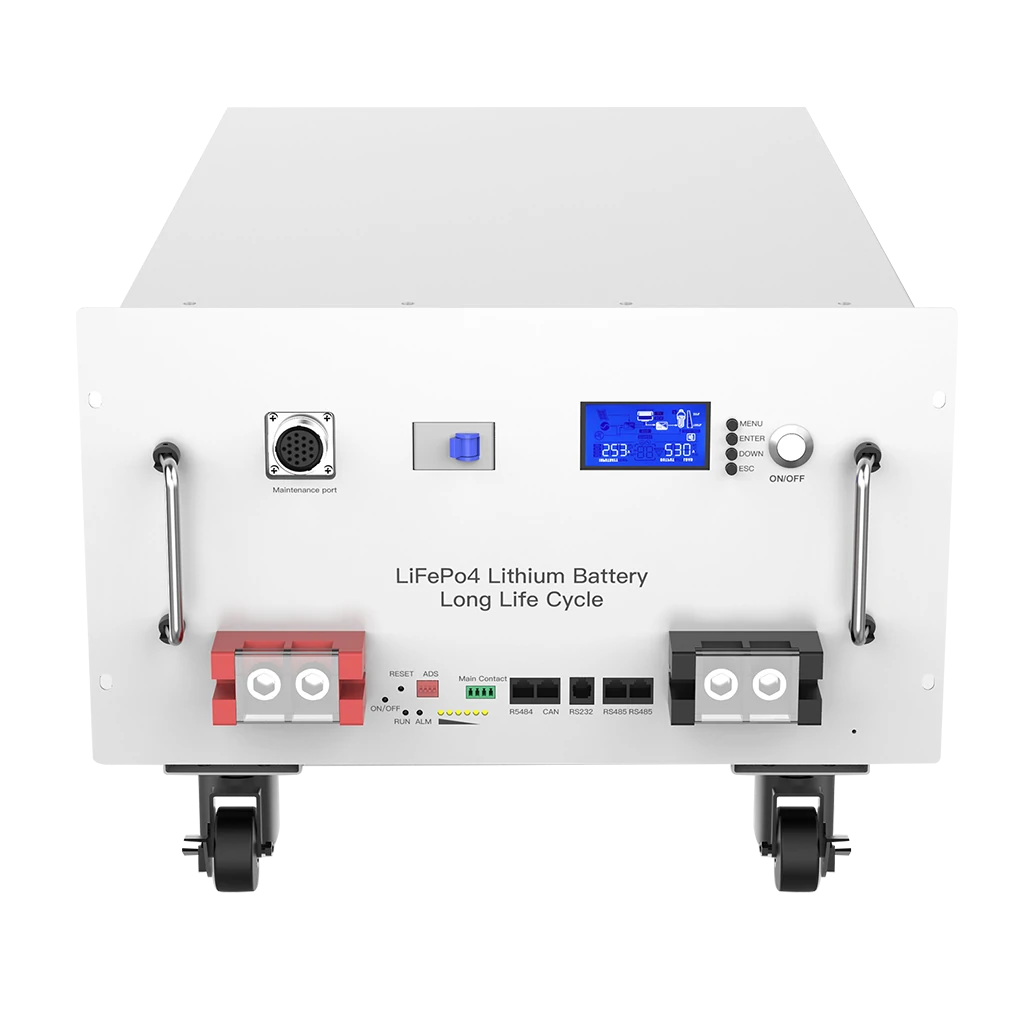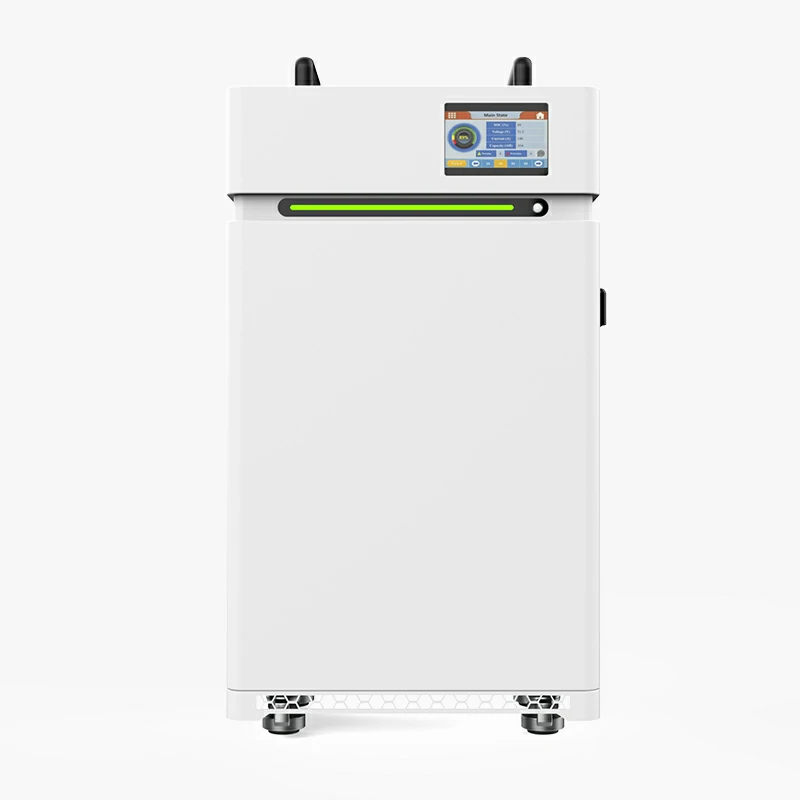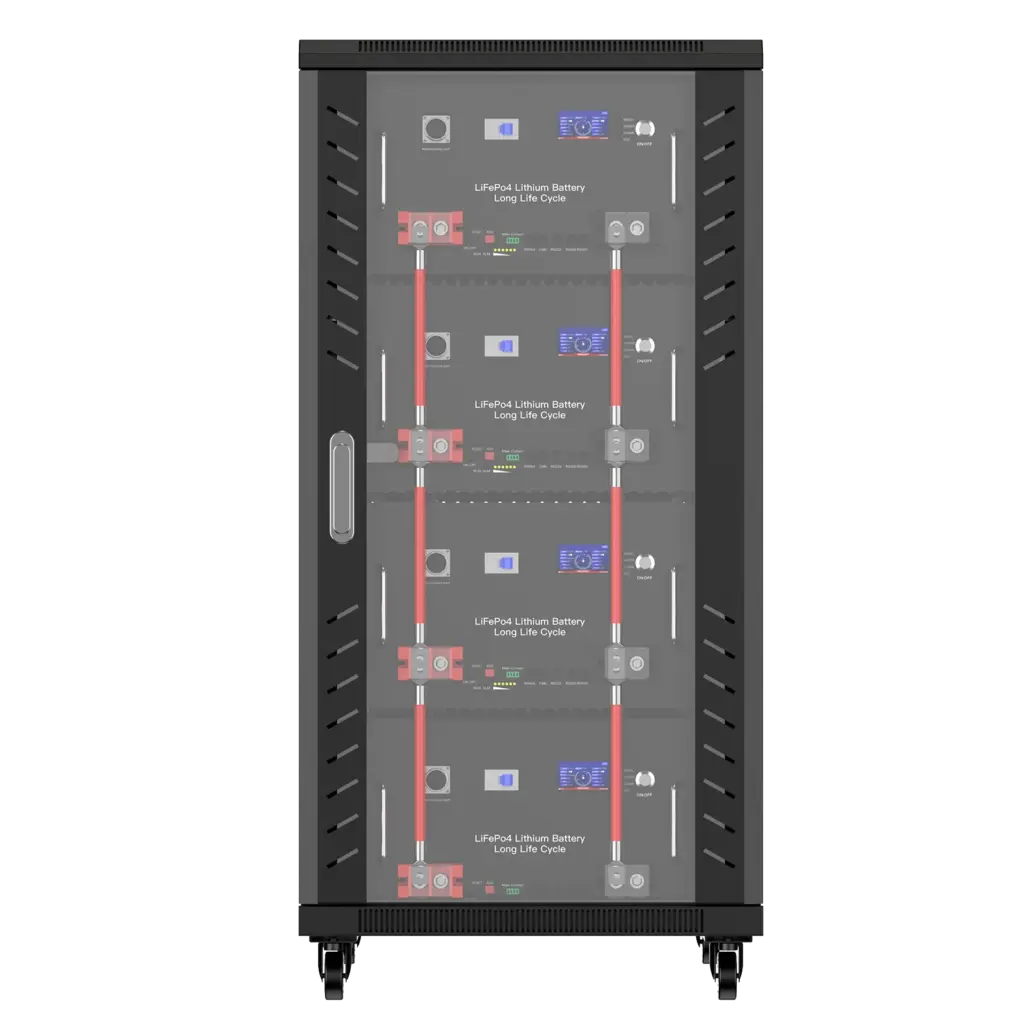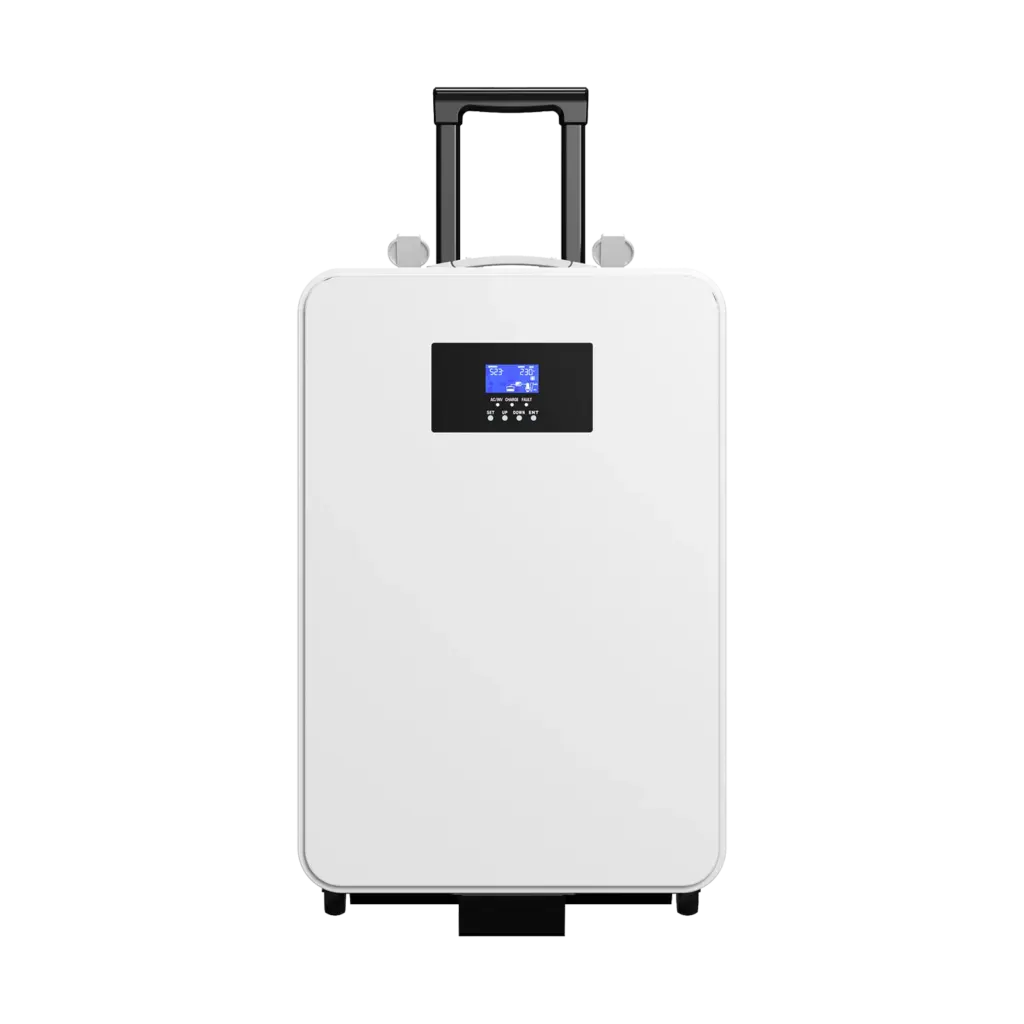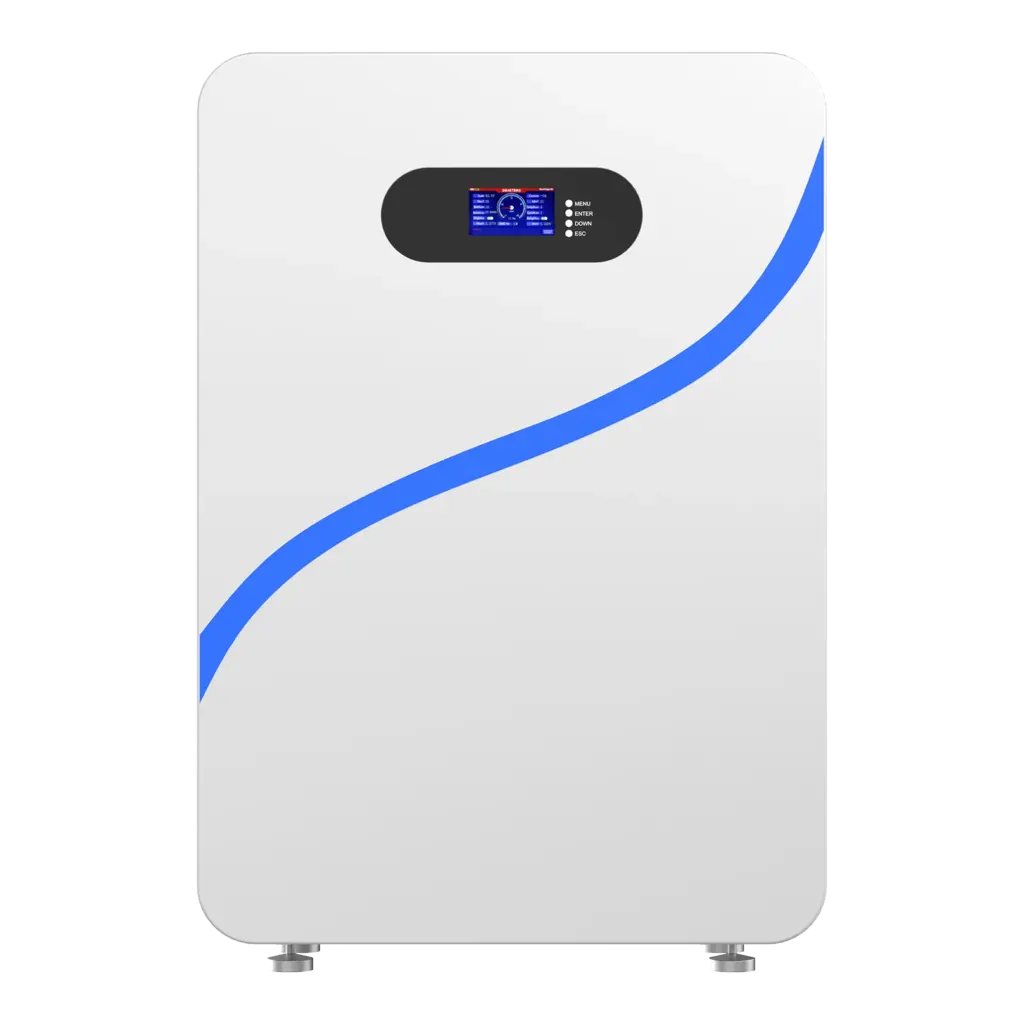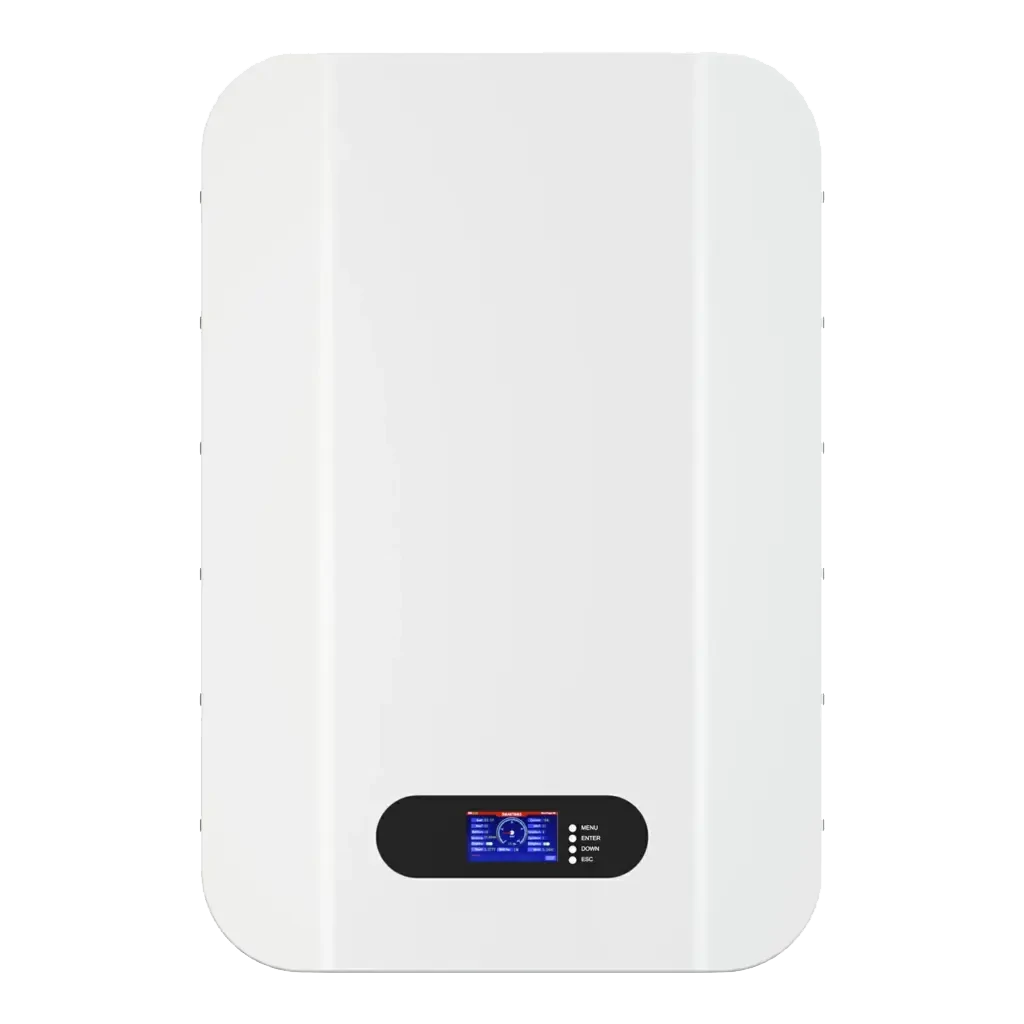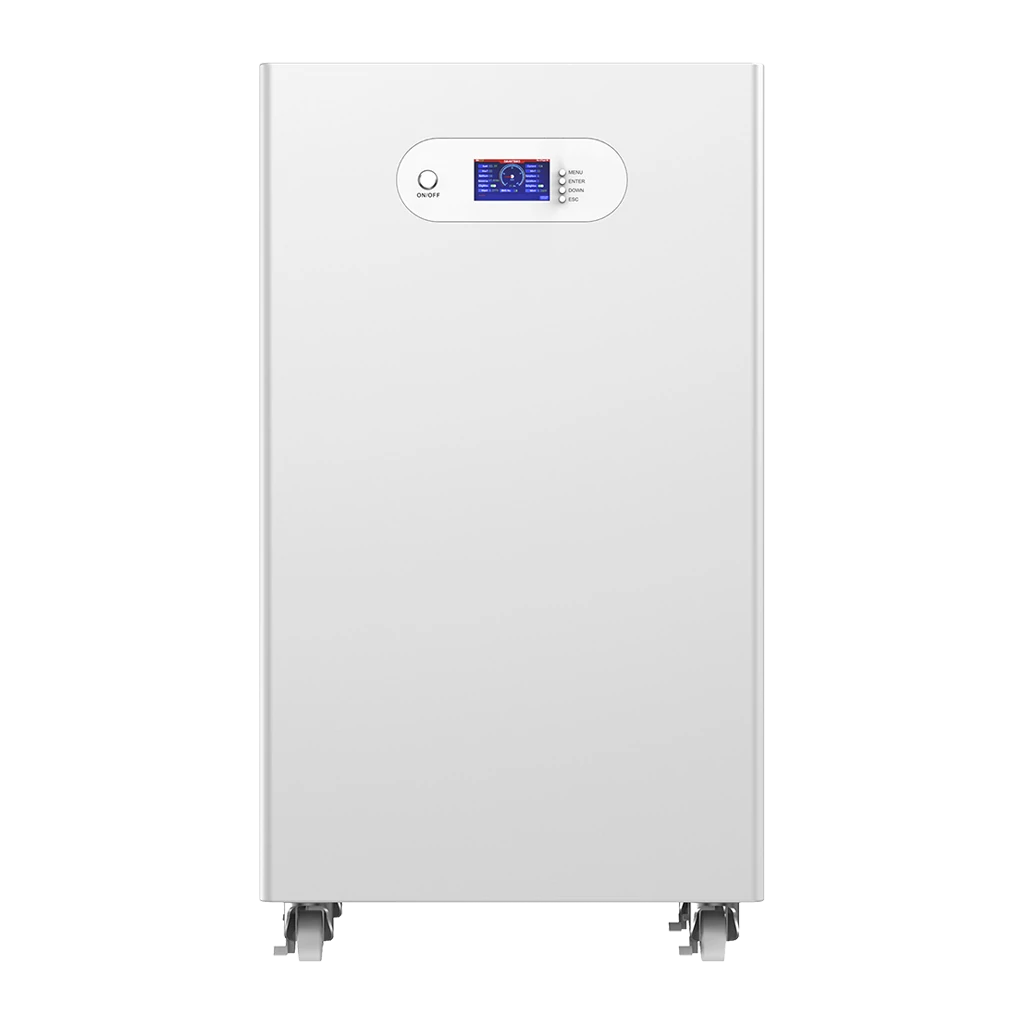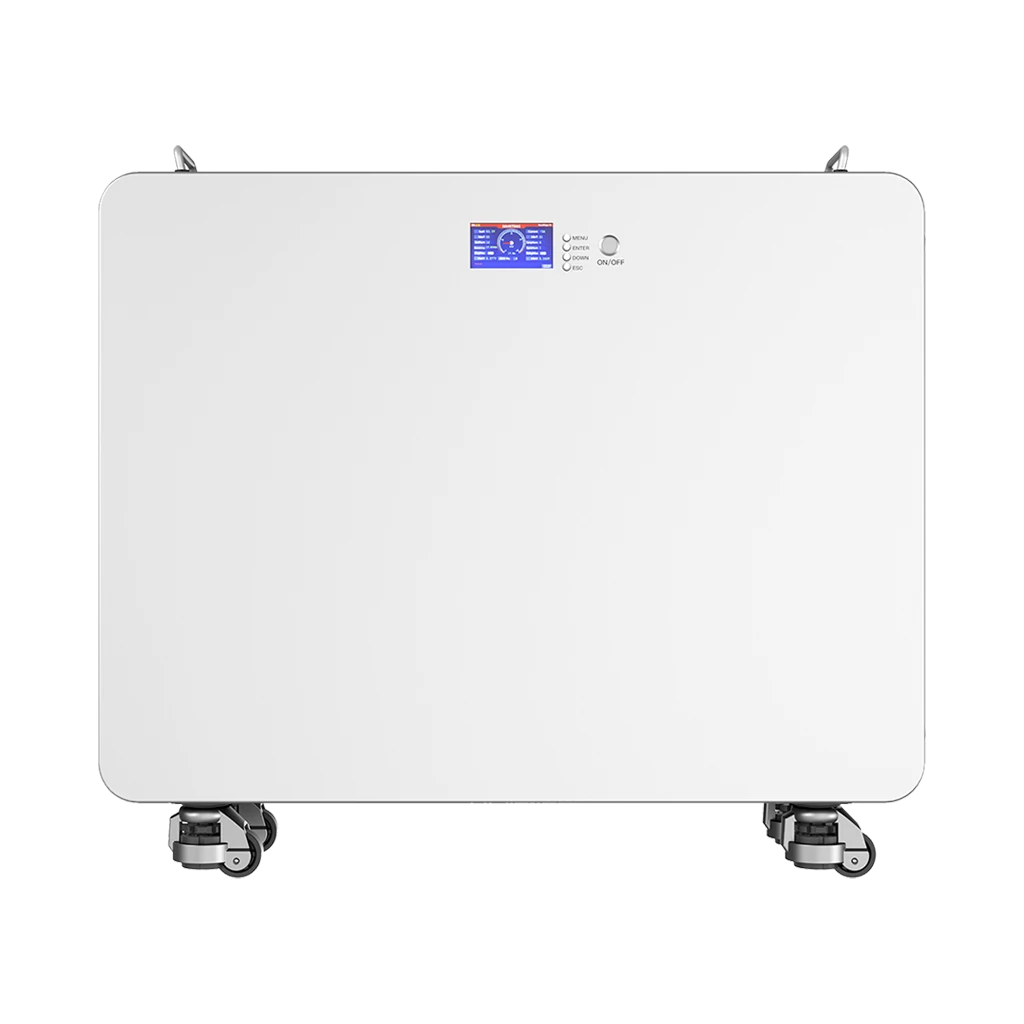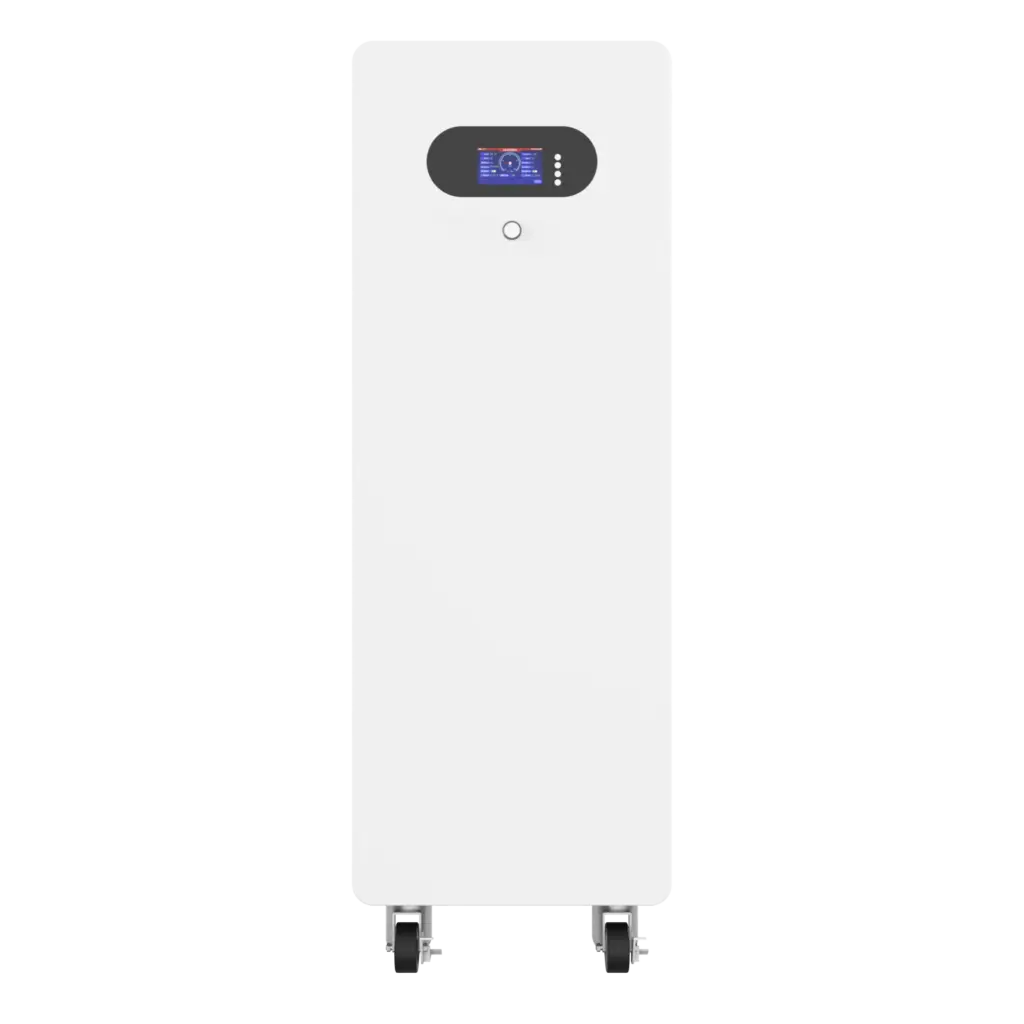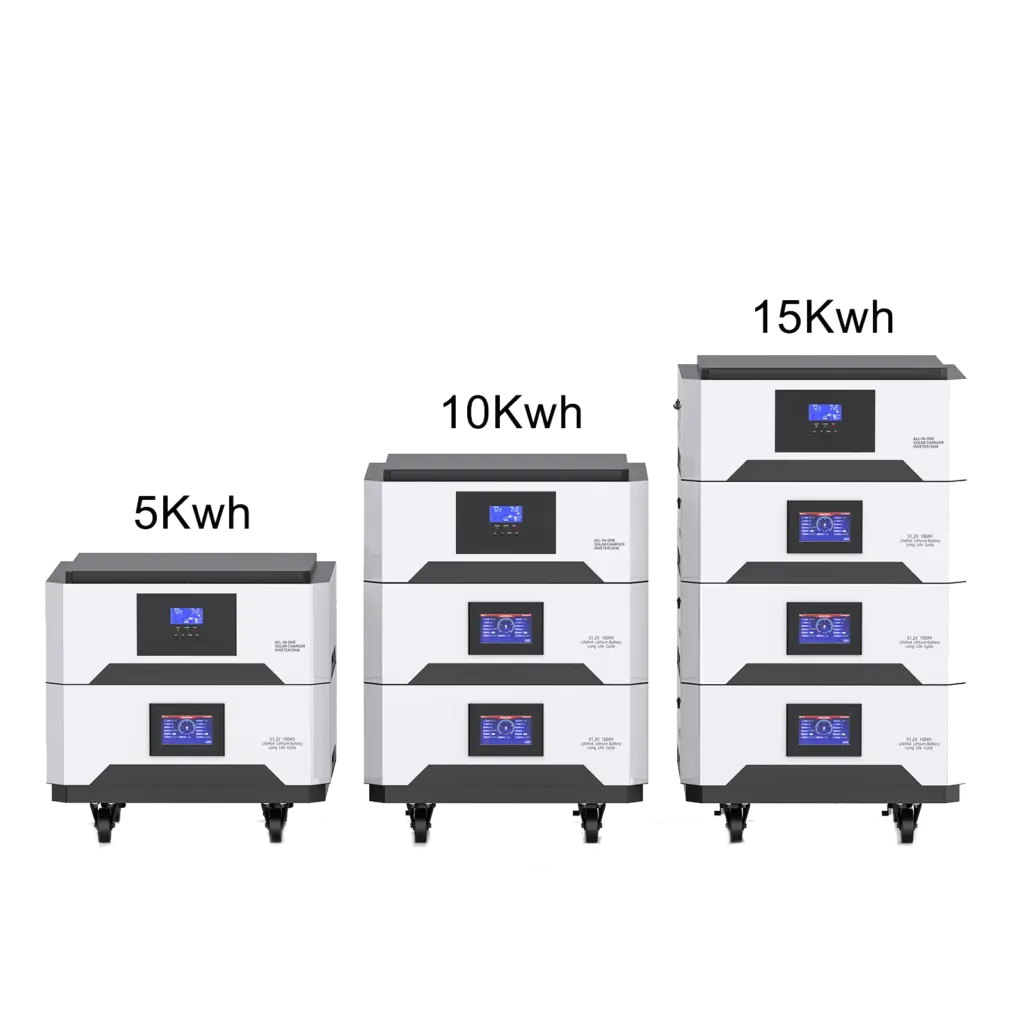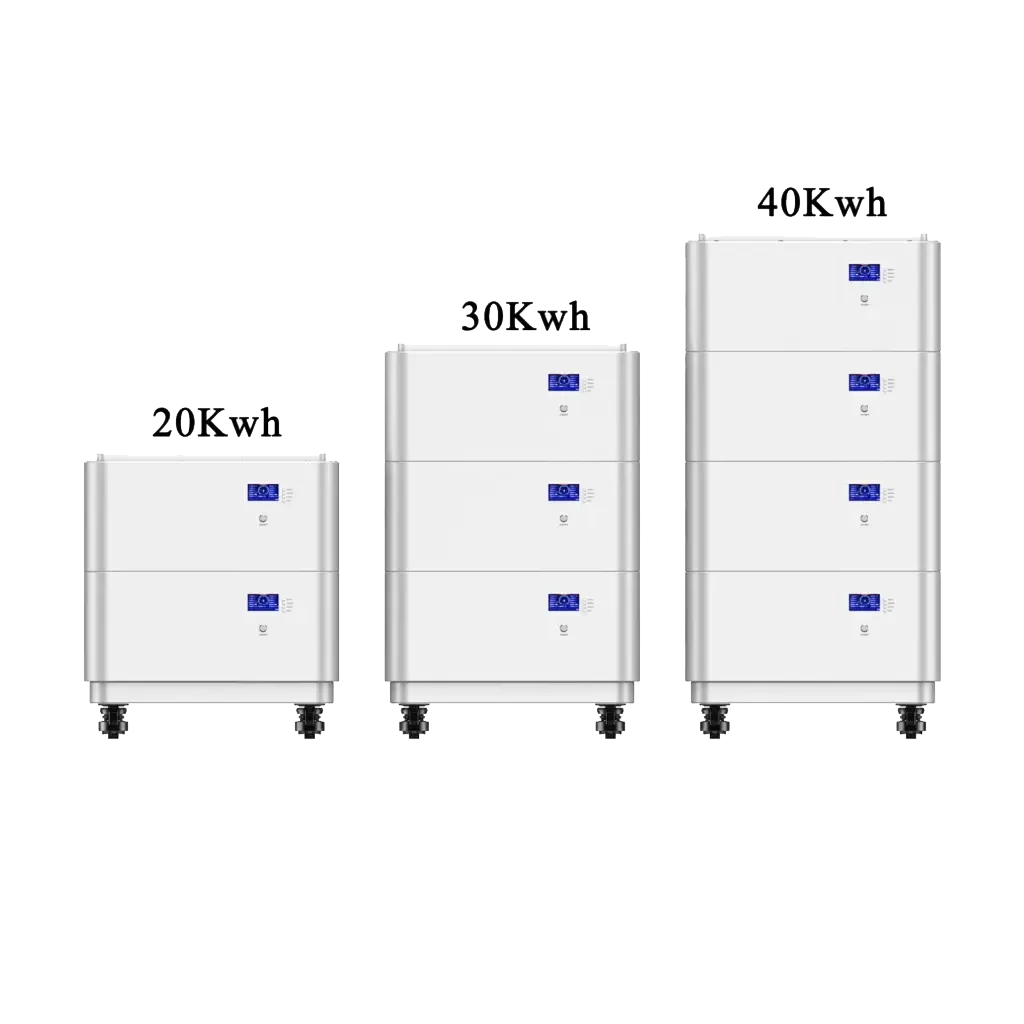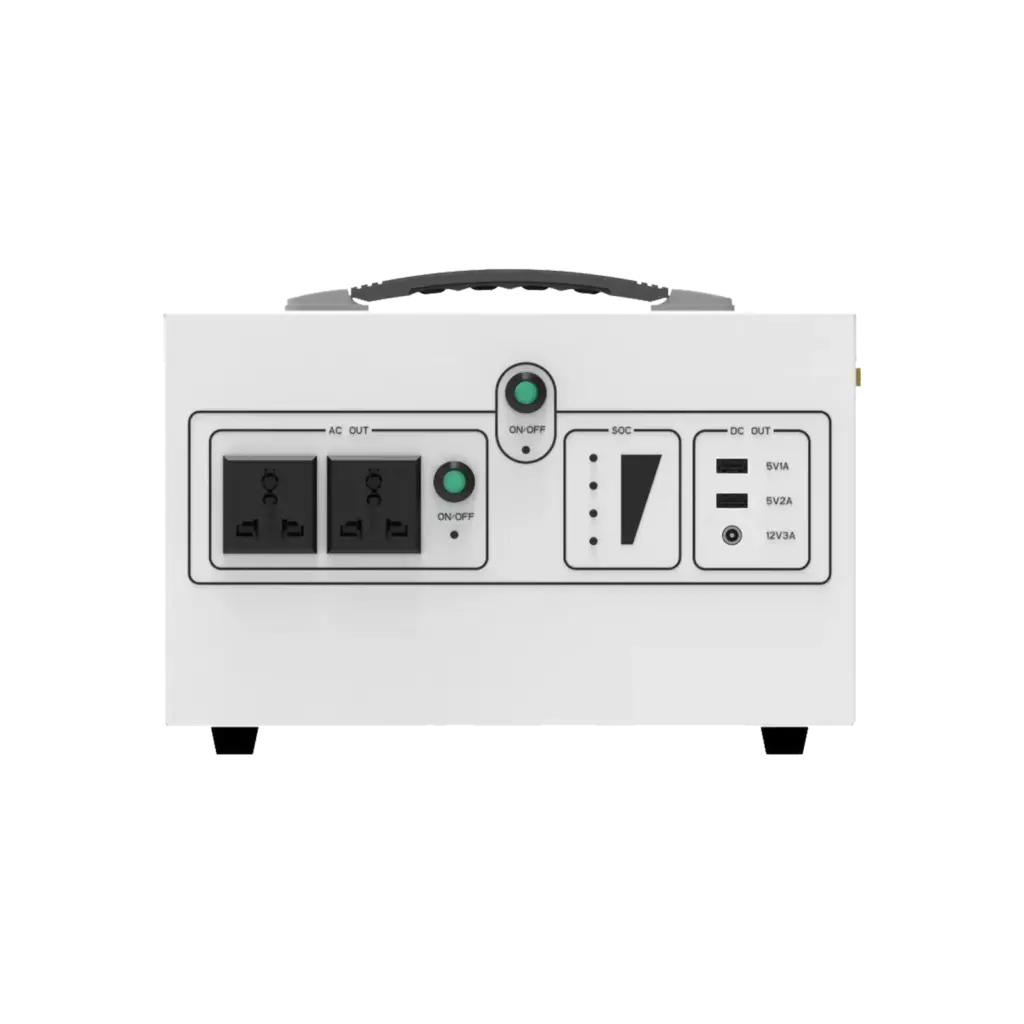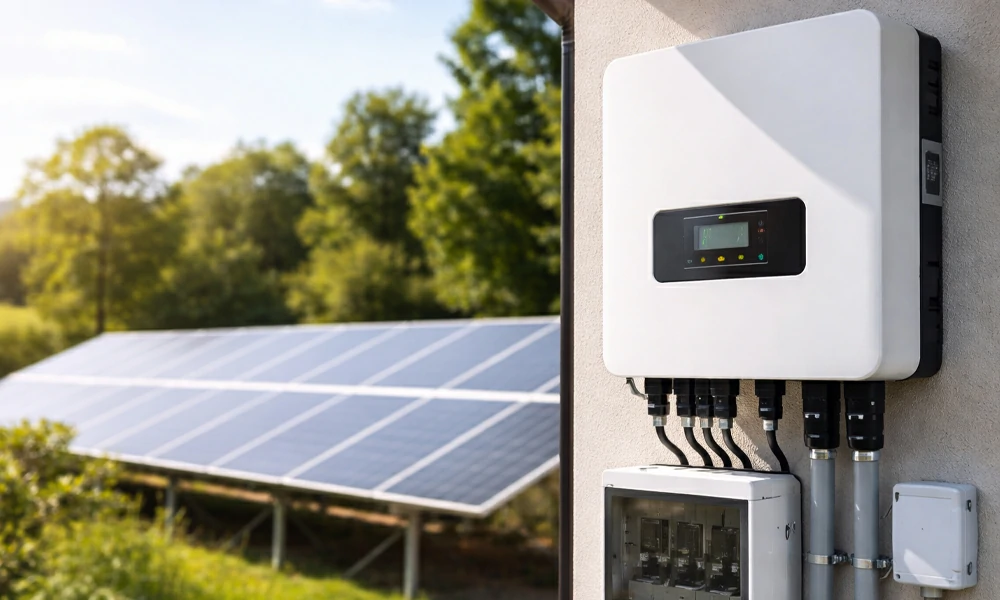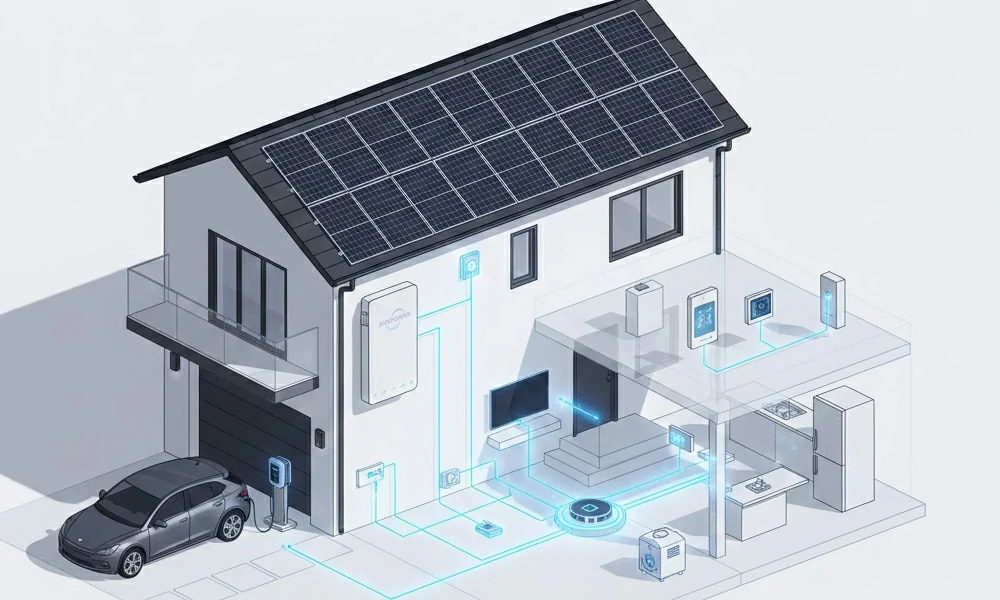

Batteries for home solar storage are becoming a practical part of modern residential energy systems. Instead of sending all unused solar electricity back to the grid during the day, a home battery stores part of that energy so it can be used later at night, during peak-rate periods, or when the grid goes down.
This guide explains how home solar batteries work, what specifications matter, how to choose the right capacity, and what to consider when sourcing batteries for residential solar storage projects.
What Are Batteries for Home Solar Storage?
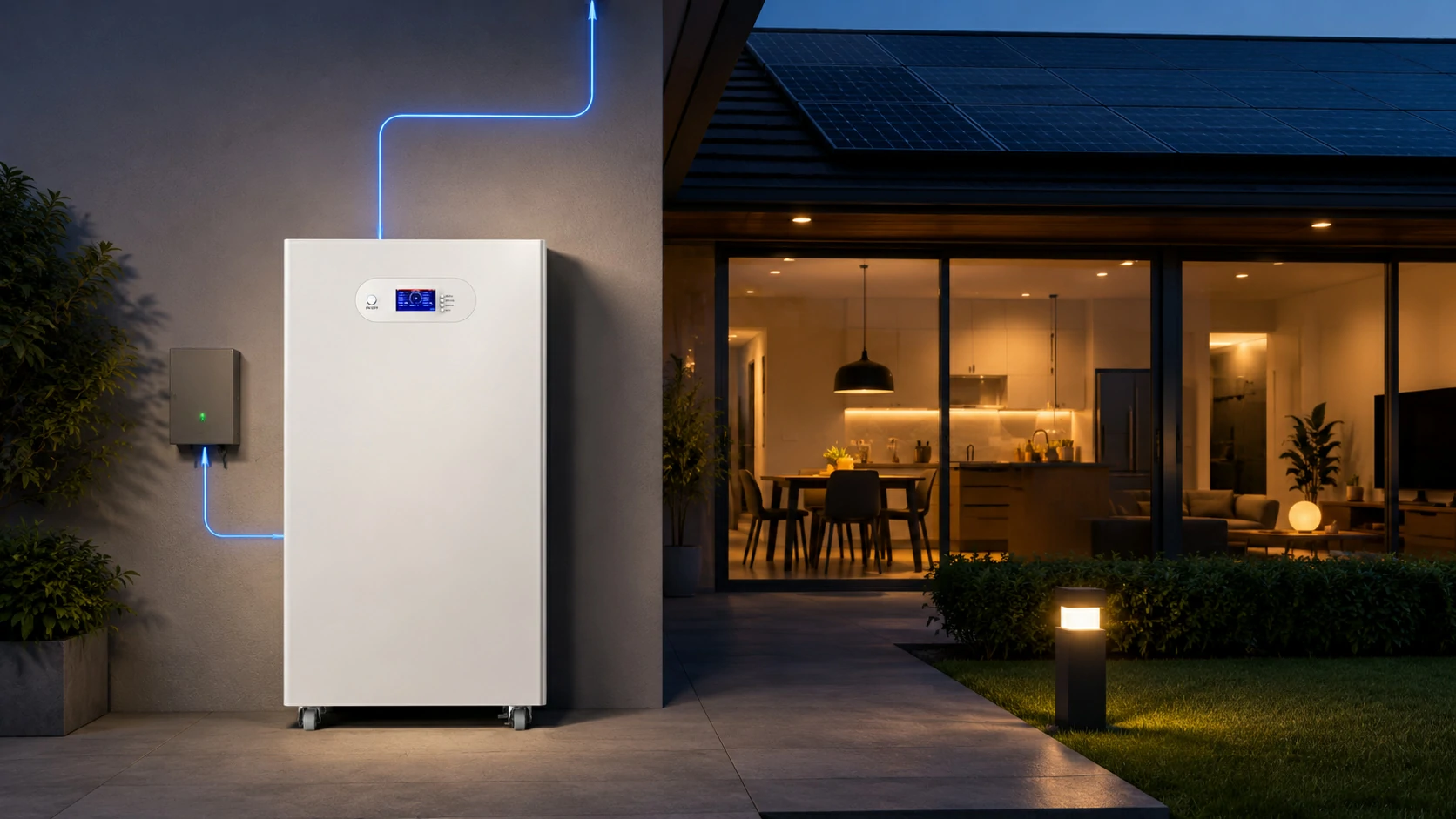
Batteries for home storage are rechargeable solar energy storage systems designed to work with solar panels, inverters and home electrical loads. During the day, solar panels produce electricity. If the home does not use all of that power immediately, the excess energy can be stored in a battery instead of being exported to the grid.
Later, the battery can discharge stored energy to power lights, refrigerators, routers, security systems, home appliances, heat pumps or other selected loads. In a well-designed system, the battery helps match solar generation with real household demand.
A typical home solar battery system may include:
- Solar PV panels
- Hybrid inverter or battery inverter
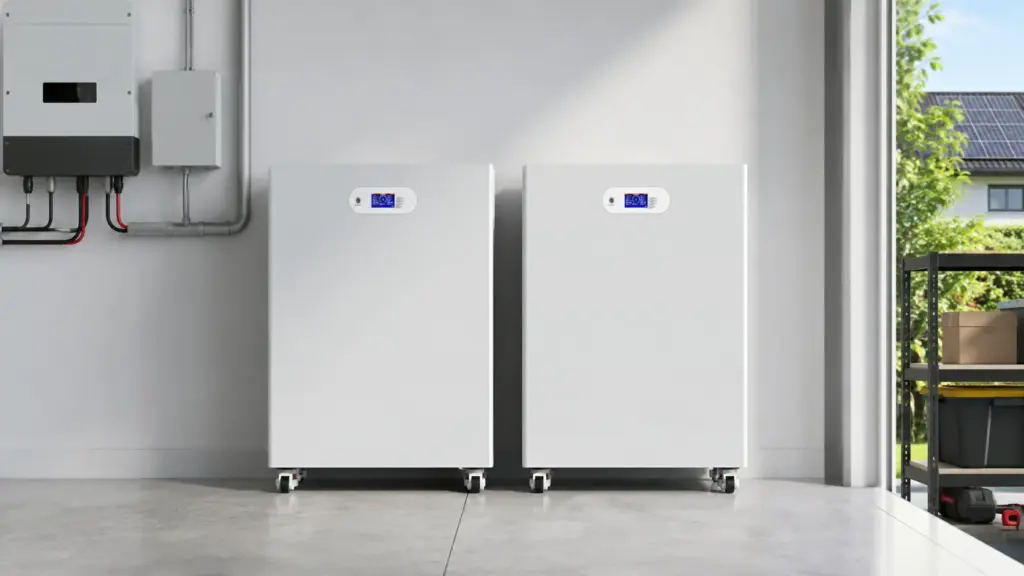
- Battery module or battery cabinet
- Battery management system
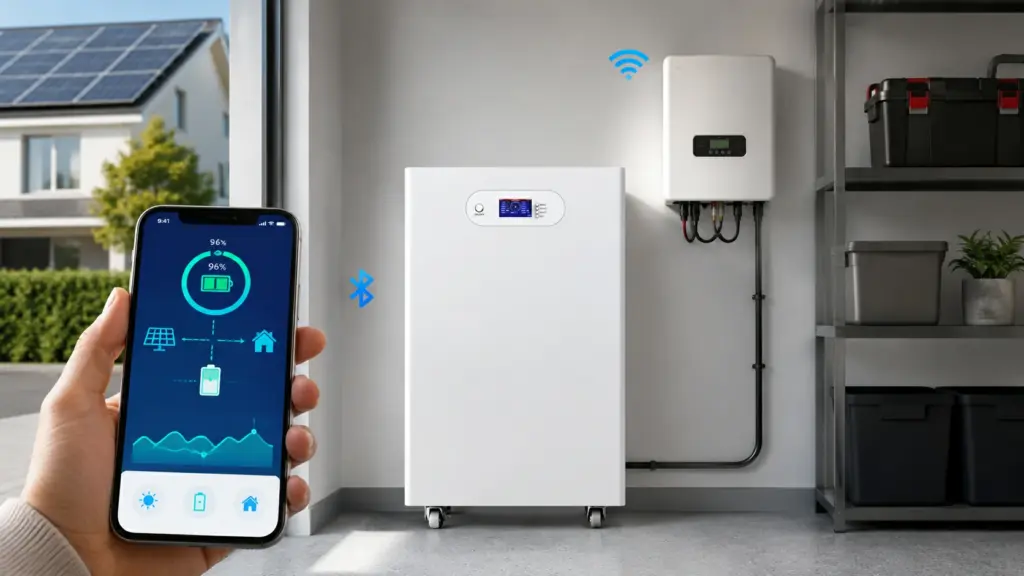
- Monitoring app
- Backup circuit or critical-load panel
- Protection devices, cables and breakers
For buyers comparing different solutions, Avepower offers a range of home energy storage battery systems designed for solar self-consumption, backup power and residential energy storage projects.
Why Add Batteries to a Home Solar System?
Solar panels generate the most electricity during daylight hours, but many homes use more electricity in the morning and evening. Without a battery, excess daytime solar may be exported to the grid, while the home still needs to buy electricity later when solar production is low.
A battery helps solve this mismatch.
1. Higher Solar Self-Consumption
A home battery allows the household to use more of its own solar electricity. Instead of exporting excess power during the day, the system stores it for later use. This can be especially useful in markets where feed-in tariffs are low or where electricity prices are higher during evening peak periods.
2. Backup Power During Outages
With the right system design, a solar battery can support essential loads during grid outages. This may include lighting, refrigeration, Wi-Fi, medical equipment, garage doors, security systems and selected outlets.
It is important to note that not every battery system automatically provides backup. Some grid-tied systems require additional backup hardware, inverter functions or critical-load circuits.
3. Better Energy Independence
For homeowners who want more control over their energy use, batteries reduce dependence on the grid. They can also be useful in areas with unstable grid supply, frequent blackouts or rising electricity prices.
4. Time-of-Use Bill Savings
Where time-of-use electricity pricing is available, a battery can be charged when electricity is cheaper and discharged when electricity is more expensive. Some systems can also combine solar charging with off-peak grid charging.
5. Support for Off-Grid and Hybrid Systems
For off-grid homes, cabins, farms and remote buildings, batteries are essential. Solar panels alone cannot provide electricity at night or during long cloudy periods. Batteries store the energy needed when solar production is not available.
Need Reliable Batteries for Home Solar Storage?
Avepower can help you compare wall-mounted, rack-mounted, stackable, and customized LiFePO4 battery options for different residential storage projects. Get technical support before ordering and avoid mismatched battery and inverter configurations.
How Do Home Solar Batteries Work?
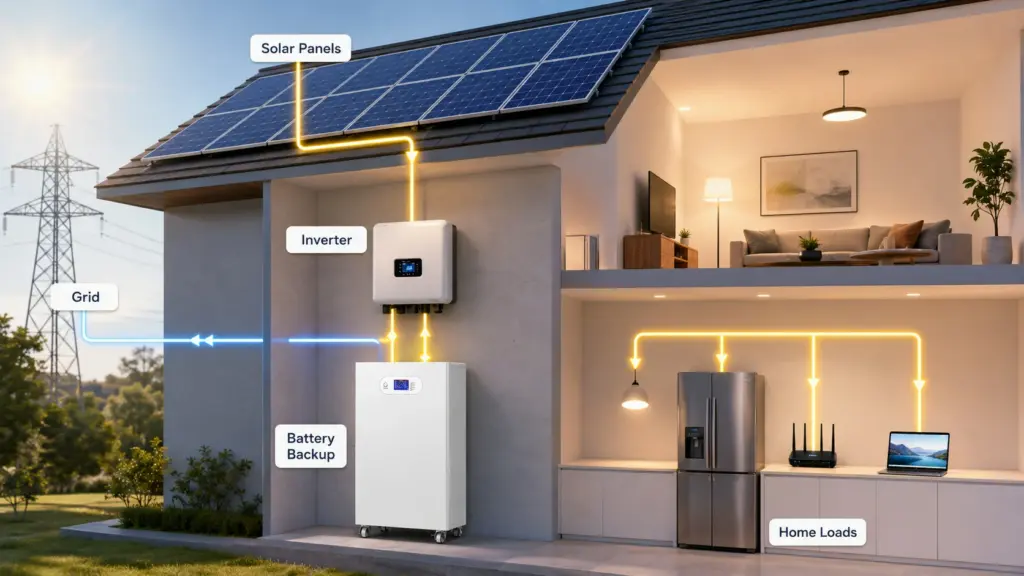
A home solar battery works by storing electricity as chemical energy and releasing it when needed. The exact process depends on whether the system is DC-coupled or AC-coupled.
In a common hybrid solar system:
- Solar panels generate DC electricity.
- The inverter converts power for home use.
- The battery stores excess solar energy.
- The battery discharges when solar production is low.
- The monitoring system tracks production, consumption and battery status.
Some batteries can also charge from the grid. This is useful when electricity prices are lower at night or when the homeowner wants to prepare for a forecasted outage.
For project planning, the battery should not be selected alone. It must be matched with the inverter, solar array size, load profile, backup requirements and local installation rules.
Key Components of a Solar Battery Storage System
A complete residential solar battery system normally includes the following components.
Solar Panels
Solar panels convert sunlight into DC electricity. The battery stores excess solar energy when production is higher than household consumption.
Battery Pack
The battery pack stores energy in kilowatt-hours. For home solar storage, lithium batteries are now common because they usually offer higher efficiency, deeper usable capacity, and longer cycle life than traditional lead-acid batteries.
Battery Management System
The Battery Management System, or BMS, monitors the battery’s voltage, current, temperature, state of charge, and cell balance. A good BMS helps protect the battery from overcharge, over-discharge, overheating, overcurrent, and short circuit conditions.
Inverter
Homes use AC electricity, while solar panels and batteries operate on DC electricity. The inverter converts electricity between DC and AC. In a solar-plus-storage system, the inverter may be a hybrid inverter, battery inverter, or off-grid inverter.
Energy Management System
The energy management system decides when to charge, discharge, export, or import power. It may also support app monitoring, time-of-use schedules, and backup settings.
Main Types of Batteries for Home Solar Storage
Different battery chemistries have different performance, safety, lifespan and cost characteristics. The most common options include lithium-ion batteries, LiFePO4 batteries, lead-acid batteries and emerging technologies such as flow batteries.
LiFePO4 Batteries
Lithium iron phosphate, also known as LiFePO4 or LFP, is widely used in residential solar storage because it offers strong thermal stability, long cycle life and good safety characteristics. For most modern home solar storage projects, LiFePO4 is one of the most practical choices.
Advantages of LiFePO4 batteries include:
- Long cycle life
- Good thermal stability
- High safety performance
- Suitable for daily solar charging and discharging
- Lower maintenance than lead-acid batteries
- Modular and scalable system design
Avepower focuses on LiFePO4 battery energy storage solutions, including wall-mounted, rack-mounted, vertical, stackable and all-in-one battery systems for residential and light commercial projects.
NMC Lithium Batteries
NMC batteries use nickel manganese cobalt chemistry. They can offer high energy density, but many residential storage buyers now prefer LiFePO4 because of its safety profile and cycle-life advantages.
Lead-Acid Batteries
Lead-acid batteries have been used for off-grid and backup systems for many years. They are usually cheaper upfront, but they are heavier, less efficient, require more maintenance and generally have a shorter usable lifespan than lithium-based systems.
Lead-acid may still be used for small, low-budget or occasional-use systems, but for daily solar cycling, lithium batteries are usually more suitable.
Flow Batteries
Flow batteries can provide long-duration storage and long cycle life, but they are usually larger and less common in standard residential installations. They may be more relevant for commercial, industrial or community-scale energy storage projects.
Not Sure Which Battery Capacity Fits Your Project?
Choosing the right home solar battery depends on daily energy use, backup load, inverter model and installation space. Avepower can help installers, distributors and project buyers match the right battery capacity for different residential solar storage applications.
What Size Battery Do You Need for Home Solar Storage?
Battery size depends on the homeowner’s energy use, solar system size, backup goal and budget. A battery that is too small may not cover evening loads. A battery that is too large may increase project cost without improving the return enough.
The most important sizing factors include:
- Daily household electricity consumption
- Solar PV system output
- Evening and night-time usage
- Critical backup load requirement
- Desired backup duration
- Local electricity tariff
- Whether the home is grid-tied or off-grid
- Future load growth, such as EV charging or heat pumps
For many homes, a 5kWh to 15kWh battery may support partial backup and solar self-consumption. Larger homes, villas, farms or small commercial properties may require 20kWh, 30kWh or more.
For installers and distributors, modularity matters. A scalable battery platform makes it easier to serve different projects with fewer product categories. For example, a LiFePO4 wall-mounted solar storage battery can support residential installations where space-saving design and flexible capacity are important.
Key Specifications to Compare Before Buying
When comparing batteries for home solar storage, buyers should look beyond the headline capacity. A reliable battery system should be evaluated by usable capacity, power output, cycle life, BMS protection, communication protocol, certification, installation method and after-sales support.
1. Nominal and Usable Capacity
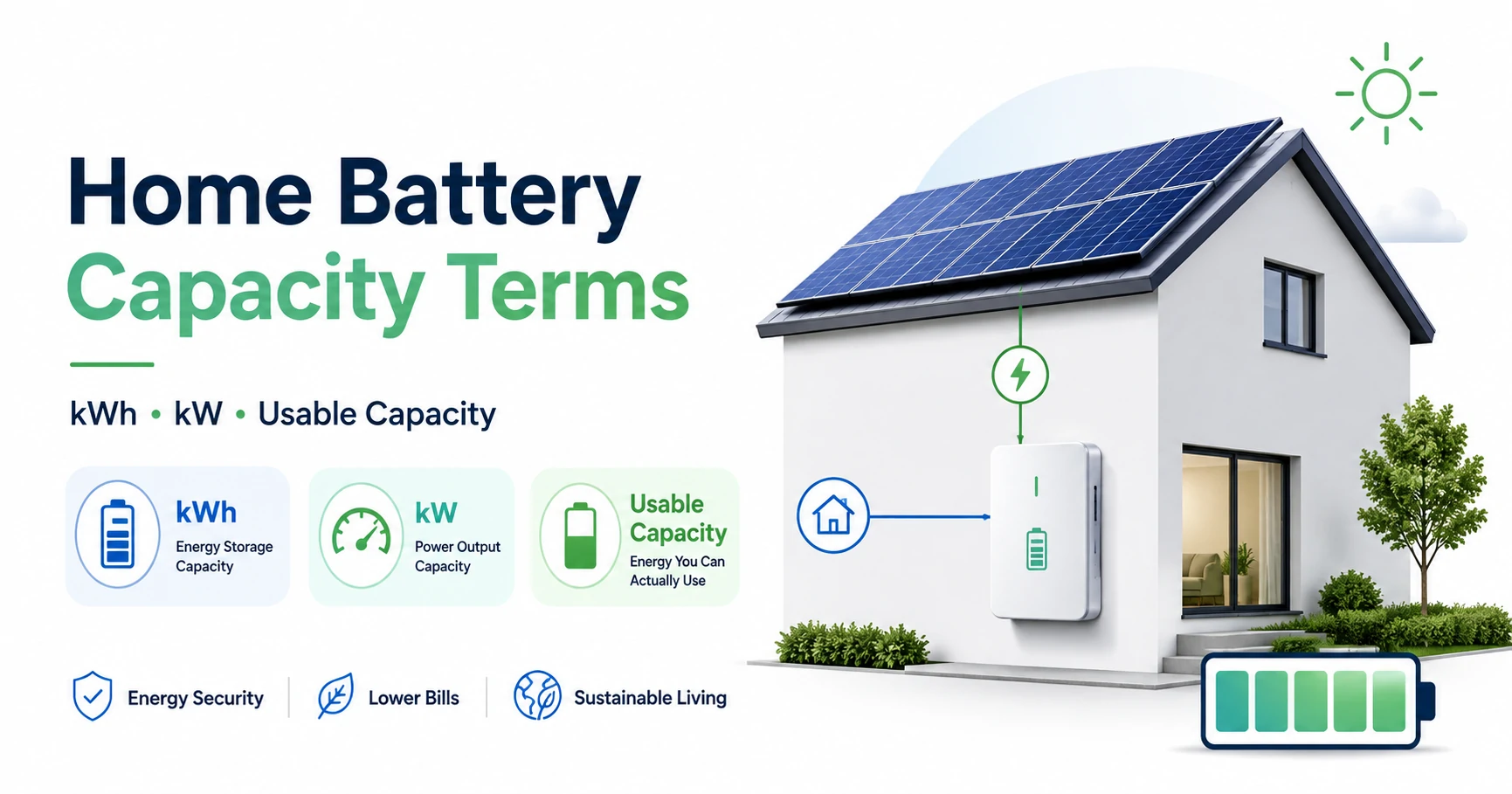
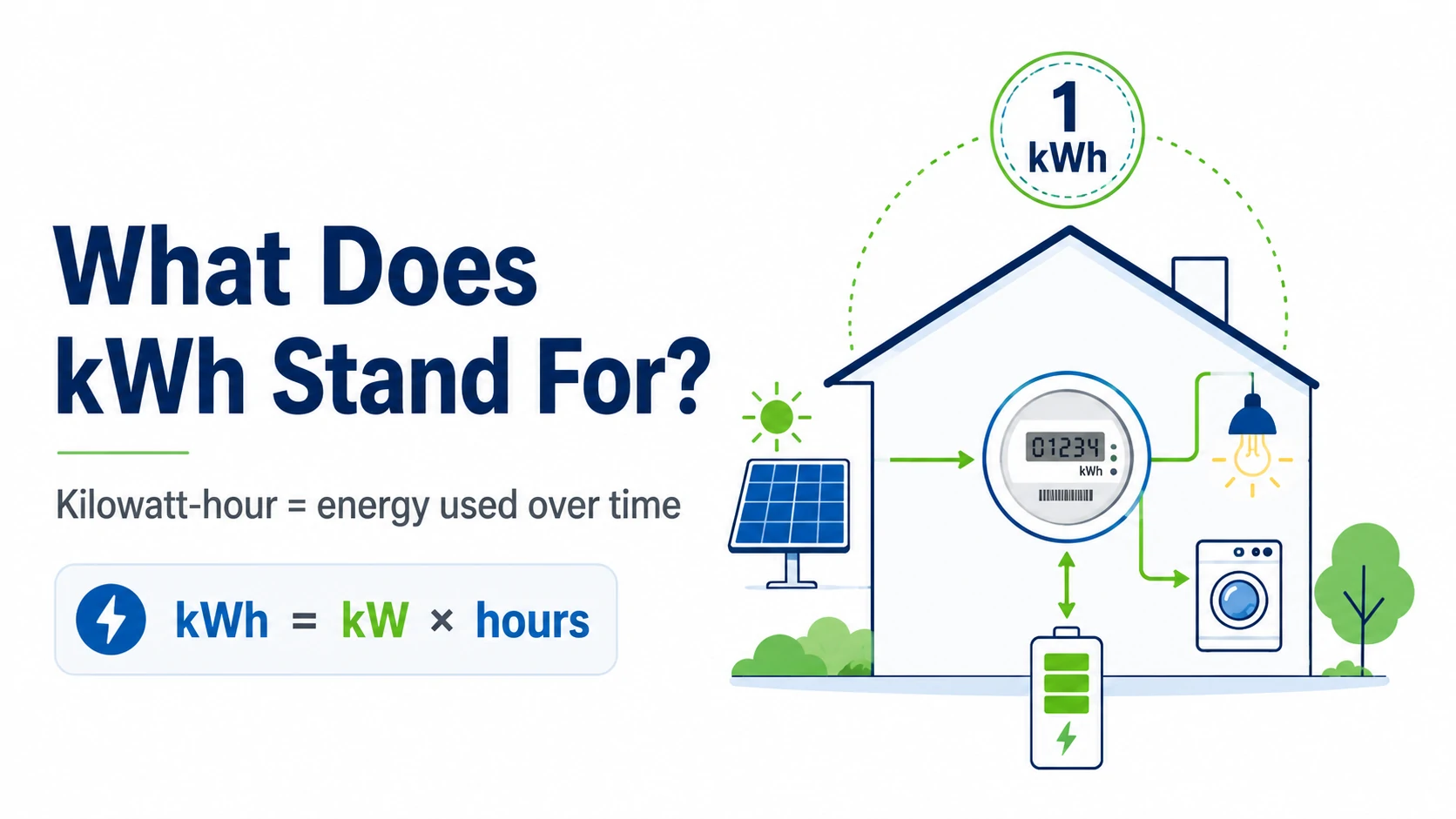
Battery capacity is usually measured in kilowatt-hours, or kWh. Nominal capacity shows the total stored energy, while usable capacity shows how much energy can realistically be discharged according to system settings and depth of discharge.
For example, a 10kWh battery may not always provide the full 10kWh for daily use, depending on battery chemistry, BMS settings and reserve capacity.
2. Power Output
Power output is measured in kilowatts, or kW. Capacity tells you how much energy the battery stores. Power tells you how much electricity it can deliver at one time.
A battery with high capacity but low power output may run small loads for longer, but may not support high-demand appliances. For backup power, installers should carefully calculate peak load requirements.
3. Cycle Life
Cycle life indicates how many charge and discharge cycles the battery can complete before its capacity drops to a defined level. Daily solar use requires a battery designed for frequent cycling.
LiFePO4 batteries are commonly selected for home solar storage because they are suitable for long-term daily cycling.
4. Depth of Discharge
Depth of discharge, or DoD, shows how much of the battery capacity can be used before recharging. A higher usable DoD allows more energy to be used, but the system should still follow manufacturer recommendations to protect battery life.
5. Round-Trip Efficiency
Round-trip efficiency measures how much energy remains after charging and discharging. Higher efficiency means less energy is lost during storage and conversion.
6. Battery Management System
The BMS is critical for safety and performance. It monitors battery voltage, current, temperature and state of charge. It also helps protect against overcharge, over-discharge, overcurrent, short circuit and temperature issues.
For B2B buyers, BMS quality is one of the most important supplier evaluation points.
7. Inverter Compatibility
A solar battery must communicate properly with the inverter. Common communication methods include CAN, RS485 and RS232. Before ordering batteries, installers should confirm inverter brand, model, voltage range and communication protocol.
Avepower provides inverter compatibility support for installers and project buyers through its residential battery energy storage systems solutions.
8. Installation Method
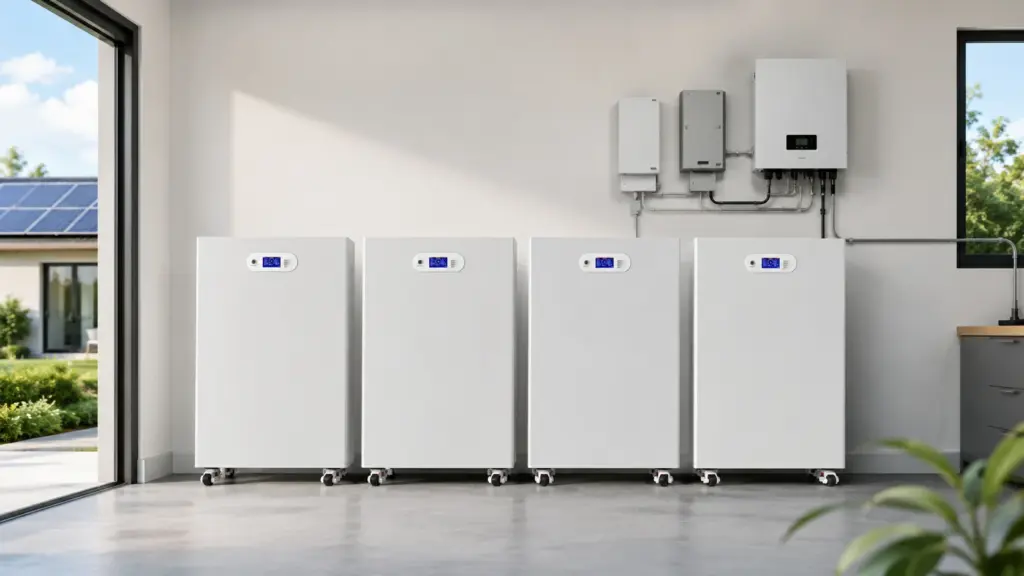
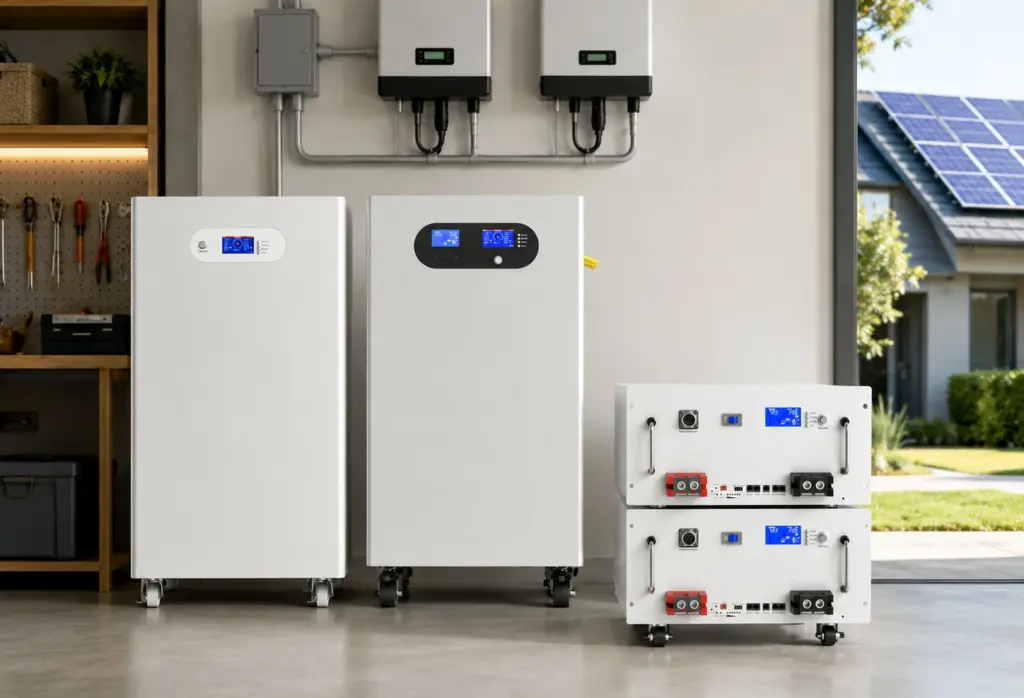
Home batteries may be wall-mounted, floor-standing, rack-mounted or stackable. The best format depends on the available space, project scale and installation environment.
Wall-mounted batteries are often used in garages, utility rooms and residential energy storage areas. Stackable and vertical battery systems may be better for larger capacity projects.
9. Certifications and Compliance
Battery systems should comply with relevant electrical, transport and safety requirements in the target market. Installers should also follow local grid connection rules, wiring standards and battery installation regulations.
For distributors and wholesalers, certification documents, shipping compliance, manuals and technical files are important for market entry and after-sales support.
Grid-Tied, Hybrid and Off-Grid Battery Systems
Home solar battery systems can be designed in different ways depending on the energy goal.
Grid-Tied Solar Battery System
A grid-tied battery system remains connected to the utility grid. The home can use solar power, stored battery power or grid electricity. This is suitable for homeowners who want to reduce bills but still keep grid access.
Hybrid Solar Battery System
A hybrid system combines solar, battery and grid interaction with backup capability. This is one of the most common options for modern residential solar storage because it supports both self-consumption and outage protection.
Off-Grid Solar Battery System
An off-grid system does not rely on the utility grid. It requires careful sizing because the battery must support the home when solar generation is low. Off-grid systems often need larger battery capacity, backup generators or more conservative energy planning.
Installation and Safety Considerations
Solar batteries should be installed by qualified professionals. The installation should consider electrical design, ventilation, cable sizing, breaker selection, battery location, inverter settings and emergency shutdown requirements.
A good battery installation location should usually be:
- Dry and well ventilated
- Away from direct sunlight and heat sources
- Protected from flooding or moisture
- Accessible for maintenance
- Close enough to the inverter for practical wiring
- Compliant with local safety rules
Homeowners should not choose a battery only by price. Safety, compatibility and installation quality are just as important as capacity.
For installers, the best project results usually come from confirming these details before ordering:
- Solar inverter brand and model
- Battery voltage platform
- Required capacity and backup time
- Maximum charge and discharge current
- Communication protocol
- Installation location
- Cable and breaker design
- Certification and documentation needs
- Monitoring requirements
- Warranty and after-sales process
How Installers and Distributors Should Choose Battery Suppliers
For B2B buyers, choosing a home solar battery supplier is different from choosing one battery for one house. Installers, wholesalers, distributors and OEM brands need products that are safe, repeatable, compatible and supportable across many projects.
A good supplier should offer:
- Stable LiFePO4 battery product lines
- Clear technical specifications
- Inverter compatibility support
- Communication protocol matching
- Scalable capacity options
- Reliable BMS protection
- Certification and shipping documents
- Consistent packaging and labeling
- OEM/ODM customization
- After-sales and warranty support
- Reasonable lead time for bulk orders
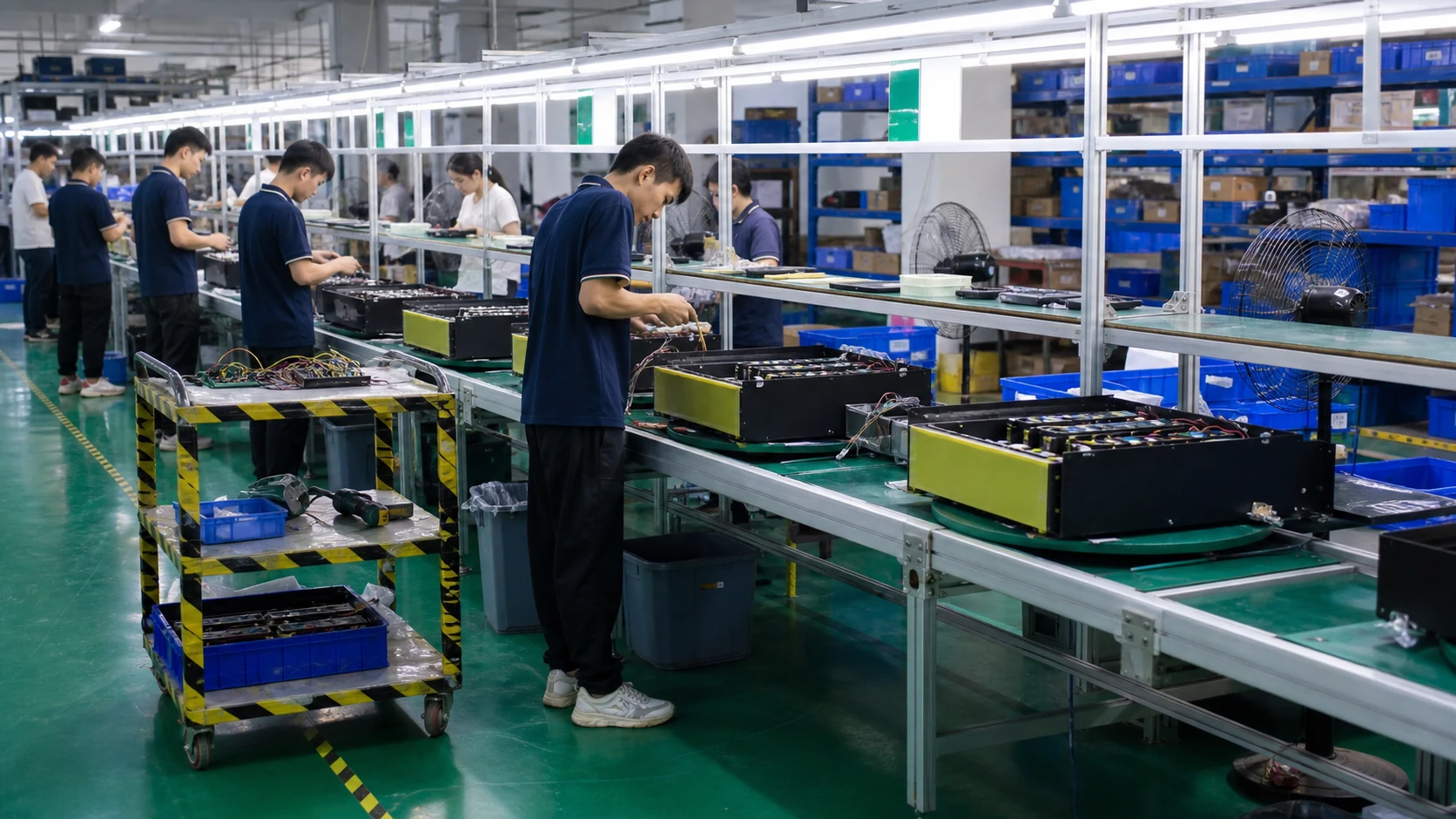
This is where Avepower’s B2B positioning fits naturally. Avepower is a battery energy storage system manufacturer offering home energy storage batteries, wall-mounted batteries, rack-mounted batteries, vertical battery systems, stackable batteries and OEM/ODM battery solutions for residential and commercial applications.
For installers and distributors building a local solar storage business, supplier support can reduce project risk and improve customer satisfaction.
Why Choose Avepower for Home Solar Storage Projects?
Avepower provides LiFePO4 battery storage solutions for residential solar storage, backup power and small energy projects. The product range includes wall-mounted batteries, stackable batteries, rack-mounted batteries, vertical batteries and all-in-one systems.
For home solar storage projects, Avepower can support:
- Solar self-consumption
- Backup power
- Low-voltage home battery systems
- Modular expansion
- CAN / RS485 / RS232 communication
- Bluetooth and Wi-Fi monitoring options
- Inverter compatibility support
- OEM/ODM customization
- Distributor and installer cooperation
- Documentation and certification support
For buyers who need flexible capacity, Avepower’s stackable LiFePO4 battery pack can be suitable for modular home storage and light commercial applications. For space-limited installations, wall-mounted battery systems can help keep the installation clean and compact.
If you are an installer, distributor, wholesaler or project buyer, Avepower can help match the right battery platform to your target application, inverter model, capacity requirement and market needs.
Take Control of Your Energy with Avepower!
Reliable home solar battery solutions with OEM/ODM customization and in-house manufacturing, tailored to the needs of distributors, installers, and energy partners.
Conclusion
Batteries for home solar storage make solar energy more useful by storing excess power for night use, peak-rate periods, and backup power. The best battery is not simply the largest or cheapest option. It should match the home’s energy profile, solar system size, inverter setup, backup needs, installation environment, and long-term expansion plan.
For homeowners, a well-designed solar battery system can improve energy independence and make better use of rooftop solar. For installers, distributors, and project buyers, the right battery supplier can reduce installation issues, improve customer satisfaction, and support long-term market growth.
Avepower provides residential solar battery solutions, wall-mounted batteries, stackable batteries, rack mount systems, inverter compatibility support, and OEM/ODM customization for B2B energy storage projects. If you are sourcing batteries for home solar storage, choosing a manufacturer with technical support, documentation, flexible product formats, and long-term supply capability can make project delivery much easier.
FAQ
LiFePO4 is one of the most practical choices for modern home solar storage because it offers good safety, long cycle life and stable performance for daily solar charging and discharging.
It depends on the home’s energy consumption and backup requirements. Some homes may only need 5kWh to 10kWh for essential loads, while larger homes or whole-home backup systems may need 20kWh, 30kWh or more.
Yes, in many cases a battery can be added to an existing solar system. The installer must check inverter compatibility, wiring design, available space, backup requirements and local grid rules.
Yes, but only if the system is designed for backup power. Some systems need a hybrid inverter, backup gateway or critical-load panel to operate safely during outages.
Battery lifespan depends on chemistry, cycle life, temperature, depth of discharge and operating conditions. LiFePO4 batteries are commonly chosen for long-term residential solar storage because they are suitable for frequent cycling.
No. Oversizing a battery can increase cost without improving value. The right size should match the home’s solar generation, evening load, backup needs and budget.
kWh measures how much energy the battery stores. kW measures how much power the battery can deliver at one time. Both are important when designing a solar battery system.
Some battery systems can charge from the grid without solar panels, especially for time-of-use energy shifting or backup. However, batteries are most commonly paired with solar panels to store renewable energy.
Installers should confirm inverter model, battery voltage, communication protocol, charge and discharge current, installation location, cable design, backup load requirement and certification needs.
Installers, distributors and project buyers can source LiFePO4 home solar batteries from Avepower. Explore Avepower’s home energy storage solutions to compare battery formats and request project support.