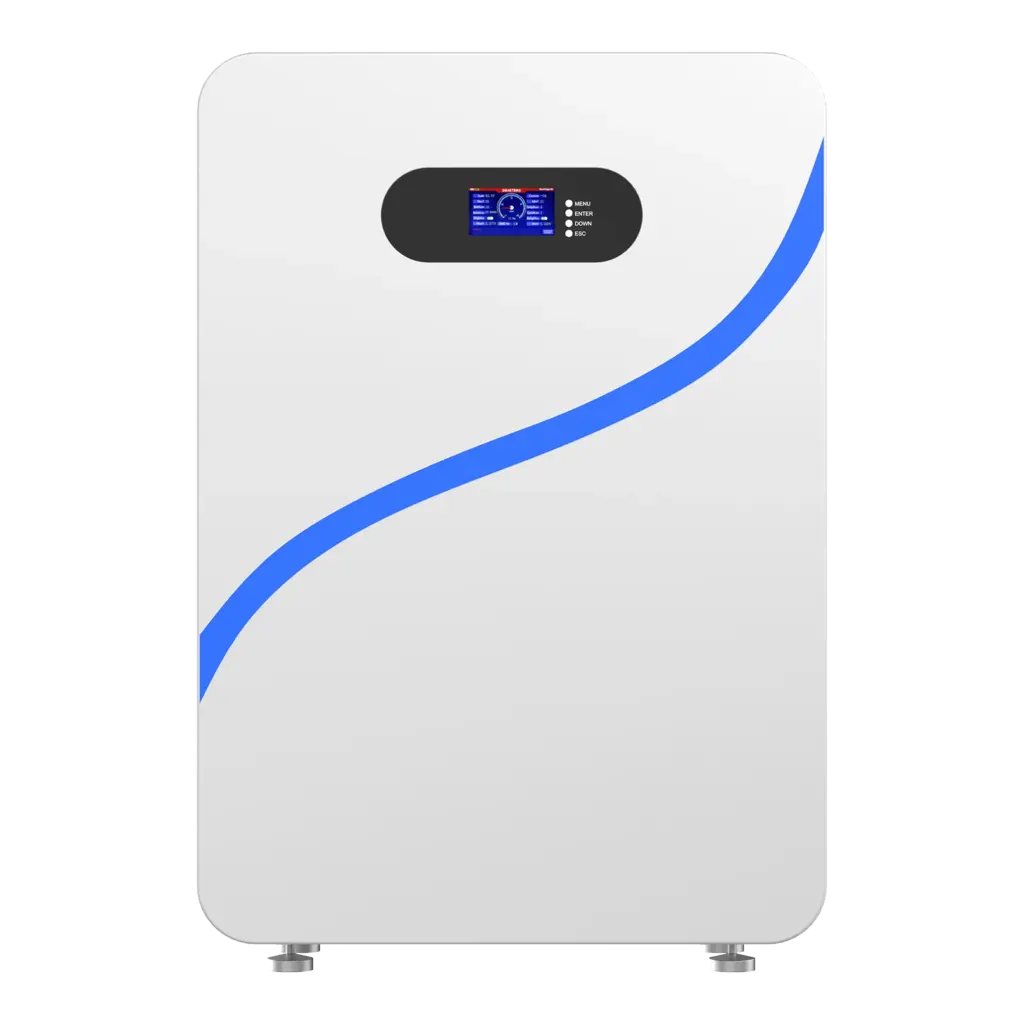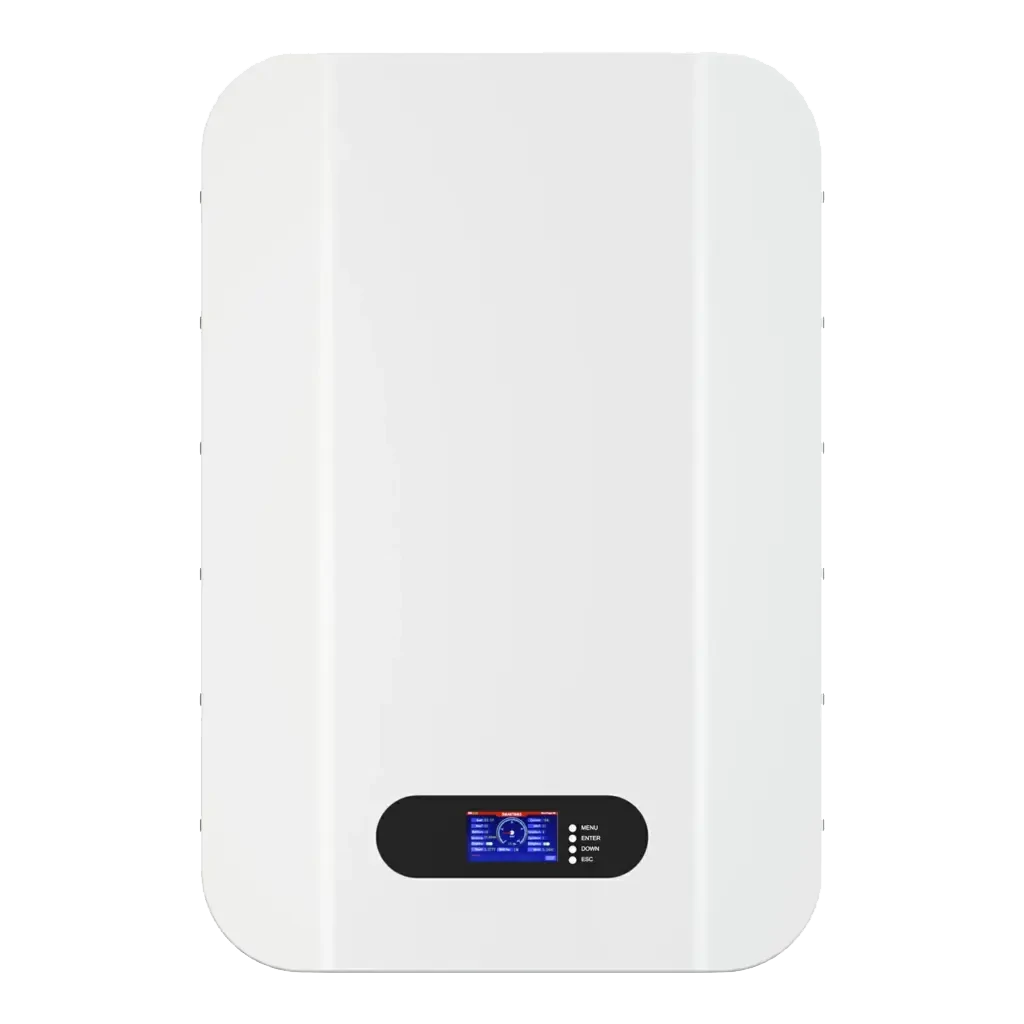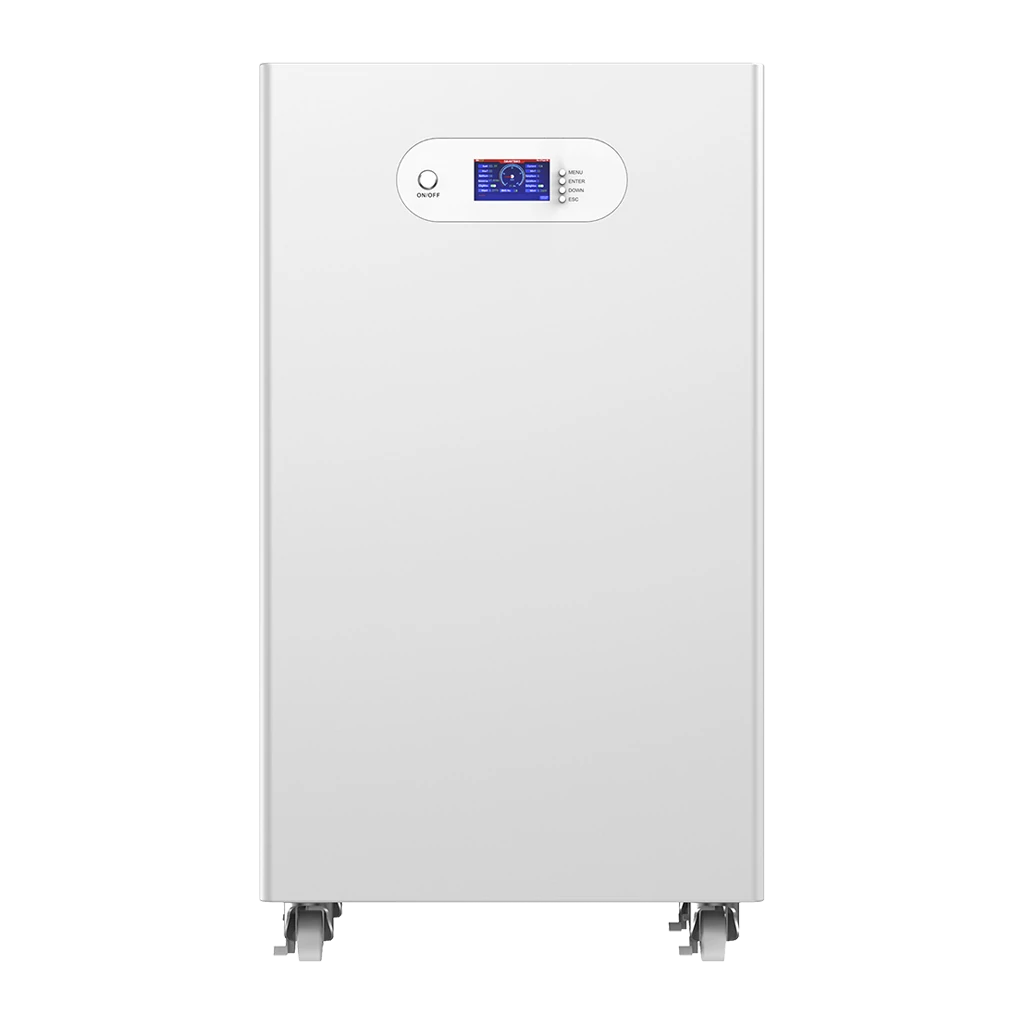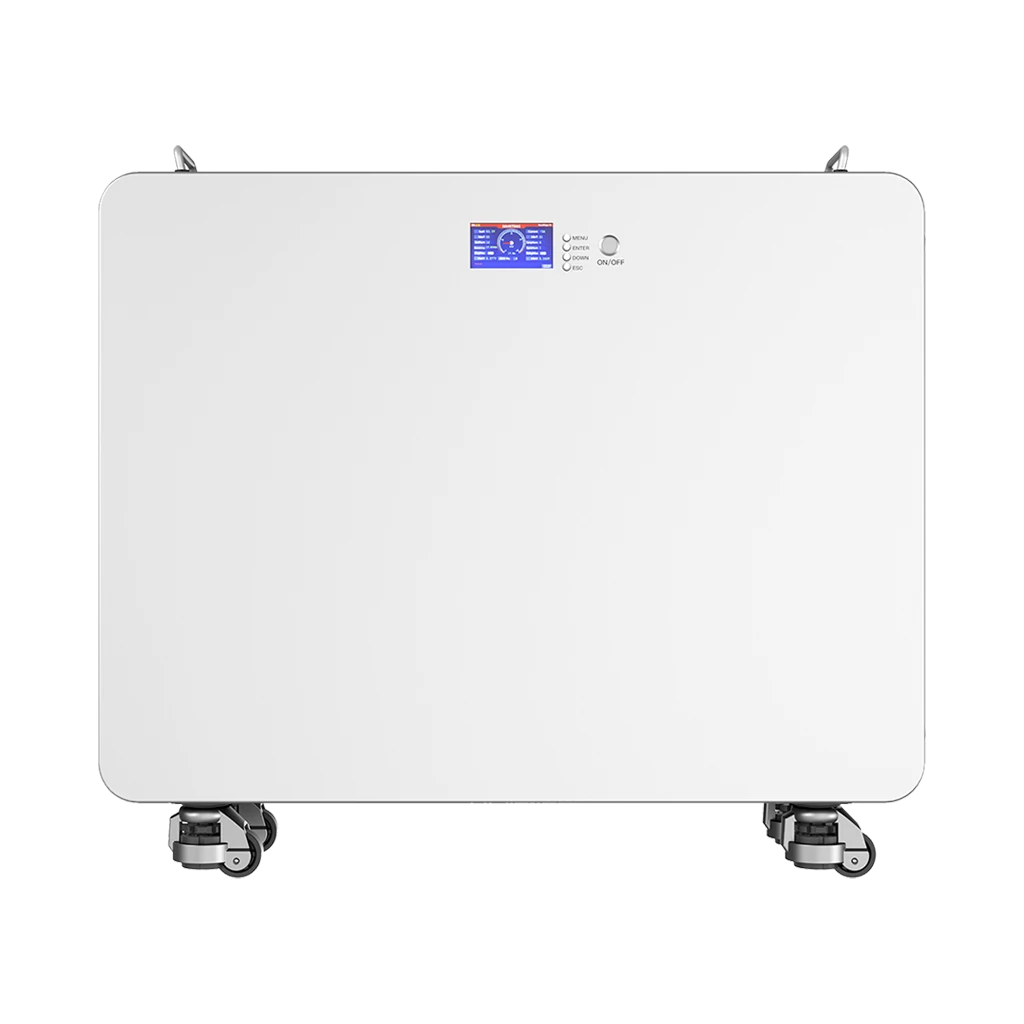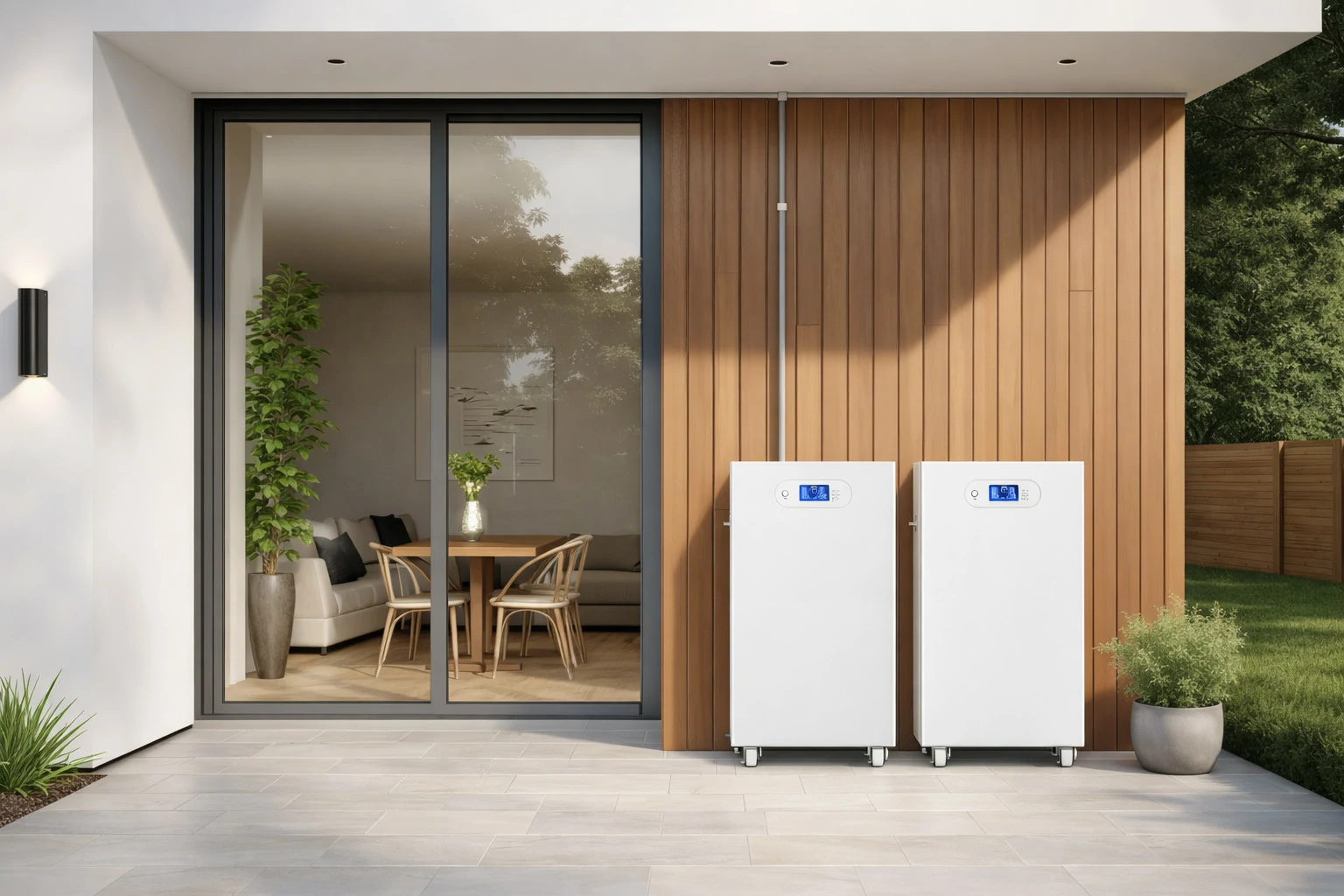


When comparing home standby generators vs battery backup systems, the better choice depends on how your home uses power during outages.
A home standby generator is usually better for long, multi-day outages where you need to run high-load appliances such as central air conditioning, well pumps, electric heating or large refrigerators for many hours. It can continue operating as long as fuel is available, but it creates noise, exhaust, fuel costs and maintenance requirements.
A battery backup system is better if you want quiet, automatic, low-maintenance backup power for essential loads, especially when paired with solar panels. It stores electricity from the grid or solar system and can power lights, internet, refrigeration, small appliances and selected circuits during outages. The main limitation is runtime: once the stored energy is used, the battery must be recharged.
Power outages are no longer rare events in many markets. Storms, wildfires, overloaded grids, aging transmission infrastructure and extreme heat have made backup power a practical household decision rather than a luxury upgrade.
For many modern homes, the strongest solution is not “generator or battery” but a hybrid backup design: solar + battery for daily energy use and short outages, with a smaller generator reserved only for long emergencies.
Home Standby Generators vs Battery Backup Systems: Core Difference
The simplest way to understand the difference is this:
A generator creates electricity by burning fuel.
A battery stores electricity and releases it when needed.
That single difference affects everything: cost, noise, maintenance, safety, installation, runtime and long-term value.
A standby generator is like having a small power plant outside your home. A battery backup system is more like having a large rechargeable energy bank connected to your electrical panel.
Both can keep your home powered during an outage, but they solve the problem in very different ways.
Comparison Table: Home Standby Generators vs Battery Backup Systems
| Factor | Home Standby Generator | Battery Backup System |
|---|---|---|
| Power source | Natural gas, propane or diesel | Grid electricity, solar panels or both |
| Best for | Long outages and high loads | Short outages, essential loads, solar self-consumption |
| Startup | Automatic with transfer switch | Automatic with backup gateway/inverter |
| Noise | Noticeable engine noise | Very quiet operation |
| On-site emissions | Yes, exhaust and carbon monoxide risk | No fuel combustion during operation |
| Maintenance | Oil, filters, testing, fuel system checks | Low maintenance, mainly monitoring and system checks |
| Fuel requirement | Ongoing fuel supply needed | No fuel delivery needed |
| Solar compatibility | Usually limited unless hybrid system is designed | Excellent when paired with solar |
| Daily value | Mostly useful during outages | Can also reduce bills through solar storage or TOU shifting |
| Runtime | Long if fuel is available | Limited by battery capacity, longer with solar recharge |
| Upfront cost | Often lower for basic standby backup | Often higher for whole-home battery backup |
| Long-term cost | Fuel and maintenance add up | Lower running cost after installation |
| Safety concern | CO, exhaust, fuel storage, placement | Electrical safety, battery quality, correct installation |
| Best fit | Rural homes, long storms, large loads | Solar homes, urban homes, quiet backup, energy independence |
What Are Home Standby Generators?
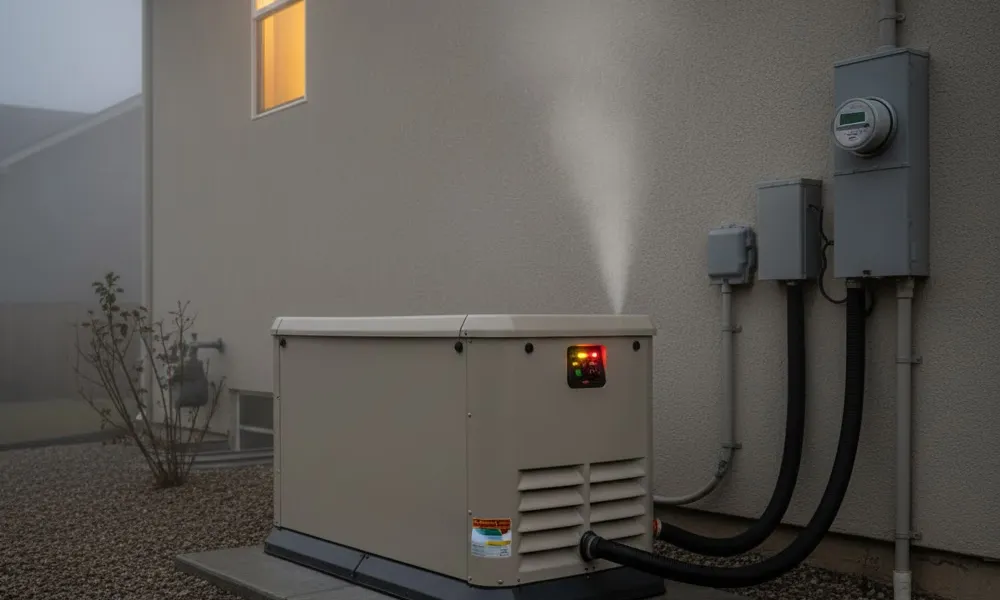
A home standby generator is a permanently installed backup power unit placed outside the home. It connects to the electrical panel through an automatic transfer switch. When the grid goes down, the switch disconnects your home from utility power and the generator starts automatically.
Most standby generators use:
- Natural gas
- Liquid propane
- Diesel
Unlike a portable generator, a standby generator is normally sized and installed by a professional. It can support selected circuits or, if properly sized, most of the house.
Main Advantages of Home Standby Generators
The biggest advantage is long runtime. If you have a reliable natural gas connection or a large propane tank, a standby generator can keep running through extended outages.
This makes generators useful for homes that need to power:
- Central air conditioning
- Well pumps
- Sump pumps
- Large refrigerators or freezers
- Electric ranges
- Medical equipment
- Heating systems
- Whole-home circuits
A generator can also handle high surge loads better than many small battery systems. Motors in pumps, compressors and HVAC equipment may require high startup power, and a properly sized generator can support those loads.
Main Disadvantages of Home Standby Generators
Generators are mechanical systems. That means they need fuel, servicing and safe placement. Fuel-powered generators can produce toxic fumes and should be used outside and far away from buildings, doors, vents and windows.
Common generator drawbacks include:
- Engine noise during operation
- Carbon monoxide and exhaust risks
- Ongoing fuel cost
- Regular maintenance
- Oil and filter changes
- Fuel delivery or gas line sizing
- Local permitting and installation requirements
- No electricity bill savings during normal operation
A generator may be the right choice for long outages, but it is not a “set it and forget it” solution.
What Are Battery Backup Systems?
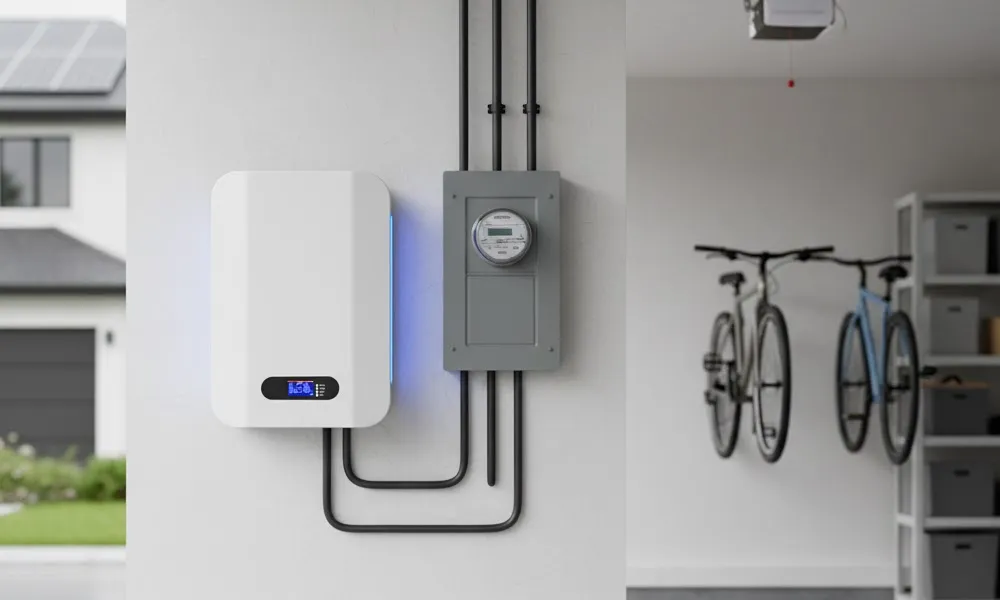
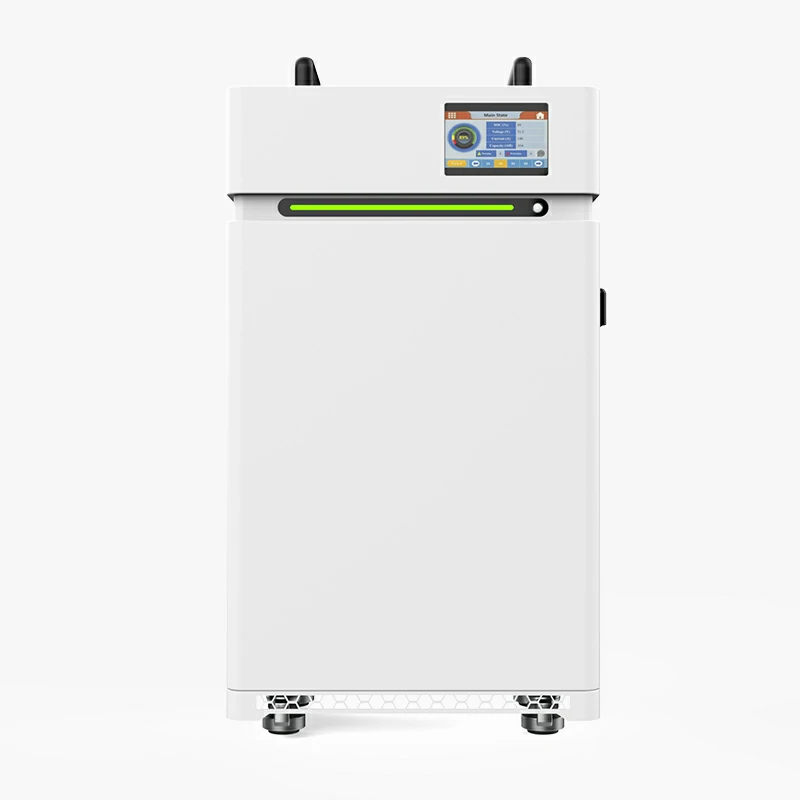
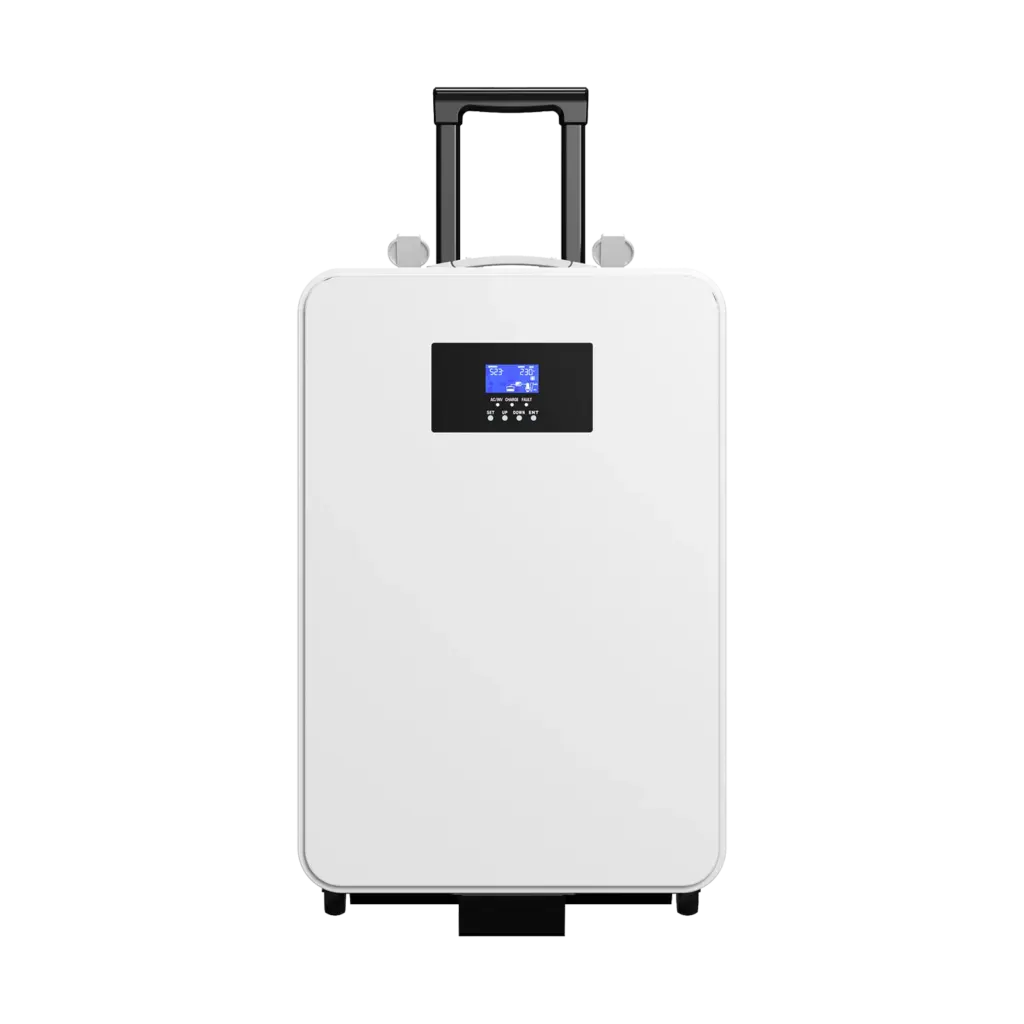
A home battery backup system stores electricity and supplies it when the grid fails. It can be charged from solar panels, the grid or, in some hybrid systems, a generator.
A typical residential battery system includes:
- Battery modules
- Hybrid inverter or battery inverter
- Battery management system
- Backup gateway or transfer device
- Protected load panel or whole-home connection
- Monitoring app or EMS
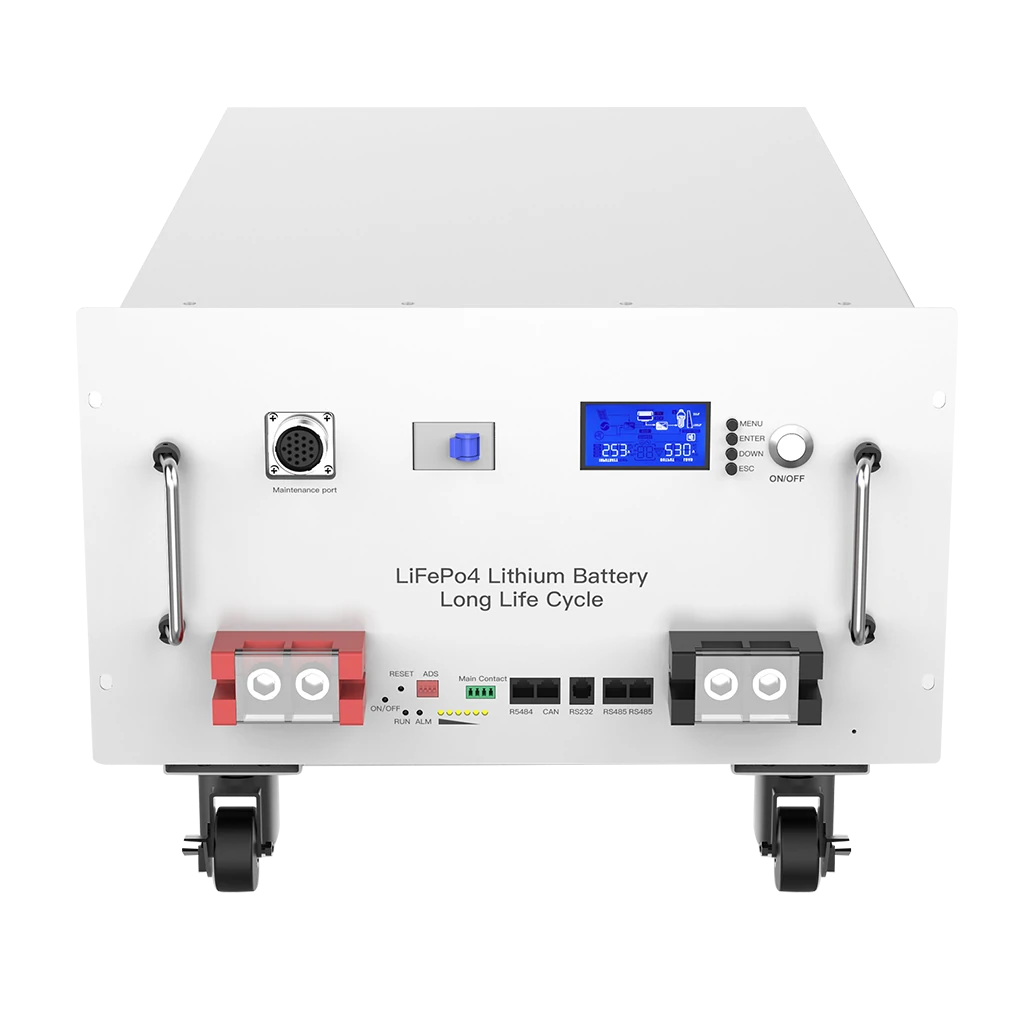
Many modern home batteries use lithium iron phosphate chemistry. LiFePO4 is widely used in energy storage because it offers good thermal stability, long cycle life and strong safety characteristics when paired with a quality BMS.
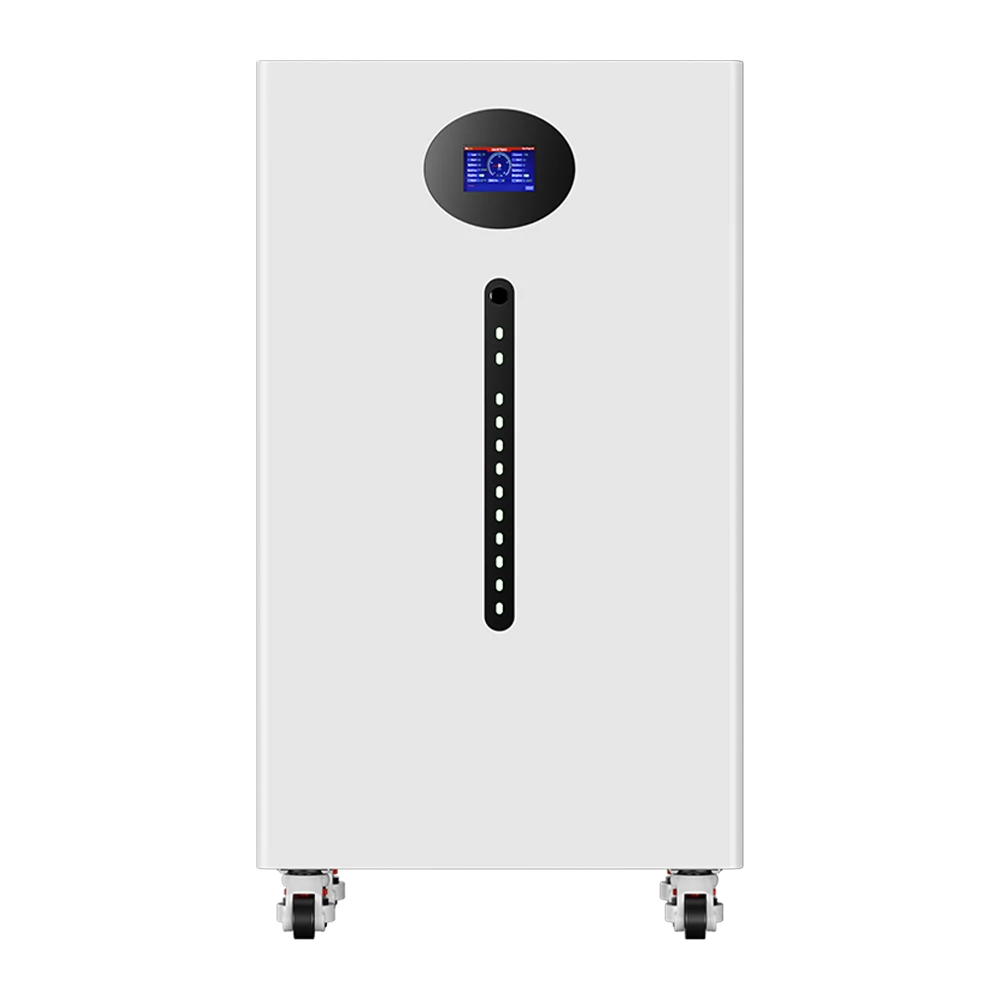
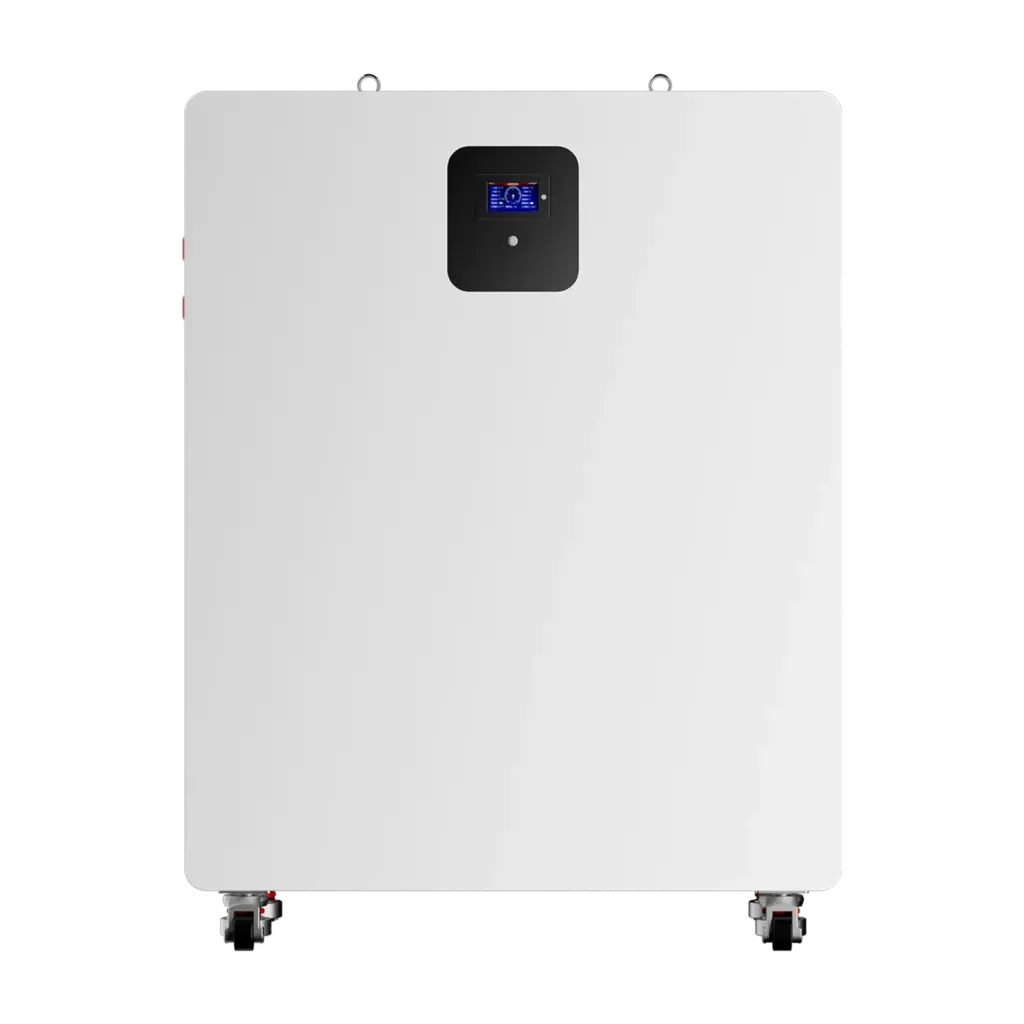
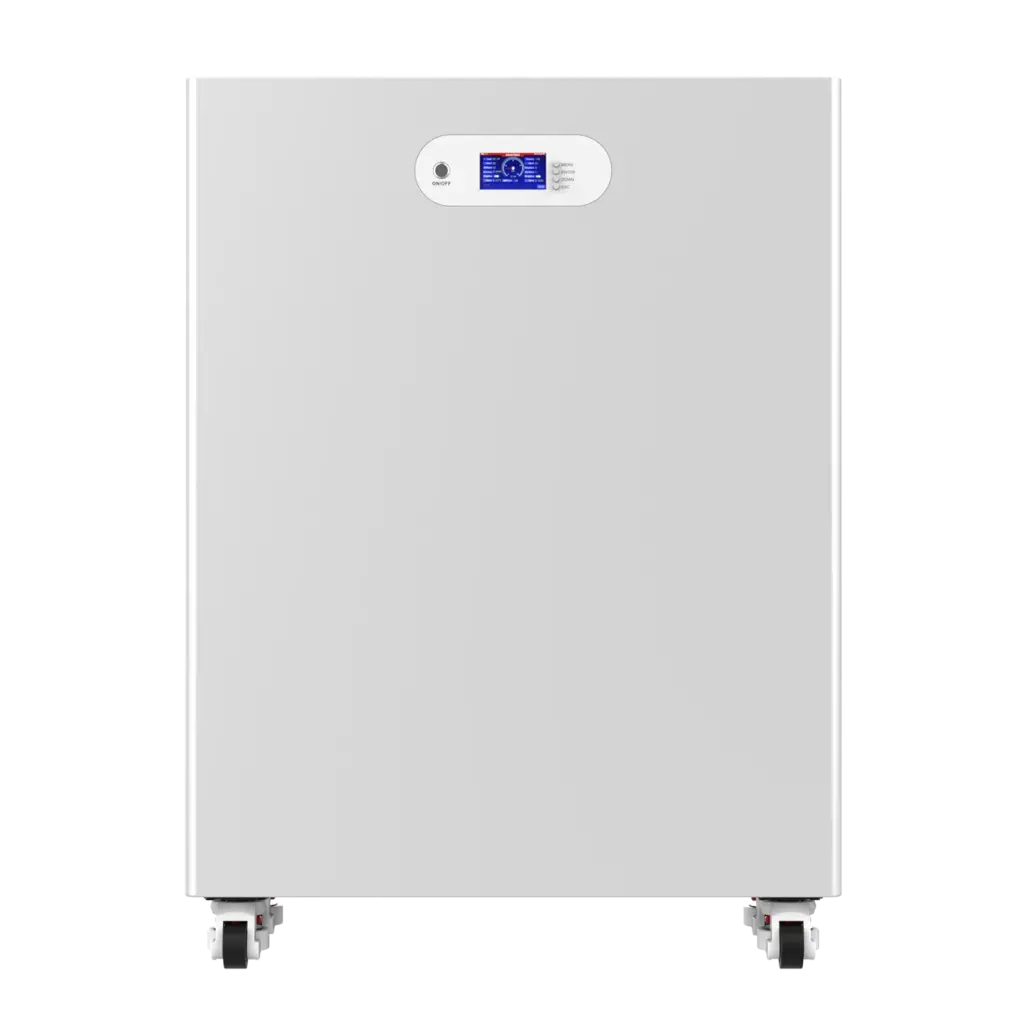
For example, Avepower’s home energy storage battery systems are designed around LiFePO4 technology for residential solar storage, backup power and expandable system design.
Related resources: Why LFP (LiFePO4) Batteries Are the Safest for Home Energy Storage
Main Advantages of Battery Backup Systems
A battery backup system is quiet, automatic and low-maintenance. It does not burn fuel during operation, so there is no exhaust, no refueling and no engine oil to change.
A battery can also provide value every day, not only during blackouts. When paired with solar panels, it stores extra solar energy during the day and releases it at night or during peak-rate hours.
That makes batteries especially useful for homes with:
- Rooftop solar
- Time-of-use electricity rates
- Frequent short outages
- Noise restrictions
- Limited outdoor fuel storage space
- A need for clean backup power
- Smart home energy monitoring
Storage helps match electricity supply and demand and can provide resilience during disruptions.
Main Disadvantages of Battery Backup Systems
The main limitation is stored capacity.
A generator can keep producing power as long as fuel is available. A battery has a fixed amount of usable energy. Once it is depleted, it must be recharged.
Battery runtime depends on:
- Battery capacity in kWh
- Inverter output in kW
- Number of appliances connected
- Whether HVAC is included
- Solar recharge availability
- Weather conditions
- Depth of discharge
- System efficiency
A single 10kWh home battery may be excellent for lights, WiFi, refrigerator and essential circuits, but it may not run central air conditioning for long unless the system is larger and properly designed.
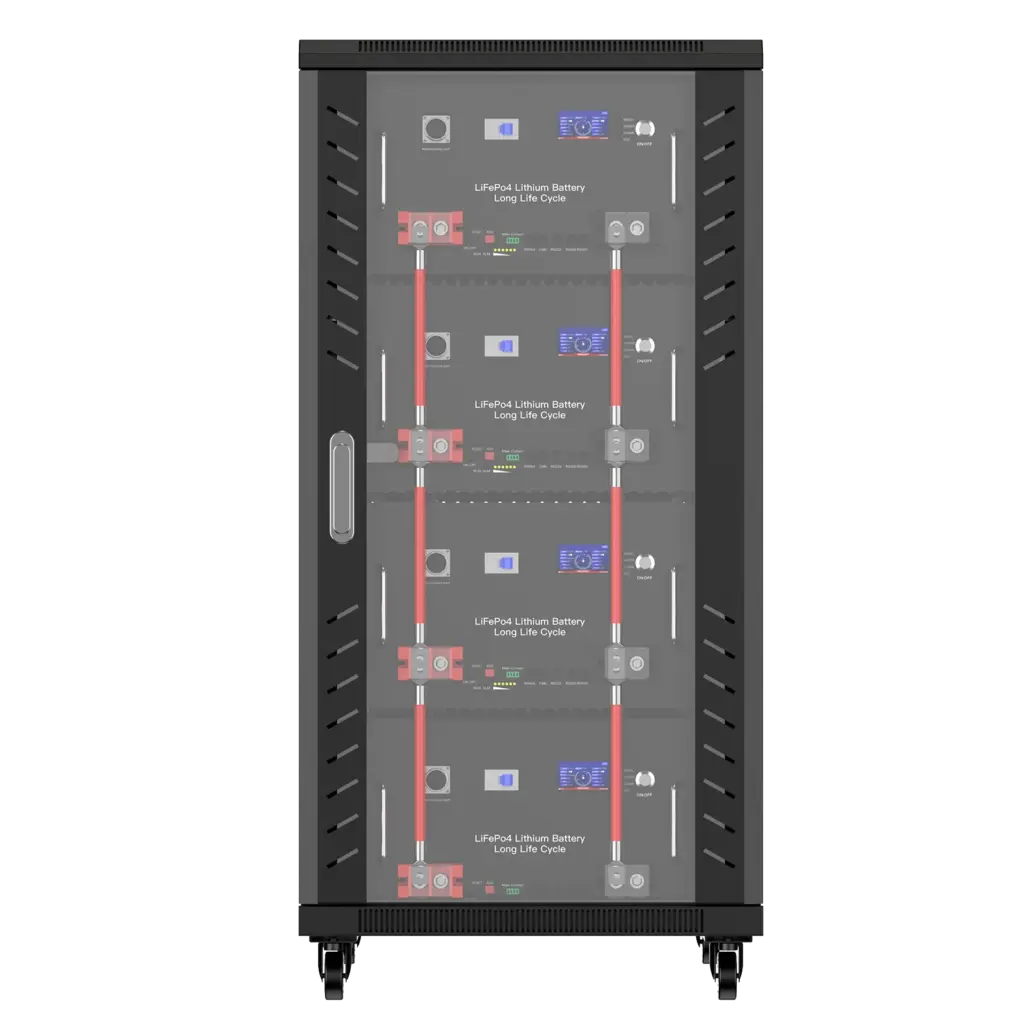
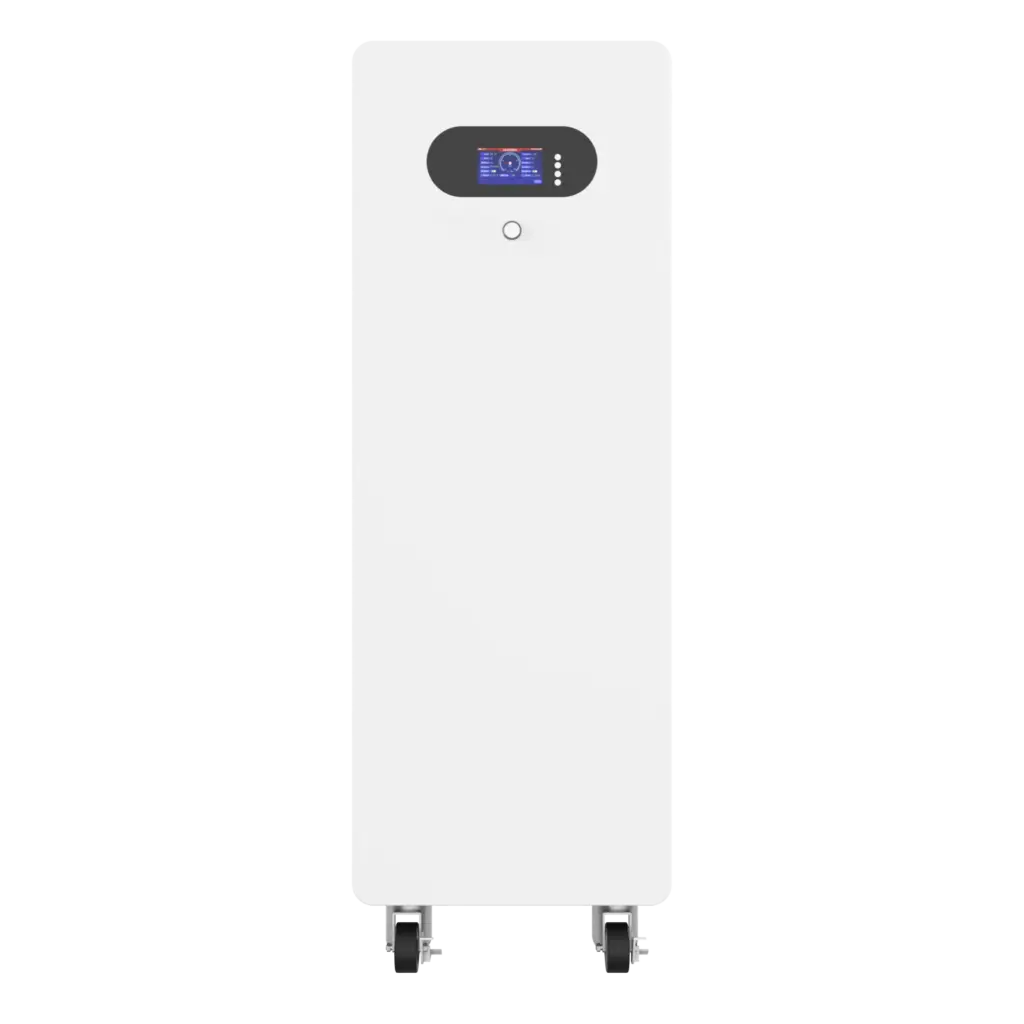
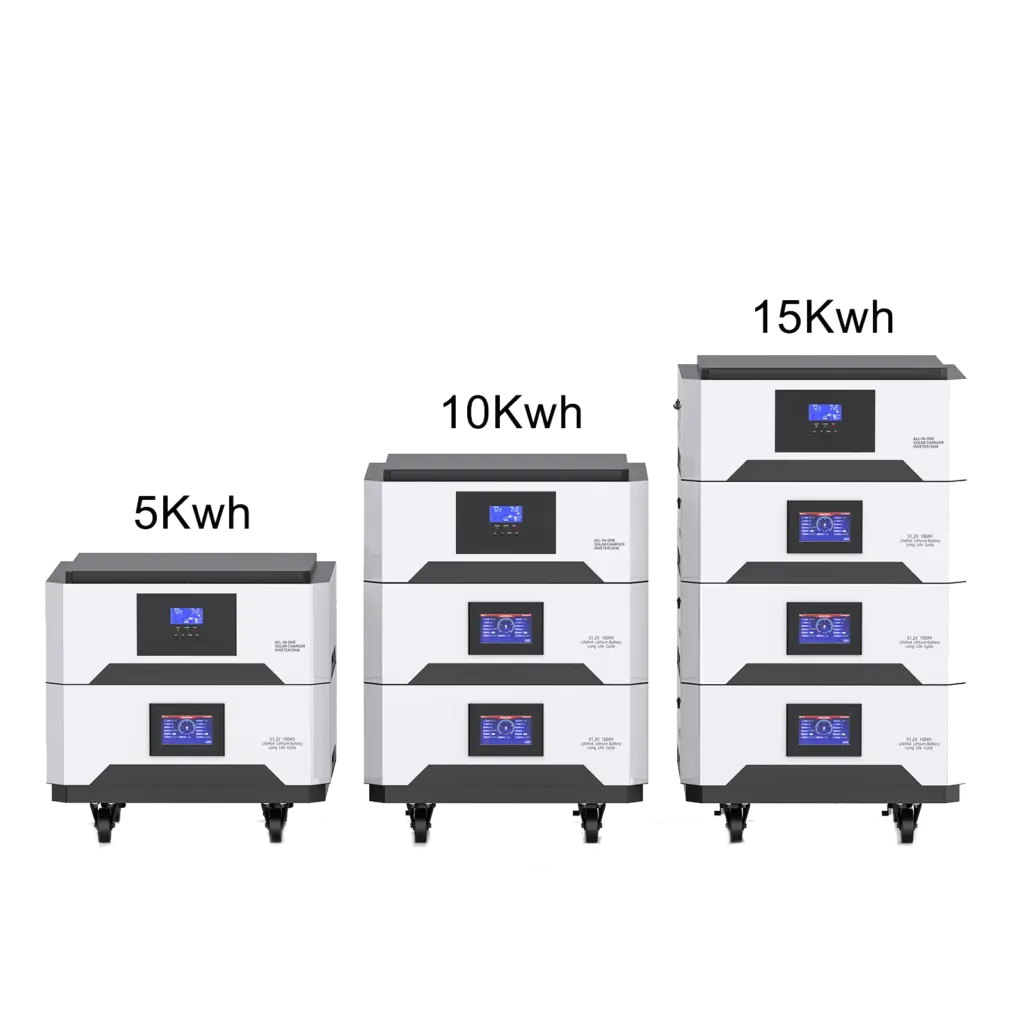
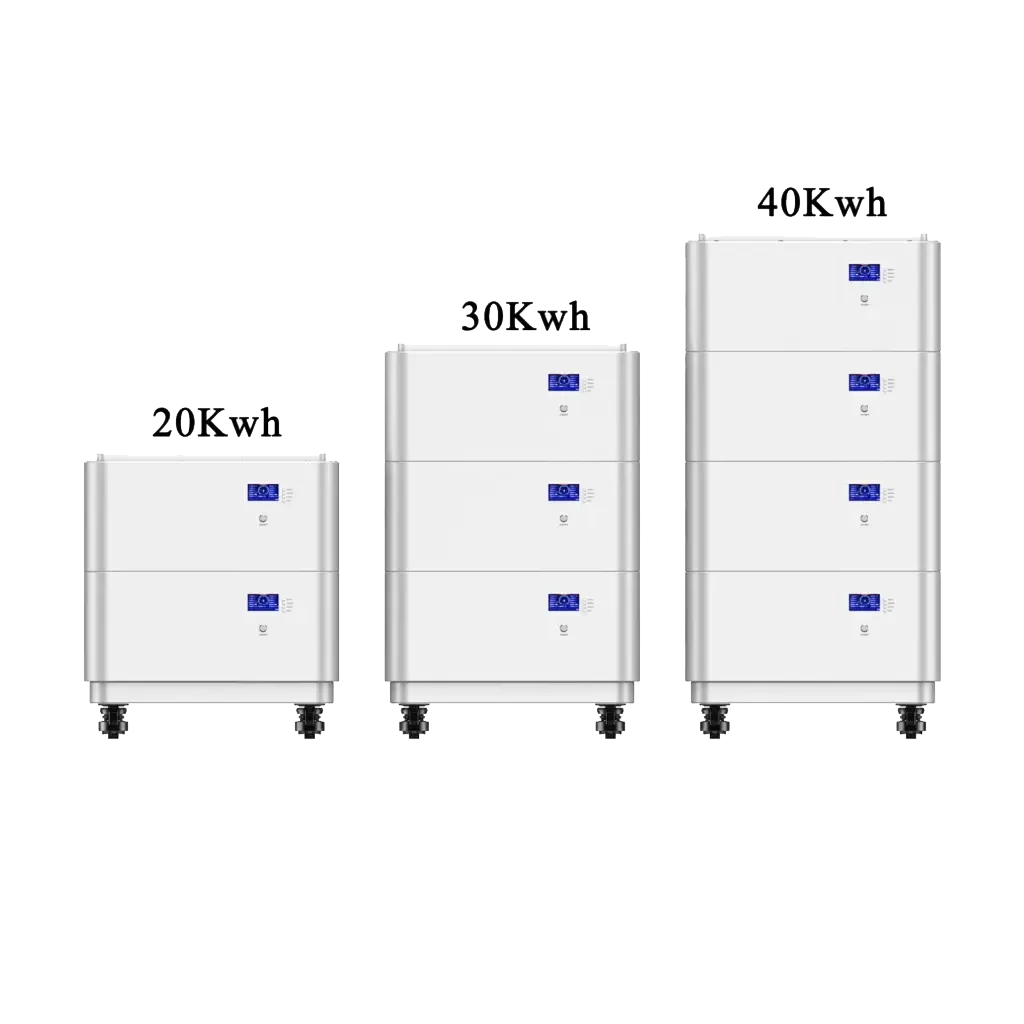
For larger backup needs, modular systems such as Avepower’s stackable LiFePO4 battery pack can support capacity expansion for homes, installers and project partners who need scalable storage.
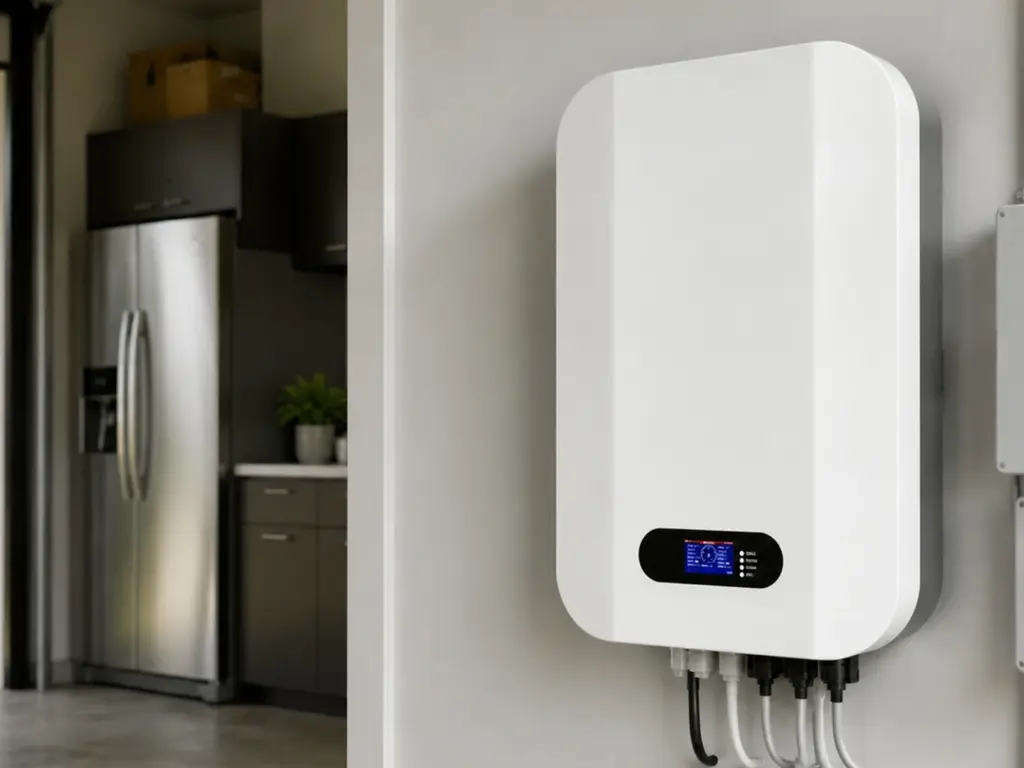
Build a Quieter and Smarter Home Backup System
If your customers need reliable backup power without constant fuel cost, noise or complex maintenance, Avepower can help you design a scalable LiFePO4 battery storage solution for residential solar and backup projects.
Runtime: How Long Can Each System Power a Home?
Runtime is the most important part of the home standby generators vs battery backup systems comparison.
Generator Runtime
A standby generator can run for a long time if fuel is available. A natural gas generator may run continuously if the gas supply remains stable. A propane or diesel generator depends on tank size and fuel delivery.
That makes generators strong for:
- Multi-day storms
- Rural areas
- Homes with large HVAC loads
- Locations where outages last days instead of hours
- Homes that cannot reduce load during emergencies
But fuel is not always guaranteed. Gas pressure may be affected during disasters, propane delivery may be delayed, and diesel storage needs planning.
Battery Runtime
Battery runtime depends on capacity and load.
For example:
- 1kW of essential load running for 10 hours uses about 10kWh
- 2kW of load running for 10 hours uses about 20kWh
- A 5kW air conditioner running for several hours can drain a small battery quickly
A battery system is strongest when the home is divided into priority circuits.
Typical essential loads include:
- Refrigerator
- Internet router
- LED lighting
- Phone charging
- Security system
- Garage door opener
- Sump pump
- Small kitchen appliances
- Medical devices
- Selected outlets
If you want to run heavy loads such as electric heating, central AC, EV charging or electric ovens, you need a much larger battery system and careful inverter sizing.
Avepower’s wall-mounted LiFePO4 battery systems are suitable for residential solar storage and essential backup configurations, while larger stackable systems can be used when installers need more capacity for whole-home or extended backup projects.

Safety: Battery Backup Is Cleaner, Generator Placement Is Critical
Safety is one of the clearest differences between the two options.
A battery backup system does not create exhaust during operation. It can be installed indoors or outdoors depending on product certification, local code and manufacturer requirements.
A fuel-powered generator must be installed outside with proper clearance. It should never be operated inside a garage, basement, crawl space, balcony or near windows. Portable generators can produce toxic fumes and should be kept outside and far away from buildings.
This does not mean batteries need no safety planning. A battery backup system still requires:
- Certified battery modules
- Correct wire sizing
- Proper overcurrent protection
- Qualified installation
- Compatible inverter communication
- Thermal management
- BMS protection
- Local code compliance
Maintenance: Generator Needs Service, Battery Needs Monitoring
A generator is an engine. Like any engine, it needs maintenance.
Common standby generator maintenance includes:
- Oil change
- Air filter replacement
- Spark plug inspection
- Battery check
- Fuel line inspection
- Coolant check for liquid-cooled models
- Exercise runs
- Annual service
If maintenance is ignored, the generator may fail when it is needed most.
Battery systems have fewer moving parts. In most cases, the user mainly monitors:
- State of charge
- Battery health
- Error codes
- Inverter communication
- Firmware/app status
- Operating temperature
- Charging and discharging behavior
This is one reason battery backup systems are popular for homeowners who want low daily involvement.
However, low maintenance does not mean no planning. A battery system should still be commissioned by a qualified installer and checked periodically, especially in solar + storage systems where inverter settings, backup load panels and battery communication must work together.
Solar Compatibility: Battery Backup Has the Stronger Advantage
Solar integration is where battery backup systems are usually ahead.
A generator only produces power when it burns fuel. It does not help you use more of your own solar energy during normal days.
A battery can:
- Store excess solar energy
- Power the home at night
- Reduce grid imports
- Provide backup during outages
- Support time-of-use savings
- Improve self-consumption
- Reduce dependence on fuel delivery
Rooftop solar, backup batteries and emergency generators as distributed energy resources, but batteries and solar work together more naturally because one generates and the other stores electricity.
If your home already has solar panels, a battery backup system is often the more logical first upgrade. If your area also has long storm-related outages, a hybrid system may be worth considering.
Whole-Home Backup vs Essential-Load Backup
There are two backup design approaches:
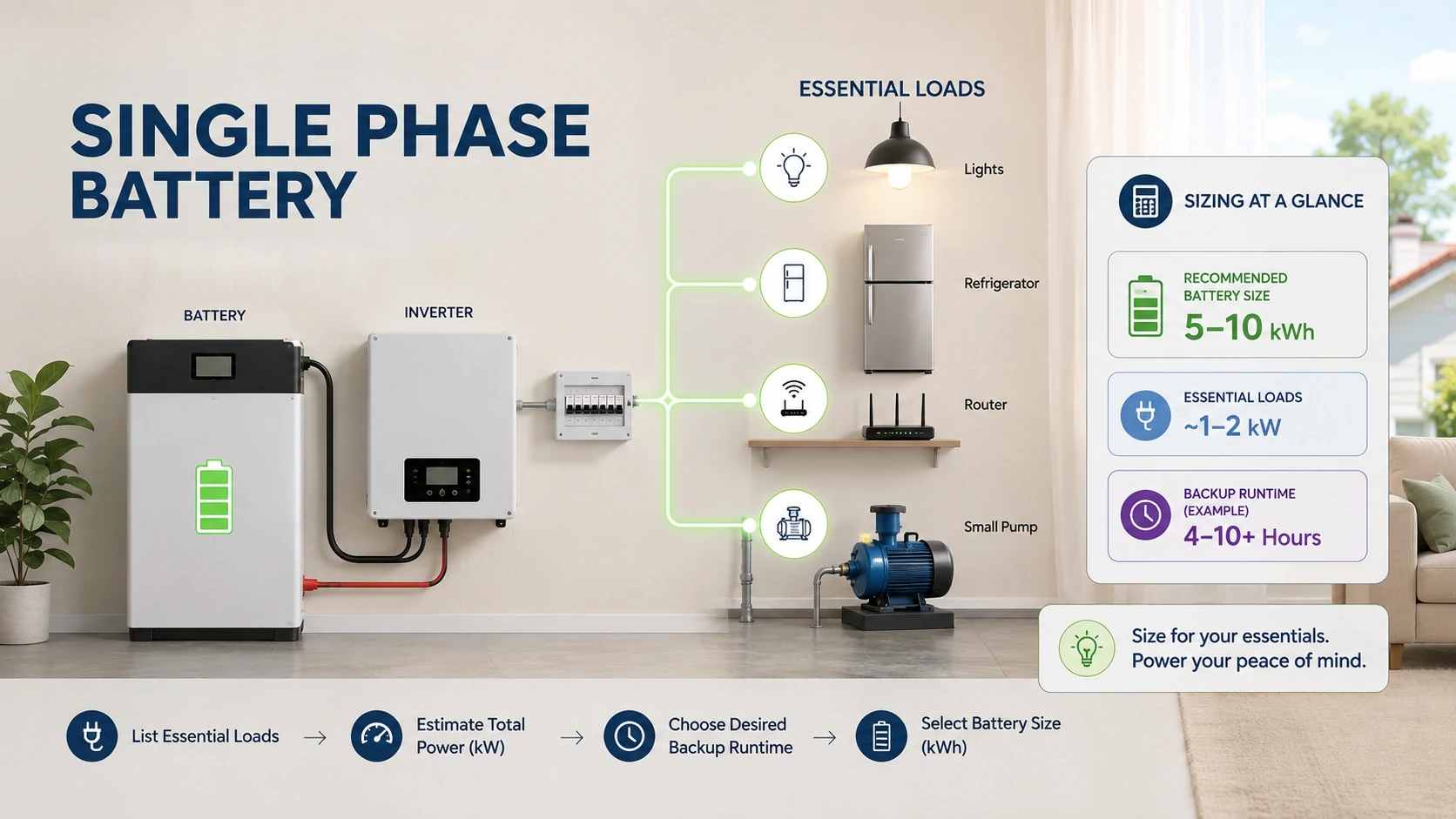
Essential-Load Backup
This powers only critical circuits, such as:
- Refrigerator
- Lighting
- WiFi
- Security
- Sump pump
- Select outlets
- Medical equipment
This is usually the best design for battery backup because it extends runtime and lowers system cost.
Whole-Home Backup
This attempts to support most or all home loads, including:
- HVAC
- Kitchen appliances
- Laundry
- Pumps
- Entertainment systems
- Lighting and outlets
- Sometimes EV charging
Whole-home backup requires more power capacity and more stored energy. A generator can often provide whole-home backup more directly if sized correctly. A battery can also do it, but the system must be larger, with enough inverter output and battery capacity.
For larger residential projects, Avepower’s residential battery energy storage systems solution can support installers and project partners who need scalable backup power design rather than a single small battery module.
How to Size a Battery Backup System
Battery sizing should start with energy.
Use this basic method:
Daily backup energy needed = appliance power × runtime
Example:
| Load | Power | Runtime | Energy |
|---|---|---|---|
| Refrigerator | 200W average | 12h | 2.4kWh |
| WiFi + router | 30W | 24h | 0.72kWh |
| LED lights | 100W | 6h | 0.6kWh |
| Laptop/phones | 100W | 5h | 0.5kWh |
| Sump pump | 800W intermittent | 1h total | 0.8kWh |
| Small appliances | 500W | 2h | 1kWh |
Total: about 6kWh per day for essential loads.
With inverter losses and reserve capacity, you may size closer to 8–10kWh.
If you add air conditioning, electric heating, well pumps or cooking loads, the battery size may increase dramatically.
That is why one home may be fine with a 10kWh battery, while another may need 30kWh battery, 50kWh battery or a hybrid battery-generator design.
How to Size a Standby Generator
Generator sizing is based on power output, measured in kW.
You need to calculate:
- Running watts
- Startup surge watts
- HVAC compressor load
- Pump motor load
- Refrigerator/freezer startup load
- Whether loads will run at the same time
- Whether load management is used
A generator that is too small may overload or fail to start large appliances. A generator that is too large may waste fuel and cost more than necessary.
Professional installers often perform a load calculation before selecting generator capacity. This is especially important for homes with central AC, electric heat, well pumps or large kitchen appliances.
Which Is Better for Multi-Day Outages?
For long outages lasting several days, a standby generator may be stronger if fuel is reliable.
A generator can keep producing electricity. A battery must be recharged.
However, the answer changes if the battery is paired with solar. A solar + battery system can recharge during daylight, extending runtime significantly. But stormy weather, snow cover, smoke or heavy cloud can reduce solar generation.
For multi-day resilience, the best setup may be:
Solar panels + battery backup + small generator
In this design:
- Solar powers loads during the day
- Battery stores solar energy and runs quietly at night
- Generator runs only when the battery is low
- Fuel consumption is reduced
- Noise is reduced
- Runtime is extended
This hybrid design is becoming more attractive for homes that want both clean daily energy and emergency endurance.
Where Battery Backup Fits Best
Avepower does not position battery storage as a direct replacement for every generator. In real projects, the better recommendation is based on the load profile and outage pattern.
For residential solar homes, installers and energy storage partners, Avepower battery systems are most suitable when the project needs:
- Clean and quiet backup power
- LiFePO4 battery chemistry
- Solar energy storage
- Modular capacity expansion
- CAN/RS485/RS232 communication options on supported models
- Inverter compatibility planning
- OEM/ODM customization
- Residential and light commercial backup configurations
For example, a homeowner may start with a 5kWh or 10kWh battery for essential loads, then expand to 20kWh, 30kWh or more as backup needs increase. For larger home backup or small commercial projects, stackable battery systems can provide a more flexible route than a fixed single-unit battery.
Installers and distributors can explore Avepower’s home energy storage solutions or request a matched system based on project voltage, inverter brand, required kWh capacity and backup load design.
For Installers, Distributors and OEM Partners
Avepower supports residential battery storage projects with scalable capacity options, inverter communication matching, OEM/ODM customization and project-based configuration support.
Conclusion: Which One Should You Choose?
There is no single winner for every home.
- Choose a battery backup system if you want quiet, clean, low-maintenance backup power and you value solar integration or daily energy savings.
- Choose a home standby generator if your priority is long-duration, high-load backup and you have dependable fuel access.
- Choose a hybrid system if you want the best resilience: solar and battery for normal operation and short outages, generator support for rare extended emergencies.
For most modern solar homes, battery backup is becoming the more future-ready option. For homes in regions with frequent multi-day outages and heavy loads, a generator still has a role. The smartest decision is not based on equipment type alone, but on the load calculation, outage history, fuel access and long-term energy goals.
FAQ
Battery backup systems are better for quiet operation, low maintenance, solar integration and short outages. Standby generators are better for long outages and heavy loads if fuel is available.
A battery backup does not produce exhaust during operation, so it avoids the carbon monoxide risk associated with fuel-burning generators. However, battery systems still require certified equipment, correct wiring and professional installation.
For most solar homes, a battery backup system is the natural first choice because it stores excess solar power and can provide quiet backup during outages. In areas with long outages, adding a generator as a secondary backup may improve resilience.
Battery systems require much less maintenance than generators. Users should monitor battery status, inverter communication and system alerts. Professional inspection may still be needed, especially for larger solar + storage systems.
A hybrid system can be a strong choice for homes that need both quiet daily backup and long emergency runtime. The battery handles short outages and nighttime loads, while the generator can recharge the battery or support heavy loads during extended outages.