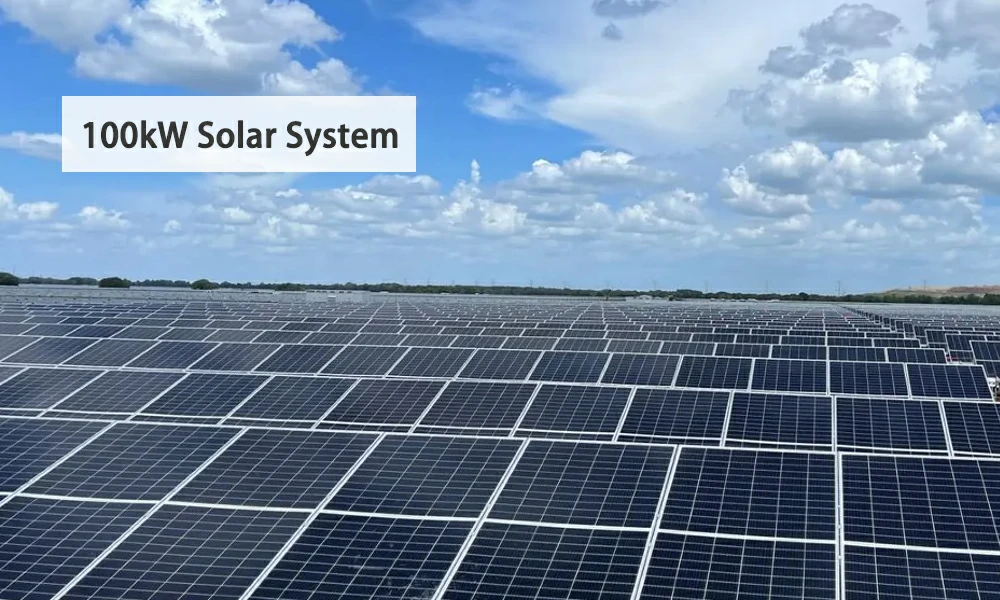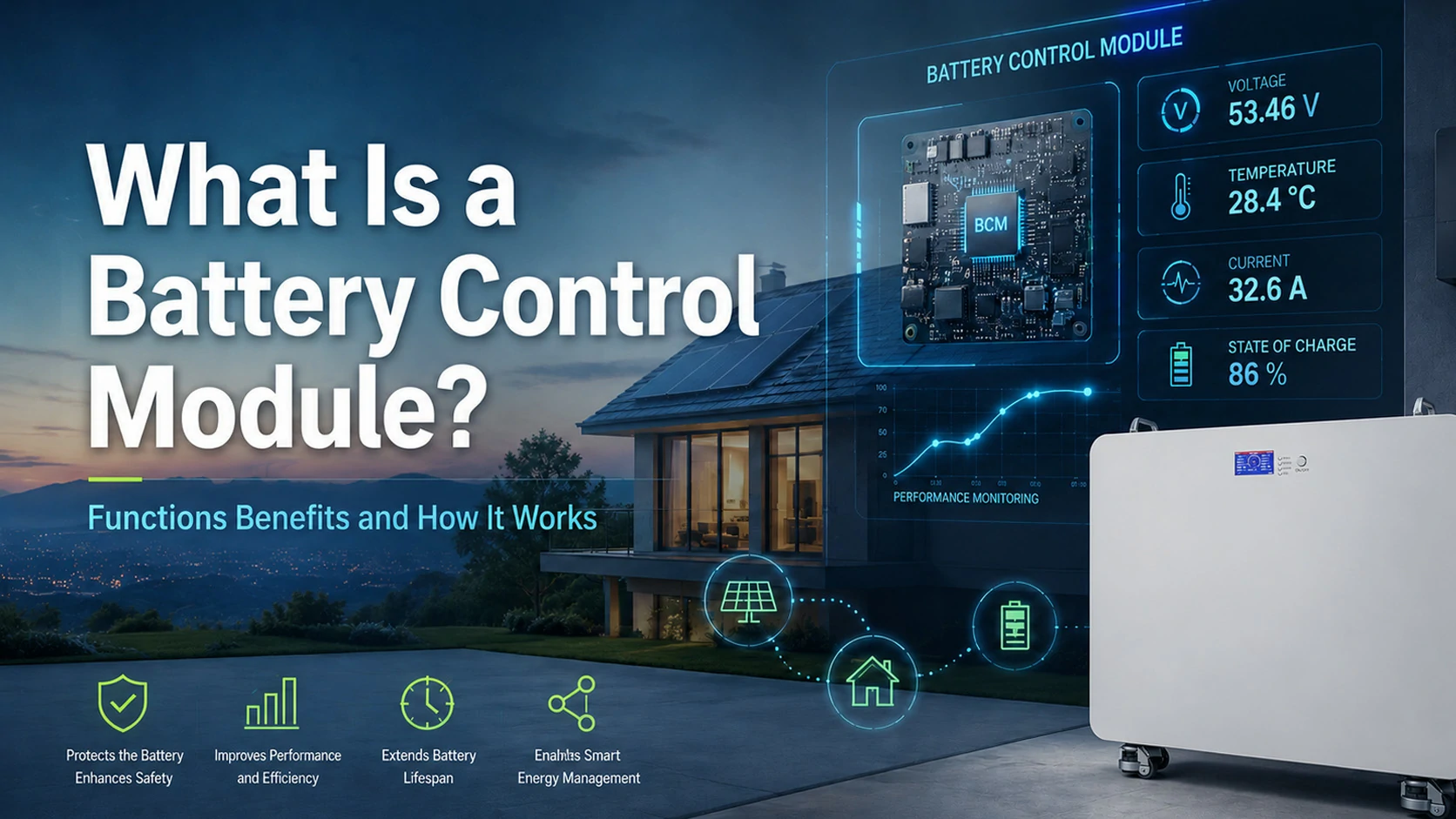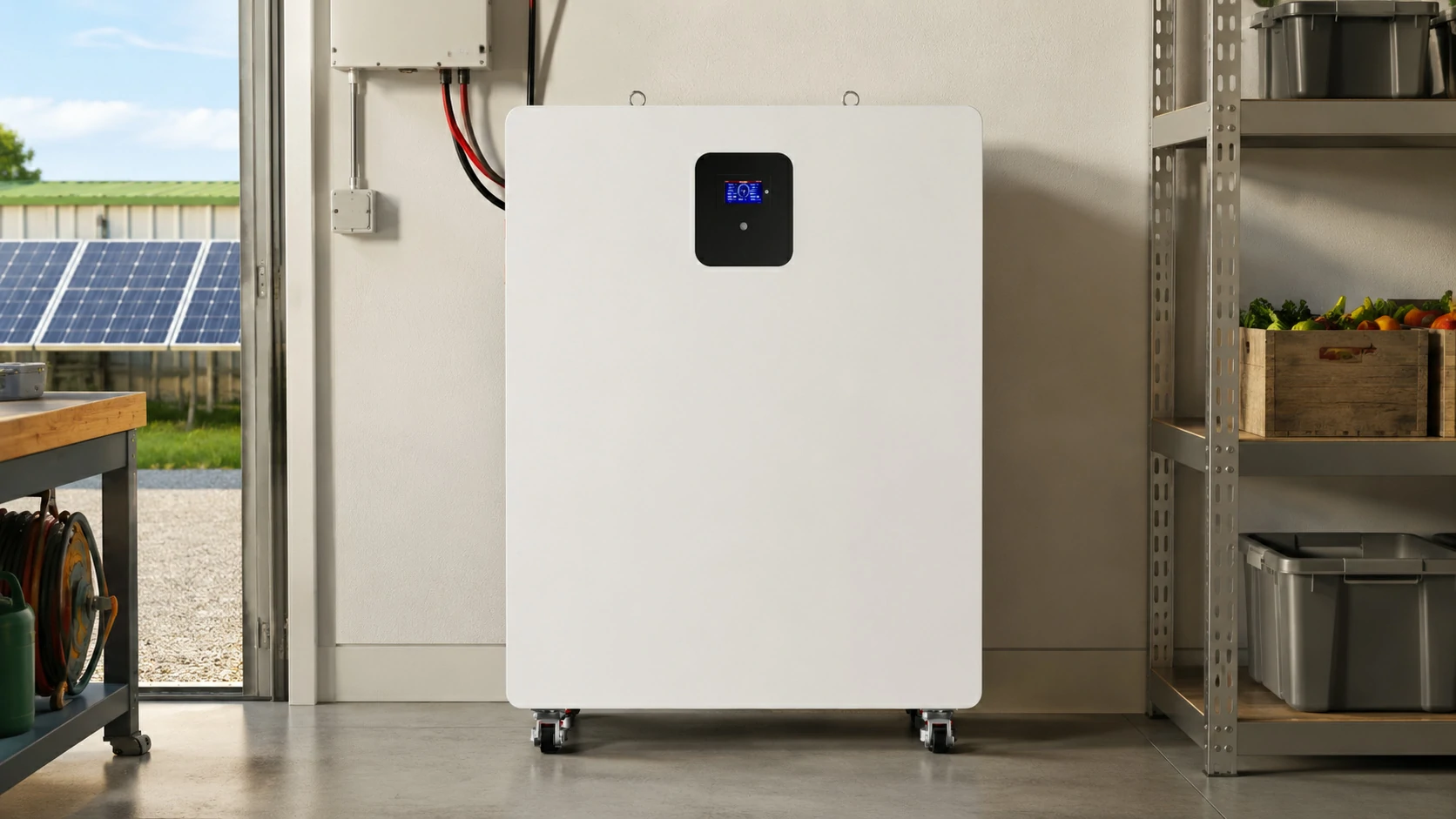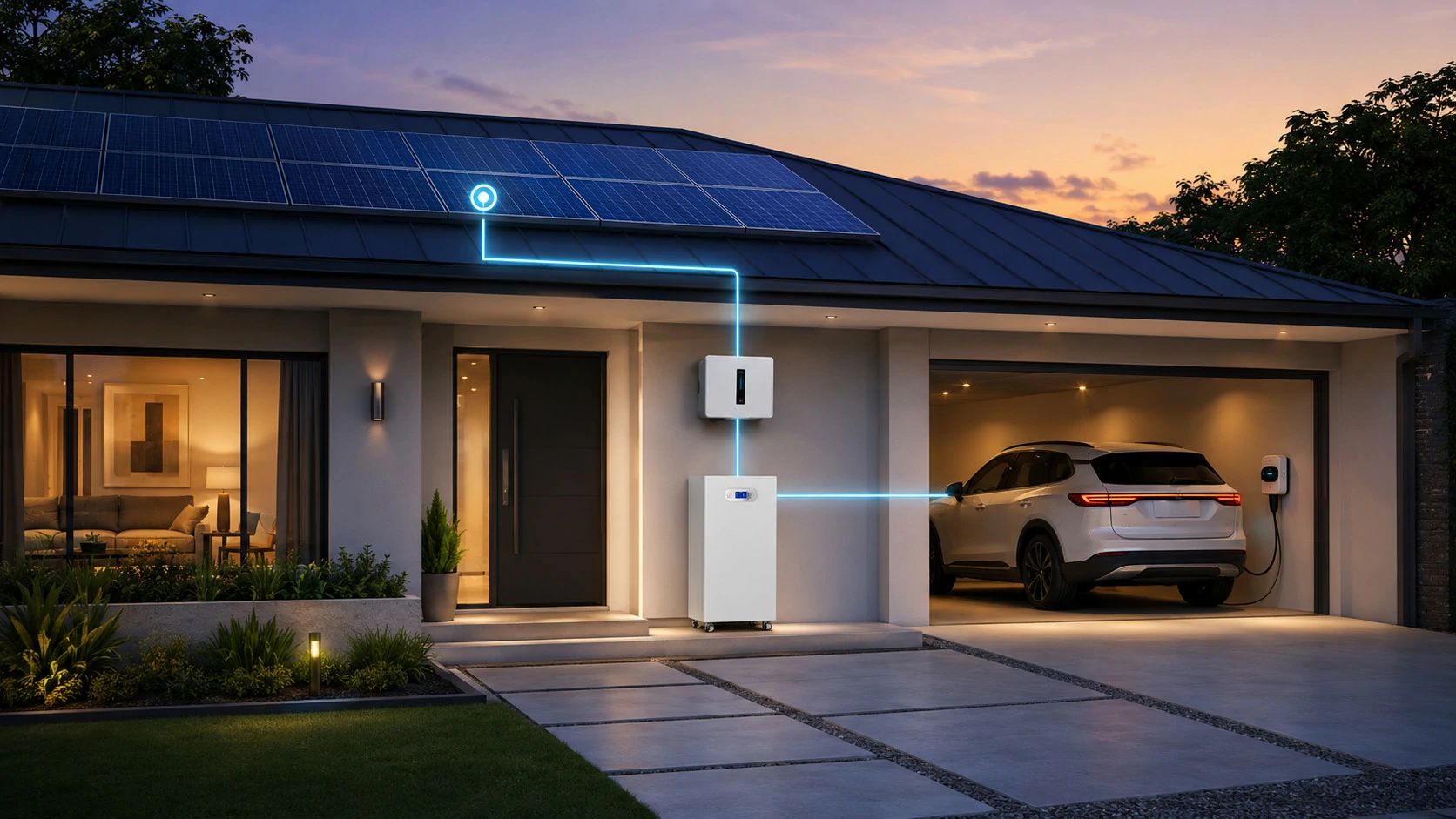

A 10 kW hybrid solar system can often produce about 30–50 kWh of electricity per day, depending on sunlight, roof direction, shading, temperature and system losses. For many homes, villas, farms and small businesses, it can reduce electricity bills, store daytime solar energy for night use, and provide backup power during outages when paired with the right battery and hybrid inverter.
A hybrid system is different from a standard grid-tied solar system because it includes battery storage. It is also different from a fully off-grid system because it can still use the utility grid when solar and battery power are not enough.
This guide explains how a 10 kW hybrid solar system works, how much electricity it can produce, what components it includes, how to size the battery, what affects cost, and how to choose a reliable configuration for residential or light commercial use.
What Is a 10 kW Hybrid Solar System?
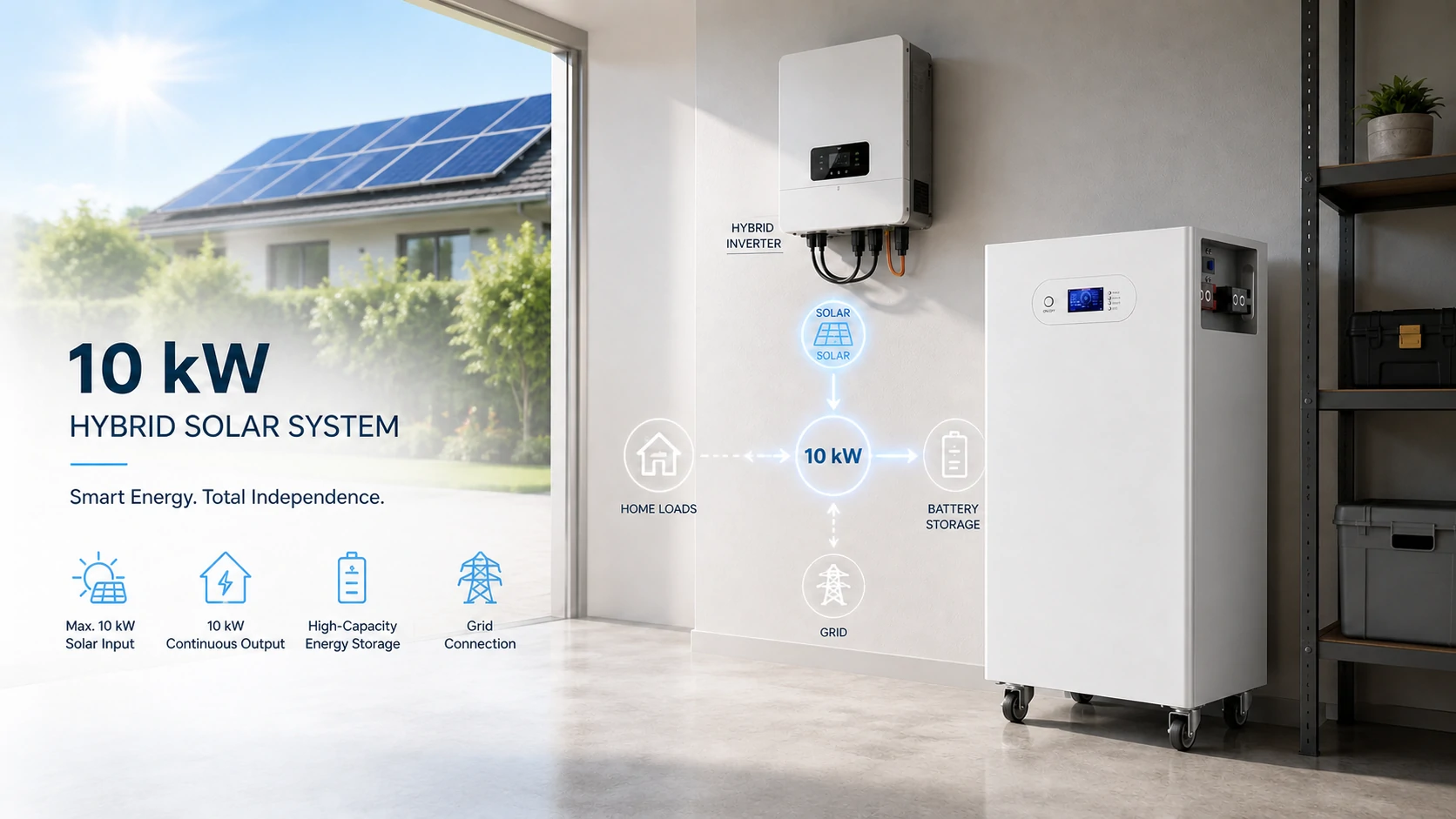
A 10 kW hybrid solar system is a solar power system with around 10 kilowatts of solar panel capacity, a hybrid inverter, battery storage and a grid connection.
The system can manage power from:
- Solar panels
- Battery storage
- The utility grid
- Home or business loads
During the day, solar panels generate electricity. The system uses that solar power first. If production is higher than current demand, the extra energy can charge the battery. At night or during peak-rate periods, the battery can discharge to power loads. During an outage, a properly designed system can support essential circuits.
If you are still comparing system types, Avepower’s guide to what is a hybrid solar system explains how solar panels, batteries, hybrid inverters and the grid work together.
How Does a 10kW Hybrid Solar System Work?
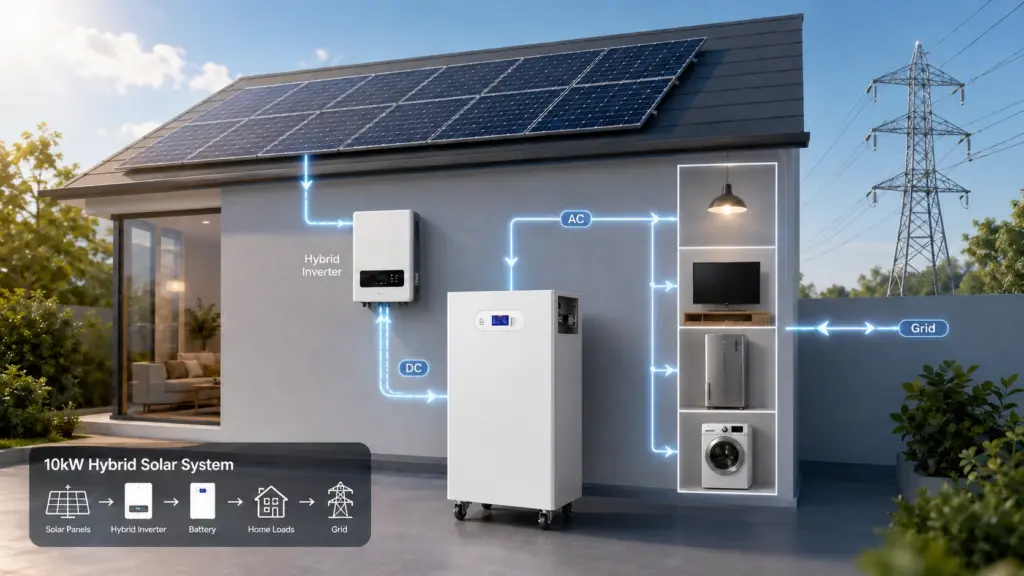
A 10kW hybrid solar system works through five basic steps:
- The system uses battery or grid power when solar production is low.
- Solar panels convert sunlight into DC electricity.
- The hybrid inverter converts DC electricity into usable AC power.
- Home or business loads use solar power first.
- Excess solar electricity charges the battery.
A solar-plus-storage system uses a battery charged by a connected solar PV system, allowing solar energy to be used later. Battery storage can also help users rely less on evening grid electricity and improve backup capability during outages.
For a deeper explanation of the inverter side, see Avepower’s guide to hybrid solar inverter, which explains how one inverter can manage solar panels, battery storage, and grid power.
Key Components of a Complete 10kW Hybrid Solar System
A complete 10kW hybrid solar system usually includes the following components:
| Component | Function |
|---|---|
| Solar panels | Generate DC electricity from sunlight |
| Hybrid inverter | Converts DC to AC and manages solar, battery, grid, and loads |
| Battery storage | Stores excess solar energy for night use or backup |
| Mounting structure | Secures panels on roof, ground, or elevated frame |
| DC and AC wiring | Connects panels, inverter, battery, grid, and loads |
| Protection devices | Breakers, fuses, isolators, surge protection, grounding |
| Monitoring system | Tracks solar output, battery status, load usage, and grid import/export |
| Backup load panel | Separates essential circuits during power outages |
| Permits and approvals | Required for grid-connected installations in many regions |
For a hybrid system, battery compatibility is especially important. The battery and inverter must match in voltage range, charge/discharge current, communication protocol, and protection settings.
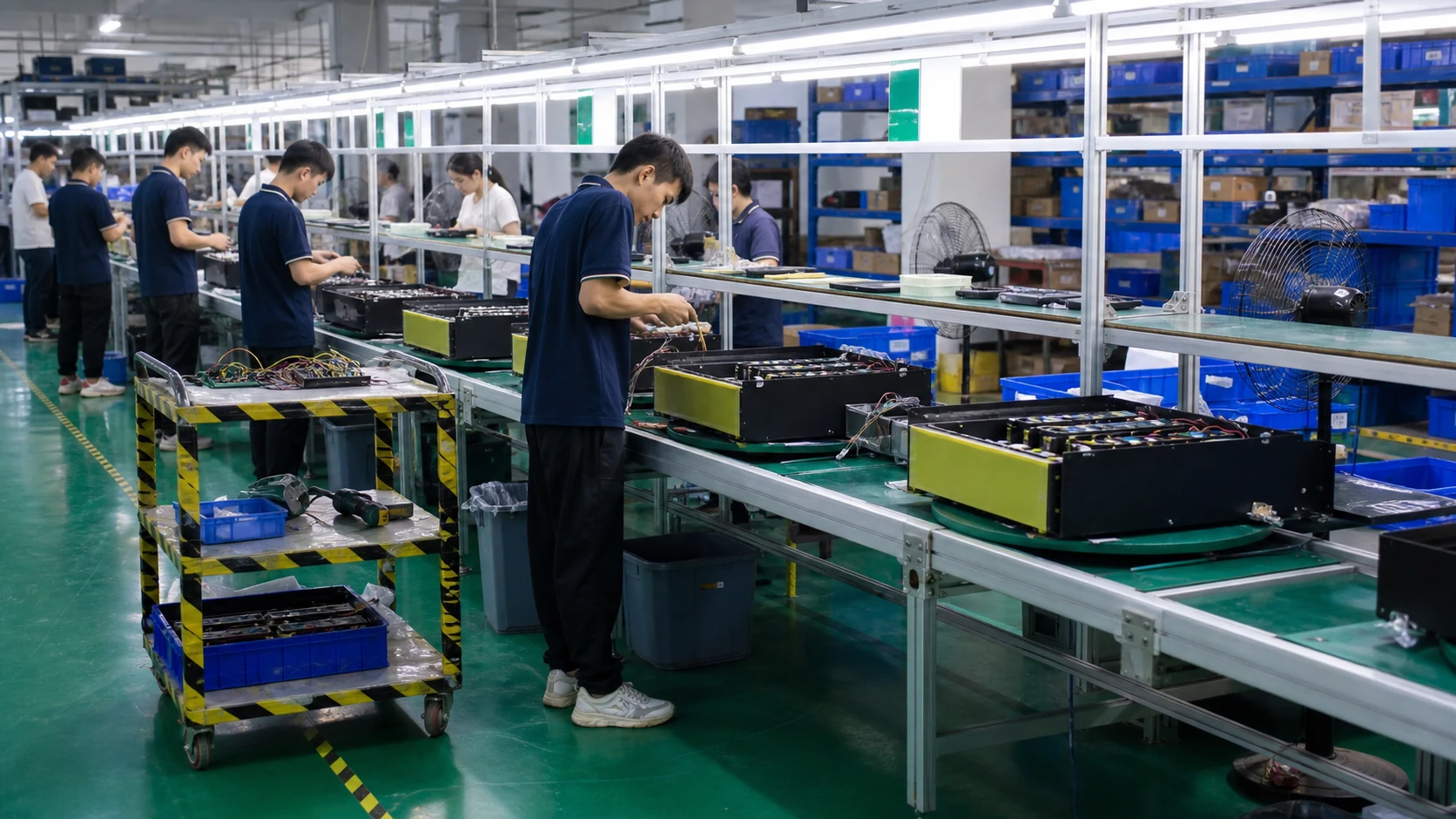
Avepower is a battery energy storage system manufacturer offering LiFePO4 home energy storage, commercial battery storage, inverter-compatible battery solutions, and OEM/ODM support for installers, distributors, and project developers. This makes it a relevant battery supply partner when planning scalable 10kW hybrid solar storage projects.
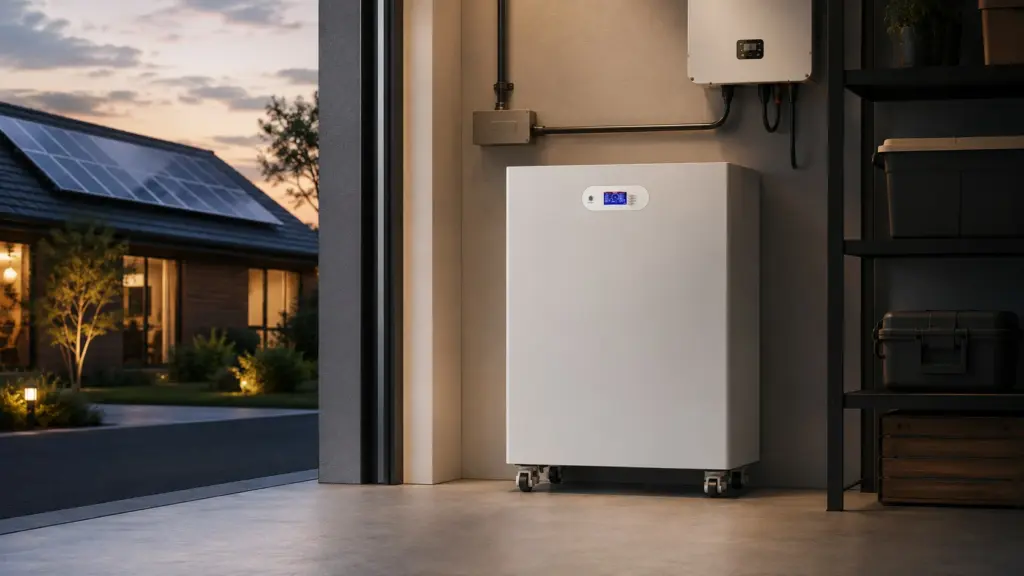
Build a Scalable Solar Storage Solution
From 10kWh wall-mounted batteries to modular stackable systems, Avepower supports installers, distributors and project buyers with flexible energy storage options for residential and light commercial projects.
How Much Power Can a 10kW Hybrid Solar System Produce?
A 10kW solar array can typically produce about 30-45kWh per day in many sunny regions. In very good conditions, daily output may be higher. In poor weather, winter, shaded roofs, or less sunny locations, output can be lower.
A simple estimate is:
10kW × peak sun hours × system efficiency = daily energy production
Example:
- 10kW × 4 peak sun hours × 80% efficiency = 32kWh/day
- 10kW × 5 peak sun hours × 80% efficiency = 40kWh/day
- 10kW × 6 peak sun hours × 80% efficiency = 48kWh/day
Real output depends on:
- Location and solar irradiance
- Roof direction and tilt angle
- Shading from trees, buildings, or chimneys
- Panel temperature
- Inverter efficiency
- Cable losses
- Dirt, dust, snow, or aging
- Battery charging and discharging losses
For project-level estimates, use the NREL PVWatts Calculator, which estimates PV energy production based on system size, location, tilt, azimuth, and other design assumptions.
Avepower also has a dedicated guide on a 10kW home solar system with battery backup, which is useful when comparing daily solar output, battery backup time, and household load requirements.
Is a 10kW Hybrid Solar System Enough for a Home?
For many medium to large homes, a 10kW hybrid solar system can cover a significant portion of daily electricity use. It may support lighting, refrigerators, TVs, washing machines, fans, home office equipment, water pumps, kitchen appliances, and some air conditioning use.
A 10kW hybrid solar system is usually suitable when:
- Daily electricity use is around 25-45kWh
- The property has enough roof or ground space
- The user wants to store solar energy for evening use
- The home needs backup power for essential circuits
- Electricity prices are high or time-of-use rates apply
- The owner may add EV charging, heat pumps, or more electric loads later
However, “10kW” does not mean the system will produce 10kW every hour. It is the rated solar panel capacity under standard test conditions. Actual output rises and falls throughout the day.
It is also important to separate solar array size from backup capacity. A 10kW solar array may generate enough energy over a day, but the battery must be large enough to store and deliver that energy when solar power is not available. For general system sizing, Avepower’s article on 10kW solar system can help users compare output, panel count, roof space, battery sizing, and payback considerations.
Recommended Battery Size for a 10kW Hybrid Solar System
For most grid-connected homes, a practical battery range for a 10kW hybrid solar system is 10-20kWh. For larger homes, weak-grid areas, or stronger backup requirements, 20-30kWh may be more suitable. For full off-grid use, the required battery capacity may be much larger.
A basic sizing formula is:
Required battery capacity = backup energy needed ÷ usable depth of discharge
Example 1: Basic Evening Use
If your evening and night load is 8kWh and the battery has 90% usable capacity:
8kWh ÷ 0.9 = 8.9kWh
A 10kWh battery may be suitable.
Example 2: Larger Home Backup
If you want 18kWh of usable backup energy:
18kWh ÷ 0.9 = 20kWh
A 20kWh battery system may be a better fit.
Example 3: Longer Outage Support
If your essential loads need 25kWh of usable energy:
25kWh ÷ 0.9 = 27.8kWh
A 30kWh battery bank may be more appropriate.
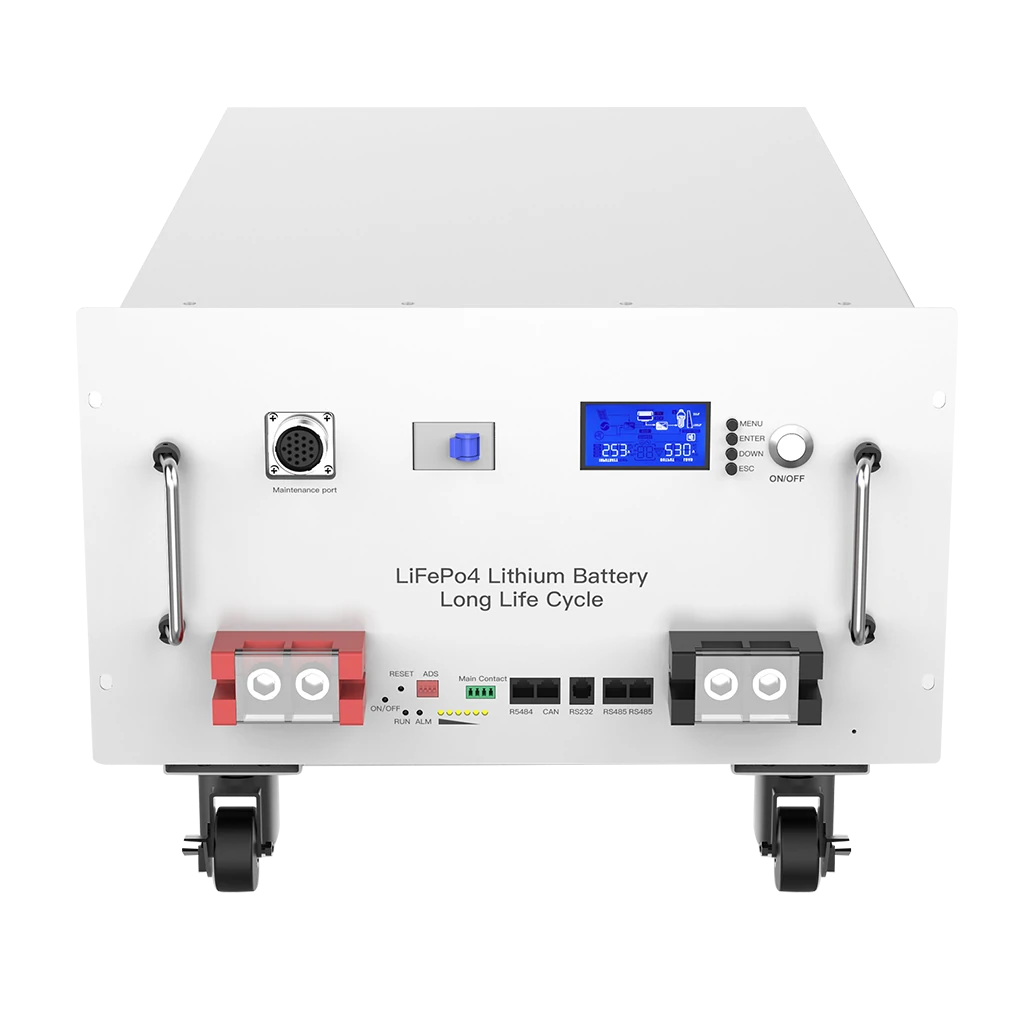
When comparing batteries, check usable capacity, continuous discharge power, peak discharge power, chemistry, BMS protection, cycle life, communication protocol, inverter compatibility, warranty and expansion capability.
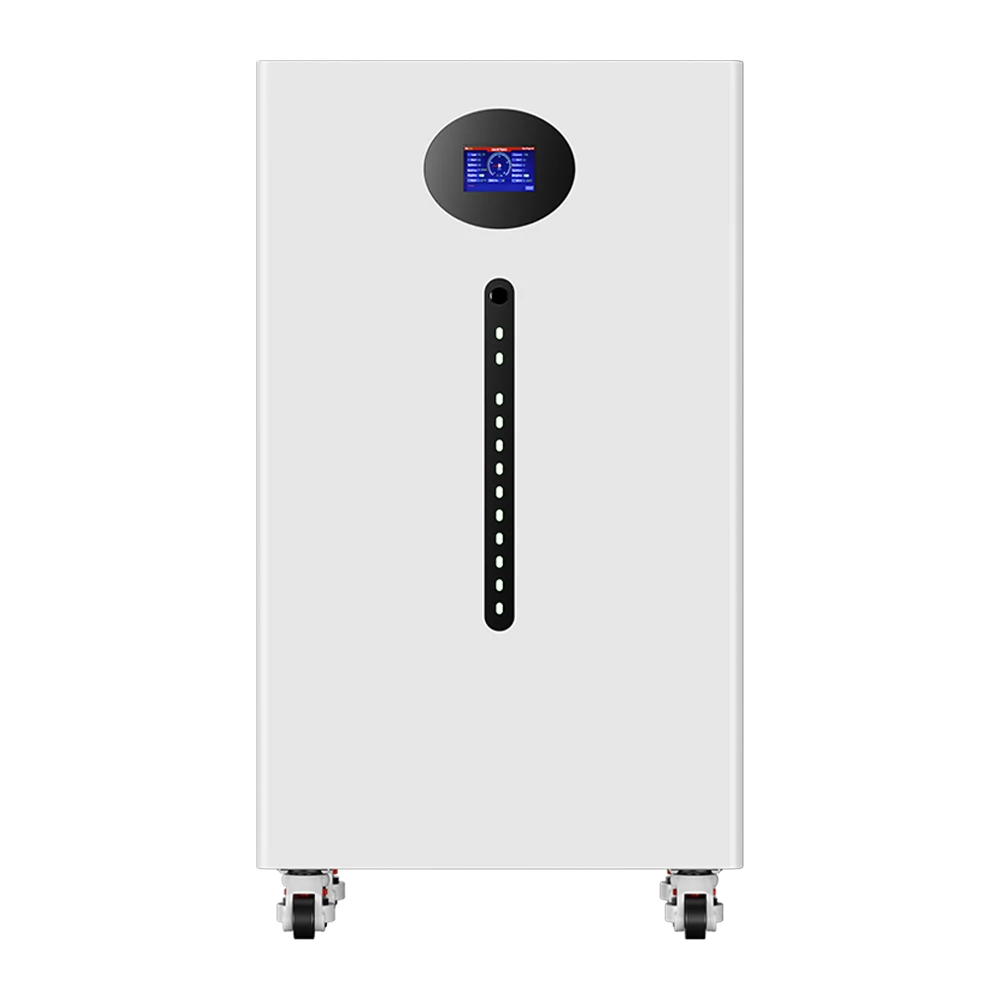
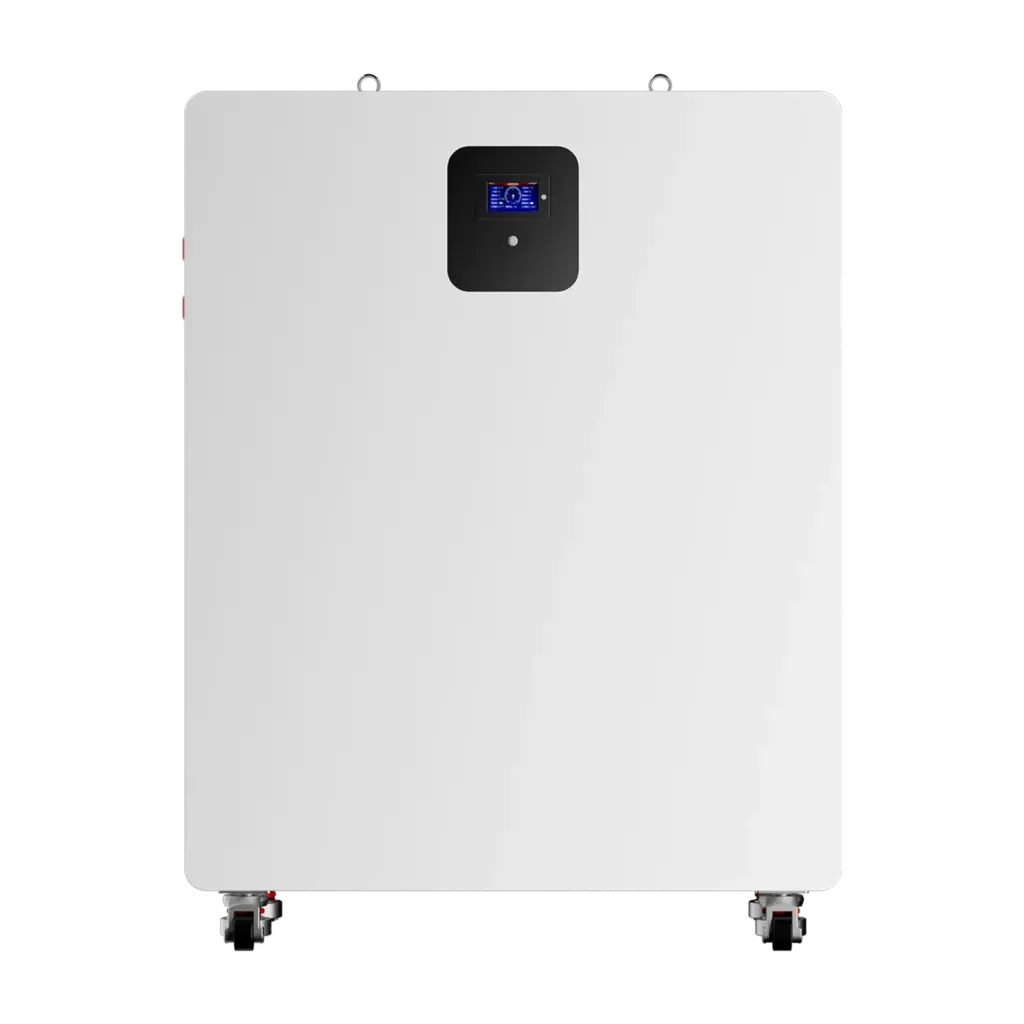
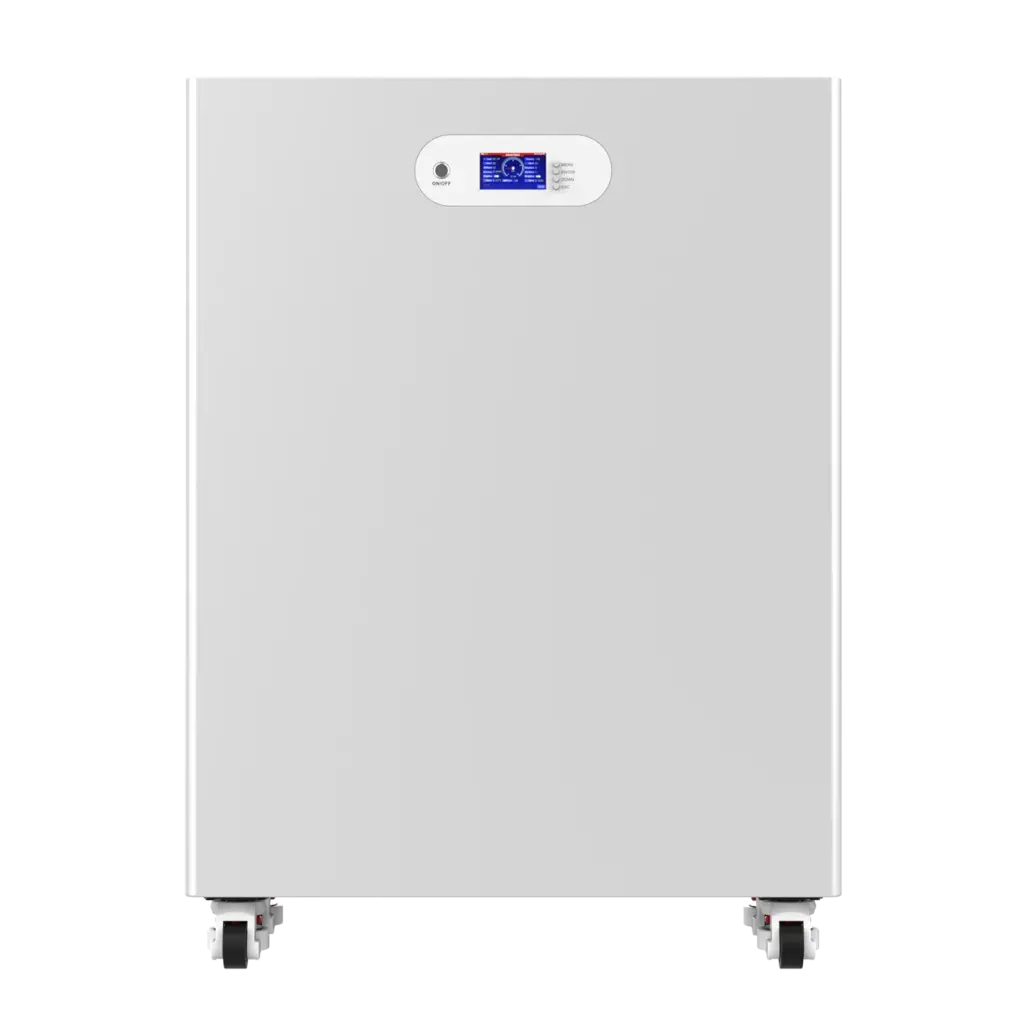
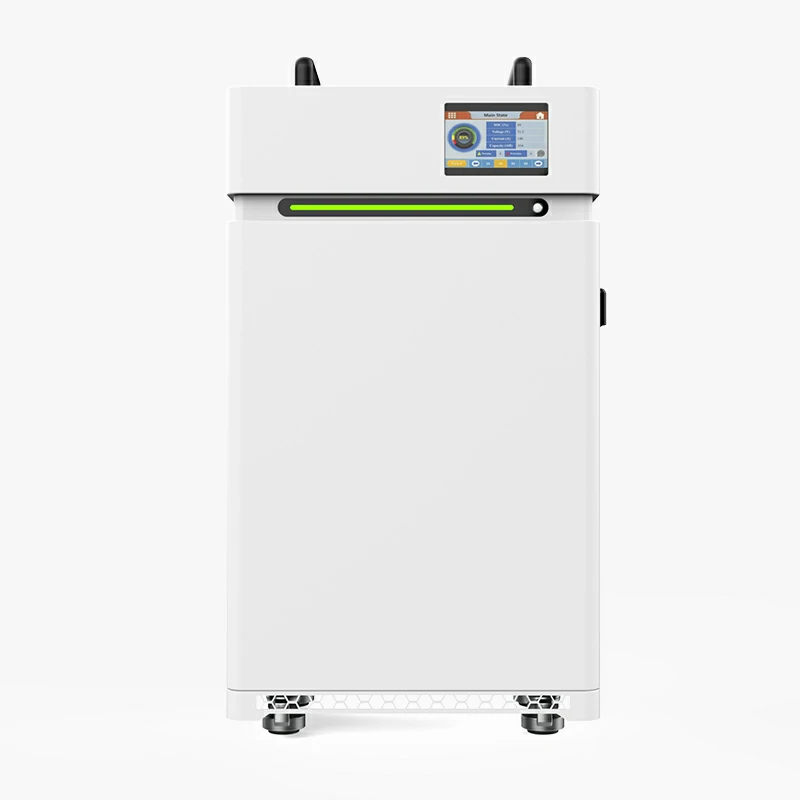
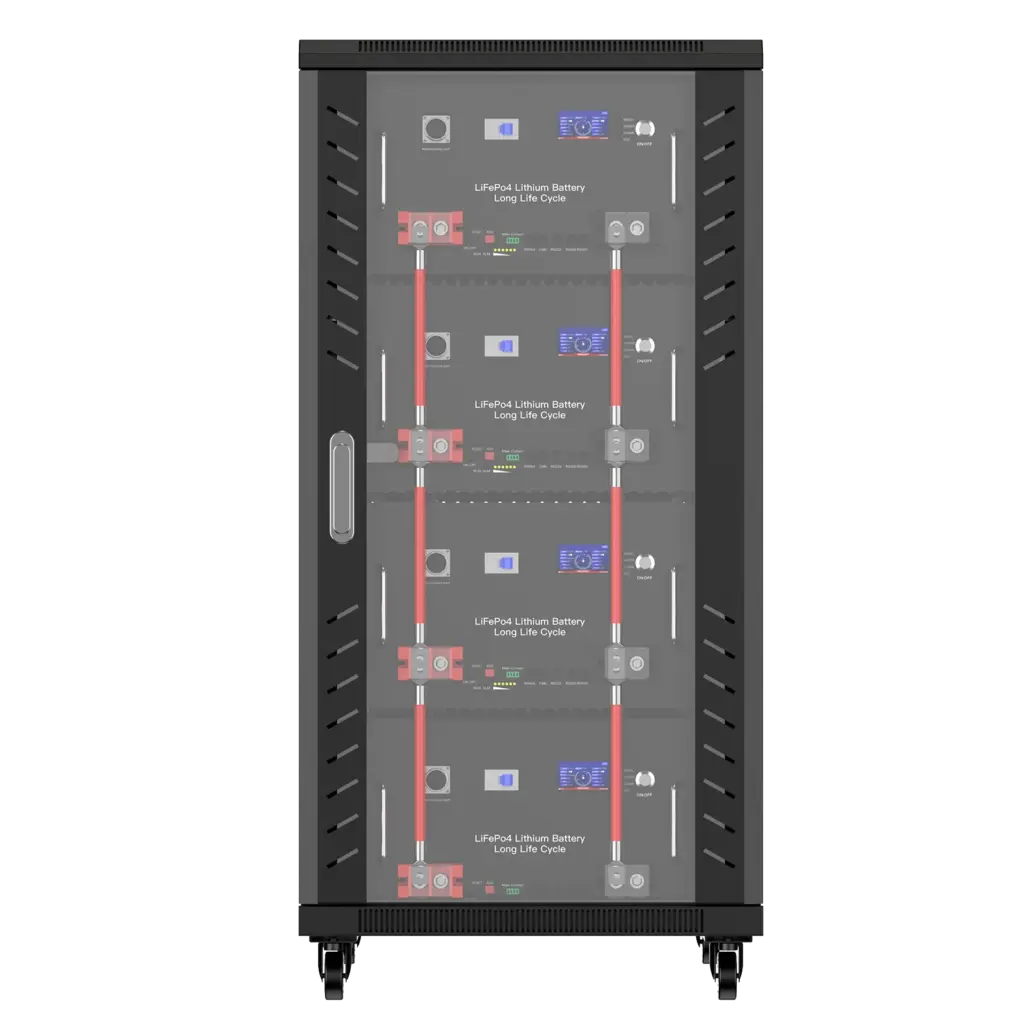
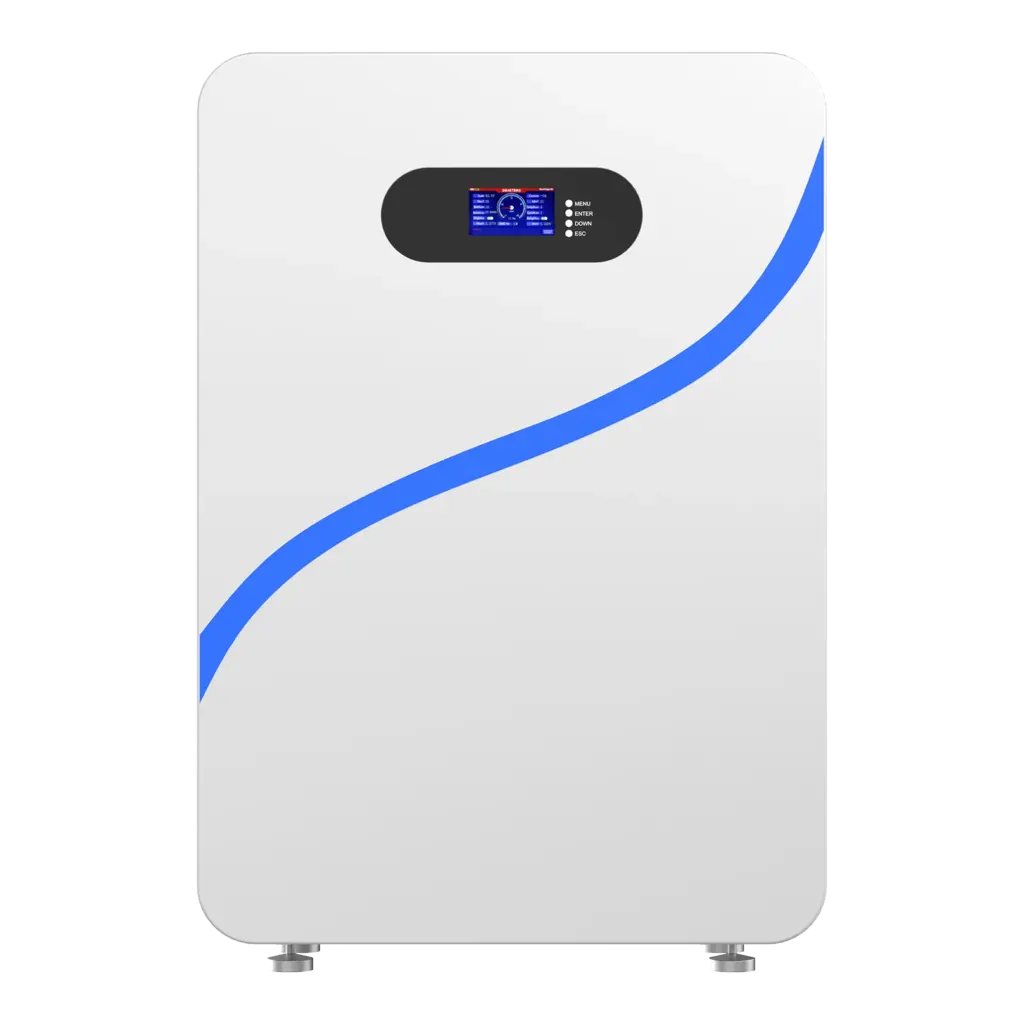
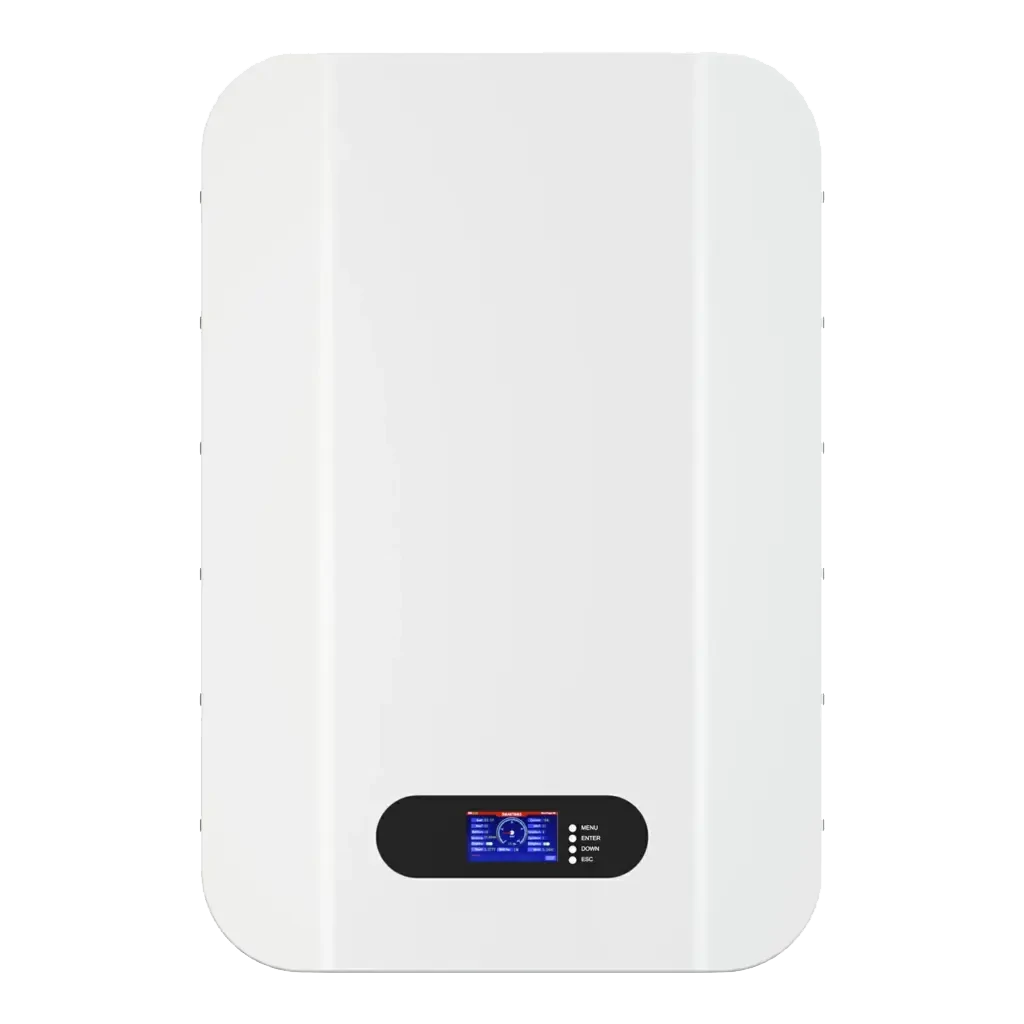
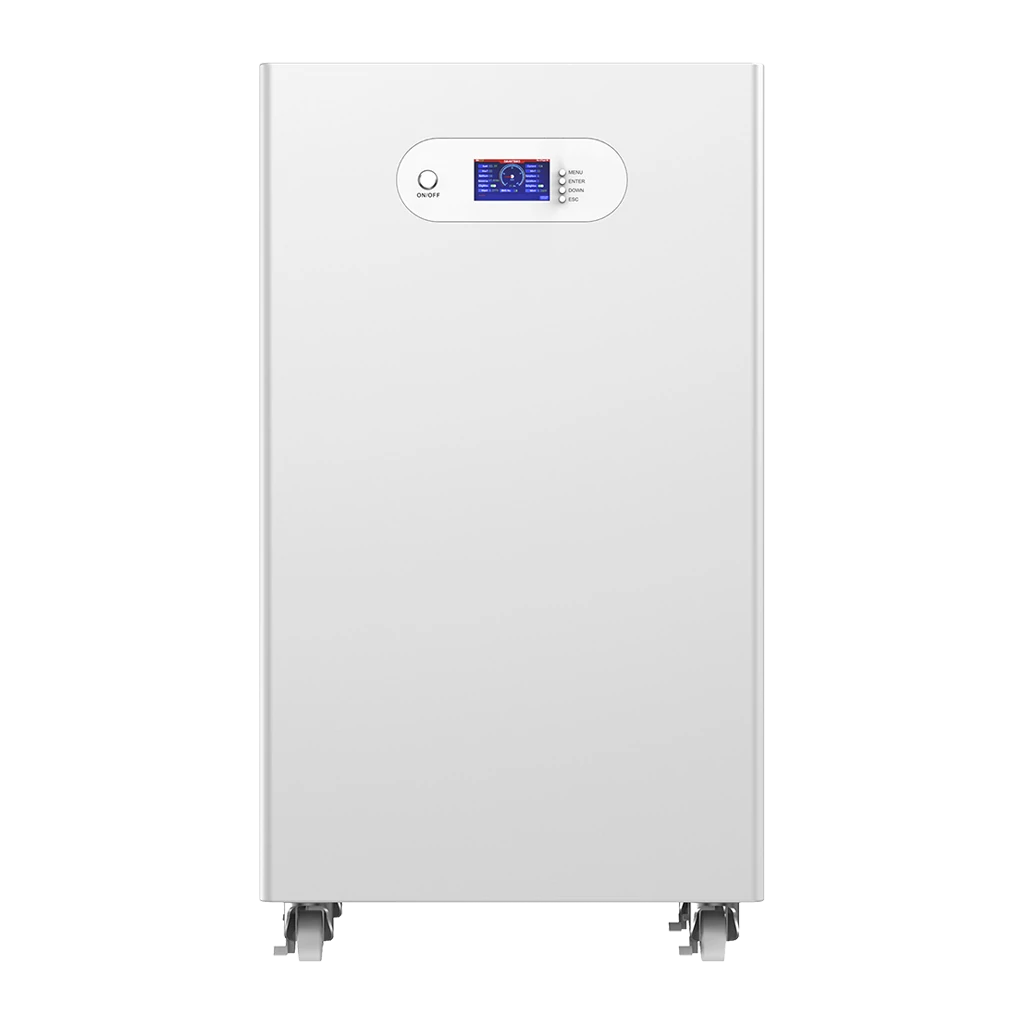
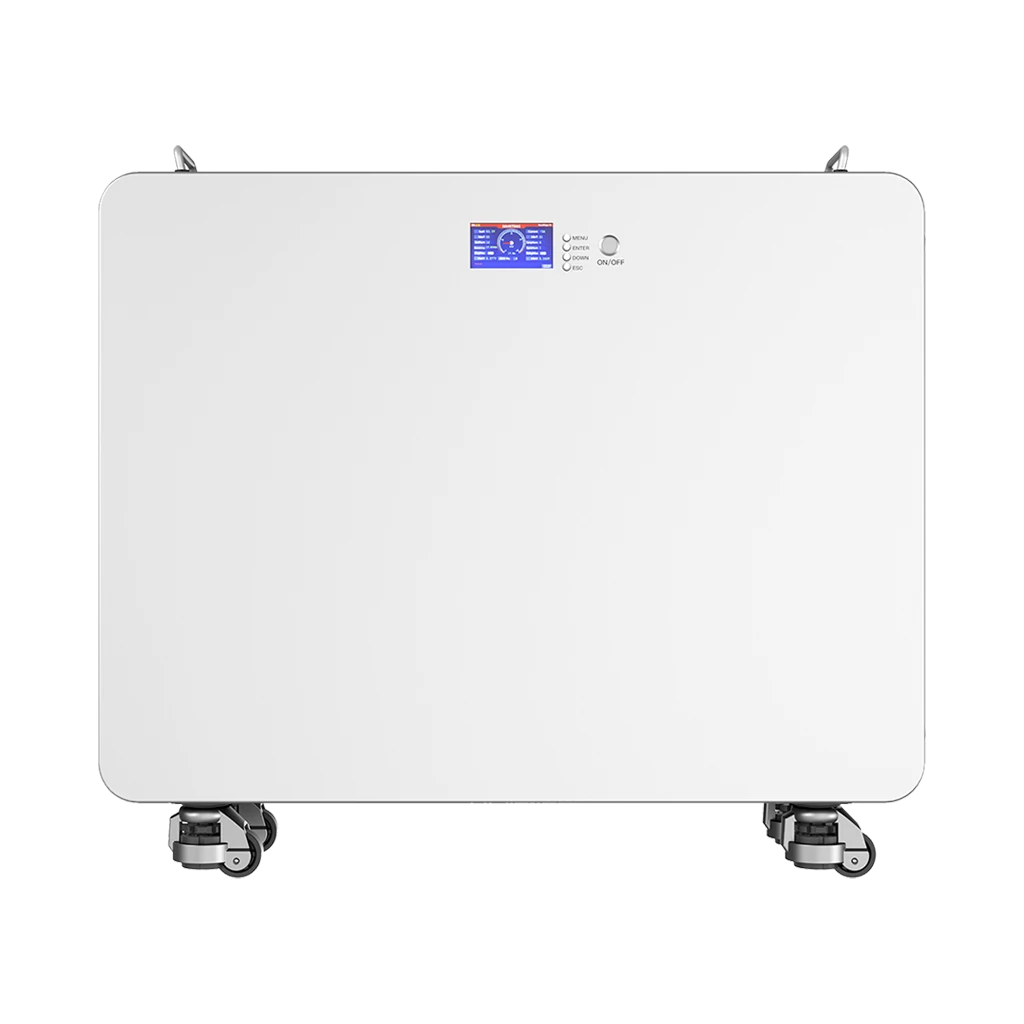
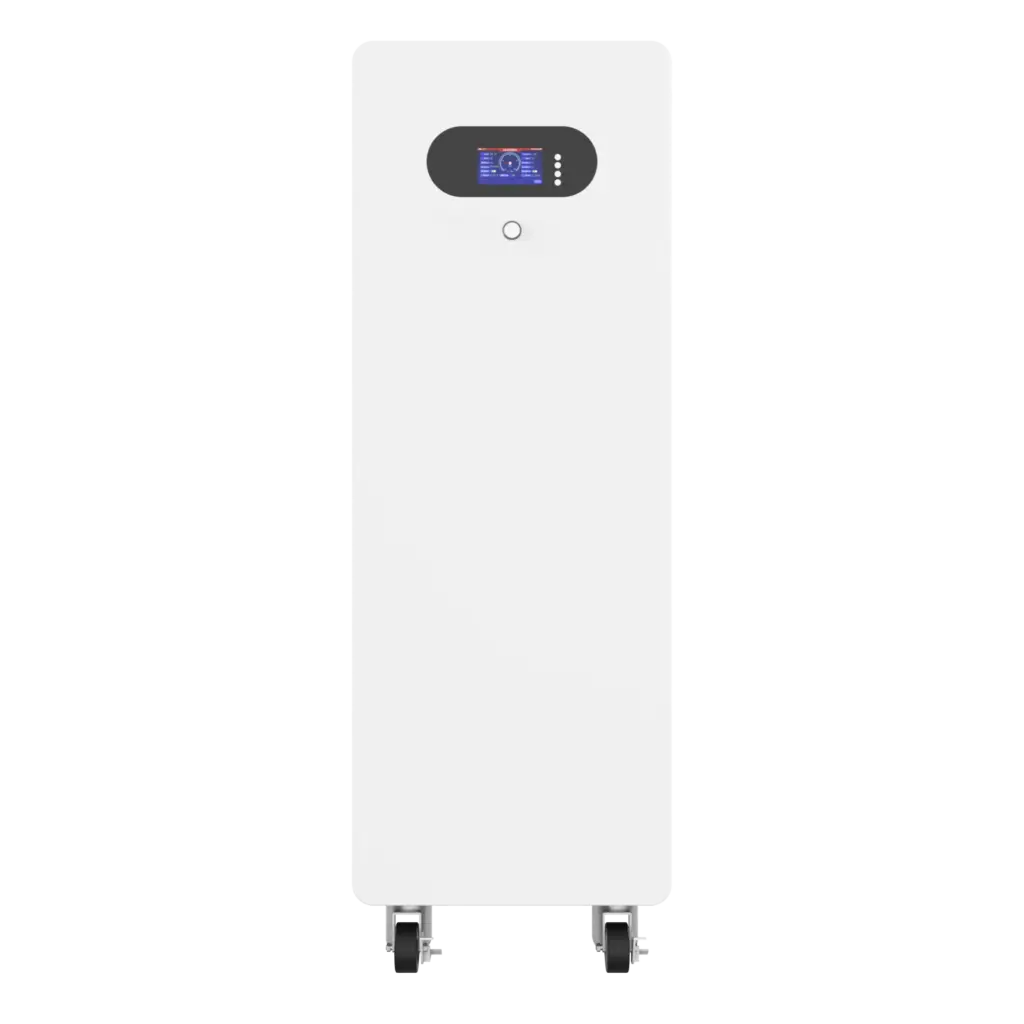
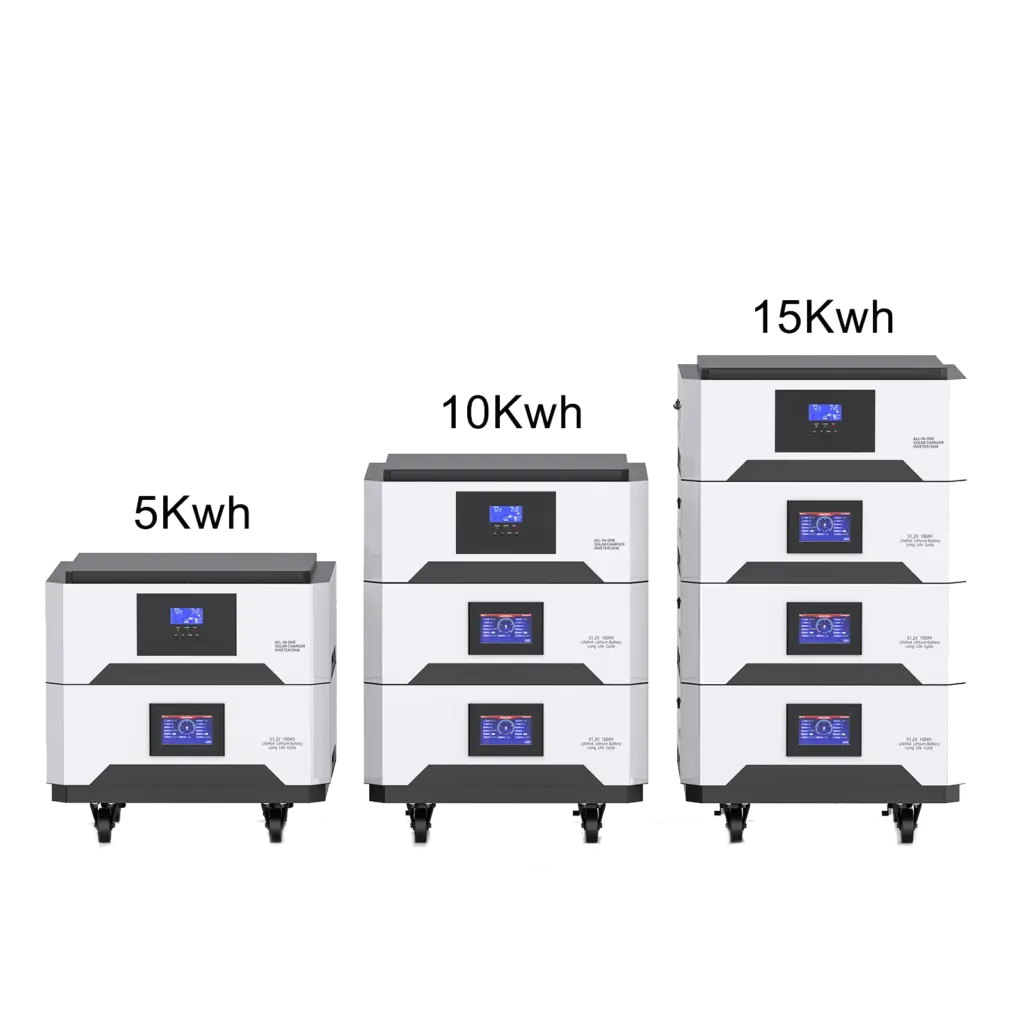
For compact home backup, Avepower’s 48V 200Ah 10kWh Powerwall battery can fit typical residential solar storage needs. For modular expansion, Avepower’s 5kWh, 10kWh and 15kWh stackable solar batteries can support different backup and self-consumption requirements.
For more detailed sizing, see Avepower’s guide on how many batteries for a 10kW solar system.
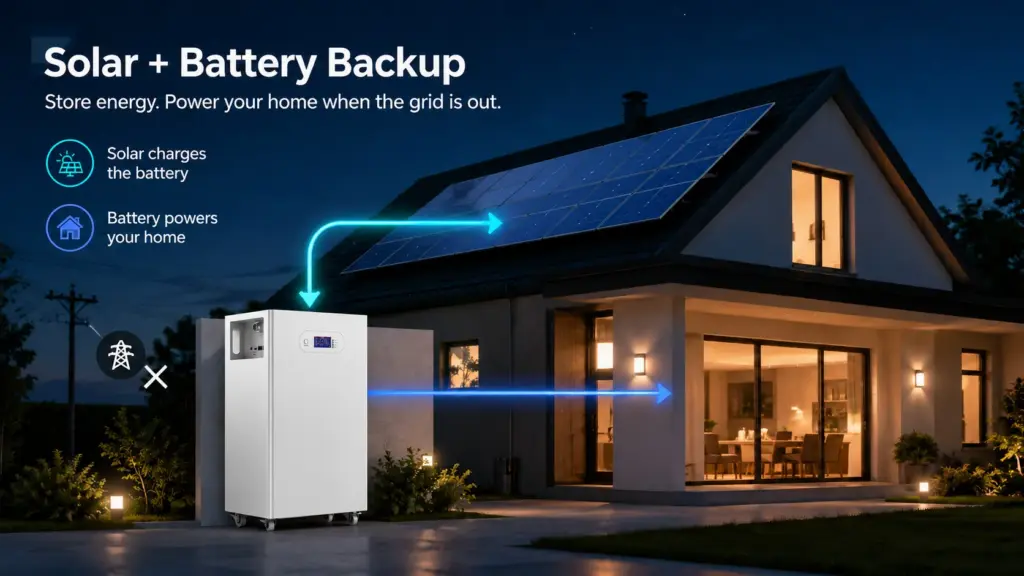
tart Your OEM/ODM Energy Storage Project
Need custom capacity, enclosure design, branding, communication protocol or project documentation? Avepower provides OEM/ODM battery storage support for solar installers, wholesalers and energy storage brands.
10kW, 10kWh and 10kVA: What Is the Difference?
For a 10 kw hybrid solar system, the “10kW” usually refers to solar panel capacity or inverter output. The battery is normally sized in kWh. For example, a system may use a 10kW solar array with a 10kWh, 15kWh, 20kWh, or 30kWh battery bank.
| Term | Meaning | Example |
|---|---|---|
| kW | Power capacity or real-time power output | A 10kW solar array or 10kW inverter |
| kWh | Energy amount over time | A 10kWh battery stores about 10 units of energy before usable-capacity limits |
| kVA | Apparent power rating, often used for inverters or generators | A 10kVA inverter may not always equal 10kW usable real power |
10kW Hybrid Solar System Cost
A 10kW hybrid solar system usually costs more than a standard grid-tied 10kW solar system because it includes battery storage, a hybrid inverter, backup wiring, protection devices, and more complex installation work.
As a general 2026 reference, a standard 10kW solar panel system in the U.S. costs around $25,500 before incentives, while battery storage can add a significant extra cost depending on capacity and brand.
For a complete 10kW hybrid solar system, a practical cost range may look like this:
| System Configuration | Typical Use Case | Estimated Cost Range |
|---|---|---|
| 10kW solar + hybrid inverter, battery-ready | Future battery expansion | $25,000-$35,000+ |
| 10kW solar + 10kWh battery | Basic evening use and essential backup | $35,000-$45,000+ |
| 10kW solar + 20kWh battery | Larger home backup and higher self-consumption | $45,000-$60,000+ |
| 10kW solar + 30kWh battery | Weak-grid areas, longer backup, high-load homes | $55,000-$75,000+ |
The final price depends on several factors:
- Battery capacity: A 10kWh battery costs much less than a 20kWh or 30kWh battery bank, but it also provides shorter backup time.
- Hybrid inverter type: A hybrid inverter is more expensive than a standard grid-tied inverter because it manages solar, battery, grid, and backup loads.
- Backup requirement: Essential-load backup is usually cheaper than whole-home backup.
- Panel and battery brand: Higher-efficiency panels, premium batteries, longer warranties, and stronger certifications increase upfront cost.
- Installation complexity: Roof type, wiring distance, battery location, permits, and utility approval can all affect labor cost.
- Protection and monitoring: Breakers, isolators, surge protection, smart monitoring, and energy management systems add to the total system price.
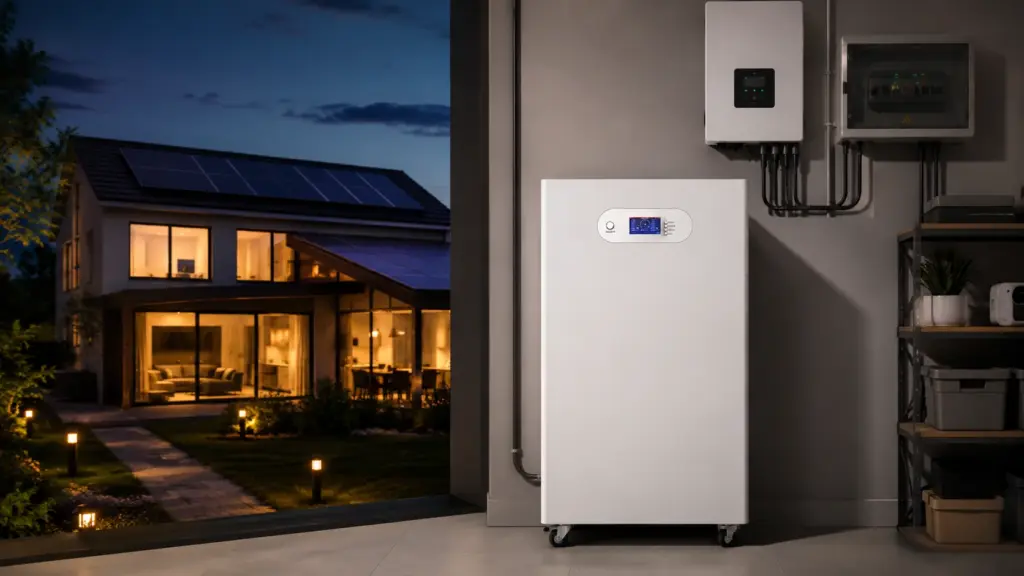
Hybrid vs Grid-Tied vs Off-Grid 10kW Solar Systems
| System Type | Battery Required | Grid Connection | Backup During Outage | Best For |
|---|---|---|---|---|
| Grid-tied 10kW solar system | No | Yes | Usually no | Lower electricity bills |
| Hybrid 10kW solar system | Yes or battery-ready | Yes | Yes, if designed for backup | Solar storage and backup power |
| Off-grid 10kW solar system | Yes | No | Yes | Remote properties without grid access |
A grid-tied system is usually the lowest-cost option. A hybrid system is better when users want solar storage, backup power and higher self-consumption. An off-grid system is suitable for remote homes, farms, cabins and weak-grid locations, but it requires more conservative battery sizing.
If the project is fully independent from the utility grid, Avepower’s 10 kW off grid solar system guide provides more specific design considerations.
How to Choose the Right 10kW Hybrid Solar System Configuration
Start with your electricity bill. Review your daily kWh usage, seasonal peaks, and whether most energy is used during the day or evening.
Then define your backup goal. Do you only need lights, refrigerator, Wi-Fi, and essential outlets? Or do you want to run air conditioning, pumps, cooking appliances, and EV charging during an outage? This decision affects inverter output, battery capacity, and backup panel design.
Next, check your solar charging ability. A large battery is not useful if the solar array cannot recharge it effectively. For many homes, a 10kW solar array works well with 10-20kWh of battery storage. Larger battery banks may require stronger design review.
Before finalizing the system, confirm:
- Hybrid inverter battery voltage range
- Battery communication protocol
- Maximum charge and discharge current
- Backup output rating
- Number of battery modules supported in parallel
- Battery expansion limits
- Installation location
- Safety certifications
- Warranty and technical documentation
- Local grid approval requirements
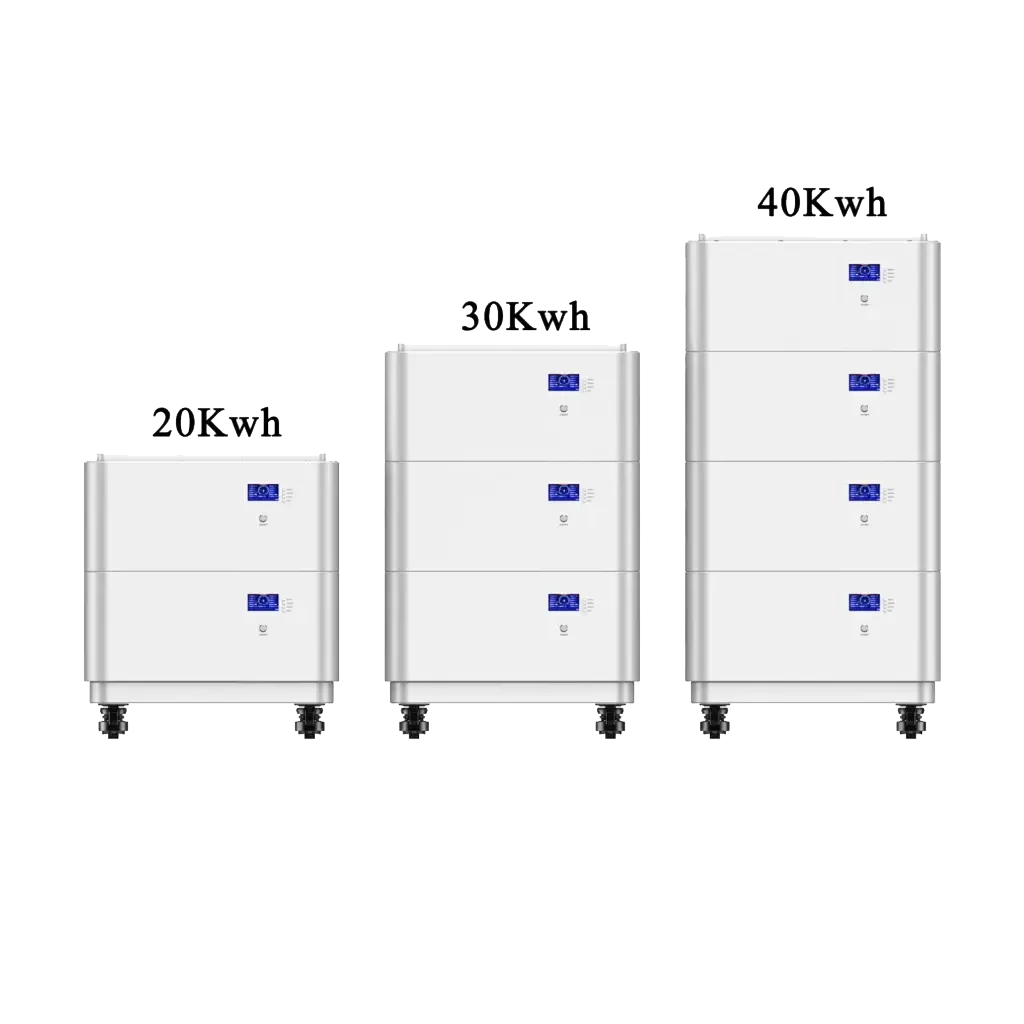
For B2B projects, choosing a modular battery platform can make system design easier across different customers. Installers and distributors may prefer battery systems that can be configured into 10kWh, 15kWh, 20kWh, 30kWh, or larger systems according to project requirements. Avepower’s home energy storage battery system solution is relevant for residential solar storage, backup power, and solar self-consumption projects.
Installation, Safety and Maintenance Considerations
A 10kW hybrid solar system should be installed by qualified professionals according to local electrical codes, utility requirements, and manufacturer instructions.
Important safety considerations include:
- Use certified solar panels, inverters, and batteries
- Install proper DC and AC protection devices
- Use correct grounding and surge protection
- Confirm anti-islanding protection
- Separate essential and non-essential backup loads
- Install batteries in suitable indoor or protected locations
- Avoid direct sunlight, flooding, poor ventilation, and extreme heat
- Keep enough clearance around the battery and inverter
- Label circuits clearly for maintenance and emergency response
The Clean Energy Council product program maintains lists of verified solar PV modules, inverters, and batteries for solar and battery storage systems in Australia. Requirements differ by market, but the general principle is the same: use approved equipment and follow local safety rules.
Best Applications for a 10kW Hybrid Solar System
A 10kW hybrid solar system is suitable for:
- Residential homes with high electricity bills
- Villas and large houses
- Small offices and retail buildings
- Farms and workshops
- Weak-grid or outage-prone areas
- Solar self-consumption projects
- Backup power for essential loads
- Installer-led residential solar storage projects
- Distributor and OEM energy storage programs
For homeowners, the main value is lower grid dependence, better use of solar energy, and backup power. For installers and project buyers, the main value is a repeatable system design that can be adapted to different load profiles, battery capacities, and market requirements.
Planning a 10kW hybrid solar system for residential, installer, distributor or OEM projects? Avepower can help you configure LiFePO4 battery storage for solar self-consumption, backup power and scalable energy storage projects. Contact Avepower to discuss battery capacity, inverter compatibility, communication protocol, OEM/ODM requirements and project-level support.
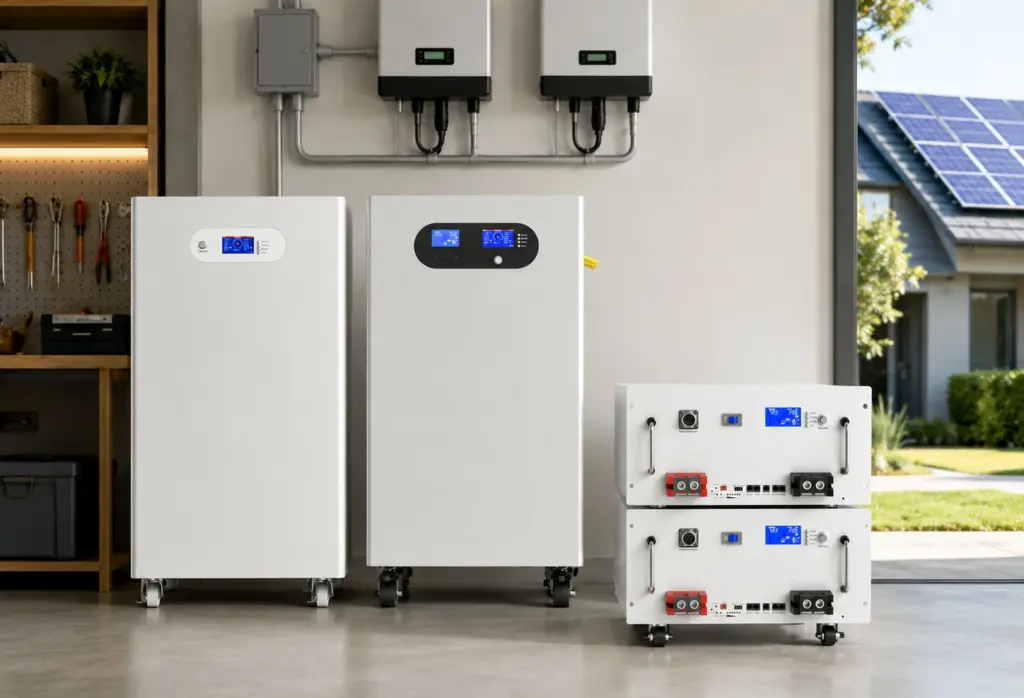
Take Control of Your Energy with Avepower!
Reliable home solar battery solutions with OEM/ODM customization and in-house manufacturing, tailored to the needs of distributors, installers, and energy partners.
Conclusion
A 10 kW hybrid solar system is a strong choice for users who want solar generation, battery storage and backup power in one system. In many locations, it can produce around 30–50kWh per day, but real performance depends on sunlight, system design and site conditions.
For many homes, 10–20kWh of battery storage is a practical starting range. Larger homes, weak-grid areas and longer backup needs may require 20–30kWh or more. The best system is not simply the biggest one; it is the one sized around real electricity use, backup expectations and solar charging ability.
FAQ
A 10 kW hybrid solar system combines solar panels, a hybrid inverter, battery storage, grid connection and electrical loads. It can use solar power directly, store excess solar energy and provide backup power when properly designed.
It commonly produces about 30–50kWh per day, depending on location, sunlight, roof direction, shading, temperature and system losses.
Most systems need around 18–25 modern solar panels, depending on panel wattage. For example, 20 panels rated at 500W equal 10kW.
For many grid-connected homes, 10–20kWh is practical. Larger homes, weak-grid locations or longer backup needs may require 20–30kWh or more.
Yes, it can run many medium to large homes over the course of a day. Whole-home backup during an outage depends on battery capacity, inverter output and load management.
A 10kWh battery can be enough for basic evening use or essential-load backup. It may not be enough for whole-home backup, air conditioning, EV charging or long outages.
Homeowners with high electricity bills, villas, farms, small businesses, weak-grid properties, installers, distributors and OEM project buyers can all benefit from a well-designed 10kW hybrid solar system.