
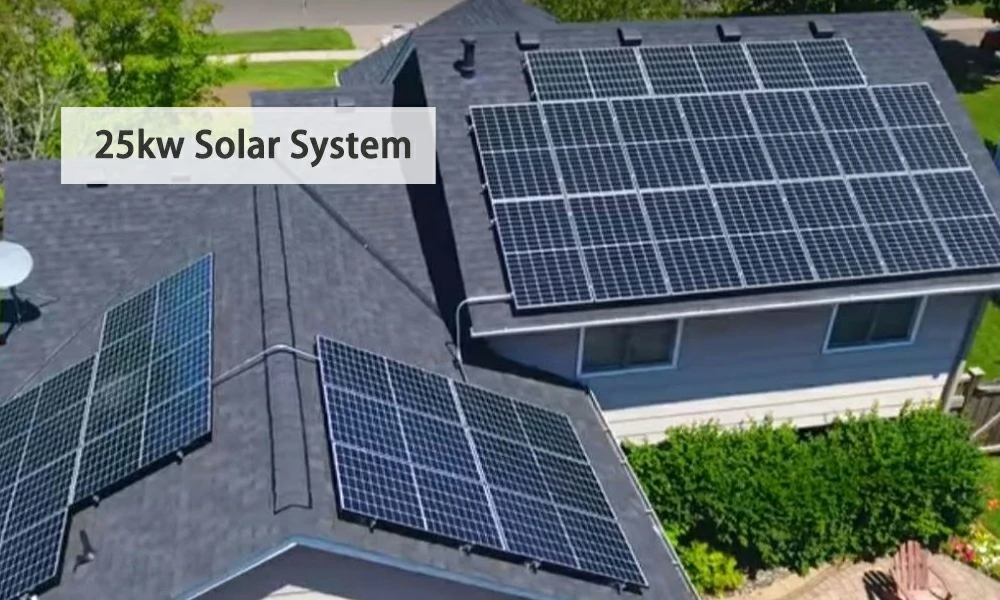
A 25kW solar system is a large residential or small commercial solar power system designed for homes, farms, workshops, small businesses, and properties with high electricity consumption. In 2026, a professionally installed 25kW solar panel system in the United States typically costs about $52,000 to $77,000 before state, local, or utility incentives, depending on location, equipment, roof complexity, interconnection requirements, and installer pricing.
A 25kW system can generate roughly 27,000 to 44,000 kWh per year, with a U.S. average estimate around 36,290 kWh annually, but actual output depends heavily on sunlight, roof direction, shading, temperature, and system design.
How Much Does a 25kW Solar System Cost?
In the United States, before incentives, a 25kW (25-kilowatt) solar panel system typically costs $52,000 to $77,000. The final installed price depends heavily on site conditions and design complexity.
| System Type | Typical 2026 Price Before Incentives | Best For |
|---|---|---|
| Hardware-only 25kW solar kit | $30,000–$41,000+ | DIY capable buyers, contractors, or solar professionals |
| Professional turnkey solar installation | $52,000–$77,000 | Homes and businesses needing full design, permitting, installation, and warranty support |
| 25kW solar with 20–40kWh battery storage | $72,000–$130,000+ | Backup power, time-of-use savings, self-consumption, and outage protection |
2026 Price Update: What Has Changed Compared to the 2025 Version
The instructions for IRS Form 5695 now clearly state that expenditures incurred after December 31, 2025, are not eligible for the Residential Clean Energy Credit. For the purposes of this credit, expenditures are considered incurred when the original installation is completed, meaning systems completed after December 31, 2025, do not qualify under Section 25D.
Therefore, for homeowner-owned 25 kW residential solar systems installed in 2026, the federal 30% residential solar tax credit should be considered expired. Depending on the project location, state, local, and utility incentives, Solar Renewable Energy Certificates (SRECs), net metering, and battery storage programs may still apply.
For commercial or business-owned systems, the IRS Clean Electricity Investment Credit applies to qualified facilities and energy storage technologies placed in service after December 31, 2024. The base credit is 6%, which can increase up to 30% if prevailing wage and apprenticeship requirements are met.
25kW Solar System Price by State in 2026
Using 2026 EnergySage state-level $/W data as a practical benchmark, a 25kW solar system can be estimated by multiplying each state’s average installed cost per watt by 25,000 watts.
| State | 2026 Avg $/W | Estimated 25kW Installed Cost |
|---|---|---|
| Arizona | $2.11/W | $52,750 |
| California | $2.41/W | $60,250 |
| Colorado | $2.72/W | $68,000 |
| Florida | $2.19/W | $54,750 |
| Massachusetts | $3.08/W | $77,000 |
| Maryland | $2.64/W | $66,000 |
| New Jersey | $2.77/W | $69,250 |
| New York | $2.77/W | $69,250 |
| Texas | $2.17/W | $54,250 |
| Washington | $2.67/W | $66,750 |
A real project can be higher if the roof is difficult, the main electrical panel needs upgrades, trenching is required, structural engineering is needed, or the utility interconnection process adds extra work.
25kW Solar System Cost Breakdown
A complete 25kW solar project usually includes far more than panels. A professional quote often includes system design, engineering, permits, interconnection, racking, wiring, inverter equipment, installation labor, monitoring, commissioning, and warranty support.
| Cost Item | Estimated Range |
|---|---|
| Solar panels | $15,000–$25,000 |
| Inverter or microinverters | $5,000–$10,000 |
| Racking and mounting hardware | $3,500–$7,500 |
| Wiring, breakers, disconnects, combiner boxes | $3,000–$7,000 |
| Design, engineering, permitting, interconnection | $2,000–$6,000 |
| Installation labor | $8,000–$16,000 |
| Sales, overhead, project management, warranty reserve | $8,000–$18,000 |
| Estimated total | $52,000–$77,000+ |
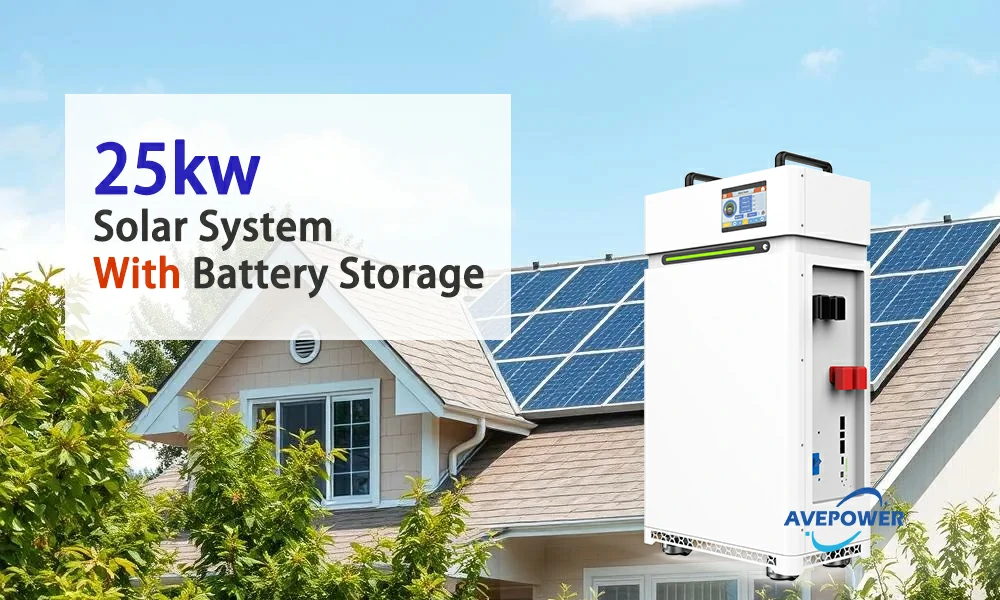
25kW Solar System with Battery Storage
Adding a battery can transform a simple solar power system into a more flexible solar-plus-storage solution. A battery can help you:
- Store excess solar energy generated during the day for use at night
- Provide backup power during outages
- Reduce reliance on the grid when export rates are low
- Manage time-of-use electricity pricing
- Support critical loads for homes or small businesses
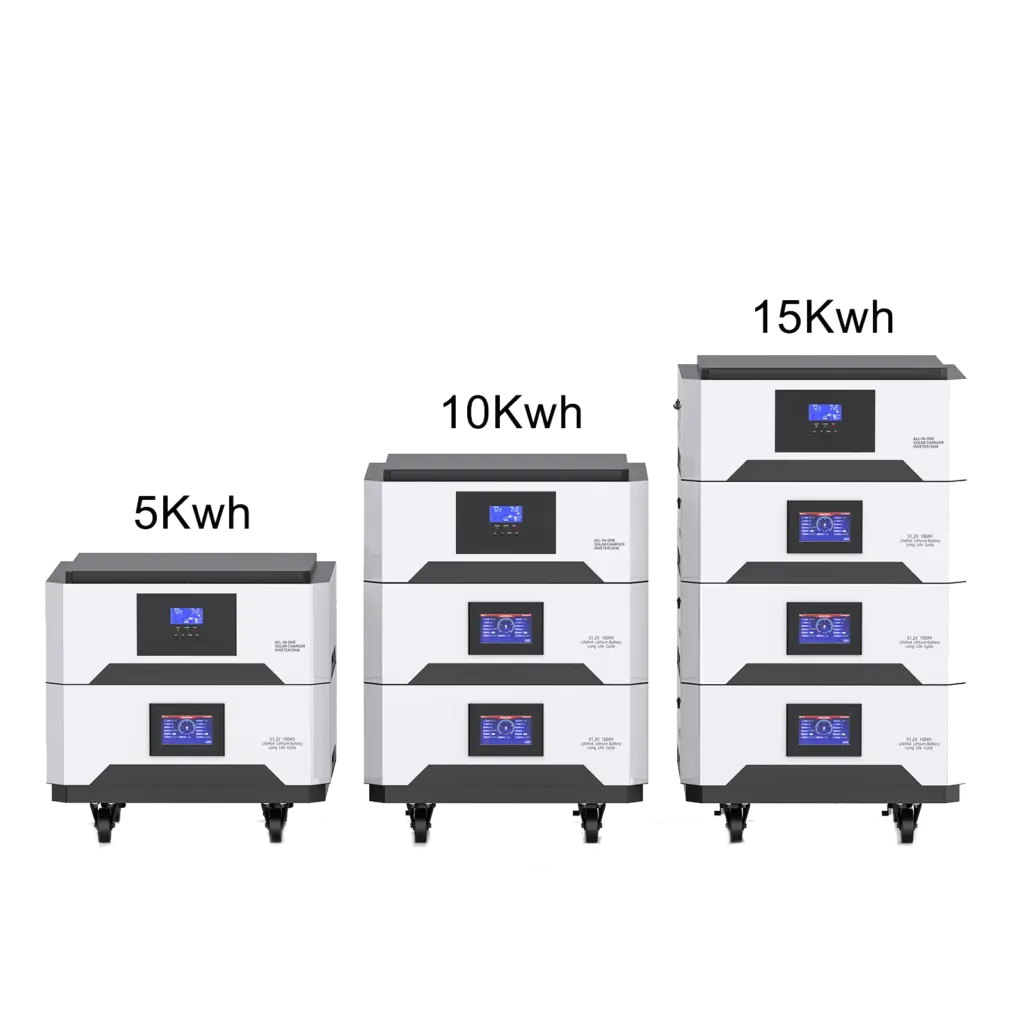
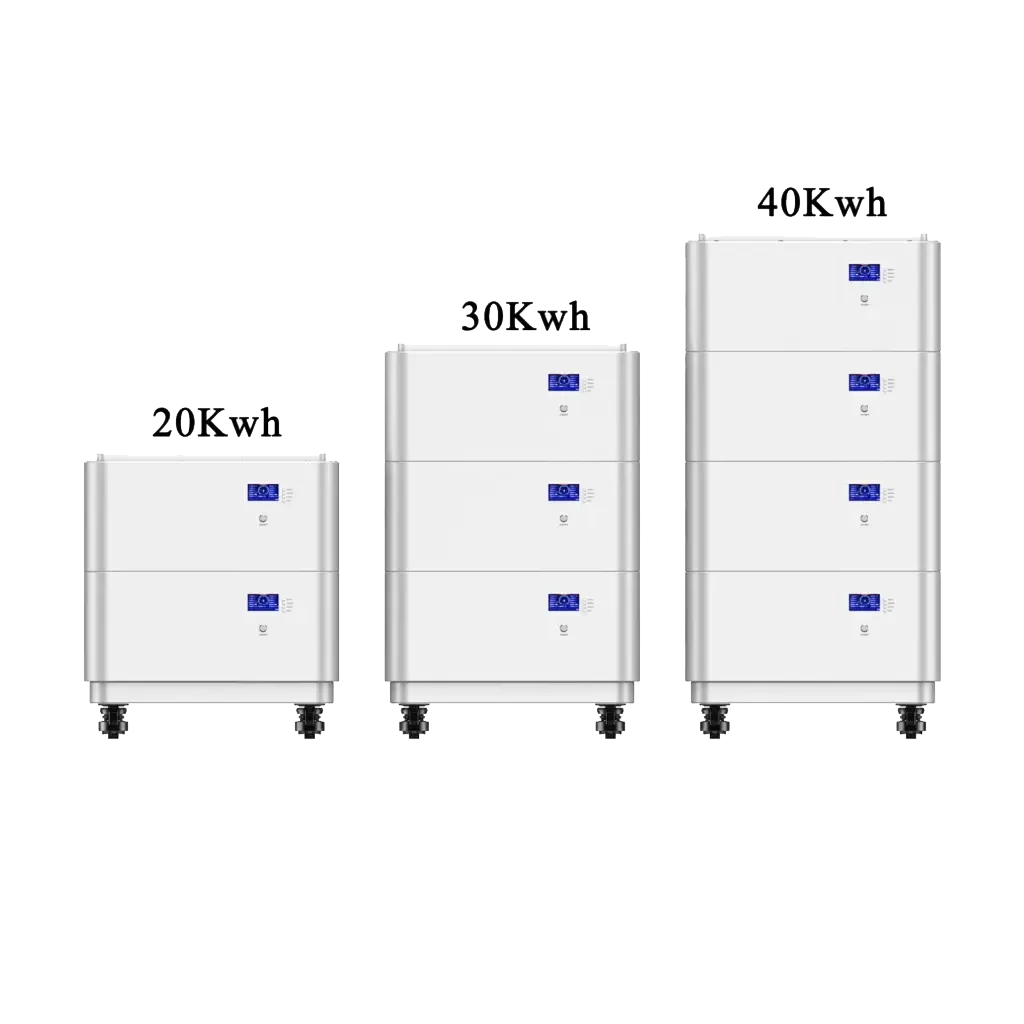
For a 25kW solar system, commonly used battery capacities include:
| Battery Size | Best Use Case | Estimated Installed Cost |
|---|---|---|
| 15 kWh | Essential backup and evening self-consumption | $12,000 – $22,000 |
| 20 kWh | Larger home backup and higher solar self-consumption | $18,000 – $30,000 |
| 30 kWh | Whole-home backup (for selected loads) | $27,000 – $45,000 |
| 40 kWh | Backup for large homes, farms, or small businesses | $36,000 – $58,000+ |
A 25kW solar system paired with a 20 kWh battery to 40 kWh battery can cost between $72,000 and $130,000 or more before incentives, depending on the battery brand, inverter type, backup panel work, installation complexity, and overall system configuration.
How Long Will a 25kWh Battery Last?
A 25kWh battery system can typically power a home with an average load of 2kW to 5kW for about 5 to 12 hours. Battery runtime mainly depends on how much energy your home is using at the time.
A simple way to estimate it is:
Runtime (hours) ≈ Usable battery energy (kWh) ÷ Average load (kW)
In real-world use, you should also account for factors such as inverter efficiency, battery reserve settings, and the fact that you usually won’t use 100% of the battery’s nameplate capacity.
If you want a more conservative estimate, reduce the usable energy by about 10% to 20% to cover conversion losses and reserved backup capacity.
How Much Electricity Can a 25kW Solar System Generate?
According to estimates from PVWatts Calculator, a 25 kW solar system can generate approximately 74.9 to 120.8 kWh per day under different climate conditions across the United States.
Estimated annual production in selected cities:
- Seattle: about 27,343 kWh per year
- Phoenix: about 44,110 kWh per year
- Los Angeles: about 42,110 kWh per year
- Austin: about 36,940 kWh per year
A simple way to estimate output is:
Daily Production = System Size × Peak Sun Hours × Performance Ratio
Example:
25 kW × 5 peak sun hours × 0.80 performance ratio = 100 kWh/day
Annual estimate:
100 kWh × 365 days = 36,500 kWh per year
This is close to the U.S. average estimate of 36,290 kWh annually. However, actual production will depend on factors such as shading, roof orientation, tilt angle, panel temperature, inverter efficiency, dirt buildup, snow, and local weather conditions.
How Many Solar Panels Do You Need for a 25kW System
The number of panels depends on panel wattage.
| Panel Wattage | Panels Needed for 25kW |
|---|---|
| 350W | About 72 panels |
| 400W | About 63 panels |
| 450W | About 56 panels |
| 500W | About 50 panels |
| 550W | About 46 panels |
| 590W | About 43 panels |
Modern high-output panels can reduce panel count, but larger panels may need more roof space per module. For a 25kW rooftop system, expect roughly 740 to 1,300 square feet of usable roof area in many residential or light commercial designs. Some kit suppliers estimate up to 1,650 square feet depending on layout and equipment.
25kW Solar System ROI in 2026
ROI depends on four main factors:
- Installed system cost.
- Annual solar production.
- The value of each kWh offset.
- Incentives, net metering, SRECs, or export compensation.
The EIA reported that U.S. residential average revenue per kWh was 17.65 cents/kWh in February 2026, while commercial average revenue was 14.37 cents/kWh. Residential prices were up 7.4% year over year, and commercial prices were up 10.7%.
Using a 25kW system that produces about 36,290 kWh per year:
| Effective Solar Value | Annual Bill Value |
|---|---|
| $0.12/kWh | $4,355/year |
| $0.15/kWh | $5,444/year |
| $0.18/kWh | $6,532/year |
| $0.22/kWh | $7,984/year |
| $0.30/kWh | $10,887/year |
If the system costs $60,000 and offsets electricity worth $6,532 per year, simple payback is about 9.2 years before maintenance, financing, rate escalation, and incentives. If the same system is in a high-rate market and offsets electricity worth $0.30/kWh, the annual value may exceed $10,000 and payback can be much shorter.
Solar Only vs Solar With Battery ROI
A solar-only system usually has the fastest simple payback if net metering or self-consumption value is strong. A battery system often adds value in other ways:
- Backup power during outages
- Higher self-consumption when export rates are low
- Time-of-use savings
- Reduced reliance on grid power
- Better energy security for critical loads
However, batteries do not always shorten payback. If electricity rates are flat and outages are rare, the battery may be more about resilience than pure financial return. If evening rates are high, export credits are low, or outages are frequent, storage becomes much easier to justify.
Is a 25kW Solar System Right for You
A 25kW solar system is usually a good fit if your property uses a lot of electricity. It may be suitable for:
- Large homes with high HVAC loads
- Homes with EV charging
- Farms and rural properties
- Small offices
- Workshops
- Clinics
- Retail buildings
- Guest houses or multi-building properties
- Properties planning to add battery storage
It may be oversized if your annual consumption is much lower than the system’s expected output and your utility pays very little for exported electricity. In that case, a smaller solar array with a properly sized battery may deliver better ROI.
How to Improve Payback in 2026
To improve the financial return of a 25kW solar system:
- Compare at least three installer quotes.
- Ask for the price per watt and the full equipment list.
- Review your 12-month electricity usage before sizing.
- Check whether your utility has net metering, net billing, or time-of-use pricing.
- Avoid oversizing if export compensation is low.
- Add battery storage only when it solves a real problem.
- Shift large loads such as EV charging, water heating, and HVAC to daytime solar hours.
- Ask whether the system is battery-ready for future expansion.
- Verify warranties for panels, inverters, batteries, and installation workmanship.
- For business projects, ask a tax professional to review commercial clean energy credit eligibility.
Avepower Solar Battery Options for 25kW Solar Systems
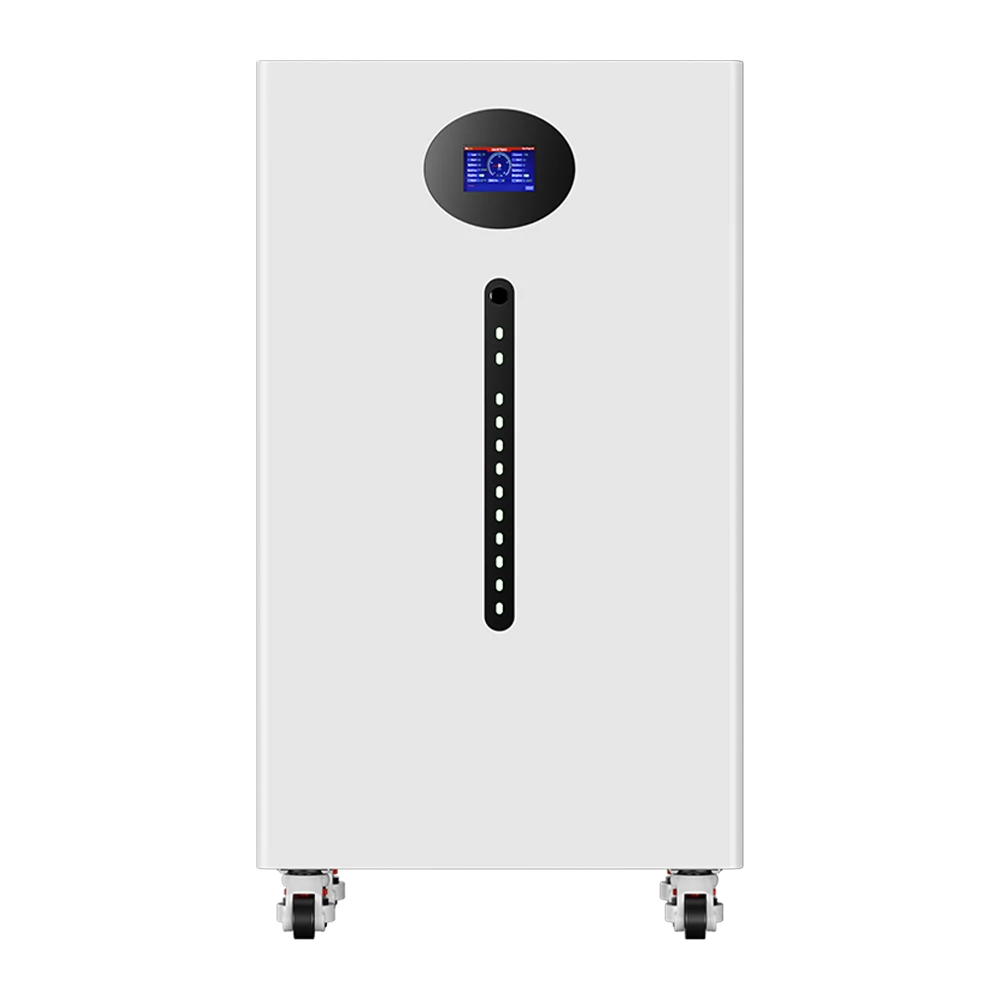
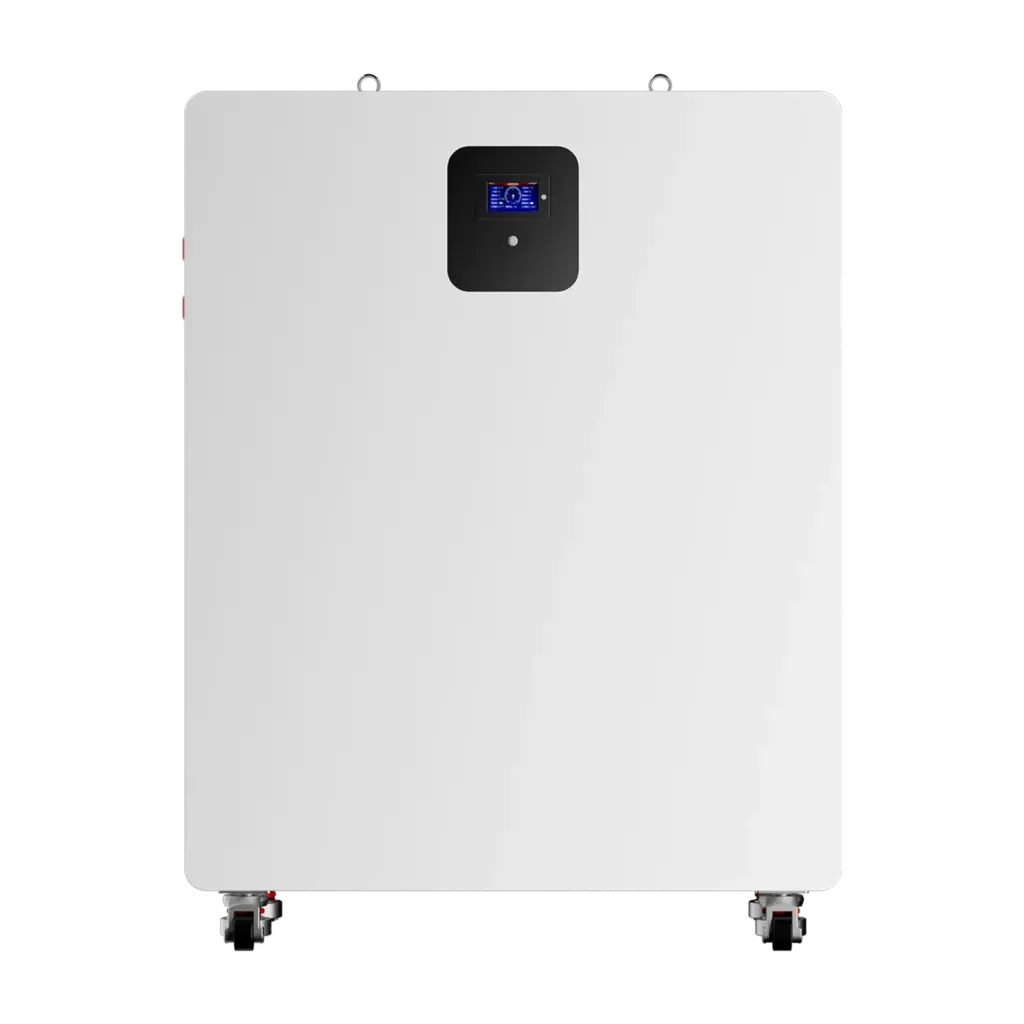
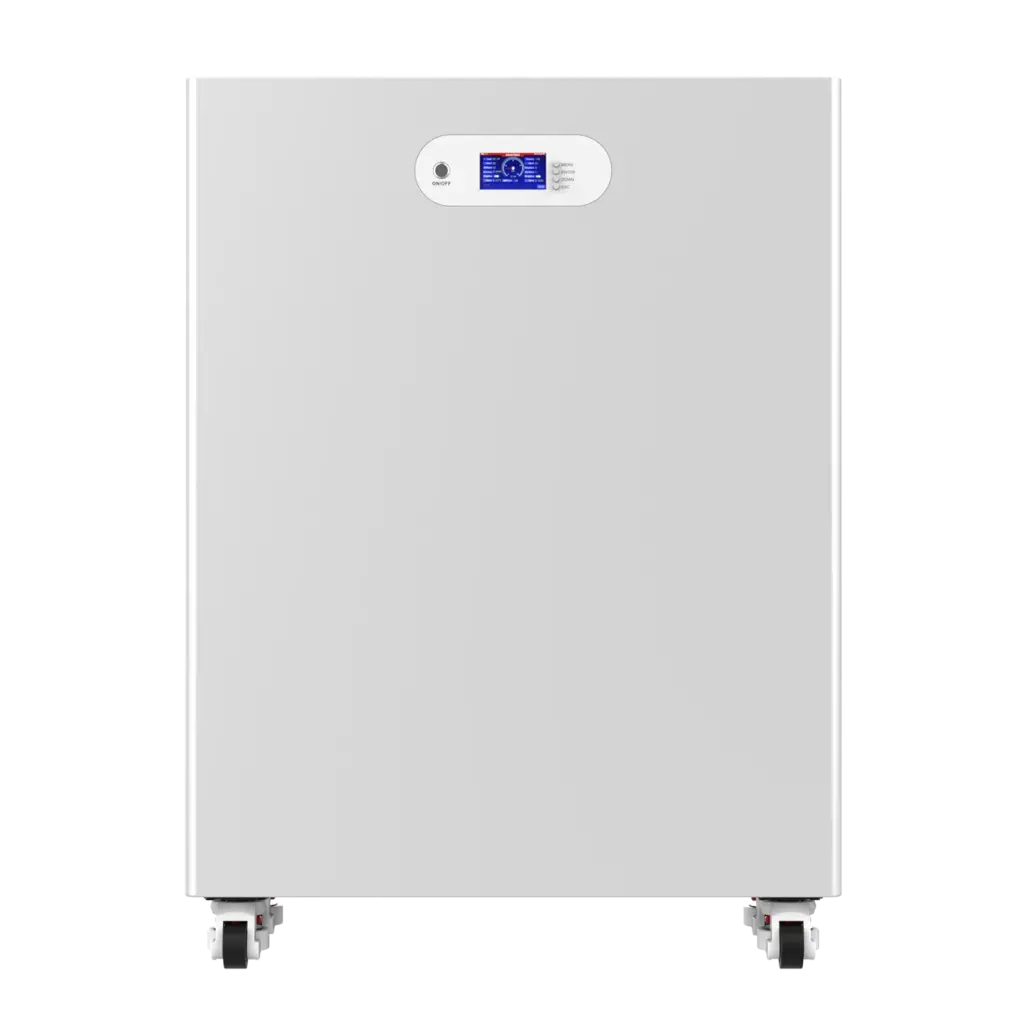
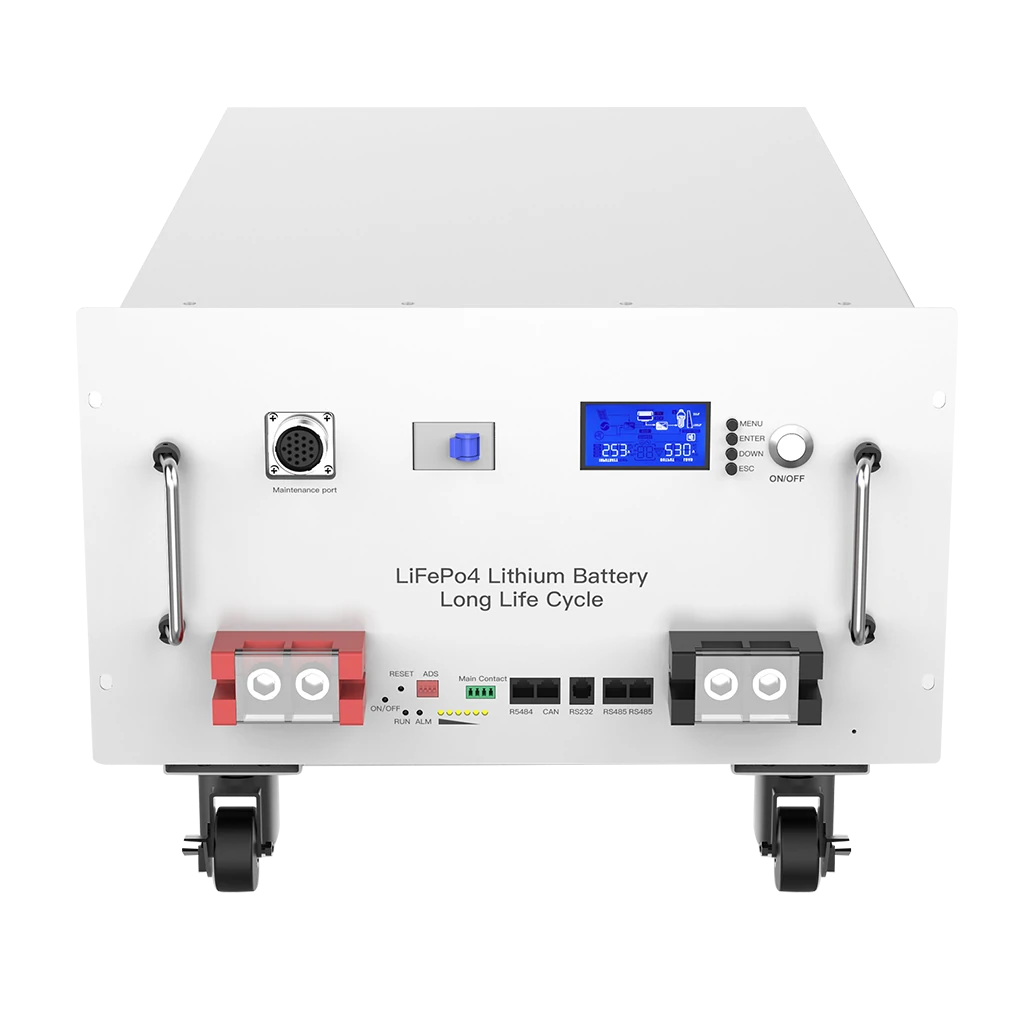
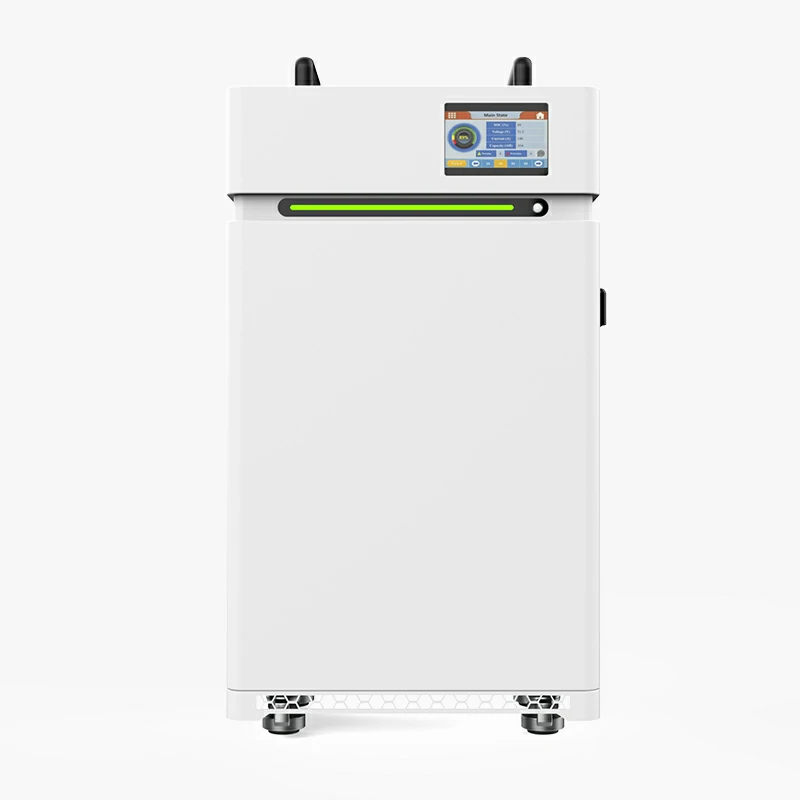
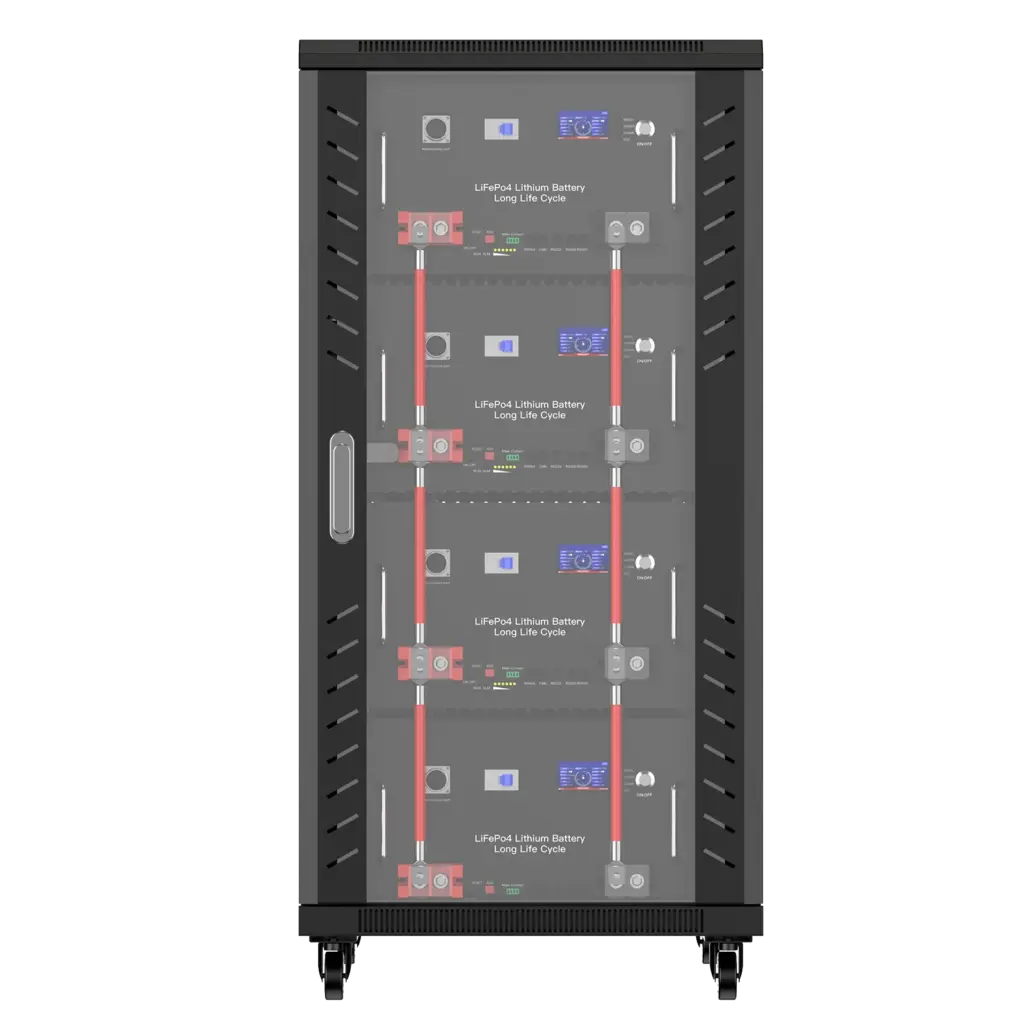
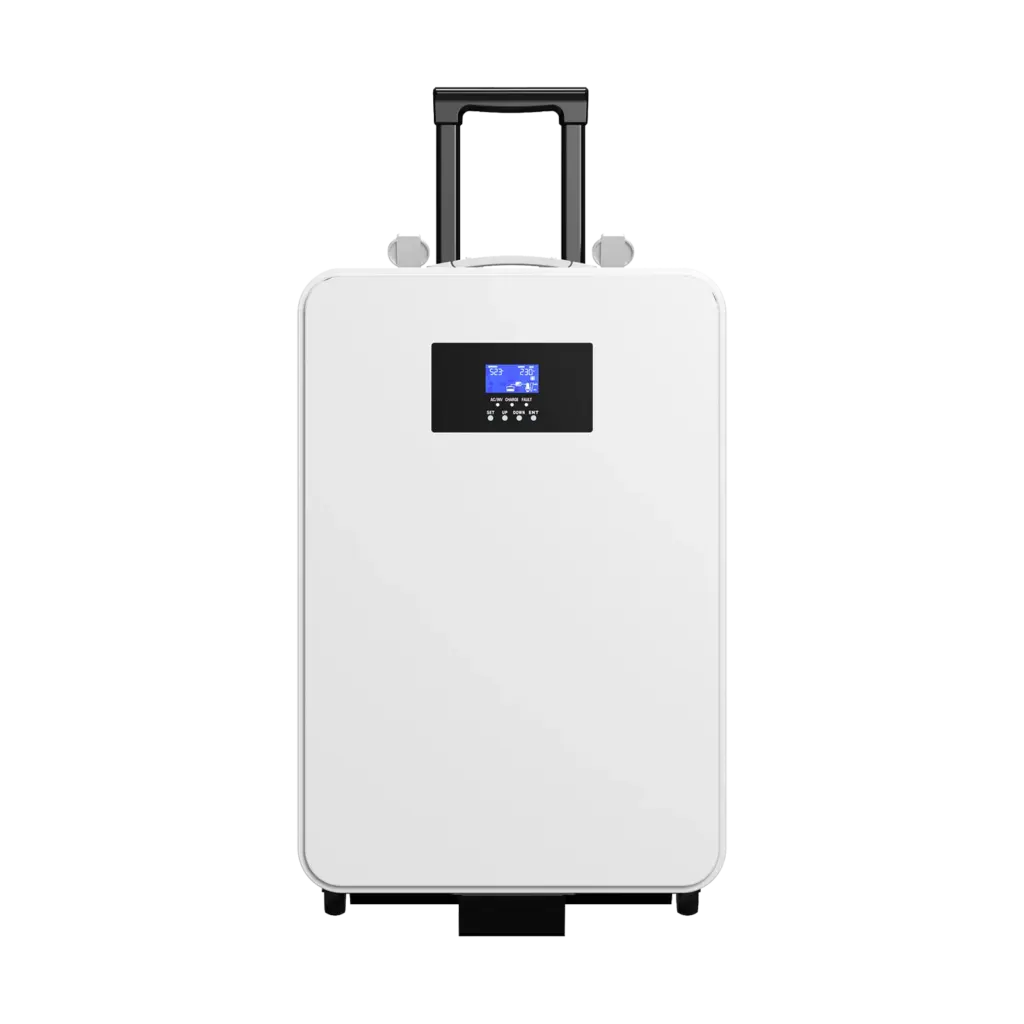
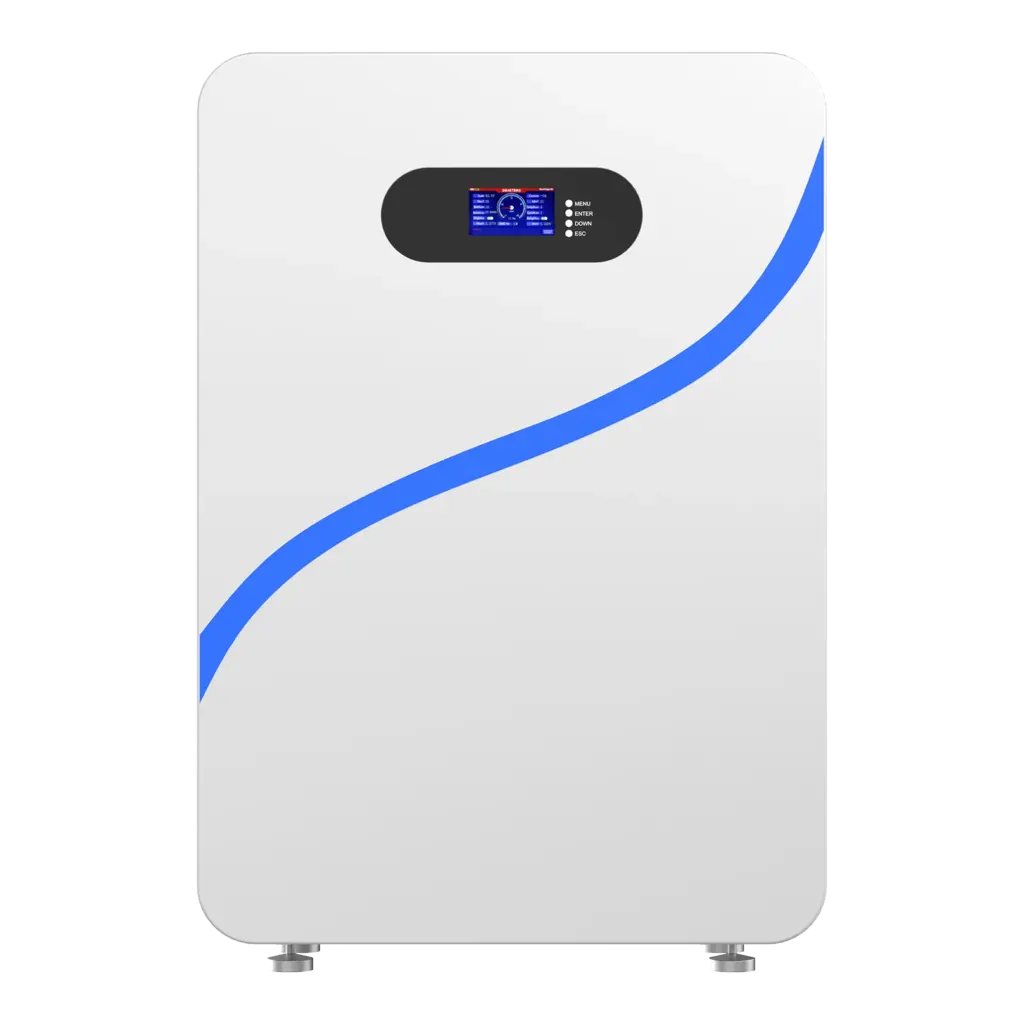
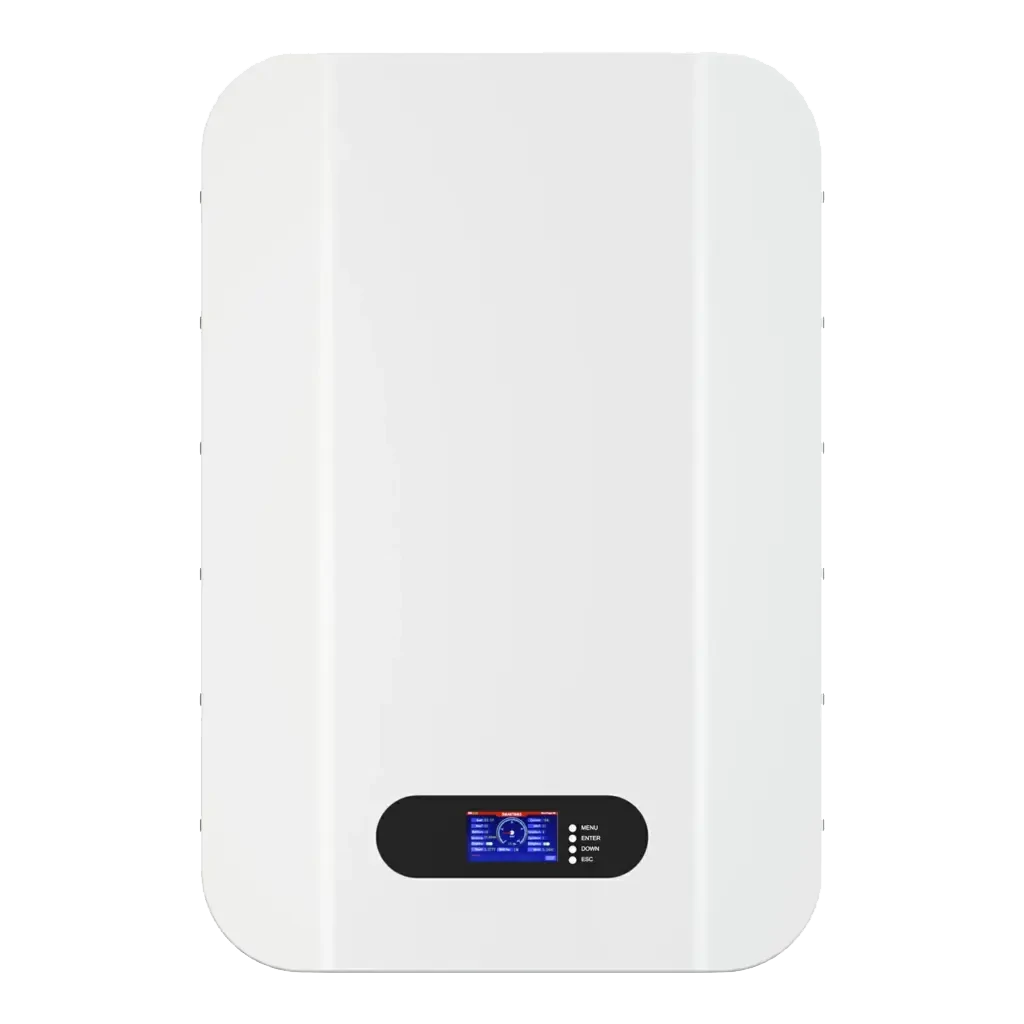
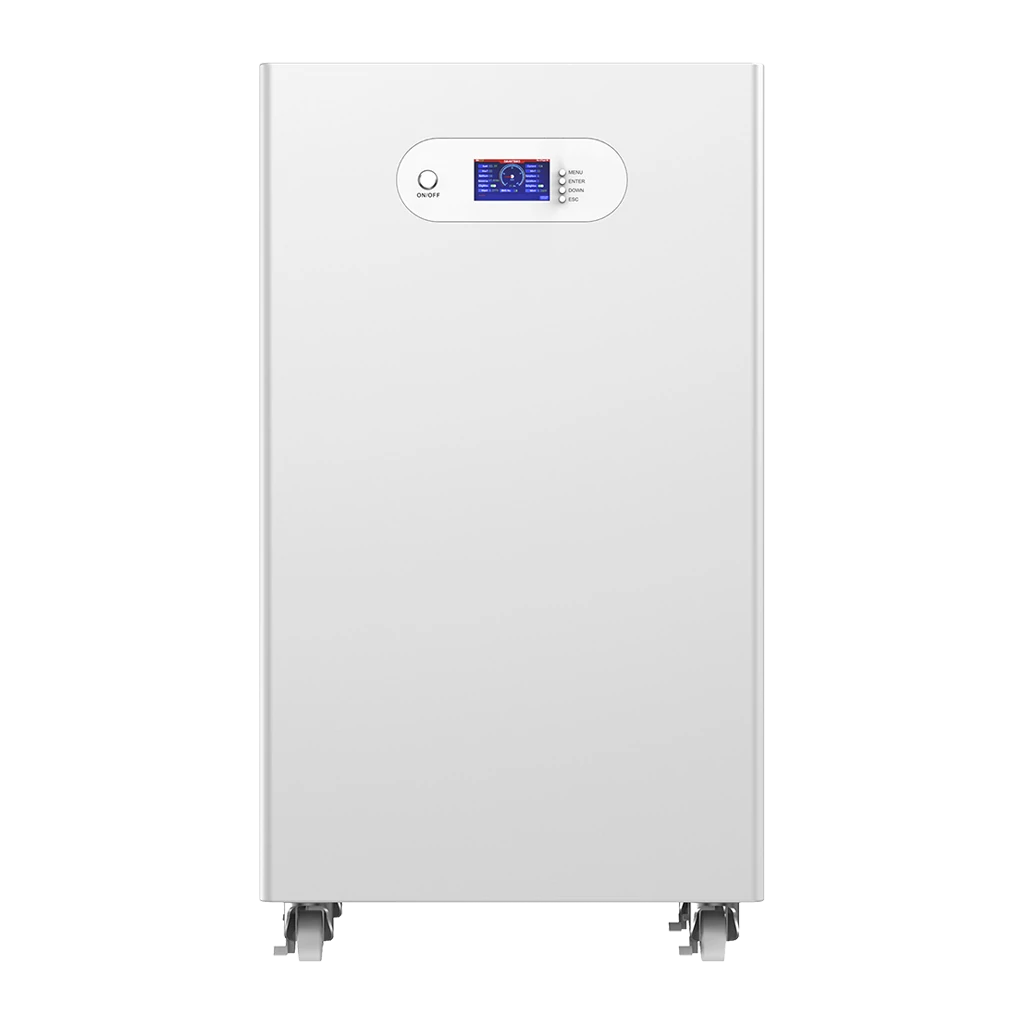
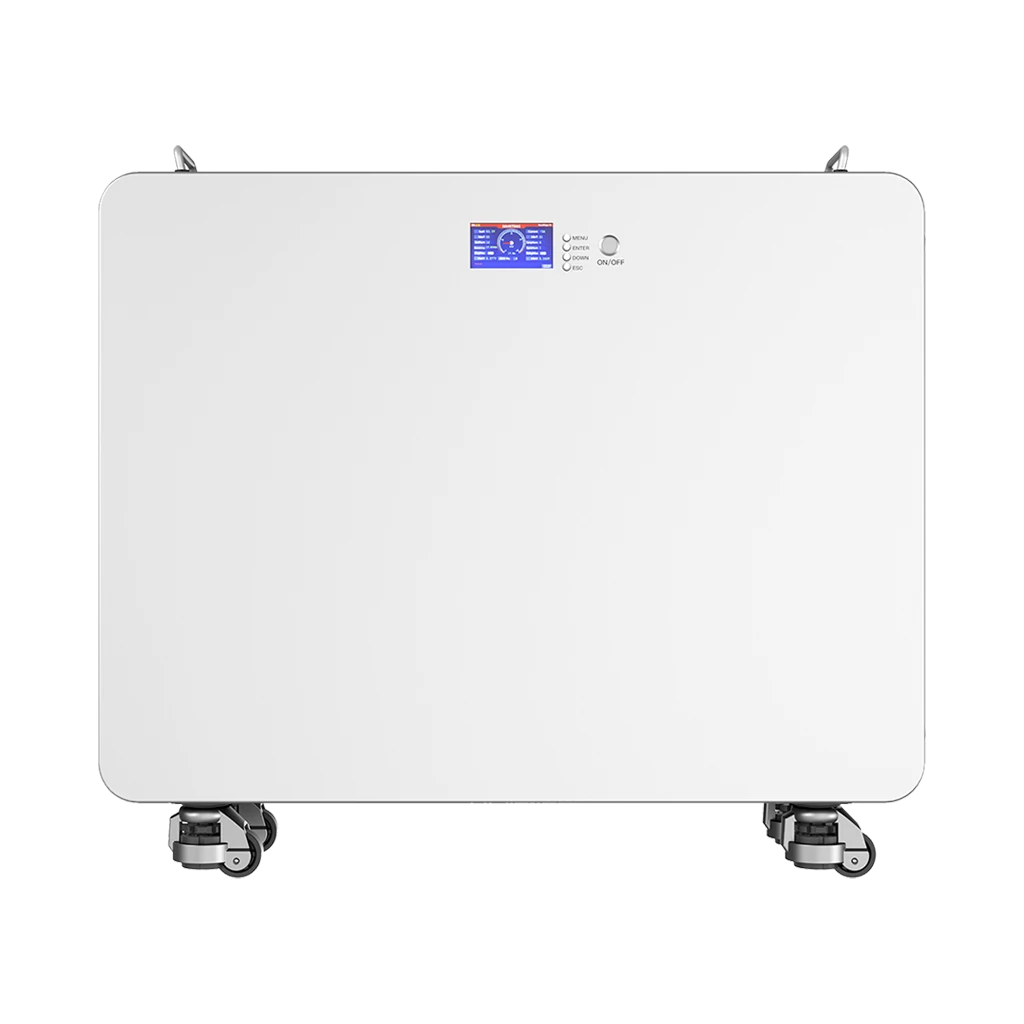
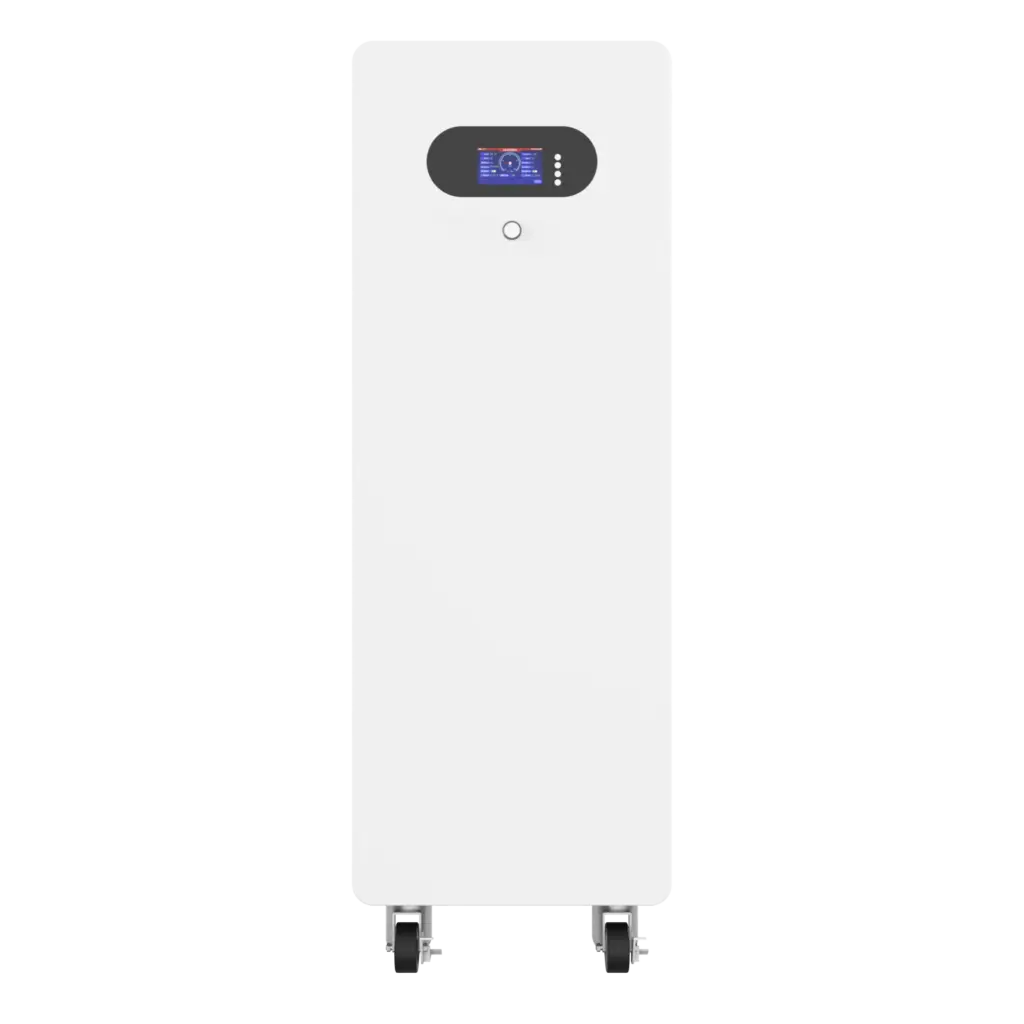
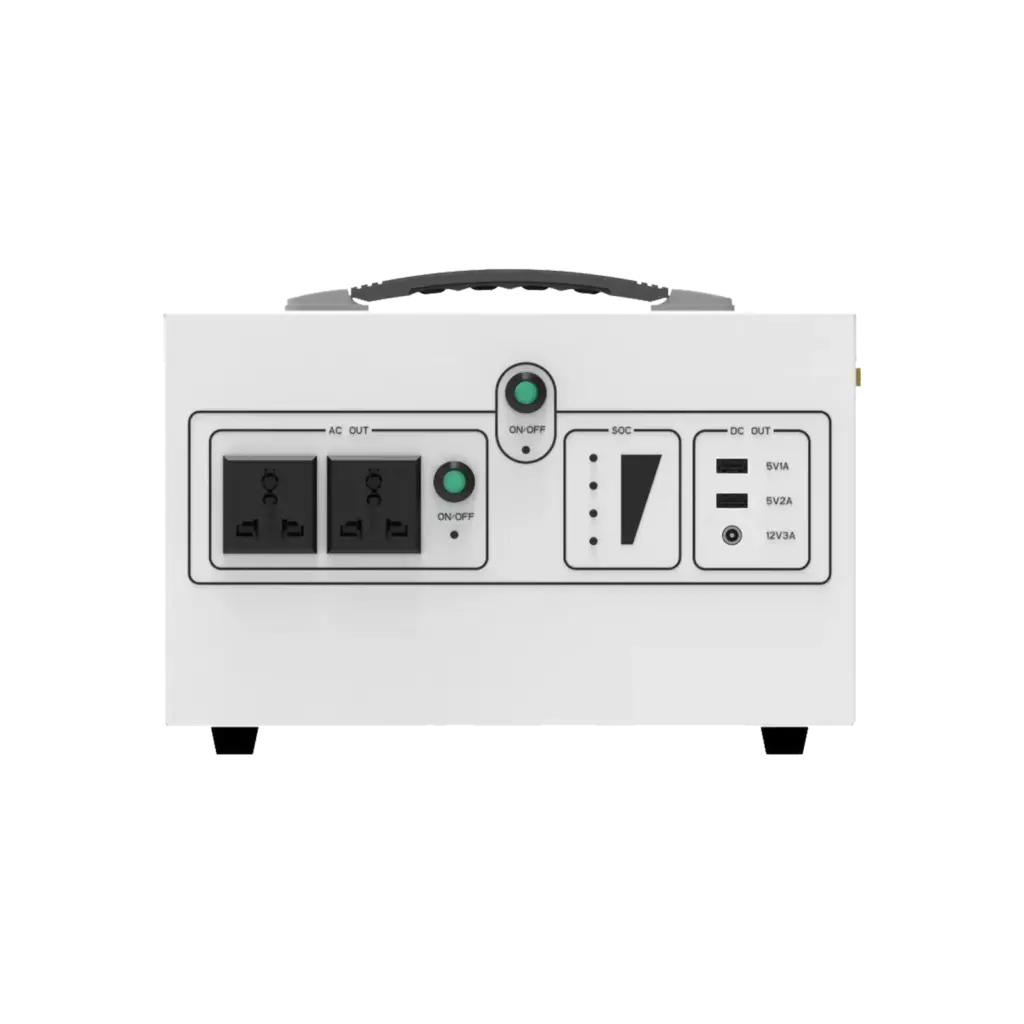
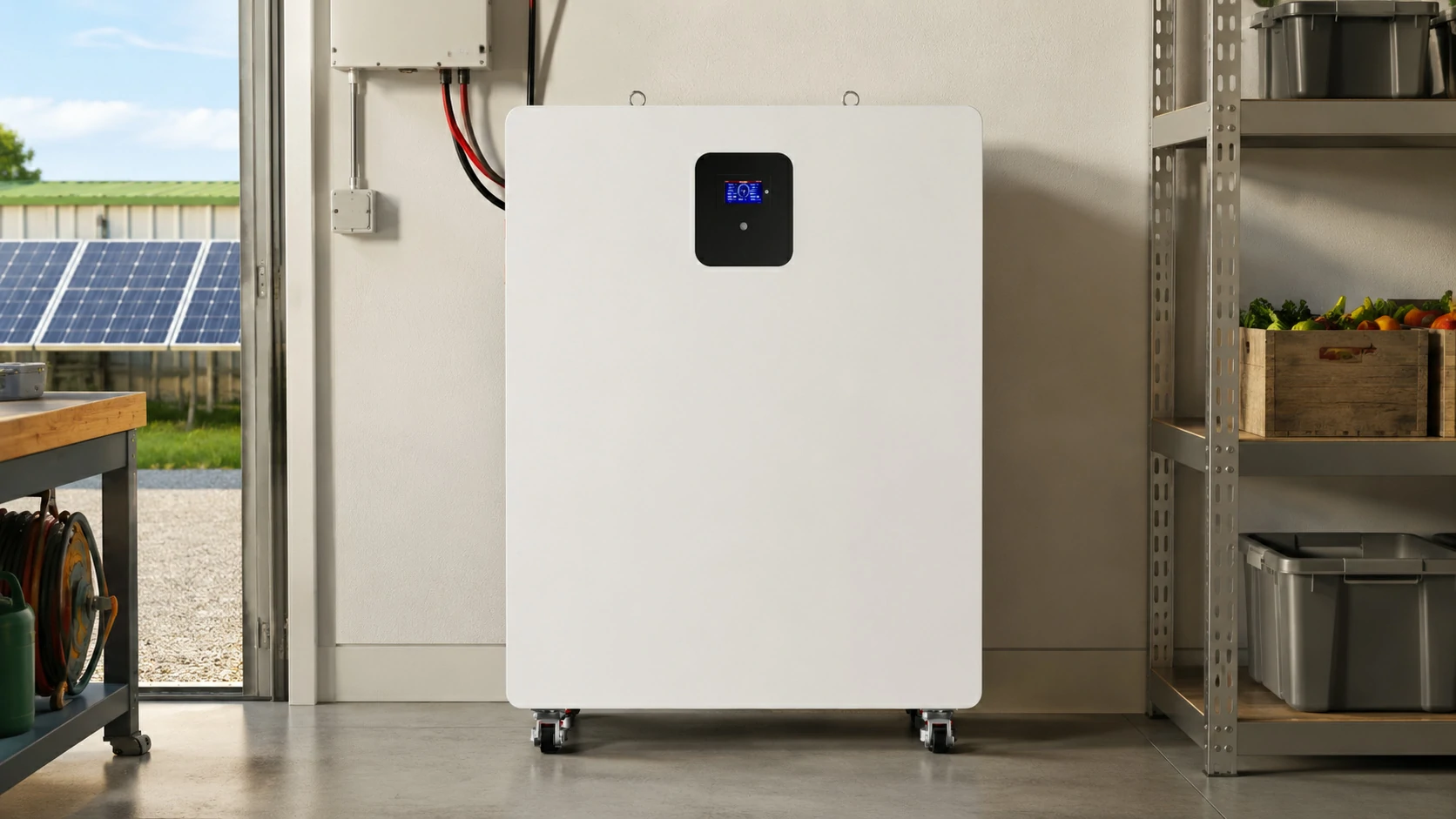
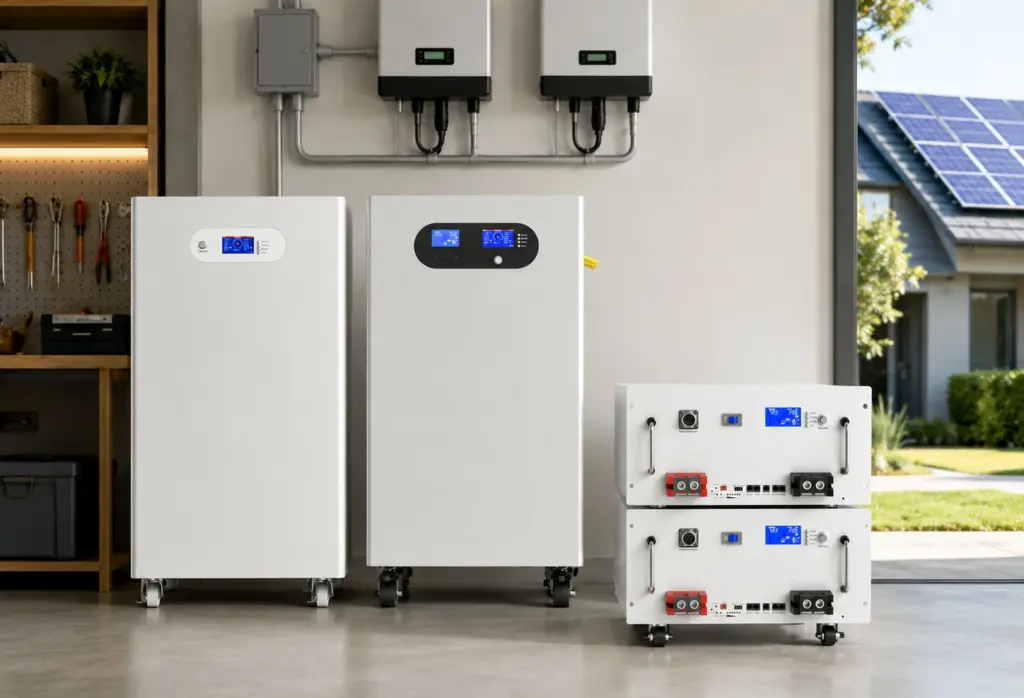
For a 25kW solar system, battery storage should be selected around real load requirements, backup goals, and installation conditions. Avepower provides LiFePO4 home energy storage batteries for residential and light commercial solar projects, including wall-mounted batteries, rack-mounted batteries, vertical batteries, stackable batteries, all-in-one battery systems, and custom high-voltage battery storage solutions.
For homeowners or installers who need flexible capacity, Avepower stackable and rack-mounted batteries can be configured for different backup durations. For larger homes or projects that need easier system expansion, modular battery designs make it easier to match storage capacity with actual electricity usage.
Avepower supports OEM and ODM customization for appearance, capacity, labeling, packaging, and BMS logic. The company also highlights CE, UL, RoHS, and ISO9001 availability, inverter communication options, and project support for installers, distributors, EPCs, and OEM brands.
Take Control of Your Energy with Avepower!
Reliable home solar battery solutions with OEM/ODM customization and in-house manufacturing, tailored to the needs of distributors, installers, and energy partners.
FAQ
A professionally installed 25kW solar system in the U.S. typically costs about $52,000 to $77,000 before state, local, or utility incentives. Hardware-only kits may cost less, but they do not include full installation, labor, interconnection, or project management.
For U.S. residential homeowner-owned systems, no. IRS 2026 guidance says residential clean energy credits cannot be claimed for expenditures made after December 31, 2025. Commercial projects may have different tax credit rules and should be reviewed separately.
A 25kW solar system can produce roughly 75 to 121 kWh per day depending on location and sunlight. A practical U.S. average is about 99 kWh per day, or around 36,000 kWh per year.
You typically need about 46 to 72 panels, depending on panel wattage. With 550W panels, you need about 46 panels. With 400W panels, you need about 63 panels.
Most 25kW systems require roughly 740 to 1,300 square feet of usable panel area, but total roof space may need to be larger if there are obstructions, setbacks, shading, or multiple roof planes.
A 25kW solar system with 20–40kWh of battery storage may cost about $72,000 to $130,000 or more before incentives, depending on battery brand, inverter type, backup panel work, installation complexity, and system configuration.
A typical payback range is about 7 to 14 years, depending on installed cost, electricity rates, solar production, self-consumption, local incentives, and export compensation. High-rate states can see faster payback.