
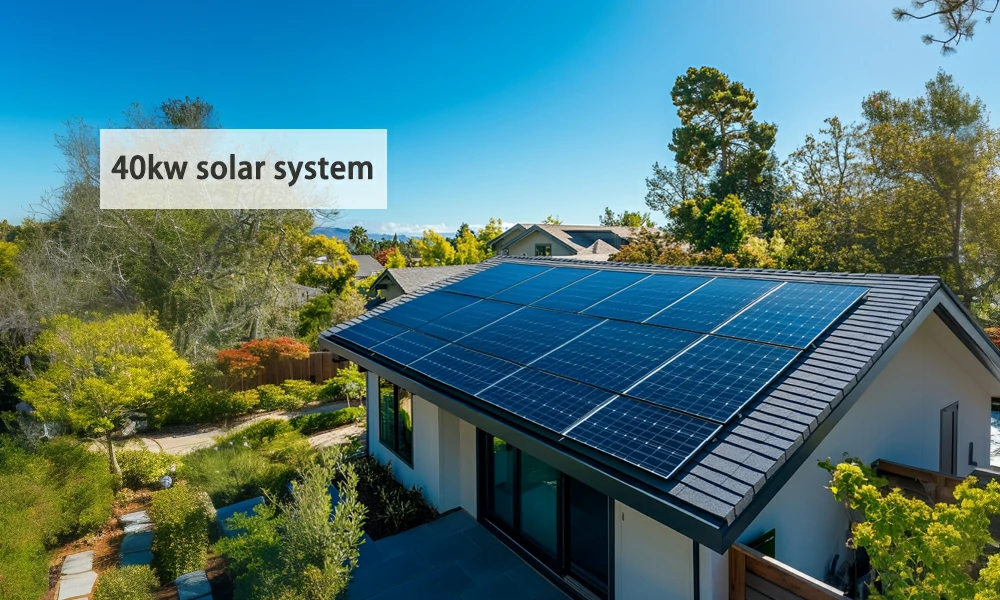
A 40kW solar system can generate approximately 128–176 kWh of electricity per day, or 46,720–64,240 kWh annually, under illustrative conditions with 4–5.5 peak sun hours and an 80% performance ratio. It typically requires 73–100 solar panels rated between 400W and 550W, making it suitable for commercial buildings, farms, workshops and properties with high electricity consumption.
In 2026, a U.S. commercial solar-only installation can be budgeted at approximately US$80,000–$120,000 using illustrative installed costs of $2–$3 per watt. In Australia, a comparable 40kW installation has an indicative planning cost of around A$38,000 after eligible solar rebates, based on interpolation between published 30kW and 50kW commercial pricing.
Adding battery storage increases the investment but can provide additional benefits, including peak shaving, load shifting and backup power. This guide explains the cost, electricity generation, panel requirements, battery sizing and installation considerations for a 40kW solar system.
40kW Solar System at a Glance
| Specification | Typical Estimate |
|---|---|
| Solar PV Capacity | 40kW (40,000W DC) |
| U.S. Solar-Only Budget (2026) | US$80,000–$120,000, illustrative |
| Australia Solar-Only Budget (2026) | Approximately A$38,000 after eligible STCs, indicative |
| Solar Panel Count | 73–100 panels (400–550W each) |
| Daily Electricity Generation | Approximately 128–176 kWh |
| Monthly Electricity Generation | Approximately 3,893–5,353 kWh |
| Annual Electricity Generation | Approximately 46,720–64,240 kWh |
| Solar Panel Surface Area | Around 2,000 sq. ft. with 550W modules, depending on dimensions |
| Battery Storage | Optional; sized by energy demand and discharge power |
| Inverter Type | Grid-tied, hybrid or off-grid configuration |
| Typical Applications | Commercial buildings, workshops, farms and high-consumption properties |
What’s Included in a 40kW Solar System?
A 40kW solar system usually refers to the DC-rated capacity of the PV array (kWdc). In many designs, the solar inverter AC rating (kWac) may be lower to boost annual energy yield and reduce inverter cost—so it’s common to see a DC/AC ratio greater than 1.
Key components typically include:
- PV modules (the panels)
- One or more inverters (string inverters or optimizers + inverters)
- Racking/mounting (roof or ground)
- Electrical BOS (wiring, combiner, protection, disconnects)
- Monitoring and controls
- Engineering + permitting + interconnection
When you add battery storage, you also add:
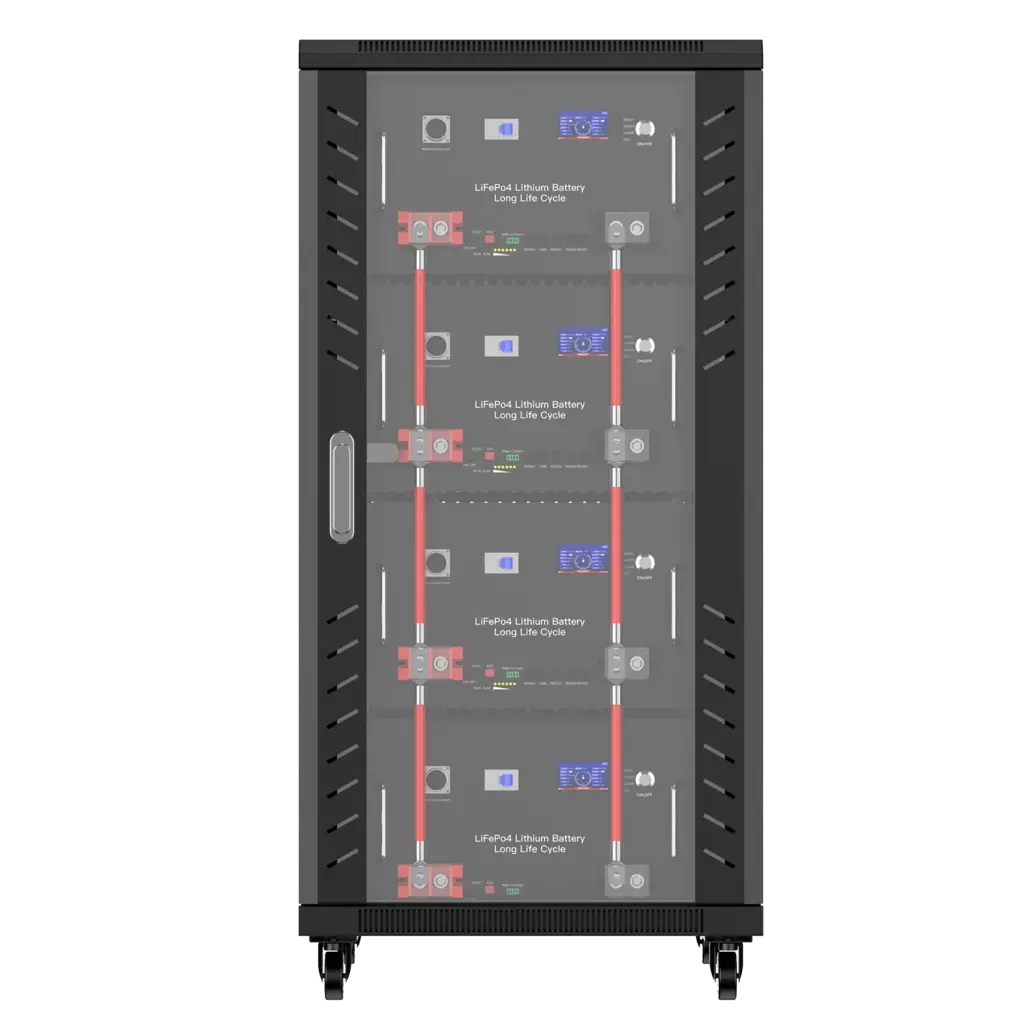
- Battery cabinets/containers
- Battery inverter/PCS (power conversion system) or hybrid inverter
- Energy management system (EMS) controls
- Additional electrical protection and (often) site work
40kW Solar System Price: What Does it Usually Cost?
Pricing varies widely by country/region, roof type, grid-connection complexity, and equipment selection (panel brand, inverter type, monitoring, and protection hardware).
United States
The cost of a 40kW solar system in the United States depends on whether the quotation covers equipment only or a complete commercial installation.
For early-stage budgeting, the following scenarios illustrate solar-only installation costs at different assumed prices per watt.
| Installed Cost per Watt | Estimated 40kW System Cost |
|---|---|
| US$2.00/W | US$80,000 |
| US$2.50/W | US$100,000 |
| US$3.00/W | US$120,000 |
Installation expenses depend on module and inverter selection, racking, engineering, labor, permitting, utility interconnection and electrical infrastructure.
U.S. Commercial Solar Tax Incentives in 2026
Eligible U.S. commercial solar projects may qualify for the Section 48E Clean Electricity Investment Credit, but the credit should not be treated as an automatic 30% discount for every installation.
Under legislation enacted in 2025, wind and solar projects beginning construction after July 4, 2026 generally must be placed in service before January 1, 2028 to remain eligible under the applicable credit rules. Additional requirements, including restrictions involving prohibited foreign entities, may apply.
Certain smaller projects may qualify for the increased credit rate through the under-1MW exception, subject to all applicable eligibility conditions.
Project owners should confirm construction timing, ownership, eligible project costs and current IRS requirements with a qualified tax adviser before including federal tax credits in their financial calculations.
Australia
In Australia, a 40kW commercial solar system has an indicative 2026 installed cost of approximately A$38,000 after eligible Small-scale Technology Certificate (STC) discounts, based on interpolation between published pricing for 30kW and 50kW commercial systems.
| Commercial Solar Capacity | Installed Price Reference (AUD) |
|---|---|
| 30kW | A$28,350 |
| 40kW | Approximately A$38,000 (interpolated) |
| 50kW | A$48,160 |
Additional costs may apply for switchboard upgrades, grid protection, export controls, ground mounting, complex roofing or network connection requirements.
Under Australia’s Small-scale Renewable Energy Scheme, eligible solar PV systems of up to 100kW can qualify for STCs, subject to the relevant technical and installation requirements.
Australian Solar Battery Incentives in 2026
Australia’s Cheaper Home Batteries Program provides upfront discounts for eligible battery installations.
Eligible batteries generally have a nominal capacity of 5–100kWh, with STCs calculated on a maximum of 50kWh of usable capacity.
From May 1, 2026, the STC factor is 6.8 for the remainder of 2026. The applicable factor is progressively reduced according to battery size: 100% for the first 14kWh of usable capacity, 60% for capacity above 14kWh and up to 28kWh, and 15% for capacity above 28kWh and up to 50kWh.
The actual upfront discount depends on usable capacity, certificate value, installation date and eligibility requirements. Businesses should verify the latest program rules and eligible equipment before calculating net battery costs.
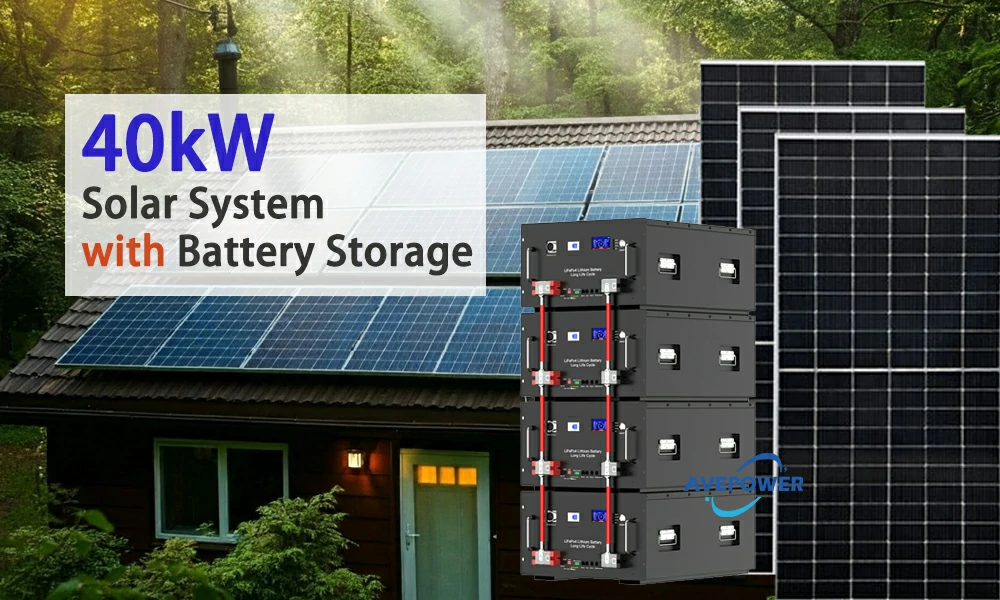
Adding Batteries: What Does 40kW Solar System with Batteries Cost?
A battery budget depends on what you want the battery to do:
- Self-consumption / bill reduction (load shifting)
- Backup power for outages
- Demand management (common for businesses)
- Off-grid autonomy (the most expensive path)
Key System Components
- Solar Panels: Approximately 73 panels of 550W each, requiring 2,010 square feet of space.
- Inverters: Multiple 10kW or 15kW hybrid inverters.
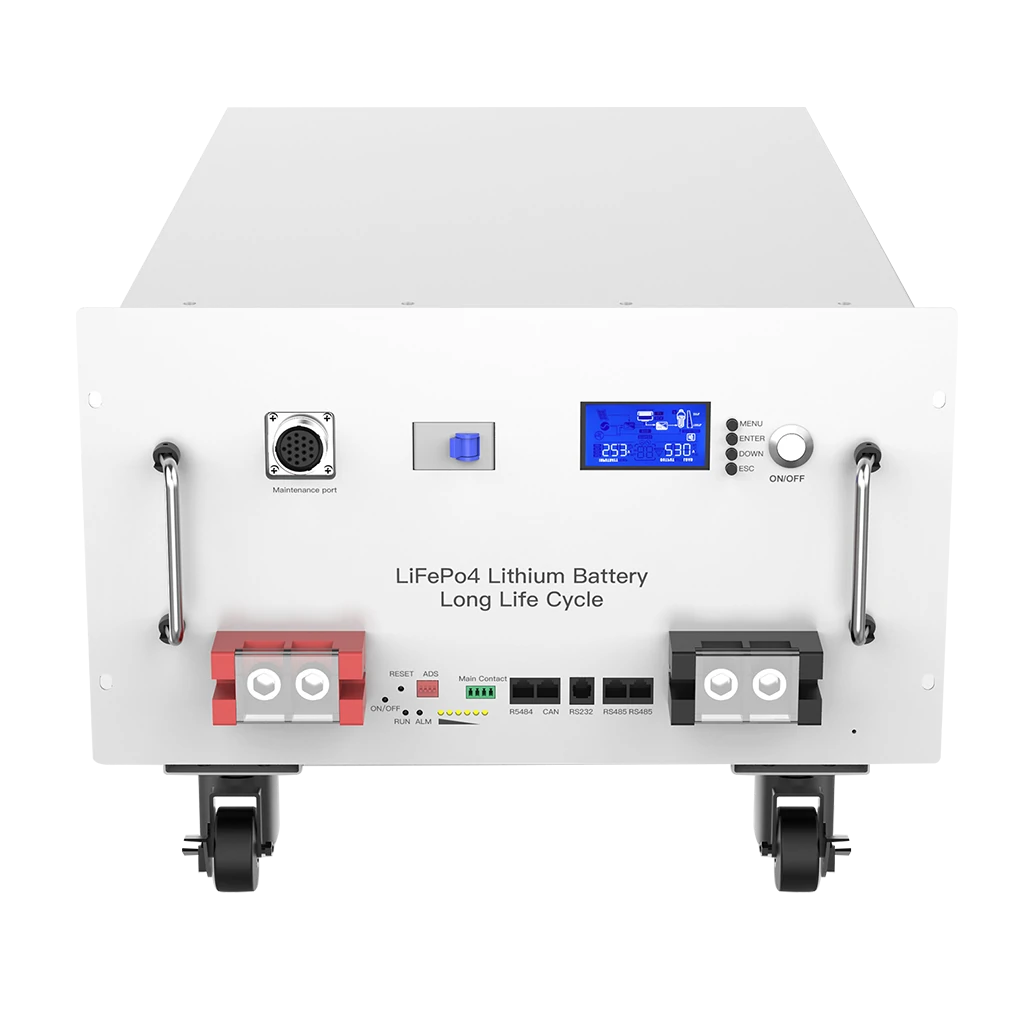
- Batteries: Storage capacity typically ranges from 40 kWh battery to 150 kWh battery or more.
- Mounting: Ground- or roof-mounted racking systems for solar panels.
Battery Storage Cost Estimates
The cost of adding battery storage to a 40kW solar system depends on the required energy capacity (kWh), discharge power (kW), battery chemistry, inverter configuration and installation conditions.
For preliminary U.S. commercial project budgeting, the following scenarios apply an illustrative installed battery cost of US$500–$1,000 per kWh.
| Battery Capacity | Illustrative Installed Battery Budget |
|---|---|
| 50kWh | US$25,000–$50,000 |
| 100kWh | US$50,000–$100,000 |
| 150kWh | US$75,000–$150,000 |
A solar-plus-storage project may also require a battery power conversion system (PCS), energy management system (EMS), backup switching equipment and additional electrical protection.
For accurate pricing, compare quotations that clearly specify battery usable capacity, continuous output power, warranty, installation scope and backup capabilities.
Benefits of a 40kW Solar System with Battery Storage
A 40kW solar system with batteries is popular because it can deliver multiple benefits at once:
It can reduce daytime grid imports. It can store solar for evening use. It can provide backup power for critical circuits. It can stabilize energy costs when tariffs change. It can also improve site resilience, which matters for farms and small businesses that cannot afford downtime.
In markets with strong incentives or supportive programs, batteries can also become much more financially attractive (for example, Australia’s federal discount program is explicitly designed to lower upfront costs over time).
How Long Can a Battery Power a 40kW Solar System?
Battery backup duration depends on the energy stored and the power consumed by connected equipment. A 40kW solar array does not automatically require a 40kWh battery.
The following examples assume an average backup load of 20kW, an 80% usable depth of discharge and 90% conversion efficiency.
| Battery Capacity | Energy Delivered After Assumed Losses | Backup Duration at 20kW |
|---|---|---|
| 50kWh | 36 kWh | 1.8 hours |
| 100kWh | 72 kWh | 3.6 hours |
| 150kWh | 108 kWh | 5.4 hours |
Backup duration (hours) = Nominal battery capacity × Usable DoD × Conversion efficiency ÷ Average load (kW)
These examples assume no additional solar generation or generator contribution during the backup period. Actual runtime depends on the supported electrical loads, battery discharge limits, temperature, operating reserves and inverter performance.
How to Size the Battery for a 40kW Solar System
1. Electricity Bill Savings (TOU Shifting & Peak Shaving)
For commercial or large residential users aiming to reduce electricity bills through time-of-use (TOU) optimization and peak demand shaving, battery systems typically range from 40 to 150 kWh. This size is generally sufficient to store excess solar energy and discharge it during high-tariff periods.
2. Backup Power (Critical Loads)
For backup power applications covering essential circuits, battery capacity usually falls between 60 kWh and 200+ kWh, depending on:
- The number of circuits supported
- Power demand during outages
- Desired backup duration
Larger systems provide longer runtime and greater operational flexibility during grid failures.
3. Off-Grid Operation (40 kW Off-Grid Solar System)
For example, an off-grid site consuming 150kWh per day and requiring two days of battery autonomy would need approximately 417kWh of nominal battery capacity, assuming an 80% usable depth of discharge and 90% conversion efficiency.
Required battery capacity = (150kWh × 2 days) ÷ (0.80 × 0.90) = 416.7kWh
Additional capacity may be required for reserve margins, battery degradation, cold-weather operation and extended periods of low solar generation. The battery inverter must also meet peak load and motor-starting requirements.
Avepower has developed a free calculator that lets you enter your home’s real-world loads and estimate the battery capacity that best fits your household.
Solar Battery Storage Size Calculator — How Many kWh do I Need?
How Much Electricity Does a 40kW Solar System Produce Per Day?
A 40kW solar system can produce about 140-180 kWh per day on average under typical conditions. Over a full year, that’s roughly 51,100 kWh-65700kWh (× 365), not including unusual weather, shading, equipment faults, or planned/unplanned downtime.
40kW Solar System Daily, Monthly and Annual Output
A 40kW solar system can generate approximately 128–176 kWh per day under the following illustrative assumptions. Actual generation depends on solar irradiation, location, shading, temperature, panel orientation and system losses.
| Daily Peak Sun Hours | Daily Output | Monthly Average | Annual Output |
|---|---|---|---|
| 4.0 hours | 128 kWh | 3,893 kWh | 46,720 kWh |
| 4.5 hours | 144 kWh | 4,380 kWh | 52,560 kWh |
| 5.0 hours | 160 kWh | 4,867 kWh | 58,400 kWh |
| 5.5 hours | 176 kWh | 5,353 kWh | 64,240 kWh |
Daily electricity generation formula:
Daily output (kWh) = Solar capacity (kW) × Peak sun hours × Performance ratio
For example:
40kW × 5 peak sun hours × 80% = 160 kWh per day
This equals approximately 58,400 kWh annually under the same simplified assumptions.
These estimates are planning calculations, not guarantees. They do not replace a location-specific solar production simulation.
Average Daily Production in Australia (by city)
Actual daily generation will be higher in summer (longer, clearer days) and lower in winter or during extended cloudy periods.
| City | Avg. kWh per day (40kW system) |
|---|---|
| Adelaide | 154 kWh/day |
| Brisbane | 160 kWh/day |
| Canberra | 154 kWh/day |
| Darwin | 176 kWh/day |
| Hobart | 124 kWh/day |
| Melbourne | 134 kWh/day |
| Perth | 168 kWh/day |
| Sydney | 144 kWh/day |
How Many Solar Panels Does a 40kW Solar System Require?
A 40kW solar system typically requires 73–100 solar panels, depending on the wattage of each module. Higher-wattage panels reduce the required panel count, but module dimensions and roof layout also influence the installation design.
Solar Panel Count for a 40kW System
| Panel Wattage | Panels Required | Total DC Capacity |
|---|---|---|
| 400W | 100 | 40.0kW |
| 450W | 89 | 40.05kW |
| 500W | 80 | 40.0kW |
| 550W | 73 | 40.15kW |
| 600W | 67 | 40.2kW |
Calculation:
Number of panels = 40,000W ÷ Individual panel wattage
The final panel count must be rounded to whole modules and checked against inverter compatibility, voltage limits and the required system design.
For example, 73 panels measuring approximately 2,256 × 1,133mm each occupy around 187m² (2,010 sq. ft.) of combined module surface area. The actual roof or ground area required will be larger when access paths, spacing, shading and other installation constraints are considered.
How Much Space Is Needed to Install a 40kW Solar System?
A typical 550W solar panel measures approximately 2256 mm by 1133 mm, which equals about 27.6 square feet per panel. For a 40kW system using around 73 panels, the total panel surface area is roughly 2,010 square feet.
For ground-mounted installations, panels need to be spaced apart to minimize shading on each other. As a result, the actual land area required can be 1.5 to 2 times larger than the combined panel surface area. Therefore, a ground-mounted 40kW system may need between 3,015 and 4,020 square feet of land.
40kW Off Grid Solar System: What Changes?
A 40kW off grid solar system is a different kind of engineering problem than grid-tied solar.
Off-grid design must cover the worst solar weeks, not the average week. That usually means:
- More PV (sometimes significantly more than 40kW, depending on winter sun and loads)
- A larger battery bank (often measured in days of autonomy)
- A backup generator (many well-designed off-grid systems include one)
- More advanced load management and staged backup circuits
- Careful planning for surge loads (pumps, compressors, refrigeration, workshop tools)
If you truly need off-grid reliability (not just “backup”), ask your designer to model production and load profiles for the worst solar month, not the annual average.
Why Is My Electric Bill So High If I Have Solar Panels?
This is one of the most common questions—and it usually has a logical explanation. Here are the top causes:
| Reason | Fix / Solution |
|---|---|
| Your usage happens when solar is not producing | Shift loads to daytime where possible, or add battery storage to cover non-solar hours. |
| Your export credit is low, or export is capped | Use batteries, shift loads, or design systems to maximize self-consumption instead of export. |
| Time-of-use rates and demand charges are driving costs | Use battery peak shaving, optimize tariffs, and control peak loads to reduce charges. |
| Your system is underperforming | Monitor system data, compare actual vs expected output, inspect shading, and schedule maintenance. |
| Your electricity use increased after going solar | Track monthly total usage and consider energy efficiency upgrades. |
| Fixed charges and fees still apply | Understand solar reduces energy charges but doesn’t eliminate fixed fees entirely. |
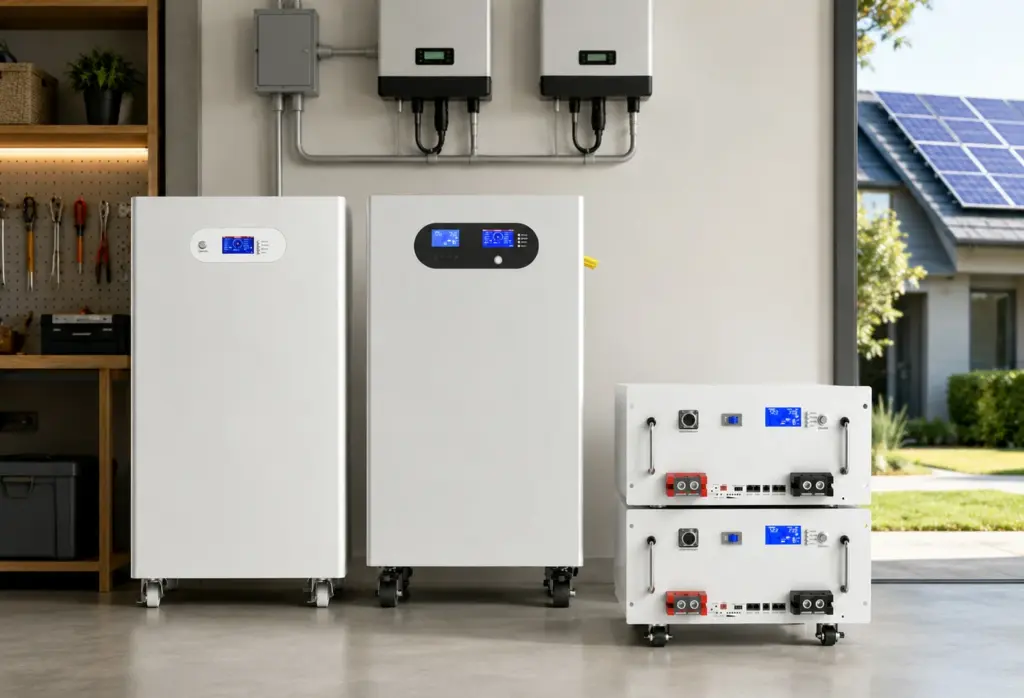
Upgrade to Avepower Scalable Battery Storage
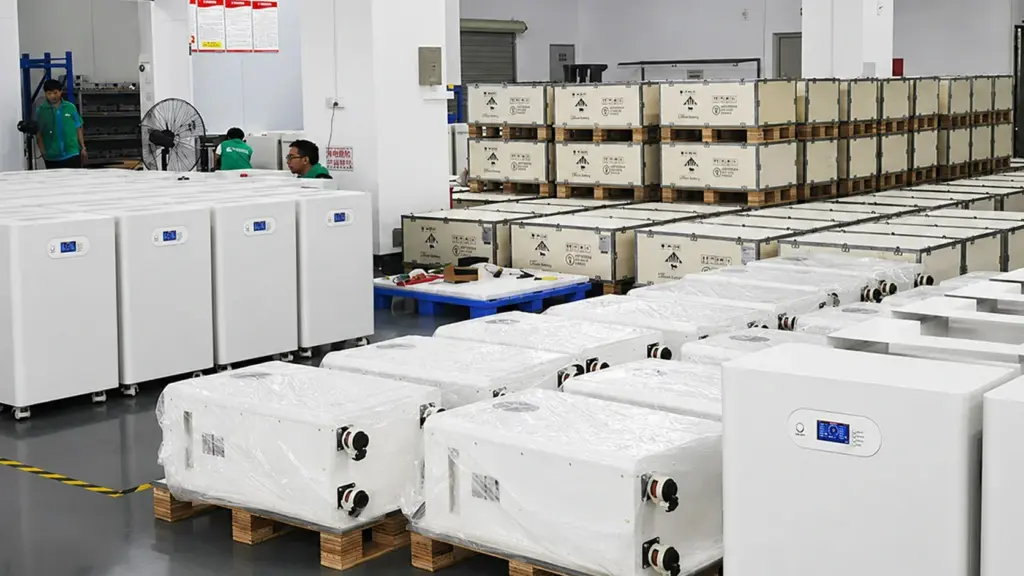
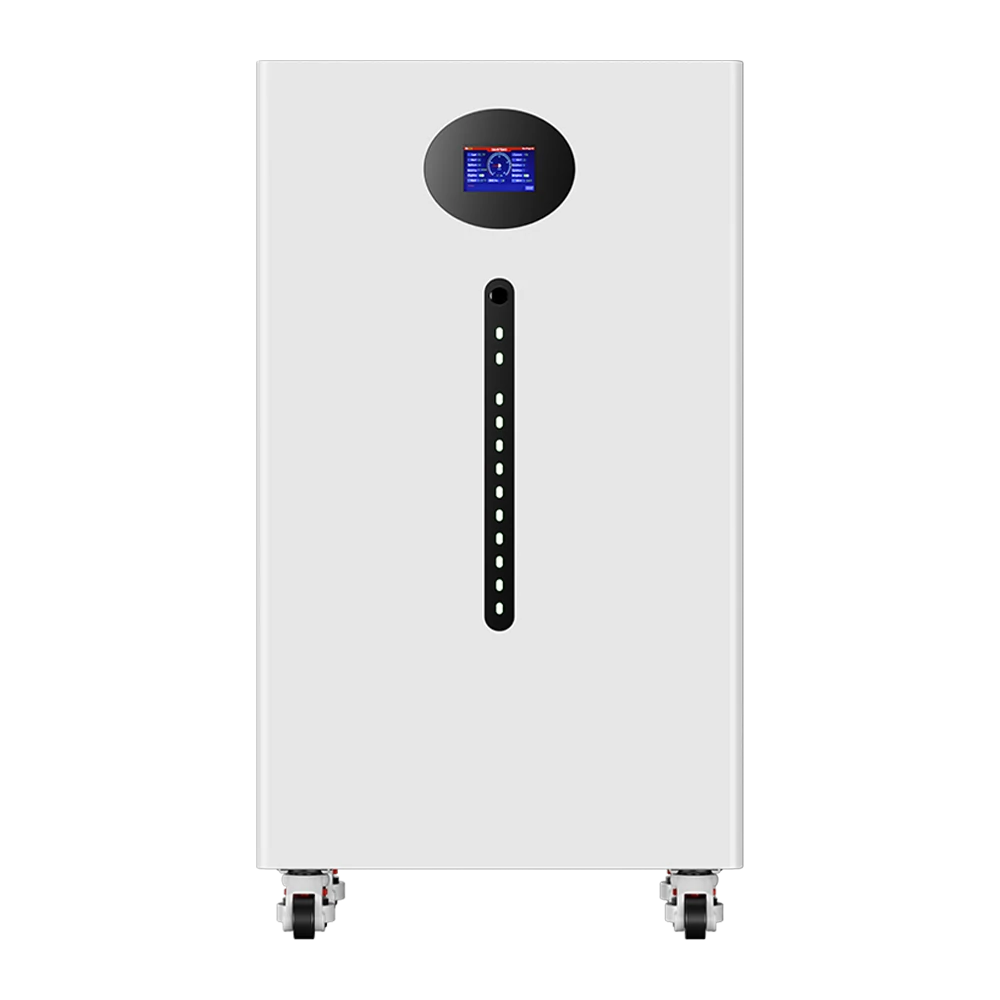
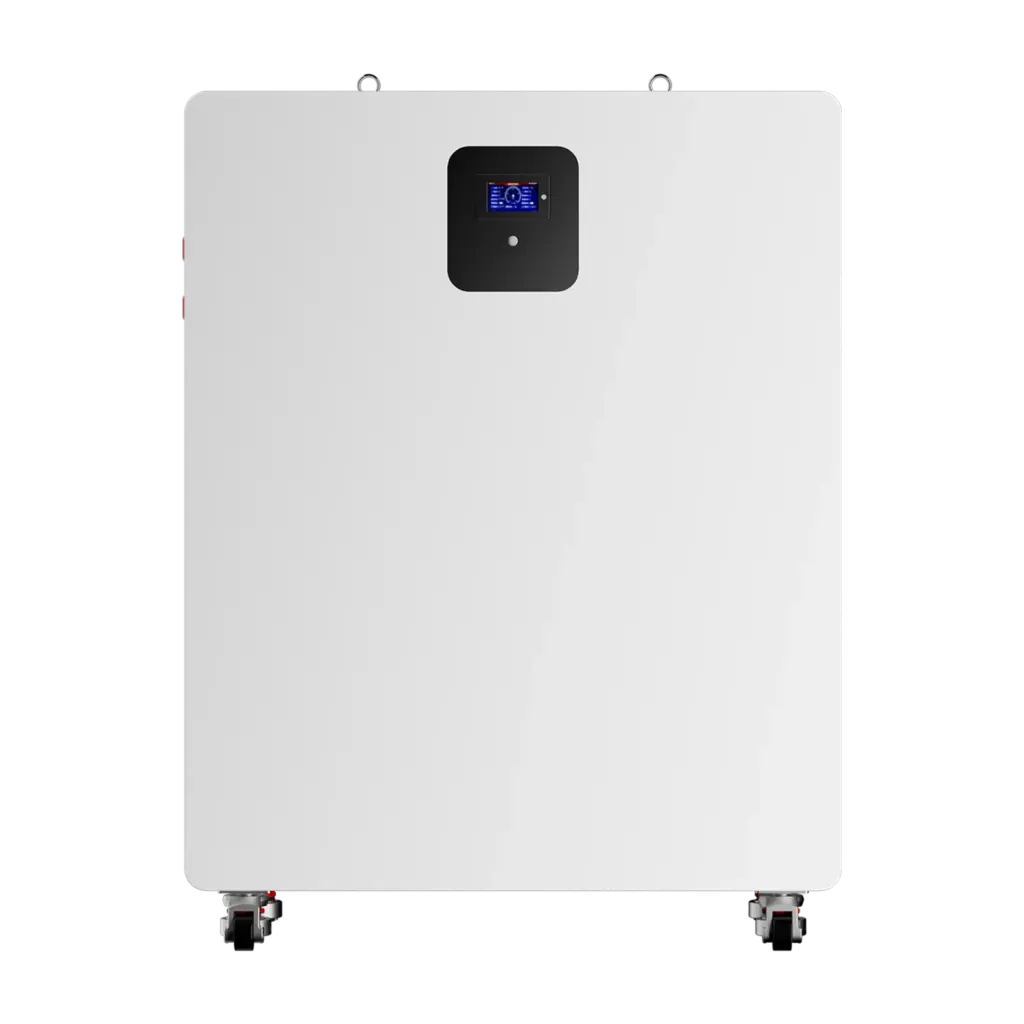
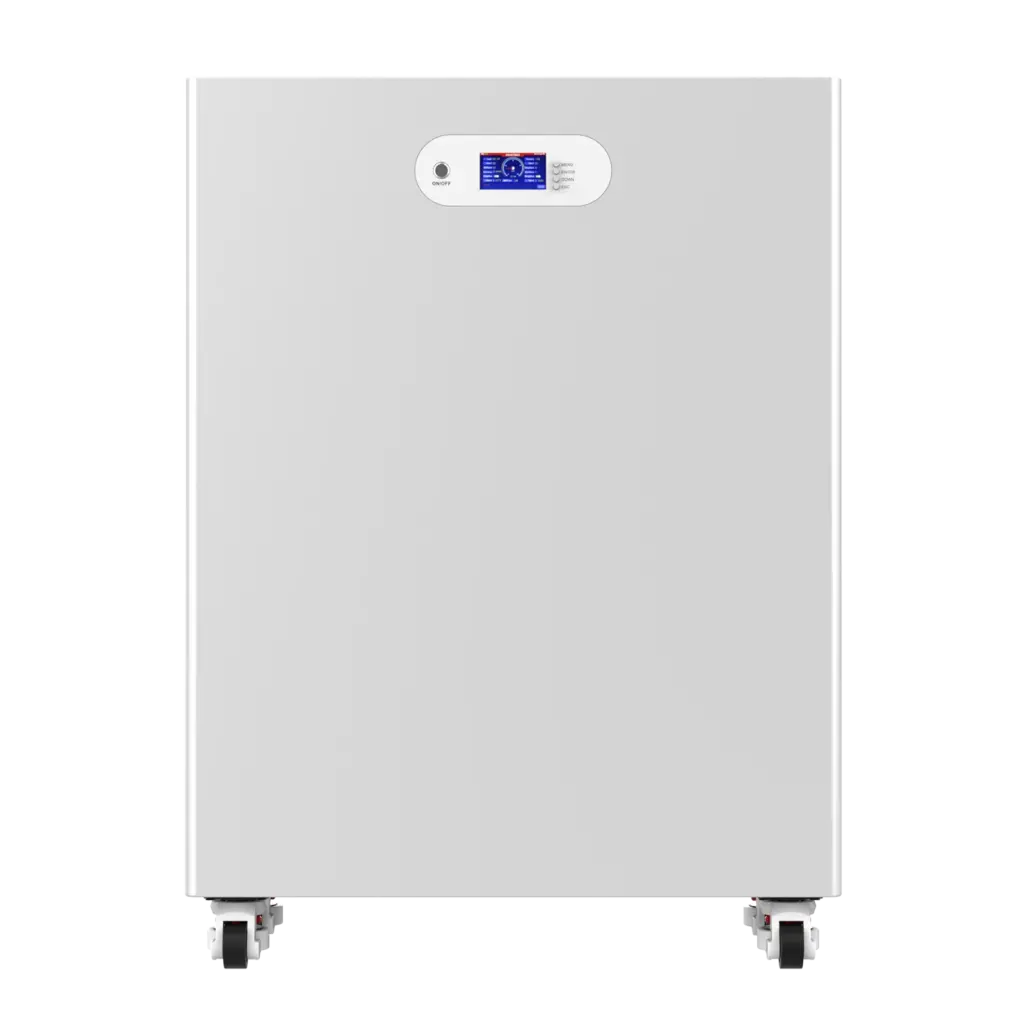
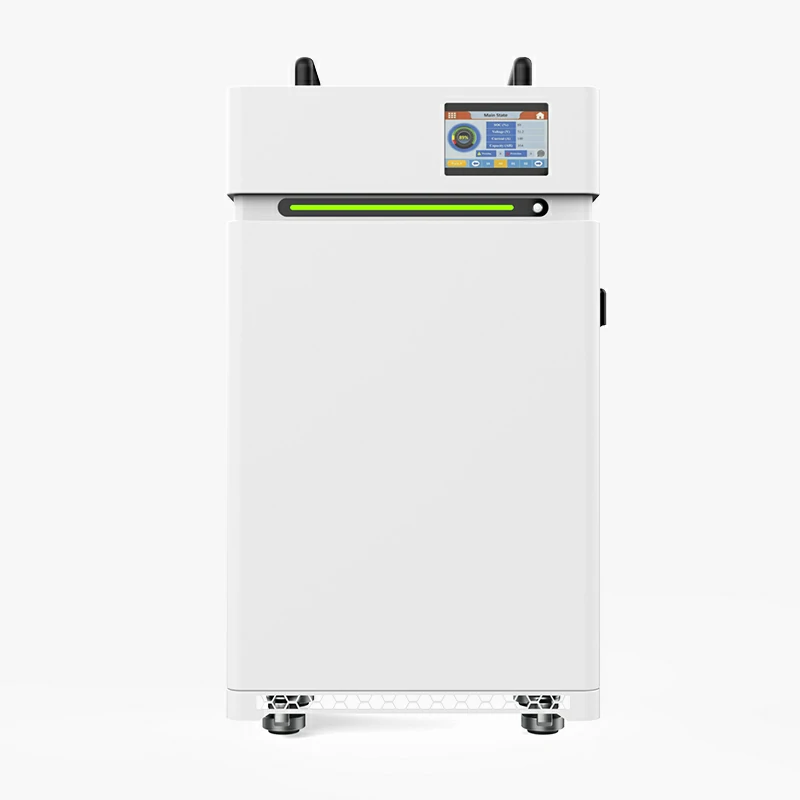
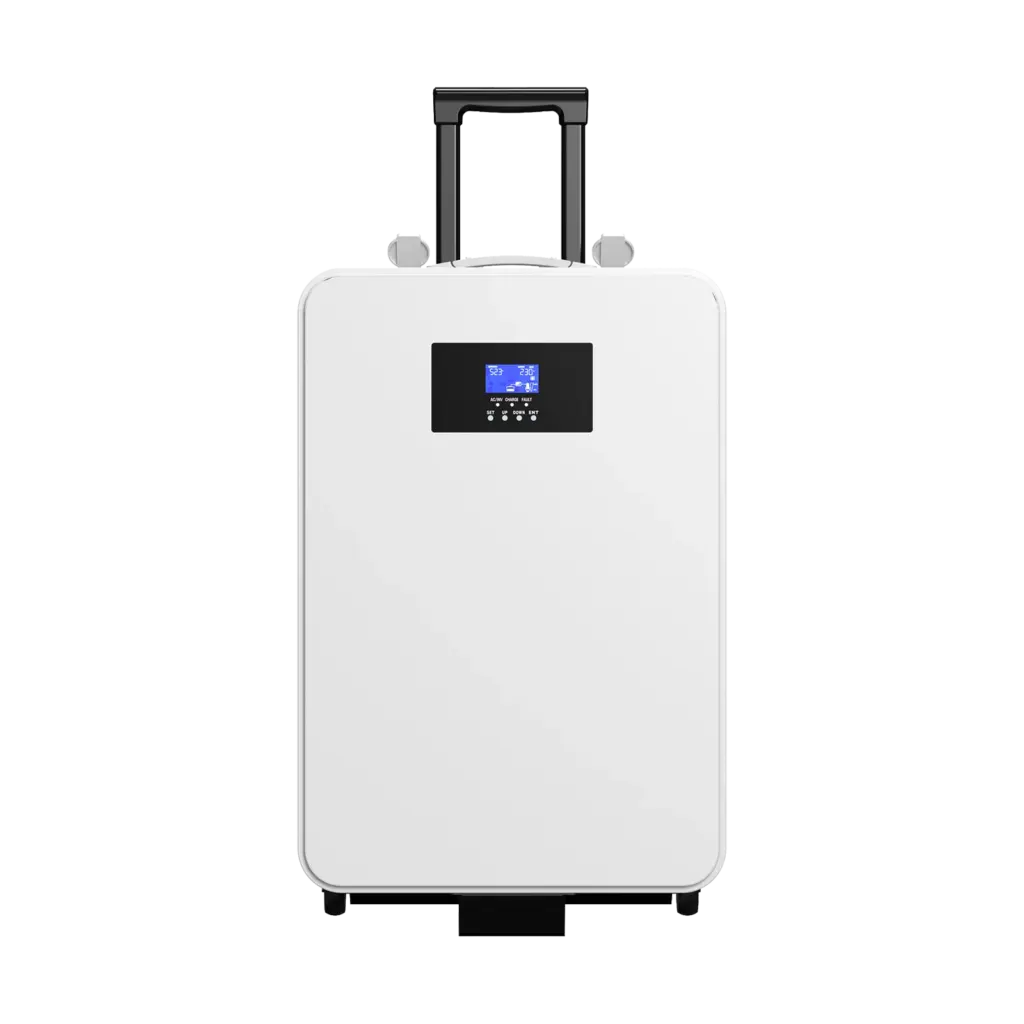
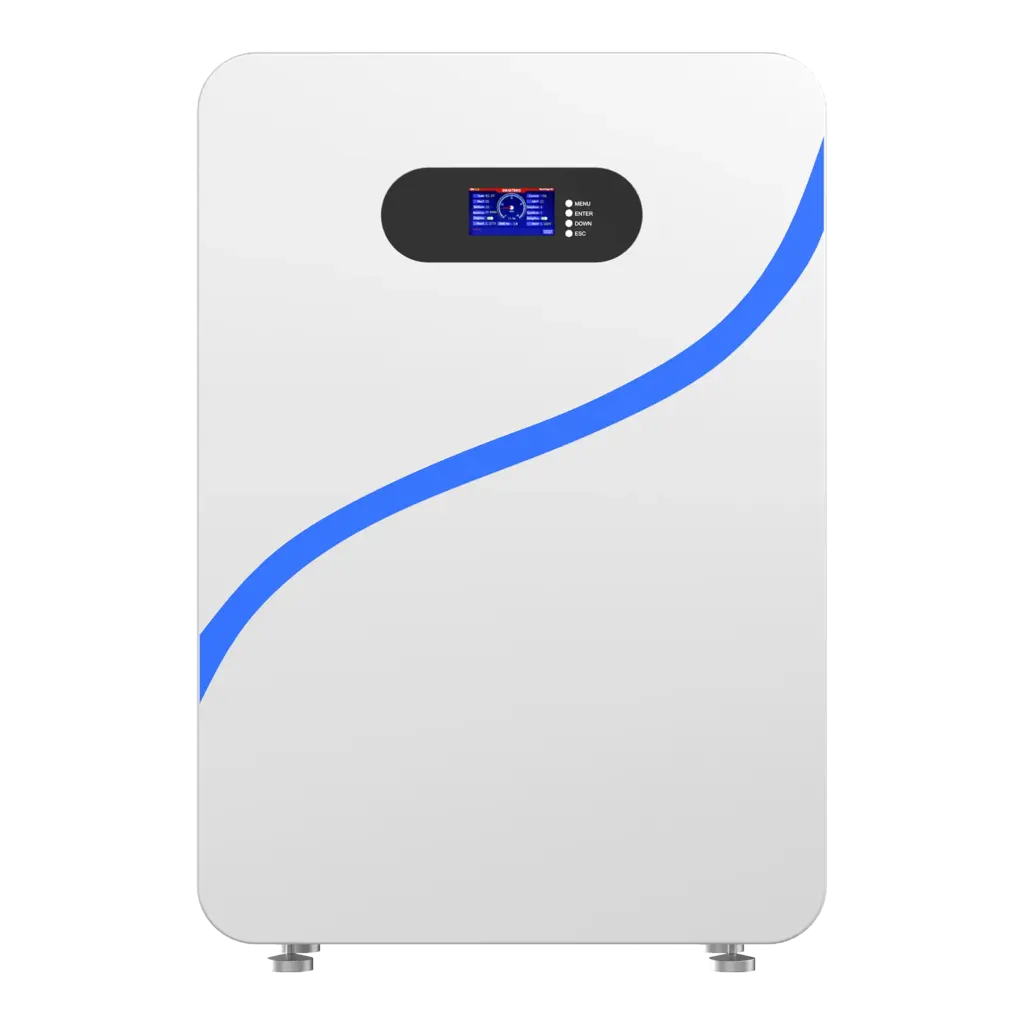
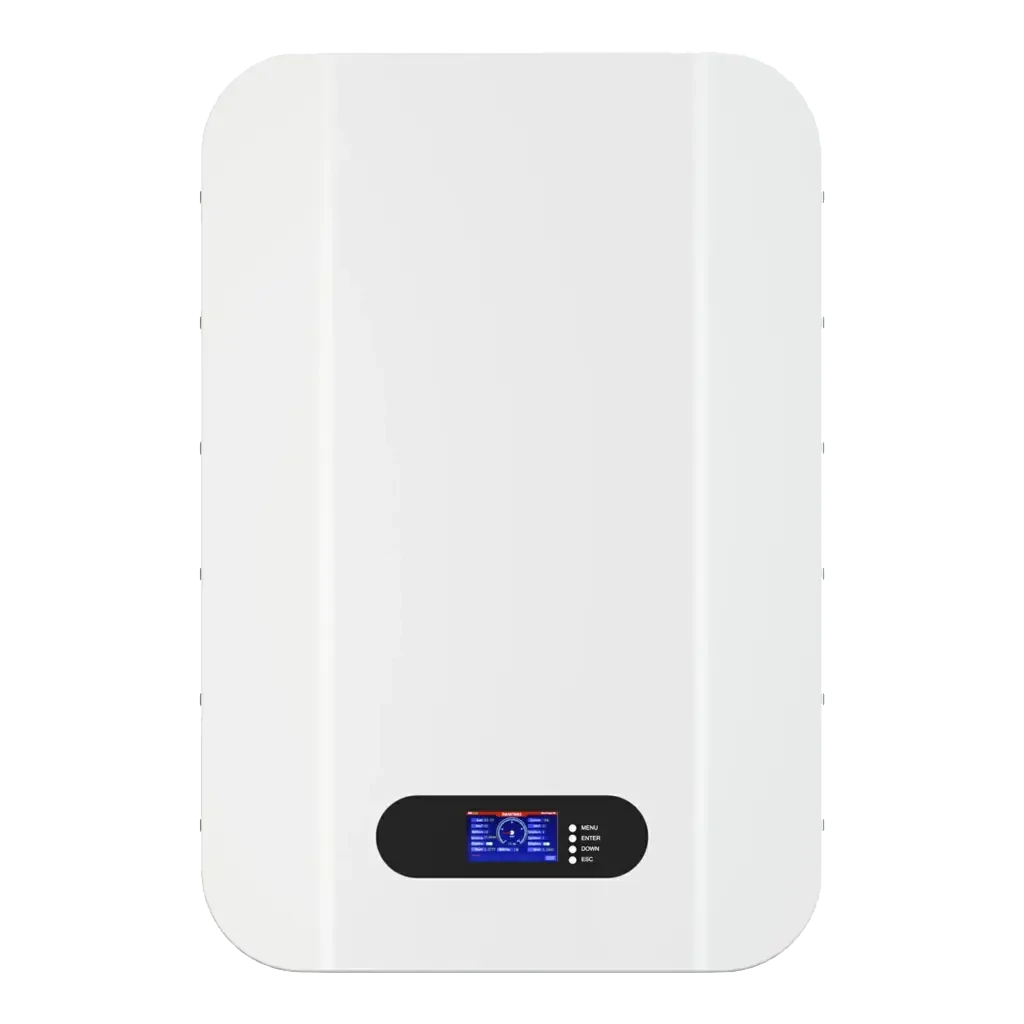
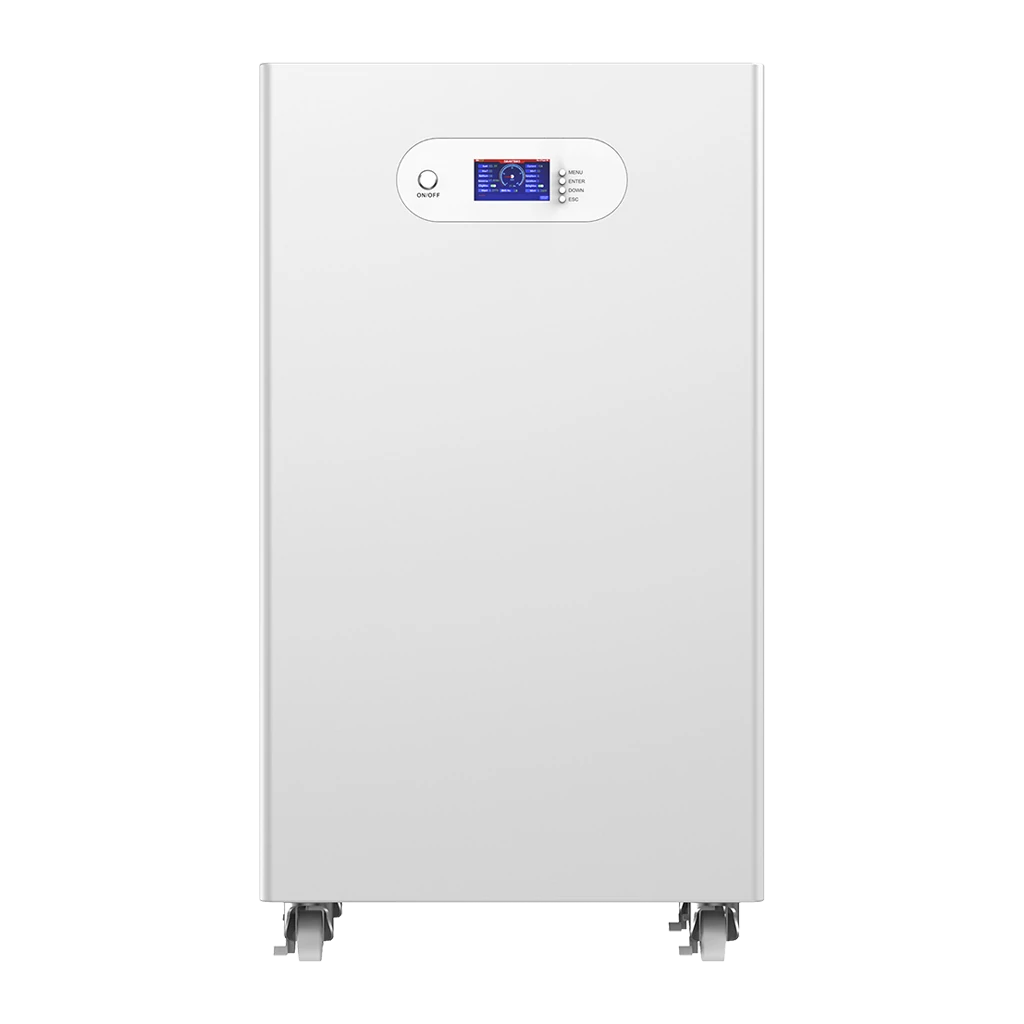
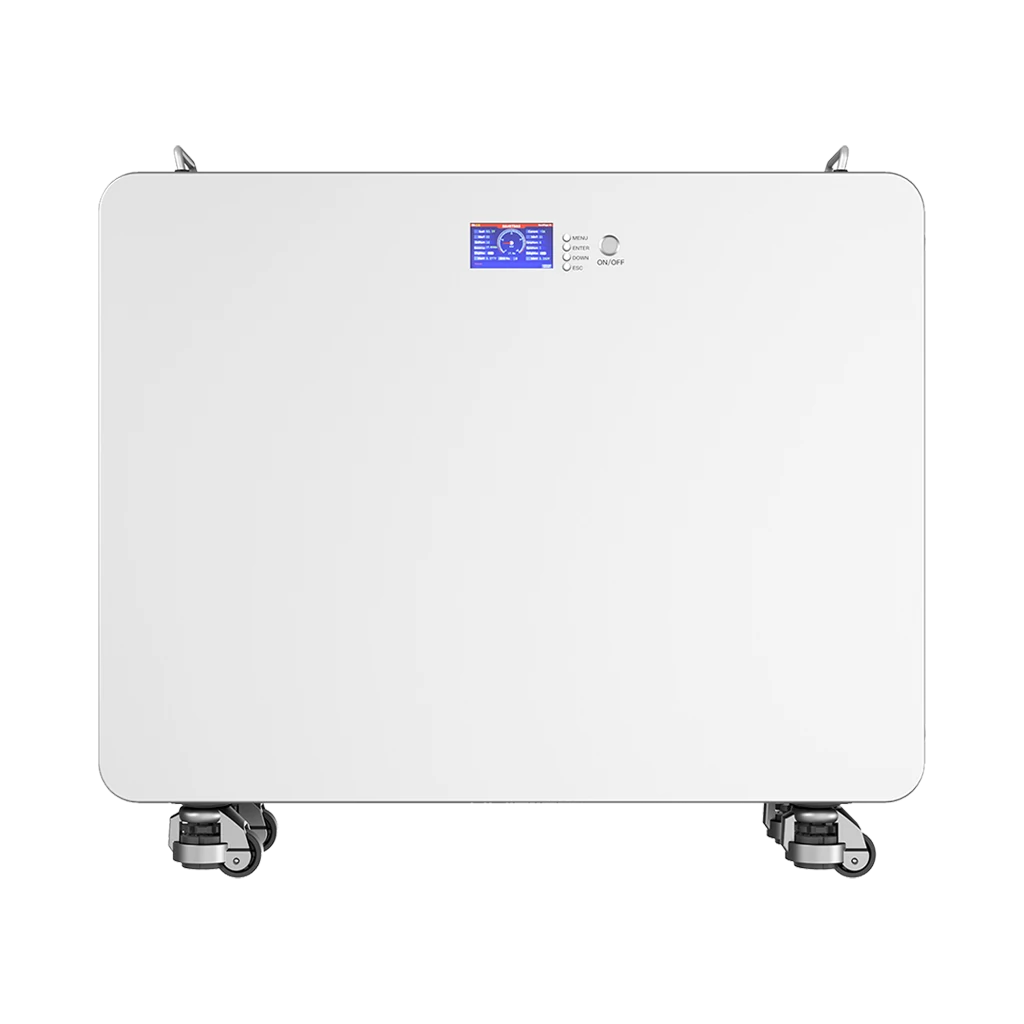
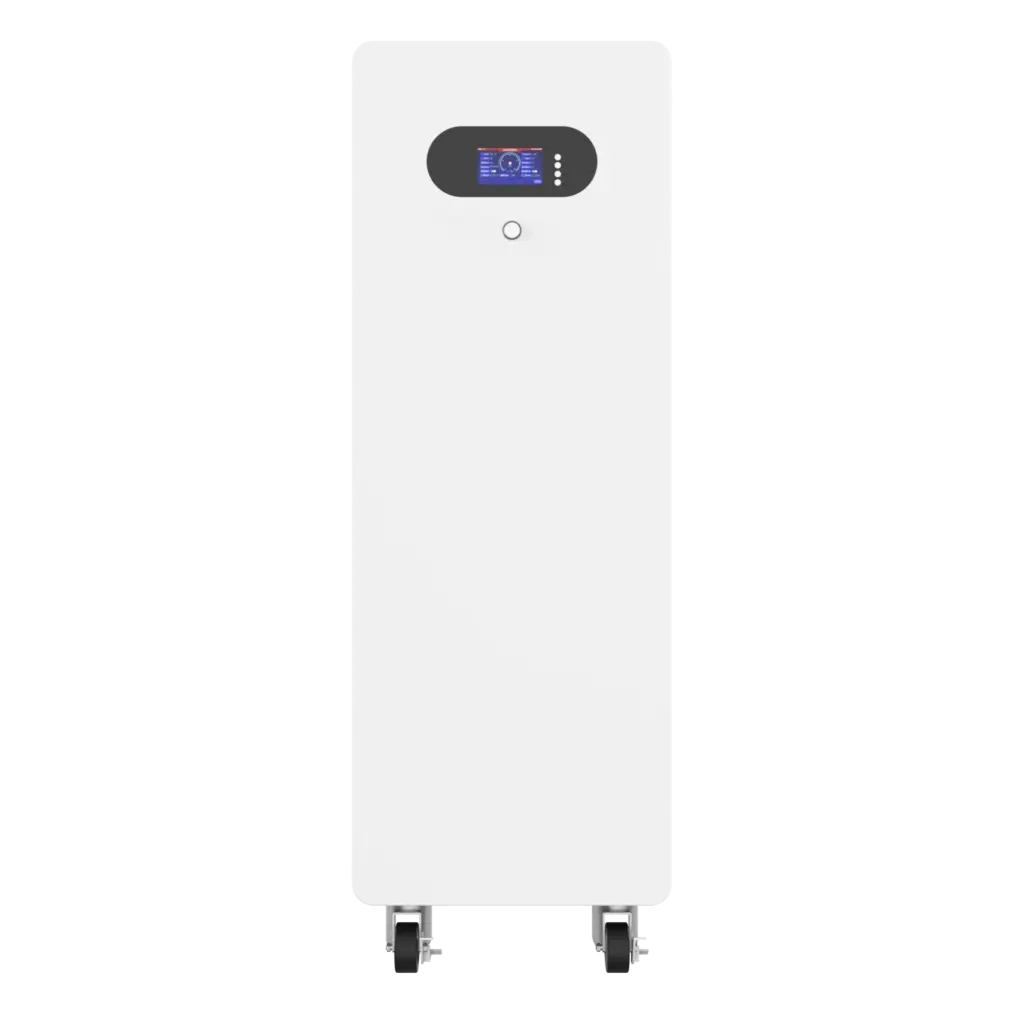
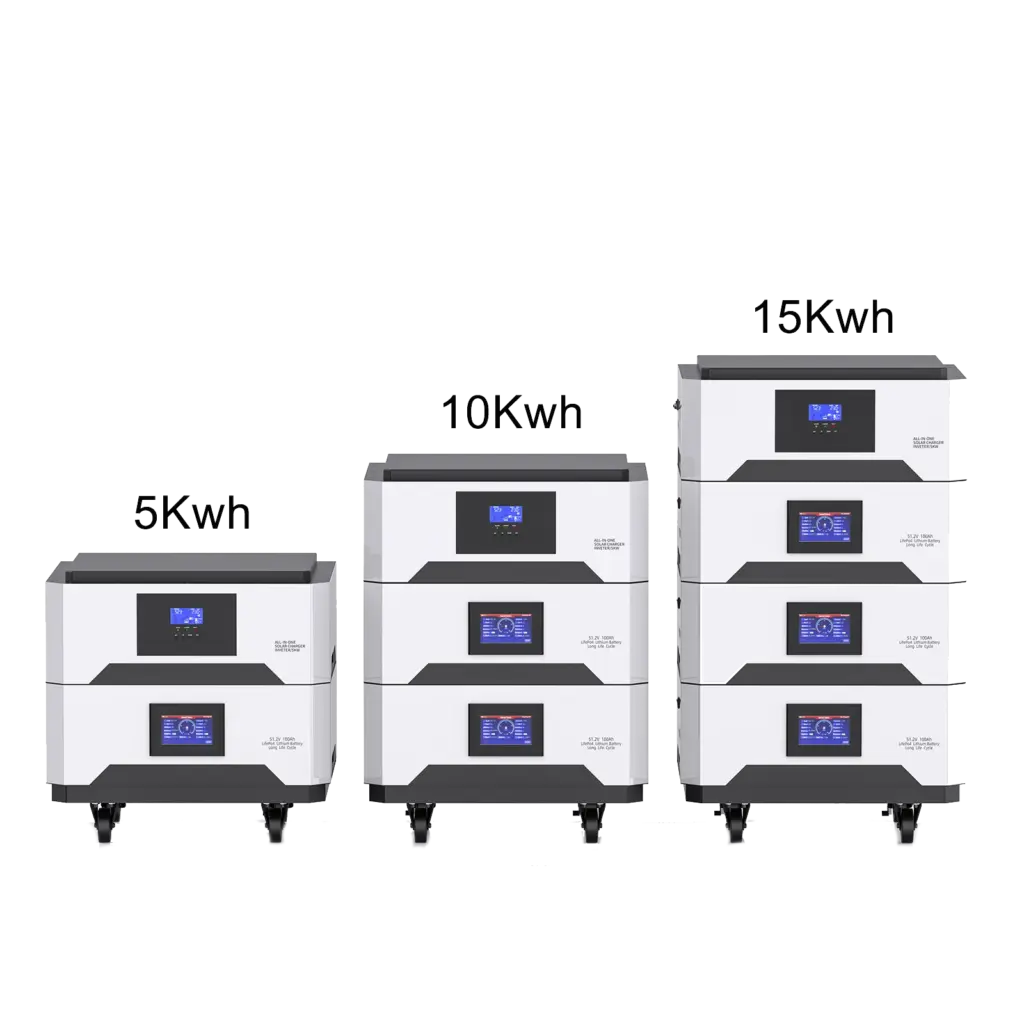
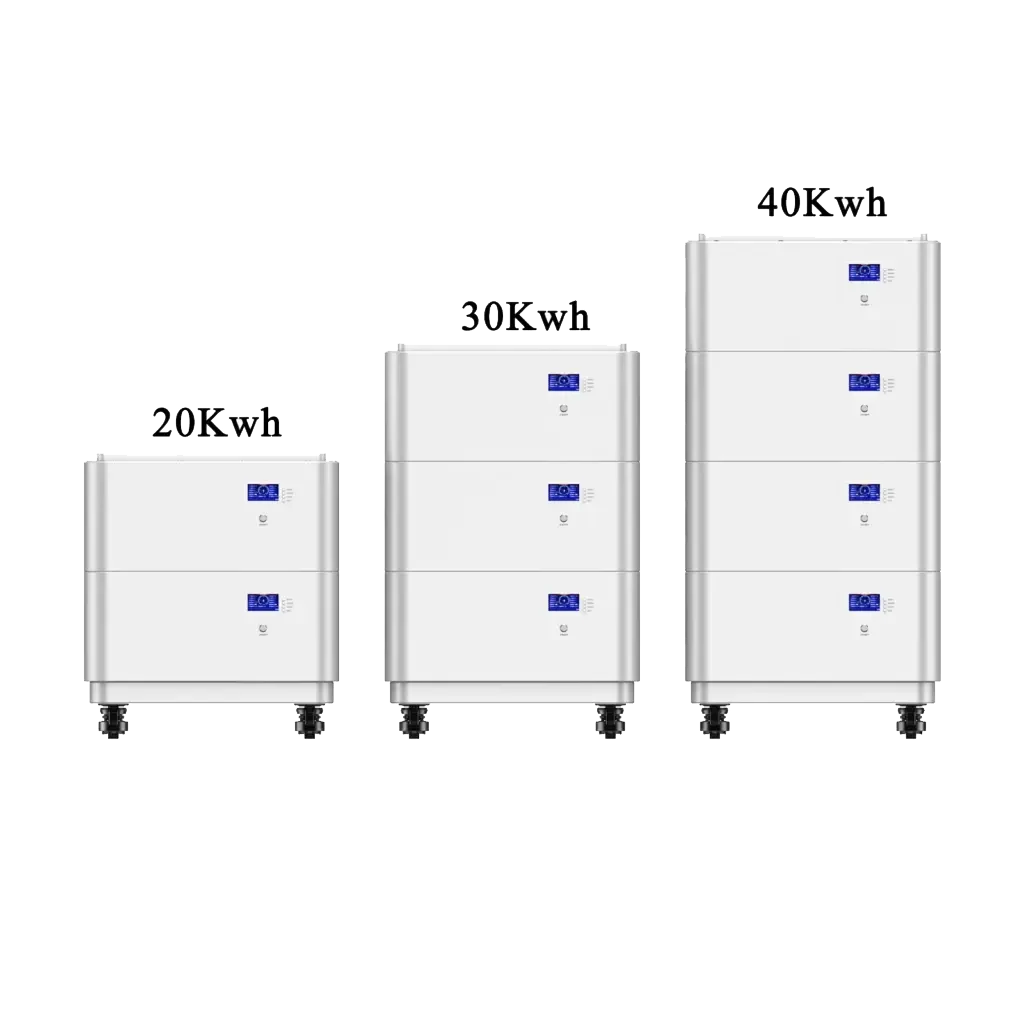
Upgrade to an Avepower Battery Energy Storage System and get a scalable solution that grows with your needs. Our modular platform starts from 40kWh and can expand up to 550kWh, so you can add capacity anytime based on your actual power consumption and future load plans.
As a dedicated battery manufacturer with 50+ R&D engineers, Avepower delivers the technical strength and production capability you need for reliable long-term performance. If you are looking for a trusted supplier for an off-grid solar system, Avepower is the partner you can count on. We provide a one-stop energy storage solution from system design to manufacturing and delivery, helping you deploy faster with less risk.
Contact us today for a tailored design and a one-stop home battery energy storage solution from factory to delivery.
Take Control of Your Energy with Avepower!
Reliable home solar battery solutions with OEM/ODM customization and in-house manufacturing, tailored to the needs of distributors, installers, and energy partners.
FAQ
A 40kW commercial solar-only system can be budgeted at approximately US$80,000–$120,000 in the United States under illustrative $2–$3/W installed-cost assumptions. In Australia, an indicative planning estimate is around A$38,000 after eligible STCs, based on interpolation between 30kW and 50kW commercial pricing. Actual quotes vary by location, equipment and installation conditions.
A 40kW solar system can generate approximately 128–176 kWh per day with 4–5.5 peak sun hours and an 80% performance ratio. Actual output depends on local solar conditions, shading, system orientation and equipment losses.
Under the same illustrative conditions, a 40kW system produces approximately 46,720–64,240 kWh annually. Production estimates should be verified using location-specific solar irradiation and system design data.
A 40kW system requires approximately 100 panels rated at 400W, 80 panels rated at 500W, or 73 panels rated at 550W. The final array capacity depends on whole-panel quantities and electrical design requirements.
A 40kW array using approximately 73 panels rated at 550W may occupy around 2,000 square feet of panel surface area, depending on module dimensions. The full installation may require additional space for spacing, access and maintenance.
Battery capacity depends on the site’s electricity consumption, backup loads and required operating time. For example, a 100kWh battery could provide approximately 3.6 hours of backup at a constant 20kW load under assumptions of 80% usable depth of discharge and 90% conversion efficiency.
The total cost includes the solar installation, battery capacity, inverter or PCS, controls and electrical integration. For example, a 100kWh commercial battery may require an illustrative US$50,000–$100,000 installed budget, in addition to the solar system. Actual combined project prices require a site-specific quotation.