

If you want to size a battery for solar, RV, home backup, or any small project, you need to understand battery amp hours (Ah).
Amp hours tell you how much current a battery can deliver over time.
This guide will show you how to easily calculate a single battery’s Amp-Hours and how to figure out the total capacity of a larger battery bank (multiple batteries connected together).
What Is An Amp Hour (Ah)?
An amp hour (Ah) is a way to describe how much electric charge a battery can deliver.
- An amp (A) tells you how strong the electric current is.
- An hour (h) tells you how long the current flows.
- An amp hour (Ah) tells you how many amps a battery can deliver for how many hours.
If a battery can deliver 5 amps for 10 hours, then the battery has: Ah=5 A×10 h=50 Ah
So you can say:
- The battery has a 50Ah capacity.
Most battery makers test at a standard discharge time, often 20 hours. So a “100Ah @ 20h” battery is designed to provide 5A continuously for 20 hours under test conditions.
Related resources: what is ah
How Amp Hours Are Different From Watt Hours
Many modern batteries, especially lithium batteries, also show watt hours (Wh) or kilowatt hours (kWh).
- Voltage (V) tells you how “strong” the electrical push is.
- Amp hours (Ah) tell you how much current over time.
- Watt hours (Wh) tell you how much total energy the battery stores.
You can move between them with a simple formula: Wh=V×Ah
Amp-Hours to Watt-Hours Converter
Formula: Wh = Ah × V
Watt-Hours to Amp-Hours Converter
Formula: Ah = Wh ÷ V
Related resources: Watt Hours to Amp Hours
The Two Core Formulas For Amp Hours
You only need two simple formulas to calculate amp hours.
Formula 1: Amp Hours From Current And Time
If you know how much current a device or system draws in amps and how long it will run, you can use:
Amp Hours (Ah) = Amps × Hours
Example 1:
A small water pump draws 4A and runs for 3 hours.
- Amp hours required = 4A × 3h = 12Ah
If you want a battery that can run that pump once a day, you need at least 12Ah of usable capacity just for that pump.
Related resources: Amp Hours to Watt Hours
Formula 2: Amp Hours From Watt Hours And Voltage
Sometimes you know the power in watts and the voltage, but not the amps. In that case, you can use this approach:
- You first find the energy in watt hours: Watt Hours (Wh) = Watts × Hours
- You then convert watt hours to amp hours: Amp Hours (Ah) = Watt Hours ÷ Volts
Example 2:
You have a 12V system and a device that uses 60W for 5 hours.
- Watt hours = 60W × 5h = 300Wh
- Amp hours at 12V = 300Wh ÷ 12V = 25Ah
So your battery needs 25Ah of usable capacity to run that device for 5 hours on a 12V system.
Related resources: How to Calculate Watt Hours of a Battery
Quick Calculator For Battery Amp Hours
Battery Amp Hours (Ah) Calculator
Pick a method and enter your numbers. The tool computes Amp-hours (Ah) and shows the formula used.
How To Calculate Amp Hours In A Battery Bank
A battery bank is a group of batteries connected together. You connect them in series, in parallel, or in a mix of both to reach the voltage and capacity you need.
Battery Bank Amp-Hours Calculator
Works for series, parallel, and series–parallel banks (identical batteries).
Total V = V_batt × Series • Total Ah = Ah_batt × Parallel • Wh = V_total × Ah_total • Batteries = Series × Parallel
Batteries In Parallel
When you connect batteries in parallel:
- You connect all positive terminals together and all negative terminals together.
- The voltage stays the same as one battery.
- The amp hours add together.
Total Voltage = Voltage of one battery
Total Ah = Sum of all Ah values
Example 5: Two 12V 50Ah Batteries In Parallel
- Total voltage = 12V
- Total capacity = 50Ah + 50Ah = 100Ah
So the bank is 12V 100Ah.
You often use parallel connections when you want more capacity at the same voltage.
Batteries In Series
When you connect batteries in series:
- You connect the positive of one battery to the negative of the next battery.
- The voltage adds up.
- The amp hours stay the same as one battery.
Total Voltage = Sum of each battery’s voltage
Total Ah = Ah of one battery (if same Ah)
Example 6: Two 12V 50Ah Batteries In Series
- Total voltage = 12V + 12V = 24V
- Total capacity = 50Ah
So the bank is 24V 50Ah.
You use series connections whenever you want a higher system voltage.
Series-Parallel Battery Banks
In many real systems, you need higher voltage and higher capacity, so you combine series and parallel.
Example 7: Four 12V 100Ah Batteries, 24V 200Ah Bank
You can build a 24V bank like this:
- You make two strings in series:
- String 1: 12V 100Ah + 12V 100Ah = 24V 100Ah
- String 2: 12V 100Ah + 12V 100Ah = 24V 100Ah
- You connect the two strings in parallel:
- Total voltage = 24V
- Total Ah = 100Ah + 100Ah = 200Ah
So the final bank is 24V 200Ah.
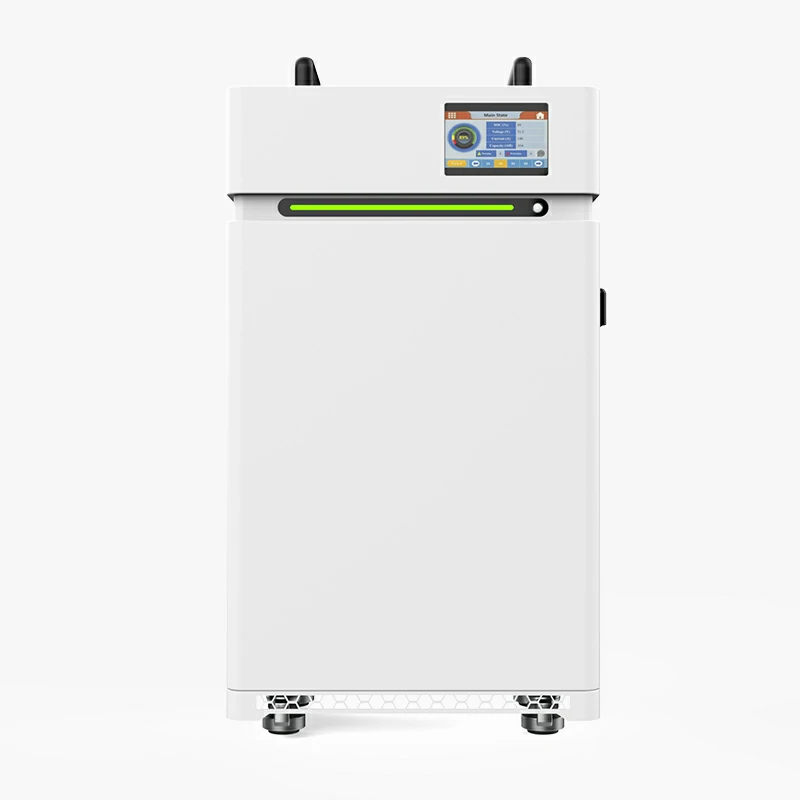
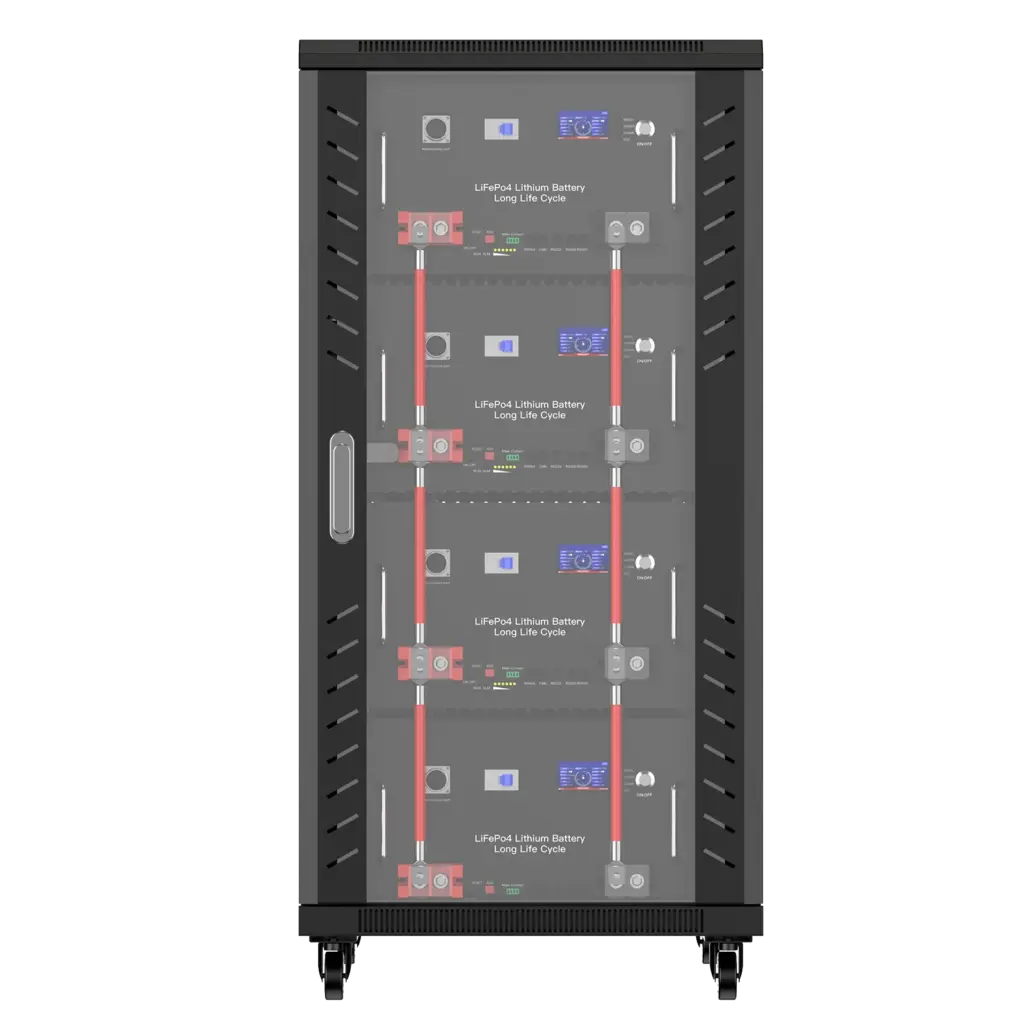
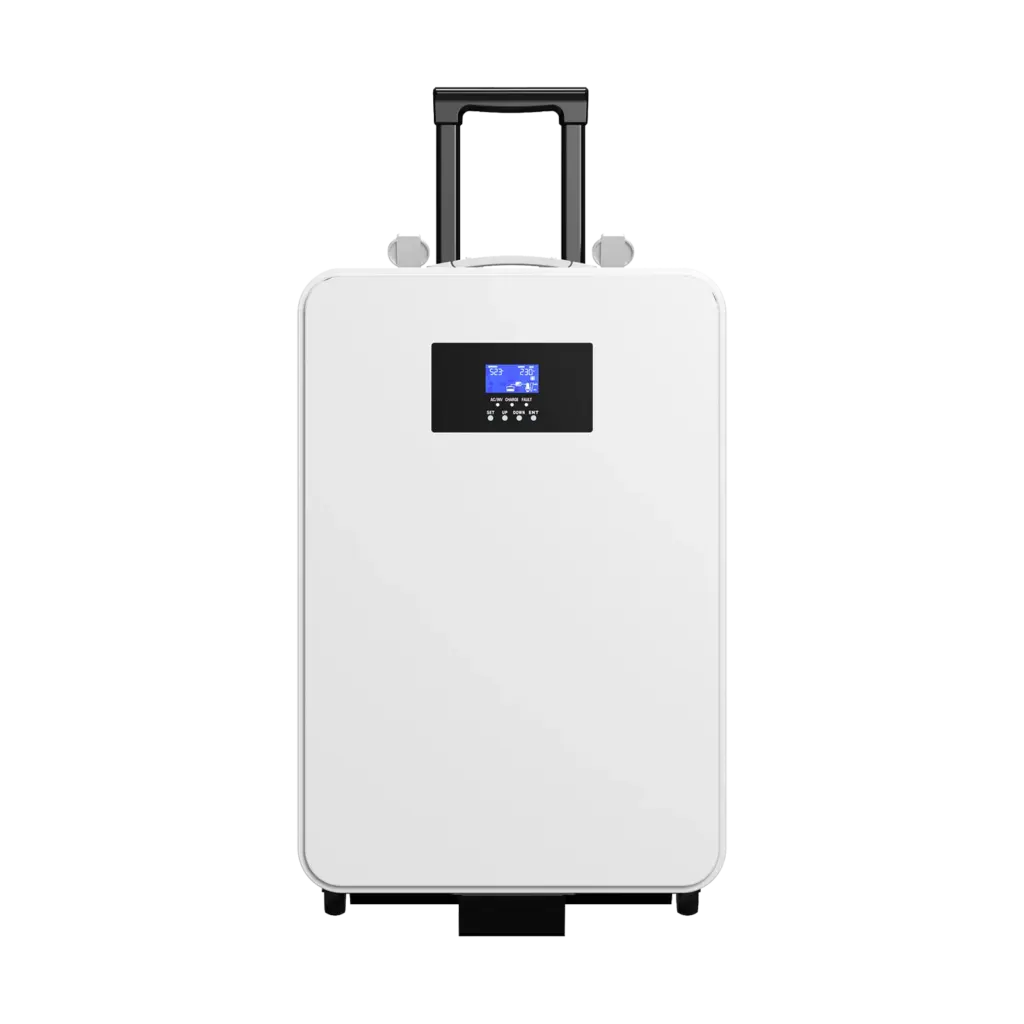
Avepower designs modular lithium battery systems that make series and parallel setups easier, especially for 24V and 48V solar storage. When you talk with a supplier, you can ask specifically for the voltage and Ah you want, and they can suggest the right combination or a single pre-assembled pack.
How To Read Battery Labels
Most batteries show their basic information on a sticker or printed label. You usually see:
- Voltage: for example, 12V, 24V, or 48V.
- Capacity: for example, 100Ah, 200Ah, or 500Wh.
- Type: for example, LiFePO4, lithium-ion, AGM, or gel.
| Label Field | What The Field Means | Simple Example |
|---|---|---|
| Voltage (V) | The electrical “pressure” level of the battery | 12V, 24V, 48V |
| Capacity (Ah) | The amount of current over time the battery can deliver | 100Ah, 200Ah |
| Energy (Wh or kWh) | The total stored energy (Wh = V × Ah) | 5120Wh, 10.2kWh |
| Chemistry Type | The battery’s internal material and design | LiFePO4, AGM |
Avepower packs, for example, clearly mark voltage, amp hours, and energy in kWh, so you can size your system with less guesswork.
Common Battery Bank Setups
This table shows some sample setups that many users ask about.
| Setup Type | Configuration Example | Resulting Voltage | Resulting Ah | Total Energy (Wh) |
|---|---|---|---|---|
| Single 12V Battery | One 12V 100Ah battery | 12V | 100Ah | 1200Wh |
| 12V Parallel Bank | Four 12V 100Ah in parallel | 12V | 400Ah | 4800Wh |
| 24V Series Bank | Two 12V 100Ah in series | 24V | 100Ah | 2400Wh |
| 24V Series–Parallel Bank | Four 12V 100Ah (2S2P) | 24V | 200Ah | 4800Wh |
| 48V Series Bank | Four 12V 100Ah in series | 48V | 100Ah | 4800Wh |
| 48V Modular Pack | One 48V 100Ah LiFePO4 module | 48V | 100Ah | 4800Wh |
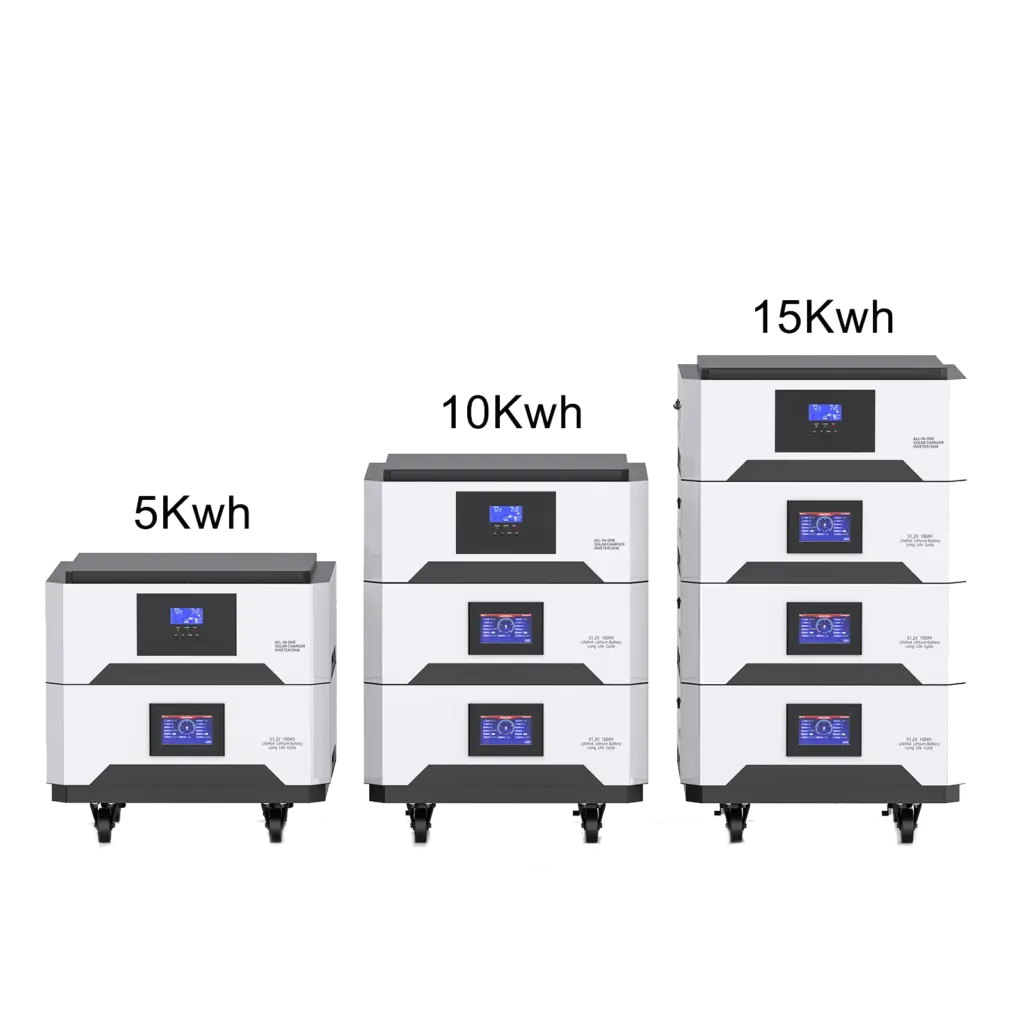
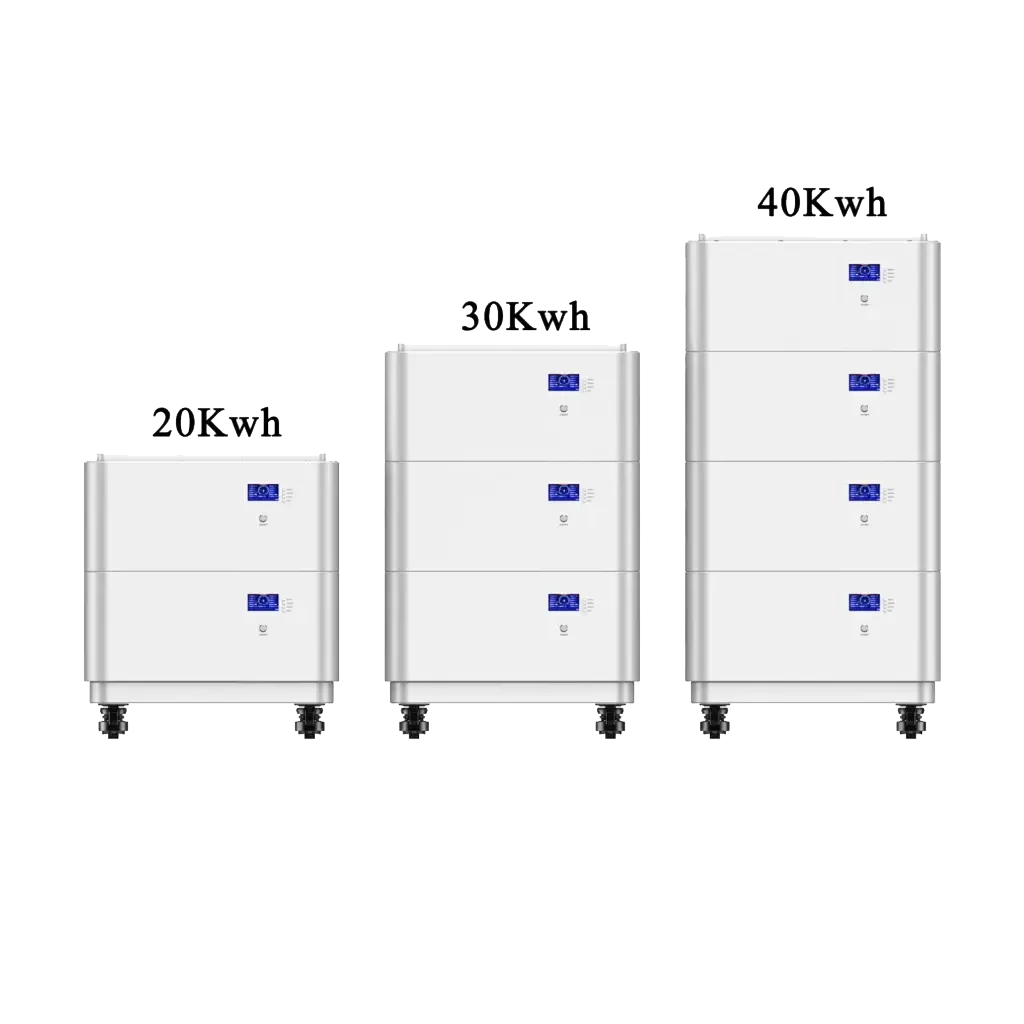
Avepower and similar manufacturers often provide modular 48V LiFePO4 packs that you can stack in parallel. That way, you can reach 10kWh, 15kWh, 20kWh or more without doing complex wiring yourself.
Amp Hours Are The Same, But Usable Energy Changes
The amp hour calculation works the same way for every battery type, but the usable percentage of those amp hours changes.
- AGM battery or flooded lead-acid batteries usually run best when you only use 40–50% of the Ah rating on a daily basis.
- LiFePO4 lithium batteries often allow 70–90% usable capacity, depending on design and warranty.
If both batteries have the same label, for example 12V 100Ah, the lithium battery often gives you more usable energy every day.
How Avepower Can Support Your Battery Amp-Hour Planning
After you understand how to calculate amp hours yourself, you can talk with suppliers in a much more confident way. You know your daily loads, your system voltage, and your target Ah and Wh.
Avepower is a battery manufacturer with long experience in home and commercial energy-storage systems. The company designs and produces battery packs and battery banks that use LiFePO4 cells, 8000+ cycle service life, and modular designs that support 12V, 24V, and 48V systems.
When you share your basic load list and your target amp-hour numbers with an Avepower sales engineer:
- The engineer can check your math and suggest a suitable margin.
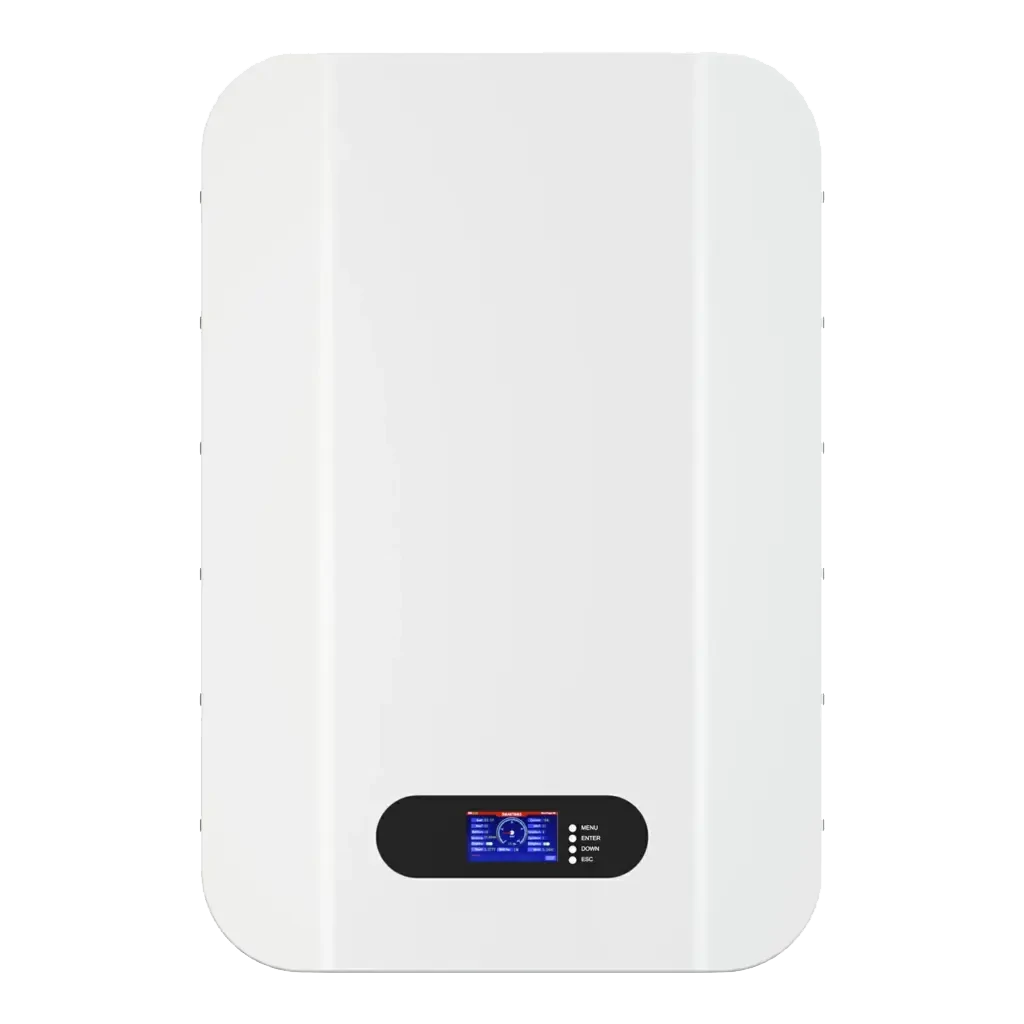
- The engineer can match your target voltage and amp hours with a standard product (for example, a 48V 200Ah wall-mounted pack).
- The engineer can suggest a custom configuration if you need special voltage, capacity, or cabinet design.
You do not need to know every technical term when you contact Avepower. If you can say, for example, “I need about 10kWh usable per day at 48V with two days of backup,” the engineer can translate that into the right Ah and the right battery configuration.
Contact us today to discuss your project.
Take Control of Your Energy with Avepower!
Reliable home solar battery solutions with OEM/ODM customization and in-house manufacturing, tailored to the needs of distributors, installers, and energy partners.
FAQ
“100Ah” means that the battery can deliver 100 amps for 1 hour, or 10 amps for 10 hours, or any other amps × hours combination that equals 100, under test conditions. Real-life performance may be lower due to load, temperature, and age.
You should not mix different Ah ratings, brands, or ages in one bank. You should use matching batteries so that each battery shares the work evenly.
Yes. As the battery ages, its real amp hour capacity drops. So a 100Ah battery that has many cycles may behave like an 80Ah or 70Ah battery. Quality LFP batteries from good manufacturers age more slowly than low-grade batteries.
House batteries and energy-storage batteries mainly use Ah and Wh. Starter batteries focus more on CCA.
Yes. You can use a battery monitor or coulomb counter that measures all the current in and out of the battery over time. The monitor calculates Ah and Wh used and remaining.