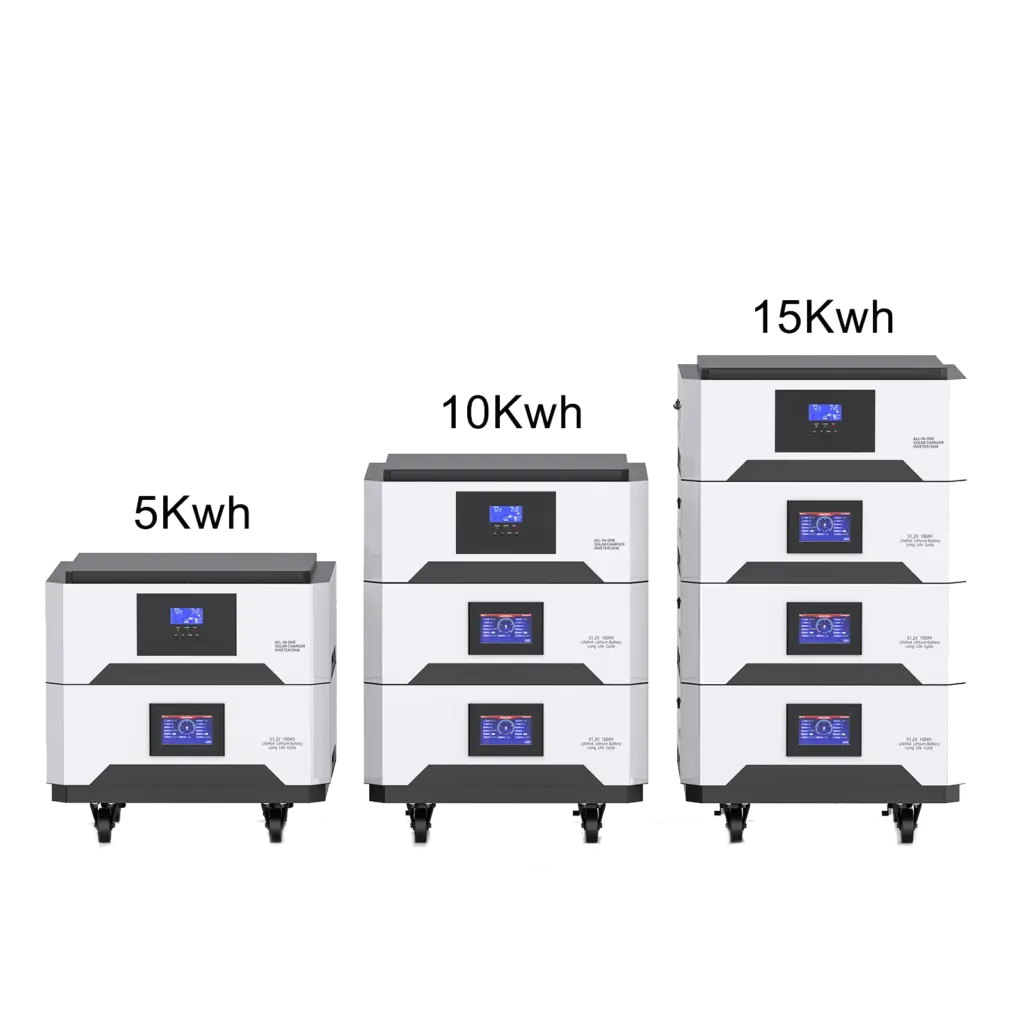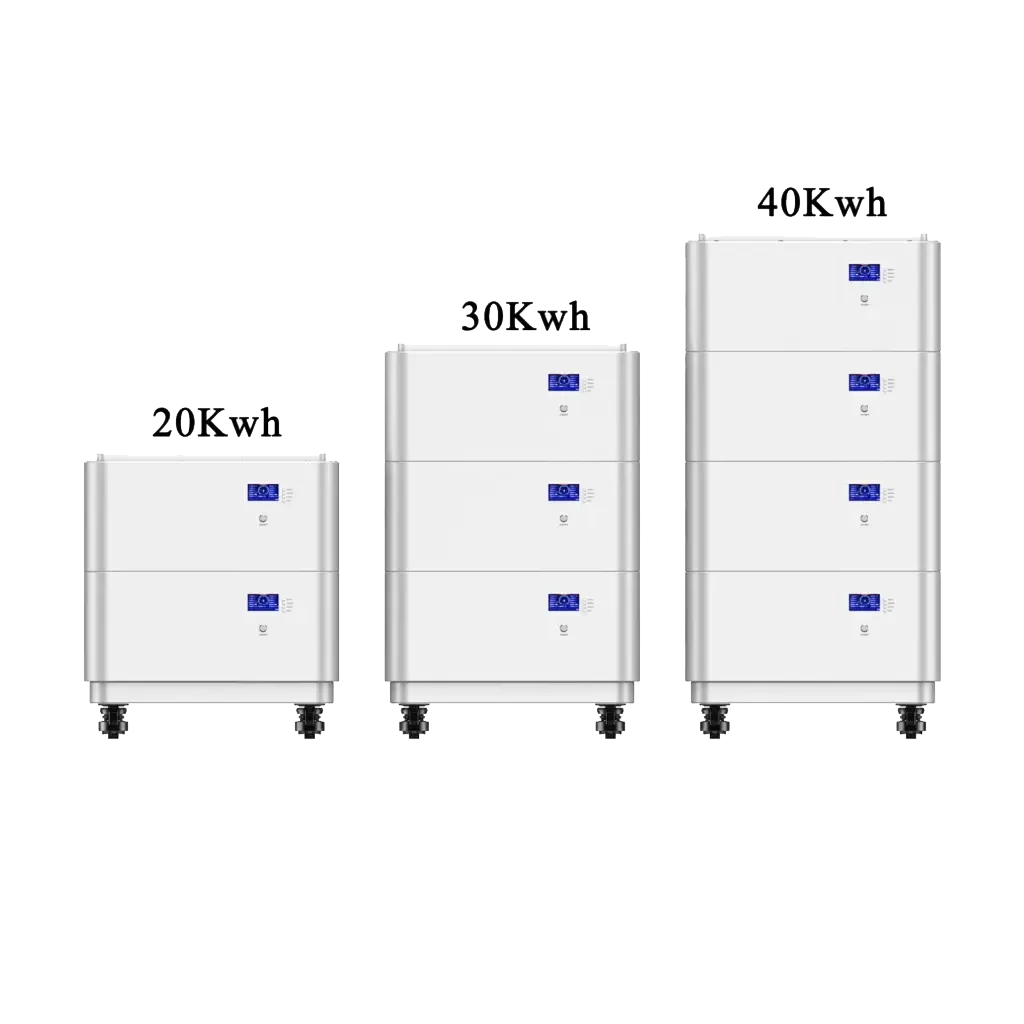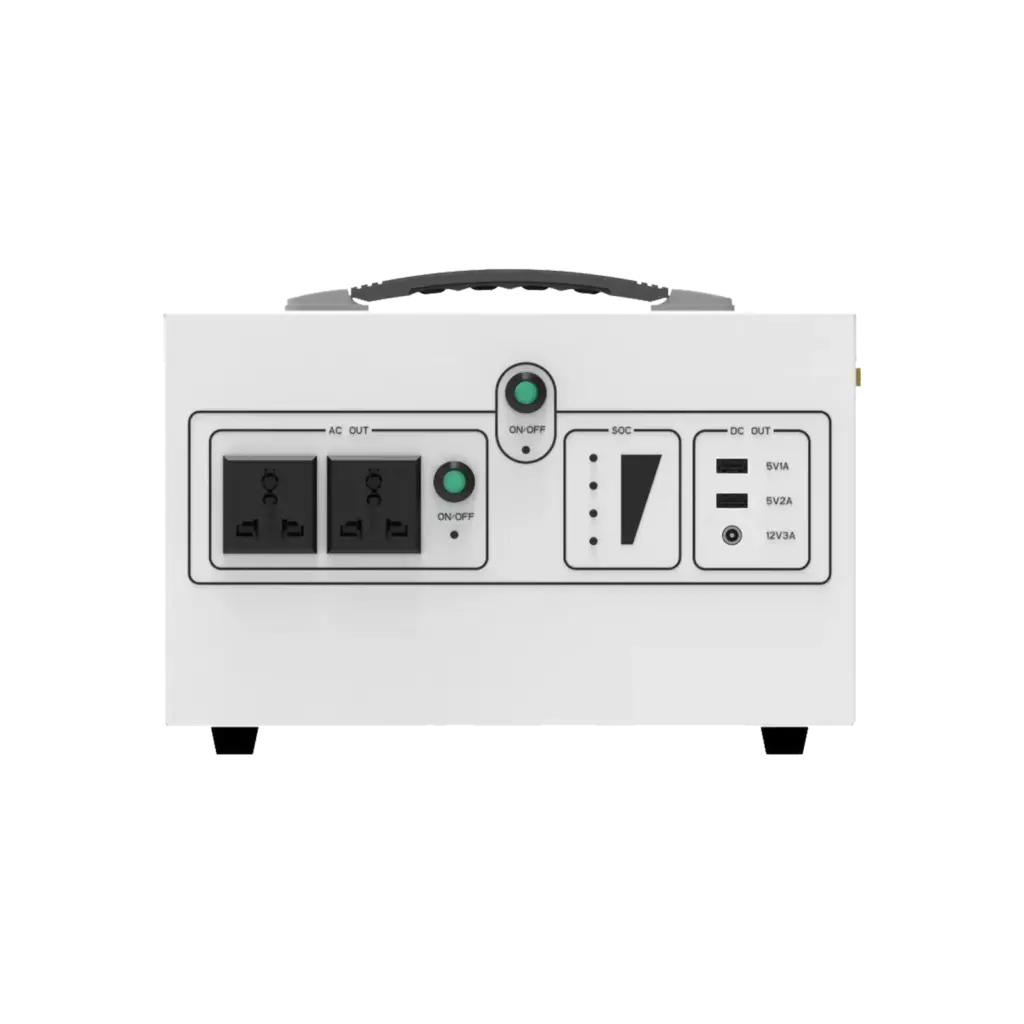


Connecting batteries in a series or parallel arrangement is a common practice when a single battery cannot meet the power needs of an electrical system. Whether you are powering an RV, a boat, an off-grid cabin, or a large-scale home energy system.
But what exactly do these terms mean, and which configuration is right for your needs? In simple terms, wiring batteries in series raises the system voltage but keeps the amp-hour capacity the same, while wiring batteries in parallel keeps the voltage the same but increases total capacity. So the first question is not “which one is better?” but “does my inverter, charger, or load require higher voltage or longer runtime?”
In this article, we’ll break down the differences between series and parallel battery connections, explore their benefits and drawbacks, explain how to safely set them up, and provide real-life examples to help you make the right choice.
Quick Answer: Batteries in Series vs Parallel
Batteries in series are used when you need higher voltage. For example, two 12V 100Ah batteries in series become a 24V 100Ah battery bank. Batteries in parallel are used when you need more capacity and longer runtime. For example, two 12V 100Ah batteries in parallel become a 12V 200Ah battery bank.
The total stored energy can be the same in both examples:
- Series: 24V × 100Ah = 2,400Wh
- Parallel: 12V × 200Ah = 2,400Wh
The difference is how that energy is delivered. Series increases voltage and lowers current for the same power level, which can help reduce cable losses in higher-power systems. Parallel increases amp-hour capacity and runtime, but it can also increase available fault current, so correct fusing, busbars, cable sizing, and battery matching become more important.
| Feature | Batteries in Series | Batteries in Parallel |
|---|---|---|
| Primary Purpose | Increase voltage | Increase capacity and runtime |
| Wiring Method | Positive terminal to negative terminal | Positive to positive, negative to negative |
| Total Voltage | Adds together | Stays the same as one battery |
| Total Capacity Ah | Stays the same as one battery | Adds together |
| Example | 2 × 12V 100Ah = 24V 100Ah | 2 × 12V 100Ah = 12V 200Ah |
| Total Energy Wh | Can remain the same with the same batteries | Can remain the same with the same batteries |
| Current at Same Power | Lower current | Higher current |
| Cable Requirement | Often smaller cables for the same power | Often thicker cables due to higher current |
| Best For | 24V, 48V, high-power inverters, longer cable runs | Longer runtime, expandable 12V/24V/48V battery banks |
| Failure Behavior | One weak battery can affect the whole string | One weak battery may cause imbalance but the bank may continue operating |
| Key Safety Point | Use matched batteries and correct charger voltage | Use matched batteries, equal-length cables, busbars, and branch protection |
Decision shortcut: choose series when your inverter or charge controller requires a higher input voltage; choose parallel when the system voltage is already correct but you need more runtime; choose series-parallel when you need both higher voltage and more usable capacity.

Build the Right Battery Bank for Your Solar System
Not sure whether your project needs series, parallel, or a scalable 48V battery solution? Avepower can help you match battery voltage, capacity, BMS communication, and inverter compatibility for residential and light commercial solar storage systems.
Batteries in Series
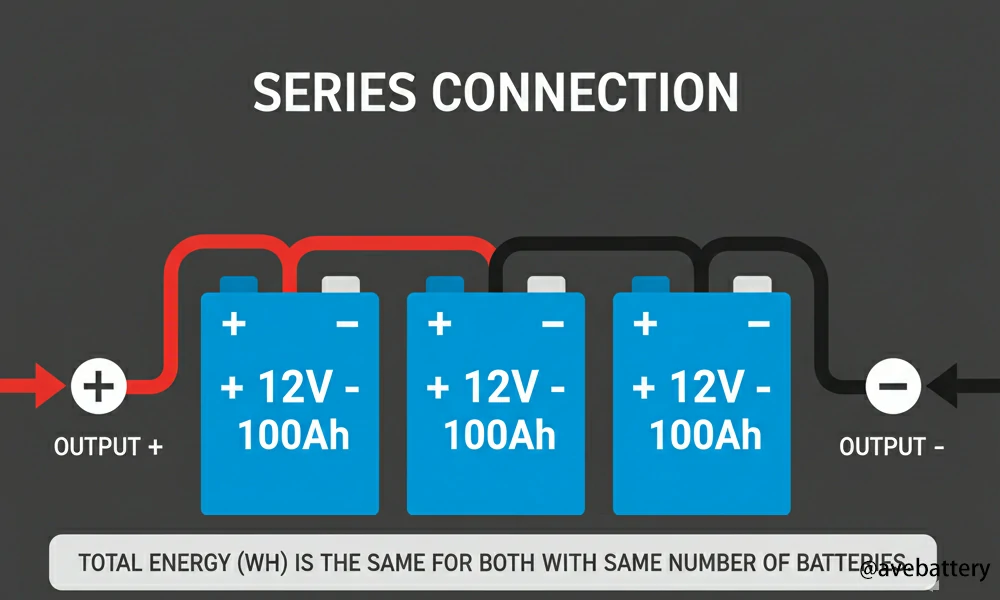
A series connection involves connecting the positive terminal (+) of one battery to the negative terminal (-) of the next battery. This pattern continues until all batteries are linked. The remaining free positive and negative terminals then connect to your load, such as an inverter or a system.
In a series connection, the total voltage of the battery bank equals the sum of the individual battery voltages, while the capacity remains the same. For example, connecting two 12V 100Ah batteries in series creates a 24V 100Ah system. So yes, you can put two 12V batteries in series — the result is a 24V bank, but you don’t get more amp-hours, only more voltage.
In practical solar and backup systems, series wiring is often used to build 24V, 48V, or higher-voltage battery banks. A higher-voltage battery bank can deliver the same power with lower current. For example, a 2,400W inverter load draws about 200A from a 12V bank, but only about 50A from a 48V bank before conversion losses. This is why many larger home solar batteries and off-grid systems use 48V or high-voltage architectures instead of staying at 12V.
However, series wiring is less forgiving of imbalance. Every battery in a series string carries the same current. If one battery is older, lower in capacity, poorly charged, or reaches BMS cutoff earlier, the whole string can shut down. For LiFePO4 batteries, always confirm the manufacturer’s approved series limit before wiring units in series.
For users comparing system voltage levels, Avepower’s guide on high voltage vs low voltage batteries explains how voltage choice affects system efficiency, inverter selection, cable sizing, and residential or commercial storage design.
Advantages of Series Connections
- Higher Voltage Output: Perfect for devices or inverters requiring 24V, 48V, or higher voltages.
- Lower Current Draw: Produces less current for the same power, allowing thinner cables and reducing energy loss.
- Cost Efficiency: Reduced current means smaller wiring and potentially lower installation costs.
- Long-Distance Suitability: Maintains voltage over longer cable runs, ideal when batteries are far from equipment.
- Stable Current Flow: All batteries deliver the same current, providing reliable and consistent power.
- Improved Efficiency: Higher voltage systems often operate more efficiently, especially in high-power applications.
- Good for “High Power” Systems: when motors, inverters, or marine equipment need more voltage rather than more Ah, a series string is the cleaner and safer option.
Disadvantages of Series Connections
- System Vulnerability: If one battery fails, the entire series string can be affected.
- Strict Matching Required: All batteries must have the same capacity and charge level to prevent imbalance.
- Maintenance Complexity: Monitoring and maintaining multiple batteries in series can be more challenging.
- Risk of Overcharge or Deep Discharge: Mismatched batteries can lead to uneven charging, reducing lifespan.
Some users feel that “batteries in series drain faster.” What’s really happening is that every battery in series must supply the same current to the load, so if the system is drawing a high continuous current, the whole string will reach a low SOC together. This is normal behavior for series banks, not a fault.
How to Connect Batteries in Series
Before wiring batteries in series, ensure all batteries have the same voltage and capacity. Mixing different batteries can be dangerous and may damage them. Here is a step-by-step guide to connecting batteries in series:
- Place all batteries in a safe, stable location close to each other.
- Connect the negative terminal of the first battery to the positive terminal of the second battery.
- Continue connecting the negative of one battery to the positive of the next until all batteries are linked.
- Connect the free positive terminal of the first battery to the positive input of your device or system.
- Connect the free negative terminal of the last battery to the system’s negative input.
- Double-check all connections, ensuring terminals are tight and secure, then power on the system or begin charging with a charger rated for the total series voltage.
Charging batteries in series is possible. Always use a charger compatible with the combined voltage of the series string to ensure safe and efficient charging.
Before powering the system, check four things:
- All batteries should have the same chemistry, nominal voltage, capacity, age, and state of charge.
- The charger must match the total series voltage, not the voltage of a single battery.
- The inverter or controller must be rated for the full battery bank voltage.
- The BMS must allow series connection. Some drop-in lithium batteries are not designed for unlimited series wiring.
Never mix LiFePO4 and lead-acid batteries in the same series string. Their voltage curves, charging behavior, internal resistance, and protection requirements are different.
Batteries in Parallel
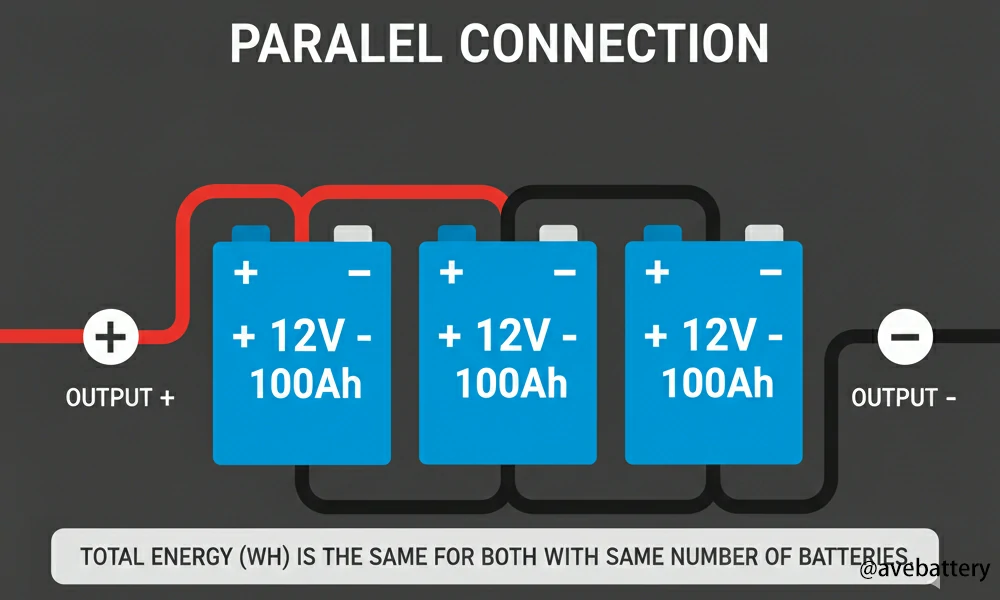
A parallel connection links all positive terminals together and all negative terminals together. Parallel connections increase the total current capacity while keeping voltage constant. While series connections increase voltage, parallel setups keep the voltage steady and add capacity (Ah). This makes it ideal for devices that need long-lasting power and provides a level of redundancy—if one battery fails, the rest continue to operate.
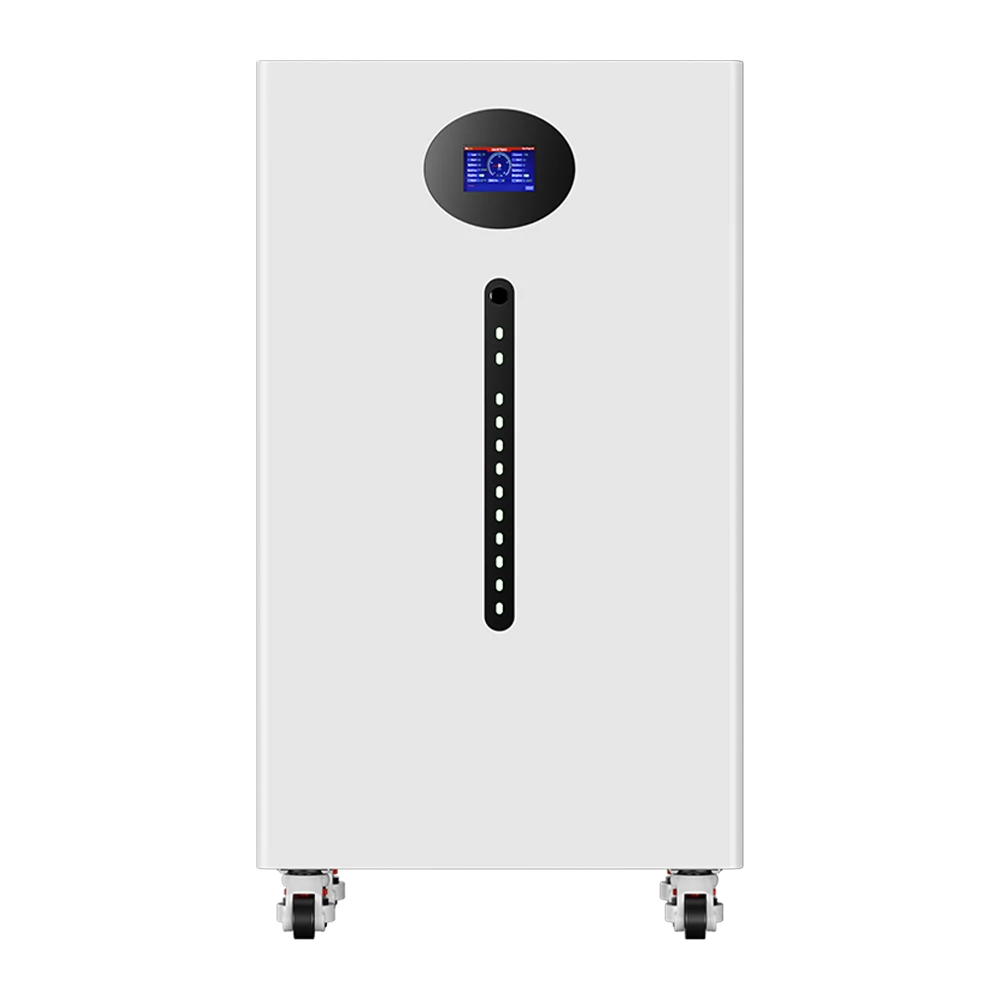
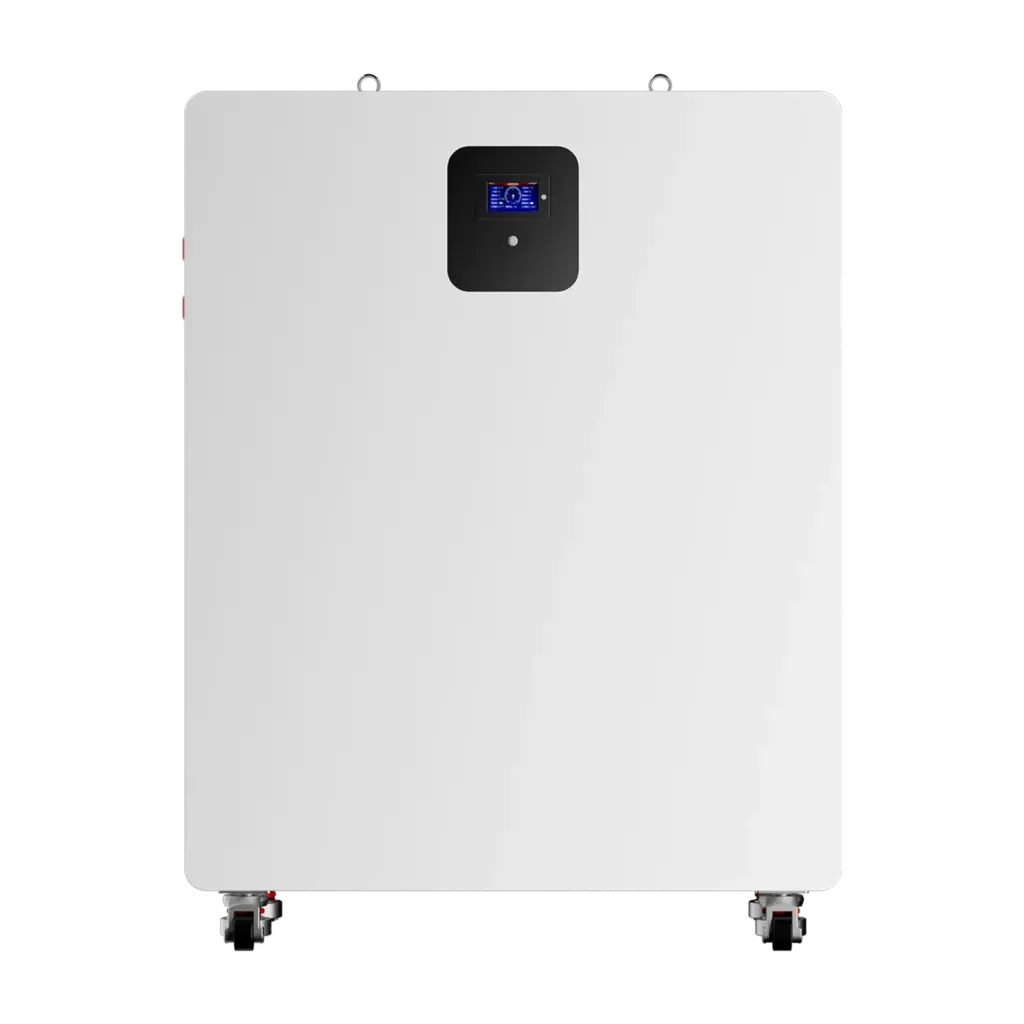
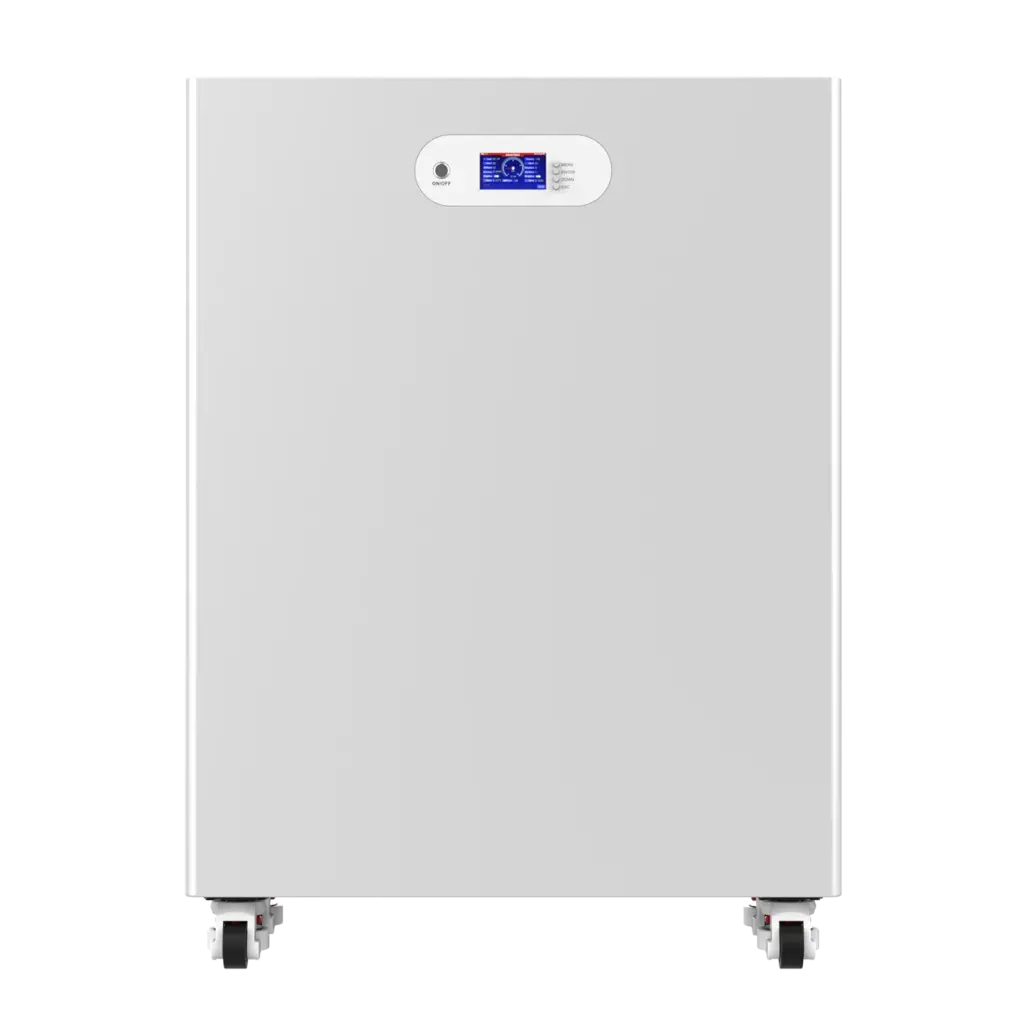
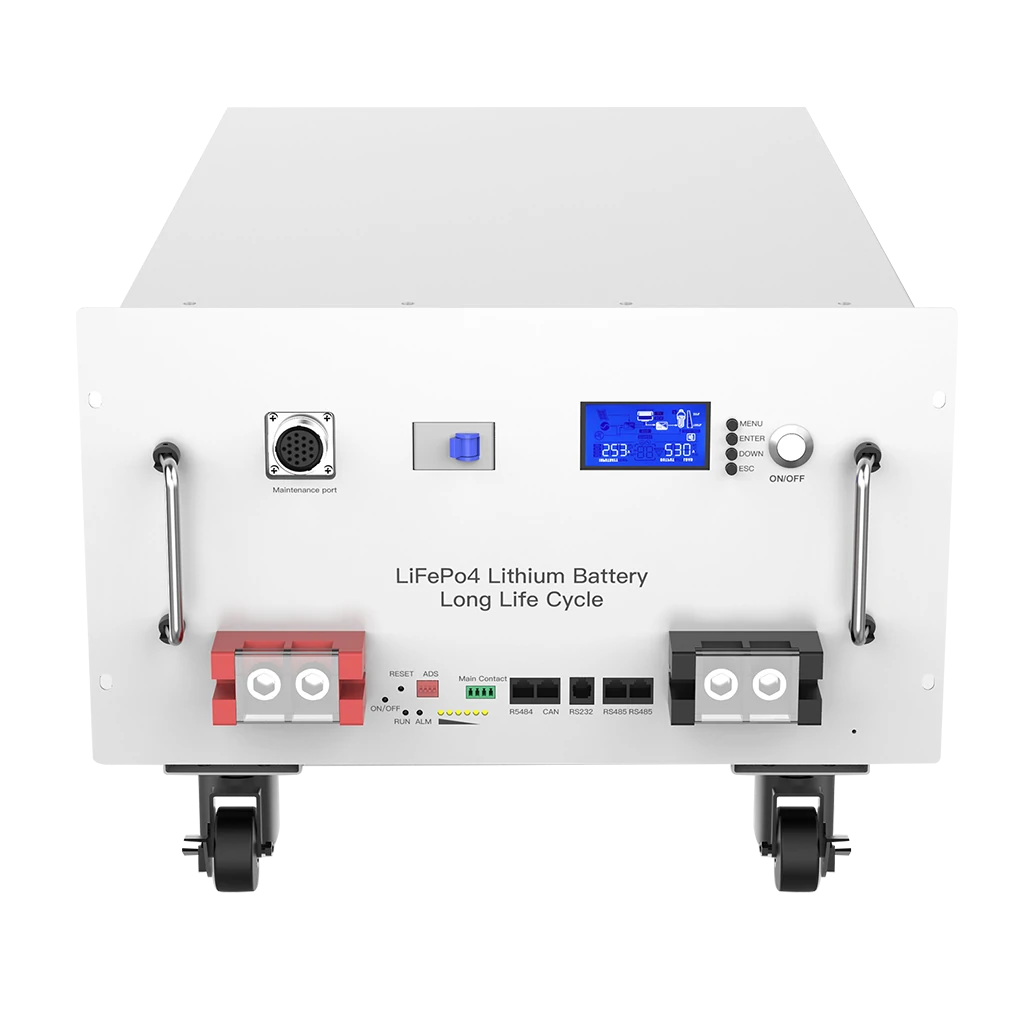
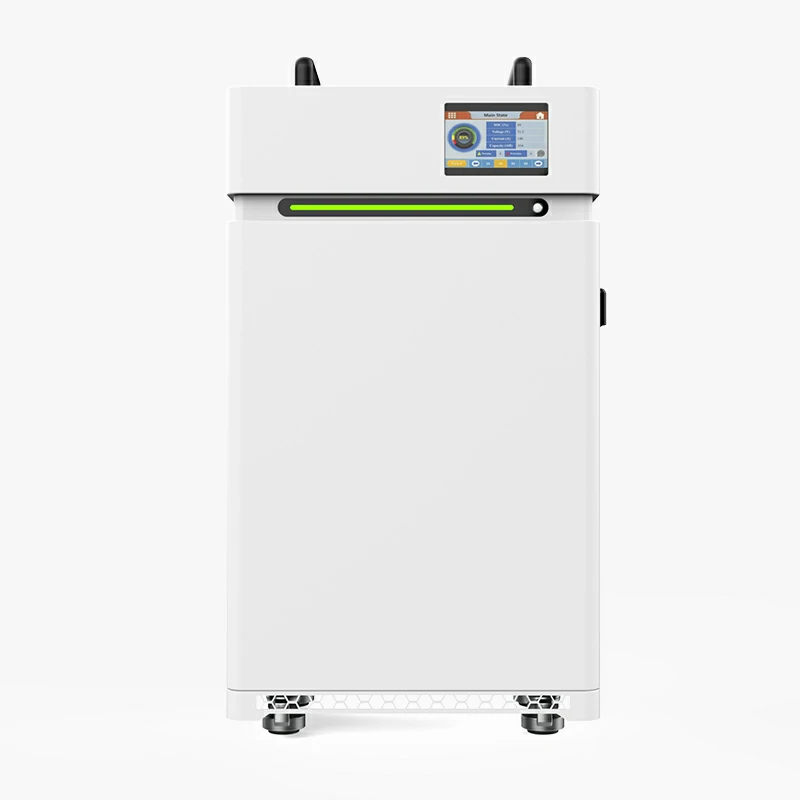
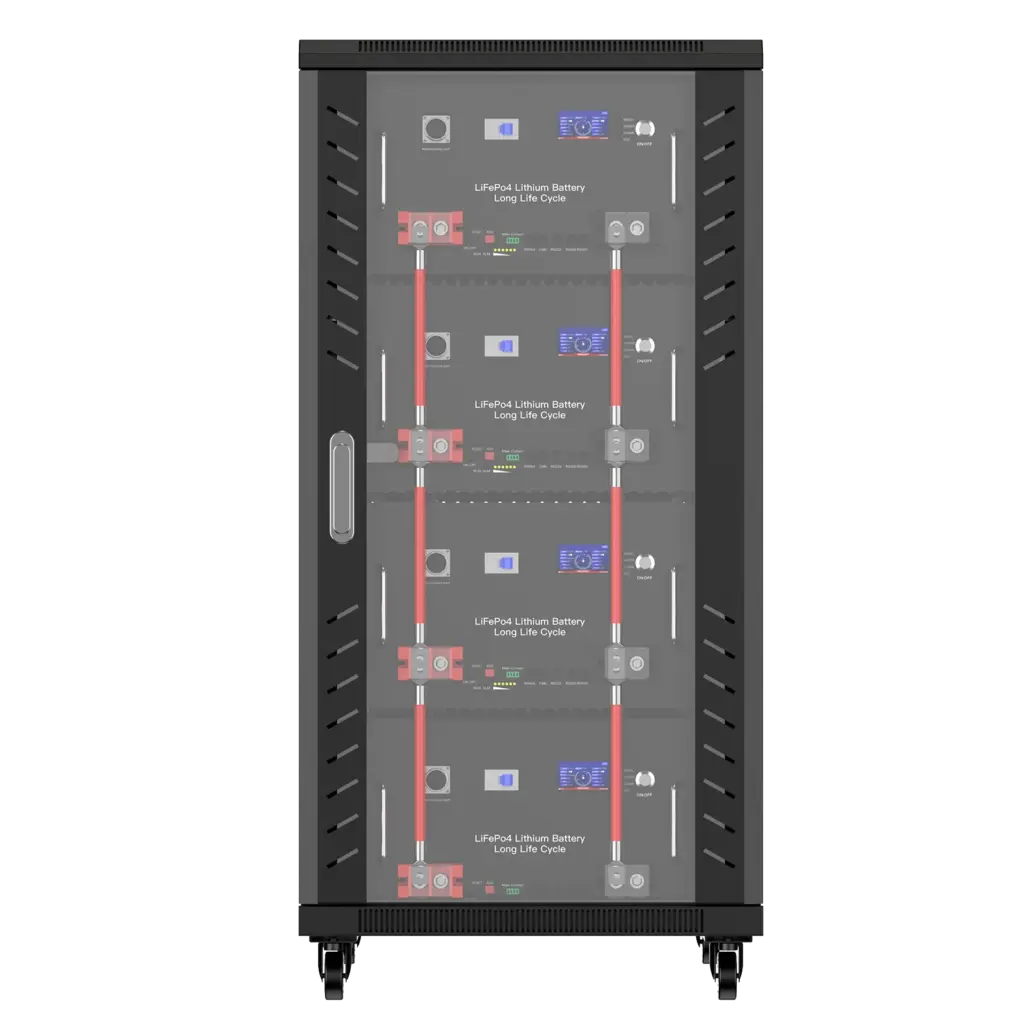
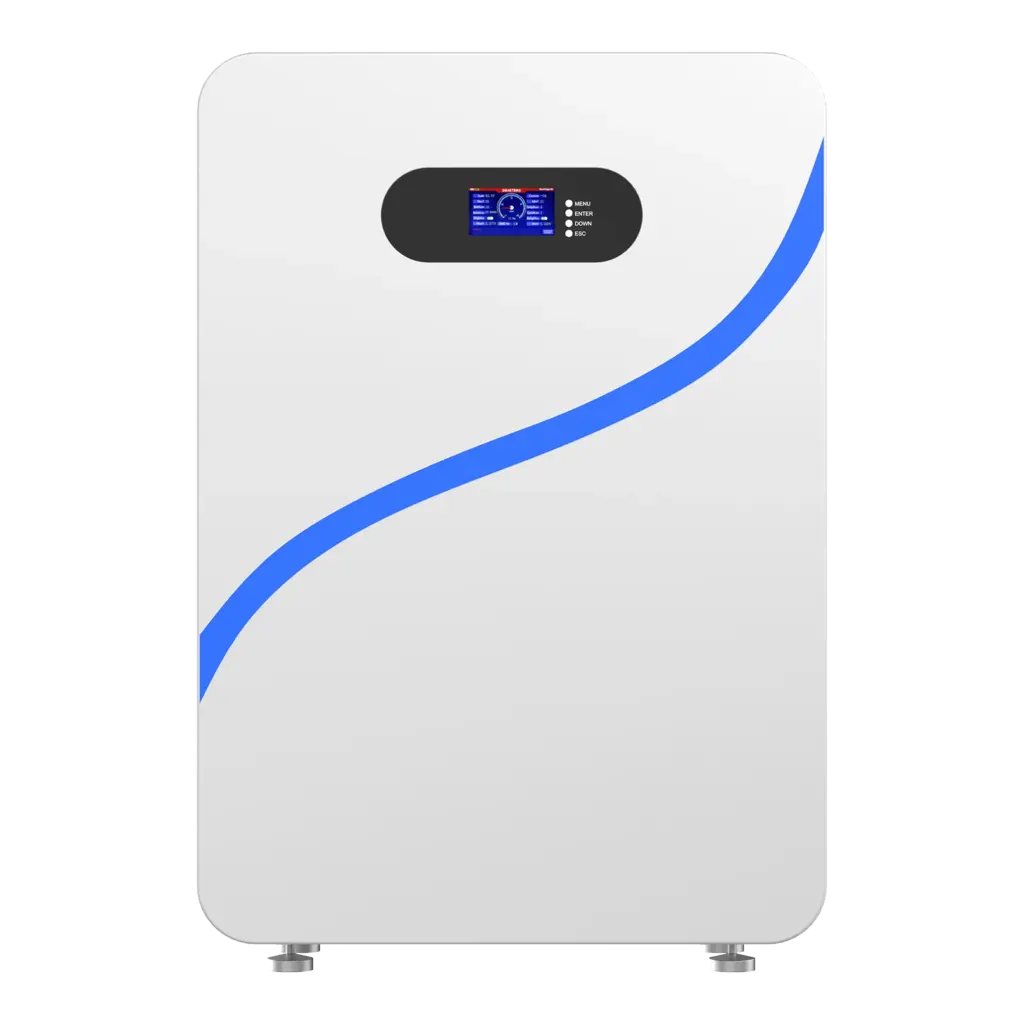
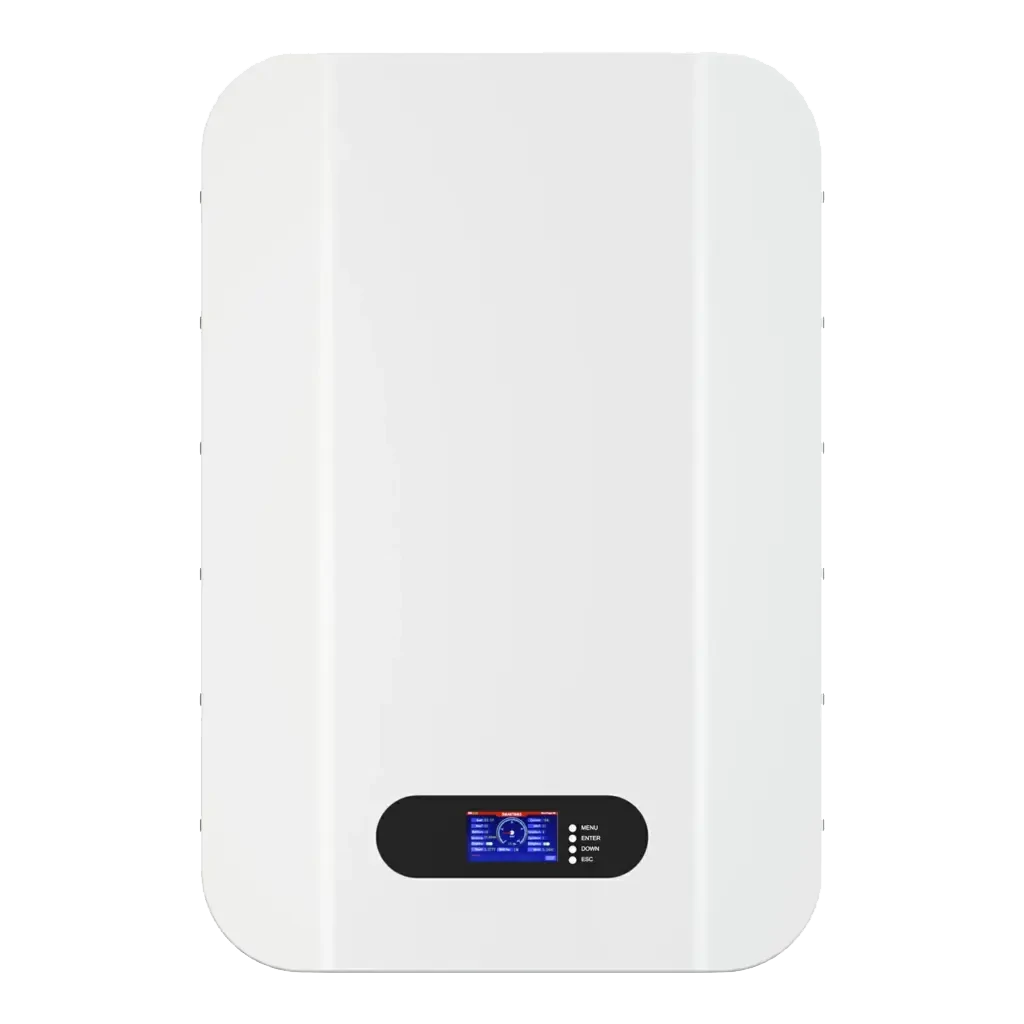
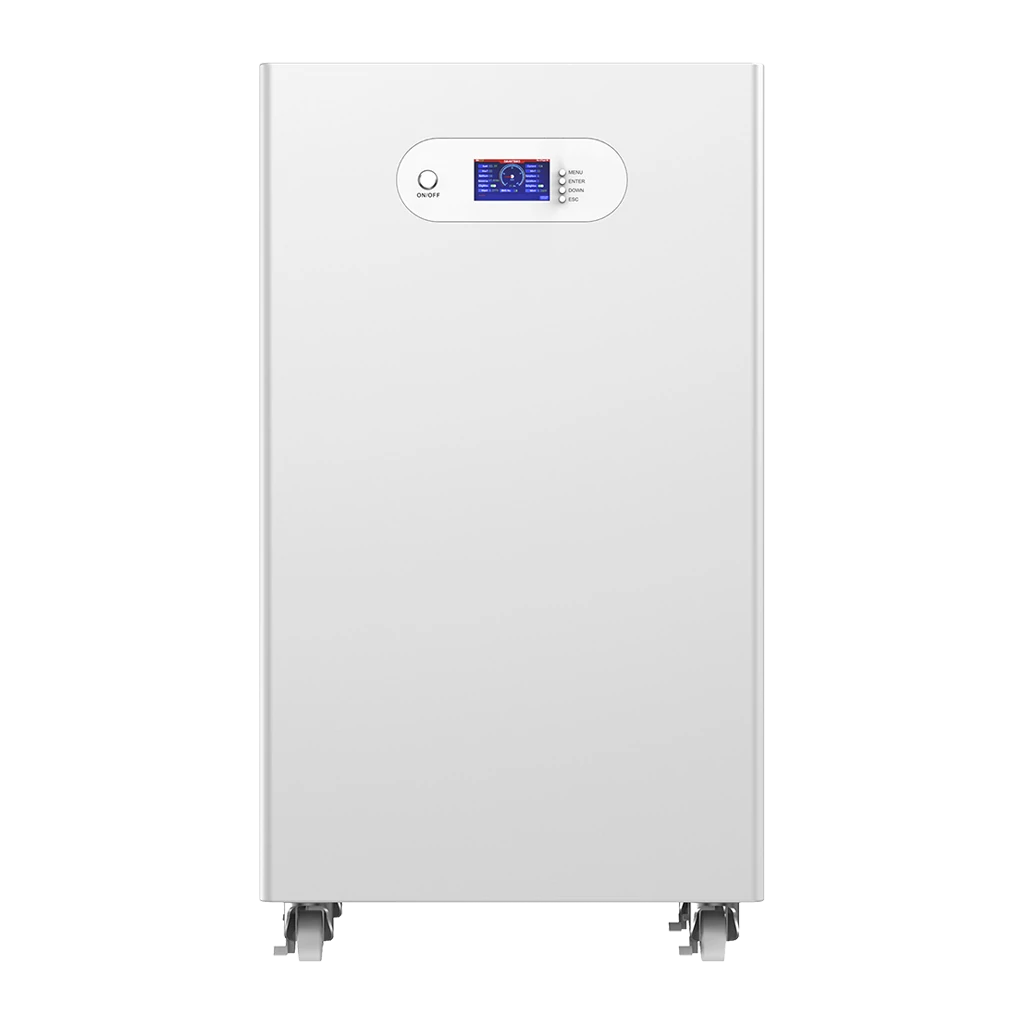
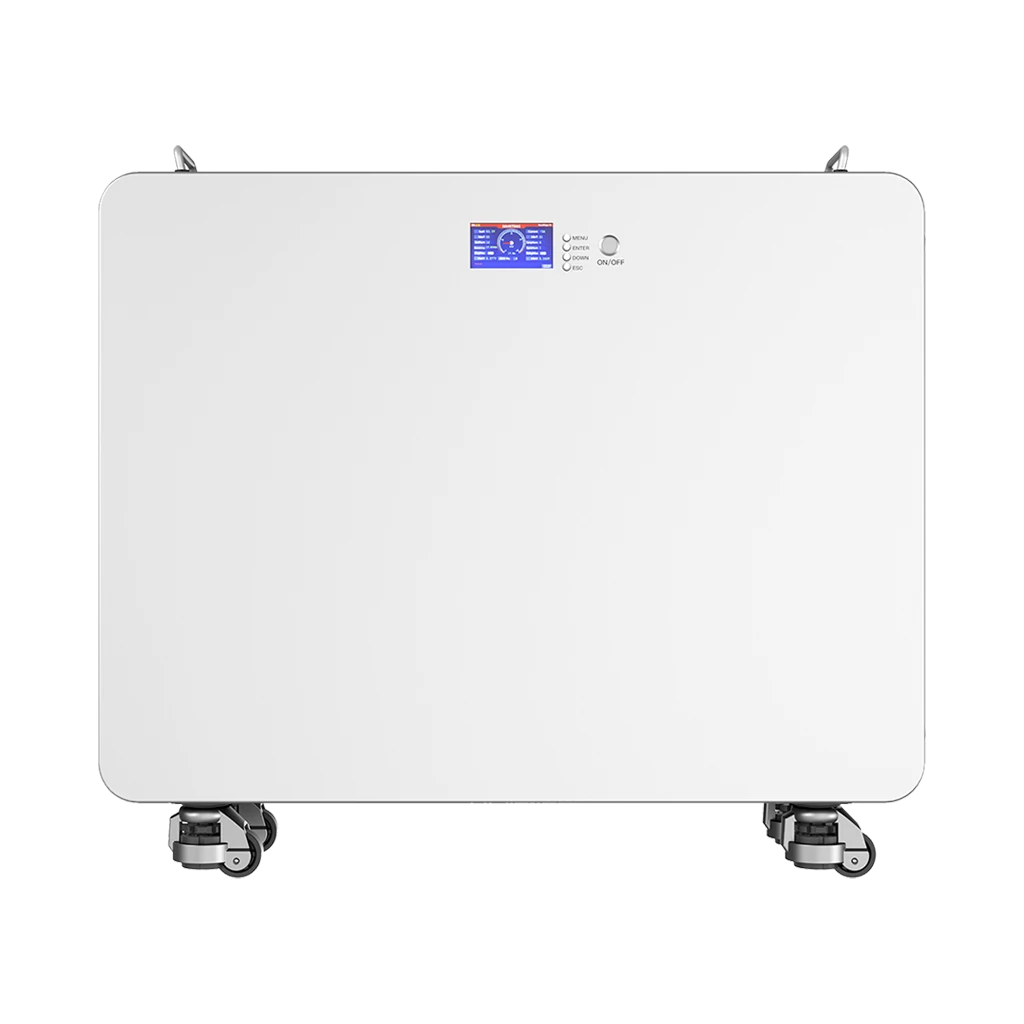
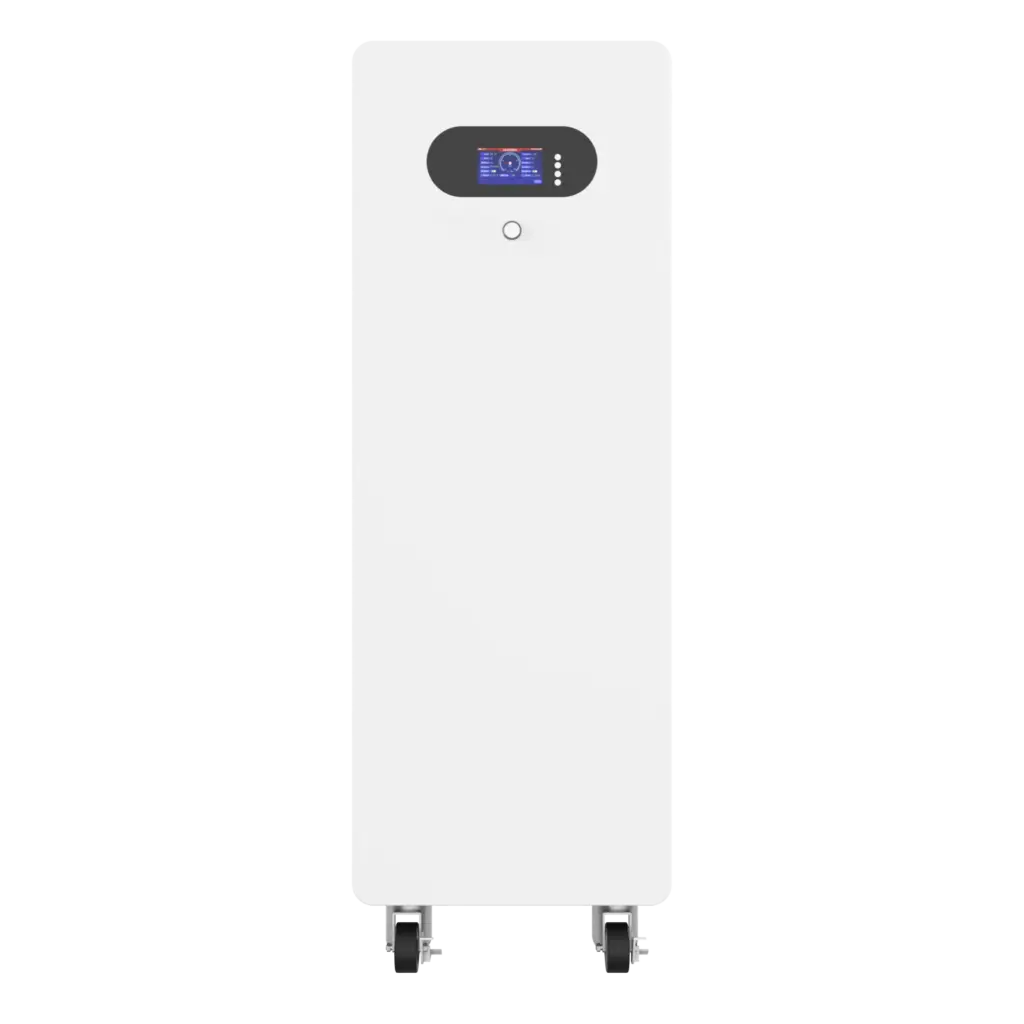
Parallel wiring is popular in solar battery banks because it allows users to increase storage capacity without changing system voltage. For example, many 48V home batteries can be expanded by connecting multiple units in parallel, so the inverter still sees a 48V battery bank while the available kWh increases. Avepower’s vertical LiFePO4 battery series and rack mount battery series are examples of modular battery platforms designed for scalable residential and installer-led storage projects.
The most important technical issue in parallel systems is current sharing. In a poorly wired parallel bank, one battery may carry more charge and discharge current than the others because of cable resistance differences. Over time, this can lead to uneven aging, heat buildup, reduced usable capacity, or early BMS protection events.
Advantages of Parallel Batteries
- Easy to Expand: You can add more batteries to increase storage capacity without changing system voltage.
- Longer Runtime: Higher amp-hour capacity allows appliances and devices to run longer between charges.
- Reliable Performance: Parallel banks distribute electrical load across all batteries, reducing stress on individual units.
- Continued Operation if One Battery Fails: Other batteries in the bank keep supplying power even if one stops working.
- Consistent Voltage for Devices: Maintains a stable voltage output for sensitive electronics.
- Flexible for Off-Grid Use: Perfect for RVs, cabins, or small solar systems where extended runtime is needed without higher voltage.
- Best Practice: connect all batteries to a positive and negative busbar using the same cable length so that charging and discharging stay balanced.
Ideal when your inverter/controller is locked to 12V but your loads are growing — just add more parallel batteries.
Disadvantages of Parallel Batteries
- Increased Current Draw: Higher total amp-hours mean more current, which can produce heat and require thicker cables and fuses.
- Voltage Stays the Same: Devices that require higher voltage may not be compatible with parallel-only setups.
- Complex Wiring: Each added battery requires additional positive and negative connections, making the system more intricate and costly.
- Challenging Management: Balancing charge and discharge across multiple batteries can be tricky, requiring monitoring and careful maintenance.
- Risk of Mismatch: in parallel, cells that don’t match in voltage, capacity, or chemistry can feed current into each other, causing localized heating and early failure. Always parallel same-type batteries.
- Three Key Rules for Parallel Circuits: (1) voltage is the same across all batteries; (2) total current = sum of branch currents; (3) total resistance is lower than any single branch — so cables and protection must be sized accordingly.
Mixing a 12V 100Ah and a 12V 200Ah battery in parallel is technically possible, but it’s not the best practice for long-term life — the larger battery can end up doing more work. If you must do it, make sure both are at the same voltage before connecting and monitor temperatures and currents.
How to Connect Batteries in Parallel
Just like with series connections, all batteries in a parallel setup must have the same voltage and capacity. Mixing different batteries can cause imbalance, reduce performance, and potentially damage the batteries.
Follow these six steps to wire batteries in parallel:
- Position all batteries close together on a stable surface for easy access.
- Connect the negative terminal of the first battery to the negative terminal of the second battery.
- Continue connecting the negative terminals of each battery to the next until all batteries are linked.
- Repeat the same process for the positive terminals, connecting each battery’s positive to the next.
- Connect the combined positive terminals of the battery bank to the positive input of your device or system, and the combined negative terminals to the system’s negative input.
- Inspect all connections to ensure they are secure and tight. Once confirmed, you can safely power your system or charge the parallel battery bank using a charger rated for the individual battery voltage.
For better current sharing in a parallel battery bank:
- Use batteries with the same voltage, chemistry, capacity, brand/model, and similar age.
- Charge each battery to a similar state of charge before connecting them in parallel.
- Use equal-length and equal-gauge cables for each battery branch.
- Use a properly rated positive and negative busbar instead of stacking many lugs on one terminal.
- Add suitable overcurrent protection according to the battery manual and local electrical code.
- Do not exceed the manufacturer’s maximum parallel quantity.
For larger home solar systems, a factory-designed expandable battery platform is usually safer and cleaner than building a large DIY parallel bank from mismatched batteries. Avepower’s inverter compatibility list can help installers check communication protocols such as CAN and RS485 before pairing batteries with hybrid or off-grid inverters.
How Many Batteries Can You Parallel?
The number of batteries you can safely parallel depends on the manufacturer’s specifications, the BMS design, cable sizing, inverter current demand, and protection method. Some battery systems allow only a small number of parallel units, while modular home storage systems may allow larger expansion when designed for it.
For example, Avepower home storage systems support scalable battery configurations for different project sizes, and some product lines support up to 16 units in parallel depending on the model and application. You can review Avepower’s energy storage battery FAQ for general capacity and compatibility information.
Do not assume that any lithium battery can be paralleled without limits. As the number of parallel batteries increases, inrush current, fault current, cable imbalance, and communication coordination become more difficult to manage. Always follow the battery manual, BMS limit, inverter requirement, and local code.
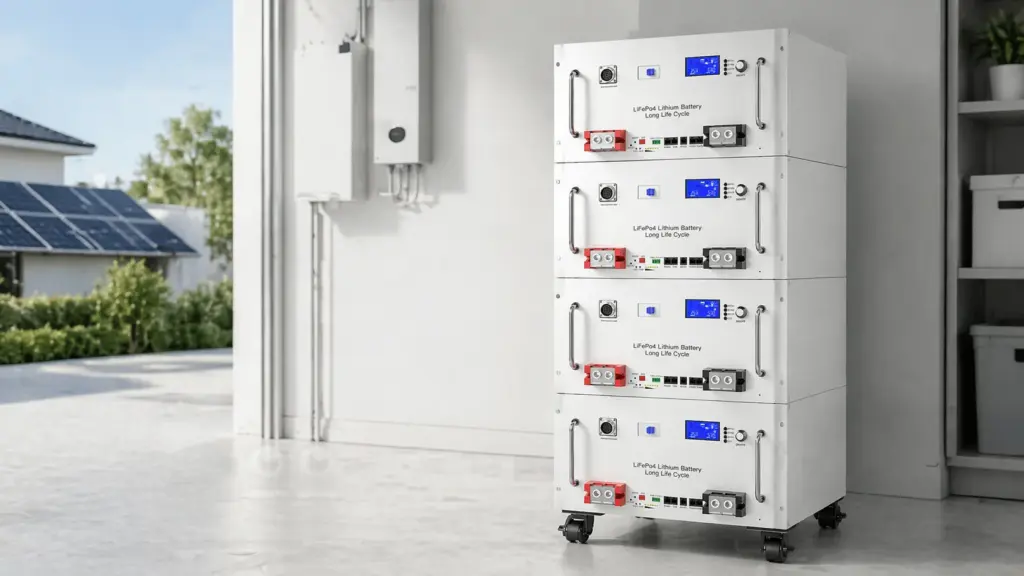
Need a Safer Way to Expand Battery Capacity?
Instead of combining mismatched batteries, choose a modular LiFePO4 battery system designed for parallel expansion, stable current sharing, and long-term solar storage performance.
Can You Combine Series and Parallel Batteries?
A series-parallel battery bank is useful when a system needs both higher voltage and longer runtime. The usual method is to build identical series strings first, then connect those strings in parallel. For example, four 12V 100Ah batteries in series create one 48V 100Ah string. If you build two identical 48V 100Ah strings and connect them in parallel, the final bank becomes 48V 200Ah.
The key word is identical. Each series string should use the same number of batteries, same chemistry, same capacity, same cable length, and the same protection strategy. Never parallel unequal series strings such as one 48V 100Ah string with one 48V 200Ah string unless the manufacturer specifically approves that configuration.
For higher-capacity commercial or industrial systems, it may be better to use a purpose-built high voltage battery storage system instead of manually combining many low-voltage batteries into complex series-parallel banks.
How It Works
First, you connect batteries in series to increase the voltage. Then, you take those series strings and connect them in parallel to boost overall capacity.
Important: All batteries in a series-parallel bank should match in voltage, chemistry, and capacity. Don’t put old and new or 100Ah and 200Ah units into the same mixed series-parallel pack unless the manufacturer says it is okay.
Example Using Avepower 12V 100Ah Batteries:
Let’s say you want a 48V system with roughly 200Ah capacity. Here’s one way to do it:
- Make four series strings, each with 4 × 12V 100Ah Avepower batteries → each string = 48V 100Ah
- Connect those two series strings in parallel → final system = 48V 200Ah ≈ 10.24kWh total energy
This gives you higher voltage and larger capacity, so your devices get more power and can run longer—perfect for off-grid homes, RVs, or boats.
When to Use Series Batteries
Series batteries are ideal when your system or device requires higher voltage. By connecting batteries in series, you increase the total voltage while keeping the amp-hour (Ah) capacity the same.
Use series batteries in situations such as:
- RVs and off-grid solar inverters: Systems requiring 24V or 48V input benefit from series connections.
- Electric trolling motors or boats: Higher voltage can deliver smoother performance and improved efficiency, particularly with long cable runs.
- Any setup where current needs to be kept low to reduce cable size or resistive loss.
Example: Avepower 12V 100Ah Lithium Battery in Series
Connecting four Avepower 12V 100Ah batteries in series:
- Voltage: 48V
- Capacity: 100Ah
- Total energy: 4 × 1280Wh = 5120Wh
This setup could power a small RV for two days, running essentials like:
- Refrigerator (120W) 24/7
- Coffee maker (1000W) 1 hour/day
- Stove (1800W) 2 hours/day
- Laptop (60W) all day
When to Use Parallel Batteries
Parallel batteries are best when you want to extend runtime without increasing voltage. Connecting batteries in parallel keeps the voltage the same but adds up the amp-hour (Ah) capacity, letting your devices run longer between charges.
Use parallel batteries in situations such as:
- Tiny homes or cabins: Run essential appliances longer on a 12V system.
- Solar setups: Maintain consistent voltage for devices while increasing total energy storage.
- Systems where multiple DC loads are added over time — parallel lets you scale gradually.
Example: Avepower 12V 100Ah Lithium Battery in Parallel
Connecting eight Avepower batteries in parallel:
- Voltage: 12V
- Capacity: 800Ah
- Total energy: 8 × 1280Wh = 10,240Wh
This configuration can power small residential systems for up to four days, including:
- Refrigerator 24/7
- Air conditioning 5 hours/day
- Oven 1 hour/day
- TV 5 hours/day
Battery Chemistry Matters for Series vs Parallel Wiring
Battery chemistry directly affects voltage behavior, charging limits, balancing requirements, and safety when batteries are wired in series or parallel. This is why wiring decisions must consider chemistry—not just electrical theory.
LiFePO4 (LFP)
LFP batteries are BMS-controlled. The BMS may limit how many units can be connected in series or parallel.
- Series: Small differences between batteries can add up. If one battery hits high- or low-voltage cutoff first, its BMS may disconnect and shut down the entire string.
- Parallel: Low internal resistance means inrush current can be high. Batteries should be at a similar state of charge before paralleling, often fully charged individually first.
LiFePO4 batteries are widely used in home solar storage because they offer stable thermal behavior, long cycle life, and BMS-based protection. But the BMS is not a substitute for correct system design. The BMS can protect against overvoltage, undervoltage, overcurrent, short circuit, and temperature issues, but it cannot fully correct poor cable sizing, mixed batteries, wrong charger voltage, or unsafe installation practices.
For residential energy storage systems, safety guidance from EPRI recommends using compatible ESS components, following manufacturer instructions, using qualified installers, and ensuring the battery, inverter, controller, and PV system are compatible. Read the EPRI residential ESS safety guide.
Lead-Acid (FLA / AGM / VRLA)
Lead-acid batteries rely on proper charging rather than electronic protection.
- Sensitive to partial charging and sulfation
- Series wiring determines system voltage and charger settings
- Parallel banks require regular full charging to maintain balance
Lead-acid batteries are more sensitive to partial state of charge, sulfation, and unequal charging. In parallel lead-acid banks, weak batteries can pull down stronger batteries. In series lead-acid banks, one undercharged battery can limit the performance of the whole string. This is why equalization, proper charging voltage, and regular inspection are more important for lead-acid systems than for most modern LiFePO4 systems.
Mixing Chemistries
Do not series or parallel different battery chemistries (e.g., LiFePO₄ + lead-acid). Their voltage behavior and charging profiles differ and can cause damage. Keep them electrically separate unless designed by a qualified professional.
Common Mistakes When Wiring Batteries in Series or Parallel
Even when the wiring diagram looks simple, small mistakes can shorten battery life or create safety risks. The most common mistakes include:
1. Mixing Old and New Batteries
Old batteries usually have higher internal resistance and lower usable capacity. If you mix old and new batteries, the newer batteries may be forced to work harder, while the older batteries may reach voltage limits earlier. This is especially risky in series strings because one weak battery can affect the whole bank.
2. Mixing Different Capacities
Do not connect a 100Ah battery with a 200Ah battery in the same series string. In parallel systems, mixed capacities may still cause uneven current sharing unless the manufacturer allows it and the system is designed for it.
3. Using the Wrong Charger
A 24V series bank needs a 24V charger. A 48V series bank needs a 48V charger. A 12V parallel bank still needs a 12V charger, but charging time increases because total Ah capacity is higher.
4. Ignoring Cable Size
Parallel battery banks can deliver very high current. Undersized cables can overheat, reduce efficiency, and create voltage drop. Cable size should be selected based on current, cable length, allowable voltage drop, insulation rating, installation environment, and applicable codes.
5. Skipping Fuses or Breakers
Every battery bank should have properly rated overcurrent protection. In larger parallel banks, branch-level protection may be needed so that one shorted branch does not draw uncontrolled current from the rest of the bank.
6. Forgetting Inverter Communication
For lithium solar batteries, voltage alone is not enough. Many modern inverters also need CAN or RS485 communication with the battery BMS. Before installation, confirm inverter compatibility, protocol settings, charge/discharge current limits, and low-voltage cutoff values.
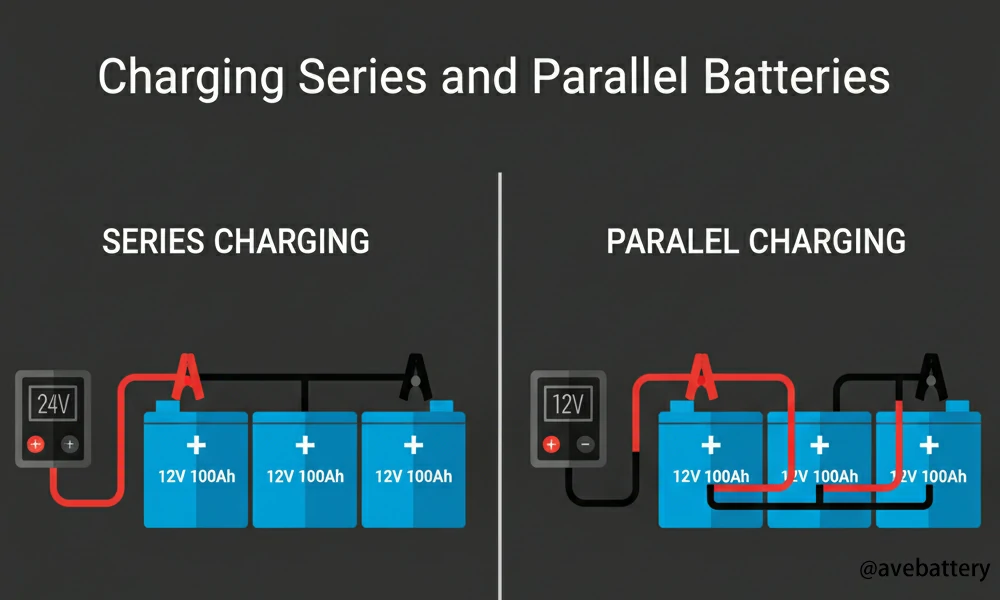
Charging Series and Parallel Batteries
Charging series and parallel batteries works safely only when the charger voltage, current limit, battery chemistry, and BMS requirements match the battery bank.
Charging Batteries in Series
To charge a series-wired battery bank, use a charger that matches the total voltage of the bank. For example, two 12V batteries in series form a 24V bank, so the charger must be designed for 24V charging. Four 12V batteries in series form a 48V bank, so the charger must be designed for 48V charging.
In lithium battery systems, each battery in a series string should start at a similar state of charge. If one battery reaches full charge or low-voltage cutoff earlier than the others, the BMS may disconnect the string. For larger series systems, cell-level or module-level balancing becomes more important.
Charging Batteries in Parallel
When charging a parallel battery bank, use a charger that matches the voltage of one battery. For example, a 12V parallel bank still needs a 12V charger. The difference is that total Ah capacity is higher, so charging time may be longer unless the charger output current is also increased within the battery’s allowed charge current.
For even charging, connect the charger positive and negative leads from opposite ends of the bank or use a properly rated busbar layout. This helps reduce the chance that the battery closest to the charger does more work than the others.
Charging Series-Parallel Batteries
For series-parallel banks, charging design becomes more complex because both string balance and parallel current sharing matter. Each series string should be identical, and the charging equipment must match the final bank voltage. In solar systems, the charge controller or hybrid inverter must also be programmed for the correct lithium or lead-acid charging profile.
Read this article to learn more about How to Charge Two Batteries in Parallel.
Common Battery Bank Mistakes (and How to Fix Them)
These issues are commonly seen during real-world battery installation, commissioning, and troubleshooting.
| Common Mistake | What Happens in Practice | Recommended Fix |
|---|---|---|
| Unequal cable lengths in parallel banks | One battery carries more current and ages faster | Use busbars and identical cable lengths for each battery |
| No branch protection in large parallel banks | A single fault can turn the entire bank into a high-current event | Install proper branch fuses or breakers per battery |
| Mixing old and new batteries | New batteries get dragged down by older units with higher internal resistance | Keep batteries the same age, model, and condition |
| Ignoring inverter DC input requirements | Batteries are paralleled when the inverter actually requires 24 V or 48 V | Confirm inverter voltage first, then design the bank |
| Skipping commissioning checks | Voltage or SOC mismatch causes harsh equalization or inrush current | Check voltage and SOC before connection and follow commissioning steps |
Which Battery Wiring Is Better for Solar Storage?
For solar battery storage, the best wiring method depends on inverter voltage, battery chemistry, capacity target, and installation type.
For small 12V systems such as RVs, boats, and compact cabins, parallel wiring is common because many DC loads are designed around 12V. For larger off-grid homes and residential solar storage, 24V or 48V systems are often more practical because they reduce current for the same power output. For commercial and industrial energy storage, high-voltage battery systems are usually preferred because they support higher power, lower current, and more efficient system architecture.
A typical selection path looks like this:
| Application | Common Battery Setup | Why |
|---|---|---|
| RV or boat | 12V parallel bank | Longer runtime for 12V loads |
| Small cabin | 12V or 24V bank | Simple backup and off-grid loads |
| Home solar backup | 48V battery bank | Better inverter compatibility and lower current |
| Whole-home backup | Modular 48V batteries in parallel | Scalable capacity with stable inverter voltage |
| Commercial ESS | High-voltage battery system | Higher power, better efficiency, engineered protection |
For residential solar projects, a modular LiFePO4 system is usually easier to scale than a DIY battery bank because the BMS, enclosure, communication, monitoring, and inverter compatibility are already considered at the product design level. Avepower offers wall mounted batteries, rack mount batteries, vertical LiFePO4 batteries, and all-in-one battery systems for different residential and installer-led storage needs.
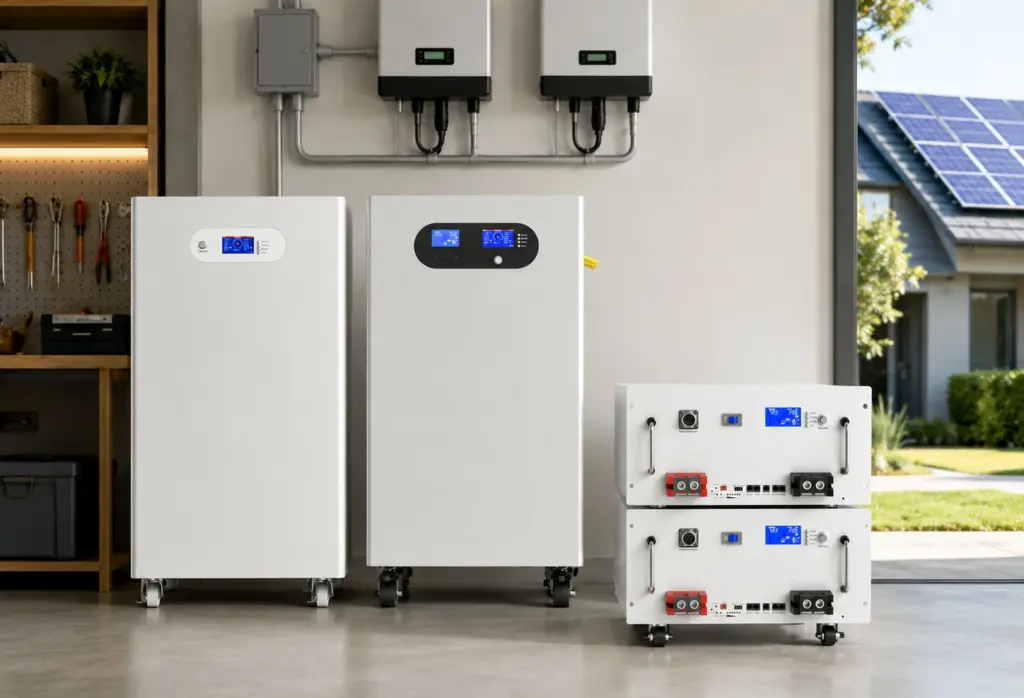
Take Control of Your Energy with Avepower!
Reliable home solar battery solutions with OEM/ODM customization and in-house manufacturing, tailored to the needs of distributors, installers, and energy partners.
Conclusion: Series or Parallel — Which Is Better?
There is no single winner in the batteries in series vs parallel comparison. The better setup depends on what your system needs.
Use batteries in series when you need higher voltage. Use batteries in parallel when you need longer runtime and more amp-hour capacity at the same voltage. Use a series-parallel battery bank when you need both higher voltage and greater storage capacity.
For real-world solar, RV, marine, backup power, and home energy storage systems, the safest choice is not based only on the wiring diagram. You also need to confirm inverter voltage, charger settings, cable size, fuse or breaker rating, BMS limits, maximum series/parallel quantity, and battery chemistry.
If you are designing a scalable solar battery system, Avepower can help you evaluate the right battery voltage, capacity, communication protocol, and expansion plan. Explore Avepower’s home energy storage solutions or check the inverter compatibility list to match your battery system with mainstream hybrid and off-grid inverters.
FAQ
Neither is inherently “better.” The choice depends entirely on your specific application. Series connections are for when you need a higher voltage, while parallel connections are for when you need more capacity and a longer run time.
Both are safe when installed correctly. However, parallel systems are more resilient because a single battery failure won’t shut down the whole system. With series connections, one bad battery can take the whole system offline. Additionally, parallel systems handle higher currents, which requires thicker cables and more robust safety measures like fuses.
When you connect two 12V batteries in series, their voltages add up. You create a single 24V system with the same amp-hour capacity as one of the individual batteries. For example, two 12V 100Ah batteries in series become a 24V 100Ah system.
The lifespan of a battery bank depends more on how you use and maintain the batteries, not on the connection type. However, a parallel setup can be more forgiving. If one battery begins to fail, the rest of the bank can still function, allowing you to catch the problem before it damages the entire system.
Yes — when you parallel same-voltage batteries, total available current and total Ah go up, because the effective resistance of the bank goes down.
They will, if they are the same age, chemistry, and capacity and are wired correctly (same cable lengths, to a common busbar). Unequal cabling or mixing old/new batteries is what causes uneven discharge.
They can, because you are often powering more loads (multiple branches) from the same battery bank — the battery isn’t “worse,” it’s just supplying more current.
Neither is always better. Series is better when your system needs higher voltage, such as 24V or 48V. Parallel is better when your system voltage is already correct but you need more amp-hour capacity and longer runtime.
No. Batteries in series increase voltage, but amp-hour capacity stays the same as one battery. For example, two 12V 100Ah batteries in series become 24V 100Ah.
No. Batteries in parallel keep the same voltage as one battery, but total capacity increases. For example, two 12V 100Ah batteries in parallel become 12V 200Ah.
Yes, but only if the battery manufacturer allows it. LiFePO4 batteries have built-in BMS protection, and not every BMS is designed for unlimited series or parallel wiring. Always check the manual for the approved maximum series and parallel quantity.
Equal-length cables help each battery see similar resistance. If one battery has a shorter or lower-resistance path, it may charge and discharge harder than the others, causing imbalance and uneven aging.
It is not recommended. Different brands may use different cells, BMS logic, charge/discharge limits, and internal resistance. For best safety and performance, use batteries with the same chemistry, voltage, capacity, model, age, and firmware or BMS settings.
For a 48V inverter, you need a battery bank that matches the inverter’s required DC input range. This could be four 12V batteries in series, one 48V battery, or multiple 48V batteries in parallel for higher capacity. For home solar storage, using purpose-built 48V LiFePO4 batteries is usually cleaner than manually building a 48V bank from many smaller batteries.