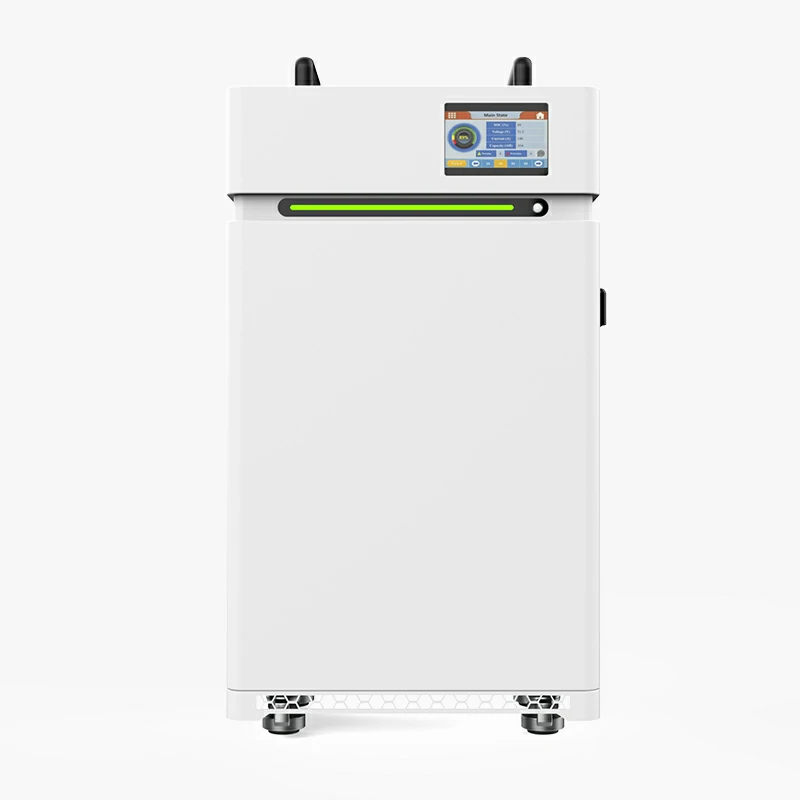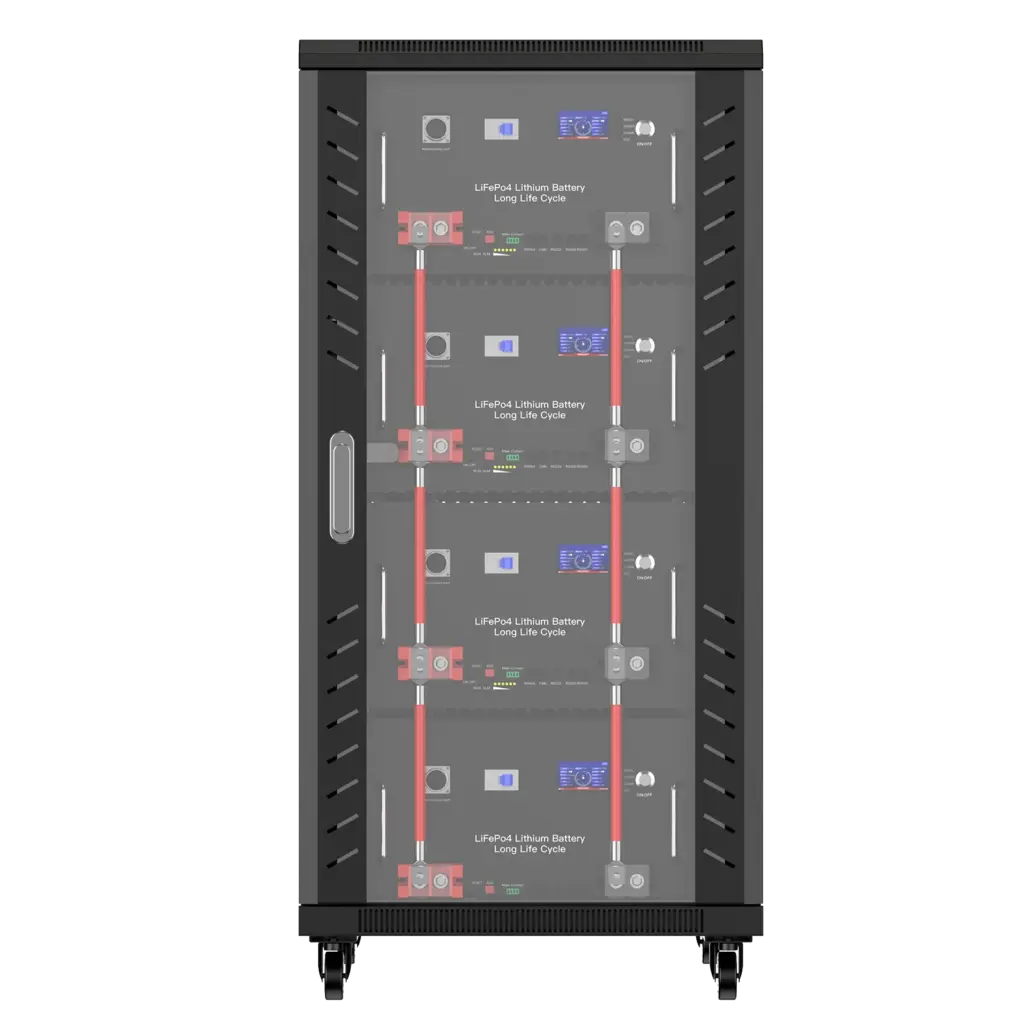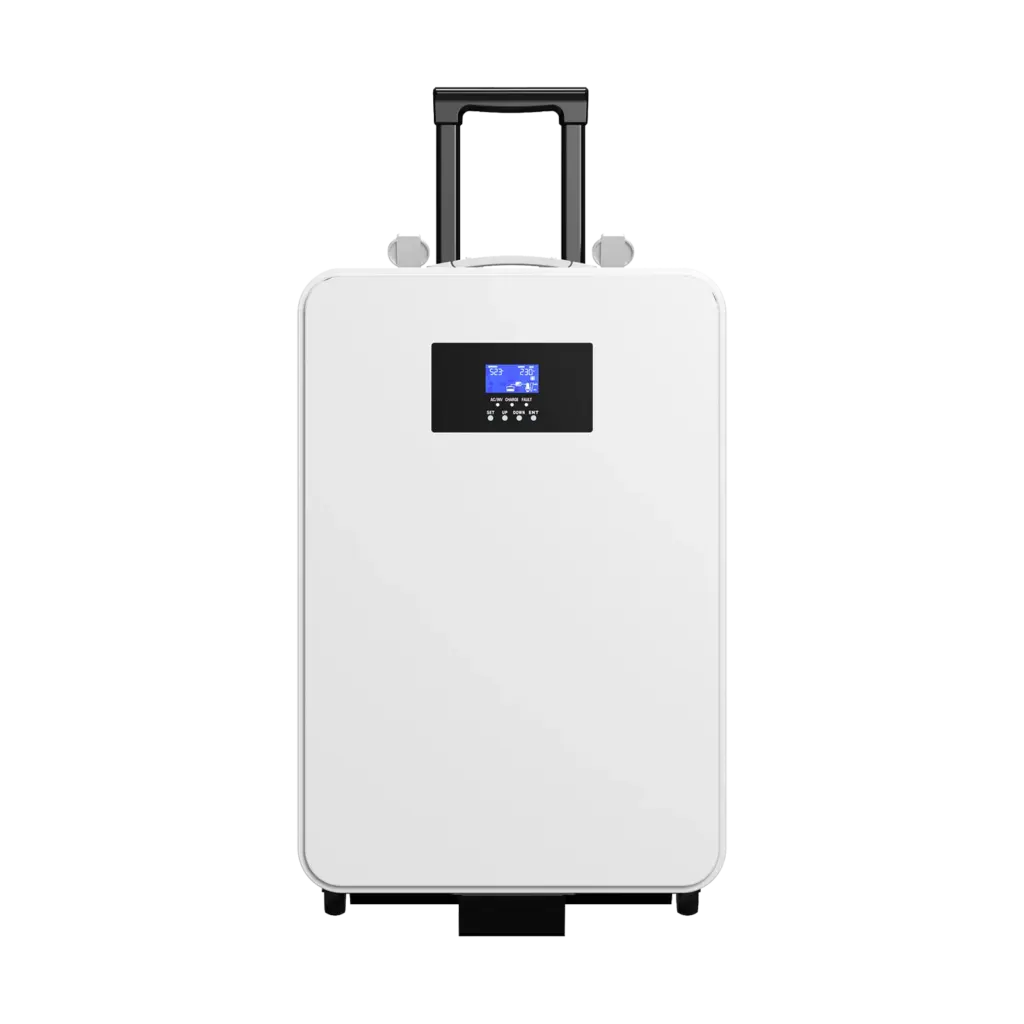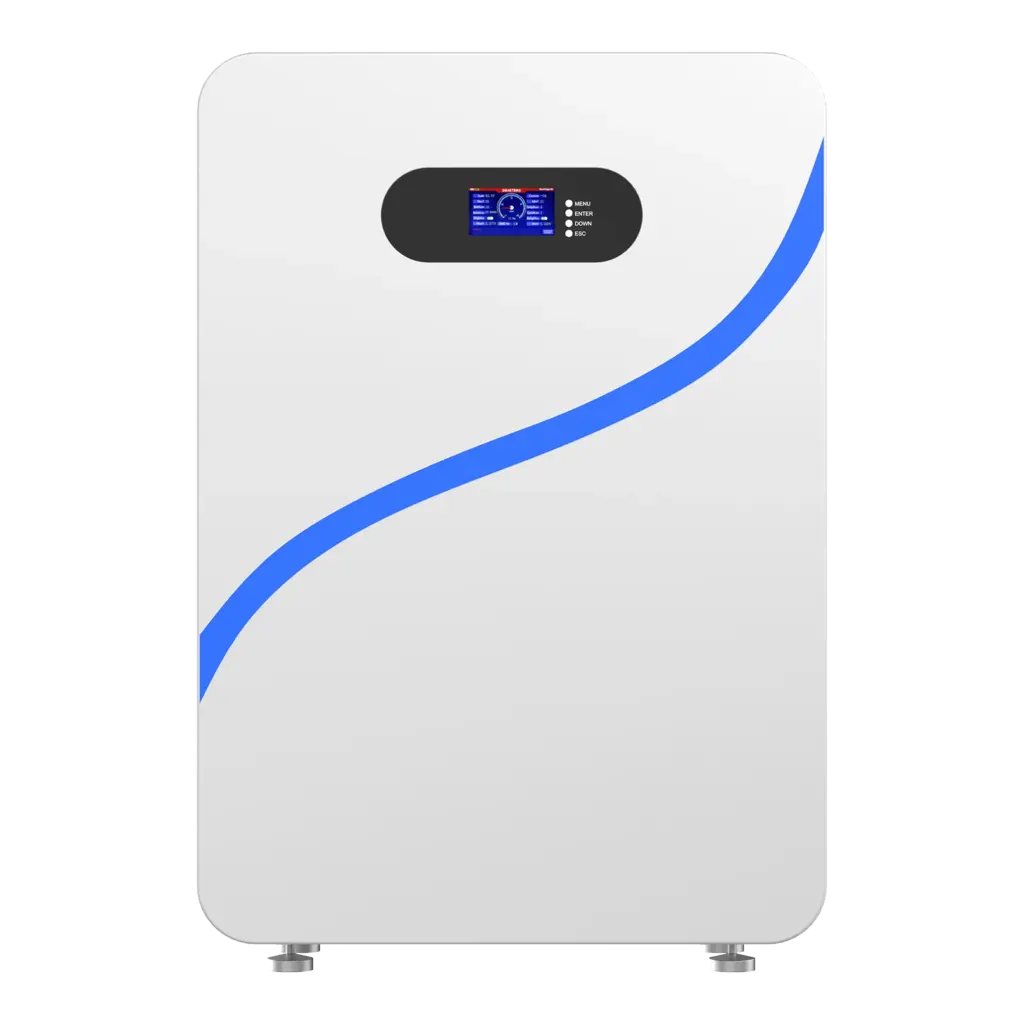

Battery efficiency tells you how much of the energy or charge put into a battery can later be recovered. For energy-storage projects, the most useful metric is usually round-trip energy efficiency: if a system takes 100kWh to charge and later returns 90kWh while returning to the same state of charge, its round-trip efficiency is 90%.
The basic formula is:
Battery efficiency (%) = Energy output ÷ Energy input × 100
This guide explains battery efficiency from the cell level to the complete BESS and shows installers, buyers and project developers how to compare efficiency claims correctly.
What is Battery Efficiency?
Battery efficiency is the ratio between useful electrical energy or charge recovered from a battery and the electrical energy or charge supplied to it. In practical energy-storage engineering, efficiency should be measured over a complete charge-discharge cycle that returns the battery to the same or an equivalent state of charge.
The concept sounds simple:
Efficiency = Output ÷ Input
But there are several ways to define “output” and “input.”
For example:
- Charge in Ah → Coulombic efficiency
- Average voltage → Voltage efficiency
- Energy in Wh or kWh → Energy efficiency
- Complete charge/discharge cycle → Round-trip efficiency
- Utility AC meter to utility AC meter → AC-to-AC system efficiency
What are the Different Types of Battery Efficiency?
| Efficiency Metric | Basic Formula | Unit Used | What it Tells You |
|---|---|---|---|
| Coulombic efficiency | Ah out ÷ Ah in | Ah | Charge recovery |
| Voltage efficiency | Avg. discharge V ÷ avg. charge V | V | Voltage loss |
| Energy efficiency | Wh out ÷ Wh in | Wh/kWh | Actual energy recovery |
| DC-DC RTE | DC energy out ÷ DC energy in | kWh | Battery-side performance |
| AC-AC RTE | AC energy out ÷ AC energy in | kWh | Complete grid-facing performance |
| System efficiency | Depends on defined boundary | kWh | Battery + PCS + auxiliaries |
Want More Usable Energy From Your Solar Battery?
Battery efficiency affects how much of your daytime solar generation is actually available later. Compare usable capacity, round-trip efficiency, inverter compatibility and operating current before choosing a residential storage system.
Why is Battery Efficiency Never 100%?
Real batteries cannot achieve 100% round-trip energy efficiency because current flowing through cells and system components produces resistance losses, electrochemical reactions require additional voltage, and auxiliary systems consume energy. Losses increase further when current, temperature, imbalance or conversion requirements move outside the system’s efficient operating range.
Major sources of energy loss include:
Cell Internal Resistance
Current passing through internal resistance generates heat.
A simplified relationship is:
P_loss = I²R
If:
I = 100A
and:
R = 0.01Ω
then:
P_loss = 100² × 0.01
= 100W
Increase current to 200A:
200² × 0.01 = 400W
Doubling current has increased resistive loss by a factor of four.
Electrochemical Polarization
The voltage needed to drive charging reactions differs from the voltage available during discharge.
Side Reactions
A small amount of charge may be consumed by reactions that do not contribute to useful stored energy.
Cell Balancing
Passive balancing typically converts excess cell energy into heat.
Self-Discharge
Stored energy gradually decreases even without an external load.
Power Conversion
Every DC/DC or DC/AC conversion introduces losses.
Auxiliary Equipment
Large BESS installations may consume energy through:
- Transformers
- HVAC
- Liquid-cooling pumps
- Fans
- EMS
- BMS
- Fire systems
- Communication
- Heaters
What Battery Efficiency Is Considered Good?
Battery efficiency does not have a fixed standard, as it depends on battery chemistry, system design, operating power, and application scenarios. For energy storage systems, round-trip efficiency (RTE) is a key metric, measuring how much energy can be recovered after charging and discharging.
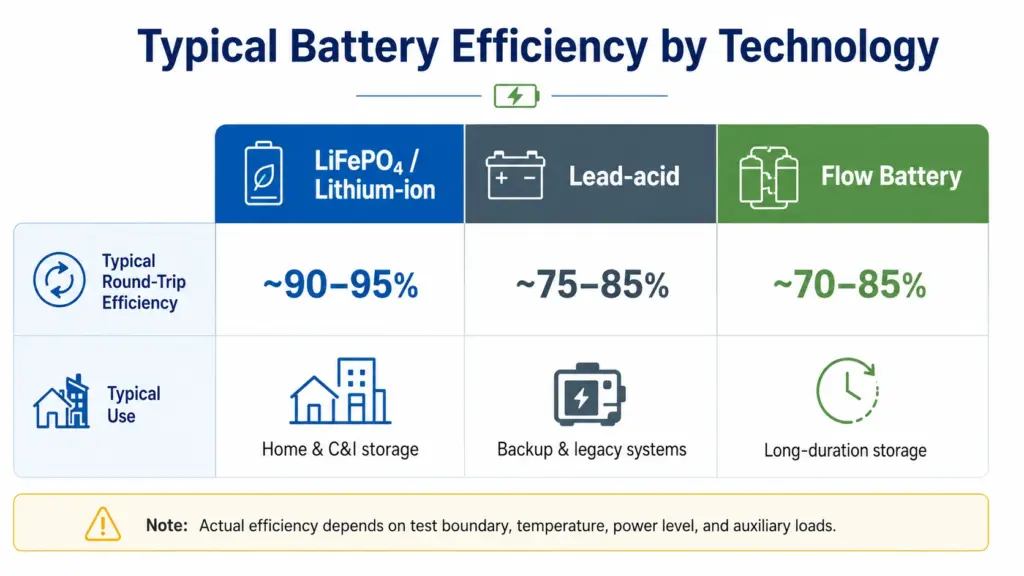
Most lithium-ion battery storage systems typically achieve 85%–95% round-trip efficiency, while high-performance lithium iron phosphate (LiFePO₄) systems can exceed 90%. Higher efficiency means lower energy loss during charging and discharging, improving solar energy utilization and reducing long-term operating costs.
When selecting a residential or commercial energy storage battery, efficiency should be considered alongside cycle life, safety, capacity retention, BMS protection, and system compatibility to ensure reliable long-term performance.
How Efficient are LiFePO4, Lead-Acid and Flow Batteries?
LiFePO₄ and other lithium-ion systems generally achieve higher energy efficiency than traditional lead-acid or many flow-battery configurations, but chemistry is only one factor. System duration, discharge rate, PCS efficiency, thermal equipment and auxiliary consumption can substantially change the final AC-AC result.
The DOE 2022 assessment provides a useful controlled comparison.
| Technology | Example DOE DC-DC RTE |
|---|---|
| Li-ion LFP | 89.55% |
| Li-ion NMC | 89.55% |
| Lead-acid | 77–87% |
| Vanadium flow | Around 71% in modeled system |
For lead-acid systems, the DOE analysis shows DC-DC RTE rising from about 77% at a 2-hour duration to 87% at a 100-hour duration under its model assumptions.
Need a Battery System Matched to Your Efficiency Target?
Avepower works with solar installers, distributors, EPCs, project developers and OEM/ODM energy brands. Share your required capacity, PCS or inverter model, charge/discharge power, ambient temperature and application to receive a project-specific battery configuration.
Why is DC-DC Battery Efficiency Higher Than AC-AC Efficiency?
DC-DC efficiency measures energy closer to the battery itself, while AC-AC efficiency normally includes additional conversion steps required to charge from and discharge to the AC electrical system. Each inverter, transformer, cable and auxiliary component consumes part of the energy, so complete-system efficiency is naturally lower.
Consider a simplified system.
Suppose:
Battery DC round-trip efficiency:
95%
Charge conversion efficiency:
97%
Discharge conversion efficiency:
97%
Then approximate AC-AC efficiency is:
0.95 × 0.97 × 0.97
≈ 89.4%
This does not yet include:
- standby power
- HVAC
- transformer losses
- communication equipment
So the actual site-meter result could be lower.
How Does C-rate Affect Battery Efficiency?
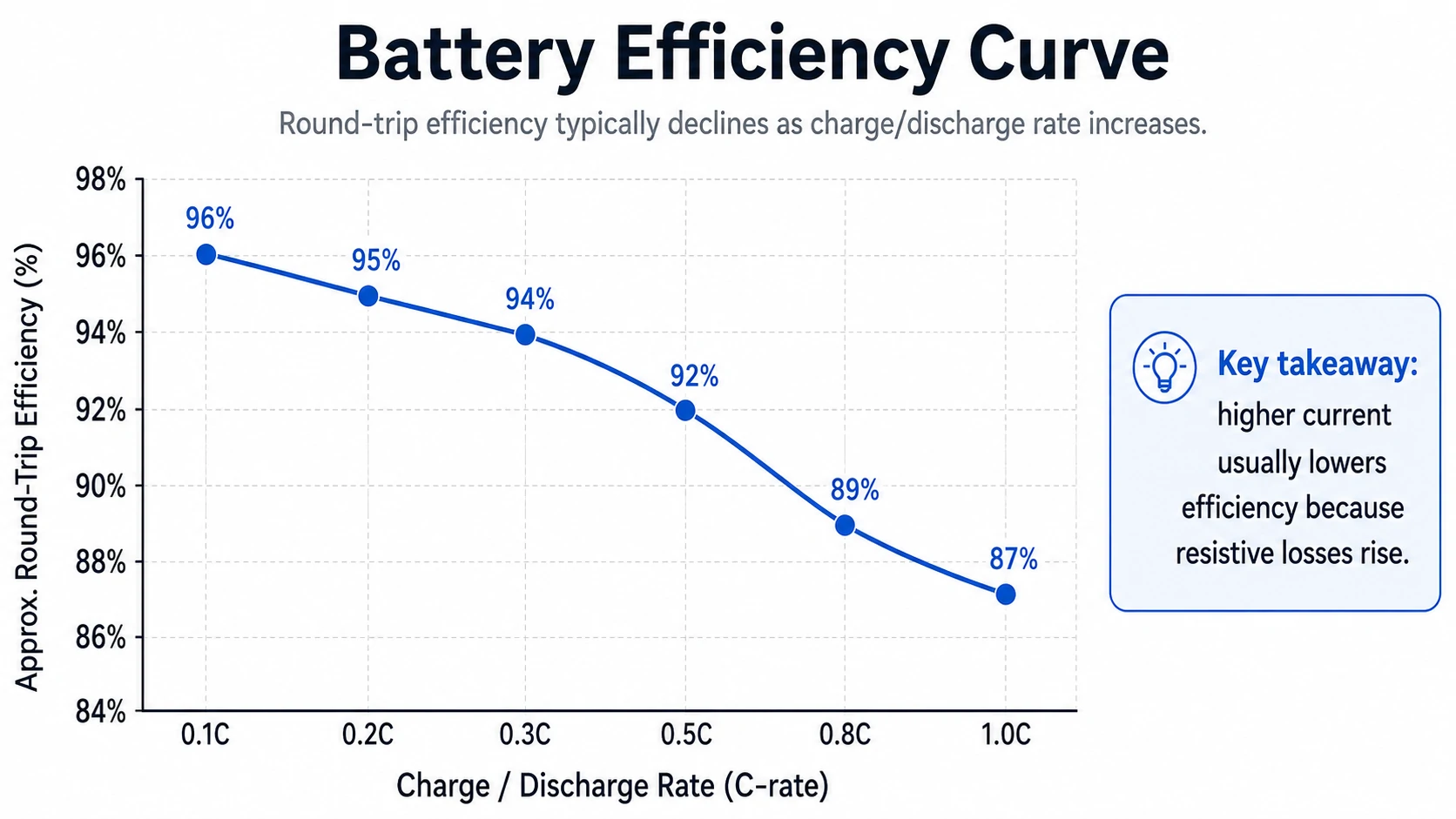
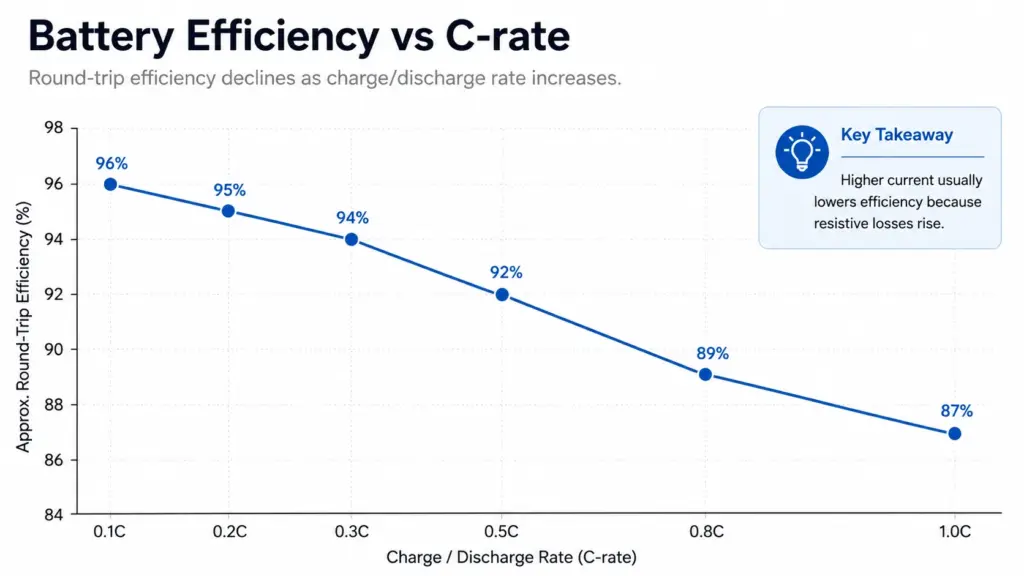
Higher C-rates generally reduce energy efficiency because more current flows through the battery’s internal resistance, increasing voltage drop and heat generation. The impact depends on cell design and temperature, so efficiency claims should be matched to the actual charge and discharge power expected in the project.
C-rate is:
C-rate = Current ÷ Battery Capacity
For a 314Ah battery:
0.2C
314 × 0.2 = 62.8A
0.5C
314 × 0.5 = 157A
1C
314 × 1 = 314A
Because:
Loss ∝ I²R
higher current normally means greater resistive loss.
Battery University gives a useful illustration: lithium-ion energy efficiency can be very high at low rates but falls as C-rate increases, even when Coulombic efficiency remains above 99%.
For detailed current calculations, see Avepower’s guide to battery C-rate.
How Much Can a 5% Efficiency Difference Matter in a Commercial BESS?
A five-percentage-point efficiency difference becomes financially significant when a commercial battery cycles hundreds of megawatt-hours each year. Because efficiency loss applies to every unit of energy passing through the system, project developers should model annual throughput rather than judging efficiency from a single full-capacity cycle.
Consider a:
100kWh BESS
charged fully for:
300 cycles/year
Input energy:
100 × 300 = 30,000kWh/year
System A — 90% RTE
Output:
30,000 × 0.90 = 27,000kWh
System B — 95% RTE
Output:
30,000 × 0.95 = 28,500kWh
Annual difference:
1,500kWh
At an electricity value of:
$0.20/kWh
difference:
1,500 × $0.20 = $300/year
For a:
1MWh system
under the same cycling pattern, the energy difference scales to roughly:
15,000kWh/year
Planning a Commercial Battery Storage Project?
For high-throughput projects, even a small efficiency difference can affect annual energy yield and operating cost. Avepower supports commercial and industrial projects with LiFePO₄ battery systems designed around required kWh, power, PCS configuration and operating strategy.
How Can Battery Efficiency Be Improved?
Battery efficiency is improved by keeping cells within appropriate temperature and SOC ranges, avoiding unnecessary high currents, reducing electrical resistance, selecting efficient PCS equipment and limiting avoidable conversion and auxiliary losses. The best operating point is therefore usually a system-level compromise rather than maximum charge or discharge power.
Practical measures include:
- Avoid unnecessary high C-rate operation: Lower current reduces I²R loss.
- Maintain appropriate battery temperature: Prevent very cold or excessively hot operation.
- Use appropriately sized cables and busbars: Lower electrical resistance reduces heat loss.
- Maintain secure connections: Loose or oxidized terminals increase contact resistance.
- Use good cell matching: Large differences create balancing losses and premature limits.
- Choose an efficient PCS near the intended operating range: Peak inverter efficiency alone is insufficient.
- Reduce unnecessary conversion stages: Particularly relevant when selecting AC or DC coupling.
- Optimize HVAC: Avoid excessive cooling energy.
- Use intelligent BMS and EMS control: Current limits can adapt to SOC and temperature.
- Avoid unnecessary long standby periods at high auxiliary consumption.
A good EMS optimizes not only efficiency but also:
- battery life
- tariff value
- backup reserve
- thermal stress
- maximum demand
Maximum instantaneous efficiency is not always the financially optimal dispatch strategy.
What Does Battery Efficiency Mean in a Real Avepower Project?
A real storage project demonstrates why efficiency has to be evaluated at system level. Avepower’s Afghanistan hotel project uses 20 × 32kWh LiFePO₄ batteries for 640kWh total storage together with smart inverters and EMS control for solar self-consumption, backup, peak shaving and grid/off-grid operation.
The documented system capacity is:
20 × 32kWh = 640kWh
The project page does not publish a verified site-level round-trip efficiency, so it would be incorrect to invent one.
However, we can demonstrate the design implication.
Hypothetical Efficiency Comparison—Not Measured Project Data
If 640kWh entered the storage system:
At 90% RTE:
640 × 0.90 = 576kWh
At 95% RTE:
640 × 0.95 = 608kWh
Difference per theoretical full cycle:
32kWh
Across 300 equivalent cycles:
32 × 300 = 9,600kWh
That is:
9.6MWh
This illustrates why efficiency matters to hotels, factories and other high-throughput storage projects.
Actual project performance must be calculated from site-metered charge and discharge energy.
Conclusion
Battery efficiency is best understood as an energy-flow problem rather than a single percentage on a datasheet. A useful efficiency figure must identify what is being measured, where it is being measured and under which temperature, power, SOC and lifecycle conditions the test was performed.
Need a Battery System Matched to Your Project Efficiency Target?
Avepower supports solar installers, distributors, EPC contractors and project developers with residential, commercial and high-voltage LiFePO₄ battery systems.
Provide your required kWh, PCS or inverter model, operating power, expected cycles per day, ambient temperature, application and project country, and Avepower can evaluate the appropriate battery architecture, current level, communication protocol and thermal-management approach.
Take Control of Your Energy with Avepower!
Reliable home solar battery solutions with OEM/ODM customization and in-house manufacturing, tailored to the needs of distributors, installers, and energy partners.
FAQ
Coulombic efficiency measures how much electrical charge leaves a battery during discharge compared with how much charge entered during charging.
Voltage efficiency compares the battery’s average discharge voltage with its average charging voltage. A battery generally needs to be charged at a higher voltage than the voltage it provides during discharge, so some energy is lost even when nearly all of the electrical charge can be recovered.
Battery energy efficiency measures actual watt-hours or kilowatt-hours recovered after charging rather than simply counting amp-hours. For a deeper explanation, Avepower’s guide to battery round-trip efficiency explains how this applies to solar and battery energy storage systems.
Battery round-trip efficiency, or RTE, measures how much energy is returned after a full storage cycle compared with the energy required to charge the system.
Battery efficiency is normally strongest inside the manufacturer’s recommended operating range because both very low and high temperatures alter internal resistance and electrochemical behavior.
Internal resistance directly reduces battery efficiency because part of the electrical energy becomes heat whenever current flows. As resistance or current increases, voltage drop and heat losses increase, which is why cell matching, busbar design, cable sizing, connection quality and thermal management all influence real storage-system performance.
Battery efficiency can decline with age because internal resistance, cell imbalance and electrochemical degradation change as the battery accumulates calendar time and cycles.
Battery arbitrage is profitable only when the value of discharged electricity is high enough to cover charging energy, efficiency losses and battery degradation. Avepower’s energy arbitrage guide provides a more detailed battery-storage example.
Battery efficiency tells you how much energy you get back compared with how much energy you put in. If a battery needs 10kWh to charge and later returns 9kWh at the same SOC boundary, its round-trip energy efficiency is 90%.