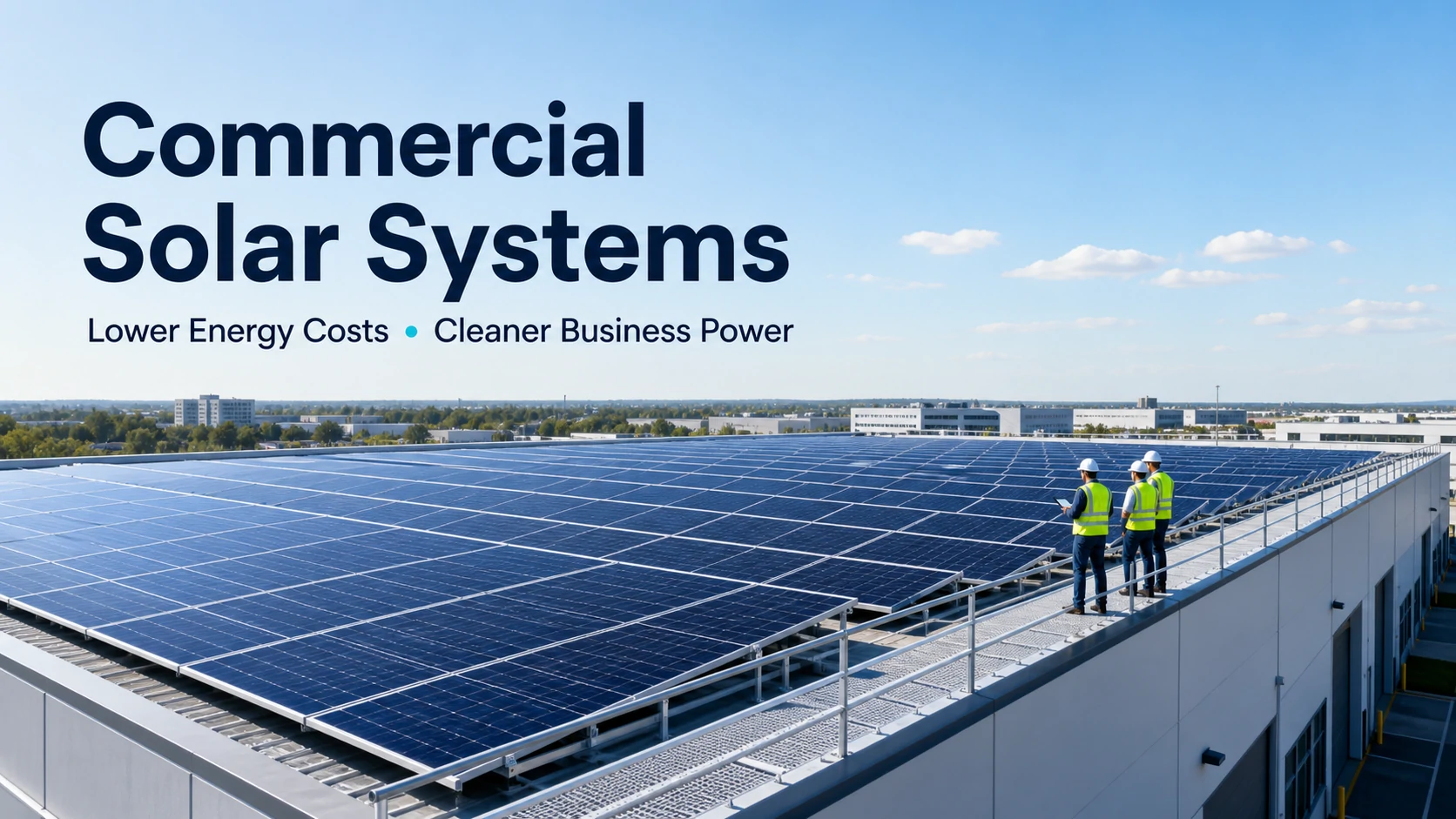
Commercial solar systems help businesses generate electricity from sunlight, reduce operating costs, improve energy independence, and support long-term sustainability goals. For factories, warehouses, schools, offices, farms, retail stores, hospitals, and commercial buildings with high daytime electricity use, solar can become a practical energy asset rather than only an environmental upgrade.
A well-designed commercial solar system is not simply a group of panels on a roof. It includes solar modules, inverters, mounting structures, electrical protection, monitoring equipment, utility interconnection, and sometimes battery energy storage. The right design depends on site conditions, electricity tariffs, roof or land availability, business load profile, local regulations, and the company’s financial goals.
What Is a Commercial Solar System?
A commercial solar system uses solar panels to convert sunlight into electricity for business or institutional use. The system normally includes solar PV panels, inverters, mounting structures, electrical protection devices, monitoring equipment, and sometimes battery energy storage.
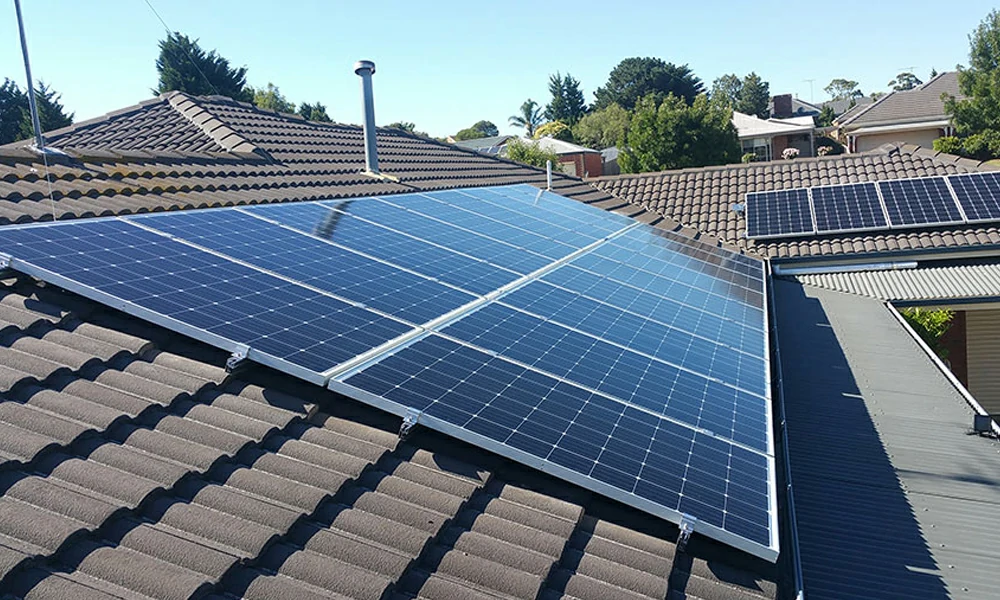
Commercial solar systems can be installed on flat rooftops, pitched roofs, carports, open land, or mixed site layouts. Photovoltaic cells convert sunlight directly into electricity through semiconductor materials, which is the core principle behind solar PV generation.
How Do Commercial Solar Systems Work?
A commercial solar system works in several steps:
- Solar panels capture sunlight and produce direct current electricity.
- The inverter converts DC electricity into alternating current electricity.
- The building uses solar power to run lighting, HVAC, machinery, refrigeration, office equipment, EV chargers, or other loads.
- Extra solar power may be exported to the grid, stored in a battery, or managed through an energy control system.
- Monitoring software tracks system output, energy use, and performance.
The exact setup depends on the site’s load profile, roof or land space, grid rules, tariff structure, and business goals. For example, a warehouse may want to reduce daytime utility costs, while a factory may need solar plus battery storage to reduce peak power demand.
Main Types of Commercial Solar Systems
Rooftop Commercial Solar
Rooftop solar is one of the most common commercial solar system types. Large flat or low-slope roofs can often support sizable PV arrays without using additional land. Rooftop systems are suitable for warehouses, factories, schools, offices, shopping centers, and public buildings.
Before installation, the roof should be assessed for structural capacity, waterproofing condition, shading, fire access pathways, available area, and remaining service life.
Ground-Mounted Commercial Solar
Ground-mounted solar systems are suitable for businesses with available land. They can be easier to access for maintenance and can be positioned at an optimized angle and orientation. However, they require land use planning, foundations, trenching, fencing, and sometimes additional permitting.
Solar Carports
Solar carports turn parking areas into power-generating assets. They provide shade for vehicles while producing electricity for the building or EV charging stations. Carports usually cost more than simple rooftop systems, but they can be practical when roof space is limited or when a business wants visible sustainability infrastructure.
Solar Plus Battery Storage
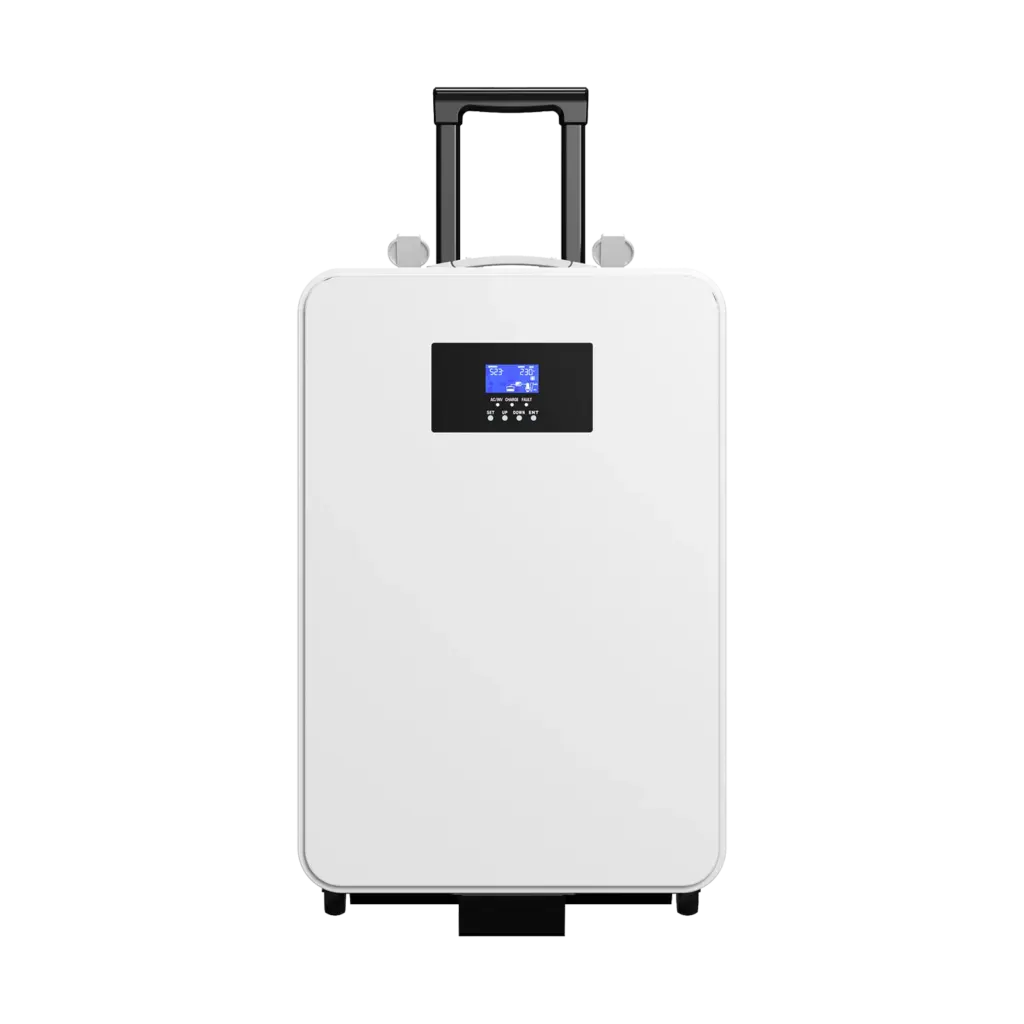
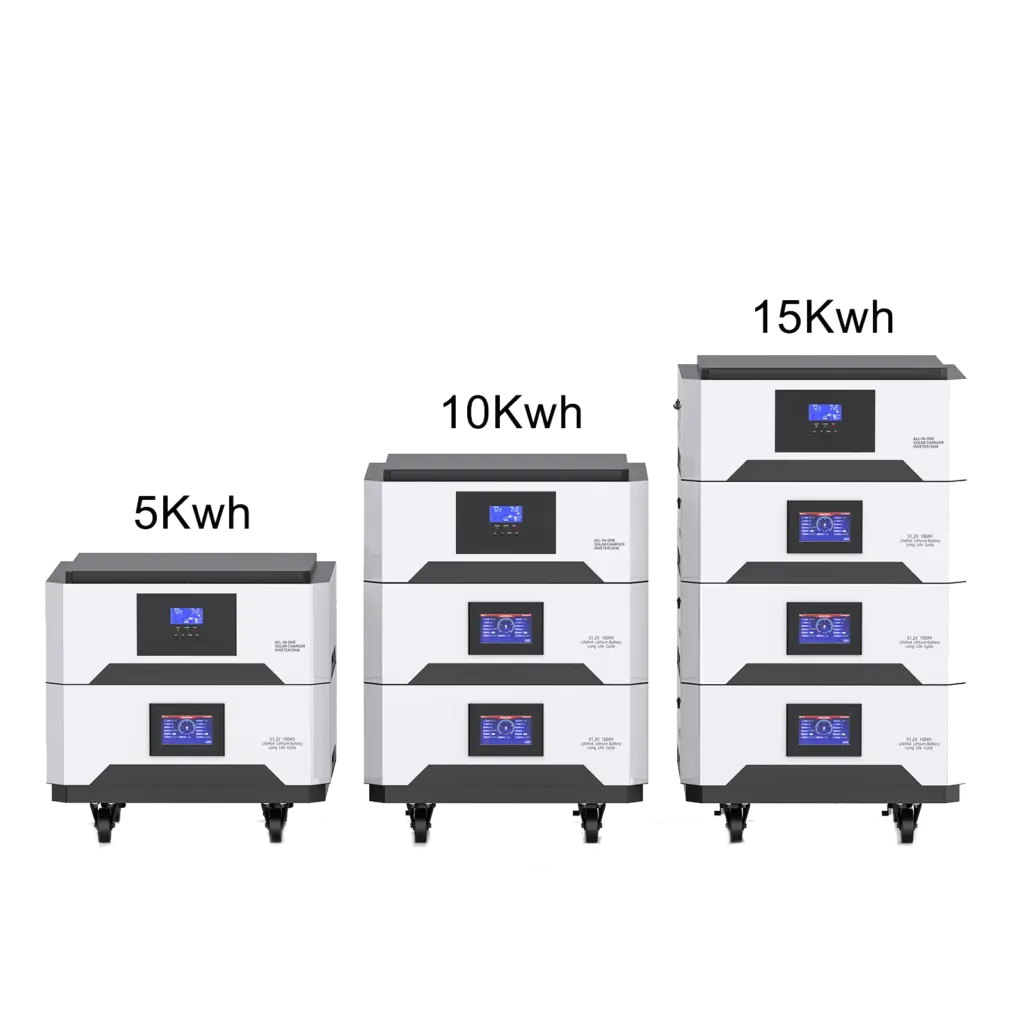
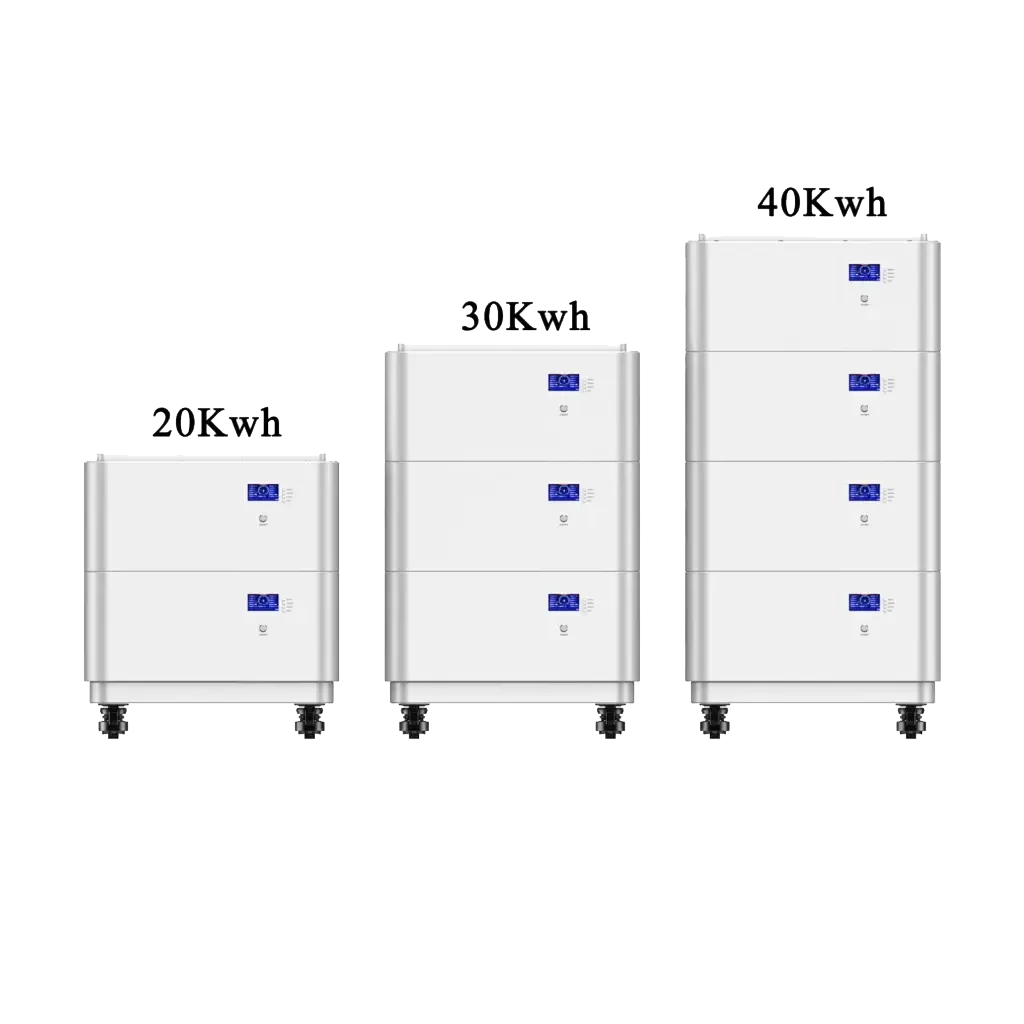
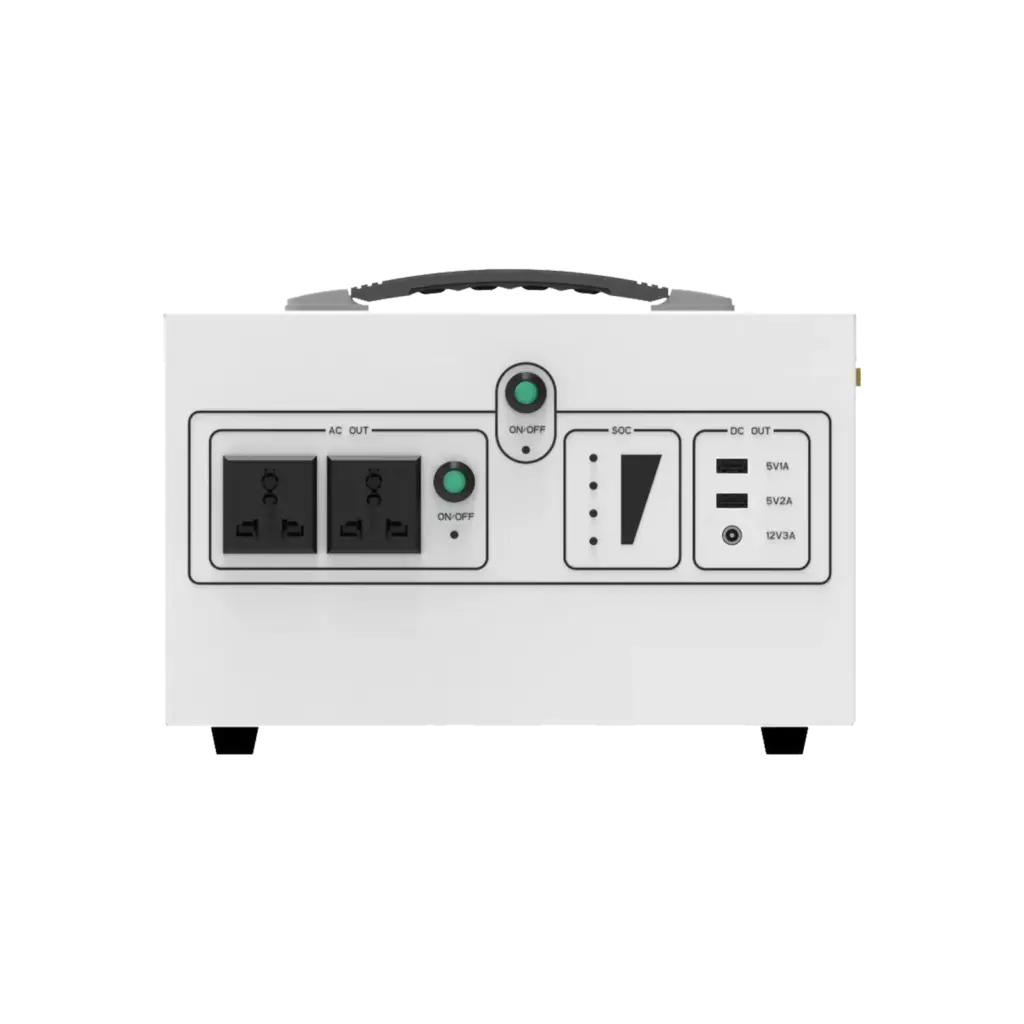
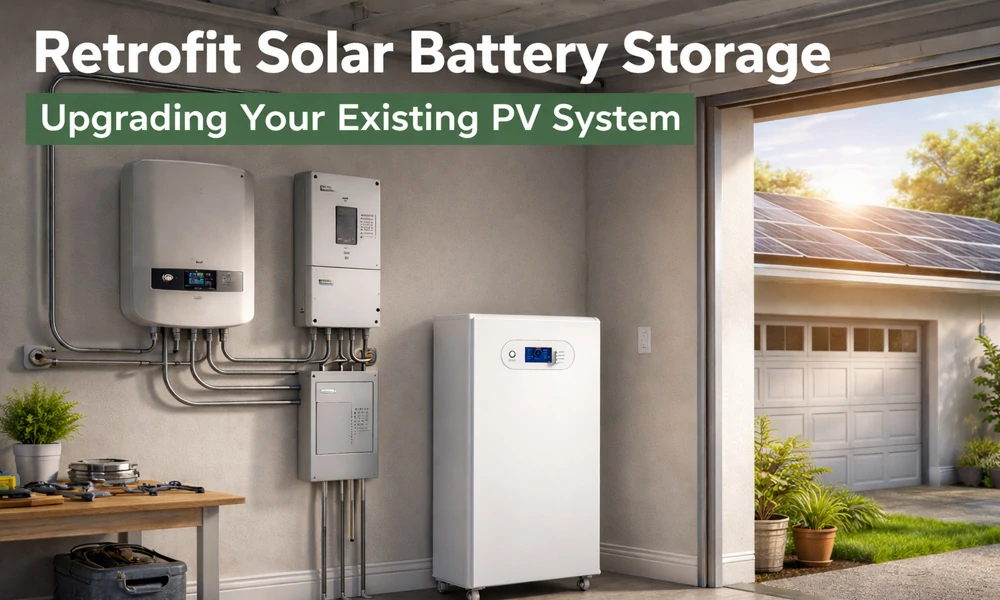
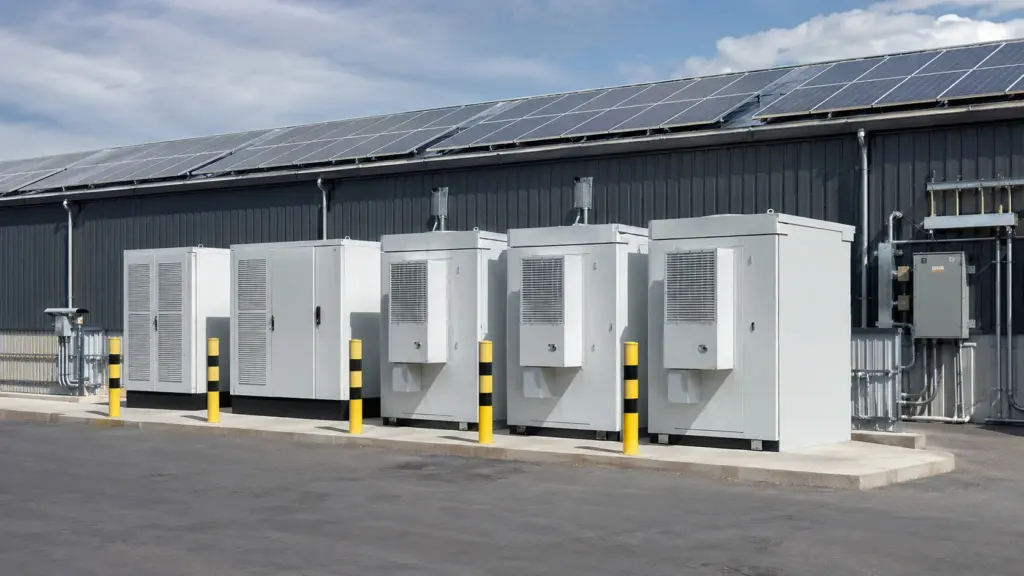
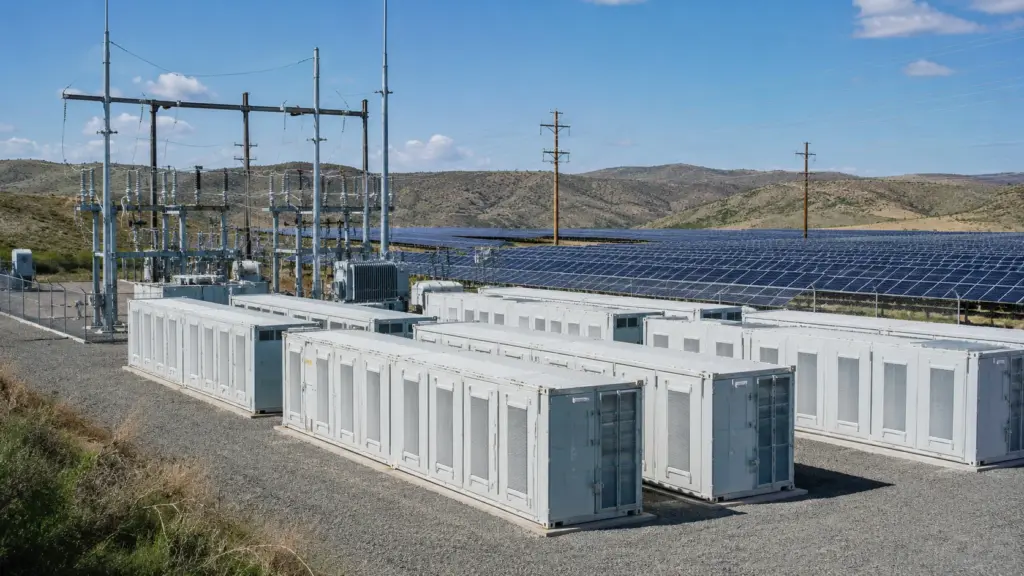
Solar panels generate energy during the day, but many businesses need power beyond solar production hours or want to reduce peak electricity costs. In these cases, a battery system can make the commercial solar project more flexible.
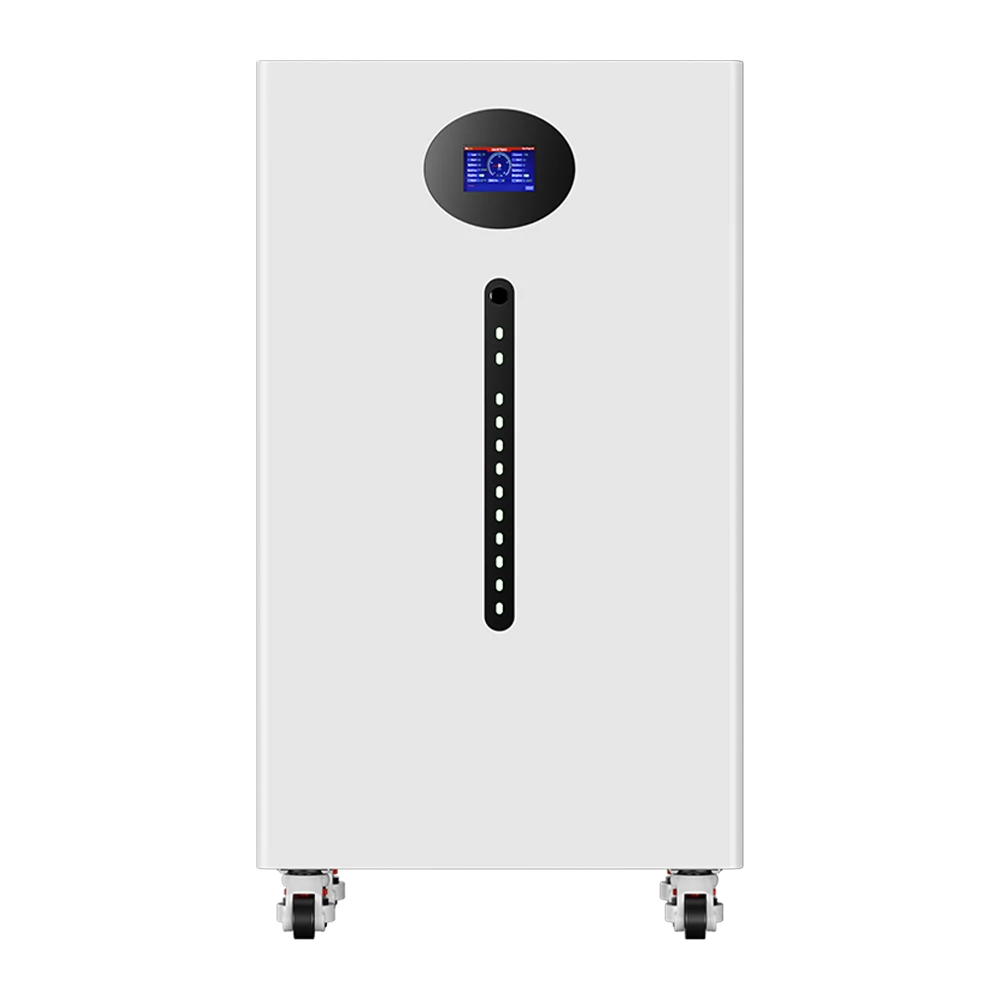
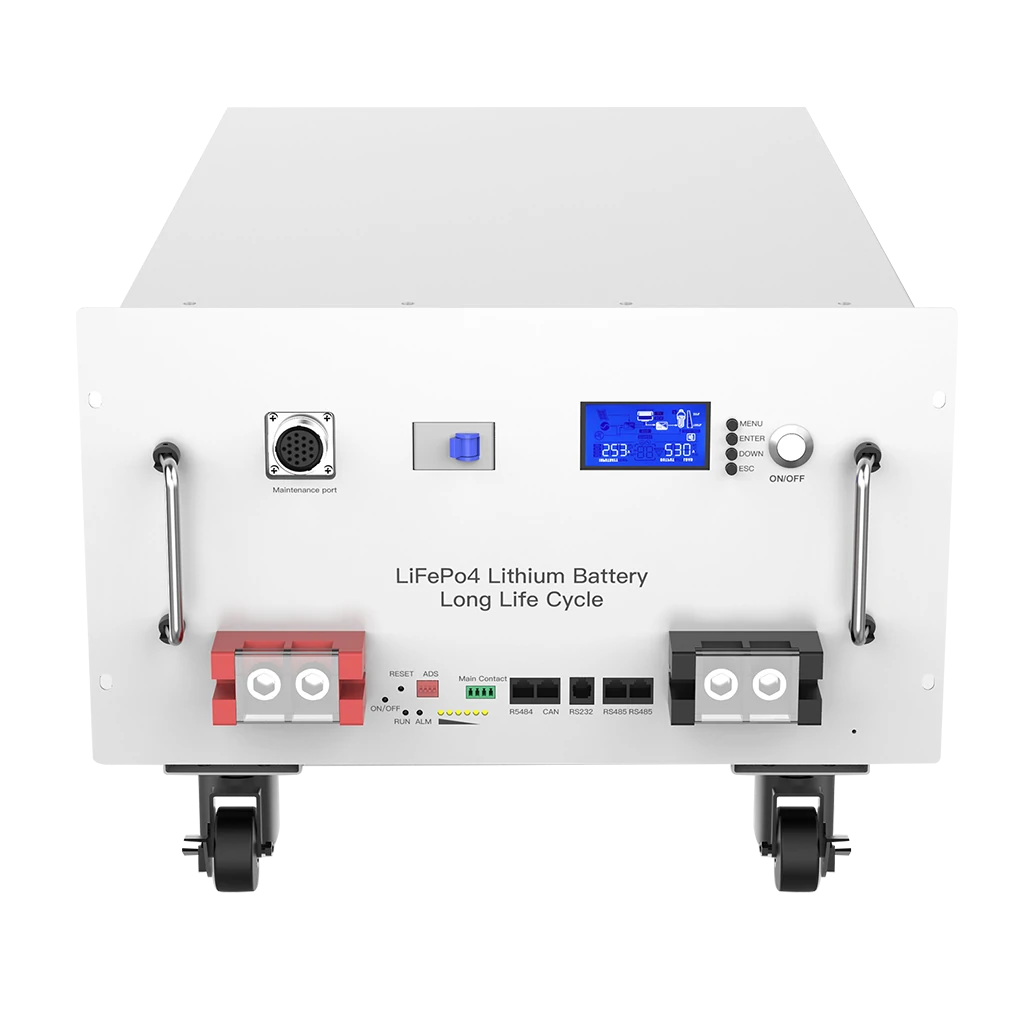
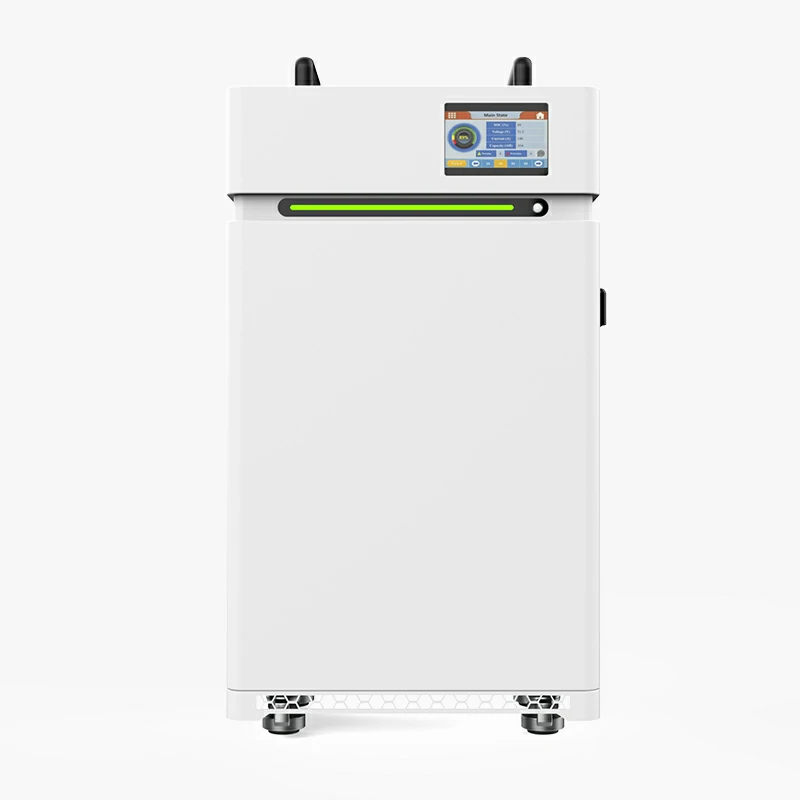
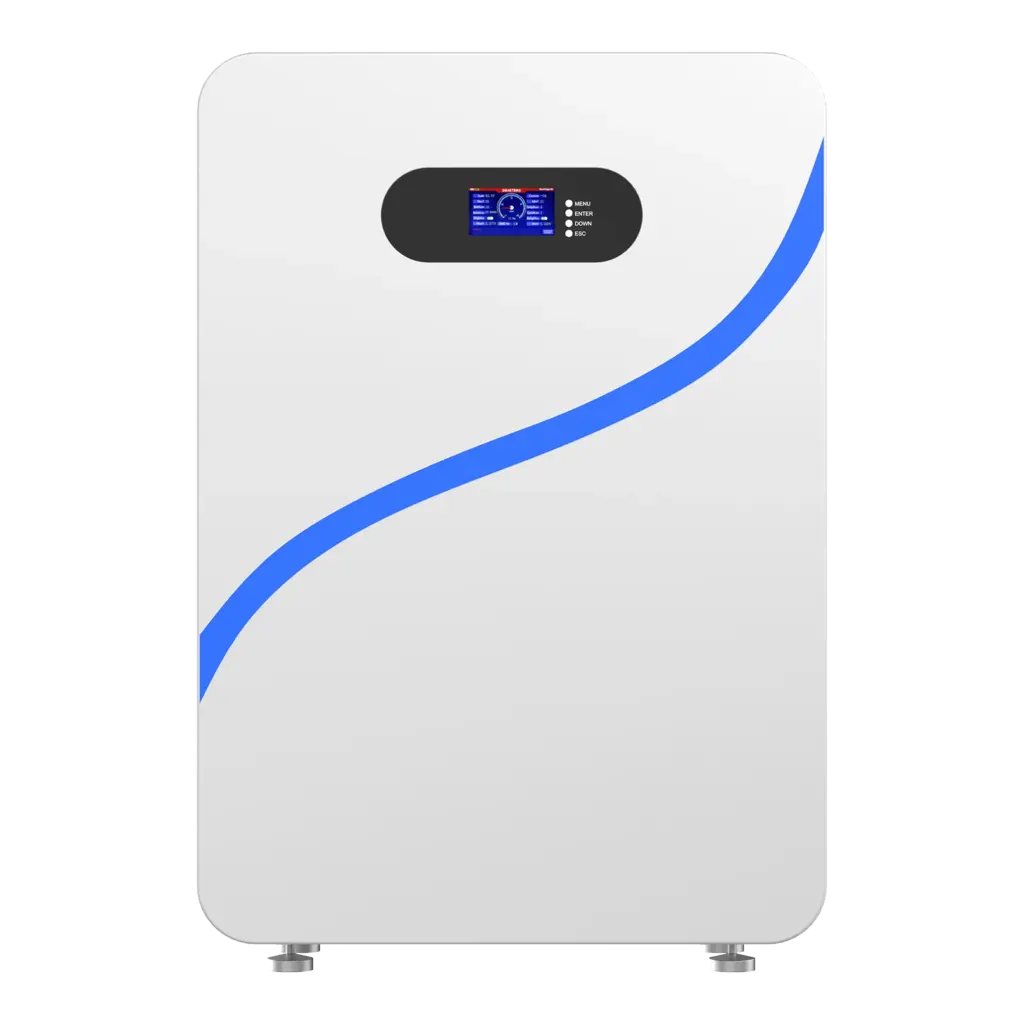
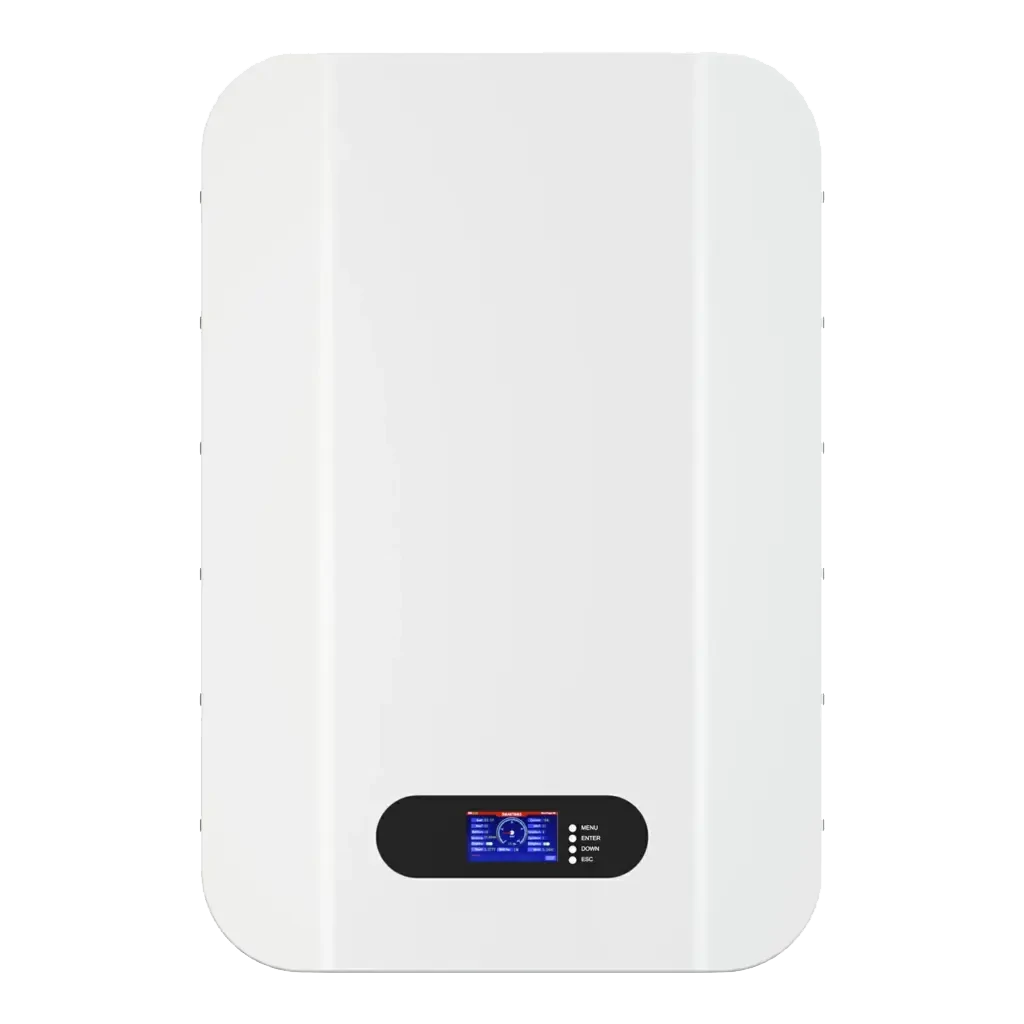
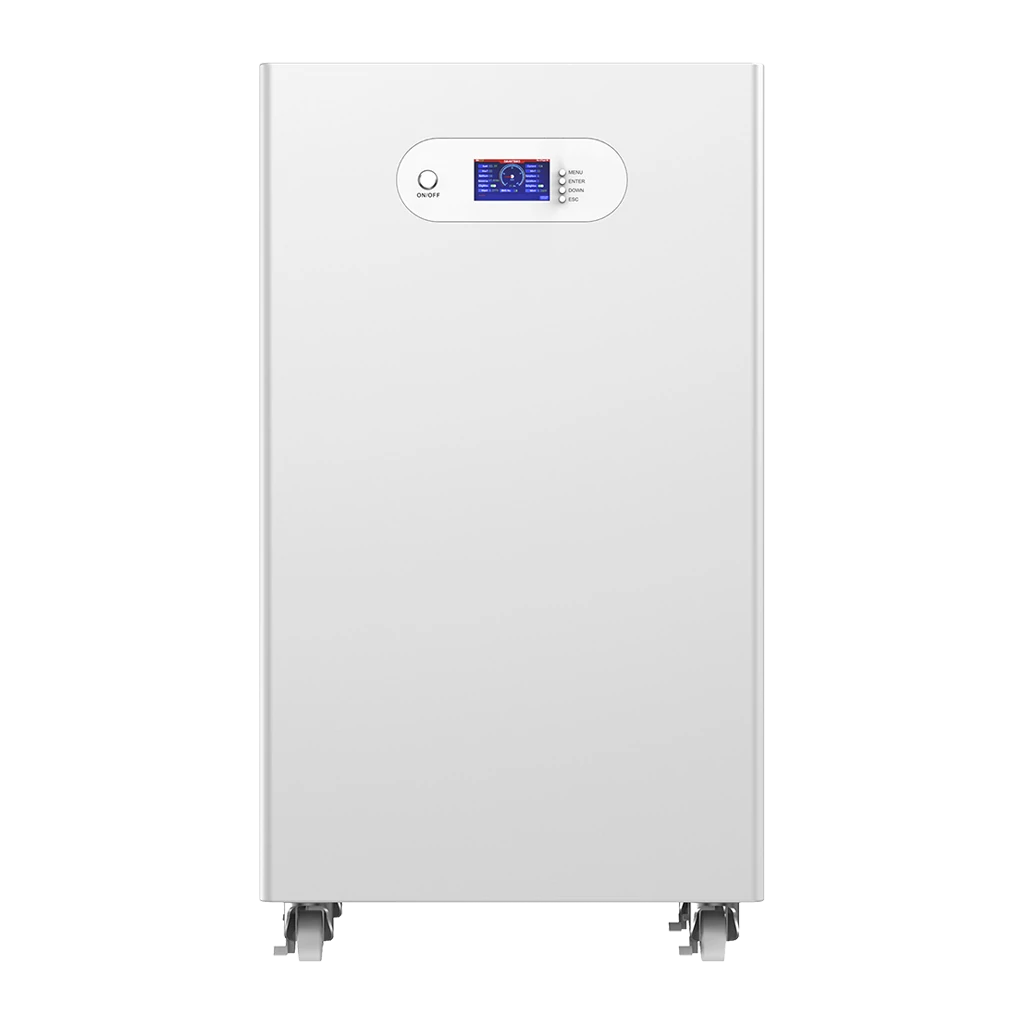
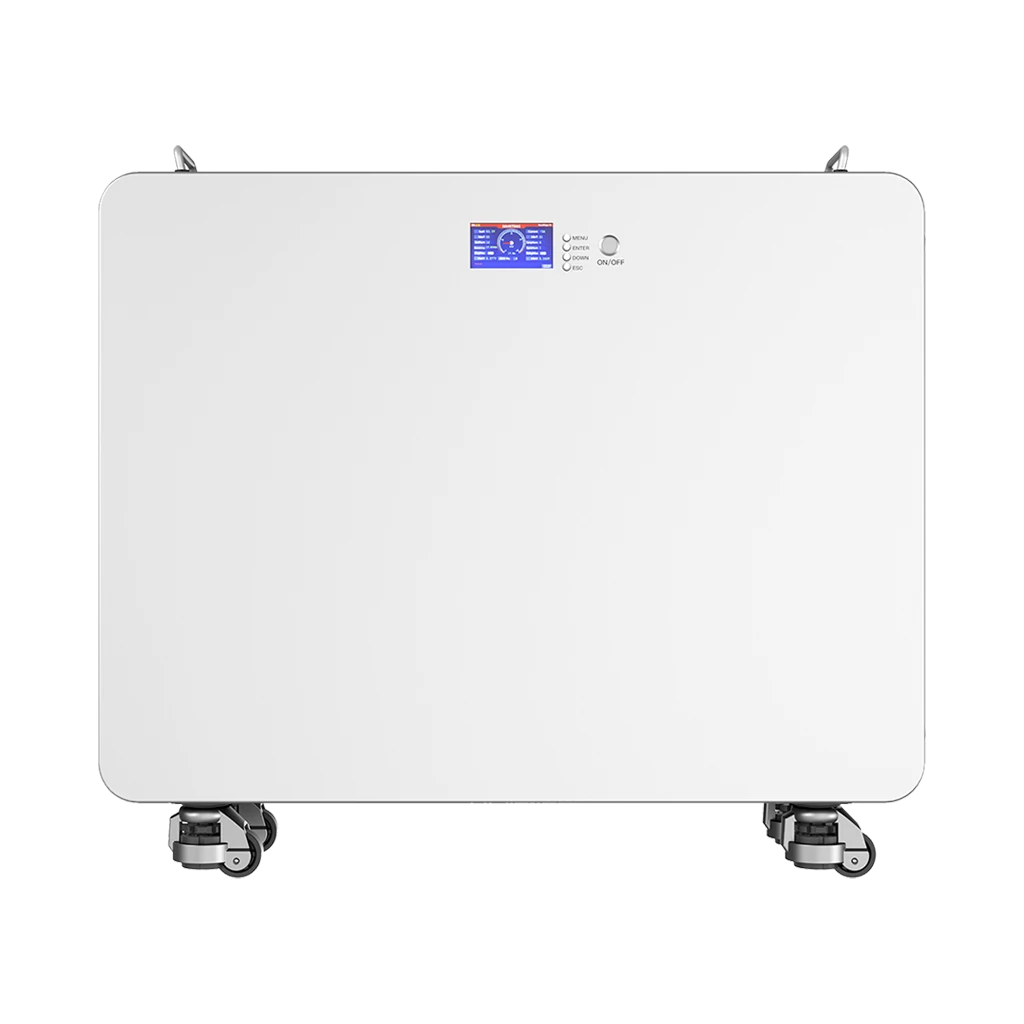
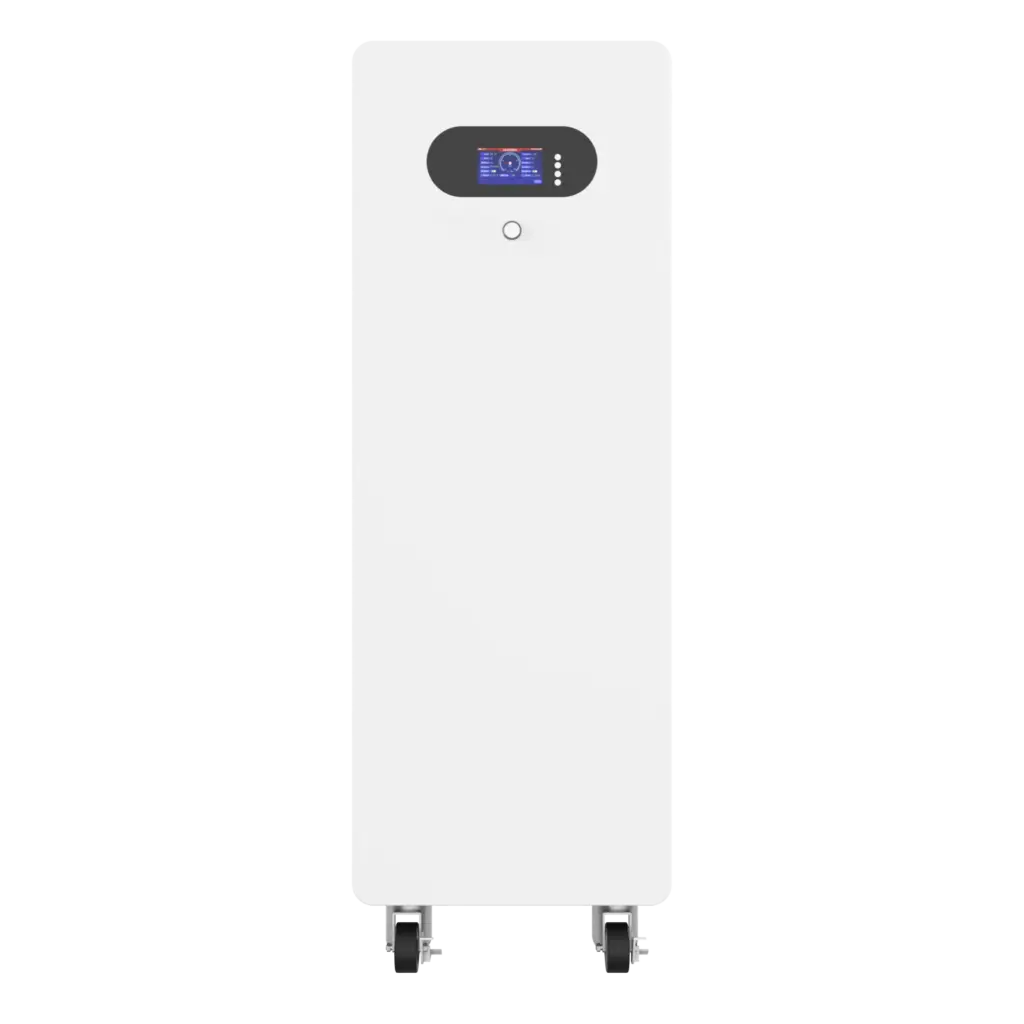
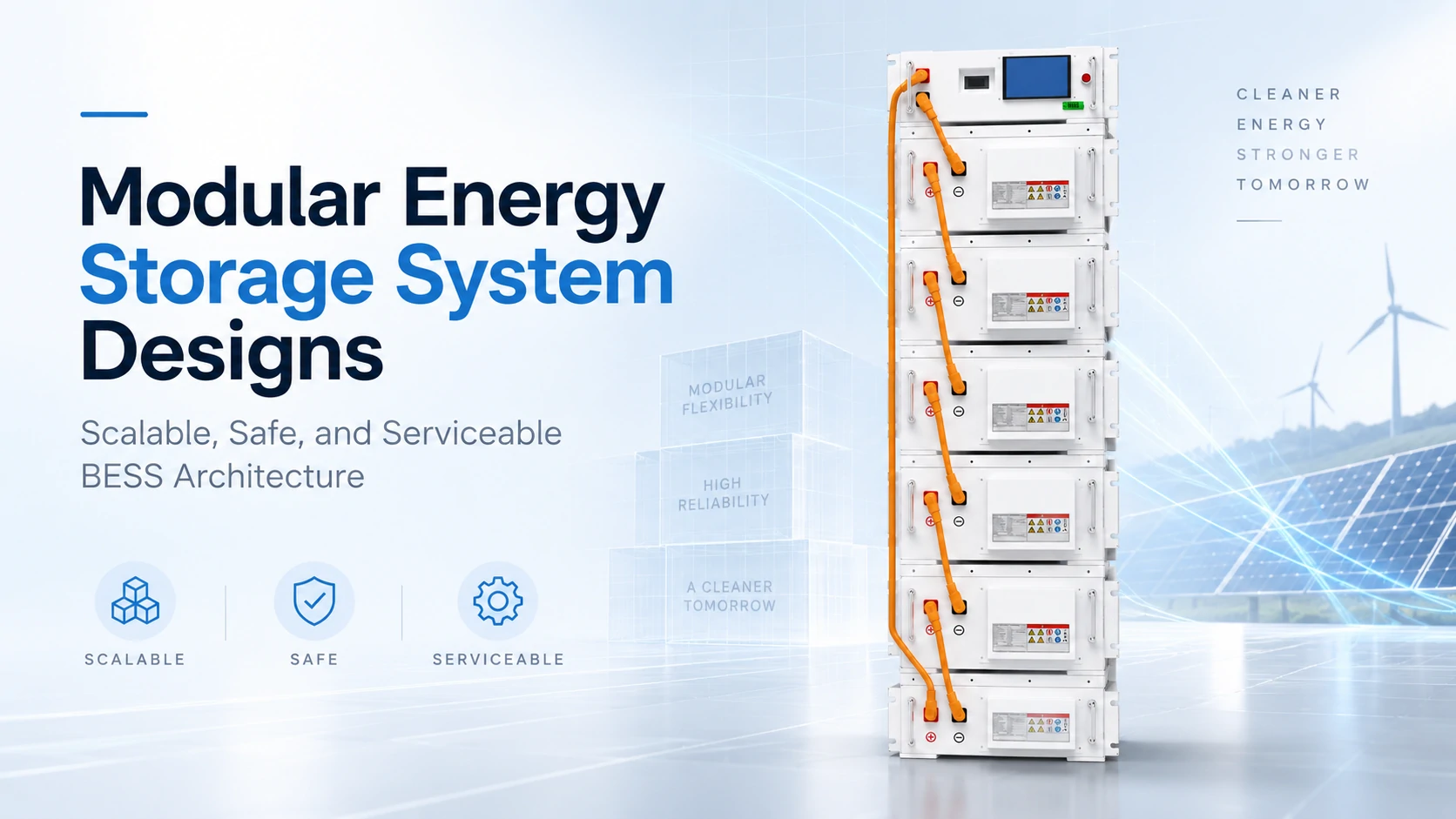
For larger projects, Avepower’s commercial and industrial energy storage solutions can support solar self-consumption, peak shaving, backup power, and PV + ESS + EV charging applications. For commercial facilities that need integrated battery storage, the 215kWh liquid-cooled commercial energy storage system is designed for scalable business energy storage projects.
Build a Smarter Commercial Solar Storage System
Pair your commercial solar project with scalable LiFePO4 battery storage for higher self-consumption, peak shaving, and backup power.
Key Components of a Commercial Solar System
A complete commercial solar system usually includes:
- Solar panels: Convert sunlight into DC electricity.
- Inverters: Convert DC electricity into AC electricity.
- Mounting system: Secures panels to the roof, ground, or carport structure.
- Electrical protection: Includes breakers, disconnects, combiner boxes, fuses, surge protection, and grounding.
- Monitoring system: Tracks energy production, system performance, and fault alerts.
- Utility interconnection equipment: Allows safe grid connection and export where permitted.
- Battery storage: Stores solar energy for backup, peak shaving, or time-of-use optimization.
- Energy management system: Controls solar, battery, grid, and load behavior in advanced projects.
For solar-plus-storage projects, inverter and battery communication compatibility should be confirmed early. Installers and EPC teams can review Avepower’s inverter compatibility information when planning battery integration.
Benefits of Commercial Solar Systems
Lower Operating Costs
Electricity is a major operating cost for many businesses. A commercial solar system can reduce grid electricity consumption and lower monthly utility bills. Businesses with high daytime electricity use often benefit most because solar production usually aligns well with working hours.
More Predictable Energy Expenses
Utility rates can change over time. Solar helps businesses lock in part of their energy supply through an owned or contracted energy asset. This can improve long-term budget planning and reduce exposure to electricity price increases.
Better Use of Roof or Land Assets
Many commercial buildings have large unused rooftops or open land. Solar allows these spaces to generate value without changing the core function of the property.
ESG and Sustainability Value
Commercial solar can help reduce carbon emissions, support sustainability reporting, and improve a company’s environmental image. For manufacturers, exporters, retailers, and brands with supply chain sustainability requirements, renewable energy adoption can also support customer and partner expectations.
Energy Resilience
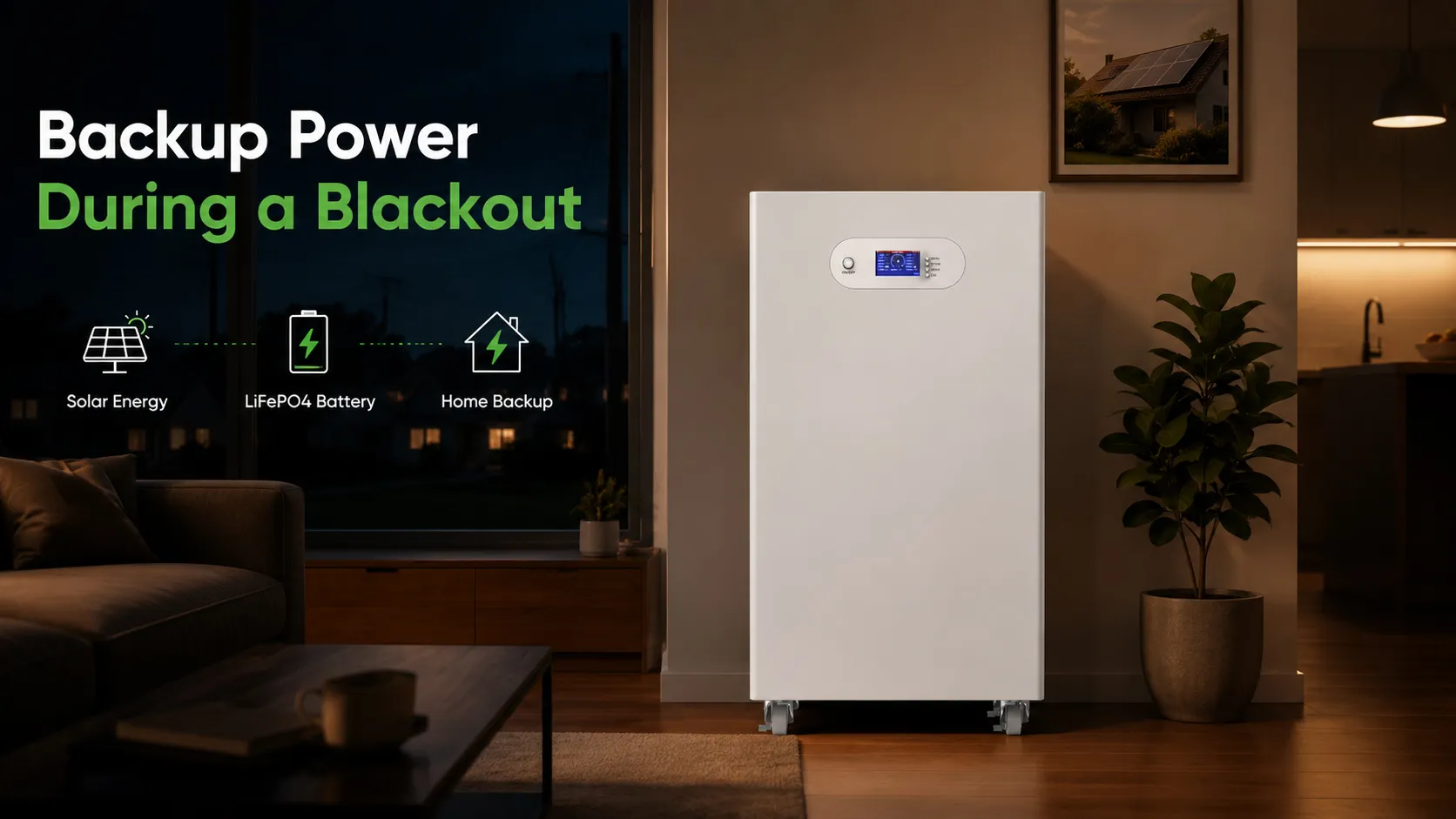
Solar alone usually shuts down during a grid outage unless the system is specifically designed for backup operation. When paired with properly engineered battery storage and backup controls, solar can support critical loads such as refrigeration, IT systems, lighting, security, communications, and selected production equipment.
How Much Do Commercial Solar Systems Cost?
Commercial solar system costs vary widely. The final price depends on system size, installation type, roof condition, electrical upgrades, labor, permitting, interconnection requirements, Commercial solar systems are usually priced by cost per watt. In 2026, many commercial solar projects fall around $1.40 to $1.80 per watt before incentives, while smaller or more complex projects can cost more. A 100kW commercial solar system may cost roughly $140,000 to $180,000, and a 500kW system may range from about $700,000 to $900,000, depending on the site, equipment, labor, and interconnection requirements.
The final cost depends on several major factors:
- System size: Larger systems usually cost more in total but less per watt.
- Installation type: Rooftop systems are often more cost-effective than ground-mounted systems or solar carports.
- Roof condition: Older roofs may need repair or reinforcement before solar installation.
- Electrical upgrades: Switchgear, transformers, panels, and utility connection work can increase project cost.
- Equipment selection: High-efficiency panels, premium inverters, advanced monitoring, and stronger warranties may raise upfront cost but improve long-term value.
- Battery storage: Adding a commercial battery system increases initial investment but can help with peak shaving, backup power, and solar self-consumption.
- Local incentives: Tax credits, depreciation, rebates, and utility programs can significantly reduce net project cost.
Instead of judging only by upfront cost, businesses should compare lifetime value: expected annual generation, self-consumption rate, avoided electricity costs, maintenance costs, incentives, depreciation benefits, and expected payback period. In the U.S., businesses may also review solar tax and depreciation resources such as SEIA’s guide to MACRS for solar energy property, but tax rules should always be confirmed with a qualified advisor.
For sites with high demand charges or time-of-use tariffs, combining solar with a battery system such as Avepower’s commercial energy storage solutions can improve energy cost control and increase the value of the solar system.
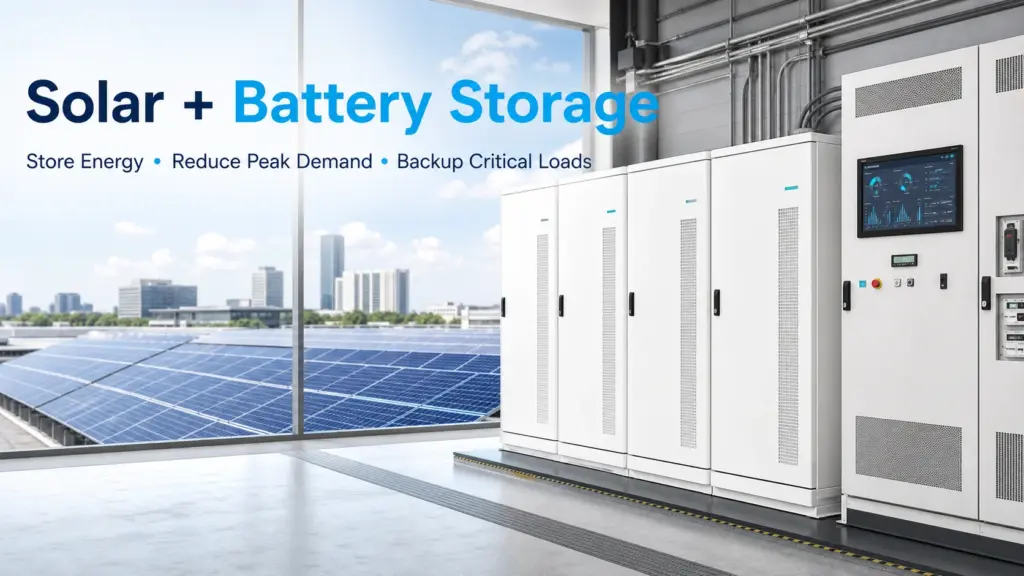
When Should a Commercial Solar System Include Battery Storage?
Battery storage is not necessary for every commercial solar project, but it can significantly improve system value in the right situation.
A battery may be useful if the business wants to:
- Store excess solar power for evening use
- Reduce peak demand charges
- Improve solar self-consumption
- Support critical loads during outages
- Reduce grid dependence
- Manage EV charging demand
- Build a solar-storage microgrid
- Prepare for future expansion
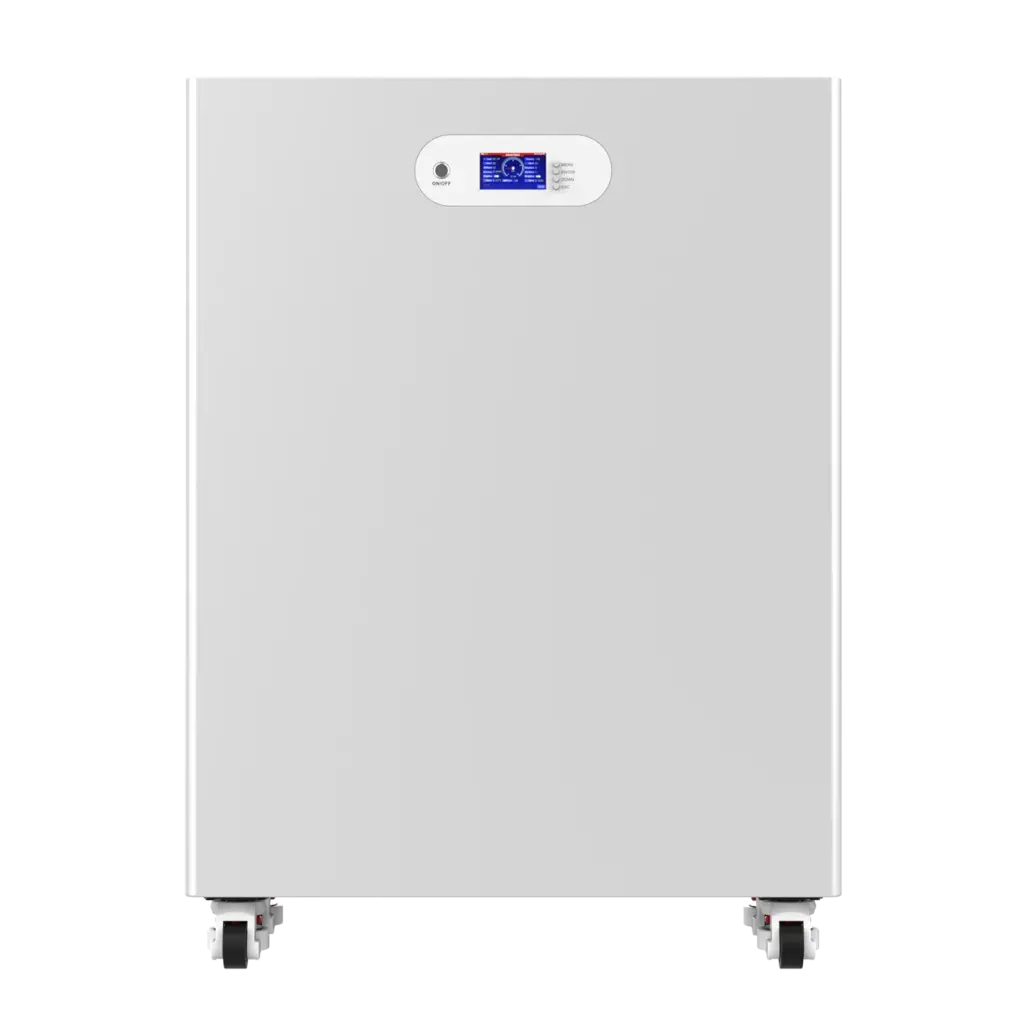
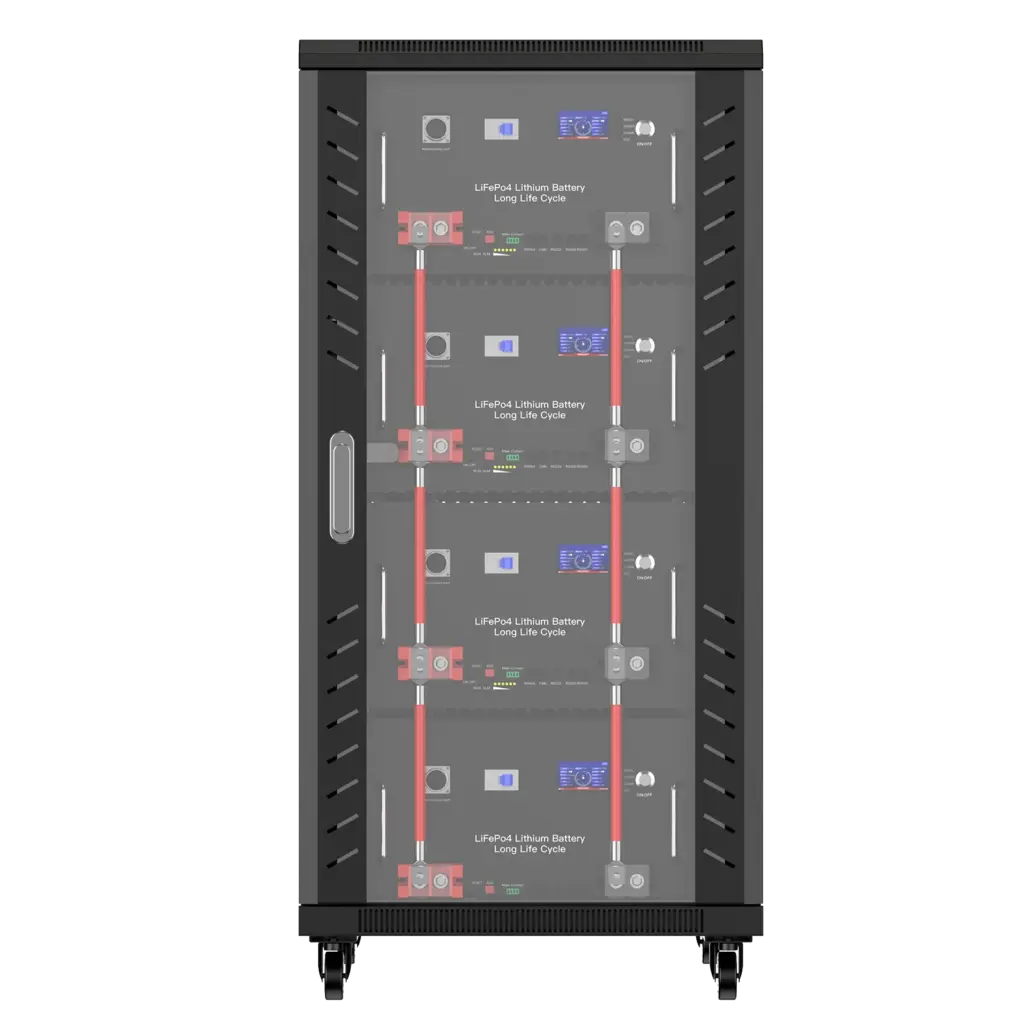
For larger commercial projects, low-voltage batteries may not always be the best fit. High-voltage architecture can improve system efficiency and match larger PCS or inverter platforms. Avepower’s custom high voltage battery storage system can be configured for project-specific voltage platforms, cabinet layouts, communication protocols, and capacity requirements.
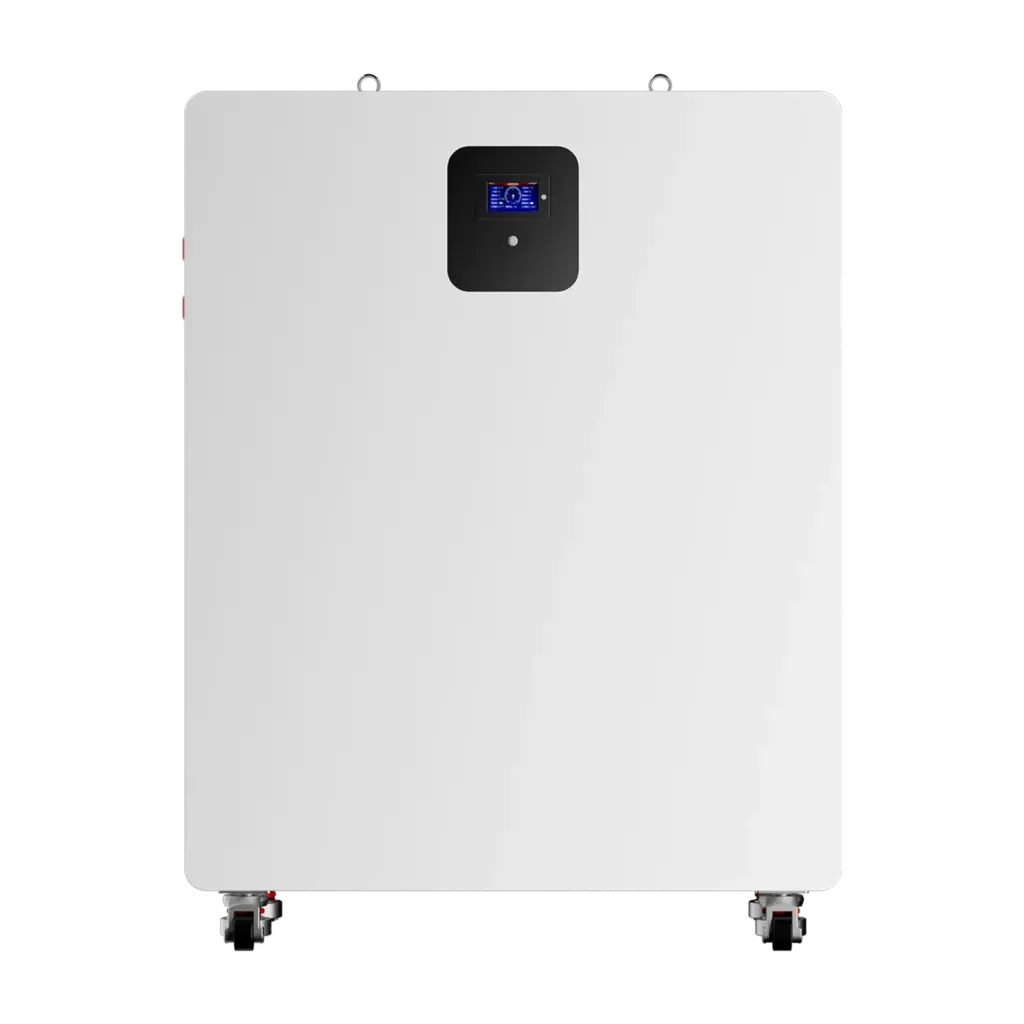
For installers, EPC companies, distributors, and project buyers working on repeated solar projects, Avepower also provides battery systems for solar installers with LiFePO4 technology, inverter compatibility support, scalable configuration, and OEM/ODM options.
How to Choose the Right Commercial Solar Panels
The best commercial solar panel is not always the most expensive or the highest-efficiency option. The right choice depends on available space, project budget, energy target, climate, warranty expectations, and financial return.
Important factors include:
- Module efficiency
- Power output per panel
- Degradation rate
- Product warranty
- Performance warranty
- Temperature coefficient
- Mechanical load rating
- Manufacturer reliability
- Certification compliance
- Availability for future replacement or expansion
High-efficiency panels can be useful when roof space is limited. If there is plenty of space, a slightly lower-efficiency panel with better cost performance may deliver a stronger return.
Commercial Solar Installation Process
A professional commercial solar project usually follows these steps:
- Energy Assessment: The installer reviews electricity bills, interval data, load patterns, tariff structure, and business goals.
- Site Survey: The project team checks roof condition, shading, electrical rooms, switchgear, available land or parking space, access routes, and safety requirements.
- System Design: Engineers design the solar array, inverter system, mounting layout, electrical single-line diagram, monitoring setup, and optional battery storage.
- Financial Analysis: The business reviews estimated generation, self-consumption, savings, incentives, tax treatment, payback period, and return on investment.
- Permitting and Utility Approval: The project requires building permits, electrical permits, and grid interconnection approval depending on location.
- Procurement and Installation: Panels, inverters, racking, cables, protection devices, and batteries are delivered and installed with minimal disruption to business operations.
- Testing and Commissioning: The system is inspected, energized, tested, and connected to monitoring software.
- Operation and Maintenance: The owner or O&M provider monitors production, checks alarms, cleans panels when needed, and performs periodic inspections.
Commercial projects should involve qualified installers, licensed electricians, structural professionals, and experienced system designers. For safety and quality, businesses should not treat commercial solar as a simple plug-and-play purchase.
Maintenance Requirements
Commercial solar systems are relatively low-maintenance, but they are not maintenance-free. Dust, debris, shading changes, loose wiring, inverter faults, roof issues, and communication failures can reduce performance.
Typical maintenance includes:
- Remote monitoring checks
- Visual inspection of panels and wiring
- Inverter performance review
- Cleaning where soiling is significant
- Thermal inspection for electrical hotspots
- Mounting and roof penetration inspection
- Battery system health checks if storage is included
A good maintenance plan protects energy production and helps the business detect problems before they reduce savings.
Commercial Solar Systems vs Residential Solar Systems
Commercial solar systems are usually larger, more complex, and more customized than residential systems. Residential systems are often designed around household consumption, while commercial systems must consider demand charges, business schedules, roof engineering, grid interconnection, insurance, tax treatment, and operational continuity.
Commercial projects may also include multiple stakeholders, such as building owners, tenants, facility managers, finance teams, EPC contractors, utilities, and equipment suppliers.
Are Commercial Solar Systems Worth It?
Commercial solar systems are often worth it for businesses with high electricity use, available roof or land space, long-term site control, and suitable local electricity rates. The strongest projects usually have a good match between solar production and daytime load, clear ownership structure, reliable equipment, and a practical financial model.
Solar is not a one-size-fits-all investment. A warehouse with a large flat roof and high daytime demand may see a different result from a leased retail space with limited roof rights. A factory with peak demand charges may benefit from solar plus battery storage, while a small office may only need a straightforward rooftop PV system.
The best approach is to start with energy data, not equipment. Once the load profile, tariff, site conditions, and business goals are clear, the system can be designed around real operational value.
How to Choose the Right Commercial Solar Partner
Before choosing a commercial solar provider or equipment partner, ask these questions:
- Do they understand commercial load profiles and demand charges?
- Can they review interval data and utility bills?
- Do they provide clear financial modeling?
- Can they design solar plus battery storage if needed?
- Are the panels, inverters, batteries, and protection devices properly certified?
- Is the system expandable?
- What monitoring and maintenance support is included?
- Who handles permitting, interconnection, and commissioning?
- What warranties apply to equipment and workmanship?
- Can the supplier support long-term spare parts and documentation?
For solar installers and EPC teams building repeated projects, Avepower provides battery systems for solar installers, including LiFePO4 battery options, inverter compatibility support, scalable configurations, and OEM/ODM customization.
Optimize Your Solar Investment with Battery Storage
Store excess solar energy, reduce peak demand costs, and improve energy resilience with a tailored commercial energy storage system.
Conclusion
Commercial solar systems can help businesses reduce energy costs, improve resilience, use unused roof or land space, and support sustainability goals. The most successful projects combine accurate site assessment, reliable equipment, professional installation, clear financial analysis, and long-term monitoring.
For businesses planning solar plus storage, battery selection should be considered early in the design process. Avepower supports installers, distributors, EPC teams, and commercial project developers with LiFePO4 battery systems for solar self-consumption, peak shaving, backup power, and commercial energy storage integration.
FAQ
Most commercial solar panels are designed to operate for 25 years or more. Inverters may need replacement earlier, depending on the inverter type, operating environment, and warranty terms.
Yes, in some cases. However, whether solar can cover all electricity use depends on system size, available space, energy demand, local sunlight conditions, and whether battery storage is included.
Standard grid-tied solar systems usually shut down during outages for safety reasons. To support backup power, the system needs suitable battery storage, backup controls, and proper electrical design.
Not always. Businesses with strong daytime electricity use may benefit from solar alone. Battery storage becomes more valuable when the site has peak demand charges, time-of-use tariffs, backup power needs, or limited export value.
A good commercial solar quote usually requires 12 months of electricity bills, site address, roof or land details, load profile if available, utility tariff information, and any future plans such as EV chargers, production expansion, or battery storage.