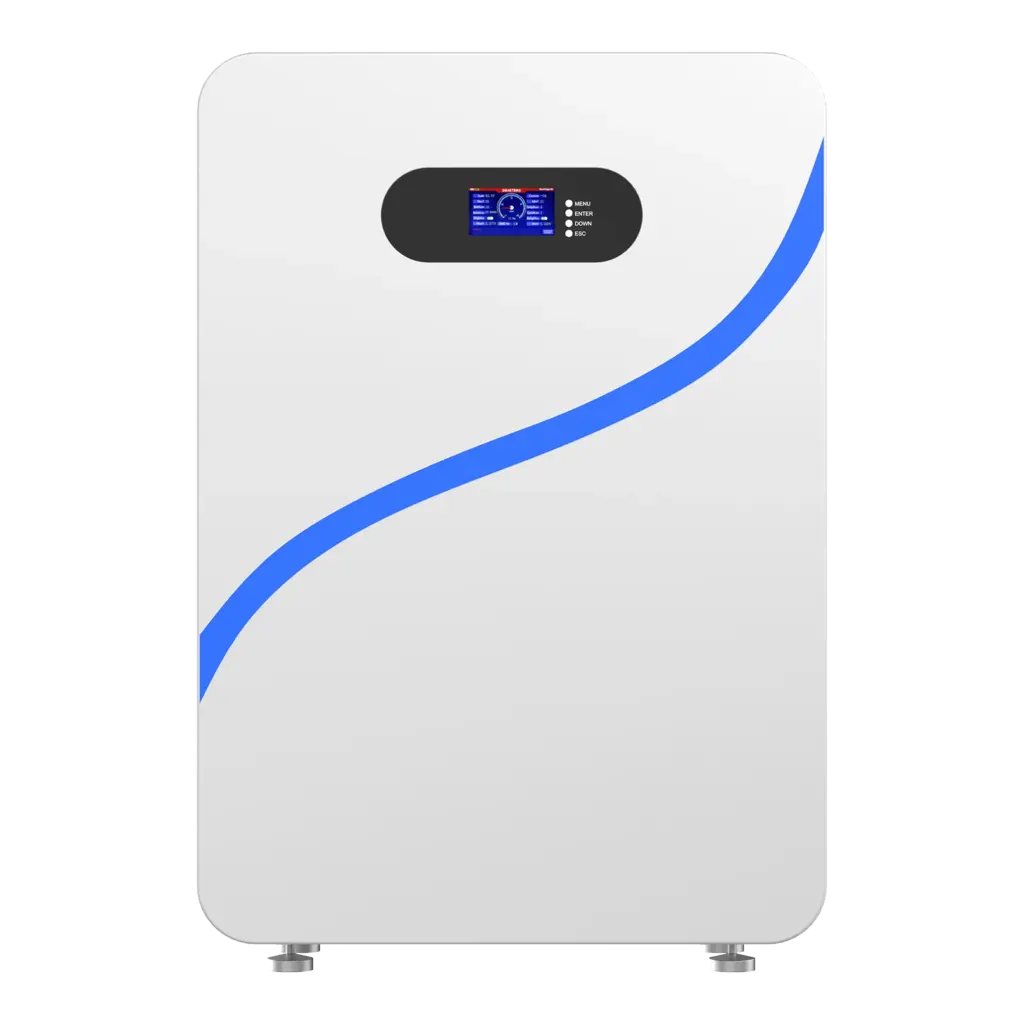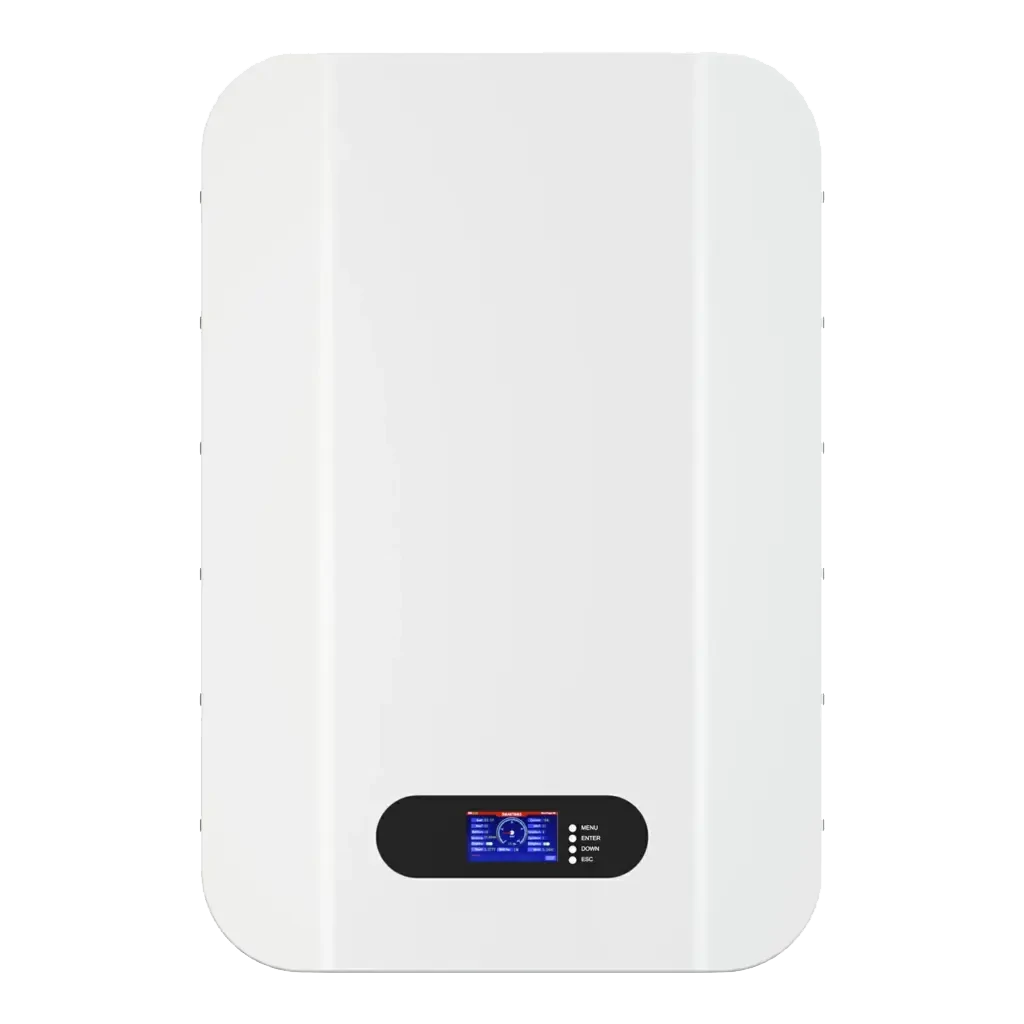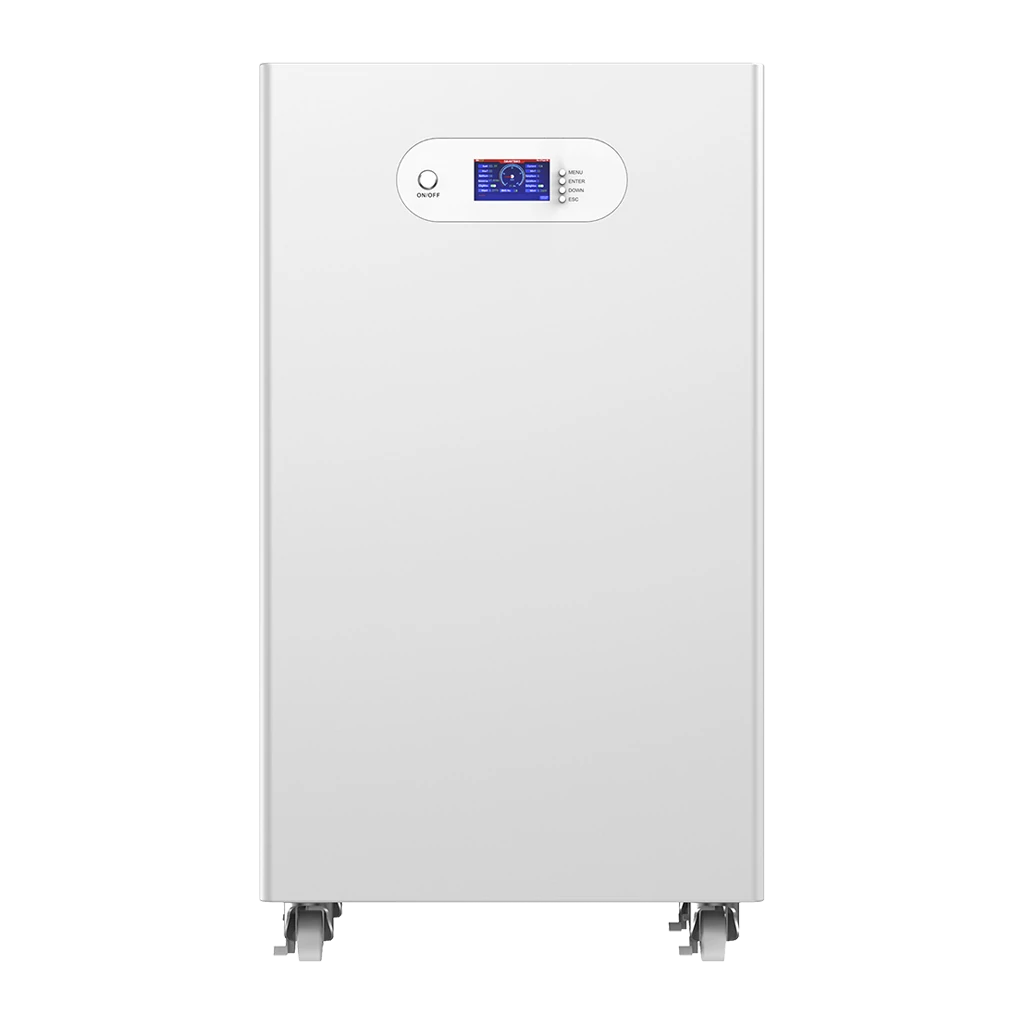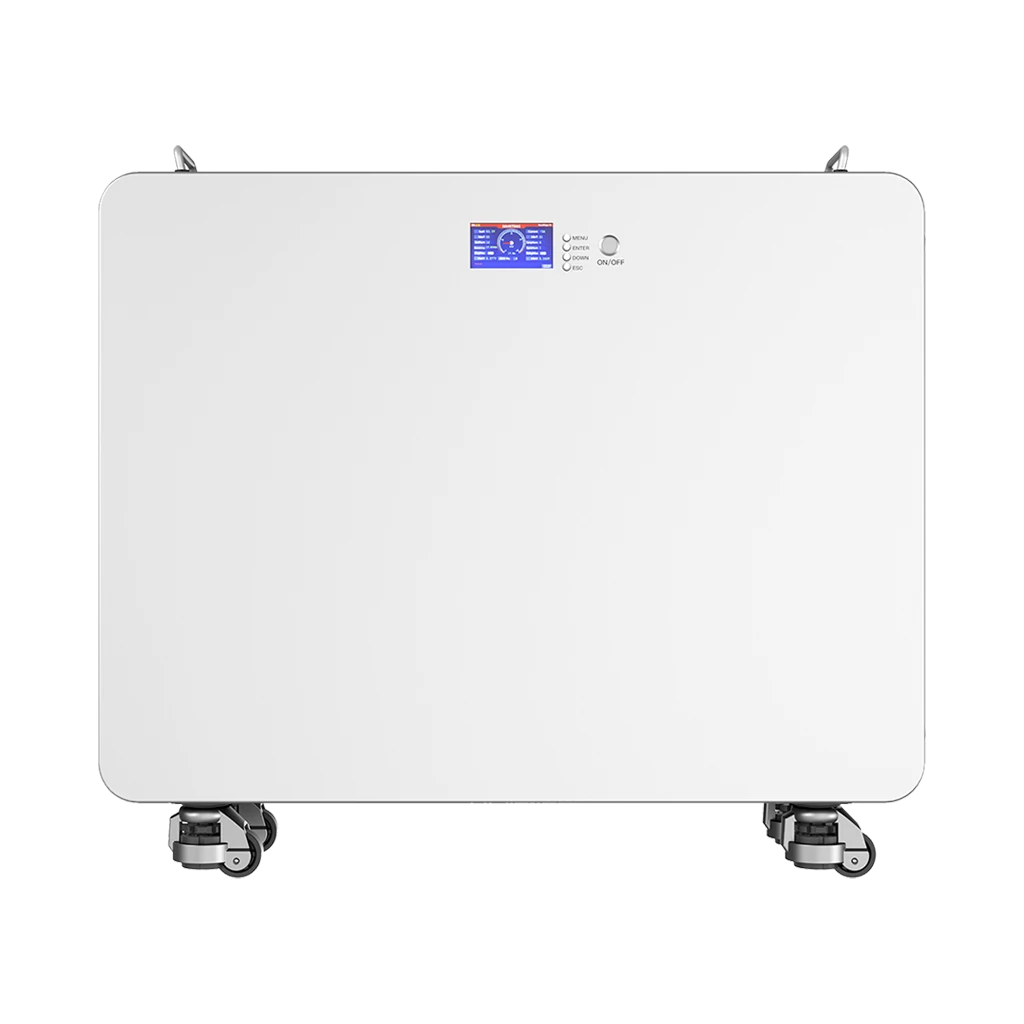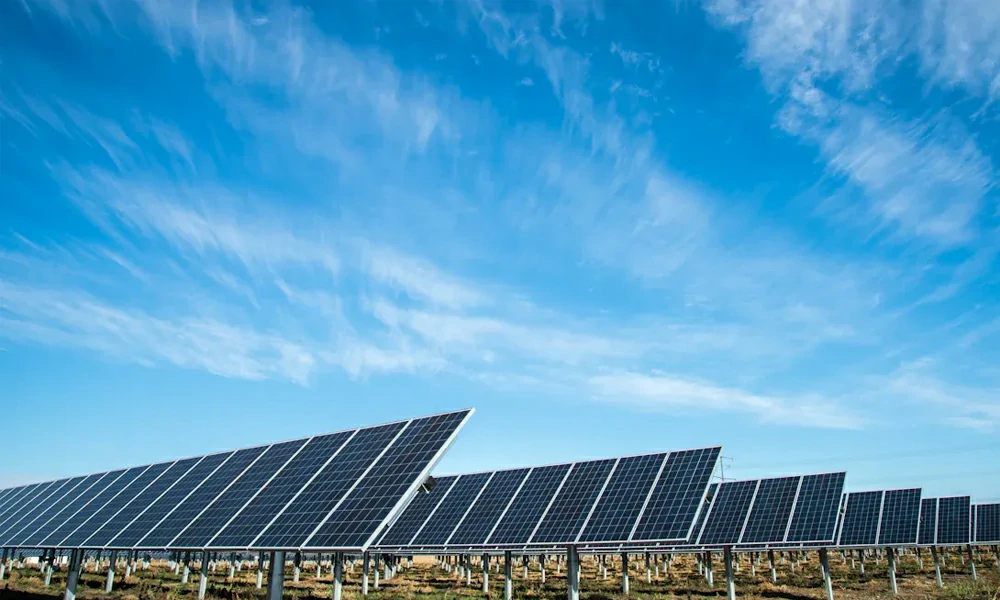
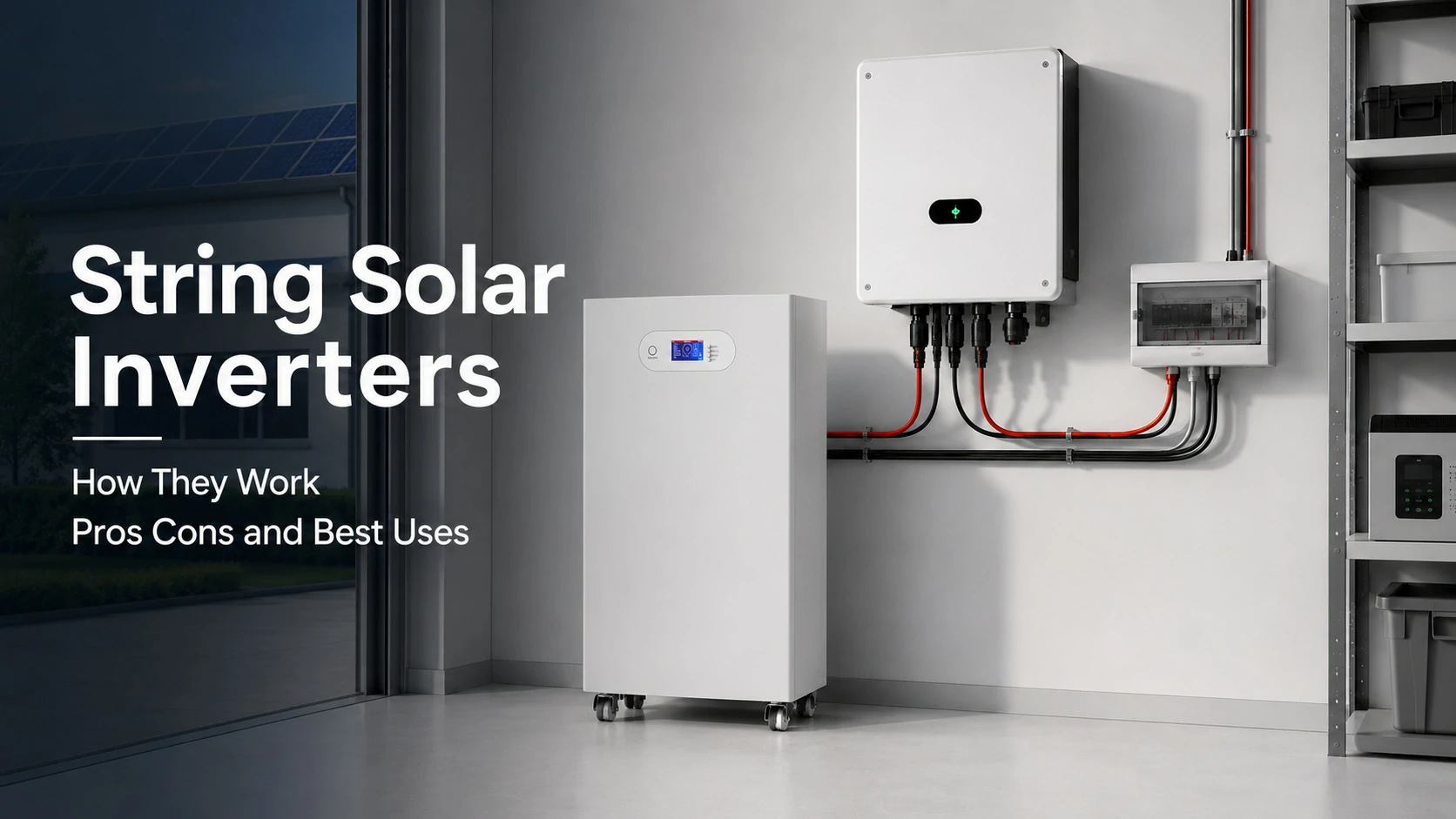
A string solar inverter converts the direct current, or DC electricity, generated by a group of solar panels into alternating current, or AC electricity, that can be used by a home, business, or the grid. In a typical string inverter system, several solar panels are connected together in a “string,” and one inverter manages the power conversion for that group.
String solar inverters are often a practical choice for simple, shade-free rooftops, commercial buildings, ground-mounted systems, and solar projects where cost control, easy maintenance, and proven performance matter.
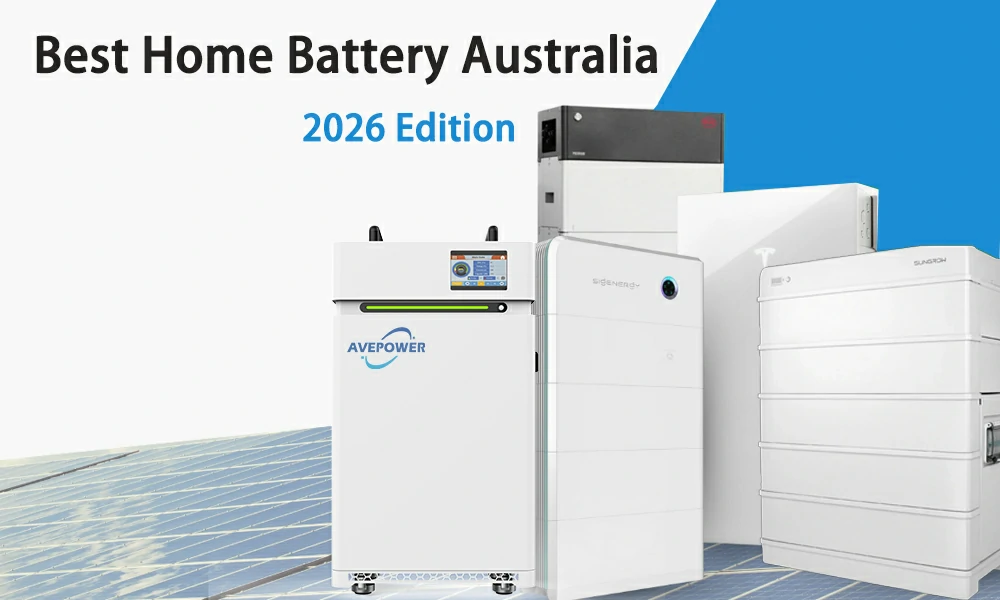
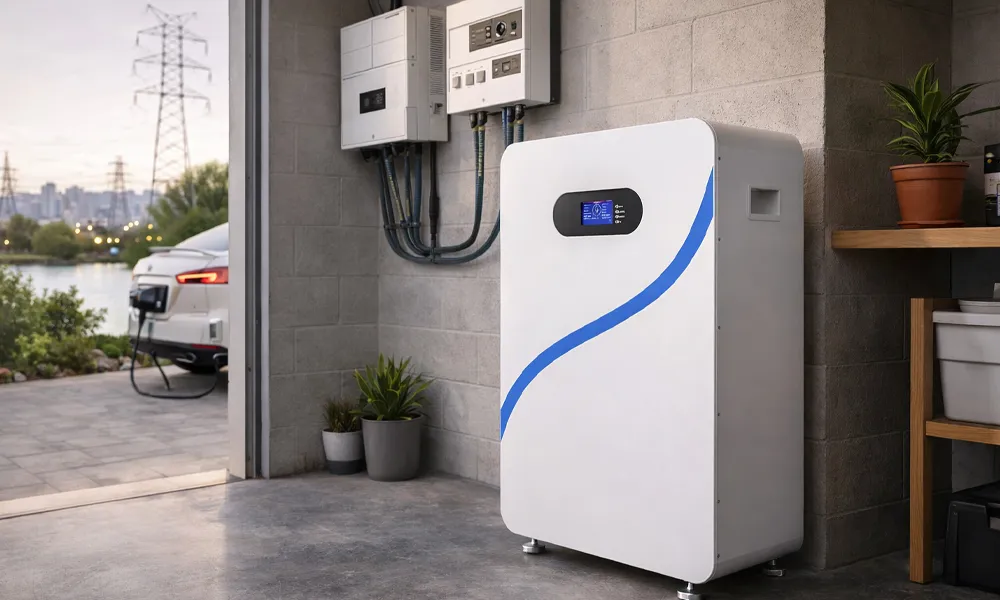
For solar plus battery systems, the inverter choice also affects battery compatibility, backup design, monitoring, and future expansion. If you are planning a home solar battery project, it is useful to compare inverter options together with a compatible battery system such as Avepower home energy storage solutions.
What Are String Solar Inverters?
A string solar inverter is a type of solar inverter that connects to a group of solar panels wired together in series. This group is called a “string.” The inverter receives DC electricity from the solar panel string and converts it into AC electricity for household appliances, business loads, or grid export.
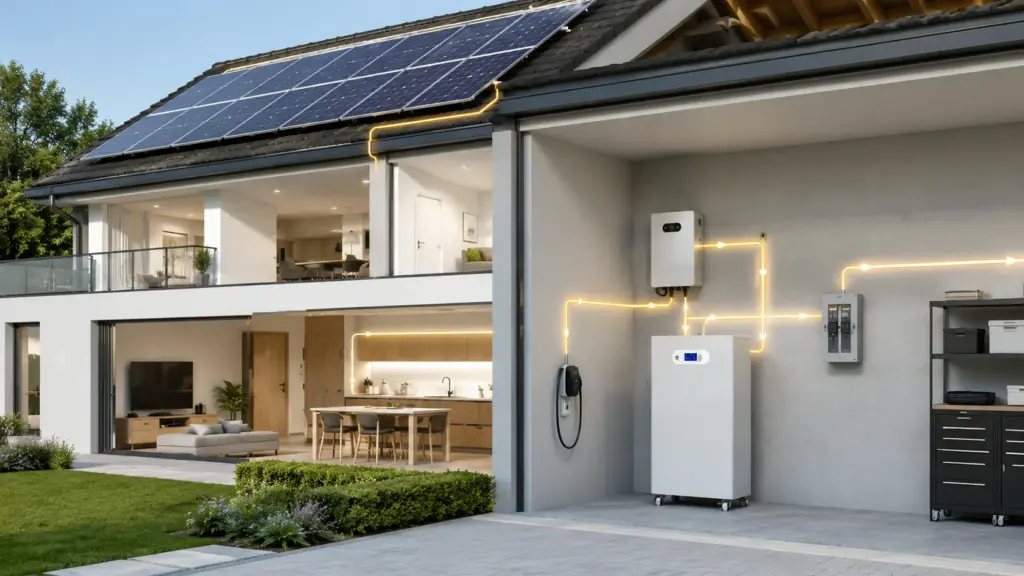
In a standard residential solar system, one string inverter is usually installed on a wall near the switchboard, electricity meter, or main service panel. For larger commercial or industrial projects, multiple string inverters may be used across different panel arrays.
A simple system layout looks like this:
Solar panels → DC string wiring → String inverter → AC electricity → Home, business, battery system, or grid
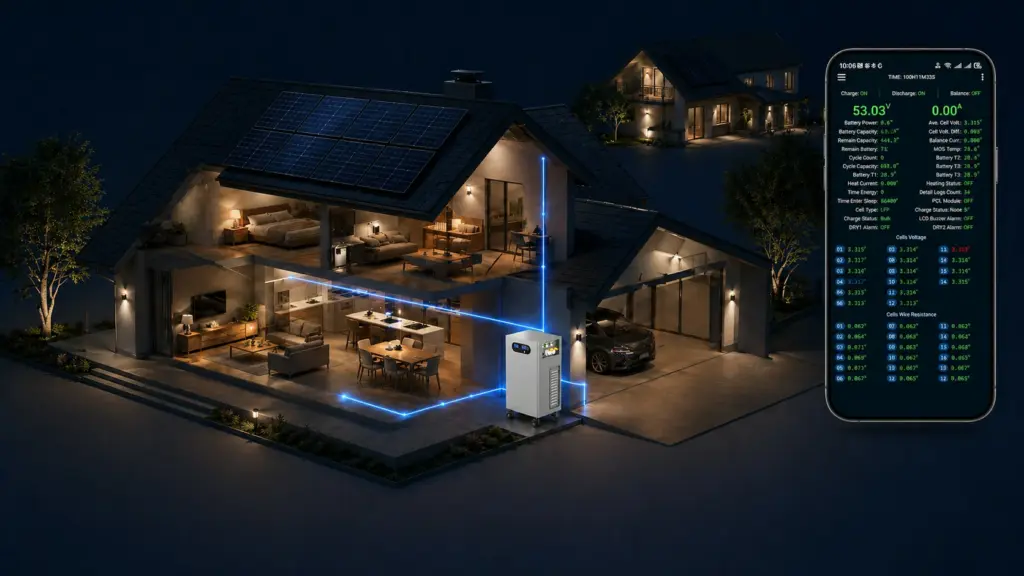
For a solar plus storage project, the system may also include a battery inverter or hybrid inverter, depending on whether the battery is AC-coupled or DC-coupled. If you are comparing inverter and battery architecture, Avepower’s inverter compatibility guidance can help installers and project buyers check communication protocols, system voltage, and practical battery matching.
Build a Smarter Solar Plus Storage Project
Avepower provides LiFePO4 battery storage solutions for residential, commercial, and custom projects. Contact Avepower to discuss your project requirements.
How String Solar Inverters Work
String solar inverters work by receiving DC power from connected solar panel strings and converting it into AC power. In a standard string setup, multiple panels are connected in series. This means their voltage adds together before the energy reaches the inverter.
This design is efficient and relatively simple, but it also means panel layout matters. Panels in the same string should receive similar sunlight. Avepower advises that better performance is achieved when panels under similar sunlight and shading conditions are connected into the same string.
That is why a clean, north-facing or evenly oriented roof is often a strong match for string solar inverters. A complex roof with many small planes, chimneys, trees, dormers, or different tilt angles may need extra design work.
Types of String Solar Inverters
String solar inverters can be classified based on phase type, system size, and battery storage compatibility.
1. Single-Phase String Inverters
Single-phase string inverters are commonly used in small residential solar systems. They are suitable for homes connected to standard single-phase utility grids. Single-phase solar inverters in the 3 kW to 6 kW range are widely used in residential rooftop PV systems and standalone houses.
2. Three-Phase String Inverters
Three-phase string inverters are commonly used in larger homes, commercial rooftops, industrial buildings, farms, and large grid-tied systems.
A three-phase power supply can work with either single-phase or three-phase inverters, but three-phase inverters provide higher power capacity and can support larger export or output limits when the utility grid applies phase-based restrictions.
3. Hybrid String Inverters
A hybrid string inverter combines the functions of a solar inverter and battery inverter. It connects solar panels, battery storage, the grid, and household or commercial loads through one integrated platform.
Hybrid string inverters are often used when solar and batteries are installed at the same time. They can simplify system design, reduce equipment duplication, and improve DC-side energy flow when properly designed.
For new solar-plus-storage systems, users can compare inverter requirements with Avepower’s all-in-one battery systems or high-voltage battery storage solutions depending on project scale.
4. Multistring Inverters
A multistring inverter can accept input from multiple panel strings. This is useful when a solar array has different panel groups that need to be managed separately.
For example, one string may face north, while another may face west. Each string should still be designed carefully, but multistring architecture gives installers more flexibility than a single-string layout.
Pros of String Solar Inverters
Lower Upfront Cost
Compared with microinverter systems, string solar inverters usually have a lower upfront equipment cost because one inverter can manage multiple solar panels.
This makes string solar inverters attractive for budget-conscious residential systems, simple commercial rooftops, and larger projects that do not necessarily require panel-level electronics.
Simpler System Design
String inverters perform especially well on simple roof layouts where the solar panels face the same direction and receive similar sunlight conditions. String inverters are best suited for clean, unobstructed roof surfaces, while microinverters are often better for complex roofs with shading issues.
For roofs with minimal shading, string inverters can provide a reliable and efficient system architecture.
Easier Centralized Maintenance
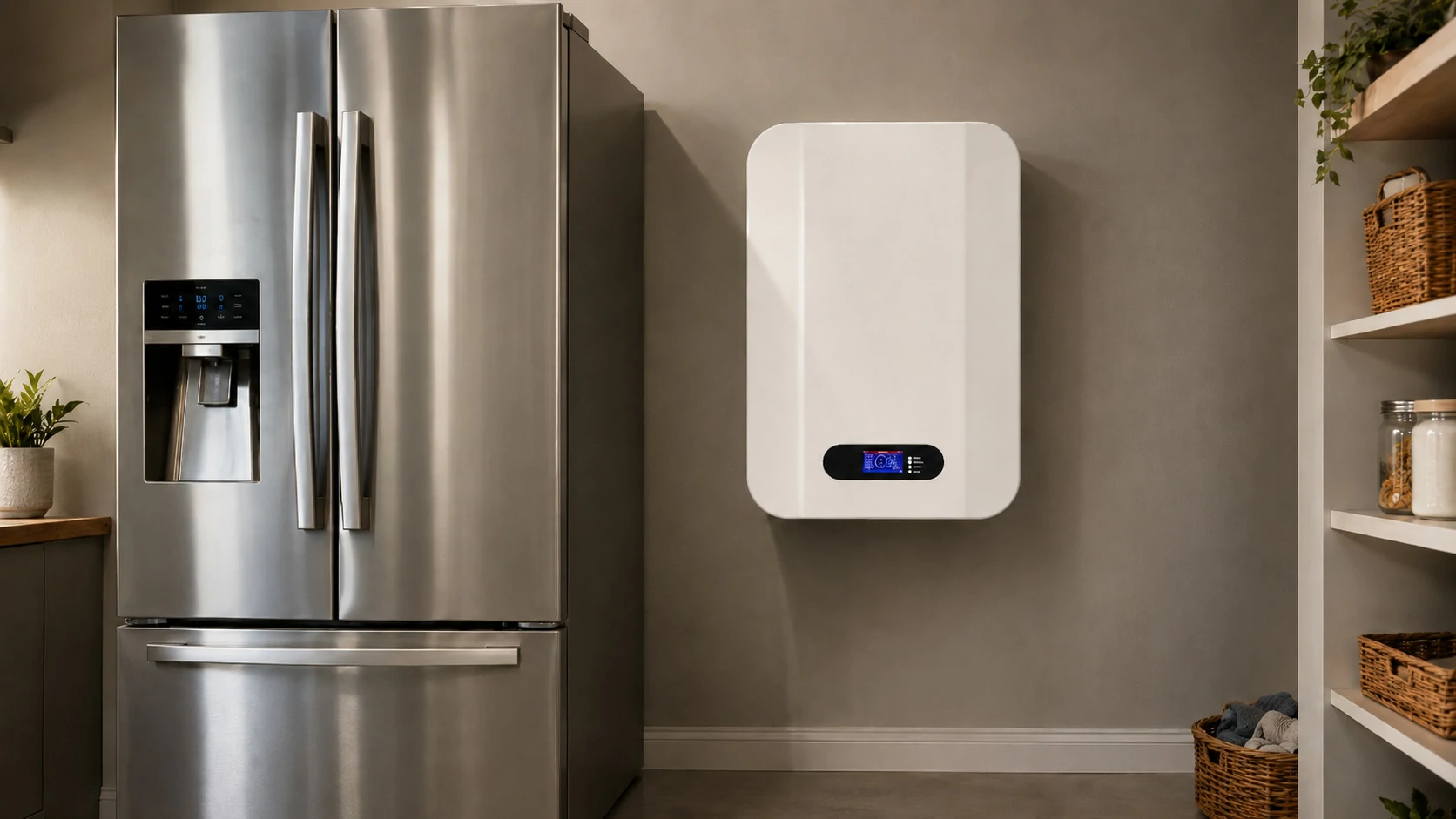
String inverters are typically wall-mounted near switchboards, utility meters, or electrical equipment areas. This installation method is generally easier to service compared with rooftop-mounted electronics.
For best performance and longer lifespan, string inverters should not be exposed to direct sunlight whenever possible. For installers and service teams, having the inverter in a centralized location simplifies inspection, replacement, and troubleshooting.
Proven and Mature Technology
String inverters have been used for many years across residential, commercial, and utility-scale solar projects. Their long field history is one reason why many EPC contractors, solar installers, and project developers continue to choose string inverter architectures for suitable applications.
Well Suited for Commercial and Utility Systems
String inverters are not limited to residential use. They are widely deployed across homes and commercial installations, including rooftops, carports, ground-mounted arrays, and solar tracking systems.
For larger energy projects, string inverter architectures can also make system expansion and maintenance more modular compared with older centralized inverter designs.
Cons of String Solar Inverters
Shading Can Reduce String Output
One of the main limitations of traditional string inverter systems is that the solar panels within the same string are electrically connected. If one panel becomes shaded, dirty, damaged, or underperforms, the output of the entire string can be affected.
Roof Orientation Matters
String solar inverters perform best when the solar panels within the same string face the same direction and operate under similar tilt angles and sunlight conditions.
When solar panels are installed across three or more roof sections with different orientations or significant shading, a string inverter may not be the ideal solution.
Central Inverter Failure Can Stop Production
A string inverter acts as the central conversion point of the system. If the inverter fails, the entire connected solar system may stop producing usable AC power until the inverter is repaired or replaced.
Reduced Panel-Level Monitoring
Many standard string inverter systems provide system-level or string-level monitoring rather than individual panel-level monitoring. Unless the system includes power optimizers or advanced monitoring features, identifying a faulty or underperforming panel can be more difficult.
Future Expansion Can Be More Complicated
If additional solar panels are added later, the existing string inverter may not have enough input capacity or flexible Maximum Power Point Tracking (MPPT) capability to support the expansion.
In some cases, the inverter may need to be replaced or a second inverter may need to be added.
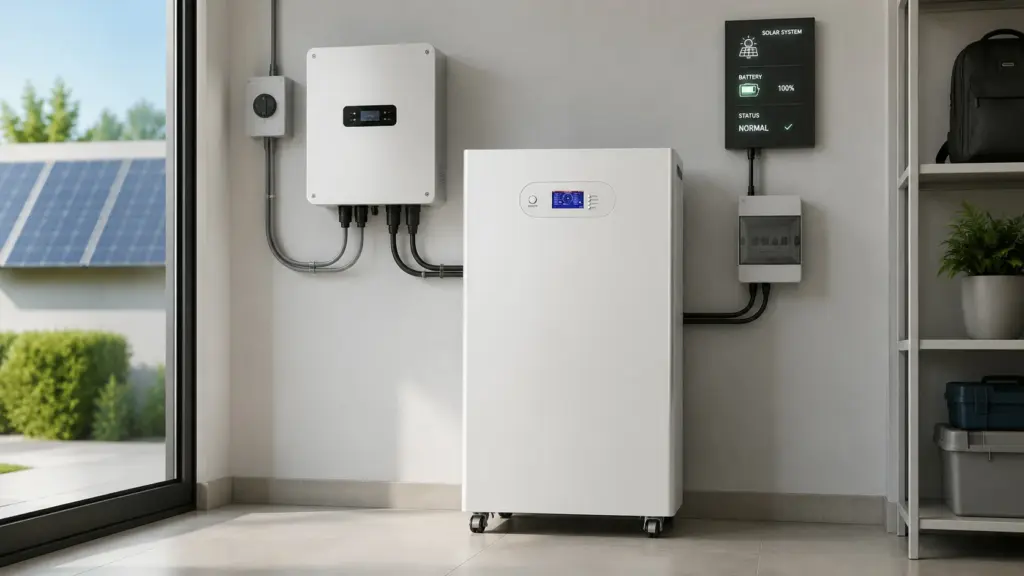
Need a Battery for Your String Inverter System?
Whether you are upgrading an existing solar system or planning a new hybrid inverter project, Avepower provides home battery options for different storage needs.
String Inverters vs Microinverters vs Power Optimizers
Microinverters convert DC to AC at each panel. They can improve performance on shaded or complex roofs because panels work more independently. However, they usually cost more upfront.
Power optimizers are installed behind panels and used with a string inverter.
| Feature | String Solar Inverter | Microinverter | String Inverter With Optimizers |
|---|---|---|---|
| Conversion point | One central inverter | One inverter per panel | Central inverter plus panel-level DC optimizer |
| Best for | Simple, shade-free roofs | Complex roofs, shading, future expansion | Moderate shading or mixed roof conditions |
| Upfront cost | Usually lower | Usually higher | Middle range |
| Monitoring | System or string level | Panel level | Often panel level |
| Shading tolerance | Lower | Higher | Improved |
| Maintenance access | Easier at inverter location | Roof-level access may be needed | Inverter access is easy, optimizer access is roof-level |
| Expansion | May require inverter sizing review | Easier to add panels | Depends on inverter and optimizer design |
| Common use | Residential, C&I, utility PV | Residential complex roofs | Residential and commercial systems with shade issues |
String Inverters vs Hybrid Inverters
A string inverter and a hybrid inverter are not always opposites. A hybrid inverter can also be a type of string inverter if it connects to solar panel strings and also manages battery storage.
The main difference is battery functionality.
A standard string inverter usually manages solar PV conversion only. If a battery is added later, the system may need a separate battery inverter. This is common in AC-coupled systems.
A hybrid inverter manages solar PV and battery storage in one unit. The Australian Government describes a hybrid inverter as a device that combines the functions of a solar inverter and battery inverter.
| System Type | Best Use Case |
|---|---|
| Standard string inverter | Solar-only systems or AC-coupled battery retrofit |
| Hybrid string inverter | New solar-plus-battery installations |
| String inverter plus battery inverter | Existing solar system adding battery storage |
| Microinverter plus AC battery | Complex roof with panel-level conversion and storage |
For battery storage projects, installers should check battery voltage, communication protocol, maximum charge/discharge current, safety certification, and BMS compatibility. For a more in-depth comparison, please refer to Avepower’s Guide to Hybrid Solar Inverters.
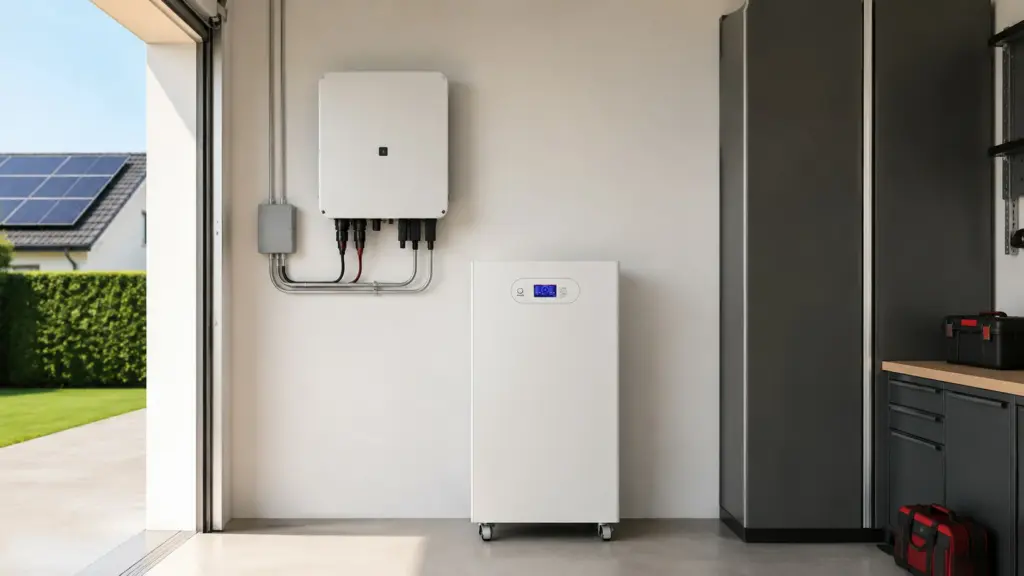
Are String Solar Inverters Suitable for Battery Storage?
Yes, string solar inverters can work very well with battery storage systems, but the overall system architecture must be properly planned.
There are two common approaches:
AC-Coupled Battery Systems
In an AC-coupled system, the solar PV system uses a dedicated solar inverter, while the battery system uses a separate battery inverter.
When adding battery storage to an existing solar system, homeowners can often keep the existing solar inverter and simply add a battery inverter. This setup is known as an AC-coupled battery system.
It can be a practical retrofit option for homes that already have a properly functioning string inverter installed.
DC-Coupled or Hybrid Inverter Systems
A hybrid inverter combines the functions of a solar inverter and a battery inverter into a single device. When solar panels and batteries are installed together from the beginning, a hybrid inverter can be an efficient solution because both the solar array and battery connect on the DC side.
This can reduce energy conversion steps and simplify the design of newer solar-plus-storage systems. However, compatibility becomes more important. The battery must match the inverter’s voltage range, communication protocol, charging current limits, and protection requirements.
Best Applications for String Solar Inverters
String solar inverters are especially suitable for:
Residential Homes With Simple Roofs
If most panels face the same direction and there is minimal shading, a string inverter can provide strong value and reliable performance.
Commercial Rooftop Solar
Warehouses, factories, schools, and retail buildings often have large roof areas with repeatable panel layouts. Multiple string inverters can support larger system sizes and simplify maintenance zoning.
Utility-Scale Solar Projects
Large solar farms often use string inverter architecture because the panel layout is consistent and shading is limited. Enphase notes that string inverters are often used for utility-scale systems where large amounts of energy are produced in fields with little or no shading.
Solar Plus Battery Retrofits
Existing solar systems with string inverters can often add batteries through AC coupling. This is useful for customers who want to increase self-consumption or add backup without replacing the entire PV inverter.
Installer-Led Standardized Projects
For solar installers and distributors, string inverters are familiar, efficient to quote, and easier to standardize across many similar projects. When paired with compatible LiFePO4 batteries, they can form a practical solar plus storage package for residential and light commercial users.
When Are String Solar Inverters the Best Choice?
String solar inverters are usually a strong fit when the solar project has the following conditions:
- Simple Roof Layout: If most solar panels face the same direction and have the same tilt angle, string inverter design is usually straightforward.
- Little or No Shading: String inverters perform best when all panels in the same string receive similar sunlight. This makes them suitable for open rooftops, carports, ground mounts, and commercial roofs with minimal obstruction.
- Cost Control Matters: Because fewer inverter units are needed, string inverter systems are often more cost-effective than microinverter systems.
- Easy Access for Maintenance: A wall-mounted inverter is easier to inspect than roof-mounted electronics under every panel.
- Commercial or Industrial System Design: String inverters are commonly used in larger PV systems where multiple strings can be managed in a structured way. For C&I projects, energy storage can be added to improve self-consumption, backup capability, and demand management. Avepower’s commercial battery storage solutions can support these project types.
When Should You Consider Alternatives?
String inverters may not be ideal when the project has:
- Heavy shading from trees, nearby buildings, chimneys, or roof structures
- Panels installed across many roof faces
- Different panel orientations and tilt angles
- A strong need for panel-level monitoring
- A likely need for future panel-by-panel expansion
- Strict rapid shutdown requirements depending on local code
- A homeowner who wants maximum performance visibility from every panel
In these cases, microinverters, DC optimizers, or hybrid architectures may provide better results.
String Solar Inverters and Avepower Battery Systems
A string inverter is only one part of a complete solar energy system. When battery storage is added, the project also needs the right battery chemistry, BMS protection, communication protocol, installation design, and after-sales support.
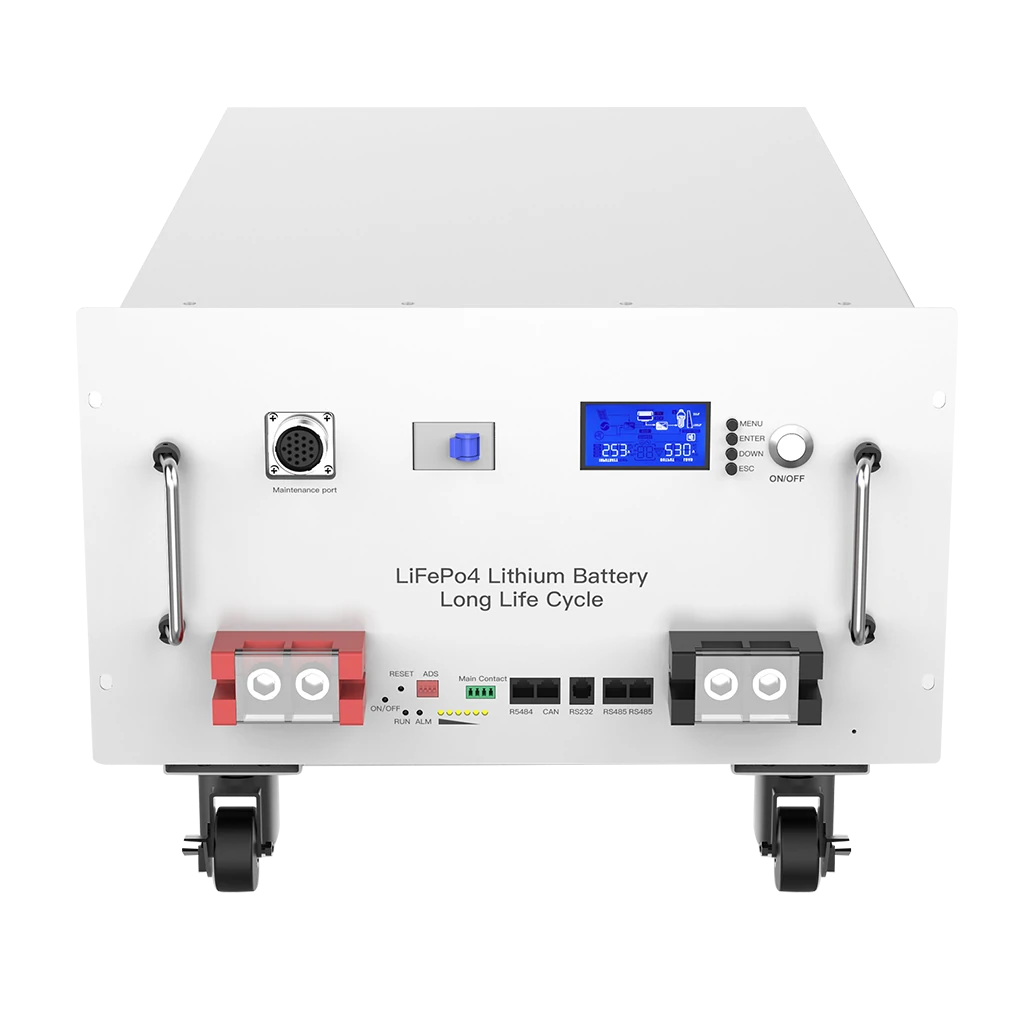
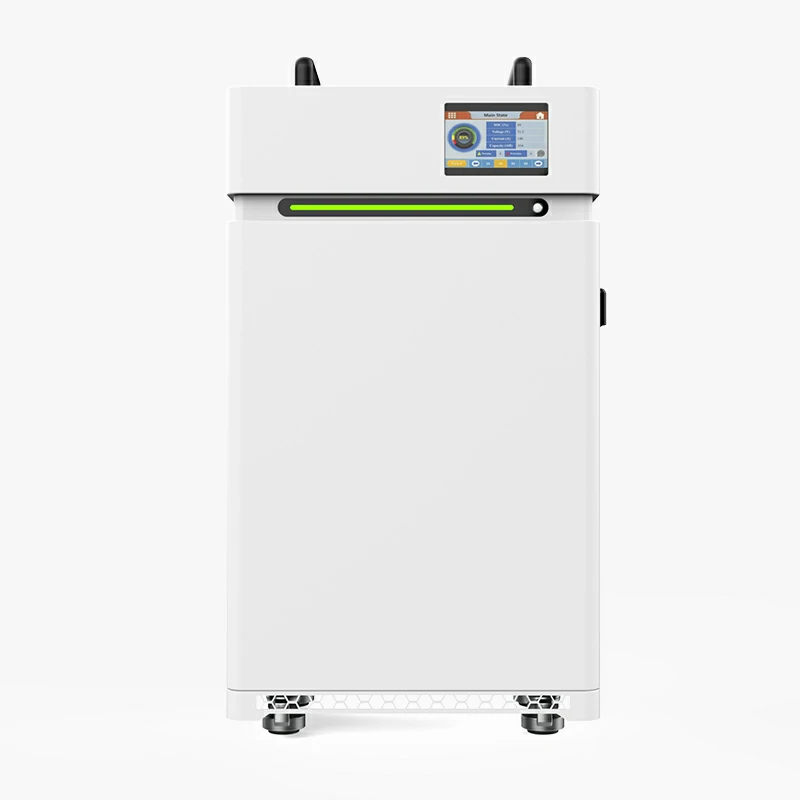
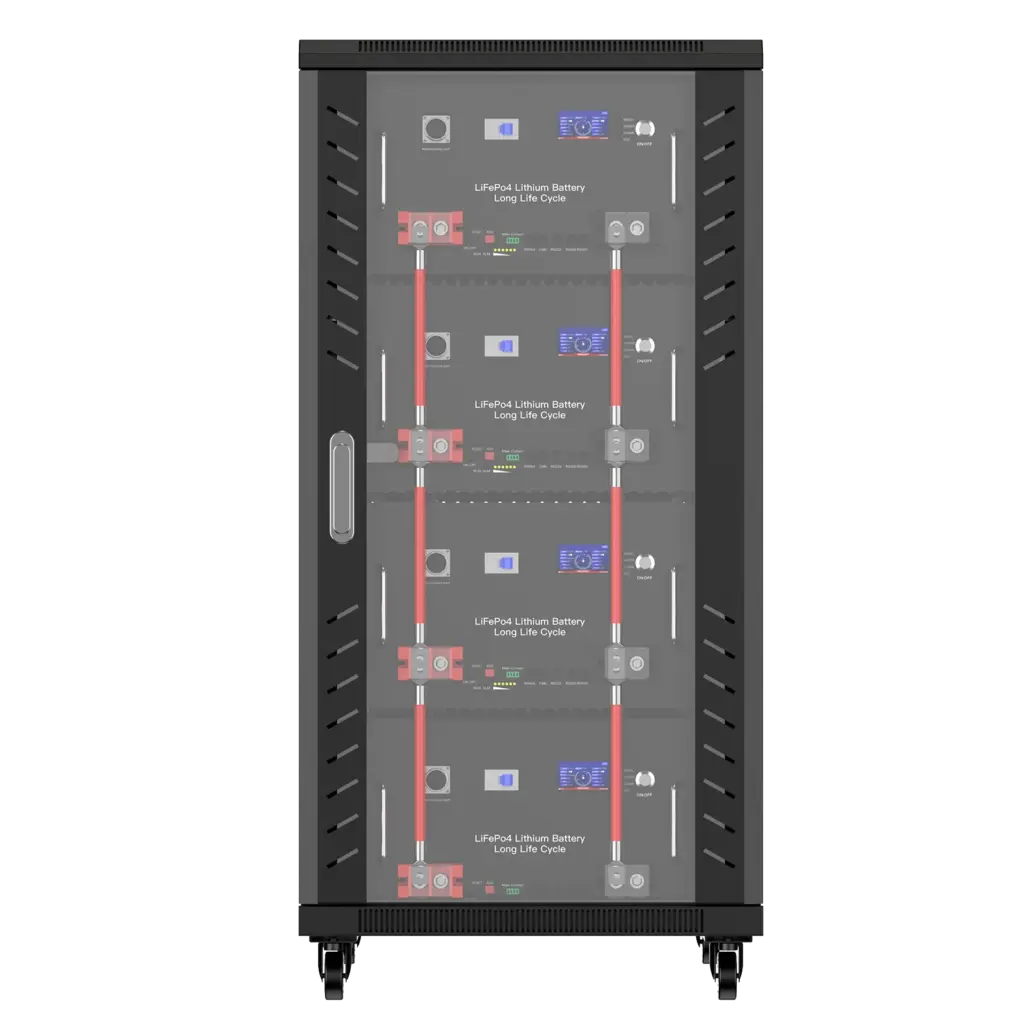
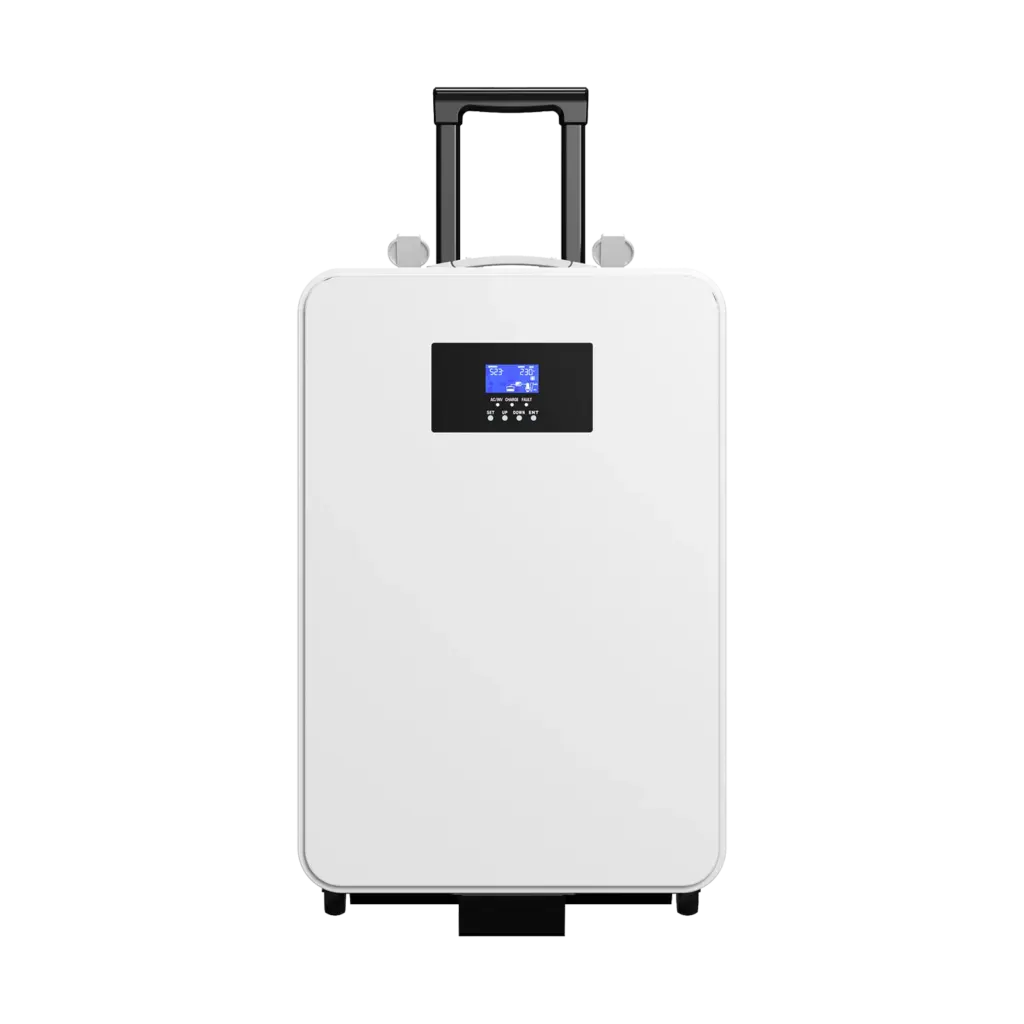
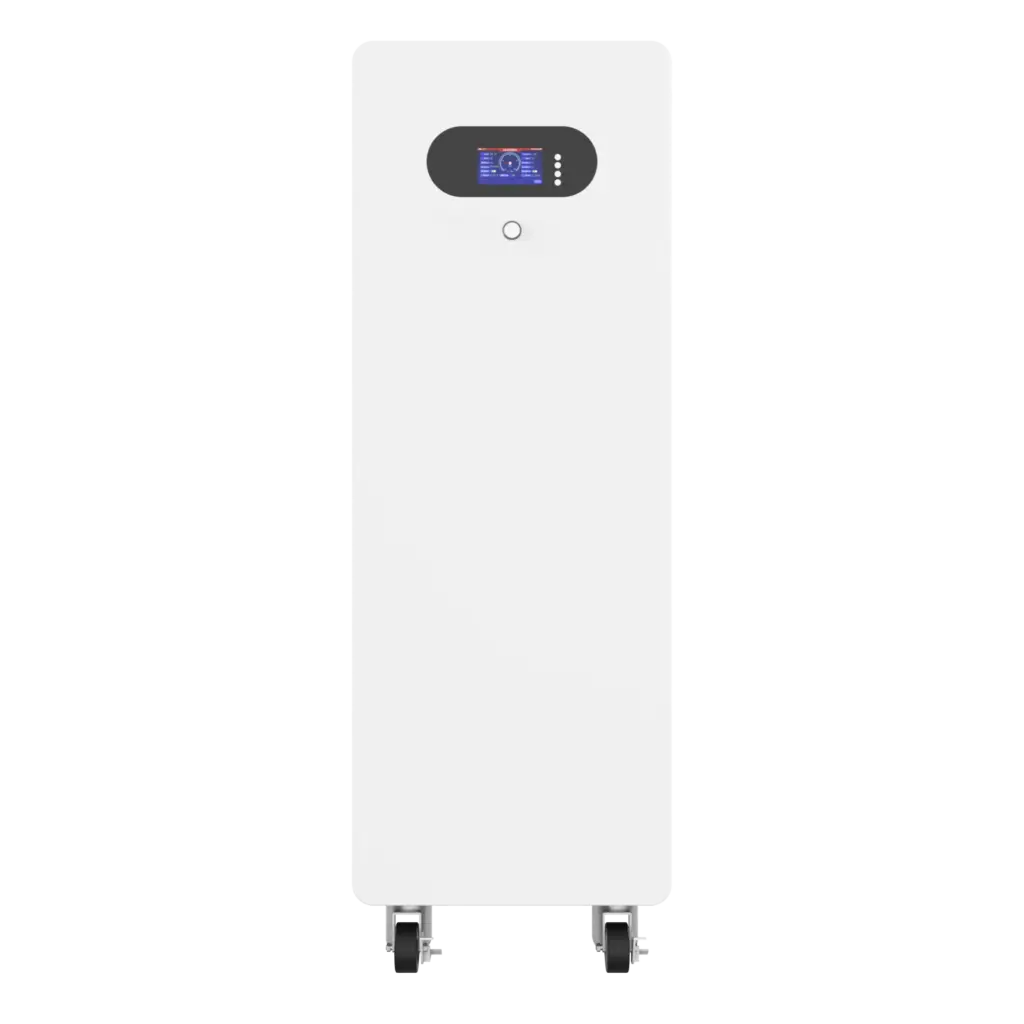
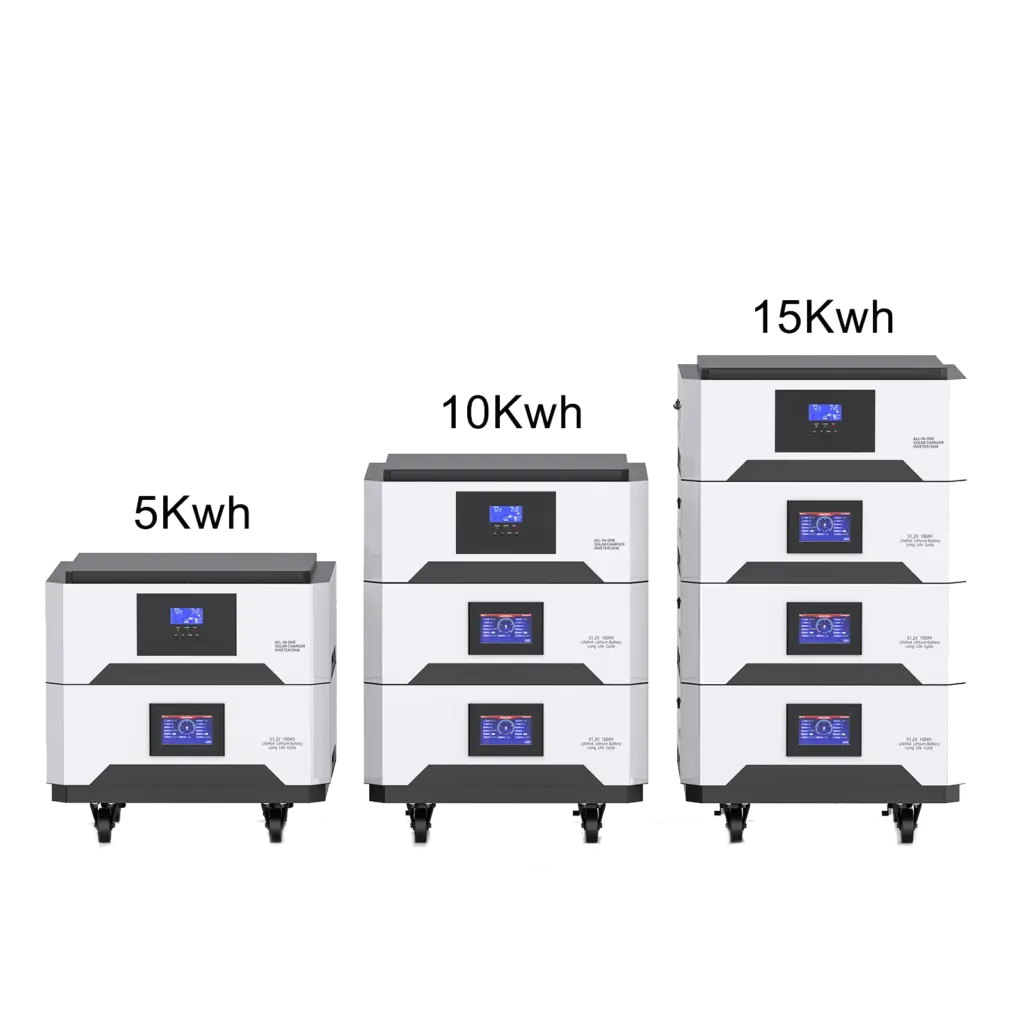
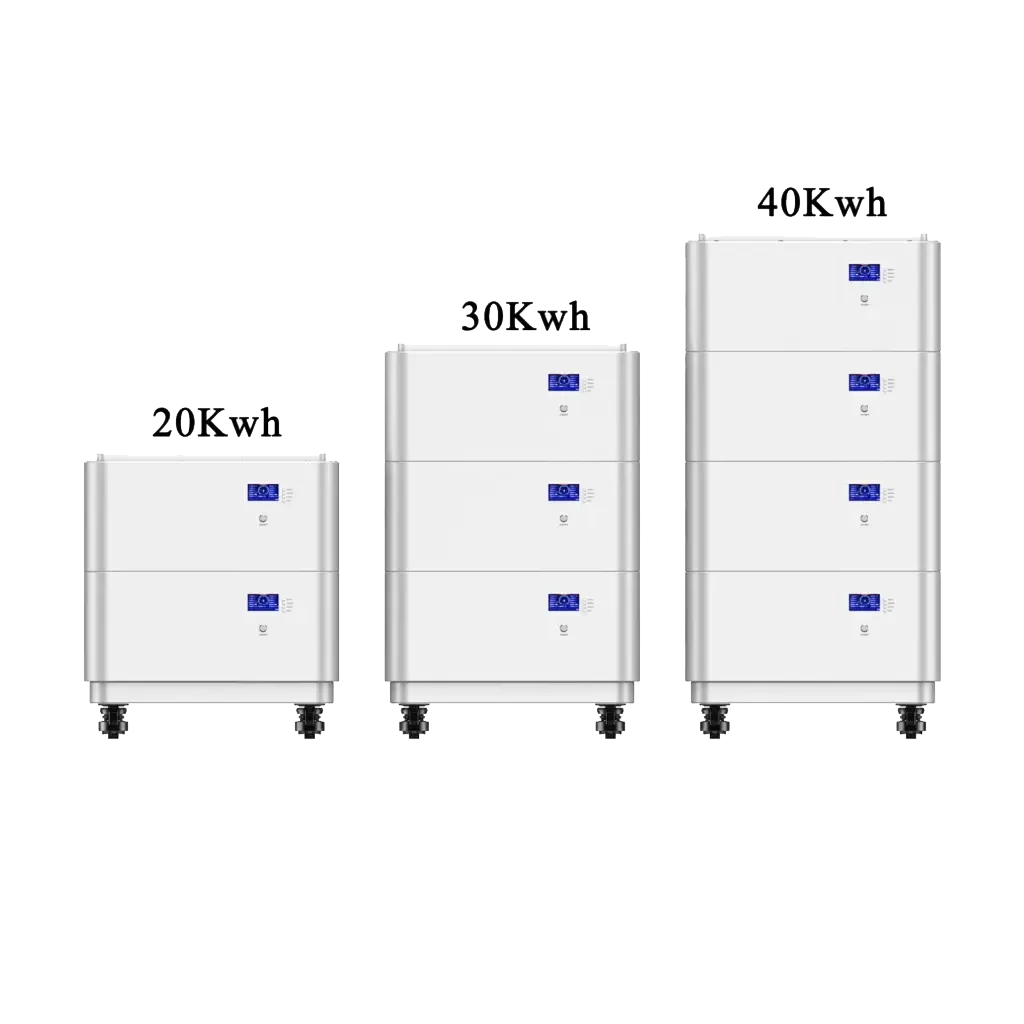
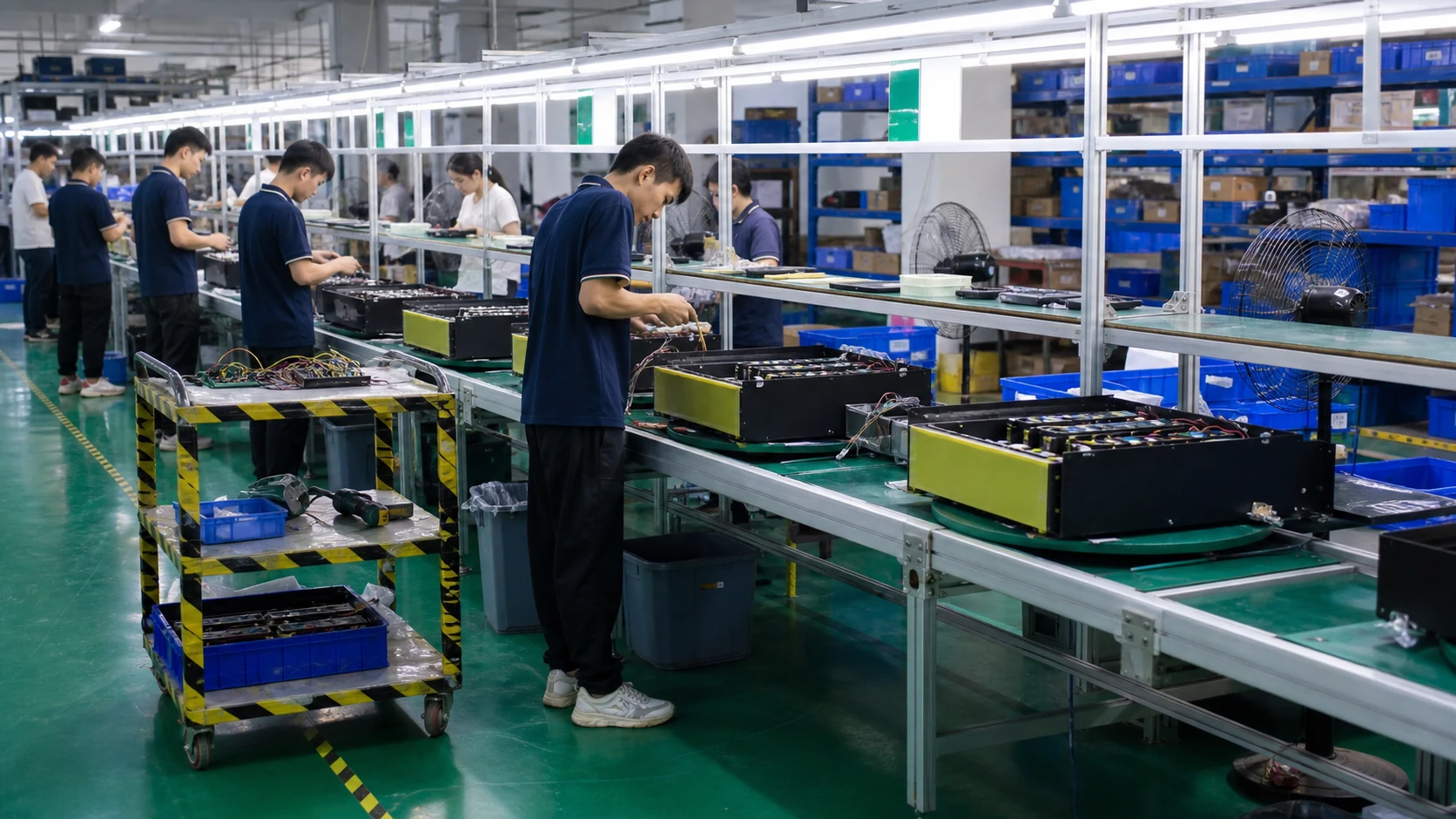
Avepower focuses on LiFePO4 battery energy storage solutions for residential, commercial, and customized applications. For homes with limited space, wall mounted battery storage can be a compact option. For users who want flexible expansion, stackable battery systems can support modular capacity planning. For structured equipment rooms or installer-led projects, rack mount batteries can make installation and servicing easier.
For higher-capacity projects, Avepower also provides high voltage battery storage systems that can be considered for more advanced system architecture. In every case, inverter compatibility should be checked before final system design.
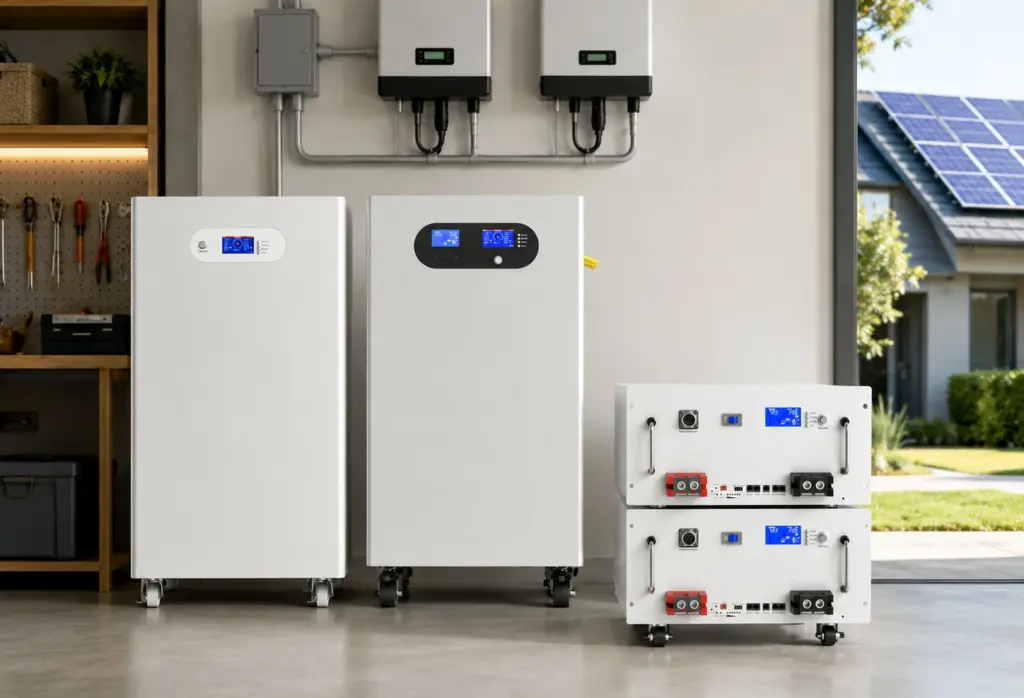
Take Control of Your Energy with Avepower!
Reliable home solar battery solutions with OEM/ODM customization and in-house manufacturing, tailored to the needs of distributors, installers, and energy partners.
Conclusion
String solar inverters remain one of the most widely used inverter choices because they are cost-effective, proven, easy to service, and well suited to simple solar PV layouts. They are a strong fit for homes, commercial rooftops, and larger solar projects where panels receive similar sunlight and shading is limited.
However, they are not always the best answer for every roof. If the system has heavy shading, many roof orientations, or a need for panel-level monitoring, microinverters or optimizers may be worth considering. For solar plus battery projects, the inverter decision should also include battery compatibility, backup design, communication protocols, and future expansion.
For installers, distributors, and project buyers planning solar plus storage systems, Avepower can support battery selection, inverter compatibility discussion, and customized LiFePO4 energy storage solutions for different project needs.
FAQ
A string solar inverter is an inverter that connects to a group of solar panels wired together in series. It converts DC electricity from the solar panels into AC electricity for home, business, or grid use.
Yes. String solar inverters are good for simple, shade-free solar installations. They are cost-effective, proven, and easier to service from a central location.
The main disadvantage is shading sensitivity. If one panel in a string is shaded or underperforming, it can reduce the output of the whole string unless the system uses optimizers or proper string design.
String inverters are better for simple and low-shade systems where cost matters. Microinverters are often better for complex rooftops, partial shading, and panel-level monitoring.
A string inverter is usually wall-mounted near the switchboard or electricity meter. It should be installed in a shaded, well-ventilated location where it is protected from direct sunlight and extreme weather where required.
You can choose a string inverter if the solar design is simple and the battery will be AC-coupled. If you are installing solar and battery storage together, a hybrid inverter may be more integrated. Always check battery and inverter compatibility before installation.
Yes. Three-phase string inverters are commonly used in larger homes, commercial buildings, and industrial solar systems.