
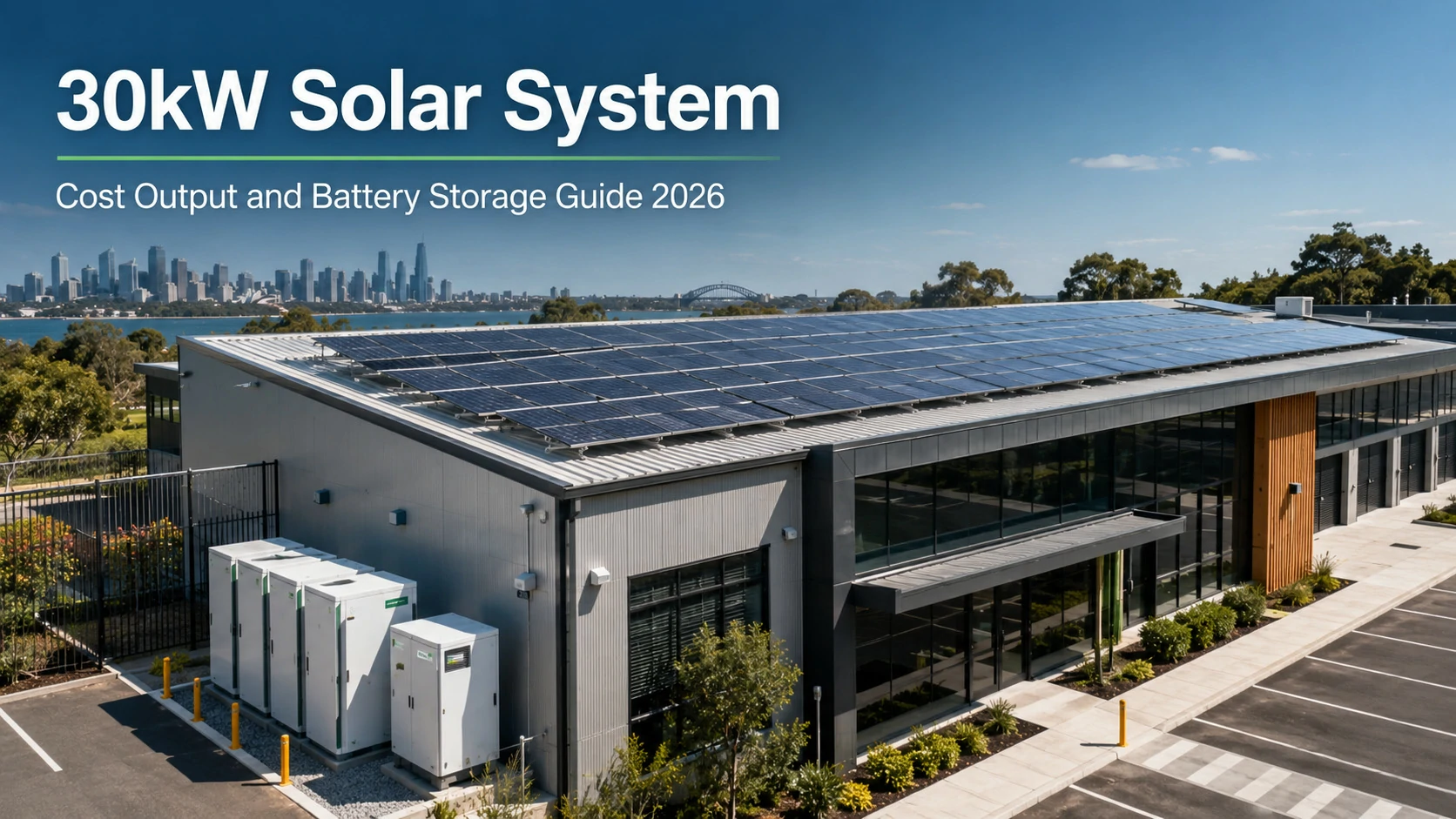
A 30kW solar system is not a small residential setup. It is usually designed for small to medium businesses, large homes with high daytime loads, farms, schools, warehouses, workshops, hotels, guesthouses, and properties with EV charging, electric hot water, cooling, refrigeration, or other energy-intensive equipment.
In simple terms, a well-installed 30kW solar system can often generate around 86–136kWh of electricity per day, depending on the city, roof direction, shading, weather, system efficiency, and season. In Australia, current 2026 market data shows that a fully installed 30kW commercial solar system may cost around A$24,360–A$32,450+ in major cities after applicable solar incentives.
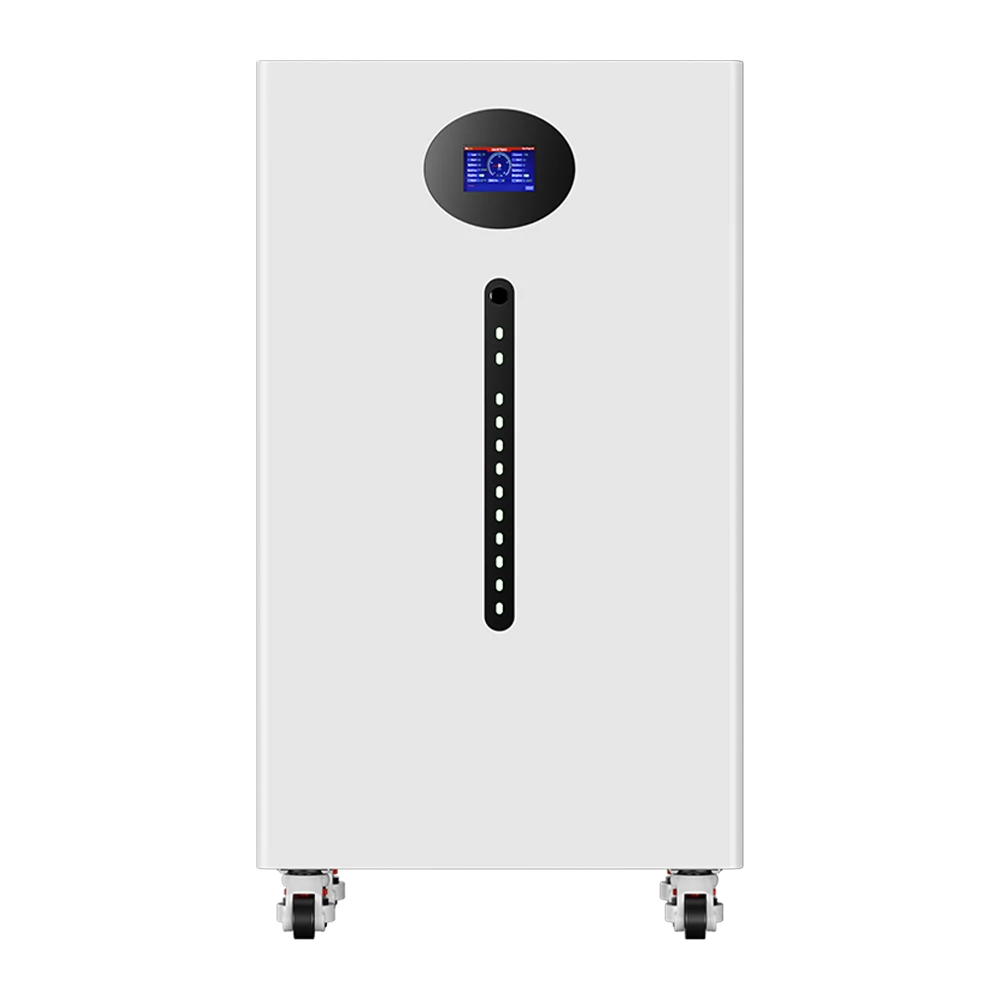
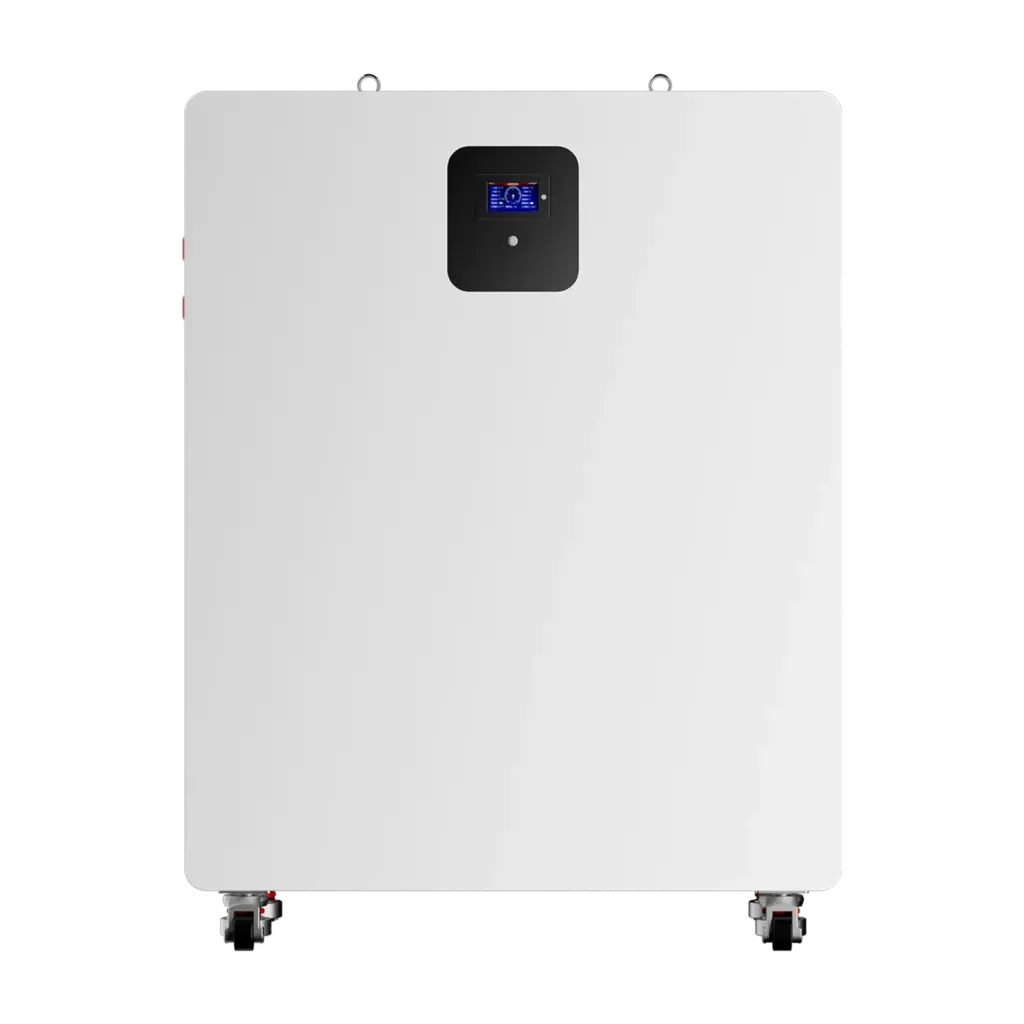
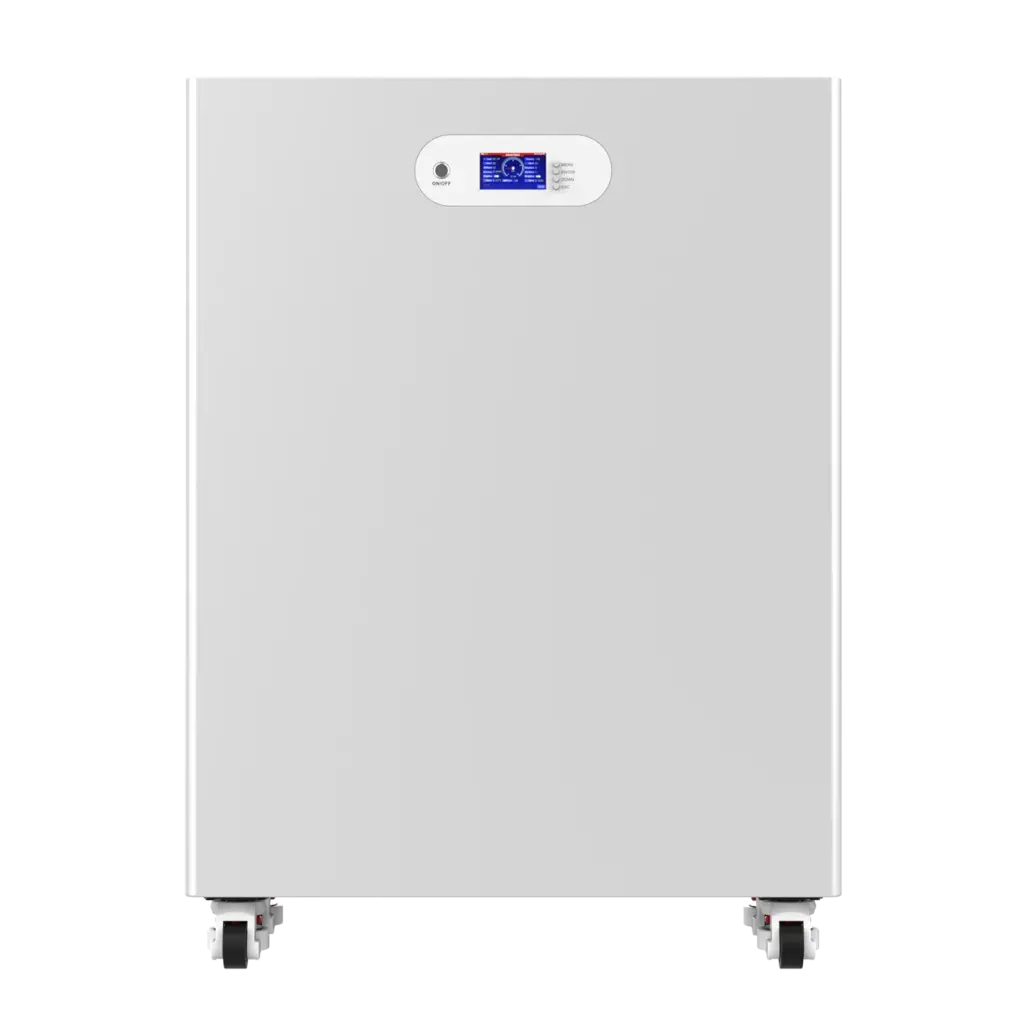
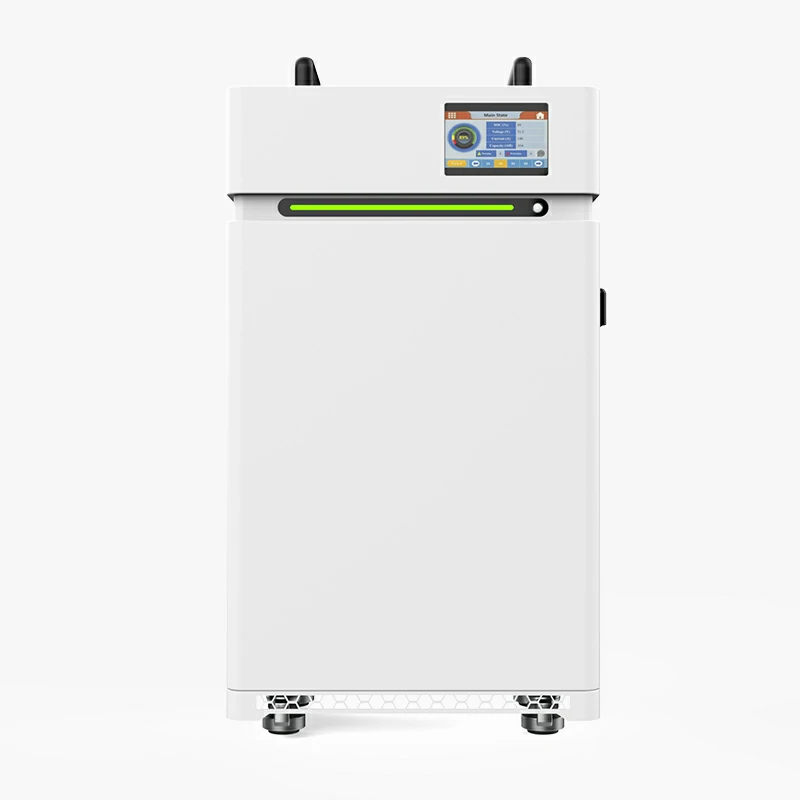
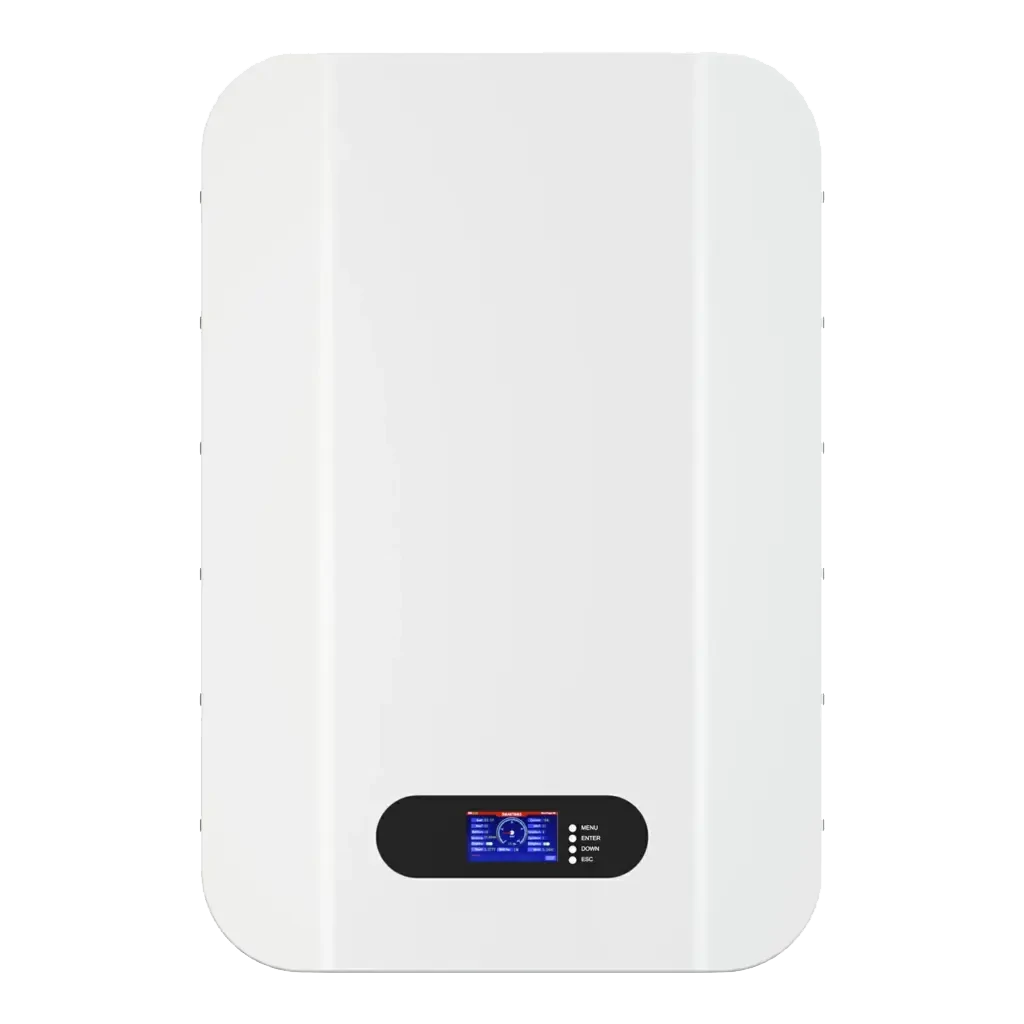
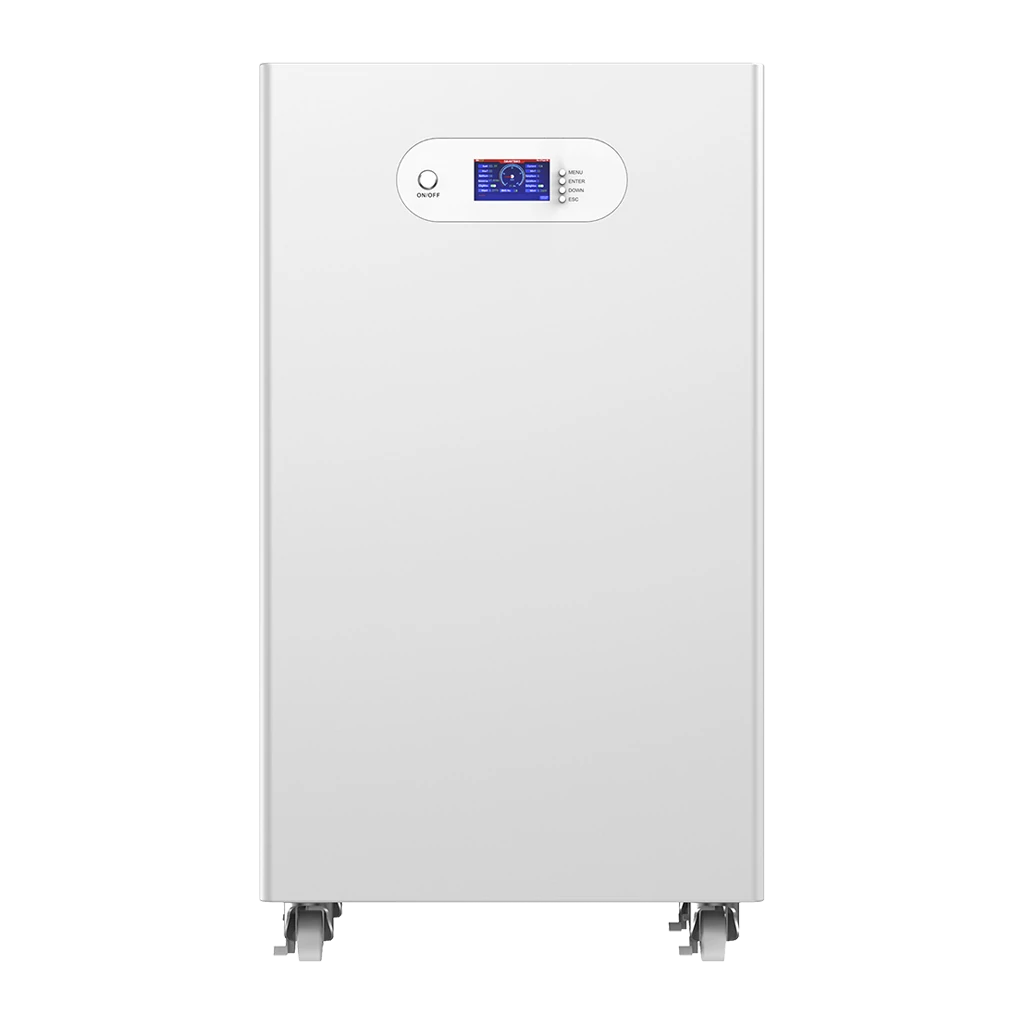
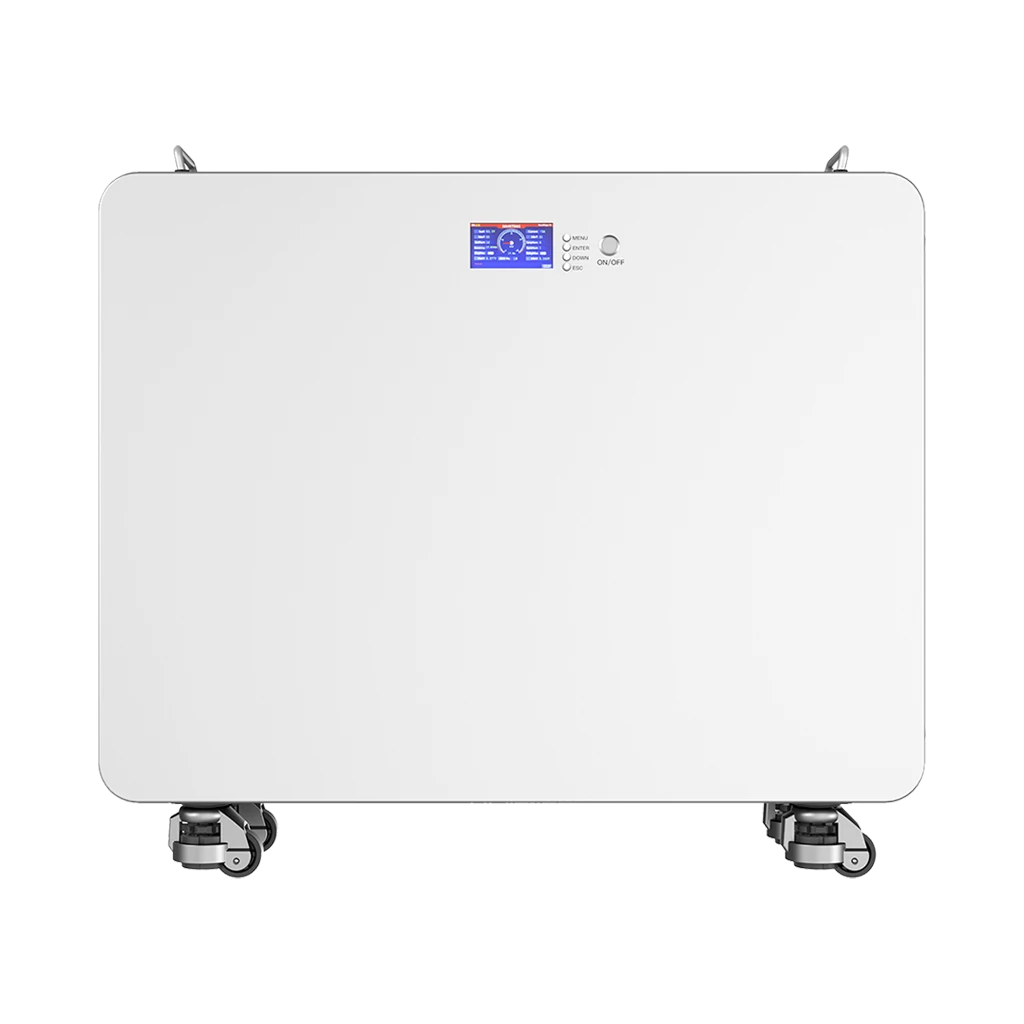
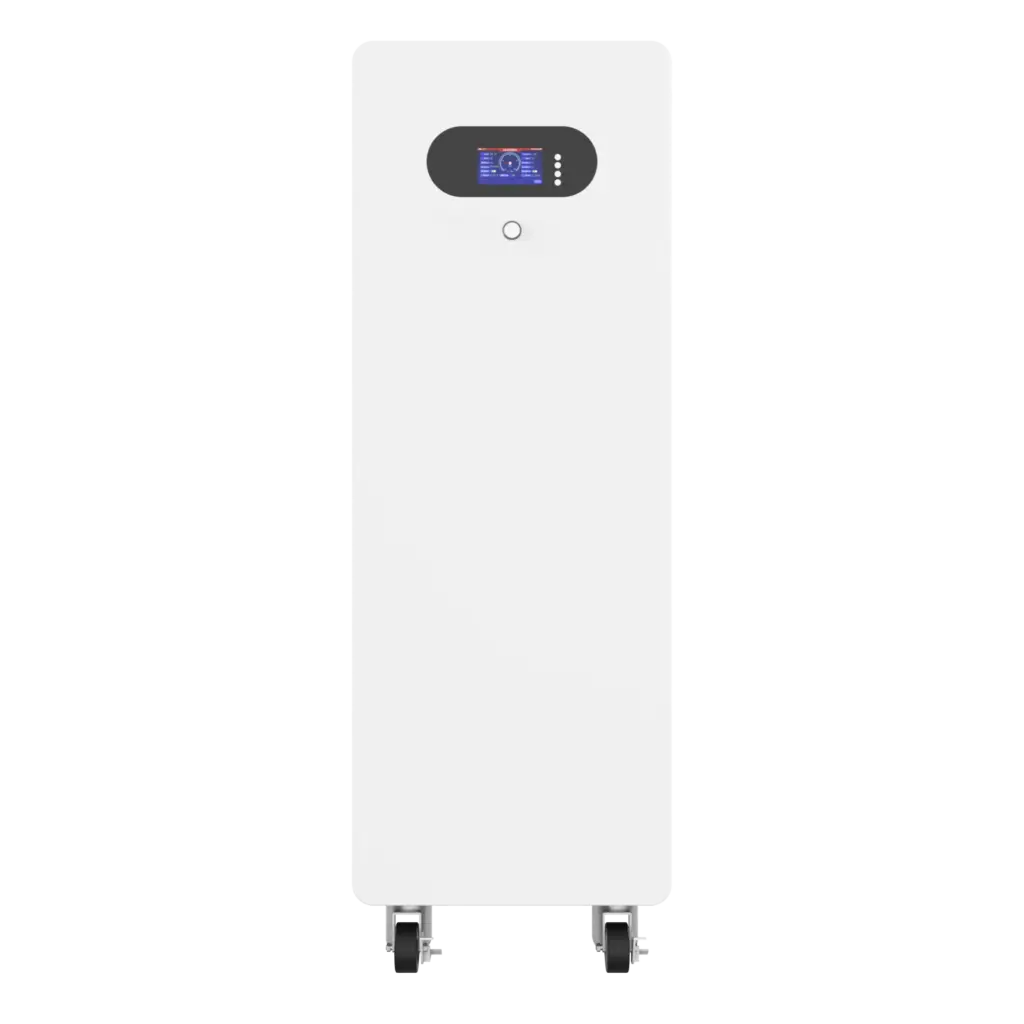
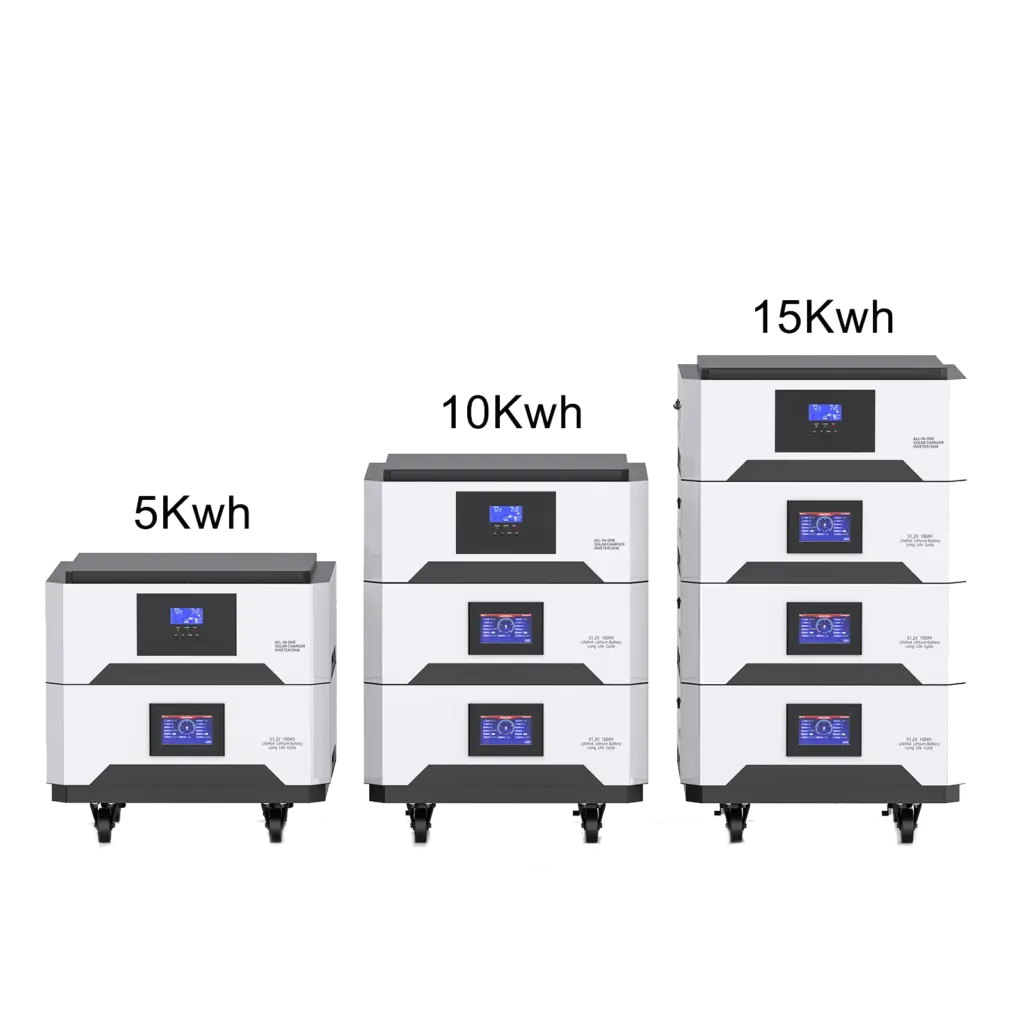
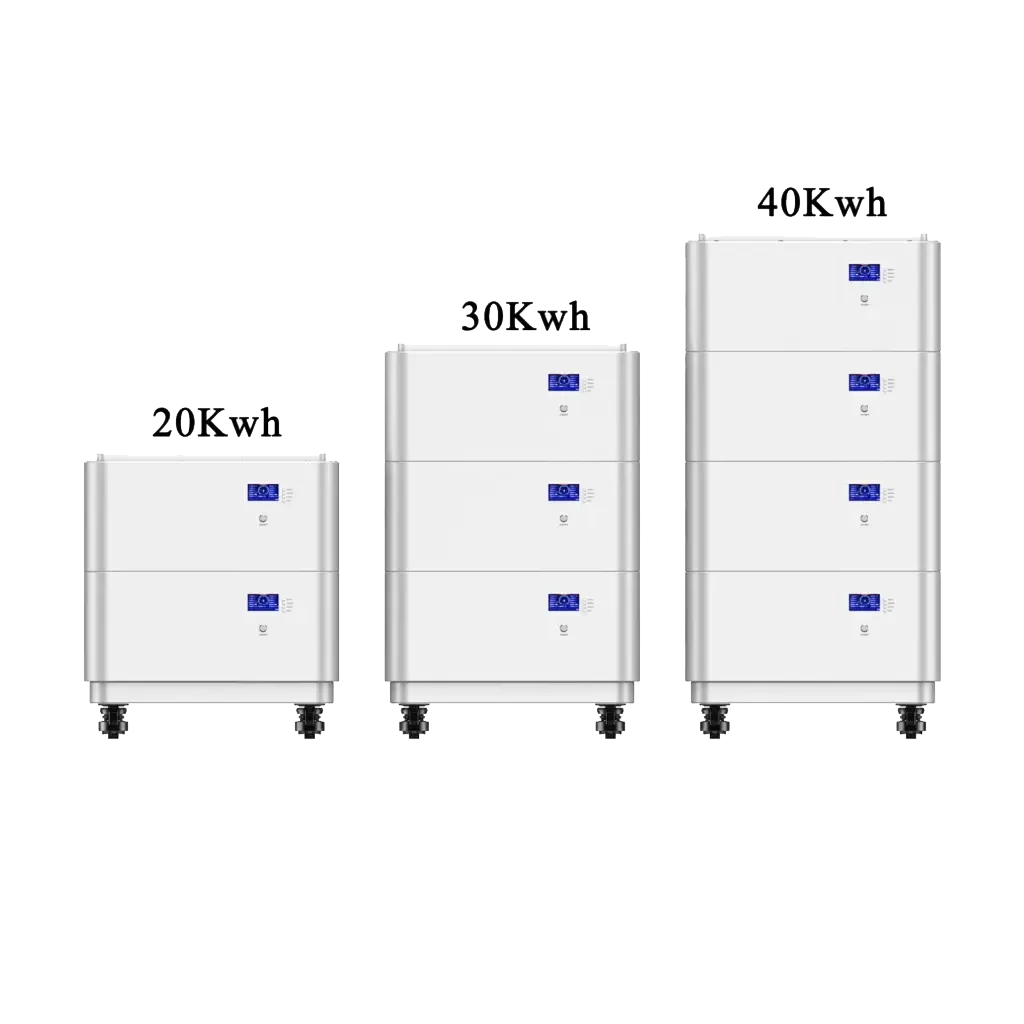
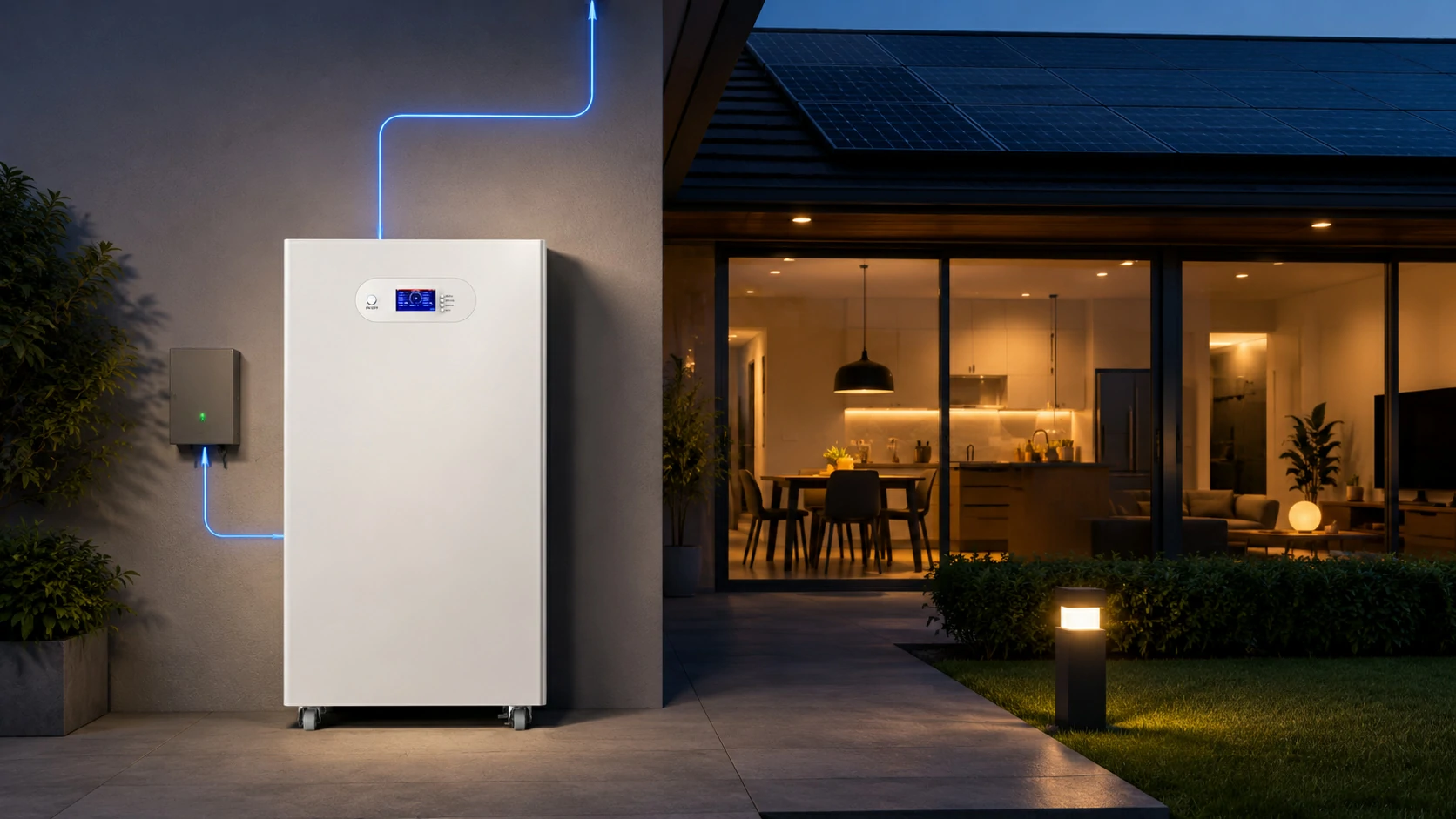
If your site uses a lot of electricity during the day, a 30kW system can deliver strong savings because the solar energy is consumed directly on-site. If most of your energy use happens at night, you may need load shifting, export management, or a properly sized battery such as a 30kWh solar battery or a modular stackable battery system to increase self-consumption.
Quick Answer: Is a 30kW Solar System Worth It?
A 30kW solar system is usually worth considering if your property uses roughly 80–130kWh of electricity per day, especially if a large part of that usage happens between morning and late afternoon. This size is often suitable for commercial buildings, large residential properties, farms, offices, hospitality sites, light industrial facilities, and high-consumption homes.
For a business, the payback period can be attractive when solar generation offsets expensive grid electricity. Properly sized commercial solar systems in Australia can often achieve payback periods around 3-5 years on average, depending on tariffs, self-consumption, incentives, and site conditions.
A 30kW solar system with battery storage can make even more sense when your site has evening loads, export limits, demand charges, backup requirements, or plans to add EV charging.
Avepower often recommends starting with actual load data first, then matching the battery to your evening and backup needs rather than simply choosing a battery based on the solar array size.
What Is a 30kW Solar System?
A 30kW solar system means the total rated capacity of all solar panels is around 30 kilowatts under standard test conditions. This does not mean the system will constantly produce 30kW every hour of the day. Actual output changes with sunlight, roof angle, panel temperature, shading, inverter efficiency, cable losses, dust, cloud cover, and seasonal variation.
A typical 30kW solar system may include:
- Solar panels: Around 55–84 panels, depending on panel wattage
- Inverter: Often around 25–30kW, depending on design and network rules
- Roof space: Usually around 150–250m² of usable area
- Grid connection: Usually three-phase for larger homes and businesses
- Battery option: Commonly 30–100kWh depending on usage and backup goals
- Monitoring: App or portal-based system monitoring
For B2B projects, installers and EPCs may also need to consider inverter communication, export control, battery integration, warranty terms, and after-sales support. Avepower supports these project needs through its inverter compatibility guidance and scalable commercial and industrial energy storage solutions.
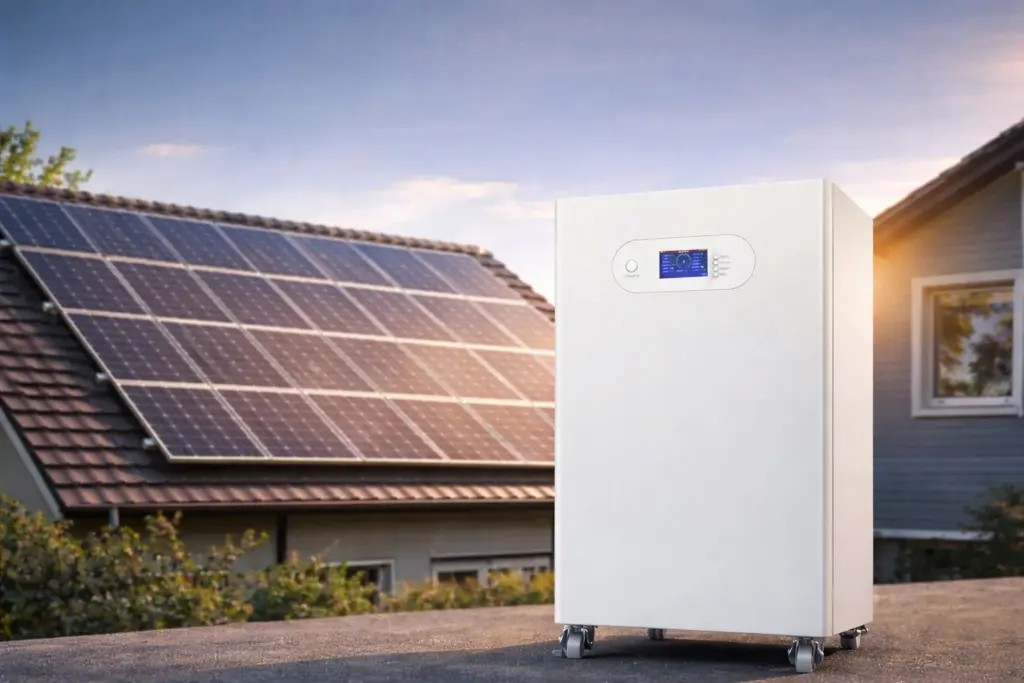
30kW Solar Plus Battery Projects
If you are planning a solar-plus-storage project, Avepower can help installers, and project developers match the right LiFePO4 battery capacity to a 30kW solar system, from modular home batteries storage solutions.
How Much Power Does a 30kW Solar System Produce?
A 30kW solar system can typically produce 86–136kWh per day in Australia, based on city, sunlight, and site conditions.
| City | Approximate Daily Output |
|---|---|
| Adelaide | 109–122kWh/day |
| Brisbane | 116–122kWh/day |
| Canberra | 108–124kWh/day |
| Darwin | 130–136kWh/day |
| Hobart | 86–99kWh/day |
| Melbourne | 94–108kWh/day |
| Perth | 120–131kWh/day |
| Sydney | 102–113kWh/day |
These figures are annual averages. Summer output can be much higher, while winter production may be lower. Winter generation may be 20–40% lower, while summer output may be 20–40% higher, depending on local conditions.
For a more site-specific estimate, users can check the Australian Government-supported SunSPOT solar and battery calculator or use PVWatts to model output based on local weather data, array tilt, orientation, and system assumptions.
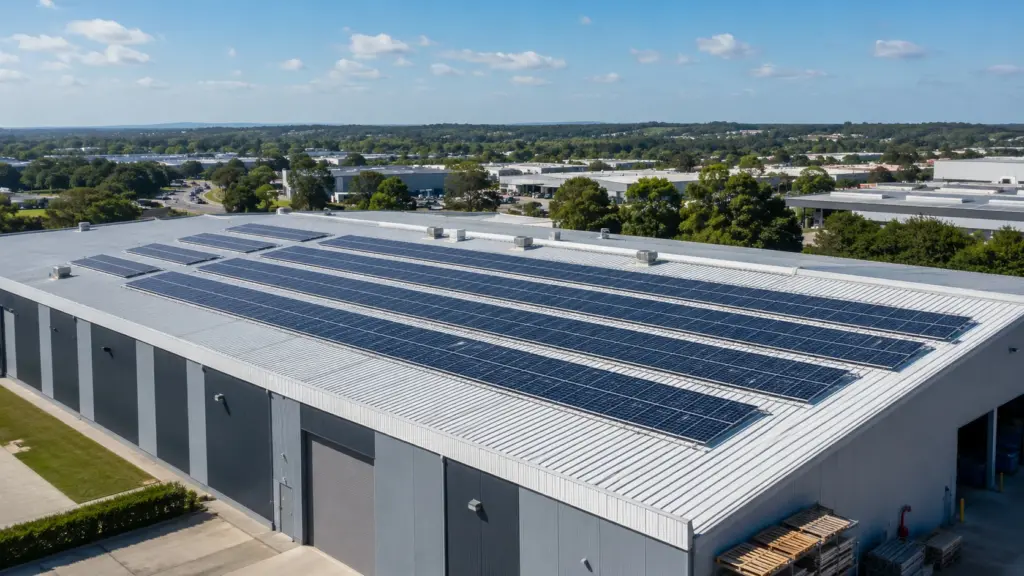
How Many Solar Panels Are Needed for a 30kW Solar System?
The number of panels depends on panel wattage. Modern panels are often between 400W and 550W, while some older or budget panels may be lower.
A simple calculation is:
Number of panels = 30,000W ÷ panel wattage
| Panel Wattage | Approximate Panel Count |
|---|---|
| 360W | 84 panels |
| 400W | 75 panels |
| 450W | 67 panels |
| 500W | 60 panels |
| 550W | 55 panels |
For most current projects, a 30kW solar system will often use around 55–84 panels, depending on the panel model. The final number also depends on roof layout, fire access requirements, shading, mounting structure, and whether panels are installed flat, tilted, portrait, or landscape.
A 30kW system needs at least 150–250m² of roof area, while more space may be required if tilt frames or complex layouts are used.
How Much Does a 30kW Solar System Cost in 2026?
The installed cost of a 30kW solar system depends on your city, equipment tier, installer quality, roof type, switchboard condition, cable runs, monitoring requirements, and grid connection work.
| City | Indicative 30kW Installed Cost |
|---|---|
| Sydney | A$24,360 |
| Melbourne | A$25,580 |
| Perth | A$28,290 |
| Brisbane | A$28,400 |
| Hobart | A$28,780 |
| Adelaide | A$29,200 |
| Canberra | A$32,450 |
| National average | A$28,150 |
These figures usually include GST and applicable STC incentives, but every project should be quoted individually. A flat metal commercial roof with easy access may cost less than a tiled roof, steep roof, multi-building site, long cable run, or site needing switchboard upgrades.
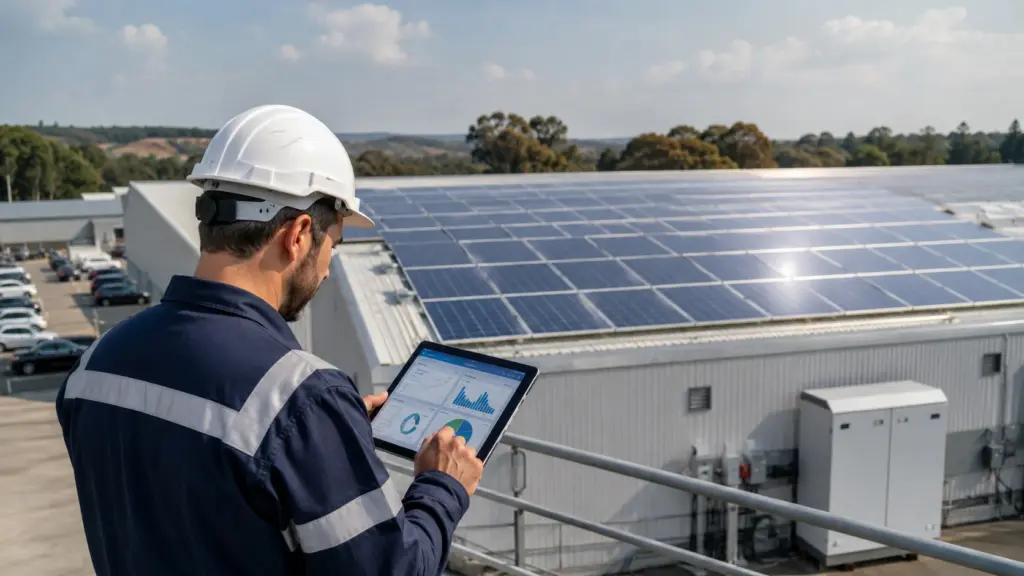
How Much Can a 30kW Solar System Save?
A 30kW solar system can produce about 31,000–49,000kWh per year, depending on location and system design. The financial saving depends on how much of that energy is used on site.
For example:
| Annual Solar Production | Self-Consumption | Electricity Rate | Estimated Annual Saving |
|---|---|---|---|
| 40,000kWh | 60% | $0.30/kWh | $7,200 |
| 40,000kWh | 80% | $0.30/kWh | $9,600 |
| 40,000kWh | 90% | $0.35/kWh | $12,600 |
This table is only a simplified example. Actual savings depend on tariff structure, demand charges, export rates, seasonal load patterns, and whether the site uses power during solar production hours.
For businesses, the strongest returns usually come from reducing grid purchases during business hours. Feed-in tariffs are usually less valuable than self-consumption, especially for larger systems. This is why interval meter data is so important before committing to a 30kW design.
What Is the Payback Period for a 30kW Solar System?
Many well-matched 30kW solar systems can reach payback in around 3–5 years, while high daytime-use businesses may achieve faster results. A poorly matched system with low daytime consumption may take longer.
The payback period depends on:
- Installed system cost
- Local solar conditions
- Electricity tariff
- Daytime self-consumption rate
- Export rules and feed-in value
- Inverter and panel performance
- Maintenance costs
- Future electricity price changes
- Battery storage cost and usage strategy
A simple way to assess payback is:
Installed cost ÷ annual electricity savings = estimated payback period
For example, if a 30kW system costs AUD $28,000 and saves AUD $9,500 per year, the simple payback is about 2.9 years. If the same system saves only AUD $6,000 per year, the payback becomes about 4.7 years.
30kW Solar System for Home: Is It Too Big?
For many standard homes, yes, a 30kW solar system is larger than necessary. But for some large homes or rural properties, it can be practical.
It may make sense for a home if:
- The property has three-phase power.
- Daily energy use is high.
- There are EVs, pool pumps, electric hot water, or heavy cooling loads.
- The owner wants to prepare for future electrification.
- The roof has enough unshaded space.
- The network allows the inverter capacity and export conditions.
- A battery is planned to store surplus solar.
Without enough daytime consumption or battery storage, a large system may export too much power to the grid. That can reduce returns if feed-in tariffs are low or export limits apply. For large homes, Avepower’s residential energy storage solutions can be used to increase self-consumption and provide backup power.
Avepower works with installers, distributors, EPCs, and project developers that need scalable storage, OEM/ODM options, and system-level support for solar-plus-storage projects. For trade-focused projects, see Avepower for installers.
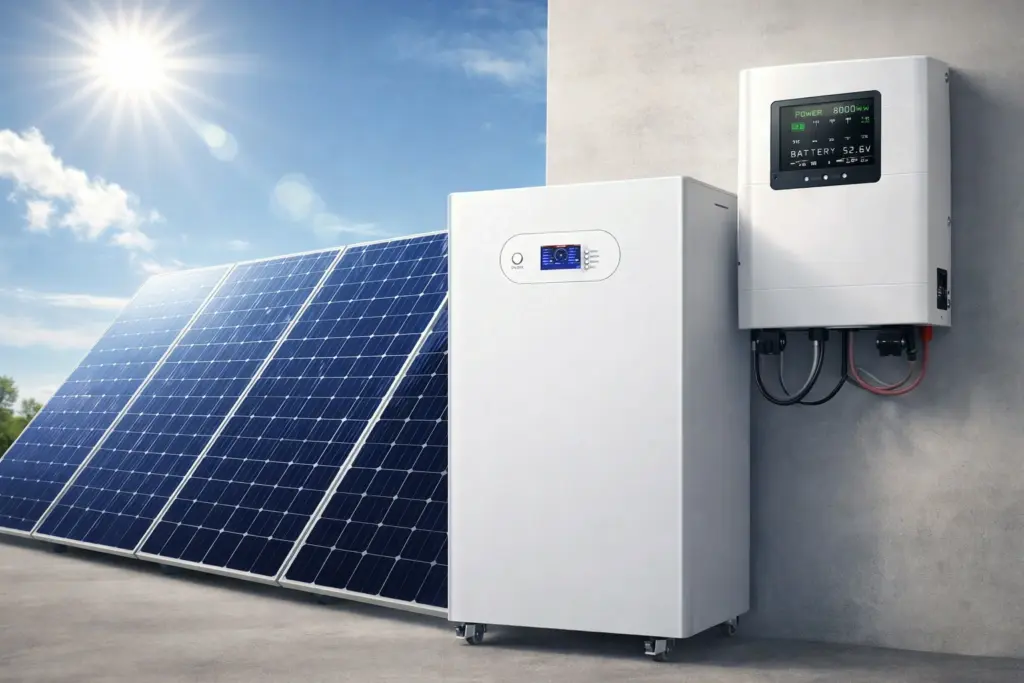
Plan a 30kW Solar and Battery System with Confidence
A successful 30kW solar system starts with the right design, not just the right panel count. If your project needs battery storage, backup power, or a scalable LiFePO4 solution, Avepower can help installers, distributors, and project teams match battery capacity, inverter communication, and system requirements.
What Affects the Final Price?
A cheap quote and a good-value quote are not always the same thing. A 30kW solar system is a long-term asset, so the installation quality, product support, and system design matter.
The main cost factors include:
- Panel quality: Higher-efficiency panels may reduce roof space pressure
- Inverter design: Affects output, reliability, monitoring, and battery readiness
- Roof type: Metal roofs are often simpler than tile, steep, or fragile roofs
- Switchboard condition: Upgrades may be needed for safety and compliance
- Grid approval: Export limits or three-phase rules can affect design
- Monitoring: Important for commercial performance tracking
- Battery readiness: Hybrid or AC-coupled designs may affect future upgrade cost
- Installation quality: Poor layout, cabling, or workmanship can reduce long-term returns
For businesses, the right design should also consider operating hours. A bakery, cold storage room, office, restaurant, farm pump, or EV charging site will not use energy in the same pattern. A system that looks “correct” by annual kWh may still underperform financially if too much solar is exported at a low feed-in tariff instead of being used on-site.
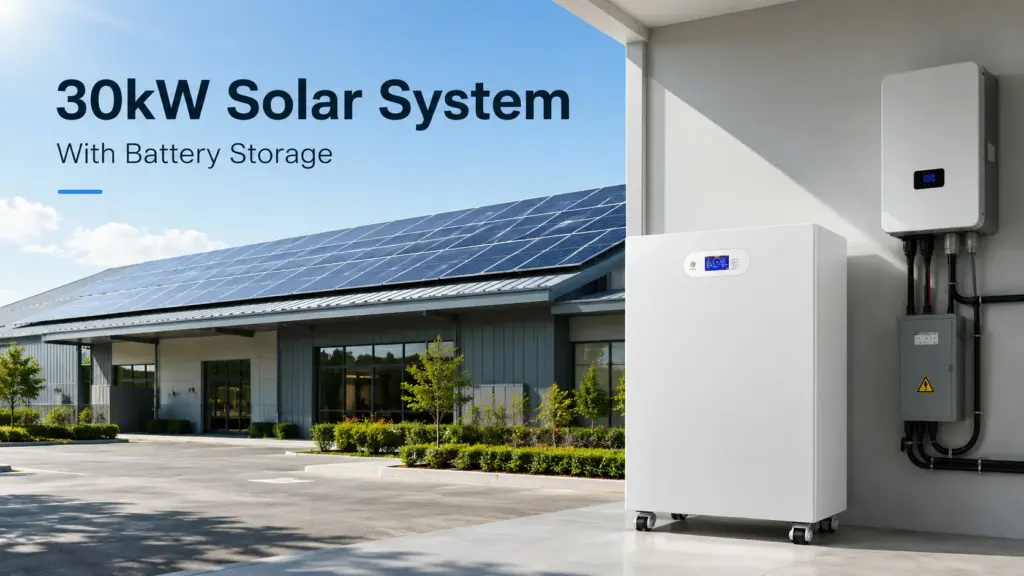
30kW Solar System With Battery: When Does It Make Sense?
A battery is not automatically required for every 30kW solar system. The decision depends on what problem you want to solve.
A battery may be worth adding when you need:
- Higher self-consumption: Stores excess midday solar for evening use
- Backup power: Keeps selected circuits running during outages
- Peak shaving: Reduces short high-demand periods for businesses
- Export limit management: Stores energy that would otherwise be curtailed
- EV charging support: Helps shift solar into later charging windows
- Off-grid reliability: Supports night loads and cloudy-day operation
The Australian Government’s Cheaper Home Batteries Program funds around a 30% discount on eligible small-scale battery systems connected to new or existing rooftop solar, delivered through retailers and installers under the SRES.
For a 30kW solar system, common battery sizes may include:
| Battery Size | Typical Use Case |
|---|---|
| 10–20kWh | Essential backup or small evening loads |
| 30kWh | Large home evening use or light commercial backup |
| 40–50kWh | Higher self-consumption and stronger backup capability |
| 60–100kWh | Commercial use, larger homes, farms, or export-limited sites |
| 100kWh+ | More advanced commercial or off-grid projects |
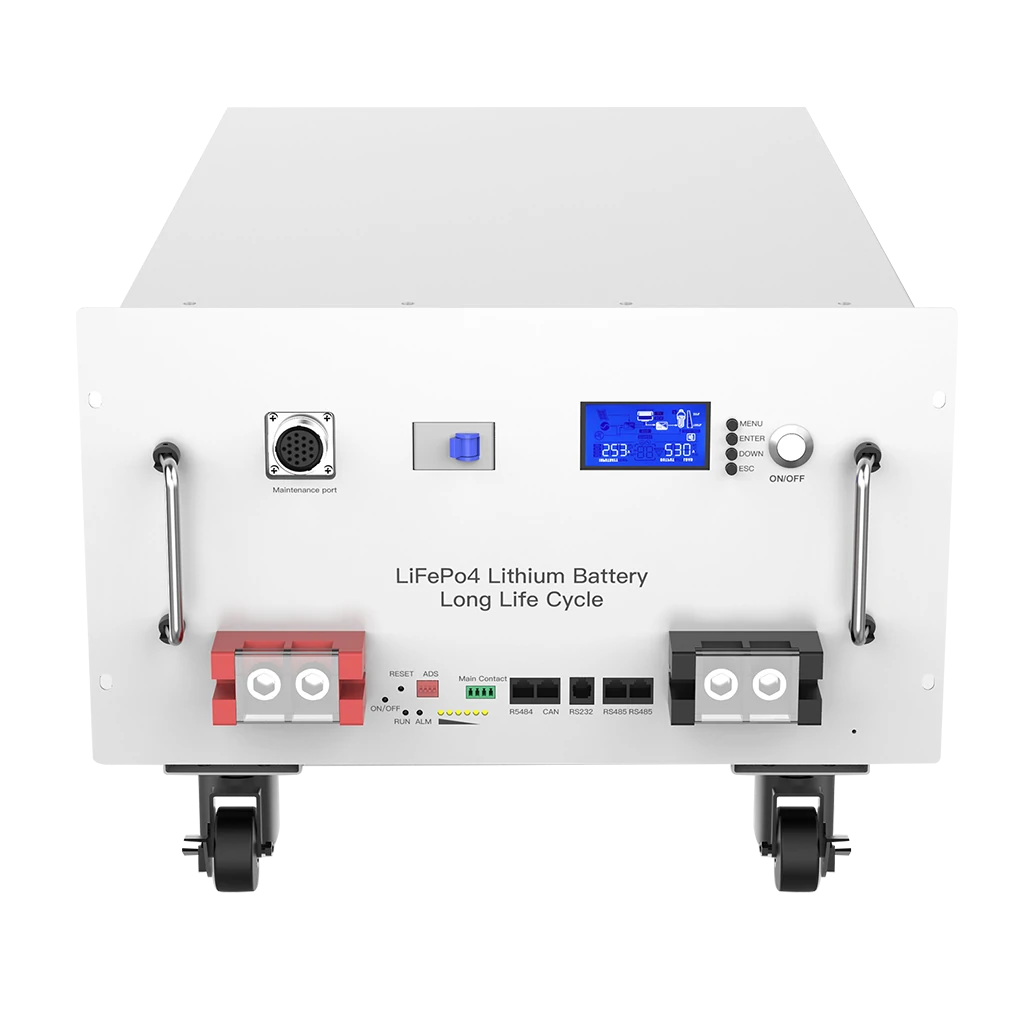
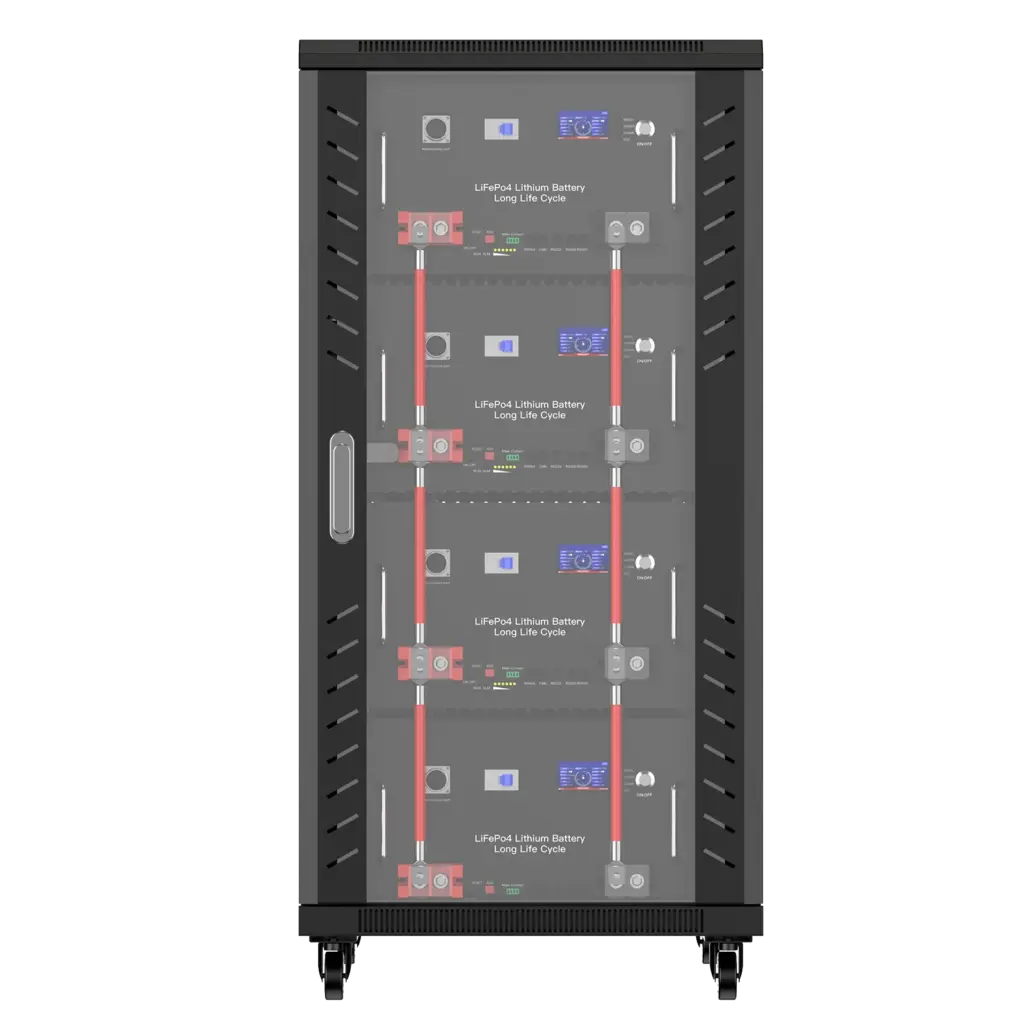
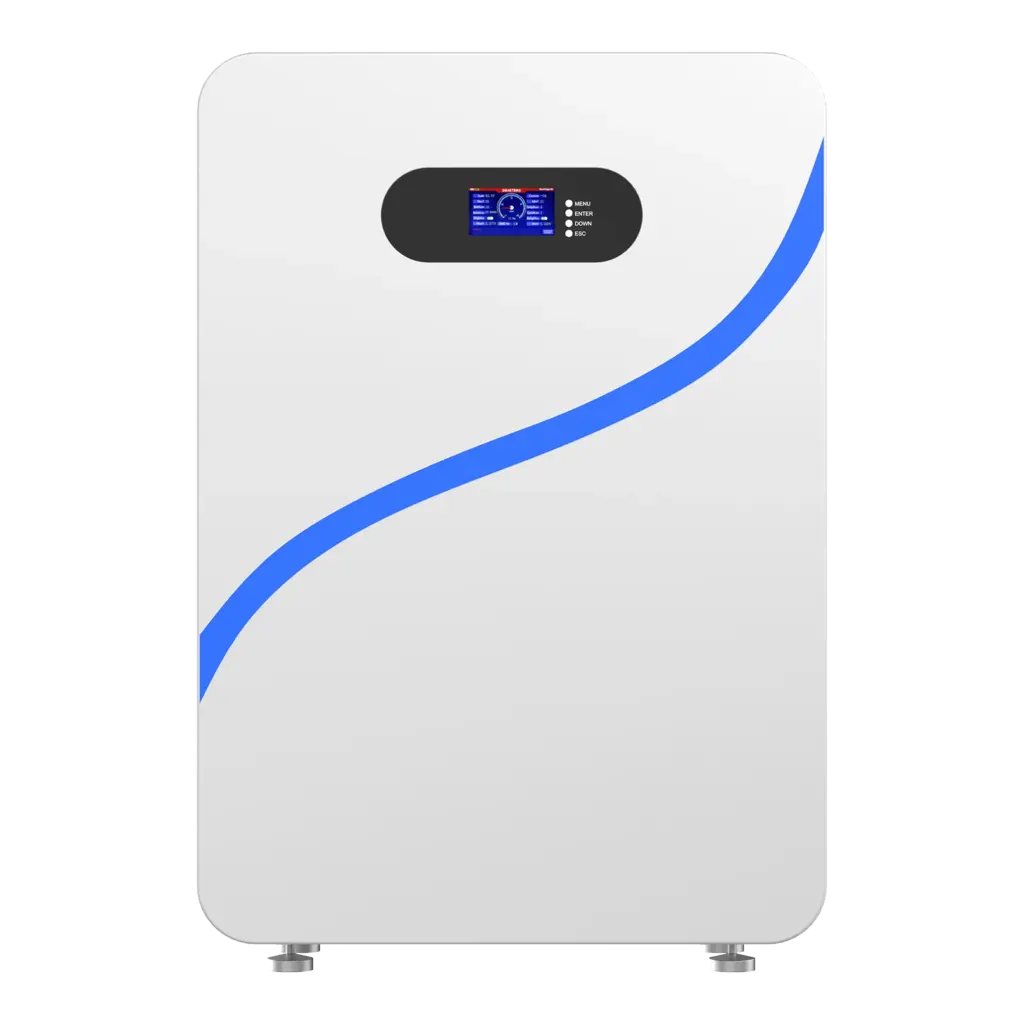
Avepower’s modular storage range includes 20kWh, 30kWh, and 40kWh stackable battery options, plus rack-mounted batteries for structured equipment rooms and larger installer-led projects.
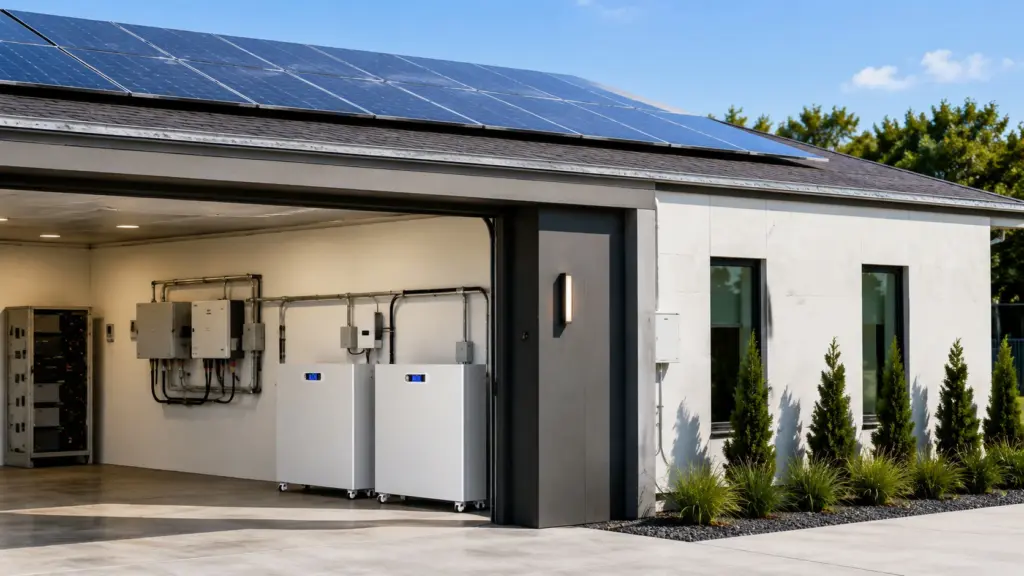
How Many Batteries Do You Need for a 30kW Solar System?
There is no single correct battery size for a 30kW solar system. The battery should be sized according to the load you want to cover, not only according to the solar array size.
A practical method is:
- Check how many kWh you use after sunset.
- Separate essential loads from whole-site loads.
- Decide how many hours of backup you need.
- Add future loads such as EV charging or electric heating.
- Consider battery usable capacity, not only nominal capacity.
- Check inverter power output, not only battery energy capacity.
Example:
If your site uses 30kWh overnight, then a 30kWh battery may cover much of the evening load under ideal conditions. If your site needs to run air-conditioning, refrigeration, pumps, or commercial equipment overnight, you may need 50kWh, 80kWh, or more.
For commercial or higher-capacity projects, Avepower can support custom battery sizing through custom high-voltage battery storage and larger commercial energy storage systems.
Is a 30kW Solar System Right for a Business?
A 30kW solar system is often better suited to businesses than ordinary homes because many businesses operate during the day, when solar generation is strongest.
A 30kW system can be a good fit when a business:
- Uses 80–150kWh of electricity per day
- Operates mainly between 8am and 5pm
- Has refrigeration, lighting, machinery, pumps, or HVAC loads
- Pays high daytime electricity rates
- Has a large, unshaded roof
- Wants to reduce grid purchases rather than rely on feed-in tariffs
- Plans to add EV chargers or battery storage later
The best candidates are businesses that can use most of the solar power on site. A workshop, warehouse, clinic, supermarket, restaurant, or school may achieve stronger savings than a site that is mostly closed during the day.
For commercial users that also want backup or load shifting, Avepower’s commercial and industrial energy storage solutions can be considered as part of a broader solar-plus-storage design.
Avepower Perspective: Solar Is Only Half the System
A building may generate plenty of solar power at midday but still import expensive power in the evening. A business may have a strong solar array but limited backup during outages. A farm may need a battery system that handles motor loads, not just basic lighting. These situations require a complete solar-plus-storage view.
Avepower focuses on LiFePO4 battery energy storage solutions for residential, commercial and industrial applications.
If your project needs battery storage as part of a 30kW solar system, Avepower can help installers, distributors and project partners evaluate scalable LiFePO4 battery options, communication protocols and system architecture for residential, commercial and custom energy storage projects.
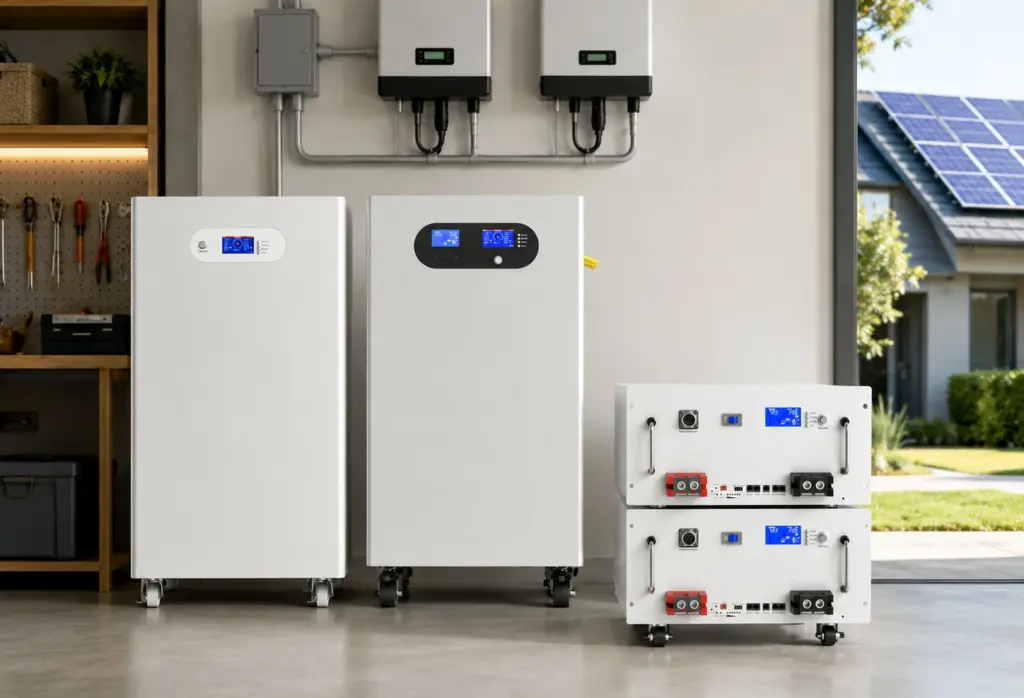
Take Control of Your Energy with Avepower!
Reliable home solar battery solutions with OEM/ODM customization and in-house manufacturing, tailored to the needs of distributors, installers, and energy partners.
FAQ
A 30kW solar system usually produces around 86–136kWh per day in Australia, depending on location, season, roof orientation, shading, and system efficiency.
A 30kW solar system usually needs around 55–84 modern solar panels, depending on panel wattage.
Most 30kW solar systems need around 150–250m² of usable roof space. The final requirement depends on panel size, roof shape, tilt frames, access spacing, and shading.
Current 2026 commercial pricing data suggests a 30kW solar system may cost around A$24,360–A$32,450+ in major Australian cities after applicable incentives.
Common battery sizes range from 30kWh to 100kWh, depending on evening loads, backup needs, export limits, and business requirements. A 30kWh battery may support large home evening use, while commercial sites may need 50kWh or more.
A well-designed 30kW solar system may pay back in around 3–5 years. Businesses with high daytime electricity use and expensive grid power may see faster payback, while low self-consumption sites may take longer.