
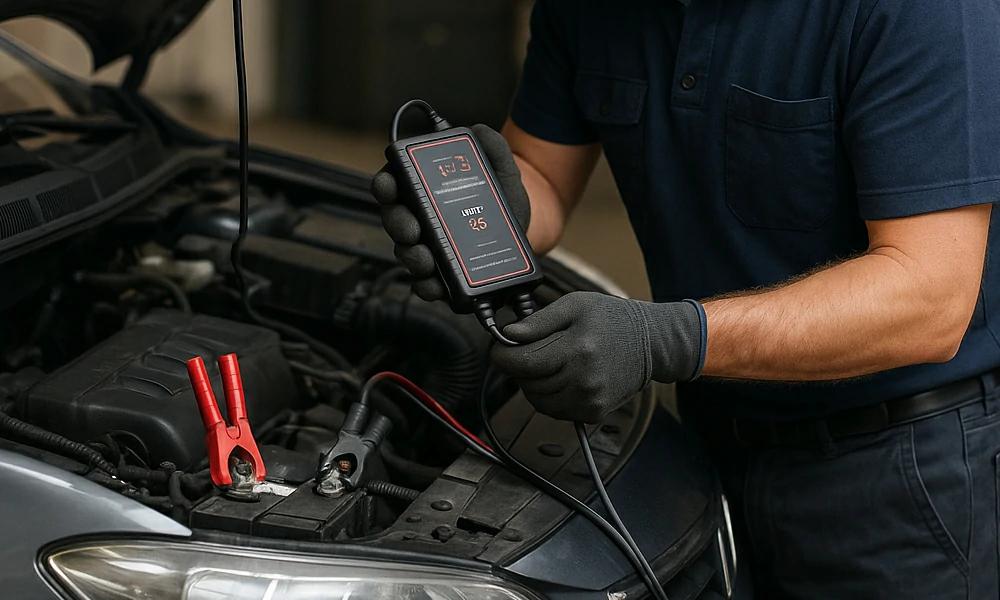
How long does it take to charge a 12V battery at 2 amps? A simple estimate is:
Charge Time (hours) ≈ Battery Capacity (Ah) × Charge Needed (%) ÷ Charger Current (A)
For example, a 50Ah battery charged from 0% to 100% at 2 amps takes about 25 hours in theory. In real use, charging may take longer because of charging losses and the slower absorption stage near full charge.
For a 50Ah battery starting at 50% charge:
50Ah × 50% ÷ 2A = 12.5 hours theoretical
Actual charging time depends on battery capacity, starting state of charge, battery chemistry, charger type, temperature, and battery condition.
12V Car Battery Charging Time Formula
Battery charging time depends mainly on the amount of capacity that needs to be replaced and the charger current.
Charge Time (hours) ≈ Battery Capacity (Ah) × Charge Needed (%) ÷ Charger Current (A)
Real charging usually takes longer because lead-acid batteries lose some energy during charging and the current tapers as the battery approaches full charge.
Too complicated to calculate by hand? Use Avepower’s free Battery Charge Time Calculator to instantly find out how long it takes to fully charge your car battery.
Car Battery Charging Time Calculator
Formula: Charge Time ≈ Battery Capacity × Charge Needed ÷ Charger Current
How Long to Charge a 12V Battery at 2 Amps?
A 50Ah 12V battery takes about 25 hours theoretically to charge from empty at 2 amps.
A 60Ah battery takes about 30 hours theoretically.
If the battery is only 50% discharged, the bulk-charge calculation is roughly half that time. However, the final charging stage can take longer because charging current usually decreases as a lead-acid battery approaches full charge.
How Long to Charge a 12V Battery at 2, 4, 6, 10 or 20 Amps?
| Charger Current | 50Ah Battery | 60Ah Battery | Best Use |
|---|---|---|---|
| 2A | ~25 hrs | ~30 hrs | Slow charging / maintenance |
| 4A | ~12.5 hrs | ~15 hrs | Gentle charging |
| 6A | ~8.3 hrs | ~10 hrs | Normal charging |
| 10A | ~5 hrs | ~6 hrs | Faster charging |
| 20A | ~2.5 hrs | ~3 hrs | Fast charging if supported |
Your actual time will depend on:
- Battery size
- How empty the battery is
- Charger quality and smart functions
- Battery age and health
- Temperature and power draws in the car (lights, air con, etc.)
If your battery is only half empty (for example from 50% to 100%), then you can usually cut these times in half.
Related resources: How to Charge a Dead Car Battery
Charger Types At A Glance
| Charger Type | Typical Current | Main Purpose | Charging Speed | Risk Of Overcharge |
|---|---|---|---|---|
| Linear (basic) | Fixed, often low | Simple top-up at home | Slow to medium | Higher |
| Multi-stage | Variable | Safe, quicker full charge | Medium to fast | Low (if used right) |
| Trickle | 0.8–4 A | Long-term maintenance | Very slow for flat battery | Low |
What Really Affects Car Battery Charging Time?
Battery Capacity (Amp-Hours, Ah)
Every battery has a size, which people usually measure in amp-hours (Ah). A common small car battery may be around 45–60 Ah, and a larger one may be 70–100 Ah or more.
A larger Ah number means that the battery can store more energy, and that same battery will take longer to charge with the same charger.
State of Charge (SoC)
The state of charge is the percentage that tells you how full the battery is. A battery at 20% will need much more time than a battery at 70%, even if you use the same charger.
Charger Output (Amps)
The charger current (in amps) has a direct impact on time.
- A 2A charger fills the battery slowly.
- A 10A charger fills the battery much faster.
- A 20A charger can charge quickly, but it may be too aggressive for some batteries if you use it for long periods.
Battery Type
The battery type matters because each type accepts charge in a slightly different way.
Most cars still use flooded lead-acid or AGM (Absorbent Glass Mat) batteries.
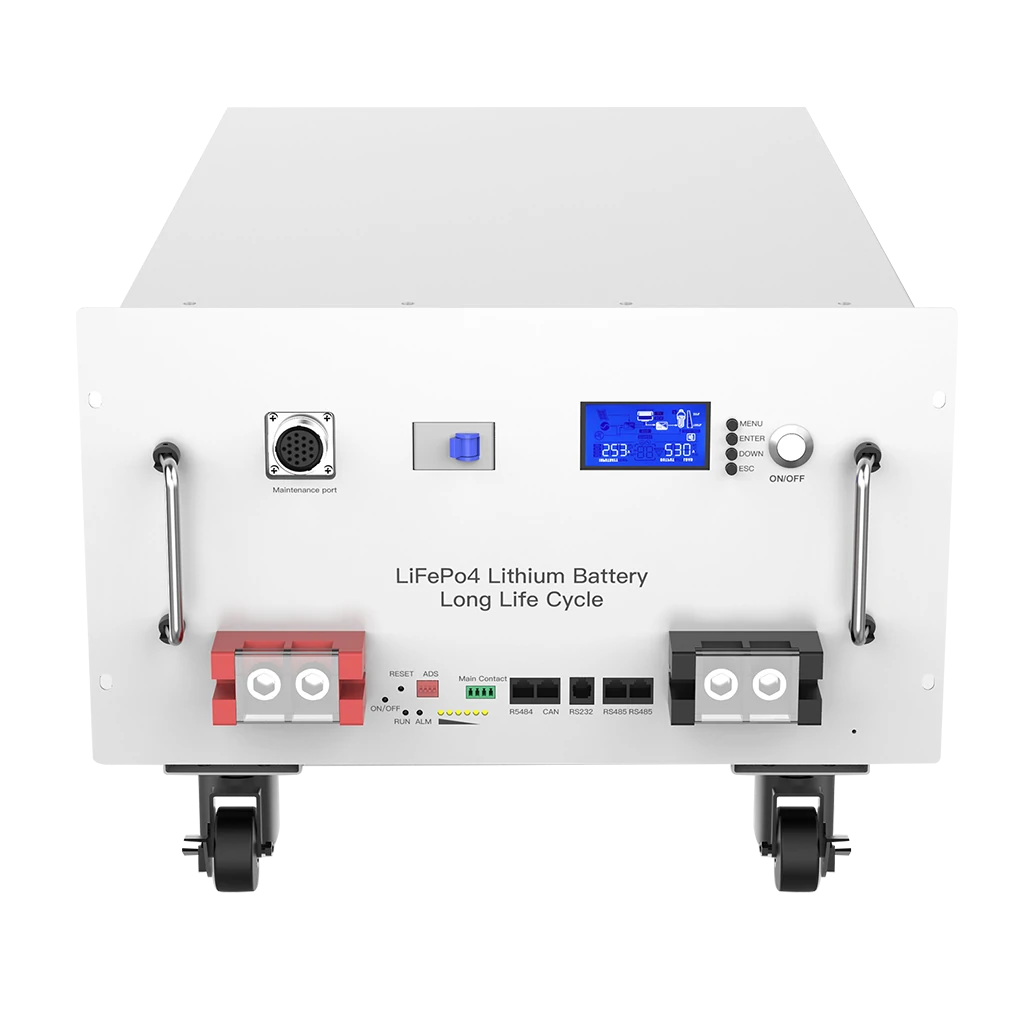
Some modern vehicles and energy storage systems use lithium-ion or LiFePO4 batteries.
Lead-acid batteries usually like slower, steady charging, while many lithium batteries can accept higher charge rates if the battery management system (BMS) allows it.
Battery Health
An older or damaged battery usually charges more slowly and may never reach full capacity again.
A healthy battery tends to charge more predictably and can hold the charge for longer.
Temperature And Environment
Extreme cold slows the chemical reactions inside the battery. Extreme heat can damage the battery and reduce its life.
A moderate temperature usually gives the most efficient and safest charging result.
Can You Recharge A Completely “Dead” Battery?
In many cases, yes — but there are limits.
When You Can Recover It
You can often recover a battery that:
- Still shows some voltage (for example 10–11.5 V at rest).
- Has not been left in that state for many weeks.
- Does not show physical damage or leaks.
A smart charger with a recovery or reconditioning mode may help break down some sulphation and extend the life a little, although it cannot make an old battery “new” again.
When You Should Replace It
You should plan to replace the battery if:
- The resting voltage stays very low (for example under 10 V) even after charging.
- The battery drops below around 9.6 V very quickly while cranking.
- The car needs frequent jump-starts even though the alternator is healthy.
- The casing is swollen, cracked or leaking fluid.
In these cases, further attempts to charge are often a waste of time — and money.
What Causes A Car Battery To Go Flat?
A flat battery is usually the result of one or more of these:
- Lights left on (headlights, interior lights, boot light).
- Parasitic drain, such as a stuck relay or faulty module that draws power even when the car is off.
- Short, frequent trips so the alternator never has time to put charge back in.
- Old age – most lead-acid car batteries only last 3–5 years in normal use.
- Corroded or loose terminals that prevent proper charging.
- Extreme cold combined with a battery that is already weak.
If you find yourself charging often, it is wise to ask a workshop to check for parasitic drain or test the battery’s health.
Safety Checks Before Charging a 12V Battery
- Do not charge a cracked, leaking, or swollen battery.
- Do not charge a frozen battery.
- Charge in a well-ventilated area.
- Keep sparks and flames away.
- Use the correct 12V charger and battery mode.
- Stop charging if the battery becomes unusually hot.
- Follow the charger and vehicle manufacturer instructions.
How Long Do You Need To Drive To Fully Charge A Battery?
The true answer depends on:
- How low the battery was at the start.
- How strong the alternator is.
- How much electrical load you are using (lights, air-con, heated seats, sound system).
If the battery is only slightly low, a 30-minute drive at highway speed may be enough to bring the battery back close to full. If the battery is heavily discharged, you may need an hour or more, and in some cases the battery may never fully recover.
Because the alternator also powers all the car’s systems, it may never have enough spare current to “deep-charge” a badly drained battery in a single trip. A proper external charger is still the best option for that job.
Related resources: How Long Does a Car Battery Last
Car Batteries Charge While Idling?
Your car charges the battery whenever the engine runs, because the alternator converts engine power into electrical power.
However, the charging rate at idle is often lower than at higher RPM. The result is:
- Idling in the driveway can slowly raise the charge, but it may not be very efficient.
- Driving at normal speeds usually charges the battery more quickly, especially at around 55 mph (90 km/h) or higher.
If the battery is not damaged and the alternator works well:
- A 30–60 minute drive may restore enough charge for another start if the battery is only moderately discharged, but it usually will not fully recharge a deeply discharged battery. A proper external charger is more reliable for a full recharge.
- The same 30 minutes of stop-and-go city driving or idling may give less benefit, because the alternator output changes all the time.
For a very flat battery, you should still use a proper charger. The alternator is designed to maintain a working battery, not to act as a deep-cycle charger.
Is It Safe To Charge A Battery While Still Connected To The Car?
In many cases, yes. Modern chargers are designed to be used with the battery still connected to the car’s wiring, as long as you follow the instructions.
You should:
- Turn off the car and remove the key
- Connect the positive (red) clamp to the positive terminal
- Connect the negative (black) clamp to a clean metal ground point on the body or engine block (or the negative terminal if the charger allows this)
- Make sure the charger is set to the correct battery type
- Turn the charger on
If your car is parked in a safe, dry place, charging in situ is usually convenient. If the car is outside or in a public space, some people prefer to remove the battery and charge it indoors in a well-ventilated area.
Whenever you disconnect a battery, you should:
- Turn everything off
- Remove the negative terminal first and reconnect it last
This order reduces the risk of accidental short circuits.
Energy Storage Systems Support Your Car Battery Needs
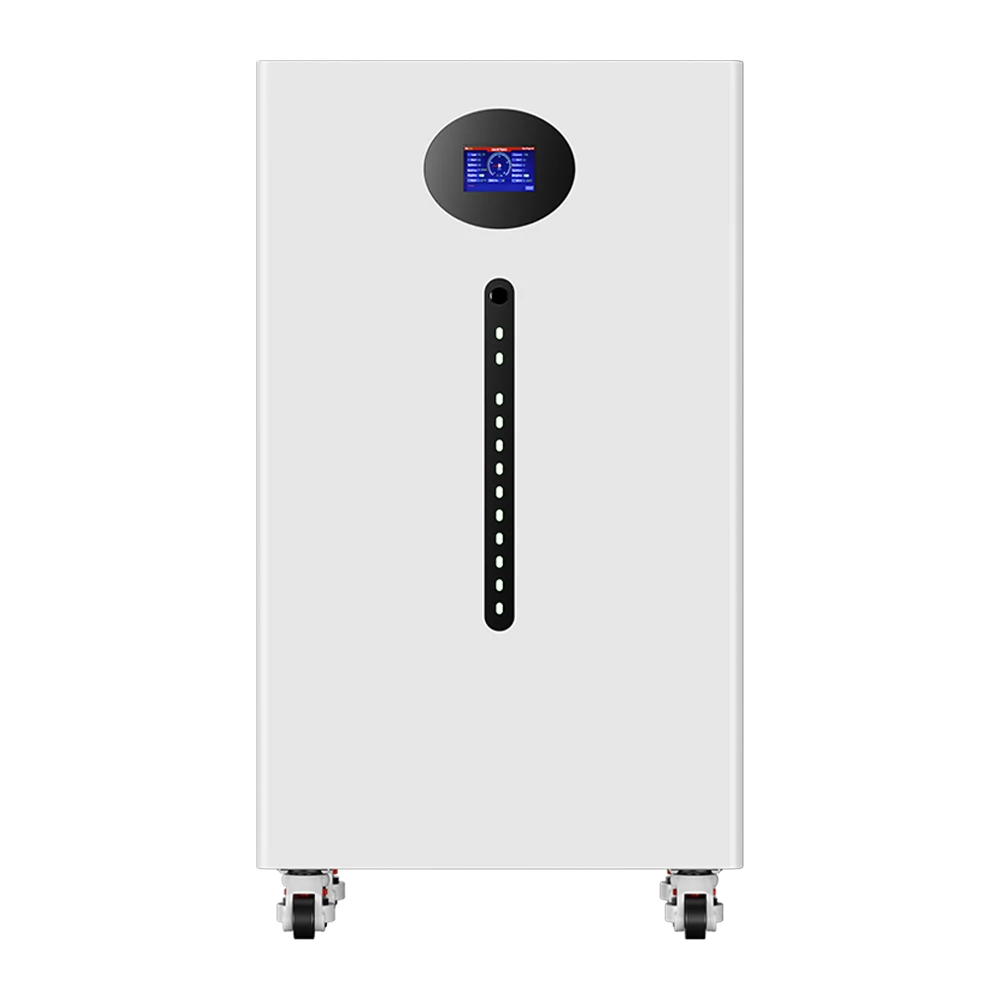
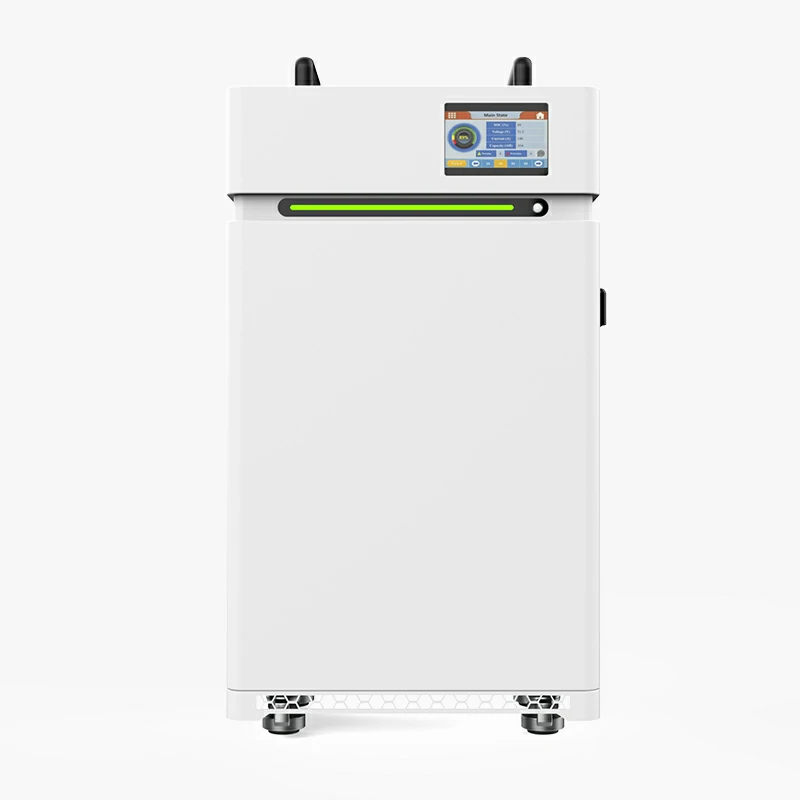
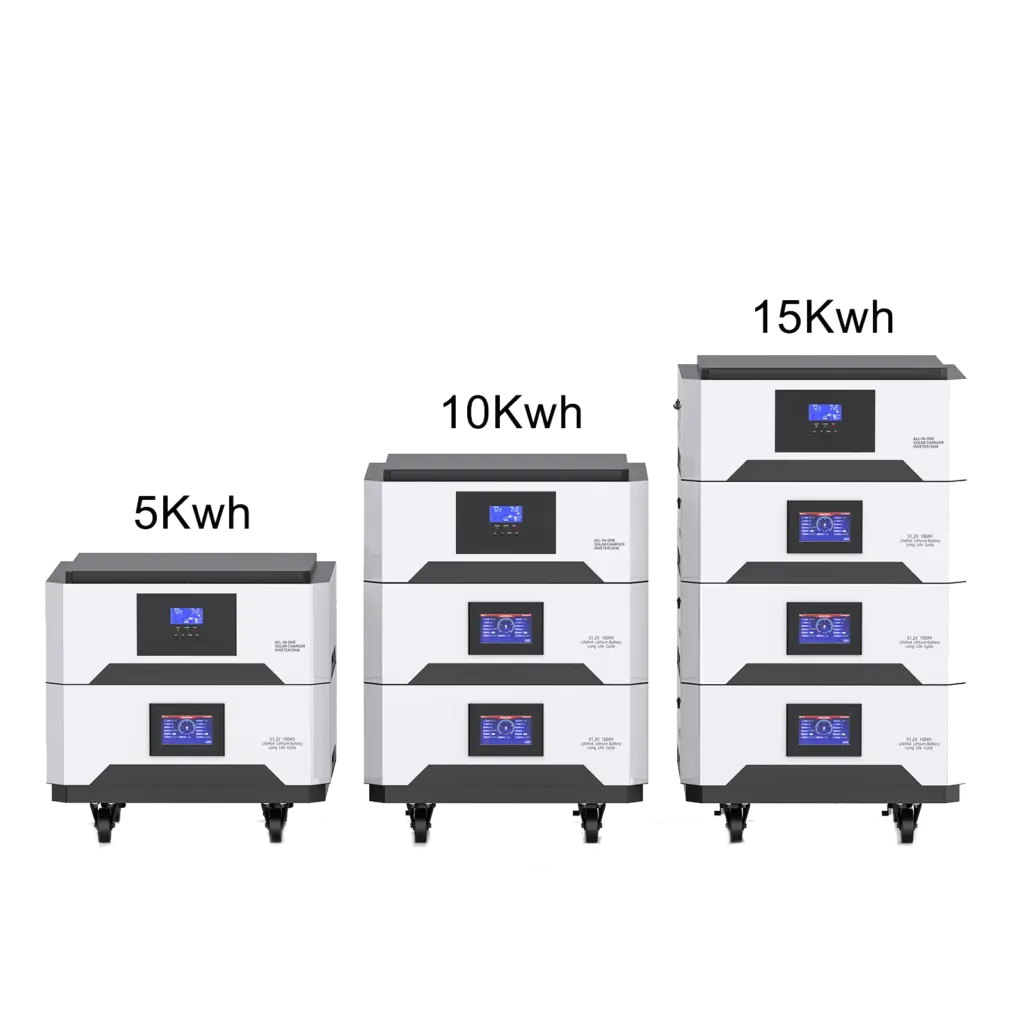
Avepower does not manufacture 12V car starter batteries. Instead, we specialize in energy-storage solutions—such as lithium solar batteries systems designed for homes and small businesses.
These systems can still help solve many car-battery-related challenges in a simple, practical way:
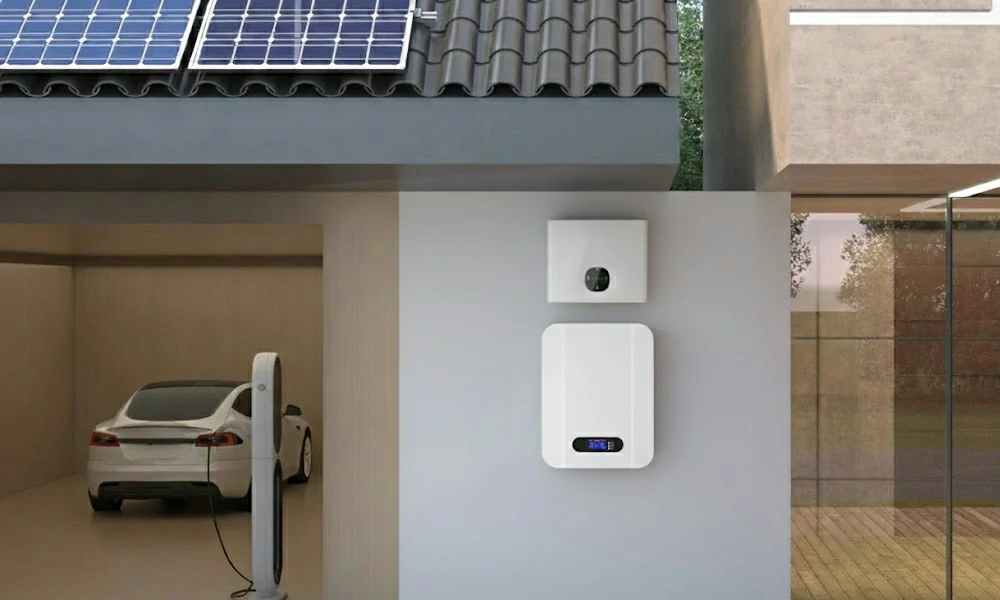
- Reliable home energy storage keeps your battery charger powered, even during a blackout.
- For workshops or small fleets, a storage system can support multiple chargers without creating large peak-demand loads on the grid.
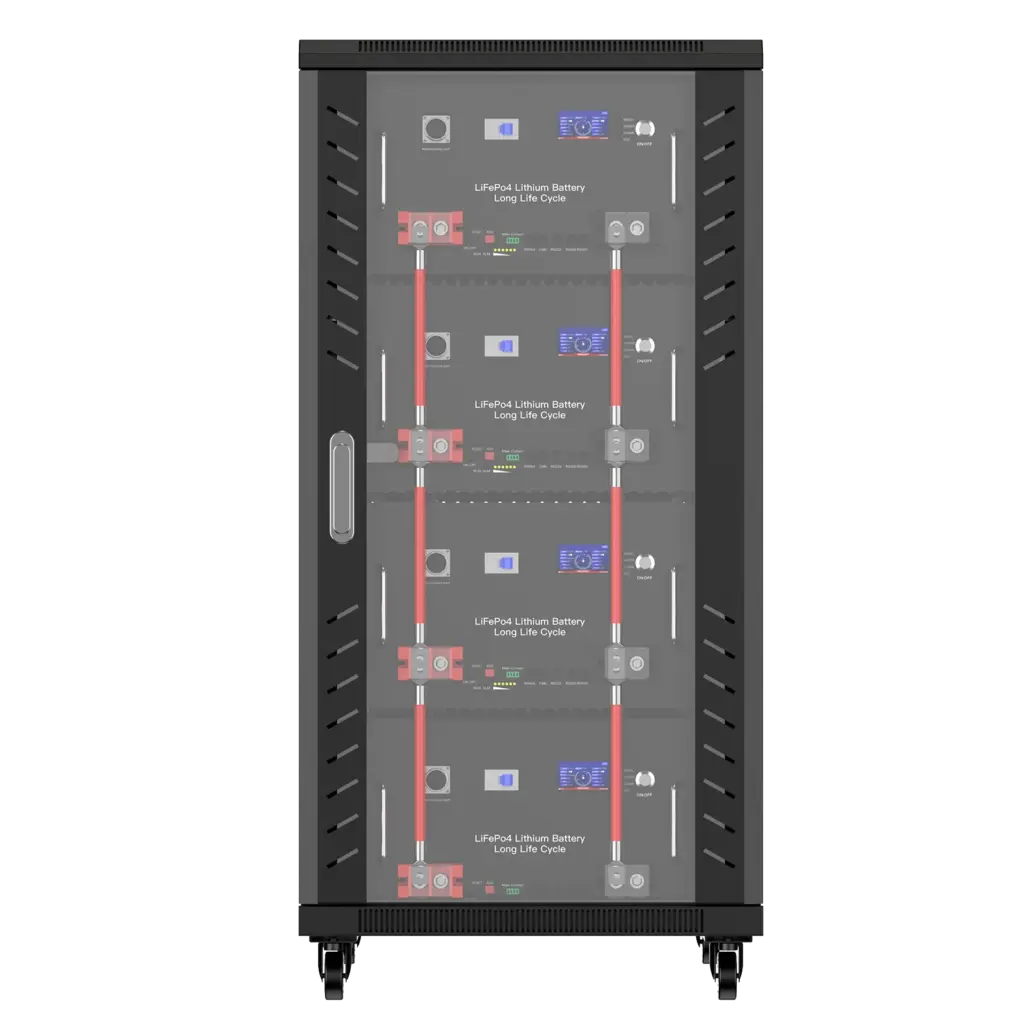
- When you begin combining EVs, solar, and energy storage, smart LiFePO4 systems from Avepower—with advanced BMS and long cycle life (8000+ cycles)—can become the core of your wider energy setup.
If you plan a larger home or business energy project—such as a solar-plus-storage system, long-life LiFePO4 battery banks, or backup power for chargers and tools—Avepower works with you as the battery manufacturer behind that system. While the right storage system won’t replace your car battery charger, it will ensure you have stable power exactly when you need it most.
Common 12V Battery Charging Mistakes
Assuming Every 12V Battery Takes the Same Time
Ah capacity and state of charge matter.
Using Ah ÷ Amps as an Exact Time
It is only a theoretical estimate; efficiency losses and charge taper increase real charging time.
Using Too Much Charging Current
More amps are not always better. Follow the battery manufacturer’s recommended charging current.
Using the Wrong Battery Mode
AGM, flooded lead-acid, and lithium batteries may require different charging profiles.
Trying to Charge a Damaged Battery
A cracked, leaking, swollen, frozen, or severely degraded battery should be inspected rather than repeatedly charged.
FAQ
A 50Ah battery takes about 25 hours theoretically from empty at 2A, while a 60Ah battery takes about 30 hours. Real charging may take longer because of losses and charging stages.
About 25 hours theoretically from empty, or about 12.5 hours of bulk charging if it starts at 50% charge.
A 50–60Ah battery takes about 5–6 hours theoretically from empty, although the final charging stage may extend the total time.
A 2A setting is commonly used for slow charging or maintenance, but always follow the battery and charger manufacturer’s recommended charging current.
Only if the charger is designed for automatic or maintenance charging and is compatible with the battery. Follow the charger manufacturer’s instructions.
Generally yes, but the battery has a recommended charging-current range. Higher amperage should not exceed the battery manufacturer’s limits.