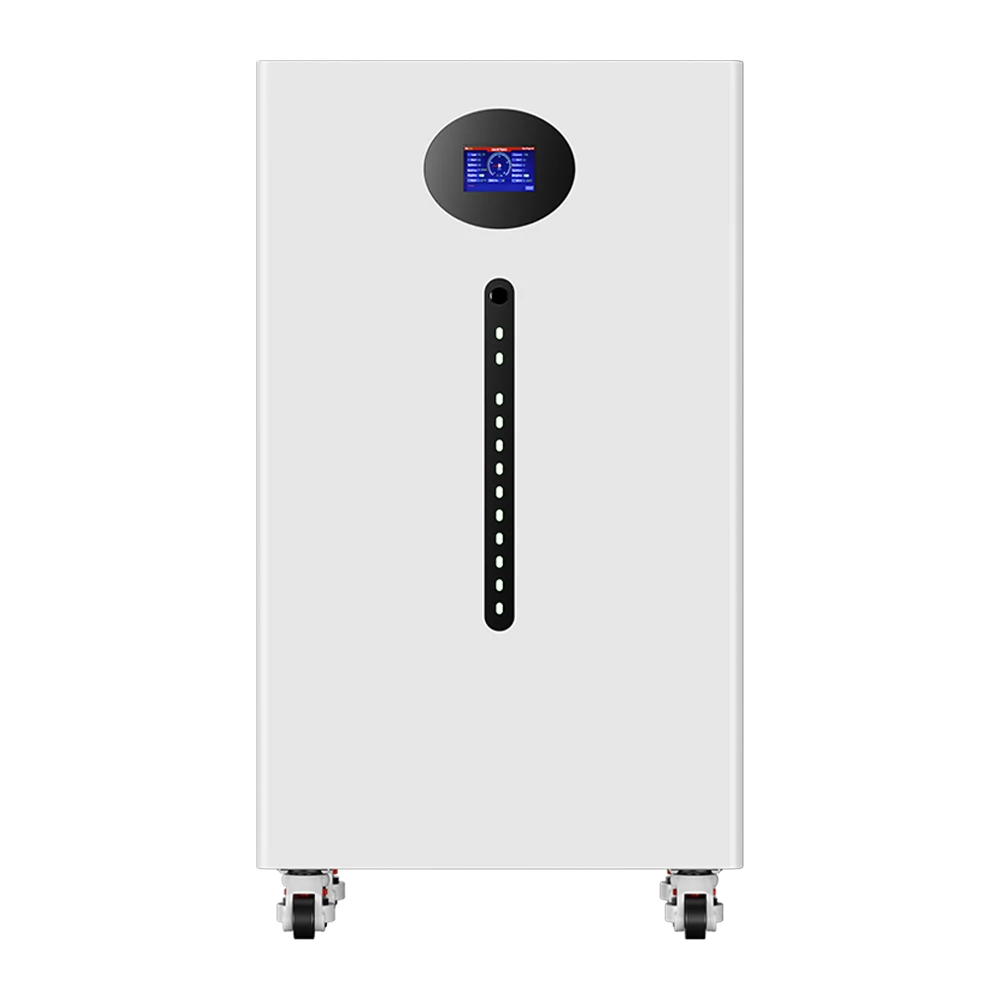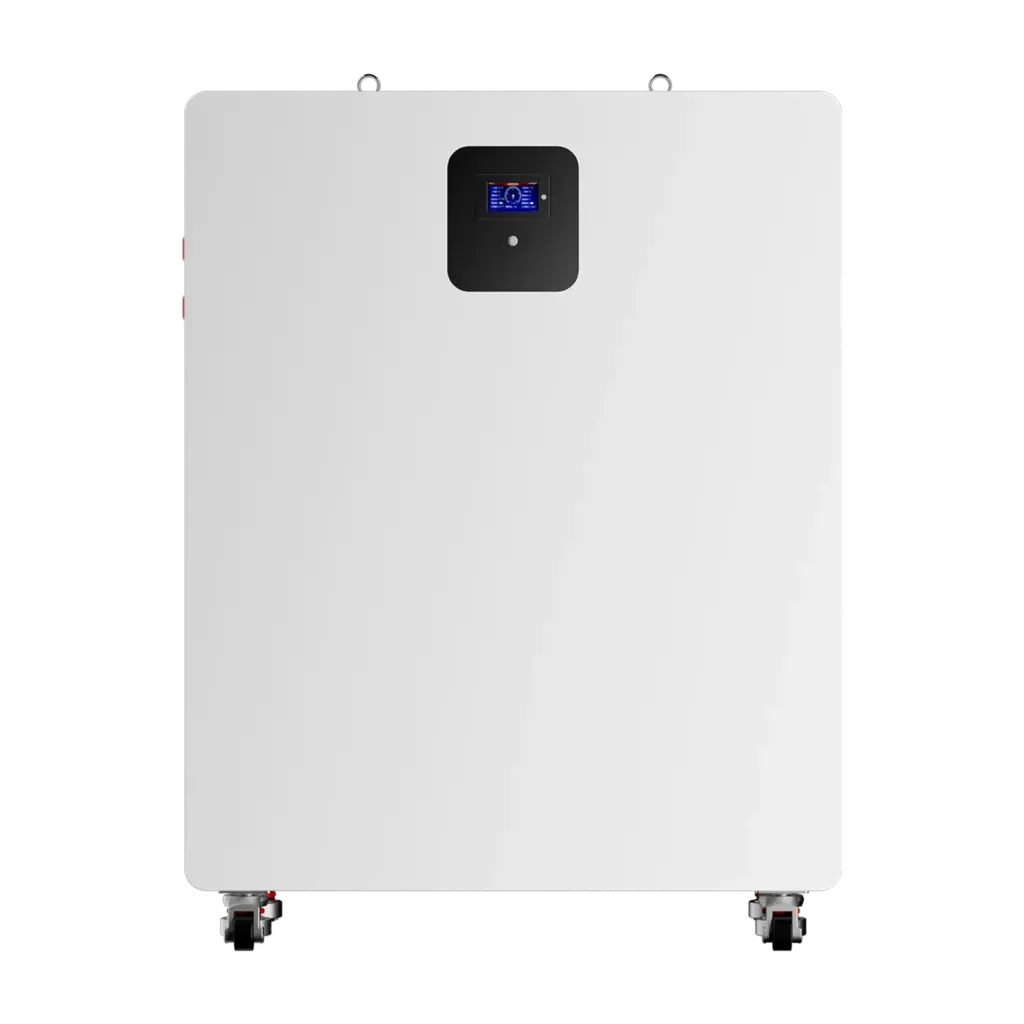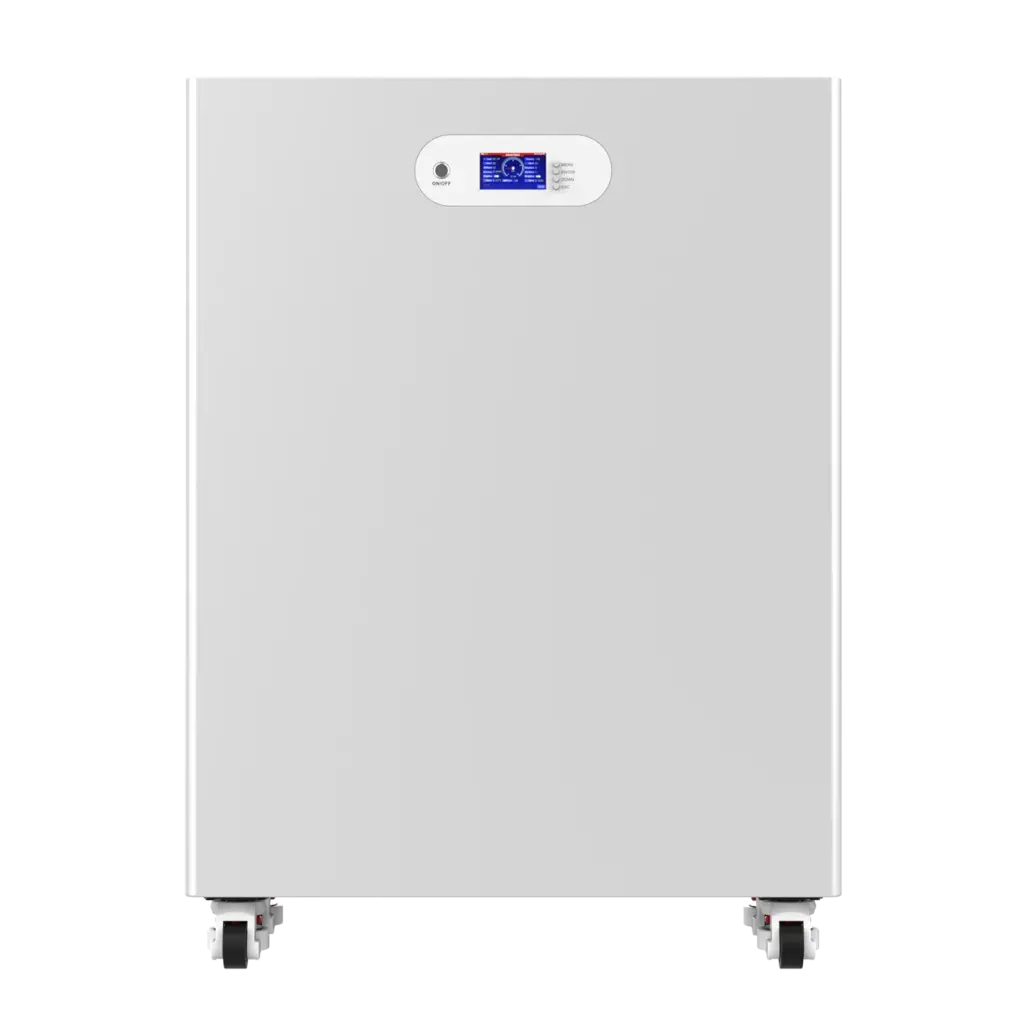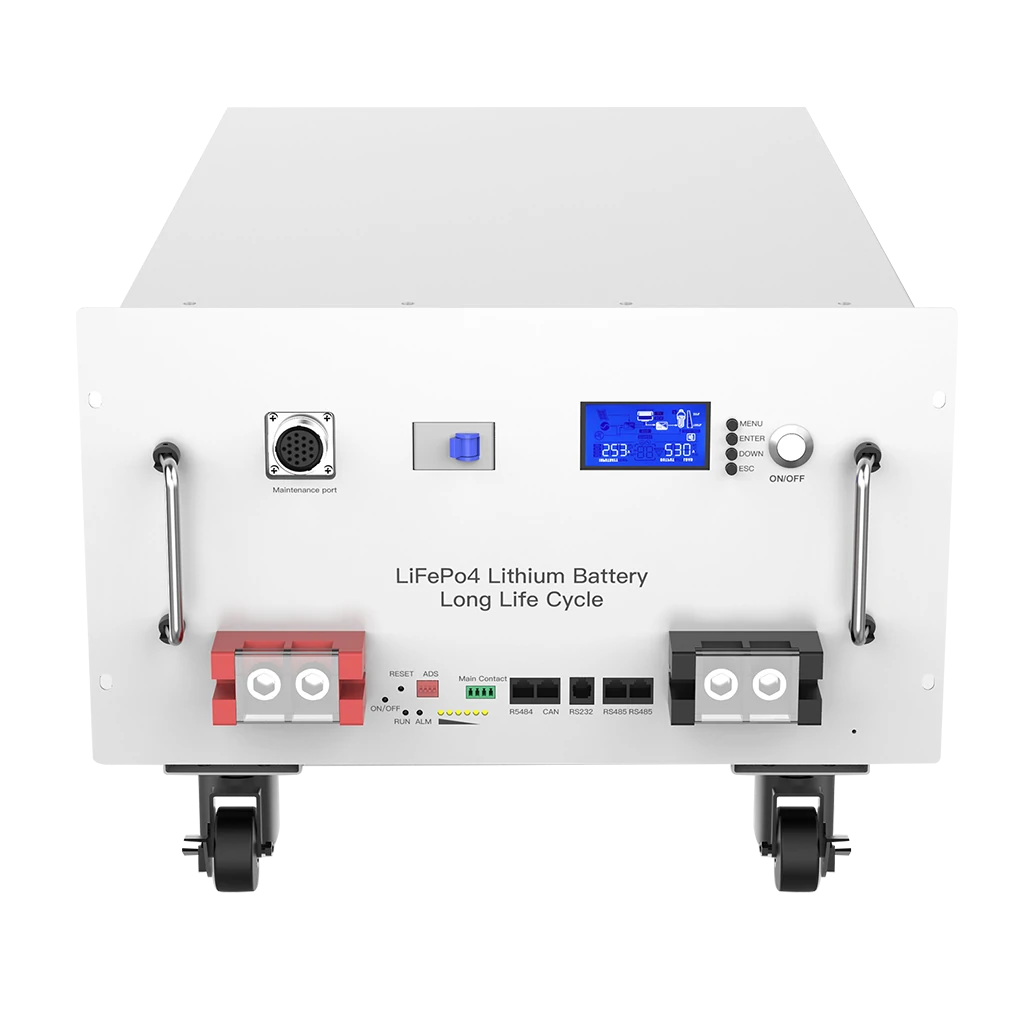

An energy management system in Australia helps homes, businesses and energy storage projects monitor, control and optimise electricity use. Instead of only showing how much power you consume, a good EMS can decide when to use solar, when to charge a battery, when to reduce peak demand, and when to draw power from the grid.
For Australian users facing solar export limits, time-of-use tariffs, rising network charges and growing battery adoption, EMS technology is becoming a practical way to lower bills and use energy more intelligently.
What Is an Energy Management System?
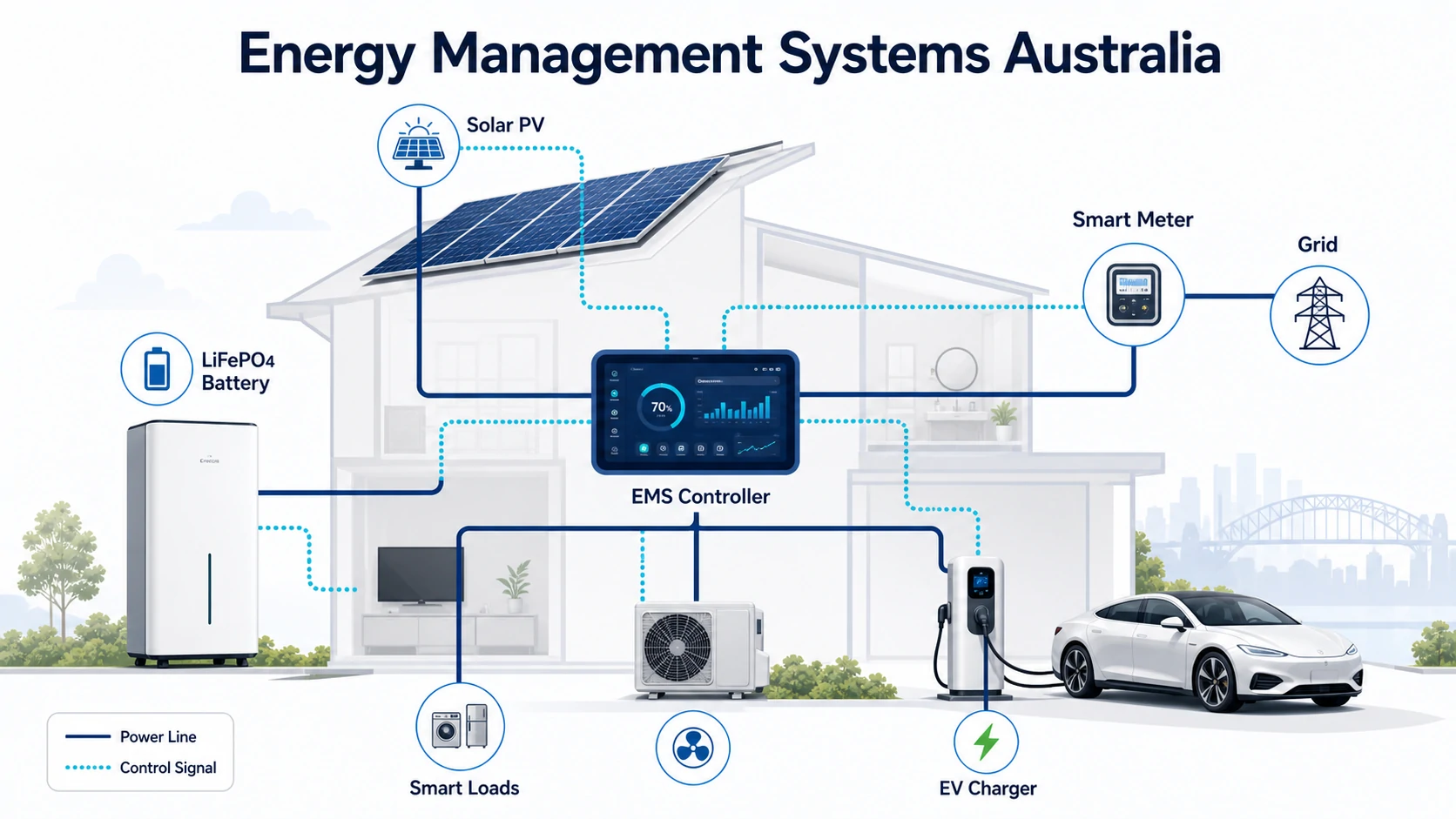
An energy management system, often shortened to EMS, is a combination of software, sensors, meters, communication devices and control logic used to manage electricity use.
In a simple home, an EMS may show:
- How much solar power is being produced
- How much electricity the home is using
- Whether power is coming from solar, battery or grid
- Battery state of charge
- Estimated savings and export data
In a more advanced home or commercial site, the EMS may also control:
- Battery charging and discharging
- EV charging schedules
- Heat pump or hot water timing
- HVAC operation
- Peak demand reduction
- Backup power logic
- Demand response participation
- VPP or grid service readiness
For energy storage projects, EMS works together with the BMS and PCS. The BMS protects and monitors the battery cells. The PCS converts power between AC and DC. The EMS decides the operating strategy, such as self-consumption, peak shaving, backup, energy arbitrage or VPP participation. If you need a deeper explanation of the storage system layer, see Avepower’s guide: What Does BESS Mean?
Why Energy Management Systems Matter in Australia
Australia has one of the world’s highest rooftop solar adoption rates, but solar alone does not automatically maximise savings. Many homes export excess solar during the day and buy electricity back at higher prices in the evening. Commercial sites may face high demand charges, inefficient load patterns and growing pressure to report emissions.
This is where energy management systems become valuable.
For both households and businesses, better energy control can support:
- Lower electricity bills
- Higher solar self-consumption
- Smarter battery operation
- Reduced peak demand
- Better backup power planning
- Improved sustainability reporting
- Better readiness for dynamic tariffs and demand response
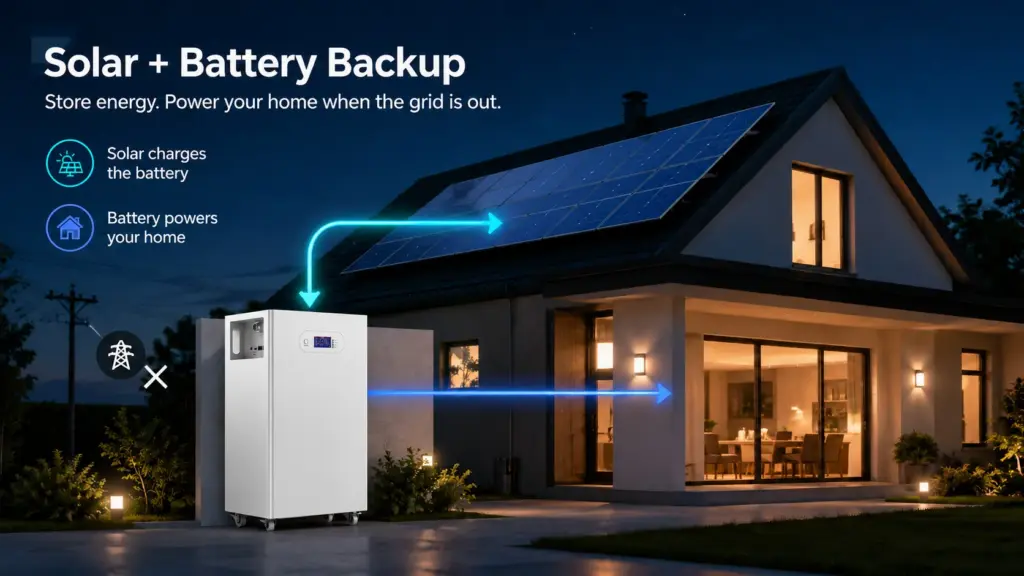
Build a Smarter Home Energy System
Avepower LiFePO4 home batteries support flexible capacity, reliable BMS protection and scalable storage for Australian solar projects.
Main Types of Energy Management Systems in Australia
| EMS Type | Best For | Main Function |
|---|---|---|
| Home Energy Management System | Homes with solar, battery, EV or smart appliances | Optimises household energy use and battery schedules |
| Building Energy Management System | Offices, hotels, schools, retail, apartments | Controls HVAC, lighting, metering and building loads |
| Battery Energy Management System | Solar battery and BESS projects | Coordinates battery, PCS, inverter and grid interaction |
| Commercial Energy Management Platform | Multi-site businesses and facilities | Tracks energy data, costs, emissions and operational performance |
| Demand Response / VPP Platform | Flexible loads, batteries and commercial sites | Shifts or reduces load when the grid needs support |
Home Energy Management Systems in Australia
A home energy management system is especially useful when your home has solar panels, a battery or time-of-use electricity rates.
A basic monitoring app tells you what happened. A stronger HEMS helps decide what should happen next.
For example:
- Charge the battery from solar during the day
- Hold battery energy for evening peak rates
- Avoid exporting solar when feed-in tariffs are low
- Run hot water or appliances when solar production is high
- Charge from the grid during off-peak periods if economical
- Keep backup reserve for blackouts
- Prepare the system for VPP participation
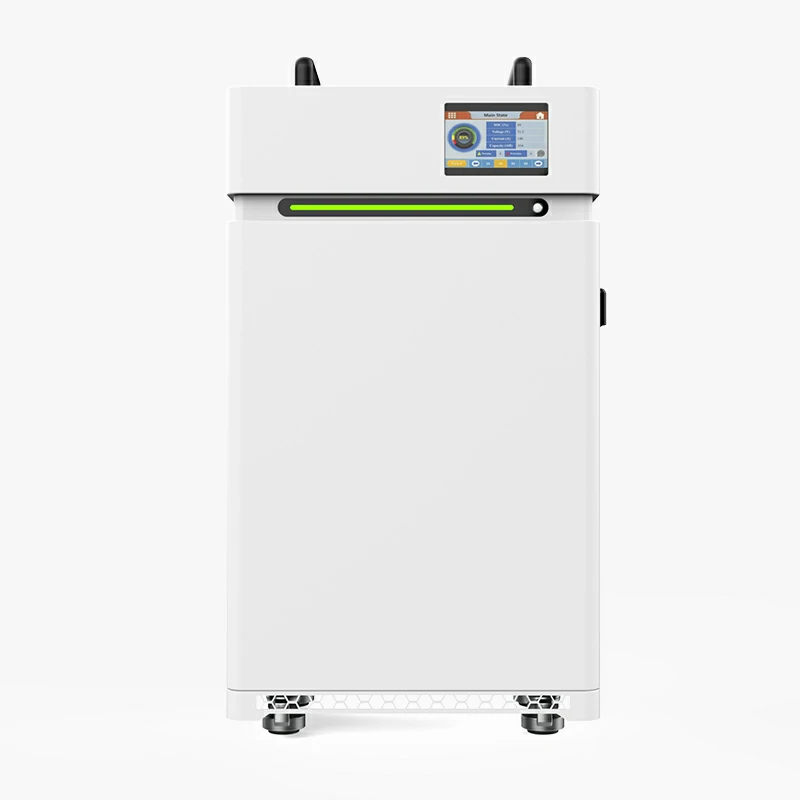
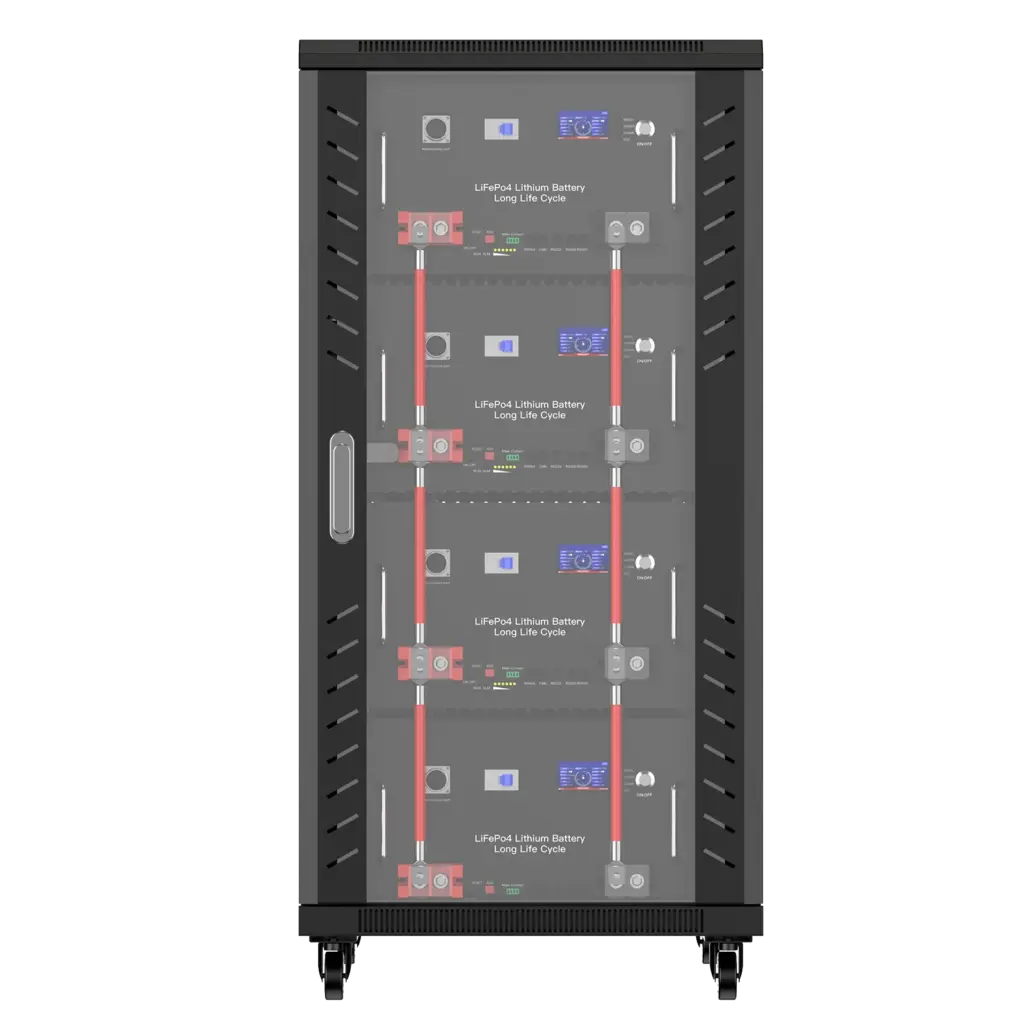
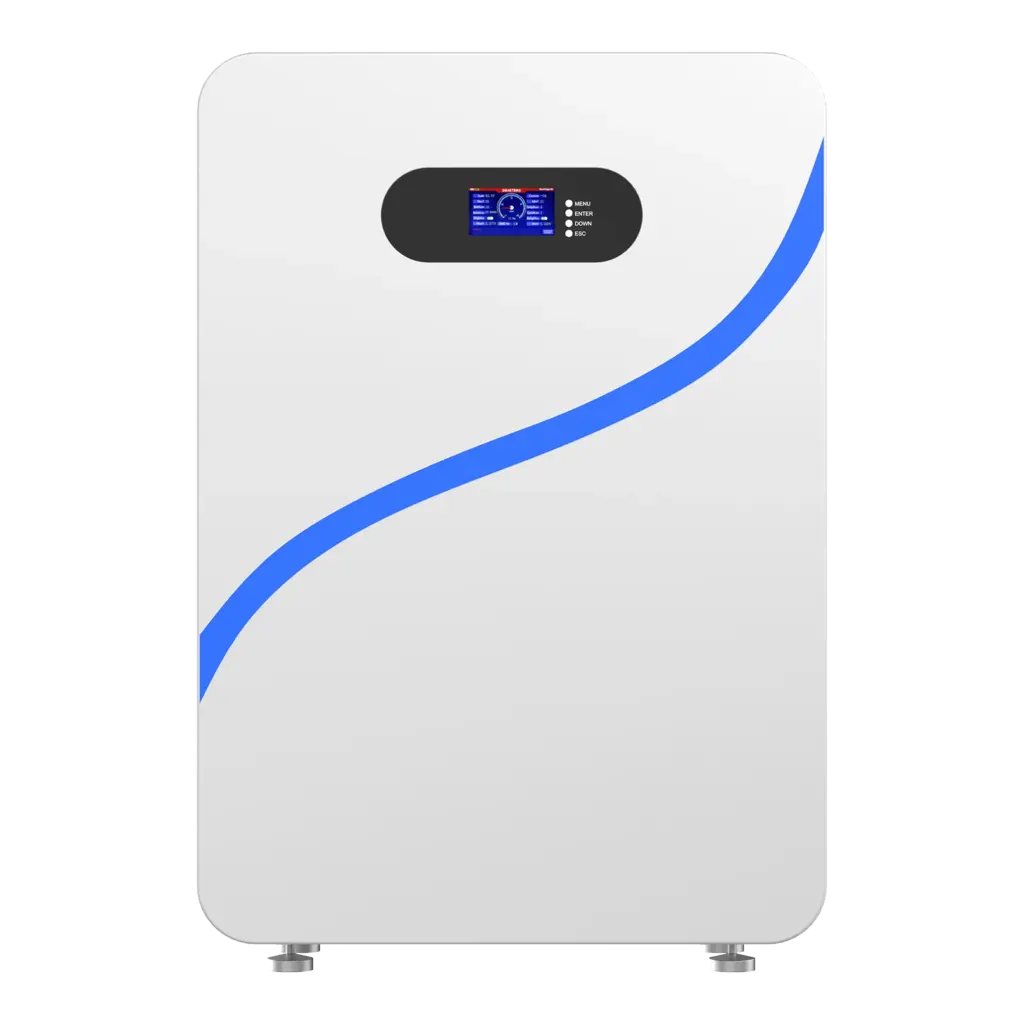
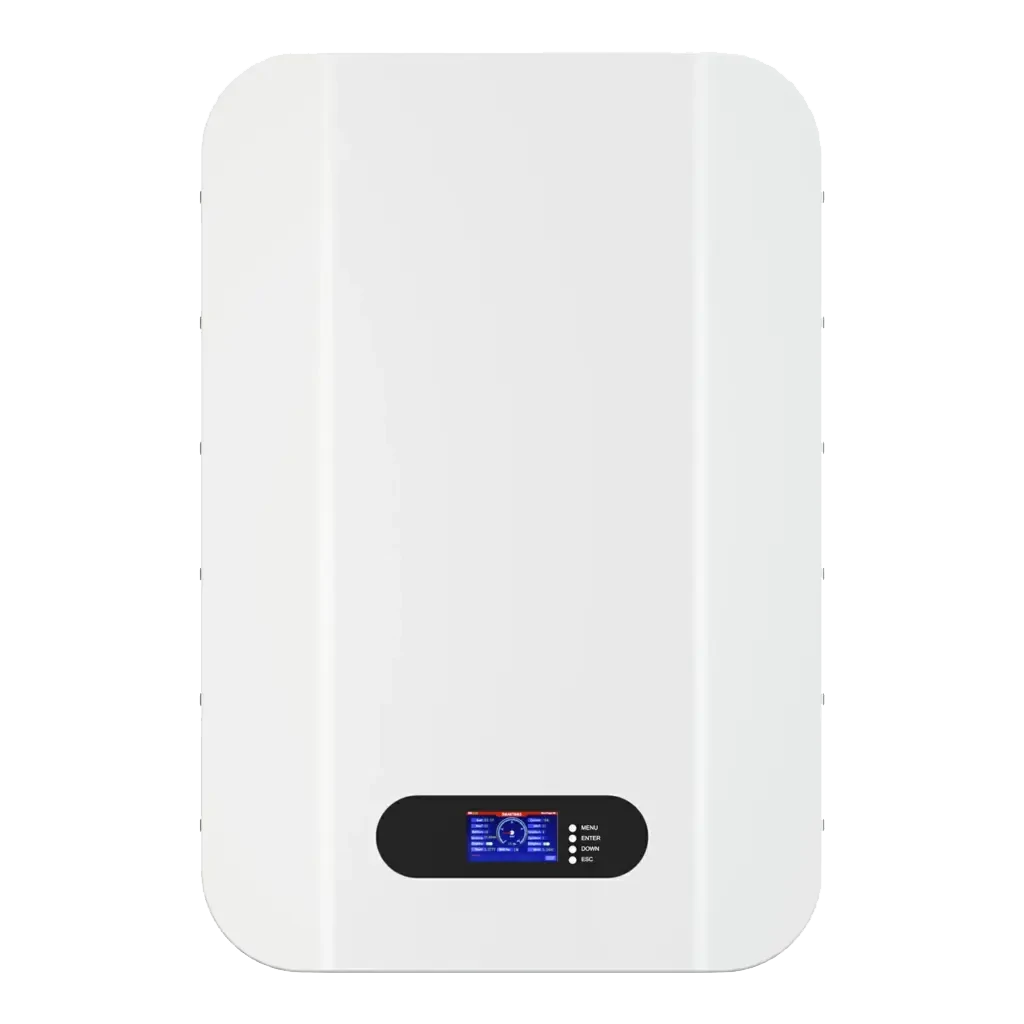
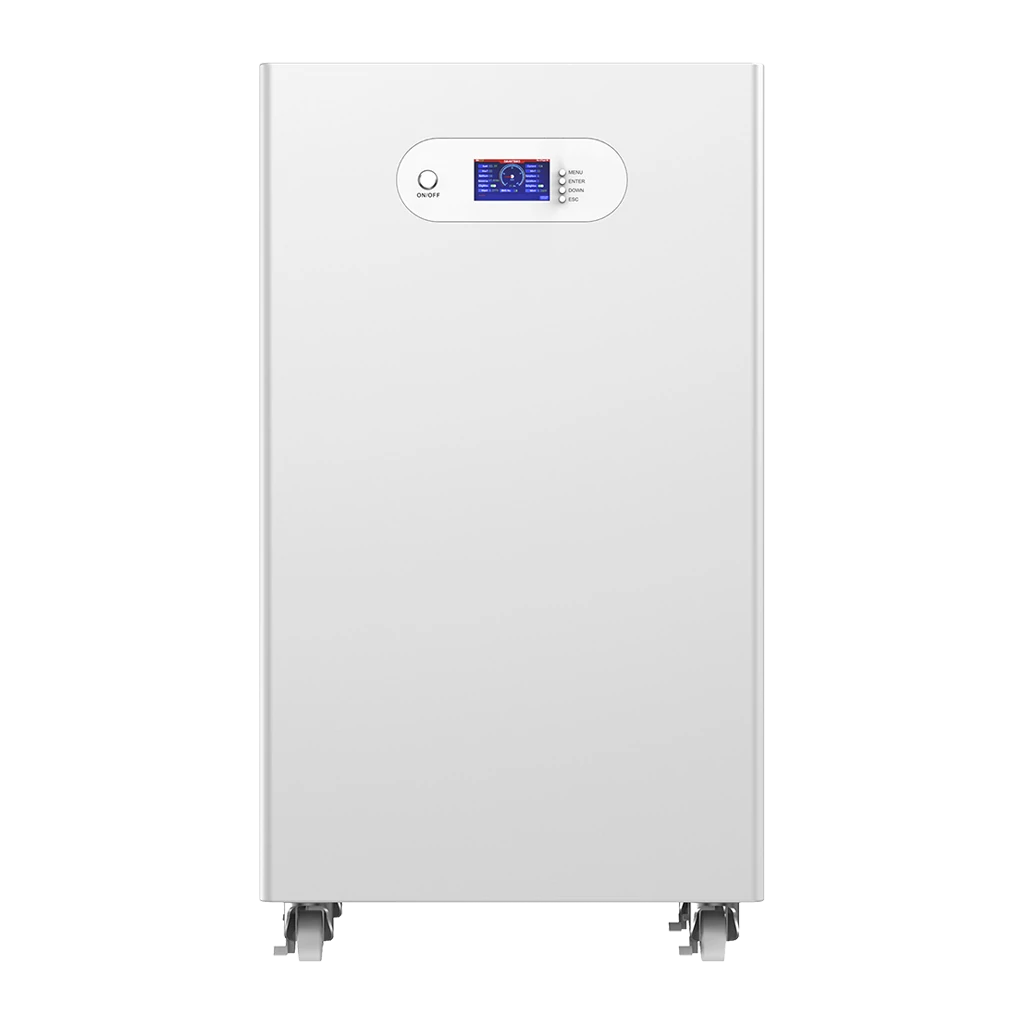
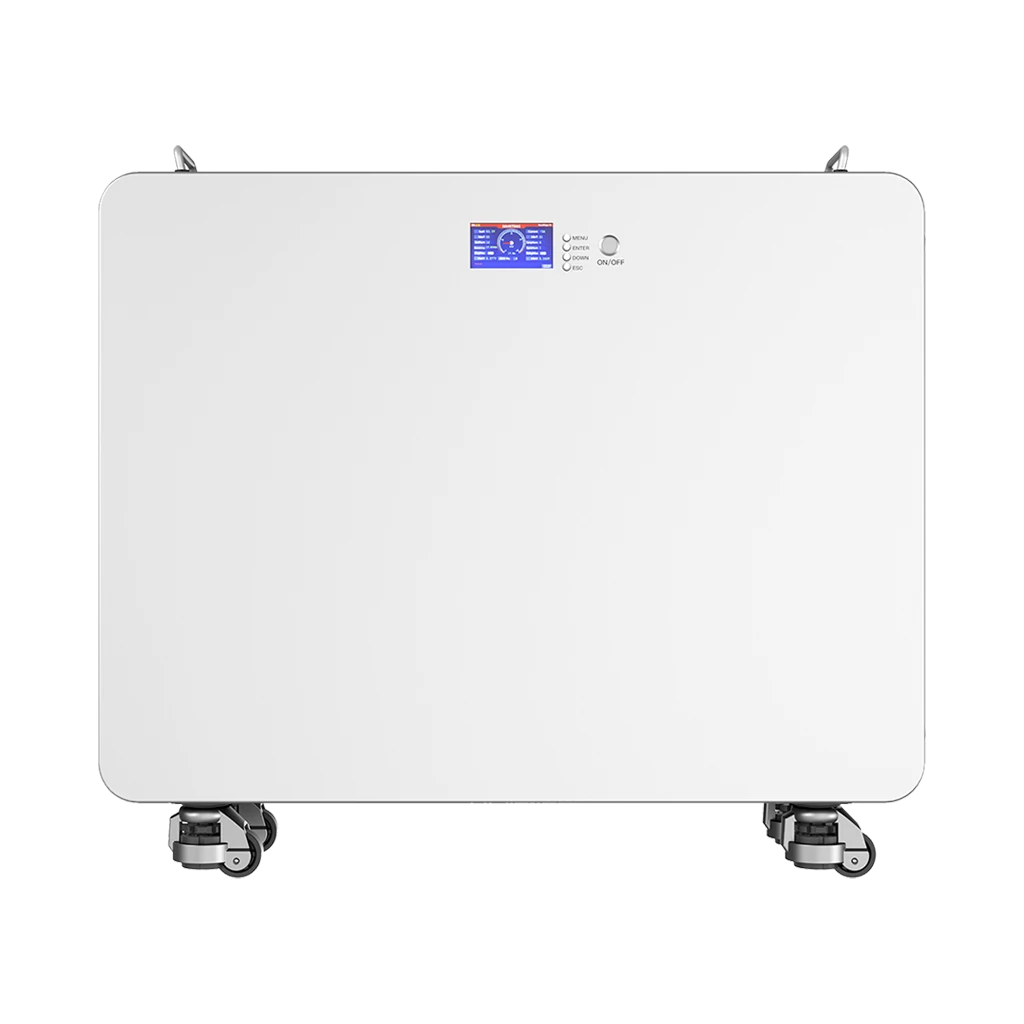
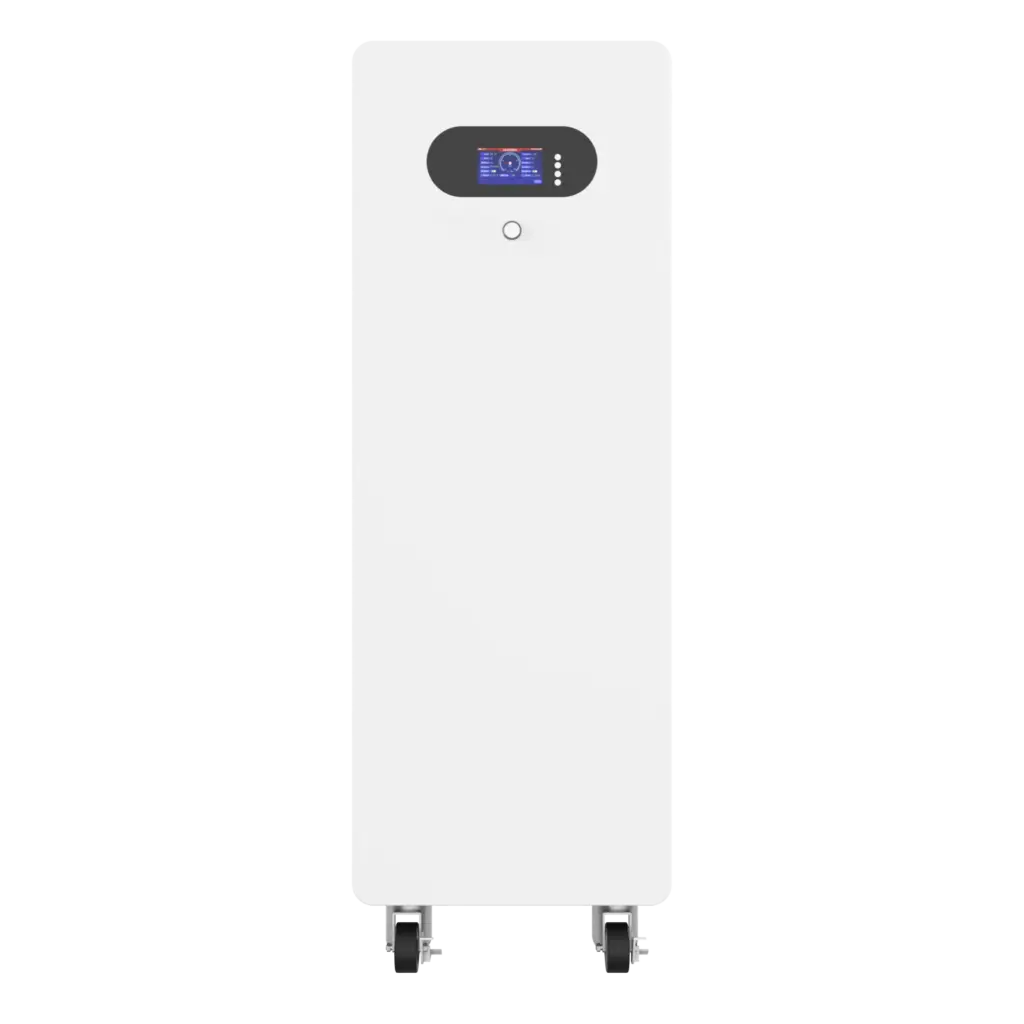
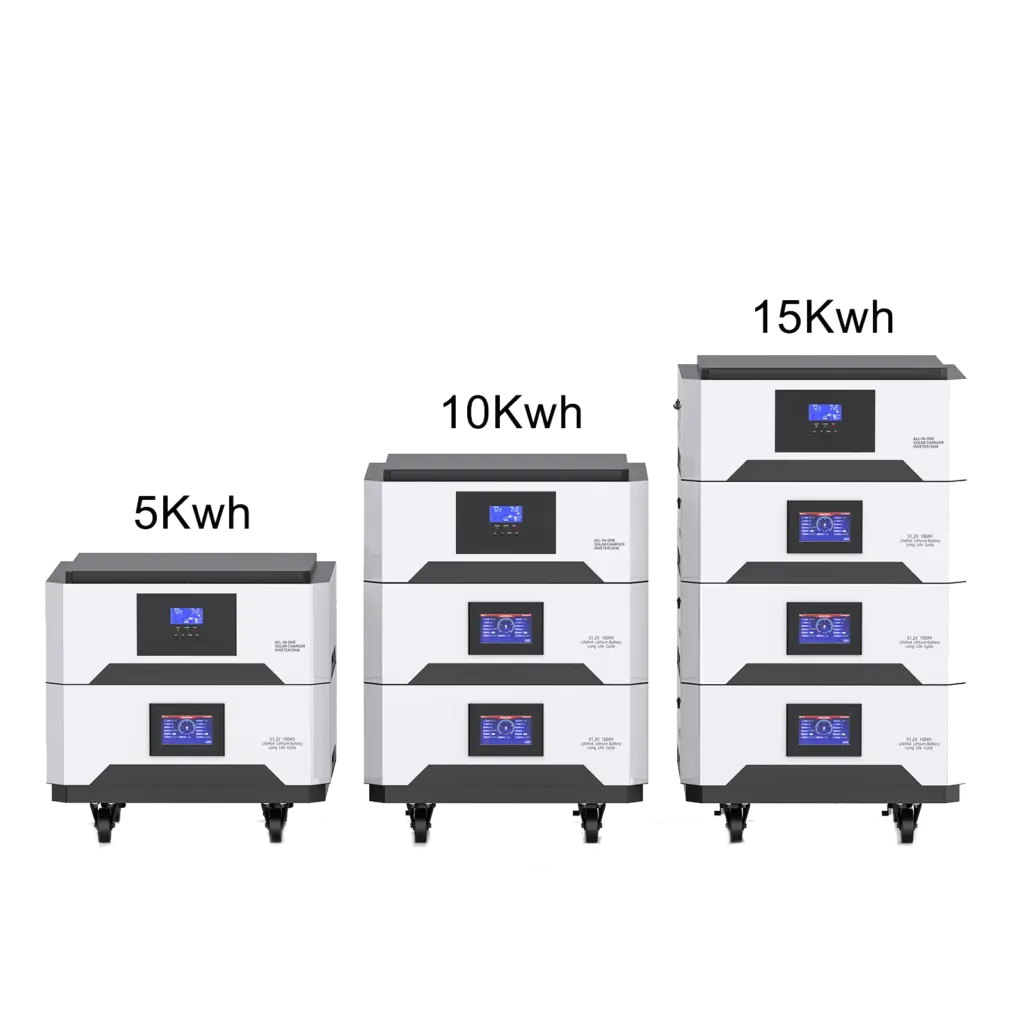
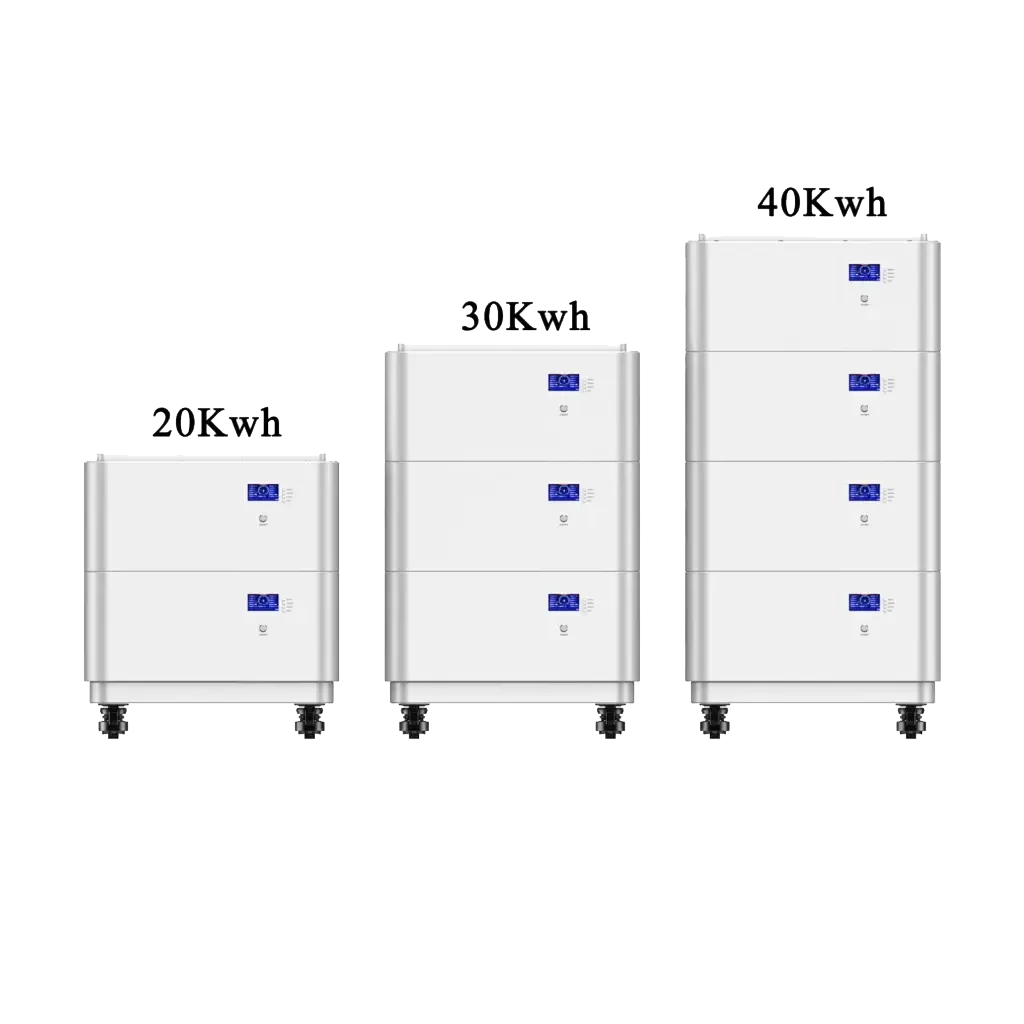
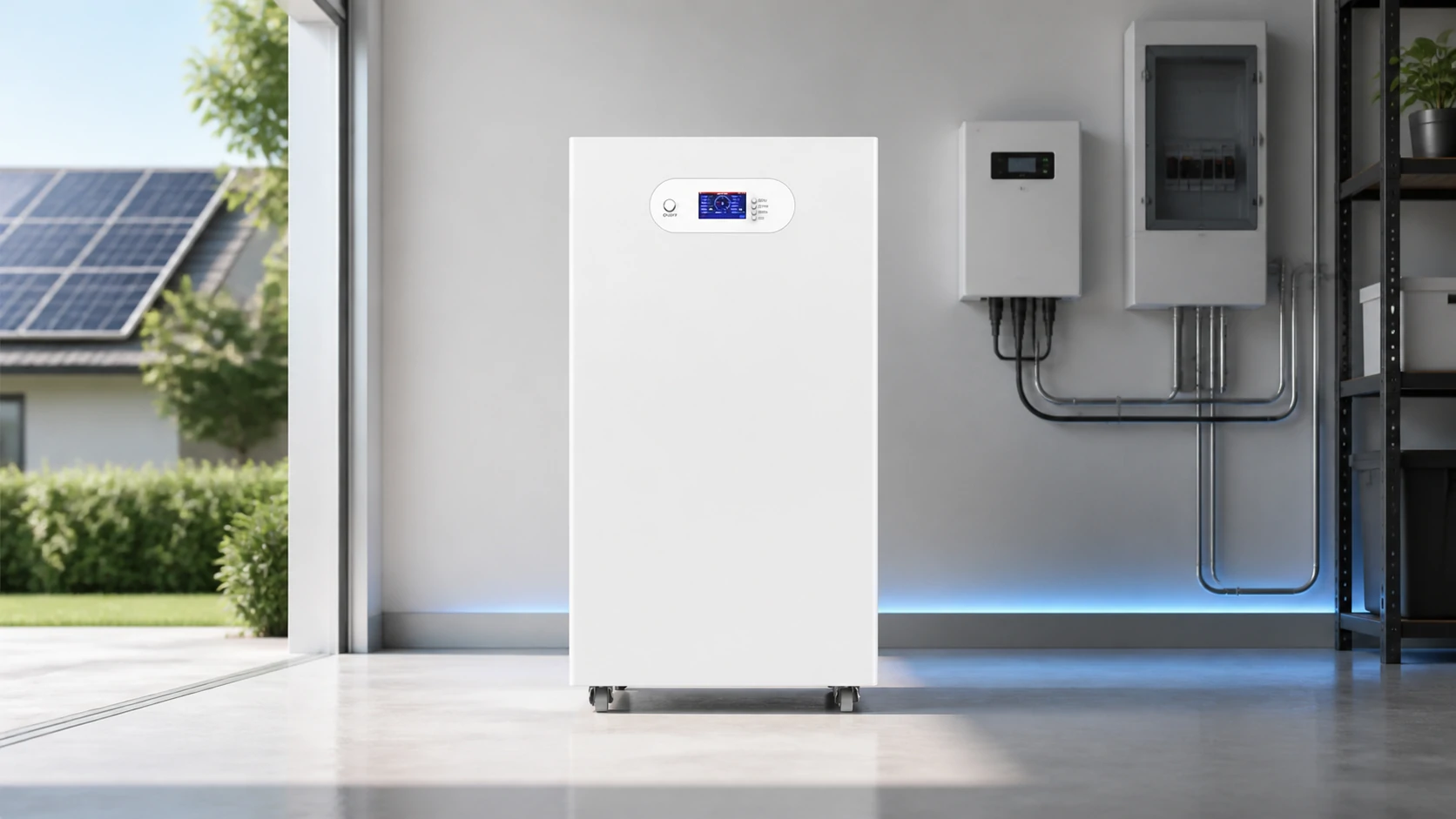
For homes using battery storage, Avepower’s home energy storage solutions can support solar self-consumption, evening energy use and backup power. For smaller homes or staged installations, a wall-mounted battery may be suitable. For homes, villas or light commercial projects needing modular expansion, stackable LiFePO4 batteries can help installers configure capacity according to actual load requirements.
Commercial and Building Energy Management Systems
For commercial buildings, EMS is usually more than a solar app. It can become part of building operations.
A building energy management system may connect:
- Main meters and sub-meters
- HVAC systems
- Lighting circuits
- Refrigeration
- Pumps and motors
- Solar PV
- Battery energy storage
- EV chargers
- Backup generators
- Power quality monitoring equipment
This matters because commercial energy costs are often driven not only by total kWh consumption, but also by peak demand, load timing and equipment inefficiency.
A commercial EMS can help identify:
- When peak demand occurs
- Which equipment creates energy spikes
- Whether solar is being used onsite or exported
- Whether battery discharge can reduce demand charges
- How HVAC schedules affect costs
- Whether multiple sites are performing consistently
- How energy data supports ESG or sustainability reporting
For larger sites, Avepower’s industrial energy storage systems are relevant for backup power, peak shaving, energy arbitrage, VPP and grid ancillary service applications. These projects usually require careful coordination between EMS, BMS, PCS and site loads.
MS, BMS and PCS: What Is the Difference?
Many buyers confuse EMS, BMS and PCS. They are connected, but they do different jobs.
| System | Full Name | Main Role |
|---|---|---|
| EMS | Energy Management System | Decides operating strategy and energy flow priorities |
| BMS | Battery Management System | Protects battery cells and monitors voltage, temperature, current and SOC |
| PCS | Power Conversion System | Converts power between AC and DC and manages grid/load interaction |
In a battery storage system, the EMS may decide that the battery should discharge at 6 pm to avoid peak electricity rates. The BMS confirms whether the battery is safe to discharge. The PCS converts stored DC electricity into AC electricity for the home, business or grid.
For technical buyers, Avepower’s article on Power Conversion System PCS for Energy Storage explains how PCS works with BMS and EMS in modern BESS projects.
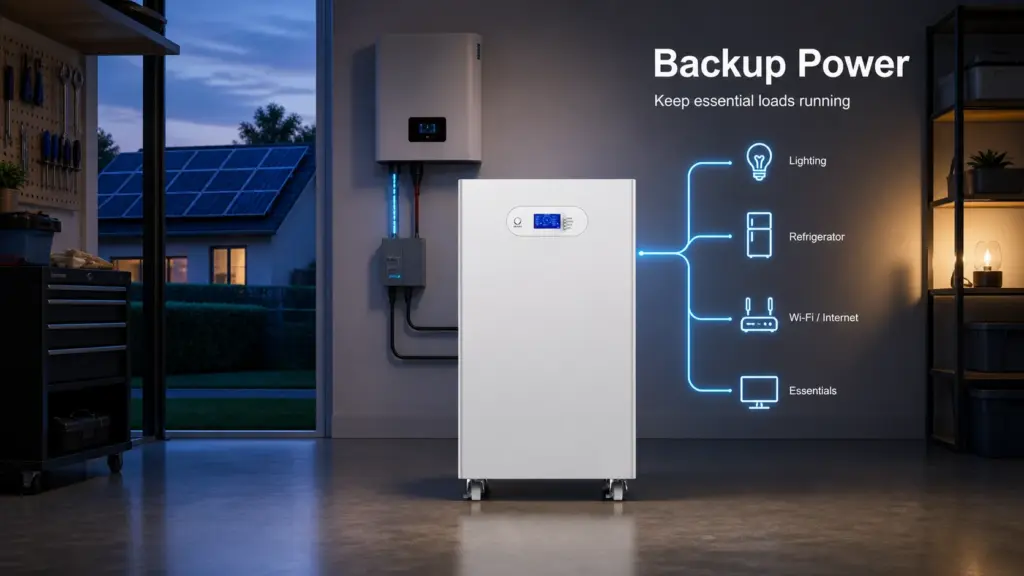
Need EMS-Ready Battery Storage?
Avepower batteries support common communication options such as CAN, RS485 and RS232, helping installers and project partners integrate battery storage with compatible inverters, monitoring systems and smart energy control platforms.
How EMS Helps Reduce Energy Costs
An EMS can reduce energy costs in several ways.
1. Solar Self-Consumption
Instead of exporting all excess solar to the grid, the EMS can prioritise local use. If a battery is installed, surplus solar can be stored for evening use.
Avepower’s 10kWh wall-mounted LiFePO4 battery is a practical size for many residential solar storage projects because it can support evening loads, backup power and installer-managed battery configurations.
2. Time-Of-Use Optimisation
Many Australian electricity plans charge different rates at different times. EMS logic can charge the battery when electricity is cheaper and discharge when electricity is expensive.
This is closely related to energy arbitrage. You can read more in Avepower’s guide to energy arbitrage with battery storage.
3. Peak Shaving
Commercial sites often pay demand charges based on their highest electricity demand during a billing period. A battery controlled by EMS can discharge during short demand spikes, reducing peak demand.
This is useful for:
- Warehouses
- Cold storage
- Hotels
- Farms
- Workshops
- Office buildings
- Retail sites
- EV charging locations
4. Backup Power Control
Not every load needs backup during an outage. EMS can help prioritise essential loads, such as refrigeration, internet, lighting, medical equipment, pumps or security systems.
For residential projects, Avepower’s 5kWh wall-mounted LiFePO4 battery can be used for smaller essential-load backup. Larger systems can use multiple batteries in parallel or modular stackable designs.
5. Demand Response and VPP Participation
Demand response means reducing or shifting electricity use to help the grid during high-demand periods.
For households and businesses, this means EMS-ready batteries may become more valuable over time because they can respond to grid signals, retailer programs or VPP opportunities. For current policy context, users should also check Australia’s Cheaper Home Batteries Program, which supports eligible small-scale battery systems.
Key Features to Look for in an Energy Management System
When comparing energy management systems in Australia, look beyond the dashboard. The most important question is whether the system can make useful decisions in your real energy environment.
Important features include:
- Real-time monitoring
- Solar, battery and grid visibility
- Battery state-of-charge control
- Time-of-use tariff scheduling
- Backup reserve setting
- Load prioritisation
- Remote monitoring
- Export limit support
- Inverter compatibility
- BMS communication
- CAN, RS485 or RS232 communication support
- Demand response or VPP readiness
- Data reporting for savings and emissions
- Cybersecurity and user permission controls
- Installer access for commissioning and maintenance
For installers, distributors and OEM customers, communication compatibility is especially important. Avepower is a battery energy storage system manufacturer focused on LiFePO4 storage solutions for residential, commercial and OEM/ODM applications. In an EMS project, Avepower products provide the storage layer that allows smart control to create real value.
Relevant Avepower options include:
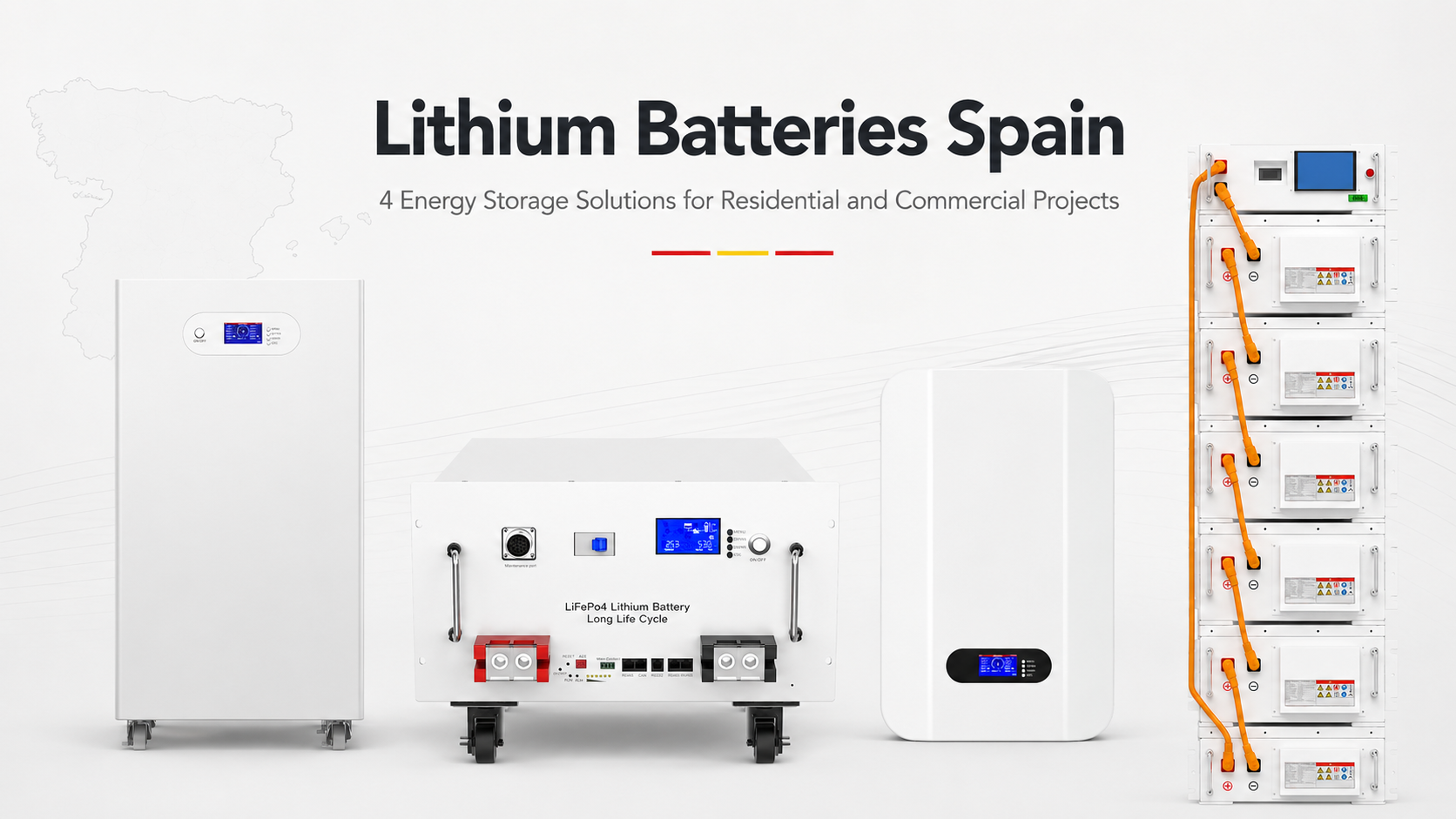
- Wall-mounted batteries for residential solar storage and backup
- Rack-mounted batteries for neat installation and scalable projects
- Stackable batteries for modular home and light commercial storage
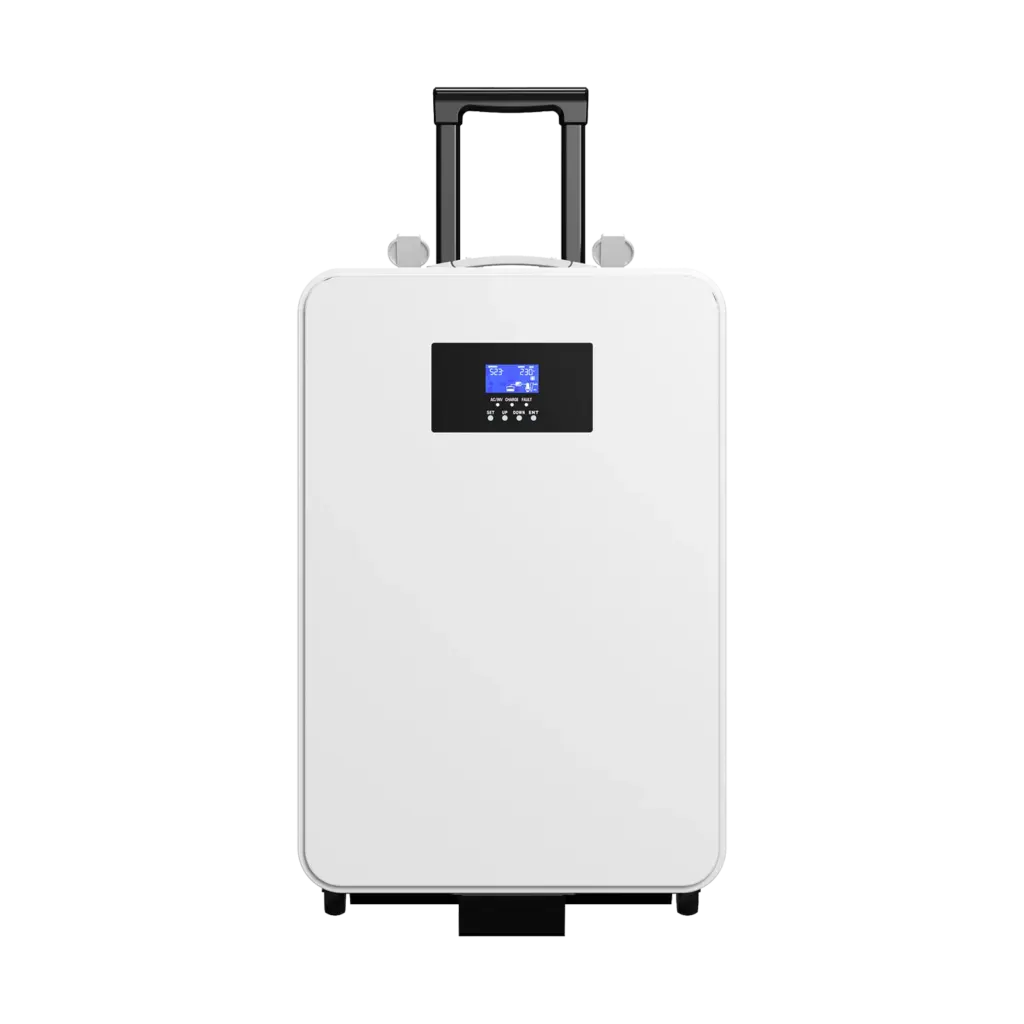
- All-in-one battery systems for integrated storage applications
- Industrial energy storage systems for backup, peak shaving, energy arbitrage and VPP applications
For installers and distributors in Australia, the key value is not only battery capacity. It is the ability to match battery hardware with inverter communication, safety protection, certifications, project documentation and long-term supply. Avepower’s certification page and manufacturing factory pages can help procurement teams review quality and compliance support.
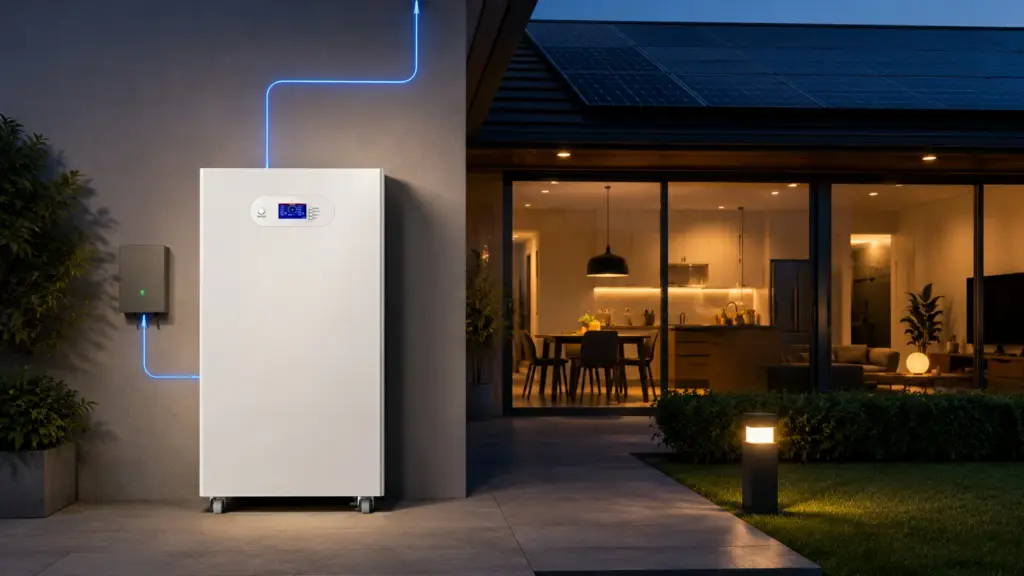
Source Reliable Battery Storage for Australian Projects
Avepower can support residential and commercial energy storage projects with LiFePO4 batteries, scalable system options, technical documentation and OEM/ODM customization.
Final Thoughts
Energy management systems in Australia are becoming more important because energy use is no longer simple. Homes may have solar, batteries, EVs, time-of-use tariffs and export limits. Businesses may face peak demand charges, sustainability reporting, backup needs and grid flexibility opportunities.
A good EMS helps connect these moving parts. It turns solar, battery storage and flexible loads into a coordinated energy strategy.
For Australian homes, the best EMS is usually one that can optimise solar self-consumption, battery charging, peak-rate avoidance and backup reserve. For commercial and industrial sites, the best EMS should manage load data, demand peaks, storage dispatch, reporting and future demand response participation.
When paired with a reliable LiFePO4 battery system, EMS can move energy storage from simple backup into active cost control. That is where Avepower’s battery storage products can support installers, distributors, project developers and OEM buyers building smarter energy systems for the Australian market.
FAQ
An energy management system is a hardware and software solution that monitors, analyses and controls energy use. In Australia, EMS is commonly used for homes with solar and batteries, commercial buildings, industrial sites and BESS projects.
No. Solar monitoring usually shows production and consumption data. EMS can go further by controlling battery charging, load timing, peak demand, export behaviour and backup reserve.
You may not need a separate EMS for a simple home system if your inverter and battery app already provide smart control. However, a stronger EMS becomes useful when you have time-of-use rates, EV charging, multiple loads, VPP participation or commercial peak demand management.
The EMS decides when the battery should charge or discharge. The BMS protects the battery cells. The PCS or inverter converts energy between DC and AC. Together, these systems allow battery storage to support self-consumption, backup, peak shaving and energy arbitrage.
Yes, if it is configured around your tariff, solar production, battery capacity and load profile. Savings are usually strongest when the EMS can shift energy use away from expensive peak periods or increase onsite use of solar power.
HEMS means Home Energy Management System. It is designed for households. BEMS means Building Energy Management System. It is used for commercial buildings and may control HVAC, lighting, metering, refrigeration and other building loads.
Yes, if the battery, inverter and control platform support remote dispatch and communication with an approved VPP provider. Always check compatibility with your retailer, aggregator and local requirements.
Avepower LiFePO4 battery systems can support residential and commercial energy storage projects where smart control, inverter communication, modular capacity and OEM/ODM flexibility are required. Installers and distributors should confirm model-specific certifications, communication protocol and inverter compatibility for each project.