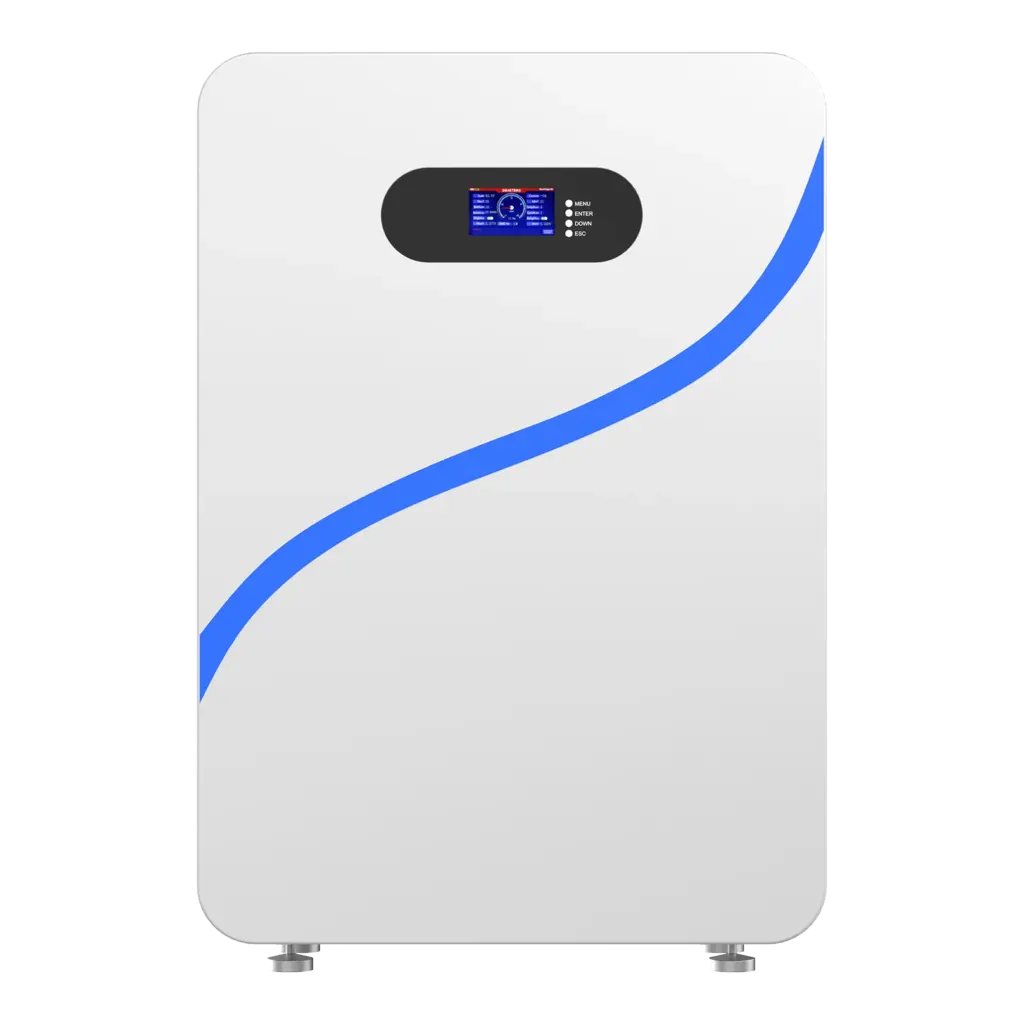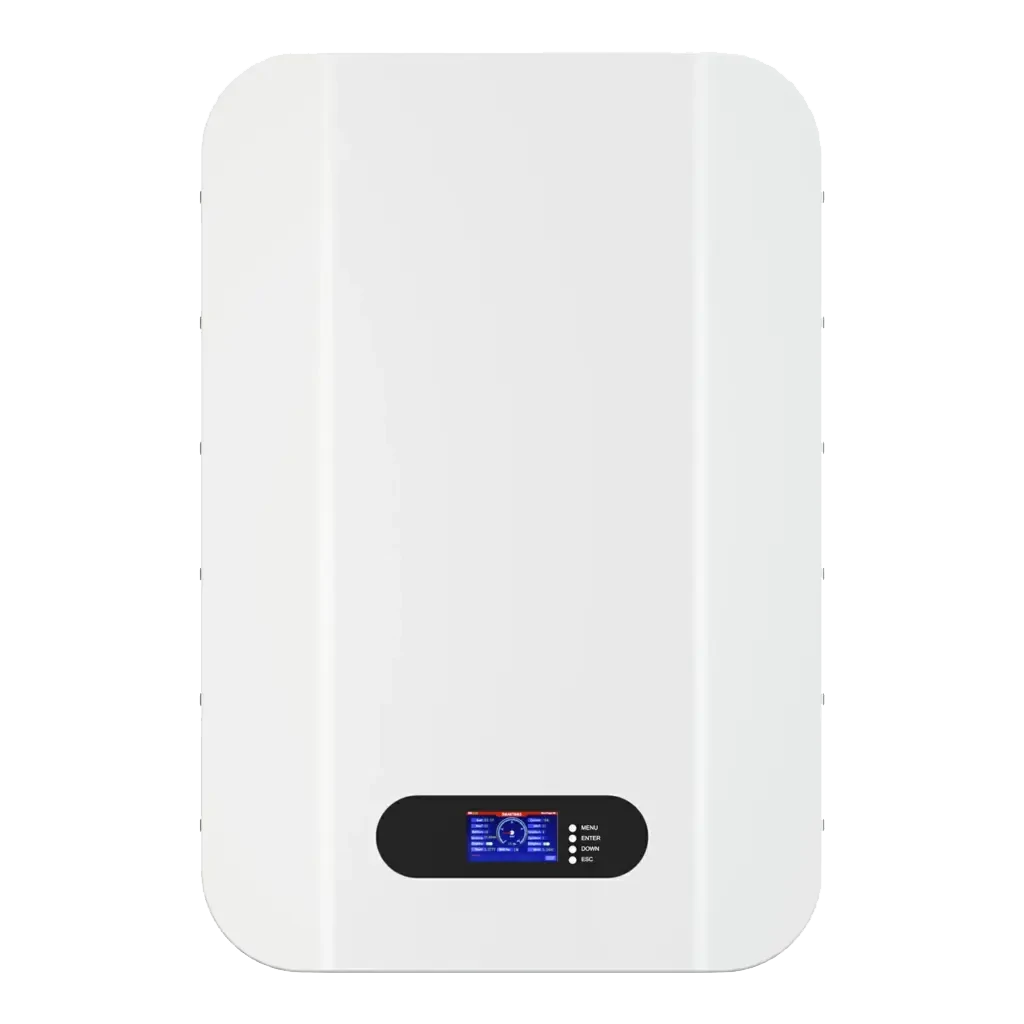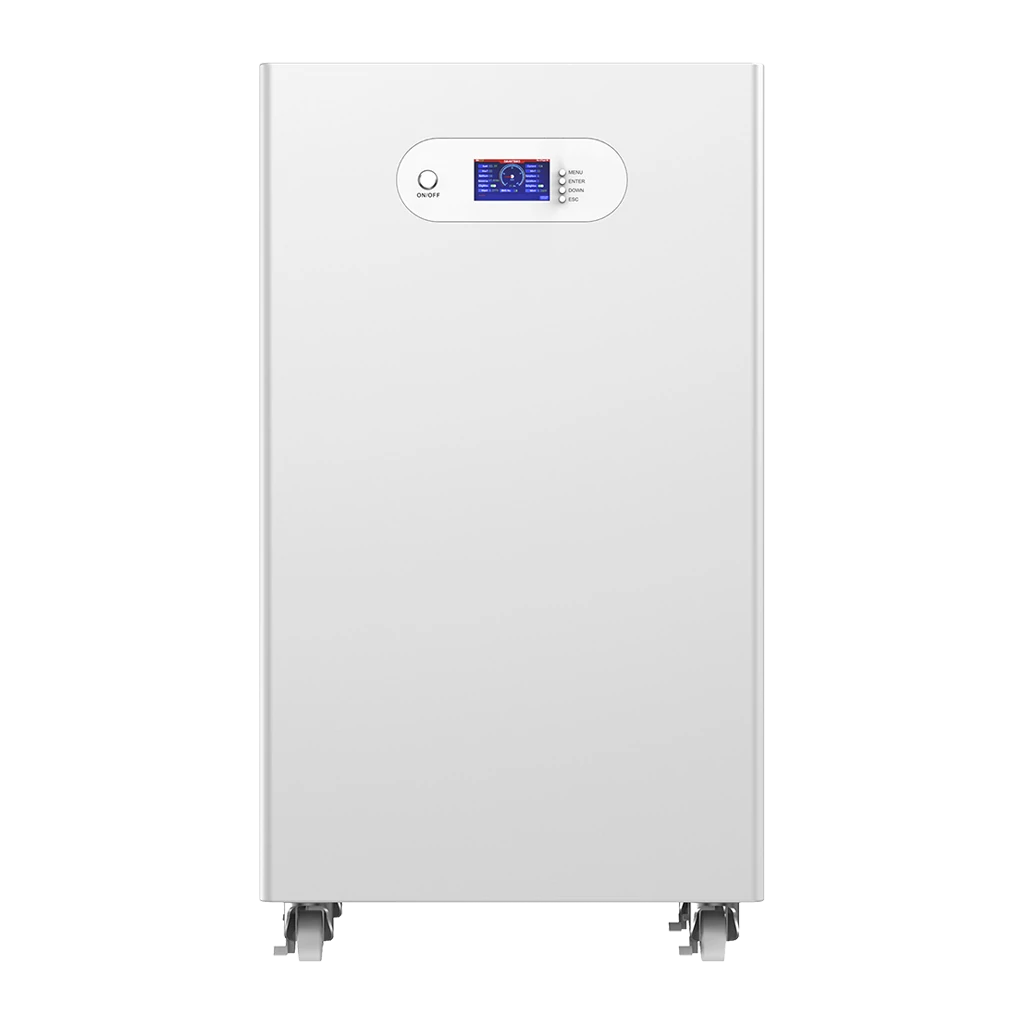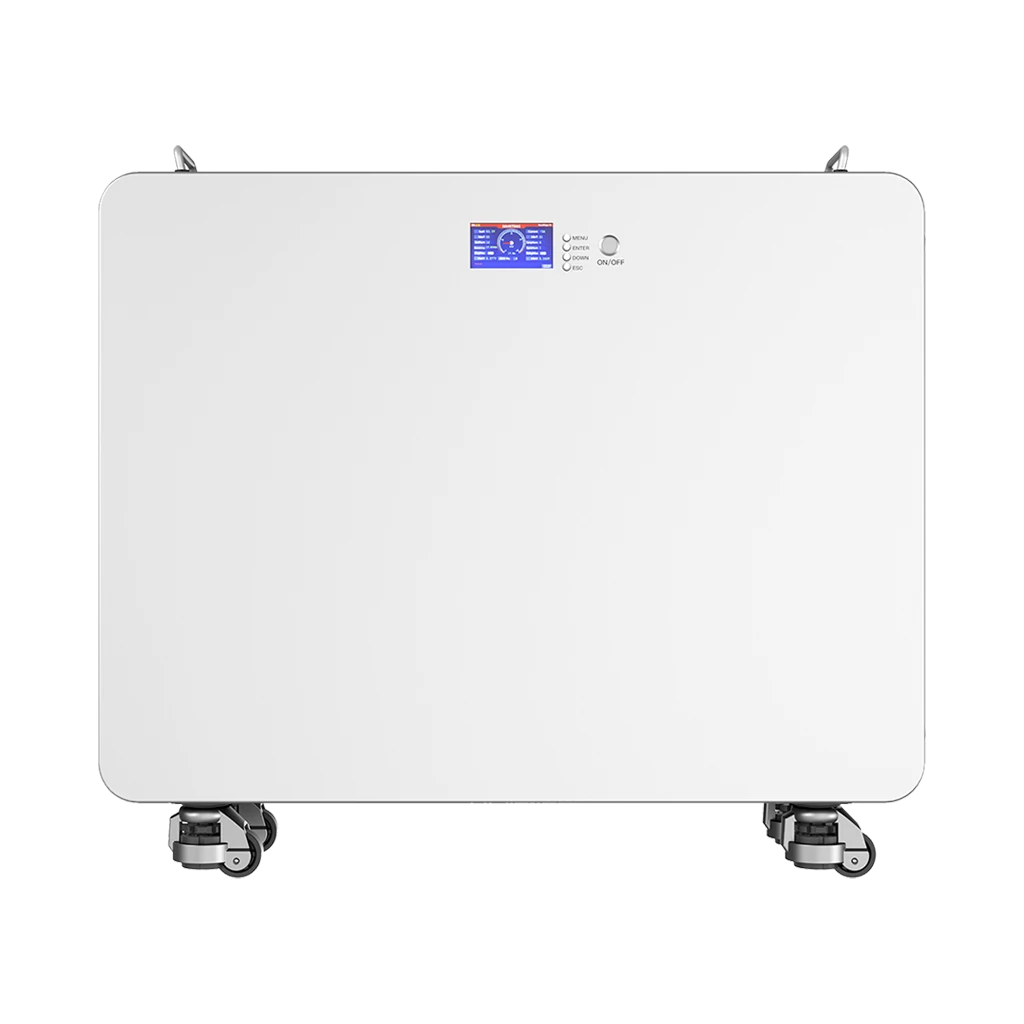

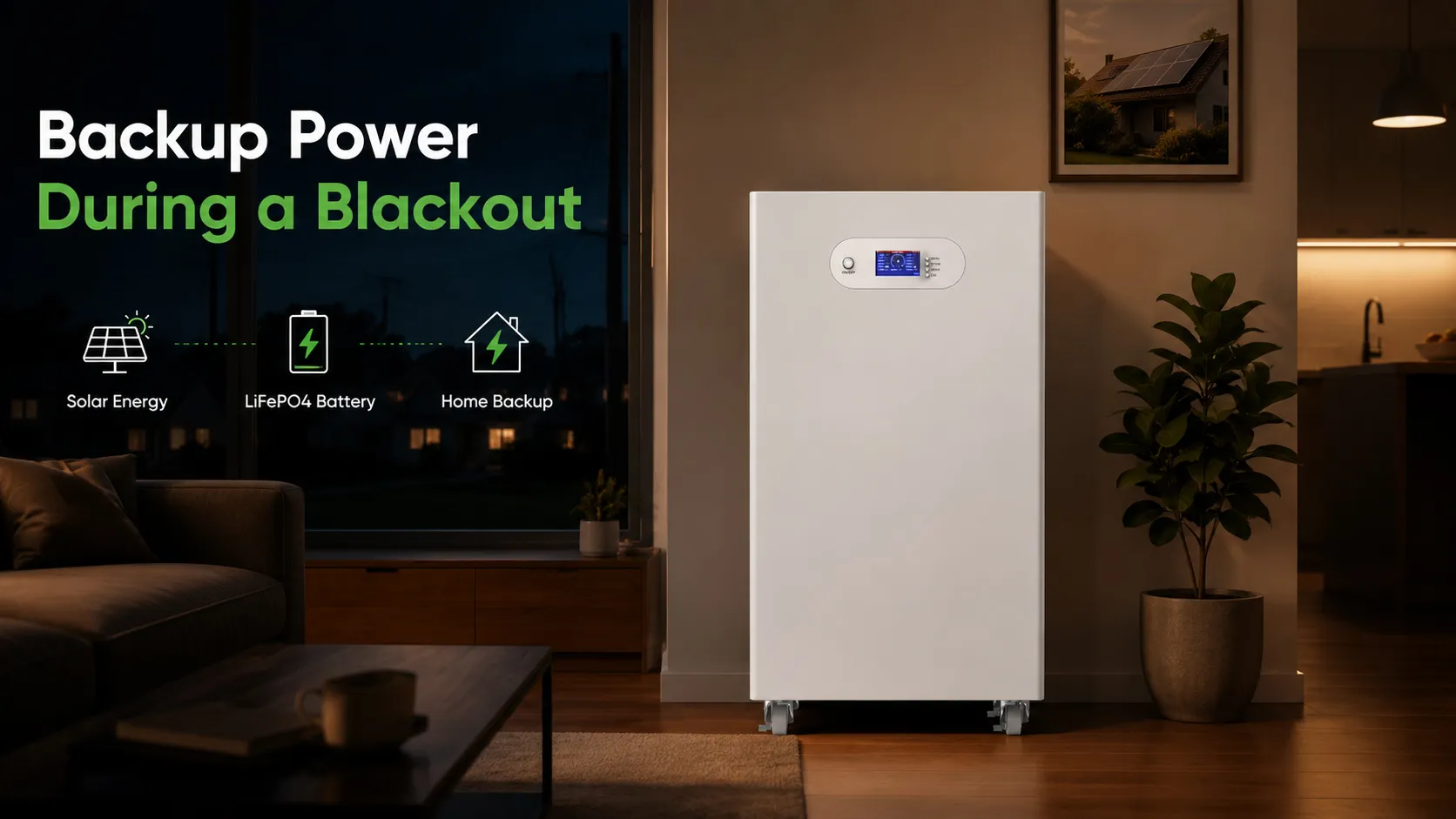
Yes, solar batteries can work in a blackout, but only if the system is designed and installed for backup power. A battery by itself does not always mean your home will stay powered when the grid goes down.
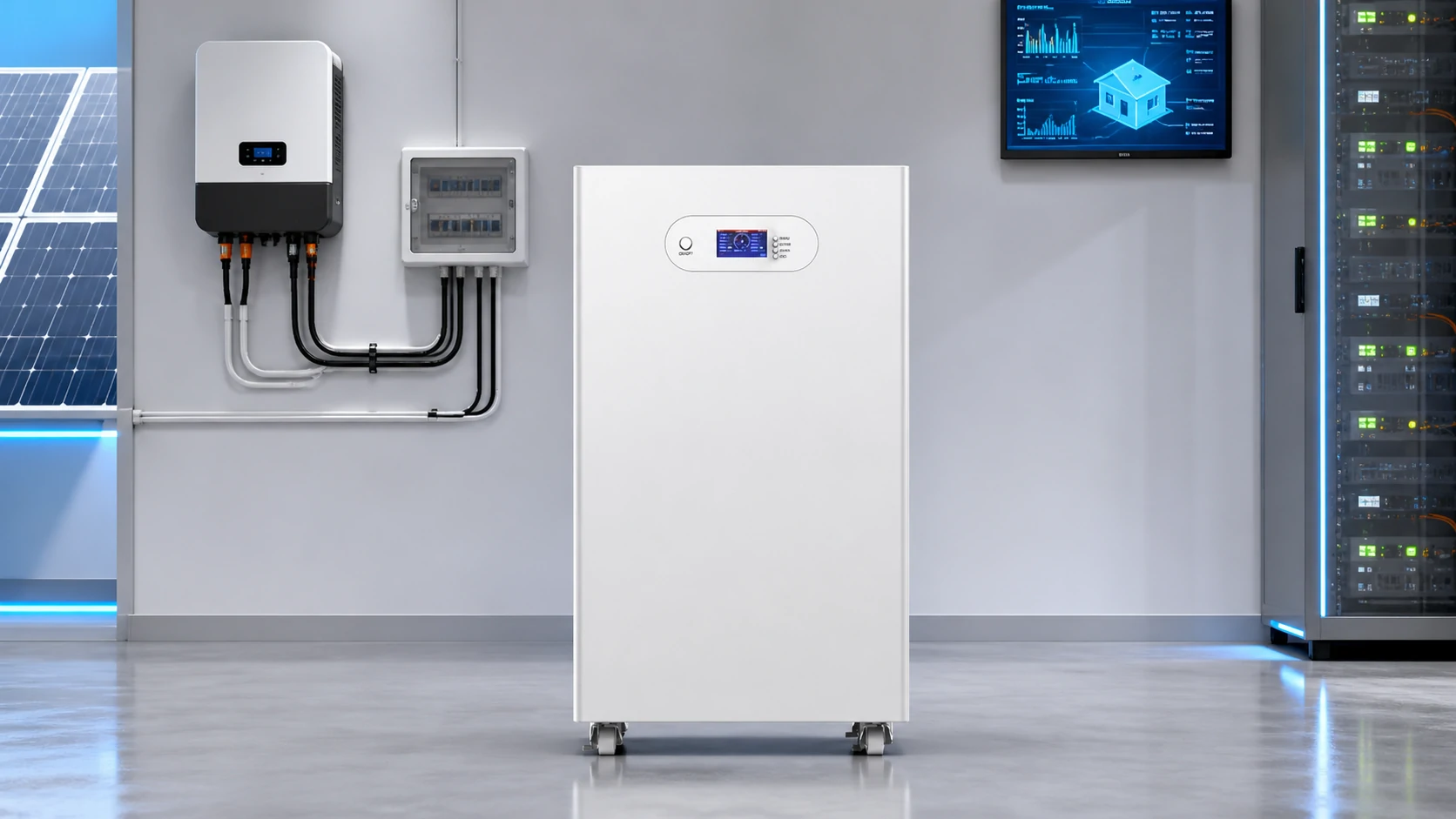
For a solar battery to provide power during an outage, your system usually needs a compatible hybrid inverter, a backup or EPS function, proper isolation from the grid, and dedicated backup circuits for essential loads. Without these features, many standard solar and battery systems will shut down during a blackout for safety reasons.
This guide explains how solar batteries work during blackouts, why solar panels alone usually shut down, what equipment is required, how long backup power may last, and how to choose the right battery system for reliable home energy storage.
Quick Answer: What Happens During a Blackout?
Solar batteries work in a blackout when your system includes backup functionality. That usually means:
- A solar battery with enough usable capacity
- A hybrid or multimode inverter
- A backup output, EPS mode, islanding mode or similar function
- A transfer switch, backup gateway or isolation device
- A dedicated essential loads circuit or whole-home backup design
- Professional installation that meets local electrical rules
Without these components, the battery may still store solar energy for daily self-consumption, but it may not be available when the grid goes down.
In simple terms:
| System Type | Works in a Blackout? | What Happens During an Outage |
|---|---|---|
| Standard grid-tied solar only | No | Solar inverter shuts down for safety |
| Solar + standard battery without backup | Usually no | Battery may store energy for normal use but not supply outage power |
| Solar + backup-ready battery + hybrid inverter | Yes | Battery powers selected loads or whole home, depending on design |
| Off-grid solar battery system | Yes | System operates independently from the utility grid |
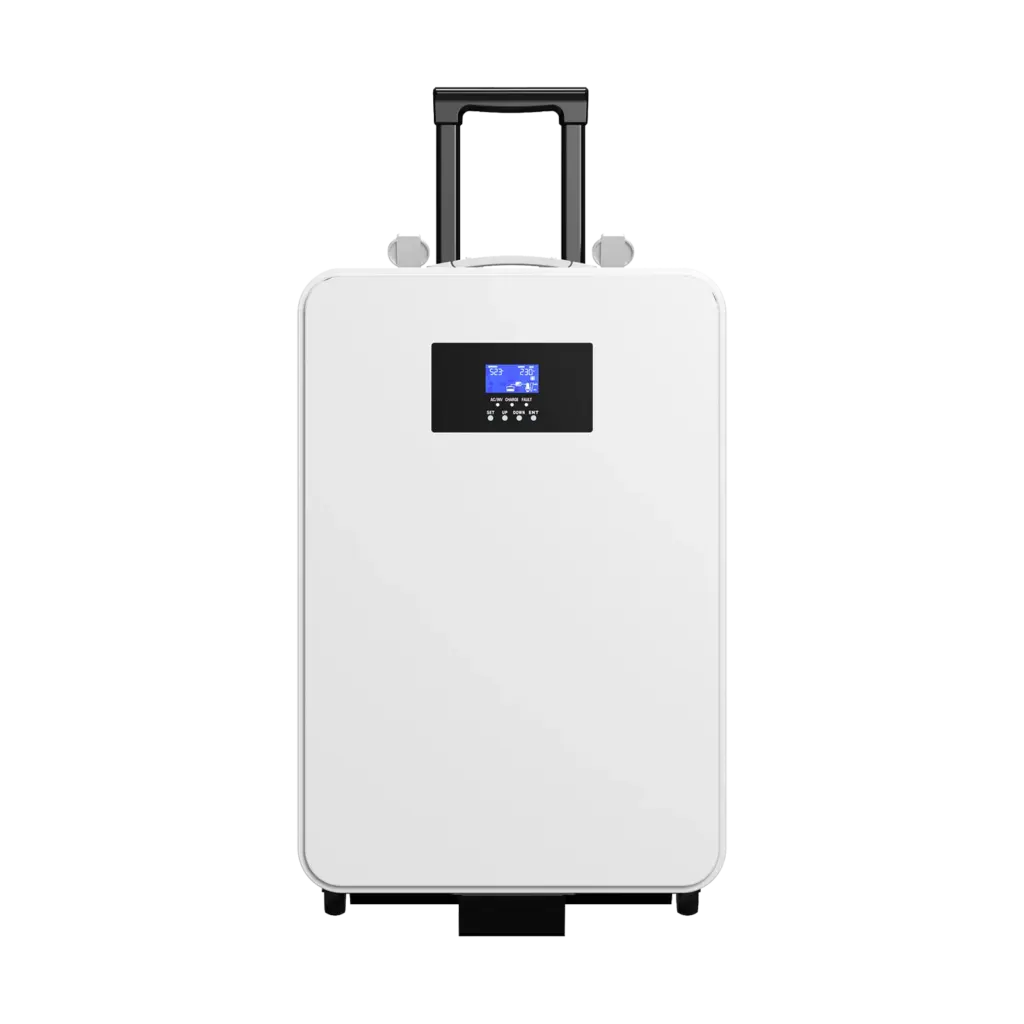
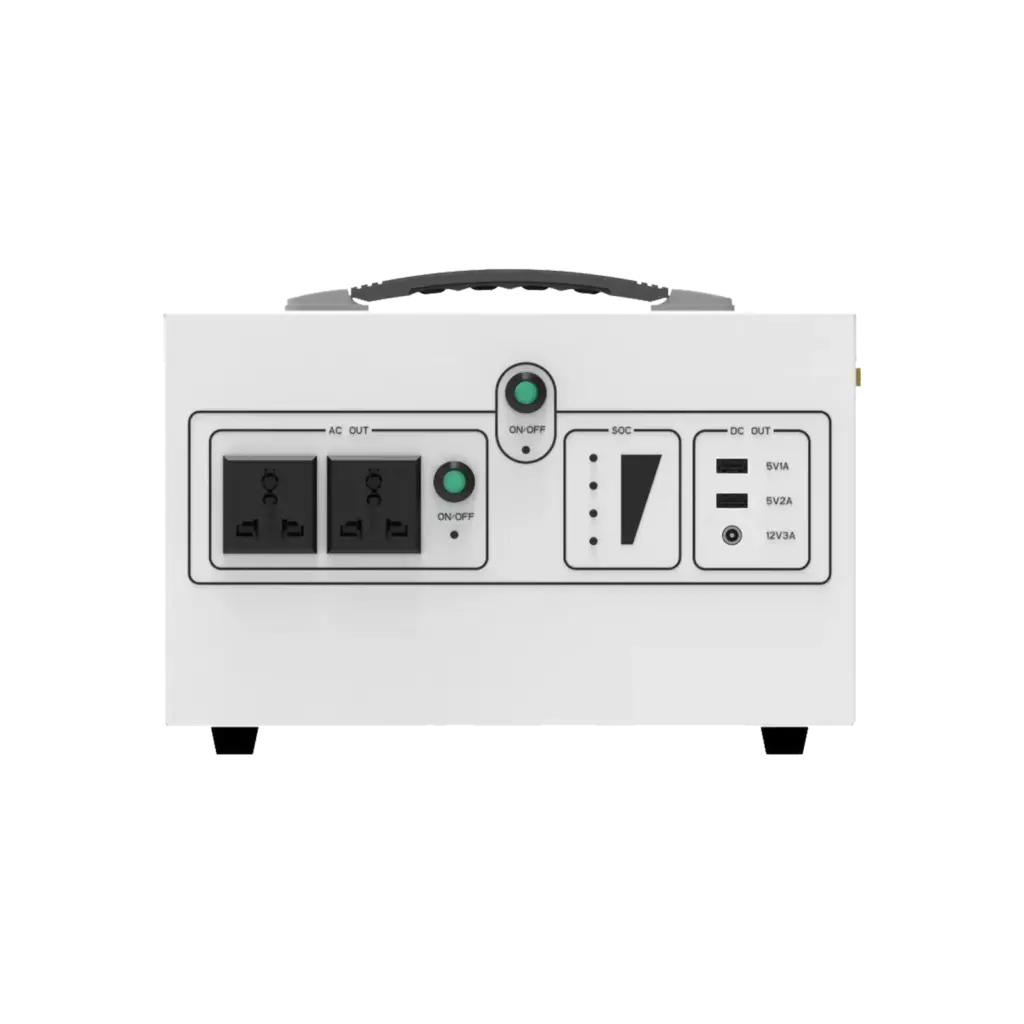
| Portable power station | Limited | Can power plug-in devices, not usually a wired home circuit |
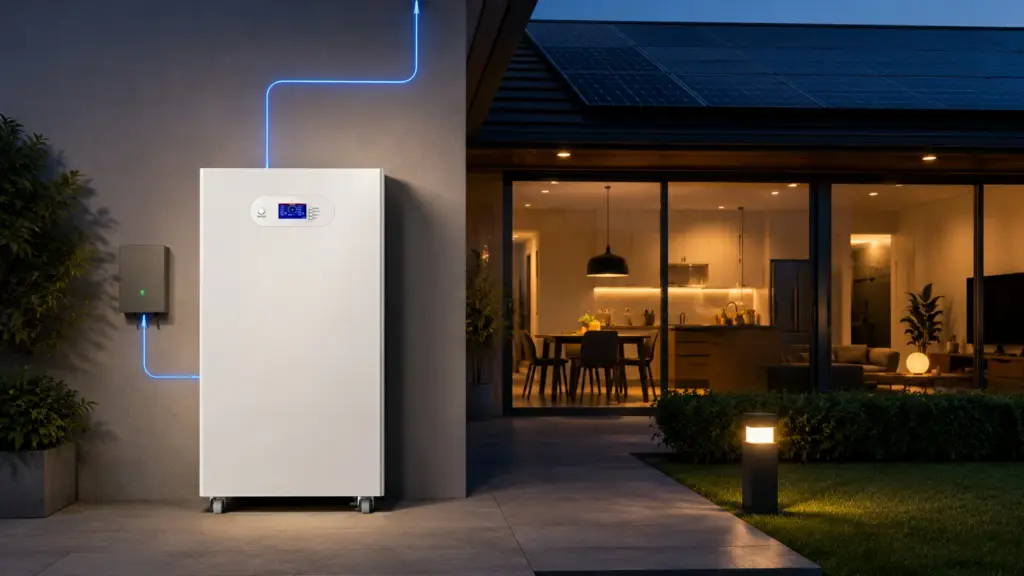
Need Backup Power When the Grid Goes Down?
A properly designed solar battery system can help keep essential home loads running during a blackout. Avepower provides LiFePO4 home battery solutions for homeownersa, installers, distributors and energy storage projects.
How Solar Batteries Work During a Blackout
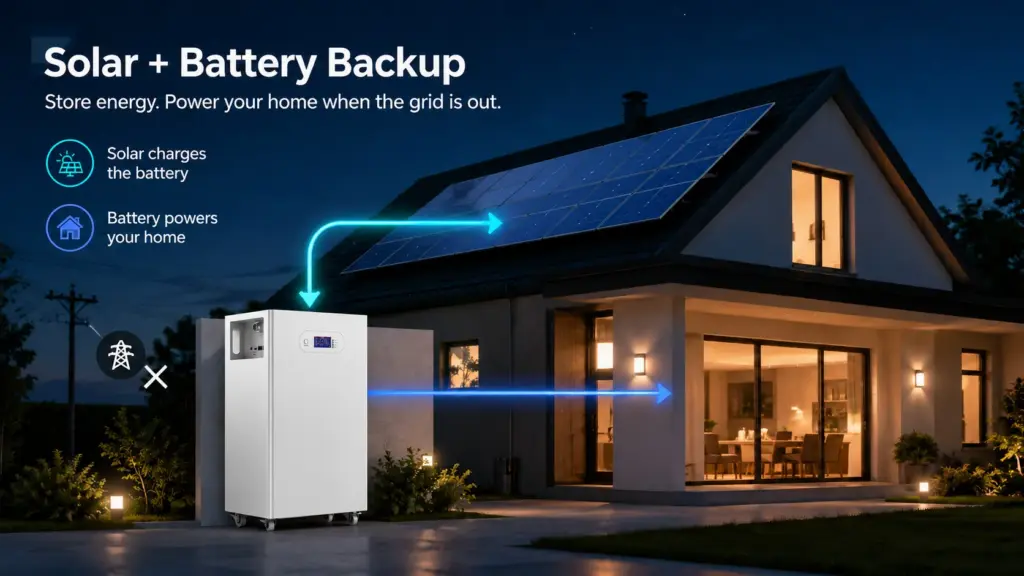
When a backup-capable solar battery system is installed correctly, the process usually works like this:
- The grid goes down.
- The inverter detects the outage.
- The system disconnects the home from the utility grid.
- The inverter switches to backup or islanding mode.
- The battery supplies power to selected circuits or the whole home.
- If solar generation is available, the panels may continue charging the battery during the day.
This is why battery backup is different from a simple solar export system. The battery does not just store electricity. It also works with the inverter and electrical panel to create a safe, controlled backup power system.
A modern home energy storage system is usually designed around this same principle: store solar energy when it is available, discharge it when needed, and support essential loads when the grid is unavailable.
Not All Solar Batteries Have Blackout Backup
Some batteries are installed to increase solar self-consumption. They charge during the day and discharge in the evening to reduce grid electricity use. That is useful for saving money, but it may not help during a blackout unless the system includes backup functionality.
A blackout-ready solar battery system usually needs:
- A compatible battery with sufficient discharge power
- A hybrid or multimode inverter
- Backup or EPS output
- Automatic or manual transfer equipment
- Dedicated backup circuits or whole-home backup wiring
- Correct installer configuration
- Compliance with local electrical rules
Before buying a battery, always confirm whether “backup power” is included as standard or whether it requires extra hardware and installation work.
EEssential Loads Backup vs Whole-Home Backup
Solar battery systems are usually designed in one of two ways: essential loads backup or whole-home backup.
Essential Loads Backup
This is the most common and practical option. The battery powers only selected circuits during an outage. These are the loads you need most, such as lighting, refrigeration, internet, communications, and small appliances.
Essential load backup is usually more cost-effective because it reduces the battery and inverter size required. It also helps the battery last longer during an outage.
For many homes, this is the best balance between cost and protection.
Whole-Home Backup
Whole-home backup is designed to power most or all circuits in the property. This can be convenient, but it requires a larger battery system, higher inverter output, more careful load management, and usually a higher installation cost.
Large appliances such as air conditioners, electric ovens, pool pumps, electric water heaters, and EV chargers can drain a battery quickly. Some of these loads may need to be excluded, controlled, or supported by a larger system.
For most homeowners, essential loads backup is the best balance between cost, reliability, and runtime.
What Can a Solar Battery Power During a Blackout?
A solar battery can power many household essentials, but the exact load depends on battery capacity, inverter output and wiring design.
A basic essential backup setup may support:
- Fridge and freezer
- Several lights
- Internet router
- Phone charging
- Laptop charging
- Security cameras
- Small TV
- A few low-power sockets
A larger system may support:
- More lighting circuits
- Home office equipment
- Water pump
- More sockets
- Some kitchen appliances
- Selected heating or cooling equipment, depending on power demand
However, backup power should not be treated as unlimited electricity. Large appliances can drain a battery quickly. Even a large battery can be depleted fast if it is used for air conditioning, electric heating, induction cooking or high-power motors.
For most homes, the best design is to keep essential loads running for longer instead of trying to run everything as usual.
How Long Will a Solar Battery Last in a Blackout?
Backup runtime depends on four main factors:
- Battery usable capacity
- Appliance power consumption
- Battery state of charge when the outage begins
- Whether solar panels can recharge the battery during the outage
A simple formula is:
Backup time = usable battery capacity ÷ average load
For example, if a battery has 10 kWh of usable energy and your essential loads average 1 kW, the battery may last around 10 hours before considering inverter losses, battery reserve settings, and solar recharge. If the same battery only powers a fridge, lights, router, and small electronics at an average of 300–500W, it may last much longer.
| Backup Load Scenario | Approximate Load | 10 kWh Battery Example |
|---|---|---|
| Fridge, WiFi, lights, phone charging | 300–600W | Many hours to more than a day |
| Essentials + TV + laptop + small appliances | 700W–1.5kW | Several hours to one day |
| Essentials + air conditioning | 2–5kW+ | Much shorter runtime |
| Whole-home normal use | Highly variable | Depends heavily on load control |
These are only rough examples. Real performance depends on appliance behavior, inverter efficiency, temperature, battery age, and how the system is configured.
If backup power is a priority, use a detailed sizing process. Avepower provides a practical solar battery size calculator style approach that helps match storage capacity to daily consumption, backup loads, and project requirements.
Build a Reliable Solar Battery Backup System
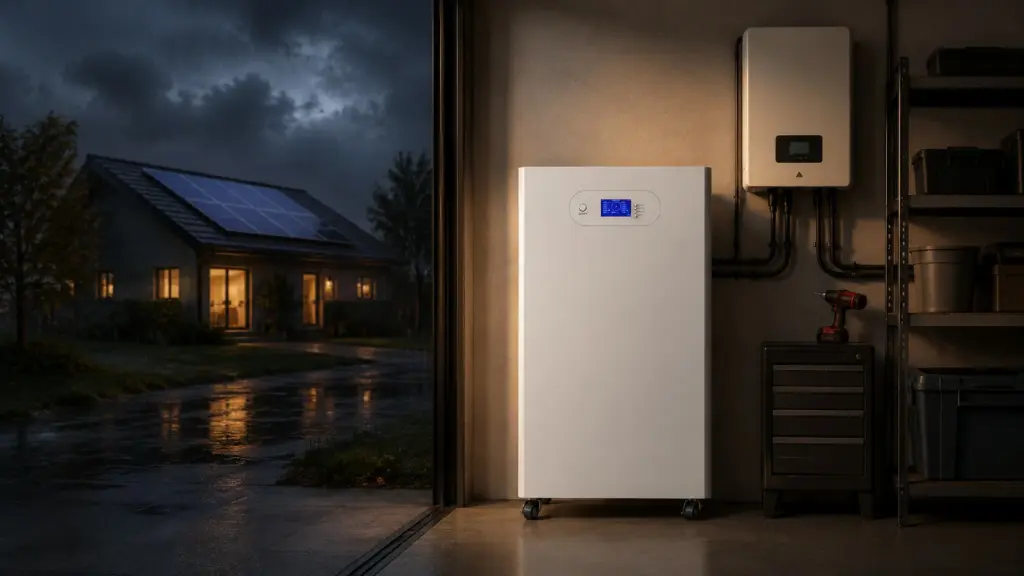
Blackout protection depends on your battery capacity, inverter output and backup load design. Share your project requirements with Avepower and get support for selecting a suitable wall-mounted, stackable or vertical LiFePO4 battery system.
Can Solar Panels Recharge the Battery During a Blackout?
Yes, solar panels can recharge the battery during a blackout if the system is designed to support solar charging in backup mode.
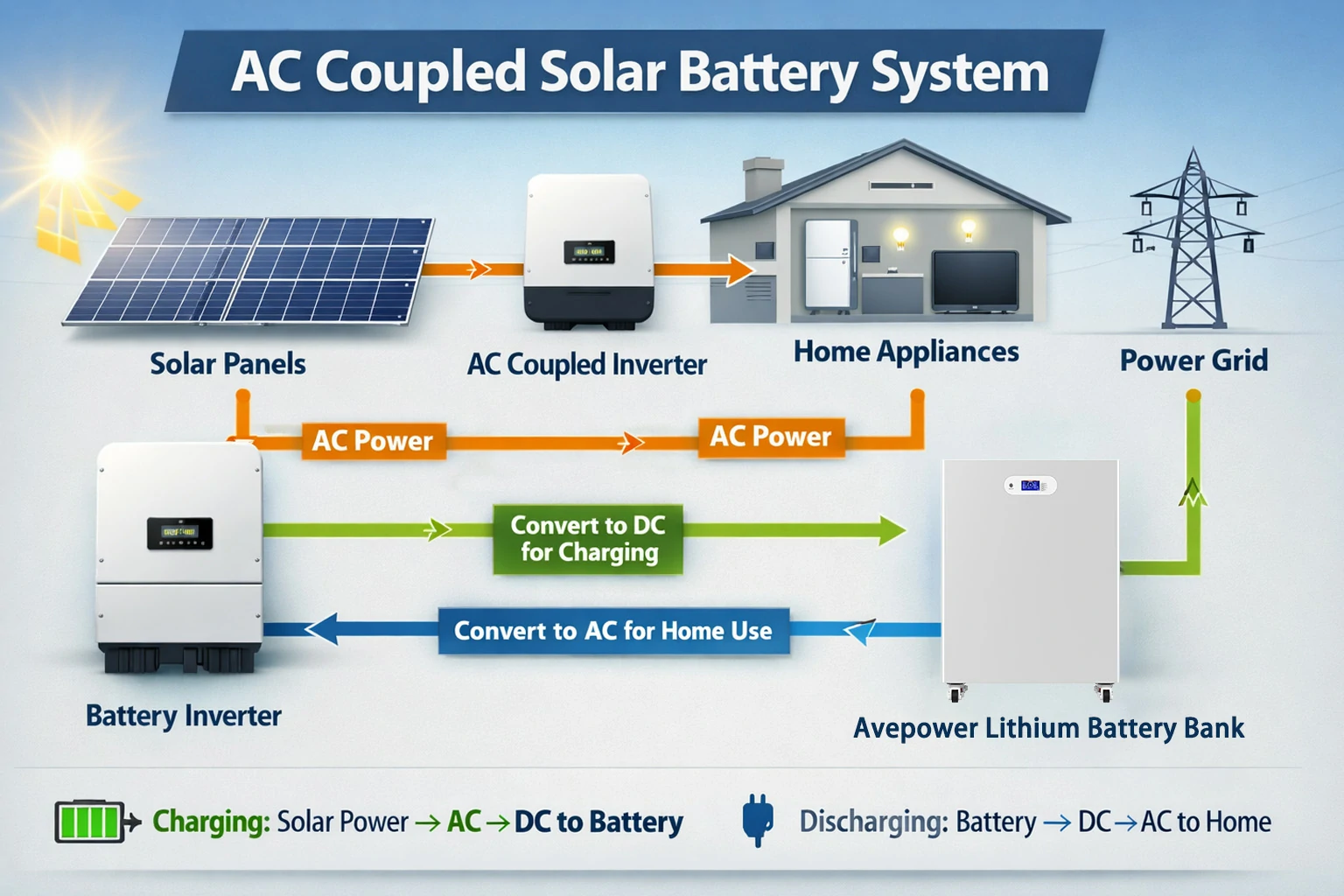
This usually requires a compatible hybrid inverter and the correct system configuration. In this setup, solar energy can be used in three ways during an outage:
- Power essential home loads directly
- Recharge the battery
- Reduce the speed at which the battery drains
However, if the system is not designed for backup operation, the solar panels may shut down even if the battery is installed. This is why homeowners, installers, and project buyers should confirm solar charging behavior during grid outages before installation.
What Equipment Do You Need for Blackout Protection?
A reliable solar battery blackout setup normally includes the following components.
1. Backup-Capable Battery
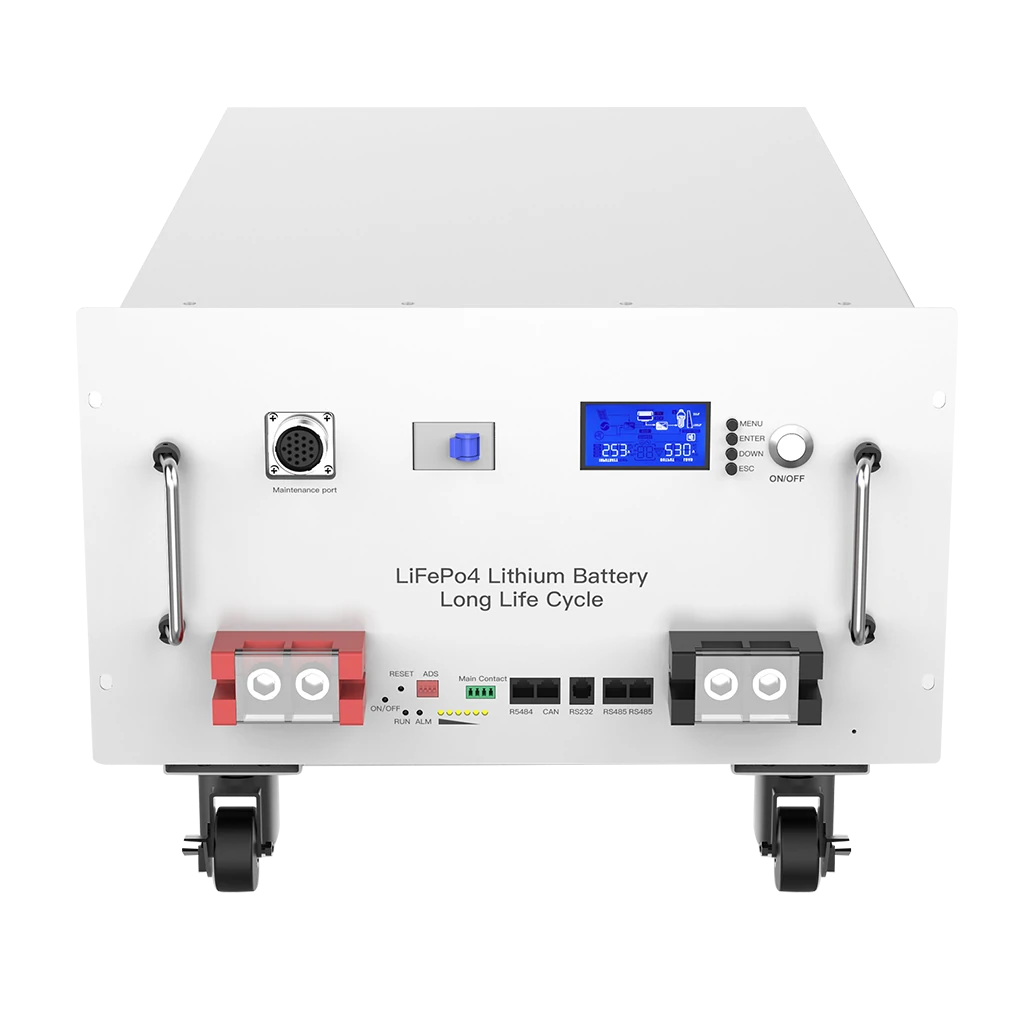
The battery stores energy that can be used when solar panels are not producing enough power. Lithium iron phosphate batteries, also known as LiFePO4 or LFP batteries, are widely used in home energy storage because they offer good thermal stability, long cycle life and reliable daily charging and discharging performance.
For example, Avepower offers home energy storage battery solutions designed for residential solar storage, backup power, off-grid systems and installer-led projects.
2. Hybrid or Multimode Inverter
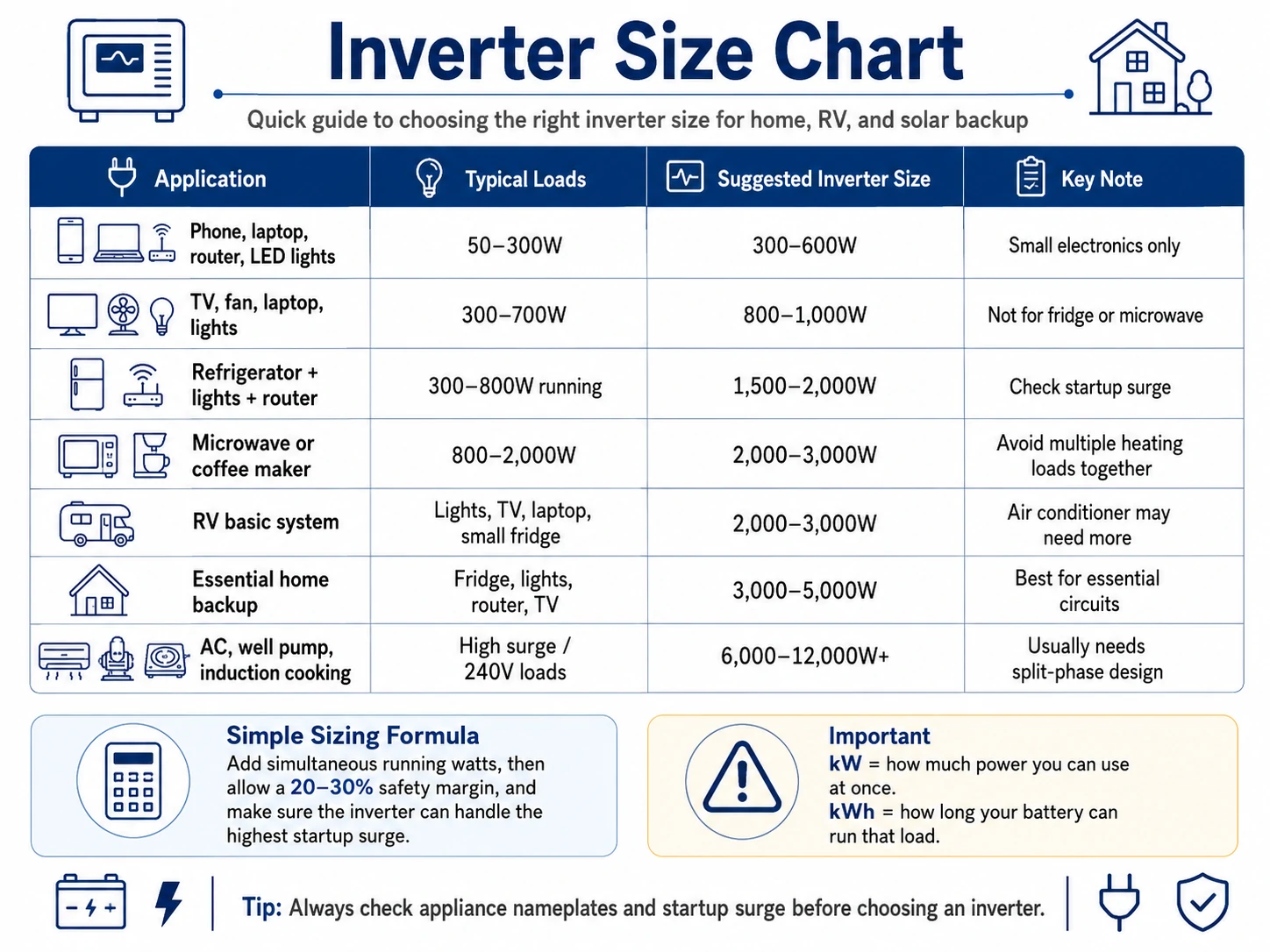
A standard solar inverter may not run during a blackout. A hybrid inverter or multimode inverter can manage solar panels, battery storage, the grid, and backup output.
During an outage, the inverter must safely disconnect from the grid and supply power to the home from the battery. If the inverter cannot operate in island mode, the battery may not be useful during a blackout.
For installers and solar EPC teams, checking inverter compatibility early is essential. Avepower provides an inverter compatibility list to help project buyers and installers confirm whether a battery model can communicate with selected inverter brands.
3. Backup Circuit or Backup Panel
A backup circuit separates essential appliances from non-essential loads. This helps the system avoid overload and makes the battery last longer. A typical backup circuit may include lighting, refrigeration, internet, security, and selected sockets.
4. Transfer Switch or Isolation Equipment
The system must safely disconnect from the grid before powering the home. This prevents electricity from flowing back into the utility network.
Depending on local rules and system design, this may be handled automatically by the inverter and gateway, or by additional transfer equipment.
5. Professional Installation
Backup power wiring should be designed and installed by qualified professionals. Incorrect installation can create safety risks, inverter faults or poor battery performance. For installer-led solar projects, Avepower’s residential battery energy storage systems can be used as part of a properly designed home backup and solar storage solution.
What Size Solar Battery Do You Need for Blackouts?
The right size depends on what you want to power and for how long. For short outages, a smaller system may be enough for lighting, internet and refrigeration. For longer outages, larger capacity or modular expansion becomes more important.
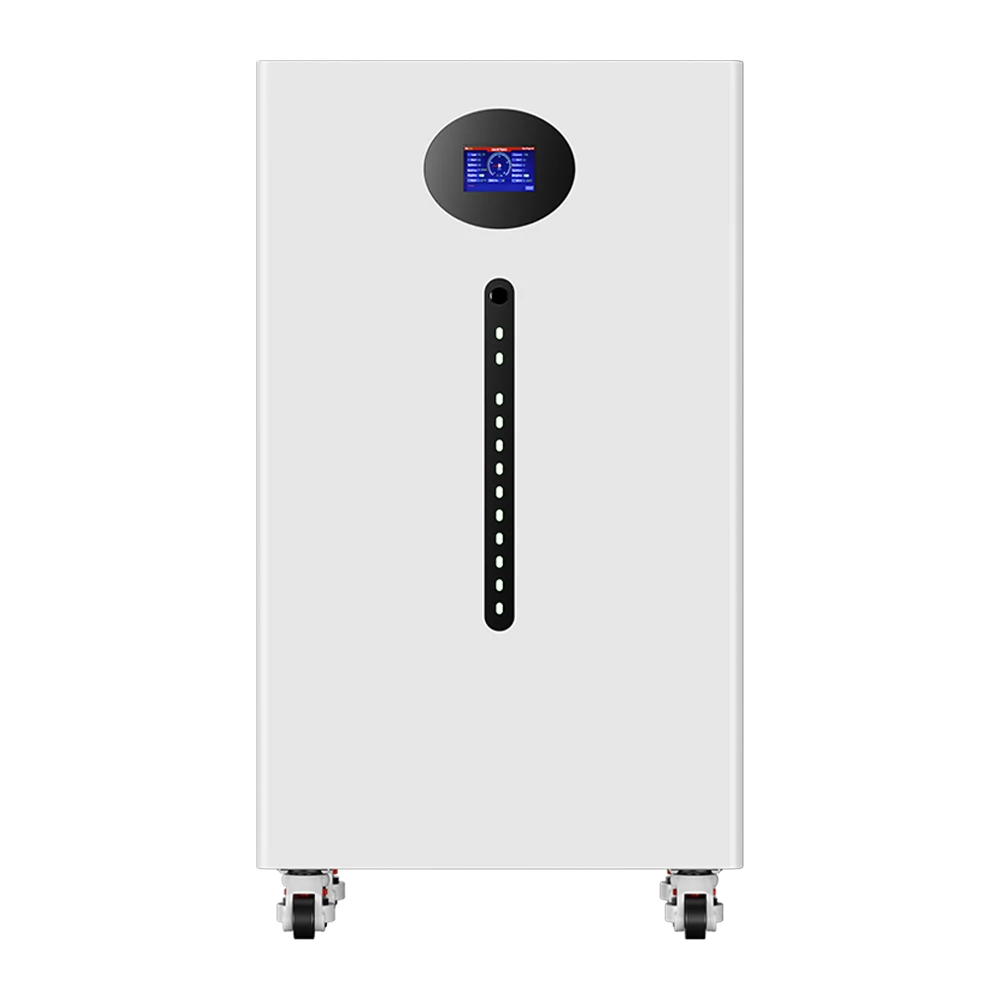
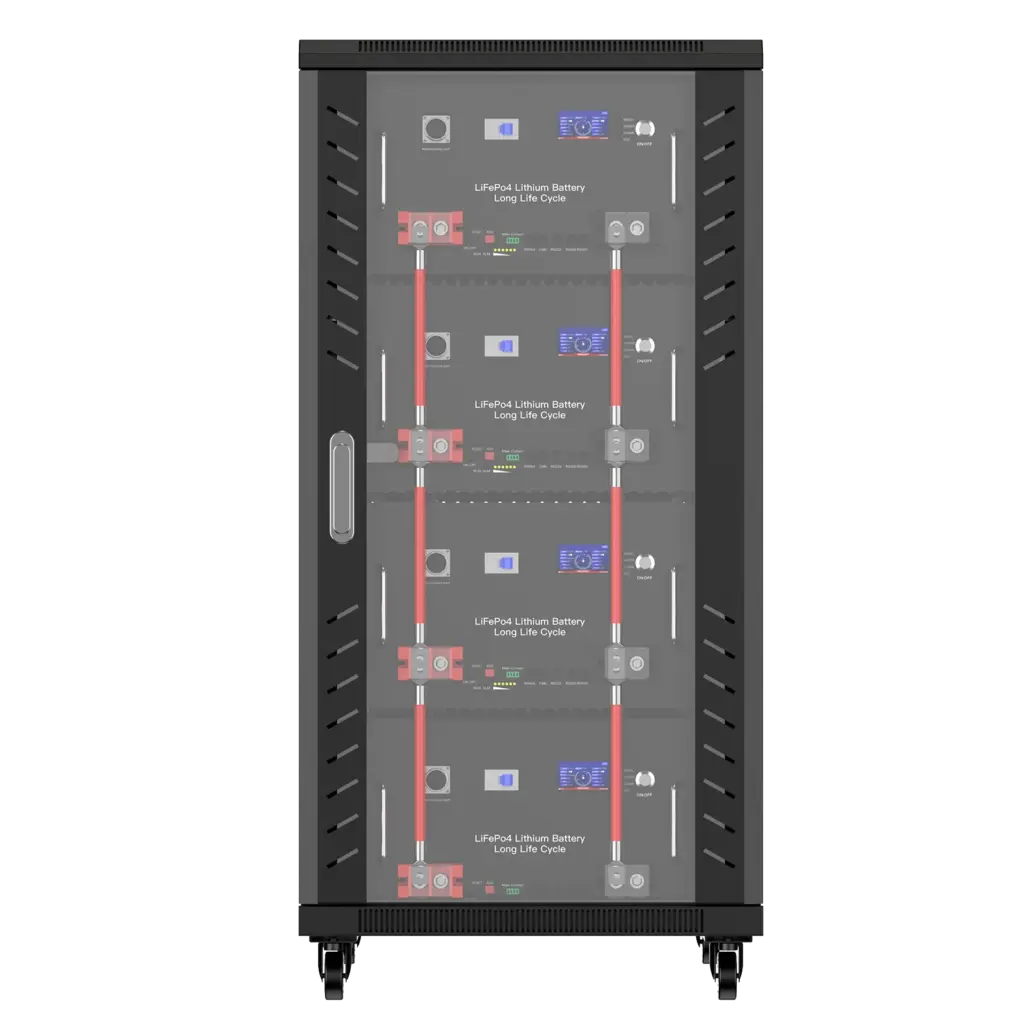
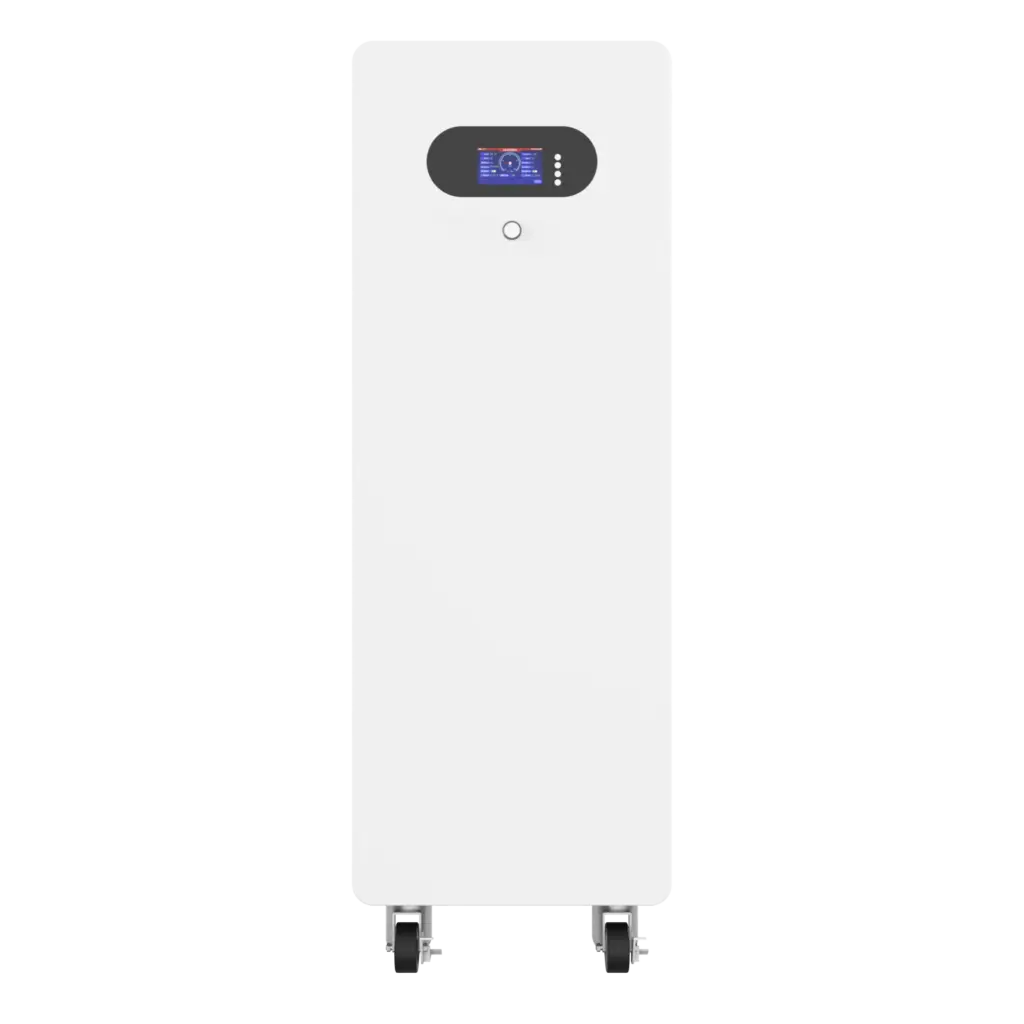
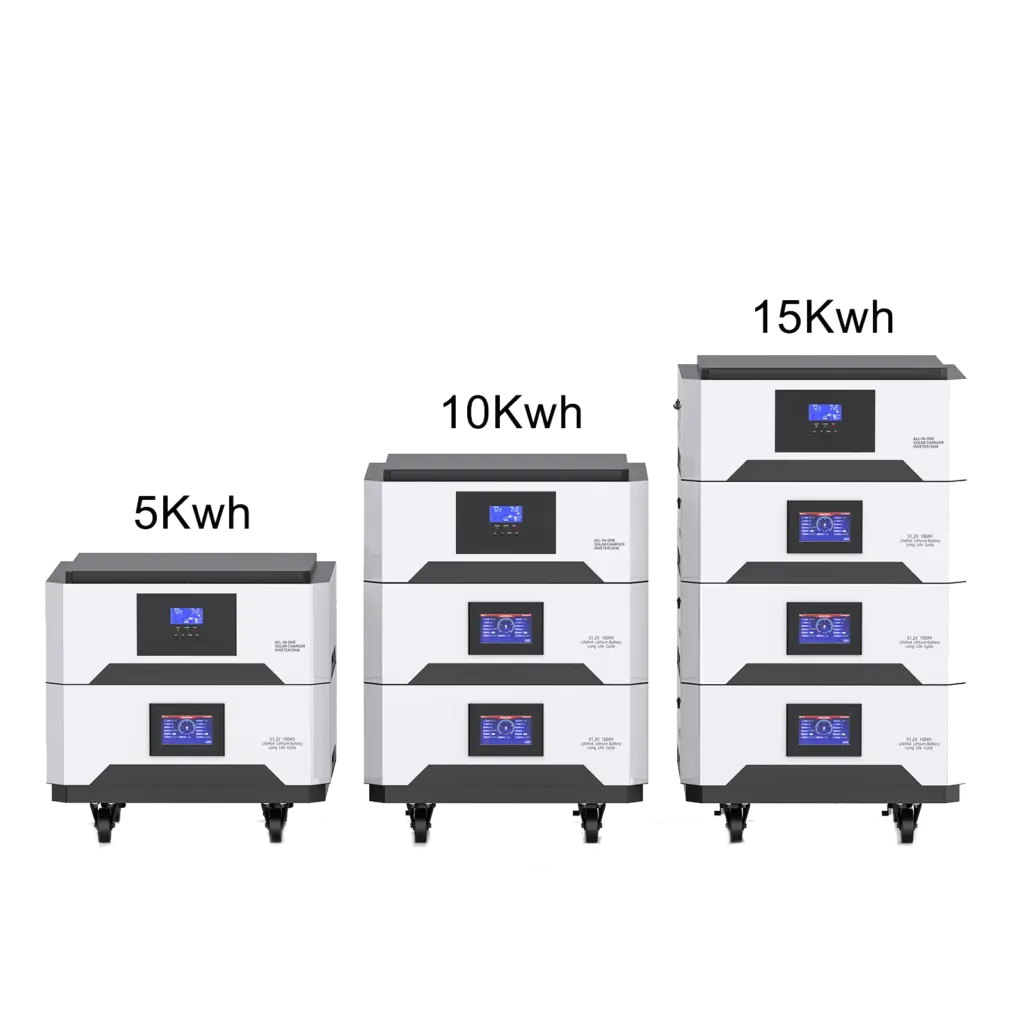
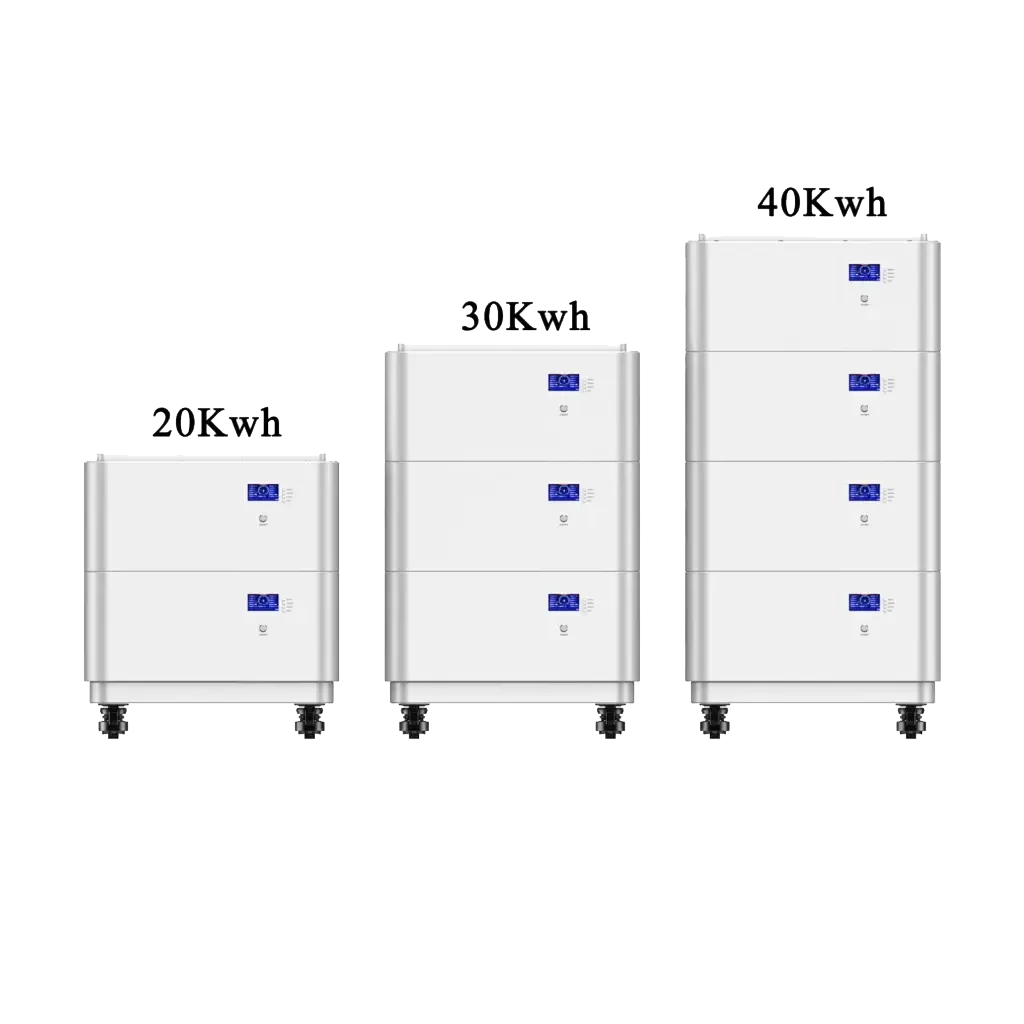
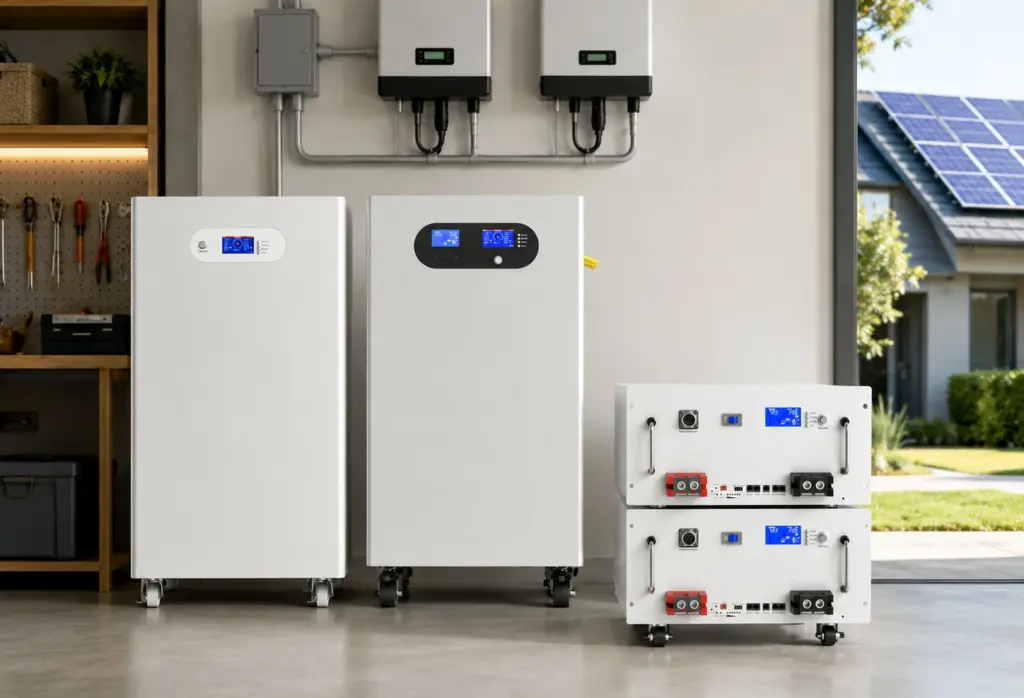
For flexible capacity planning, Avepower’s stackable solar batteries can be configured as 5kWh, 10kWh or 15kWh systems for different backup time, inverter capacity and household load requirements. This type of modular design is useful for installers and distributors who need scalable options for different residential projects.
Avepower Solar Battery Backup Projects
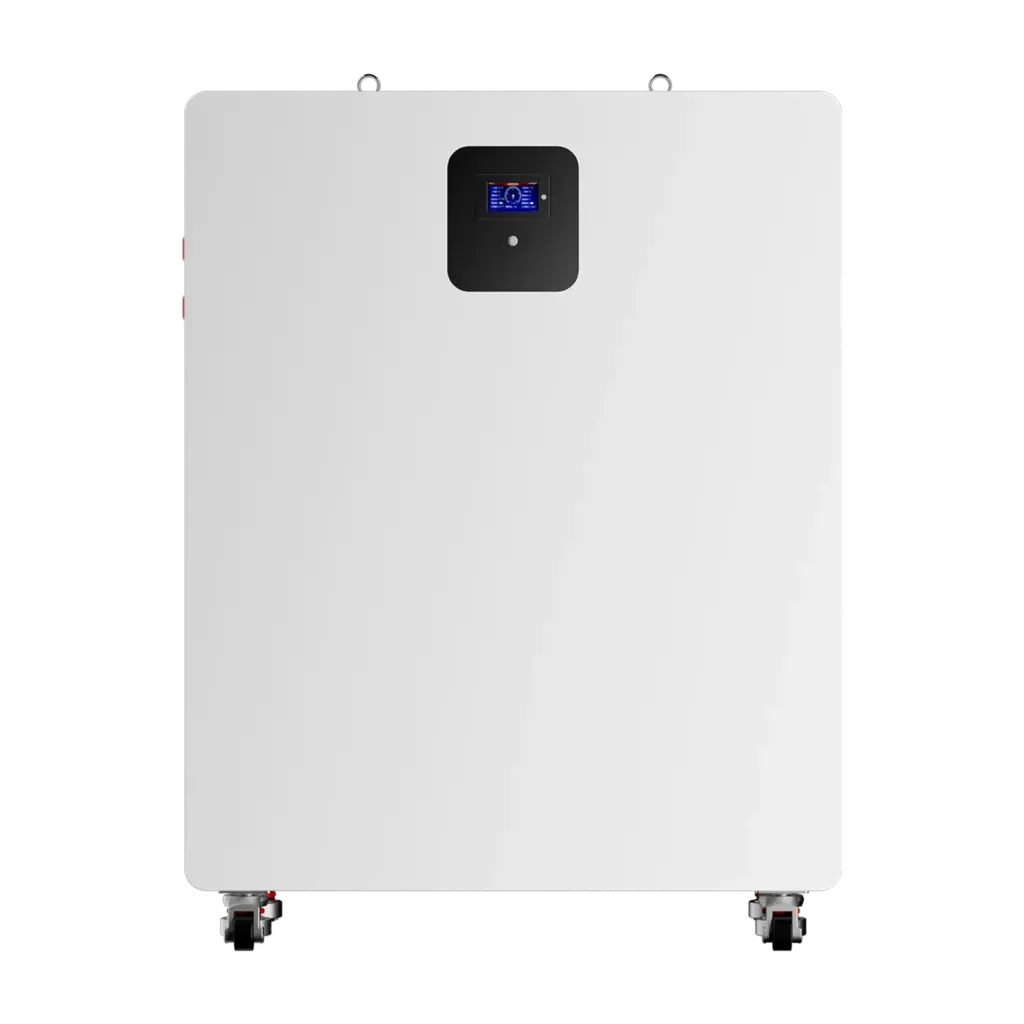
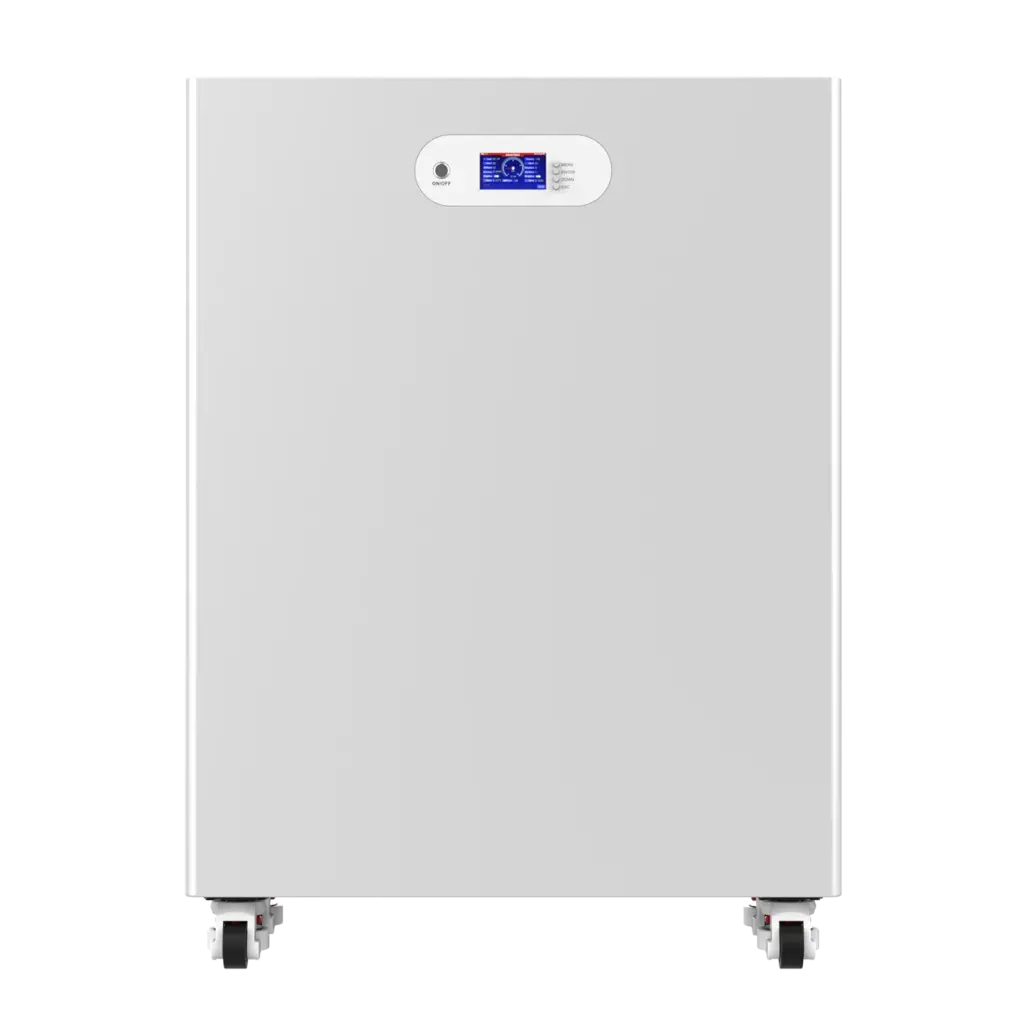
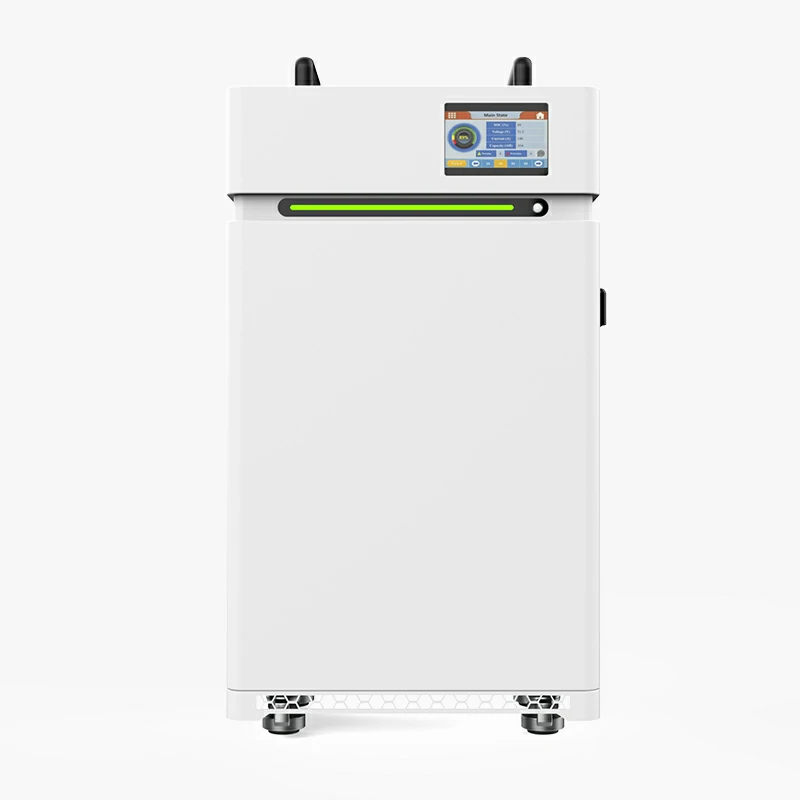
Avepower focuses on LiFePO4 battery energy storage systems for residential, installer-led, distributor, OEM/ODM, and small commercial projects. Its product range includes wall-mounted batteries, stackable battery systems, vertical LiFePO4 battery packs, and all-in-one battery systems.
For blackout-focused projects, installers and project buyers should match the battery with a compatible hybrid inverter and a properly designed backup circuit. Avepower battery systems can be used as part of a complete home energy storage solution where the project requires solar storage, backup power, modular expansion, inverter communication, and long-term LiFePO4 performance.
If you are planning a home backup system, start with three details:
- Which loads must run during a blackout?
- How long should they run?
- Which inverter and battery configuration can safely support them?
Once these are clear, the right battery capacity and system structure become much easier to choose.
Take Control of Your Energy with Avepower!
Reliable home solar battery solutions with OEM/ODM customization and in-house manufacturing, tailored to the needs of distributors, installers, and energy partners.
Conclusion
Solar batteries can work in a blackout, but only when the system is designed for backup power. A standard solar system, and even some solar-plus-battery systems, may shut down when the grid fails.
To keep power running, you need a backup-capable battery, a compatible hybrid or multimode inverter, safe grid isolation, and properly selected backup circuits. The system should be sized around real essential loads, not just the total size of the house.
For homeowners, the goal is to keep critical appliances running safely. For installers and distributors, the goal is to specify a reliable, compatible, and scalable battery solution that matches local market requirements.
Avepower supports residential and small energy storage projects with LiFePO4 battery systems for solar storage, backup power, off-grid applications, and OEM/ODM battery programs. Explore Avepower’s home energy storage battery systems to compare wall-mounted, rack-mounted, vertical, and stackable battery options for different backup power needs.
FAQ
No. A battery must be designed and installed with backup functionality. Some batteries are only configured for solar self-consumption and bill savings.
Usually no. Standard grid-tied solar systems shut down during outages for safety reasons.
Yes, but only if the battery capacity, inverter output, and wiring are designed for whole-home backup. Many systems are designed only for essential loads.
It depends on your load. If your essential loads average 500W and the battery provides around 9kWh usable energy, it may last roughly 18 hours. Higher loads will shorten runtime.
Yes, but only if the system supports solar charging in island mode. This should be confirmed before installation.
Avoid high-power appliances such as electric ovens, large air conditioners, pool pumps, and EV chargers unless the system has been specifically designed for those loads.
No. Many home battery systems are not true uninterruptible power supplies. For medical equipment or critical loads, specialist backup planning is required.
Essential-load backup is usually more cost-effective and helps the battery last longer. Whole-home backup is possible but requires a larger and more expensive system.
Ask whether the battery and inverter combination can provide backup power during a blackout and whether solar panels can continue charging the battery while the grid is down.