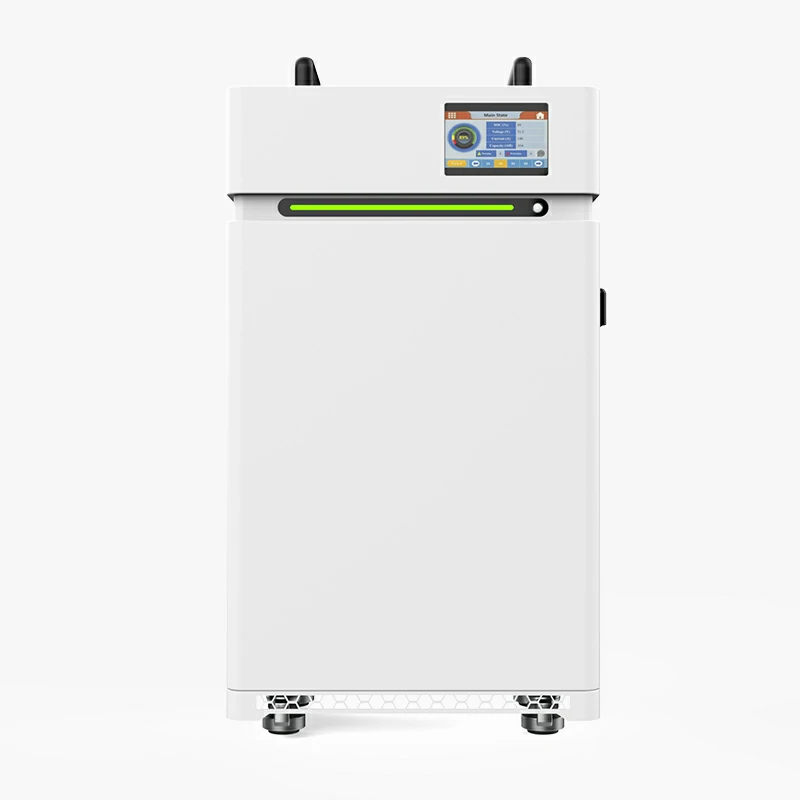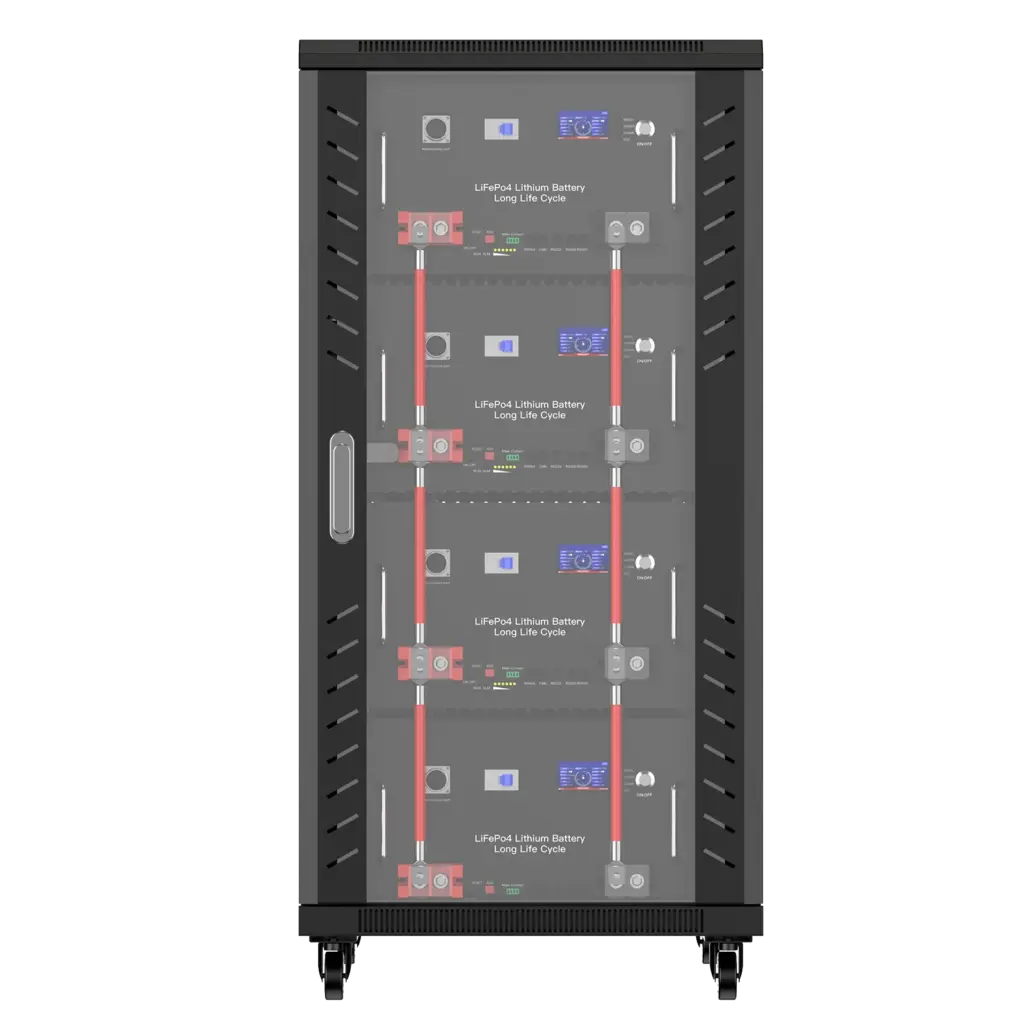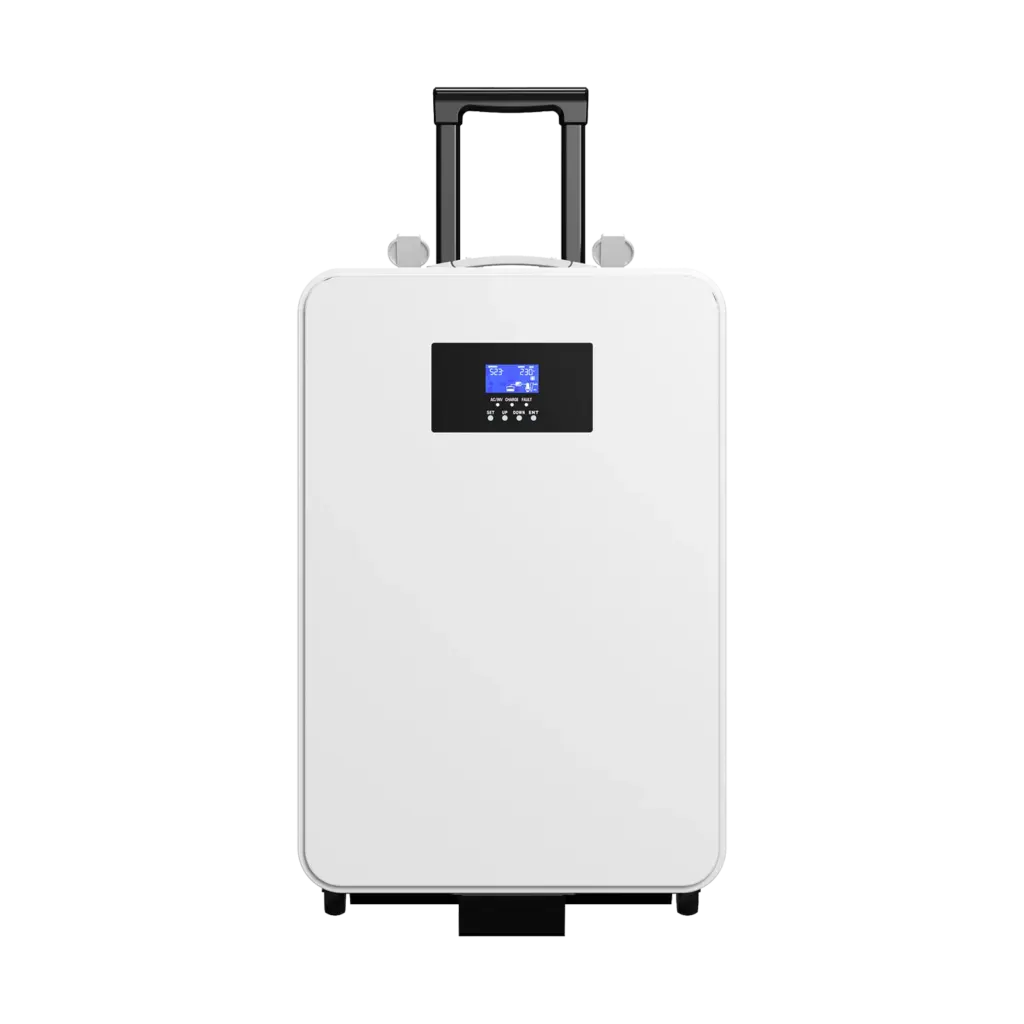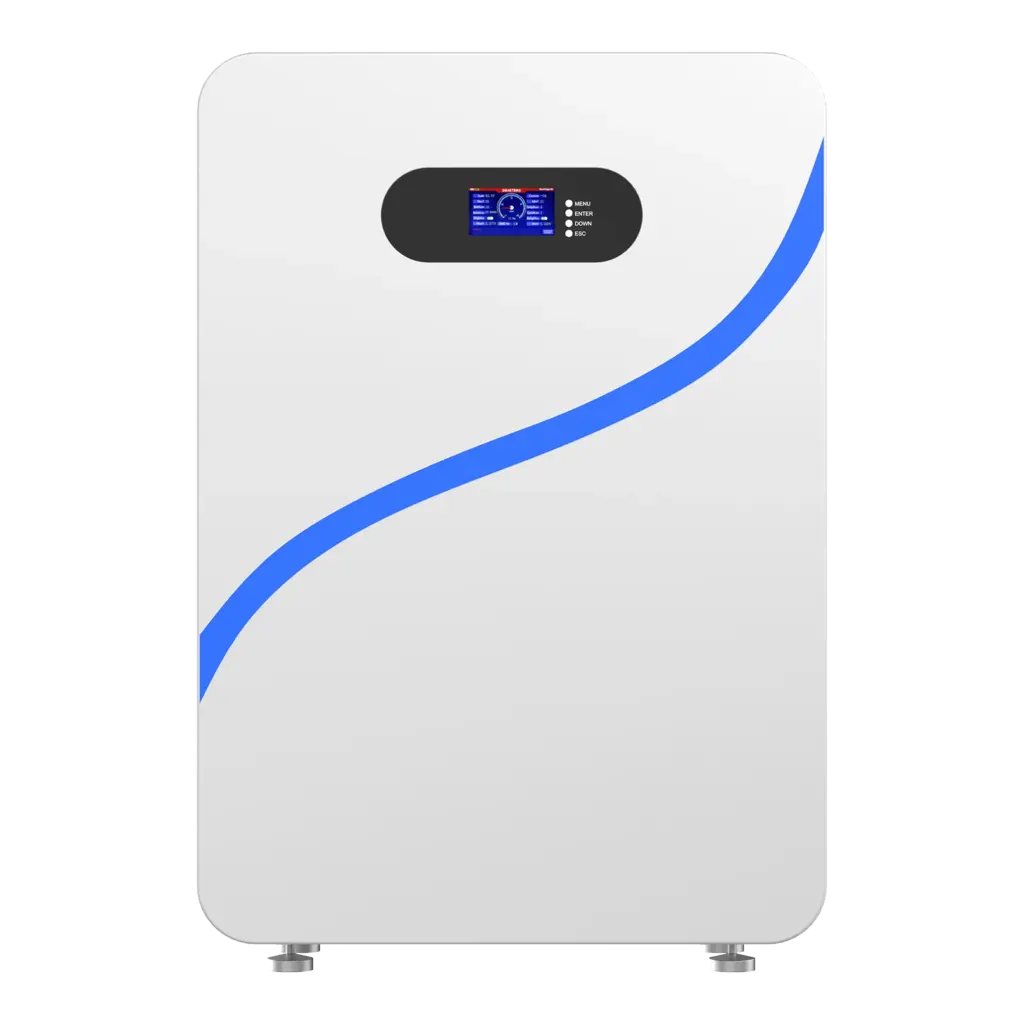

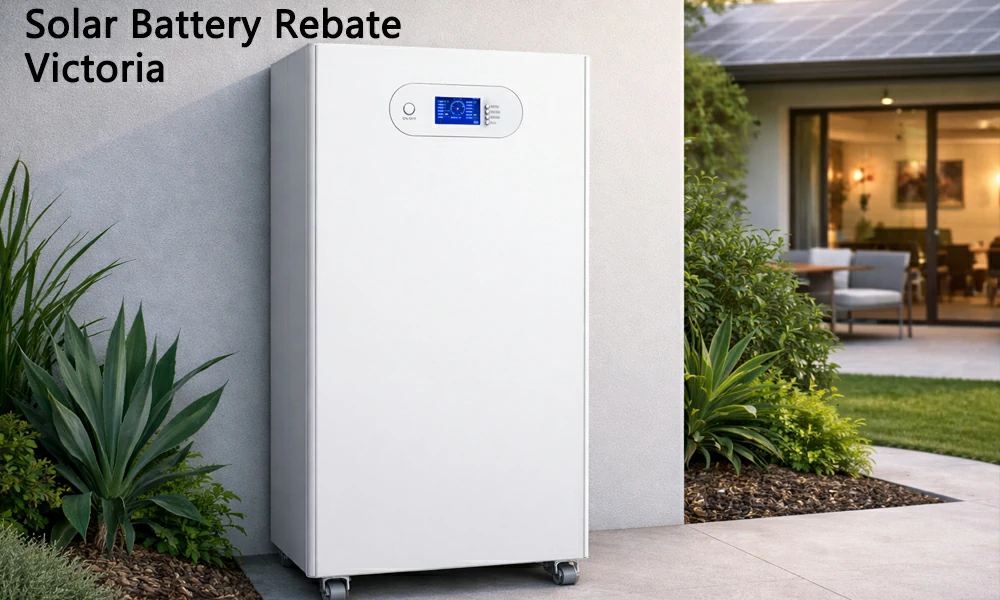
If you are searching for solar battery rebate VIC in 2026, the most important thing to know is this: There is no longer a separate Victorian battery loan for new applicants, but there is still a national battery discount available in Victoria if the battery, inverter, installer and solar system meet the program rules.
For households that are also installing rooftop solar, Victoria still offers a Solar Victoria solar panel rebate of up to $1,400, with an optional interest-free loan of up to $1,400 for eligible applicants. That means the best approach in 2026 is often to look at solar panels, battery storage, inverter compatibility and tariff strategy together, instead of treating the battery rebate as a stand-alone offer.
For installers, retailers and project buyers, Avepower recommends confirming product eligibility, inverter communication, usable capacity, warranty conditions and installation requirements before quoting any battery system for a Victorian customer.
Current Solar Battery Rebate VIC Status
Victoria previously supported home batteries through Solar Victoria battery rebates and later through interest-free battery loans. Those programs helped accelerate residential battery adoption across the state, especially in outer Melbourne suburbs and solar-heavy regional areas.
| Incentive | Current Status in VIC | What It Supports |
|---|---|---|
| Victorian solar battery loan | Closed to new applications | Previously supported battery installation |
| Federal Cheaper Home Batteries Program | Available for eligible systems | Upfront battery discount through STCs |
| Solar Victoria PV rebate | Available for eligible applicants | Rooftop solar panels, not batteries |
| Solar Victoria hot water rebate | Available for eligible applicants | Solar or heat pump hot water upgrades |
What Replaced the VIC Solar Battery Loan?
The main replacement for Victorian battery support is the national Cheaper Home Batteries Program. This program expanded the Small-scale Renewable Energy Scheme so that eligible batteries can create STCs, similar to how rooftop solar systems have received STC-based discounts for years.
The discount is usually handled by the installer or retailer. In most cases, the customer does not apply directly to the government for the battery rebate. Instead, the STC value is calculated, assigned and deducted from the quoted system price.
You can check the official program information through:
- DCCEEW Cheaper Home Batteries Program
- Clean Energy Regulator solar batteries page
- Clean Energy Council battery program information
The battery discount is not a cash payment after installation. It is generally reflected as a lower upfront price from an eligible installer.
Planning a Solar Battery Project in Victoria?
Avepower supports installers, distributors and project buyers with scalable LiFePO4 home energy storage solutions for residential solar projects.
How Much Is the Battery Rebate Worth in Victoria?
The value of the solar battery rebate in VIC depends on four main factors:
- The usable capacity of the battery system
- The STC factor at the time the battery is installed and certified
- The market value of STCs
- Whether the installer passes through the full STC value or deducts administration costs
From 1 May 2026, the STC factor changed to 6.8 for the May–December 2026 period. The government has also introduced a tapered structure, meaning smaller and mid-sized batteries receive stronger support per kWh than very large systems.
The current structure is:
| Battery Usable Capacity | STC Support Level |
|---|---|
| 0–14 kWh | 100% of the STC factor |
| Above 14 kWh to 28 kWh | 60% of the STC factor |
| Above 28 kWh to 50 kWh | 15% of the STC factor |
| Above 50 kWh usable capacity | No additional STCs |
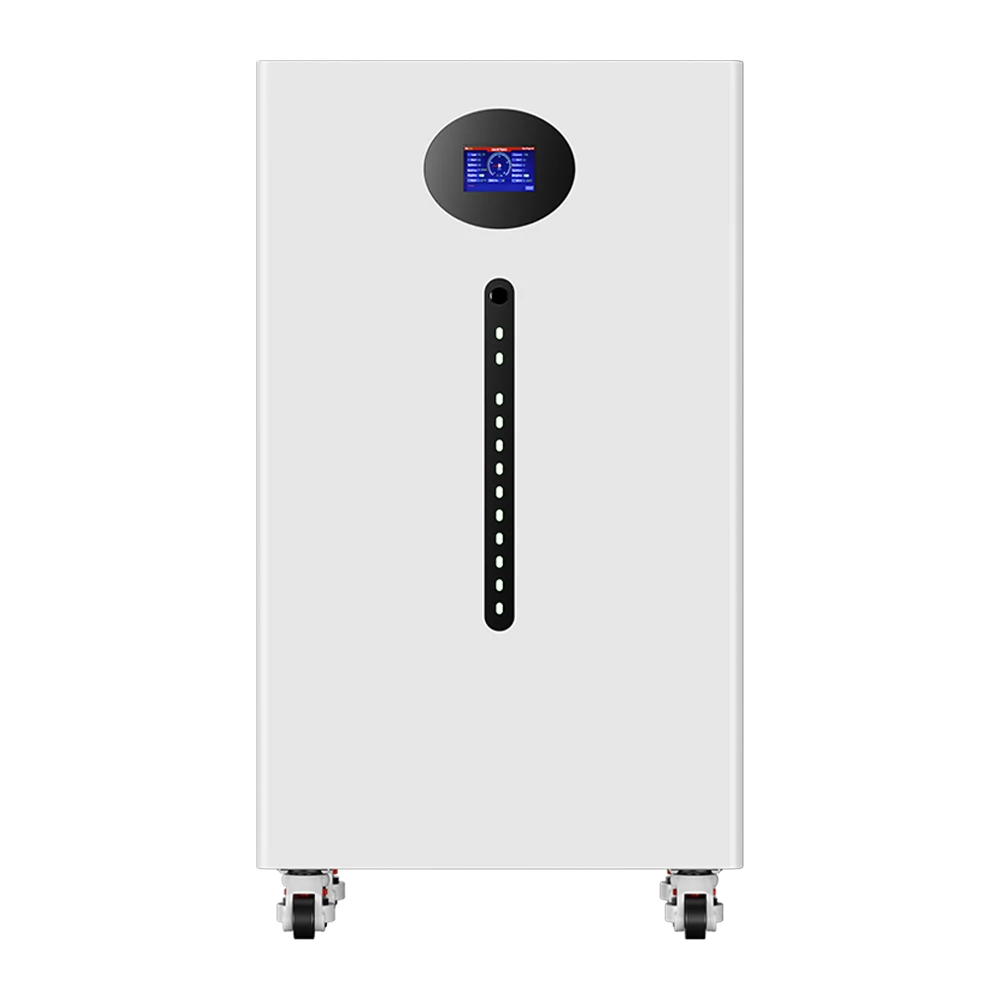
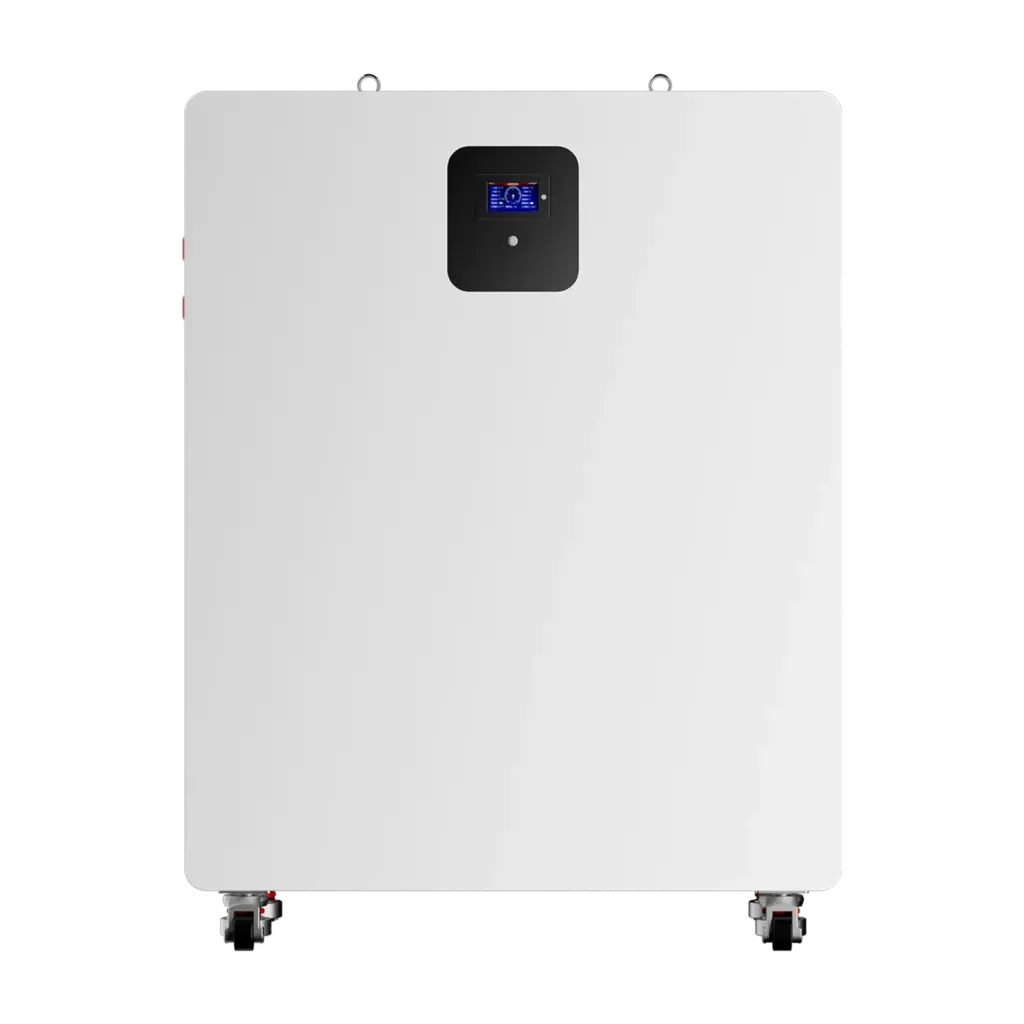
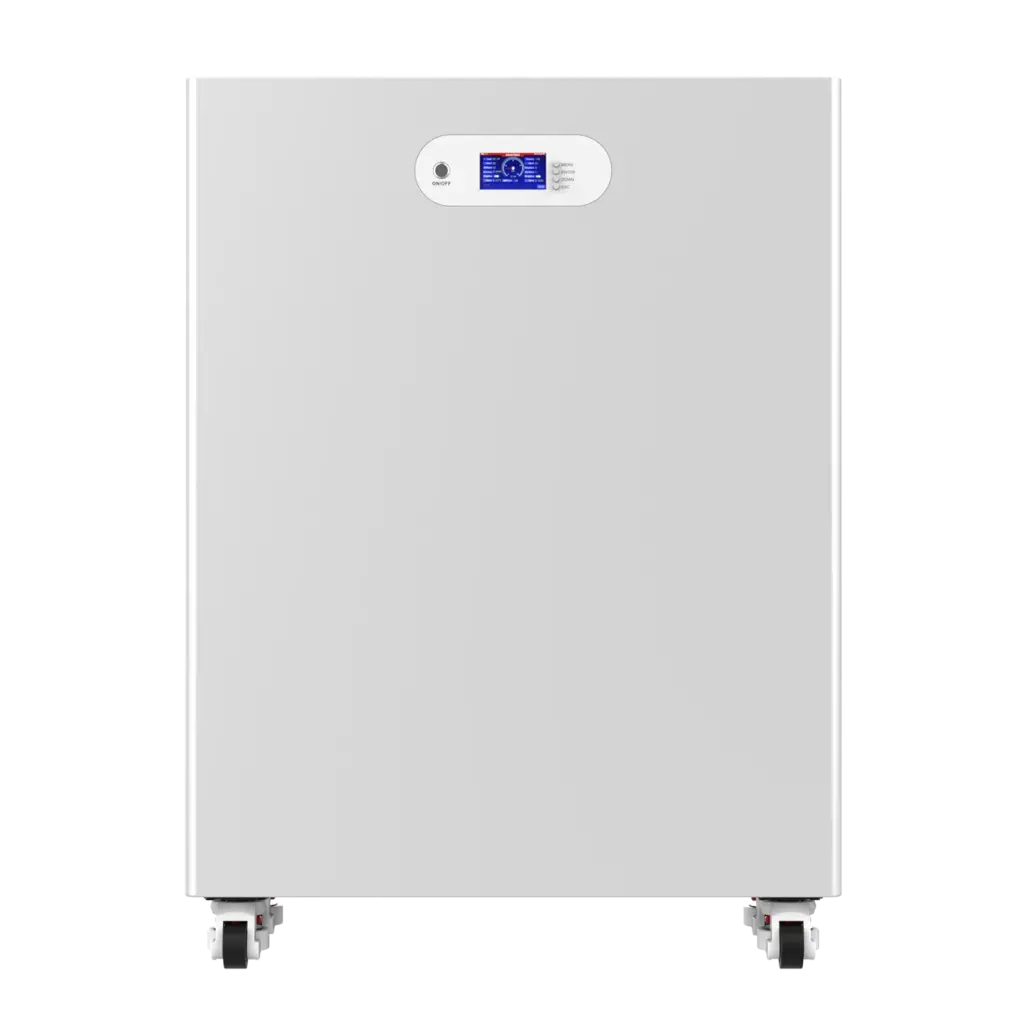
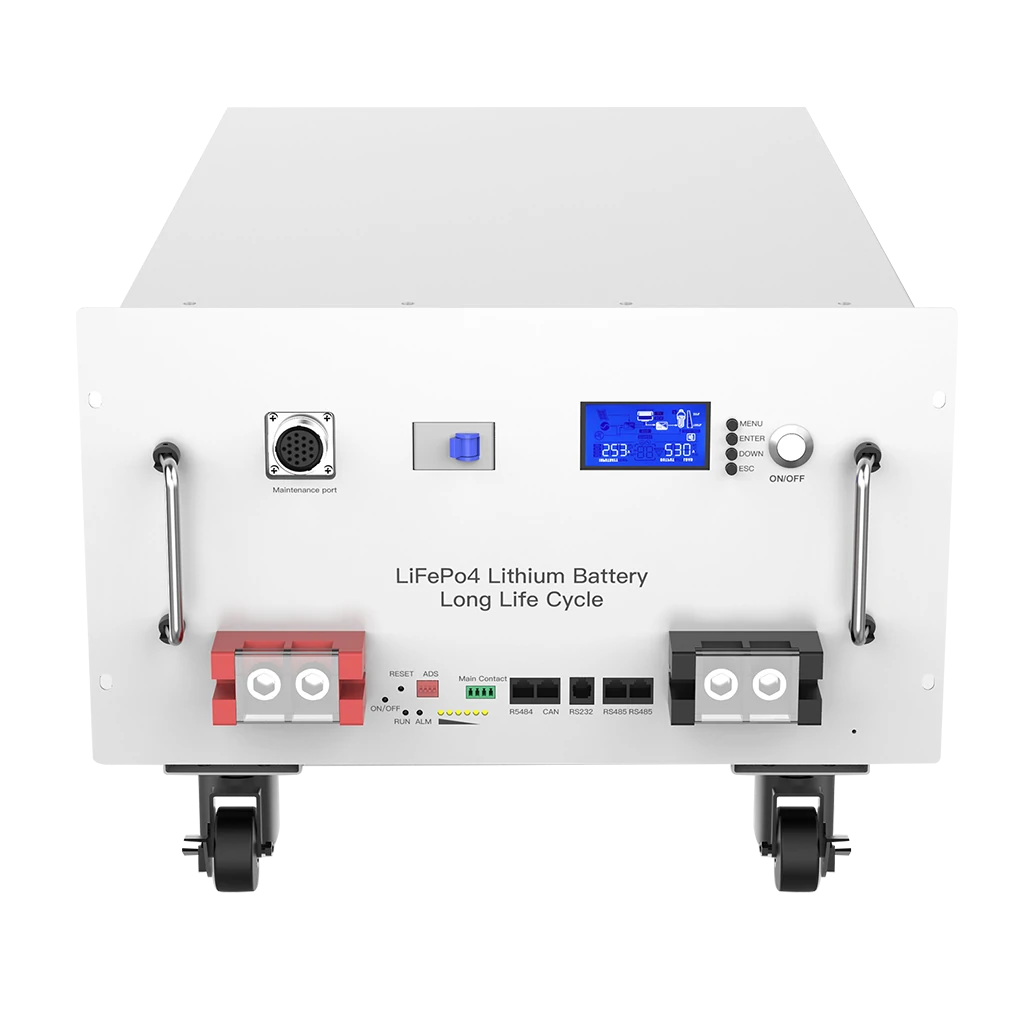
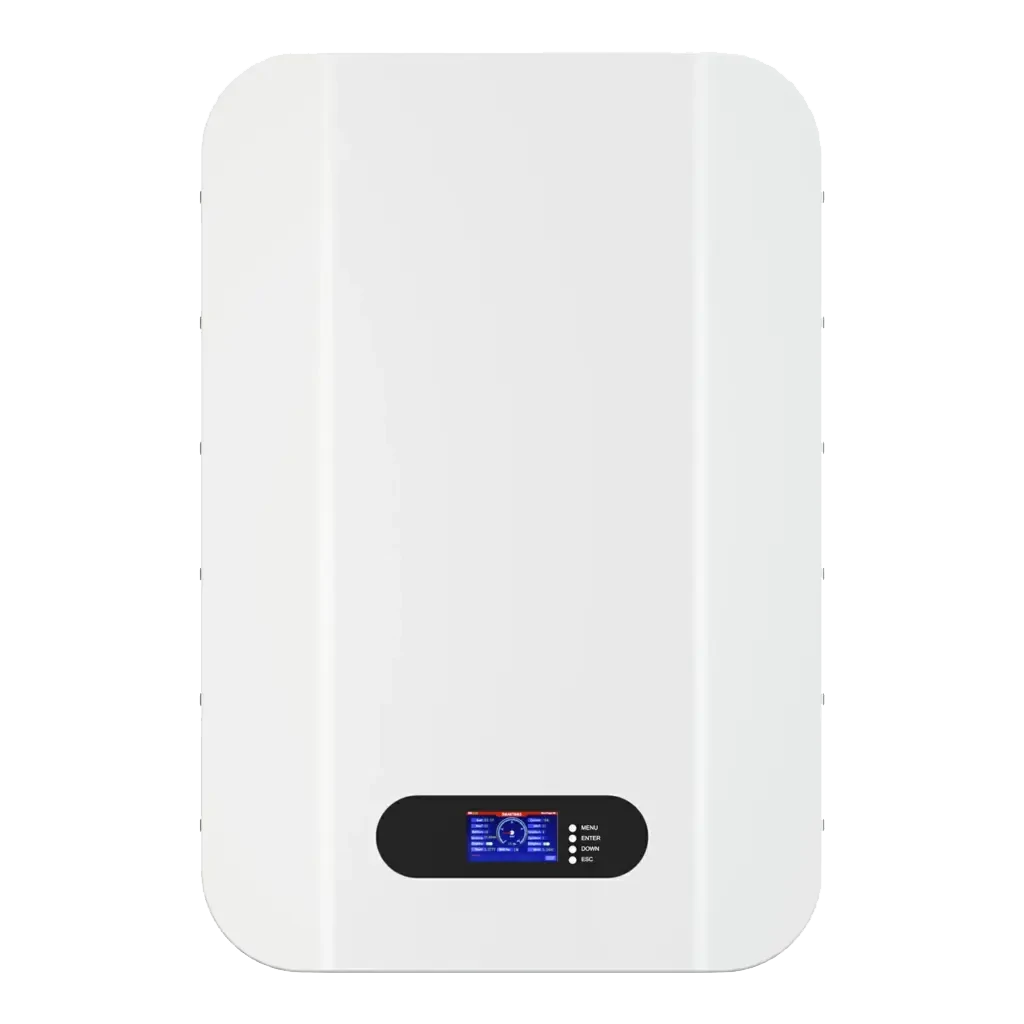
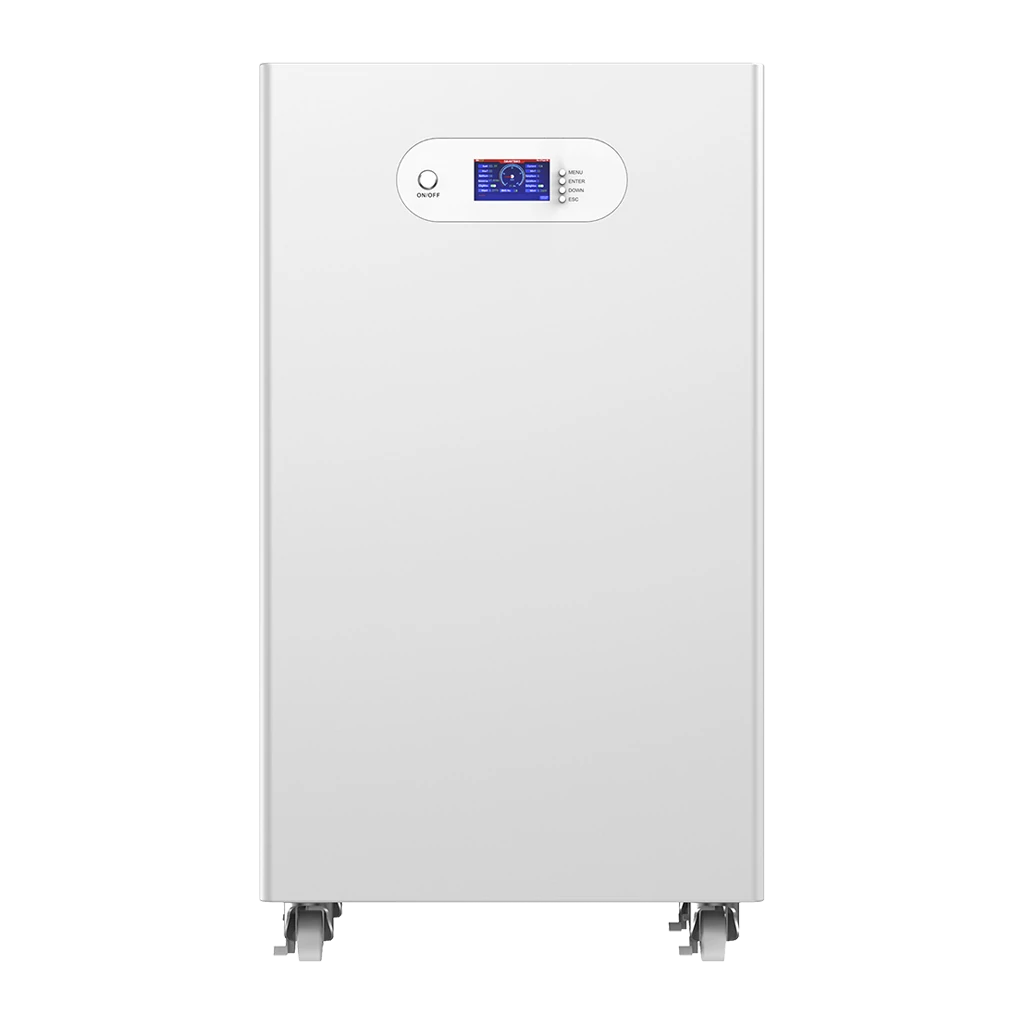
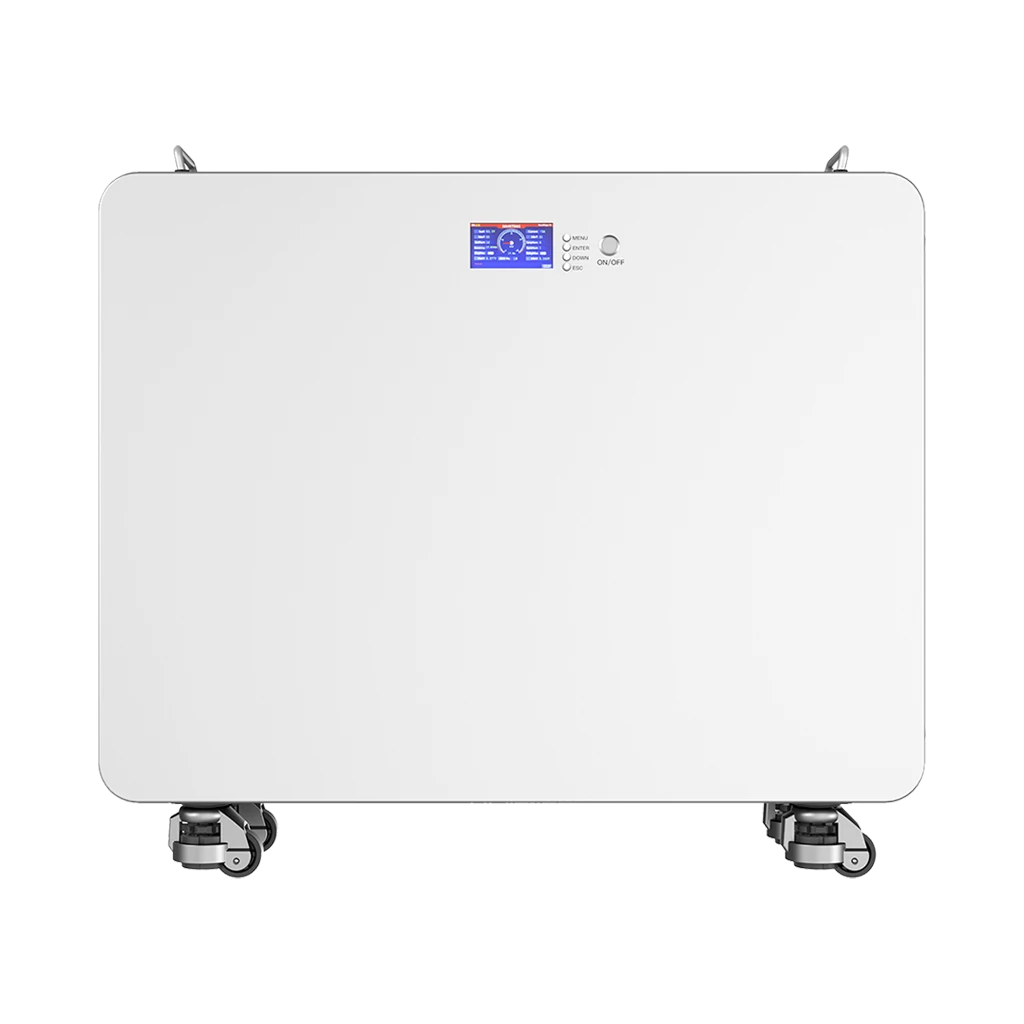
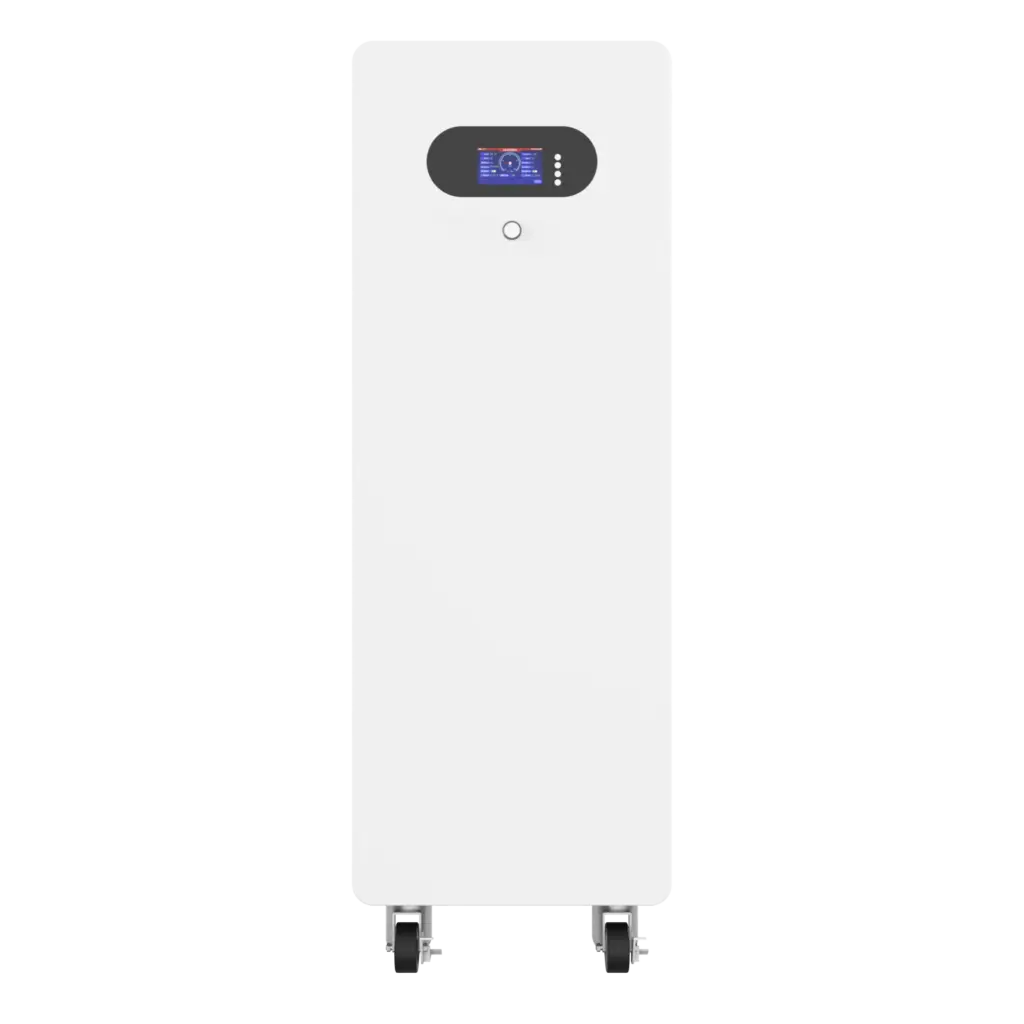
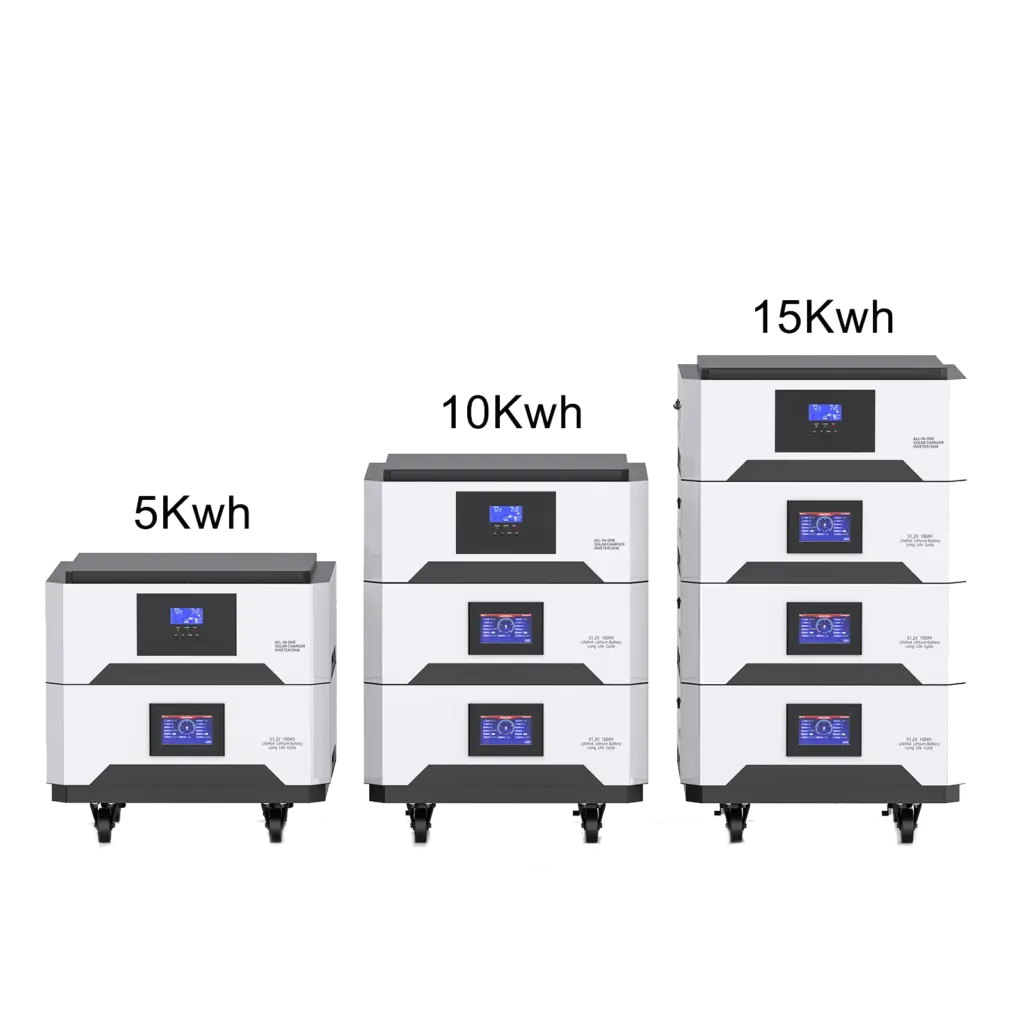
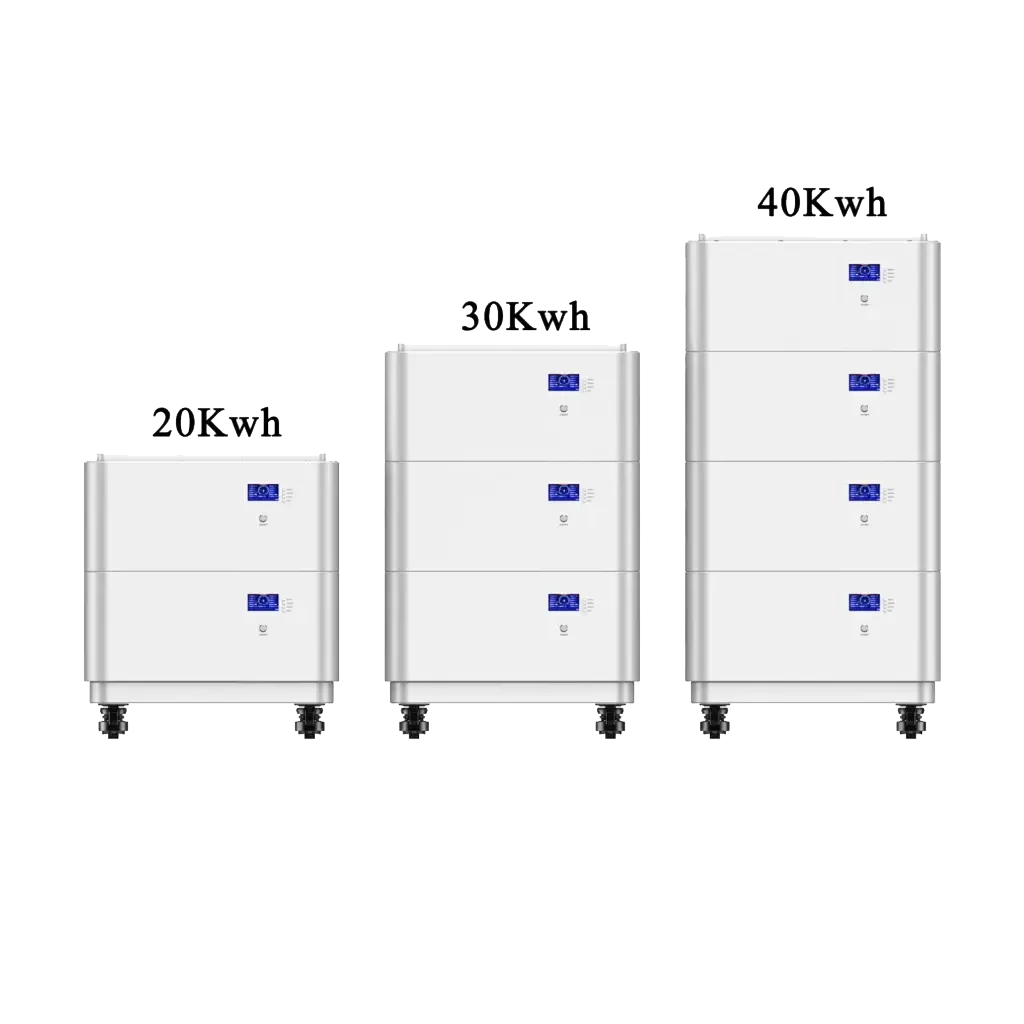
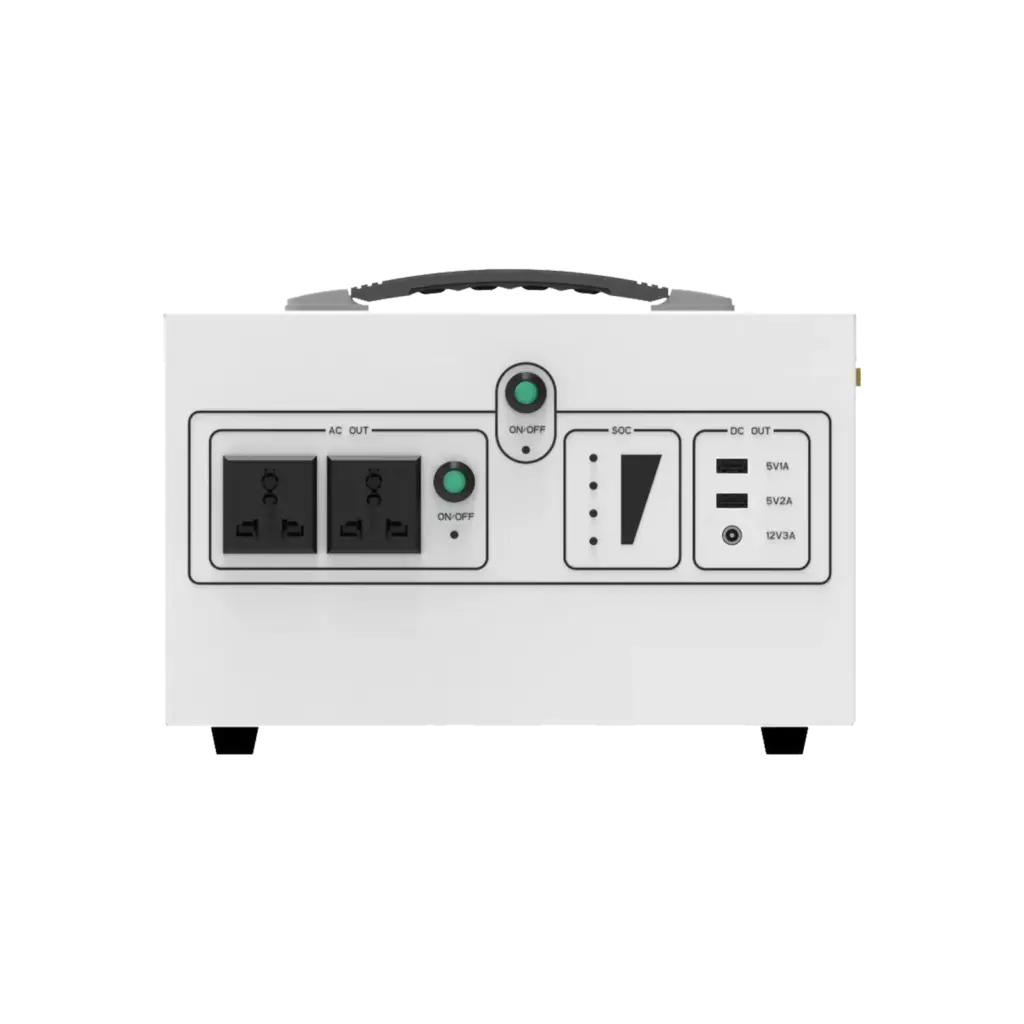
Avepower provides home energy storage solutions including wall-mounted, rack-mounted, vertical and stackable LiFePO4 battery systems for residential and light commercial applications. For B2B customers such as installers, distributors and OEM brands, Avepower can also support capacity selection, communication matching and project-based customization.
Solar Battery Rebate VIC Eligibility
To qualify for the federal battery discount in Victoria, the battery system must meet several technical and installation requirements.
1. Battery Size Requirement
The battery system must generally be between 5 kWh and 100 kWh in nominal capacity. STCs are only available for the first 50 kWh of usable capacity.
This means:
- A 4 kWh battery alone is not enough.
- A 10 kWh battery may qualify if all other requirements are met.
- A modular battery system can qualify if the final system meets the minimum size.
- A system above 50 kWh usable capacity may still qualify, but only the first 50 kWh receives STC support.
- Systems above 100 kWh nominal capacity are outside the small-scale battery eligibility range.
For Victorian homes, this makes modular planning important. If a homeowner installs too small a system first, future expansion may not automatically qualify unless the rules for adding capacity are satisfied.
2. The Battery Must Be Installed With Solar
The battery discount is designed for solar battery systems, not grid-only storage systems. According to the Clean Energy Regulator, eligible batteries must be installed with either a new or existing rooftop solar system.
This means homeowners with an existing solar PV system may be able to add an eligible battery, provided the system, inverter and installation meet the program requirements.
If you are still comparing solar-plus-storage options, Avepower’s article on batteries for home solar storage explains how battery chemistry, usable capacity, backup loads and inverter matching affect real-world performance.
3. CEC-Approved Battery and Inverter
The battery system and relevant inverter equipment must be on the Clean Energy Council approved product lists at the time of installation. This is one of the most important compliance points for installers and retailers.
Homeowners should not rely only on marketing claims such as “rebate ready” or “STC eligible.” Always ask the retailer to confirm:
- Battery model
- Inverter model
- CEC approval status
- Usable capacity used for STC calculation
- Whether the system is VPP capable
- Warranty and installation conditions
- Whether the quoted price already includes the STC discount
Installers and distributors can also review the Clean Energy Council approved products program for product-list requirements.
4. Installation by an Accredited Installer
Eligible battery systems must be installed by an accredited installer. The program relies on Solar Accreditation Australia accreditation, state electrical safety rules and compliance documentation.
For homeowners, this means the cheapest quote is not always the safest quote. A low price may become expensive if the installer uses an ineligible product, ignores DNSP requirements, provides poor backup design or fails to explain warranty limitations.
5. VPP Capability for On-Grid Systems
For on-grid systems, the battery and inverter need to be capable of participating in a Virtual Power Plant, often called a VPP. However, joining a VPP is not required for the federal battery discount.
This distinction is important. VPP capable does not mean the homeowner must sign up to a VPP contract. It means the system has the technical ability to connect, communicate and respond to remote signals if the customer later chooses a suitable VPP or retailer program.
Off-grid battery systems do not need to be VPP capable, although they still need to meet other program rules.
Can Victorian Households Still Get the Solar Panel Rebate?
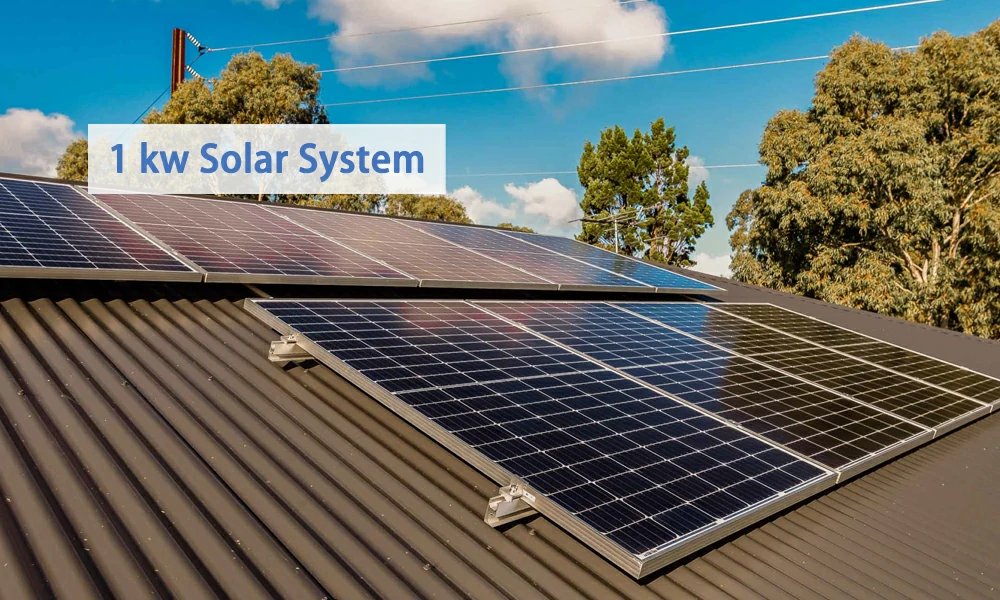
Yes. The Solar Victoria solar panel rebate is still available for eligible households, but it is not a battery rebate.
Under the current Solar Homes Program, eligible Victorian households can receive:
- Up to $1,400 off a rooftop solar PV system
- An optional interest-free loan of up to $1,400
- Rebate support for homes under construction and some rental properties, subject to conditions
From 1 July 2026, the combined household income threshold for solar PV and hot water rebates will become $150,000 per year. Before that date, the existing threshold has been higher for eligible applications.
This matters if a Victorian household is planning to install solar and battery together. The solar PV rebate and the federal battery discount are separate mechanisms, but they can be part of the same overall project planning.
A typical pathway may look like this:
- Confirm the home is suitable for solar PV.
- Check Solar Victoria PV rebate eligibility.
- Choose an authorised solar retailer.
- Ask for a solar quote and battery-ready inverter option.
- Confirm DNSP pre-approval and export constraints.
- Add an eligible battery if the usage profile supports it.
- Confirm the final invoice shows the correct STC-based battery discount.
For general solar and battery consumer guidance, the Australian Government’s Solar Consumer Guide is also a useful reference.
Should You Install Solar First or Solar + Battery Together?
For many Victorian households, solar panels still deliver the fastest return. A battery can improve self-consumption and backup capability, but it should be sized carefully.
A solar-only system may be suitable if:
- Most electricity use happens during the day
- The household has a limited budget
- Backup power is not a priority
- The home may add a battery later
- The current inverter can be selected with battery compatibility in mind
A solar-plus-battery system may be more suitable if:
- Most electricity use happens in the evening
- Feed-in tariffs are low
- Peak electricity rates are high
- The household wants backup power
- The home has EV, heat pump or future electrification plans
- The customer wants to maximise solar self-consumption
For existing solar homes, adding a battery can make sense when daytime solar exports are high and evening grid imports are expensive. But the battery should not be sized purely around the rebate. It should be sized around real consumption patterns.
If you are only planning a battery upgrade and not installing new panels at the same time, see Avepower’s guide to home battery only installation for key design considerations.
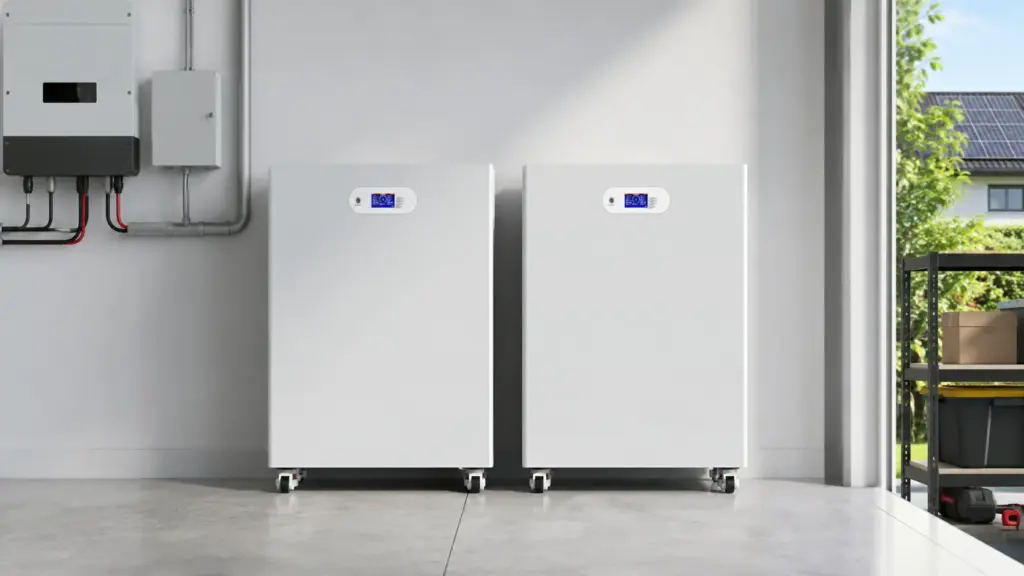
Build a Better Solar Battery Offer for the VIC Market
The best solar battery system is not only about the rebate. It needs the right capacity, reliable LiFePO4 chemistry, compatible communication and long-term technical support. Avepower helps solar installers, wholesalers and OEM/ODM buyers develop practical battery storage solutions for Australian residential energy projects.
How to Claim the Solar Battery Rebate in VIC
Victorian homeowners usually do not claim the federal battery discount directly. The process is typically handled through the installer or retailer.
A practical process looks like this:
Step 1: Review Your Energy Usage
Before requesting quotes, collect recent electricity bills. Look for:
- Daily kWh consumption
- Peak and off-peak rates
- Solar export volumes
- Feed-in tariff
- Evening and overnight usage
- Seasonal demand changes
This helps the installer recommend a battery that fits real usage rather than simply quoting the largest possible system.
Step 2: Confirm Solar PV Status
If the home already has solar, confirm system size, inverter model, inverter age, export limits and whether the inverter can work with a battery.
If the home does not have solar, compare solar-plus-battery quotes and ask whether the system is battery-ready from day one.
Step 3: Choose an Eligible Battery and Inverter
Ask the retailer to confirm that the battery and inverter are on the relevant CEC approved product lists. Also ask them to show the usable capacity used for the STC calculation.
Step 4: Confirm Installer Accreditation
The installation should be completed by an accredited installer and must meet Victorian electrical safety requirements.
Step 5: Check VPP Capability
For on-grid systems, confirm that the battery and inverter are VPP capable. Remember: VPP capability is required, but joining a VPP is not compulsory for the federal discount.
Step 6: Review the Quote Carefully
The quote should clearly show:
- Battery brand and model
- Battery nominal and usable capacity
- Inverter model
- STC discount value
- Final customer price after discount
- Backup capability
- Warranty period
- Installation scope
- Switchboard or meter upgrade costs, if any
Step 7: Do Not Install Before Approvals Are Clear
For Solar Victoria PV rebates, Solar Victoria warns customers not to install before eligibility is approved. For battery STC discounts, the installer should also ensure compliance before proceeding.
Advice for Installers, Distributors and Solar Retailers
If you’re sourcing batteries through a manufacturer (for example, modular LFP (LiFePO4) systems for residential or light commercial projects), STC eligibility should be a non-negotiable checkpoint in your procurement workflow. Under the Cheaper Home Batteries framework, the discount is tied to compliance and approved pathways — meaning the exact battery model you sell and install must align with Australian requirements, including:
- Product approval pathways (e.g., being eligible under the Clean Energy Council (CEC) approved product listing where required)
- Correct installation standards and commissioning (e.g., compliance with Australian standards and electrical rules)
- Accredited installation (e.g., Solar Accreditation Australia (SAA) accredited practitioners where applicable)
Avepower works with B2B partners (installers, wholesalers, and project developers) who need batteries that are easier to document, specify, and deploy at scale. For procurement and compliance reviews, Avepower can support your project with a documentation pack typically required during tendering and technical evaluation, such as:
- Battery architecture details (modular design, stackable options, scalable capacity planning)
- BMS protection overview (safety logic, monitoring, fault handling)
- Test and shipping documentation commonly requested by buyers (e.g., UN38.3, MSDS, packaging specs)
- International compliance references often used in technical submissions (e.g., CE, RoHS, ISO quality systems), plus model-specific reports where available
- Integration information for installers (interfaces, communication options such as CAN/RS485/RS232 depending on configuration)
If you’re planning a residential or small C&I rollout and want a recommended configuration (battery size, modular expansion plan, inverter integration notes, and documentation pack), contact Avepower.
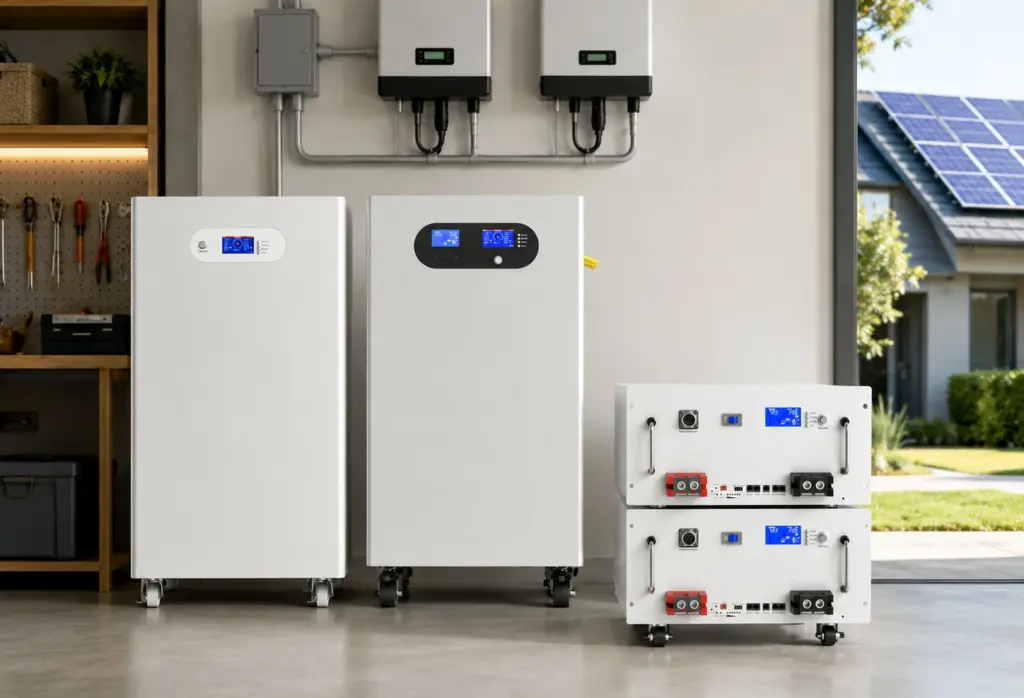
Take Control of Your Energy with Avepower!
Reliable home solar battery solutions with OEM/ODM customization and in-house manufacturing, tailored to the needs of distributors, installers, and energy partners.
FAQ
Victoria’s state-level solar battery loan is no longer open to new applications. The main battery incentive available to Victorian households in 2026 is the federal Cheaper Home Batteries Program, delivered through STCs.
Yes, if your battery system meets the federal program requirements. The system must meet size, product, installer, solar PV and compliance rules.
The discount depends on usable battery capacity, STC factor, STC market value and installer handling. From 1 May 2026, the STC calculation tapers after 14 kWh and again after 28 kWh, with STCs only available for the first 50 kWh of usable capacity.
Yes. The federal battery discount is for batteries installed with a new or existing solar PV system. A battery installed only to charge from the grid is not eligible.
Yes, an eligible battery may be added to an existing solar system if the system meets electrical safety, inverter, product and installer requirements.
No. For on-grid systems, the battery and inverter must be VPP capable, but participation in a VPP is not required for the federal discount.
Many homes may consider a 10–15 kWh battery, but the best size depends on daily use, solar exports, evening load, tariff structure and backup needs. Oversizing can reduce return on investment.
Potentially, yes. The Solar Victoria PV rebate applies to eligible solar panel systems, while the federal battery discount applies to eligible batteries. They have separate rules and should be checked individually.