
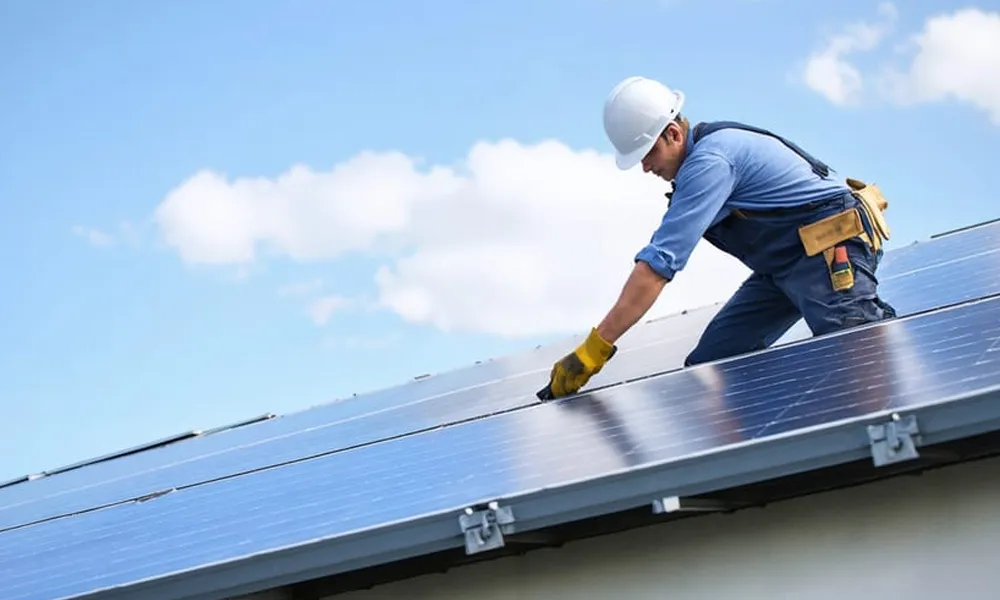
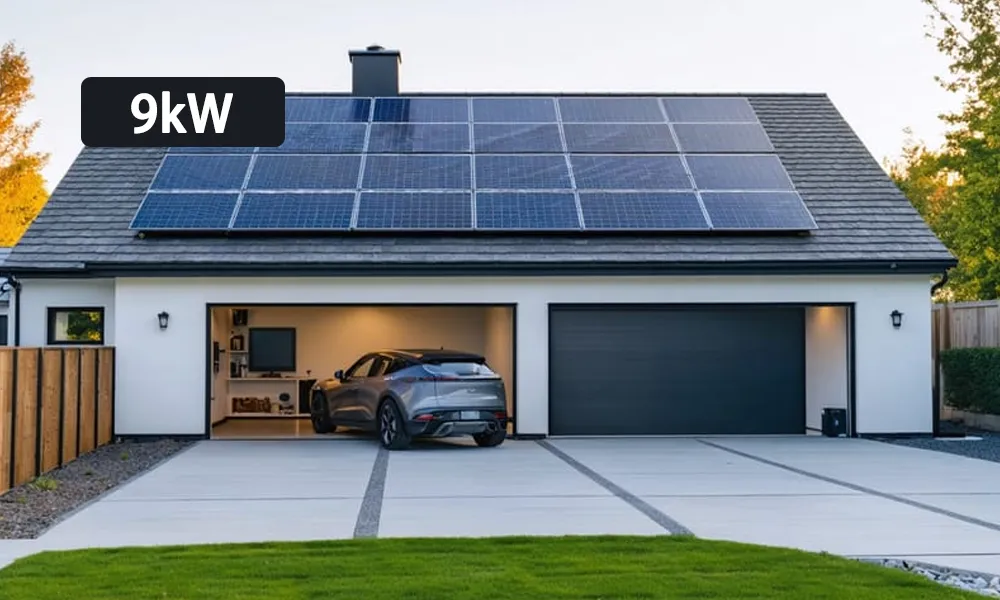
A 9 kW solar system sits in a sweet spot for many larger homes. This size can produce roughly 35.8 kWh/day, which equals about 13,066 kWh per year when conditions and seasons are averaged out. in many sunny places, and it usually needs about 23 panels at 400 W each (or about 30 panels at 300 W each).
In 2026, the cost of installing a 9 kW solar system varies significantly by country due to differences in labor costs, incentives, and market maturity.
In the United States, where the average installed solar price ranges from $2.50 to $3.50 per watt, a 9 kW solar system typically costs between $22,500 and $31,500 before incentives.
In Australia, solar installation costs remain notably lower than in the U.S. Thanks to a highly competitive market and strong solar adoption, the national benchmark price for a 9 kW solar system is approximately $8827-$9,750.
What Does a 9 kW Solar System Include?
Before reviewing costs in detail, it is important to understand what a standard 9 kW solar system includes. A complete system is more than just solar panels on a roof. Each component plays a direct role in system performance, safety, and lifespan.
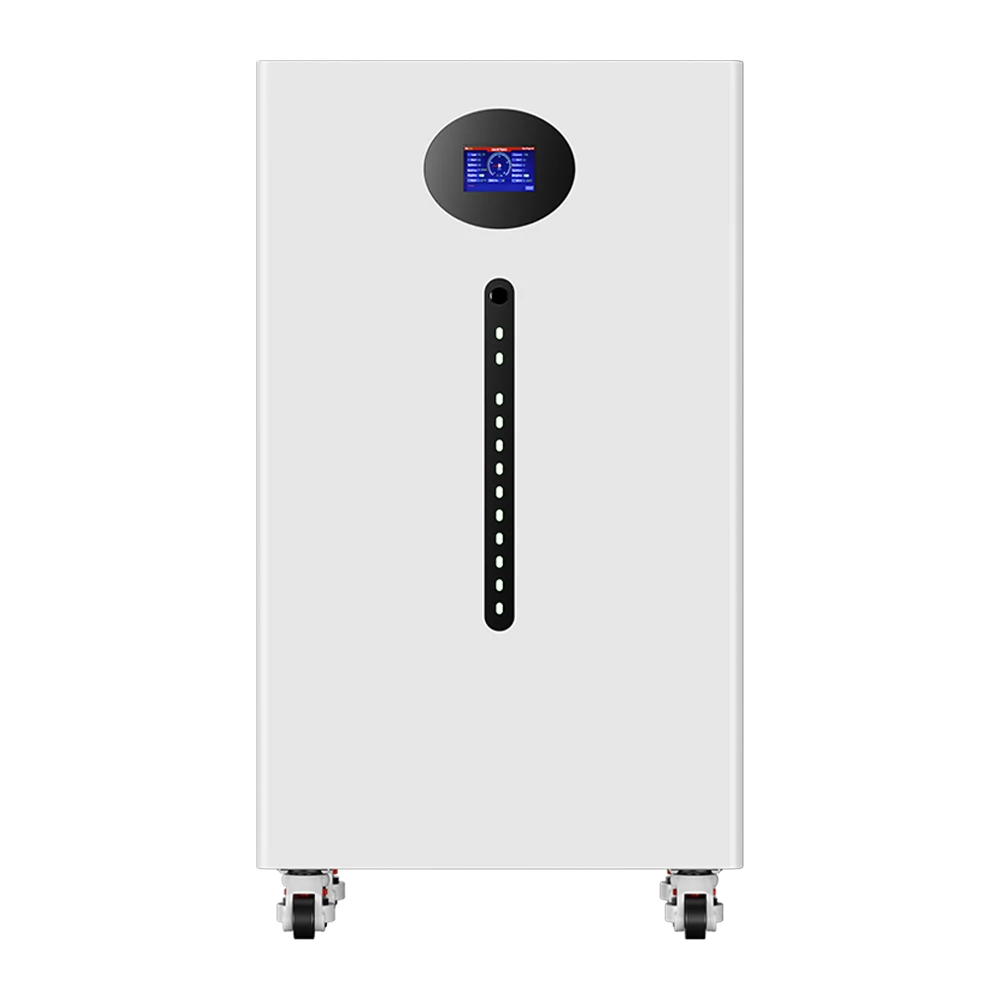
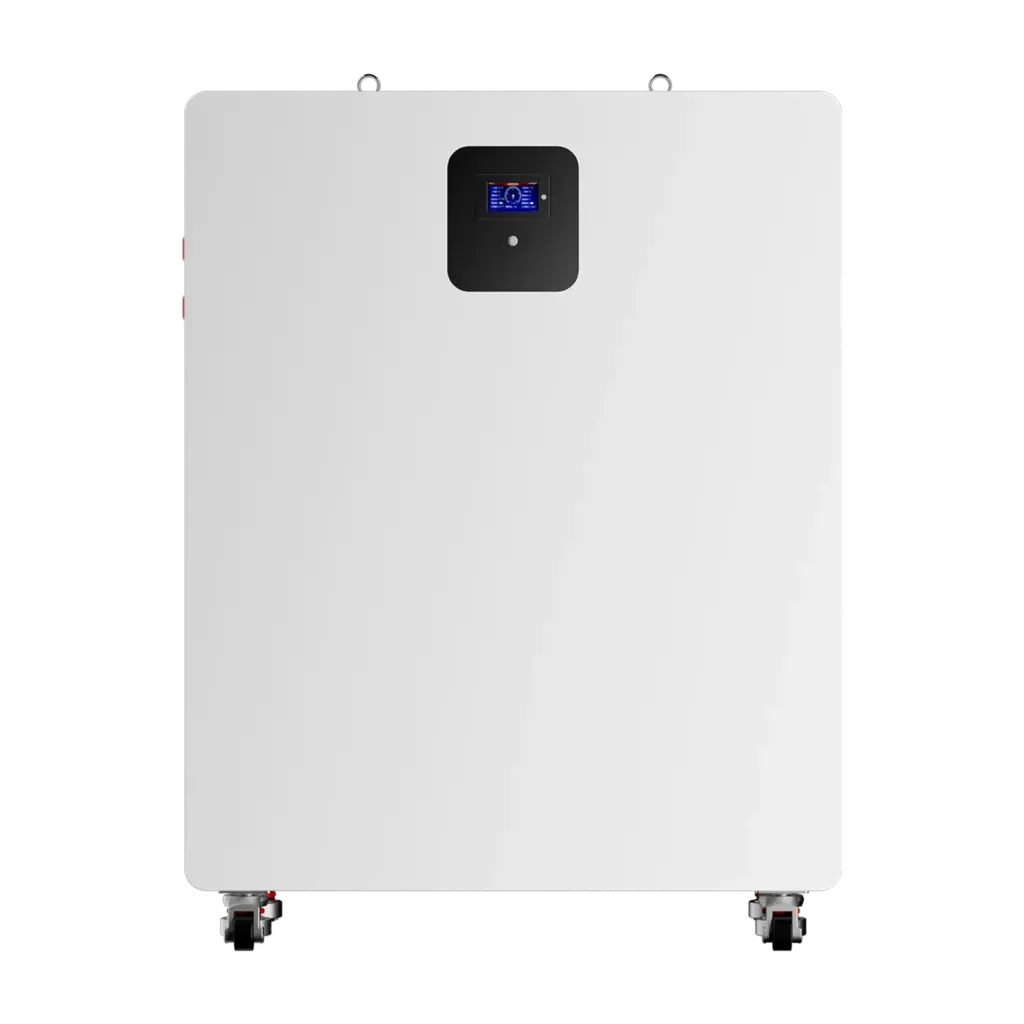
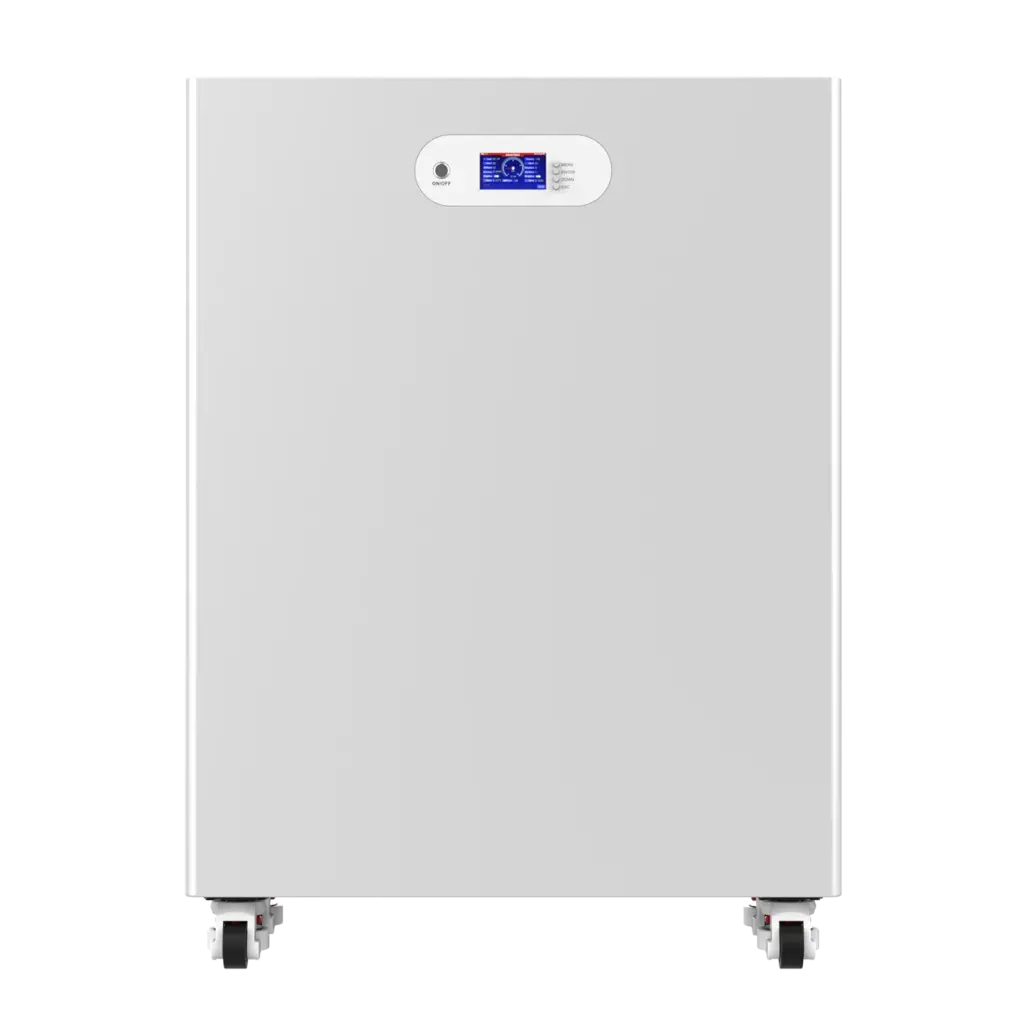
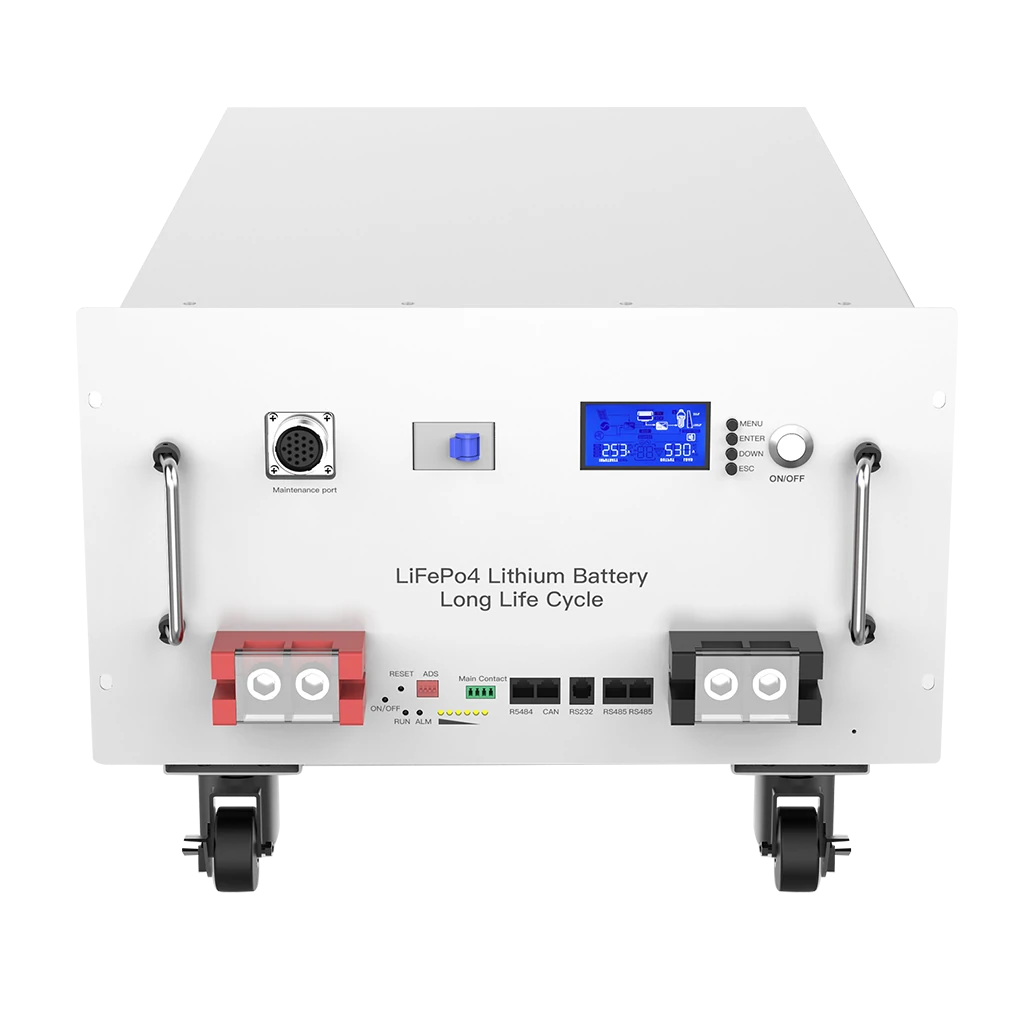
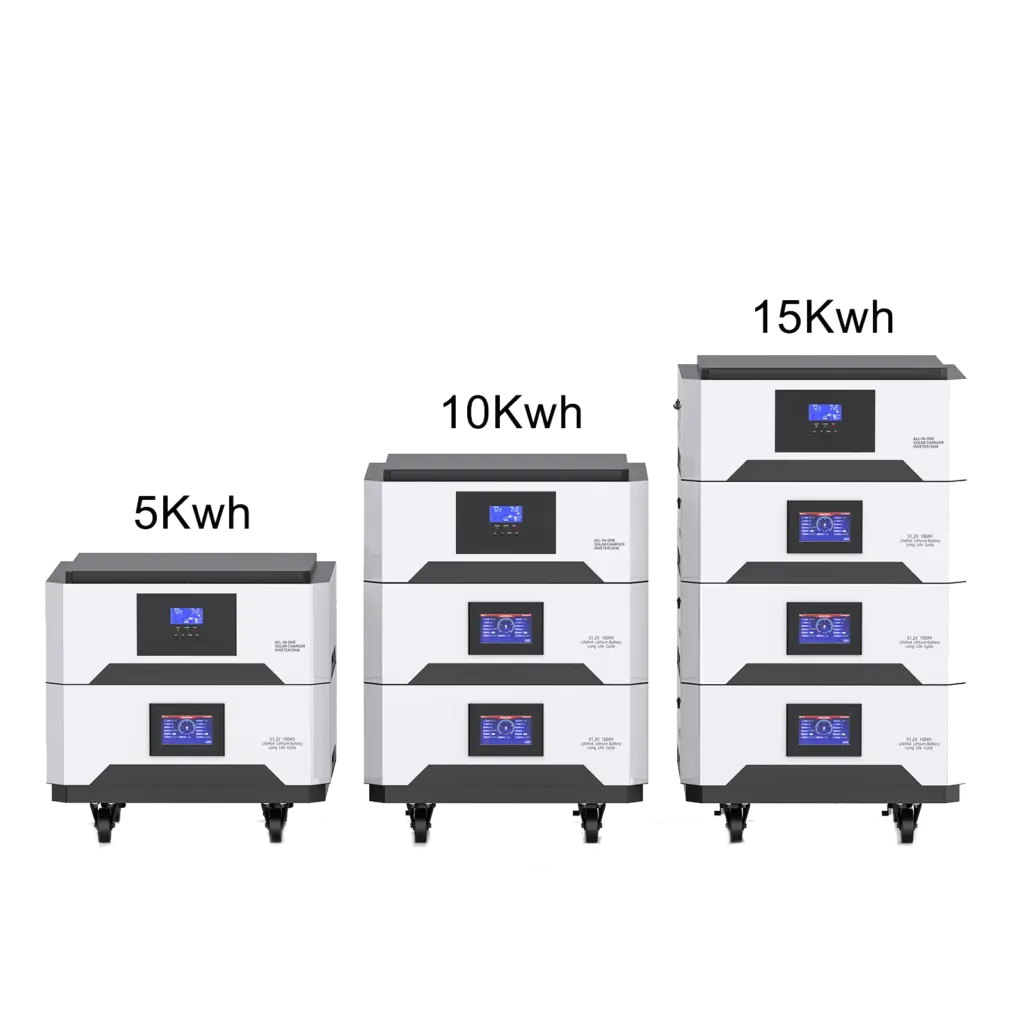
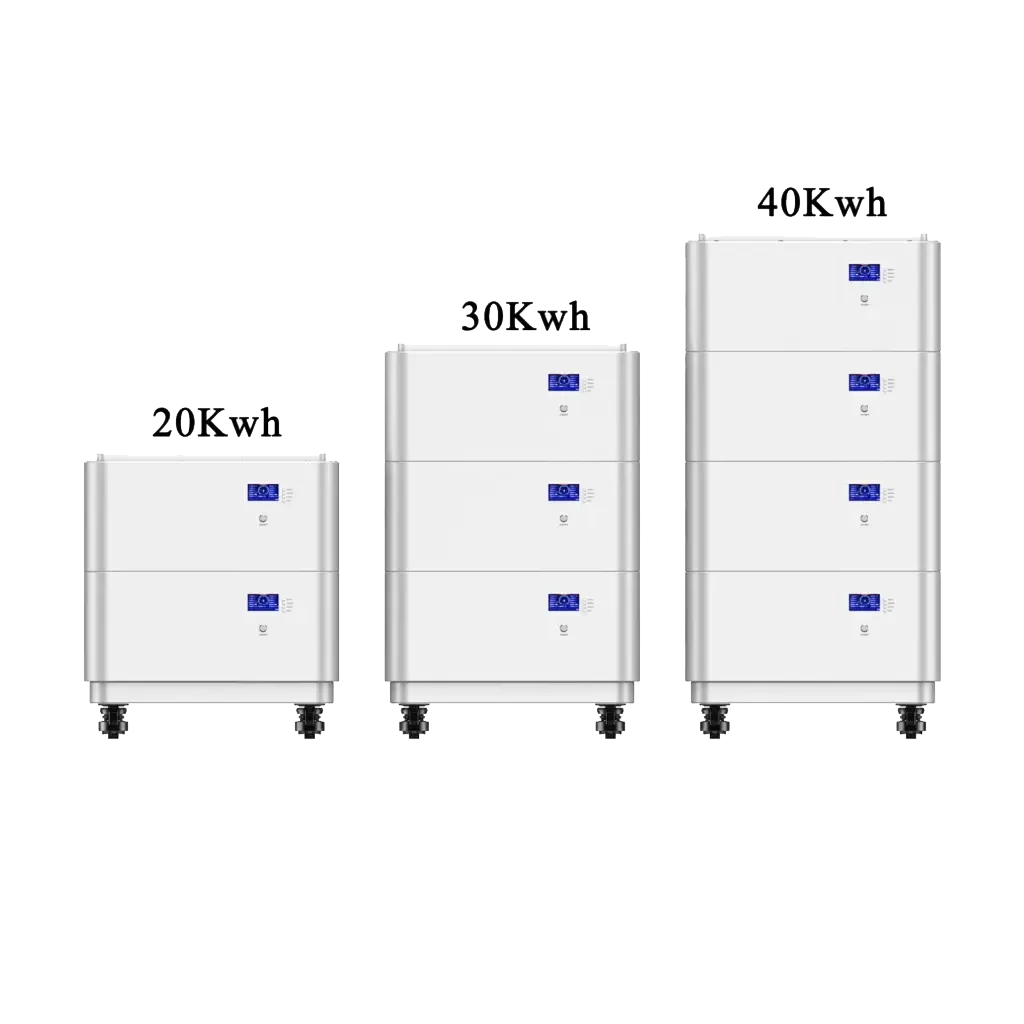
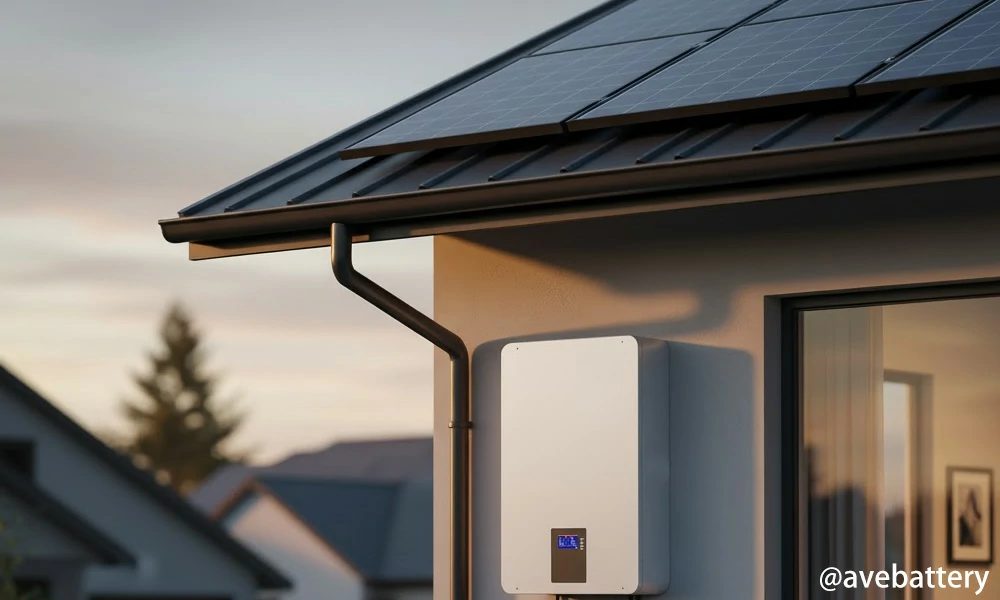
A typical 9 kW solar system includes solar panels, one or more inverters, a mounting structure, electrical wiring, safety protection devices, and monitoring software. When batteries are added, the system also includes battery modules, a battery inverter or hybrid inverter, and a battery management system. Each of these components affects both the upfront price and the long-term value of the system.
How Much Does a 9 kW Solar System Cost in the United States?
The total cost of a 9 kW solar system in the United States depends mainly on the price per watt, which usually ranges from $2.50 to $3.50 before incentives. Based on this range, the upfront cost of a 9 kW system typically falls between $22,500 and $31,500.
The following figures represent typical pre-incentive (before tax credits or rebates) installed prices for a 9 kW solar system in selected U.S. states. Actual out-of-pocket costs may be lower after federal, state, or local incentives are applied.
- Arizona: $23,634
- California: $26,442
- Florida: $25,389
- Maryland: $32,526
- New Jersey: $30,654
- Texas: $24,804
- Washington: $30,420
States such as Arizona, Texas, and Florida benefit from strong sunlight and competitive installer markets. States in the Northeast often have higher system costs due to labor and permitting complexity, but they also offer strong local incentives and high electricity prices.
Incentives and Tax Credits That Reduce System Cost
Solar incentives remain a key factor in affordability. Homeowners should understand which programs apply to their location before calculating total investment.
State and Local Incentives
Many states provide additional rebates or tax credits. California, New York, and Massachusetts offer some of the most generous supplemental programs. These incentives can further reduce upfront costs or accelerate payback.
Net Metering
Net metering policies allow homeowners to earn bill credits for excess electricity sent to the grid. While program structures vary by state, net metering can significantly improve system economics by lowering monthly utility bills.
Related resources: How Home Energy Storage Rebates Make Large-Scale Batteries Affordable
How Much Does a 9 kW Solar System Cost in Australia?
Australia continues to offer some of the lowest solar installation costs in the world. Strong competition, mature supply chains, and high electricity prices all support rapid solar adoption. The national average sits at approximately $8827-$9,750. These lower prices make solar systems in Australia particularly attractive, even without strong feed-in tariffs.
In 2026, the out-of-pocket cost for a 9 kW solar system in Australia, including GST and available incentives, typically falls within the following ranges:
- Perth: $9,646
- Canberra: $8,827
- Hobart: $12,545
- Sydney: $8,879
- Melbourne: $9,750
- Adelaide: $8,853
- Brisbane: $9,451
How Much Money Can a 9 kW Solar System Save in 2026?
A solar system saves money when it replaces grid kWh that would have been bought at retail price. A 9 kW system that makes about 13,066 kWh/year in your U.S. average reference can cover a big part of many homes’ annual use. A home that self-uses a high share of that energy will usually save more.
A home that offsets 900 kWh/month at $0.18/kWh avoids about $162/month in energy cost, before fixed charges and before export rules. A home that offsets 1,089 kWh/month (your U.S. average production reference) at the same rate avoids about $196/month in energy cost when the home can use or fairly credit that energy.
A battery can raise savings when export credits are low, because the battery can shift solar into evening use. Australia often shows this effect strongly because retail electricity can be much higher than feed-in rates, and many households now aim to use more solar directly rather than exporting it.
Adding Battery Storage to a 9 kW Solar System
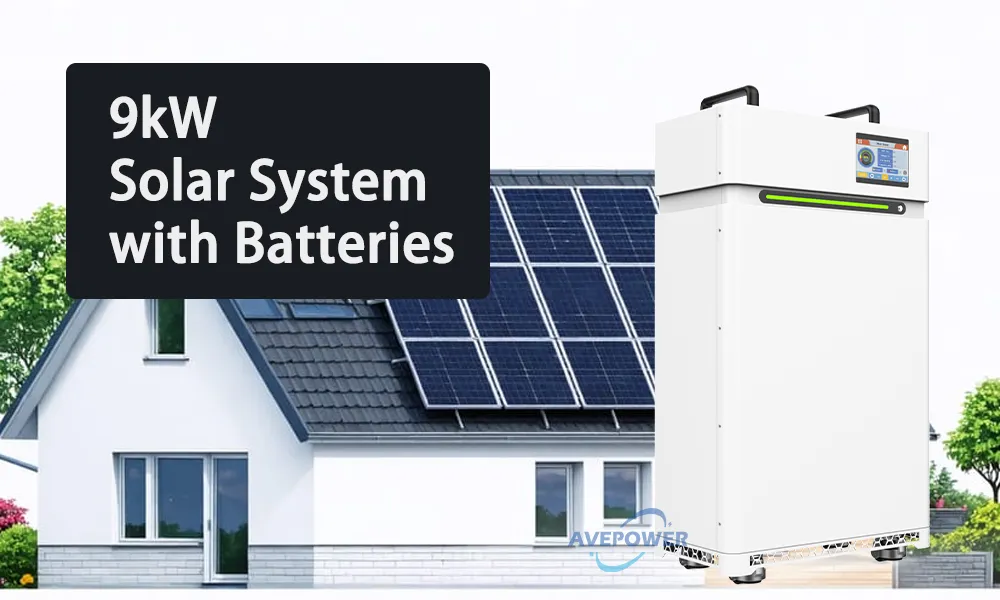
Adding home battery storage changes how a solar system operates and increases overall system value. Batteries allow homeowners to store excess solar energy and use it at night, during outages, or during peak utility pricing periods.
- Battery add-on: about $10,000 to $20,000+, depending on capacity, brand, and installation work.
- 9 kW solar + battery : often $32,000 to $50,000+ when you combine a $22,500–$31,500 solar budget with typical storage budgets.
A 10 kWh battery usually supports essential loads for several hours, while a 20 kWh battery can provide longer backup and higher self-consumption. Batteries improve energy independence, reduce reliance on the grid, and protect homes from power outages.
Utility programs, and installer promotions can still change the final price, even when a federal credit is not available.
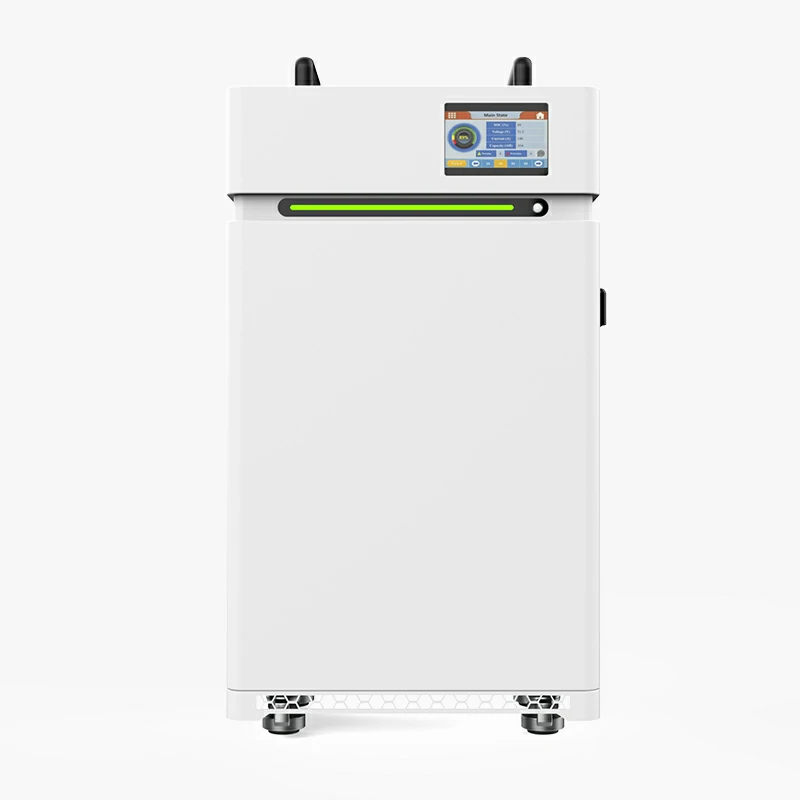
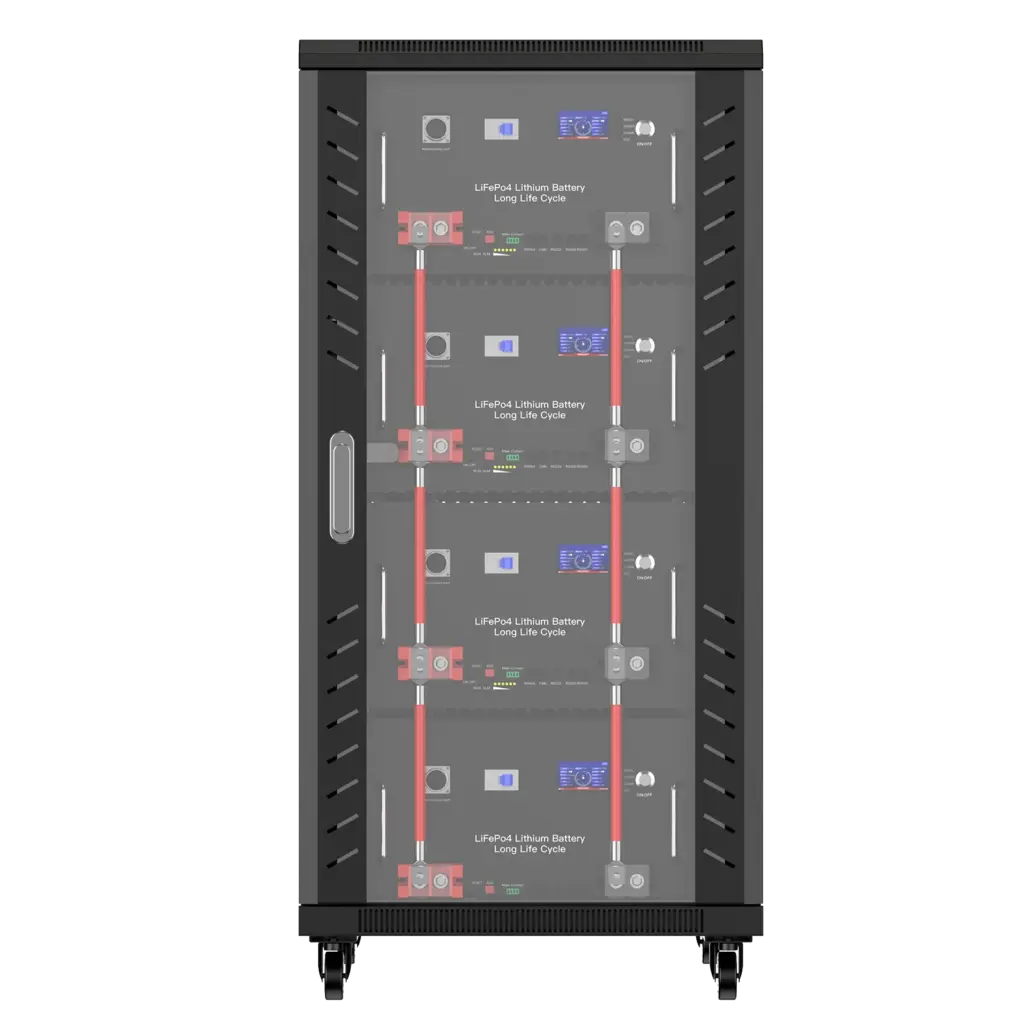
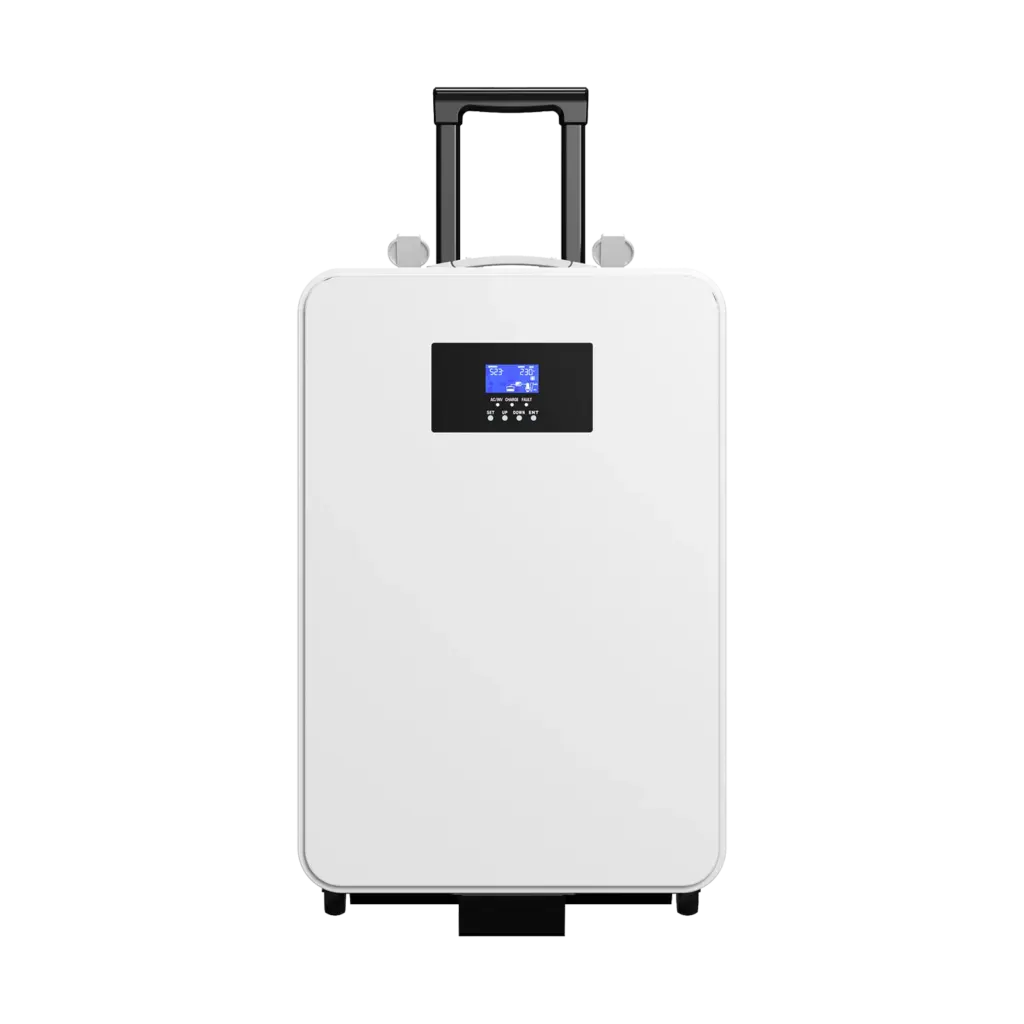
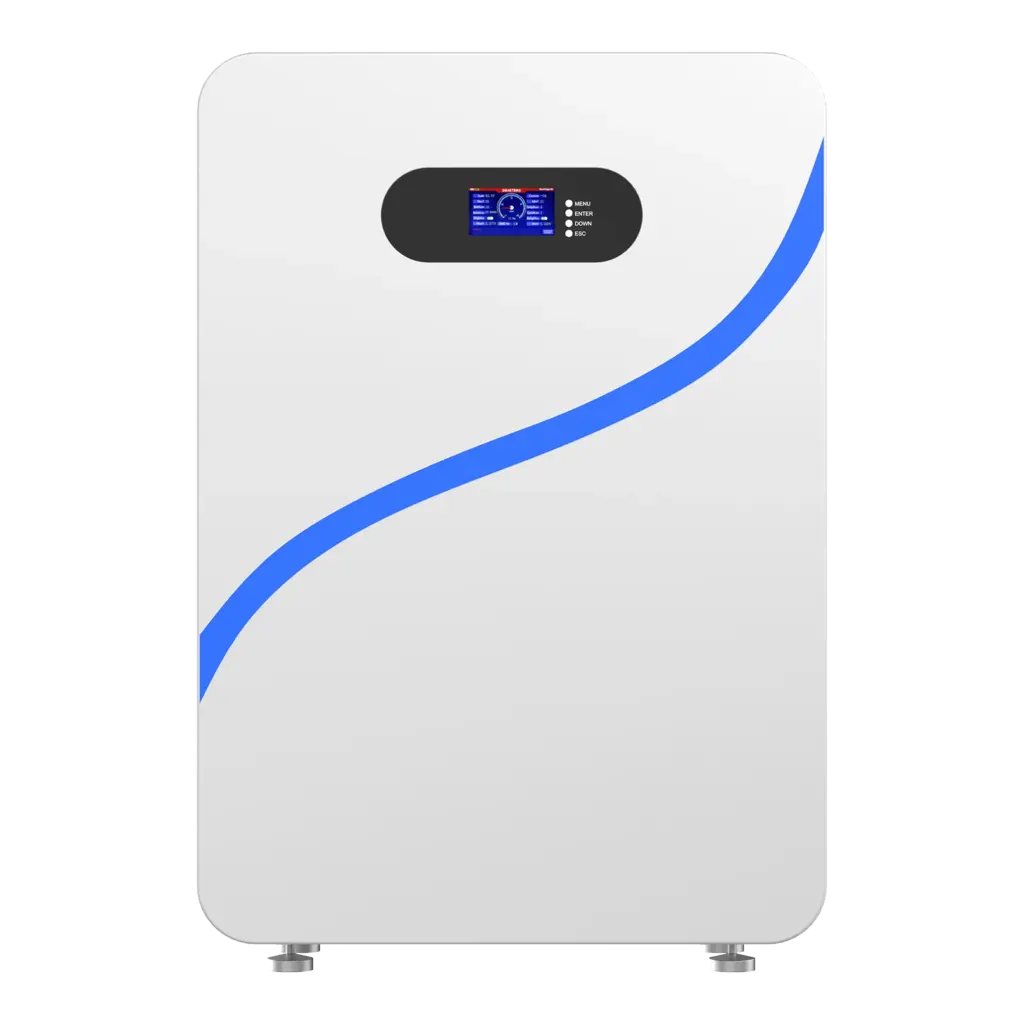
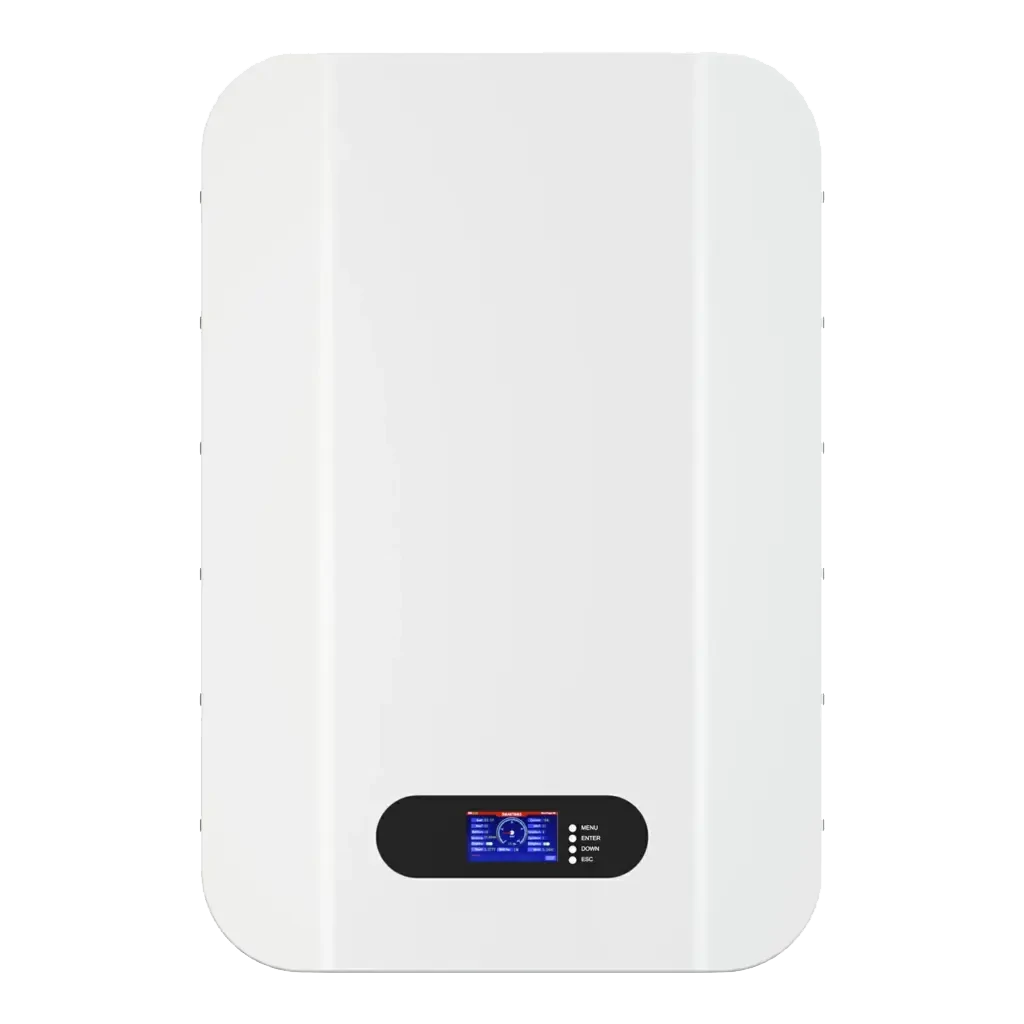
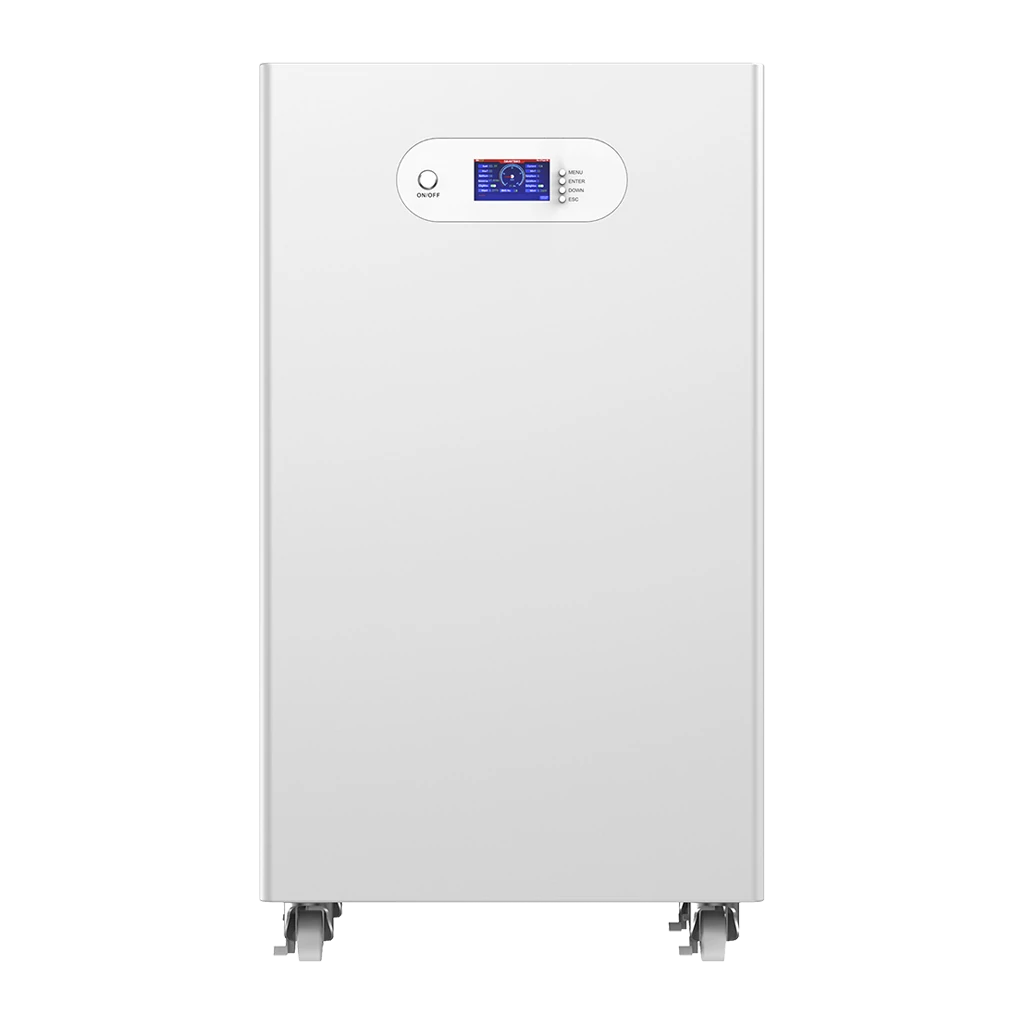
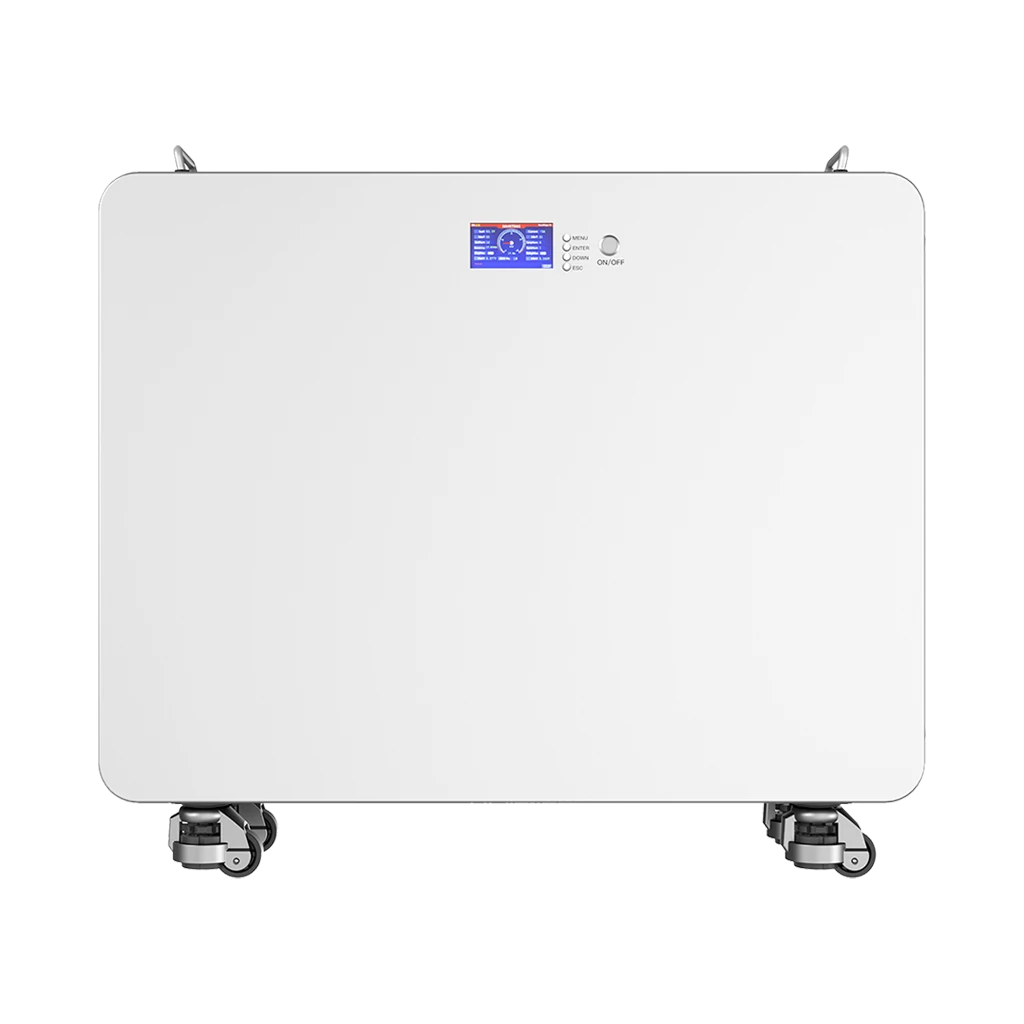
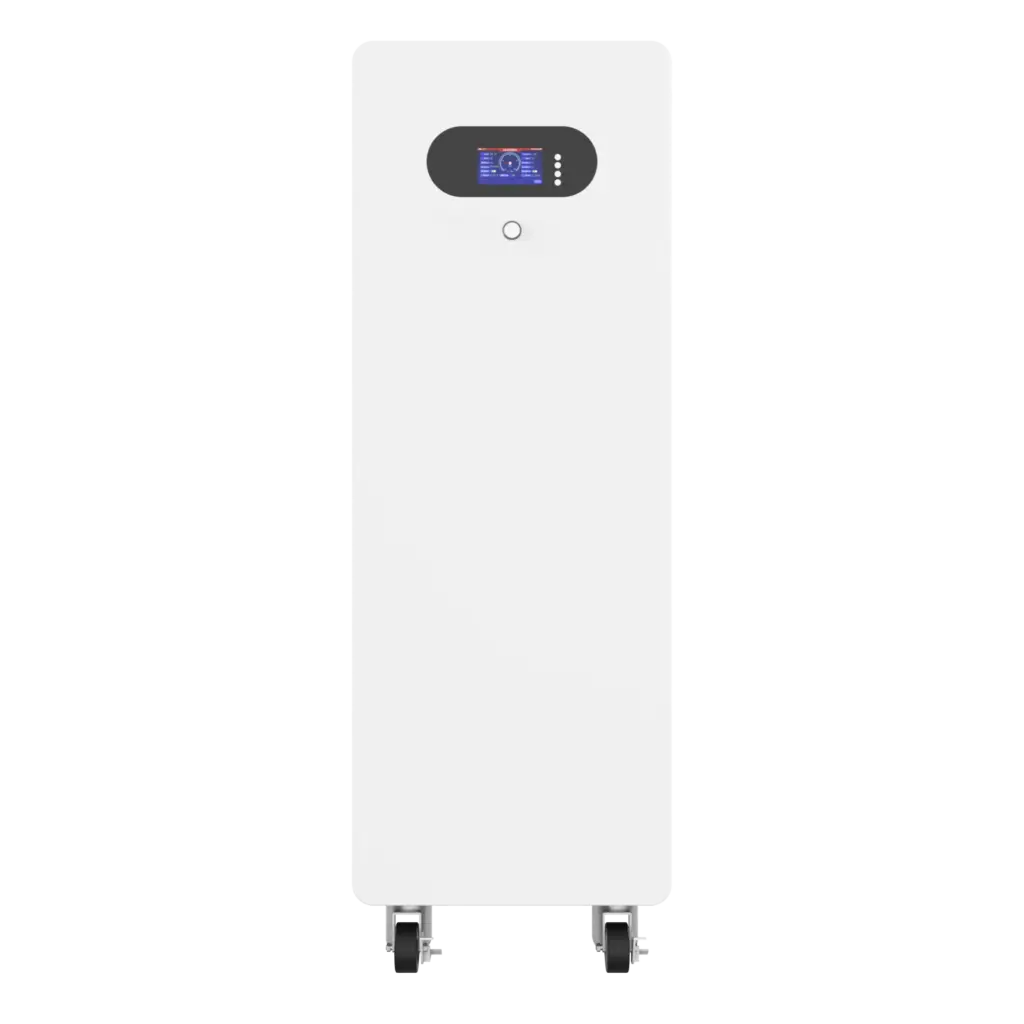
If you want a 9 kW system that is designed around your real loads, you should ask for a design that includes panel layout, inverter choice, and a clear battery plan for night use and backup. If you are sourcing equipment for a project, Avepower can provide a complete solar-plus-storage solution with LiFePO4 battery options, built-in BMS protection, and flexible capacity choices that scale with your needs.
Benefits of Battery Storage
Battery storage offers clear advantages:
- Backup power during outages
- Higher self-consumption of solar energy
- Reduced reliance on net metering
- Protection against rising electricity rates
Return on Investment and Payback Period
Payback periods vary by location, incentives, and electricity prices.
- Solar-only system: 5–10 years
- Solar + battery system: 8–14 years
Although batteries extend payback time, they deliver resilience, stability, and long-term control over energy costs.
How Much Energy Does a 9 kW Solar System Produce?
System output depends on sunlight availability, system orientation, and equipment quality. A 9 kW solar system installed under good conditions can generate enough electricity to meet most household needs.
Several factors influence real-world output, including geographic location, roof tilt and direction, shading, panel temperature, inverter efficiency, and overall system design. High-quality components and professional installation help reduce performance losses.
In the United States, average production data for a 9 kW system includes the following examples:
- Austin, TX: 13,298 kWh per year
- Boston, MA: 11,788 kWh per year
- Denver, CO: 14,381 kWh per year
- Las Vegas, NV: 15,832 kWh per year
- Los Angeles, CA: 15,162 kWh per year
- Phoenix, AZ: 15,882 kWh per year
- Seattle, WA: 9,844 kWh per year
In Australia, annual production estimates for a 9 kW system include:
- Adelaide: 12,647 kWh
- Brisbane: 13,140 kWh
- Canberra: 12,647 kWh
- Darwin: 14,454 kWh
- Hobart: 10,184 kWh
- Melbourne: 11,005 kWh
- Perth: 13,797 kWh
- Sydney: 11,826 kWh
How Many Solar Panels Does a 9 kW System Need?
The number of panels depends entirely on the wattage of each panel. Modern systems typically use higher-power modules to reduce roof space requirements.
Panel Count by Panel Wattage
- 300 W panels: 30 panels
- 350 W panels: 26 panels
- 400 W panels: 23 panels
Most new installations now favor 400 W panels, which balance size, efficiency, and price.
Roof Space Requirements and Layout Considerations
Roof space and layout directly affect system design and long-term performance.
A typical residential solar panel measures about 65 × 39 inches, covering approximately 17.6 square feet.
- 23 panels (400 W): ~405 sq ft
- 30 panels (300 W): ~528 sq ft
Installers must also consider spacing, walkways, and fire codes. South-facing roofs in the Northern Hemisphere provide the best results, while north-facing roofs work best in Australia.
Is a 9 kW Solar System with Battery Storage Right for You?
A 9 kW solar system is suitable for many households with moderate to high electricity consumption. It balances installation cost, roof space requirements, and energy production.
Adding battery storage is ideal if you want backup power, greater energy independence, or to maximize your solar usage. However, it comes with higher initial costs and should be evaluated based on your energy needs, budget, and local grid policies.
Ready to Take Control of Your Energy and Save on Electricity Bills?
A 9 kW solar system in 2026 offers a compelling opportunity to reduce energy bills, decrease carbon footprint, and increase property value. Incorporating battery storage enhances these benefits by providing power during outages and enabling better management of your energy usage. Evaluating your home’s specific energy needs, roof space, and local incentives will help you make the best decision.
Contact Avepower today for a customized solar system with smart battery storage tailored to your home. Our expert team will design, install, and support your clean energy solution to maximize savings and ensure reliable power—day and night.
Take Control of Your Energy with Avepower!
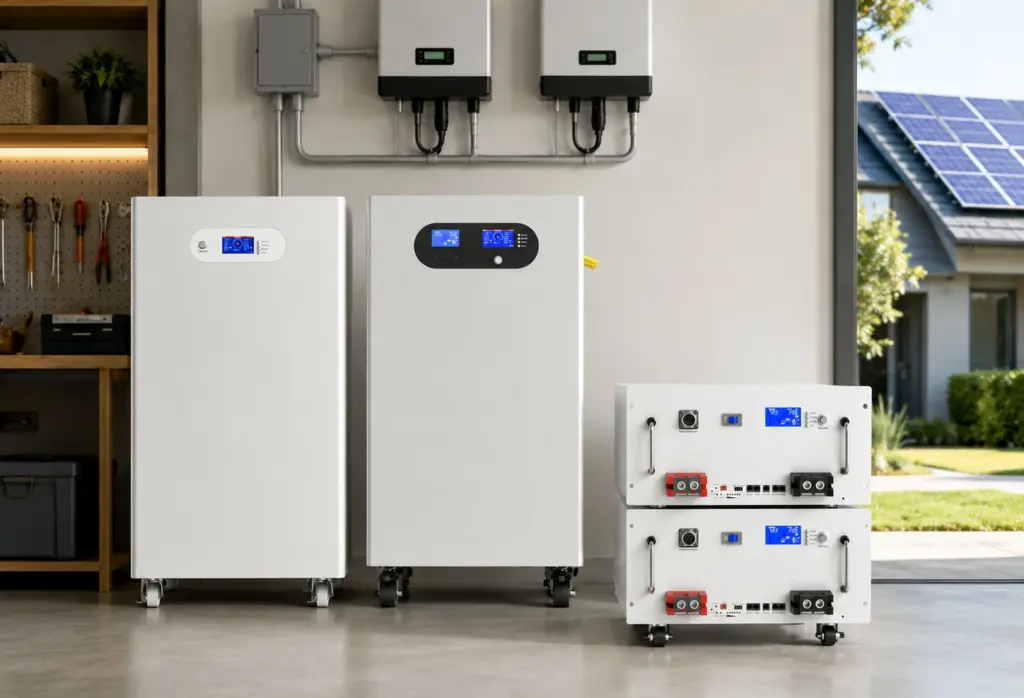
Reliable home solar battery solutions with OEM/ODM customization and in-house manufacturing, tailored to the needs of distributors, installers, and energy partners.
FAQ
A 9 kW system in the US often costs about $22,500 to $31,500 before any local incentives, and many 2026 buyers should not assume a 30% federal credit is available.
IRS guidance connected to the 2025 law changes ended the residential clean energy credit for expenditures made after December 31, 2025, so many 2026 installs will not qualify.
A homeowner often pairs 9 kW solar with ~10–20 kWh of storage, and the right size depends on night usage and backup goals more than it depends on panel size alone.
A 9 kW system often produces around 13,066 kWh per year on average in the U.S., and city estimates range widely (for example, Seattle is much lower than Phoenix).