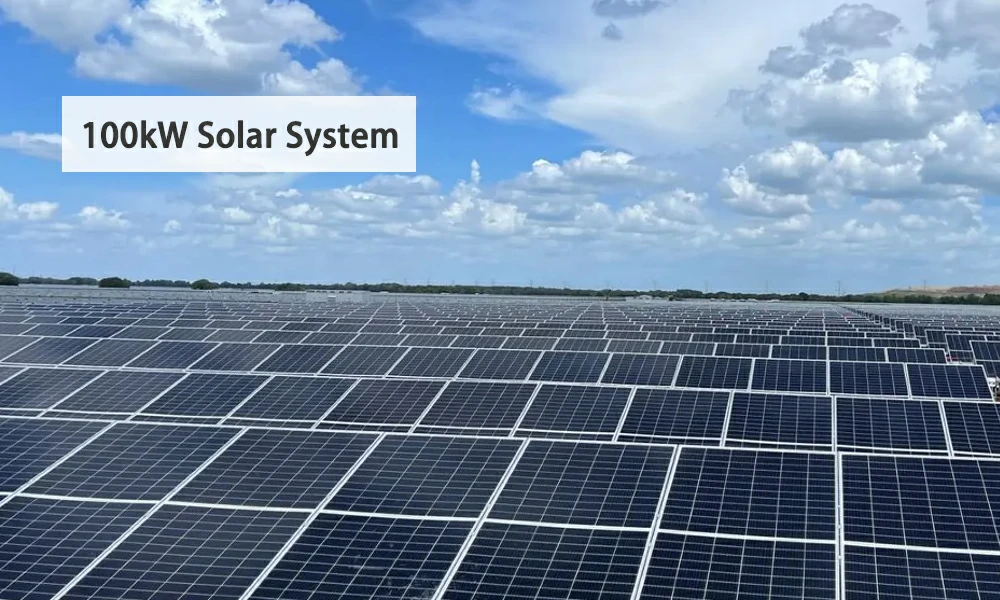

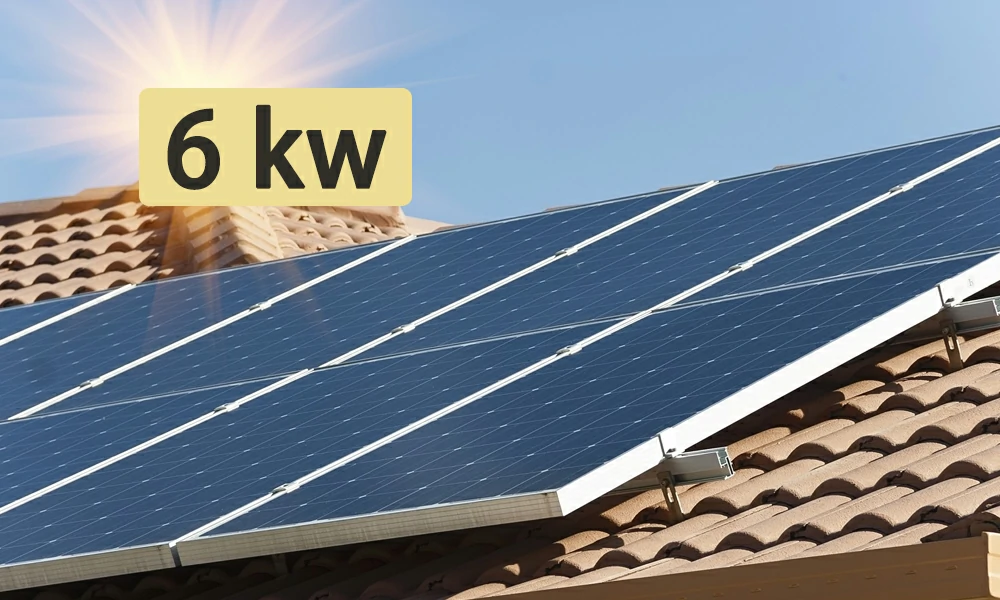
A 6 kW solar system can generate up to 6 kilowatts of power under Standard Test Conditions (STC). For many households, a 6 kW system provides enough capacity to significantly reduce electricity bills while still fitting comfortably within the roof space of a typical home, making it one of the most popular residential system sizes.
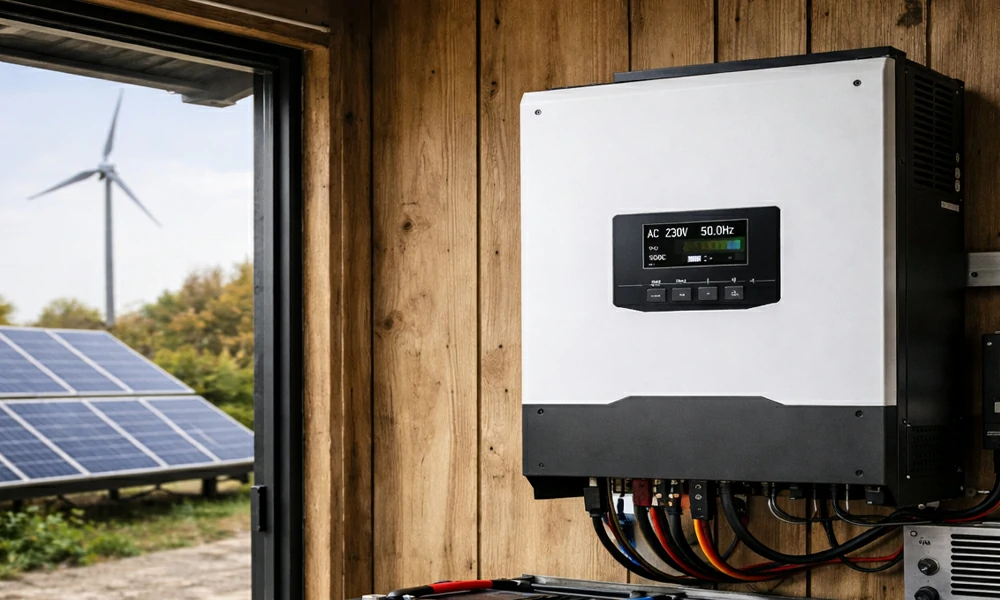
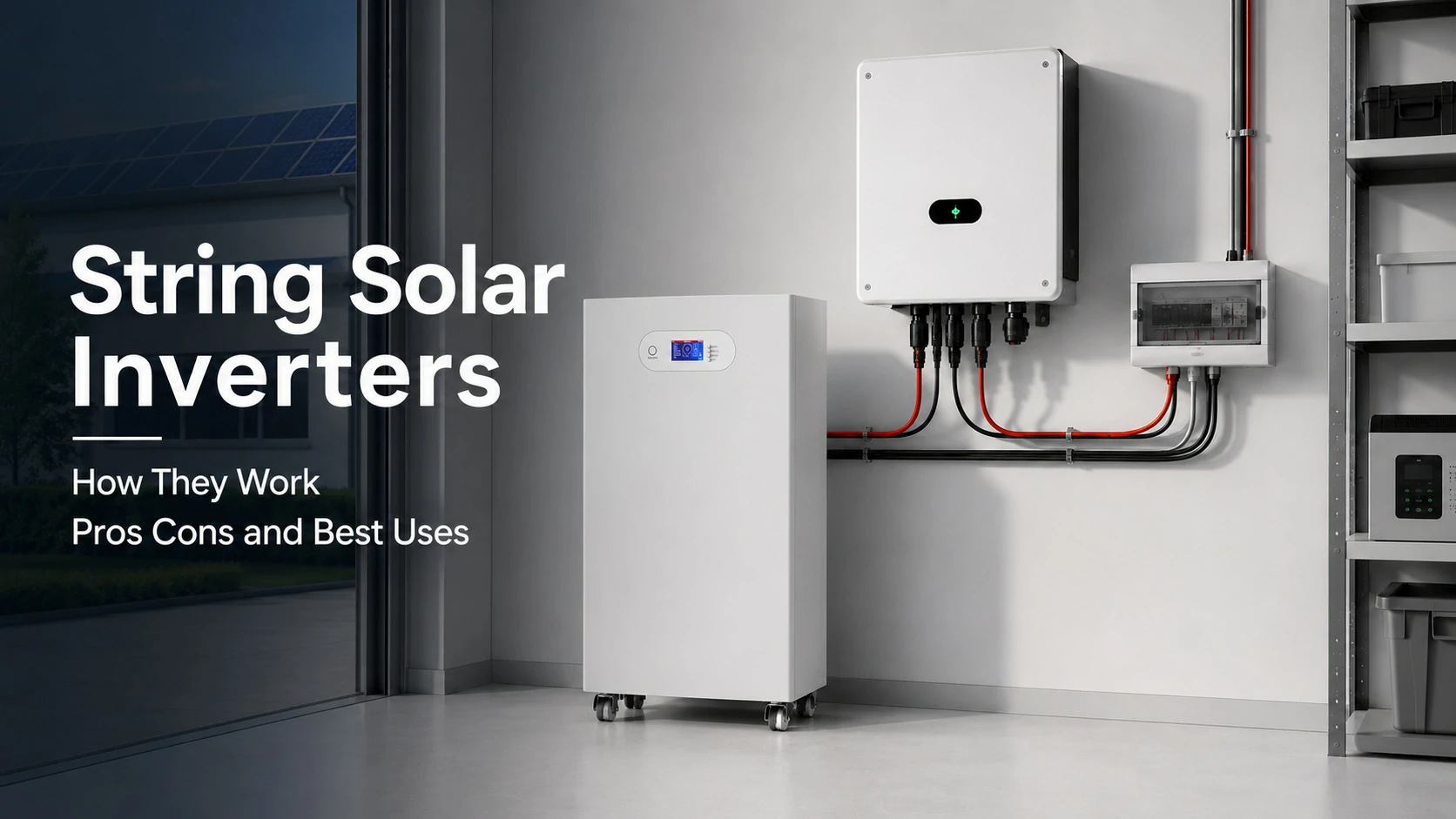
A standard grid-tied 6 kW solar system includes solar panels, mounting hardware, wiring, an inverter, safety isolators, monitoring equipment, as well as system design and professional installation. A hybrid solar system builds on this setup by adding a battery-ready inverter and additional wiring to support energy storage. An off-grid solar system requires a larger battery bank and is often paired with a backup battery or alternative power source to ensure reliable electricity supply when solar production is low.
This guide explains the cost of a 6 kW solar system, how much energy it can produce, the expected payback period, and the key factors that determine whether a 6 kW system is the right choice for your home.
How Much Does a 6 kW Solar System Cost?
The price of a 6 kW solar system can vary widely depending on the country, region, subsidy policies, and choice of equipment.
United States
In the U.S., the average pre-incentive cost of a 6 kW solar system is around $15,120-$17,700. With the 30% federal tax credit, the effective cost drops to approximately $11,189-$13,098.
Local pricing varies based on roof type, labor rates, permitting requirements, and the equipment selected. Homeowners who choose premium solar panels, high-efficiency inverters, or have complex roof designs often pay more than the national average.
U.S. Federal Clean Energy Credit
A law that took effect on July 4, 2025—commonly referred to by the IRS as OBBB—accelerates the phase-out of the Residential Clean Energy Credit (Section 25D). Under this legislation, expenses incurred after December 31, 2025 will no longer qualify for the federal tax credit. If installation is completed after this date, homeowners will not be able to claim the incentive using 2025 payments.
Average 6 kW Solar System Costs by State
| State | Average Cost (Before Credit) | After 30% Tax Credit |
|---|---|---|
| Texas | $16,140 | $11,944 |
| New York | $17,700 | $13,098 |
| Florida | $15,180 | $11,233 |
| California | $16,380 | $12,121 |
| Georgia | $15,300 | $11,322 |
| New Jersey | $16,620 | $12,299 |
| Nevada | $15,120 | $11,189 |
| Massachusetts | $17,640 | $13,054 |
| Arizona | $15,660 | $11,588 |
| North Carolina | $15,240 | $11,278 |
In many states, additional incentives from state governments or utility providers may further reduce the final cost.
Australia
In Australia, where solar adoption is among the highest in the world, a 6 kW solar system typically costs between $4,650 and $9,320 after government incentives. Prices vary slightly by state, largely due to labor costs and local rebates under the Small-scale Technology Certificate (STC) scheme.
Average 6 kW Solar System Costs by Capital City
| City / State | Average Price |
|---|---|
| Melbourne, VIC | $5,670 |
| Darwin, NT | $9,320 |
| Perth, WA | $4,650 |
| Sydney, NSW | $5,200 |
| Hobart, TAS | $6,910 |
| Brisbane, QLD | $5,300 |
| Adelaide, SA | $5,000 |
| Canberra, ACT | $5,100 |
A 6.0 kW solar system is usually slightly cheaper than a 6.6 kW solar system, but the primary cost drivers remain equipment quality, system design, and installer margins, rather than system size alone.
Why STCs Reduce Upfront Costs
Solar system owners can create Small-scale Technology Certificates (STCs) or assign the right to create them to a registered agent. When this right is transferred, installers typically apply the value of the STCs as an upfront discount, significantly reducing the initial purchase price of the system.
What Factors Affect the Total Cost of a 6 kW Solar System?
The price of a 6 kW solar system typically covers the entire project scope, including system design, compliance, installation, and after-sales support. Several key factors usually have the greatest impact on the overall cost:
1. Equipment Quality and Brand Selection
Homeowners often pay more for higher-efficiency solar panels, better thermal performance, longer warranties, and premium inverter brands. It’s also important to consider long-term after-sales support—only reputable brands and certified installers can truly honor warranty commitments, ensuring peace of mind throughout the system’s lifetime.
2. Roof Complexity and Installation Site Conditions
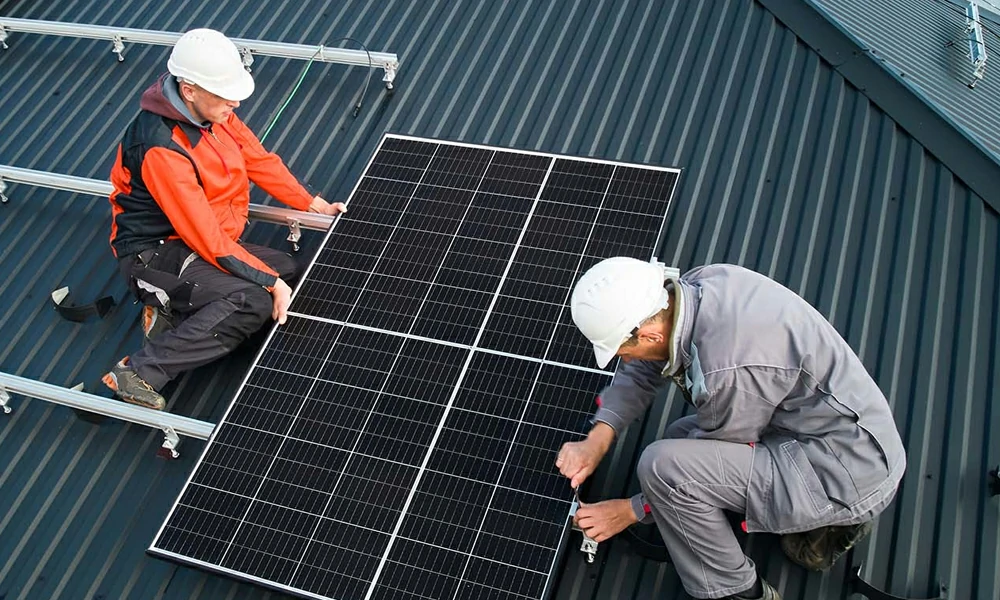
Simple, easily accessible roofs with straightforward structures generally cost less to install. Conversely, steeply pitched roofs, multi-faceted rooftops, fragile tile surfaces, or hard-to-access locations increase labor difficulty and project costs. Ground-mounted solar installations typically add further expenses due to the need for additional framing, foundations, and trenching.
3. Permitting, Inspections, and Grid Connection
Most solar projects require various administrative approvals such as permits, safety inspections, and utility company authorization. Regions with more extensive paperwork or stringent regulatory requirements usually incur higher overall costs.
4. Local Labor Costs
Labor market conditions in your area affect installation quotes, as solar setup requires skilled electricians and trained construction teams. Prioritizing quality workmanship is essential since poor installation can cause safety risks and reduce system efficiency.
5. Incentives and Rebates
Government incentives and utility rebates can significantly reduce your net system cost, but these programs often change over time. Before applying, verify eligibility criteria and the timing of subsidy availability to maximize your savings.
How Much Electricity Can a 6 kW Solar System Generate?
The actual electricity output of a 6 kW solar system is not fixed. It varies based on factors such as where the system is installed, local sunlight conditions, system design, and the quality of the solar panels used. As a result, two systems of the same size can produce noticeably different amounts of energy in different regions.
In general, a 6 kW solar system produces around 18 to 30 kWh of electricity per day, which adds up to approximately 6,562 to 10,950 kWh per year. Homes located in sunnier climates will naturally see higher energy output, while systems in cloudier or northern regions will generate less.
6 kW Solar System Output by Location in the United States
| City | Avg. Daily Production (kWh) | Avg. Annual Production (kWh) |
|---|---|---|
| Miami, FL | 25.5 | 9,314 |
| Boston, MA | 21.5 | 7,858 |
| Phoenix, AZ | 29.0 | 10,587 |
| Seattle, WA | 18.0 | 6,562 |
| Austin, TX | 24.3 | 8,867 |
| Cleveland, OH | 20.9 | 7,633 |
| Philadelphia, PA | 22.3 | 8,147 |
| Denver, CO | 26.3 | 9,588 |
| New York City, NY | 21.2 | 7,742 |
| Hartford, CT | 20.7 | 7,568 |
| Los Angeles, CA | 27.7 | 10,108 |
| Las Vegas, NV | 28.9 | 10,556 |
6 kW Solar Energy Production in Australia
| Capital City | Avg. Daily Production (kWh) | Avg. Annual Production (kWh) |
|---|---|---|
| Darwin | 28–30 | 10,220–10,950 |
| Brisbane | 25–27 | 9,125–9,855 |
| Adelaide | 24–26 | 8,760–9,490 |
| Hobart | 19–22 | 6,935–8,030 |
| Perth | 26–28 | 9,490–10,220 |
| Canberra | 24–27 | 8,760–9,855 |
| Melbourne | 21–24 | 7,665–8,760 |
| Sydney | 22–25 | 8,030–9,125 |
In many parts of Australia, a well-installed 6 kW system can comfortably generate over 10,000 kWh per year, making it highly effective for household energy savings.
How Many Solar Panels Does a 6 kW System Require?
The number of solar panels needed for a 6 kW solar system depends on the wattage rating of each individual panel. For example:
- Using 250 W panels requires approximately 24 panels.
- Using 350 W panels requires about 17 panels.
Most modern residential solar systems use panels rated between 250 W and 350 W, so a typical 6 kW system will generally need between 17 and 24 solar panels.
How Much Roof Space Does a 6 kW Solar System Need?
A typical modern solar panel measures roughly 1.8 meters by 1.1 meters (about 6 feet by 3.6 feet). For a 6 kW system with 17 to 24 panels, you can expect to need around 30 square meters (approximately 320 square feet) of suitable roof area. For comparison, a slightly larger 6.6 kW system usually requires about 32 square meters.
Your roof doesn’t have to be a perfect rectangle, but it should offer a relatively open space with minimal shading. Additionally, the roof must allow for safe setbacks, walkways (required in some regions), and installation clearances to ensure safety and maintenance access.
What Battery Capacity Is Suitable for a 6 kW Solar System?
Battery capacity should align with your energy goals, not just the size of your solar panel system. Homeowners typically invest in battery storage for one or more of the following reasons:
- To maximize solar energy use during nighttime hours.
- To ensure backup power during outages.
- To reduce grid electricity consumption during peak time-of-use (TOU) pricing periods.
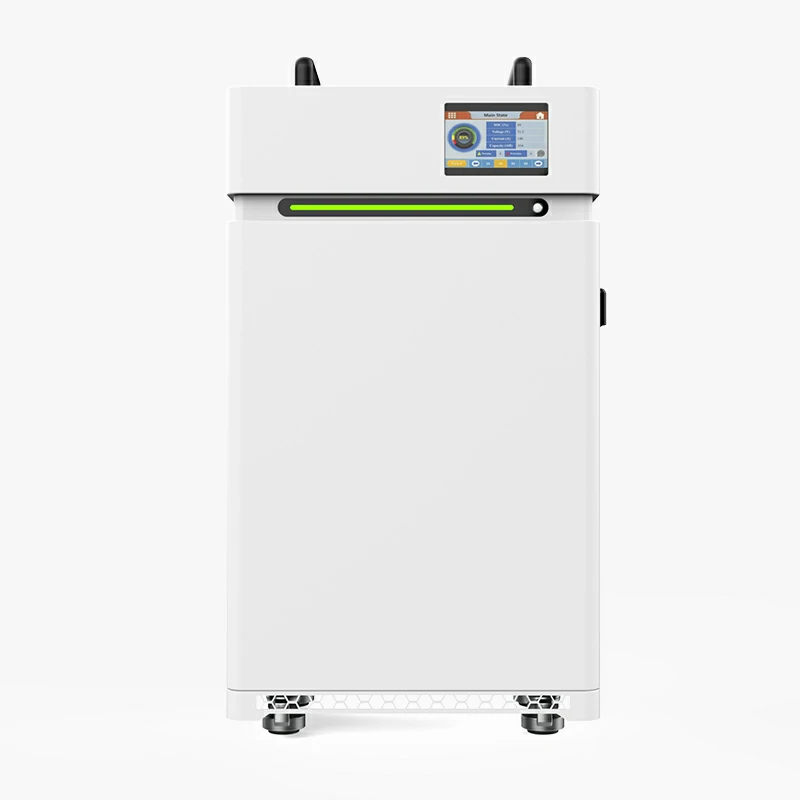
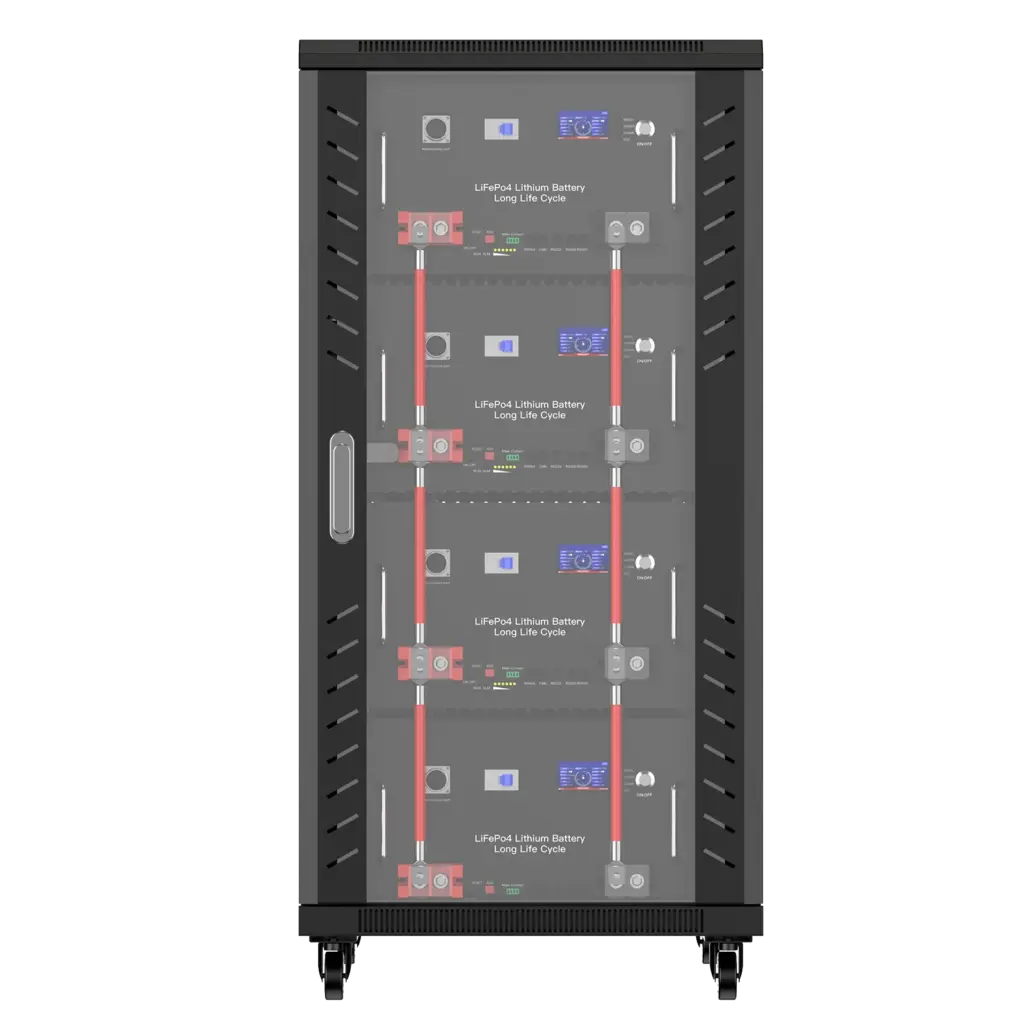
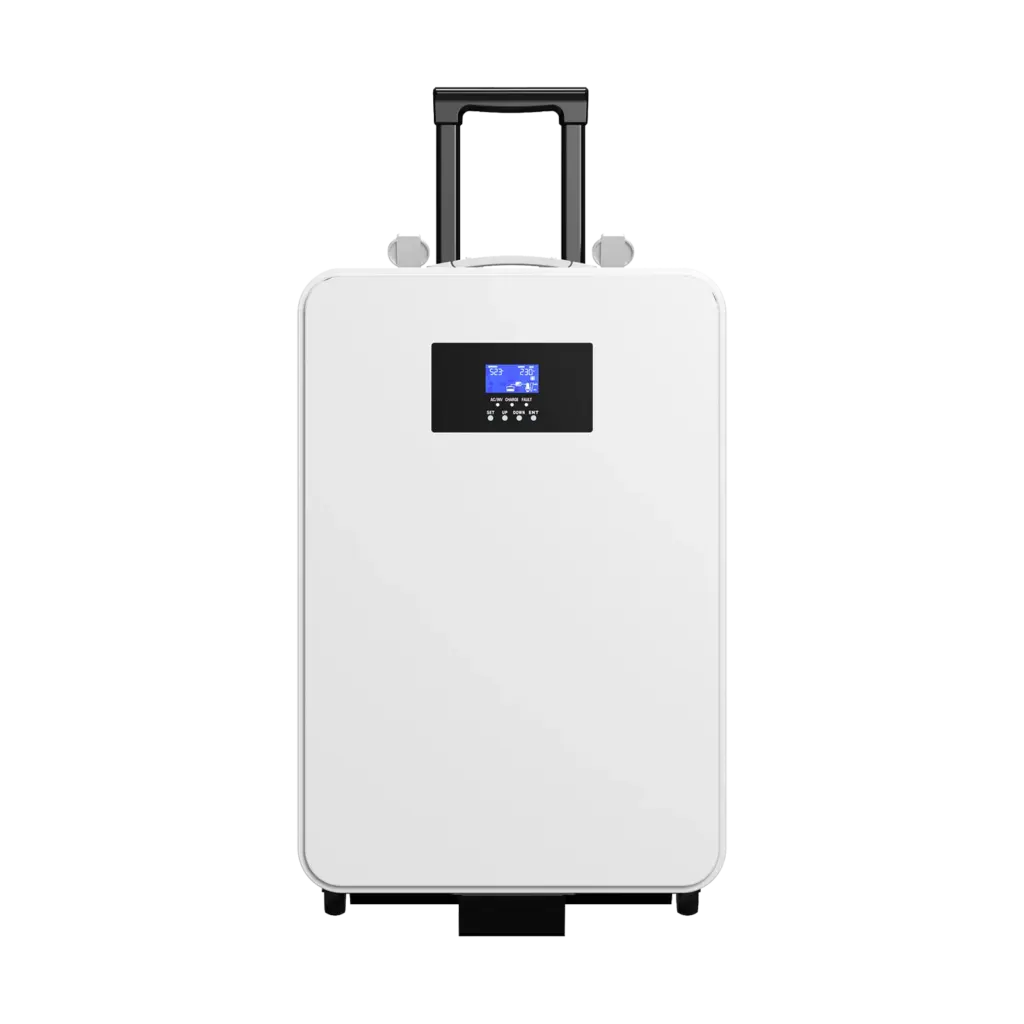
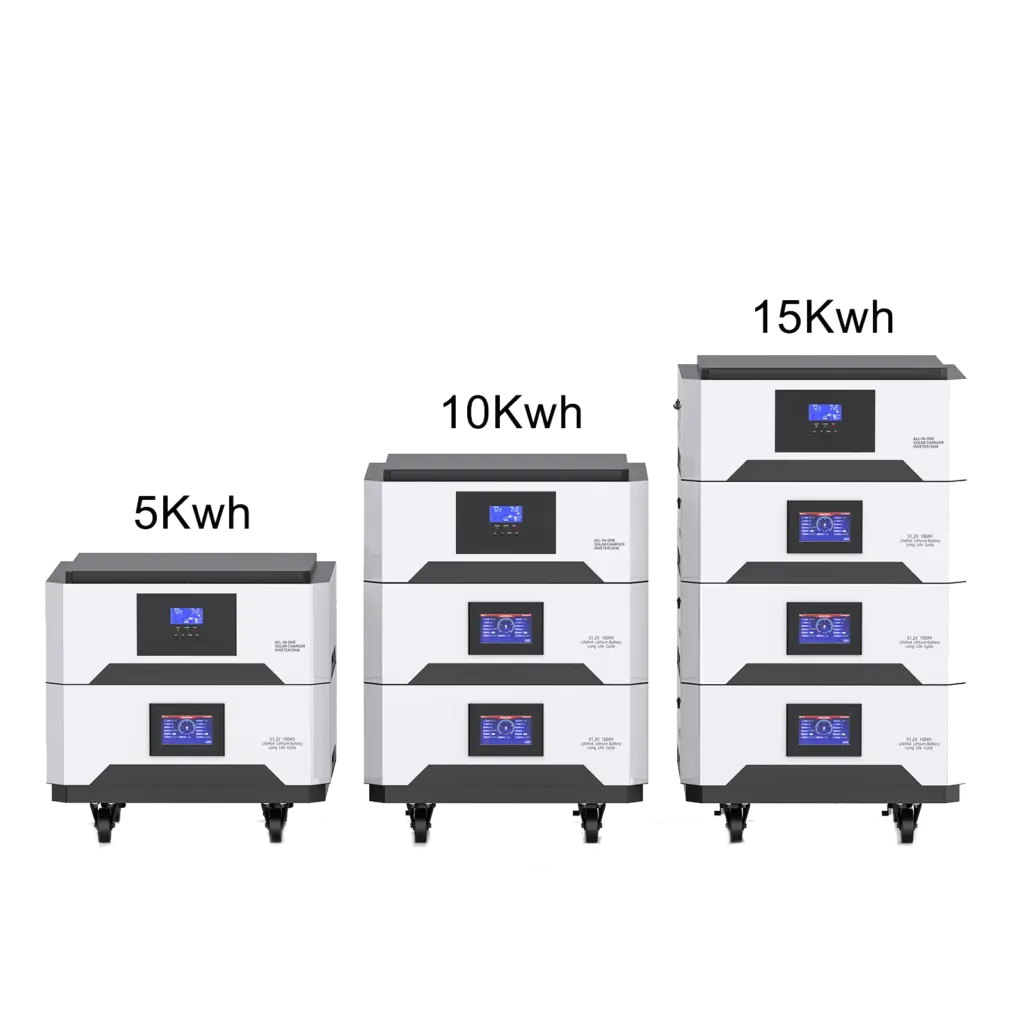
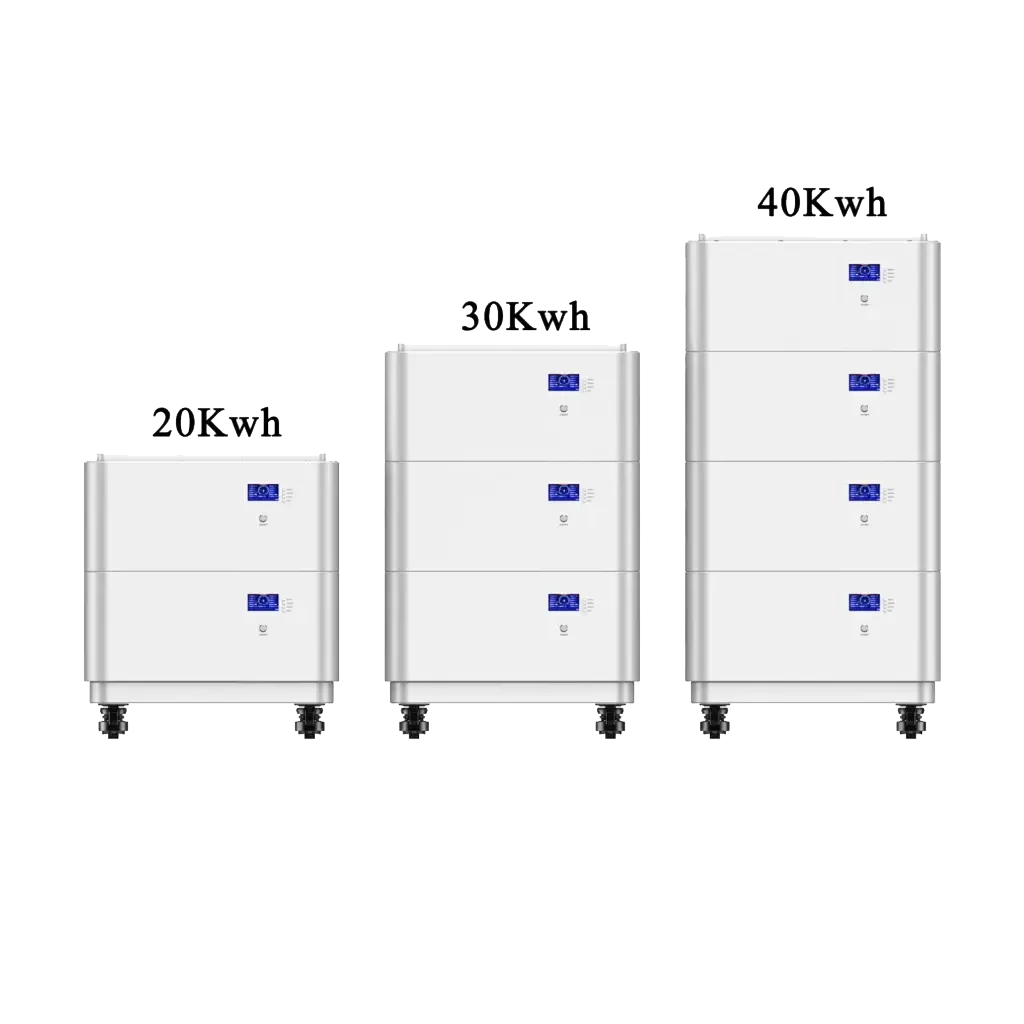
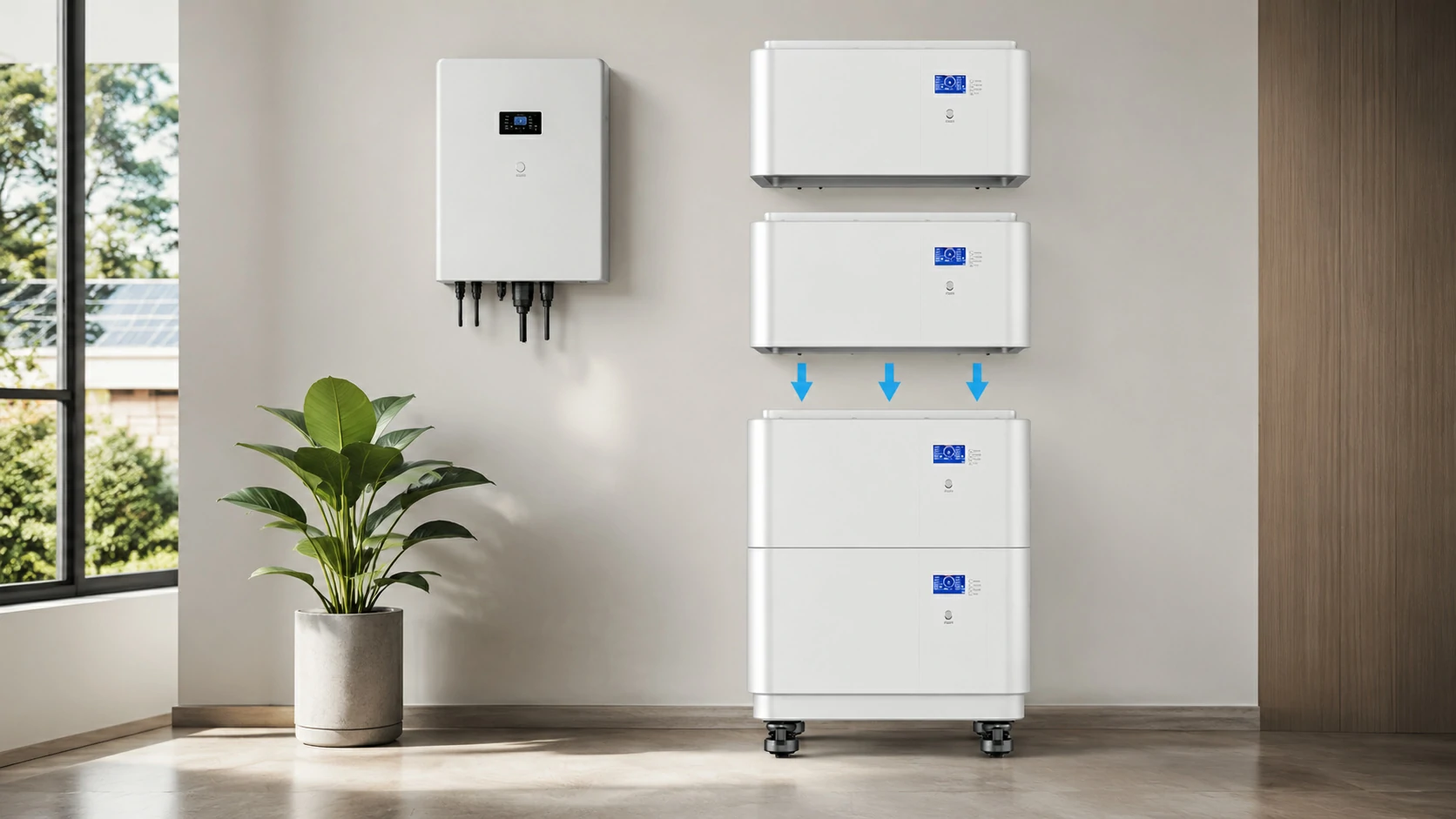
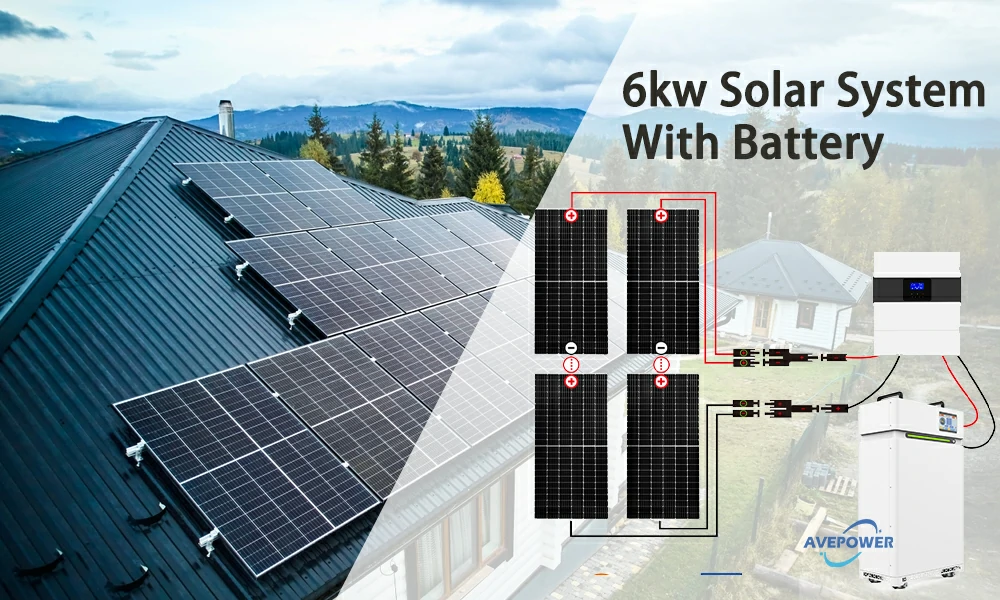
For many households with low to moderate daily electricity usage, a battery capacity of 10 kWh battery to 13.5 kWh battery pairs well with a 6 kW solar system. This size allows you to store a significant portion of excess solar energy generated during midday and use it in the evening.
If you want whole-home backup power for extended outages, you will generally need a battery capacity larger than 10 kWh–13.5 kWh. In these cases, it’s best to consult your installer, who can help determine the appropriate battery size based on your critical loads and desired backup duration.
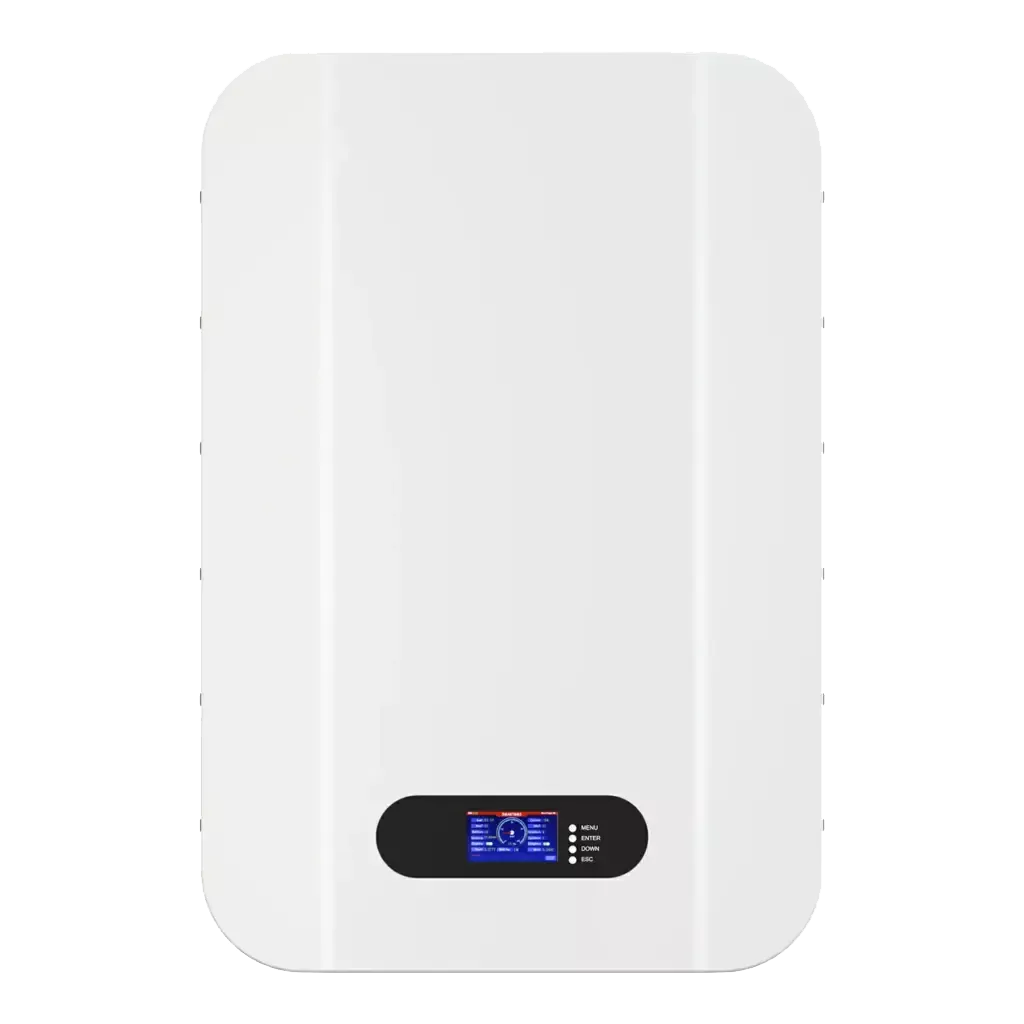
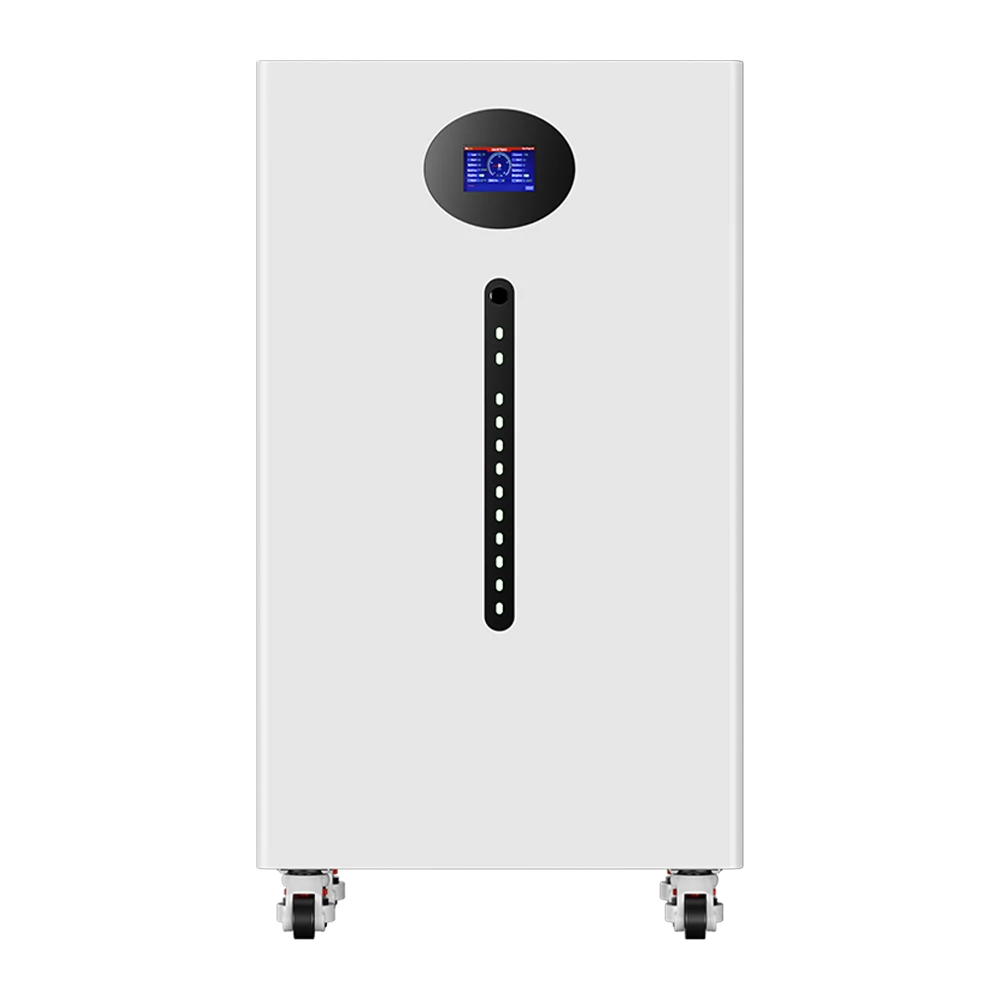
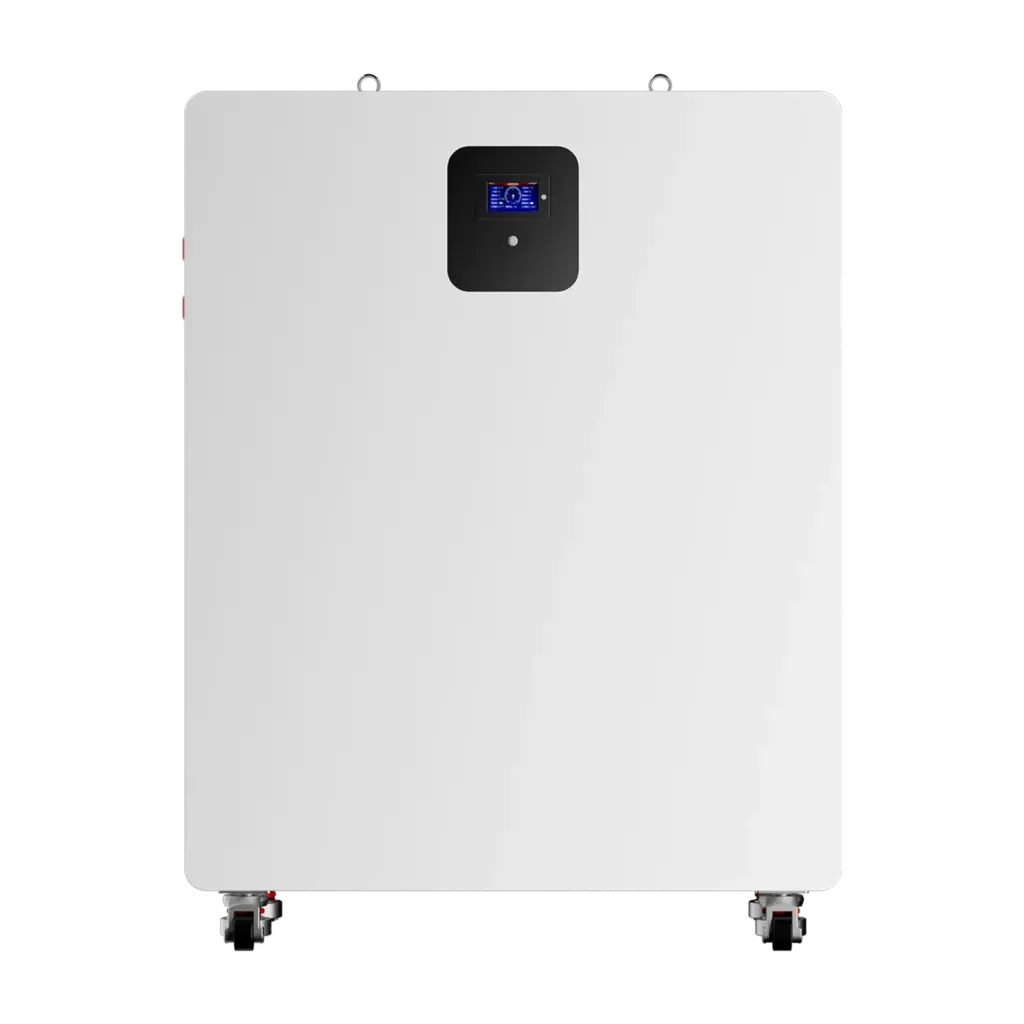
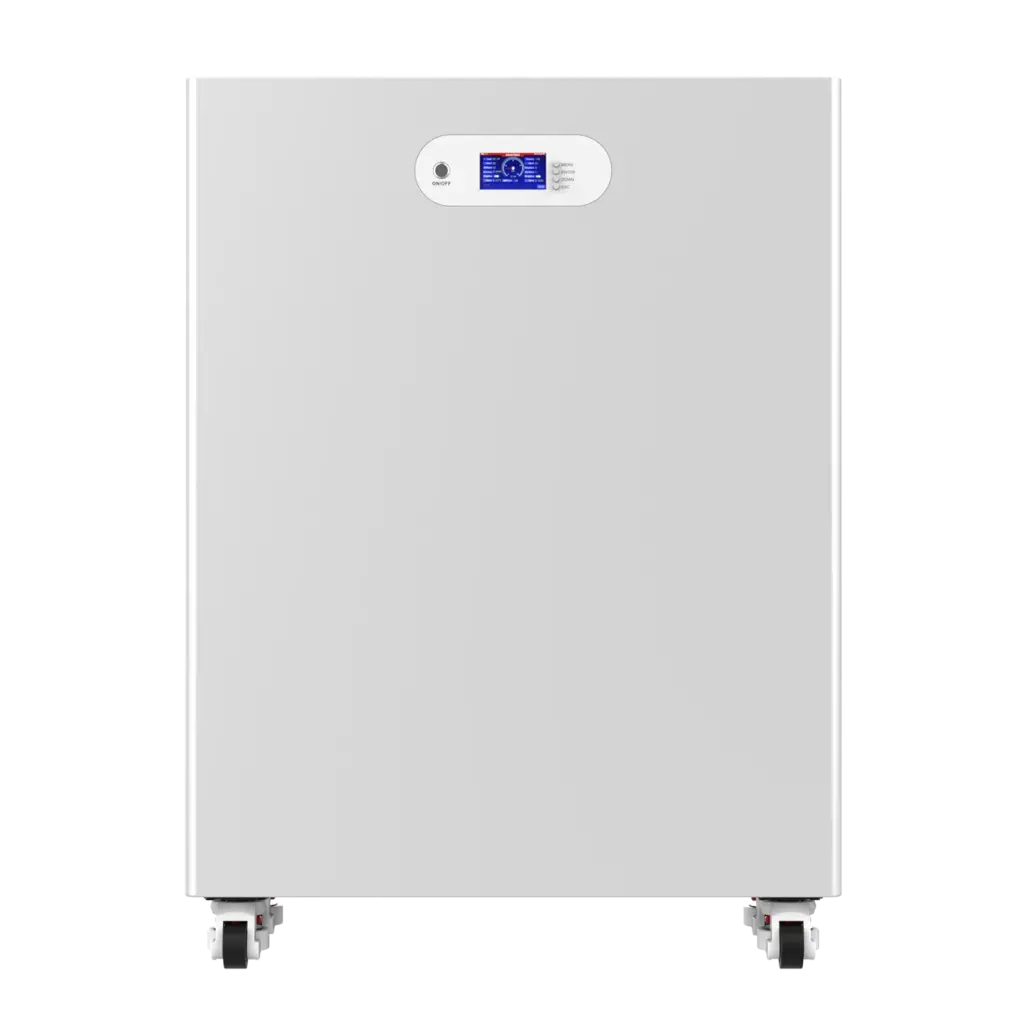
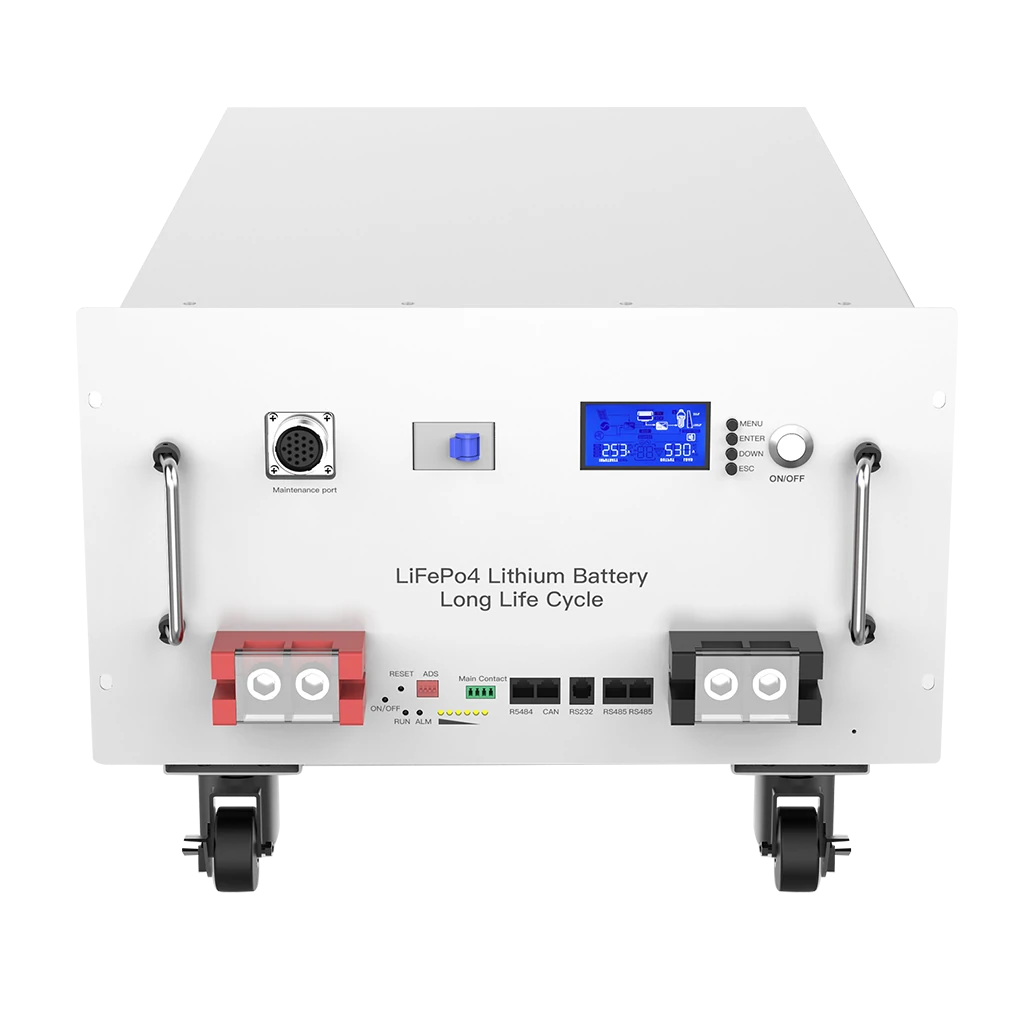
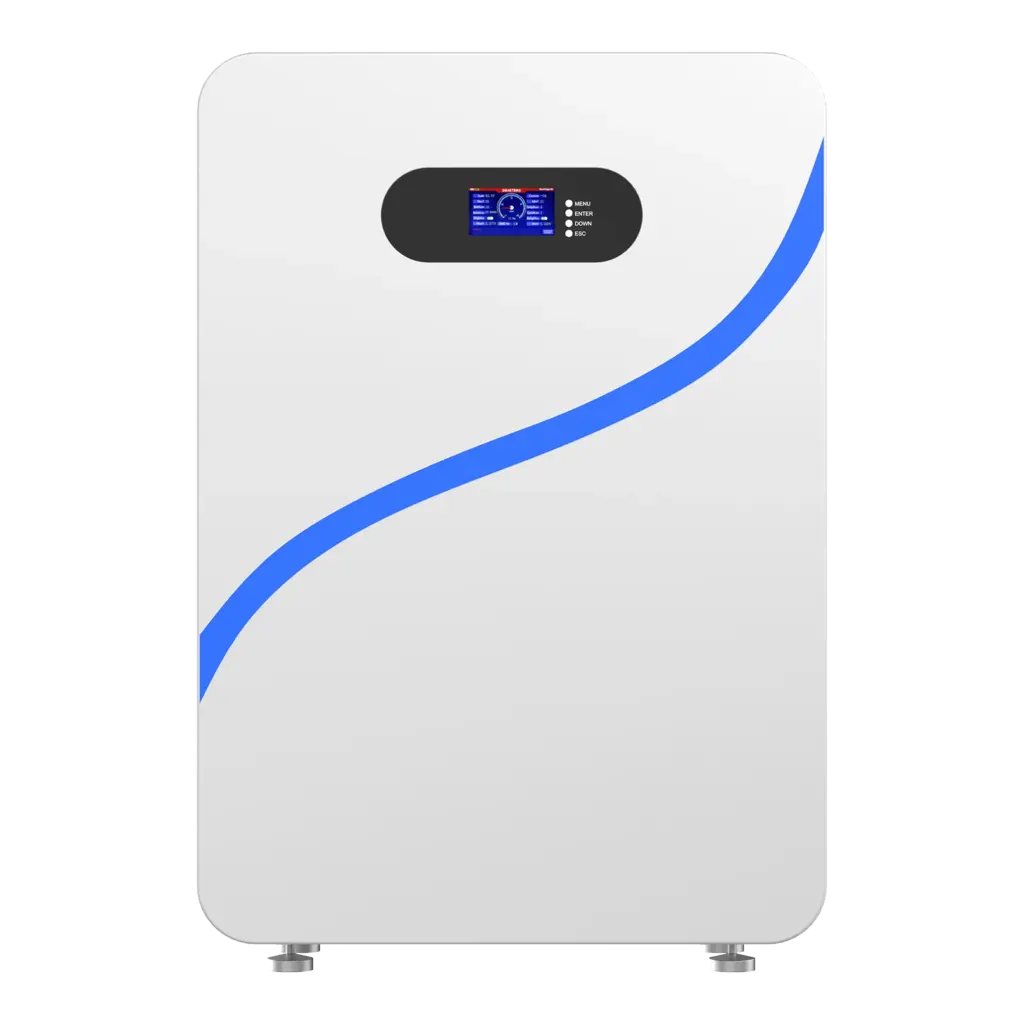
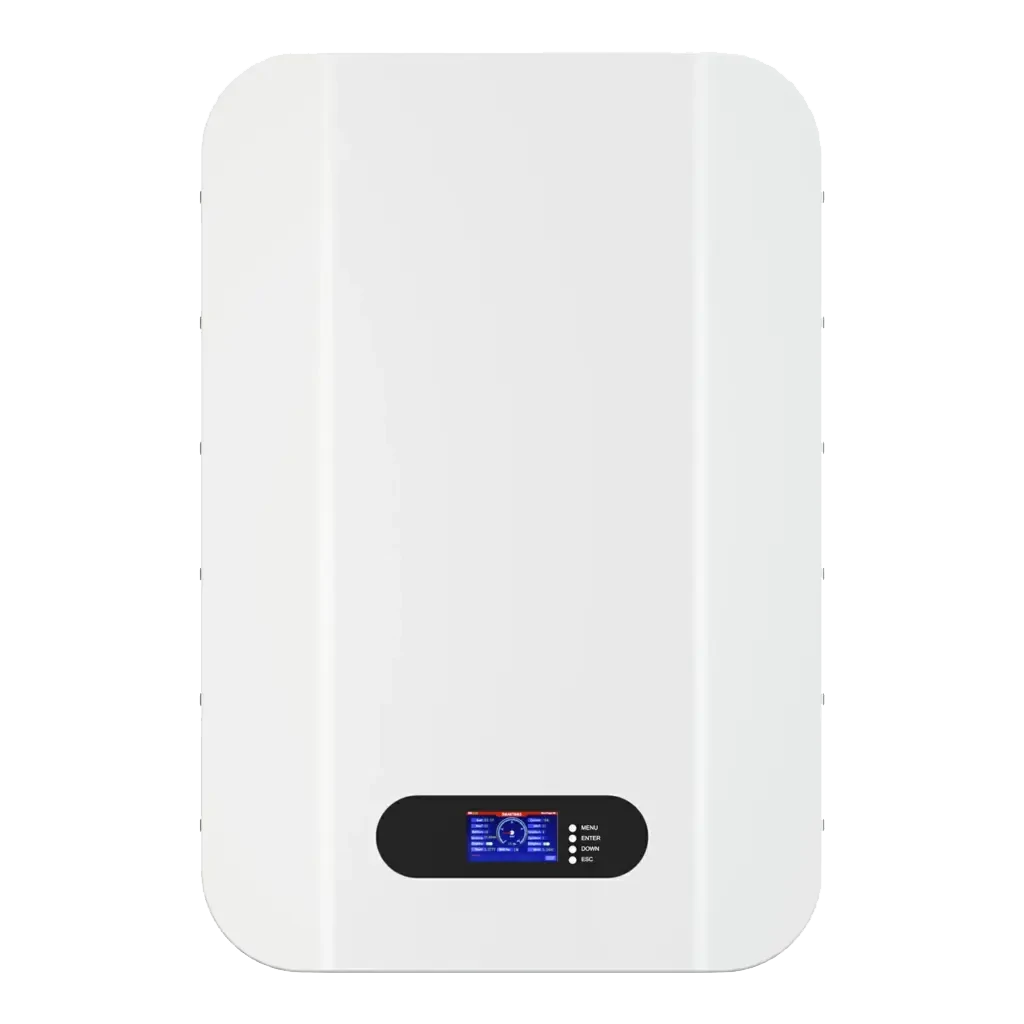
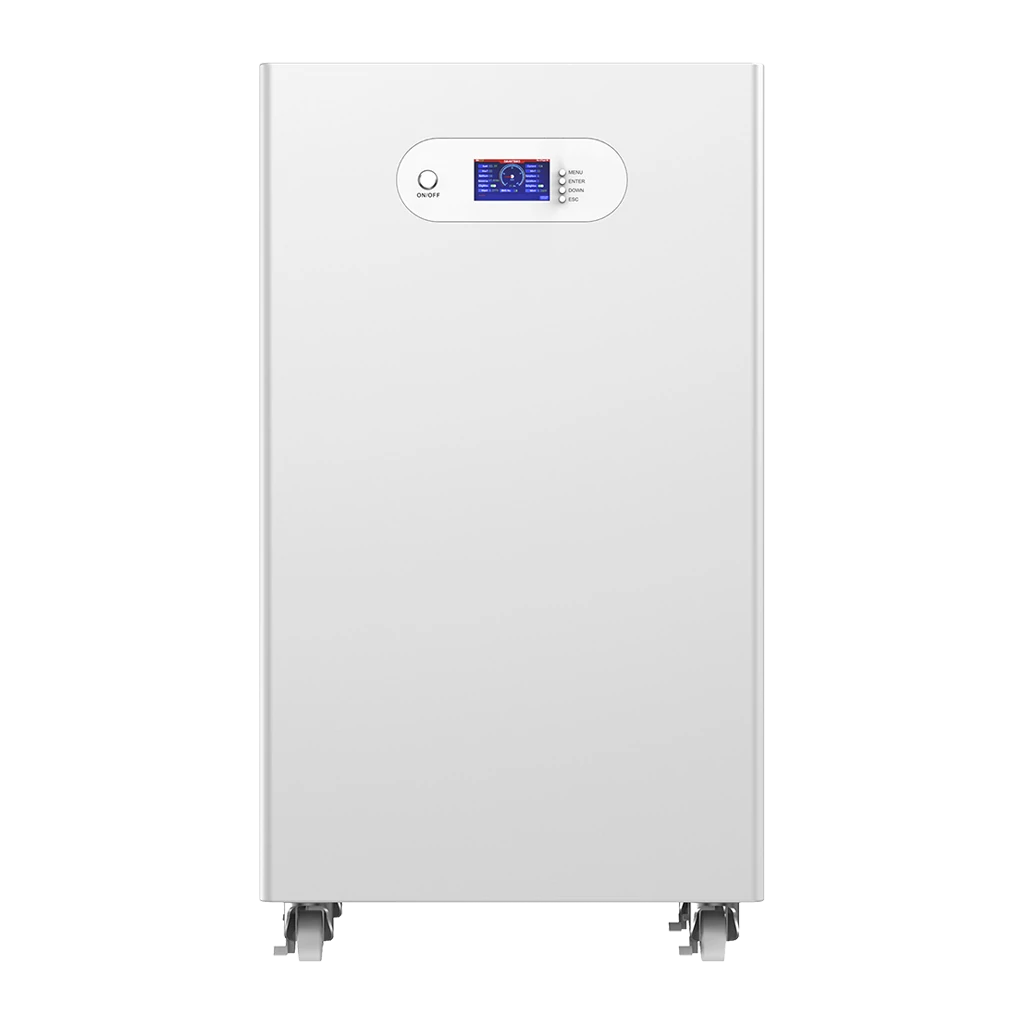
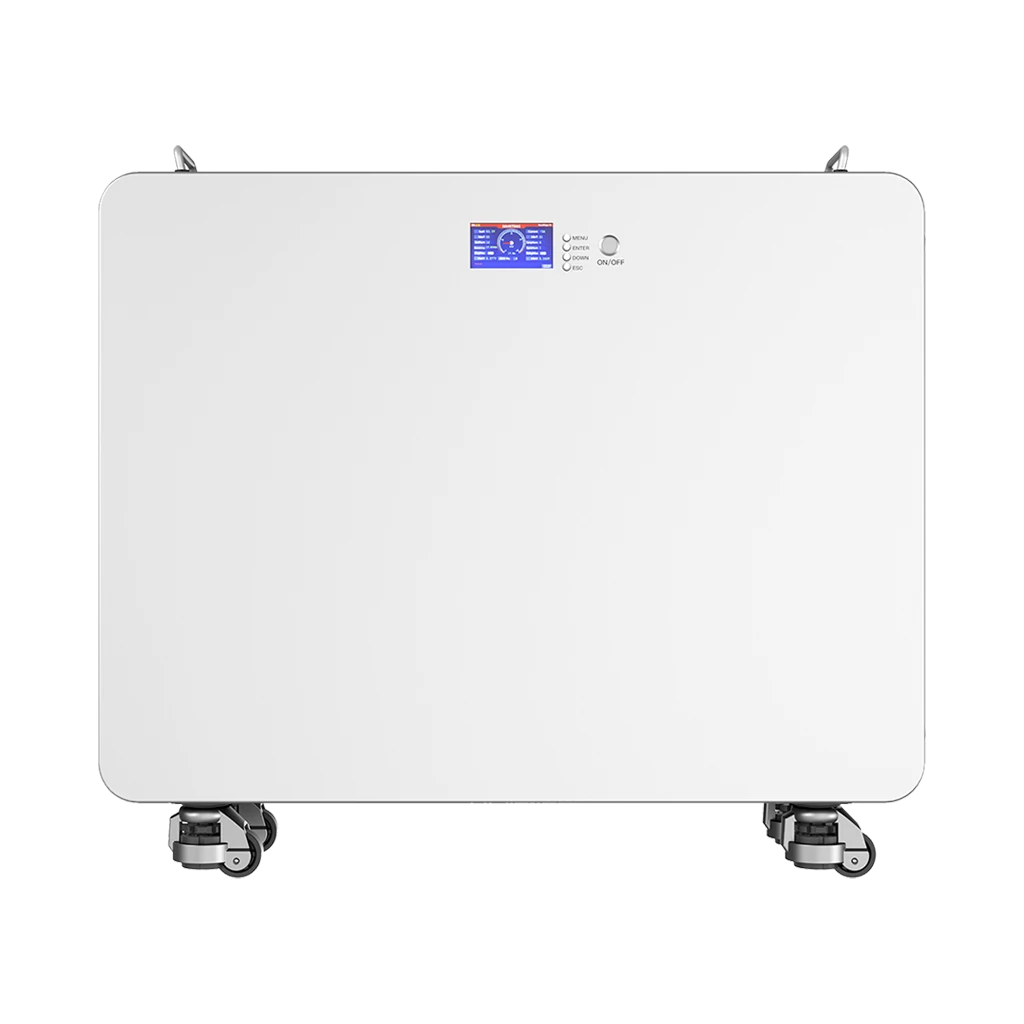
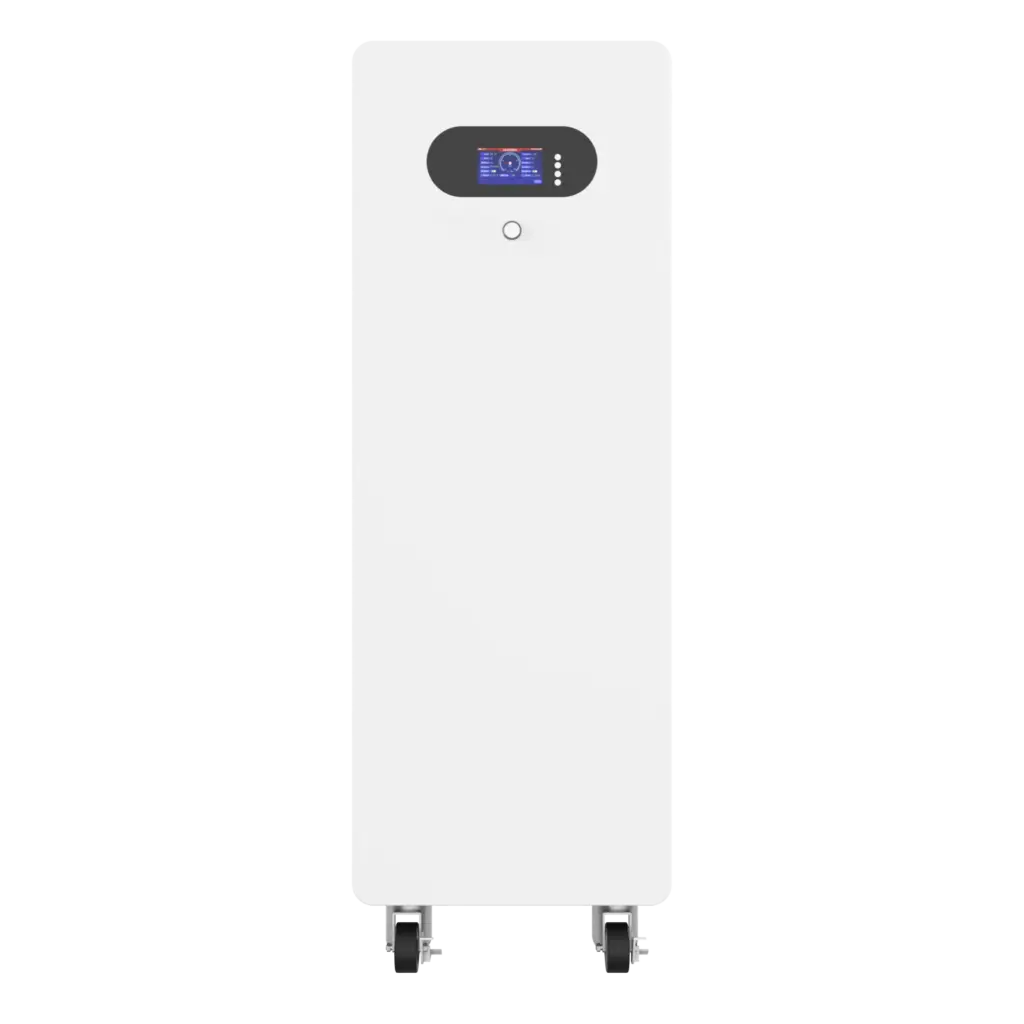
Avepower Powerwall 10kWh Battery
Avepower 10 kWh Powerwall battery offers 8000+ cycles, a 200 A BMS, and over 10 years of lifespan, making it a strong fit for 6 kW solar arrays.
If you want a one-stop 6 kW solar plus battery solution, Avepower can supply complete packages that include solar panels, inverters, and LiFePO4 battery storage with BMS protection and internationally recognized certifications. Your project can also use OEM/ODM customization for capacity and system design when you want a system that fits your market and your installation needs.
How Much Can You Save with a 6 kW System?
Savings vary by electricity rate, usage pattern, and local feed-in tariffs. On average:
- U.S. homeowners save $1,000–$1,400 per year on electricity.
- Australian households save $1,200–$1,900 per year, depending on state feed-in rates and consumption habits.
Feed-in tariffs allow you to sell excess power back to the grid, either at the retail electricity rate or a slightly reduced export rate. The more solar energy you consume directly (self-consumption), the faster your system pays for itself.
Payback Period and ROI
The average payback period for a 6 kW solar system is typically 4–6 years, depending on your energy usage and local electricity price. Once the system has paid for itself, the remaining 15–20 years of production are essentially free energy.
Example (Sydney, AU):
- System cost: $5,000
- Average annual savings: $1,238
- Payback: ≈ 4 years
- Lifetime savings: Over $20,000 (25-year system life)
Homeowners who add a battery and smart inverter can increase their self-consumption rate from 30% to 60% or more, further shortening ROI timelines.
Is a 6 kW Solar System Right for You?
A 6 kW system is ideal for medium-sized homes (3–4 bedrooms) with moderate daily energy use—typically 18–28 kWh per day.
You’re a good candidate if:
- Your monthly electricity bill exceeds $120.
- You have 30 m² of roof space with good sunlight exposure.
- You plan to stay in your home for at least 5 years.
- Your region offers strong feed-in or rebate incentives.
However, if you have a large home with pool heating, EV charging, or high air-conditioning usage, you may want to consider a 10 kW system or larger to maximize savings.
What Can a 6 kW System Power?
A 6 kW solar array can comfortably power most essential household appliances, including:
| Appliance | Power (W) | Daily Usage (hrs) | Energy (Wh) |
|---|---|---|---|
| Lighting (LED, 10 bulbs) | 70 | 10 | 700 |
| Refrigerator | 150 | 24 | 3600 |
| Air Conditioner | 3200 | 4 | 12800 |
| Dishwasher | 1800 | 1 | 1800 |
| Washing Machine | 500 | 1 | 500 |
| Microwave | 1500 | 0.5 | 750 |
| Laptop (x2) | 200 | 8 | 1600 |
| Television (x2) | 120 | 4 | 480 |
Take Control of Your Energy Future
Let Avepower help you design the perfect 6 kW solar system for your home—complete with battery storage, inverter integration, and long-term warranty protection. Generate your own clean energy, cut your electricity bills, and enjoy true energy independence today.
Our systems are certified under CE, UL, RoHS, and ISO 9001 and backed by 10 years of R&D experience.
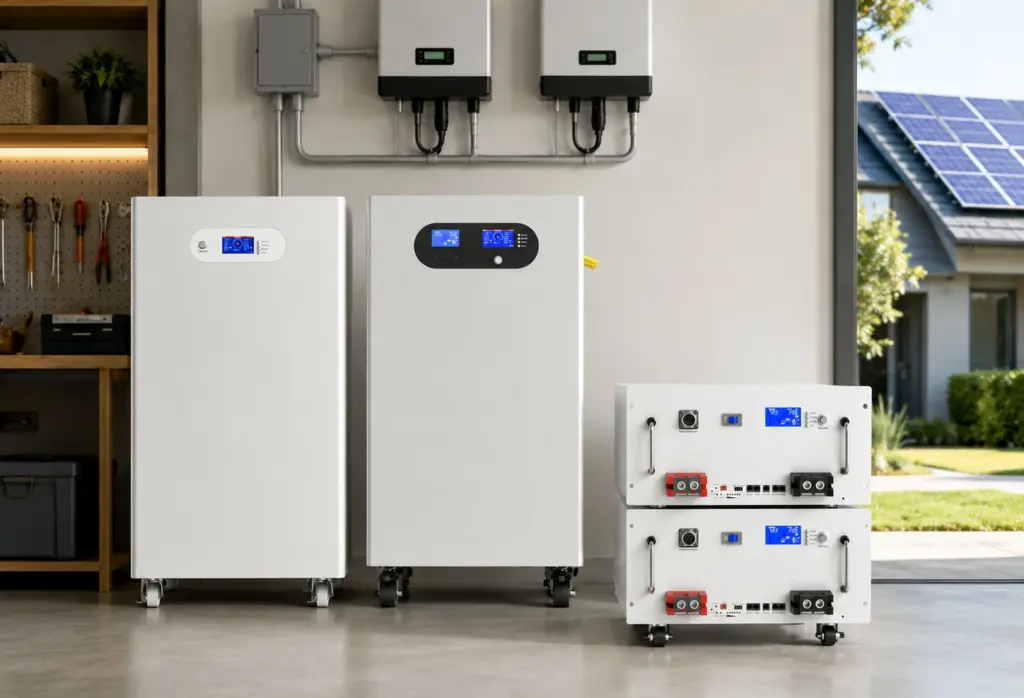
Take Control of Your Energy with Avepower!
Reliable home solar battery solutions with OEM/ODM customization and in-house manufacturing, tailored to the needs of distributors, installers, and energy partners.
FAQ
A 6kW system often produces 13–30 kWh per day. A home in a sunnier region will sit closer to the upper end, while a home with lower sunlight, shading, or sub-optimal roof direction will sit closer to the lower end.
A well-priced 6kW system can pay back in about 4–6 years in many regions, especially when the home has strong daytime usage and fair export rules.
Many households save $1,000–$1,900 per year, but your savings depend on electricity price, solar self-use, and export rates. Your savings usually rise when you shift more usage to daytime hours, because you use more of your solar power directly.