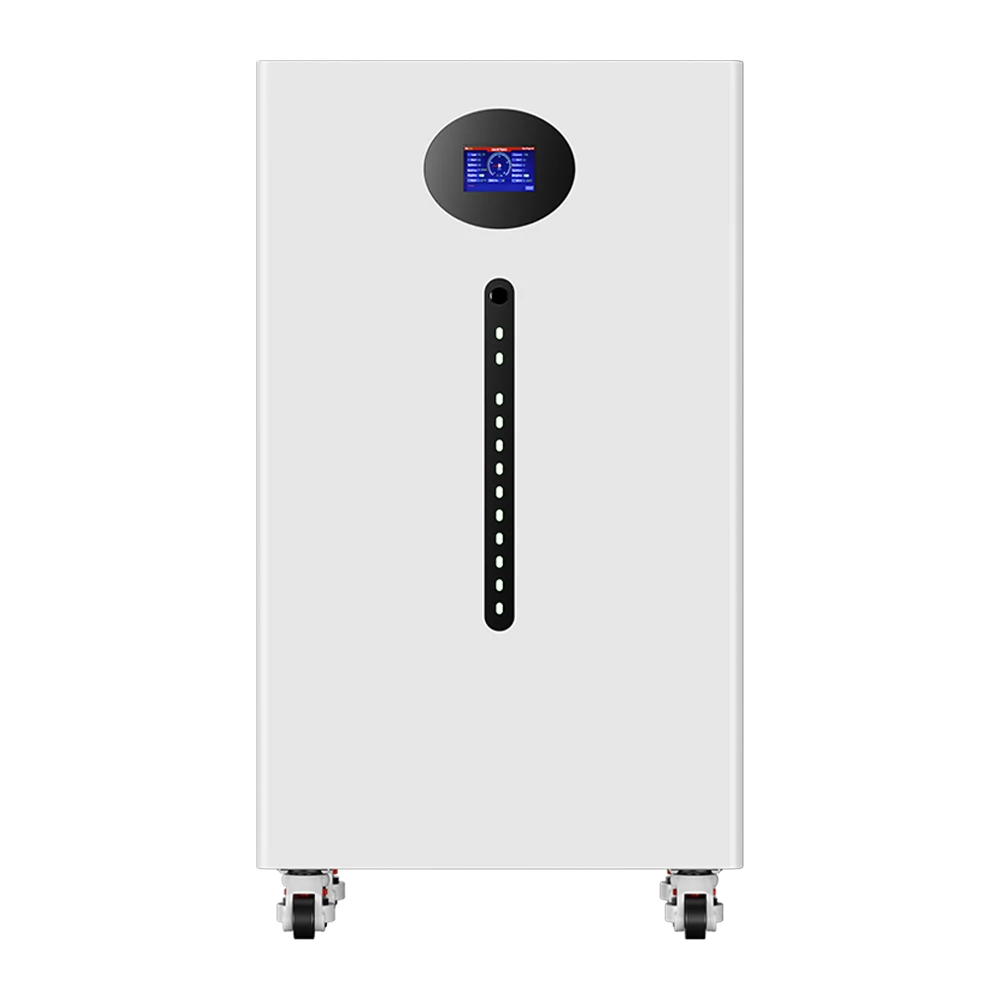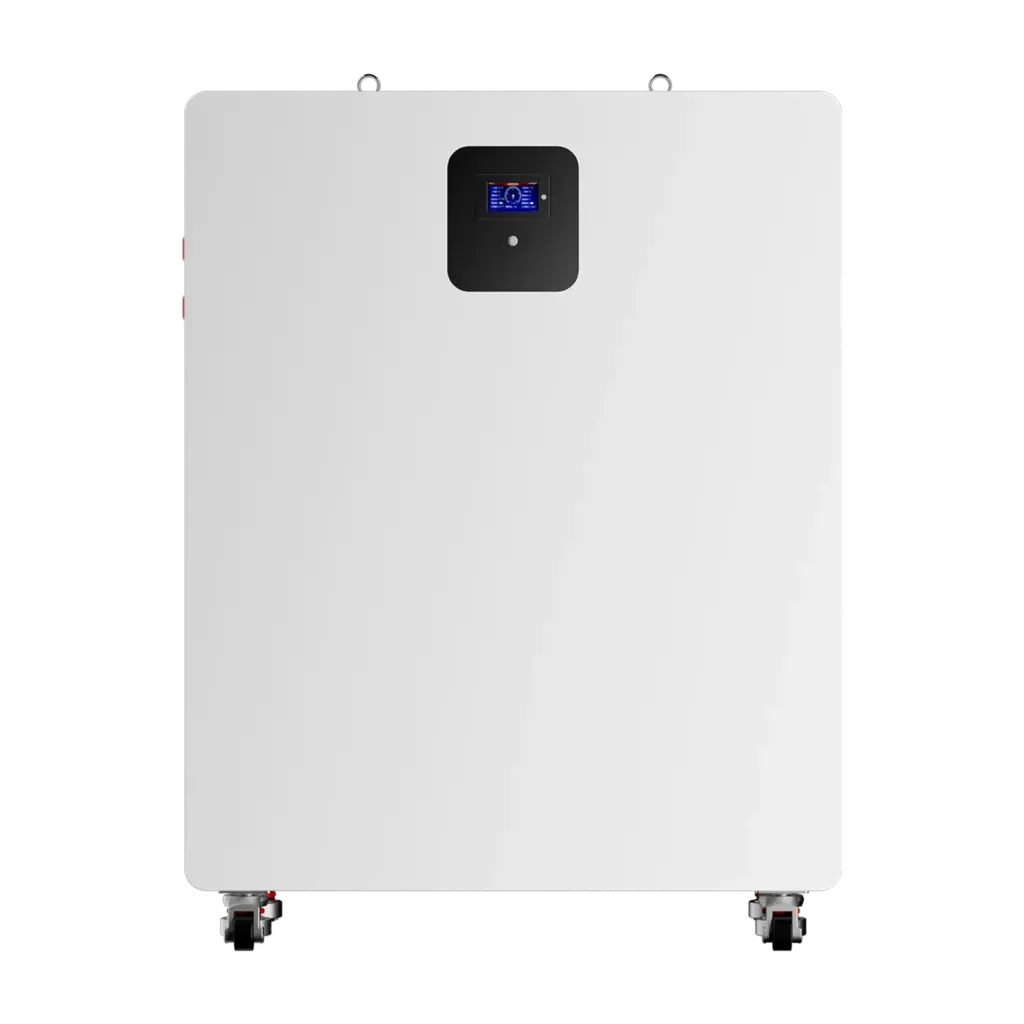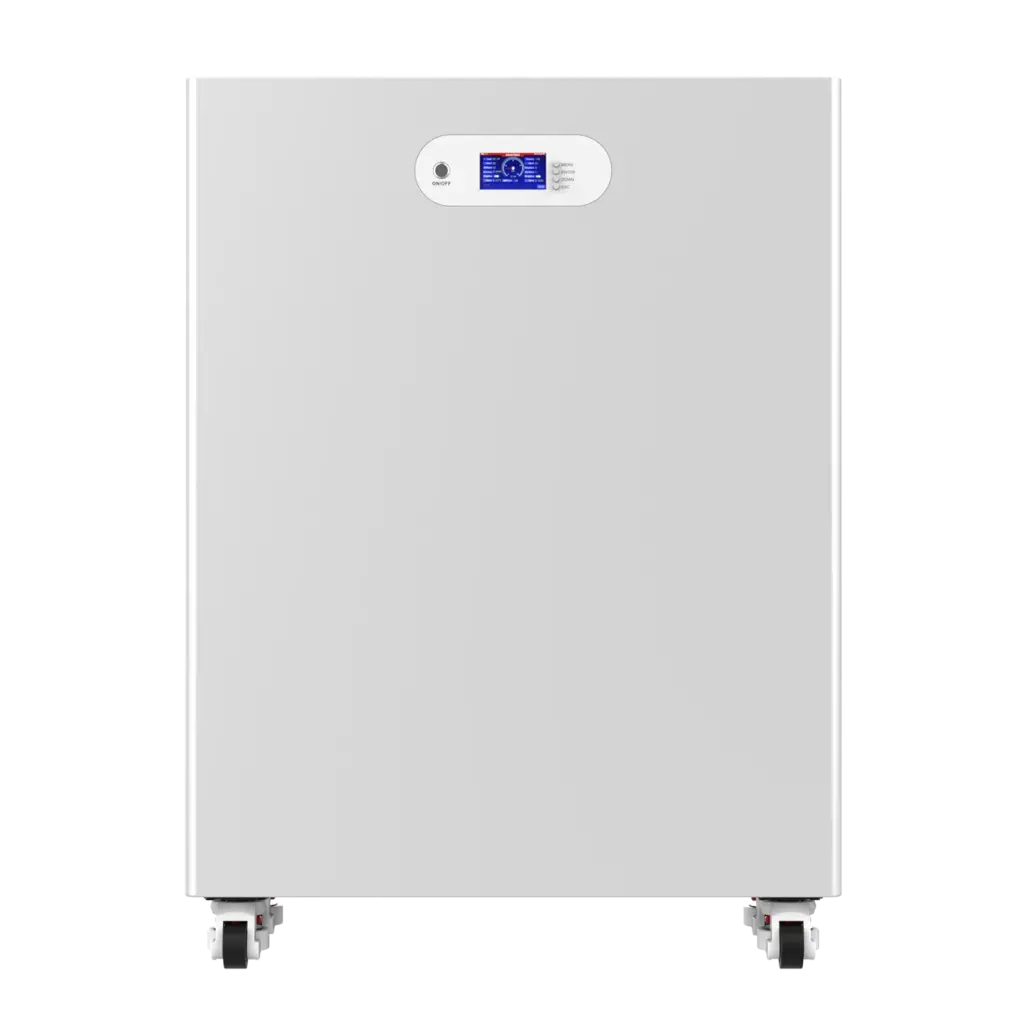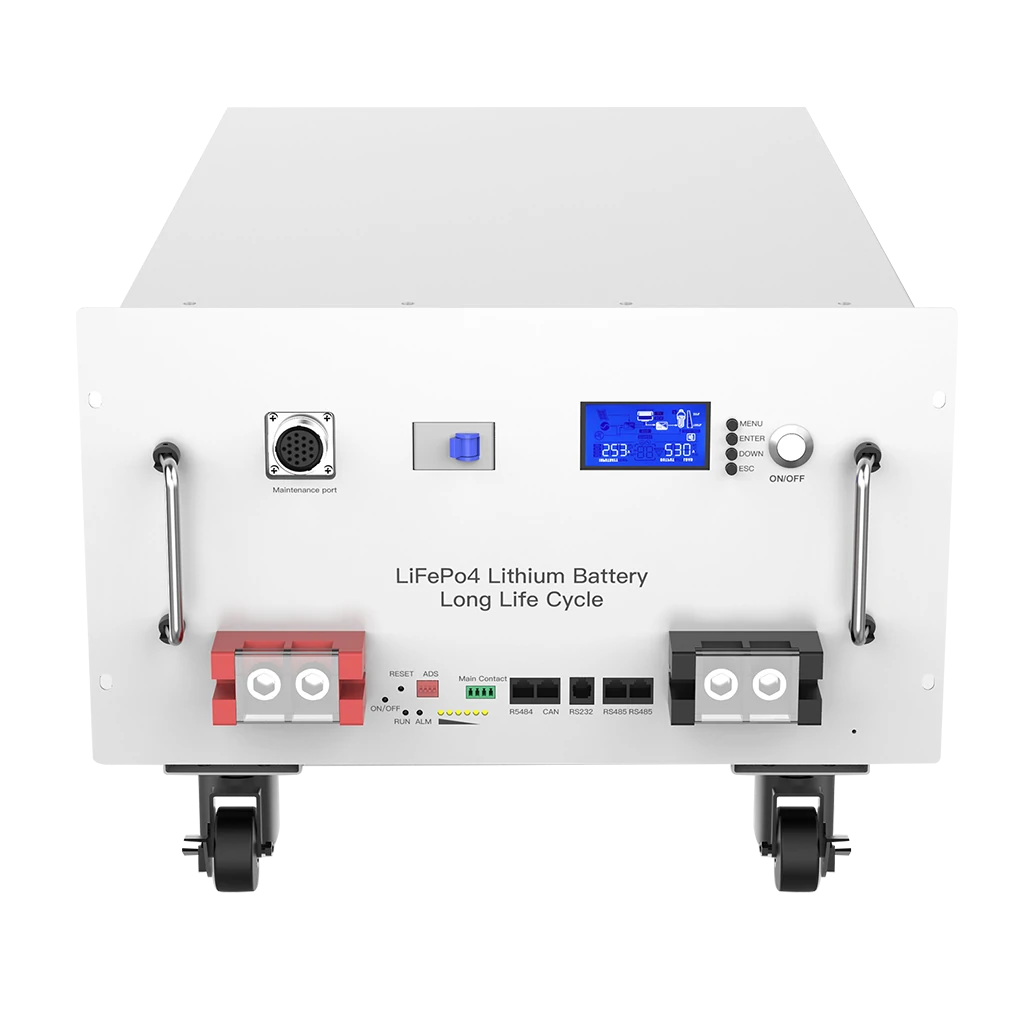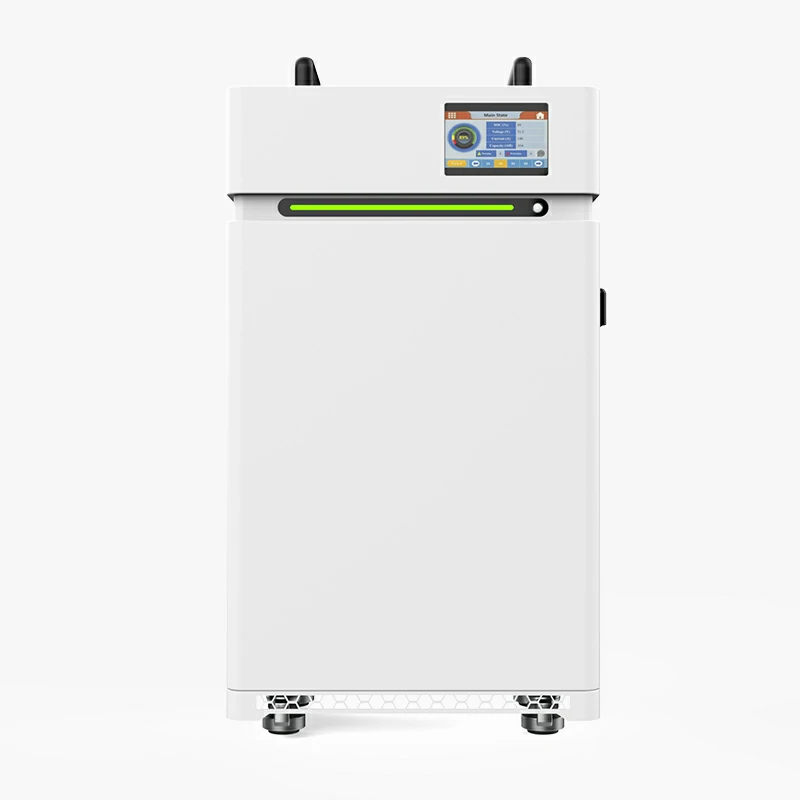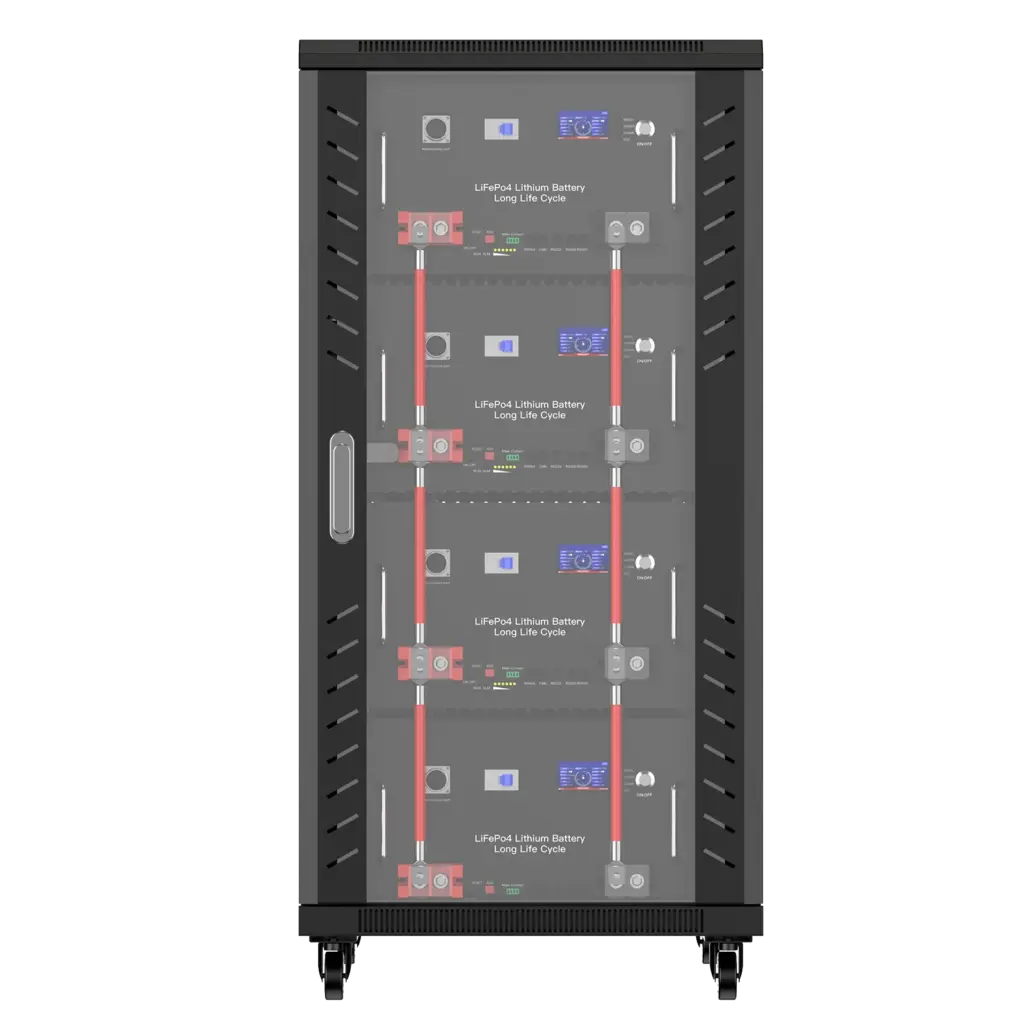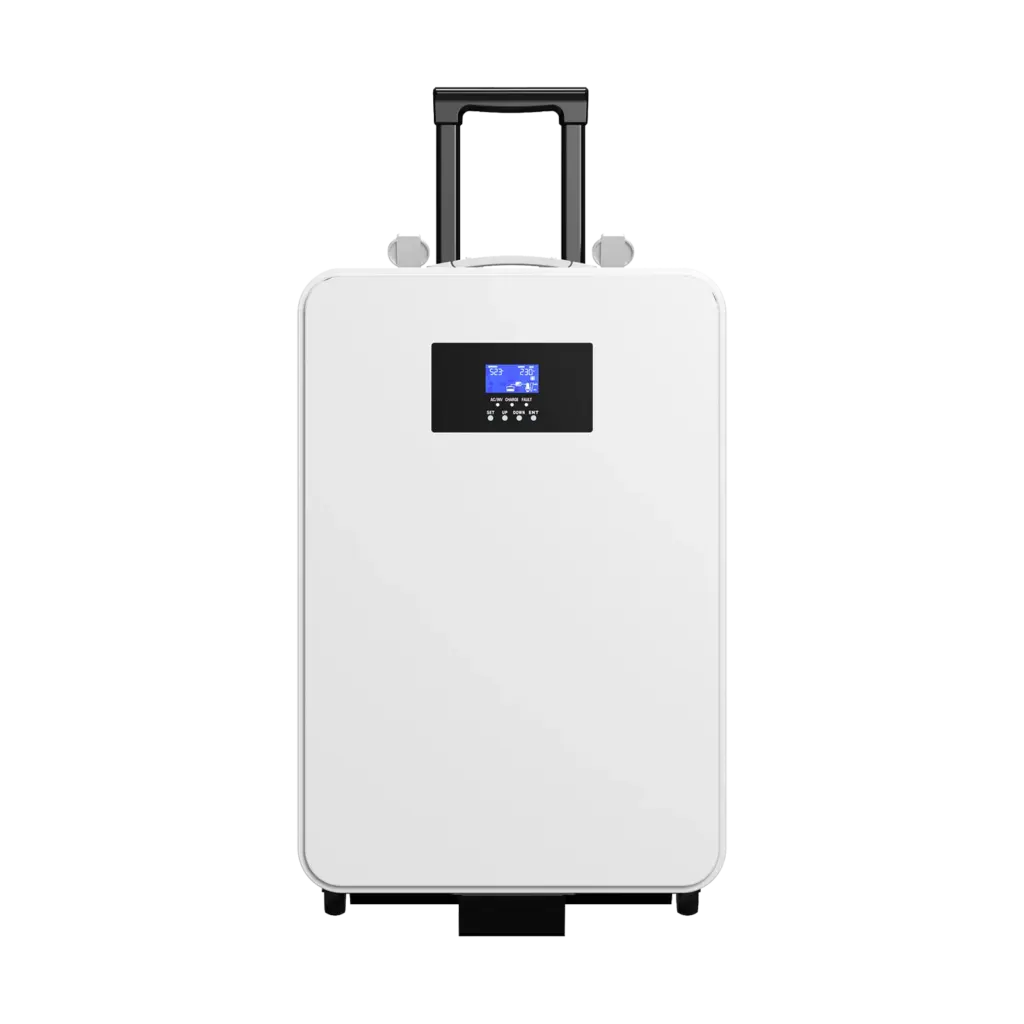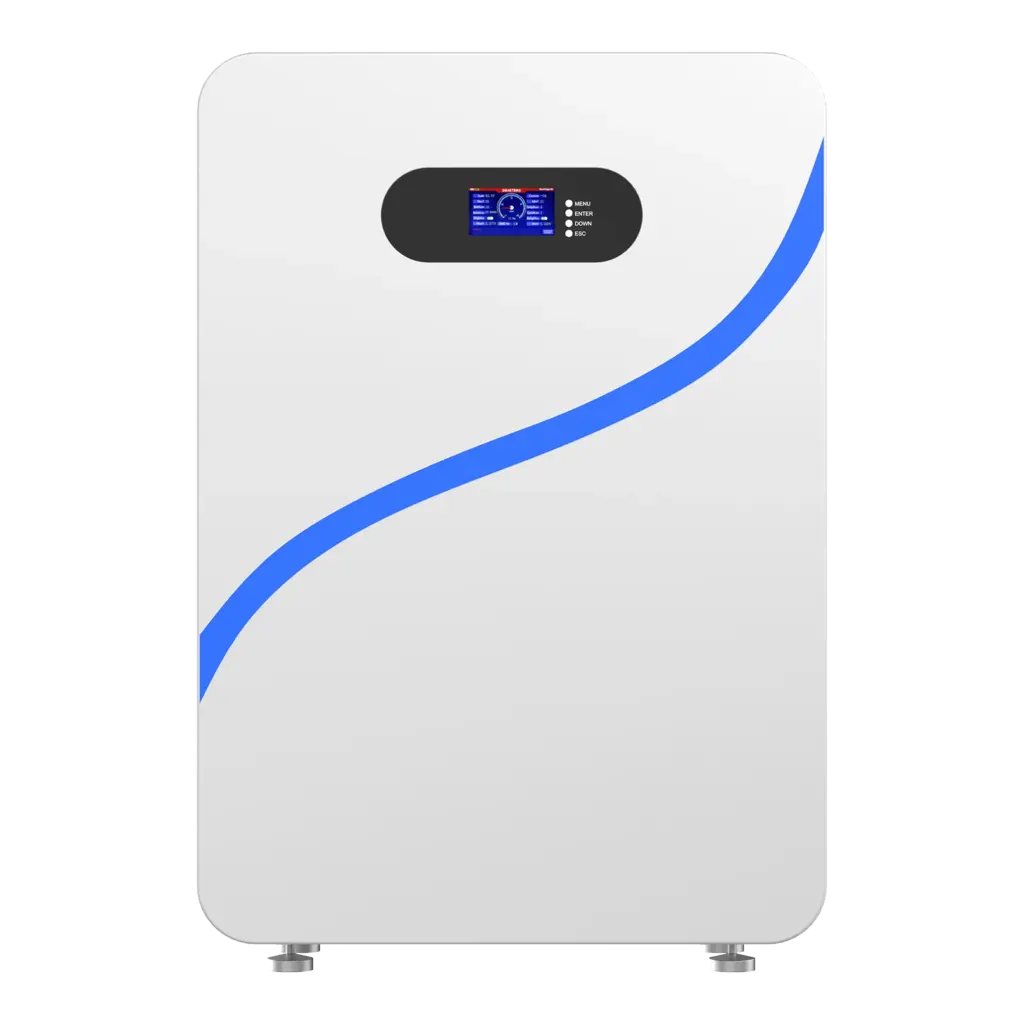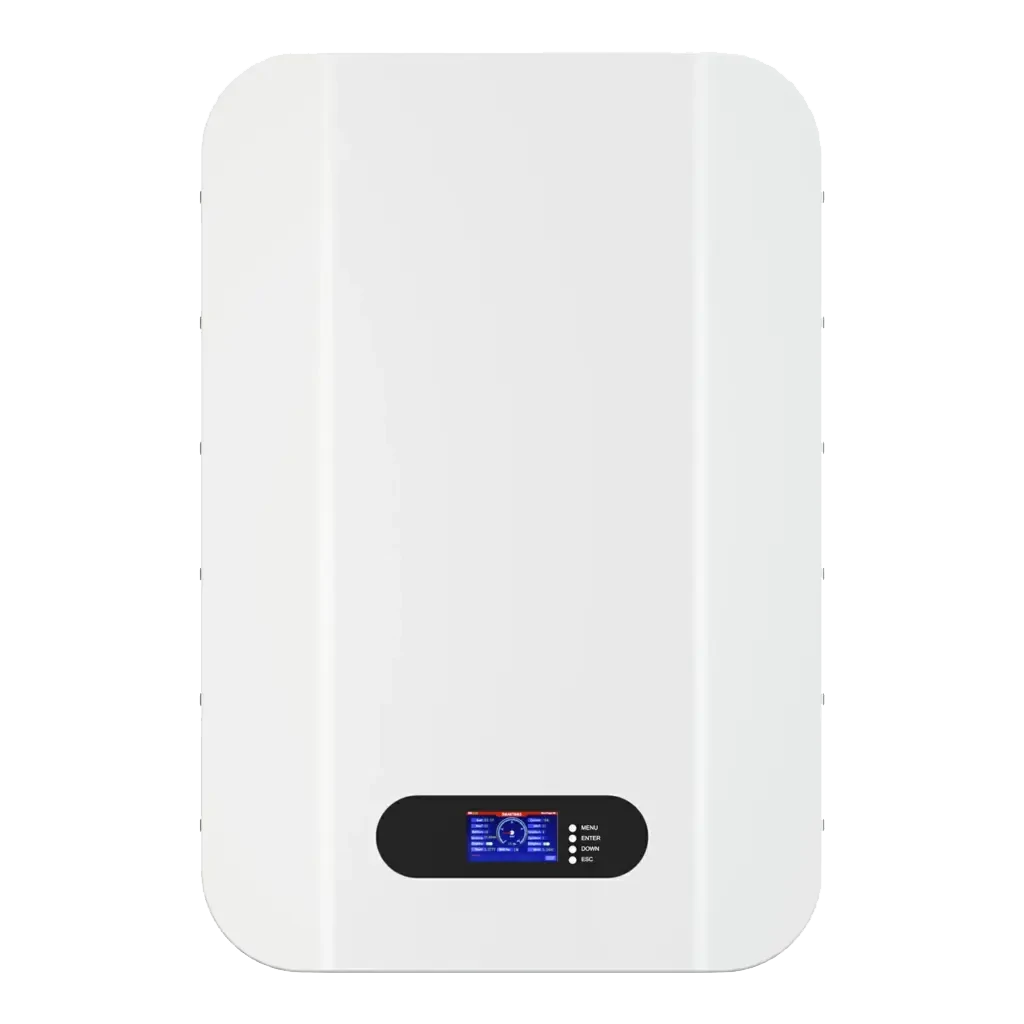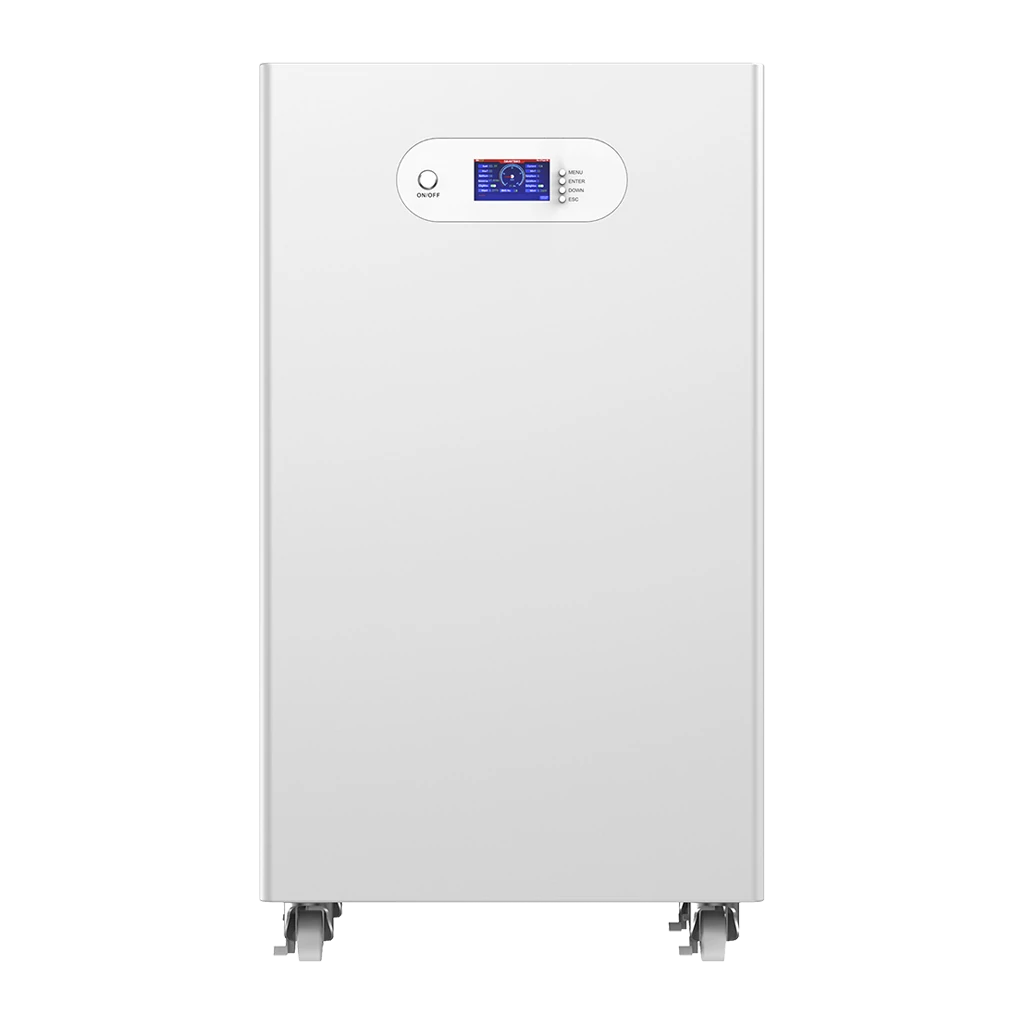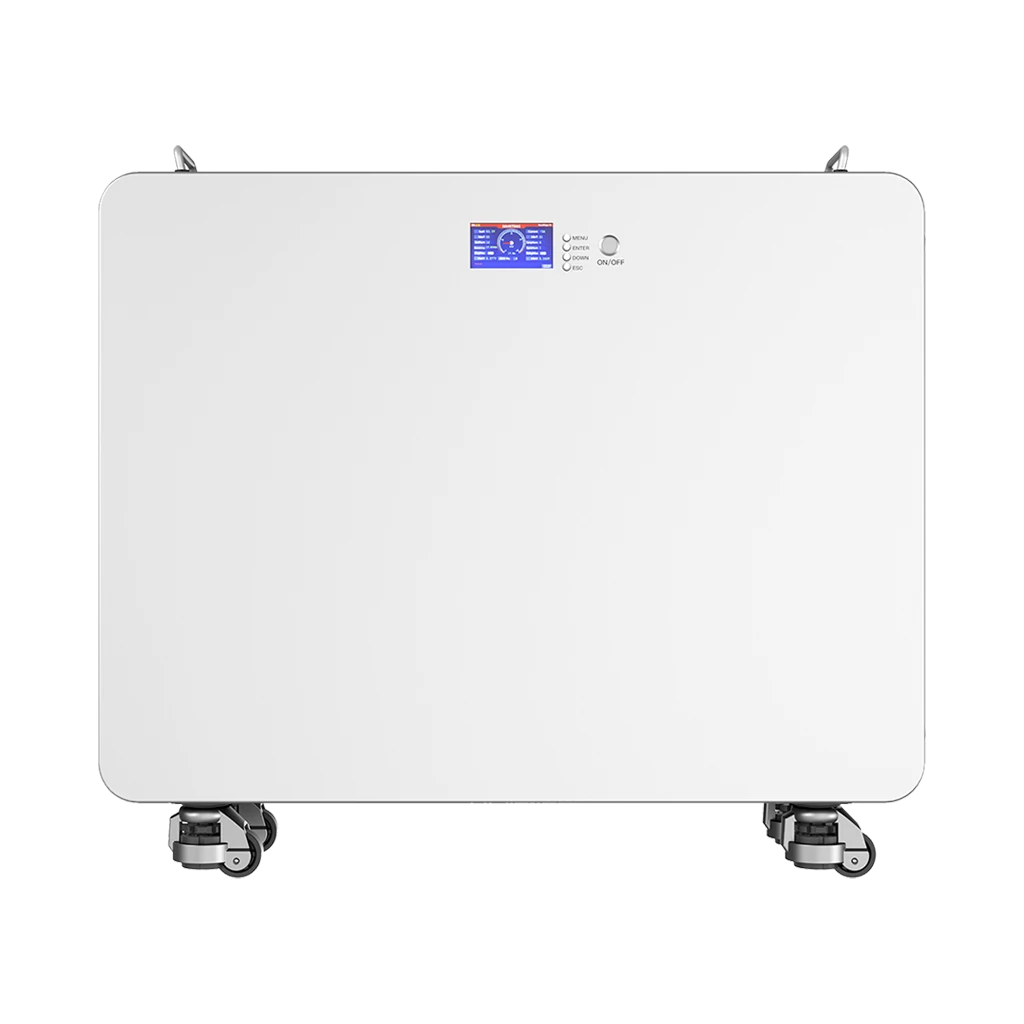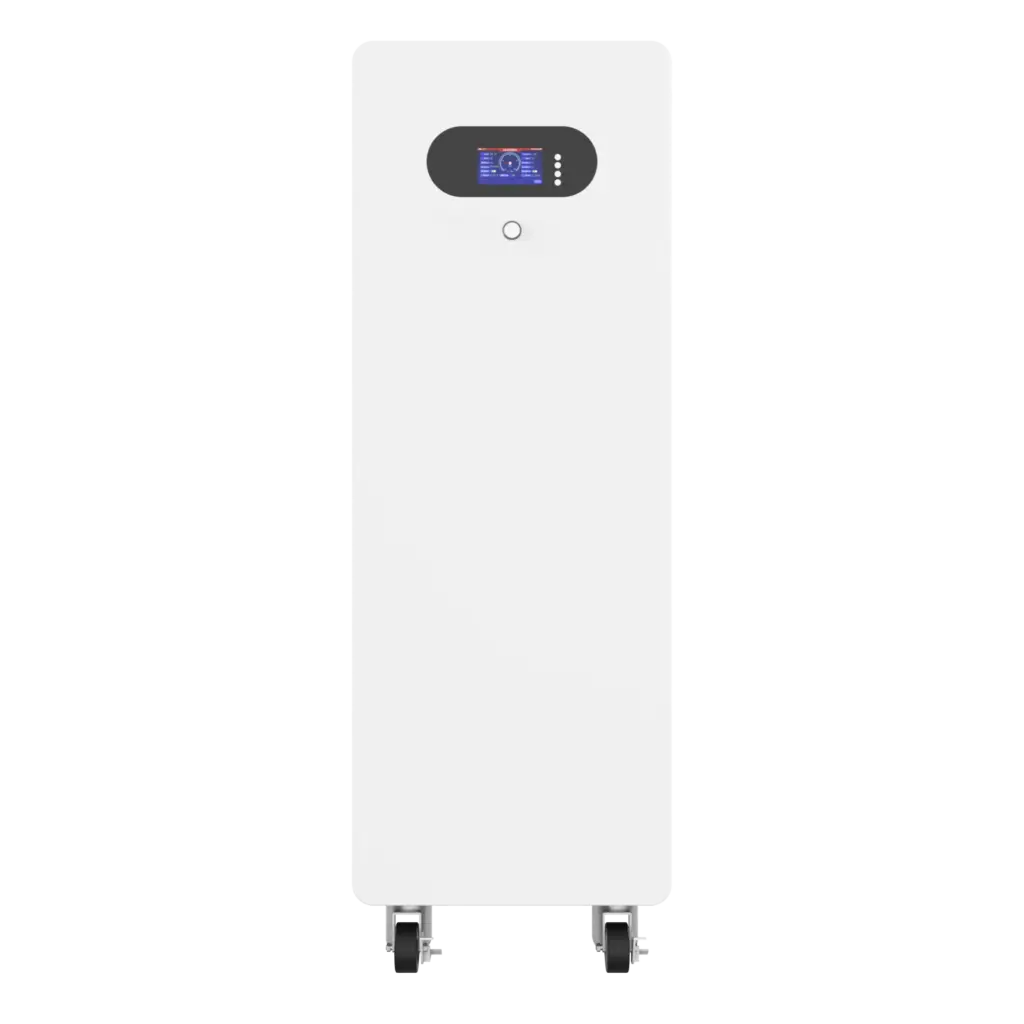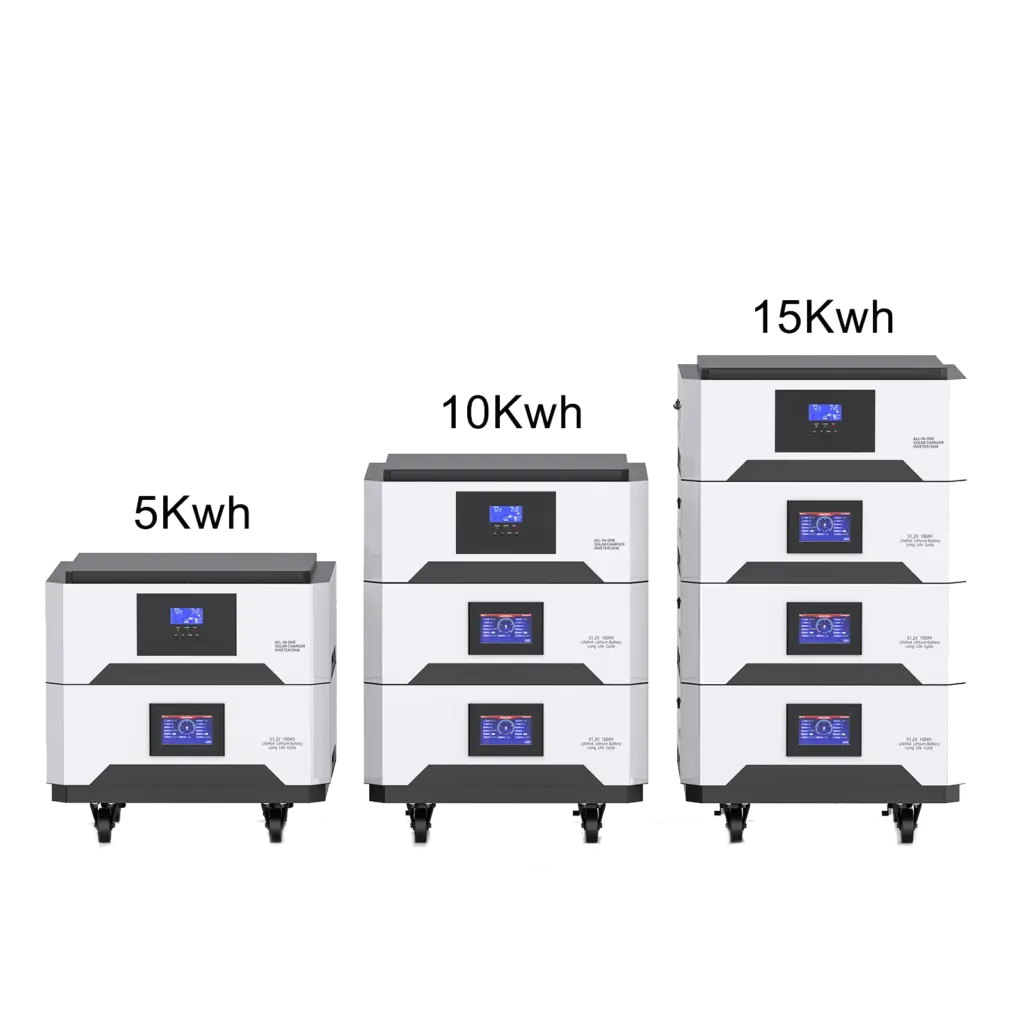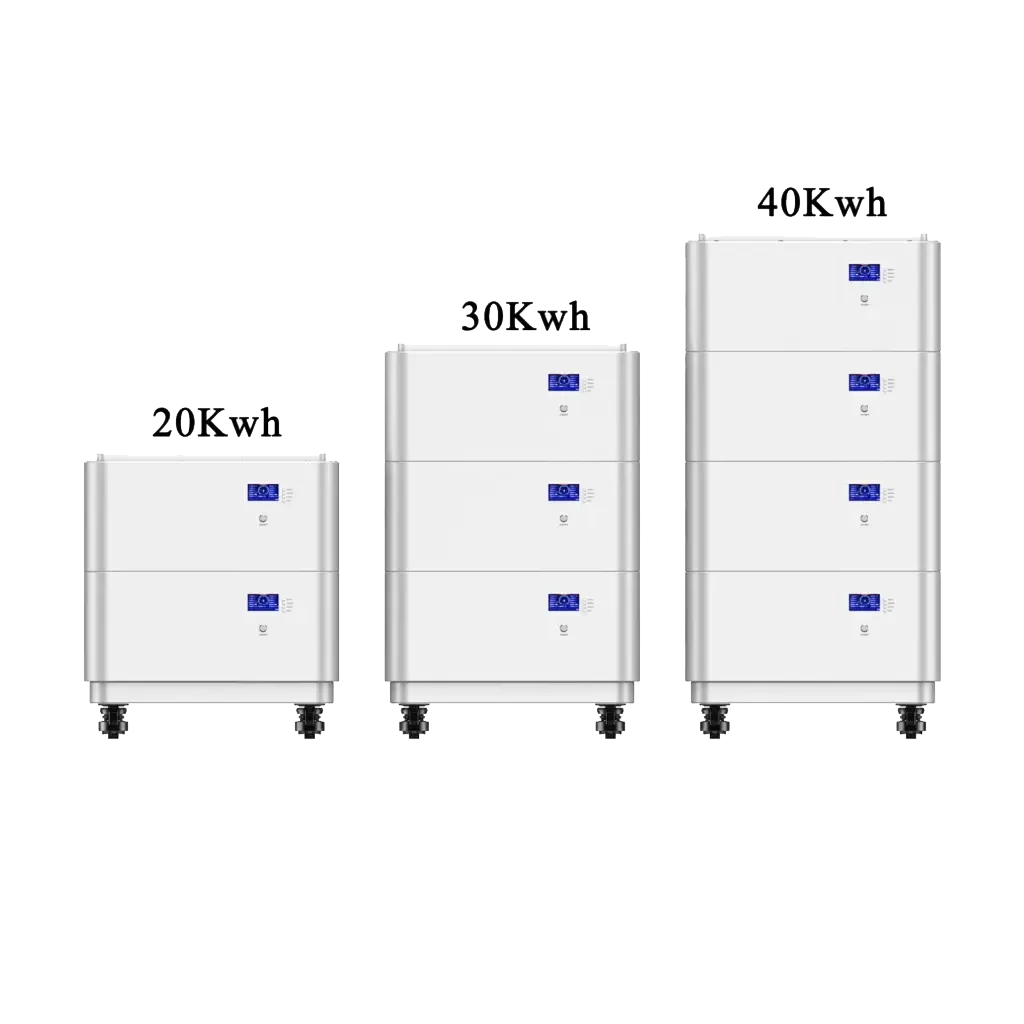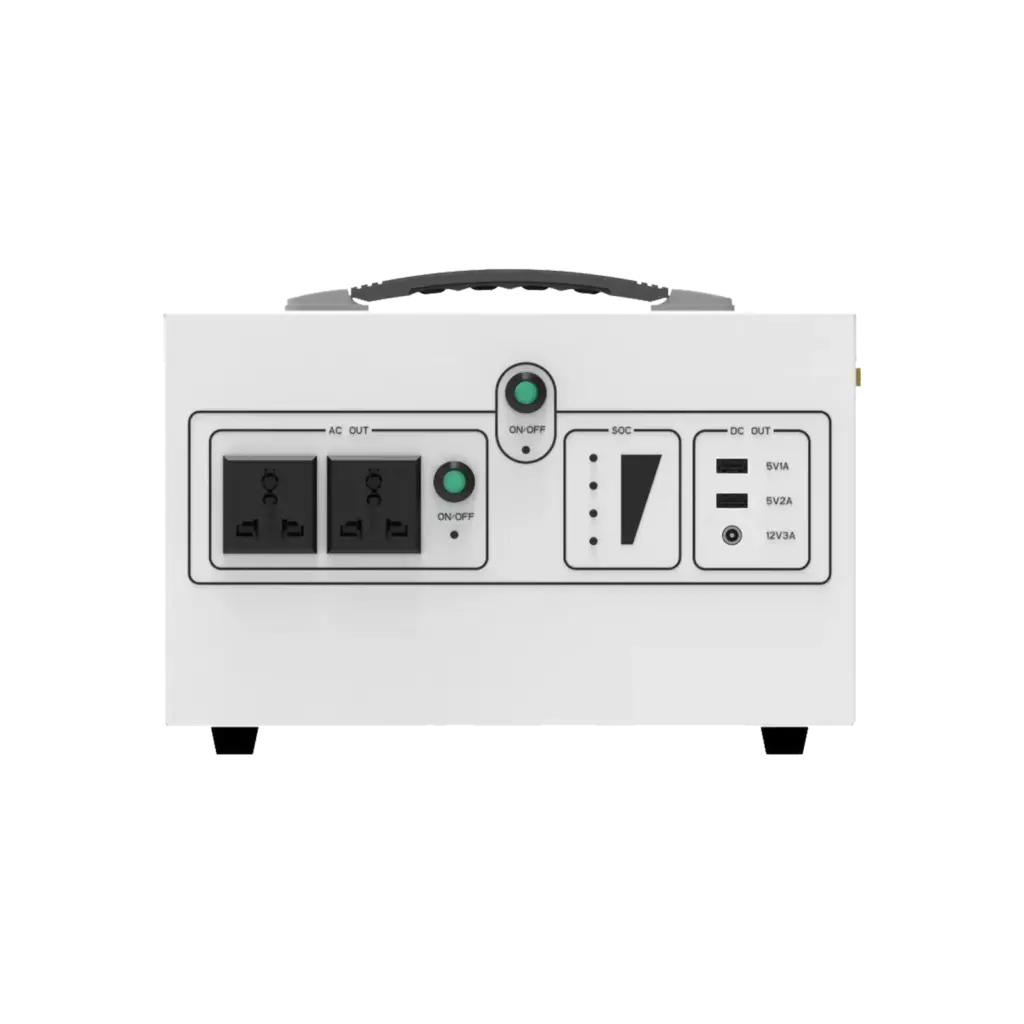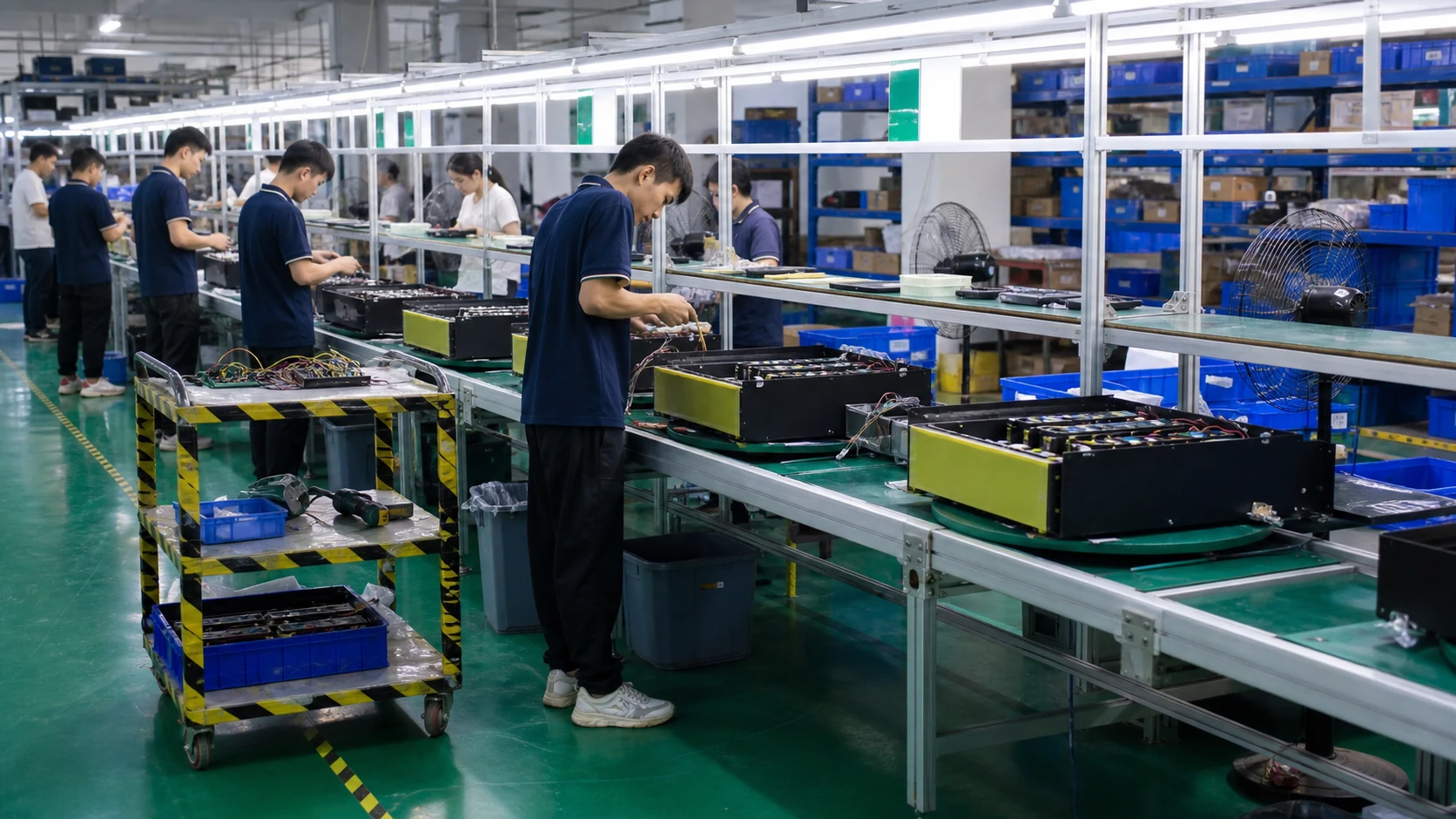

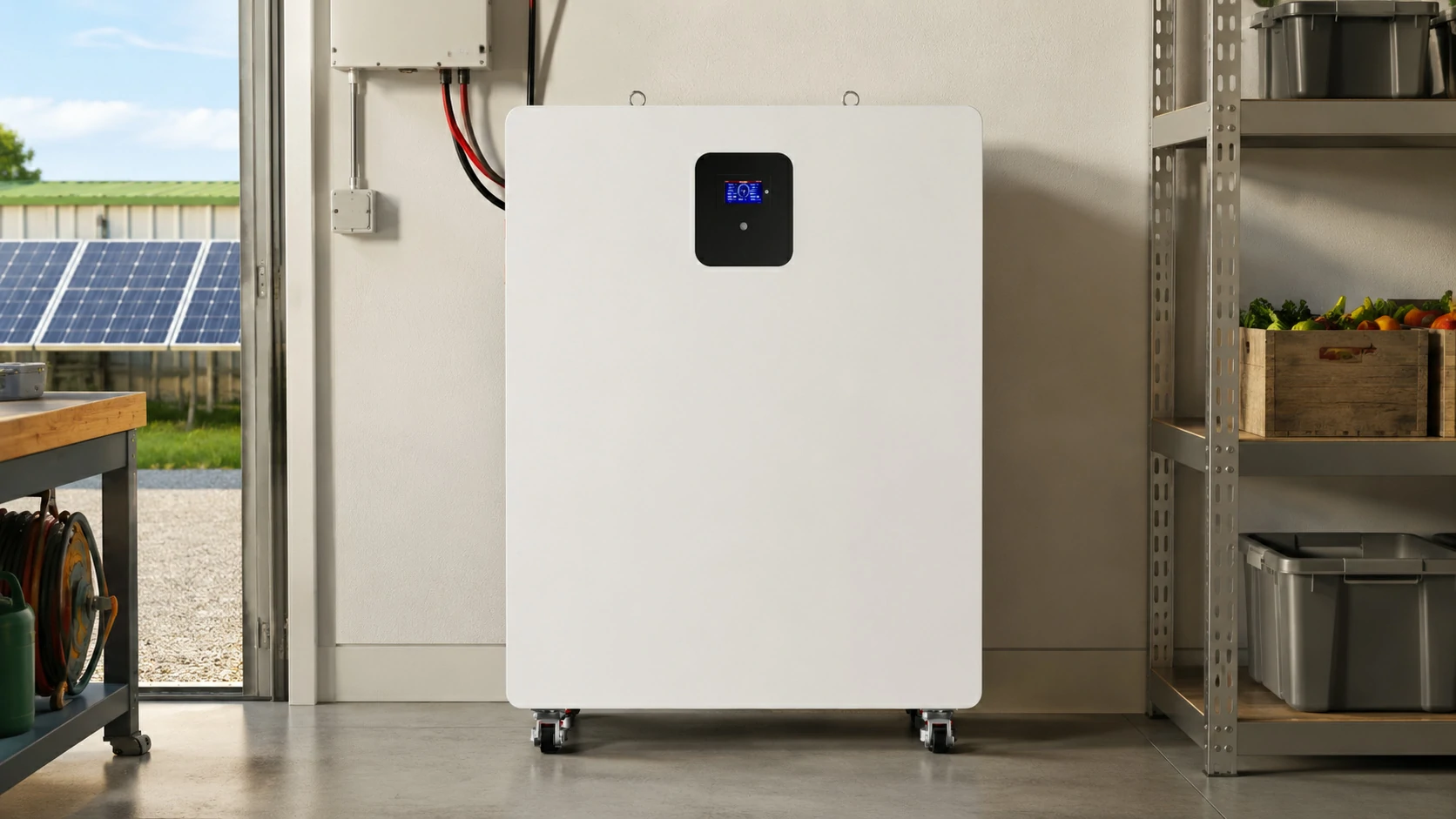
An off grid battery stores electricity from solar panels, wind turbines, generators, or other power sources so a home, cabin, farm, workshop, telecom site, or commercial facility can operate without depending fully on the utility grid.
A good off-grid battery decision should not be based only on price. You need to compare usable kWh, cycle life, depth of discharge, inverter compatibility, BMS protection, communication protocol, temperature range, safety certification, and future expansion.
What Is an Off Grid Battery?
An off grid battery is a deep-cycle battery designed to store energy for a standalone power system. Unlike a grid-tied solar system, an off-grid system cannot depend on the utility grid when solar output drops. The battery becomes the energy buffer between power generation and power consumption.
In a typical off-grid solar system, electricity flows like this:
Solar panels → charge controller or hybrid inverter → battery bank → inverter → home or business loads
The battery stores surplus solar energy during the day and releases it at night, during cloudy weather, or when demand rises above real-time solar production. Without a battery, an off-grid solar system would only provide power when sunlight is available.
Best Off Grid Battery by Application
| Application | Best Battery Type | Typical Voltage | Why It Fits |
|---|---|---|---|
| Small cabin | LFP or AGM | 12V / 24V | Simple loads, low daily use |
| Full-time off-grid home | LiFePO4 | 48V | Better efficiency, deeper cycling, scalable capacity |
| Villa or large home | LiFePO4 stackable system | 48V | Modular expansion and cleaner installation |
| Farm or workshop | LiFePO4 or C&I BESS | 48V / HV | Handles pumps, tools, motors, and mixed loads |
| Telecom site | LFP rack system | 48V | Standard telecom voltage and easy rack installation |
| Commercial facility | C&I battery energy storage system | HV | Higher power output, EMS control, larger capacity |
| Island resort or remote hotel | C&I BESS + solar + generator | HV | Reduces diesel runtime and improves energy resilience |
| Critical backup for business | LFP / C&I BESS | 48V / HV | Supports essential loads and power continuity |
1. LiFePO4 Batteries
Best for: home solar storage, off-grid homes, farms, small commercial sites, telecom backup, installer-led projects, and scalable battery systems.
LiFePO4, also called LFP or lithium iron phosphate, is now one of the most practical choices for off-grid battery storage. It has become popular because it provides a strong balance of safety, service life, usable capacity, and maintenance-free operation.
Why LiFePO4 works well for off-grid systems:
- High usable depth of discharge
- Long cycle life
- Better thermal stability than many cobalt-based lithium chemistries
- Low maintenance
- Good compatibility with modern hybrid and off-grid inverters
- Modular design options
- Suitable for daily cycling
- Better lifetime cost than many lead-acid systems
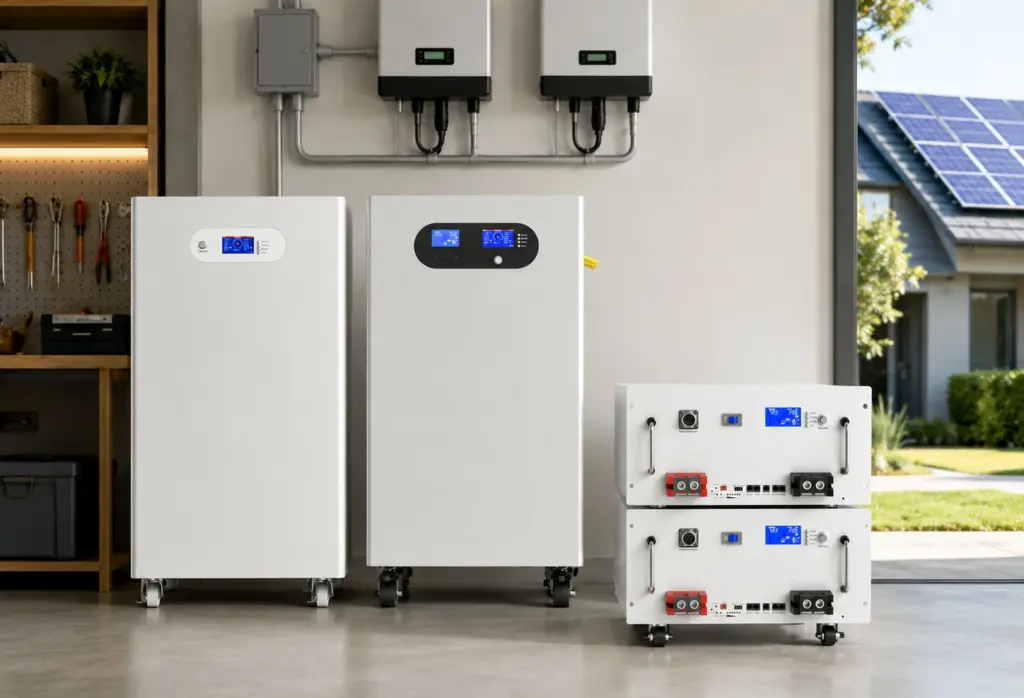
For residential projects, products such as the Avepower 50kWh solar battery are designed for solar storage, backup power, off-grid energy systems, and installer-led home projects. This type of 51.2V LiFePO4 battery includes BMS protection, communication options, Bluetooth/WiFi monitoring, and parallel expansion for larger capacity needs.
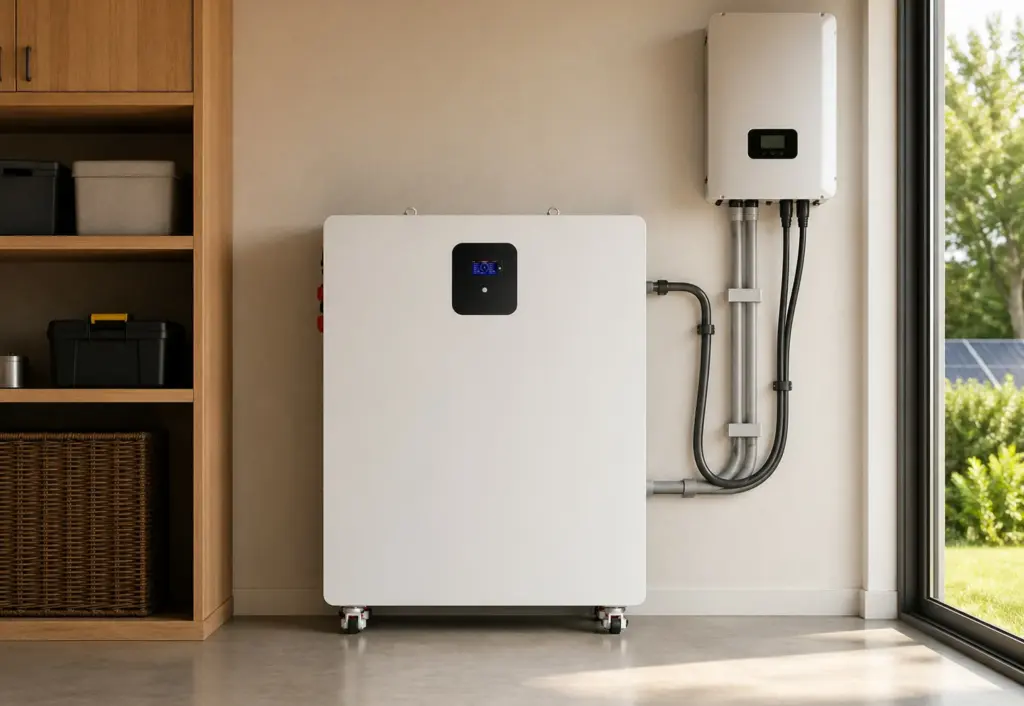
Build a Reliable Off Grid Battery System with Avepower
Need a LiFePO4 battery solution for home solar storage, off-grid backup, installer projects, or commercial energy storage? Avepower can help you choose the right capacity, voltage, BMS communication, and system configuration for your project.
2. Traditional Lithium-Ion Batteries
Best for: compact systems where space and weight matter.
Traditional lithium-ion batteries, such as NMC or NCA chemistries, are known for high energy density. They can store a lot of energy in a smaller space, which can be useful for mobile systems, compact backup units, and some residential storage products.
However, for off-grid homes and C&I storage where long daily cycling, safety, and lifetime cost are more important than maximum energy density, LiFePO4 often becomes the more practical option.
3. Lead-Acid Batteries
Best for: low-budget cabins, temporary systems, low-cycle backup, and simple projects where upfront cost matters more than long-term efficiency.
Lead-acid batteries are still used in some off-grid systems because they are widely available and cheaper upfront. The main types are flooded lead-acid, AGM, and gel batteries.
However, lead-acid batteries usually have lower usable capacity, shorter cycle life, lower efficiency, and more maintenance needs compared with LiFePO4 batteries. Flooded lead-acid batteries also require ventilation and regular maintenance.
Lead-acid may still make sense when the system is very small, rarely cycled, or budget-limited. But for daily off-grid use, many buyers eventually find that the lower upfront price does not always mean lower lifetime cost.
4. Flow Batteries
Best for: larger commercial, industrial, and microgrid projects where long-duration storage is needed.
Flow batteries are not common in most residential off-grid systems, but they can be relevant for certain larger projects. Their strengths include long-duration discharge and potentially long service life. Their weaknesses include higher system complexity, larger footprint, and less availability in small-scale product formats.
For most homeowners and small businesses, LiFePO4 is easier to source, install, and maintain. For larger C&I microgrids, flow batteries may be considered when the project requires many hours of storage and has enough space and technical support.
5. Sodium-Ion Batteries
Best for: emerging stationary storage applications, especially where cost and material availability become important.
Sodium-ion batteries are gaining attention, but they are still less mature than LiFePO4 for mainstream off-grid residential and commercial use. They may become more common in stationary storage, but for buyers building projects today, LiFePO4 remains the more proven and widely supported choice.
Home Off Grid Battery Applications
A home off-grid battery system must be sized around real daily usage, not guesswork. Many homeowners underestimate how much energy refrigerators, water pumps, heating systems, induction cooking, air conditioners, and workshop tools can consume.
1. Off-Grid Cabins
Cabins often need power for LED lighting, small refrigerators, device charging, fans, Wi-Fi, pumps, and occasional tools. A small cabin may use only a few kWh per day, but winter heating, pumps, and refrigeration can increase demand quickly.
For this use case, a 24V or 48V LiFePO4 battery bank is usually a practical choice. If the cabin is used year-round, low-temperature protection is important.
2. Full-Time Off-Grid Homes
A full-time off-grid home needs a more serious design. It may need to support:
- Refrigerator and freezer
- Lighting
- Wi-Fi and computers
- Well pump
- Washing machine
- Cooking appliances
- HVAC or mini-split
- Garage tools
- Backup circuits
For this type of home, a 48V off grid battery system is usually better than a 12V battery system because it reduces current, cable size, heat, and power loss. A modular home energy storage system can also make future expansion easier.
3. Solar Battery Backup for Weak-Grid Homes
Some homes are not completely off-grid, but they operate in weak-grid areas where outages are frequent. In this case, the battery does not need to power everything all the time. It needs to cover essential loads during outages and store solar energy for evening use.
A 10kWh to 30kWh LiFePO4 battery system may be enough for many essential-load backup designs, depending on the appliances and runtime target.
4. Large Homes and Villas
Large homes often need more than one battery module. They may also need higher inverter output to support air conditioning, EV charging, pumps, or large kitchen appliances.
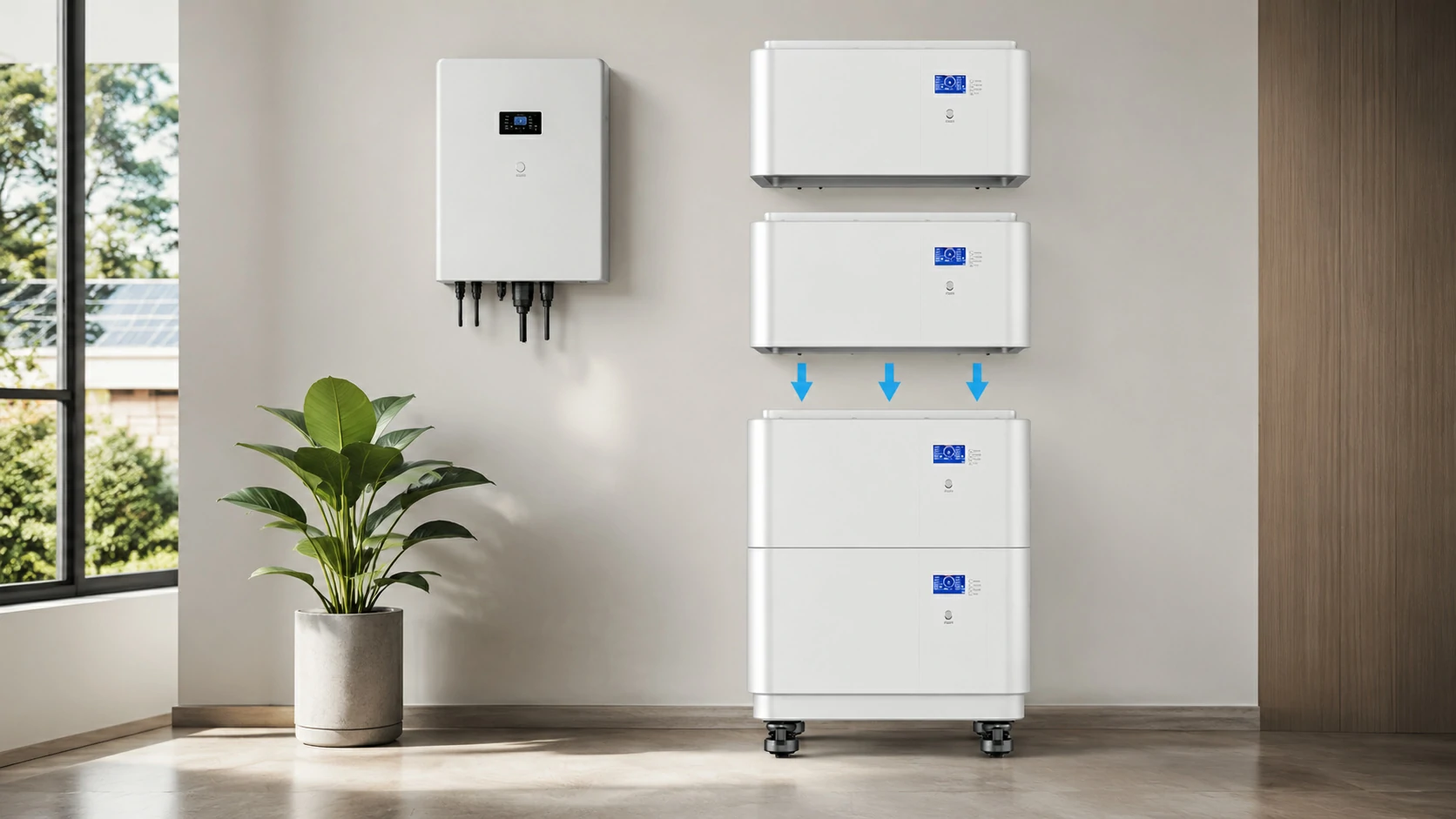
In this case, stackable or vertical LiFePO4 batteries are often easier to expand. Avepower’s stackable solar batteries are designed for modular home storage, where buyers can start with a smaller system and expand capacity as energy demand grows.
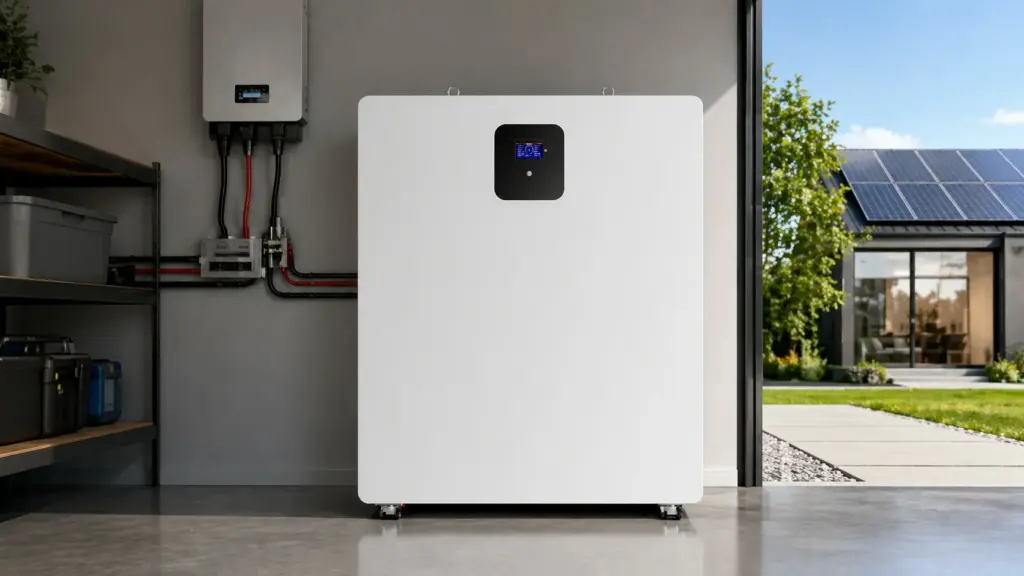
Off Grid Battery System Solution
Avepower can help match the right LiFePO4 battery configuration for home, installer, distributor, OEM/ODM, or C&I energy storage projects.
Commercial and Industrial Off Grid Battery Applications
Commercial and industrial off-grid battery systems are different from home systems. They are usually designed around uptime, power quality, operating cost, and project ROI.
1. Farms and Agricultural Sites
Farms often need off-grid batteries for irrigation pumps, lighting, cold rooms, monitoring systems, electric fencing, workshops, and remote buildings. Solar-plus-storage can reduce generator runtime and provide more predictable power.
For farms, the system should be designed around motor startup current, pump operating hours, seasonal solar production, and backup autonomy.
2. Telecom Towers
Telecom towers require reliable power even in remote areas. A battery system can work with solar panels and generators to reduce fuel use and keep communication equipment online.
For telecom use, important battery features include high reliability, remote monitoring, stable BMS communication, temperature protection, and long cycle life.
3. Hotels, Resorts, and Remote Commercial Buildings
Remote hotels, resorts, and lodges often use batteries to reduce diesel generator runtime. Solar power can cover daytime loads, while the battery supports evening and night consumption.
For these projects, battery storage is not only about backup. It can reduce fuel logistics, noise, maintenance, and operating cost.
4. Workshops and Small Factories
Workshops may need power for tools, motors, compressors, lighting, security systems, and office equipment. These loads can have high surge current, so inverter power and battery discharge current must be checked carefully.
For higher-power applications, a low-voltage 48V system may not always be enough. A larger C&I battery cabinet or high-voltage energy storage system may be more appropriate.
5. Commercial Microgrids
Commercial microgrids combine solar, batteries, inverters, controllers, and sometimes generators. They may support remote communities, island facilities, mining camps, logistics centers, farms, or industrial parks.
How to Size an Off Grid Battery
A reliable off-grid battery system starts with load calculation. Do not size the battery only by house size. A small home with electric heating can use more energy than a large efficient home with gas heating.
Use this basic formula:
Required Battery Capacity = Daily Energy Use × Days of Autonomy ÷ Usable DoD ÷ Inverter Efficiency
For example:
- Daily energy use: 10kWh
- Desired autonomy: 2 days
- Battery chemistry: LiFePO4
- Usable depth of discharge: 85%
- Inverter efficiency: 92%
Calculation:
10kWh × 2 ÷ 0.85 ÷ 0.92 = 25.6kWh
In this case, the user should not choose only a 10kWh battery. A more realistic battery bank would be around 25kWh battery to 30kWh battery if the goal is two days of backup without deep stress on the system.
For commercial projects, the calculation must also include peak power, surge current, demand charge periods, solar generation profile, generator runtime, and backup priority.
Should You Add a Generator to an Off Grid Battery System?
In many full off-grid projects, a generator is still useful. That does not mean the battery system is poorly designed. It means the system is designed realistically.
A generator can support:
- Long periods of bad weather
- Seasonal low-solar months
- Temporary high loads
- Emergency charging
- Battery maintenance charging
- Commercial uptime requirements
Avepower Suggestions for Different Off Grid Battery Projects
Small Cabin or Weekend House
Typical battery size: 5kWh to 15kWh
Suggested voltage: 24V or 48V
Best battery type: LiFePO4 or AGM for very low-budget use
Main focus: lighting, refrigerator, charging, small pump, Wi-Fi
Full-Time Off-Grid Home
Typical battery size: 20kWh to 60kWh+
Suggested voltage: 48V
Best battery type: LiFePO4
Main focus: essential loads, appliances, water pump, backup autonomy, long cycle life
Large Home or Villa
Typical battery size: 30kWh to 100kWh+
Suggested voltage: 48V or high-voltage system
Best battery type: modular LiFePO4
Main focus: higher inverter output, HVAC, EV charging, solar self-consumption, expansion
Farm or Remote Workshop
Typical battery size: 30kWh to 200kWh+
Suggested voltage: 48V for smaller systems, high-voltage for larger systems
Best battery type: LiFePO4 cabinet or modular ESS
Main focus: pumps, motors, tools, cold storage, backup power, generator reduction
Commercial and Industrial Site
Typical battery size: 100kWh to multi-MWh
Suggested voltage: high-voltage ESS
Best battery type: C&I LiFePO4 cabinet system
Main focus: backup power, peak shaving, solar storage, microgrid operation, energy management
Conclusion
The best off grid battery is not simply the biggest or cheapest battery. It is the battery that matches your energy use, backup duration, inverter power, installation environment, safety requirements, and expansion plan.
If you are planning an off-grid home, installer project, farm storage system, telecom backup solution, or C&I solar-plus-storage project, Avepower can help match the right battery architecture, capacity, voltage platform, communication protocol, and customization plan for your application.
Take Control of Your Energy with Avepower!
Reliable home solar battery solutions with OEM/ODM customization and in-house manufacturing, tailored to the needs of distributors, installers, and energy partners.
FAQ
For most modern off-grid solar systems, LiFePO4 is the best overall battery choice because it offers long cycle life, high usable capacity, low maintenance, and strong safety performance. Lead-acid may still work for small budget systems, but it is usually less suitable for daily cycling.
It depends on your daily kWh usage, backup days, inverter efficiency, and battery depth of discharge. A small cabin may need 5kWh to 15kWh, while a full-time off-grid home may need 20kWh to 60kWh or more.
For larger systems, yes. A 48V battery system reduces current, cable size, heat, and power loss compared with 12V. It is usually better for whole-home backup, solar storage, farms, and higher-power off-grid systems.
Yes. Commercial off-grid batteries can support backup power, peak shaving, solar self-consumption, generator reduction, and microgrid operation. Larger C&I projects often use high-voltage or cabinet-based LiFePO4 energy storage systems.
LiFePO4 batteries are widely used in home energy storage because they have strong thermal stability and long cycle life. However, system safety still depends on battery quality, BMS protection, inverter matching, installation practice, and compliance with local codes.
A small business may need 30kWh to 100kWh, while farms, factories, hotels, and remote commercial sites may need hundreds of kWh or more. The correct size should be based on load profile, peak demand, backup duration, solar generation, and operating schedule.