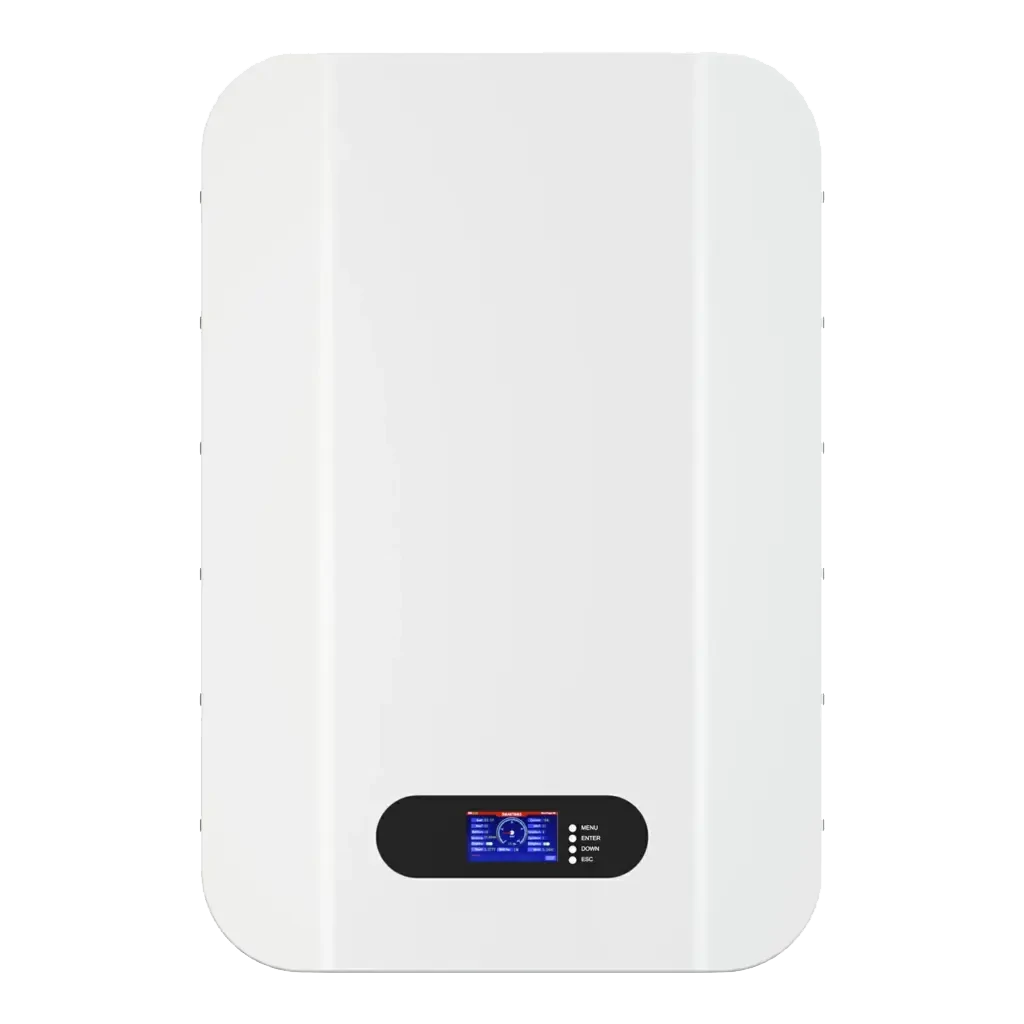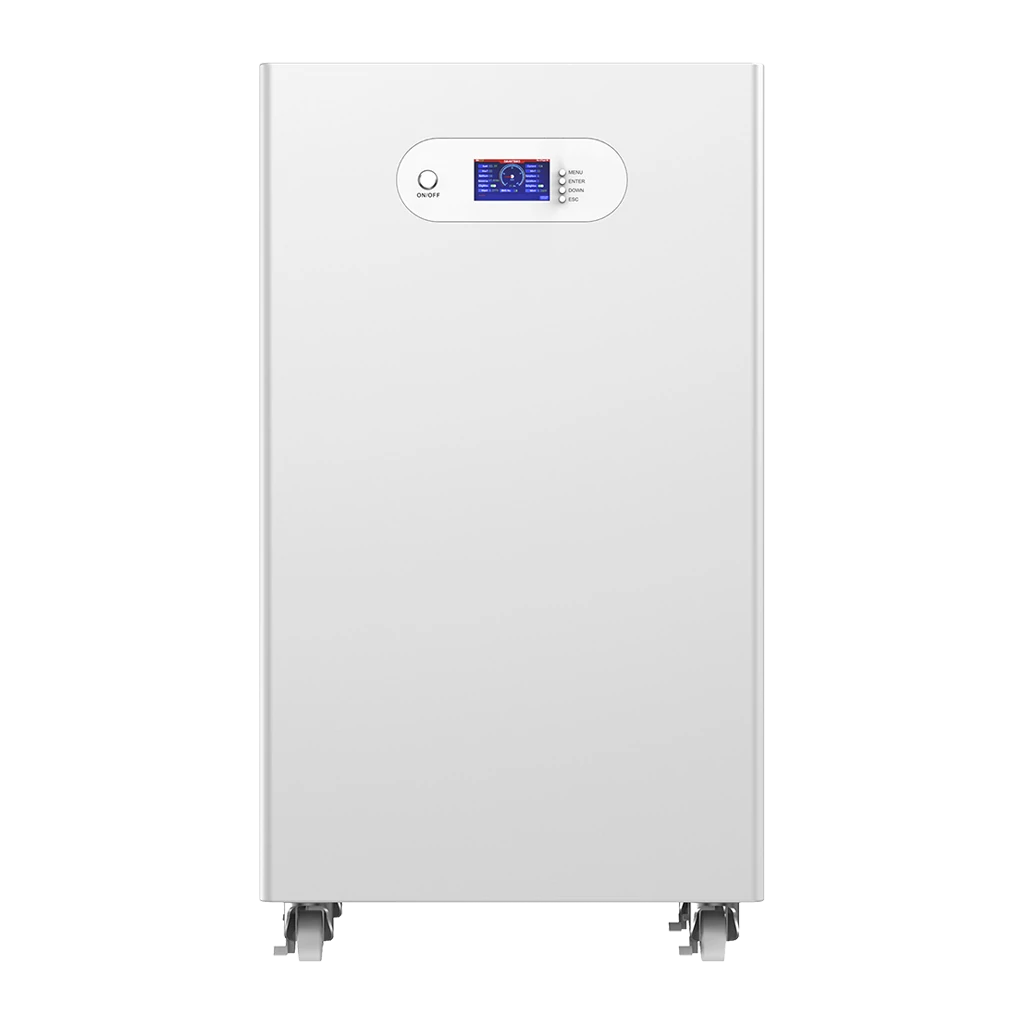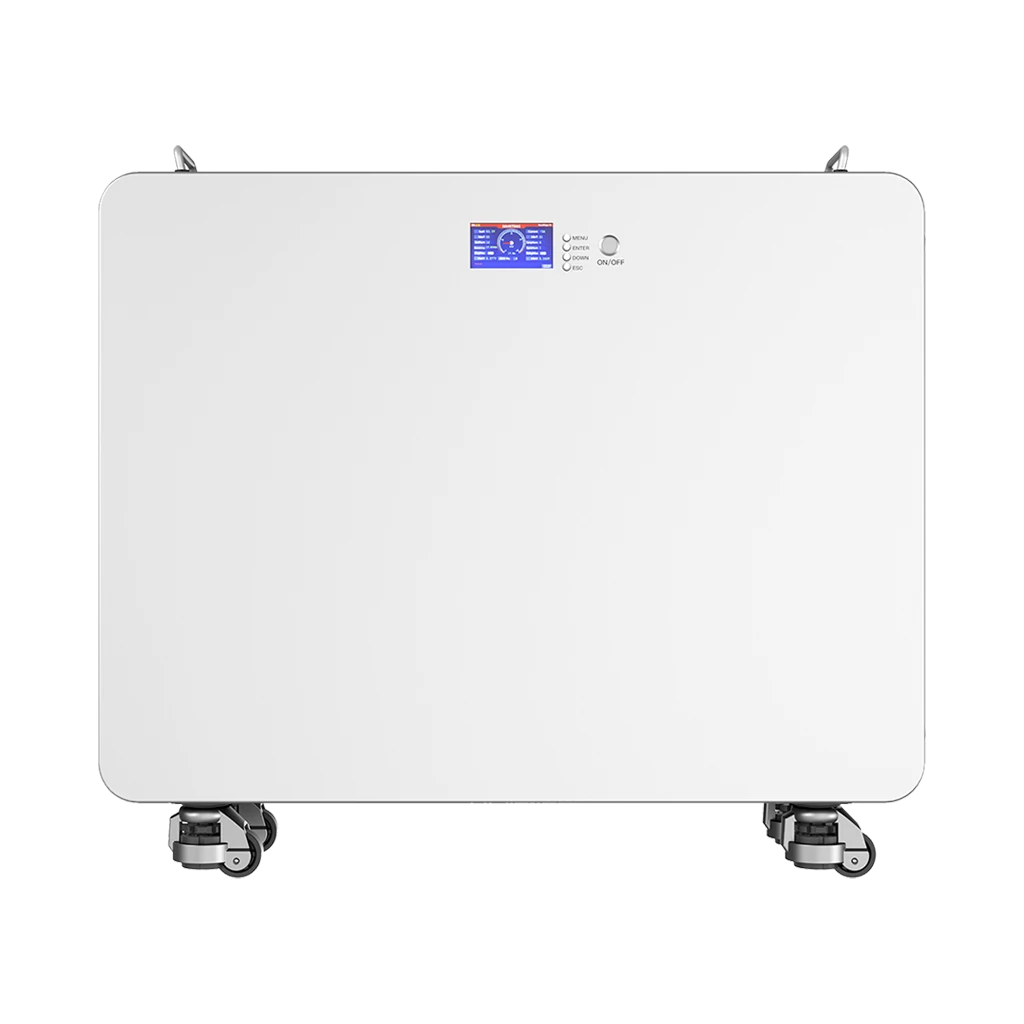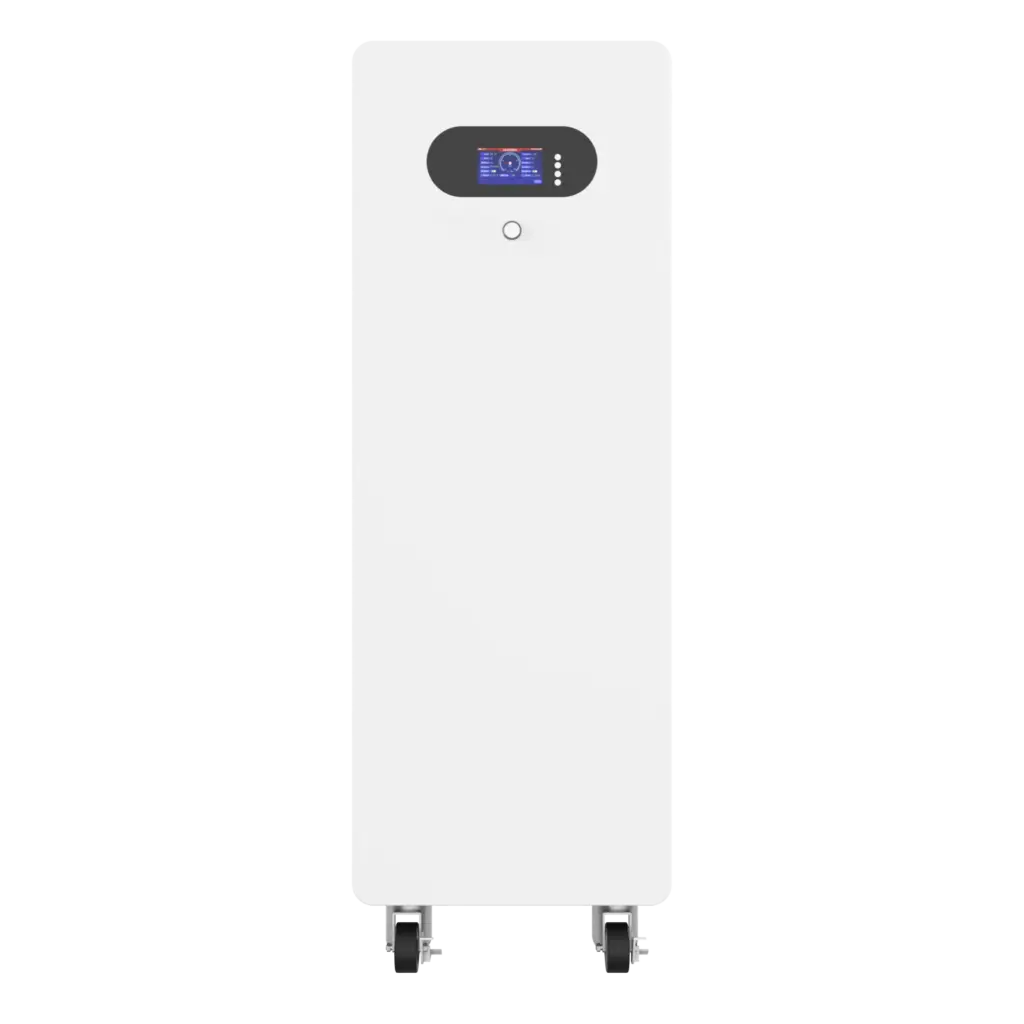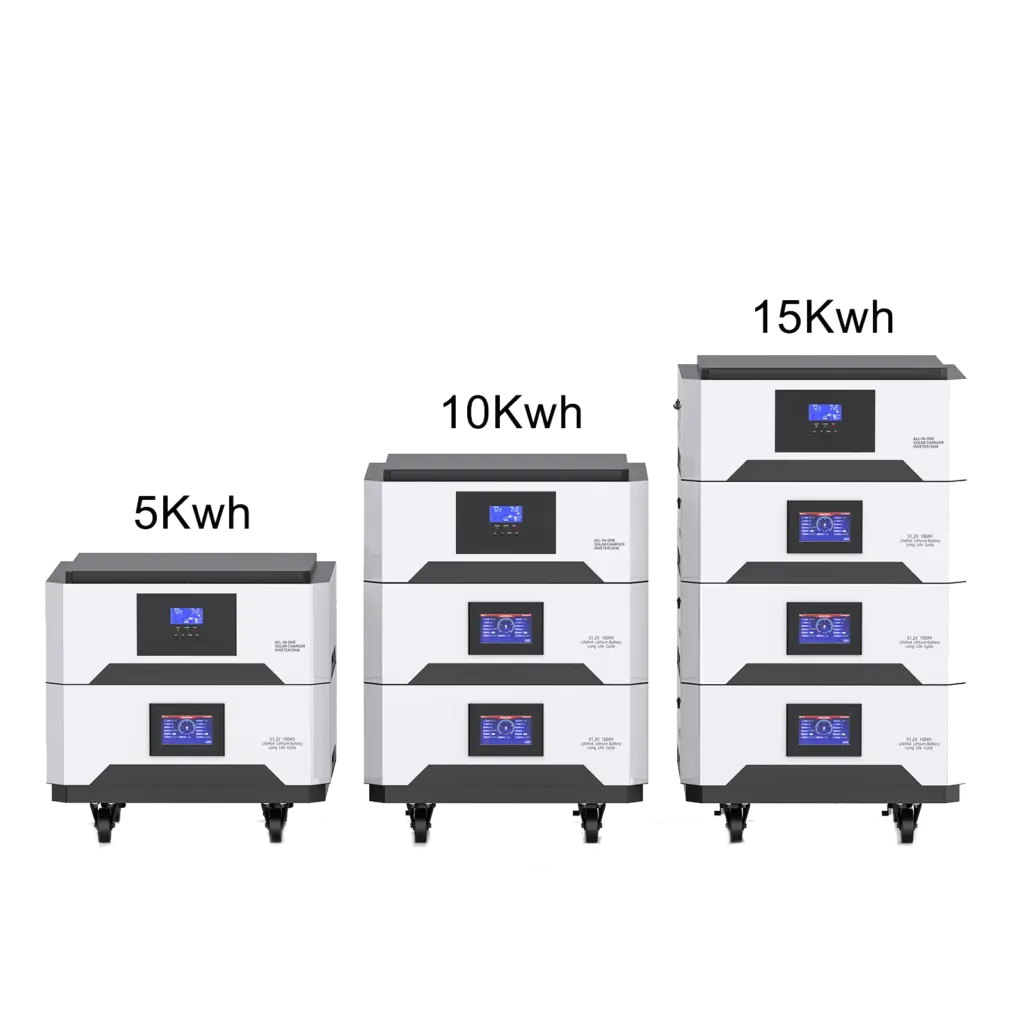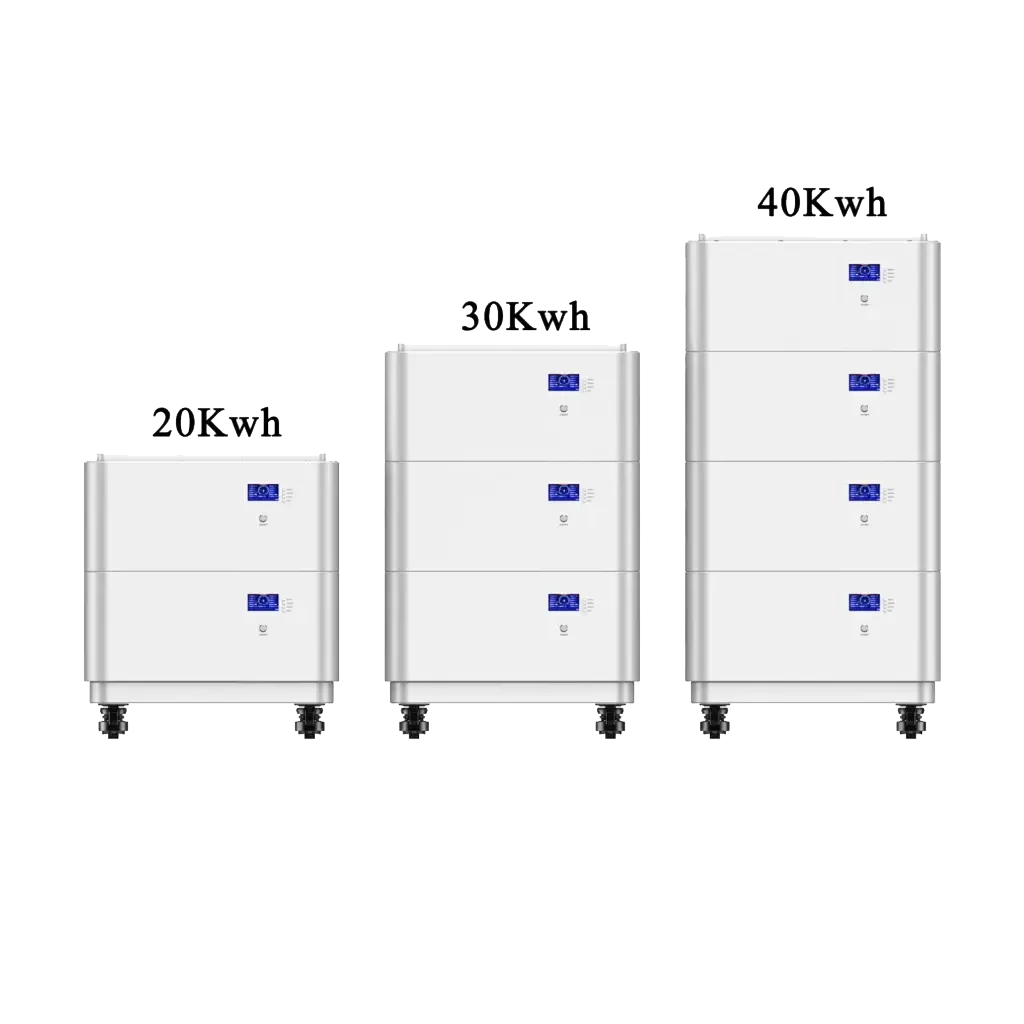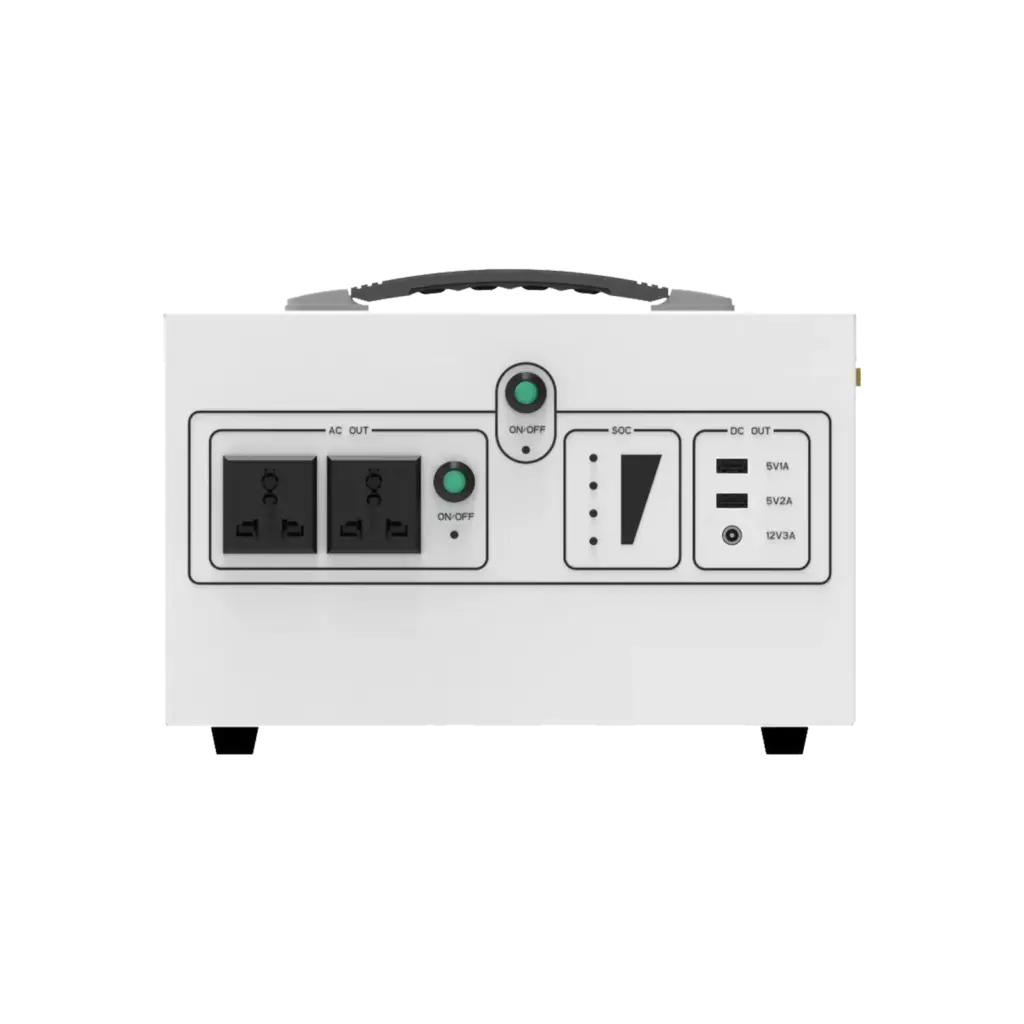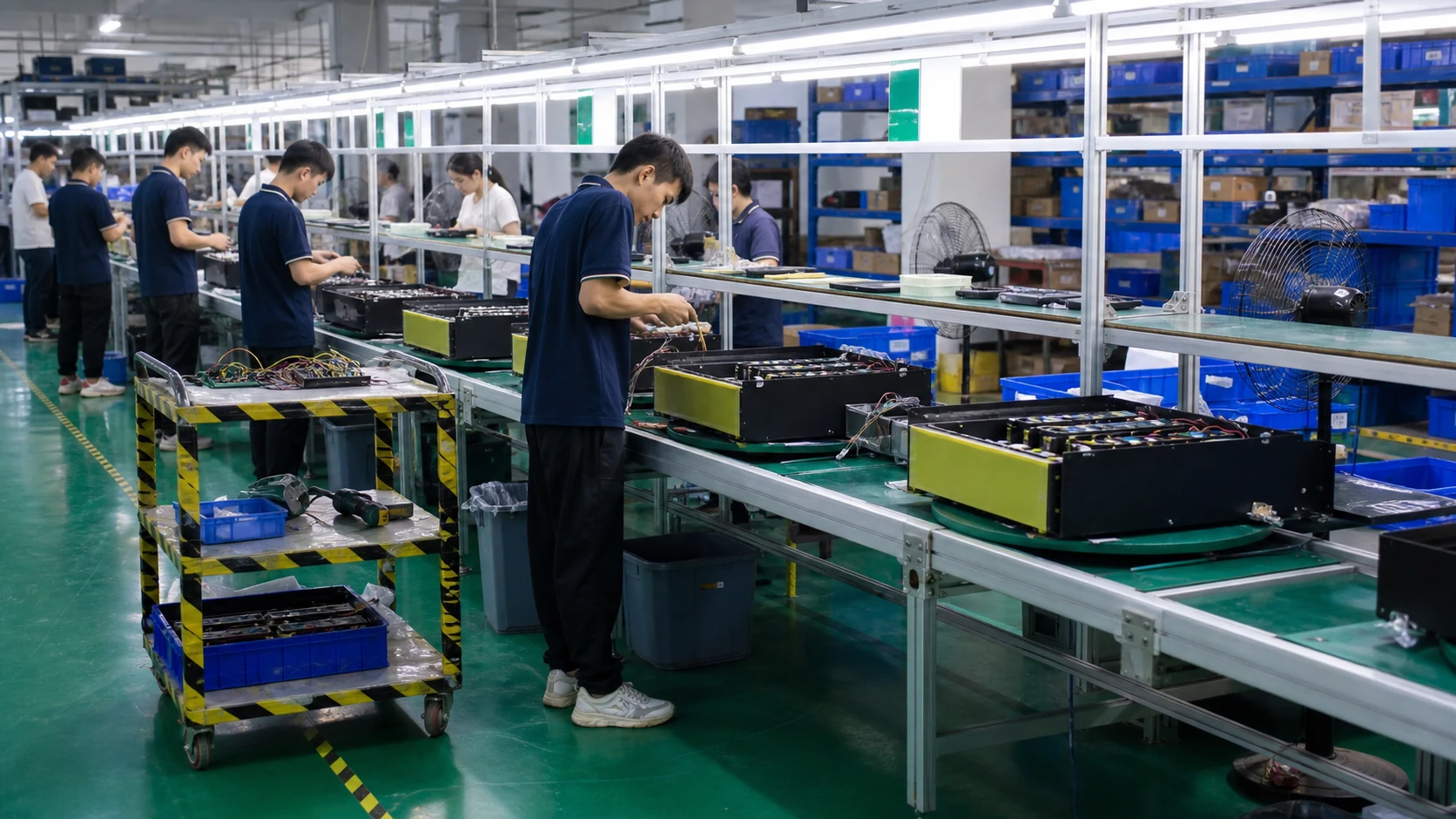


From recreational vehicles and boats to renewable energy setups and backup power solutions, deep cycle batteries are built to deliver consistent energy over long periods. Unlike standard car batteries, which are designed to supply quick bursts of power to start engines, deep cycle batteries provide steady power over hours or even days.
By understanding the differences between deep cycle and starter batteries, the types of deep cycle batteries available, and their proper use and maintenance, you can choose the right battery to maximize performance and longevity.
What is a Deep Cycle Battery?
A deep cycle battery is a storage device designed to be repeatedly and significantly discharged—or “deeply cycled”—before being recharged. This makes it fundamentally different from a standard starter battery.
What Makes a Deep Cycle Battery Different?
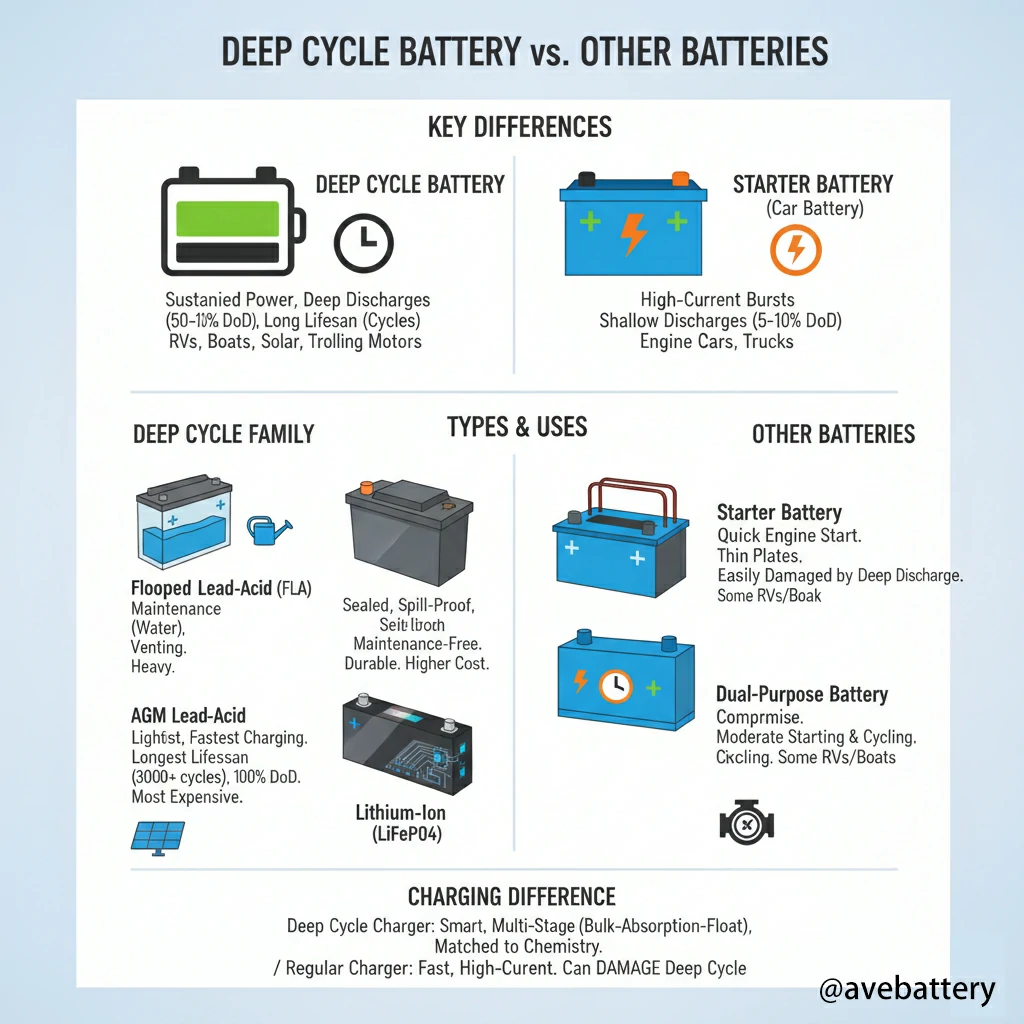
The key difference between a starter battery and a deep cycle battery lies in how they deliver power. Starter batteries are designed for short, intense bursts of energy, while deep cycle batteries are meant to be discharged slowly over time. Deep cycle batteries can also handle a higher percentage of discharge without damage.
For example, many lead-acid deep cycle batteries can be safely discharged up to 50% of their total capacity. On the other hand, lithium-ion deep cycle batteries can often be discharged up to 100% without harming their lifespan. Always refer to the manufacturer’s guidelines for your specific battery to avoid over-discharging and damaging it.
Deep Cycle Battery Discharge Capability
The discharge capability of a battery refers to how much of its stored energy it can release safely without damage. Starter batteries can usually only handle shallow discharges of around 10–20%, while deep cycle batteries are designed to handle much deeper discharges. Some deep cycle batteries can be safely discharged up to 50–80% of their capacity, while high-quality lithium-ion deep cycle batteries can be discharged up to 100% without harming their lifespan.
Lead-acid deep cycle batteries, including flooded, gel, and AGM types, generally cannot tolerate deep discharges as well as lithium-ion batteries. Exceeding recommended discharge limits can reduce the battery’s lifespan significantly. Always check the manufacturer’s guidelines for the safe discharge range for your specific battery.
Capacity Differences: Lead-Acid vs Lithium-Ion
Battery capacity, measured in amp-hours (Ah), determines how much energy a battery can store. Lithium batteries consistently deliver close to 100% of their rated capacity, even at higher discharge rates. Lead-acid batteries, in contrast, lose a significant portion of usable energy if discharged quickly. Cold weather further impacts capacity: lead-acid batteries can lose up to 50% of capacity at 0°C, while lithium iron phosphate batteries may only lose around 10%.
Types of Deep Cycle Batteries
There are several types of deep cycle batteries, each with unique characteristics. The main categories include flooded lead-acid, gel and AGM (VRLA), and lithium-ion batteries.

1. Flooded Lead-Acid Batteries
Flooded lead-acid batteries, also called wet cell batteries, are the oldest type still in use. They contain a liquid electrolyte made of water and sulfuric acid. These batteries require regular maintenance, including adding water and cleaning acid residue from terminals and the battery case.
Flooded lead-acid batteries must remain upright at all times, and proper ventilation is necessary to prevent hydrogen gas buildup. They are relatively heavy compared to other battery types and provide less energy per pound. While they are still effective, their maintenance requirements and weight have led to decreased popularity in modern applications.
2. Gel and AGM Batteries (Valve-Regulated Lead-Acid or VRLA)
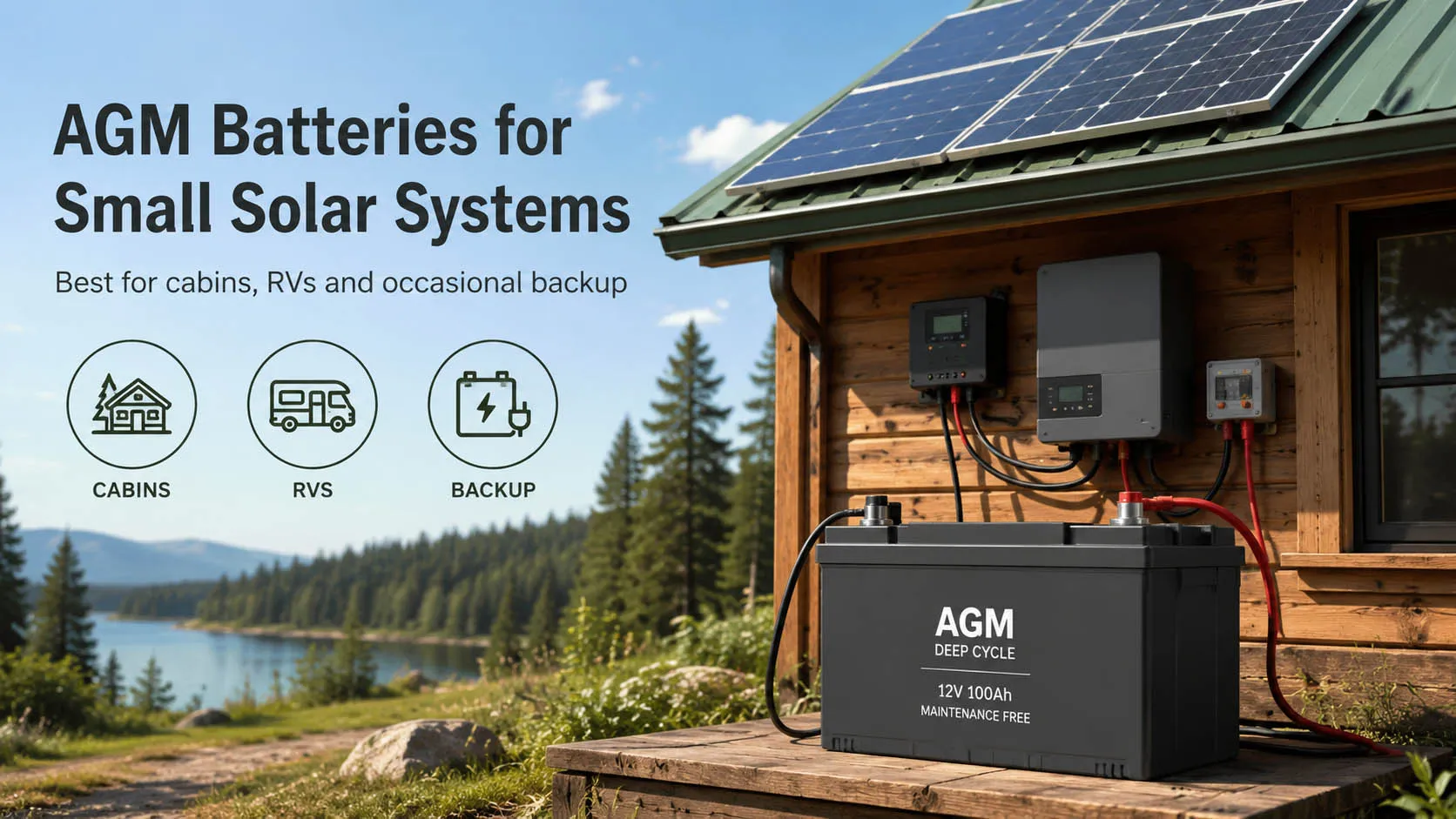
Gel and AGM batteries are improvements on traditional lead-acid designs. Gel batteries contain a thickened, gel-like electrolyte, while AGM (Absorbed Glass Mat) batteries have the electrolyte absorbed in a fiberglass mat. Both types do not require water refills and can be mounted in different orientations. They also minimize acid spillage and reduce corrosion risks. While these batteries are more expensive than flooded lead-acid types, they are safer, cleaner, and easier to maintain. However, in high-demand applications, they may not last as long as flooded batteries.
3. Lithium-Ion Batteries
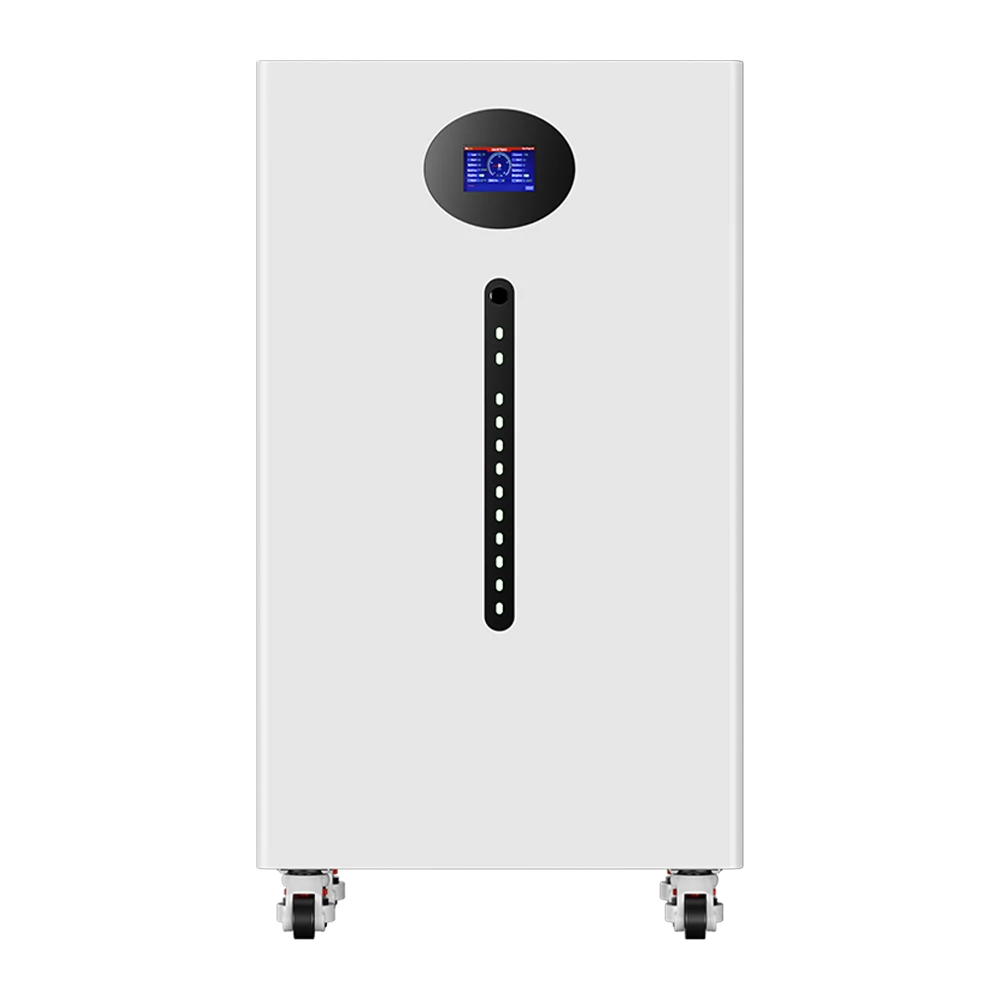
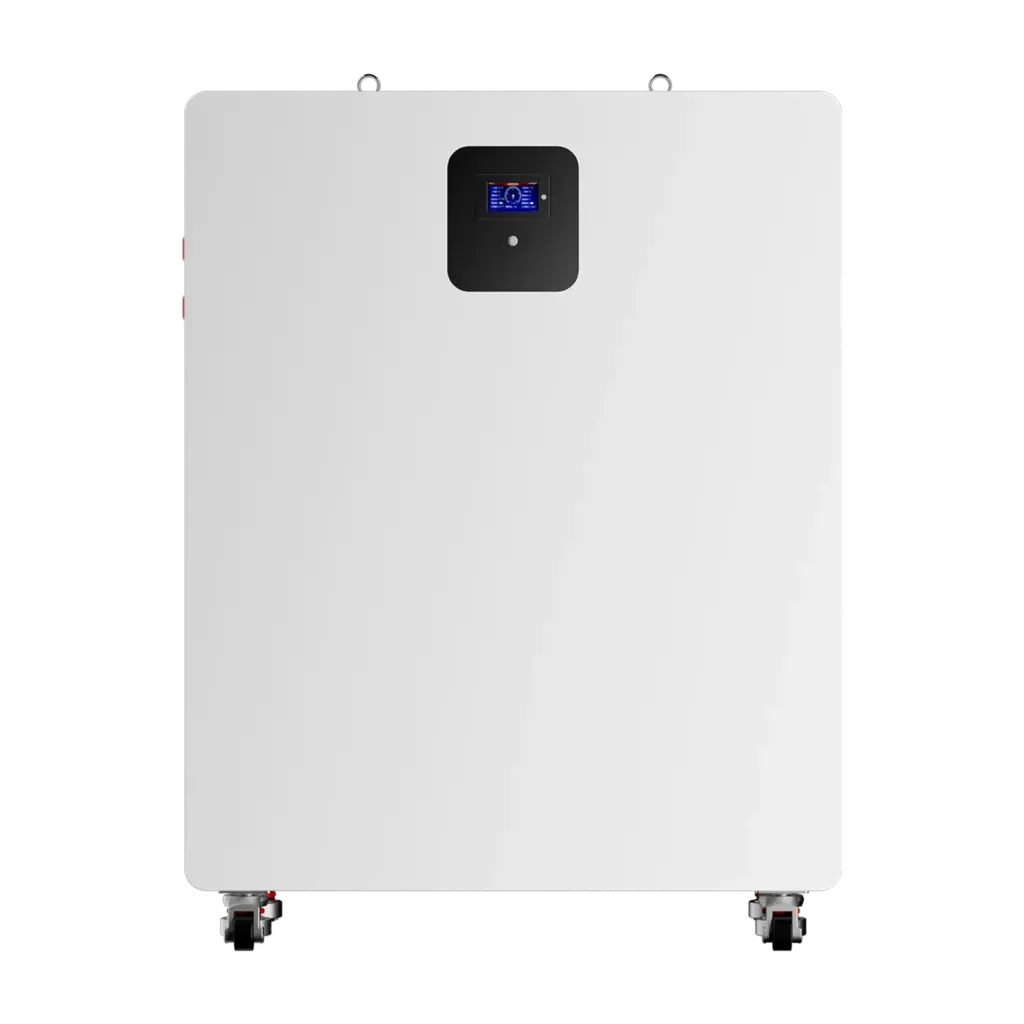
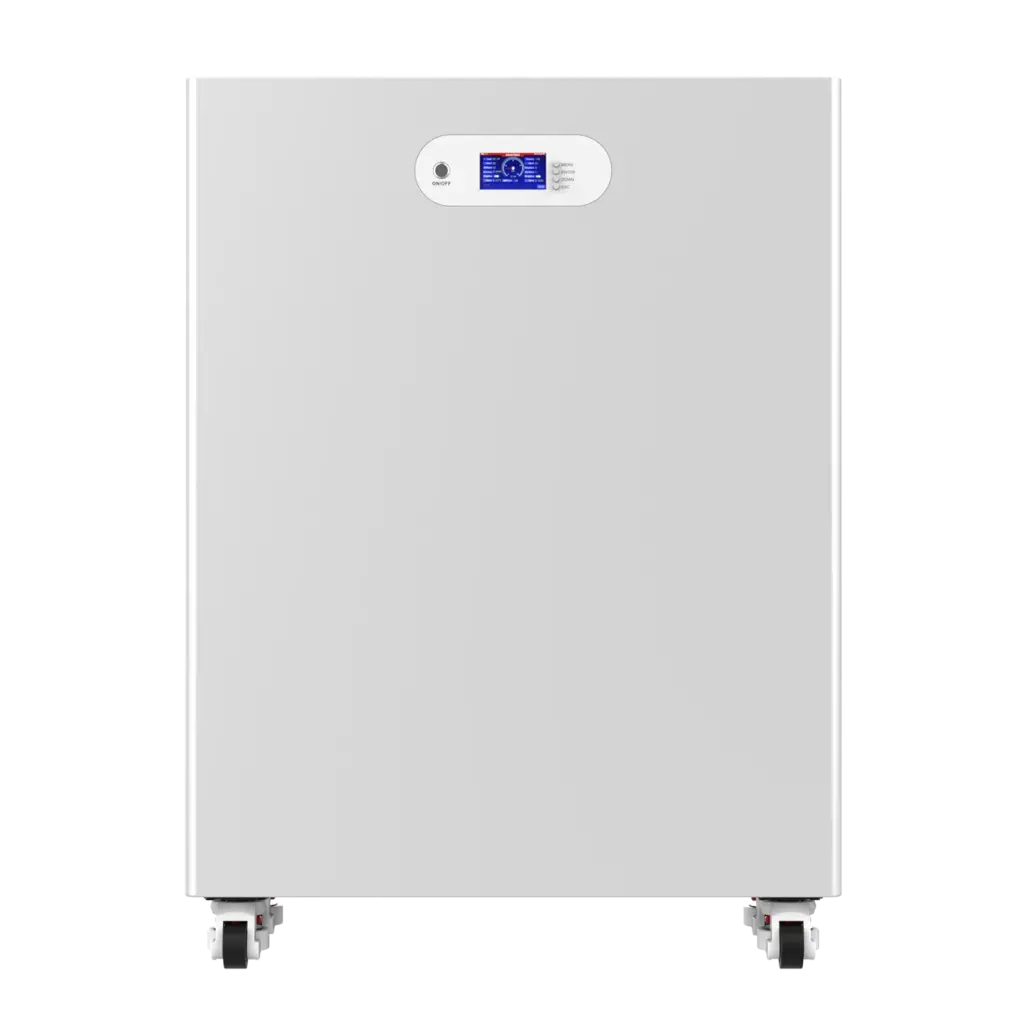
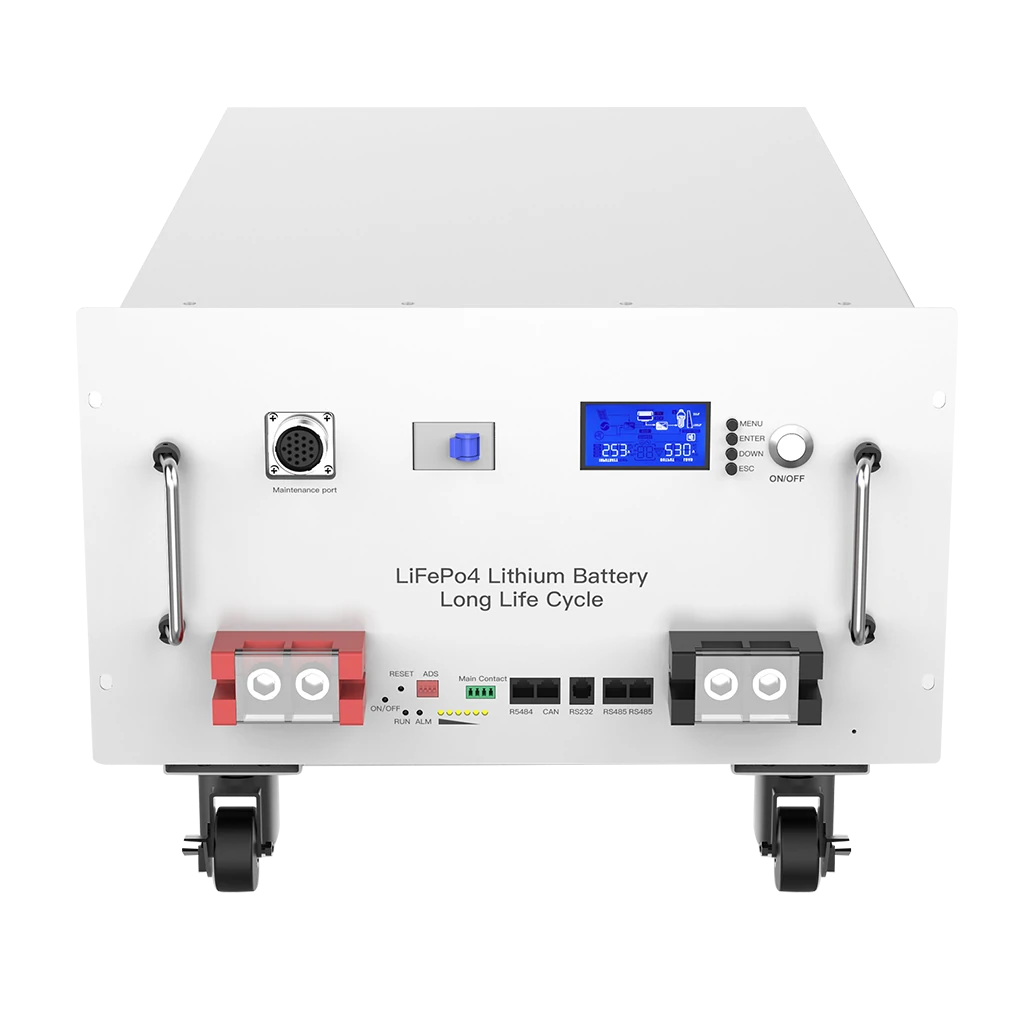
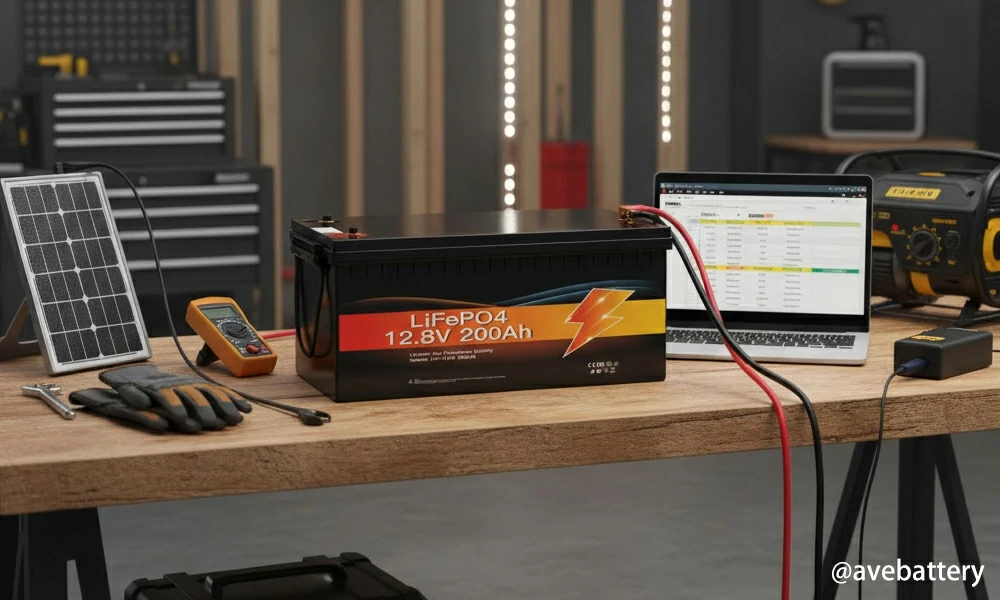
Lithium-ion deep cycle batteries, especially lithium iron phosphate (LiFePO4) batteries, are becoming the preferred choice for many modern applications. They are lightweight, require no maintenance, can be discharged deeply without reducing lifespan, and charge much faster than lead-acid types. Lithium batteries also provide consistent power throughout their discharge cycle and perform better in a wider range of temperatures. Though they have a higher upfront cost, their long lifespan often makes them more cost-effective over time.
How to Charge a Deep Cycle Battery
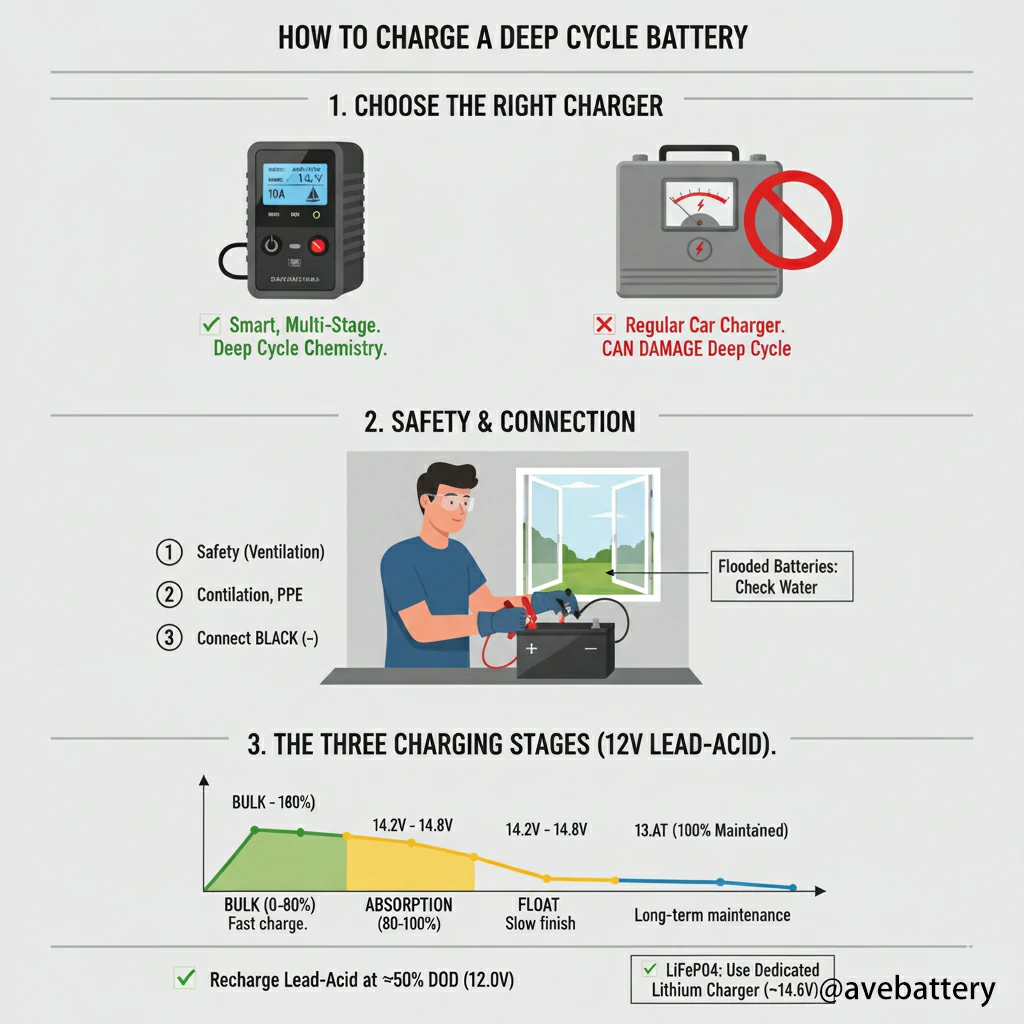
The key to proper charging is using the correct type of charger that follows a multi-stage charging algorithm matched to the battery’s chemistry.
1. Choose the Right Charger
- MUST use a Smart, Multi-Stage Deep Cycle Charger.
- NEVER use a basic car-starting battery charger.
- Match the Type: Ensure your charger has settings for your specific chemistry (AGM, GEL, or Flooded) to apply the correct maximum voltage.
2. Safety and Connection
- Safety: Charge in a well-ventilated area. For Flooded batteries, check water levels before charging.
- Turn Off: Ensure the charger is unplugged or switched OFF.
- Positive First: Connect the Red Positive (+) clamp to the battery’s Positive (+) terminal.
- Negative Second: Connect the Black Negative (−) clamp to the battery’s Negative (−) terminal.
- Start: Plug in the charger and turn it on.
3. The Three Charging Stages (12V Battery)
Your smart charger automatically cycles through these stages to ensure a full, safe charge:
| Name | Goal | Typical Voltage Range |
|---|---|---|
| Bulk | Fast charge up to ∼80% capacity. | 14.2V − 14.8V |
| Absorption | Slowly finishes the charge to reach 100% saturation. | 14.2V − 14.8V |
| Float | Maintains 100% charge by offsetting self-discharge. | 13.2V − 13.8V |
For best life, recharge lead-acid batteries when they reach 50% Depth of Discharge (approx. 12.0V resting voltage). Lithium (LiFePO4) requires a dedicated Lithium charger (typically max 14.6V).
Battery Charging Time Calculator
What are Deep Cycle Batteries Used for
Because they provide steady, long-term power, deep cycle batteries are the optimal choice for any application that needs sustained energy, often when an engine is not running or an external power source is unavailable.
Here are some of the most common applications for deep cycle batteries:
- Solar and other renewable energy storage systems
- Electric wheelchairs and mobility scooters
- Trolling motors on boats
- Electric forklifts
- Navigational and electronic devices on boats (when the main motor is off)
- Recreational vehicles (RVs)
- Emergency backup power systems
- Electric scissor lifts
- Off-grid power setups
- Electric floor cleaning machines
- Electric golf carts
- Small boats and kayaks
- Portable medical equipment
- Outdoor lighting systems
- Remote communication devices
These batteries are also widely used in off-grid power setups, emergency backup systems, and anywhere a continuous energy source is critical.
How Long Deep Cycle Batteries Last
The lifespan of a deep cycle battery is measured in cycles, which is the number of times it can be discharged and recharged before its performance drops significantly.
Battery life is influenced by:
- Chemistry Type: Lithium batteries last much longer than all lead-acid types.
- Depth of Discharge: Discharging any battery less deeply will make it last for more cycles.
- Temperature: High temperatures quickly degrade a battery’s life.
- Proper Maintenance: Especially for lead-acid batteries, following the proper charging and watering routine is critical.
| Battery Type | Typical Cycle Life (at 50% DoD) | Estimated Lifespan |
|---|---|---|
| Flooded Lead-Acid (FLA) | 200–500 cycles | 2–4 years |
| AGM / Gel (VRLA) | 500–800 cycles | 3–6 years |
| Lithium Iron Phosphate (LiFePO₄) | 2,000–5,000+ cycles | 8–12+ years |
A key advantage of lithium batteries is their built-in Battery Management System (BMS), which helps protect them from damaging conditions like over-charging or over-discharging, further extending their usable life.
Factors Affecting Deep Cycle Battery Lifespan
The useful life of a deep cycle battery is determined by a few critical factors. Generally, lead-acid batteries are much more vulnerable to damage than lithium batteries.
For lead-acid batteries (FLA, Gel, and AGM), improper care is the most common killer:
- Improper Watering (for FLA): Too little water exposes the internal plates, causing damage.
- Over-discharging: Consistently draining the battery below its recommended limit (usually 50%).
- Over-charging: Supplying too much voltage can damage the plates and cause excessive gassing/water loss.
- Under-charging: Regularly failing to bring the battery back to a full charge causes sulfation.
For lithium batteries, most of these issues are eliminated:
- They don’t require watering.
- They aren’t damaged by a partial state of charge or under-charging.
- Many quality lithium batteries come with a built-in smart Battery Management System (BMS). This electronic system actively monitors and protects the battery from over-charging, over-discharging, and overheating, further extending its lifespan.
Heat is a universal enemy of all batteries. Higher operating temperatures degrade all battery types much faster. Keeping a battery cool is essential for longevity.
Tips to Extend the Life of Deep Cycle Batteries
- Regular Charging – Keep your batteries well-charged. Avoid letting lead-acid batteries drop below 80% of full capacity to prevent sulfation. Use chargers suited to your battery type.
- Monitor Power Levels – Check battery voltage regularly to ensure it stays within recommended limits.
- Control Temperature – Avoid exposing batteries to direct sunlight or high temperatures. Heat can permanently damage the battery.
- Watering (for flooded batteries) – Refill with distilled water as needed. Avoid tap water, which contains impurities that can damage the battery.
- Clean Terminals – Remove corrosion using a mixture of baking soda and distilled water. Keeping connections clean ensures efficient charging and discharging.
- Use Smart Chargers – Chargers that can transition to trickle mode prevent overcharging and overheating, protecting the battery.
By following these steps, you can maximize battery performance and longevity, whether you use the battery for boating, RV travel, or home energy storage.
Deep Cycle Battery Safety Tips
Working with batteries can be dangerous if safety precautions are ignored. Always follow these guidelines:
- Wear protective equipment, including gloves and goggles.
- Remove jewelry or any metal objects before handling batteries.
- Work in a well-ventilated area.
- Inspect batteries for visible damage, such as cracked cases, corrosion, or loose terminals.
- Ensure batteries are fully charged before testing their condition.
Identifying problems early can prevent accidents and extend battery life. For example, corroded terminals can reduce efficiency and cause unsafe conditions. Cleaning and maintaining connections is critical for safe operation.
Deep Cycle Battery vs Oter Battery
| Comparison | Key Differences | Advantages of Deep Cycle Batteries | Notes / Considerations |
|---|---|---|---|
| Deep Cycle Battery vs Lead-Acid | Lead-acid can be starter or deep cycle; traditional lead-acid (flooded) is heavier, needs maintenance | Deep cycle provides longer sustained power, can handle deeper discharges | Lead-acid deep cycle batteries have limited cycles compared to lithium; require watering and ventilation |
| Deep Cycle Battery vs Lithium-Ion | Lithium-ion is lighter, charges faster, allows deeper discharges | Deep cycle lead-acid batteries are cheaper upfront and widely available | Lithium-ion lasts longer, more efficient, but has higher initial cost |
| Deep Cycle Battery vs AGM Deep Cycle Battery | AGM is sealed, spill-proof, and maintenance-free | Standard flooded deep cycle batteries are cheaper | AGM batteries are safer, better for confined spaces, but cost more; slightly shorter lifespan under heavy cycling |
| Charger: Deep Cycle vs Regular Battery Charging | Deep cycle requires slower, controlled charging (CC-CV or smart chargers) | Protects battery from overcharge and extends lifespan | Regular car battery chargers are fast but may overcharge deep cycle batteries, reducing life |
| Deep Cycle Battery vs Car Battery | Car battery (starter battery) delivers high current for short bursts; deep cycle delivers steady current over long periods | Deep cycle batteries are ideal for RVs, boats, solar systems, and equipment | Using a starter battery for deep cycle purposes can damage it quickly; capacity and discharge depth differ greatly |
Conclusion
Deep cycle batteries are indispensable for applications requiring long-lasting, reliable power. By understanding the differences between starter and deep cycle batteries, the types of batteries available, and proper maintenance practices, you can ensure optimal performance and longevity.
Whether you are powering a boat, RV, or renewable energy system, selecting the correct deep cycle battery and caring for it properly will save money, prevent downtime, and maximize energy efficiency. High-quality lithium batteries, such as those from Avepower, offer an excellent combination of performance, durability, and safety for modern energy needs.
FAQ
A deep cycle marine battery is a battery designed to provide steady, long-lasting power for marine applications, such as trolling motors, onboard electronics, and pumps. Unlike starter batteries, it can handle repeated deep discharges without damage.
Deep cycle marine batteries can be flooded lead-acid, AGM, gel, or lithium-ion. Flooded batteries require regular maintenance, AGM and gel batteries are sealed and maintenance-free, and lithium batteries are lightweight, durable, and fast-charging.
A marine deep cycle battery is specifically designed for use on boats. It delivers steady power over long periods, tolerates harsh marine conditions, and powers devices while the main engine is off.
Lead-acid marine batteries usually last 3–5 years, while lithium marine batteries can last up to 10 years or more, depending on usage and maintenance.
No. Car batteries are starter batteries meant for short bursts of power and are not built for deep, continuous discharge. Using one in place of a marine deep cycle battery will shorten its life.