Inverter efficiency measures how much input electrical power becomes usable output power after conversion. For a standard DC-to-AC inverter, it is AC output divided by DC input. Modern grid-connected solar inverters typically exceed 95% efficiency under most normal operating conditions, but peak efficiency alone is not enough for comparison. Weighted efficiency, part-load performance, input voltage, temperature and standby consumption often matter more in real systems.
For solar-plus-storage systems, the comparison becomes more complex. A hybrid inverter may convert energy in both directions, while the battery introduces additional losses. Buyers therefore need to know what efficiency is being measured, at what load, in which direction and at which measurement boundary before comparing two products.
What Is Inverter Efficiency?
Inverter efficiency is the ratio of usable AC real power leaving an inverter to the electrical power entering it from the DC side, expressed as a percentage. The difference becomes conversion loss, mainly through semiconductor switching, electrical resistance, magnetics, control electronics and heat.
The basic formula is:
Inverter Efficiency (%) = AC Output Power ÷ DC Input Power × 100
For example, suppose an inverter receives:
- DC input power: 5,000 W
- AC output power: 4,850 W
Then:
4,850 ÷ 5,000 × 100 = 97%
The inverter is 97% efficient at that specific operating point.
The remaining:
5,000 − 4,850 = 150 W
What Is a Good Inverter Efficiency?
For a modern grid-connected solar inverter, efficiency above 95% under normal operating conditions is typical, while many current products achieve weighted efficiencies around the upper-90% range. A “good” value should still be judged against similar inverter types because a residential microinverter, hybrid inverter and multi-megawatt utility inverter should not be compared using peak efficiency alone.
For a hybrid inverter or battery inverter, also check:
- efficiency while charging the battery;
- efficiency while discharging;
- efficiency at low power;
- no-load or standby consumption;
- battery voltage range;
- system round-trip efficiency;
- temperature derating.
A 98.5% maximum-efficiency inverter can perform worse in a particular project than a 98.0% inverter if the first unit spends much of its operating time in an inefficient part of its curve.
How Do You Calculate Inverter Efficiency?
Calculate inverter efficiency by measuring real input and output power at the same operating point, then dividing AC output by DC input. For battery and solar systems, use watts for instantaneous efficiency or watt-hours/kilowatt-hours over a defined period when you want energy efficiency rather than a momentary measurement.
Power-Based Calculation
If:
- DC input = 2,050 W
- AC output = 1,950 W
then:
Efficiency = 1,950 ÷ 2,050 × 100
= 95.1%
Power loss is:
2,050 − 1,950 = 100 W
Energy-Based Calculation
Suppose 10.0 kWh enters an inverter over a measured period and 9.7 kWh of AC electricity leaves it.
Energy conversion efficiency = 9.7 ÷ 10 × 100
= 97%
What Is the Difference Between Maximum, CEC and European Inverter Efficiency?
Maximum efficiency measures the inverter’s best conversion point, while CEC and European efficiency combine performance at several partial-load points to better represent changing operation.
| Efficiency Metric | What It Measures | Best Use | Main Limitation |
|---|---|---|---|
| Maximum / Peak Efficiency | Highest measured conversion efficiency at a favorable operating point | Shows technical peak | Does not represent a full operating profile |
| CEC Weighted Efficiency | Weighted result across defined partial-load conditions | US and high-irradiance PV comparisons | Still represents a standardized profile, not your exact site |
| European Efficiency | Weighted result based on a central-European operating distribution | European PV comparisons | Climate weighting may not represent every location |
| Efficiency Curve | Efficiency across multiple loads and sometimes DC voltages | Engineering and procurement | Requires more data than one headline number |
| MPPT Efficiency | How effectively a solar inverter tracks the array’s maximum power point | PV performance evaluation | Not the same as DC-to-AC conversion efficiency |
Why Does Inverter Efficiency Change With Load?
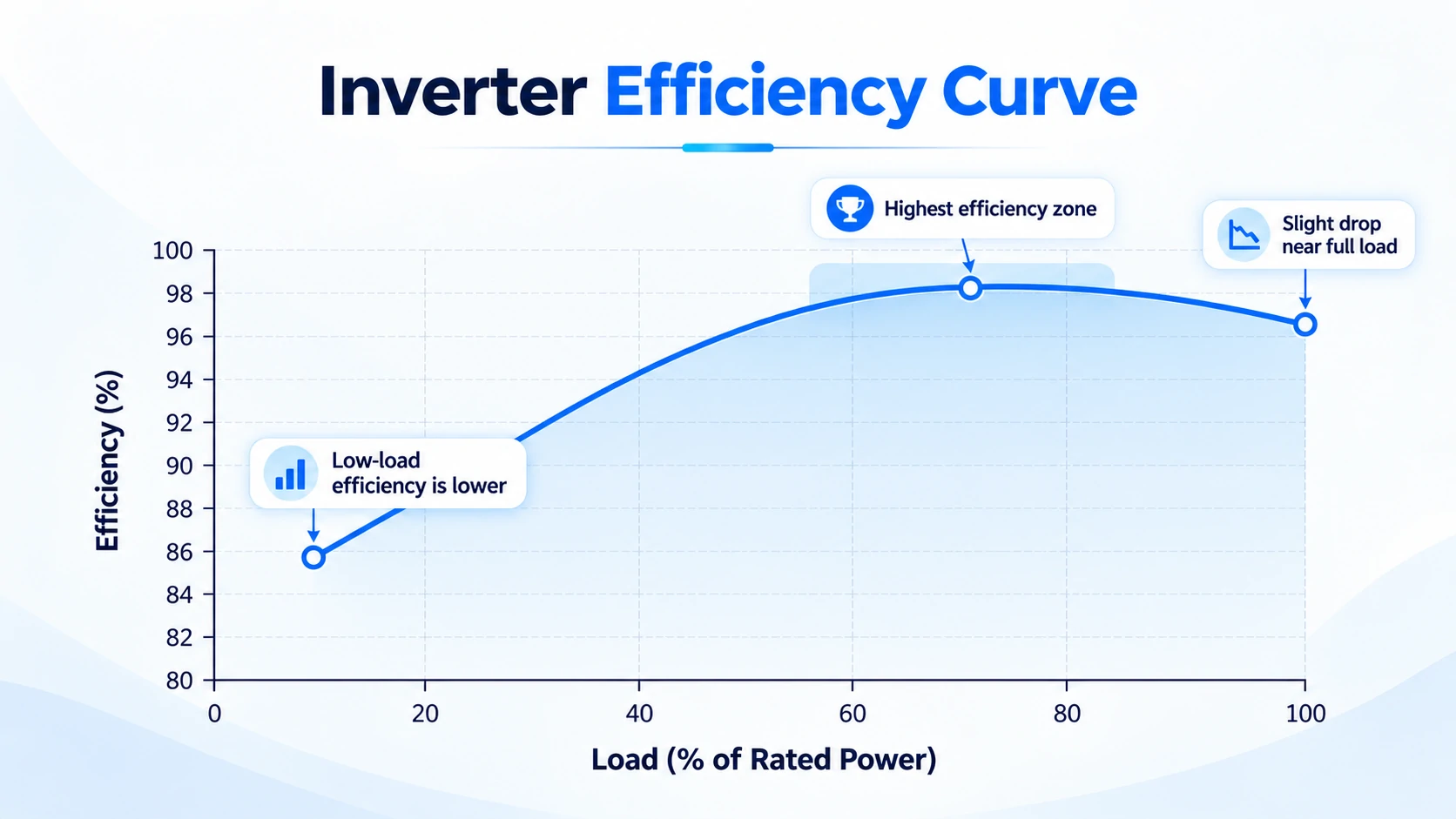
Inverter efficiency changes because some internal losses remain present even when output power is low, while other losses increase with current, voltage and temperature. As a result, most inverters operate poorly at extremely light load, reach a high-efficiency region at moderate or higher load, and may lose some performance again near thermal or operating limits.
A typical efficiency curve is not flat.
At very low output:
- control electronics remain powered;
- switching circuits still consume energy;
- displays and communications may remain active;
- cooling or monitoring systems may operate;
- fixed losses become a large percentage of total power.
Why Is No-Load Power Consumption Important?
No-load consumption can matter more than a small difference in peak efficiency when a battery inverter remains powered for many hours with little or no AC load. A few watts or tens of watts consumed continuously can become a meaningful daily energy loss in off-grid, backup and always-on systems.
Consider an illustrative inverter that consumes 25 W while operating with no useful load.
Daily energy consumption would be:
25 W × 24 hours = 600 Wh/day
or:
0.6 kWh/day
Over one year:
0.6 × 365 = 219 kWh/year
How Much Energy Does a 95% Efficient Inverter Lose?
A 95% efficient inverter loses approximately 5% of the input power at the operating point where that efficiency applies. To supply a fixed AC load, the DC source must therefore provide more power than the AC load requires.
Suppose a load requires:
5,000 W AC
and inverter efficiency at that operating point is:
95%
Required DC input is:
5,000 ÷ 0.95 = 5,263 W
Approximate inverter loss is:
5,263 − 5,000 = 263 W
How Does DC Input Voltage Affect Inverter Efficiency?
Inverter efficiency can change as the DC input voltage moves through the inverter’s operating window because current levels, semiconductor operation and internal conversion requirements change. This is why standardized CEC testing measures performance at several DC voltage levels rather than only one nominal voltage.
Two inverters with identical maximum efficiency may therefore produce different results when connected to different PV string voltages or battery architectures.
For PV systems, designers should check:
- MPPT voltage range;
- nominal DC voltage;
- maximum DC voltage;
- string configuration;
- expected module voltage at hot and cold temperatures.
For battery systems, check:
- nominal battery voltage;
- battery operating-voltage range;
- inverter battery-input range;
- maximum DC current;
- BMS charge/discharge limits.
Higher DC voltage can also reduce current for a given power level.
For example:
Power = Voltage × Current
A 5 kW DC transfer at 50 V requires approximately:
5,000 ÷ 50 = 100 A
At 500 V:
5,000 ÷ 500 = 10 A
Is Inverter Efficiency the Same as Battery Round-Trip Efficiency?
No. Inverter efficiency measures one power-conversion stage, while battery round-trip efficiency measures how much energy returns after an entire charge-storage-discharge cycle across a defined measurement boundary. A complete AC-to-AC storage result can include battery, inverter or PCS, BMS, wiring, thermal-management and standby losses.
Suppose a battery has a hypothetical 95% DC round-trip efficiency and the bidirectional inverter operates at 97% in both directions.
Ignoring all other losses:
Approximate AC-to-AC RTE
= 0.95 × 0.97 × 0.97
= 89.4%
That is why a 97% inverter does not mean the battery system has 97% round-trip efficiency.
What Should You Check Before Buying an Inverter?
Before buying, prioritize weighted efficiency and expected operating performance rather than the highest advertised percentage. For a solar-plus-storage project, battery voltage, discharge current and BMS communication should be verified at the same time because a highly efficient inverter that cannot communicate correctly with the battery is not a suitable system.
Ask for:
- Maximum efficiency.
- CEC or European weighted efficiency.
- Efficiency curve versus load.
- Input voltage used for the efficiency test.
- Static and dynamic MPPT data where applicable.
- No-load and standby power consumption.
- Temperature derating curve.
- DC-to-AC and AC-to-DC efficiency for hybrid equipment.
- Rated and surge output.
- Battery voltage range and maximum battery current.
- CAN/RS485 communication compatibility.
- Relevant local grid and safety certifications.
For lithium battery projects, communication compatibility is especially important.
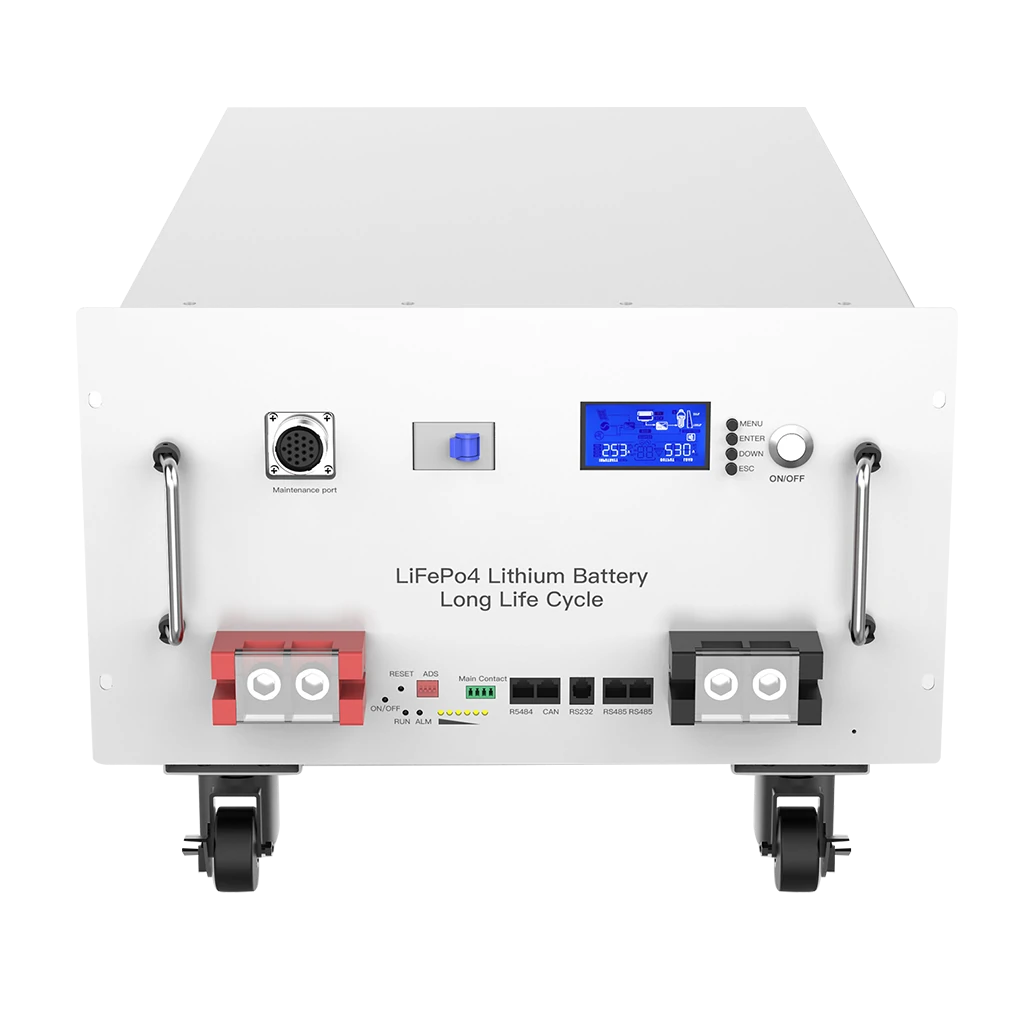
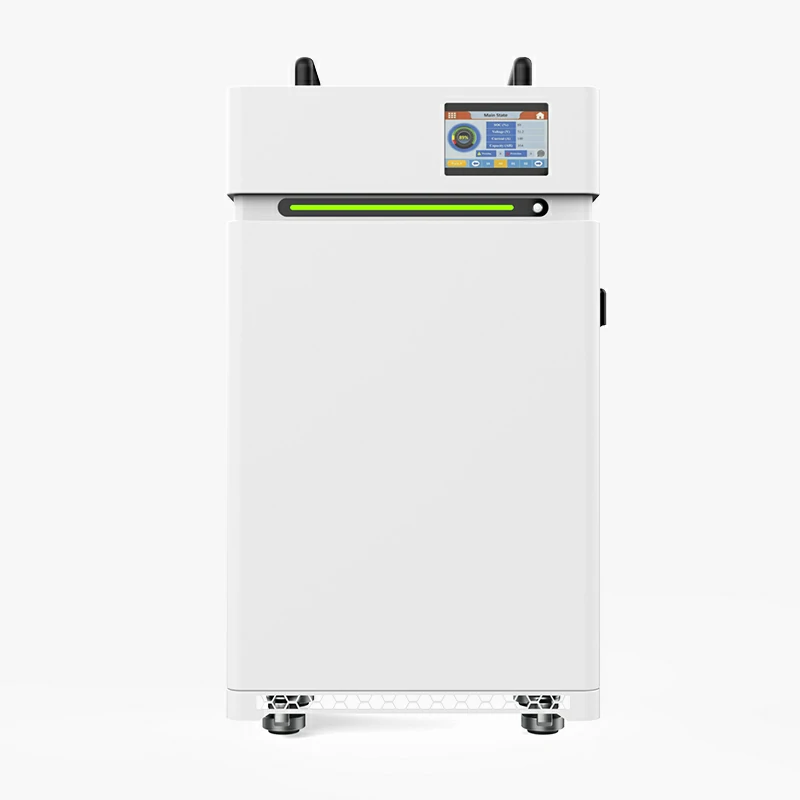
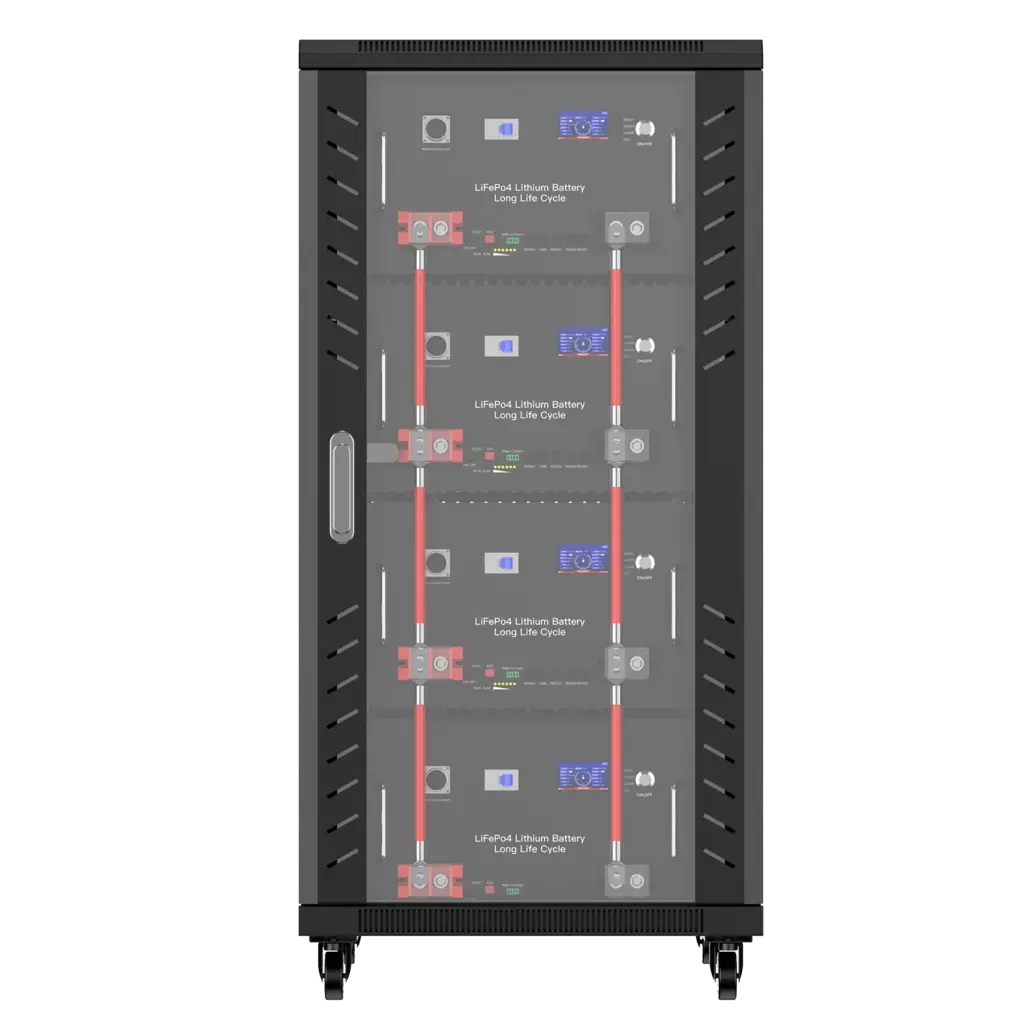
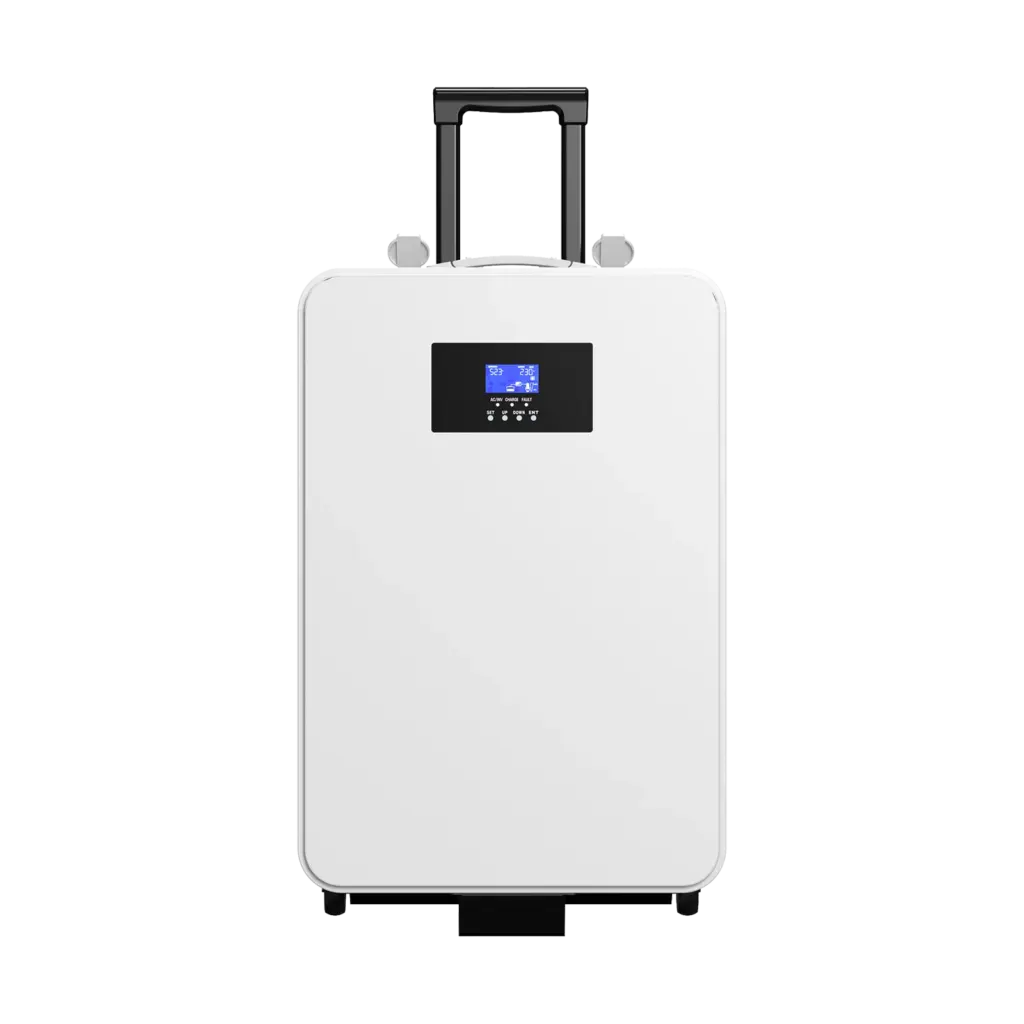
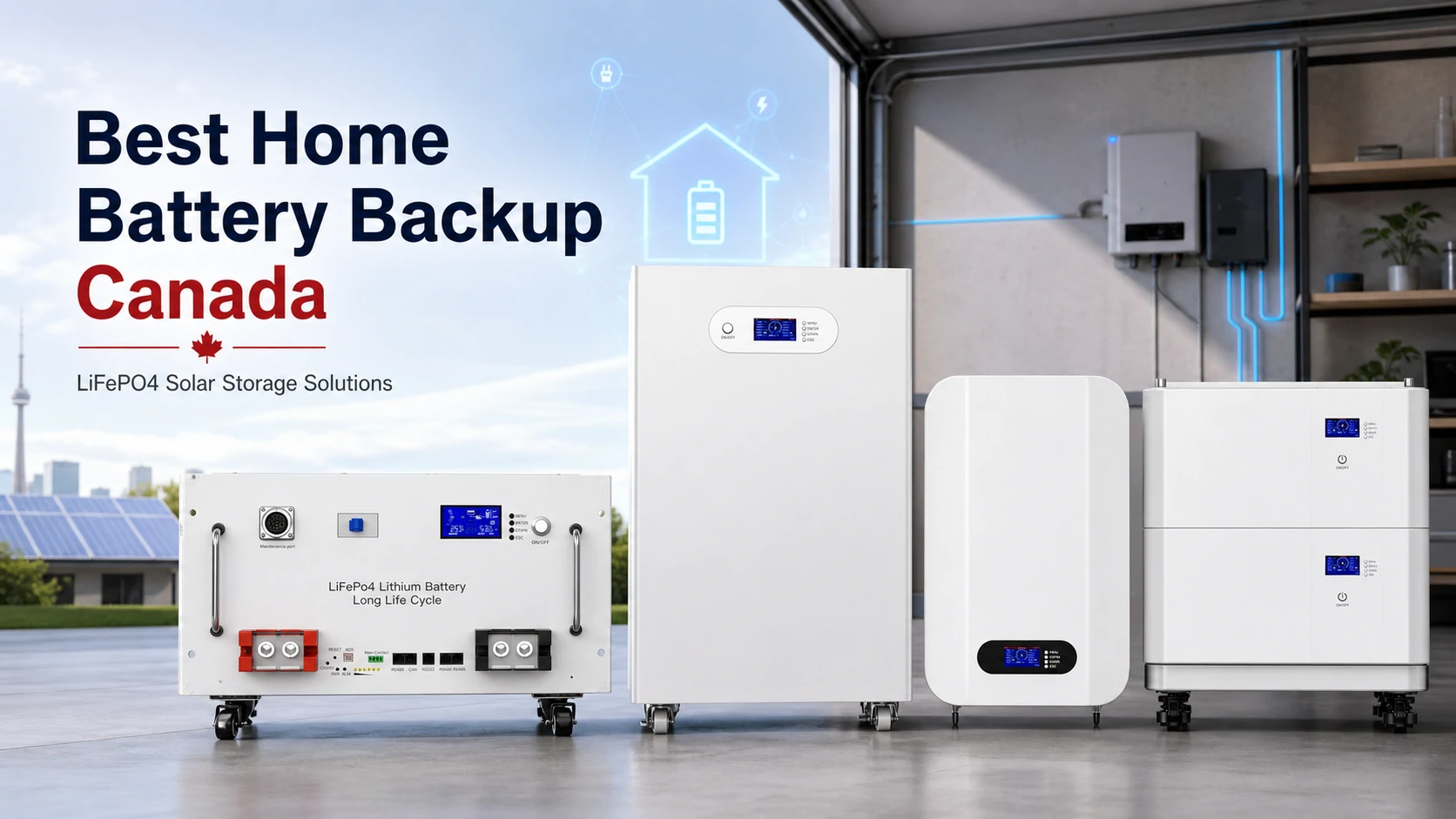
Avepower currently publishes an inverter compatibility list covering protocols for platforms including Solis, GoodWe, Growatt, Deye, SMA, Victron, Schneider and others using CAN and/or RS485 communication.
Final Verdict
For most purchasing decisions, the most useful number is not maximum efficiency but efficiency across the operating conditions your system will actually experience. Solar buyers should prioritize recognized weighted efficiency and MPPT performance, while battery-storage buyers should also examine part-load conversion, standby consumption, bidirectional efficiency and complete system round-trip performance.
Get an Inverter-Compatible Battery Configuration
Avepower supports residential and commercial LiFePO4 storage projects with battery sizing, voltage selection, BMS configuration and inverter-communication matching.
For a project-specific recommendation, provide:
country + inverter brand/model + solar capacity + battery capacity required + continuous load + peak load + backup duration + application.
The engineering team can then confirm the appropriate battery voltage, capacity, discharge-current requirement and supported communication configuration before ordering.
FAQ
It depends on the inverter type and application. A 90% value may be acceptable for some older, low-voltage or specialized off-grid equipment, but it would generally be weak compared with many modern grid-connected solar inverters. Always compare equivalent inverter categories and use weighted or part-load data where available.
No. If 98% is a peak value and 96% is a weighted value, they are not directly comparable. Even with equivalent test methods, sizing, standby loss, MPPT performance, reliability, battery compatibility and operating temperature may have a larger effect on total system performance.
Fixed internal consumption becomes a larger percentage of the power being transferred. Control electronics, switching circuits and other internal components still need energy even when the inverter is supplying only a small AC load.
No practical power inverter operates at 100% efficiency. Semiconductor switching, electrical resistance, magnetic components and control electronics all create losses. A 100% efficiency claim would require careful verification of both the measurement boundary and test method.
Not necessarily while delivering the same load, but a larger inverter may have higher no-load consumption and may operate less efficiently if the normal load is very small relative to its rating. Compare actual part-load curves and standby power rather than inverter size alone.