
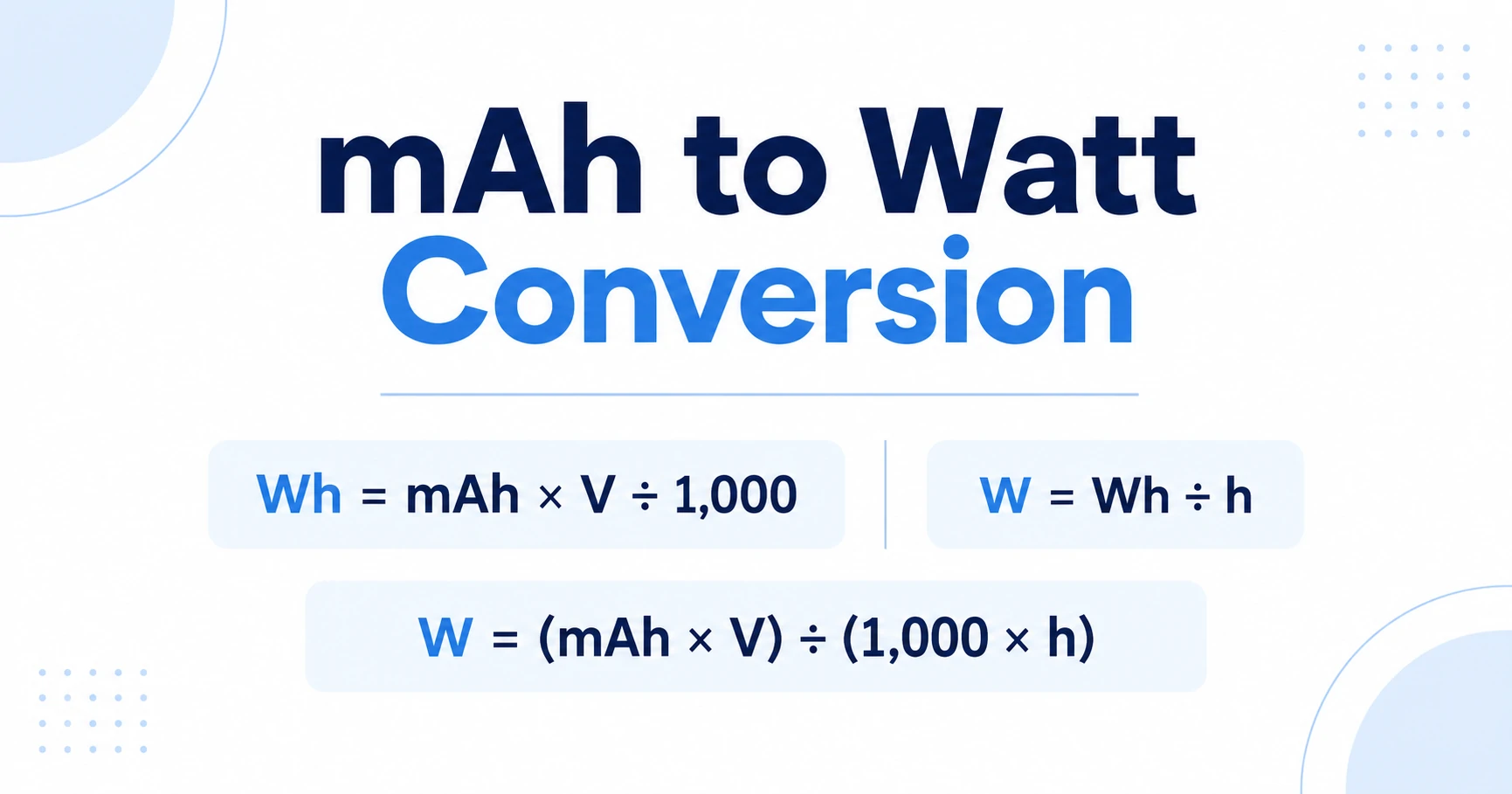
You cannot convert mAh directly to watts from the mAh rating alone. Milliamp-hours measure battery charge capacity, while watts measure power. To calculate stored energy, you need battery voltage; to calculate average watts, you also need to know how long that energy is delivered.
The two formulas to remember are:
mAh to watt-hours:
Wh = mAh × V ÷ 1,000
mAh to average watts:
W = mAh × V ÷ (1,000 × hours)
For example, a 10,000mAh battery at 3.7V contains approximately 37Wh of nominal energy. If that energy is discharged evenly over two hours, the theoretical average power is:
37Wh ÷ 2h = 18.5W
For a dedicated energy-only conversion, you can also use Avepower’s mah to watt Calculator.
mAh to Watt Calculator
Average Power: 18.5 W
What Is the Formula for mAh to Watt Conversion?
The correct formula depends on whether you want energy in watt-hours or average power in watts. Multiply mAh by nominal voltage and divide by 1,000 to obtain Wh. Then divide the Wh result by operating time in hours when you need average watts.
Formula 1: Convert mAh to Watt-Hours
Use:
Wh = mAh × V ÷ 1,000
Where:
- mAh = battery capacity in milliamp-hours
- V = nominal battery voltage
- Wh = nominal stored energy in watt-hours
Example: 5,000mAh at 3.7V
5,000 × 3.7 ÷ 1,000 = 18.5Wh
The battery therefore contains approximately 18.5Wh of nominal energy.
Formula 2: Convert mAh to Average Watts
Once the battery energy is known:
Average W = Wh ÷ hours
Combined into one formula:
Average W = mAh × V ÷ (1,000 × hours)
Example: 10,000mAh at 3.7V Over Two Hours
First calculate energy:
10,000 × 3.7 ÷ 1,000 = 37Wh
Then calculate average power:
37Wh ÷ 2h = 18.5W
The theoretical average is therefore 18.5 watts over two hours.
If you need a more detailed explanation of battery energy calculations, see How to Calculate Watt Hours of a Battery.
How Many Watts Is 1,000mAh, 5,000mAh, 10,000mAh or 20,000mAh?
mAh to Watts Chart at 3.7V
| Battery Capacity | Nominal Energy | Average Power Over 1 Hour | Over 2 Hours | Over 5 Hours |
|---|---|---|---|---|
| 1,000mAh | 3.7Wh | 3.7W | 1.85W | 0.74W |
| 2,000mAh | 7.4Wh | 7.4W | 3.7W | 1.48W |
| 5,000mAh | 18.5Wh | 18.5W | 9.25W | 3.7W |
| 10,000mAh | 37Wh | 37W | 18.5W | 7.4W |
| 20,000mAh | 74Wh | 74W | 37W | 14.8W |
| 30,000mAh | 111Wh | 111W | 55.5W | 22.2W |
For example, a 20,000mAh battery rated at 3.7V contains:
20,000 × 3.7 ÷ 1,000 = 74Wh
The same 74Wh battery could theoretically correspond to:
- 74W for 1 hour
- 37W for 2 hours
- 14.8W for 5 hours
- 7.4W for 10 hours
The energy stays at approximately 74Wh; the average power changes according to how quickly that energy is used.
Why Does Voltage Matter When Converting mAh to Watts?
Consider five hypothetical batteries, all rated at 10,000mAh:
| Capacity | Nominal Voltage | Nominal Energy |
|---|---|---|
| 10,000mAh | 3.2V | 32Wh |
| 10,000mAh | 3.7V | 37Wh |
| 10,000mAh | 3.85V | 38.5Wh |
| 10,000mAh | 7.4V | 74Wh |
| 10,000mAh | 12.8V | 128Wh |
Avepower explains the same principle at larger battery sizes in its battery capacity guide and home battery capacity terminology guide.
What Is the Difference Between mAh, Wh and Watts?
mAh describes charge capacity, Wh describes stored energy, and watts describe the rate at which energy is being transferred.
A simple way to remember them is:
mAh/Ah = charge
Wh/kWh = energy
W/kW = power
Consider a battery containing 100Wh.
That energy could theoretically supply:
| Load | Ideal Runtime |
|---|---|
| 10W | 10 hours |
| 20W | 5 hours |
| 50W | 2 hours |
| 100W | 1 hour |
| 200W | 0.5 hour |
For a deeper explanation of the distinction between power and energy, see Avepower’s What Does kWh Stand For? guide.
Real Battery Example: 51.2V 100Ah From mAh to Wh, kWh and kW
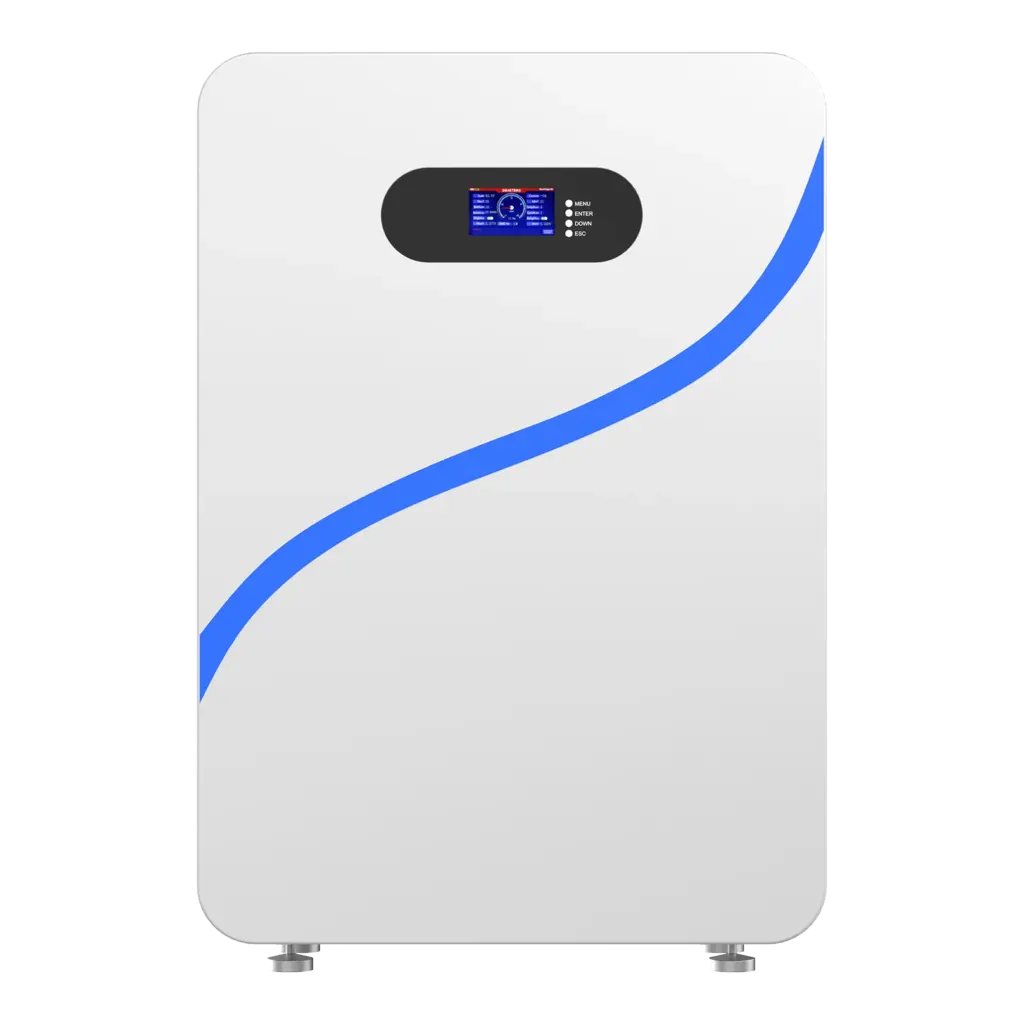
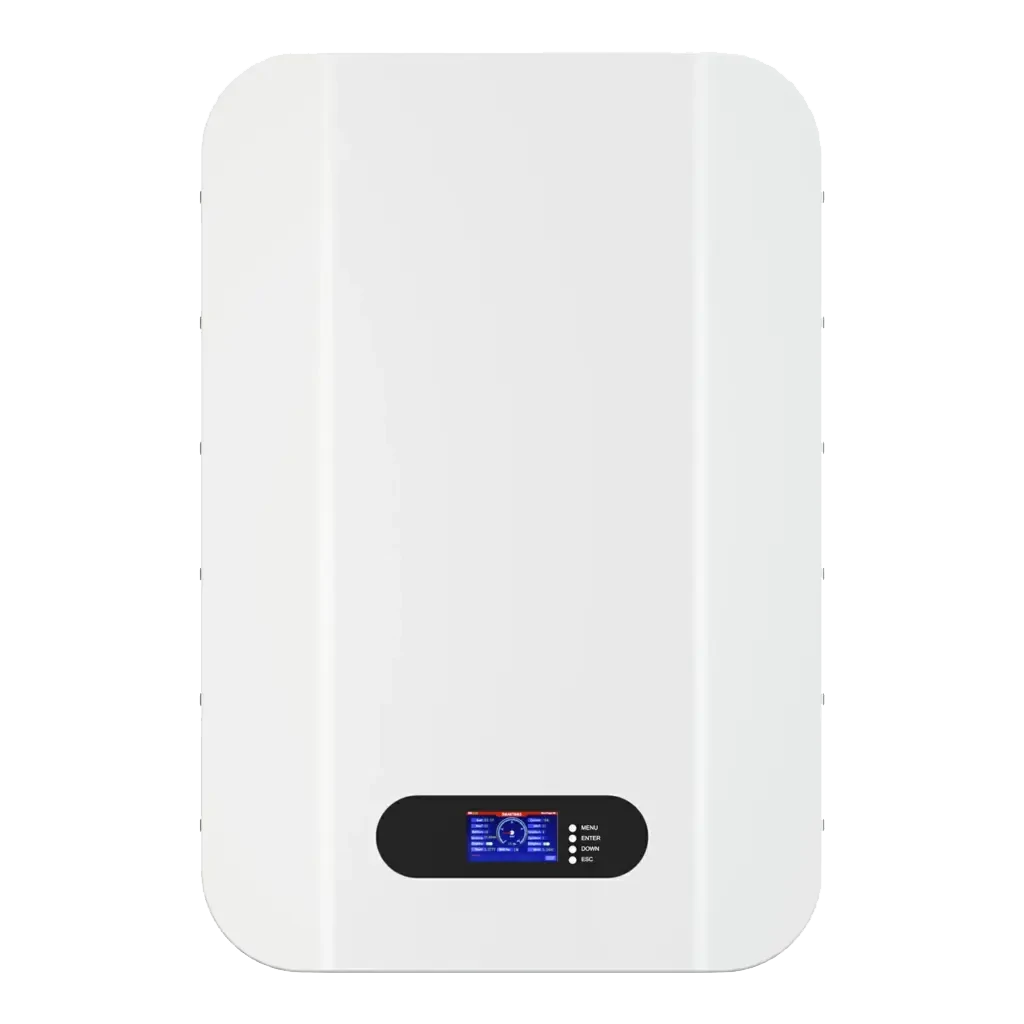
Avepower publishes a 51.2V/48V 100Ah wall-mounted LiFePO4 battery with approximately 5.12kWh nominal energy and support for up to 100A continuous discharge under the stated product conditions.
Step 1: Convert Ah to mAh
100Ah × 1,000 = 100,000mAh
Step 2: Convert mAh to Wh
100,000mAh × 51.2V ÷ 1,000 = 5,120Wh
Step 3: Convert Wh to kWh
5,120Wh ÷ 1,000 = 5.12kWh
Step 4: Estimate DC Power at 100A
At nominal voltage:
51.2V × 100A = 5,120W
or approximately:
5.12kW
You can review the actual battery configuration on Avepower’s 51.2V 100Ah wall-mounted battery page.
How Do You Convert mAh to kWh?
Convert mAh to kWh by multiplying the capacity by nominal voltage and dividing by one million.
The formula is:
kWh = mAh × V ÷ 1,000,000
Example: 100,000mAh at 51.2V
100,000 × 51.2 ÷ 1,000,000 = 5.12kWh
You can also calculate it in two stages:
100,000mAh = 100Ah
Then:
100Ah × 51.2V ÷ 1,000 = 5.12kWh
For larger battery systems, Avepower provides a dedicated Ah to kWh Calculator.
How Do You Convert Watts Back to Battery Runtime?
The simplified formula is:
Runtime (hours) = Battery Energy (Wh) ÷ Load (W)
Suppose a battery stores:
74Wh
and supports a constant:
20W load
Ideal runtime:
74 ÷ 20 = 3.7 hours
If only 65Wh eventually reaches the load after all applicable operating limits and conversion losses:
65 ÷ 20 = 3.25 hours
For larger battery calculations, Avepower’s 100Ah battery runtime guide explains how energy, load, depth of discharge and inverter losses influence backup duration.
Turn Battery Calculations Into a Real Energy Storage Configuration
For portable electronics, a simple mAh conversion may be enough. For solar and backup projects, however, battery energy must also be matched with peak load, inverter power, discharge current, communication protocol and usable capacity.
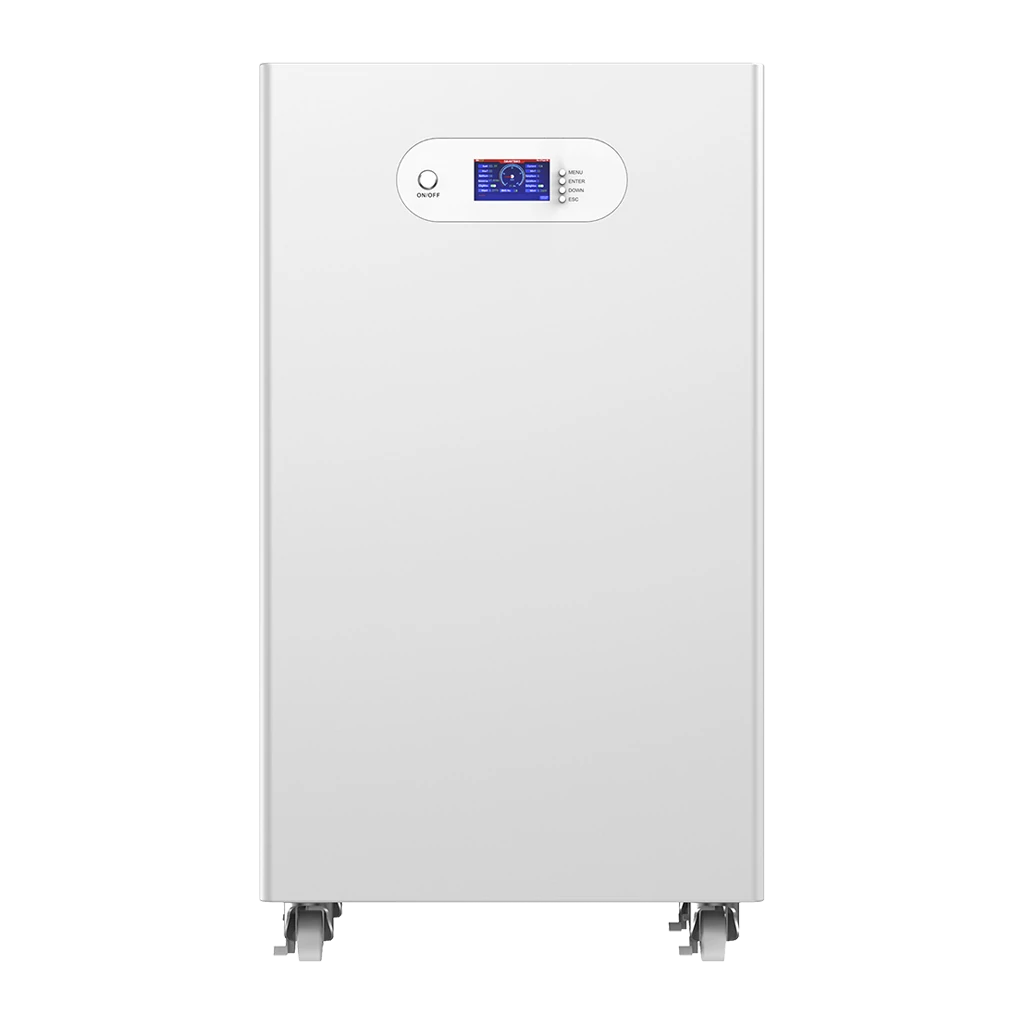
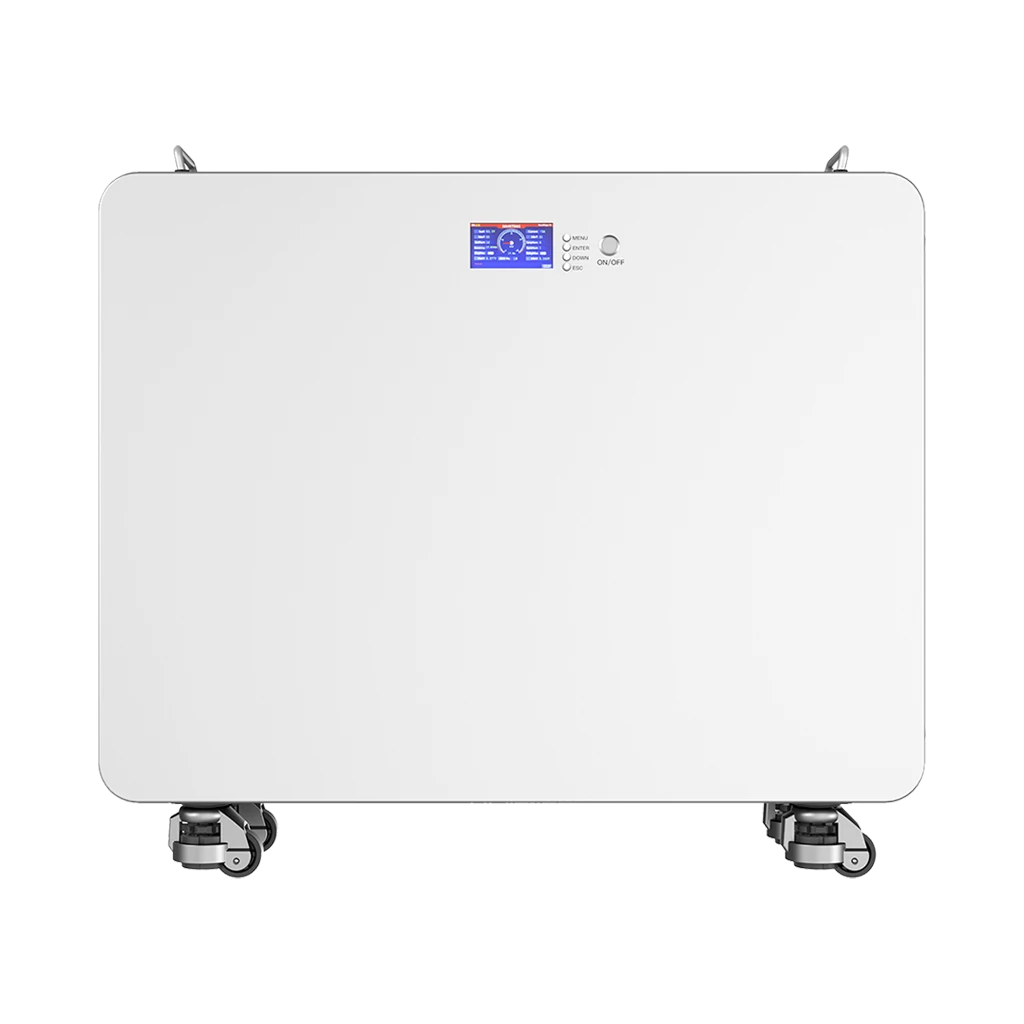
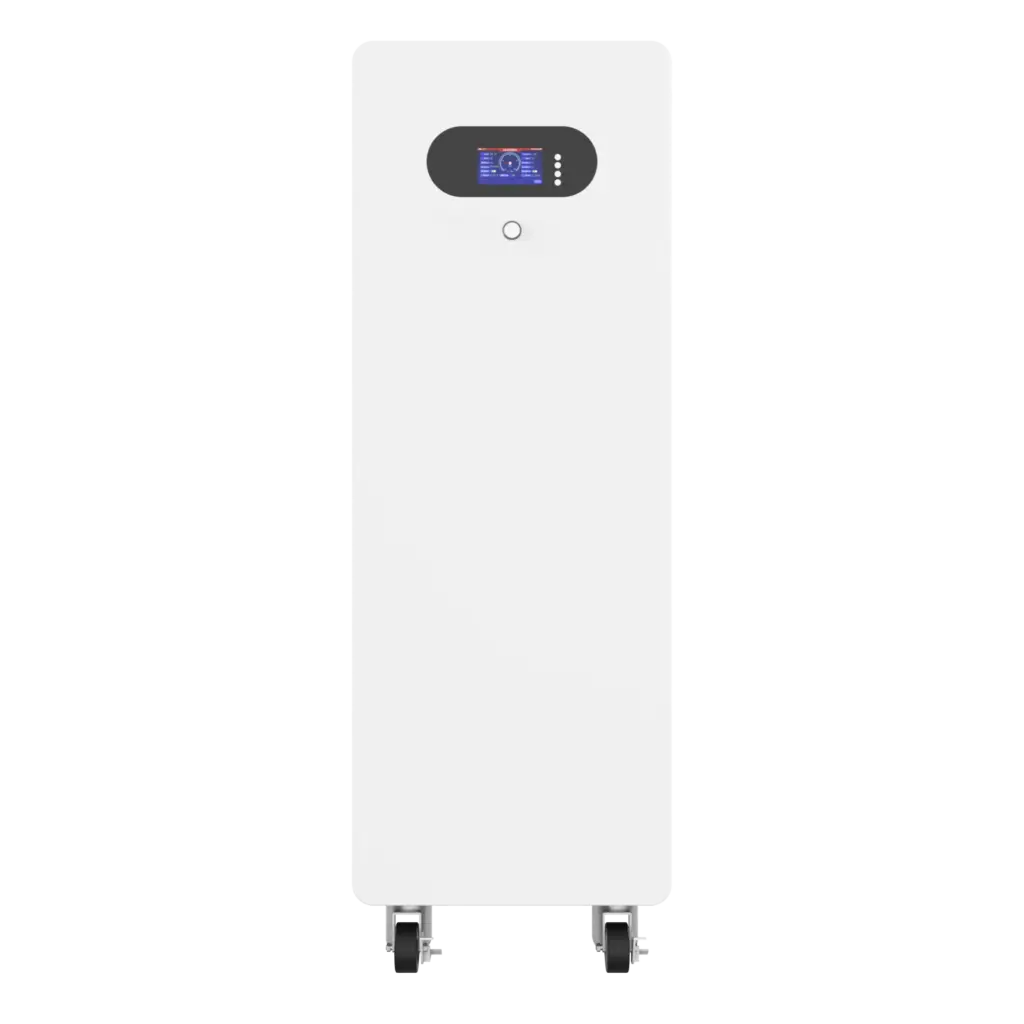
Avepower provides residential LiFePO4 energy storage systems for solar installers, distributors, wholesalers and OEM/ODM project partners, including wall-mounted, rack-mounted, stackable and vertical battery configurations.
If you are planning a project, send required kWh + peak kW + inverter brand/model + application + quantity + destination country. Avepower can help evaluate battery capacity, discharge-current requirements and inverter compatibility before the final configuration is selected.
Installers can also visit Avepower’s Solar Batteries for Installers page for product configurations and project support.
FAQ
No. mAh measures battery charge capacity while watts measure power. You need the battery voltage and the period over which the energy is delivered to calculate average watts.
There is no single answer without voltage and time. At 3.7V, 1,000mAh corresponds to approximately 3.7Wh. If that energy were delivered over one hour, the theoretical average would be 3.7W.
At 3.7V, 5,000mAh represents approximately 18.5Wh. If fully discharged over two hours, the theoretical average power would be approximately 9.25W.
At 3.7V, 10,000mAh equals approximately 37Wh. That corresponds theoretically to 37W over one hour, 18.5W over two hours or 7.4W over five hours.
No. mAh measures electric charge, while Wh measures energy. Voltage is required to convert between them.
Not necessarily. Higher mAh generally means more charge capacity when voltage is equal. Maximum power also depends on voltage and the battery’s allowable discharge current.
Use the voltage associated with the mAh capacity specification. Do not automatically use the USB output voltage if the advertised mAh rating refers to the internal battery cells.
The basic equation estimates nominal energy. Actual delivered energy can be affected by operating voltage, battery-management limits, usable SOC range, temperature, conversion losses, discharge rate and battery ageing.