
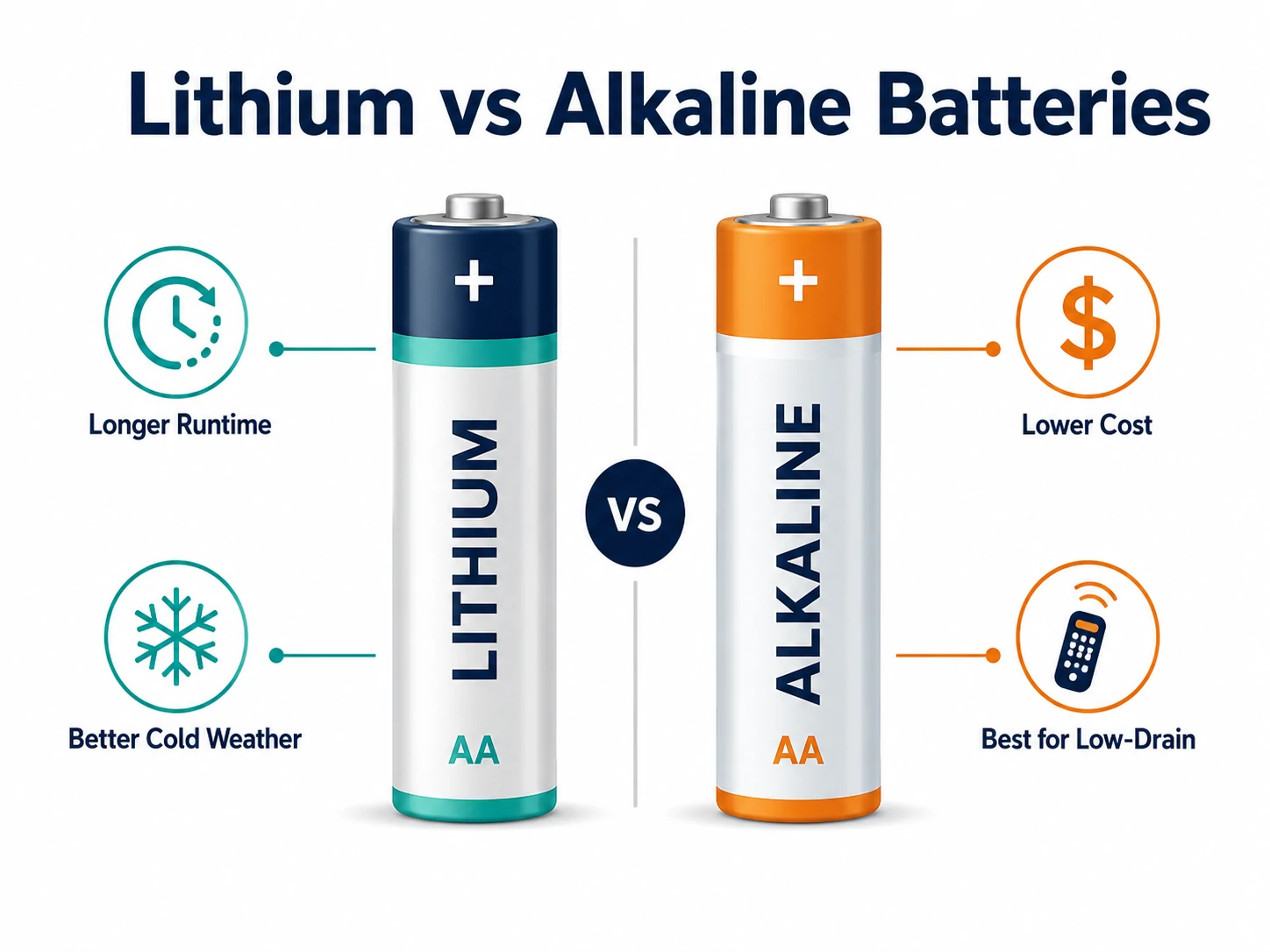
Lithium batteries generally provide better performance under high loads, lower weight, stronger cold-weather operation and longer usable life, while alkaline batteries remain an affordable and practical choice for low-drain household devices.
For a TV remote or wall clock, an inexpensive alkaline AA battery may be completely adequate. For a trail camera operating in winter, a primary lithium AA can provide much stronger performance. For solar energy storage, neither of those batteries is relevant—the appropriate comparison shifts toward rechargeable technologies such as LiFePO₄.
Choose battery chemistry according to voltage, load, temperature, rechargeability and total operating cost—not simply the word “lithium” on the label.
Lithium vs Alkaline Batteries at a Glance
| Feature | Alkaline Battery | Primary Lithium AA/AAA | Rechargeable Li-ion / LiFePO₄ |
|---|---|---|---|
| Rechargeable | No | Normally no | Yes |
| Common AA nominal voltage | 1.5V | 1.5V for Li/FeS₂ AA | Chemistry dependent |
| Typical LiFePO₄ cell voltage | — | — | About 3.2V |
| High-drain performance | Moderate | Very good | Very good when correctly designed |
| Cold-weather performance | Moderate to poor | Excellent | Model dependent |
| Weight | Moderate | Lighter | Application dependent |
| Shelf life | Long | Very long | Not normally compared this way |
| Typical applications | Remotes, clocks, toys | Cameras, outdoor sensors, emergency equipment | Phones, EVs, solar storage, backup power |
| Main advantage | Low initial cost | Runtime and temperature performance | Repeated charging and long-term energy storage |
| Main limitation | Single-use, weaker at high drain | Higher price, single-use | Requires BMS and correct charging system |
For a broader explanation of how LFP, NMC, alkaline, primary lithium, lead-acid and other technologies differ, see Avepower’s battery chemistry comparison guide.
What Is a Lithium Battery?
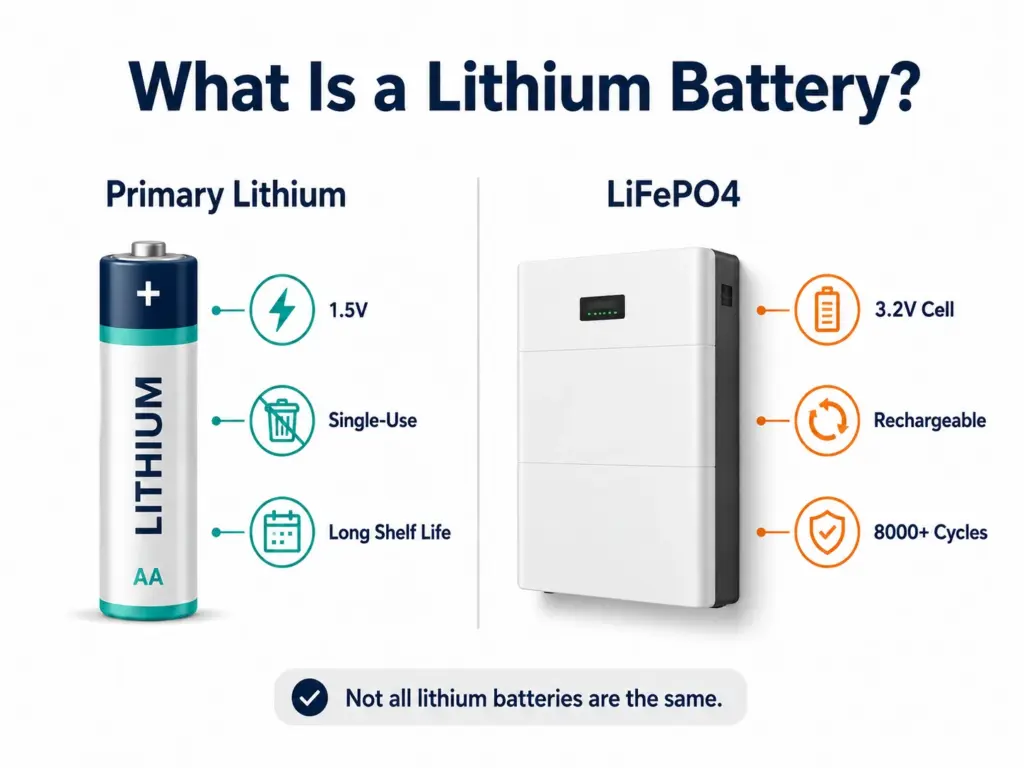
A lithium battery is any battery that uses lithium-based chemistry, but not every lithium battery is rechargeable. Primary lithium batteries such as 1.5V lithium-iron-disulfide AA cells are designed for one-time use, while lithium-ion chemistries such as LCO, NMC and LiFePO₄ use reversible ion movement and can be recharged many times.
This distinction is essential when comparing lithium batteries vs alkaline batteries.
There are two broad categories.
Primary Lithium Batteries
Primary lithium batteries are non-rechargeable.
Examples include:
- Lithium iron disulfide — Li/FeS₂
- Lithium manganese dioxide — Li/MnO₂
- Lithium thionyl chloride — Li-SOCl₂
A common consumer example is a lithium AA battery using Li/FeS₂ chemistry.
- Chemistry: Li/FeS₂
- Nominal voltage: 1.5V
- Typical weight: 15g
- Operating temperature: -40°C to 60°C
- Shelf life: up to 25 years at 21°C
These batteries are often used in:
- Digital cameras
- Outdoor sensors
- GPS equipment
- Emergency devices
- Trail cameras
- Handheld electronics
Rechargeable Lithium-Ion Batteries
Rechargeable lithium-ion batteries move lithium ions between electrodes during charging and discharging.
Common chemistries include:
| Chemistry | Common Applications | Main Strength |
|---|---|---|
| LCO | Smartphones, laptops | High energy density |
| NMC | EVs, tools | Balance of energy and power |
| NCA | EVs | High specific energy |
| LMO | Tools, medical equipment | Strong power capability |
| LiFePO₄ / LFP | Solar storage, backup, BESS | Cycle life and thermal stability |
| LTO | Industrial and fast-charge applications | Extremely high cycle capability |
Avepower’s guide to what lithium batteries are used for explains how different lithium chemistries are selected for electronics, EVs, sensors, solar storage and industrial systems.
How Long Do Lithium Batteries Last?
Lithium battery lifespan ranges from one discharge for a primary lithium cell to thousands of charge-discharge cycles for a rechargeable lithium-ion system.
For primary lithium AA batteries, “life” usually means:
- Shelf life
- Runtime per battery
For rechargeable LiFePO₄ batteries, “life” normally means:
- Cycle life
- Calendar life
- Remaining capacity after cycling
These metrics should not be mixed.
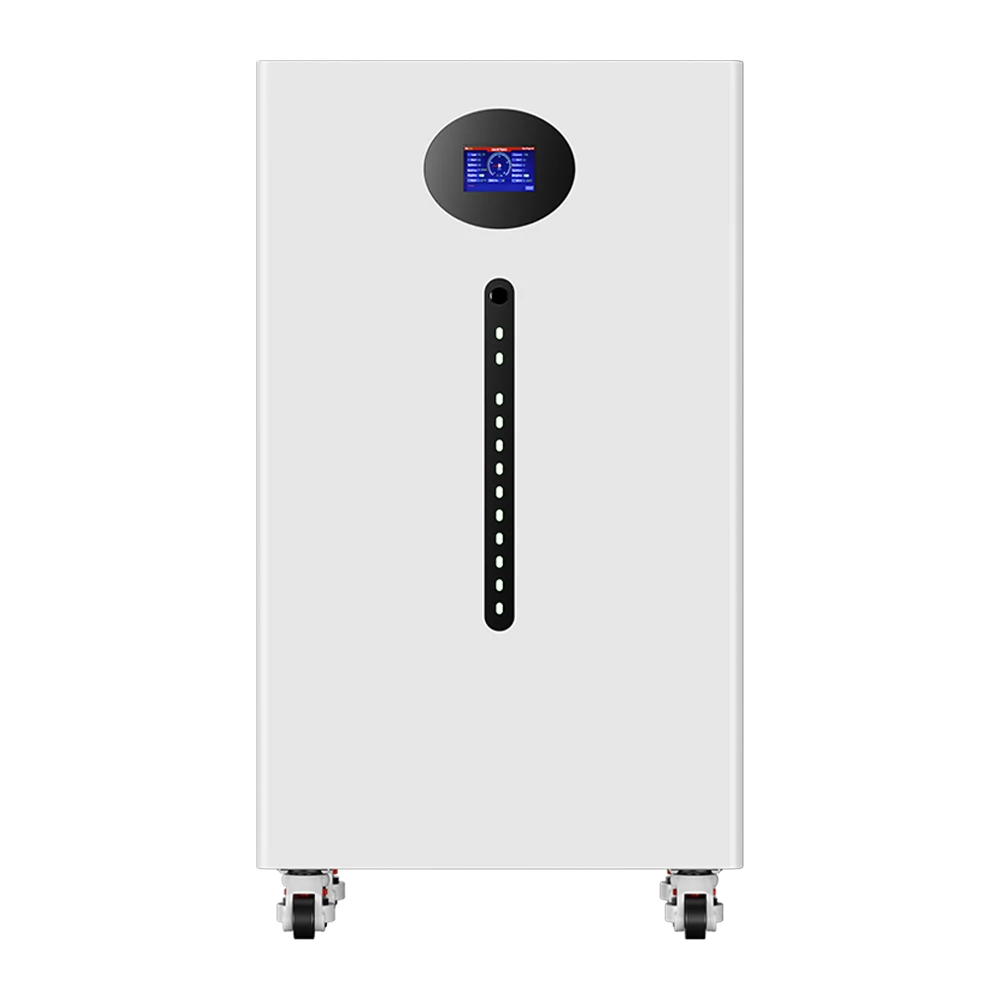
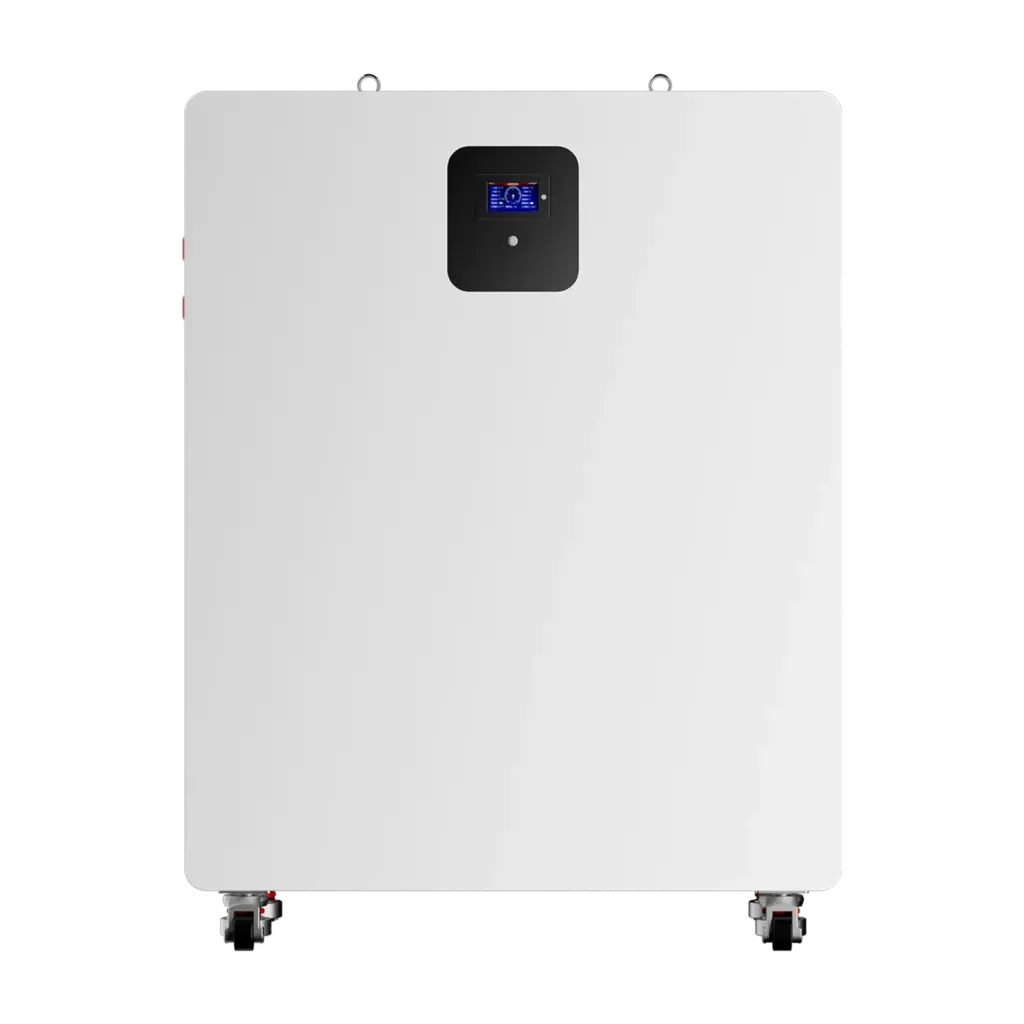
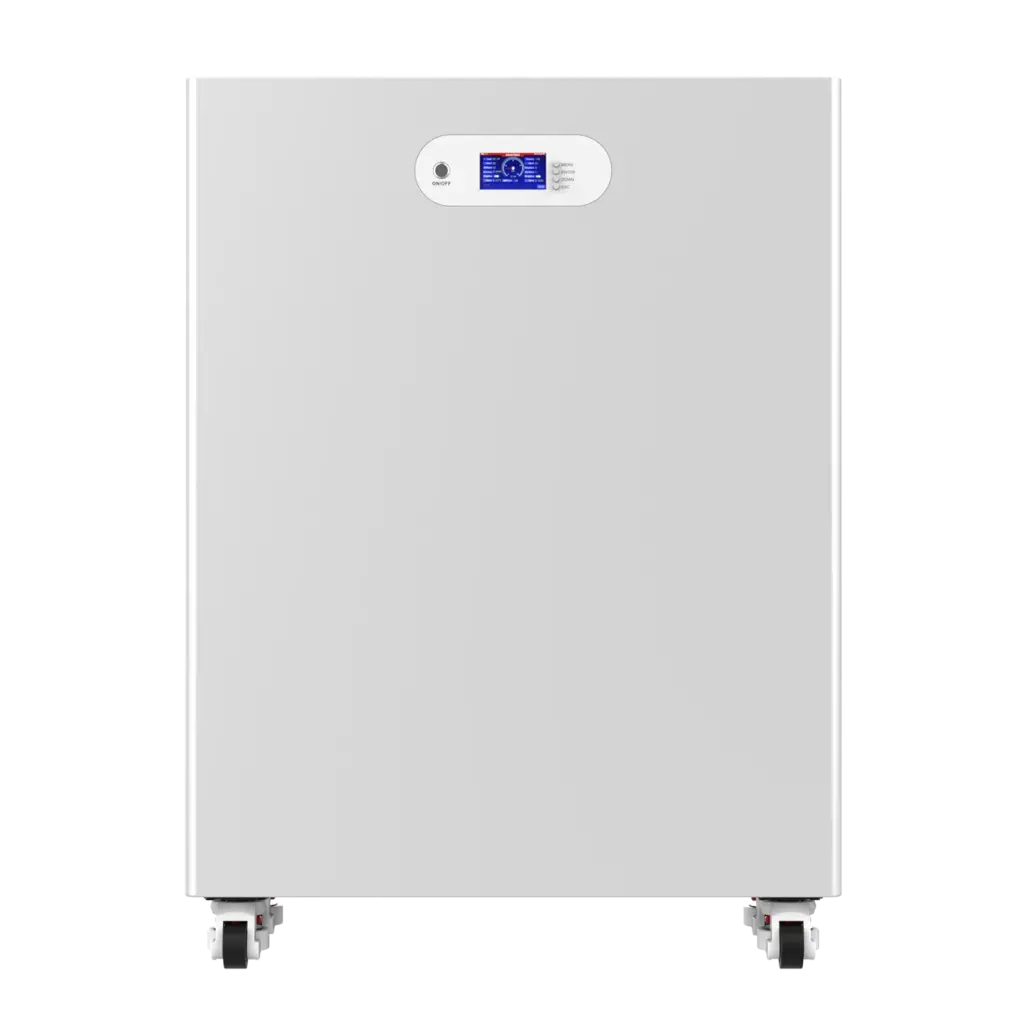
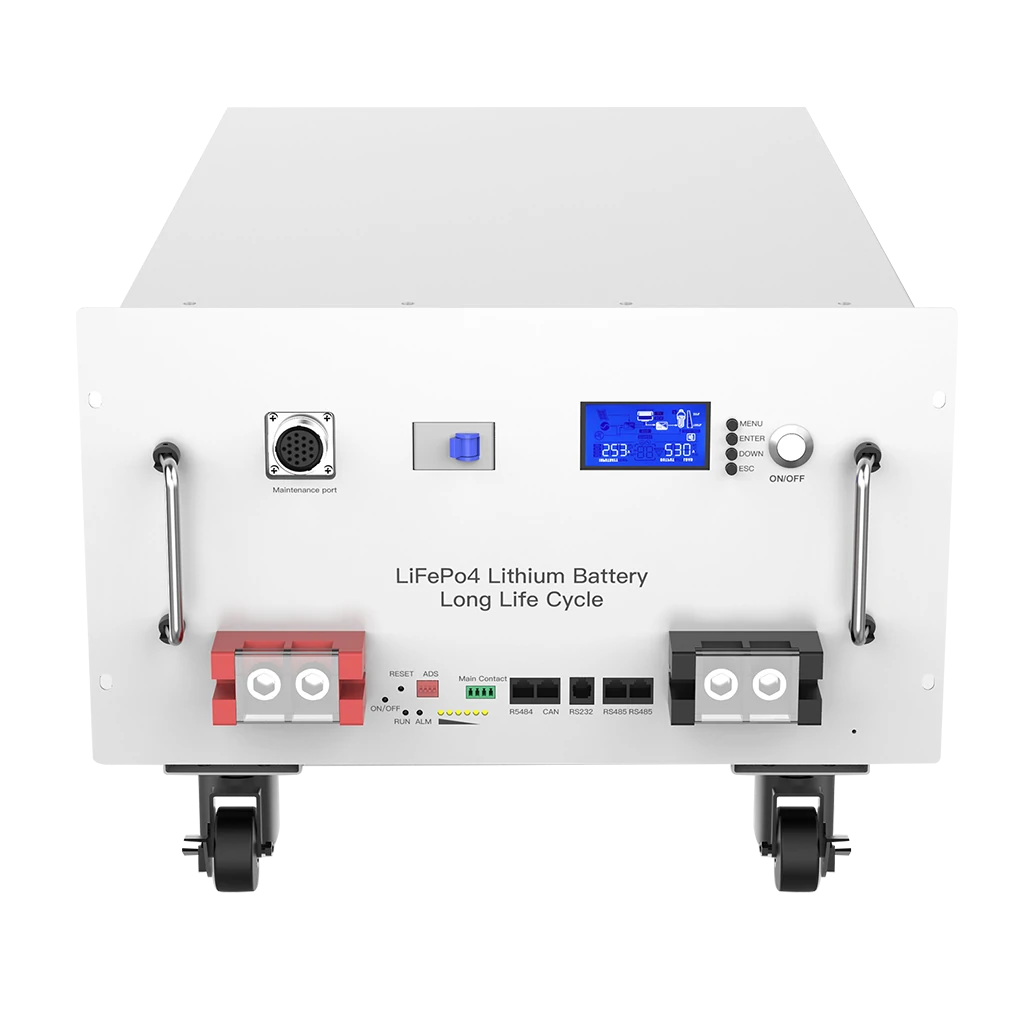
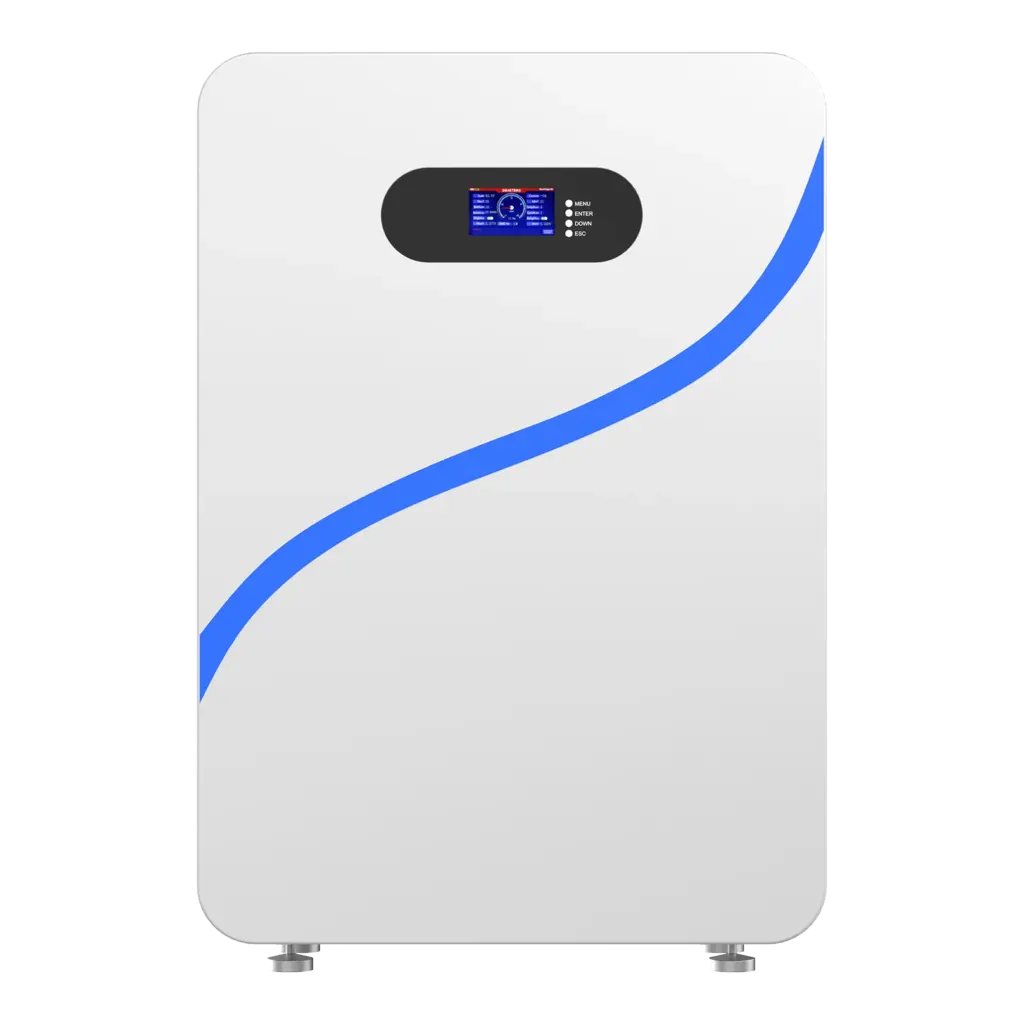
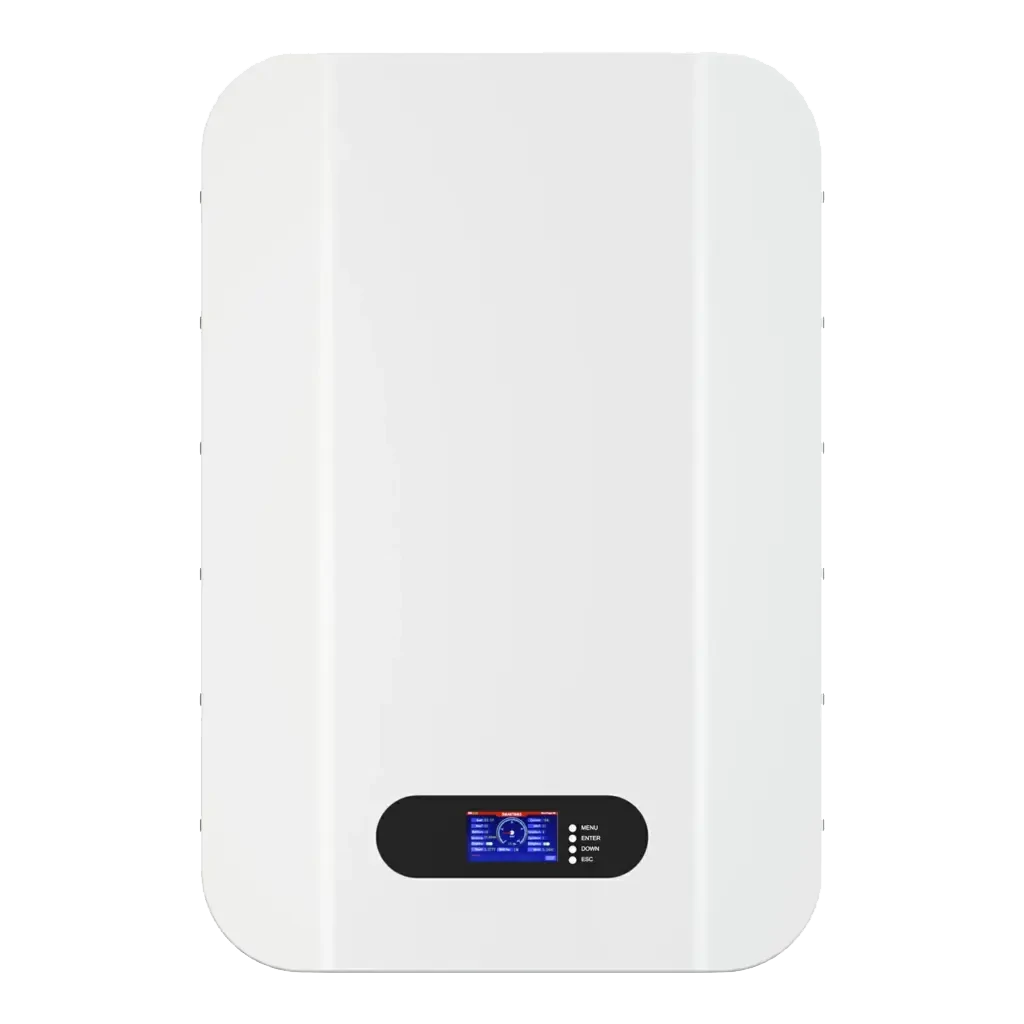
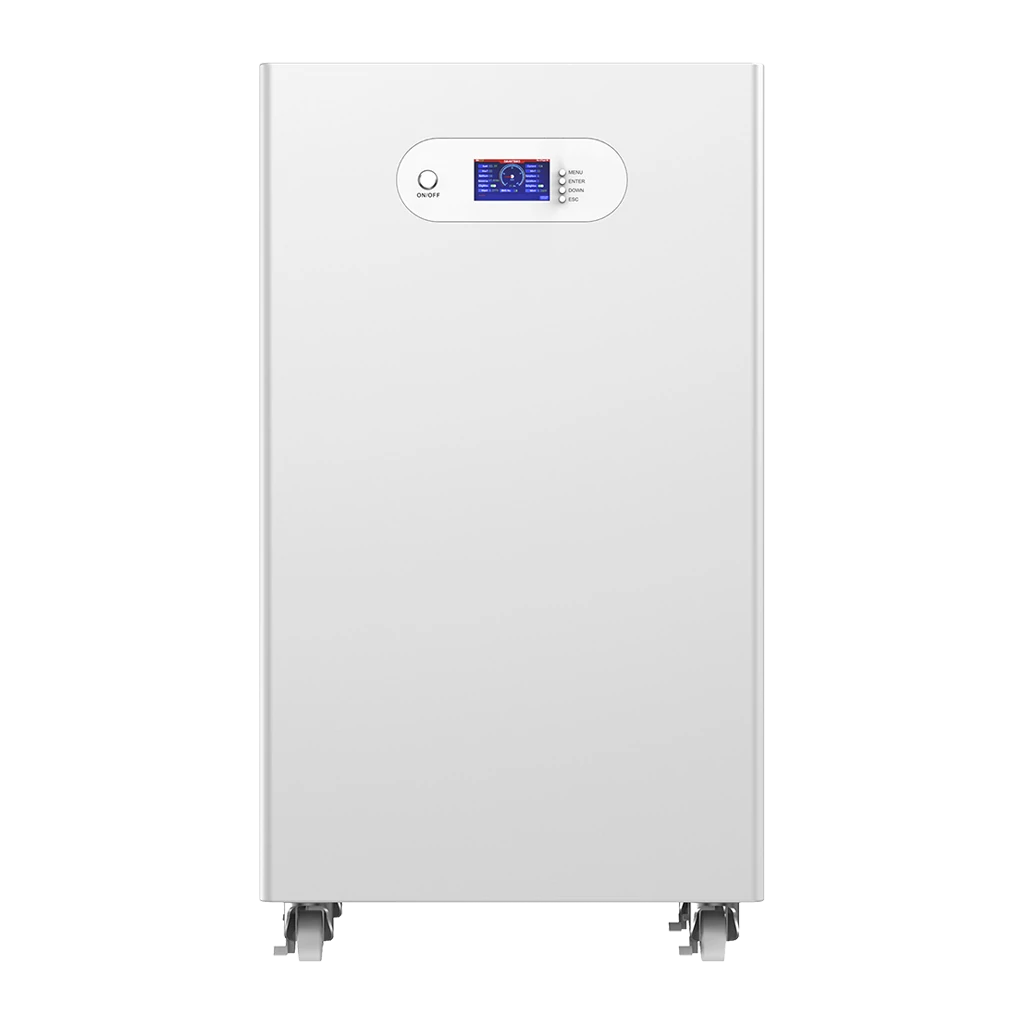
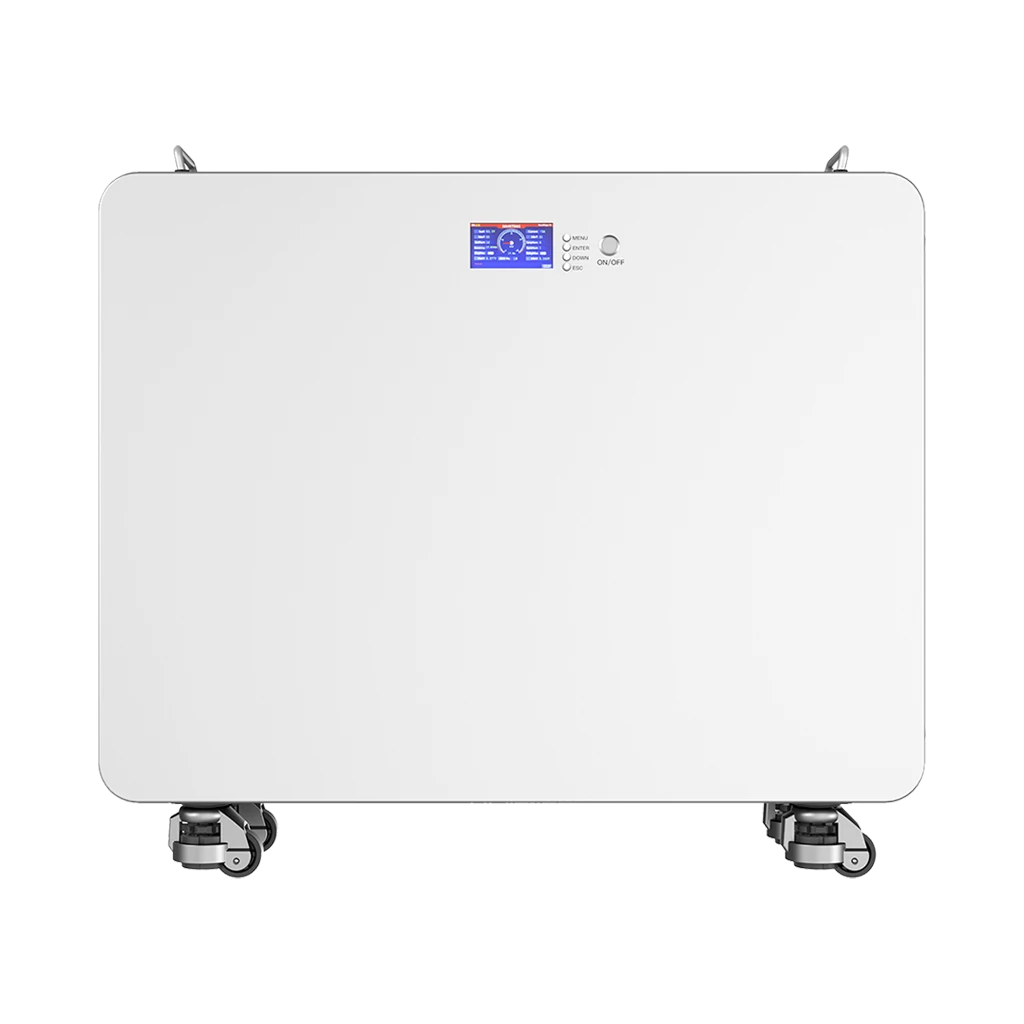
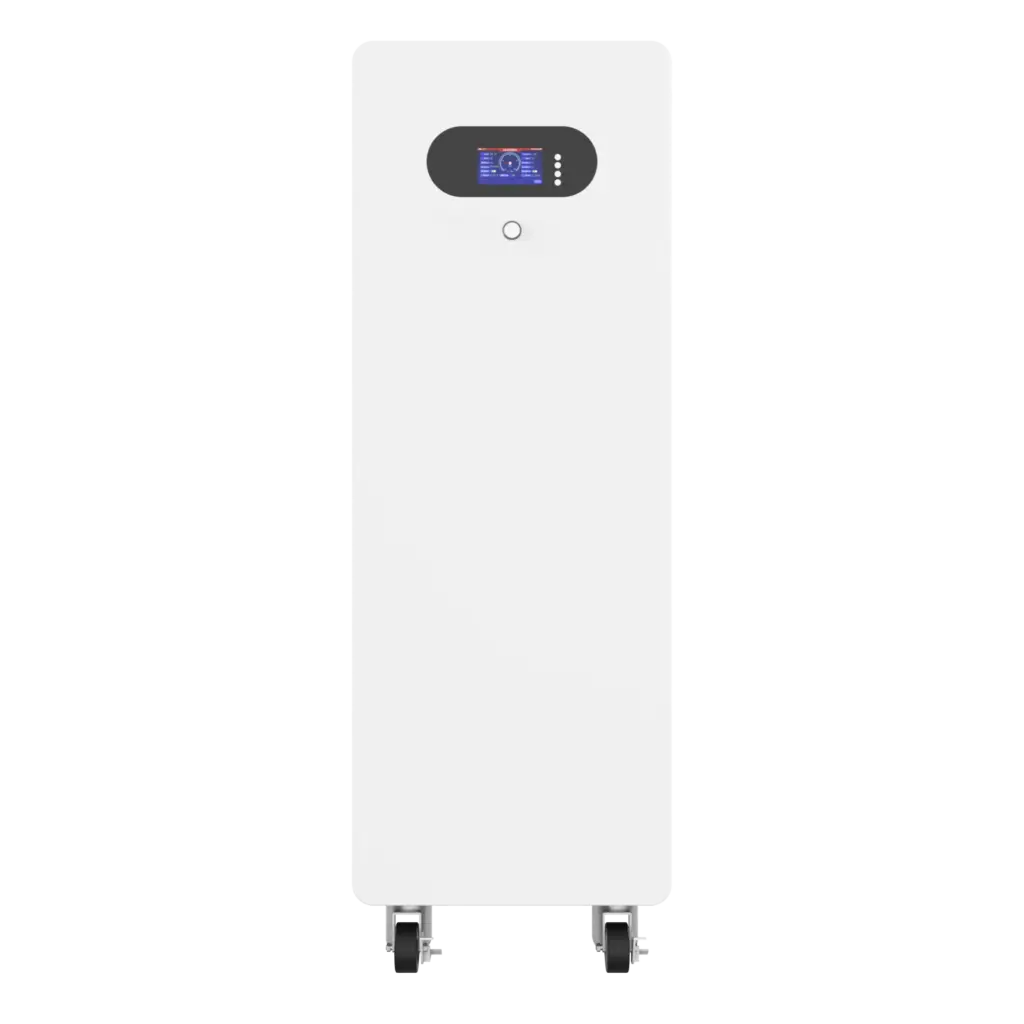
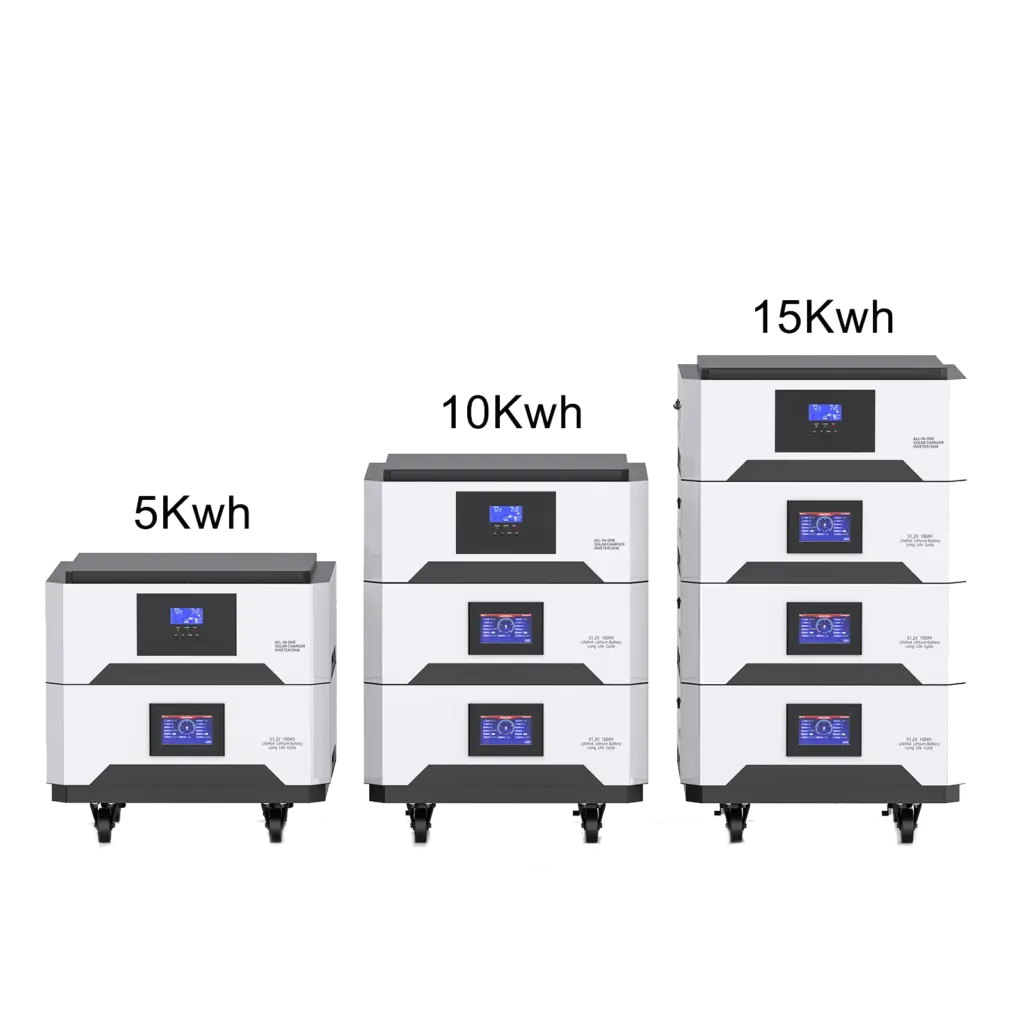
For example, the Avepower 51.2V 100Ah wall-mounted LiFePO₄ battery specifies 5.12kWh nominal energy and 8,000+ cycles at 25°C and 80% DoD. It is designed for repeated solar-storage cycling rather than disposable consumer-electronics use.
That is fundamentally different from an AA primary lithium battery that is discharged once and discarded.
Advantages of Lithium Batteries
Lithium batteries offer advantages in energy density, weight, high-load performance, temperature tolerance or rechargeability depending on the specific chemistry.
Major advantages can include:
- Higher energy density
- Lower weight
- Better high-drain performance
- Longer storage life for primary lithium
- Rechargeability for lithium-ion
- Low self-discharge
- Strong cold-weather performance in selected chemistries
- Long cycle life for LiFePO₄
- Scalable energy-storage configurations
However, these characteristics should always be linked to a specific lithium chemistry.
A Li/FeS₂ AA cell and a 51.2V LiFePO₄ solar battery cannot be evaluated using the same specifications.
What Is an Alkaline Battery?
An alkaline battery is normally a non-rechargeable primary battery using zinc and manganese dioxide chemistry with an alkaline electrolyte such as potassium hydroxide. It remains one of the most common battery types for AA, AAA, C, D and 9V household applications because it combines low price, wide availability and good low-drain performance.
Typical applications include:
- TV remote controls
- Wall clocks
- Toys
- Calculators
- Radios
- Wireless keyboards
- Flashlights
- Smoke alarms
An AA alkaline battery normally has a nominal voltage of approximately 1.5V.
The key advantage of alkaline chemistry is economics.
If a device draws very little current and batteries can be replaced easily, paying substantially more for another battery chemistry may create little practical benefit.
How Long Do Alkaline Batteries Last?
Alkaline batteries can remain usable in storage for several years, but operating runtime varies dramatically with electrical load and device cutoff voltage. The same AA alkaline cell can provide roughly 2,500mAh under a moderate 100mA test yet fall to around 1,400mAh when continuous current increases to 500mA.
At 21°C and discharge to 0.8V:
| Continuous Current | Approx. AA Alkaline Capacity |
|---|---|
| 25mA | 2,850mAh |
| 100mA | 2,450–2,500mAh |
| 250mA | 1,900mAh |
| 500mA | 1,400mAh |
Advantages of Alkaline Batteries
Alkaline batteries remain competitive because they are inexpensive, globally available, simple to use and highly effective in low-drain equipment.
Their main advantages include:
- Low upfront price
- Wide retail availability
- Familiar AA/AAA formats
- Long shelf life
- Good low-current efficiency
- Simple storage
- No charger required
- Suitable for many household devices
Alkaline batteries are particularly logical for applications where:
- Power demand is low.
- Temperature is moderate.
- Weight is not important.
- Battery replacement is easy.
- The device is used intermittently.
What’s the Difference Between Lithium and Alkaline Batteries?
The main differences between lithium and alkaline batteries involve chemistry, rechargeability, voltage behavior, high-current performance, temperature tolerance, weight, usable capacity and total cost.
Here is a more detailed comparison.
| Comparison | Alkaline | Primary Lithium AA | Rechargeable LiFePO₄ |
|---|---|---|---|
| Chemistry | Zn/MnO₂ | Usually Li/FeS₂ for AA | Lithium iron phosphate |
| Rechargeable | No | No | Yes |
| Nominal cell voltage | 1.5V | 1.5V | ~3.2V |
| High-drain performance | Falls as current rises | Strong | Pack-design dependent |
| Low-temperature performance | Reduced | Strong | BMS/model dependent |
| Energy density | Moderate | High | High compared with many rechargeable alternatives |
| Self-discharge | Low | Very low | Low |
| Typical use | Household electronics | High-performance disposable battery | Solar and energy storage |
| Lifecycle | Single discharge | Single discharge | Thousands of cycles possible |
| Initial cost | Low | Higher | Much higher |
| Total lifecycle cost | Good for low drain | Application dependent | Can be attractive for repeated cycling |
Rechargeability
Standard alkaline and primary lithium batteries are both normally disposable, while lithium-ion and LiFePO₄ batteries are rechargeable.
A conventional:
1.5V Li/FeS₂ lithium AA
is normally not rechargeable.
A:
3.2V LiFePO₄ cell
is rechargeable.
Energy Density and Usable Capacity
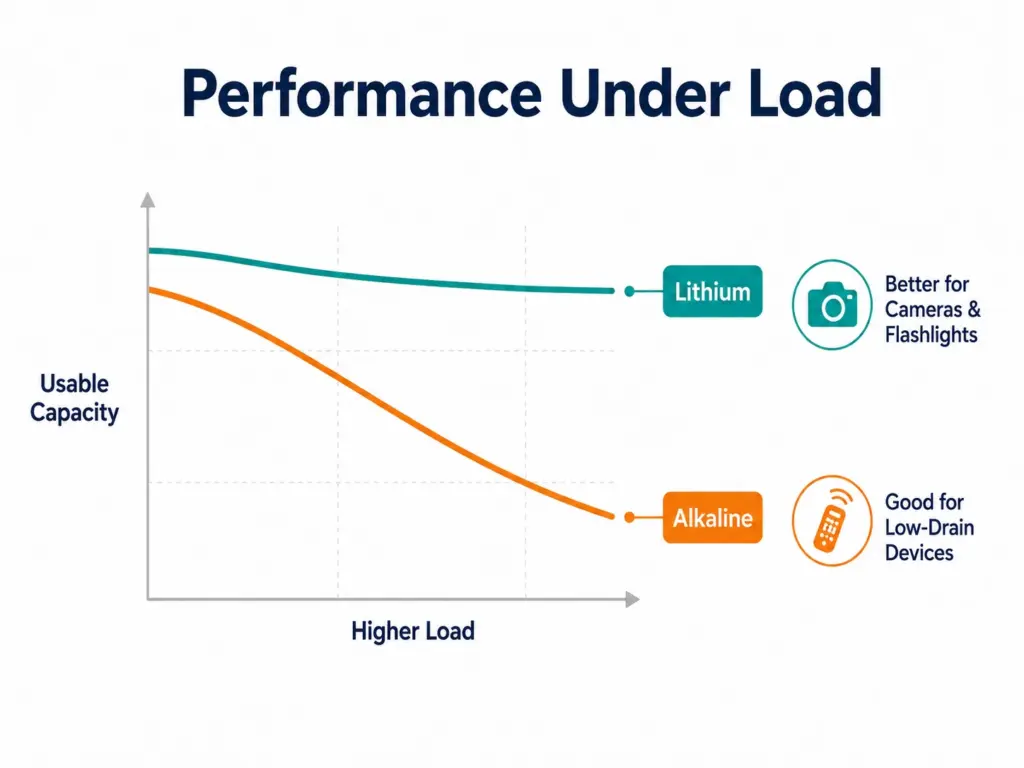
Lithium chemistries usually provide higher energy density than alkaline batteries, but usable capacity should be evaluated under the actual device load rather than from a nominal mAh figure alone. Lithium’s advantage becomes particularly noticeable in high-drain equipment because alkaline capacity and voltage fall more rapidly as discharge current increases.
Consider an AA battery operating at 500mA.
Published alkaline test data shows roughly:
1,400mAh at 500mA to 0.8V.
A simple theoretical runtime calculation gives:
1,400mAh ÷ 500mA = 2.8 hours
By comparison, technical data for a primary lithium AA shows approximately 3,400mAh at a 1,000mA discharge to 1.0V under the manufacturer’s specified test conditions.
Price
Alkaline batteries are cheaper to purchase, while lithium batteries can become more economical when longer runtime reduces replacement frequency, labor or downtime. The correct financial comparison is therefore cost per usable operating hour—or, for rechargeable systems, lifetime cost per delivered kilowatt-hour—not simply price per battery.
For a simple disposable-cell comparison:
Cost per operating hour = Battery price ÷ Actual runtime
Suppose:
- Alkaline battery costs $1
- Lithium battery costs $2.50
- Alkaline lasts 3 hours
- Lithium lasts 8 hours
Then:
Alkaline
$1 ÷ 3 = $0.33/hour
Lithium
$2.50 ÷ 8 = $0.31/hour
The lithium battery costs more at checkout but slightly less per operating hour.
Voltage and Performance
Both conventional alkaline AA and Li/FeS₂ lithium AA batteries can have a nominal voltage of 1.5V, whereas rechargeable lithium-ion chemistries commonly use substantially higher cell voltages. This is why a lithium AA designed as an alkaline replacement may be compatible while a physically similar 3.2V or 3.7V lithium cell may damage equipment.
Examples:
| Battery | Typical Nominal Voltage |
|---|---|
| Alkaline AA | 1.5V |
| Li/FeS₂ primary lithium AA | 1.5V |
| NiMH rechargeable AA | ~1.2V |
| LiFePO₄ cell | ~3.2V |
| Typical NMC/LCO Li-ion cell | ~3.6–3.7V |
Avepower’s LiFePO₄ cell voltage chart explains how sixteen nominal 3.2V LiFePO₄ cells connected in series create a 51.2V nominal battery.
16 × 3.2V = 51.2V
This demonstrates why batteries should never be substituted based only on shape.
High-Drain Performance
Primary lithium batteries generally outperform alkaline batteries as current demand increases because they maintain voltage and usable capacity more effectively under load. The difference matters most in cameras, powerful flashlights, wireless equipment and motorized devices, while low-drain electronics may show much less practical benefit.
Cold-Weather Performance
Primary lithium AA batteries generally perform substantially better than alkaline batteries at low temperatures, making them more suitable for outdoor sensors, winter cameras and emergency equipment. Rechargeable lithium-ion systems require more caution because discharge may remain possible below freezing while charging can be restricted by the BMS.
Many stationary LFP systems may discharge below 0°C but restrict charging around 0°C unless an approved low-temperature charging or heating strategy is provided.
See Avepower’s detailed lithium battery temperature range guide for charge, discharge and storage boundaries.
Weight
Primary lithium AA batteries can be noticeably lighter than comparable alkaline AA cells, which provides little benefit in a wall clock but can matter considerably in cameras, portable instruments and equipment using many batteries. Weight becomes even more important in mobile lithium applications such as drones, vehicles and handheld electronics.
Shelf Life
Primary lithium batteries generally provide longer storage potential than alkaline batteries, which makes them valuable for emergency kits, backup instruments and equipment that may remain unused for years. Shelf-life claims are product-specific, however, and should always be verified against the manufacturer’s datasheet rather than treated as universal chemistry limits.
Lifespan
Alkaline and primary lithium batteries are generally used once, so their practical lifespan is measured by storage life and runtime, whereas rechargeable lithium-ion batteries are evaluated by cycles, calendar aging and remaining capacity. Comparing these three categories using one generic “battery lifespan” number produces misleading conclusions.
For stationary storage, cycle test conditions matter particularly strongly.
For example, Avepower’s 51.2V 100Ah 5.12kWh wall-mounted LiFePO₄ battery specifies:
- 51.2V nominal voltage
- 100Ah capacity
- 5.12kWh nominal energy
- 100A maximum continuous charge
- 100A maximum continuous discharge
- CAN / RS485 / RS232
- Bluetooth / Wi-Fi
- Up to 16 batteries in parallel
- 8,000+ cycles at 25°C and 80% DoD
Its LiFePO₄ chemistry is combined with BMS protection, defined current limits, battery communication and scalable system architecture, all of which matter in daily solar-storage operation.
Which Battery Is Better for Different Applications?
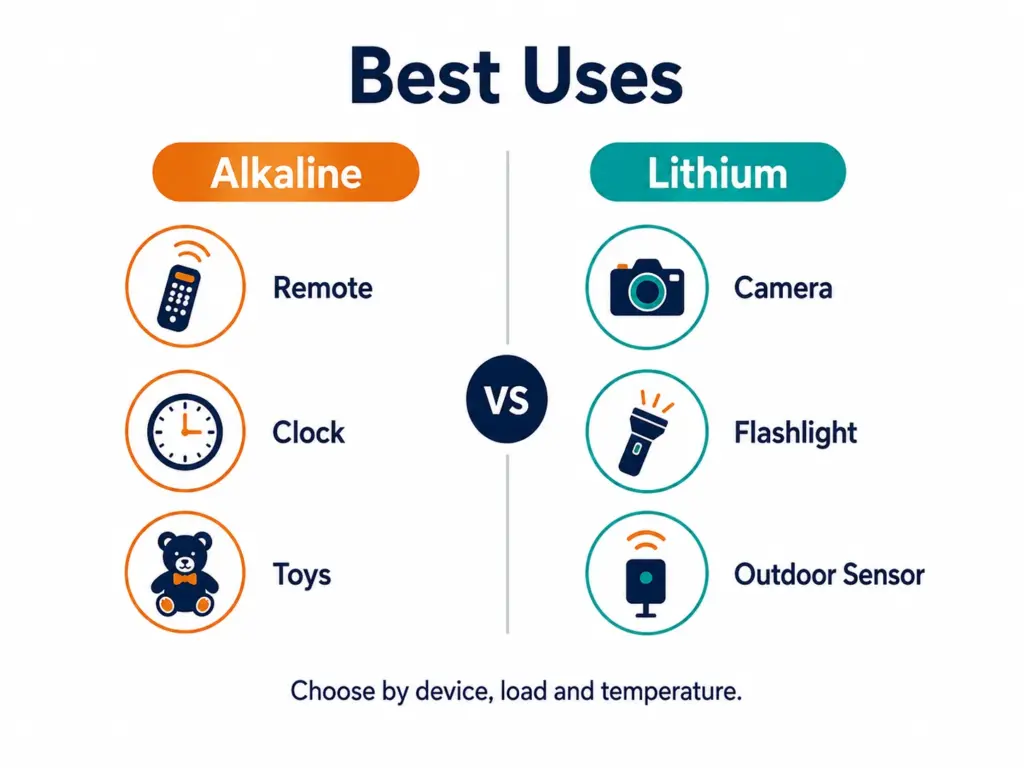
Alkaline is normally best for inexpensive low-drain indoor devices, while primary lithium is better for high-drain electronics, outdoor equipment, cold environments and difficult-to-access installations. Rechargeable lithium-ion or LiFePO₄ is more appropriate when energy must be repeatedly stored and reused, such as electronics, EVs and solar energy storage.
| Application | Recommended Starting Point | Why |
|---|---|---|
| Wall clock | Alkaline | Very low drain |
| TV remote | Alkaline | Low cost and easy replacement |
| Basic toy | Alkaline | Good cost/performance |
| Digital camera | Primary lithium | High current demand |
| Trail camera | Primary lithium | Cold + high drain + remote location |
| Emergency flashlight | Primary lithium | Long storage life |
| Outdoor sensor | Primary lithium | Temperature and maintenance |
| Smartphone | Rechargeable Li-ion | Compact rechargeable energy |
| EV | Rechargeable Li-ion | High-energy rechargeable system |
| Solar home storage | LiFePO₄ | Daily cycling and stationary storage |
| C&I BESS | LiFePO₄ / engineered ESS | Scalability and repeated cycling |
Is LiFePO₄ Better Than Alkaline for Home Battery Backup?
Yes, but they are not realistic competing technologies for the same task. Alkaline batteries are small primary cells intended mainly for consumer devices, while LiFePO₄ systems are rechargeable battery packs engineered to store kilowatt-hours of energy and repeatedly supply household or commercial electrical loads.
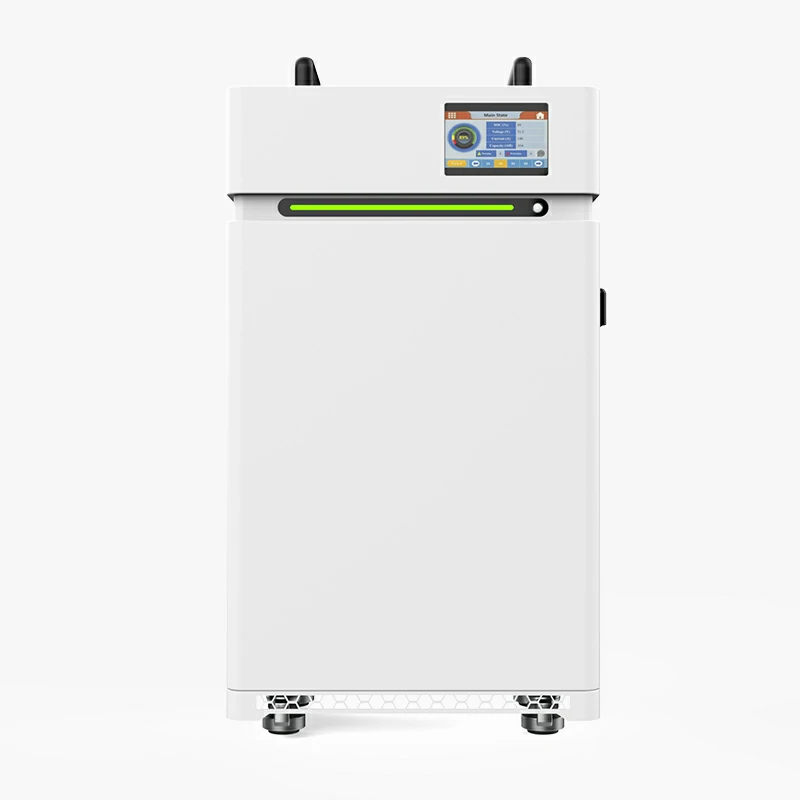
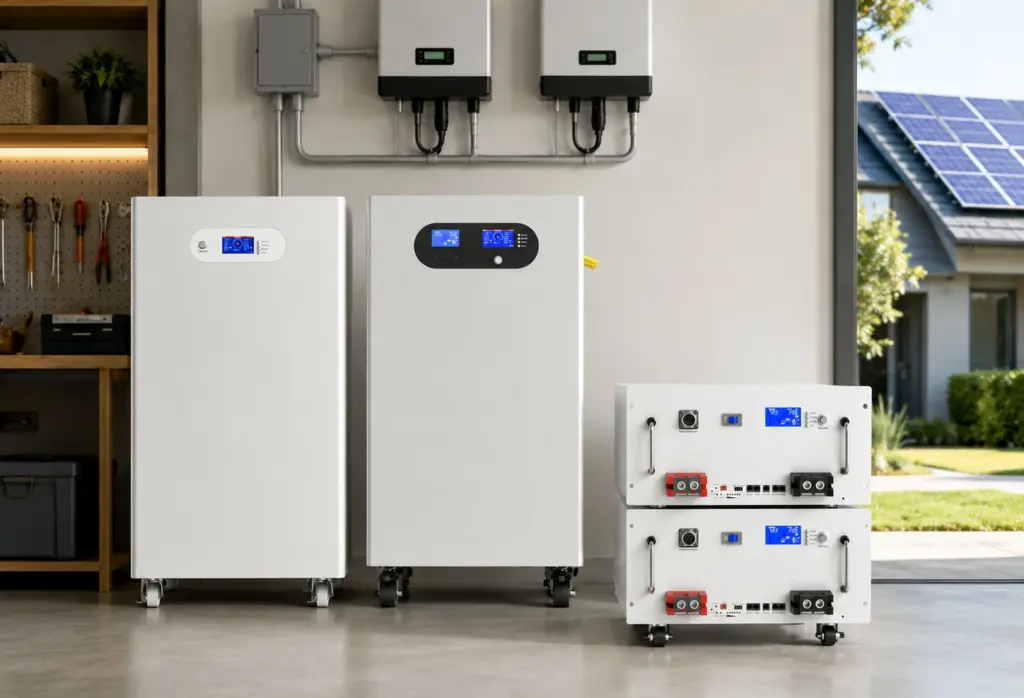
A 5.12kWh Avepower wall-mounted battery, for example, is built around a 51.2V 100Ah rechargeable architecture with BMS protection and inverter communication—not AA-cell replacement.
Are All Lithium Batteries Rechargeable?
No. Primary lithium-metal batteries are disposable, while lithium-ion batteries are rechargeable. Common primary lithium AA batteries using Li/FeS₂ chemistry must not be recharged, whereas LiFePO₄, NMC, LCO and other lithium-ion chemistries are specifically designed for repeated controlled charging and discharging.
Can I Use Lithium Batteries Instead of Alkaline Batteries?
You can use compatible 1.5V lithium AA or AAA batteries in many devices designed for alkaline batteries, but only when the equipment manufacturer permits it. Never substitute a 3.2V or 3.7V lithium cell for a 1.5V alkaline battery simply because it appears to fit physically.
Check voltage first.
What Does a Real LiFePO₄ Energy Storage Project Look Like?
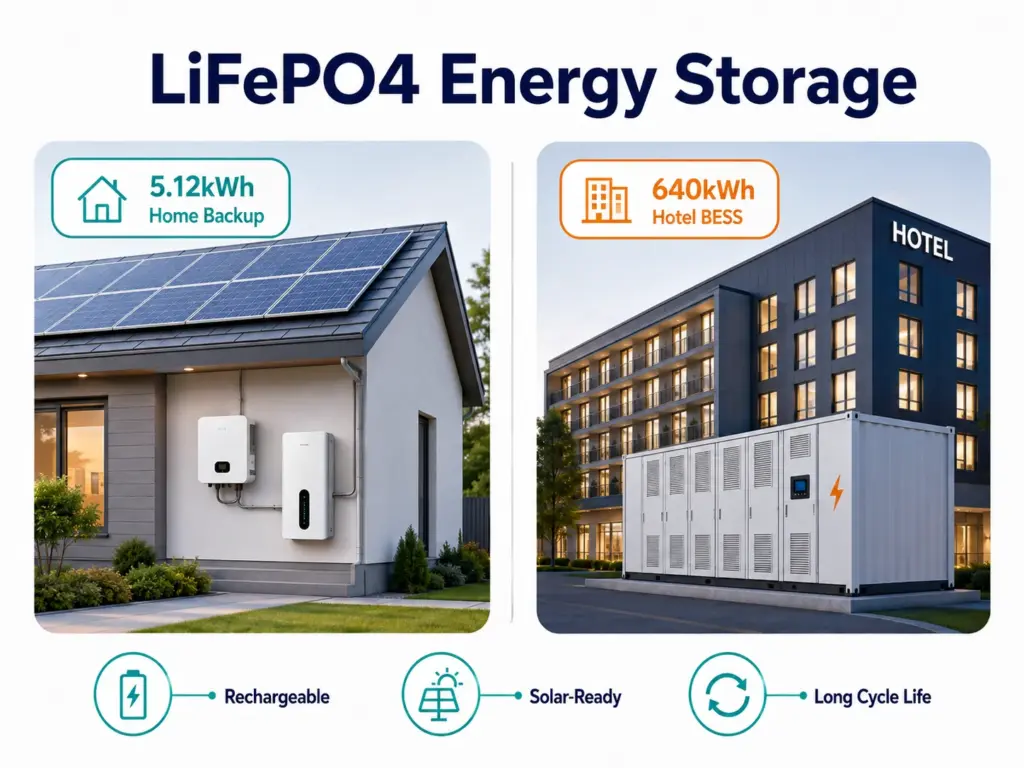
A real commercial storage project shows why large lithium batteries must be evaluated as integrated energy systems rather than oversized consumer batteries. Avepower’s Afghanistan hotel project combines 640kWh of LiFePO₄ storage with smart inverters and EMS control to support solar self-consumption, peak shifting, backup power and grid/off-grid operation.
The documented project configuration is:
| Project Parameter | Configuration |
|---|---|
| Location | Afghanistan |
| Application | Hotel solar + storage |
| Battery chemistry | LiFePO₄ |
| Total energy | 640kWh |
| Single battery | 51.2V, 628Ah, 32kWh |
| Quantity | 20 |
| Architecture | 20 batteries in parallel |
| Control | Smart inverter + EMS |
| Operating modes | Grid-connected and off-grid |
| Main functions | Solar storage, load shifting, peak shaving and backup |
Calculation:
20 × 32kWh = 640kWh
View the complete Avepower 640kWh hotel solar BESS case study.
Why LiFePO₄ Made Sense Here
The decision was not based on lithium having a longer AA-battery runtime.
The hotel required:
- Repeated charging and discharging
- High total energy capacity
- Solar integration
- Backup operation
- Parallel battery management
- EMS scheduling
- Grid/off-grid switching
These requirements belong to a completely different battery-selection framework.
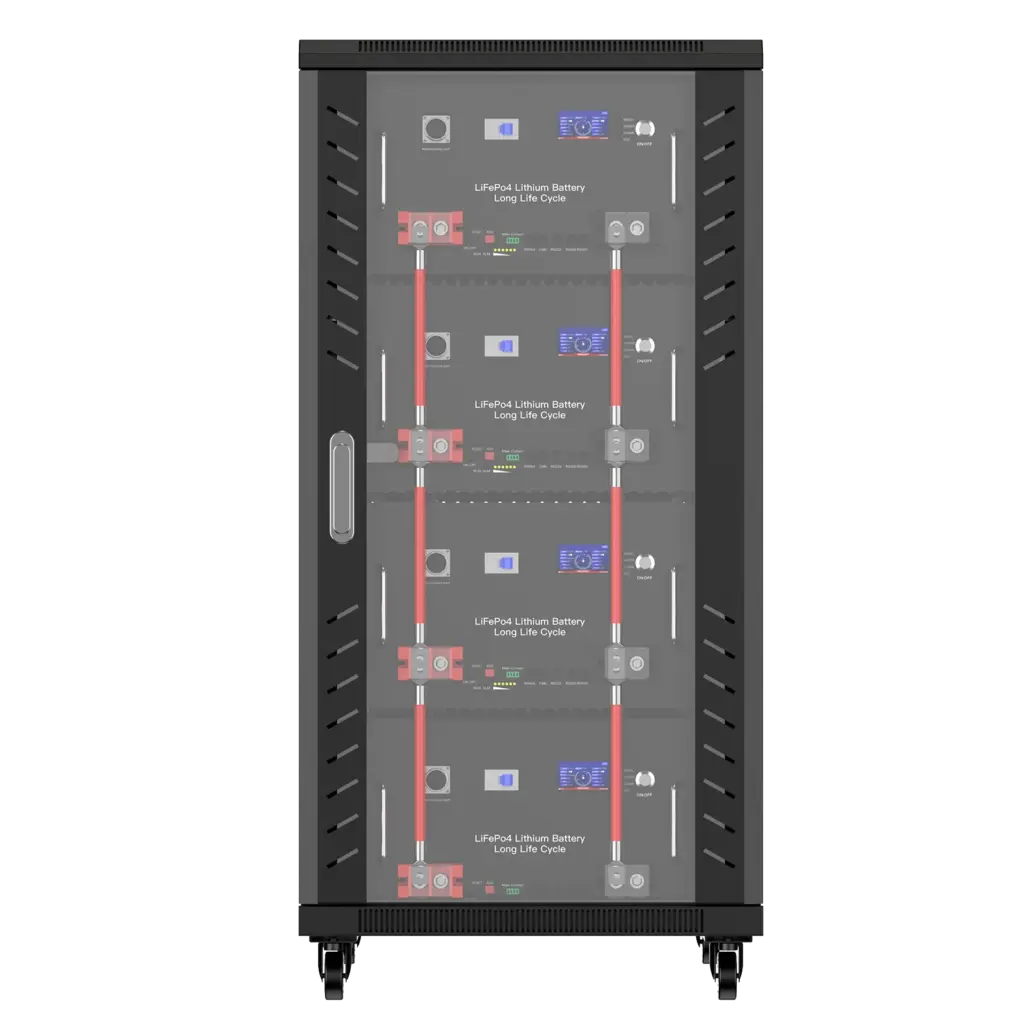
For even larger high-voltage applications, Avepower’s published Lithuania project reached 522.496kWh at 832V DC, using four battery cabinets, two clusters and CAN/RS485 communication.
This provides project developers with more meaningful evidence than simply quoting an unqualified cycle-life number.
So, Which Type of Battery Is Better?
Alkaline is usually the better choice when low purchase price matters and the device consumes very little power, while primary lithium is generally superior for high-drain devices, cold weather, long storage and difficult maintenance. Rechargeable lithium-ion and LiFePO₄ become the better solution when energy needs to be stored and reused repeatedly.
Use this simple decision guide.
Choose Alkaline When:
- The device has low power demand.
- Batteries are inexpensive to replace.
- Installation is indoors.
- Weight is unimportant.
- Operating temperatures are moderate.
- Initial price matters most.
Choose Primary Lithium When:
- Current demand is high.
- Equipment operates outdoors.
- Temperatures are very low.
- Battery replacement is inconvenient.
- Weight matters.
- Long storage life is important.
Choose Rechargeable Lithium-Ion or LiFePO₄ When:
- Energy must be reused repeatedly.
- The application requires daily cycling.
- Capacity is measured in Wh or kWh rather than disposable-cell runtime.
- A charger, BMS and protection system are available.
- Solar, EV, backup or BESS applications are involved.
The real answer to lithium vs alkaline batteries is therefore:
Alkaline wins on simplicity and upfront cost; primary lithium wins on demanding disposable-battery performance; rechargeable lithium-ion wins when repeated energy storage creates more value than a single discharge.
Need a Lithium Battery Solution for Solar or Energy Storage?
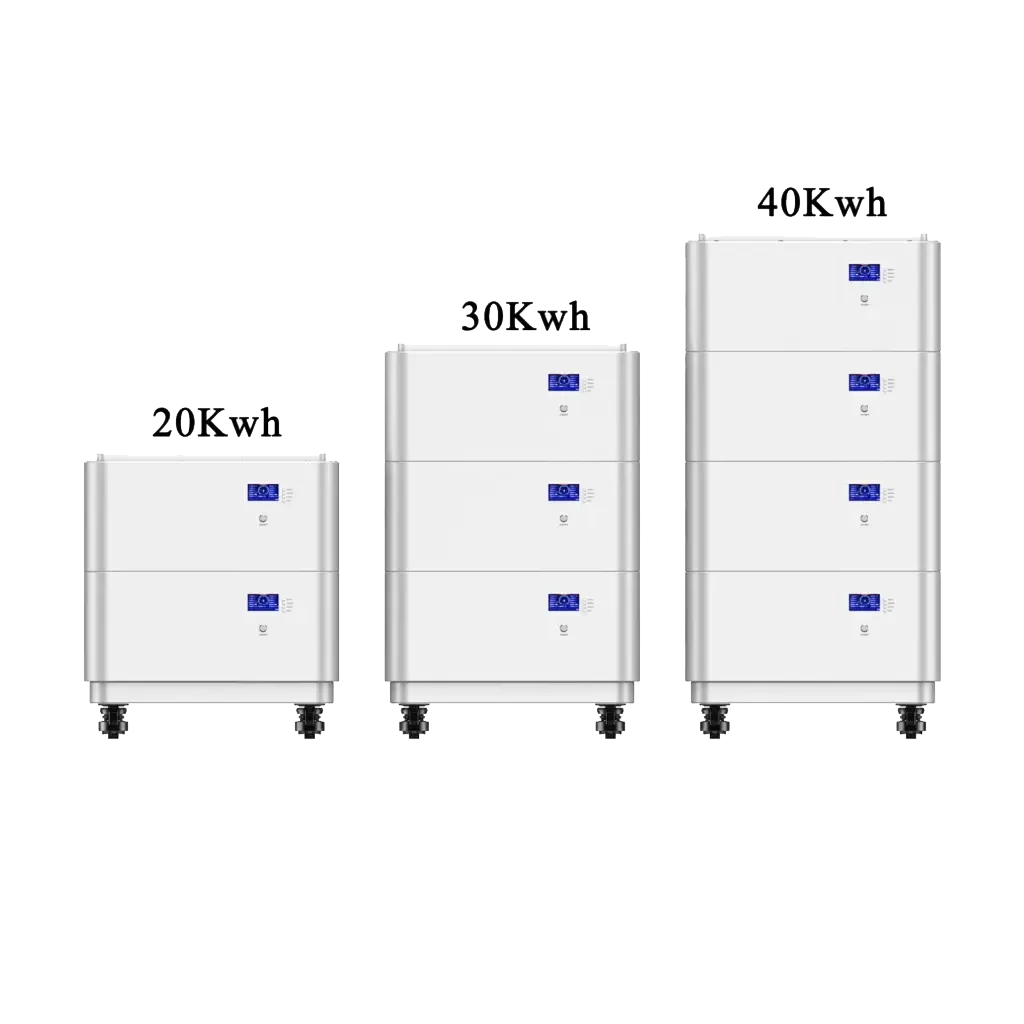
If your comparison has moved beyond AA/AAA batteries and into residential solar, backup power, commercial storage or OEM/ODM battery systems, the selection criteria change from disposable-cell runtime to usable kWh, power, cycle life, BMS protection, inverter compatibility, communication protocols and installation conditions.
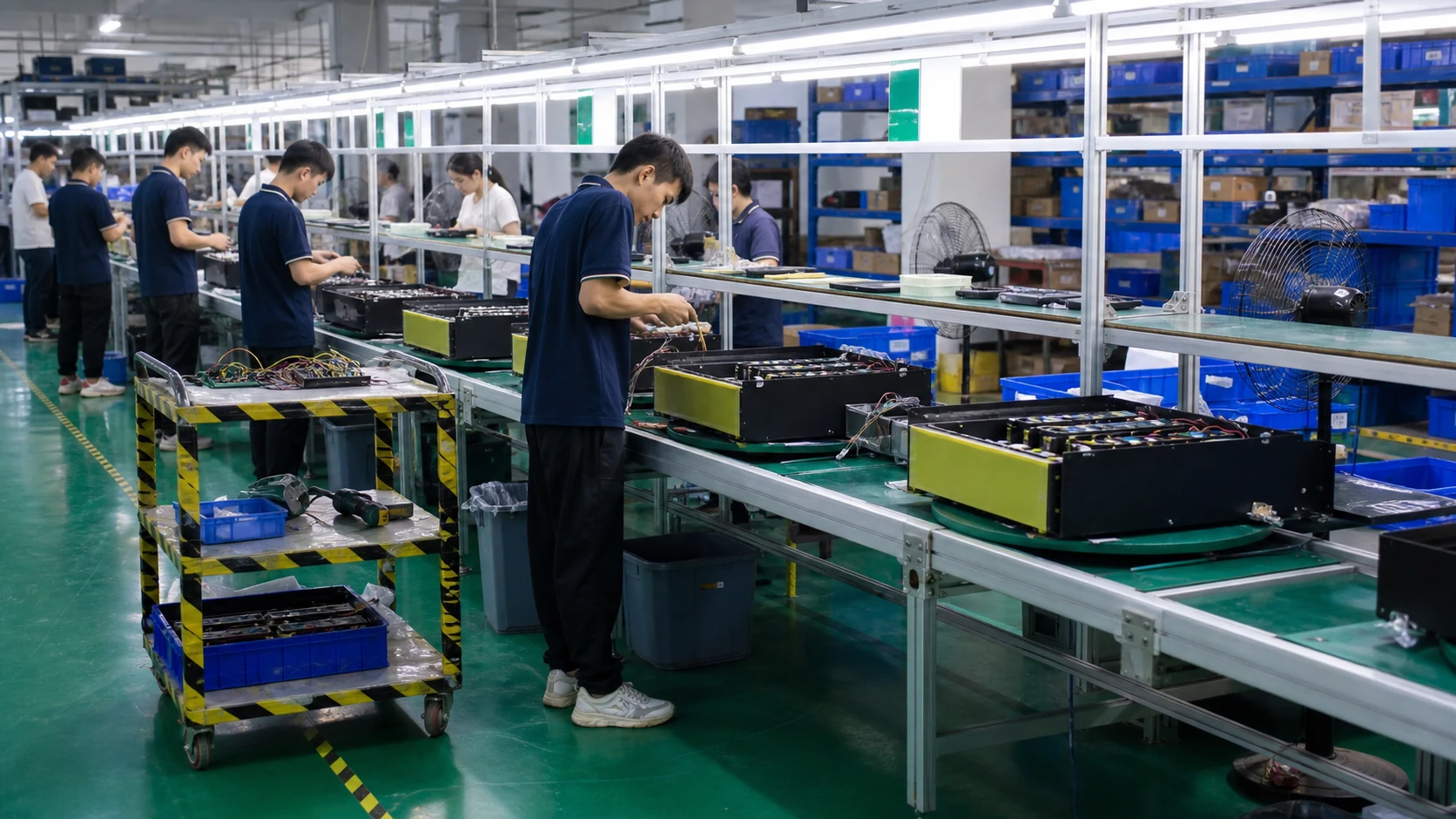
Avepower supports installers, distributors, wholesalers, project developers and OEM/ODM partners with LiFePO₄ energy-storage systems backed by a 20,000㎡ manufacturing base, 15 production lines and a 50+ engineering team, with project configurations ranging from residential storage to documented commercial BESS installations.
Explore Avepower home energy storage solutions or start a custom battery project based on your required capacity, voltage, inverter model, application and target market.
Take Control of Your Energy with Avepower!
Reliable home solar battery solutions with OEM/ODM customization and in-house manufacturing, tailored to the needs of distributors, installers, and energy partners.
FAQ
Sometimes, but only when you are comparing a compatible 1.5V primary lithium AA with the battery types permitted by the device manufacturer. Do not assume every lithium cell is a replacement for an alkaline AA. Rechargeable lithium-ion/LiFePO₄ products belong to different voltage and charging architectures.
Primary lithium iron-disulfide AA batteries are commonly rated at a nominal 1.5V, making them compatible with many—but not necessarily every—device designed for 1.5V AA cells.
No. Battery manufacturers recommend using cells of the same chemistry, type and age within a multi-cell device.
No. Standard Li/FeS₂ lithium AA batteries are primary cells and should not be recharged.
Primary lithium generally performs substantially better. Some Li/FeS₂ AA products are specified for operation down to -40°C, while alkaline performance declines considerably as temperature falls.
No. LiFePO₄ is a rechargeable lithium-ion chemistry commonly used in solar, backup and stationary storage systems. A conventional 1.5V lithium AA replacement typically uses primary Li/FeS₂ chemistry and is non-rechargeable.
Primary lithium is generally the stronger choice because cameras create relatively high and pulsed current demand, conditions in which alkaline capacity and operating voltage decline more quickly.
Some do and some do not. A primary Li/FeS₂ AA battery and an alkaline AA can both be nominally rated at 1.5V, while rechargeable LiFePO₄ cells are approximately 3.2V and many conventional lithium-ion cells are approximately 3.6–3.7V. The exact chemistry must therefore be identified first.