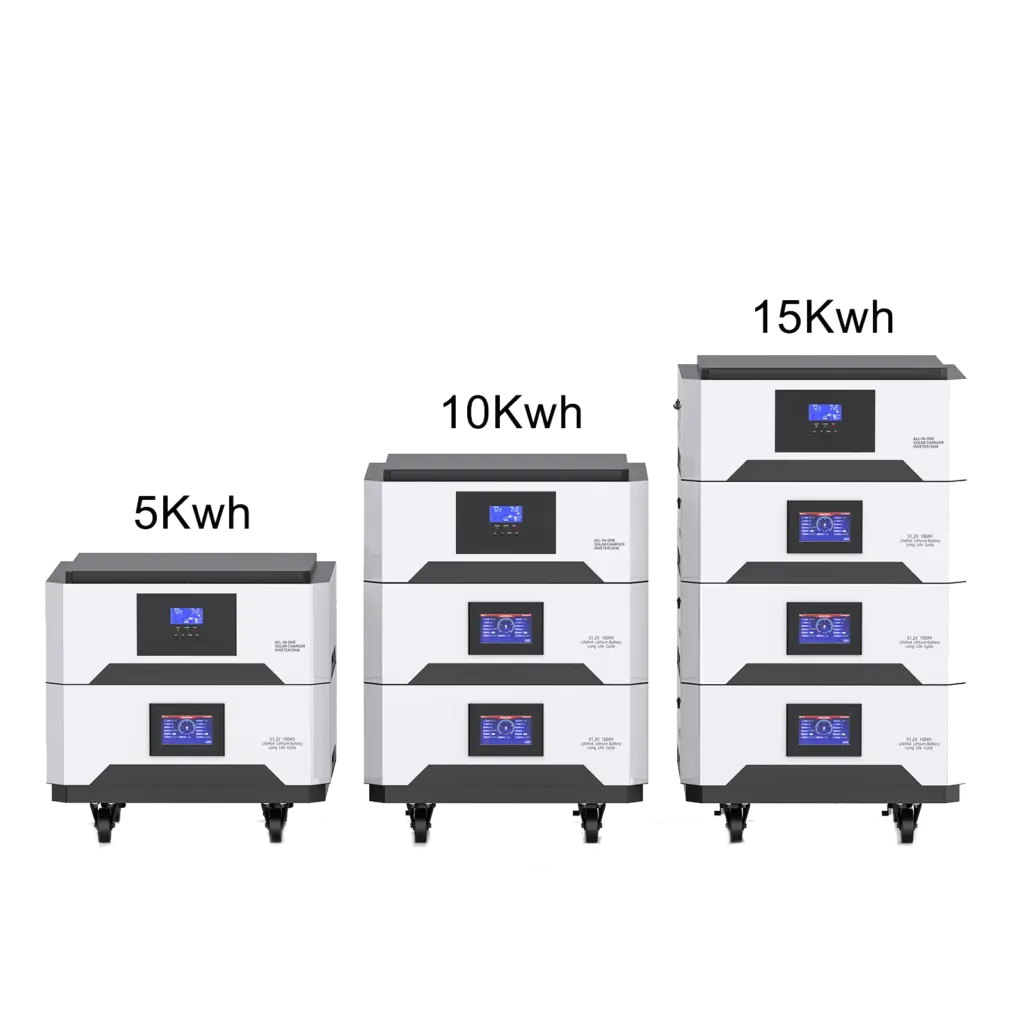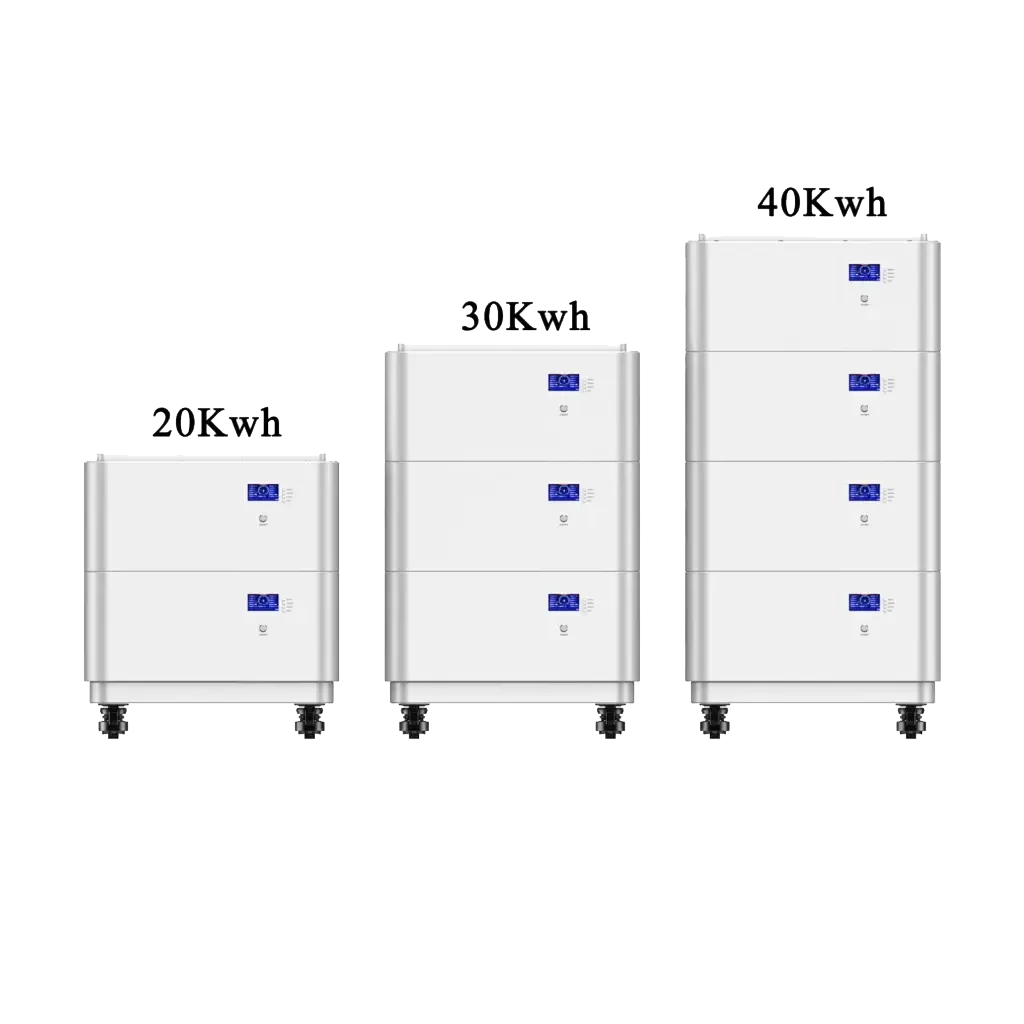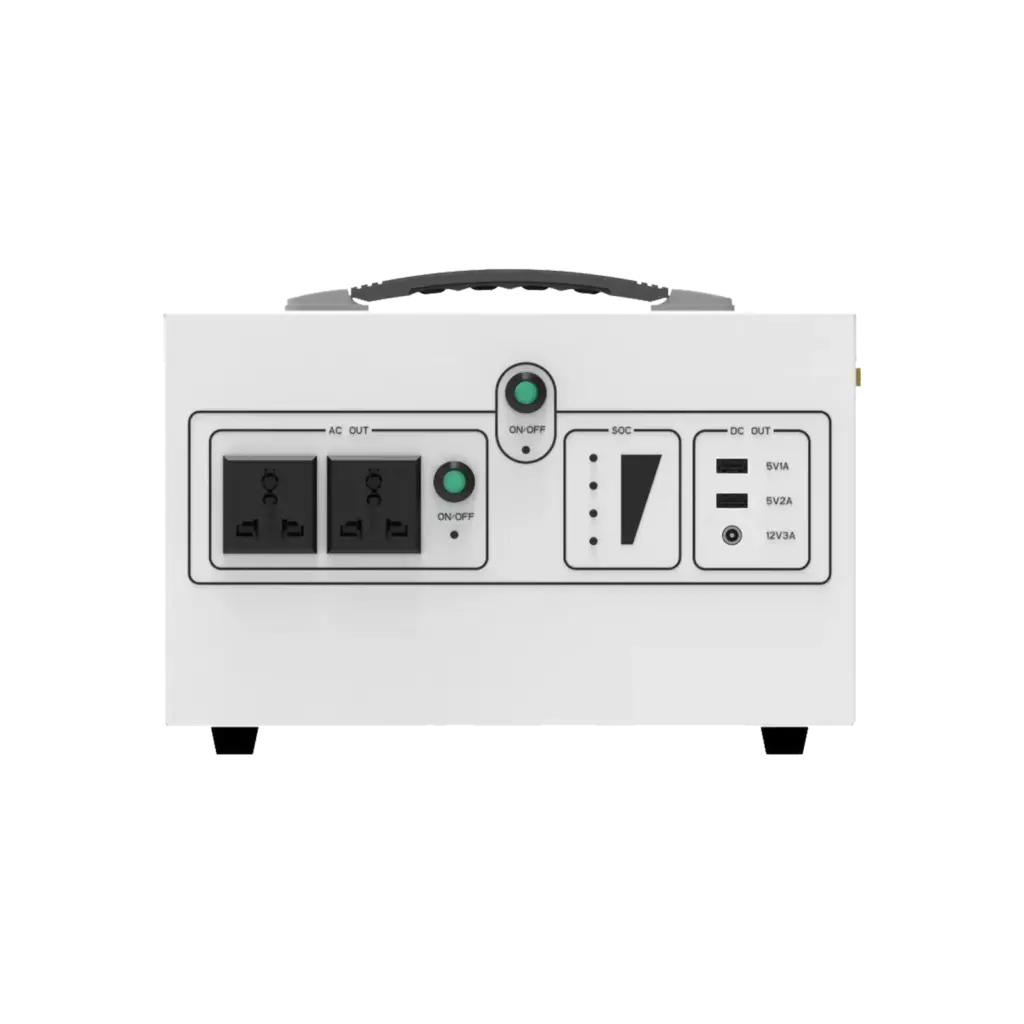

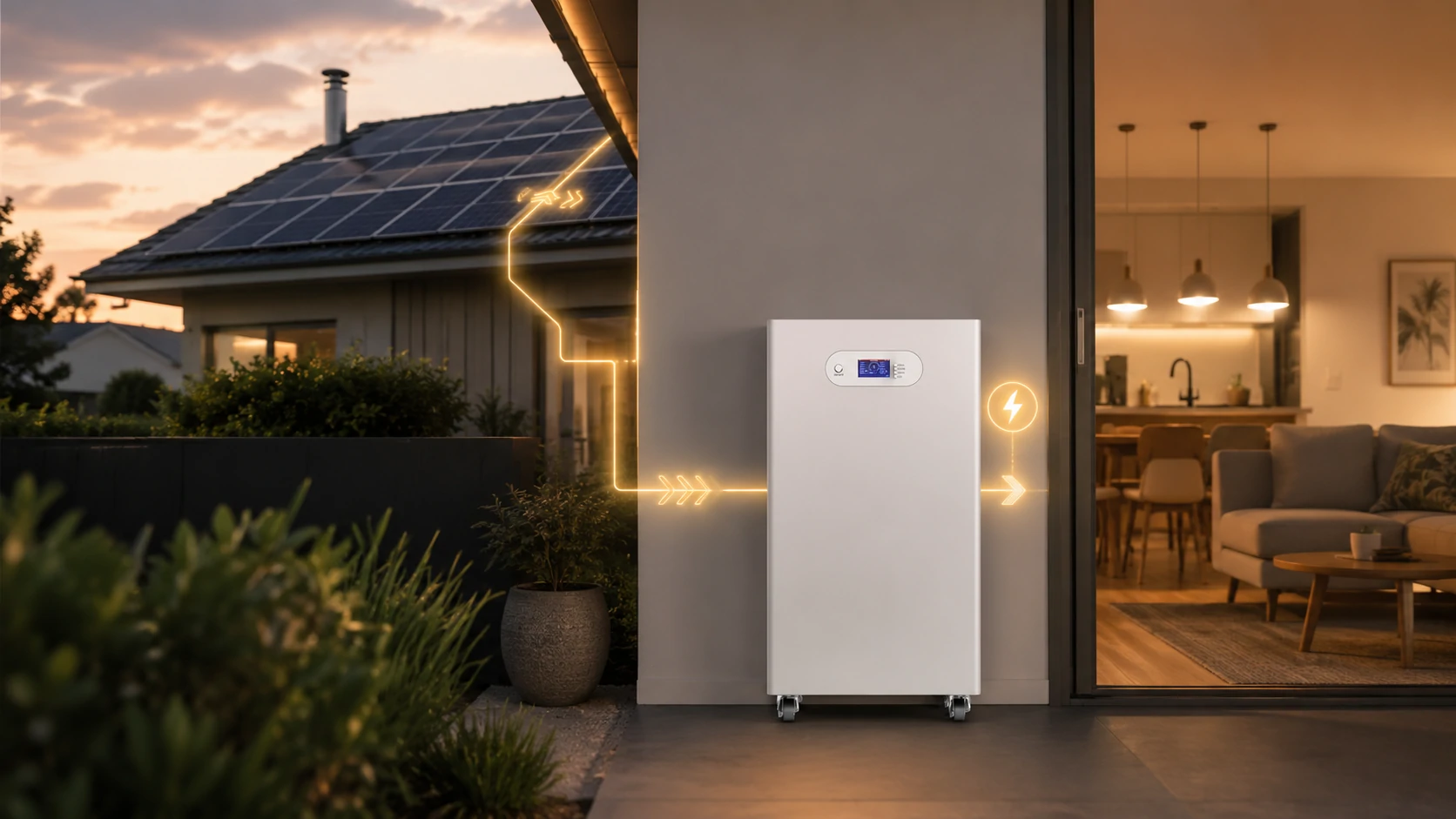
Home battery storage in NZ makes the most sense for households with rooftop solar, high evening electricity use, time-of-use pricing, frequent outages or a strong need for energy resilience. A typical Kiwi home may consider 5–10 kWh for essential backup, 10–15 kWh for evening solar use, and 20 kWh+ for larger homes, rural properties or EV-related loads.
A battery stores electricity generated by solar panels—or, in some configurations, cheaper off-peak grid electricity—so it can be used later when solar production falls, electricity prices increase or the grid goes down.
Average New Zealand household uses roughly 7,000 kWh of electricity per year, although actual consumption varies significantly by household size, heating, hot water, EV ownership and location.
What Is Home Battery Storage in NZ?
Home battery storage is a rechargeable energy storage system installed alongside solar panels, a hybrid inverter or an existing electrical system to store electricity for later use. In New Zealand homes, its main purposes are increasing solar self-consumption, shifting electricity use away from expensive periods and maintaining selected loads during outages.
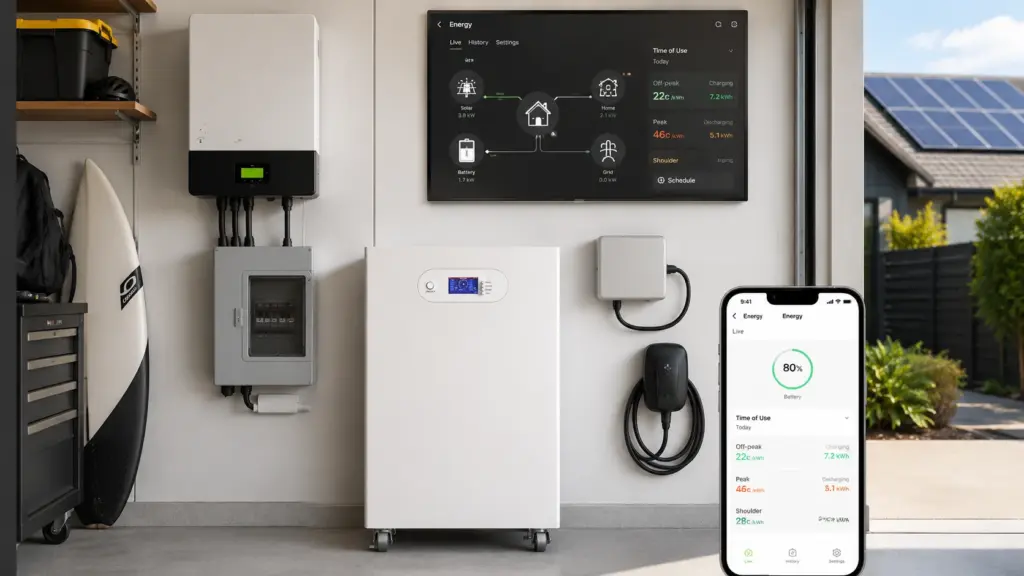
A typical system contains:
- Solar panels
- Solar or hybrid inverter
- Battery modules
- Battery Management System (BMS)
- Monitoring and energy-management software
- Switchboard and protection equipment
- Optional backup gateway or essential-load circuit
During the day:
Solar → Home Loads → Battery → Grid Export
At night:
Battery → Home Loads → Grid
During a blackout, the system changes again. Only systems designed with backup/islanding capability can continue supplying the home safely.
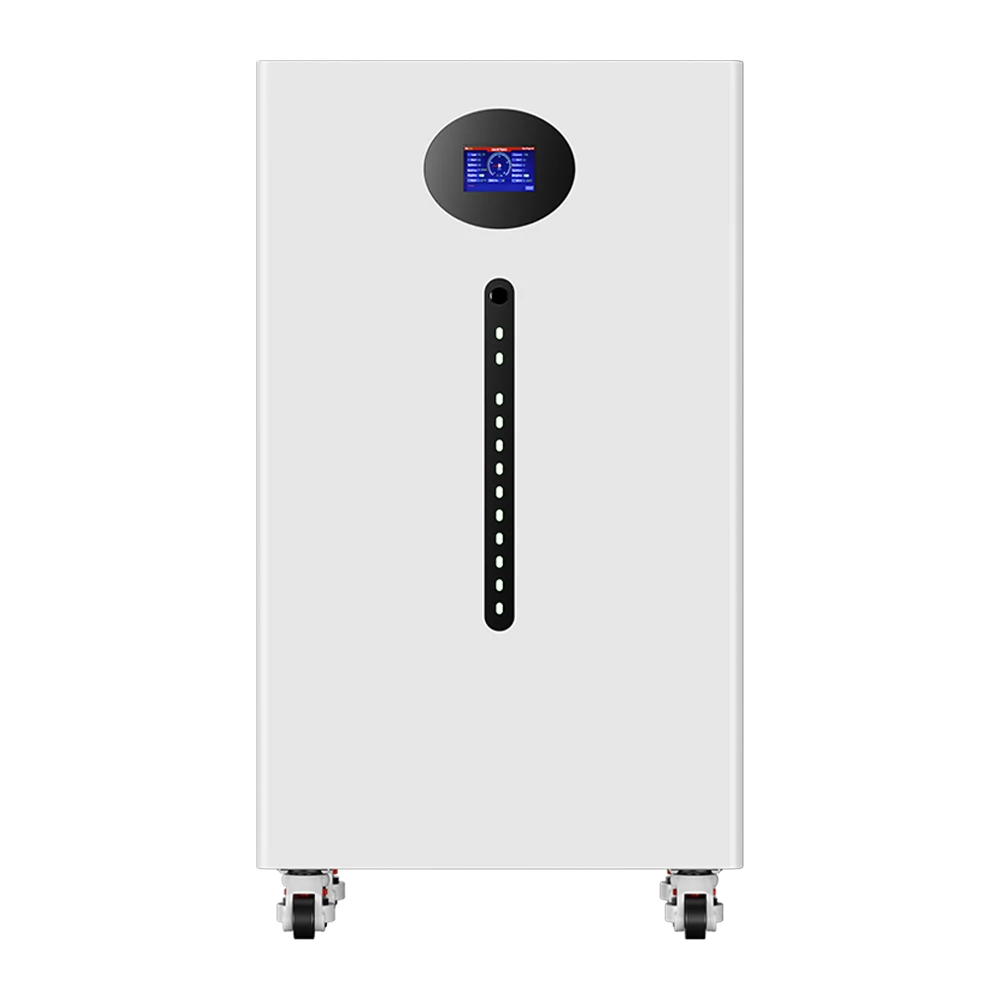
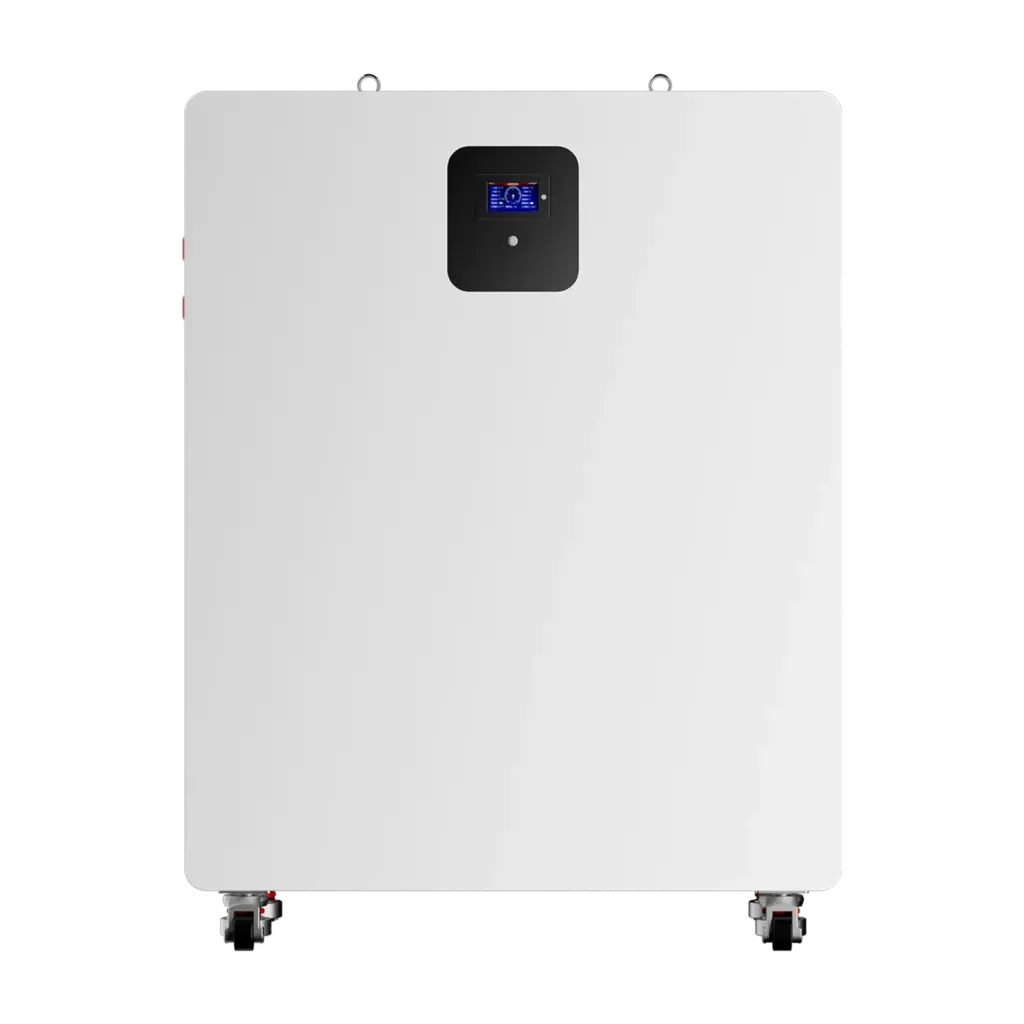
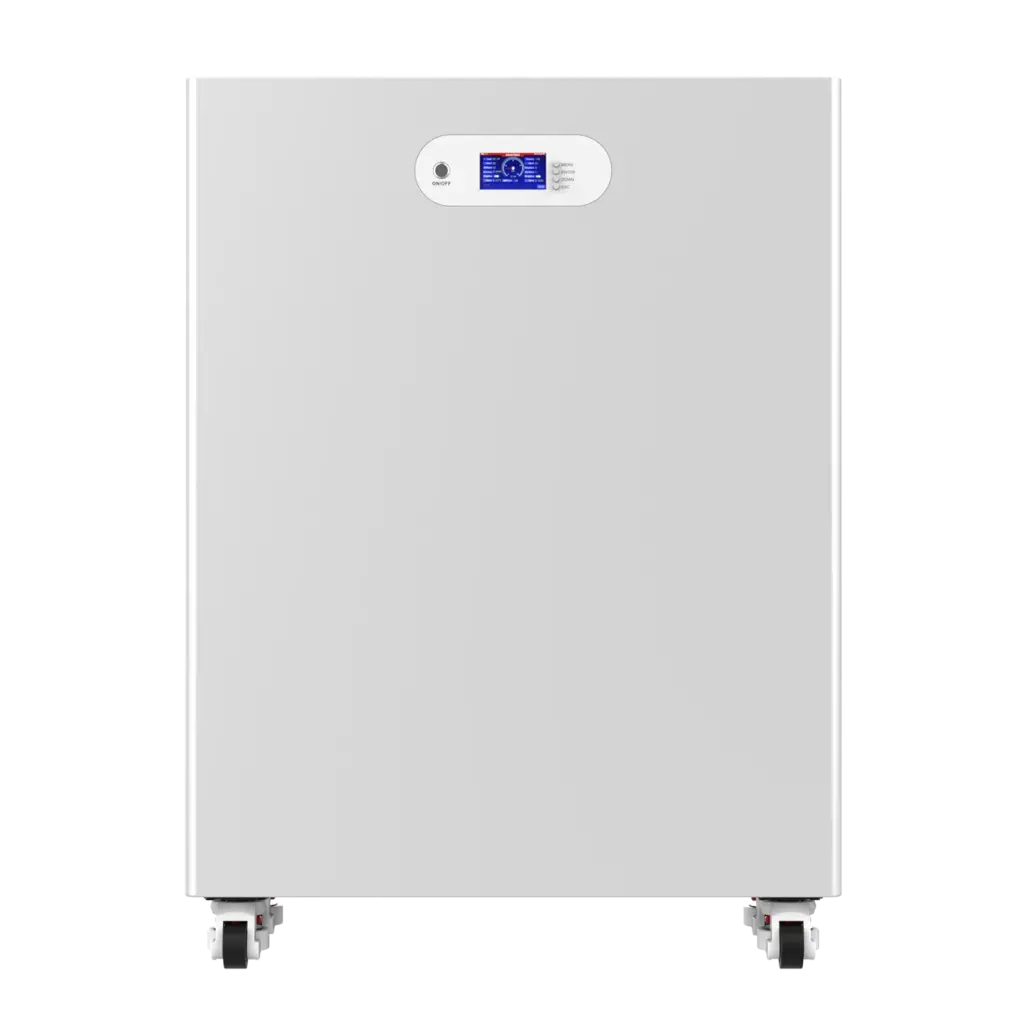
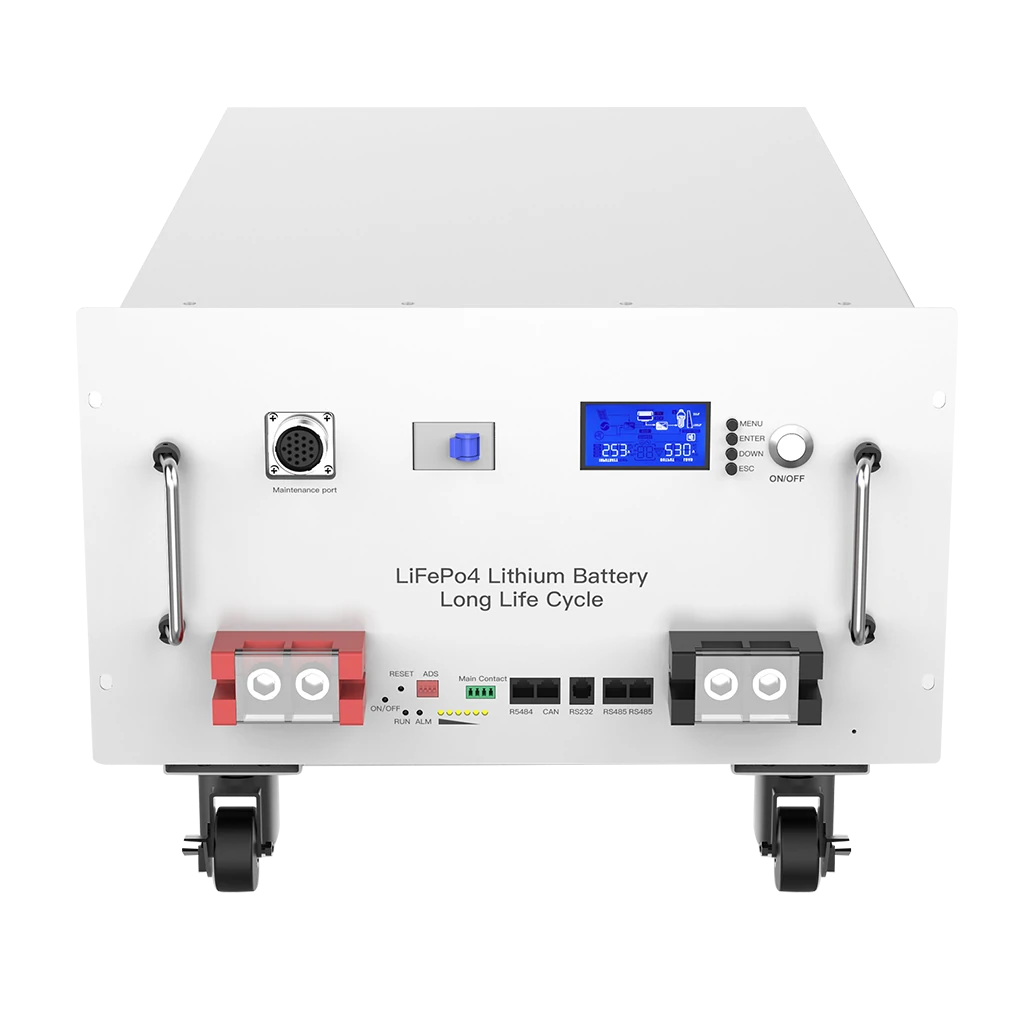
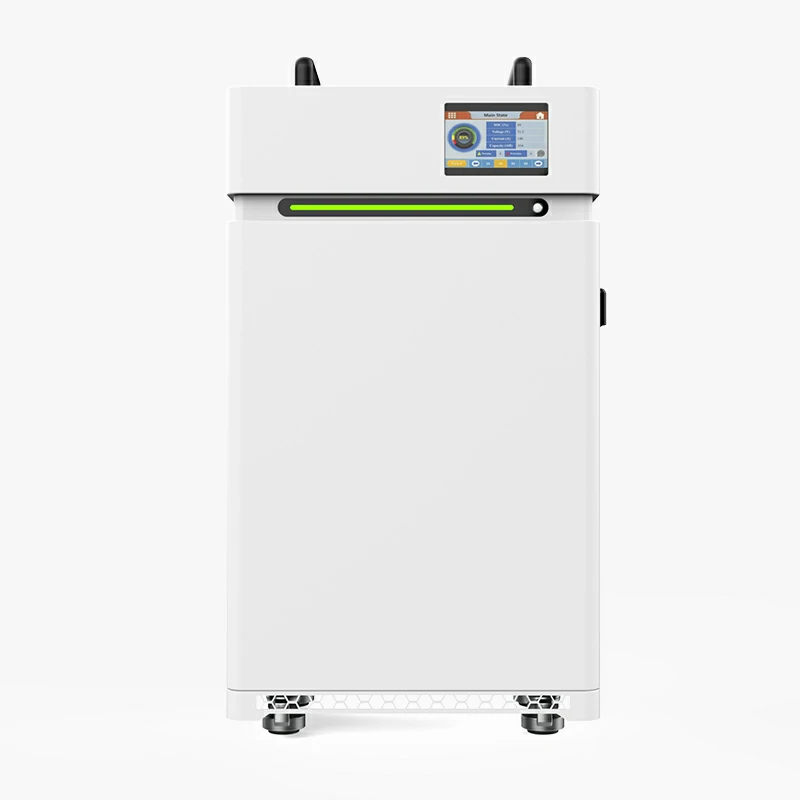
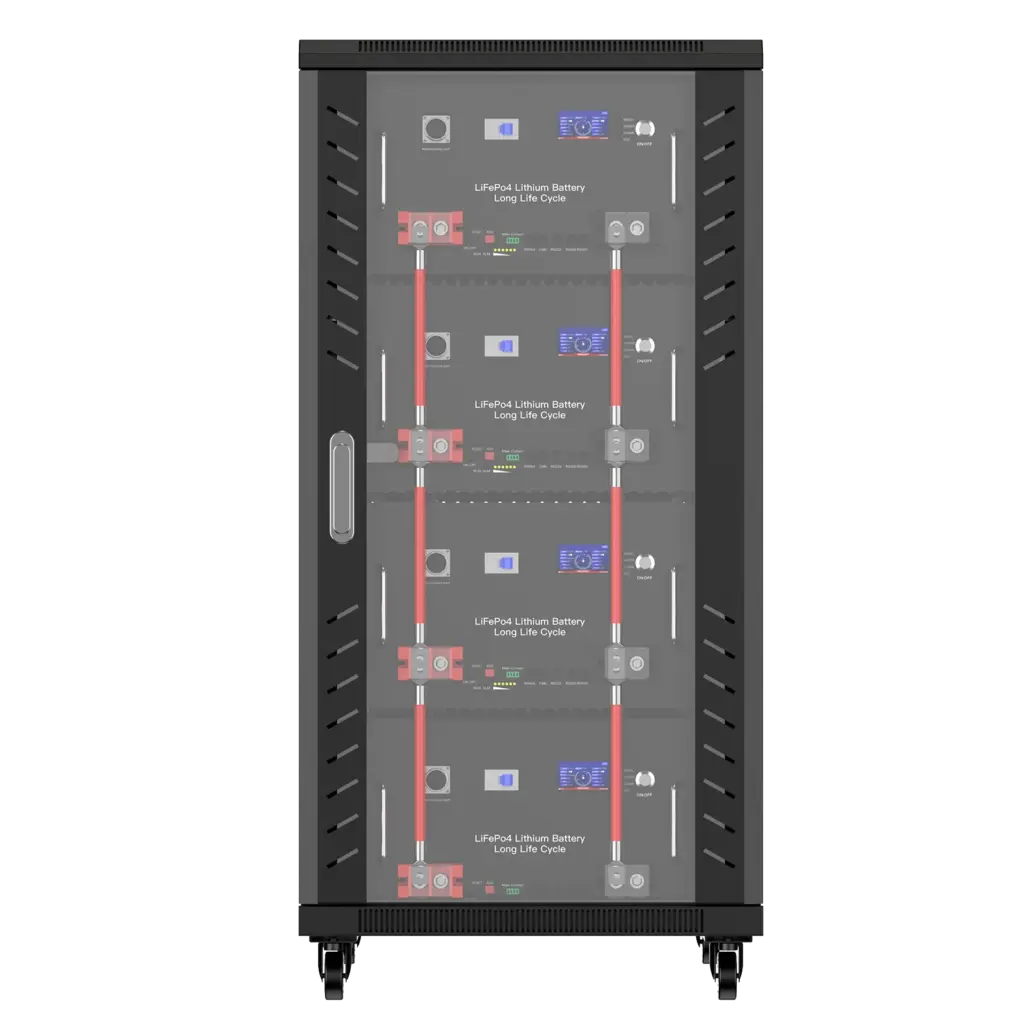
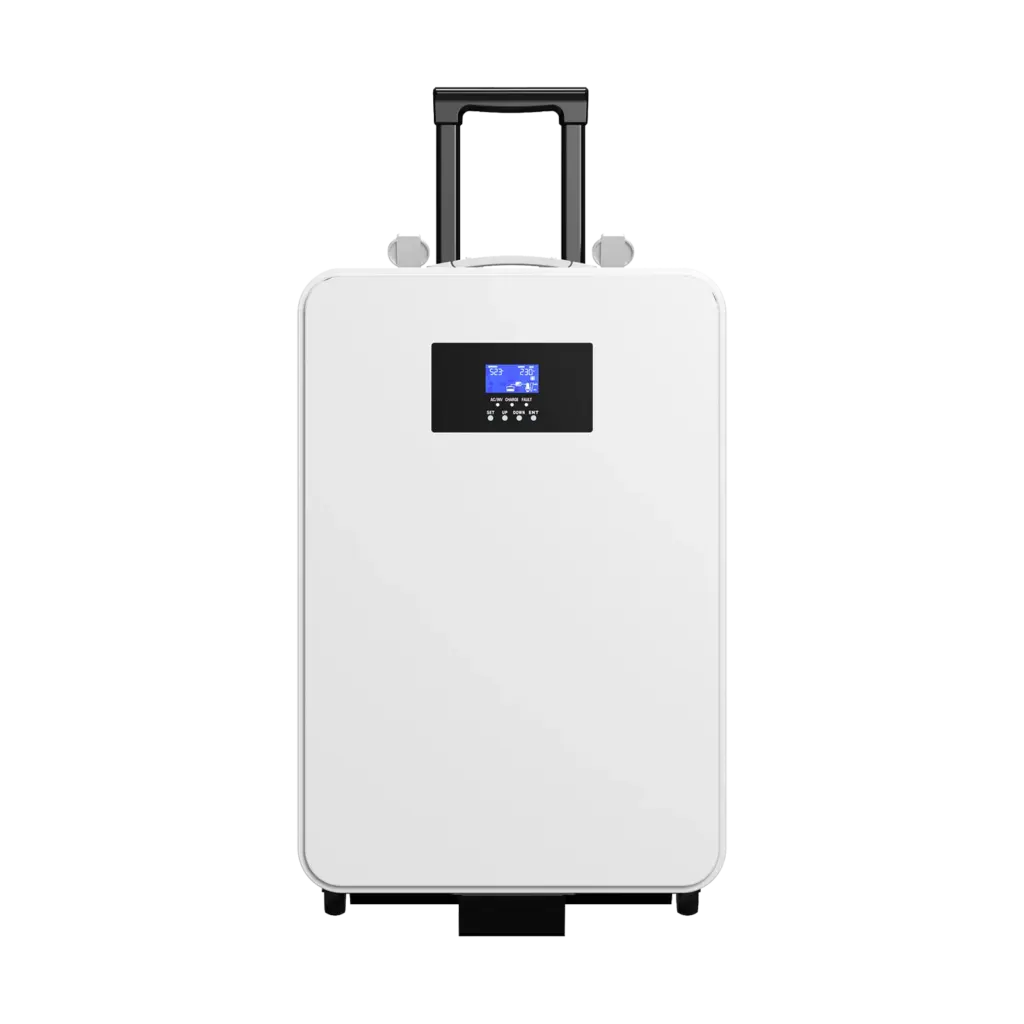
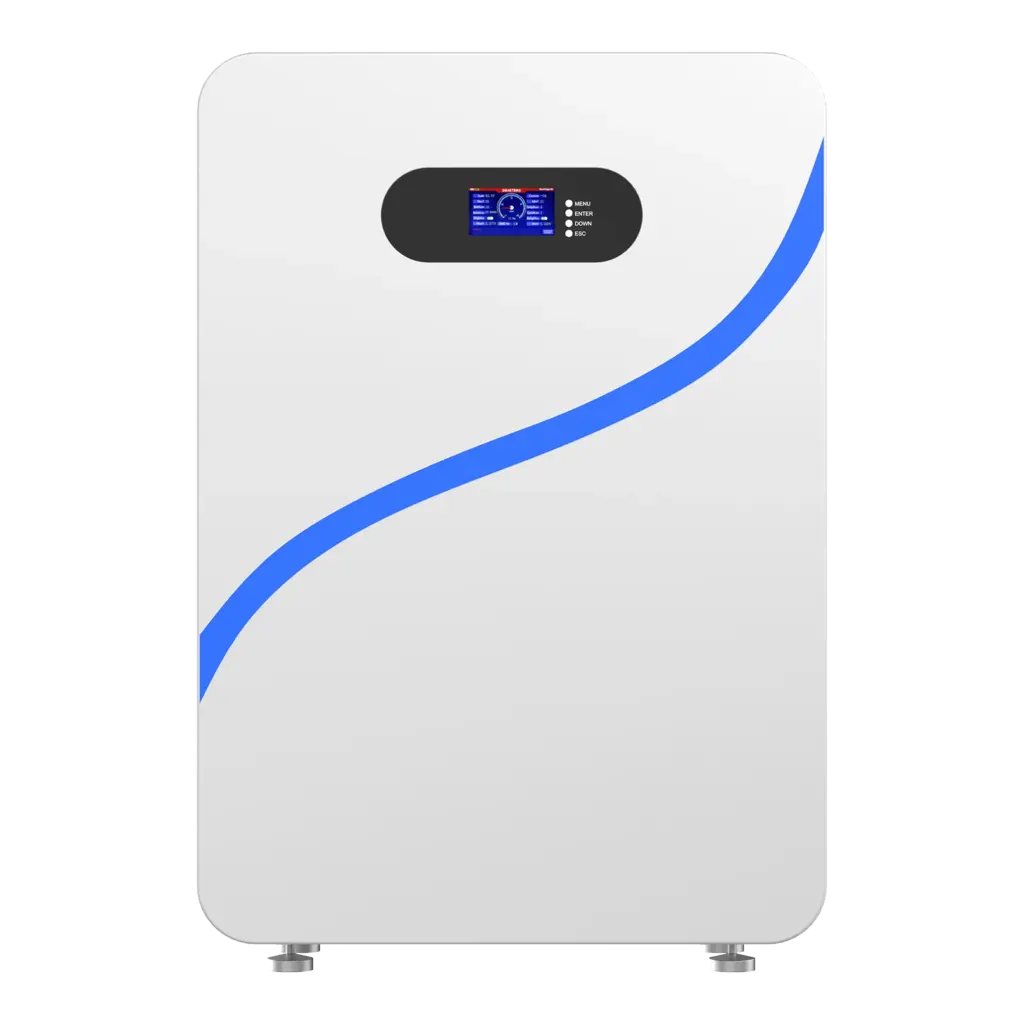
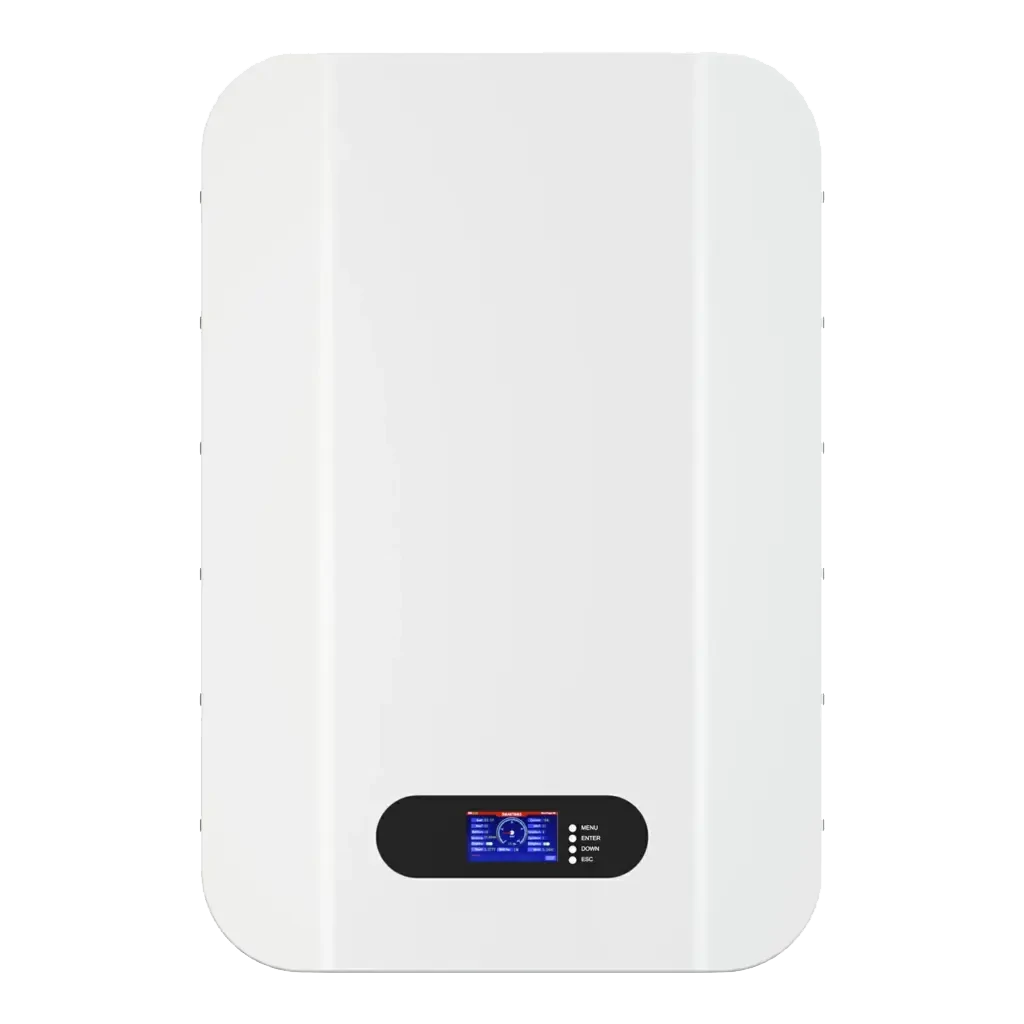
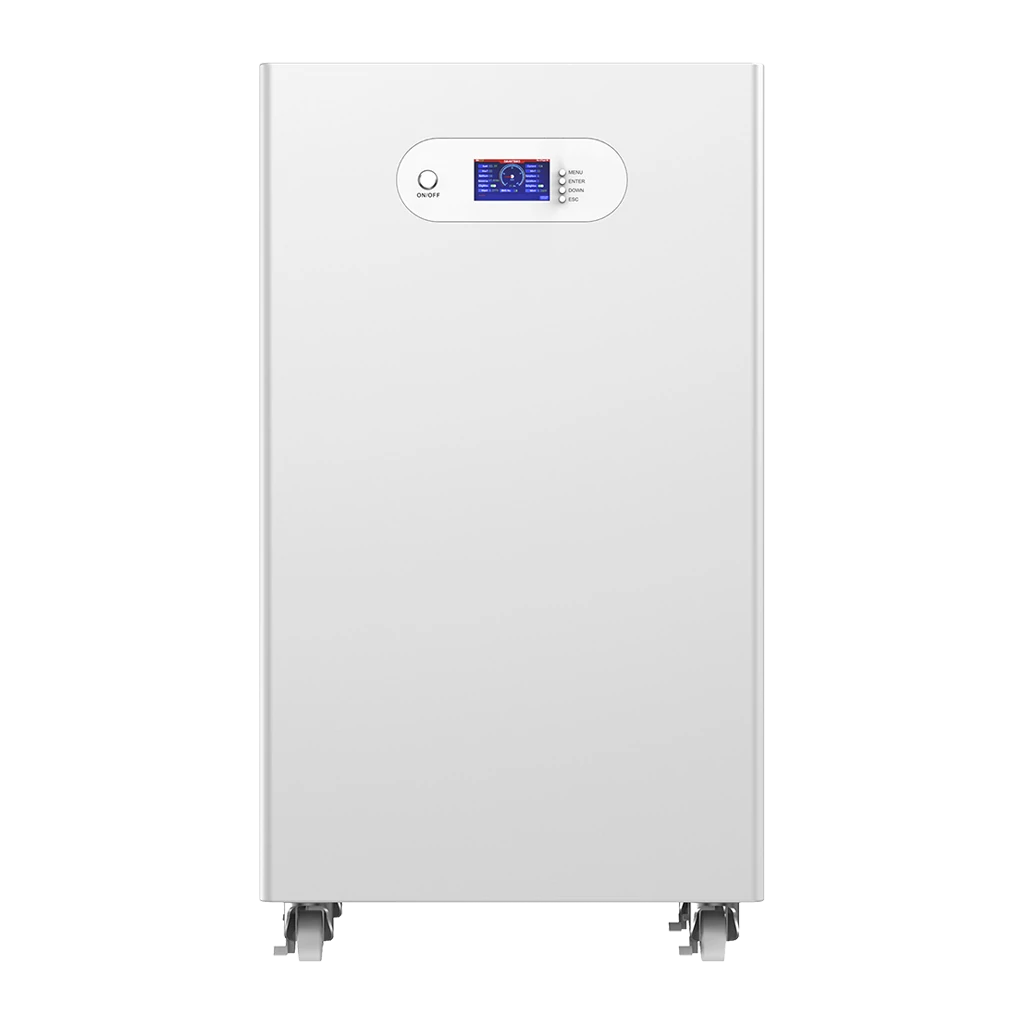
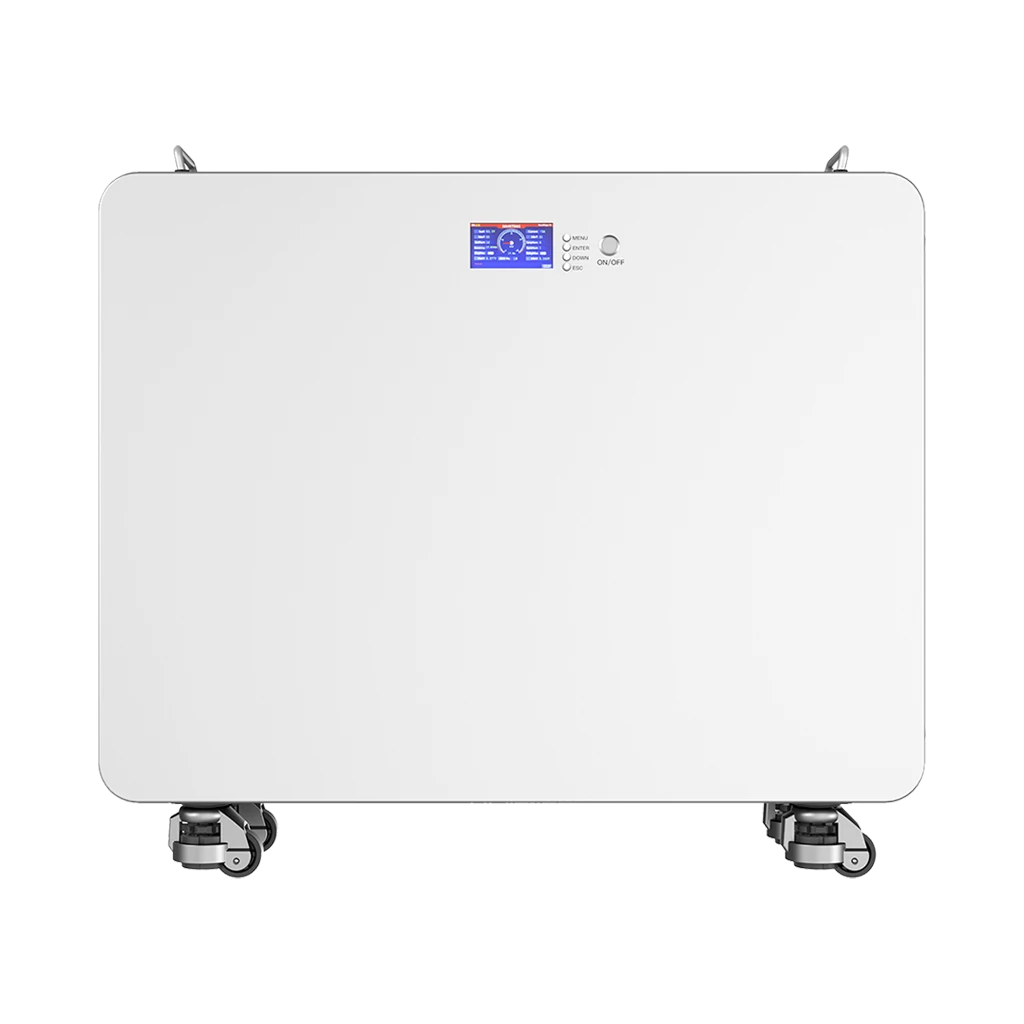
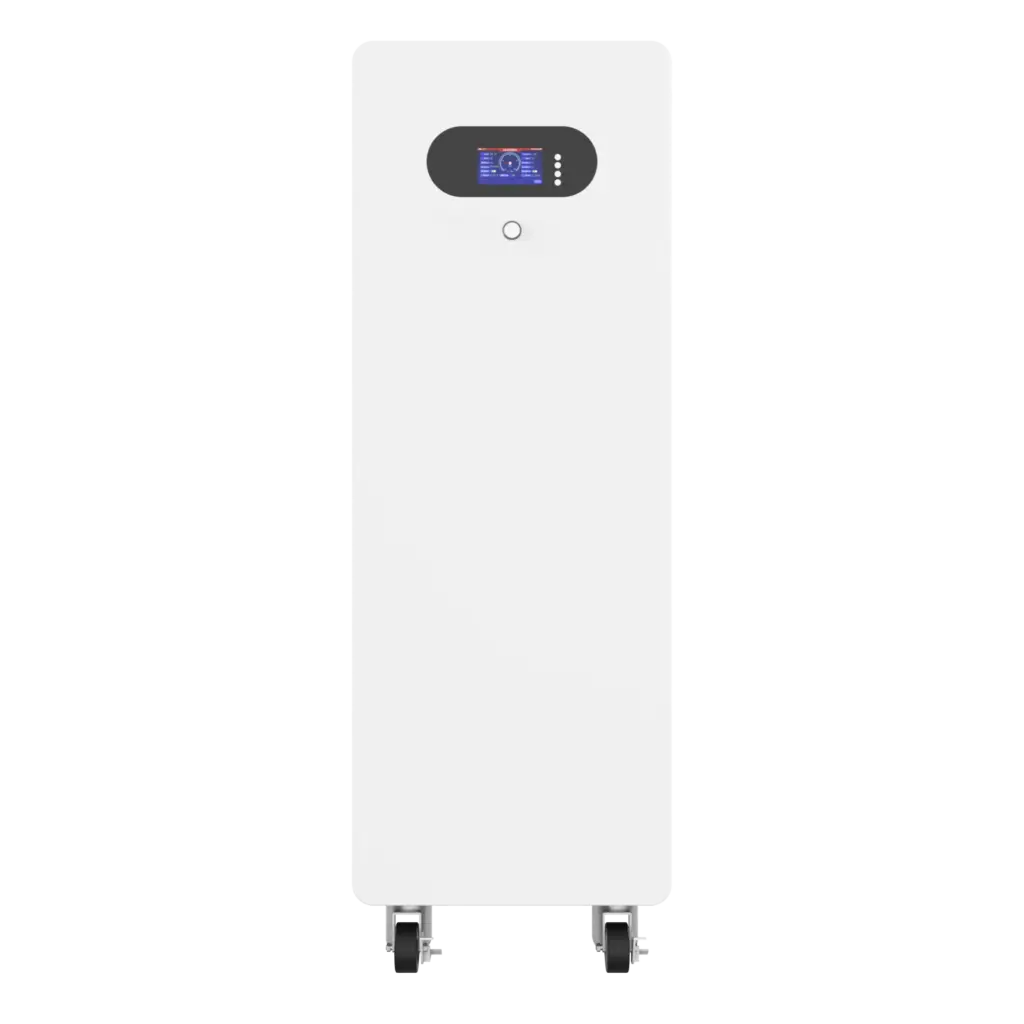
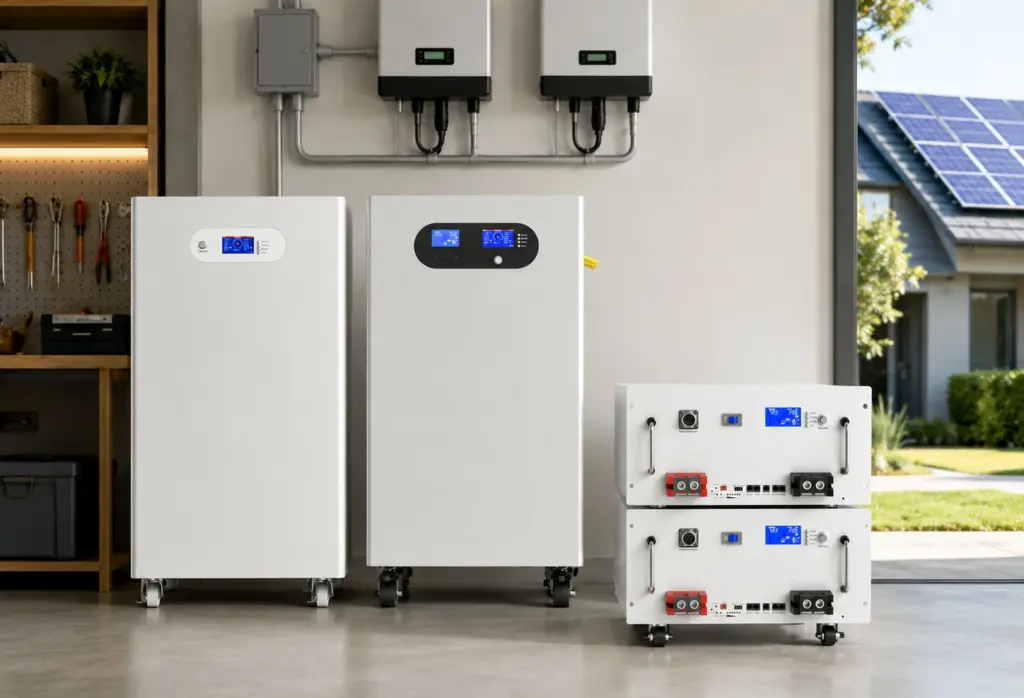
For residential projects, Avepower home energy storage batteries include wall-mounted, stackable, rack-mounted and integrated LiFePO₄ configurations for different installation and expansion requirements.
How Much Does Home Battery Storage Cost in NZ in 2026?
Adding home battery storage in New Zealand typically increases the cost of a solar installation by about NZ$5,000–15,000, while current installed retail systems commonly extend from roughly NZ$7,500 to NZ$20,000 or more depending on usable capacity, inverter requirements, backup wiring and brand.
| Example System | Indicative Installed Cost |
|---|---|
| 3 kW solar + 5 kWh battery | About NZ$13,500 |
| 5 kW solar + 10 kWh battery | About NZ$21,500 |
| Battery added to solar | Typically +NZ$5,000–15,000 |
These figures include standard installation and GST but should be treated as planning guides rather than fixed quotations.
Current NZ market pricing also varies substantially between products.
| Battery Capacity | Typical Application | Practical NZ Budget Range |
|---|---|---|
| 5 kWh | Essential loads / small home | NZ$6,000–9,000 |
| 10 kWh | Typical solar home | NZ$10,000–15,000 |
| 13–15 kWh | Higher evening demand | NZ$14,000–20,000+ |
| 20 kWh+ | Large / rural / high-load home | NZ$20,000+ |
*Indicative only. Exact prices depend on equipment and site conditions.
What Changes the Installed Price?
The battery itself is only part of the cost.
A quote may also include:
- Hybrid or battery inverter
- Backup gateway
- Switchboard upgrade
- Essential-load sub-board
- Electrical protection
- Cabling
- Metering changes
- Installation labour
- Network application
- Commissioning
- Monitoring
- GST
A cheaper battery quotation may therefore not be cheaper once the complete installed system is compared.
Is Home Battery Storage Worth It in NZ?
A home battery can be worthwhile in NZ when you use substantial electricity after sunset, export a large amount of daytime solar, experience outages or can benefit from time-varying electricity pricing; however, solar panels without a battery generally still deliver the faster financial payback when savings are the only objective.
A battery becomes more attractive when:
- Your home is empty during solar-production hours.
- Electricity consumption rises strongly between 5 pm and 10 pm.
- Your solar buy-back rate is much lower than your retail import price.
- You are using a time-of-use electricity plan.
- Backup power has real value.
- You live rurally or experience network outages.
- You expect future loads such as an EV or additional heat pump.
A battery may be harder to justify financially when:
- You already consume most solar generation directly.
- Your evening electricity demand is low.
- Your retailer offers a strong solar buy-back rate.
- Your only objective is the shortest possible payback.
- Your existing inverter requires an expensive retrofit.
A Simple Battery Value Calculation
Suppose your home exports:
8 kWh/day
and you could instead store and later use:
7 kWh/day
after allowing for system losses.
If your electricity import price is:
NZ$0.35/kWh
and your export value is:
NZ$0.13/kWh
the approximate additional value of self-consuming each stored kWh is:
NZ$0.35 - NZ$0.13 = NZ$0.22/kWh
Annual theoretical value:
7 × NZ$0.22 × 365 = NZ$562/year
This is not a guaranteed saving.
Actual performance depends on:
- Battery efficiency
- Seasonal solar production
- Electricity tariffs
- Battery operating strategy
- Available solar surplus
- Battery degradation
- Backup reserve settings
What Size Home Battery Do You Need in NZ?
Most NZ households should size a battery around their evening and overnight consumption rather than total daily electricity use. Around 5–10 kWh can suit essential loads, 10–15 kWh is a common starting range for an average solar household, and 20 kWh+ becomes relevant when loads, backup duration or future electrification are substantially higher.
Typical home battery capacity bands of approximately:
- 5–10 kWh
- 10–15 kWh
- 20+ kWh
The right number is determined by your actual load profile.
Better Battery Sizing Formula
Do not simply use:
Daily Consumption = Battery Capacity
Instead estimate:
Required Nominal Battery Capacity = Required Usable Energy ÷ Usable DoD ÷ System Efficiency
Example
Assume a household uses:
8 kWh from 5 pm to 7 am
and wants:
2 kWh backup reserve
Required usable energy:
8 + 2 = 10 kWh
Assume:
- 90% usable depth of discharge
- 95% conversion/storage efficiency for preliminary sizing
Then:
10 ÷ 0.90 ÷ 0.95 ≈ 11.7 kWh
A battery in approximately the 12–15 kWh nominal range could therefore make more sense than assuming that a nominal 10 kWh battery provides 10 kWh of usable AC energy.
Actual specifications must always be checked against the battery and inverter datasheets.
Use Avepower’s solar battery size calculator for a first-stage estimate before final engineering design.
Is a 10 kWh Home Battery Enough in New Zealand?
A 10 kWh home battery can cover a large share of normal evening and overnight essential consumption for many Kiwi households, but it is unlikely to provide long-duration whole-home backup when heating, electric hot water, cooking, pumps and EV charging are used simultaneously.
A 10 kWh battery may comfortably support combinations of:
- Refrigerator and freezer
- Wi-Fi
- Lighting
- Television
- Computers
- Security equipment
- Small appliances
The problem begins with high-power loads.
For example:
| Appliance | Approximate Load Example |
|---|---|
| Refrigerator | 0.1–0.3 kW while running |
| Lighting + electronics | 0.2–0.8 kW |
| Heat pump | 1–3+ kW |
| Electric oven | 2–4 kW |
| Hot-water element | ~3 kW |
| EV charger | ~2–7+ kW |
Capacity in kWh determines how long the battery can run.
Inverter/battery output in kW determines how many appliances can run at the same time.
Both must be sized correctly.
For a deeper capacity example, internally link 10 kWh home battery storage to Avepower’s existing 10 kWh battery guide.
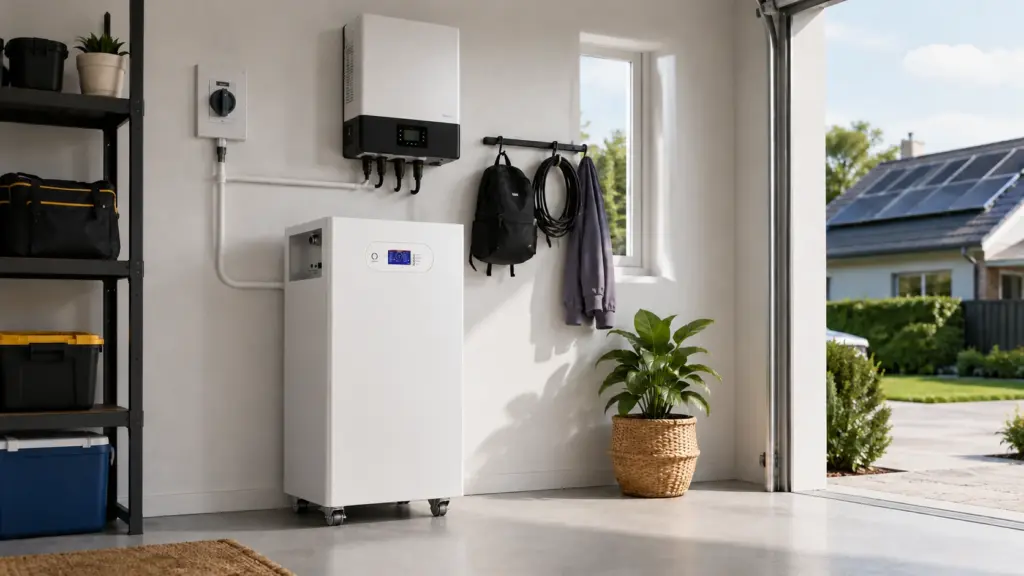
Can You Add a Battery to an Existing Solar System in NZ?
Yes, many existing NZ solar systems can be retrofitted with a battery, but compatibility depends primarily on inverter architecture, battery voltage, communication protocol and backup requirements. Some systems can accept a DC-coupled battery, while others require an additional AC-coupled battery inverter.
There are two common situations.
Hybrid-Inverter System
If your existing inverter already supports batteries, adding storage can be relatively straightforward if:
- Battery voltage matches.
- Communication protocol is supported.
- Firmware is compatible.
- Maximum battery current is suitable.
- The inverter manufacturer permits the battery.
Existing Non-Hybrid Solar System
If the solar inverter cannot control a battery, an AC-coupled battery system may be required.
This adds additional conversion hardware but can make storage possible without replacing the original solar inverter.
Before ordering any battery, confirm:
- Inverter brand
- Exact model
- Battery voltage range
- CAN / RS485 protocol
- Charge/discharge limits
- Backup architecture
- Grid configuration
Avepower maintains an inverter compatibility list covering brands and protocols including Deye, GoodWe, Growatt, Solis, SMA, Victron, Luxpower, Sofar and others. If a model is not listed, compatibility should be confirmed before purchase.
How Is Home Battery Storage Installed in NZ?
A grid-connected home battery should be designed and installed as part of the home’s electrical system rather than treated as a plug-in appliance. Installation must consider battery location, inverter compliance, isolation, switchboard configuration, protection, backup circuits and the connection requirements of the local electricity distributor.
Before installation, an installer should assess:
Battery Location
Consider:
- Manufacturer clearances
- Direct sunlight
- Moisture
- Flood exposure
- Ventilation
- Access for maintenance
- Proximity to exits and habitable spaces
- Fire and electrical separation requirements
Electrical Configuration
Confirm:
- Single-phase or three-phase supply
- Existing switchboard condition
- Hybrid or AC-coupled architecture
- Main switch and protection
- Backup circuits
- Earthing
- Metering
- Grid isolation
Inverter Compliance
New Zealand’s distributed-generation requirements increasingly rely on current inverter performance and installation standards.
The Electricity Authority states that relevant Part 1A distributed-generation applications must use compliant inverter equipment and that additional requirements take effect during 2026.
The installer—not the homeowner—should confirm the exact requirements that apply to the site’s ICP and local network.
Do You Need Network Approval for a Home Battery in NZ?
A battery operating only behind the meter is different from a battery or solar system capable of exporting electricity to the grid, so connection requirements depend on system design and the local distributor. Grid-connected solar-plus-battery projects should have export limits, inverter settings and network application requirements confirmed before commissioning.
One important 2026 change is New Zealand’s new distributed-generation export framework.
From 11 May 2026, the Electricity Authority increased the default maximum permitted static export limit for many Part 1A applications to 10 kW, unless a network assessment determines that a lower limit is necessary at the specific ICP.
That does not mean every household can automatically export 10 kW.
Your local distributor can apply a lower technically justified limit where network conditions require it.
This matters when sizing:
- Larger rooftop solar arrays
- Batteries used for peak export
- Inverters
- EV + solar systems
- Future expansion
How Do 2026 Time-of-Use Electricity Changes Affect Home Batteries?
Time-varying electricity pricing can improve the value of home batteries because stored energy can be used when grid electricity is expensive and, under suitable retailer plans, electricity may also be exported when the network values it more highly. The benefit depends on your retailer’s actual rates rather than the existence of a battery alone.
Changes also support higher-value compensation when small-scale generation such as rooftop solar and batteries supplies electricity at useful peak periods.
A smart battery can therefore operate using several strategies:
Solar Self-Consumption
Charge from excess solar during the day and discharge after sunset.
Off-Peak Charging
Charge from the grid when electricity is cheaper.
Peak Avoidance
Discharge when retail electricity is expensive.
Peak Export
Where the electricity plan and network settings support it, stored electricity can potentially be exported during higher-value periods.
However, do not assume every retailer offers the same tariff.
Compare the actual:
- Peak import price
- Off-peak import price
- Standard solar buy-back rate
- Peak export rate
- Daily charge
before estimating battery payback.
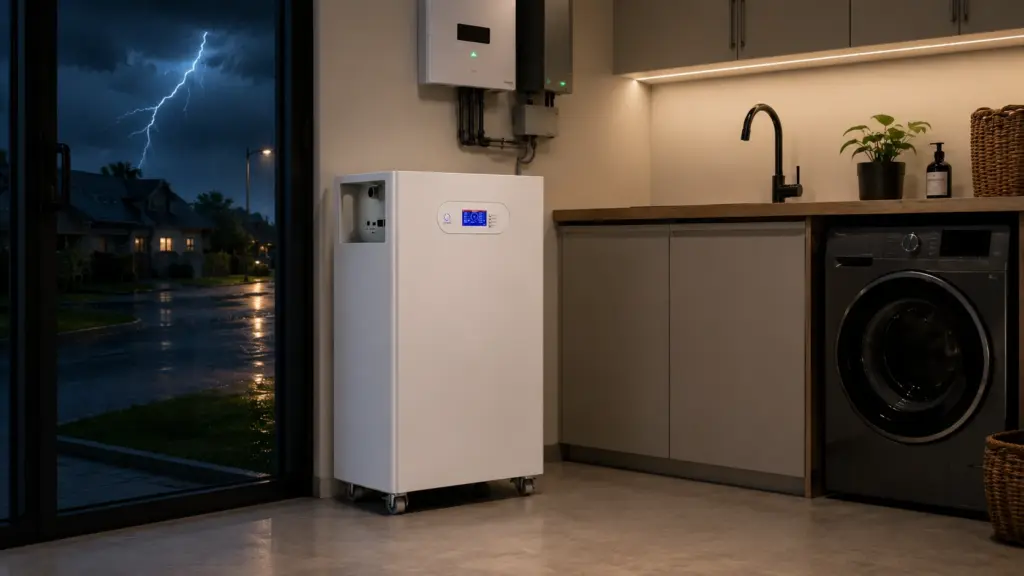
Can a Home Battery Run Your House During a Blackout?
A home battery can provide blackout power only when the inverter and switchboard are specifically designed for backup operation. A battery connected solely for solar self-consumption may shut down during a grid outage because grid-connected equipment must isolate safely from the network.
There are two common backup approaches.
Essential-Load Backup
Selected circuits remain powered, such as:
- Refrigerator
- Freezer
- Lights
- Internet
- Security
- Garage door
- Water pump
- Selected power points
This usually provides the best combination of:
lower cost + longer runtime.
Whole-Home Backup
The battery supports much more of the house.
This requires careful assessment of:
- Continuous inverter power
- Peak/surge power
- Simultaneous loads
- Battery capacity
- Large appliances
- Motor starting currents
For example, a 10 kWh battery may contain enough energy for essential loads overnight but still be unable to operate a large oven, heat pump, water heater and EV charger simultaneously if inverter output is insufficient.
Avepower’s Residential Battery Energy Storage System Solution explains system design around solar storage, peak management and backup rather than battery capacity alone.
What Are the Pros and Cons of Home Battery Storage in NZ?
Home batteries improve energy resilience and allow households to use more of their own solar power, but they add substantial upfront cost and do not automatically produce a fast financial return. Their strongest value usually comes from combining bill optimisation, backup capability and higher solar self-consumption.
| Advantages | Limitations |
|---|---|
| Use solar after sunset | Higher upfront cost |
| Reduce peak grid imports | Longer payback than solar-only |
| Backup during outages | Battery degradation over time |
| Improve energy independence | Requires compatible inverter/system |
| Useful with TOU tariffs | Installation may require switchboard work |
| Store energy instead of low-value export | Oversized batteries may remain underused |
| Expand some modular systems later | Not every battery provides blackout backup |
When It Makes Sense
Home battery storage is particularly attractive for:
- Rural homes
- Outage-prone locations
- Households with high evening demand
- Solar systems exporting significant surplus
- TOU electricity users
- Properties planning future electrification
When Solar Alone May Be Better
Consider delaying the battery if:
- Your budget is limited.
- You consume most solar during daylight hours.
- Your priority is fastest ROI.
- Your electricity use is low.
Installing solar first and adding a compatible battery later can reduce initial cost while giving homeowners real usage data before choosing storage capacity.
Real Application Case: Why Capacity Must Match the Load
Large residential battery projects demonstrate why battery sizing should follow the actual load rather than a generic “10 kWh per house” rule. In one documented Avepower residential solar project in France, four 16 kWh LiFePO₄ batteries were installed in parallel to provide 64 kWh total storage for higher daily energy use and extended backup requirements.
Project configuration:
| Item | Configuration |
|---|---|
| Application | Residential solar storage |
| Chemistry | LiFePO₄ |
| Battery quantity | 4 |
| Capacity per battery | 16 kWh |
| Total storage | 64 kWh |
| Nominal voltage | 51.2V |
| Connection | Parallel |
| Main objective | Solar storage + backup |
| Installation | Indoor floor-standing |
Calculation:
4 × 16 kWh = 64 kWh
This system would be significantly oversized for a typical low-consumption NZ household.
Its value as a sizing example is therefore the opposite:
Battery capacity should follow the load, not a fixed industry number.
For a household using only 7–10 kWh overnight, a much smaller battery would generally be more efficient financially.
Link 64 kWh residential solar battery project to the existing Avepower case study.
How Should You Choose a Home Battery in NZ?
Start with your electricity data before comparing battery brands. The best home battery is the one that can store the energy you actually need, deliver enough instantaneous power, communicate correctly with the inverter and provide the backup function you expect without paying for unused capacity.
Use this order:
1. Download Your Electricity Usage
Review hourly or half-hourly usage where available.
Focus on:
5 pm → 7 am
rather than total daily consumption.
2. Measure Solar Surplus
Find out how much solar you currently export.
A 15 kWh battery cannot charge from solar every day if your system only produces 5 kWh of surplus.
3. Define Your Backup Loads
Separate:
Must keep running
from:
Nice to keep running.
4. Check Inverter Compatibility
Confirm the exact model—not just inverter brand.
5. Compare Usable Capacity
Do not compare products only by nominal kWh.
6. Compare Output Power
A large battery with insufficient inverter power may still fail to support high-load appliances.
7. Check Expansion
EVs, additional heat pumps and electrification can increase future electricity use.
A modular architecture can reduce the need to oversize the first installation.
Avepower’s home energy storage platform includes 5 kWh, 10 kWh, 15 kWh and larger configurations, CAN/RS485/RS232 communication and parallel expansion options, allowing installers and project partners to match battery capacity more closely to the actual load rather than using one fixed system size.
Final Verdict: Is Home Battery Storage Right for Your NZ Home?
For most New Zealand homes, the strongest battery case is no longer simply “store solar and save money”; it is the combined value of evening self-consumption, time-of-use optimisation, backup power and future electrification. A correctly sized 10–15 kWh system can suit many households, but smaller or larger configurations may produce better value depending on the actual load.
Before buying, collect:
- Three months of interval electricity data
- Solar generation/export data
- Existing inverter make and model
- Required backup loads
- Electricity tariff
- Future EV/heating plans
Then size the system around those numbers.
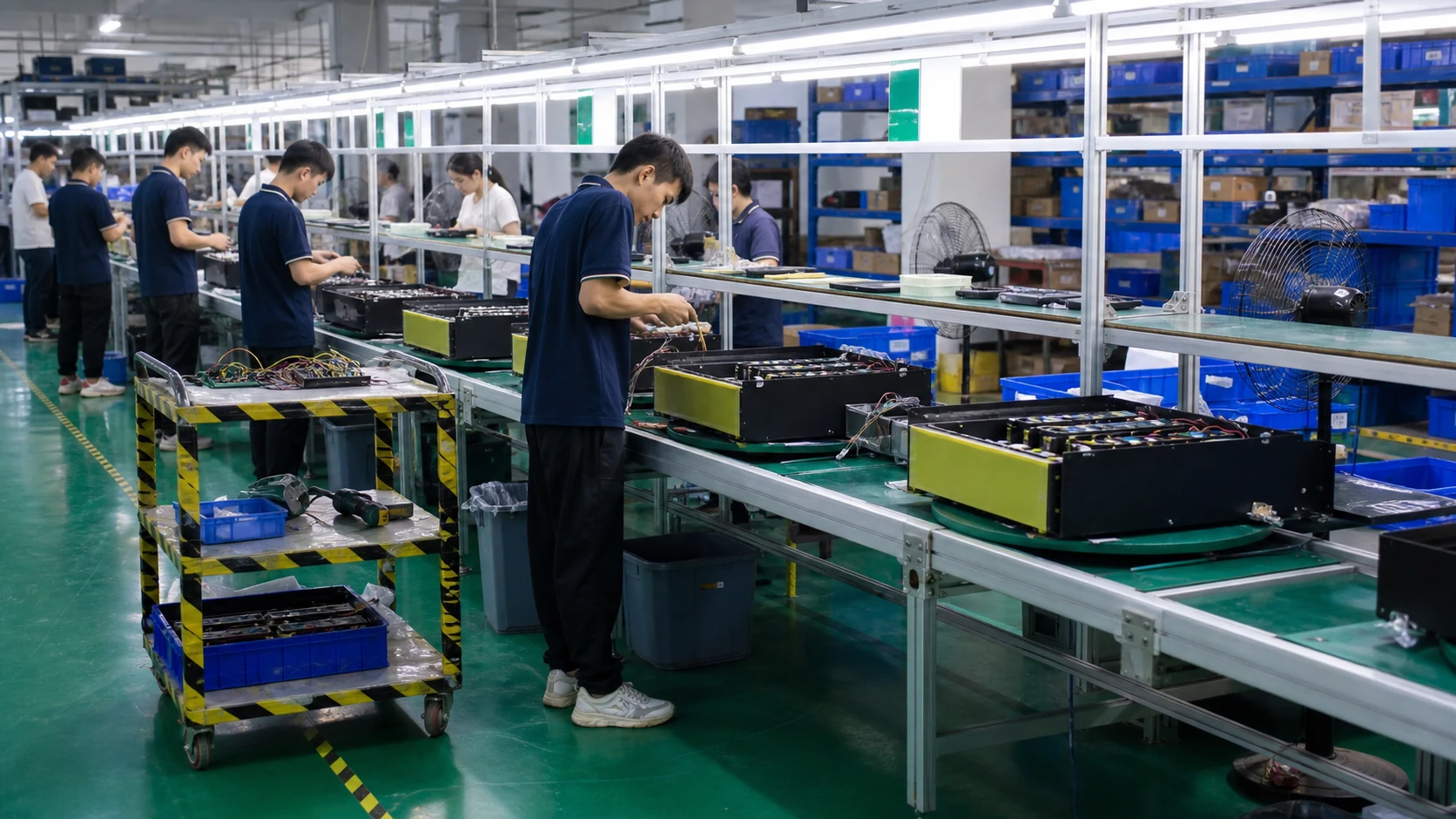
For installers, distributors and project developers evaluating LiFePO₄ storage for the New Zealand market, Avepower provides wall-mounted, stackable, rack-mounted and all-in-one battery configurations backed by a 20,000㎡ manufacturing base, 15 production lines and 50+ engineering team, with CAN/RS485/RS232 inverter communication and OEM/ODM support.
Send your inverter model, required capacity and application to receive a project-matched battery configuration rather than selecting storage capacity from kWh alone.
Take Control of Your Energy with Avepower!
Reliable home solar battery solutions with OEM/ODM customization and in-house manufacturing, tailored to the needs of distributors, installers, and energy partners.
FAQ
Adding a battery to a home solar system typically adds around NZ$5,000–15,000, while current complete installed systems can range higher depending on storage capacity, inverter architecture, switchboard work and backup requirements.
A home battery is most likely to be worthwhile when you have substantial evening consumption, excess daytime solar, time-of-use electricity pricing, frequent outages or a strong preference for energy independence. Solar without storage usually provides the faster financial return when ROI is the only objective.
Around 5–10 kWh can suit essential backup or low-consumption homes, 10–15 kWh is a useful starting range for many average solar households, and 20 kWh+ is generally reserved for higher loads, rural backup requirements, EV-related demand or larger properties.
A 10 kWh battery can cover many normal evening and overnight essential loads, but it may not support prolonged use of electric heating, hot water, cooking, pumps and EV charging. Both battery capacity in kWh and inverter output in kW must be considered.
Yes, provided your existing inverter supports the battery or an appropriate AC-coupled battery inverter is added. Compatibility must be checked using the exact inverter model, battery voltage, communication protocol and backup configuration before purchase.
No. Some batteries can charge from the electricity grid without solar panels and discharge during expensive periods or outages, but pairing a battery with rooftop solar generally creates more opportunities for solar self-consumption.
Only if the system includes appropriate blackout or islanding capability. Many standard grid-connected solar systems automatically switch off when the network fails, so backup requires compatible inverter equipment, safe isolation and the correct switchboard design.
Solar battery should generally last 10 years or more, although actual service life depends on battery chemistry, operating temperature, depth of discharge, charge rate and usage pattern. Manufacturer warranty conditions are more useful than a generic cycle-life claim.
From 11 May 2026, the default maximum static export limit for many Part 1A distributed-generation applications is 10 kW unless the local distributor has a technically justified lower limit for the relevant ICP.
Grid-connected battery systems should be installed and commissioned as electrical energy systems with the appropriate inverter, protection, isolation, switchboard and network requirements addressed by qualified professionals. The applicable requirements depend on system voltage, architecture and network connection.