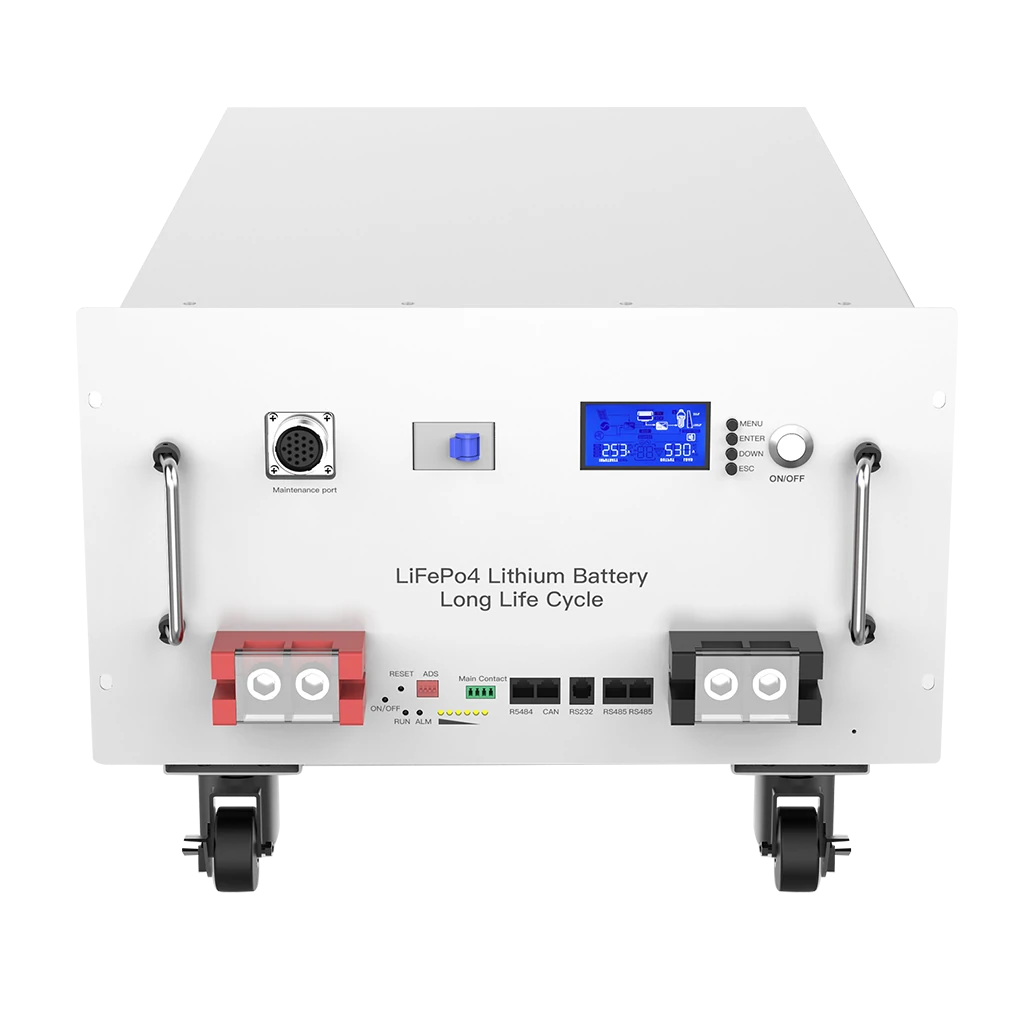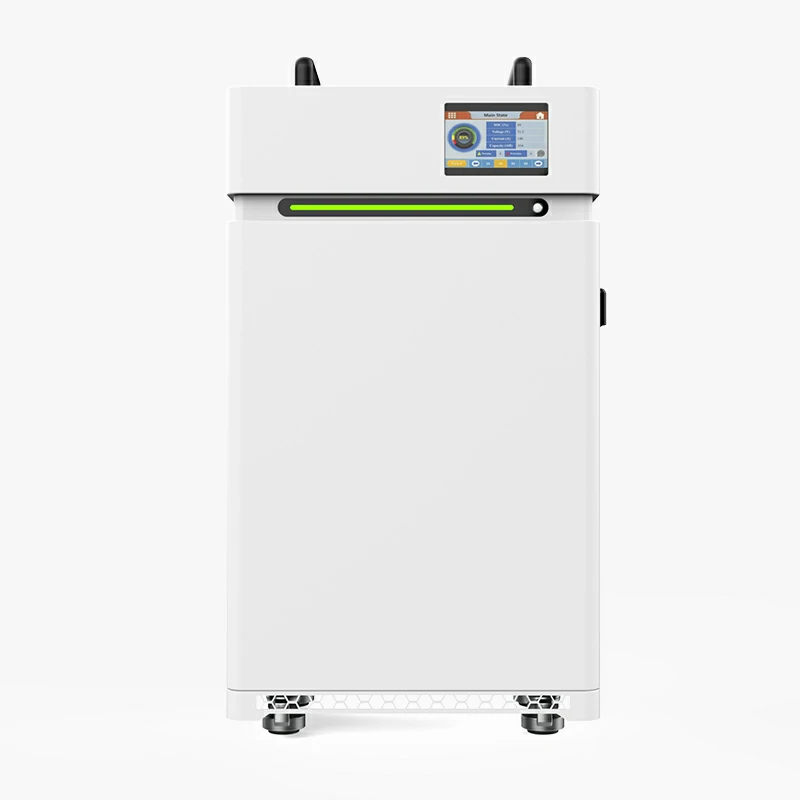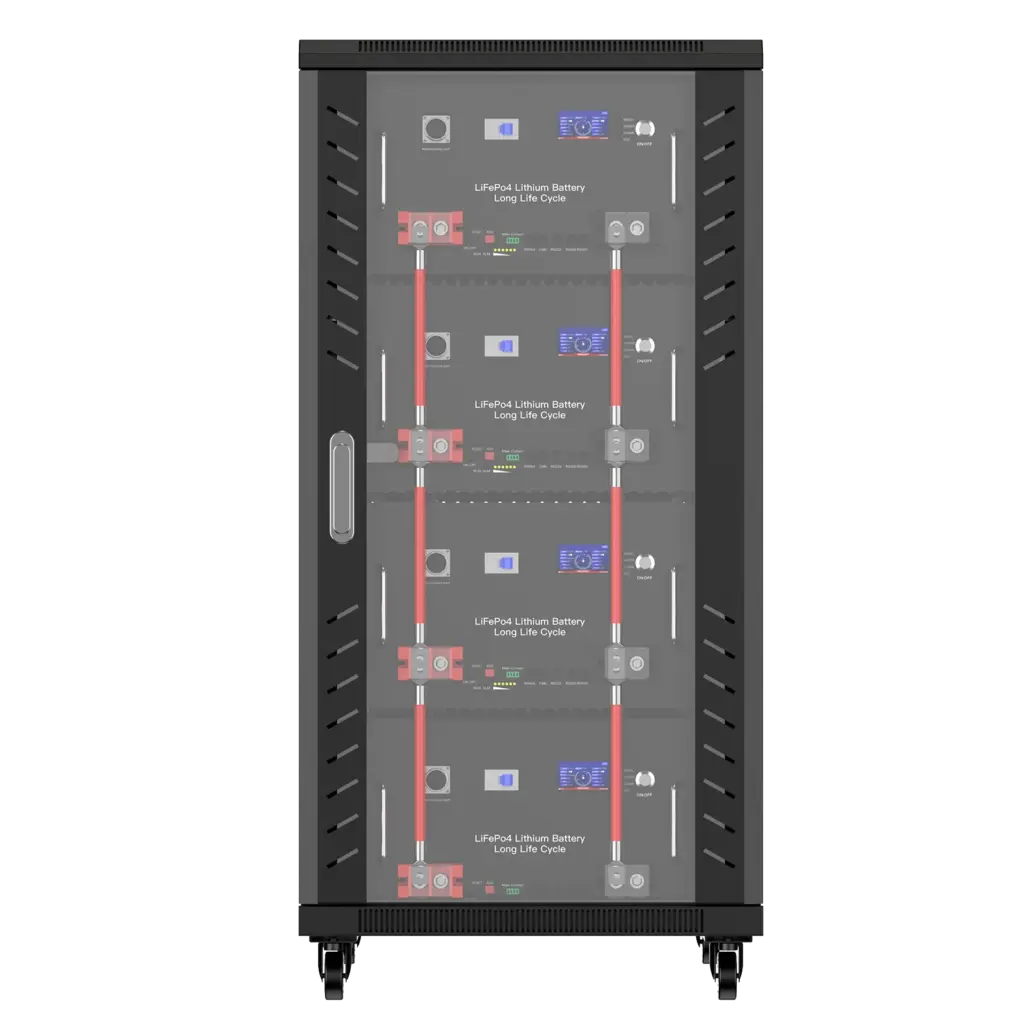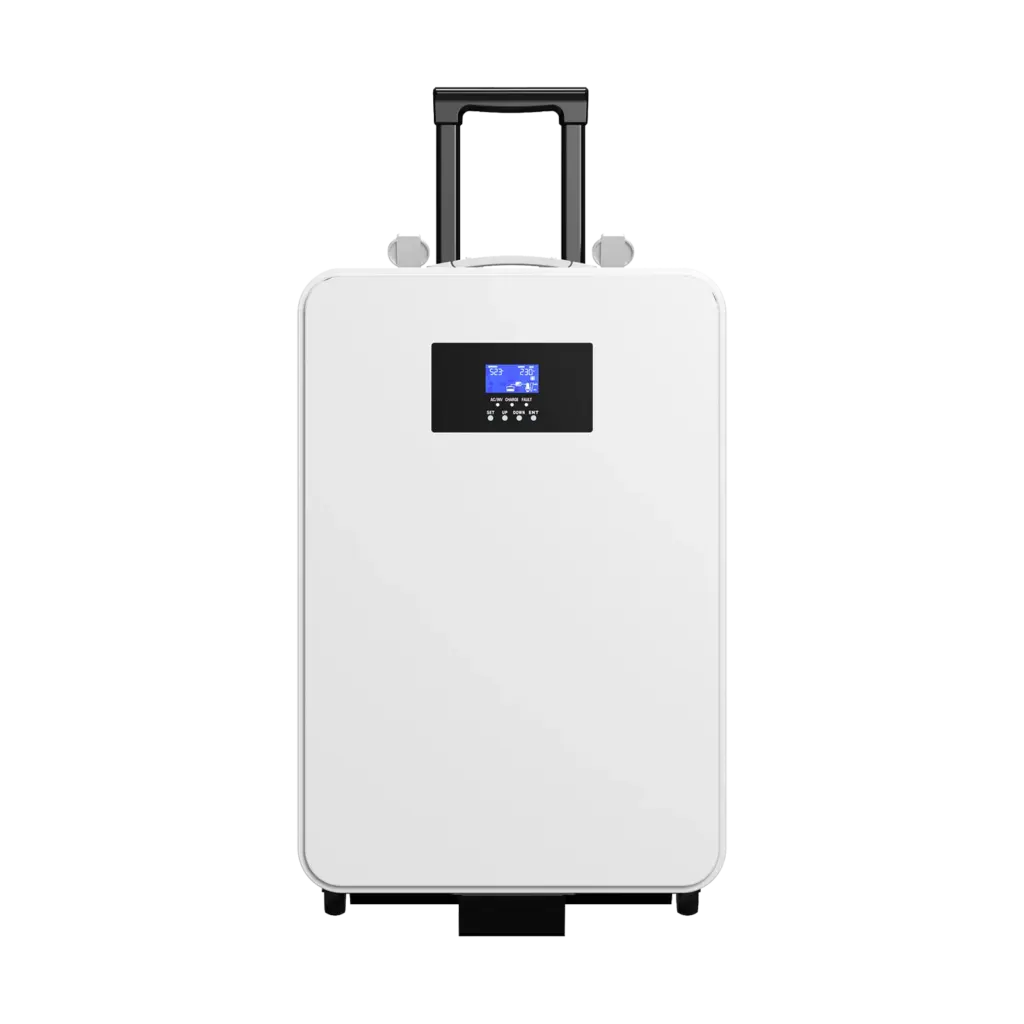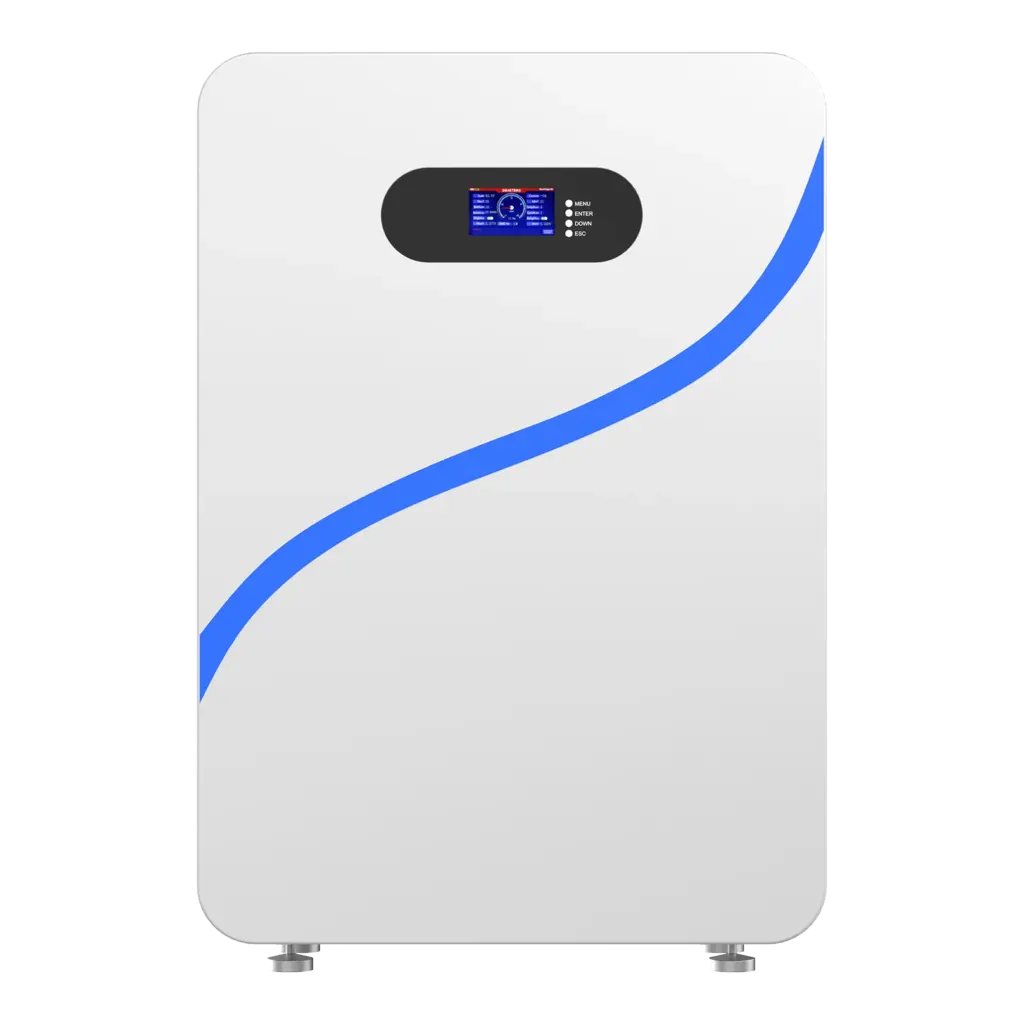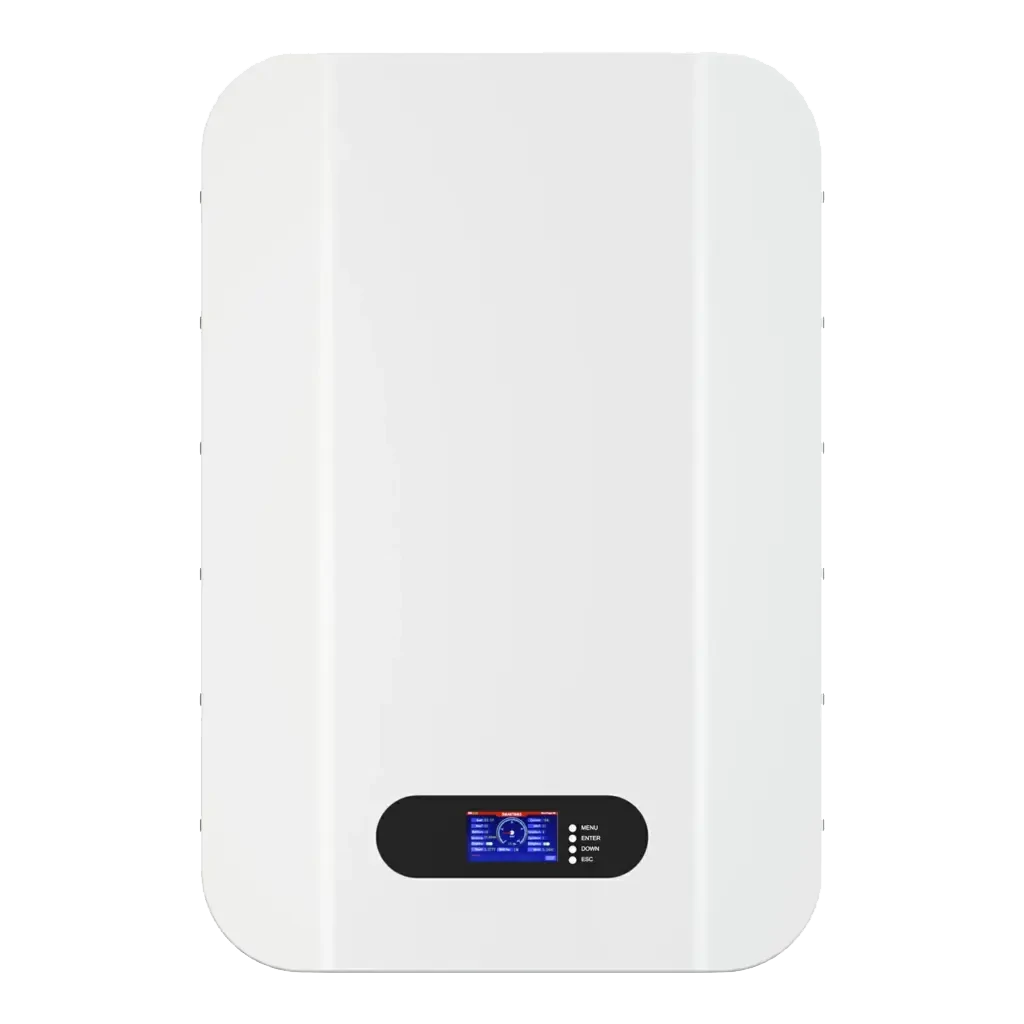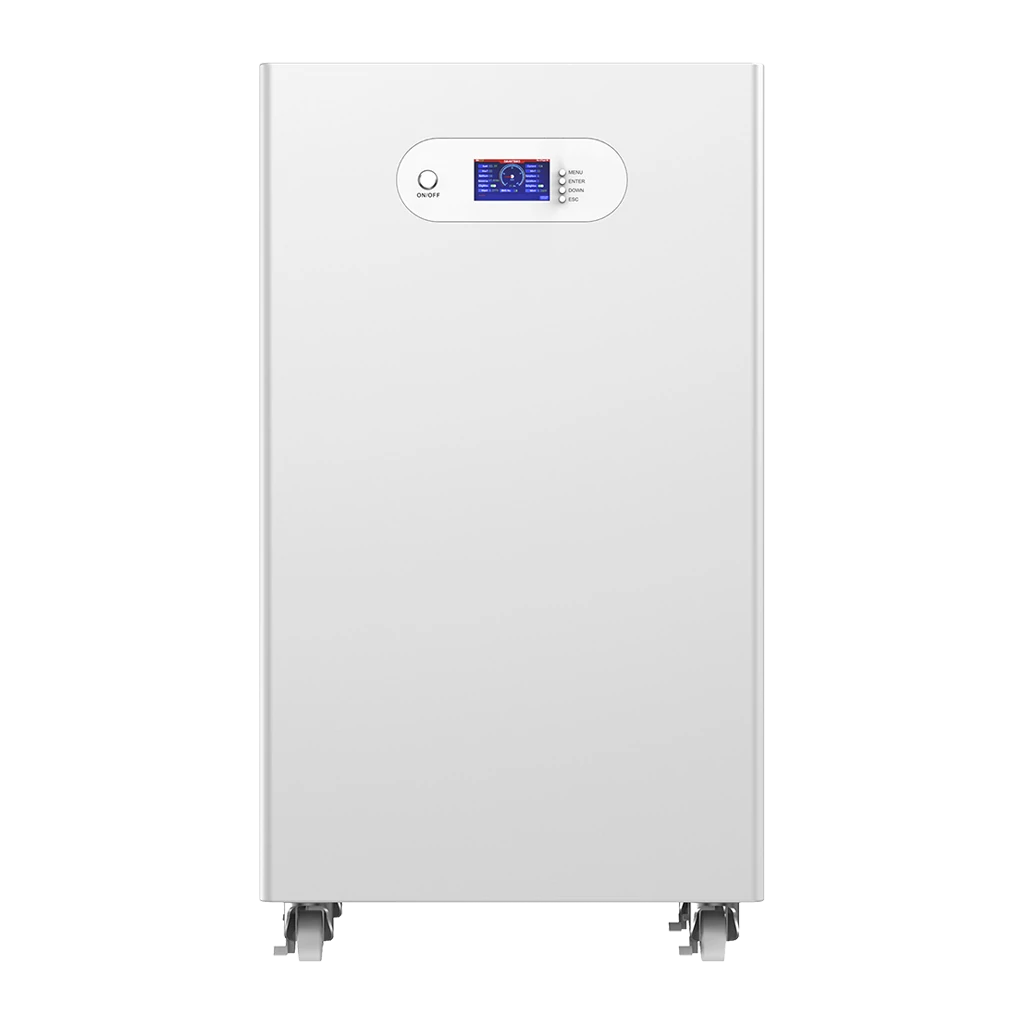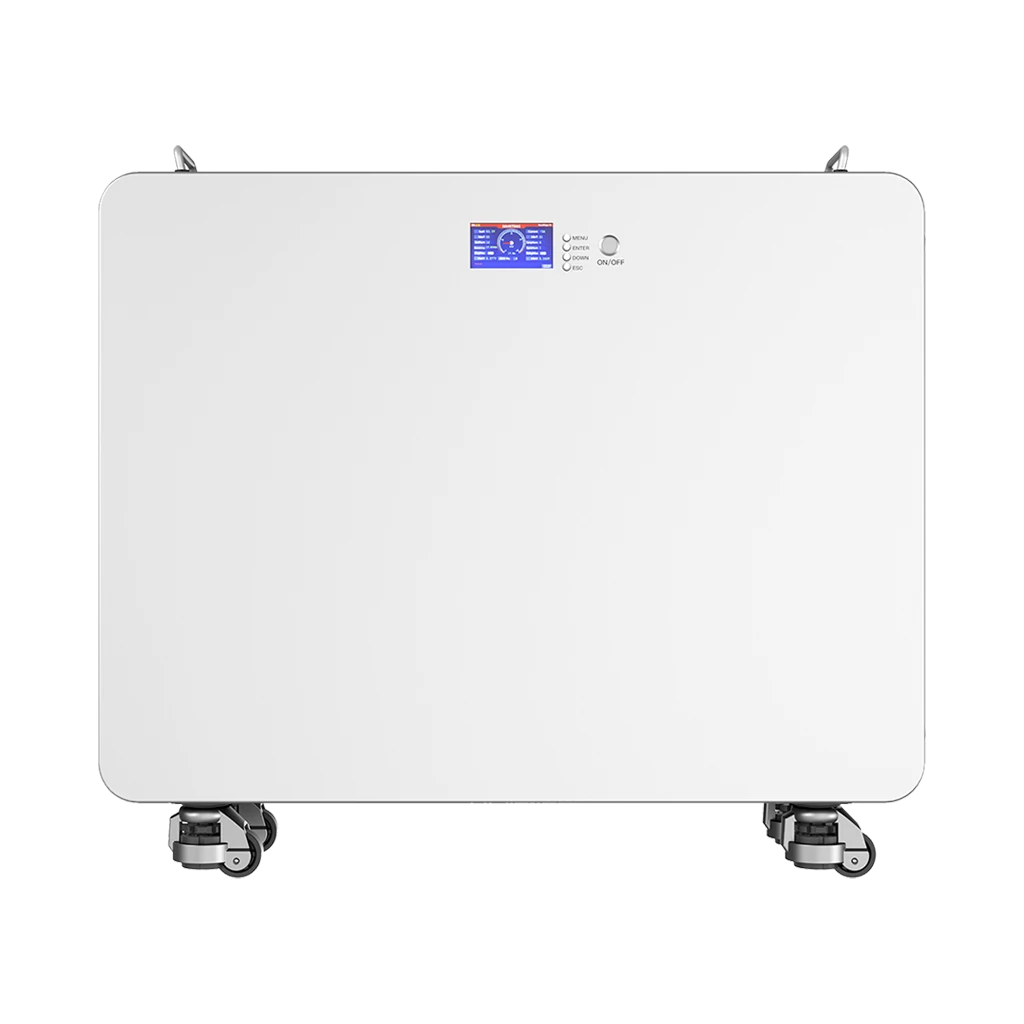
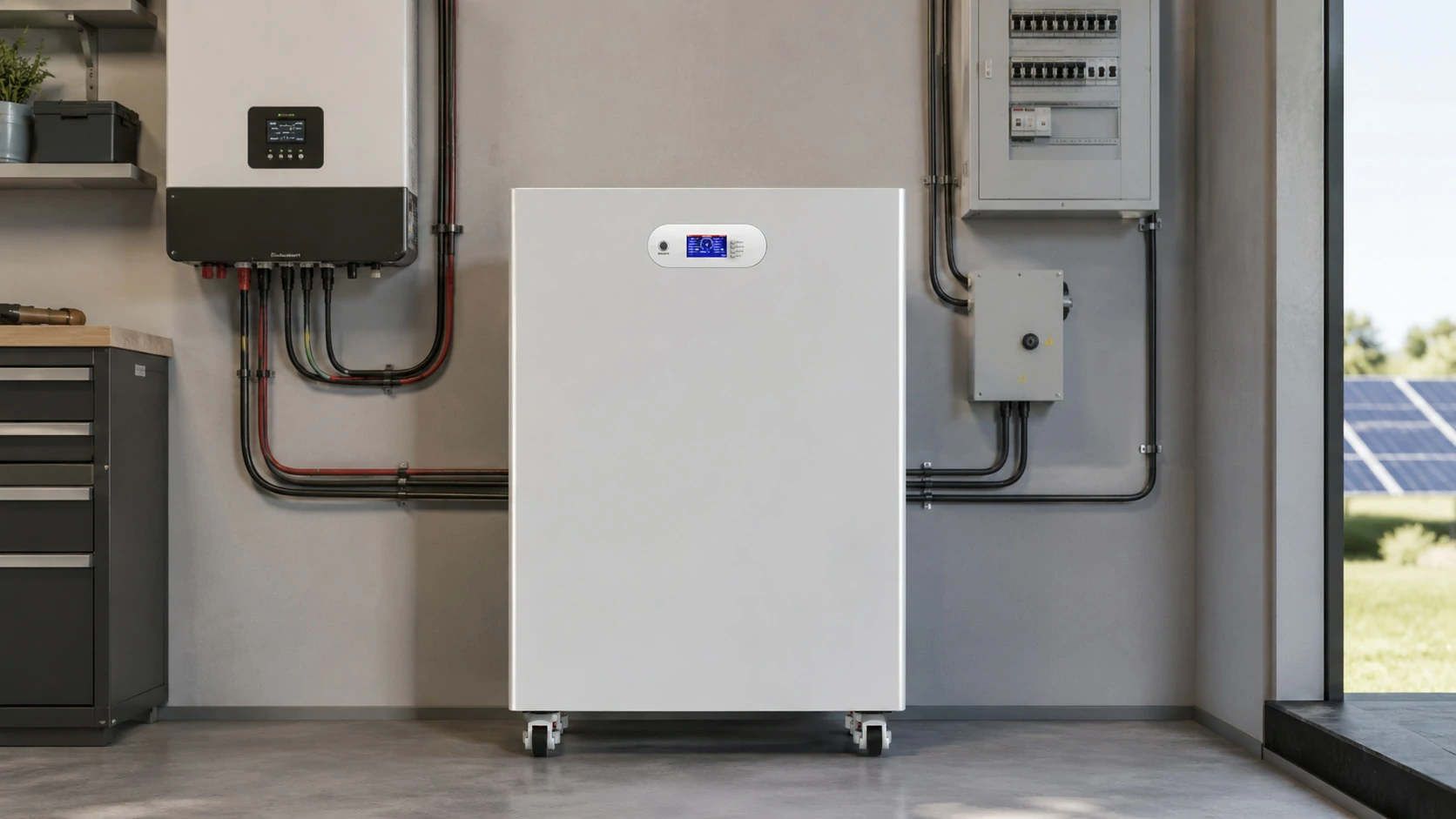
Lithium ion batteries for solar energy storage store excess electricity generated by solar panels during the day and release it when solar production is low, such as at night, during cloudy weather, or during grid outages. Compared with traditional lead-acid batteries, lithium ion batteries usually offer higher energy density, deeper usable capacity, faster charging, longer cycle life, and lower maintenance requirements.
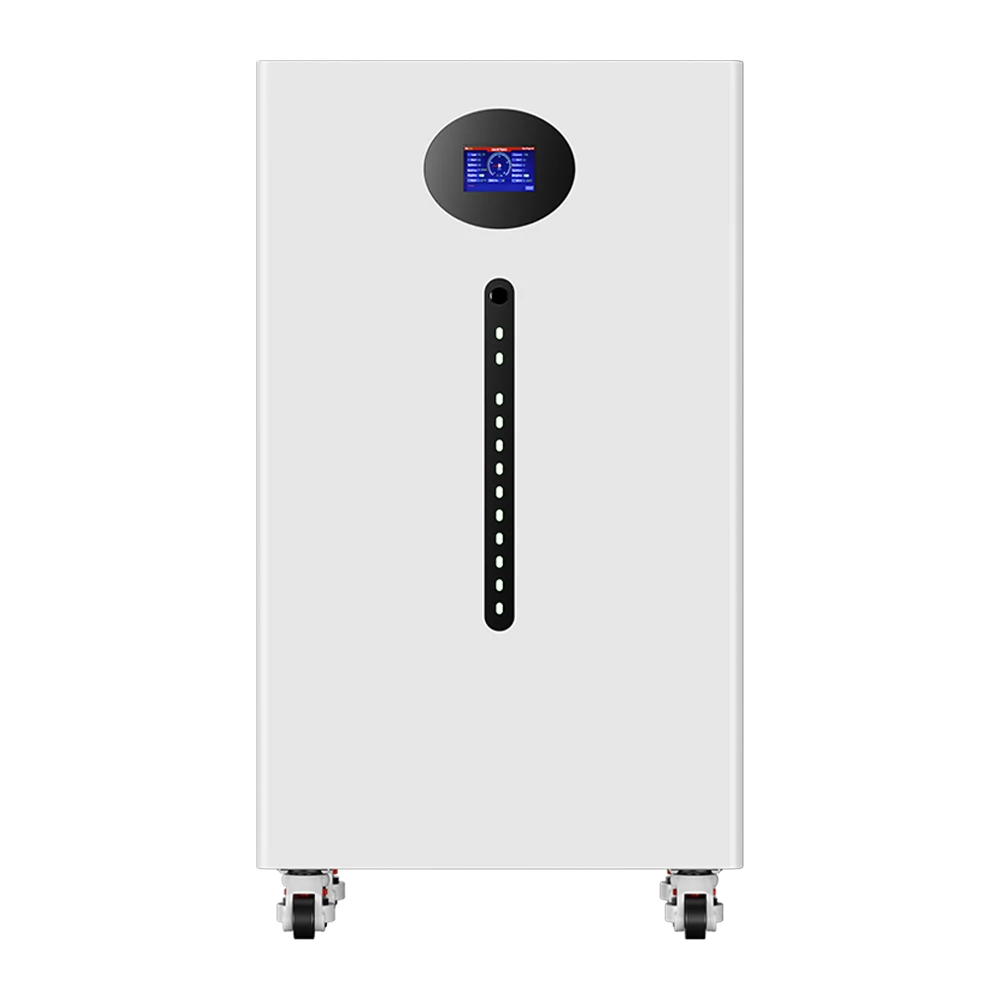
This is why many modern solar battery systems, including Avepower residential battery energy storage systems, use LiFePO4 battery technology for home backup, solar self-consumption, and scalable energy storage applications.
What Are Lithium Ion Batteries for Solar Energy Storage?
Lithium ion batteries used for solar energy storage are rechargeable battery systems designed to store electricity from solar panels, the grid, or both. When solar panels produce more electricity than a home or business needs at that moment, the extra energy can be stored in a battery instead of being exported immediately to the grid.
Later, the stored energy can be used for:
- Renewable energy integration
- Nighttime electricity use
- Backup power during outages
- Peak-rate electricity reduction
- Solar self-consumption
- Off-grid or hybrid energy systems
- Commercial peak shaving
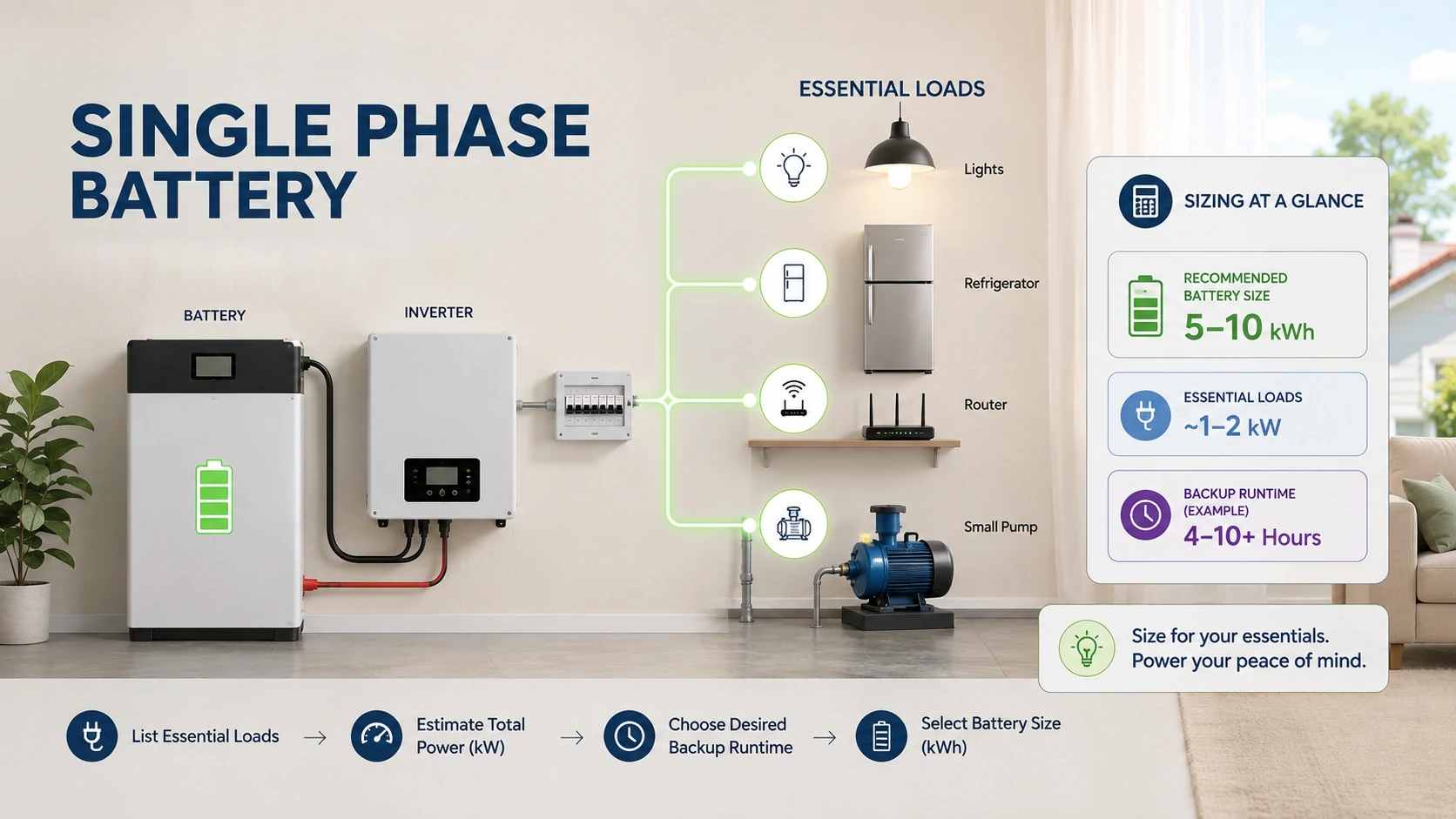
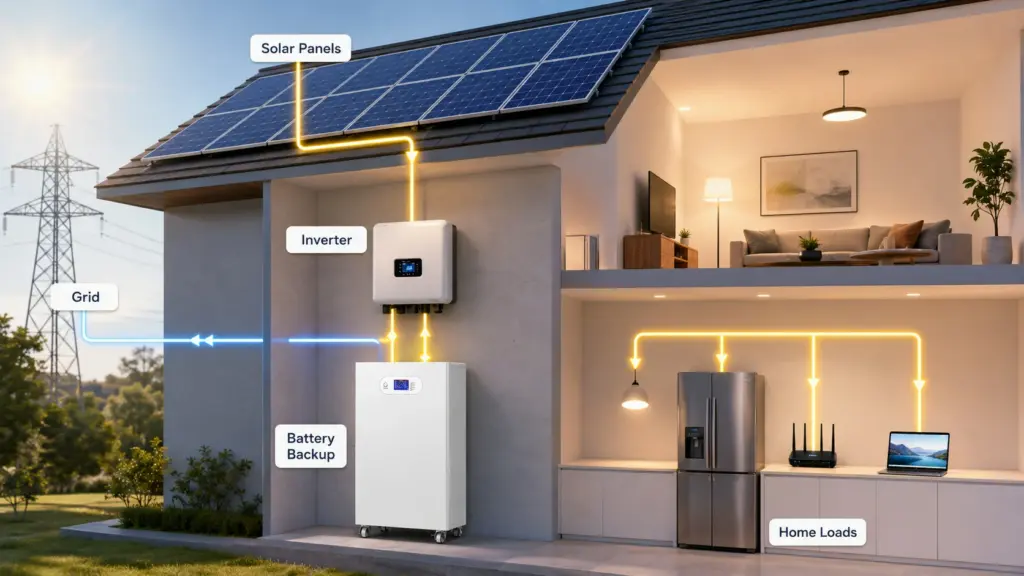
A basic energy flow looks like this:
Solar panels → inverter → lithium battery storage → home or business loads → grid connection
When solar generation is higher than immediate demand, the battery charges. When the building needs more power than the solar panels are producing, the battery discharges.
How Lithium Ion Batteries Work in a Solar Energy Storage System
A lithium ion solar battery works through the movement of lithium ions between two electrodes: the anode and the cathode. During charging, lithium ions move through the electrolyte and are stored in the anode. During discharging, the ions move back toward the cathode, while electrons flow through an external circuit to provide usable electricity.
In a solar energy storage system, the process usually works like this:
- The Battery Management System, or BMS, monitors safety and performance by controlling voltage, current, temperature, charging, and discharging.
- Solar panels generate DC electricity from sunlight.
- The inverter or charge controller manages power flow between the panels, battery, home loads, and grid.
- Excess solar energy charges the battery when production is higher than demand.
- The battery discharges stored power when solar production is low, such as at night or during cloudy periods.
Why Lithium Ion Batteries Are Commonly Used in Solar Storage
Lithium ion technology has become one of the most common choices for solar battery storage because it fits the needs of modern energy systems: compact size, high usable capacity, fast response, and intelligent control.
This does not mean lithium ion batteries are perfect for every project. They usually cost more upfront than lead-acid batteries. However, when long-term usable energy, cycle life, installation space, and maintenance are considered, lithium batteries often provide better lifecycle value.
| Battery Type | Main Strengths | Main Limitations | Best Fit |
|---|---|---|---|
| Lithium ion | High efficiency, compact size, long cycle life, low maintenance | Higher upfront cost | Homes, businesses, solar-plus-storage, backup power |
| Lead-acid | Lower upfront cost, widely available | Lower usable capacity, shorter lifespan, more maintenance | Small off-grid or budget systems |
| Flow battery | Long duration, scalable, potentially long life | Large footprint, less common for homes | Utility-scale or large commercial storage |
Main Types of Lithium Batteries Used for Solar Storage
Not all lithium ion batteries are the same. The two most relevant chemistries for solar storage are LFP and NMC.
Lithium Iron Phosphate Batteries
Lithium iron phosphate batteries, often called LFP or LiFePO4 batteries, are widely used in residential and commercial solar storage. They are known for strong thermal stability, long cycle life, and safer operation compared with some higher-energy lithium chemistries.
For home solar storage, LFP is often preferred because safety and lifespan matter more than achieving the highest possible energy density. This is why many modern battery storage systems for homes, installers, and distributors are based on LiFePO4 chemistry.
Avepower’s LiFePO4 home energy storage systems are designed around this use case, supporting solar self-consumption, backup power, and scalable residential storage projects.
Build a Safer, Scalable Solar Storage System
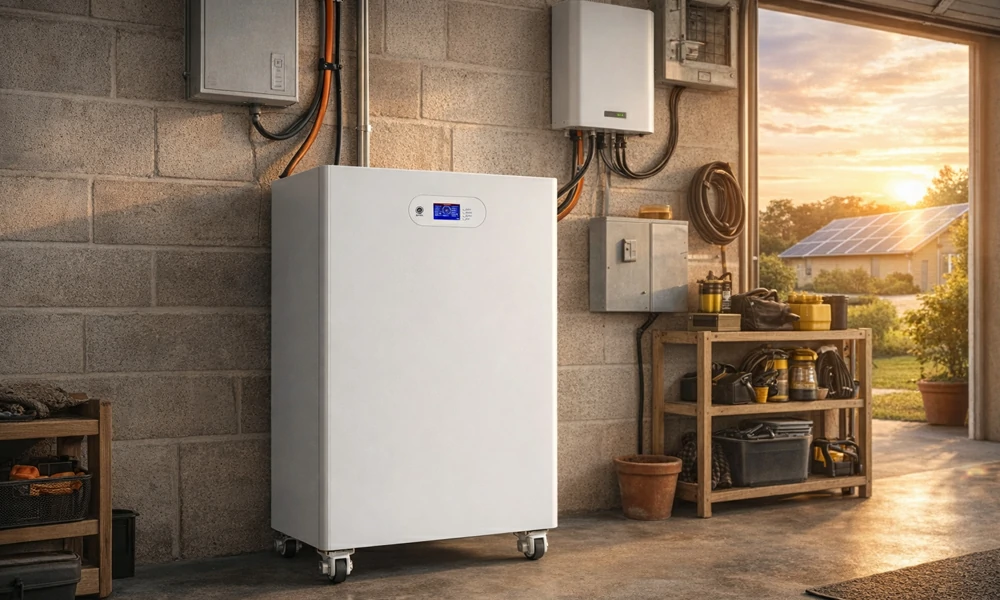
Avepower provides LiFePO4 home batteries, stackable battery systems, commercial ESS cabinets, and custom high-voltage storage solutions for installers, distributors, wholesalers, and project developers.
Nickel Manganese Cobalt Batteries
Nickel manganese cobalt batteries, usually called NMC batteries, offer higher energy density and are common in electric vehicles and some compact energy storage systems. Their advantage is that they can store more energy in a smaller space.
However, NMC systems require strong thermal management and careful system design. For stationary solar energy storage, many buyers choose LFP when safety, cycle life, and long-term stability are the priority.
Which Chemistry Is Better for Solar Energy Storage?
For most home and many commercial solar storage applications, LiFePO4 is often the more practical choice because it balances safety, lifespan, and reliability. NMC may be suitable where space is highly limited and higher energy density is required, but it demands more careful safety management.
Key Benefits of Lithium Ion Batteries for Solar Energy Storage
1. Higher Usable Energy
Depth of discharge, or DoD, refers to how much of a battery’s stored energy can be used before it should be recharged. Lithium ion batteries generally allow deeper discharge than lead-acid batteries, which means more usable energy from the same rated capacity.
For example, a 10 kWh battery with 90% usable capacity can provide about 9 kWh of usable energy. A lower-DoD battery may provide much less usable energy, even if the nameplate capacity looks similar.
2. Better Round-Trip Efficiency
Round-trip efficiency measures how much energy you get back after storing electricity in the battery. If a battery stores 10 kWh and later delivers 9 kWh, the round-trip efficiency is about 90%.
Higher efficiency matters because every percentage point of loss affects long-term solar savings.
3. Longer Cycle Life
A cycle means one full charge and discharge process. In real-world use, batteries often perform partial cycles rather than full cycles. A longer cycle life helps reduce replacement frequency and improves long-term value.
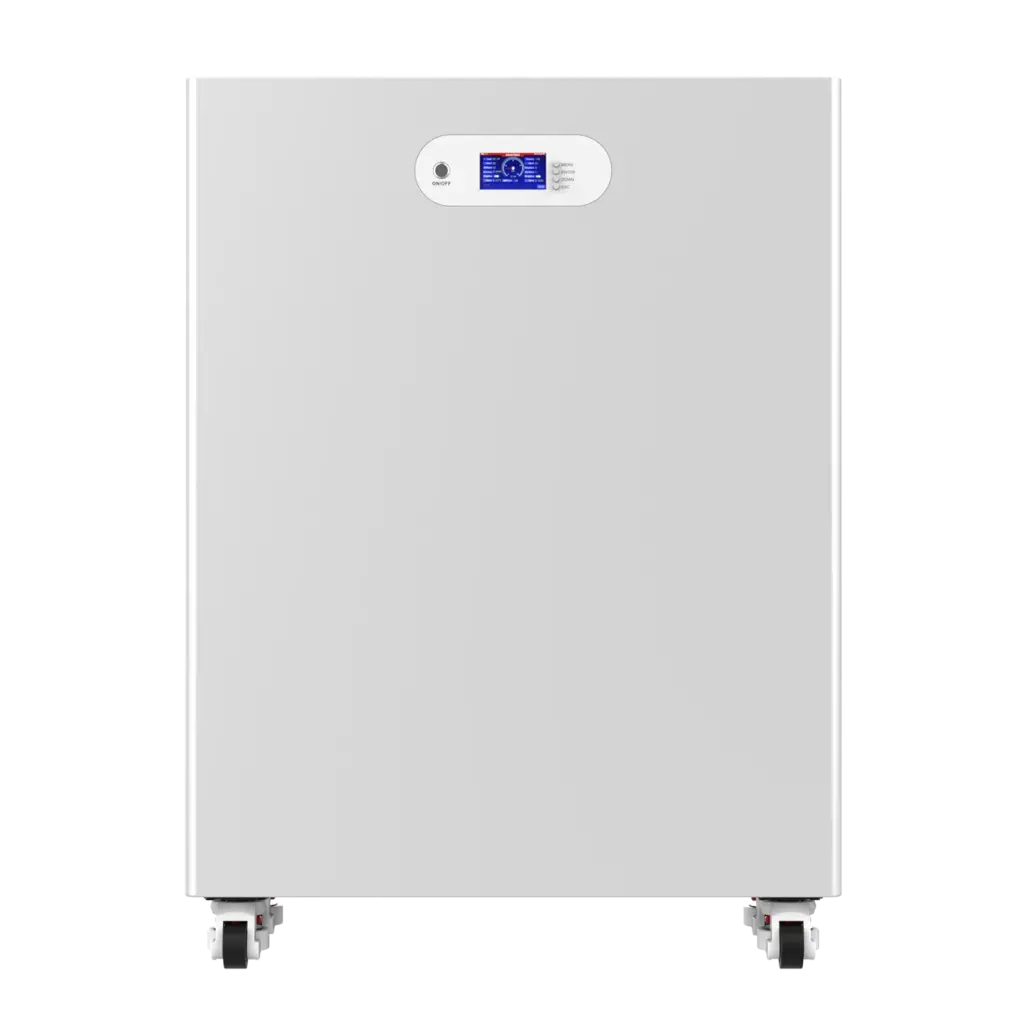
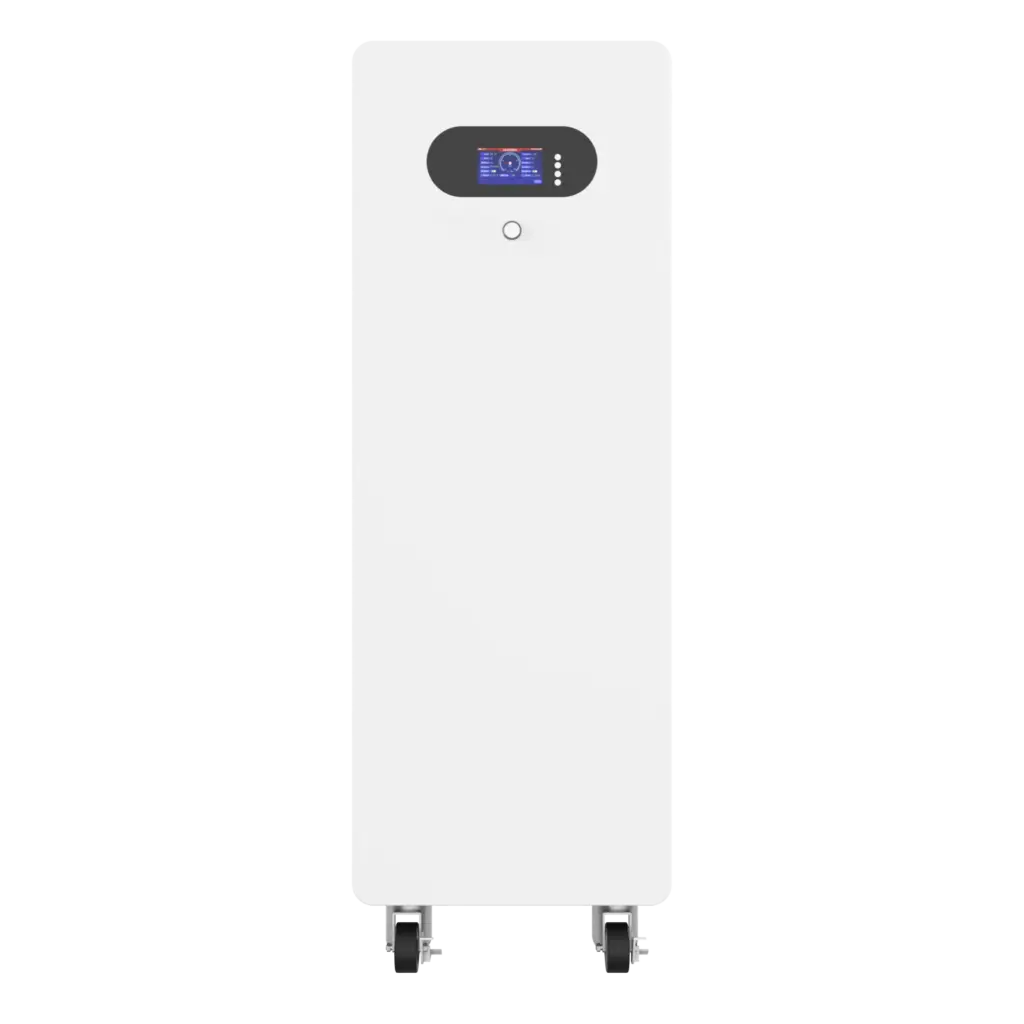
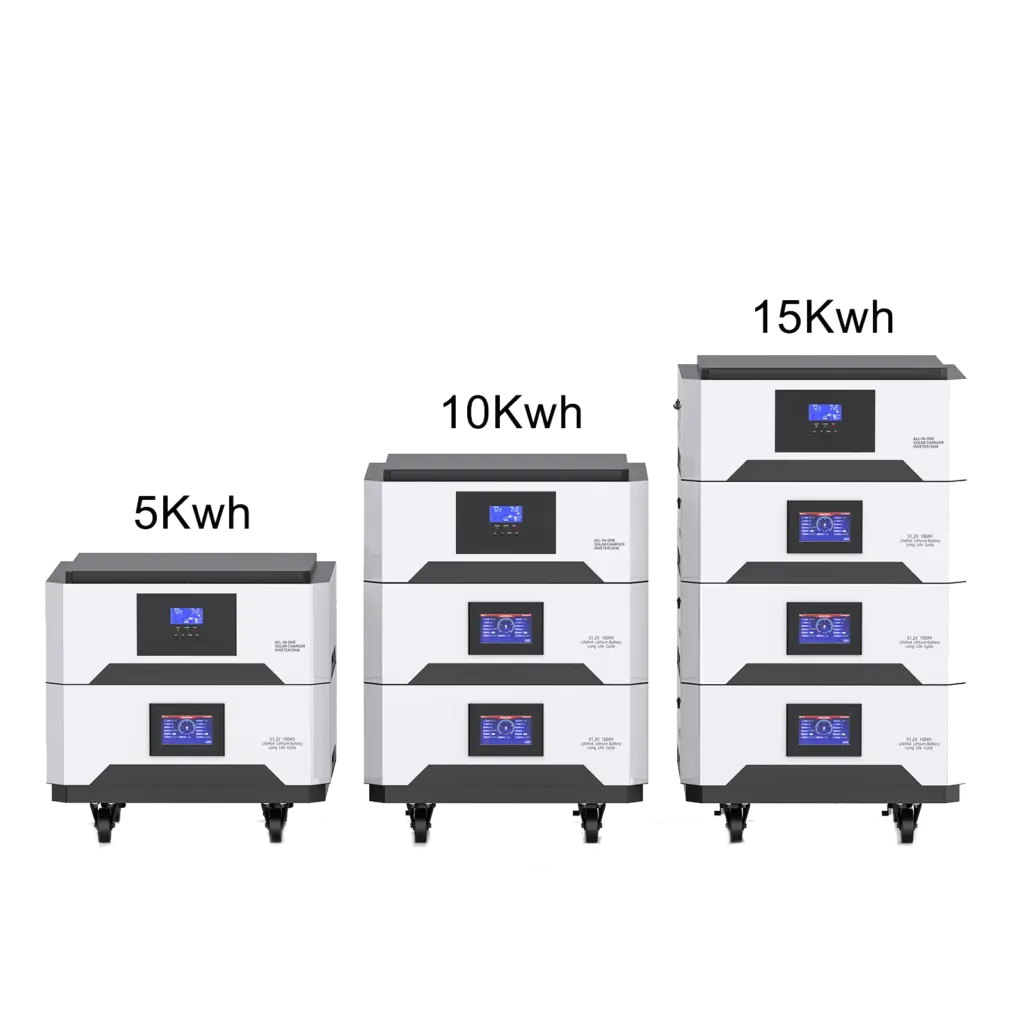
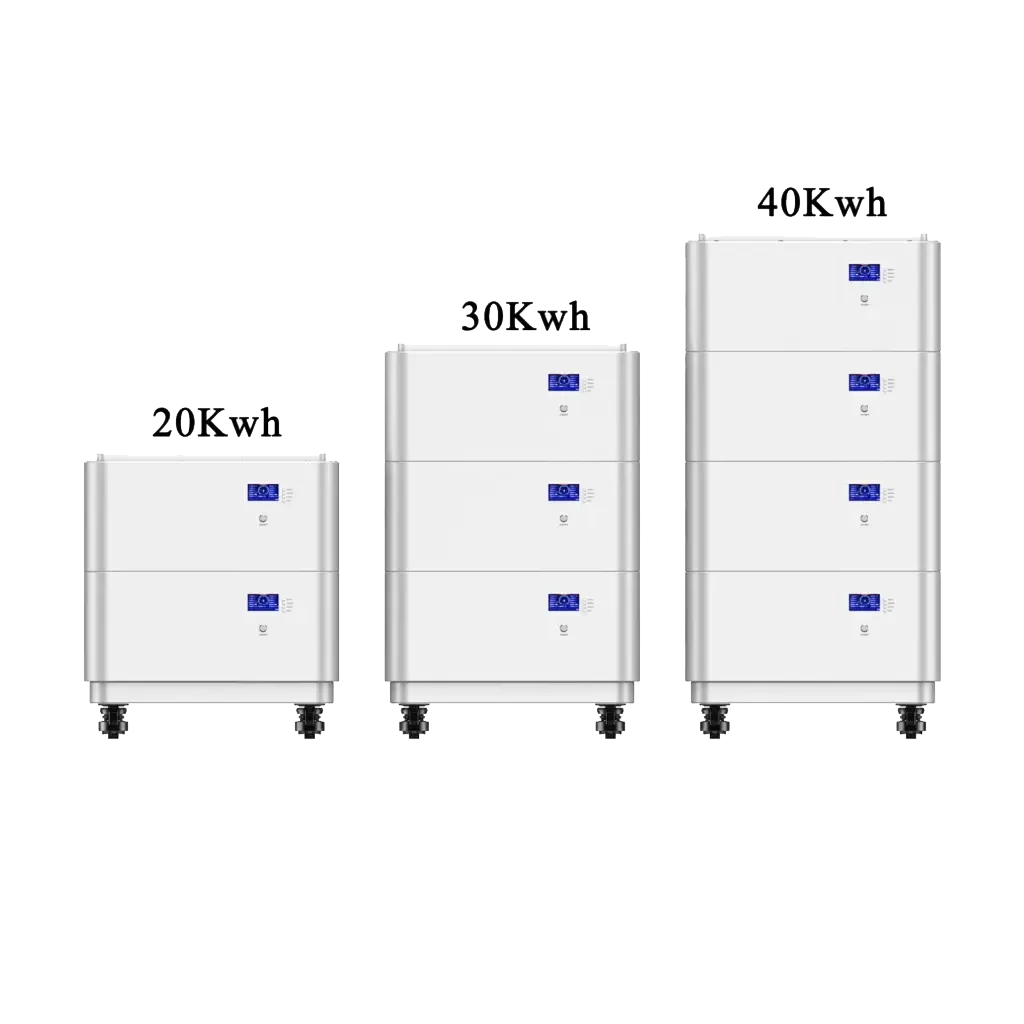
For example, Avepower’s stackable LiFePO4 battery pack is designed with 8000+ cycle life, modular expansion, CAN/RS485/RS232 communication support, and parallel expansion options for larger solar storage systems.
4. Compact Size and Flexible Installation
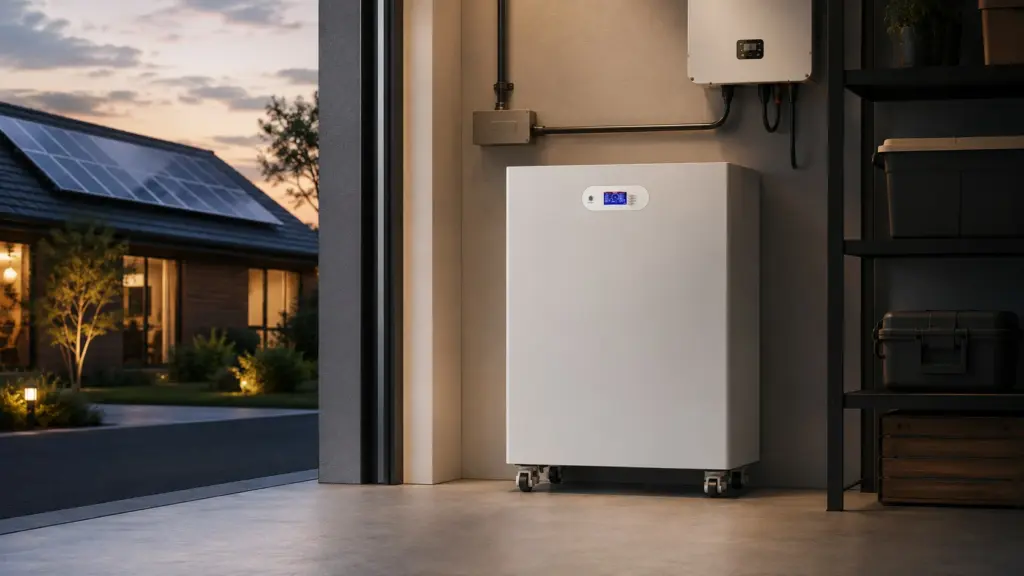
Lithium ion batteries store more energy in less space than traditional lead-acid batteries. This makes them suitable for garages, utility rooms, equipment rooms, wall-mounted layouts, rack-mounted cabinets, and modular stackable systems.
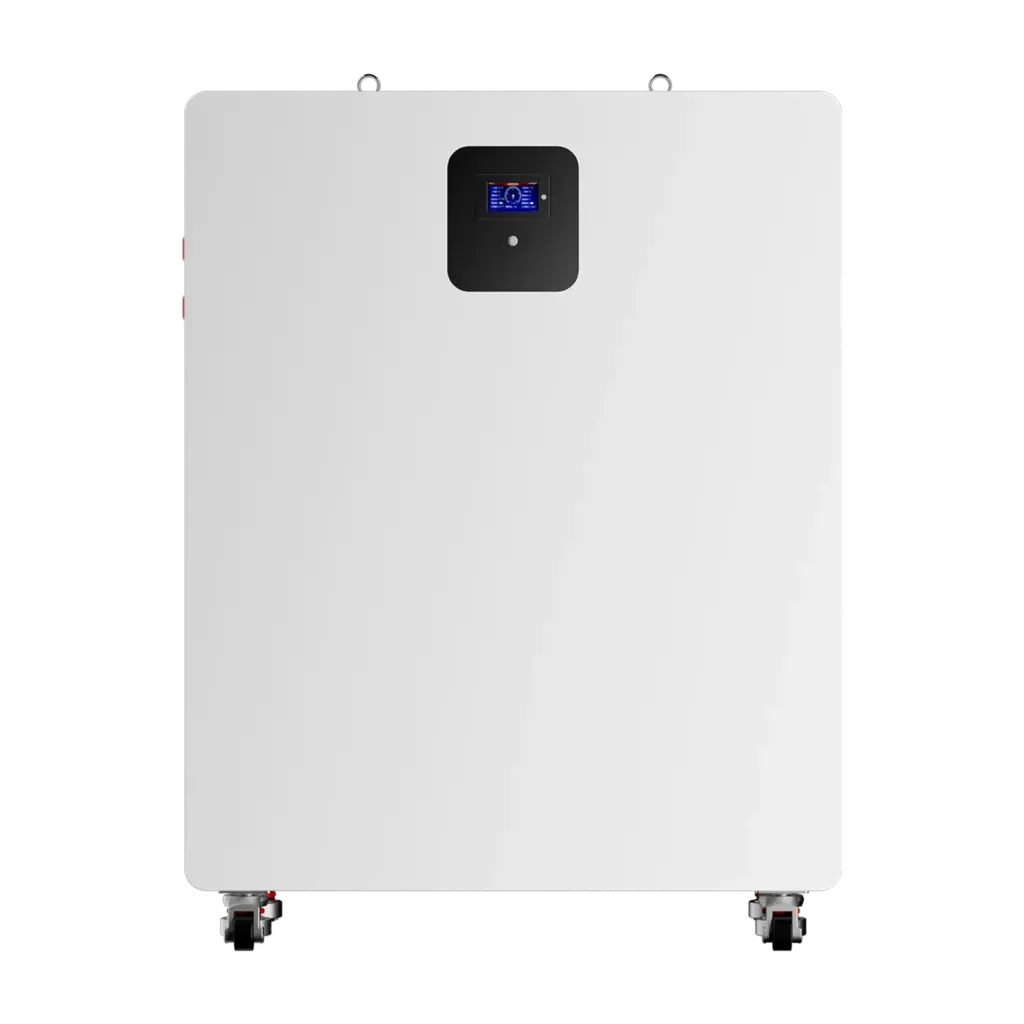
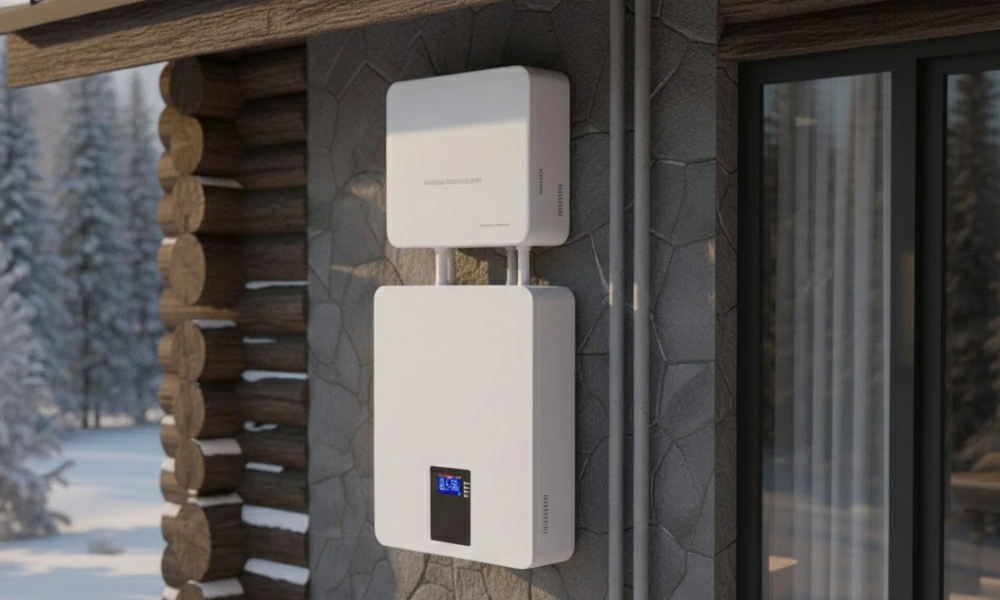
For homes with limited wall or floor space, a wall mounted solar storage battery can provide a cleaner installation layout while supporting daily solar storage and backup use.
5. Low Maintenance
Lead-acid batteries may require more maintenance depending on the design. Lithium ion solar batteries are usually sealed systems with intelligent monitoring, making them easier to manage for homeowners and installers.
Routine checks are still important, but lithium systems do not usually require the same level of manual maintenance as older battery technologies.
6. Faster Response for Backup Power
Lithium ion batteries can respond quickly when electricity demand changes. This makes them suitable for backup power, self-consumption, peak shaving, and time-of-use optimization.
For businesses, fast battery response can support demand charge management and reduce dependence on expensive grid power during peak periods. Avepower’s commercial and industrial energy storage solutions are designed for applications such as peak shaving, backup power, PV self-consumption, and energy cost control.
Lithium Ion Solar Battery Limitations You Should Know
Lithium ion batteries are powerful, but they are not suitable for every project without careful design.
Higher Upfront Cost
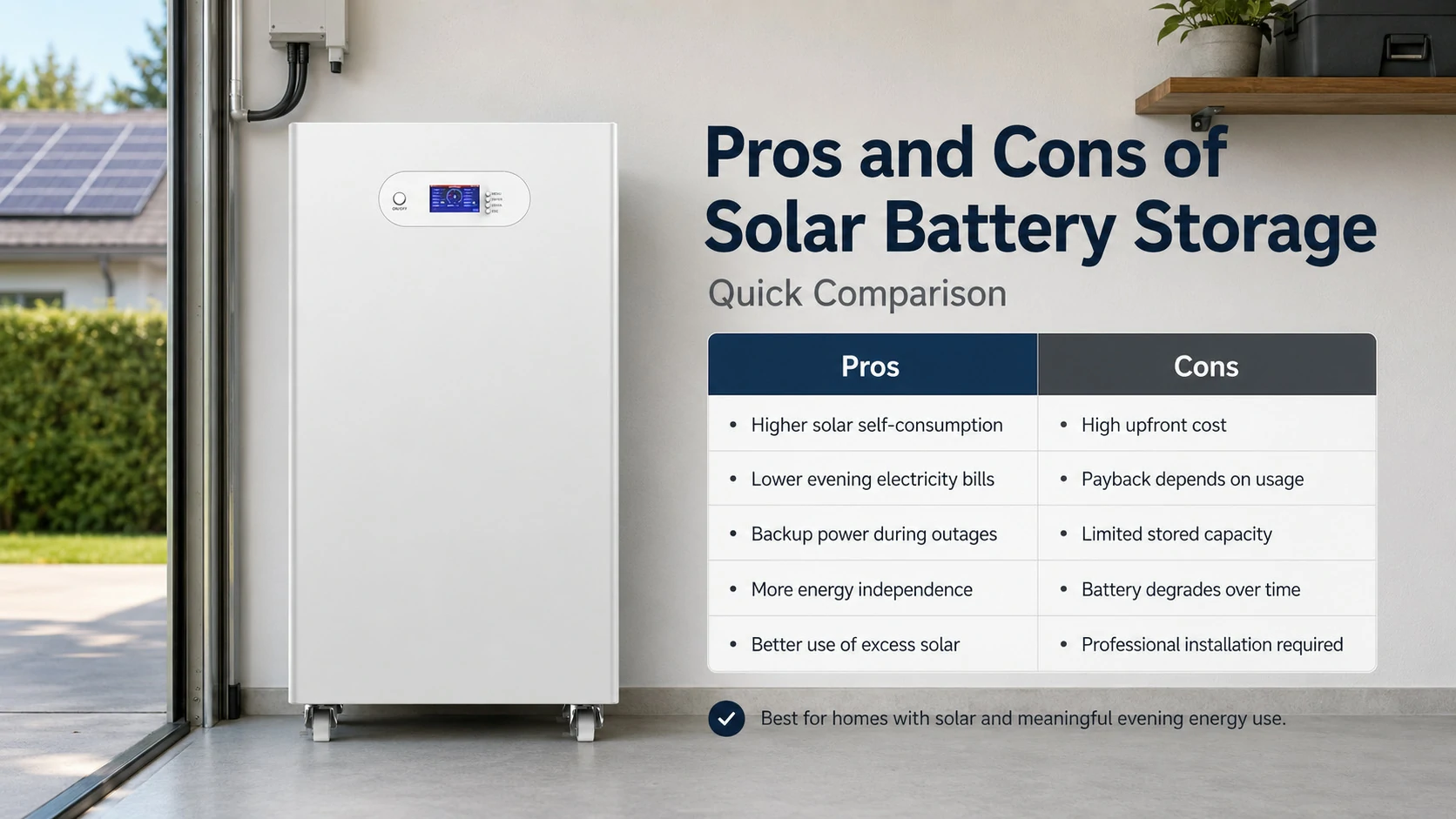
Lithium solar batteries usually cost more upfront than lead-acid batteries. However, the long cycle life, usable capacity, lower maintenance, compact size, and better efficiency often make them more cost-effective over the full life of the system.
The real comparison should not be based only on purchase price. It should include:
- Usable kWh
- Cycle life
- Warranty terms
- Installation cost
- Inverter compatibility
- Maintenance requirements
- Replacement frequency
- Safety protection
- Energy savings over time
Thermal and Safety Management
All battery systems must be installed properly. Lithium batteries need a qualified BMS, correct wiring, suitable circuit protection, safe enclosure design, and appropriate temperature control. Poor installation, incompatible inverters, incorrect charging parameters, or physical damage can increase risk.
For solar installers and project buyers, safety should be evaluated through battery chemistry, BMS design, certifications, enclosure rating, communication protocol, and manufacturer technical support.
Inverter Compatibility
A lithium battery must communicate correctly with the inverter. In many systems, the battery and inverter exchange data through CAN, RS485, or RS232 communication. This allows the inverter to understand battery SOC, voltage limits, charge/discharge current, alarms, and protection status.
Before buying, check whether the battery is compatible with your inverter brand and model. Avepower provides an inverter compatibility list covering communication protocols such as CAN and RS485 for brands including Deye, GoodWe, Growatt, SMA, Schneider Electric and others.
Residential Uses for Lithium Ion Solar Batteries
Home Solar Self-Consumption
A lithium battery helps homeowners use more of their own solar power instead of exporting it. This is useful in areas where grid electricity is expensive or feed-in credits are low.
Backup Power
Battery backup is increasingly important in areas with aging grids, extreme weather, wildfires, storms, or unstable power supply. A solar battery can keep essential loads running if it is designed with backup capability.
Off-Grid and Hybrid Homes
For off-grid cabins, remote homes, farms, and rural buildings, lithium batteries can form the core of a solar energy system. Compared with lead-acid batteries, lithium batteries usually provide better usable capacity, faster charging, and longer life.
EV and Smart Home Integration
As more homes add EV charging, heat pumps, smart appliances, and home energy management systems, batteries become part of a larger energy ecosystem. A system may combine solar panels, batteries, EV chargers, smart meters, and load control.
Commercial and Industrial Uses for Lithium Ion Solar Batteries
For businesses, lithium ion batteries do more than store solar energy. They can improve energy flexibility and reduce operating costs.
Common applications include:
- Peak shaving
- Load shifting
- Backup power
- Solar self-consumption
- EV charging support
- Demand charge reduction
- Microgrid systems
- Factory and warehouse energy management
- Hotel and commercial building backup
- Telecom and data equipment support
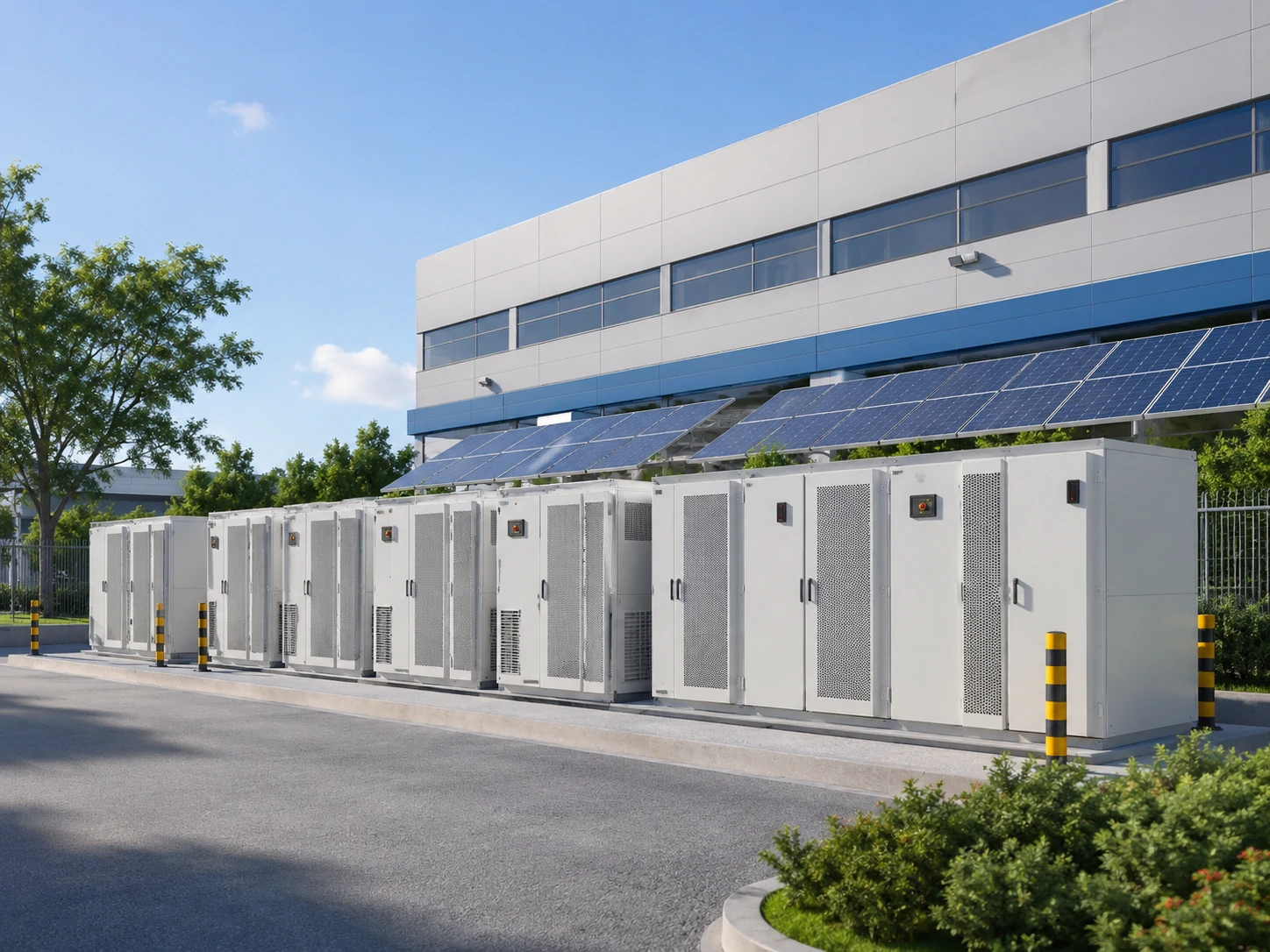
A commercial battery system usually requires more detailed engineering than a home system. Important design factors include voltage platform, inverter size, battery cabinet layout, fire safety, EMS strategy, communication protocols, ventilation, maintenance access, and grid connection requirements.
For larger projects, Avepower commercial and industrial energy storage solutions include high-voltage LiFePO4 systems with BMU/BCU control and modular cabinet design for solar-plus-storage, backup power, and integrated energy applications.
Safety, BMS, Installation, and Maintenance
Lithium ion batteries are safe when designed, certified, installed, and operated properly. However, they are still high-energy electrical systems, so safety should be treated seriously.
Key Safety Factors
A reliable lithium ion solar battery system should include:
- Clear spacing and ventilation requirements
- High-quality battery cells
- BMS protection
- Overcharge protection
- Over-discharge protection
- Temperature monitoring
- Short-circuit protection
- Proper enclosure design
- Certified wiring and breakers
- Correct inverter communication
- Professional installation
When choosing a lithium ion battery for solar storage, buyers should ask for relevant certification documents, test reports, and compliance support. Avepower provides a certifications page for buyers who need documents for project approval, distributor qualification, or market entry.
Maintenance Requirements
Lithium ion batteries usually require less maintenance than lead-acid batteries, but they should still be inspected periodically. Recommended checks include:
- Keep the battery area clean and dry.
- Avoid blocking ventilation or cooling paths.
- Check cable connections and communication status.
- Monitor battery state of charge and fault logs.
- Follow manufacturer temperature limits.
- Update inverter or battery firmware if required.
- Do not open the battery enclosure unless authorized.
For commercial systems, routine inspection should be part of the facility’s electrical maintenance plan.
Battery Recycling and End-of-Life Considerations
Lithium ion batteries should not be treated as ordinary waste. At the end of life, they should be handled through qualified recycling or hazardous waste channels according to local regulations.
Recycling used lithium ion batteries helps recover valuable critical minerals and prevents problems caused by inappropriate disposal. It also warns that end-of-life batteries should not be placed in household garbage or standard recycling bins because damaged or mismanaged batteries can create fire risks.
For homeowners, installers, and distributors, responsible battery management should include:
- Keeping documentation for battery model and chemistry
- Following local disposal rules
- Working with certified recyclers
- Avoiding physical damage during removal
- Storing retired batteries safely before transport
- Asking manufacturers or suppliers about recycling support
This is especially important as the solar storage market grows and more systems reach end of life in the future.
Where Avepower Fits in Solar Energy Storage Projects
For buyers comparing lithium ion batteries for solar energy storage, Avepower can be positioned as a manufacturing partner rather than just a product seller.
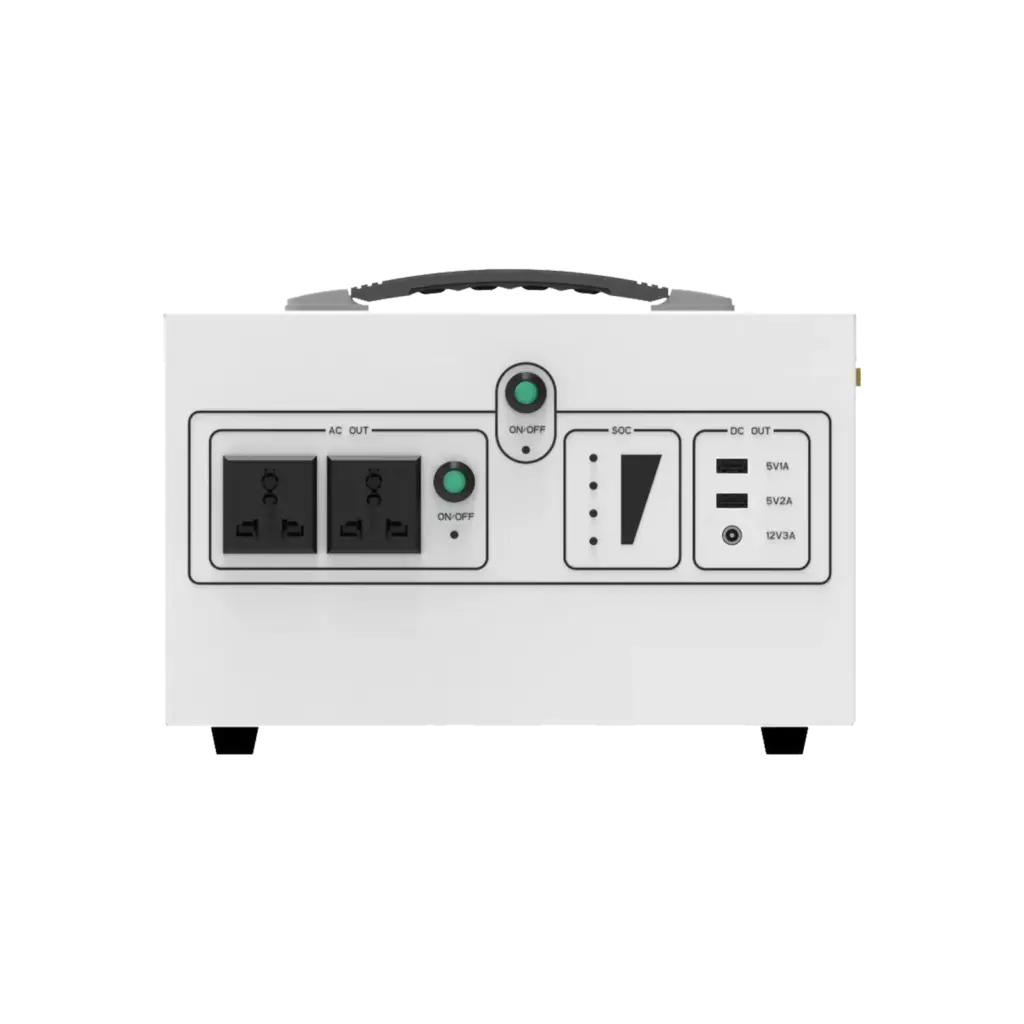
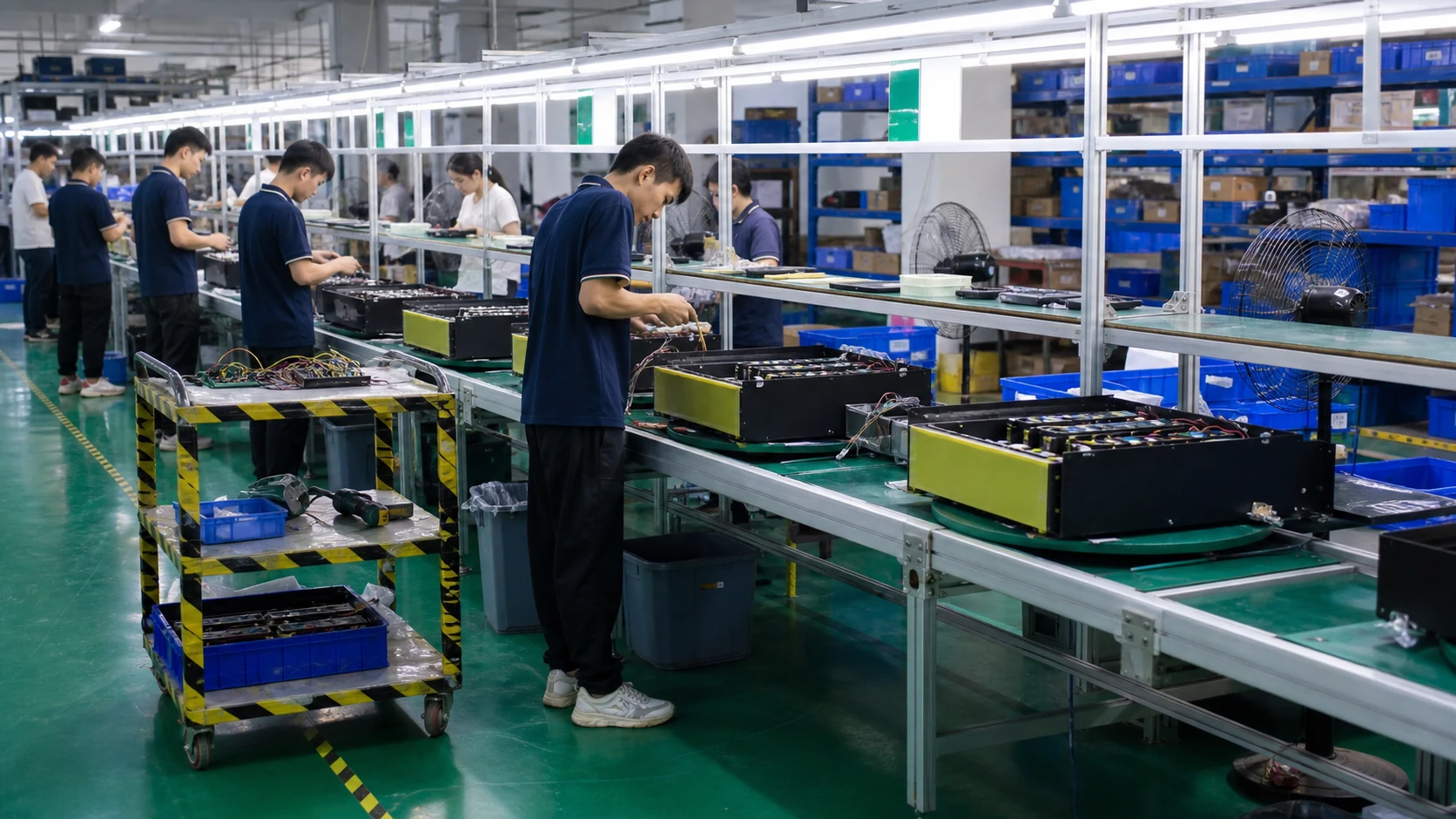
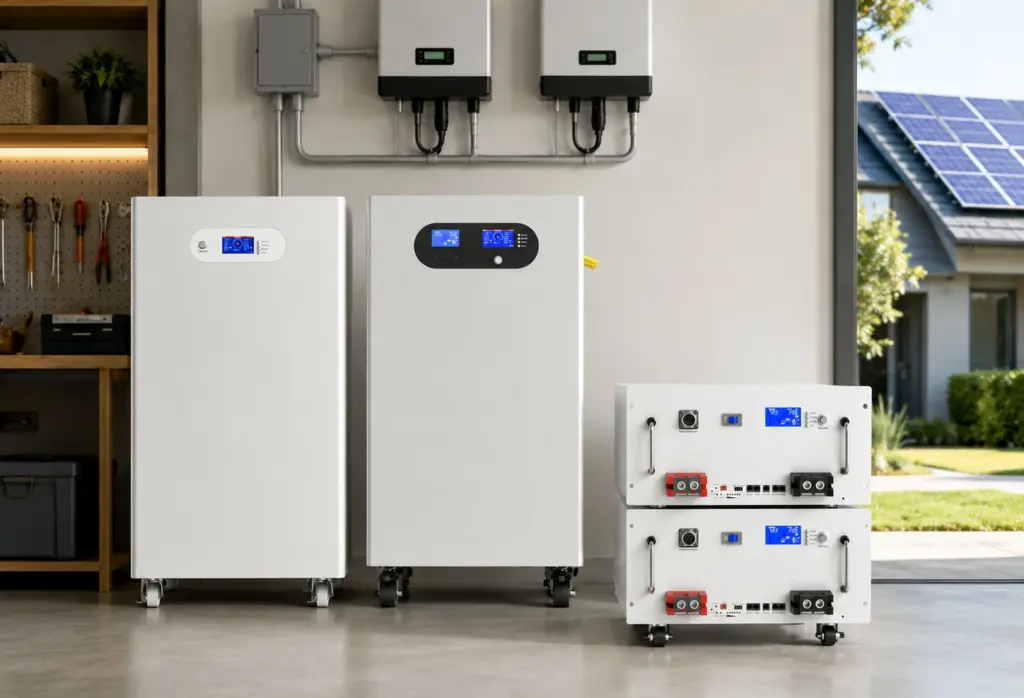
Avepower provides a wide range of LiFePO4 solar battery storage solutions for residential, commercial, and customized energy storage applications, including wall-mounted, rack-mounted, stackable, all-in-one, and high-voltage battery systems. For installers, distributors, OEM/ODM partners, and project developers, choosing a scalable and well-supported battery platform can make solar energy storage safer, easier to install, and more reliable over the long term.
Contact Avepower to discuss your battery capacity, inverter compatibility, certification needs, and project requirements.
Take Control of Your Energy with Avepower!
Reliable home solar battery solutions with OEM/ODM customization and in-house manufacturing, tailored to the needs of distributors, installers, and energy partners.
Conclusion
Lithium ion batteries have become a leading technology for solar energy storage because they offer high efficiency, deep usable capacity, compact design, long cycle life, and intelligent control. For most residential solar storage systems, LiFePO4 batteries are especially attractive because they combine safety, stability, and long-term performance.
However, the best battery is not simply the one with the highest capacity or lowest price. A strong solar storage system should be selected based on battery chemistry, usable capacity, power output, inverter compatibility, BMS protection, certifications, installation conditions, and long-term support.
FAQ
Lithium ion batteries are widely used for solar energy storage because they offer high efficiency, compact size, deep usable capacity, long cycle life, and low maintenance. LiFePO4 batteries are especially popular for residential and commercial solar storage.
Installers and distributors should check battery chemistry, usable capacity, cycle life, BMS protection, inverter compatibility, communication protocols, certifications, warranty terms, technical documentation, and supplier support.
They should be recycled or handled through approved waste channels. Lithium ion batteries contain valuable materials and should not be placed in household trash or standard recycling bins. The EPA recommends using responsible recycling options for used lithium ion batteries.
They require much less maintenance than lead-acid batteries, but they still need periodic inspection. Users should keep the area clean, monitor system status, check for fault alerts, and follow the manufacturer’s operating instructions.