
Solar battery storage is worth considering if you want to use more of your own solar power, reduce evening grid electricity use, improve backup resilience, and protect your household from time-of-use electricity rates. The main downsides are the upfront cost, limited storage capacity, battery degradation, installation requirements, and the fact that not every battery automatically provides backup power during an outage.
For many homes, the best result comes from sizing the battery around real evening usage, not simply buying the largest system available. A well-designed solar and battery system can increase solar self-consumption from around 25% with solar panels alone to about 50–60% with a battery, according to Solar Victoria’s battery guidance.
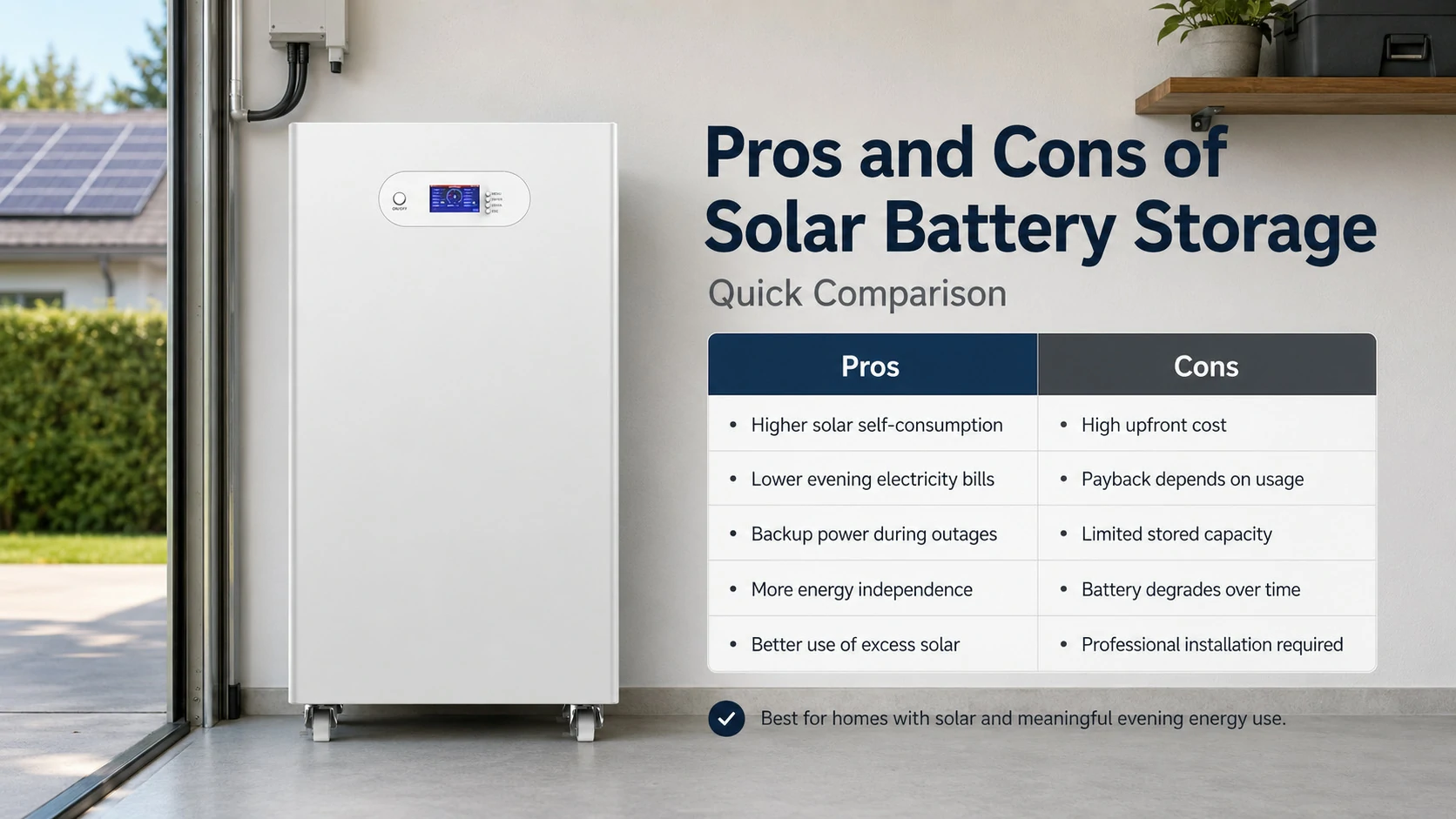
Pros and Cons of Solar Battery Storage at a Glance
| Factor | Advantage | Disadvantage |
|---|---|---|
| Electricity bills | Stores solar for evening use and peak tariffs | Savings depend heavily on tariffs and usage patterns |
| Backup power | Can keep essential loads running during outages | Not all systems provide backup automatically |
| Solar self-consumption | Helps use more of your own solar energy | Needs enough daytime surplus to charge properly |
| Energy independence | Reduces reliance on grid electricity | Does not fully replace the grid for most homes |
| Payback period | Incentives and VPPs can improve economics | Upfront cost remains high |
| Lifespan | Quality lithium batteries can last many years | Capacity gradually degrades over time |
| Installation | Can be added to new or existing solar systems | Requires compliant design, space, wiring, and installer expertise |
| Environmental impact | Helps use more renewable energy | Mining, manufacturing, and recycling still matter |
What Is Solar Battery Storage?
Solar battery storage is a home energy storage system that stores excess electricity generated by solar panels. During the day, your solar panels may produce more power than your home is using. Without a battery, that extra electricity is usually exported to the grid. With a battery, part of that energy can be stored and used later when the sun is not shining.
The Australian Government explains that adding a battery to rooftop solar allows households and businesses to store excess energy and use it when needed, especially when solar generation is low or electricity prices are higher. A battery can also reduce bills and provide backup power if the system is configured for that purpose.
A typical solar battery system includes:
- Solar panels
- Solar inverter or hybrid inverter
- Battery modules
- Battery management system
- Switchboard and smart meter
- Monitoring app or energy management system
- Backup circuit equipment if outage protection is required
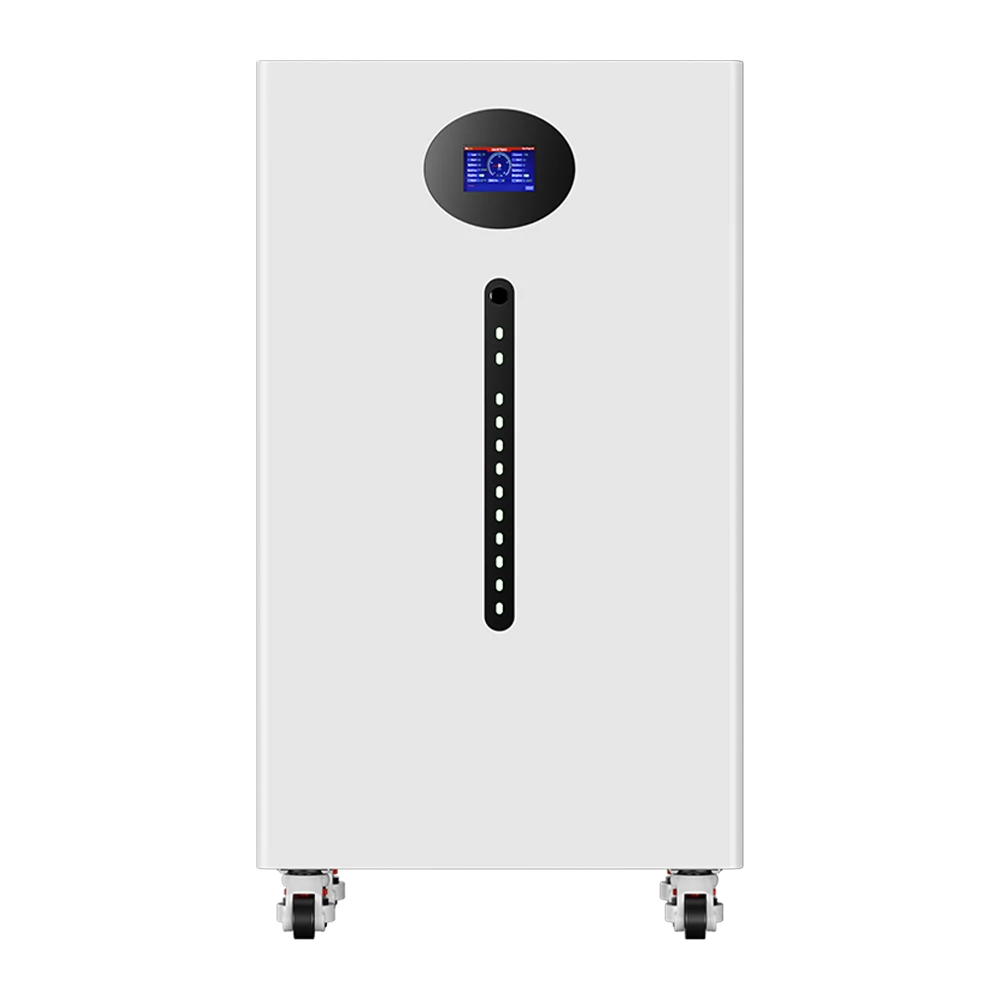
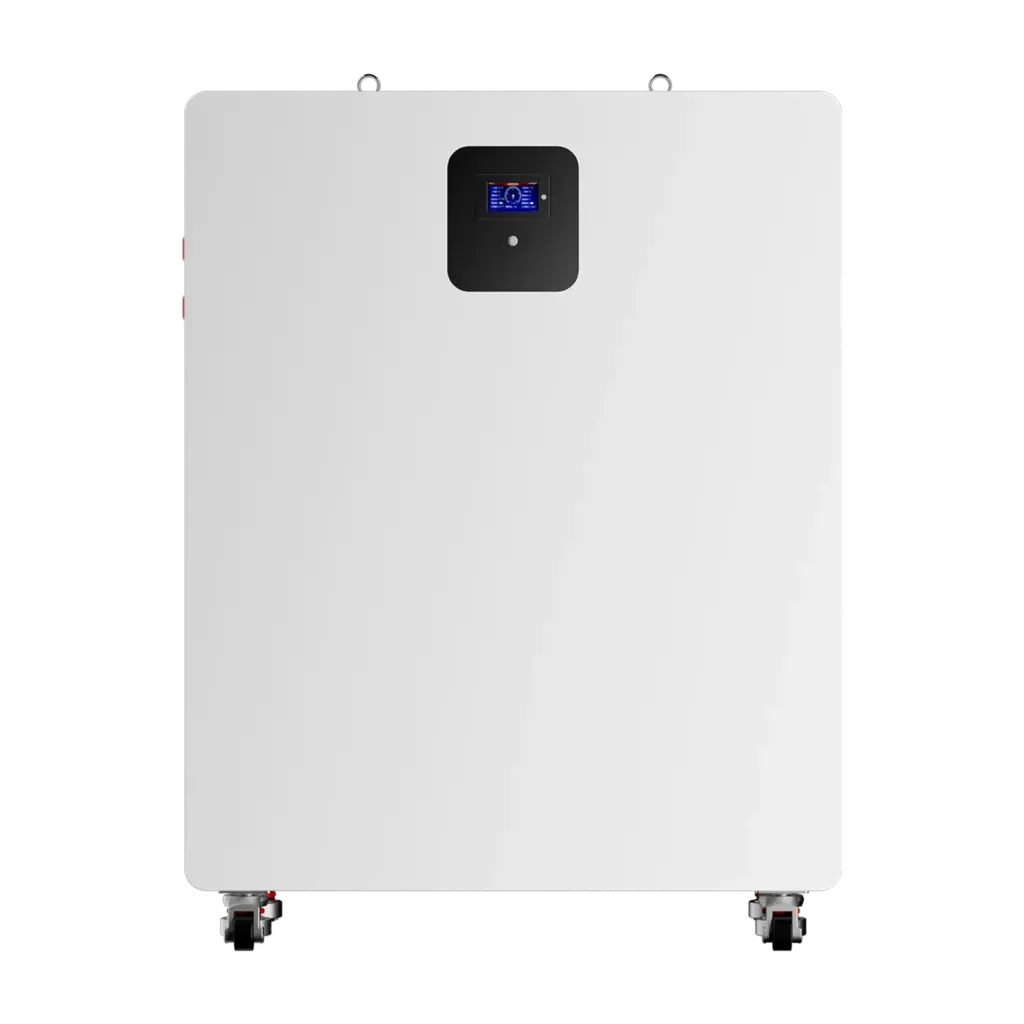
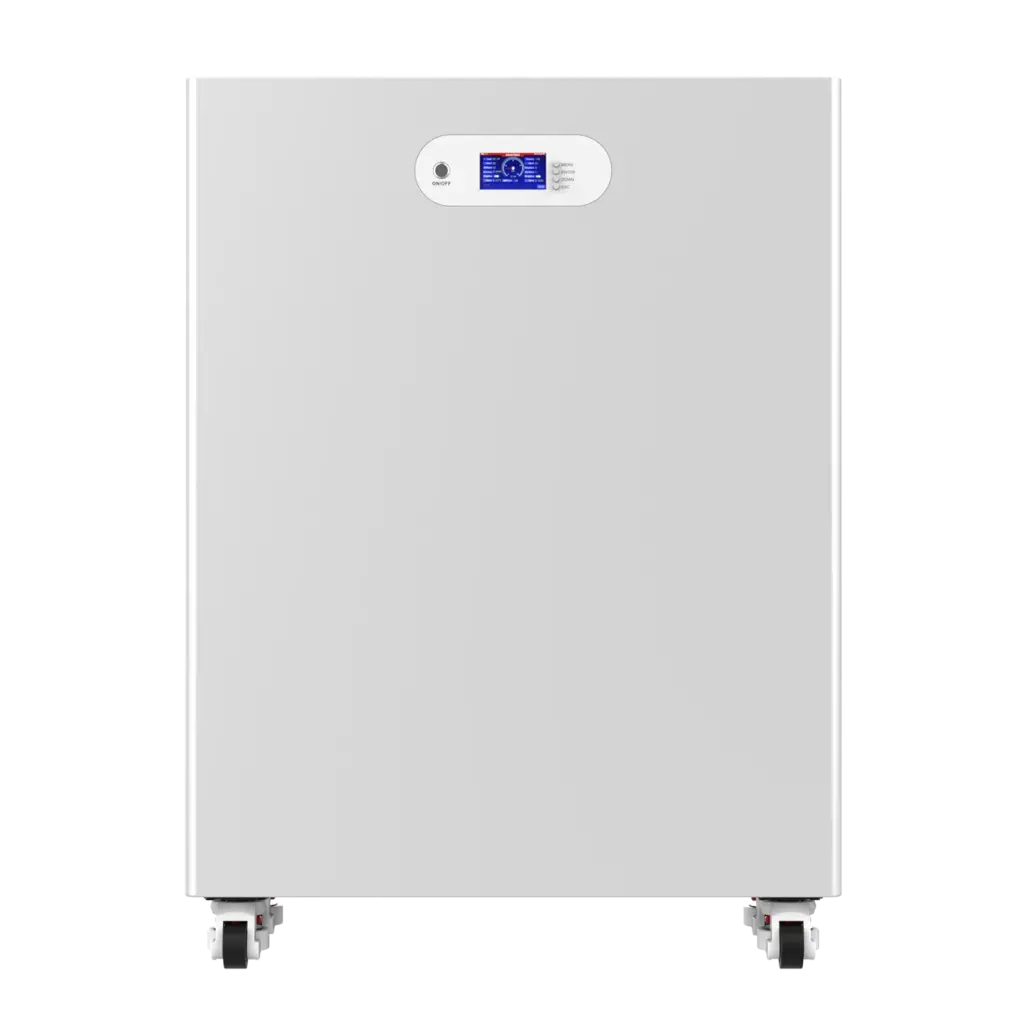
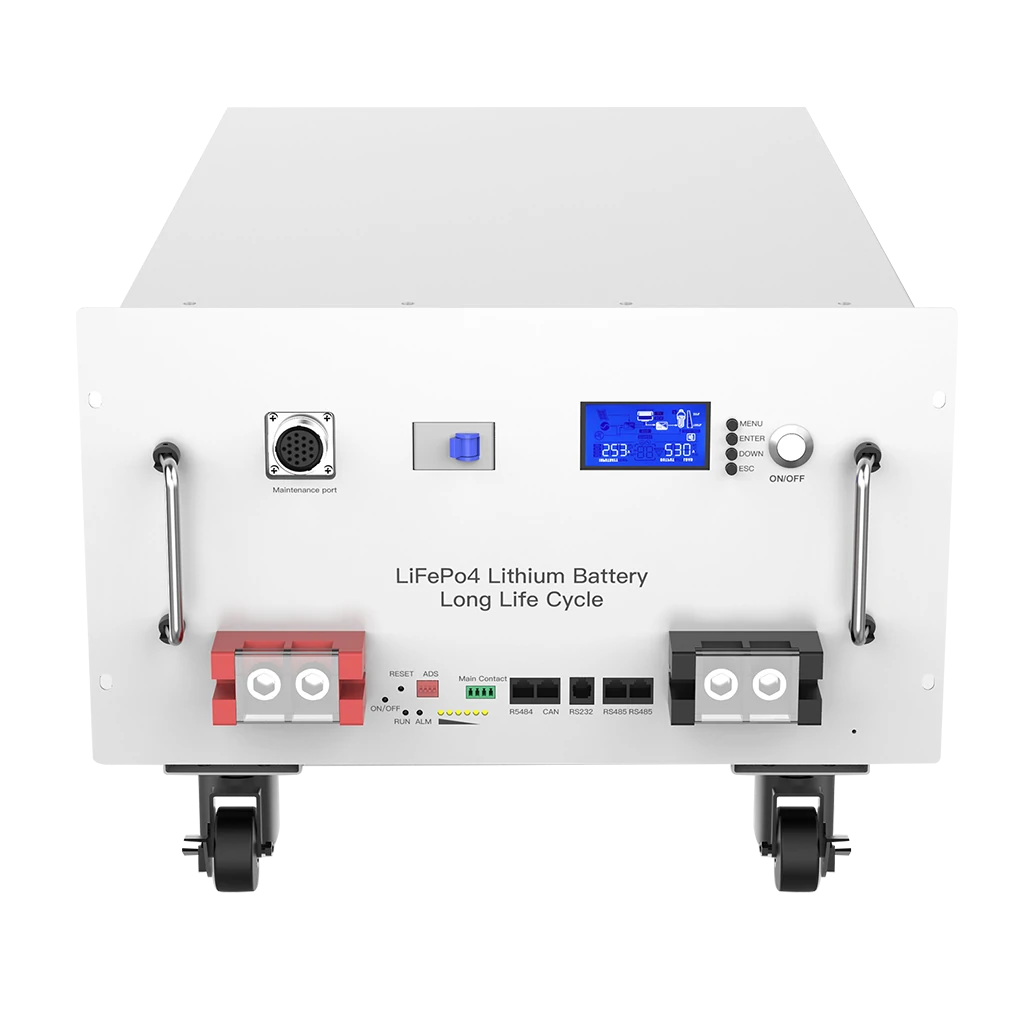
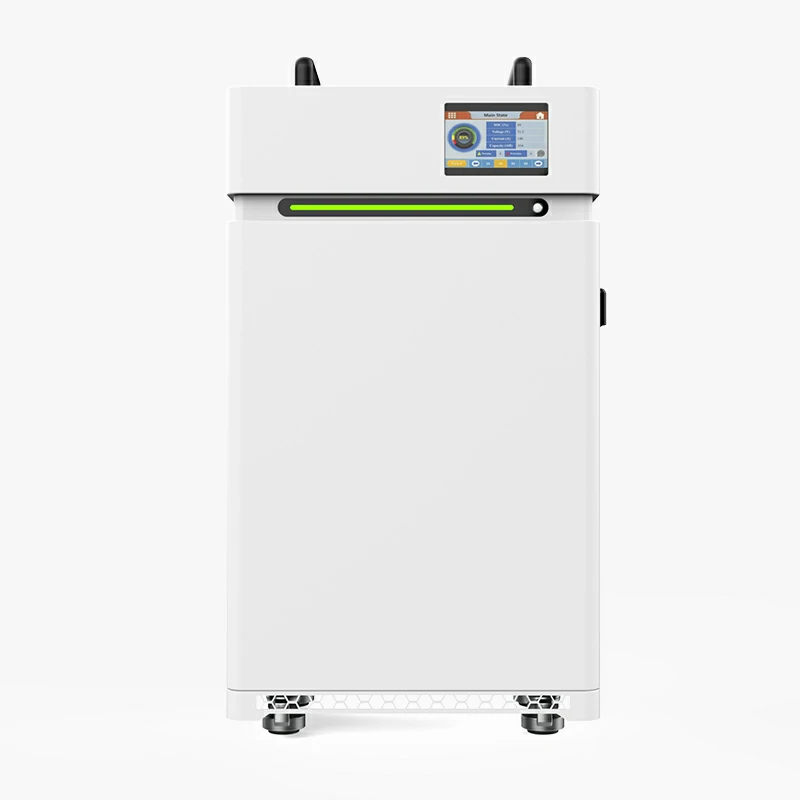
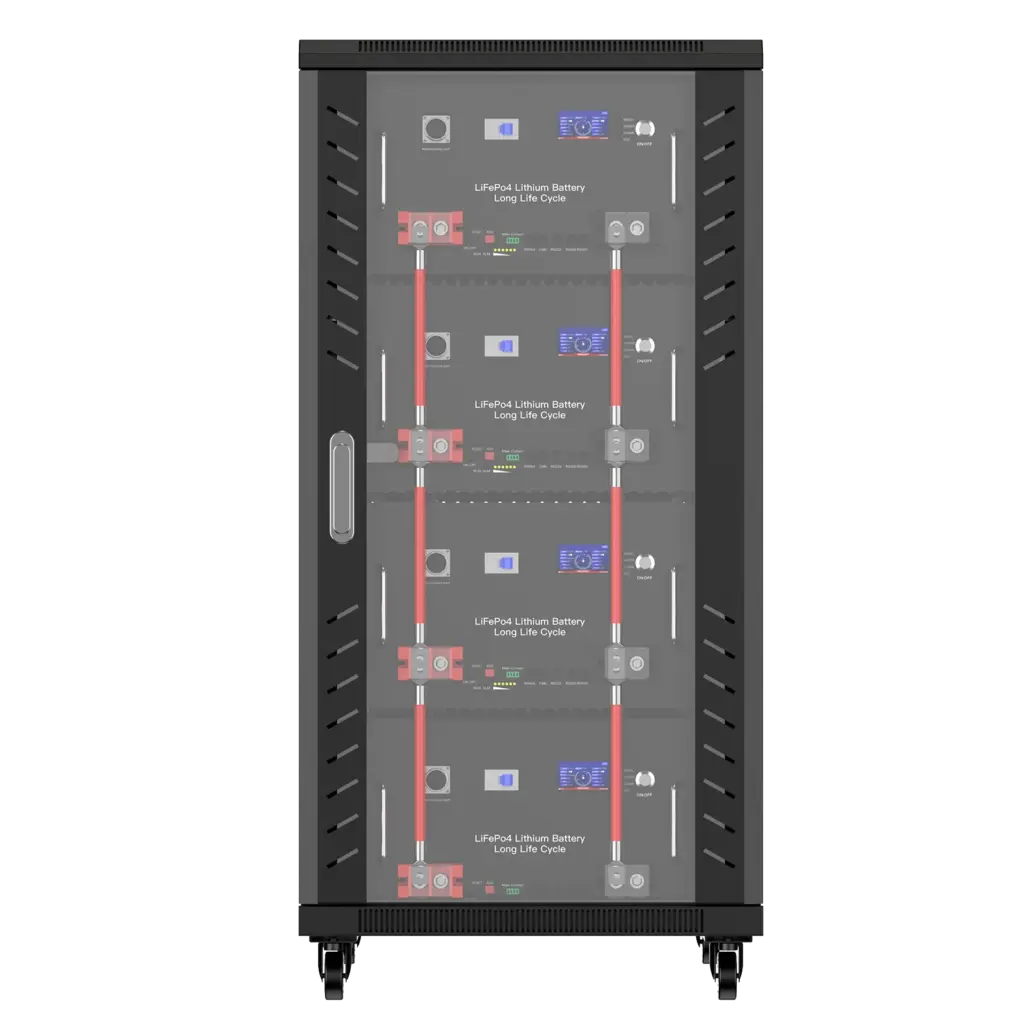
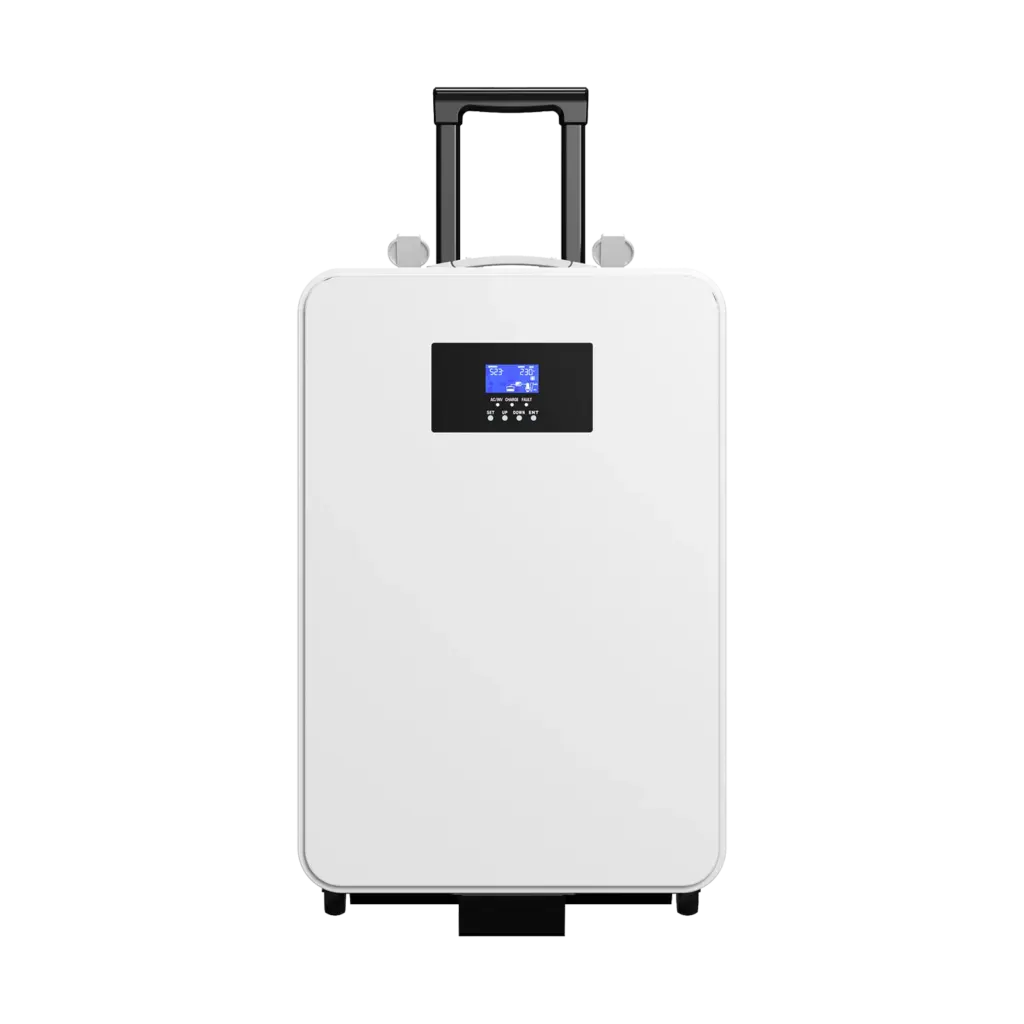
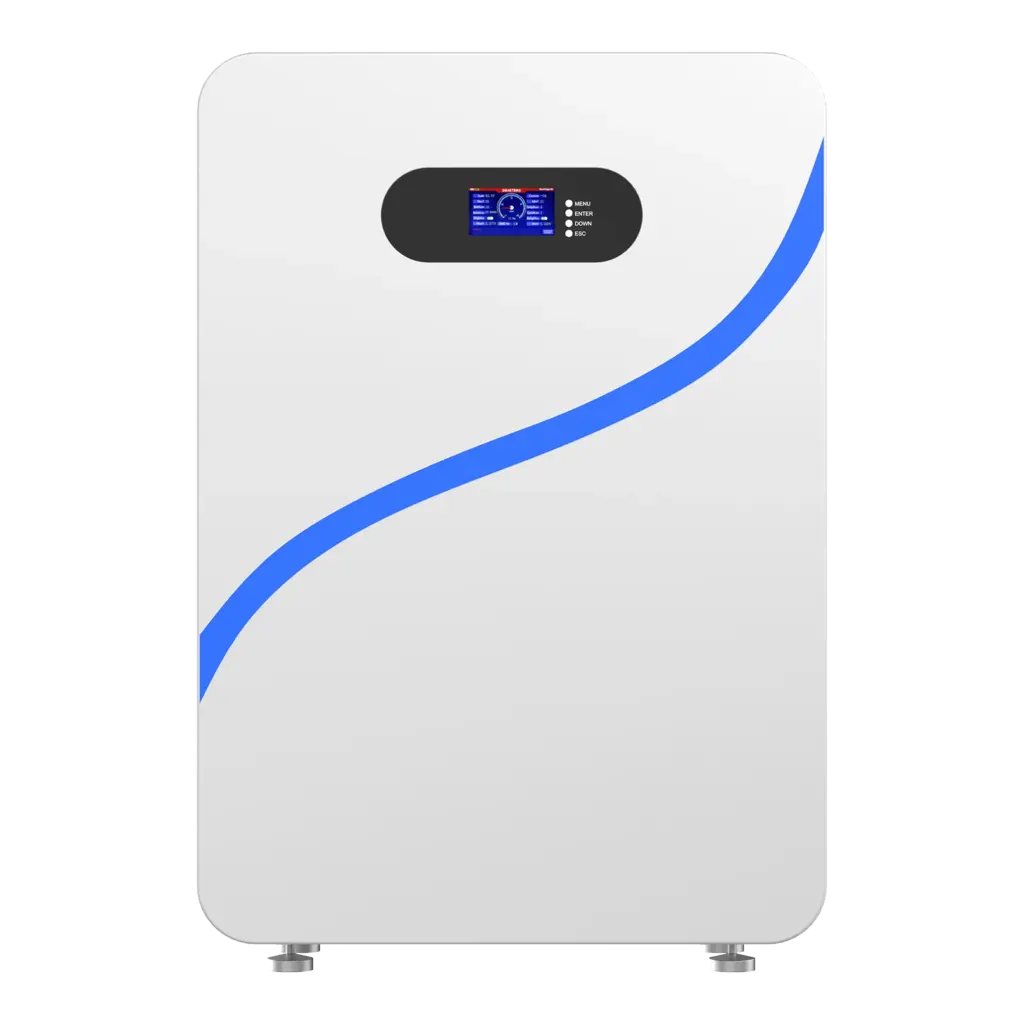
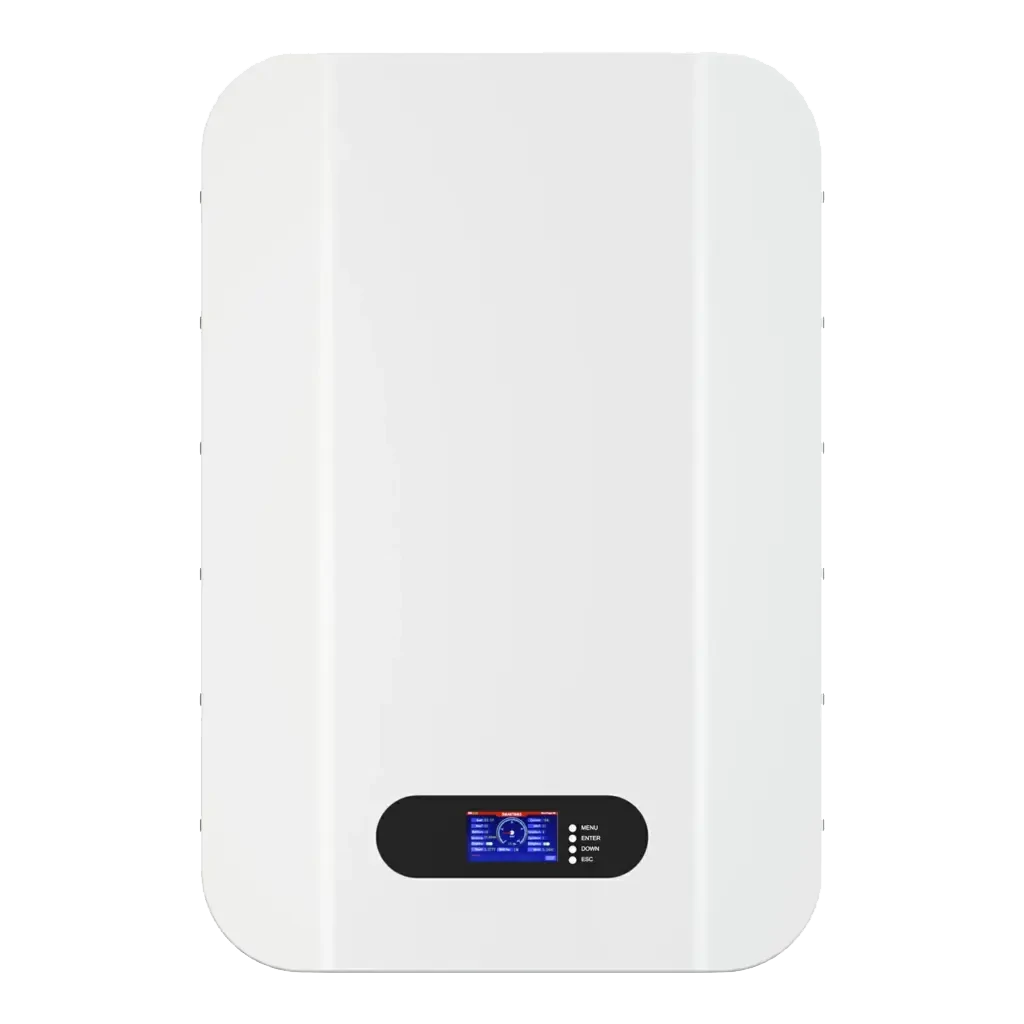
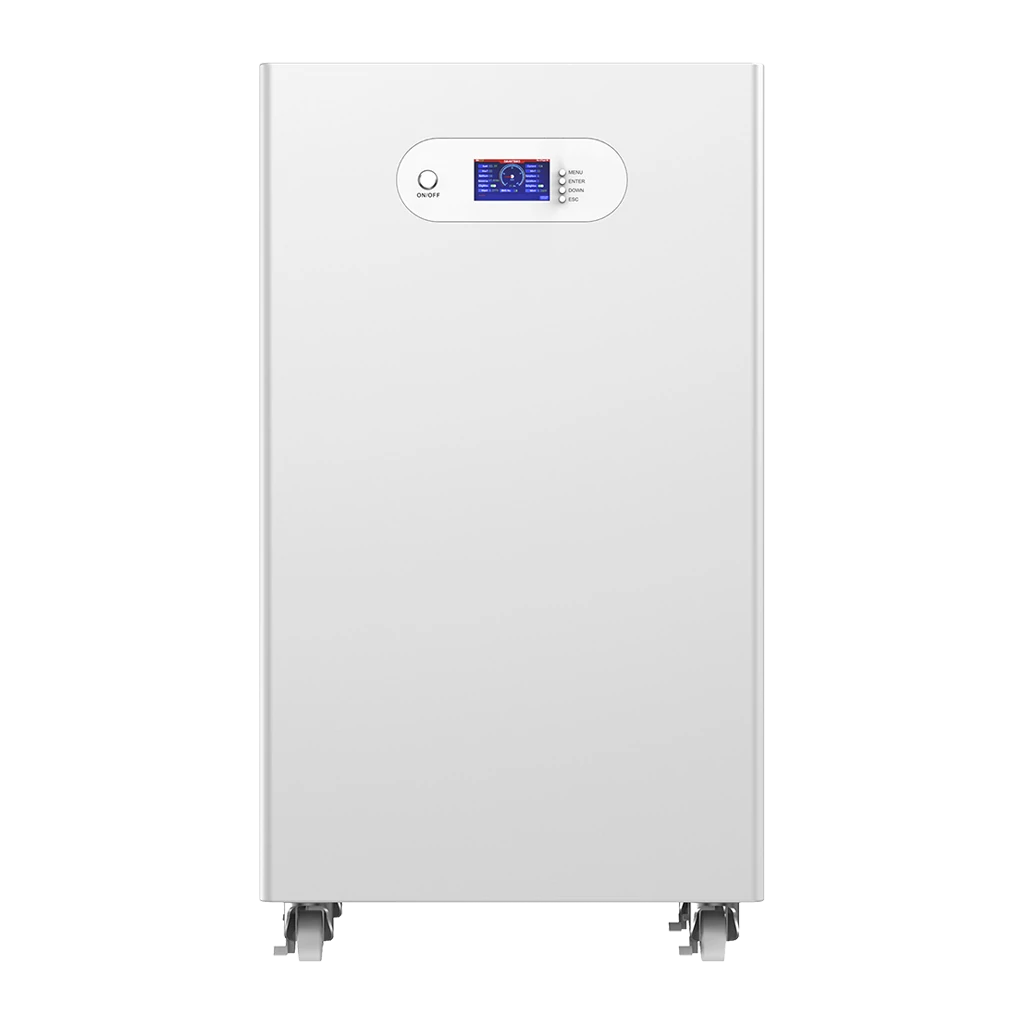
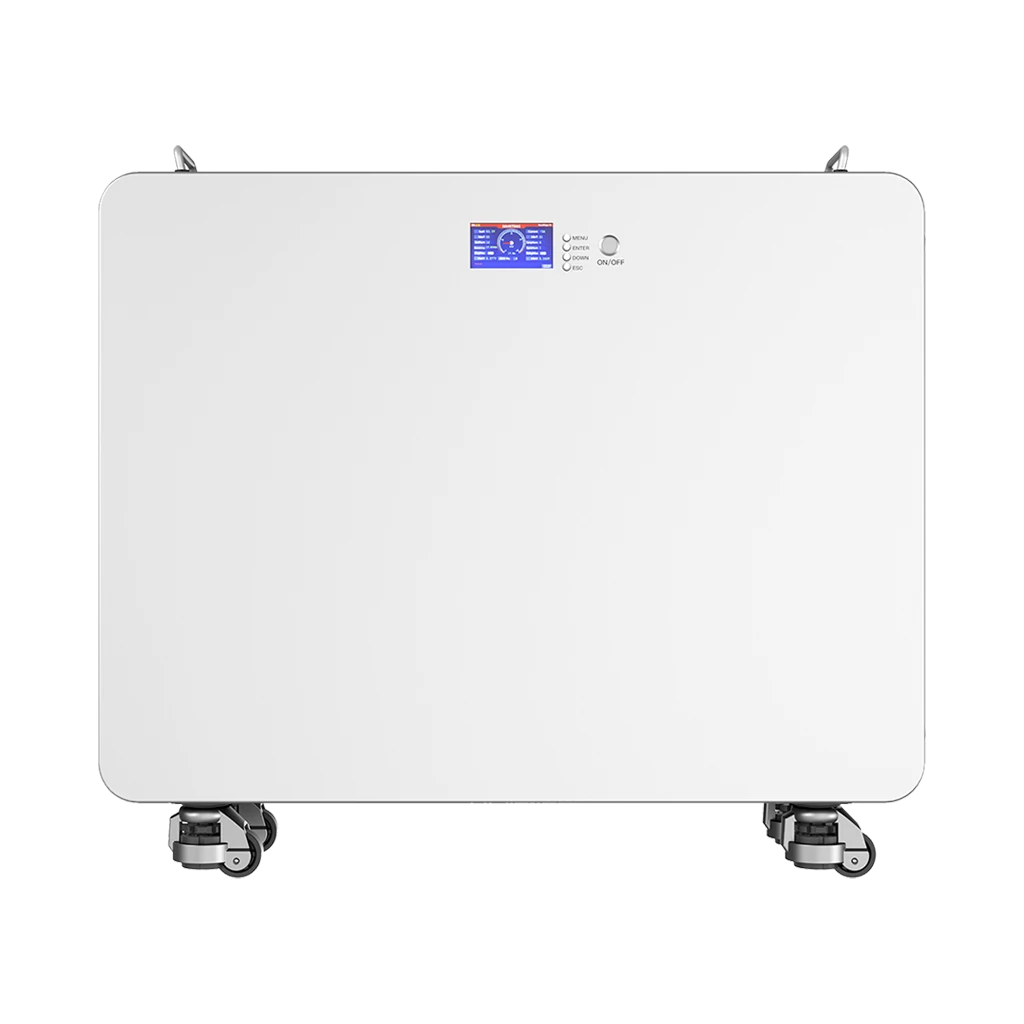
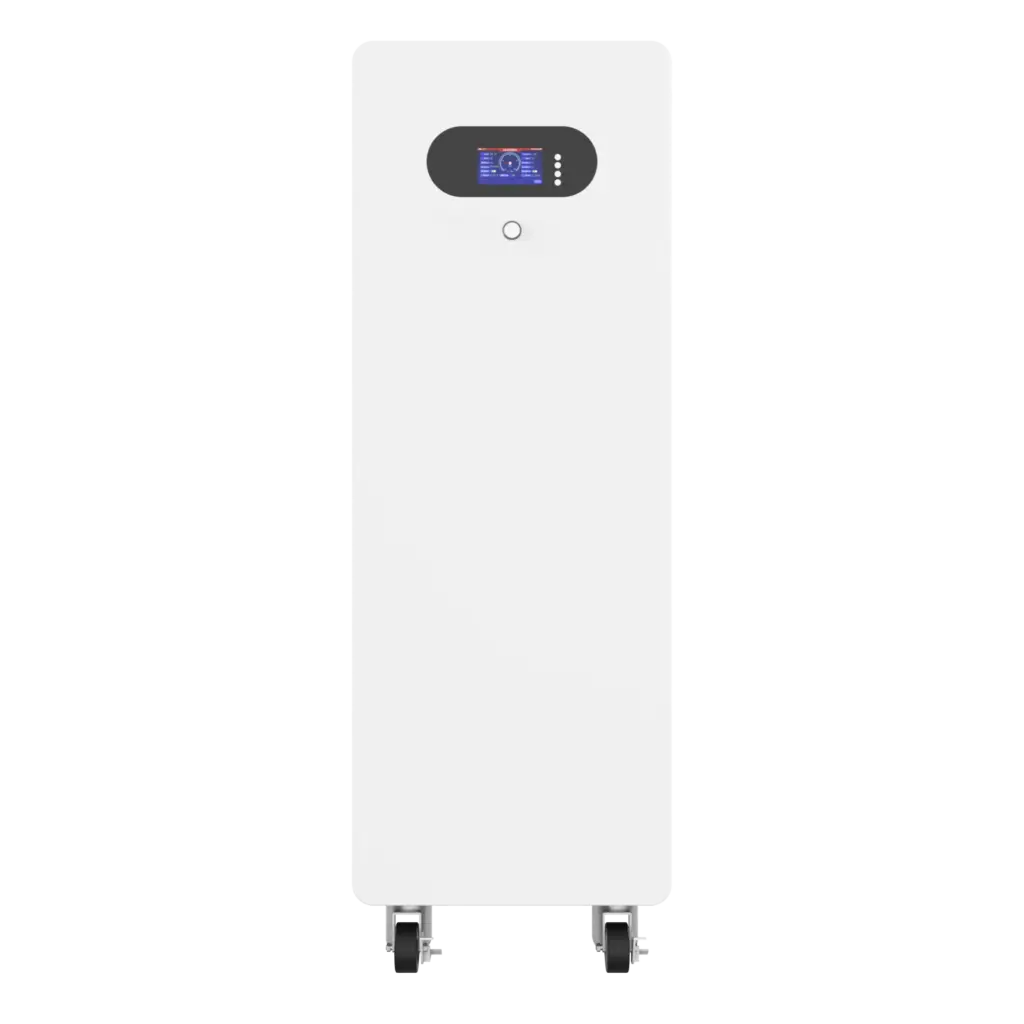
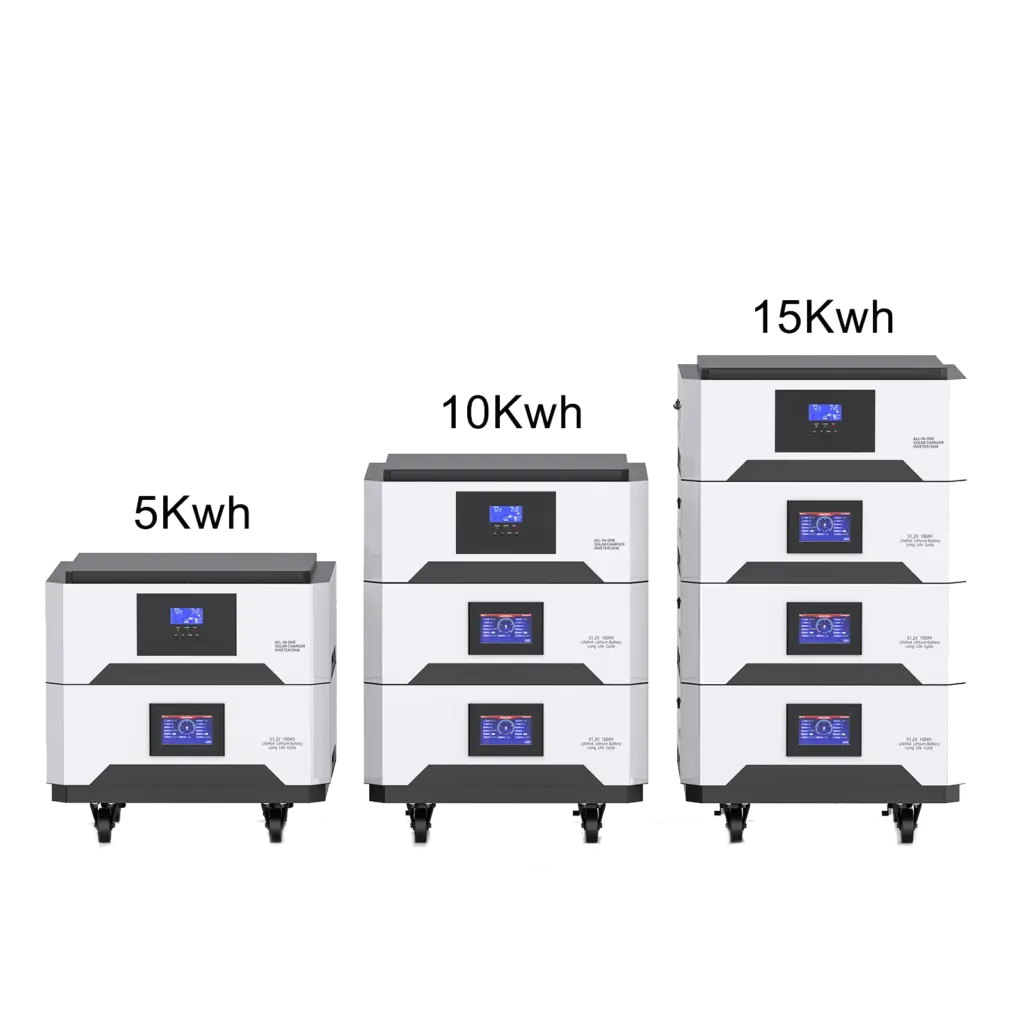
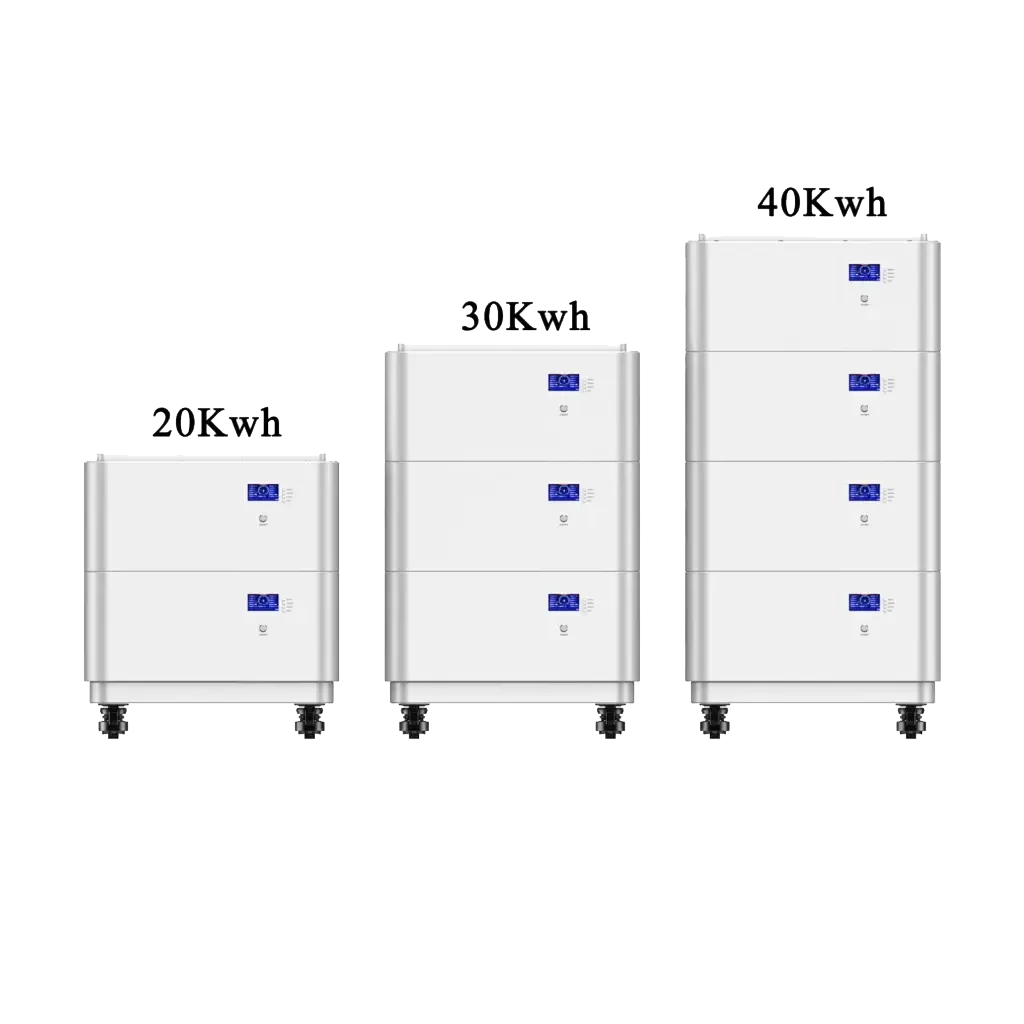
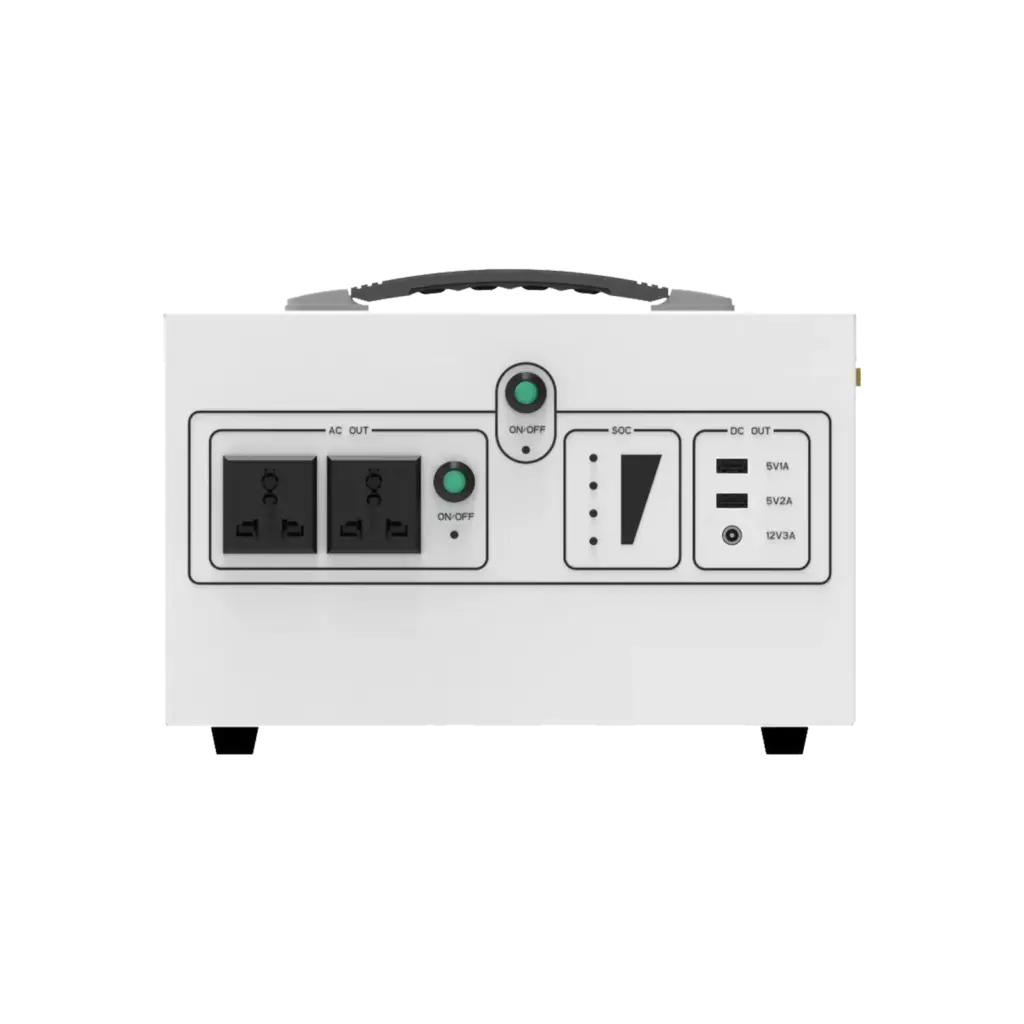
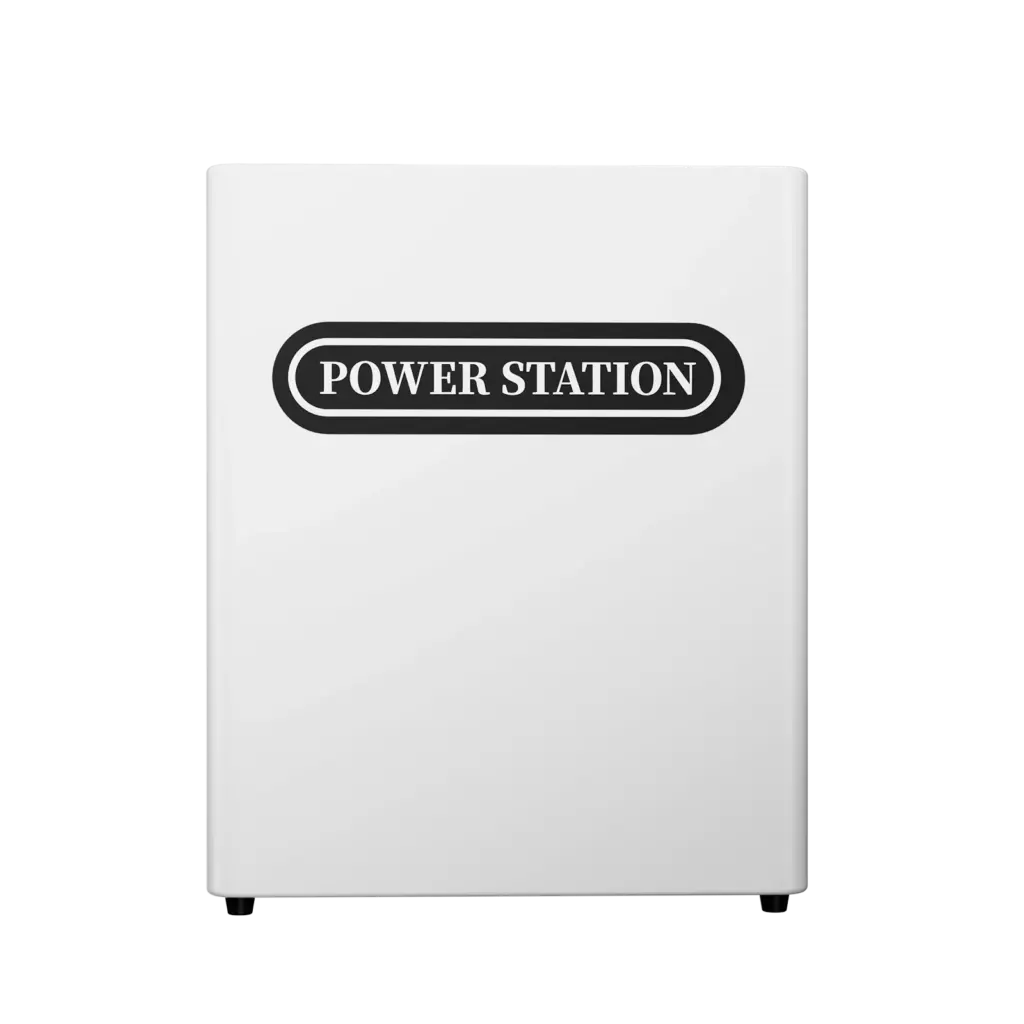
For homeowners comparing different battery formats, Avepower provides several types of LiFePO4 home battery storage systems, including wall-mounted, rack-mounted, stackable, vertical, and all-in-one battery designs for different installation spaces and energy needs.
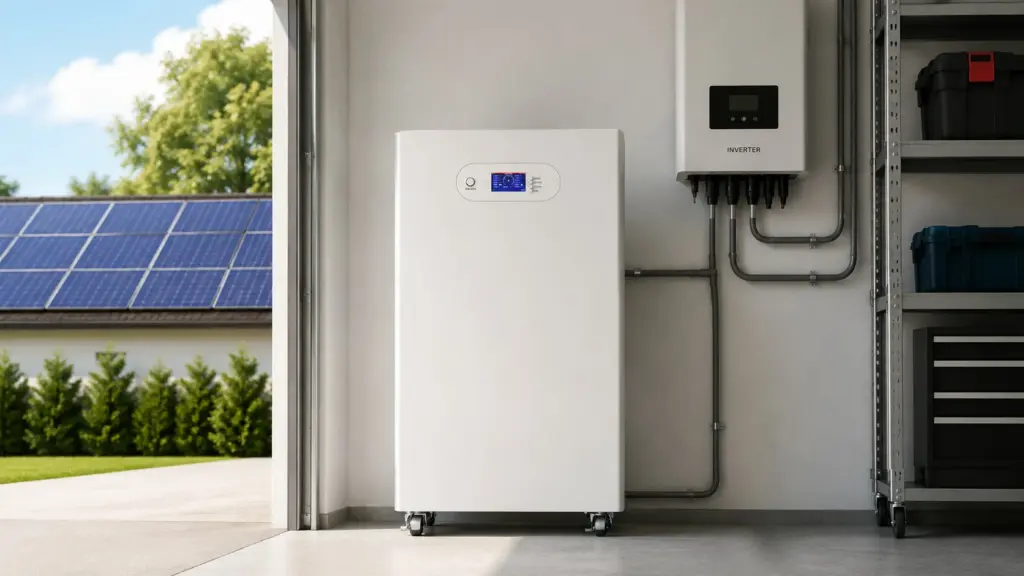
Pros of Solar Battery Storage
1. You Can Use More of Your Own Solar Energy
Without a battery, much of the solar energy produced during the day may be exported to the grid, especially if the home is empty during working hours. A battery helps shift that daytime solar generation into the evening, when lights, cooking appliances, air conditioning, entertainment devices, and EV chargers may be in use.
This is one of the strongest financial arguments for battery storage. Most households with solar panels alone use around 25% of the energy they generate, while homes with a solar battery use around 50–60%. A moderate-use household with solar PV and a mid-sized battery can save over $1,400 per year on average.
2. It Can Reduce Electricity Bills During Peak Hours
Solar batteries are especially useful where electricity prices are higher in the evening. Instead of buying expensive grid electricity after sunset, a household can discharge stored solar energy during peak tariff periods.
This benefit depends heavily on the local tariff structure. A home on a flat electricity rate may see a slower return than a home on time-of-use pricing. For this reason, battery payback should be calculated using real electricity bills, feed-in tariff rates, evening consumption, and seasonal solar generation, not just the battery’s nominal capacity.
3. It Can Provide Backup Power When Designed Correctly
One of the biggest reasons homeowners search for the pros and cons of solar battery storage is backup power. A battery can keep essential loads running during outages, including lighting, refrigeration, WiFi, security systems, and selected outlets.
A battery does not automatically mean whole-home backup. Standard grid-connected solar PV systems, with or without a battery, are designed to switch off during a power outage for safety. Backup requires the right battery, inverter, isolation equipment, and system design.
For installers and project buyers, this is where product selection matters. A homeowner who only wants evening bill savings may need a different setup from a homeowner who wants backup for critical loads. Businesses, distributors, and installers can also review Avepower inverter compatibility guidance when planning battery communication and inverter matching.
4. It Improves Energy Independence
A solar battery gives homeowners more control over how and when they use electricity. This does not mean most homes can disconnect from the grid completely, but it does reduce dependence on grid electricity during expensive or unstable periods.
Energy independence is valuable in areas with rising electricity prices, frequent outages, weak grid infrastructure, or low solar export payments. For rural homes, farms, remote cabins, and off-grid projects, battery storage can become a core part of the energy system rather than an optional upgrade.
5. It Can Reduce Solar Export Waste
In some regions, solar export limits are becoming more common because local networks cannot always accept unlimited solar exports during the middle of the day. When exports are limited, some solar generation may be curtailed or underused.
A battery helps absorb surplus production that would otherwise be exported at a low rate or not exported at all. This makes the solar system more useful because more of the generated electricity is consumed on site.
6. Modern Lithium Batteries Are Efficient and Space Saving
Lithium batteries, especially lithium iron phosphate batteries, are now widely used in residential energy storage because they offer high usable capacity, good cycle life, and relatively low maintenance.
The Australian Government YourHome battery guide lists lithium batteries with 92–96% round-trip efficiency, 90–95% depth of discharge, and 1,000–10,000 life cycles, depending on chemistry and operating conditions. By comparison, lead-acid batteries generally have lower usable capacity and efficiency.
For homes with limited floor space, a wall mounted battery can be practical. For homes expecting future expansion, a stackable battery may be easier to scale as household electricity use increases.
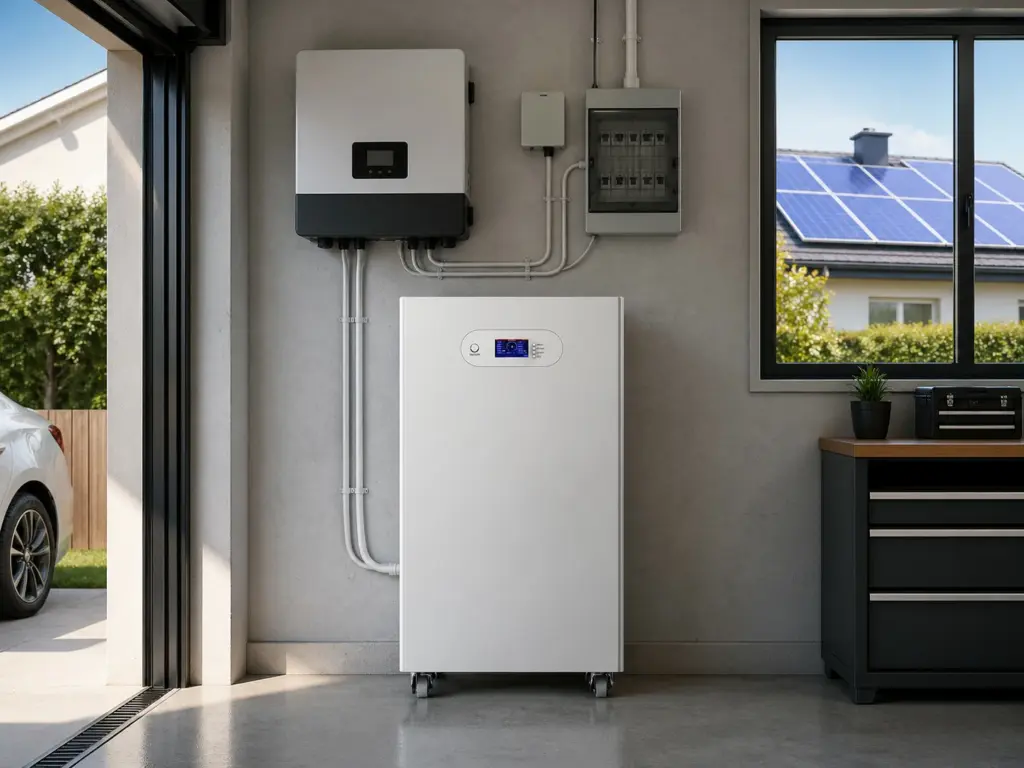
Avepower Solar Battery Storage Solution
To plan a suitable solar battery storage solution for your market or project, contact the Avepower team for product specifications, inverter compatibility guidance, and custom battery configuration support.
Cons of Solar Battery Storage
1. Solar Batteries Have High Upfront Costs
The most obvious disadvantage of solar battery storage is cost. Even though battery prices have fallen sharply, installed home battery systems still require a significant upfront investment.
Solar Choice’s May 2026 Battery Price Index shows the following average installed battery prices in Australia, including installation, GST, and the federal battery rebate:
| Usable Battery Capacity | Battery Only | Battery + Extra Inverter |
|---|---|---|
| 5 kWh | AUD 5,325 | AUD 7,425 |
| 10 kWh | AUD 8,450 | AUD 10,250 |
| 15 kWh | AUD 11,325 | AUD 13,275 |
| 20 kWh | AUD 14,300 | AUD 16,700 |
These figures show why cost per kWh generally falls as battery size increases. Many installation costs are fixed, so larger systems can have a lower cost per usable kWh. See Solar Choice Battery Price Index.
In the U.S., EnergySage reports that the average battery cost in 2026 is about USD 1,128 per kWh of stored energy. See EnergySage’s 2026 home battery guide.
2. Payback Depends on Usage Pattern
Solar battery storage does not deliver the same financial return for every household. It works best when a home has strong evening or overnight electricity use, low feed-in tariff value, high grid electricity prices, or time-of-use tariffs.
A battery may be less financially attractive if the home already uses most solar energy during the day, has low evening consumption, receives a strong feed-in tariff, or has a very small solar PV system that cannot charge the battery properly.
3. Battery Capacity Is Limited
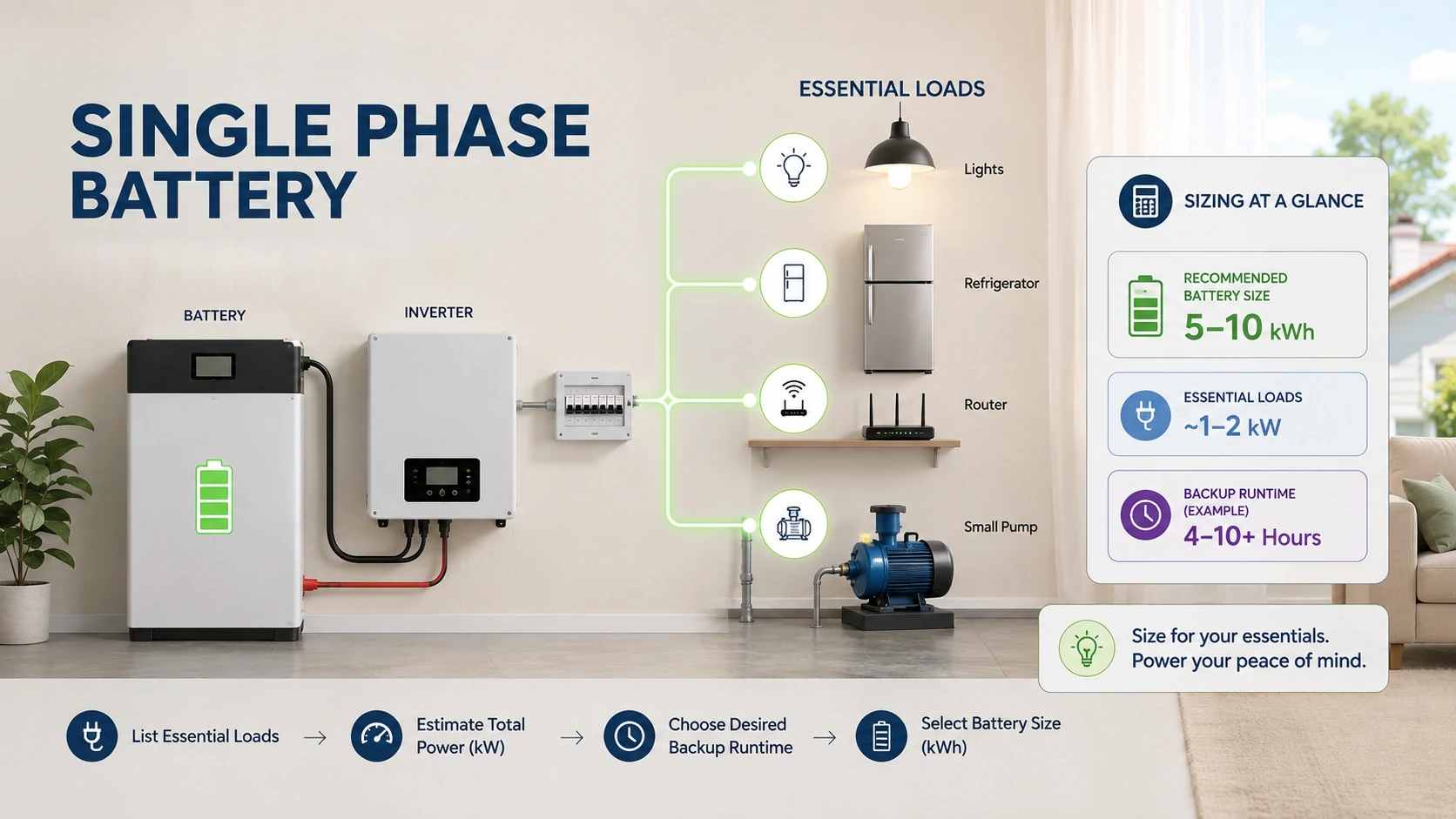
A 10 kWh battery does not mean unlimited backup. If a home runs air conditioning, electric heating, an oven, a pool pump, and an EV charger at the same time, the battery can drain quickly.
This is why battery sizing should start with load analysis. Essential backup loads should be separated from high-consumption loads. In many homes, the best design is not whole-home backup, but critical-load backup for lighting, refrigerator, internet, security, and selected outlets.
For larger homes or structured equipment rooms, a rack mount battery may suit installer-led projects where service access and capacity planning are priorities.
4. Batteries Degrade Over Time
All batteries lose capacity gradually. A battery that stores 10 kWh when new may store less energy after years of daily charging and discharging. Degradation depends on temperature, depth of discharge, charge rate, cycle frequency, battery chemistry, and system control strategy.
This is why warranty terms matter. Buyers should check product warranty length, cycle warranty, throughput warranty, retained capacity guarantee, operating temperature range, and what conditions may void the warranty.
5. Installation Rules and Safety Requirements Matter
Battery storage is not a simple plug-in product. It must be installed correctly, with suitable spacing, ventilation, electrical protection, inverter configuration, and compliance with local standards.
Lithium batteries should usually be installed by an accredited installer and that installation must comply with relevant Australian Standards, including AS/NZS 5139 and AS/NZS 3000. It also warns against installing batteries in ceiling spaces, wall cavities, under stairs, walkways, or habitable rooms.
For international buyers, the exact rules vary by country, but the principle is the same: use approved products, qualified installers, proper electrical protection, and manufacturer-approved installation locations.
6. Incentives Can Change
Battery rebates and incentives can improve the financial case, but they can also change over time. In Australia, the Cheaper Home Batteries Program supports eligible battery systems between 5 kWh and 100 kWh nominal capacity, with support applying to the first 50 kWh of usable capacity.
The Clean Energy Regulator also announced changes from 1 May 2026, with STC factors tapering by battery capacity: 100% from 0–14 kWh, 60% for capacity above 14 kWh up to 28 kWh, and 15% for capacity above 28 kWh up to 50 kWh.
For homeowners and installers, this means quotes should always be checked against the latest rebate rules and installation date requirements.
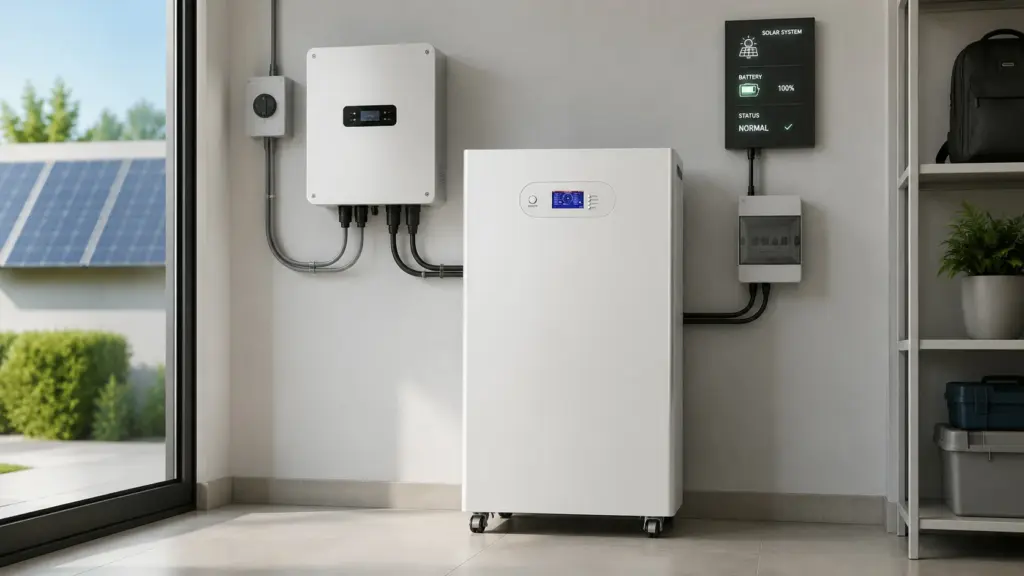
2026 Cost Reality: Why Battery Cells Are Cheaper but Installed Systems Still Cost More
Battery pack prices have fallen significantly. BloombergNEF reported that stationary storage battery pack prices dropped to USD 70/kWh in 2025, 45% lower than in 2024. See BloombergNEF’s battery price update.
However, homeowners should not confuse battery pack cost with installed system cost. A complete home battery project may include:
- Battery modules
- Battery management system
- Hybrid inverter or AC-coupled inverter
- Backup gateway
- Electrical protection devices
- Cabling
- Switchboard work
- Monitoring setup
- Labour
- Compliance inspection
- Installer margin
- Warranty support
This is why a battery pack may be low-cost at the manufacturing level, while the installed residential system still costs hundreds or even more than one thousand dollars per usable kWh in many markets.
Common Solar Battery Sizes and Their Use Cases
| Battery Size | Typical Use Case | Best Fit |
|---|---|---|
| 5 kWh | Essential evening loads | Small homes, apartments, low night usage |
| 10 kWh | Daily solar shifting | Average homes with moderate evening demand |
| 13.5–15 kWh | Higher backup and evening use | Larger homes, heat pumps, higher peak tariffs |
| 20 kWh+ | Larger load coverage | Big homes, EV charging, longer backup needs |
| 50 kWh+ | Advanced or commercial storage | Villas, farms, small businesses, C&I projects |
A modular system can be useful when the homeowner or project owner wants to start with a smaller battery and expand later. For example, an installer may recommend a 10kWh system now and leave room for future expansion if the customer later adds an EV charger, heat pump, or larger solar array.
Choosing Storage for Real Installation Conditions
From an installer or distributor perspective, the best solar battery is not only the one with a good datasheet. It also needs to be practical on site.
That means:
- Clear communication matching with common inverter brands
- Reliable BMS protection
- Modular capacity options
- Safe LiFePO4 chemistry
- Remote monitoring support
- Flexible installation formats
- Practical warranty and after-sales support
- Documentation that installers can use
Avepower designs and manufactures LiFePO4 battery storage systems for residential and commercial solar applications, including wall-mounted, rack-mounted, stackable, vertical, and all-in-one solutions. For installers, distributors, and project developers, this product range makes it easier to match battery format with site conditions rather than forcing every project into one system design.
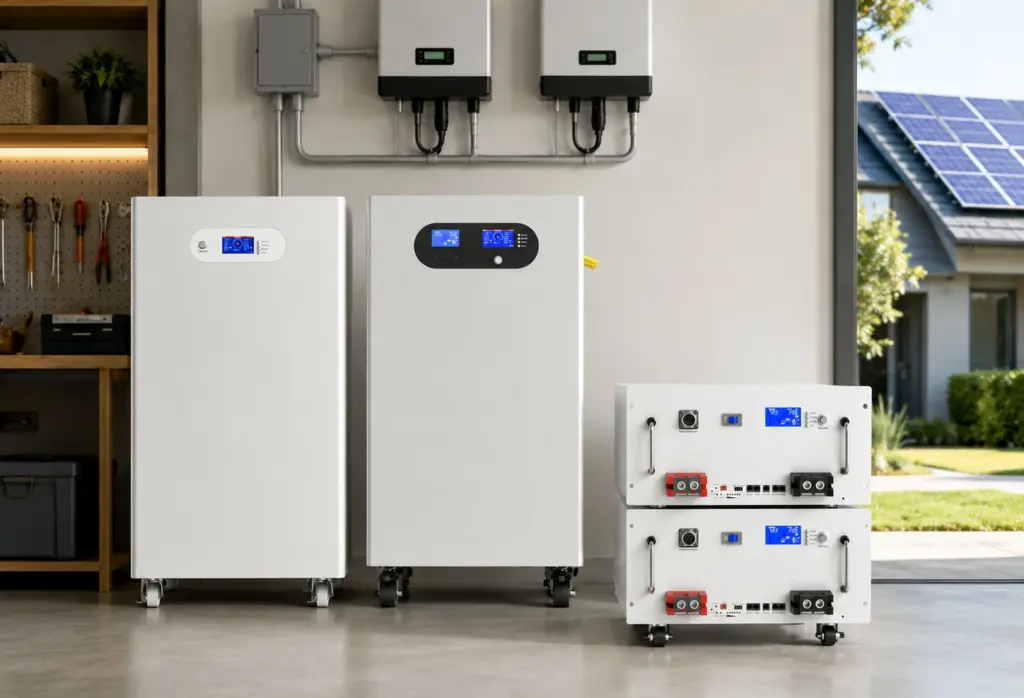
Take Control of Your Energy with Avepower!
Reliable home solar battery solutions with OEM/ODM customization and in-house manufacturing, tailored to the needs of distributors, installers, and energy partners.
Final Thoughts
The pros and cons of solar battery storage come down to design quality, usage pattern, and realistic expectations. A battery can reduce grid dependence, increase solar self-consumption, provide backup resilience, and improve the value of a solar system. But it also adds cost, requires proper installation, and must be sized carefully.
FAQ
The main pros are lower grid reliance, better solar self-consumption, potential bill savings, backup power, and more control over energy use. The main cons are high upfront cost, variable payback, limited storage capacity, battery degradation, and installation complexity.
The biggest disadvantage is usually upfront cost. Even with rebates, a battery can add a significant investment to a solar project. Payback depends on how often the battery cycles and how much expensive grid electricity it replaces.
Check usable capacity, power output, backup function, inverter compatibility, communication protocol, warranty, certifications, installer accreditation, installation location, monitoring features, and whether the quote is based on your real electricity usage.
They can reduce bills by storing solar power for evening use and reducing grid purchases during expensive periods. Savings vary depending on electricity tariffs, feed-in tariffs, solar generation, battery size, and household consumption patterns.
Installing solar and a battery together can reduce some installation complexity and may be cheaper than retrofitting later. However, some homeowners install solar first, study their usage data, and add a battery later once they know how much storage they need.