
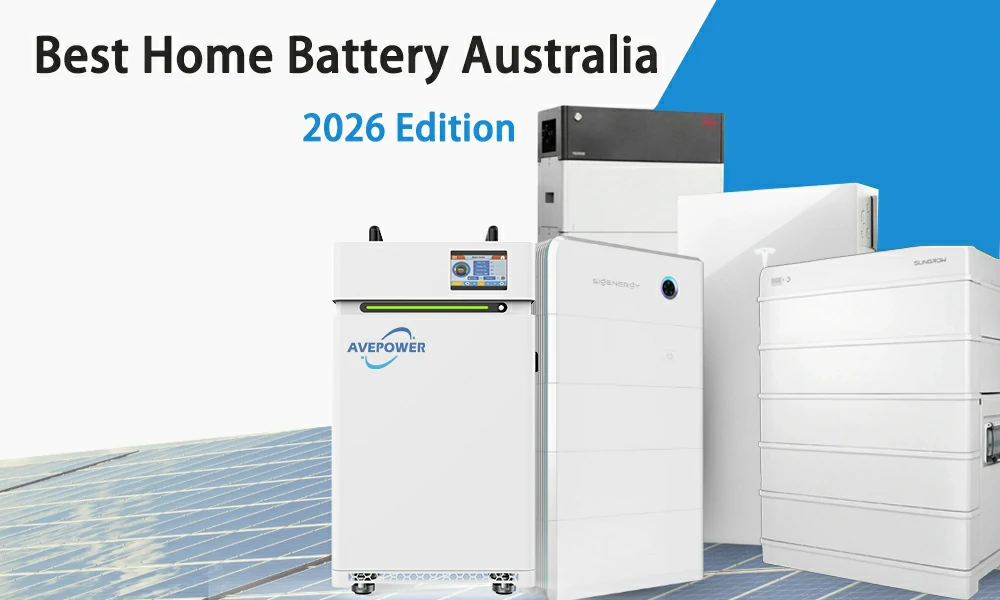
There is no single best home battery for every Australian household in 2026. The right choice depends on your existing solar system, inverter compatibility, usable capacity, backup requirements, power output, warranty and budget.
For most buyers, Tesla Powerwall 3 is a strong integrated option, Sungrow and BYD are well suited to modular systems with compatible hybrid inverters, while Sigenergy suits households looking for a highly integrated and expandable energy platform. Avepower is more relevant when the system is sourced through an installer or distributor and project-specific battery configuration is required.
This comparison focuses on the factors that matter most in a real installation: usable energy, continuous power, system compatibility, backup capability, warranty, expansion options and eligibility requirements under Australia’s Cheaper Home Batteries Program.
Quick Comparison Snapshot for 2026
| Battery | Usable Capacity | Power / Inverter Setup | Backup | Expansion | Warranty | Best For |
|---|---|---|---|---|---|---|
| Tesla Powerwall 3 | 13.5 kWh | Integrated system | Supported with correct setup | Expandable | Check AU warranty terms | Integrated home storage |
| Sungrow SBR | Configuration dependent | Requires compatible inverter | Depends on inverter/system design | Modular | Check model warranty | Sungrow ecosystem |
| BYD Battery-Box Premium | Configuration dependent | Requires compatible inverter | Depends on paired inverter | Modular | Check model warranty | Flexible inverter pairing |
| Sigenergy SigenStor | Modular configuration | Integrated energy platform | System dependent | Highly modular | Check AU warranty | Expansion and integrated energy management |
| Avepower | Project/model dependent | Installer-configured | Depends on inverter and design | Customisable/modular | Model dependent | Installer, distributor and customised projects |
What Should Australian Buyers Know About the 2026 Battery Rebate?
Australia’s Cheaper Home Batteries Program can reduce the upfront cost of an eligible home battery, but the amount of support now depends partly on battery size. From 1 May 2026, the STC factor is applied at 100% to the first 14 kWh of usable capacity, 60% from above 14 kWh to 28 kWh, and 15% from above 28 kWh to 50 kWh.
To qualify, an eligible battery system generally needs to be 5–100 kWh in nominal capacity, installed with an eligible solar PV system, listed on the Clean Energy Council approved battery list, and installed by an appropriately accredited installer.
The rebate should therefore be checked using the exact battery model, usable capacity and installation date rather than assuming that a larger battery receives the same support per kWh.
Source: Australian Clean Energy Regulator, Cheaper Home Batteries Program.
Why Home Batteries Matter in Australia
A home battery is most valuable when it can store surplus daytime solar for evening use, reduce expensive grid imports, or provide backup during outages. However, the financial benefit varies with solar exports, electricity tariffs, battery size, installation cost and household load profile. The best battery is therefore the one that matches how the home actually uses electricity—not simply the model with the largest capacity.
Best Home Batteries in Australia for 2026
Different households need different best answers. A family with a single-phase home and moderate loads often needs a different battery than a family with a three-phase home, a pool pump, ducted air conditioning, and an EV charger.
1. Tesla
Best for: Homeowners who want a well-known, all-in-one style battery with a mature app experience.
Tesla stays popular because many households like a simple system story. The Powerwall line also benefits from a large installer network and strong name recognition in Australia. Tesla’s Powerwall 3 spec sheet lists the main unit at 13.5 kWh and lists a high output power rating that can support heavier loads than many batteries in the same size class.
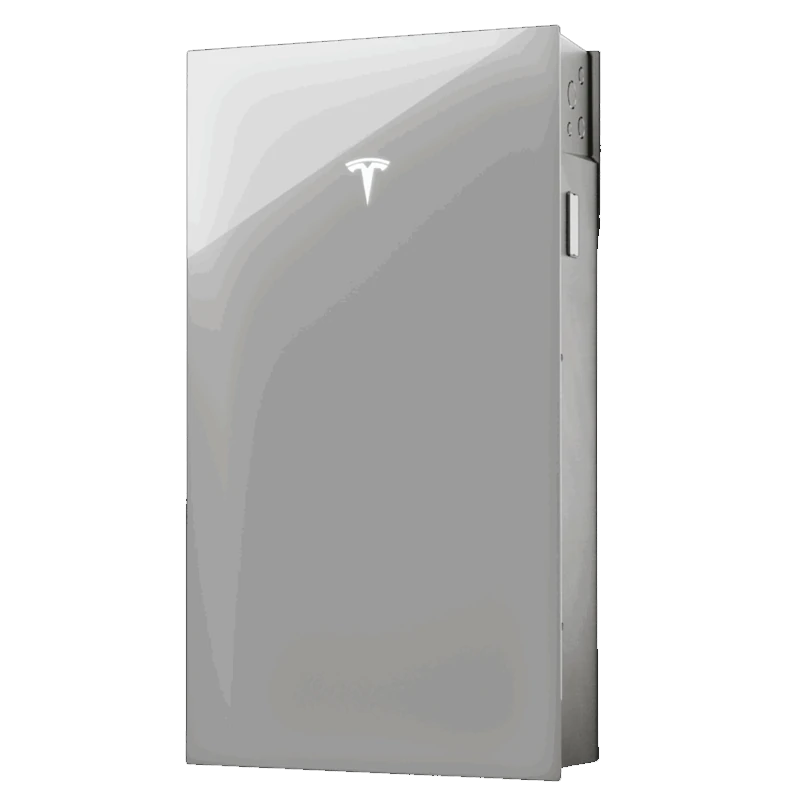
Tesla Powerwall 3
- 13.5 kWh capacity
- High ingress protection rating (IP67), enabling robust outdoor installation.
- Seamless software integration with Tesla’s energy monitoring platform.
- Compact and visually minimal design.
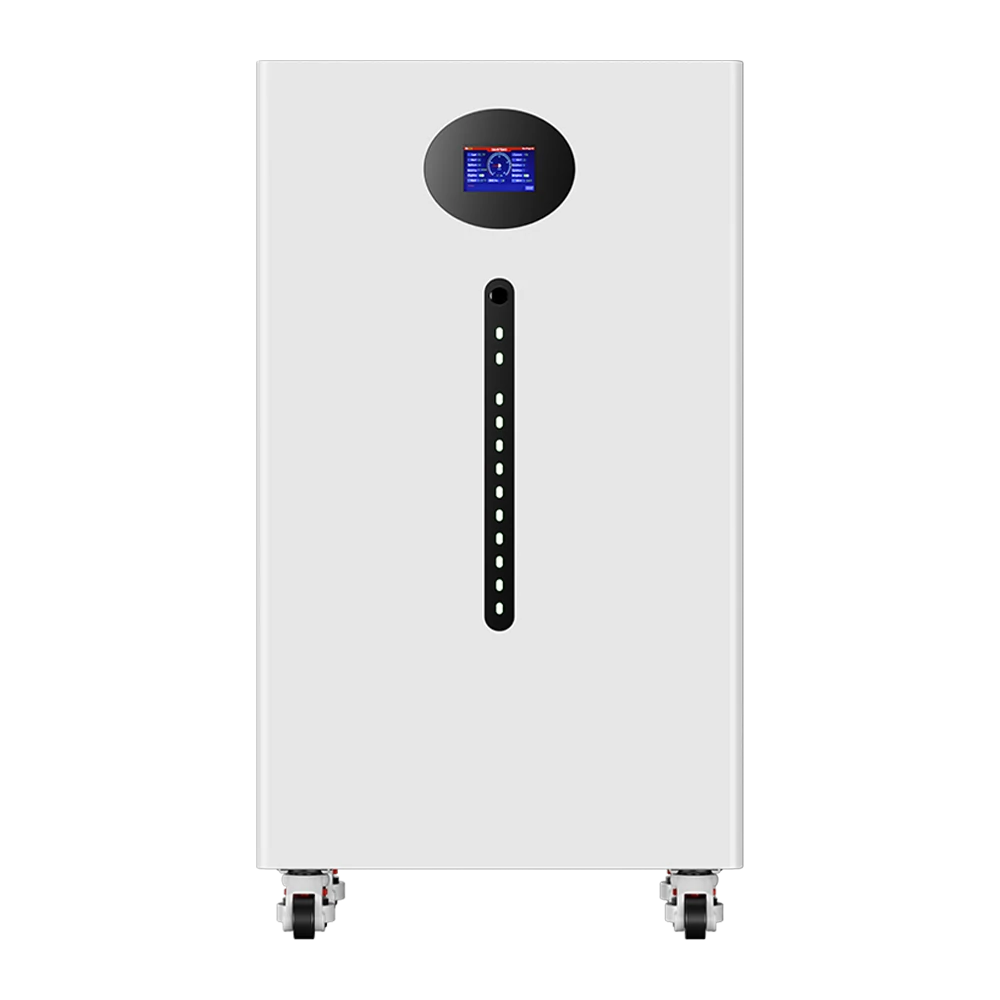
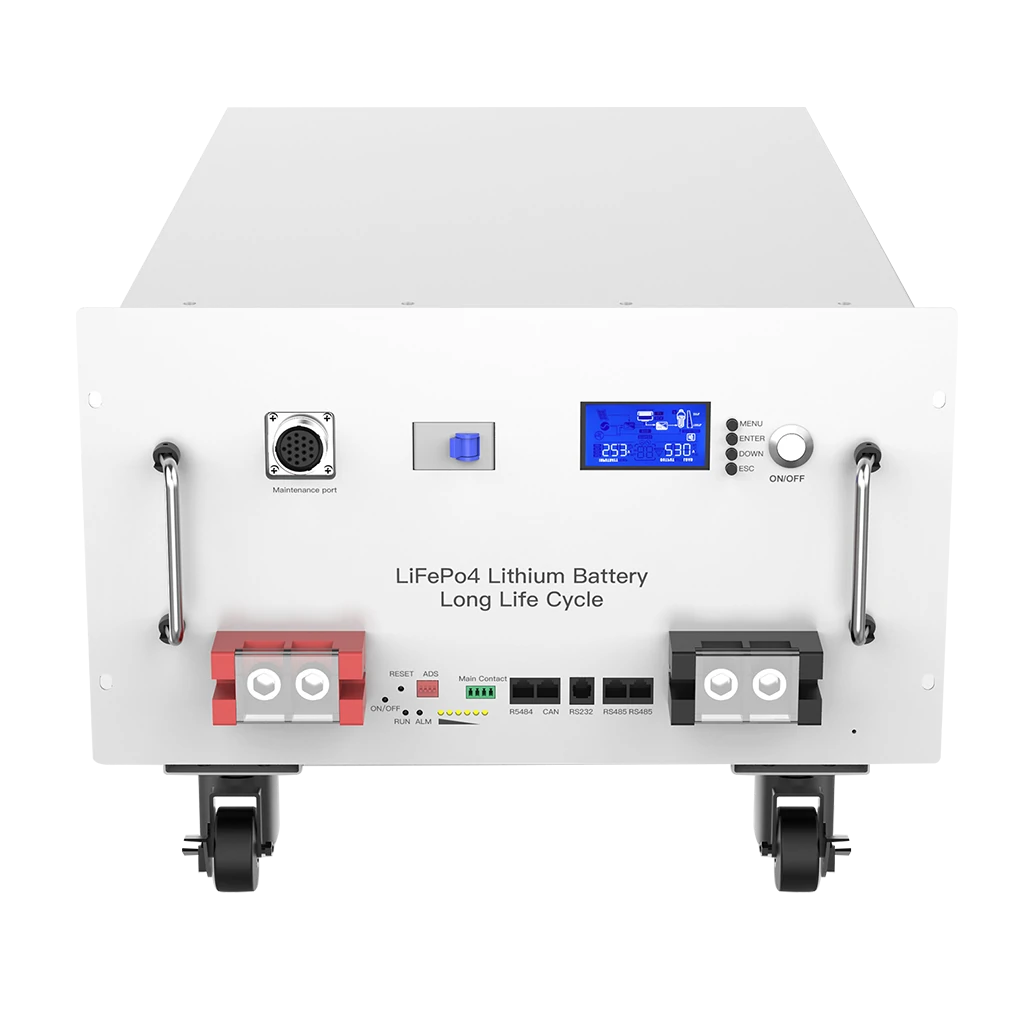
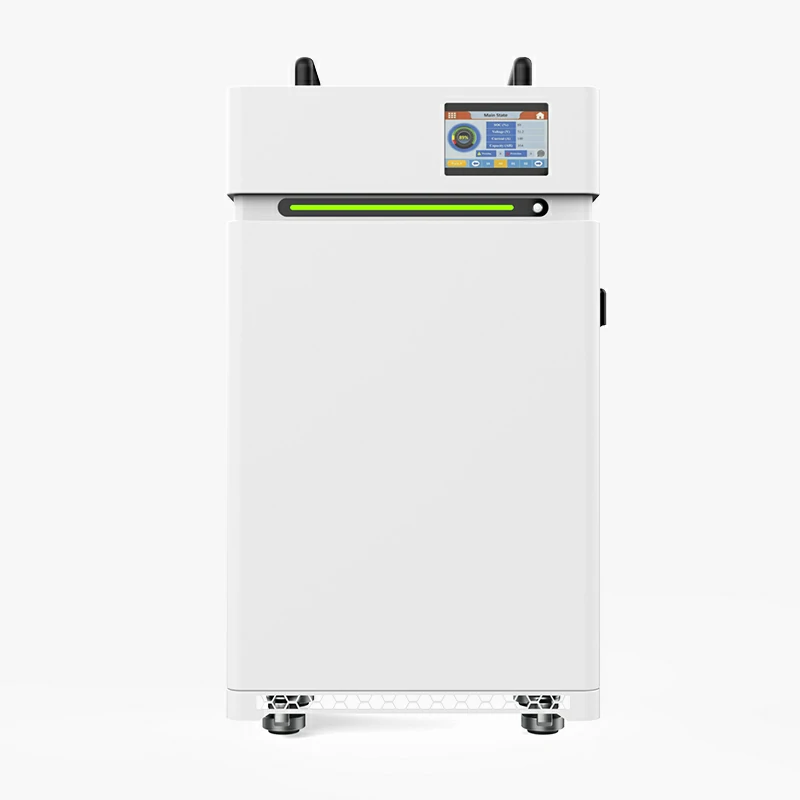
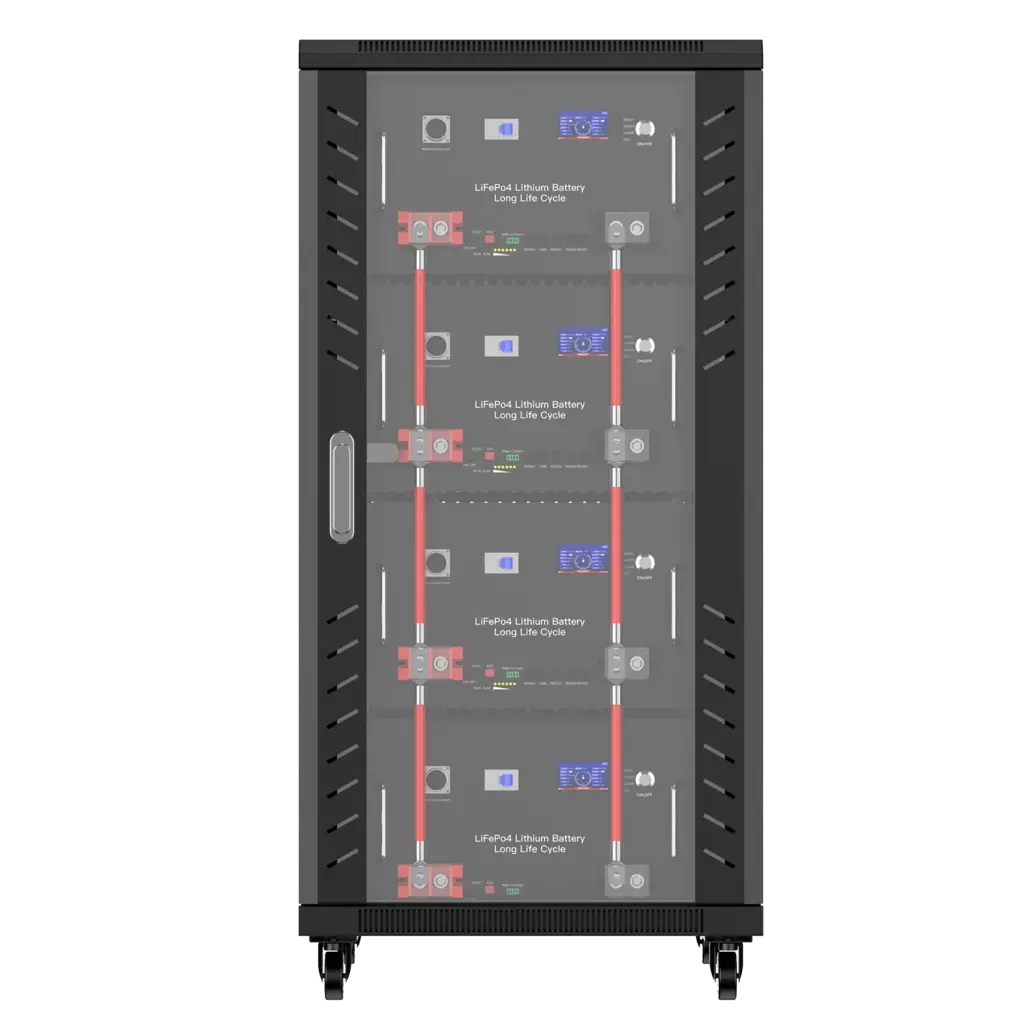
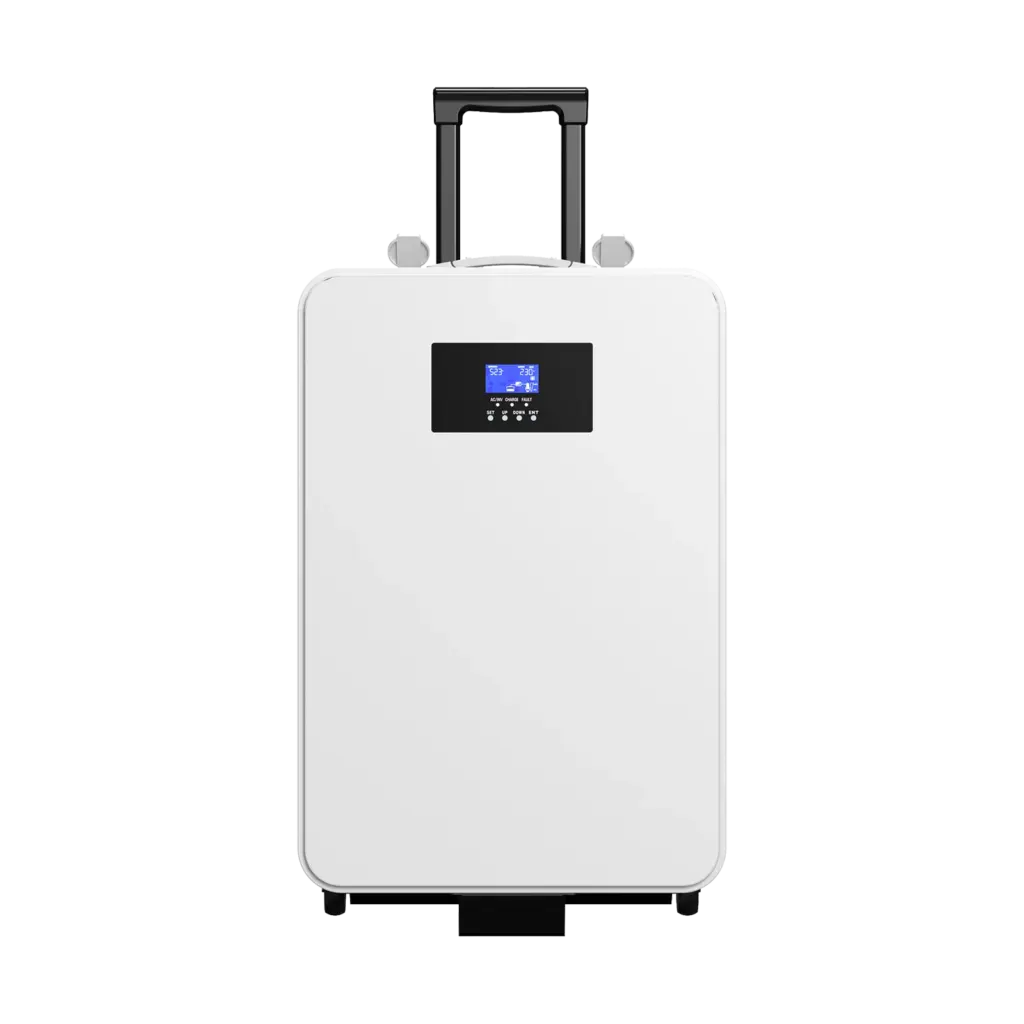
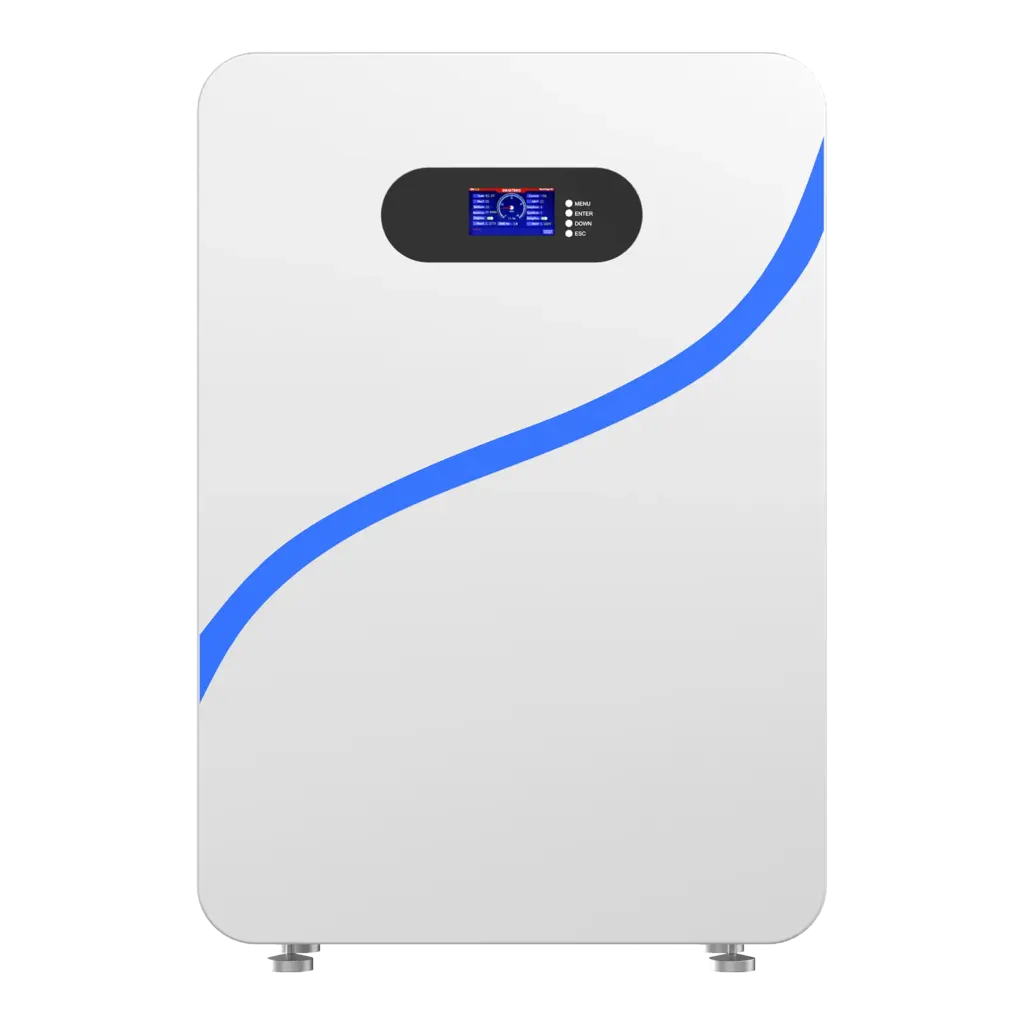
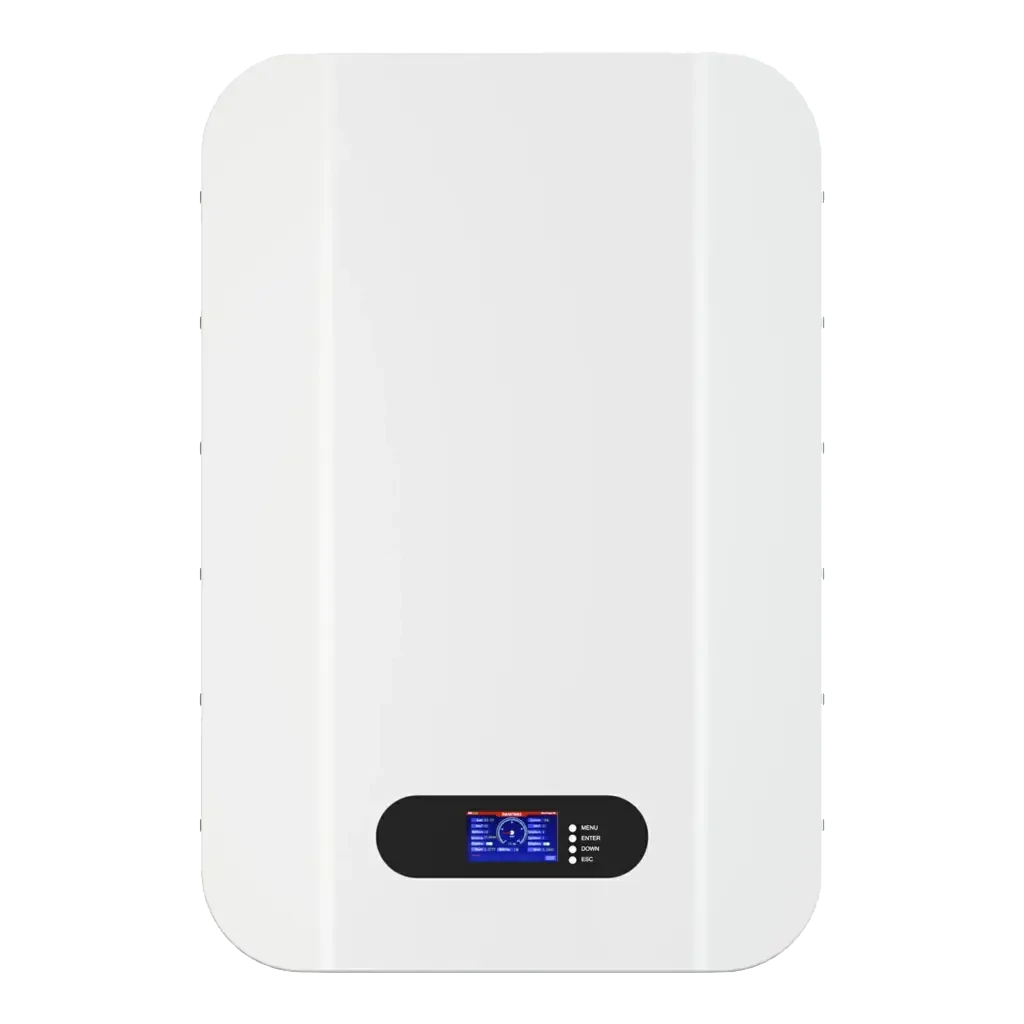
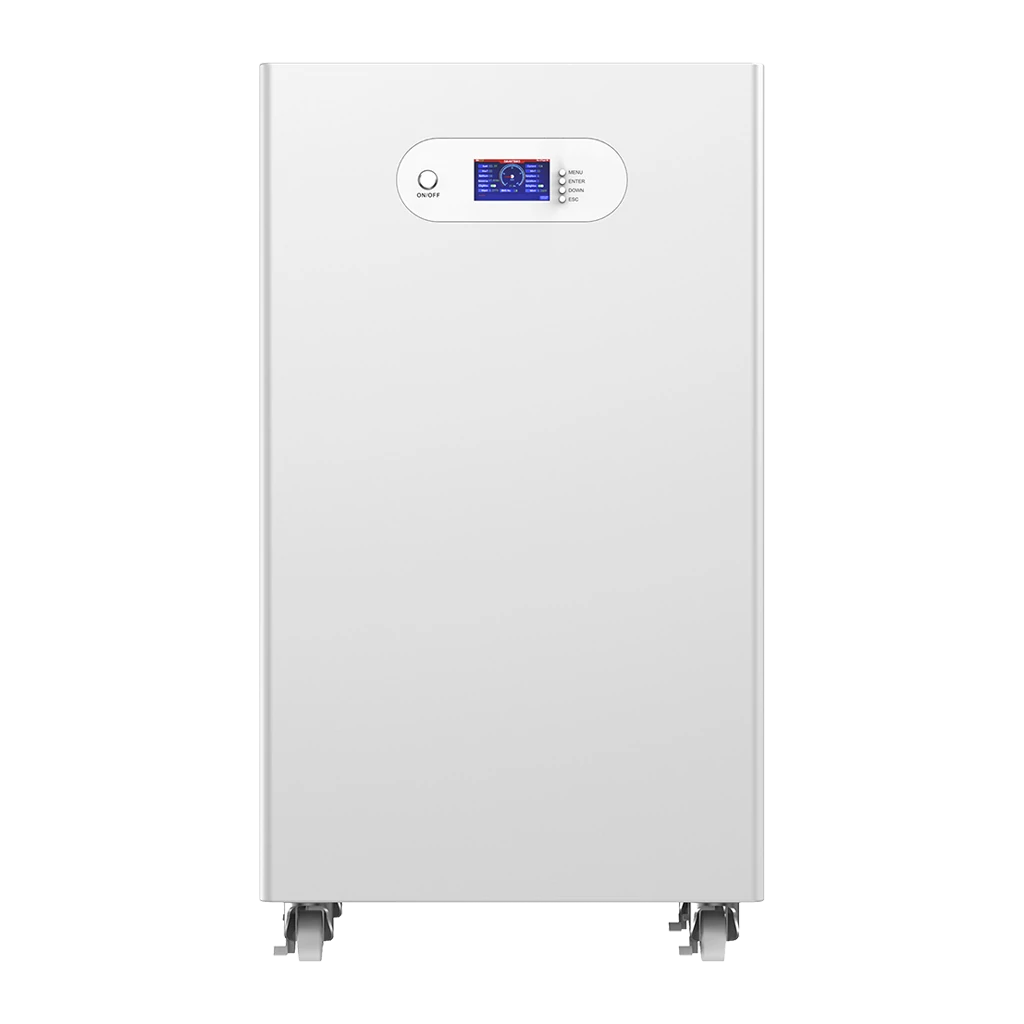
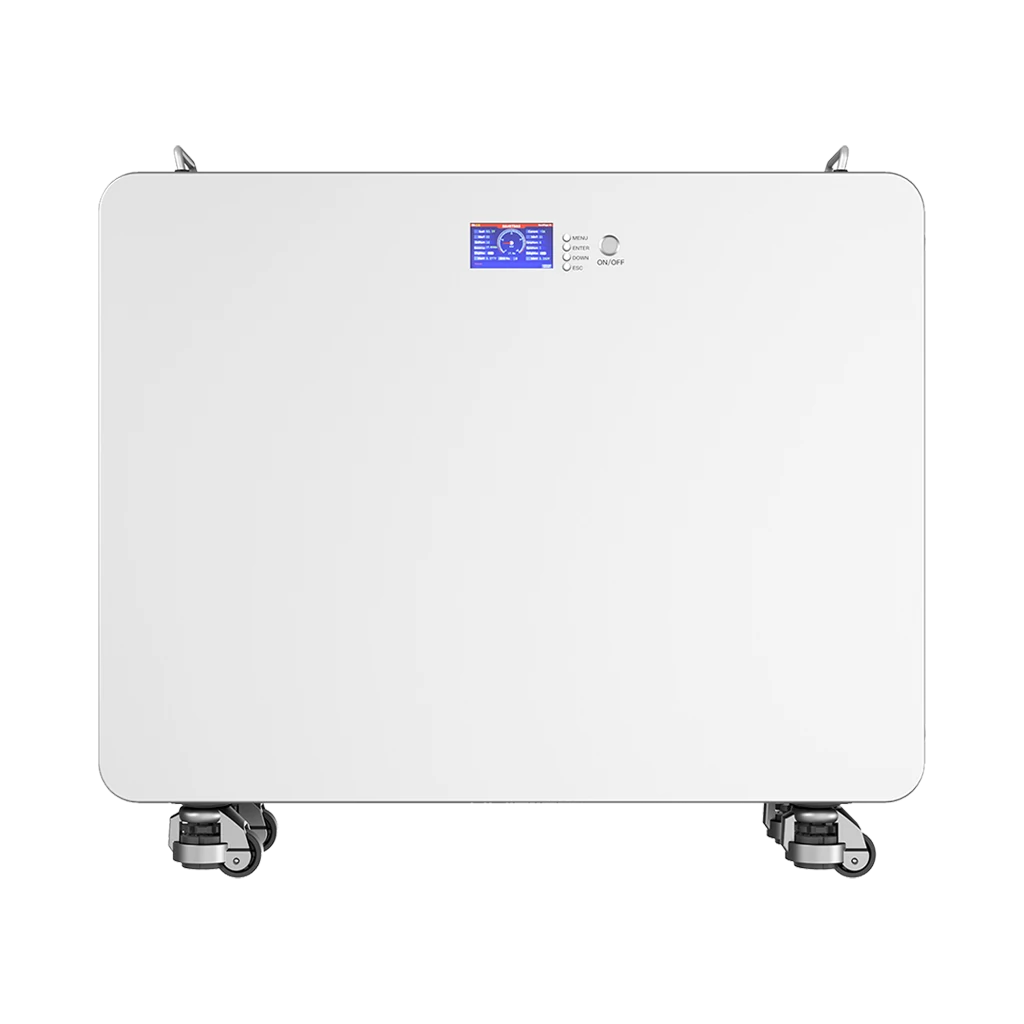
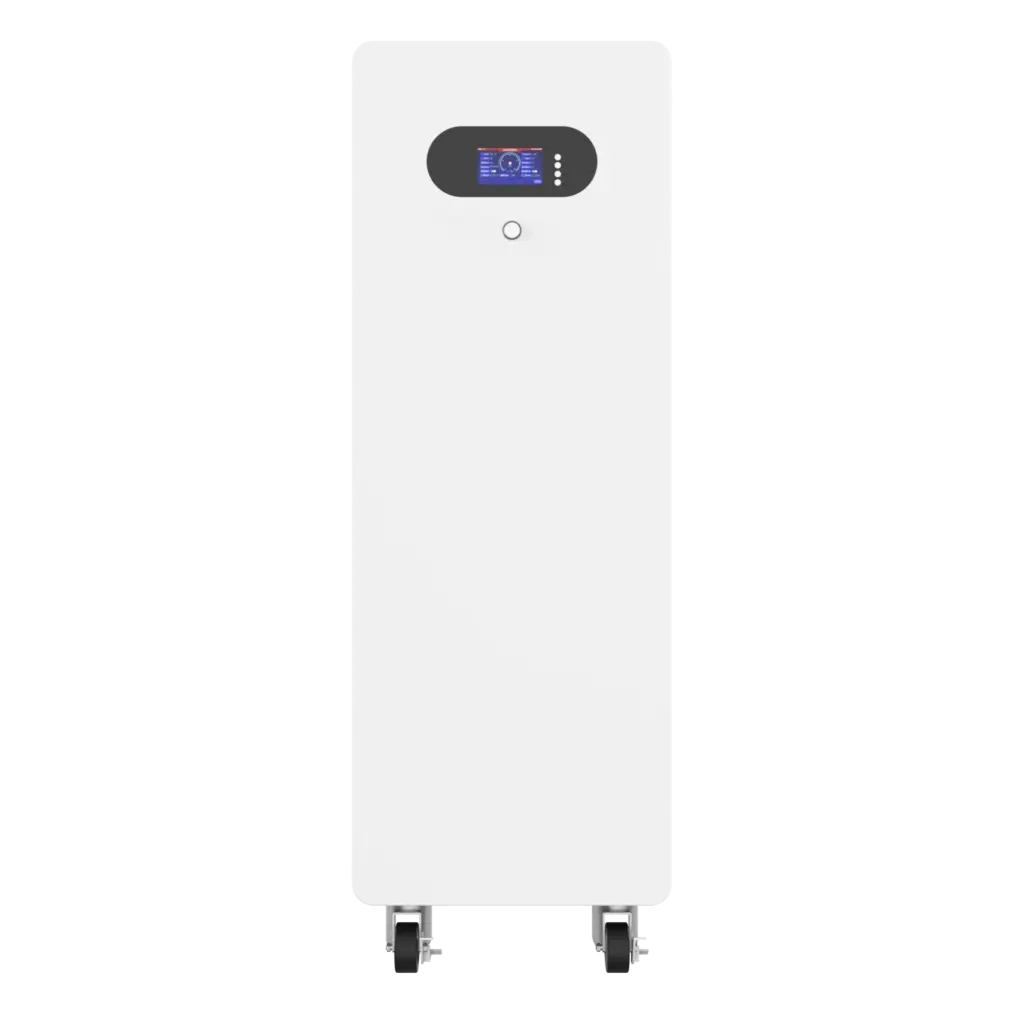
2. Avepower
Best for: Installers, distributors and project buyers who need a configurable LiFePO4 battery platform rather than a fixed retail package.
Avepower focuses on manufacturer-direct energy storage systems with configurable capacity, BMS communication and inverter compatibility options. This makes it more relevant to projects designed through installers or distribution partners than to buyers looking for a fully standardised retail ecosystem.
Main advantage: Flexible battery configuration and system customisation.
Main limitation: Australian homeowners should confirm the exact model’s CEC eligibility, compatible inverter, installer support, warranty terms and local after-sales arrangement before purchasing.
What to check before buying: Exact battery model, usable capacity, inverter compatibility, certifications, backup configuration and Australian installation support.
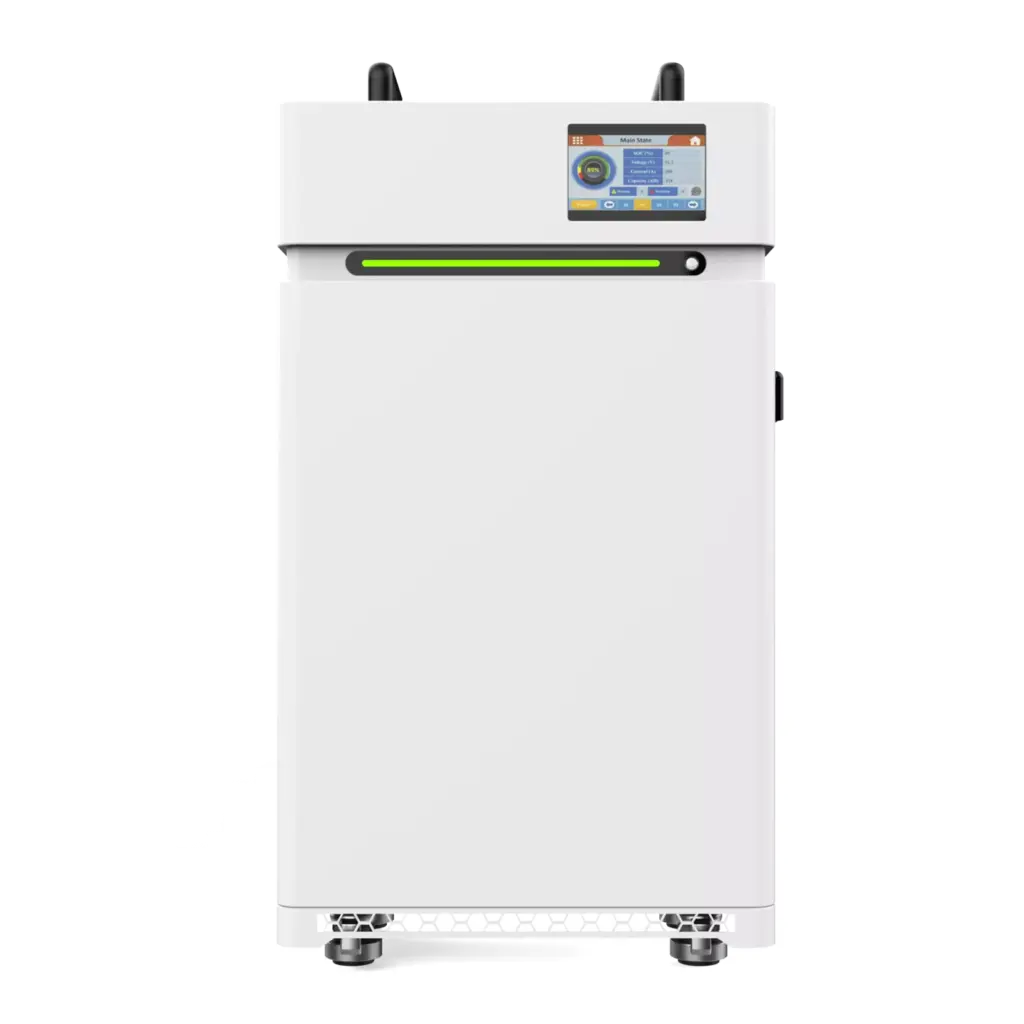
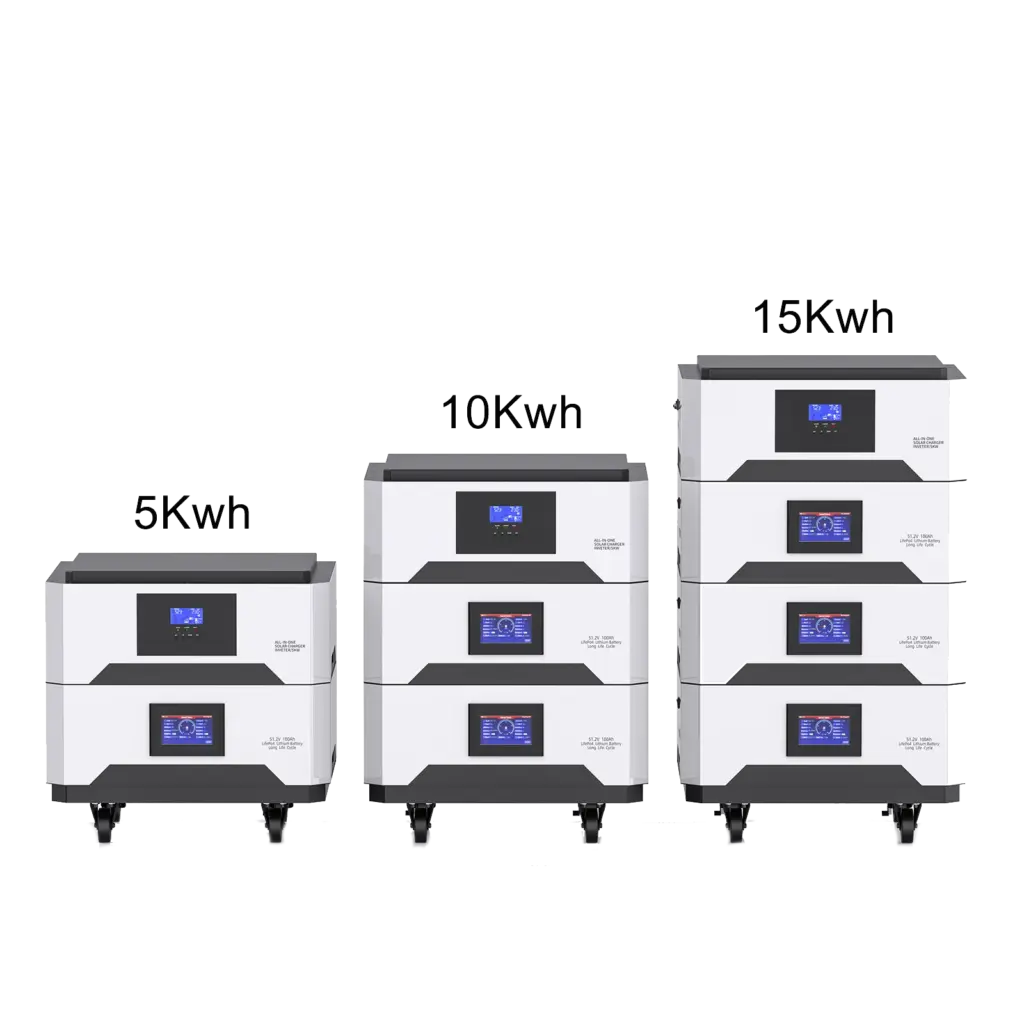
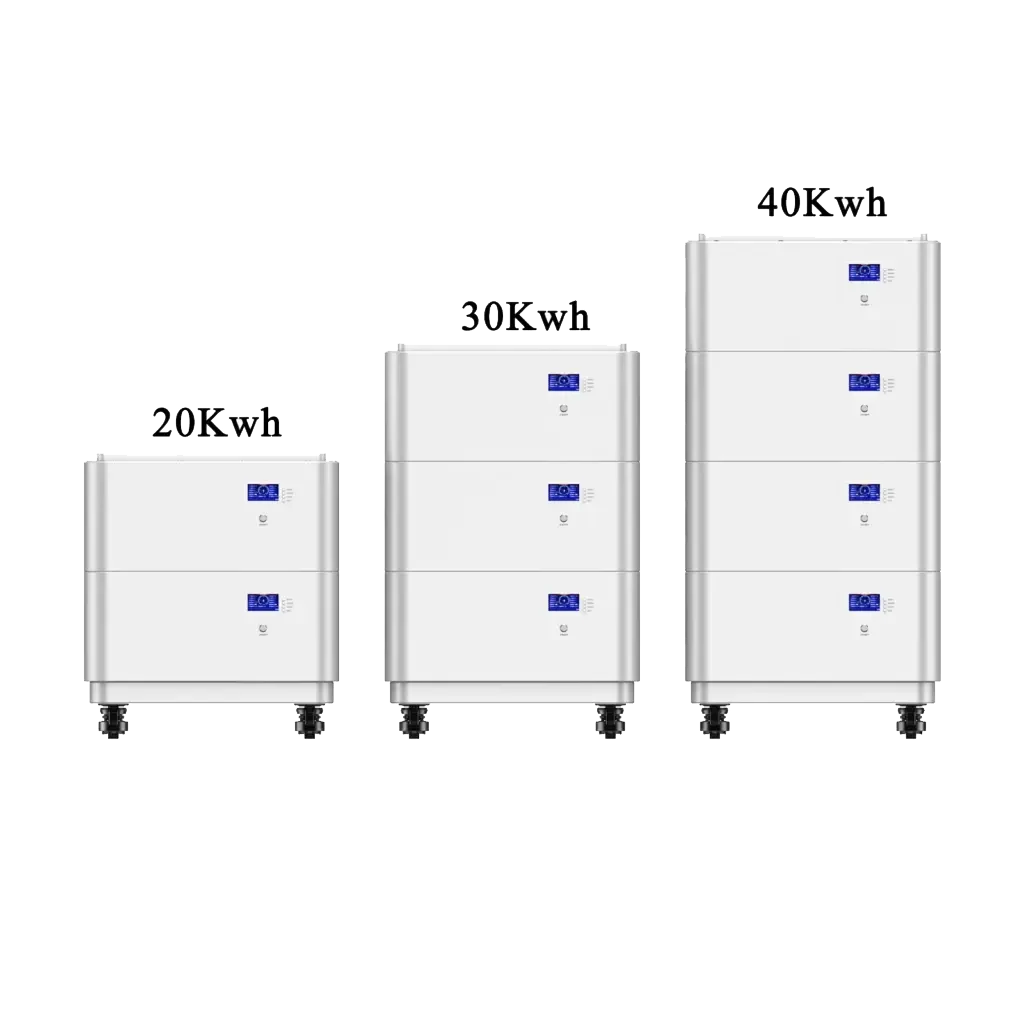
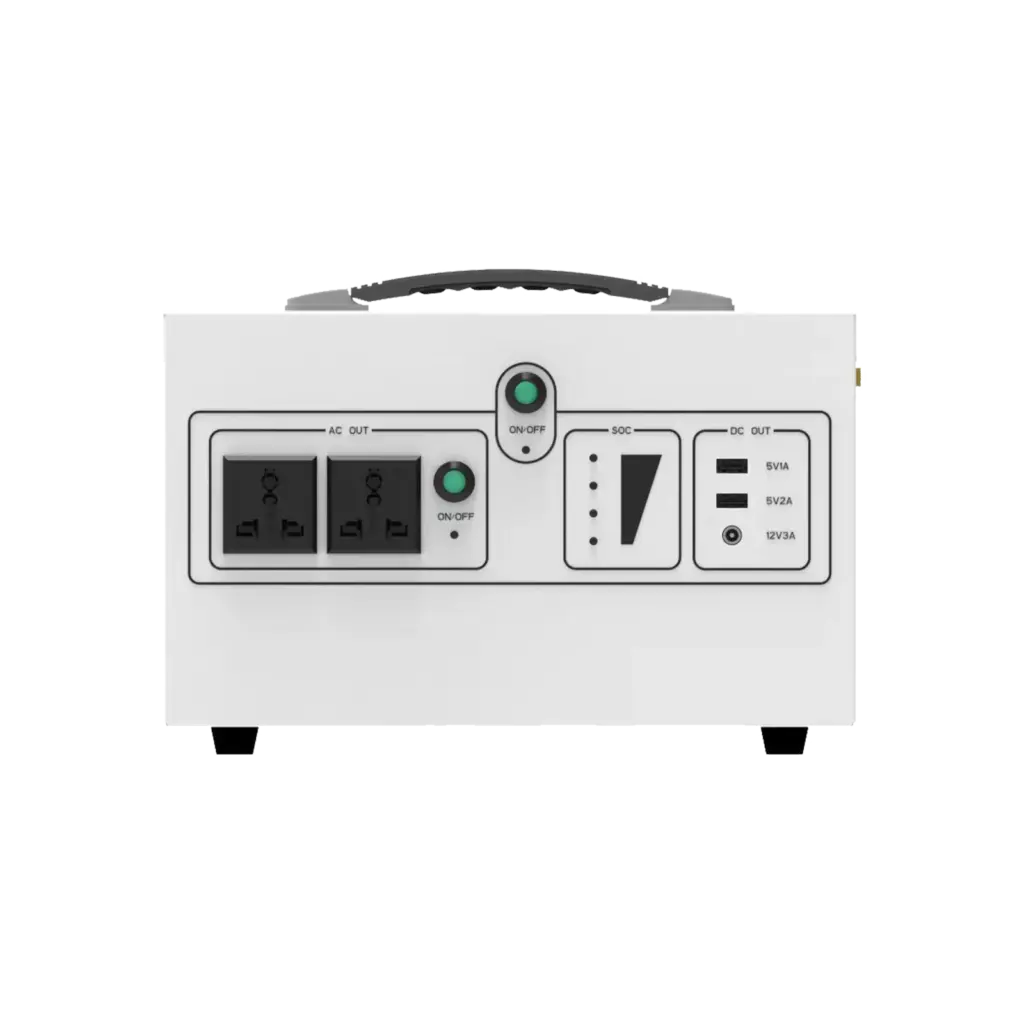
Avepower Battery
- 15 kWh typical module
- The battery charge indicator bar enables clear monitoring of the battery status at a glance.
- High degree of customization for different household sizes and load profiles.
- Strong suitability for whole-home backup configurations.
- Local support and supply chains reduce maintenance risk and downtime.
- Designed for long-term system expansion, including EV charging and increased solar capacity.
3. Sungrow
Best for: Households that want a modular battery that can grow over time, especially households using a compatible hybrid inverter.
Sungrow has a strong inverter footprint globally, and that footprint helps the battery side too. The SBR HV line focuses on stackable modules and high usable energy. A Sungrow SBR manual describes the system as LiFePO4, lists 100% depth of discharge, and lists IP55 protection along with a wide discharge temperature range.
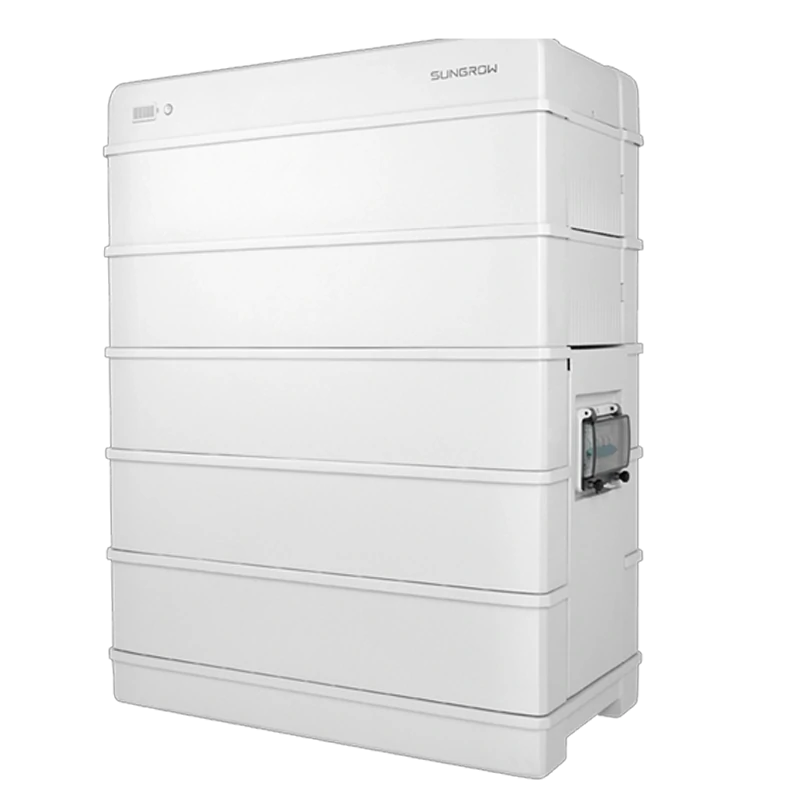
Sungrow (SunGrow) Battery System
- 12.8 kWh typical module
- Capacity ranges from 6.4 kWh up to approximately 100 kWh in three-phase configurations.
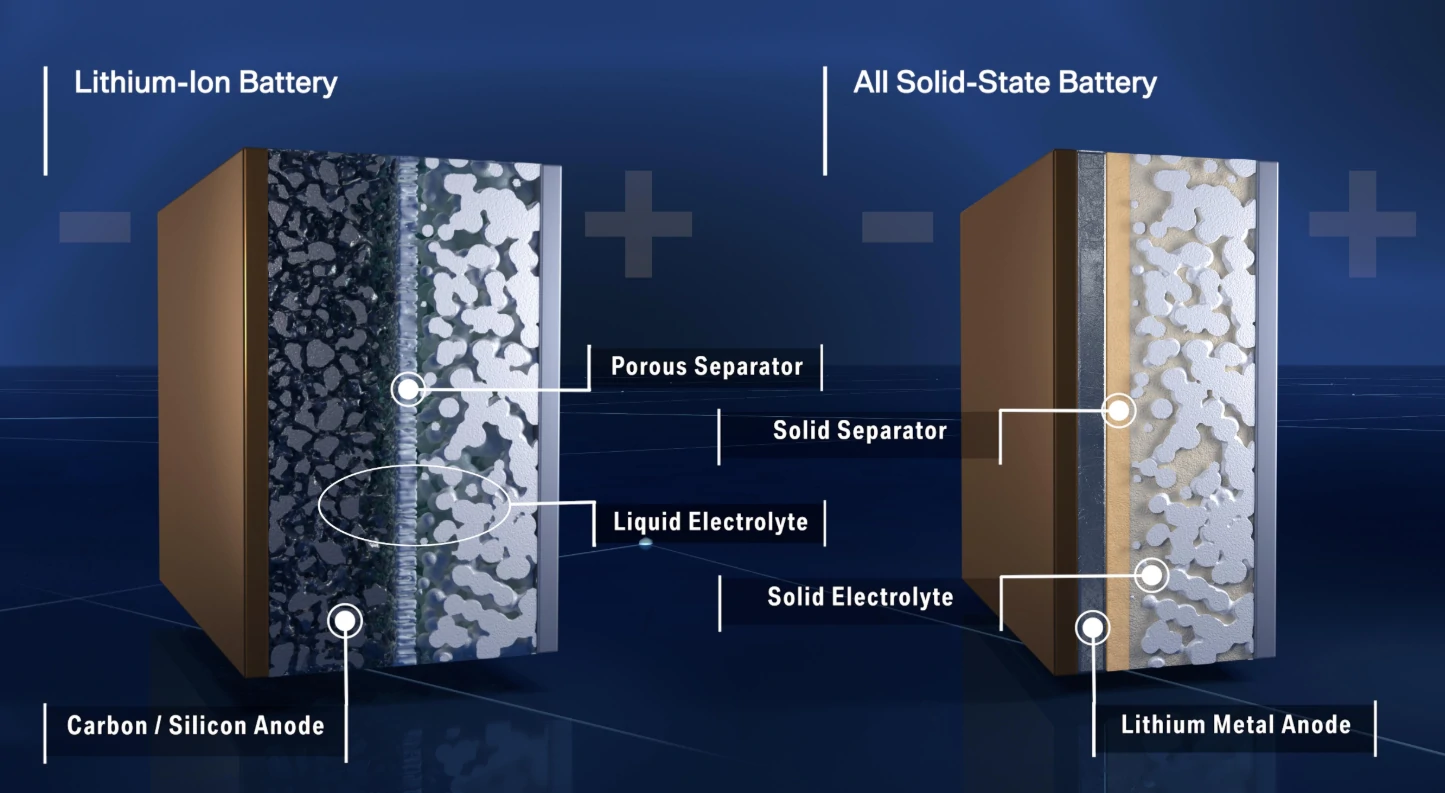
- Lithium Iron Phosphate (LFP) chemistry ensures high thermal stability and long cycle life.
- The system supports indoor and outdoor installations across a wide operating temperature range.
4. BYD
Best for: Homeowners who already prefer the Fronius ecosystem, especially homes built around the Fronius GEN24 line.
BYD batteries have a strong global presence, and BYD’s modular battery stack format fits many hybrid inverter setups. The most practical reason BYD stays a top choice in Australia is compatibility with popular inverter ecosystems. Fronius explicitly presents the BYD Battery Box Premium HVS/HVM line as compatible with Fronius GEN24 Plus, and Fronius describes modular expansion and parallel operation options.
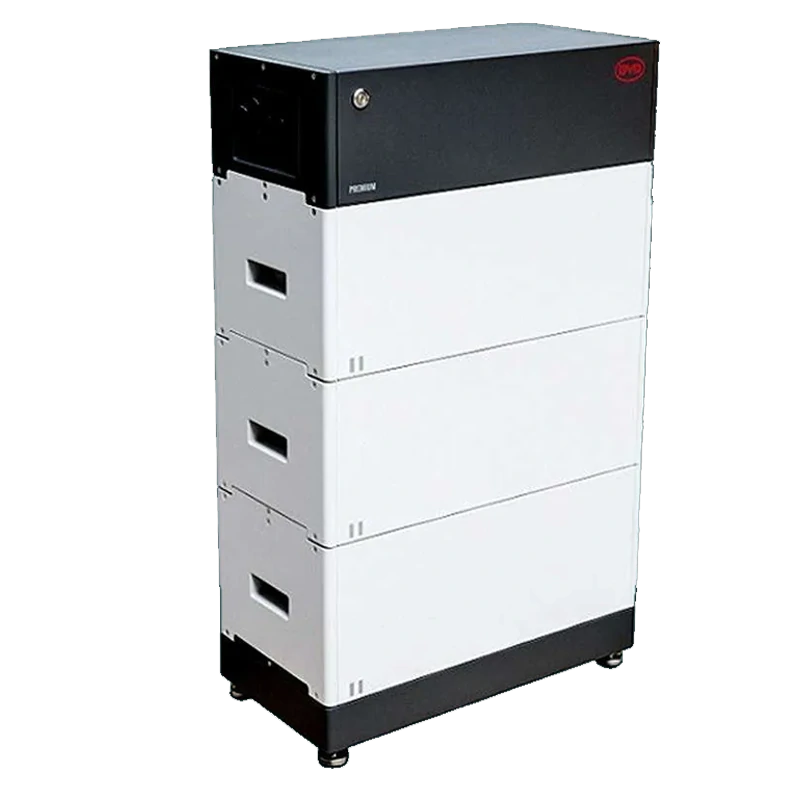
BYD Battery (with Fronius Gen24 Inverter)
- 13.8 kWh capacity
- The Fronius pairing gives homeowners a tidy monitoring experience, and the pairing also gives installers a clear compatibility pathway.
- The modular steps let buyers choose capacity in practical increments.
5. Sigenergy SigenStor
Best for: Households that want fast backup switching, strong outdoor protection, and a modern modular “energy hub” approach.
Sigenergy is newer than the older “classic” battery brands, but the platform has gained attention because it packages a lot of capability into a modular stack. A Sigenergy Sigen Energy Controller datasheet lists IP66 for ingress protection and lists 0 ms disruption time for backup switching when paired correctly with the gateway components.
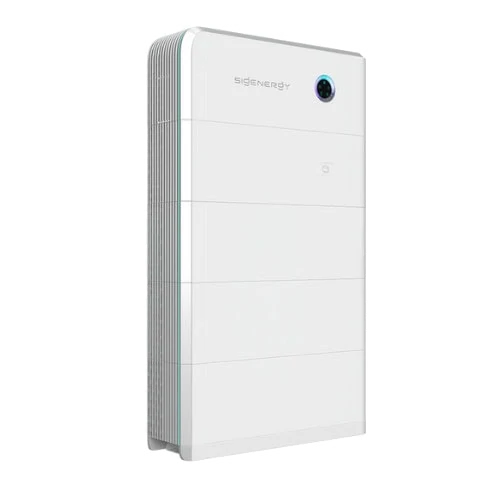
Sigenergy SigenStor Battery
- 13 kWh (typical configuration)
- Modular capacity options (5.38 kWh and 8.06 kWh), stackable to 48 kWh and scalable in parallel up to utility-scale levels.
- LFP chemistry supporting up to 100% Depth of Discharge under controlled conditions.
- High ingress protection (IP66) suitable for harsh environments.
- Integrated heating elements improve low-temperature performance.
Which Battery Is Best for Different Australian Homes?
| Situation | What Matters Most |
|---|---|
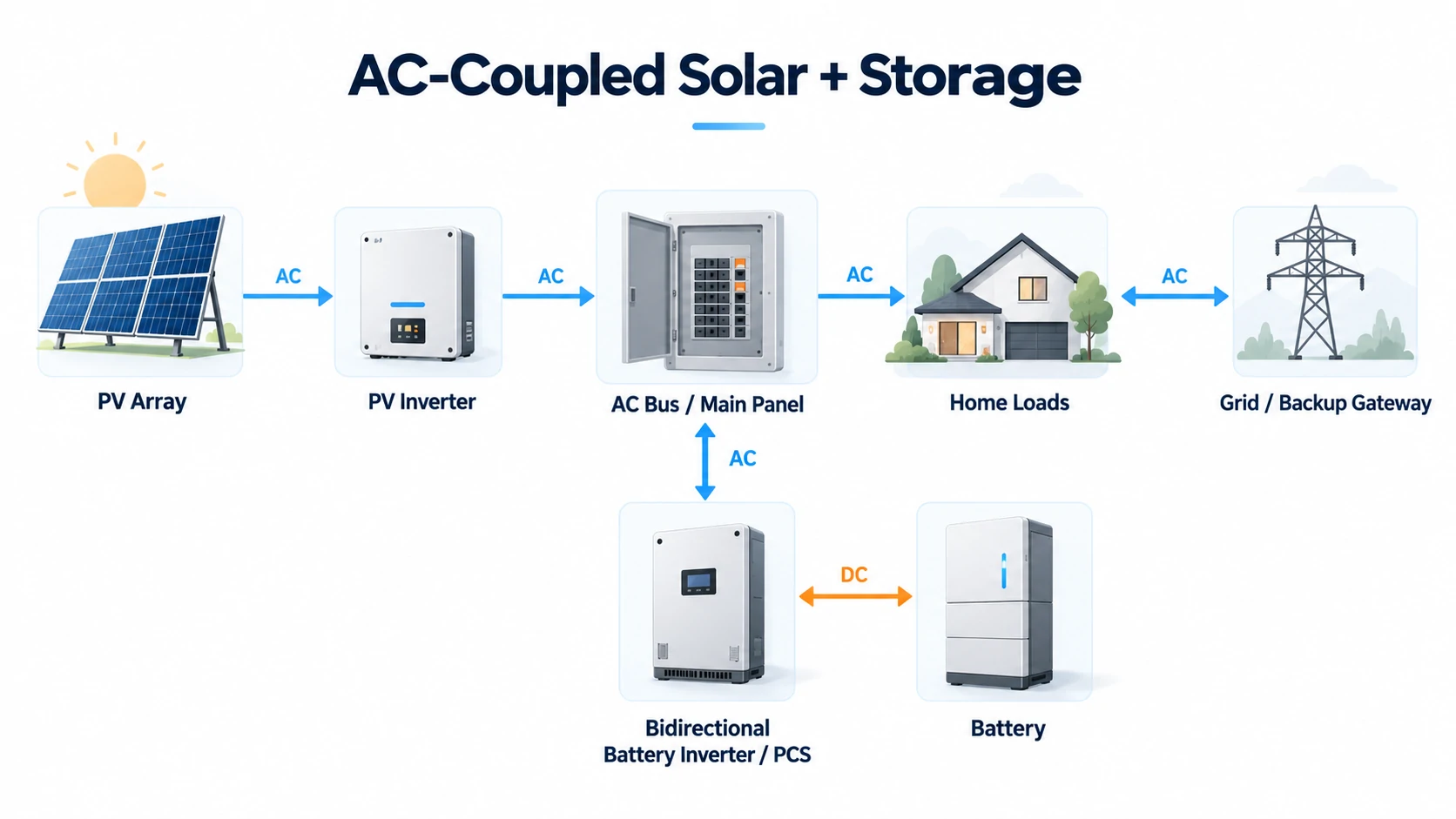
| Existing solar retrofit | Inverter compatibility / AC coupling |
| Whole-home backup | Continuous + surge power |
| High evening consumption | Usable kWh |
| EV + electric home | Expansion + power |
| Outdoor installation | IP rating + temperature limits |
| Budget focused | Installed cost after rebate |
| Future expansion | Modular capacity |
How to Choose the right home battery in Australia
A buyer should not choose a battery based on price alone. A buyer should also avoid choosing a battery based on a single headline spec. A buyer should judge value using a few linked factors, because those factors control long-term cost and real-world performance.
Battery Capacity (kWh)
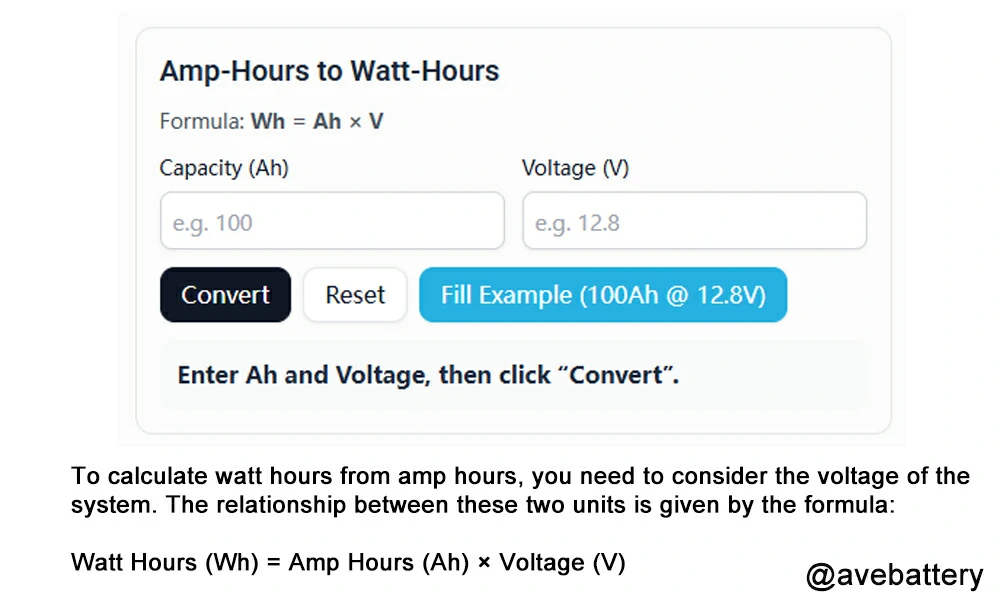
Capacity tells you how much energy the battery can store. A bigger number can power more of your night usage, but a bigger number also costs more.
Most home batteries sit around 5 kWh to 20 kWh per unit or per stack, and many homes choose a size that matches evening loads and overnight needs. A home with heavy evening cooking, air conditioning, or EV charging often needs more capacity than a home with light loads.
A buyer should look at evening and overnight usage in kWh, because that number helps the buyer avoid paying for capacity that the home rarely uses.
Depth of Discharge (DoD)
DoD describes how much of the battery you can use without harming long-term life. A higher DoD usually means the home can access more usable energy.
A buyer should treat DoD as part of usable energy math. A buyer should also ask how the system manages DoD in real operation, because some systems reserve energy for backup or for battery health.
Round-trip Efficiency
Round-trip efficiency describes how much energy you get back after you store energy and later discharge it. Higher efficiency means less loss inside the charge and discharge cycle.
Most good systems aim for 90% or better in practical conditions, although real performance can vary based on temperature, power level, and how the system is configured.
Warranty Length and the “Fine Print” That Actually Matters
A buyer should look for a warranty of 10 years or more with clear rules. A buyer should also read the warranty capacity promise, because many warranties guarantee that the battery will retain around 70% capacity by the end of the warranty term.
A buyer should also check throughput warranty rules. Throughput limits can matter a lot for households that cycle the battery hard every day, such as households on time-of-use tariffs or households that run large loads at night.
Safety Design and Installation Environment
A buyer should care about the chemistry, the BMS, the enclosure design, and the protection rating when the battery sits outdoors.
A buyer should also ask about temperature limits and thermal management, because Australian summers can be harsh, and some regions can still hit cold winter nights.
Backup Capability and Changeover Behavior
A buyer should confirm whether the battery system provides backup, because not every battery includes full blackout support by default. A buyer should also ask which circuits can run in backup mode and how fast the switch happens.
A buyer should treat backup as a design project, because backup performance depends on switchgear, wiring, and load planning.
Expansion Options and Future Planning
Many households buy a battery and later add an EV, add more solar, or electrify hot water and cooking. A modular battery system can make that future upgrade easier.
A buyer should ask the installer how expansion works in that brand’s design. A buyer should also ask about extra hardware needs for parallel expansion.
A Practical Way to Pick the Best Battery for Your Home
A homeowner can make the choice simpler by using a basic three-step method.
- Calculate sunset-to-sunrise electricity use in kWh.
- Check your highest simultaneous load and major startup loads in kW.
- Confirm your existing solar inverter, phase configuration and AC/DC coupling options.
- Decide whether you need essential-load or whole-home backup.
- Compare usable capacity, continuous power, warranty throughput, expansion and total installed cost after applicable incentives.
Conclusion
In 2026, Australian homeowners benefit from a wide selection of top-quality home battery systems. Tesla Powerwall continues to lead with brand strength and ecosystem integration. Sungrow and BYD offer scalable, reliable options backed by global expertise. Sigenergy impresses with advanced protection and modular flexibility, ideal for higher-demand households.
Avepower offers a strong new choice tailored to Australian homes, with flexible capacity, robust monitoring, and local support—ideal for those looking for customizable, future-ready energy storage.
To select the right battery, carefully analyze your household energy consumption, budget constraints, and plans for future growth. Prioritize batteries that deliver solid warranties, high efficiency, and easy expandability.
By investing in the right home battery system, you can lower your electricity costs, gain energy security, and support Australia’s clean energy transition.
FAQ
A home battery saves the most money when the home has excess solar during the day and the home faces high evening tariffs. A home battery saves less money when the home already uses most solar in daytime or when the feed-in tariff stays high.
VPP participation can increase cycling. A homeowner should check warranty cycling and throughput terms before joining a VPP, because those terms define long-term risk.
A homeowner should compare usable kWh, continuous kW, backup switching behaviour, warranty conditions, and installer support. A homeowner should also compare the total installed scope rather than only the battery box price.
Most Australian homes should size a battery around their evening and overnight electricity use, not total daily consumption. Check how many kWh you typically use after solar generation falls. Also consider backup requirements, usable battery capacity, solar output and future loads such as an EV or electric heating.
A 10 kWh battery may suit homes with moderate evening consumption, while 15 kWh provides more storage for higher loads, larger solar systems or longer backup. Bigger is not automatically better—the right size depends on how much surplus solar you can charge and how much stored energy you can regularly use.
Only if the system is specifically configured for backup operation. Many grid-connected batteries will not automatically power your home during an outage unless compatible backup hardware and wiring are installed. Check whether the system supports essential-load or whole-home backup and what power it can supply during an outage.
No. An oversized battery can cost more while leaving part of its capacity unused if your solar system cannot regularly recharge it or your household does not consume enough stored energy. Compare usable kWh, continuous power, solar production, evening load, backup needs, expansion options and installed cost rather than choosing the largest capacity available.