
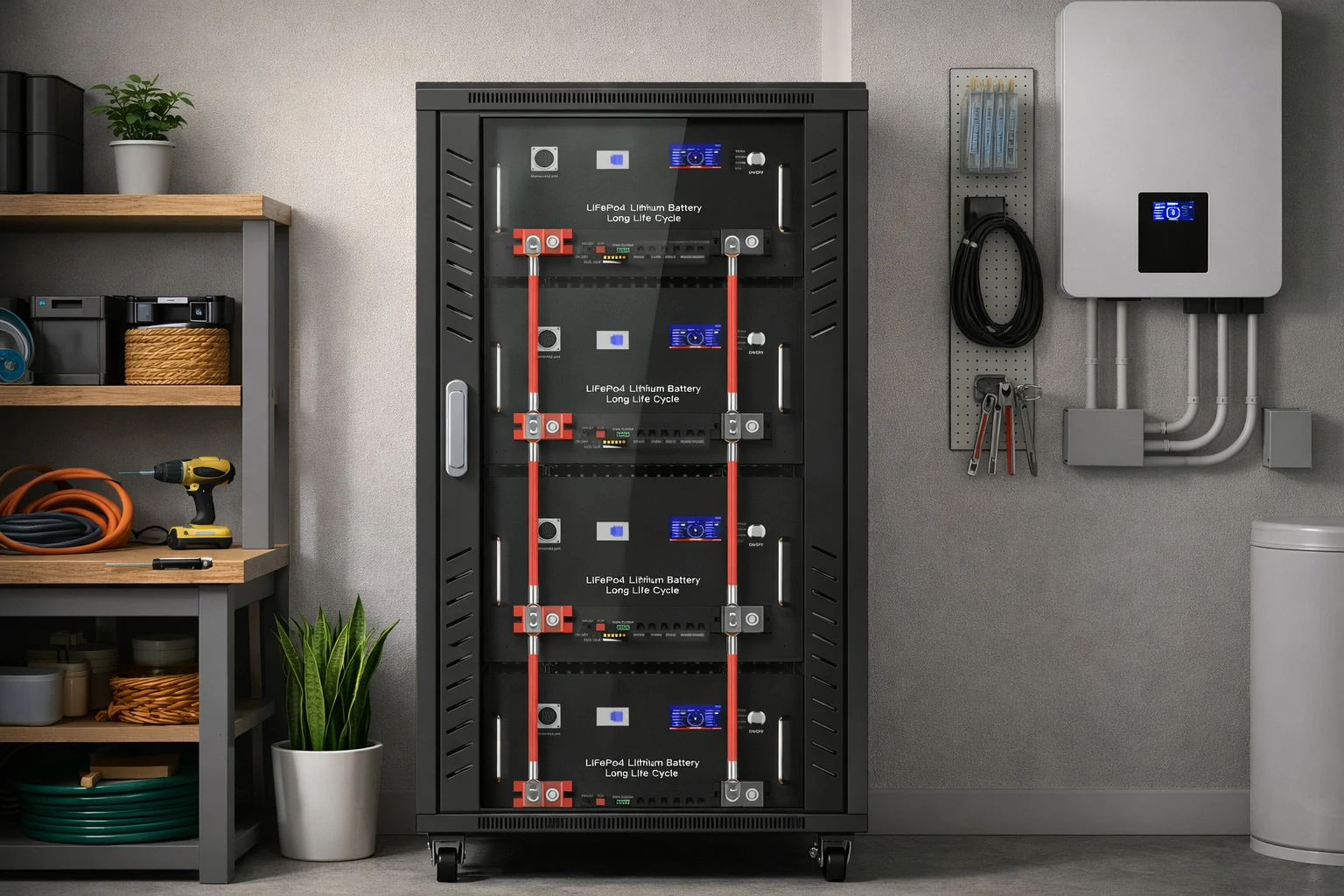
In the current Australian market, the installation cost of a 20 kW solar system typically ranges between AUD 18,000 and AUD 24,000. A standalone 20 kWh battery averages around AUD 14,700, while a battery system including an inverter costs approximately AUD 16,900.
Overall, a basic 20 kW solar + 20 kWh battery project usually totals between AUD 33,000 and AUD 41,000, excluding any additional backup hardware, switchboard upgrades, or government incentives.
In 2026, the most practical way to evaluate solar pricing is to consider four key factors: solar system cost, battery cost, electricity tariff structure, and the incentives available in your state at the time of installation.
How Much Does a 20 kW Solar System Cost in Australia in 2026?
By 2026, a reasonable price for installing a high-quality 20 kW solar system in Australia is expected to range between AUD 18,000 and AUD 24,000. The final cost depends on factors such as roof complexity, inverter selection, installation conditions, and component quality.
A modern 20 kW system typically consists of around 45 to 55 high-efficiency solar panels. These systems are generally more suitable for large homes or small businesses rather than standard suburban households.
In terms of energy production, a north-facing, unshaded 20 kW solar system can generate approximately 62–88 kWh per day, depending on the city and environmental conditions:
- Melbourne: ~62–72 kWh/day
- Sydney: ~68–76 kWh/day
- Adelaide & Canberra: ~72–82 kWh/day
- Brisbane: ~78–82 kWh/day
- Perth: ~80–88 kWh/day
As a result, a 20 kW system is often oversized for low-consumption households but is well-suited for homes with electric vehicle charging, pool pumps, electric water heating, or daytime business usage.
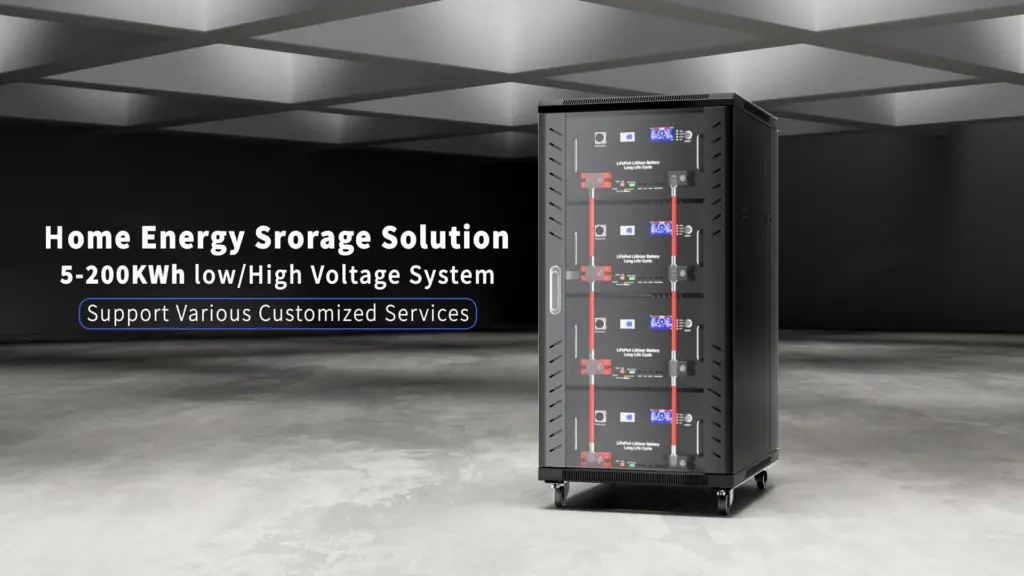
Planning a 20kW Solar Battery System in Australia?
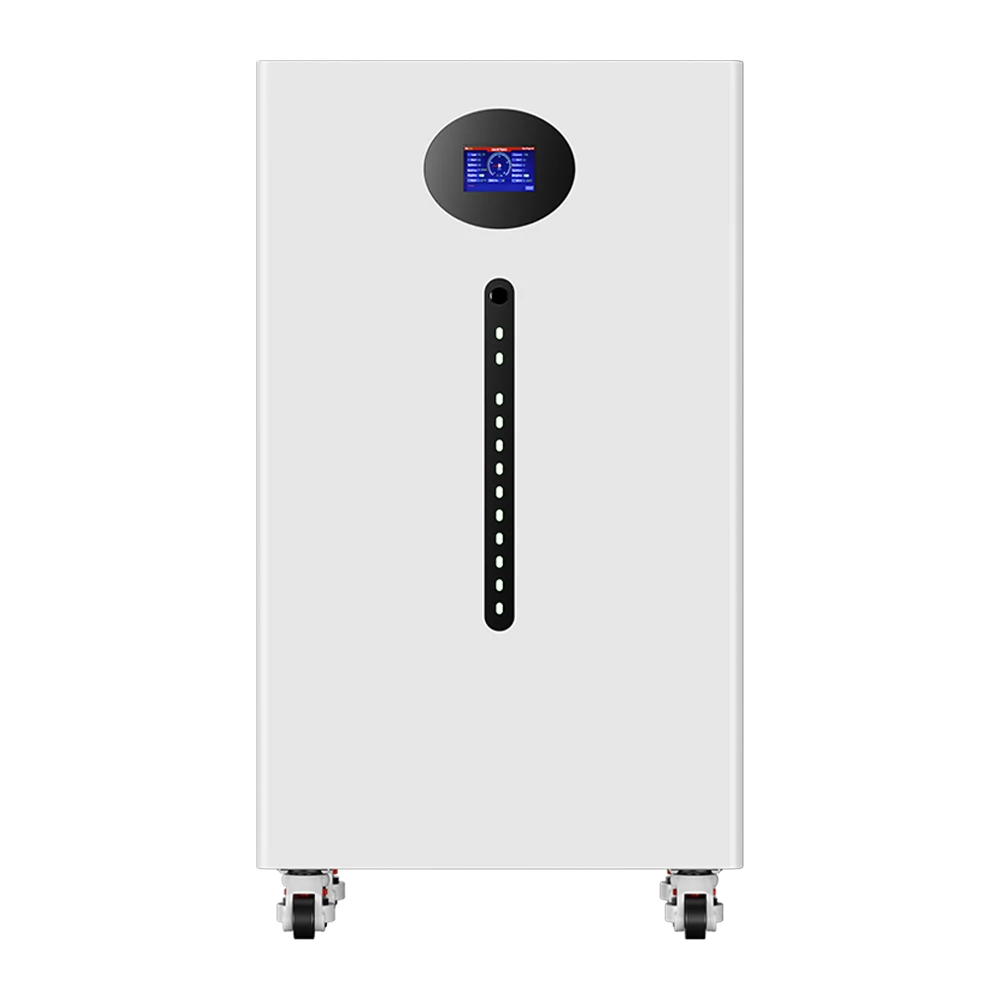
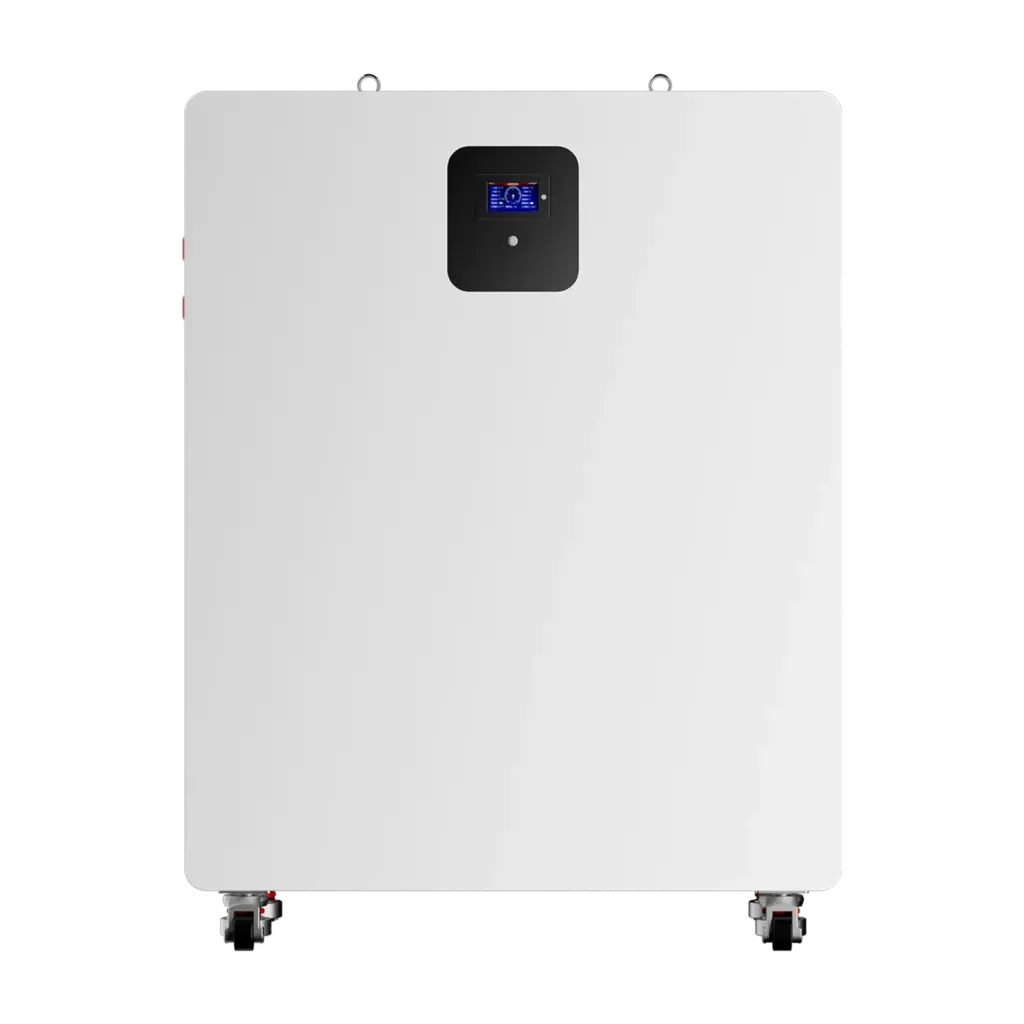
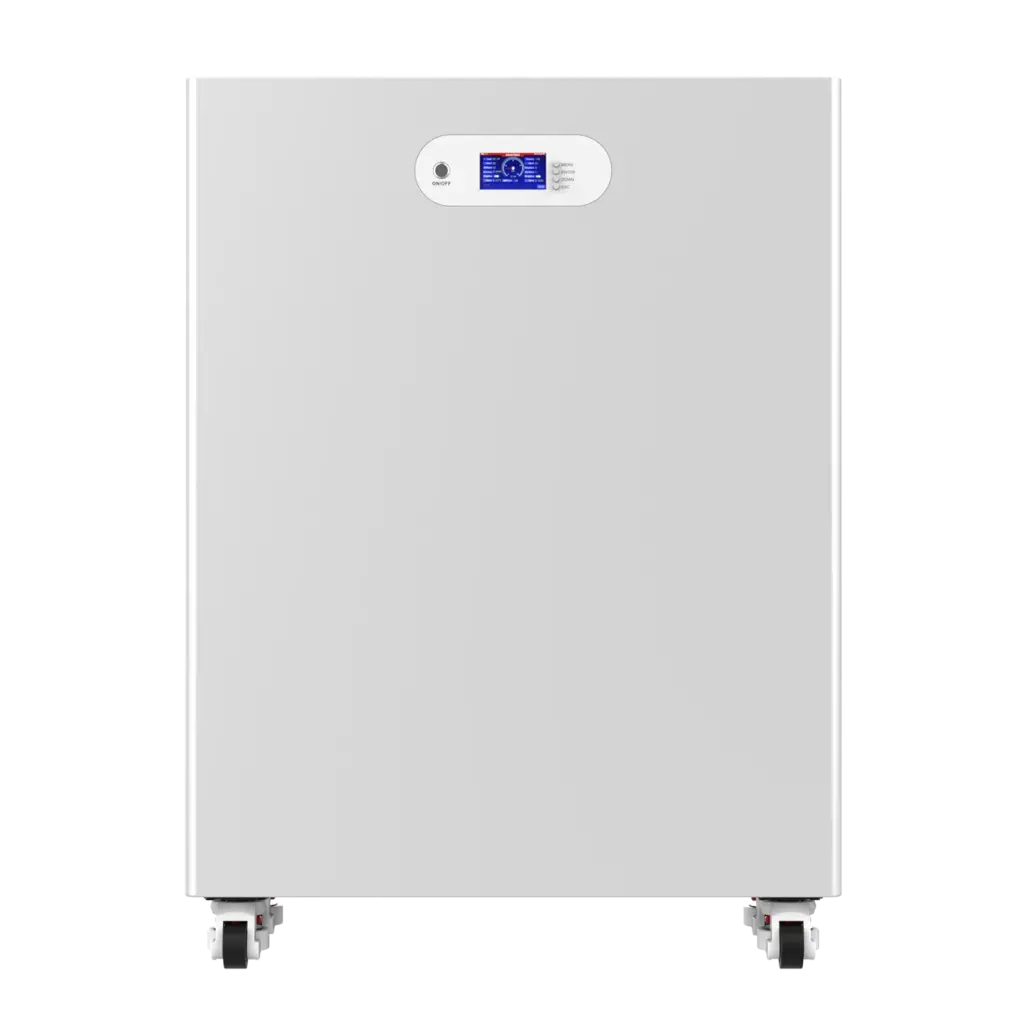
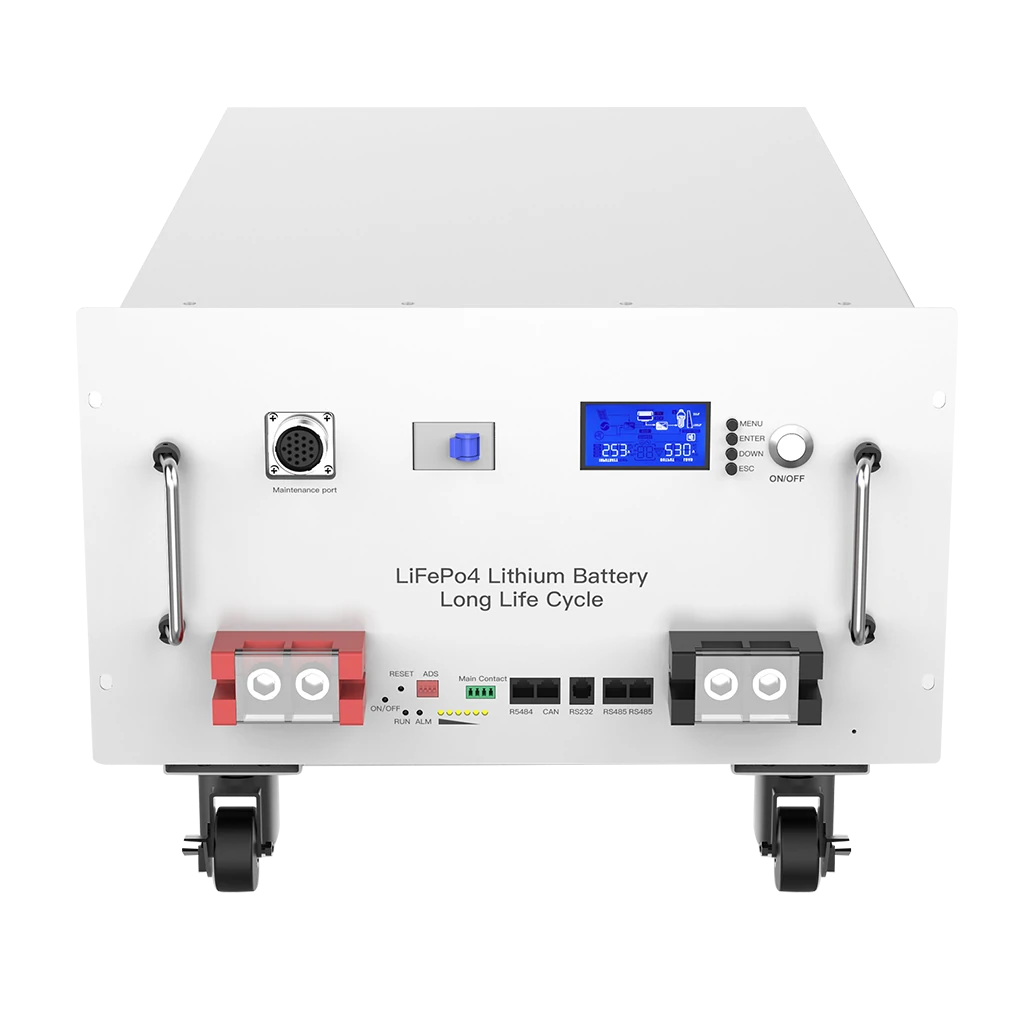
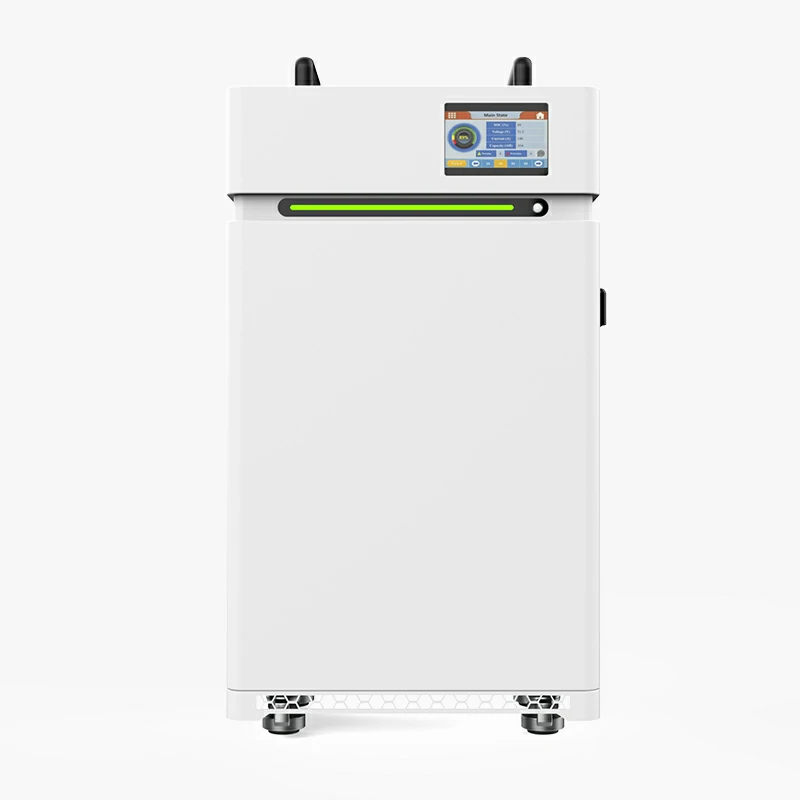
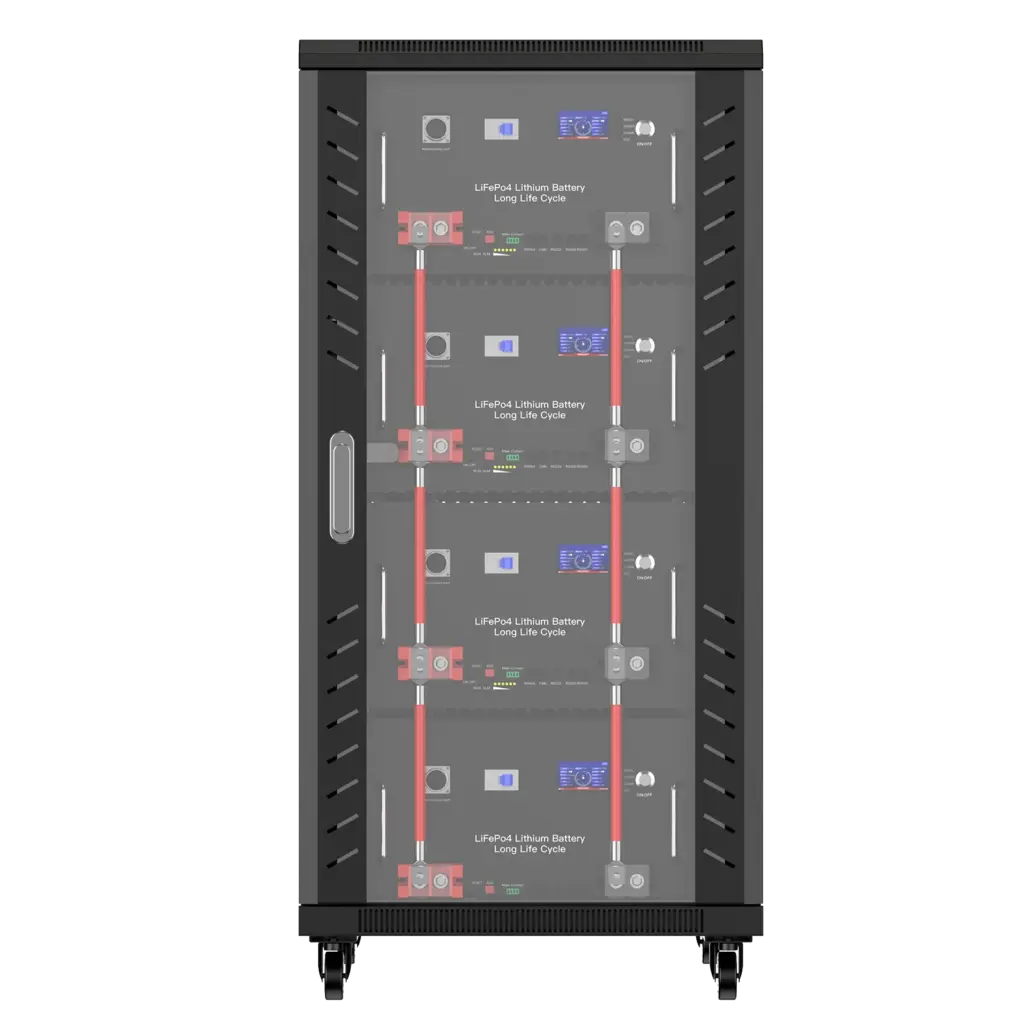
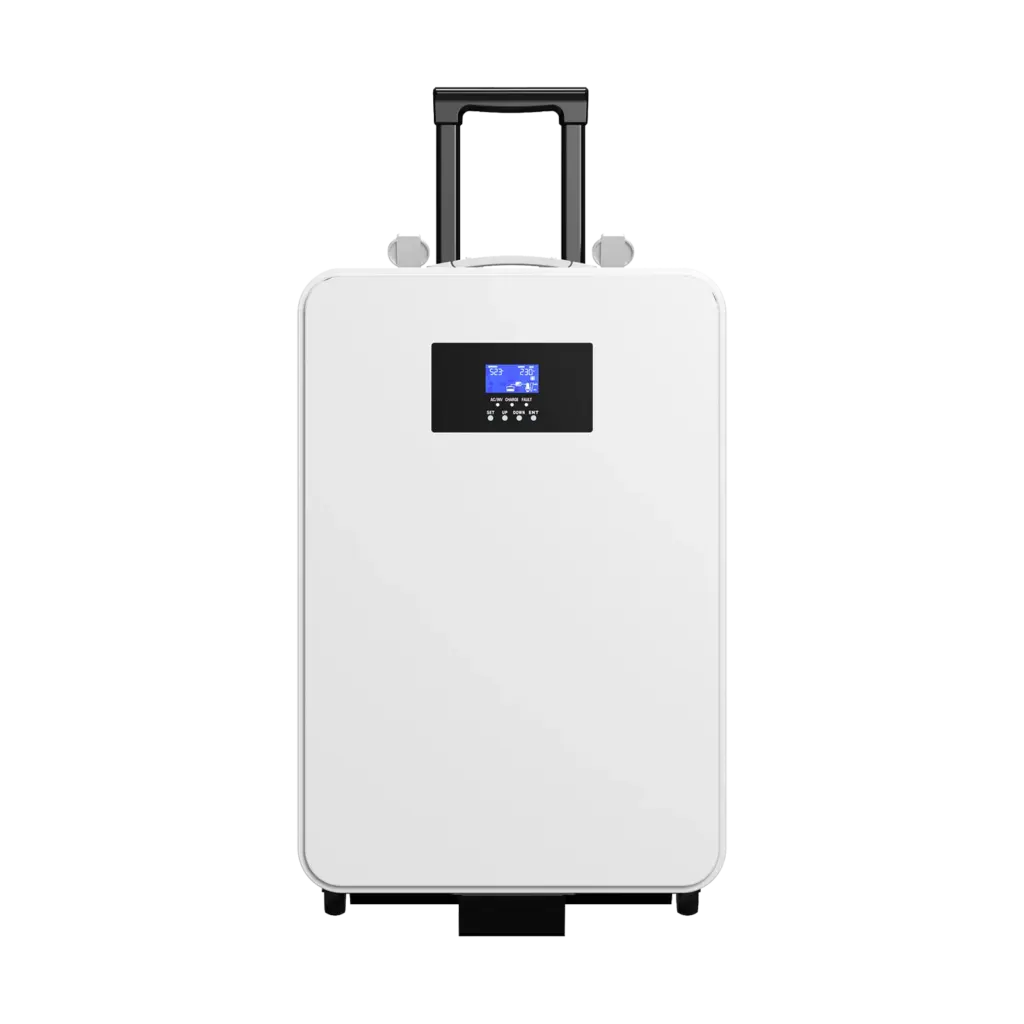
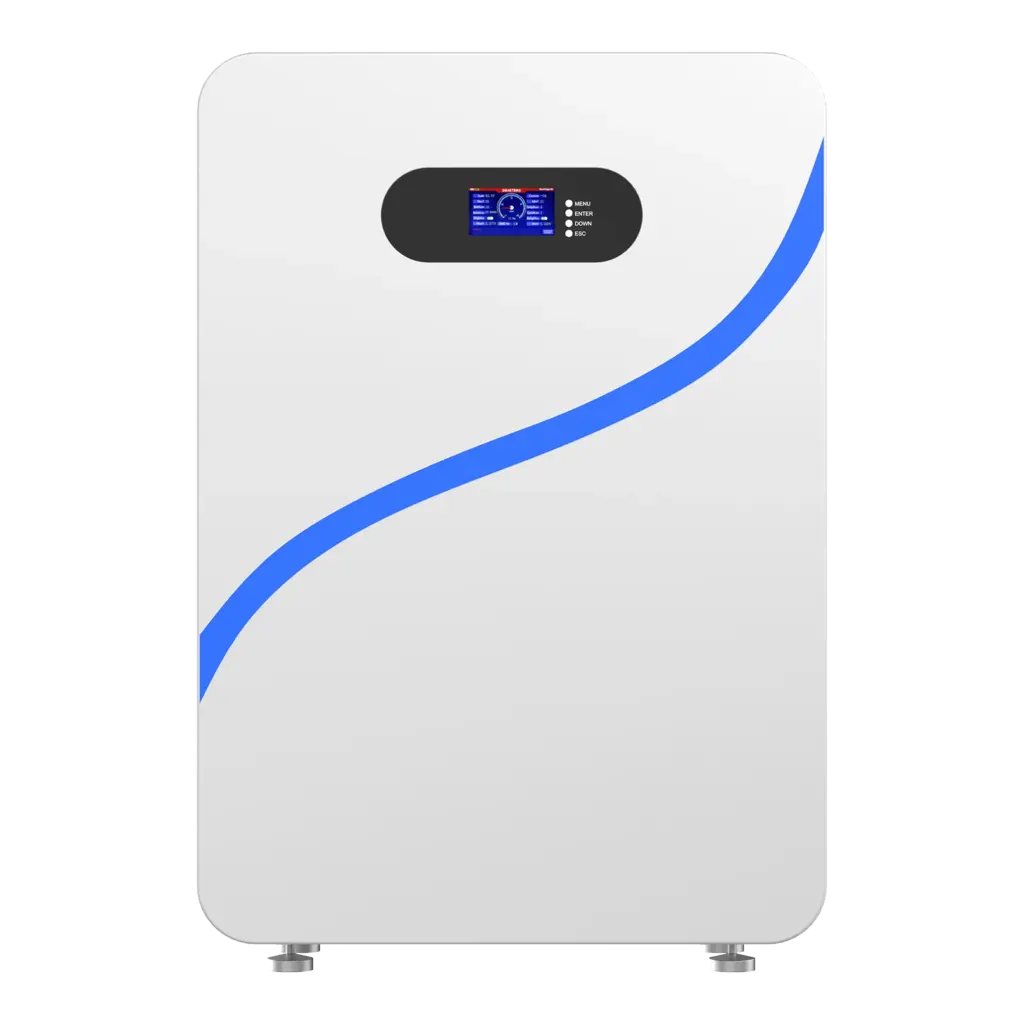
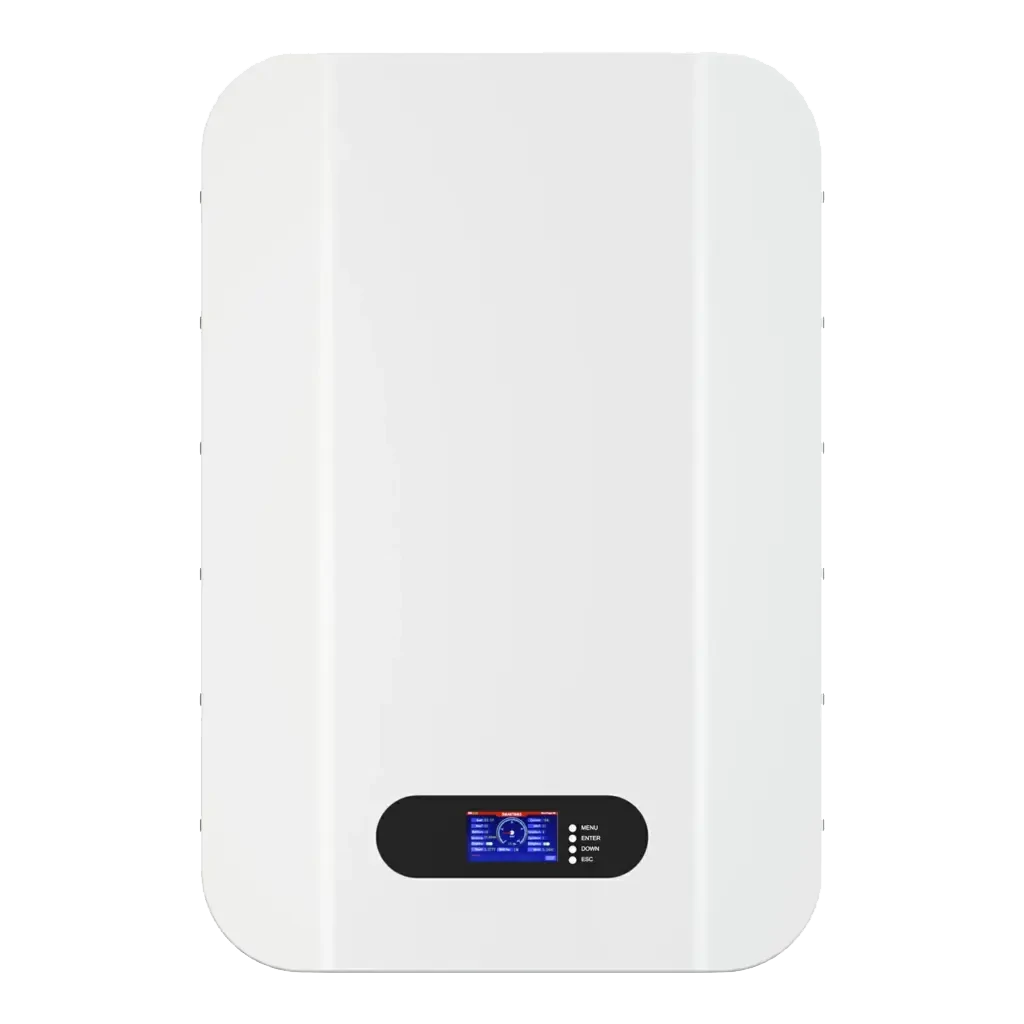
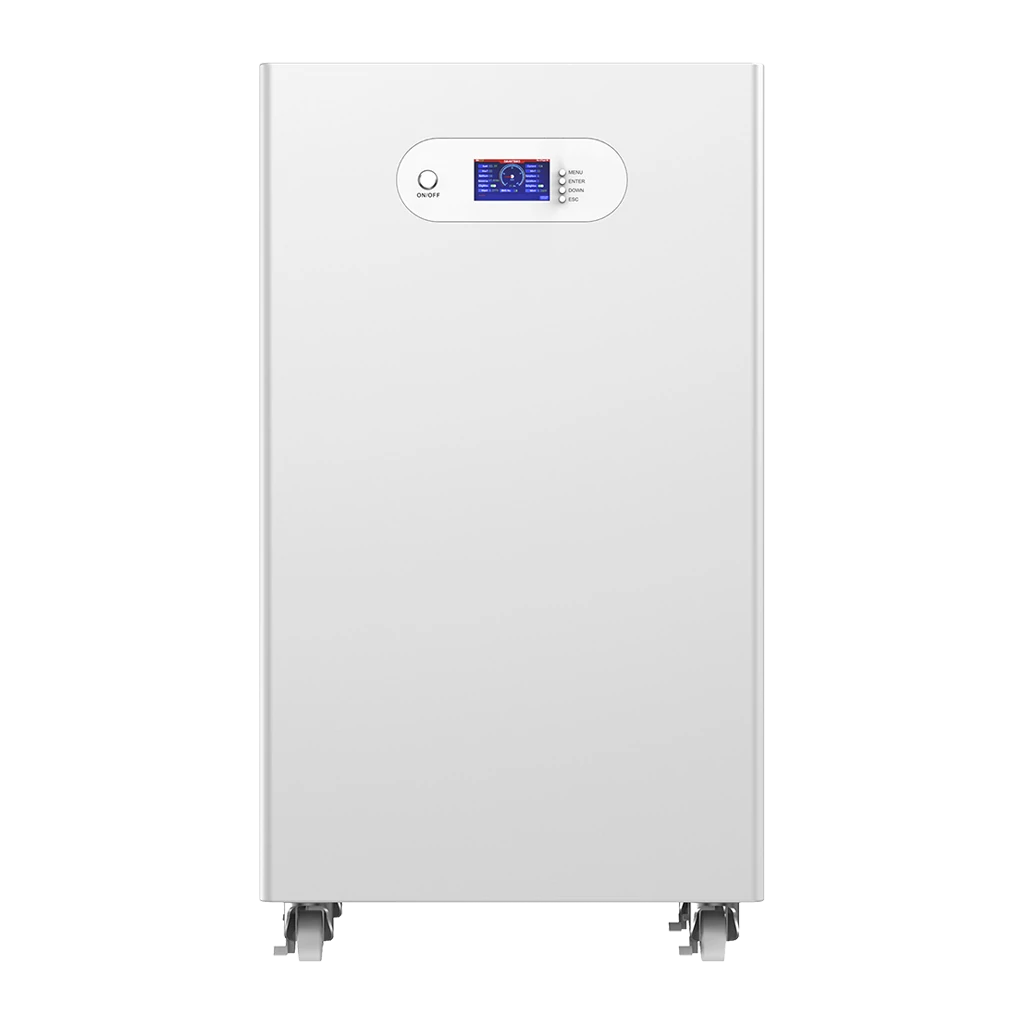
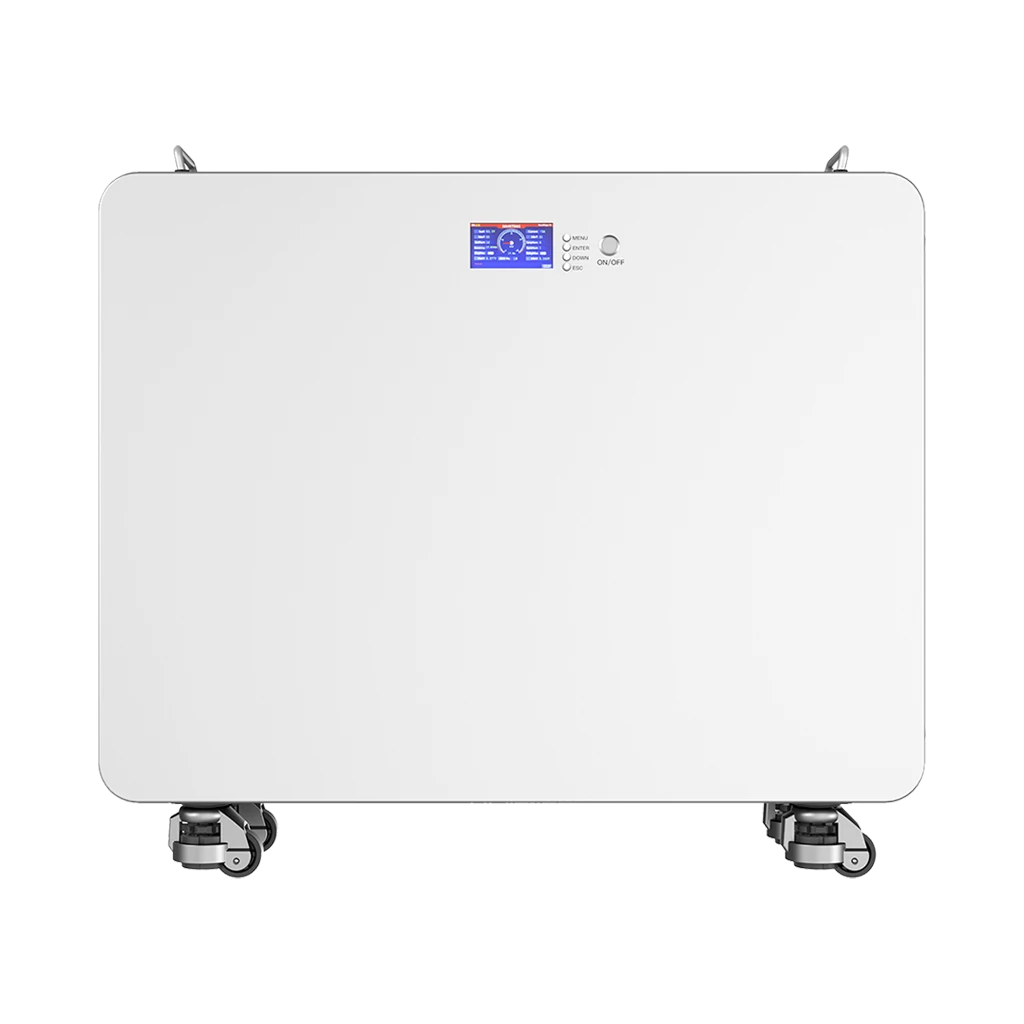
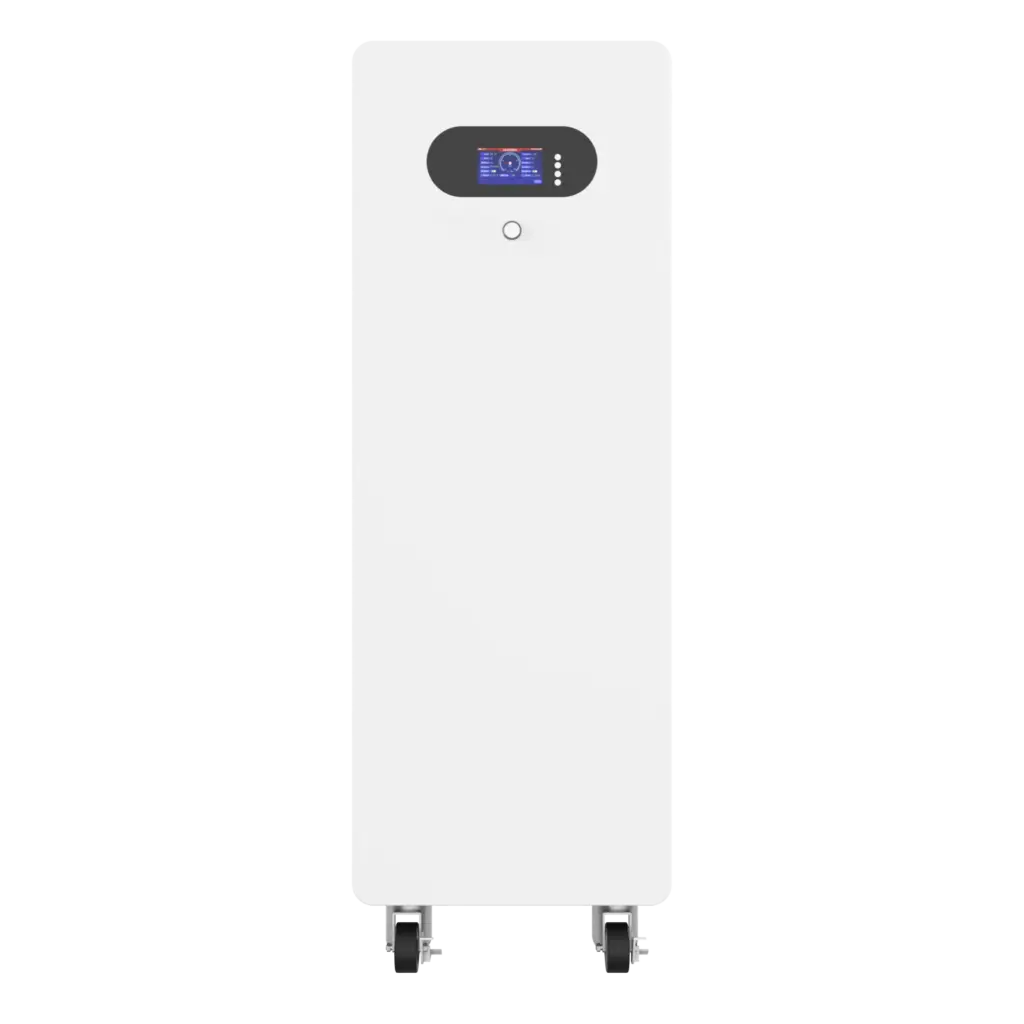
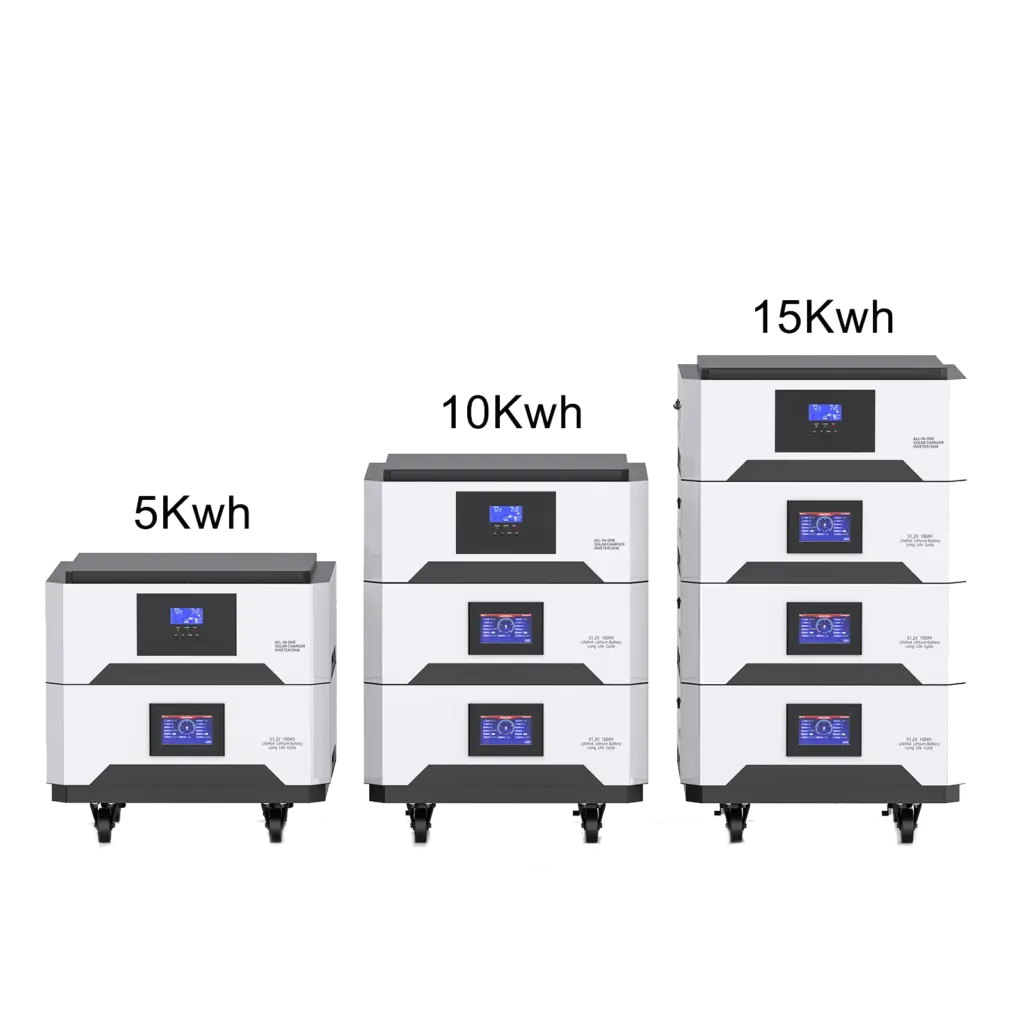
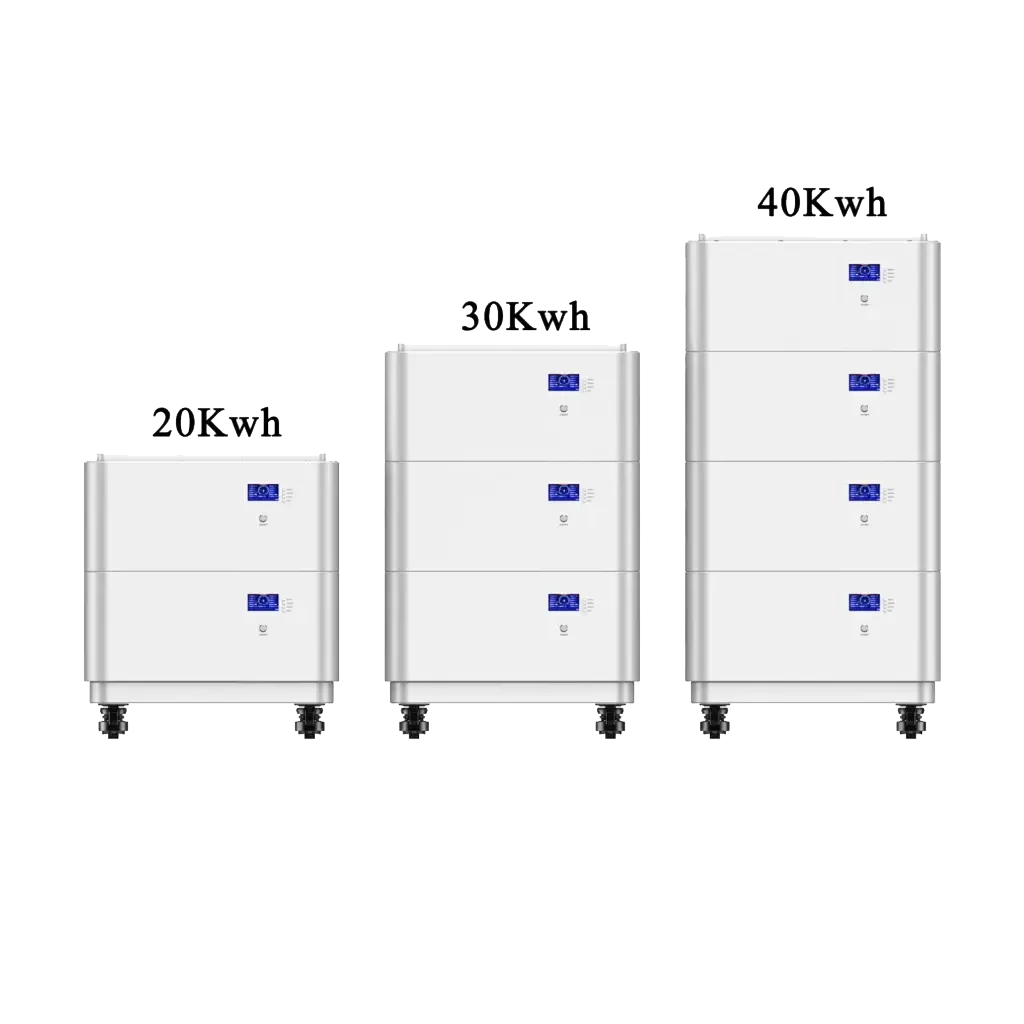
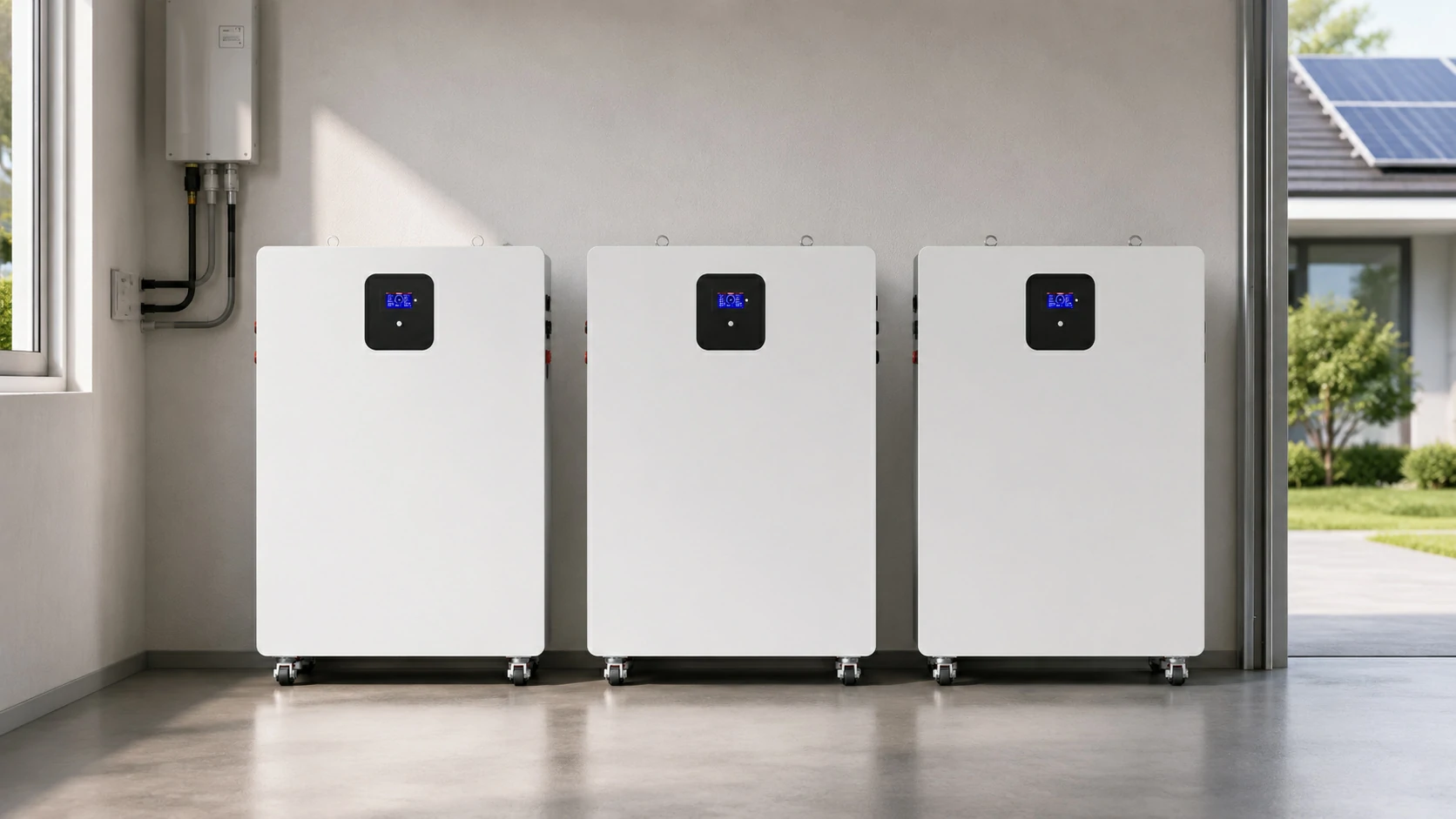
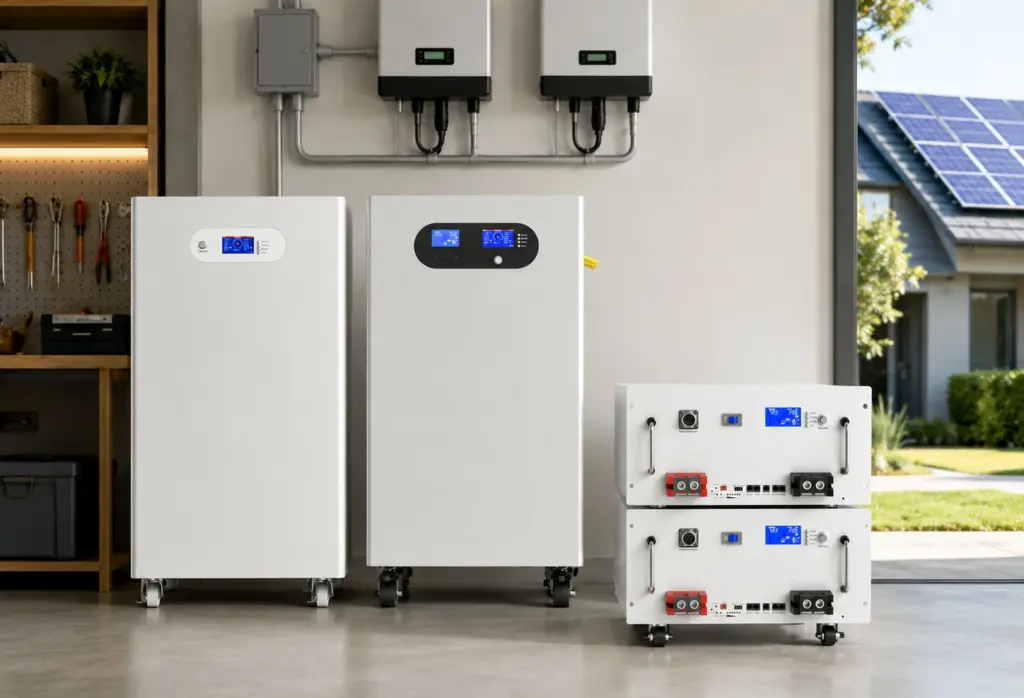
A 20kW solar battery system can help Australian homes and small businesses store more solar power, reduce grid dependence and improve backup power security. Avepower provides LiFePO4 battery solutions for solar storage projects that need stable performance, flexible capacity and reliable BMS protection.
How Much Does a 20 kWh Battery Cost in Australia in 2026?
In 2026, the average installed cost for a 20 kWh battery system is AUD 14,700 for battery-only configurations, and approximately AUD 16,900 when including an inverter.
On a per-kWh basis:
- Battery-only: ~AUD 735/kWh
- Battery + inverter: ~AUD 845/kWh
While a 20 kWh battery may appear cost-effective, the final installation cost can increase if additional features are required, such as backup capability, switchboard upgrades, extra wiring, fire safety compliance, or a new hybrid inverter. In many cases, pricing differences are not just about the battery itself, but also include backup hardware, inverter replacement, electrical work, and overall system functionality.
When buyers compare battery quotes, price should not be the only filter. Long-term value also depends on chemistry, battery management, scalability, inverter compatibility, documentation, and whether the product format actually suits the project.
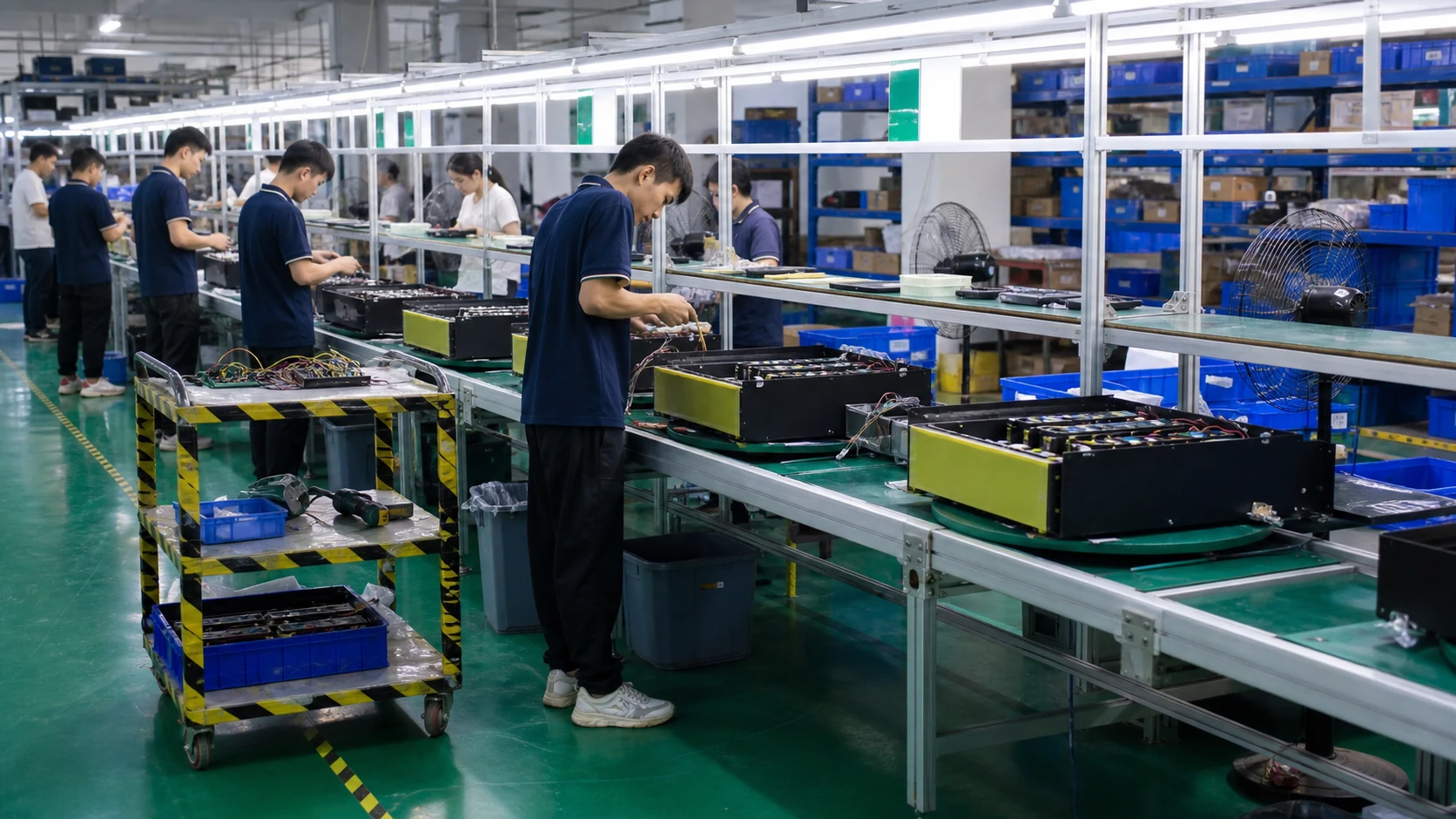
Avepower positions itself as a factory-direct LiFePO4 battery manufacturer serving installers, OEM/ODM buyers, and solar-plus-storage projects, with Grade A LiFePO4 systems, 8000+ cycles, and certifications including CE, UL, RoHS, and ISO9001.
How Many Panels Do You Need?
The number of solar panels required depends on the power output of each individual panel (measured in Watts, W). Modern panel efficiency continues to improve, meaning panel sizes are getting smaller for the same output. Today, most panels have an output between 330W and 430W.
For a total system size of 20kW (20,000W), you would need:
| Panel Output (W) | Number of Panels Required (20,000W / Panel W) |
| 330W | 61 panels |
| 350W | 58 panels |
| 370W | 54 panels |
| 400W | 50 panels |
| 430W | 47 panels |
Roof Space Needed
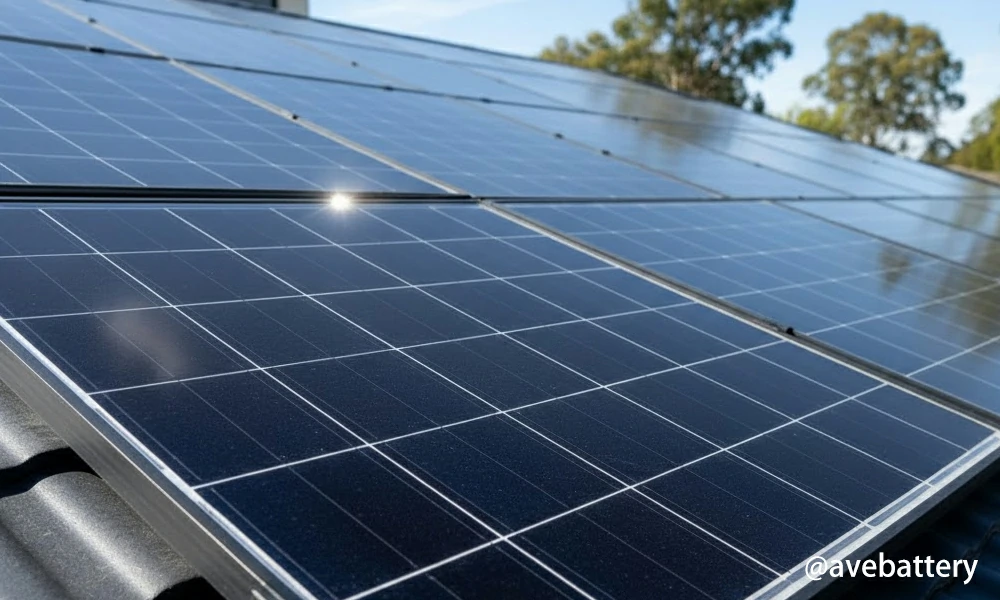
Since an average solar panel is about 1.7 meters high by 1.0 meter wide, you can calculate the roof area required. A 20kW system generally needs a roof area of about 80 to 104 square meters (㎡).
| Panel Output (W) | Number of Panels | Approximate Roof Space (㎡) |
| 330W | 61 | 104 ㎡ |
| 380W | 53 | 90 ㎡ |
| 430W | 47 | 80 ㎡ |
20kW Solar Batteries Storage Capacity Cost in Australia
A 20kW solar system has the potential to charge a significant amount of battery storage, typically anywhere between 20 kWh and 60 kWh of capacity, depending on the user’s electricity usage patterns.
The actual size of the battery you need is directly related to how much electricity your home or business uses during daylight hours when the solar system is generating power.
Battery Size Calculator — How Many kWh do I Need?
For instance, consider a business in Sydney that uses 80 kWh of electricity per day. If this business consumes 50% of its power during the day (40 kWh), the solar panels, which generate about 78 kWh daily, can charge up to 38 kWh of batteries. This calculation assumes the system first covers the daytime usage (40 kWh) and the rest of the generated power (78 kWh – 40 kWh = 38 kWh) is available to store in the batteries.
The table below demonstrates the required battery storage size based on different rates of daylight electricity consumption:
| Daylight Electricity Consumption Rate | Solar Self-Consumed (kWh) | Surplus Energy for Battery (kWh) |
| 25% Consumption (20 kWh) | 20 kWh | 58 kWh |
| 40% Consumption (32 kWh) | 32 kWh | 46 kWh |
| 50% Consumption (40 kWh) | 40 kWh | 38 kWh |
| 60% Consumption (48 kWh) | 48 kWh | 30 kWh |
| 75% Consumption (60 kWh) | 60 kWh | 18 kWh |
Key Battery Brands in Australia
For a 20kW system, you should look for large, modular, or stackable systems from Tier 1 manufacturers that are compatible with three-phase power:
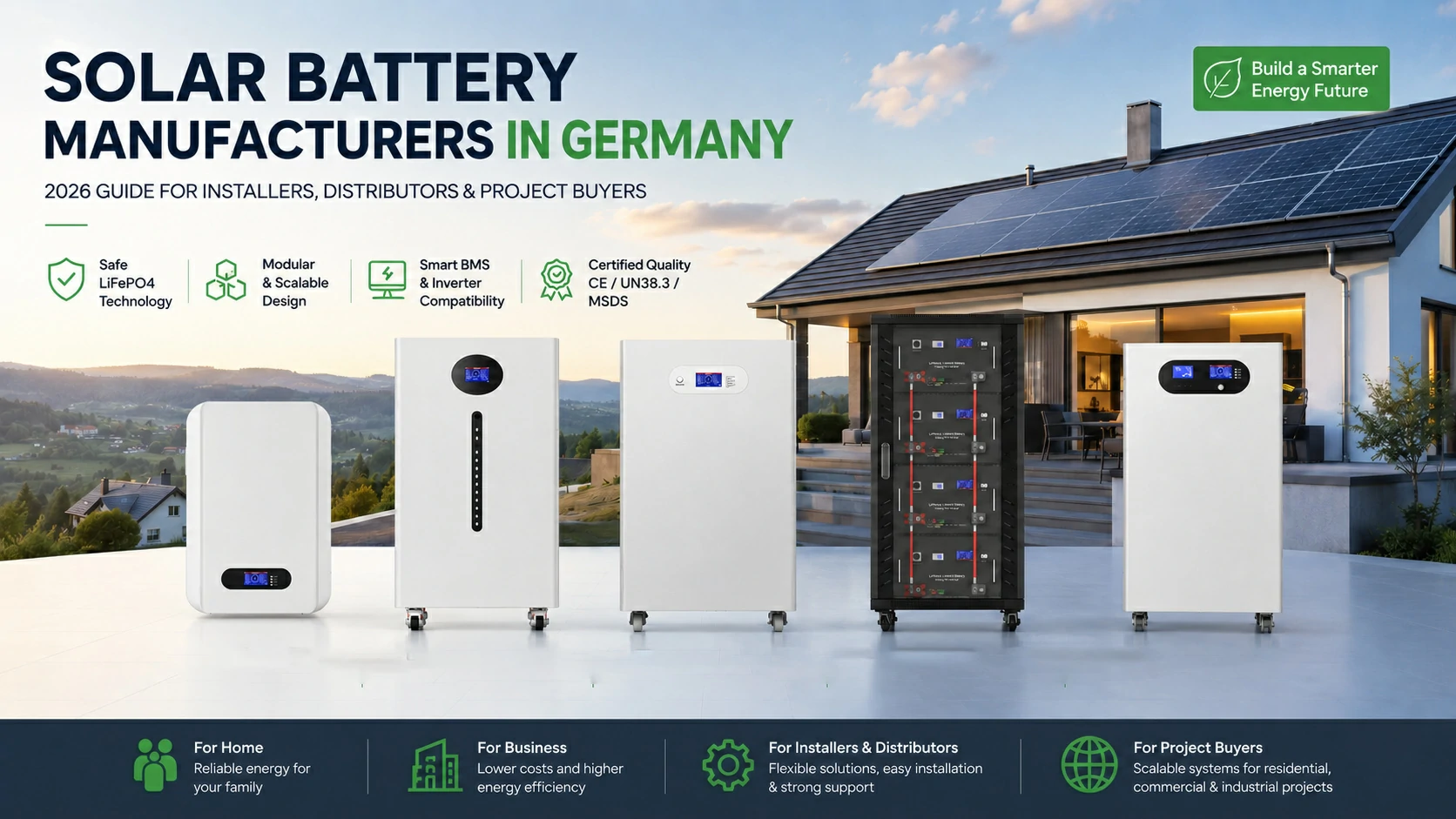
Avepower’s modular solar battery system offers exceptional flexibility—making it the perfect choice for meeting your 20kWh energy needs. Designed with a true plug-and-play interface, it allows for fast and effortless installation. With advanced features such as auto-restart, fault alerts, remote firmware updates, and high-performance charge/discharge cycles (up to 8,000 cycles), the system ensures reliable, efficient operation every single day.
For those seeking whole-home backup power, Avepower also provides residential energy storage solutions. These systems are built to keep your household running smoothly even during extended power outages—bringing you one step closer to complete energy independence.
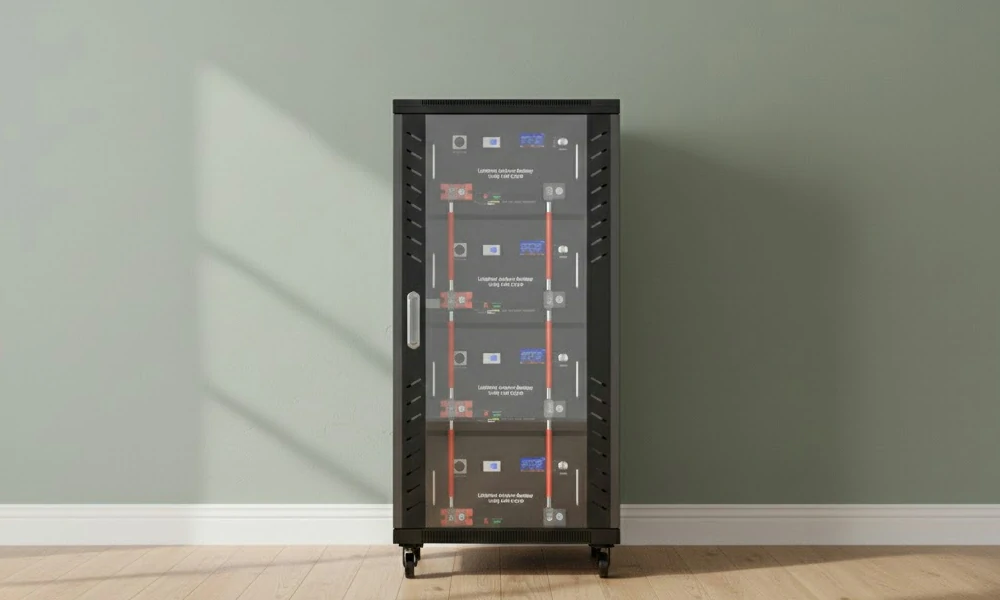
Need Help Estimating the Right Battery Size?
The real cost of a 20kW solar battery system depends on battery capacity, inverter matching, installation design, backup load requirements and how much solar energy you want to store. Share your project details, and Avepower can help recommend a suitable battery configuration.
Why Batteries Make More Sense When Feed-in Tariffs are Low
You used to export surplus solar on generous feed-in tariffs. Now, most feed-in tariffs sit in the low single digits (for example, NSW has a benchmark range of ~4.8–7.3 c/kWh for 2025–26). With such low export rates, you gain more by self-consuming your solar or storing it and using it at night when grid power is expensive. This is why a battery is often the missing link for a 20kW system: you can catch those long summer afternoons and feed your evening peak.
Australia 2026 Federal and State Government Rebates for Solar Batteries
As of April 2026, the Australian Federal Government’s “Cheaper Home Batteries Program” provides an approximate 30% discount for eligible small-scale battery systems connected to new or existing rooftop solar systems. This discount is delivered through the Small-scale Renewable Energy Scheme (SRES) and is typically passed on to consumers by installers or retailers.
Key Federal Policy Changes (From May 1, 2026)
Starting May 1, 2026, two major changes will apply to federal battery incentives:
- Reduction in STC Value
The Standard Test Condition (STC) factor will decrease from 8.4 (Jan–Apr 2026) to 6.8 (May–Dec 2026), reducing the overall rebate value. - Capacity-Based Subsidy Tiers
Battery incentives will be adjusted based on usable capacity:- 0–14 kWh: Full STC rebate eligibility
- 15–28 kWh: 60% of standard rebate
- 29–50 kWh: 15% of standard rebate
In simple terms, larger batteries will still receive incentives, but systems above 14 kWh will see reduced additional subsidy benefits after May 1, 2026.
State-Level Incentives (2026 Overview)
New South Wales (NSW)
Households and small businesses may qualify for additional Virtual Power Plant (VPP) incentives if the battery is connected to an approved VPP. These incentives can be stacked with the federal battery program. The eligible battery capacity for VPP incentives is capped at 28 kWh.
Western Australia (WA)
- Synergy customers: up to AUD 1,300 rebate
- Horizon Power customers: up to AUD 3,800 rebate
- Eligible households may also access interest-free loans up to AUD 10,000
Participation in a VPP is required to qualify for certain incentives.
Victoria (VIC)
The Solar Victoria program has discontinued new applications for its previous interest-free battery loan scheme.
Related articles: Solar Battery Rebate VIC: Save on Home Energy Storage
How to Think About Payback for a 20 kW Solar Battery System
You should anchor payback on bill savings, which come from:
- Self-consumption savings: Every kWh you use from your solar or battery instead of the grid saves you the retail rate you would have paid.
- Export earnings: Surplus solar exported to the grid earns you the feed-in tariff.
- Demand and supply charges (for businesses): Batteries can shave peak demand and cut demand charges in specific tariffs.
Illustrative payback examples for PV-only (quality 20 kW):
- Adelaide (system ~$19,577): high retail prices and healthy output can drive ~2.9 years.
- Brisbane (system ~$19,217): moderate prices and solid sun can drive ~3.9 years.
- Melbourne (system ~$19,872): lower sun and modest FiTs can lead to ~4.7 years.
- Perth (system ~$19,008): strong sun and competitive prices can land around ~4.0 years.
- Sydney (system ~$19,187): mixed settings often yield ~3.7 years.
These examples assume good self-consumption (around 50%), reasonable feed-in tariffs, and consistent annual output. Your tariff, your usage profile, and your roof will change the result.
How a battery changes payback:
A battery increases your upfront cost while boosting your self-consumption. Your payback improves when:
- Your evening and night use is high (for example, EV charging, cooking, electric hot water, or late business operation).
- Your retail tariff is high and your feed-in tariff is low.
- Your time-of-use plan rewards you for avoiding peak rates.
- Your demand charges (for businesses) drop because your battery covers short peaks.
You should run a site-specific model that plugs
Is a Battery Worth it in Australia in 2026
For many Australians, the answer is more favourable in 2026 than it was in 2024. The federal battery discount improves the upfront economics, while daytime solar exports are generally becoming less valuable. SolarQuotes noted in January 2026 that daytime feed-in tariffs are “racing towards zero,” and broader tariff comparisons in 2026 show that 1–4 c/kWh is now considered a below-average daytime FiT range, while 4–8 c/kWh is more competitive. In Victoria, retailers can now set their own FiTs with no regulated minimum above 0.00 c/kWh, and time-varying export structures are increasingly common.
That is the core reason batteries make more sense now: every kilowatt-hour you store and use later can offset a much higher retail import price than the amount you would usually earn by exporting the same energy in the middle of the day. In other words, self-consumption is often worth more than daytime export.
Still, not every home needs a 20kWh battery. If your goal is the fastest payback, a smaller battery is often the better purchase. If your goal is lower grid dependence, better evening coverage, and stronger backup, then a bigger battery can still make sense even if the pure payback period is longer.in your half-hourly usage, your exact tariff, your planned battery size, and your city’s expected solar output. A good installer can build that model from your smart-meter data.
Who is the Ideal Candidate for a 20kW Solar System?
A 20kW solar system is best suited for businesses or homes that meet two main criteria:
- High Energy Use: They have an average daily energy consumption that falls within the range of 60 kWh to 80 kWh.
- Sufficient Roof Space: They possess adequate roof area, roughly 80㎡ to 104㎡, to accommodate the panels.
In most scenarios today, the amount of energy produced by a 20kW solar system makes it the most practical choice for small to medium-sized businesses with consistently moderate to high energy demands.
However, as households become more energy-intensive and electric vehicles (EVs) become a common feature in Australian homes, a 20kW solar system is increasingly becoming a realistic and valuable option for residential properties as well.
Consider This Example:
a home that currently has a 10kW system generating about 40 kWh per day might find that the purchase of an EV, such as a Tesla Model 3, significantly increases their needs. If the EV uses half of its 60 kWh battery (30 kWh) each day, the household now needs an additional 30 kWh to charge the car overnight. In this case, upgrading to a 20kW system would be highly beneficial, as it could generate the extra power required to comfortably supplement the EV charging needs.
For more information, please read 10kW Solar Battery Price.
Conclusion
In 2026, a 20 kW solar system in Australia typically costs around AUD 18,000 to AUD 24,000, while a 20 kWh battery generally adds an additional AUD 14,700 to AUD 16,900 at current market prices. As a result, many full system installations range between AUD 33,000 and AUD 41,000, excluding extra installation work and any applicable government rebates.
However, the most informed purchasing decision is not based solely on battery capacity. It also depends on your actual nighttime electricity consumption, your electricity tariff structure, and whether the installation takes place before or after May 1, 2026.
To achieve the best performance and return on investment, battery size should be chosen based on real nighttime usage patterns rather than system oversizing or total solar output. In 2026, this principle is more important than ever.
Ready to take control of your home’s energy future? Contact Avepower today to explore our reliable and scalable home energy storage solutions. Our expert team will help you design a system that fits your power needs, maximizes savings, and brings you closer to true energy independence.
Take Control of Your Energy with Avepower!
Reliable home solar battery solutions with OEM/ODM customization and in-house manufacturing, tailored to the needs of distributors, installers, and energy partners.
FAQ
A realistic market range is about A$18,000 to A$24,000 installed, depending on component quality, inverter setup, roof conditions, and location.
Current market data shows around A$14,700 for a battery-only 20kWh setup and around A$16,900 when a battery inverter is included, although real installed quotes can be higher if backup hardware or switchboard work is needed.
From 1 May 2026, the STC factor drops from 8.4 to 6.8, and support becomes tiered by battery size: the first 14 kWh gets full support, 15–28 kWh gets 60%, and 29–50 kWh gets 15%. That means larger batteries still qualify, but the extra capacity above 14 kWh gets less generous support than it did earlier in 2026.
Often yes, but it depends on your actual overnight load. For many larger homes it can cover a substantial portion of evening and night usage, but homes with multiple EVs, heavy air-conditioning, or large electric loads may still need grid power or a larger battery.
Not automatically. A battery can provide backup power during an outage only if the system is specifically designed and installed with backup capability.