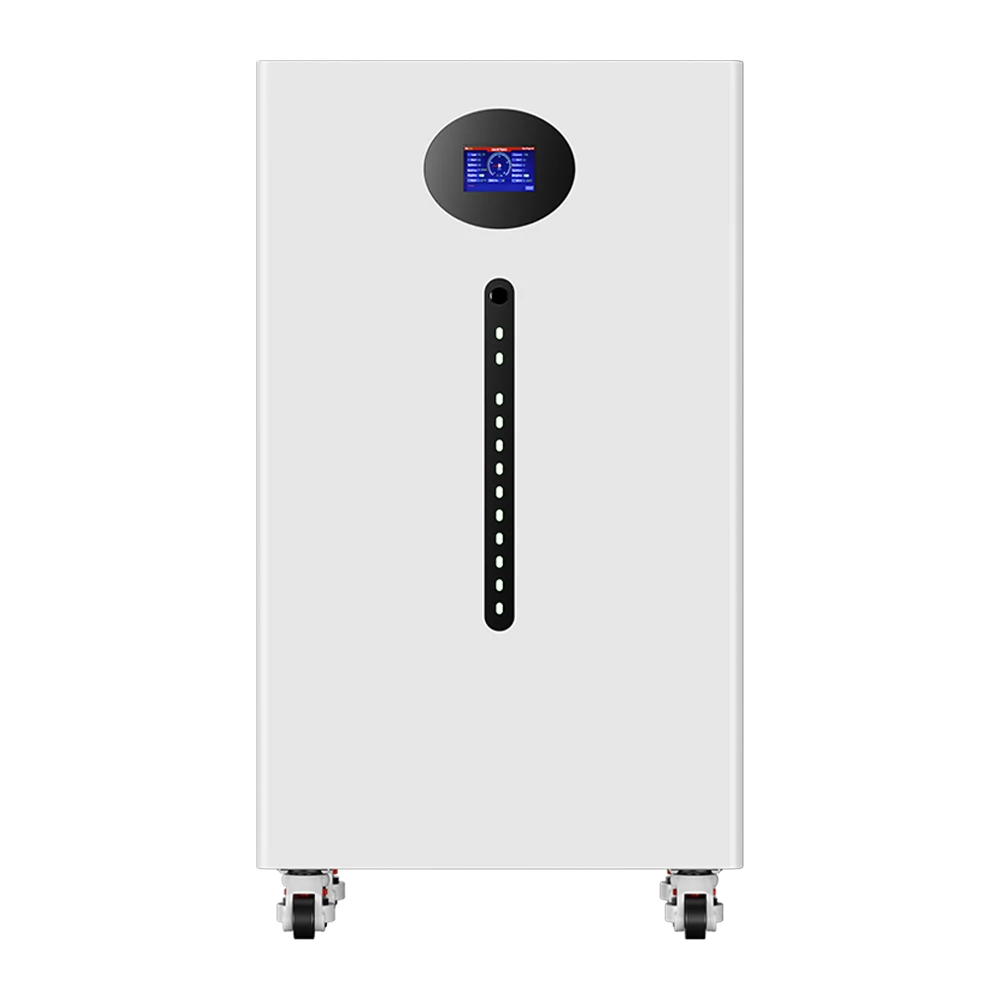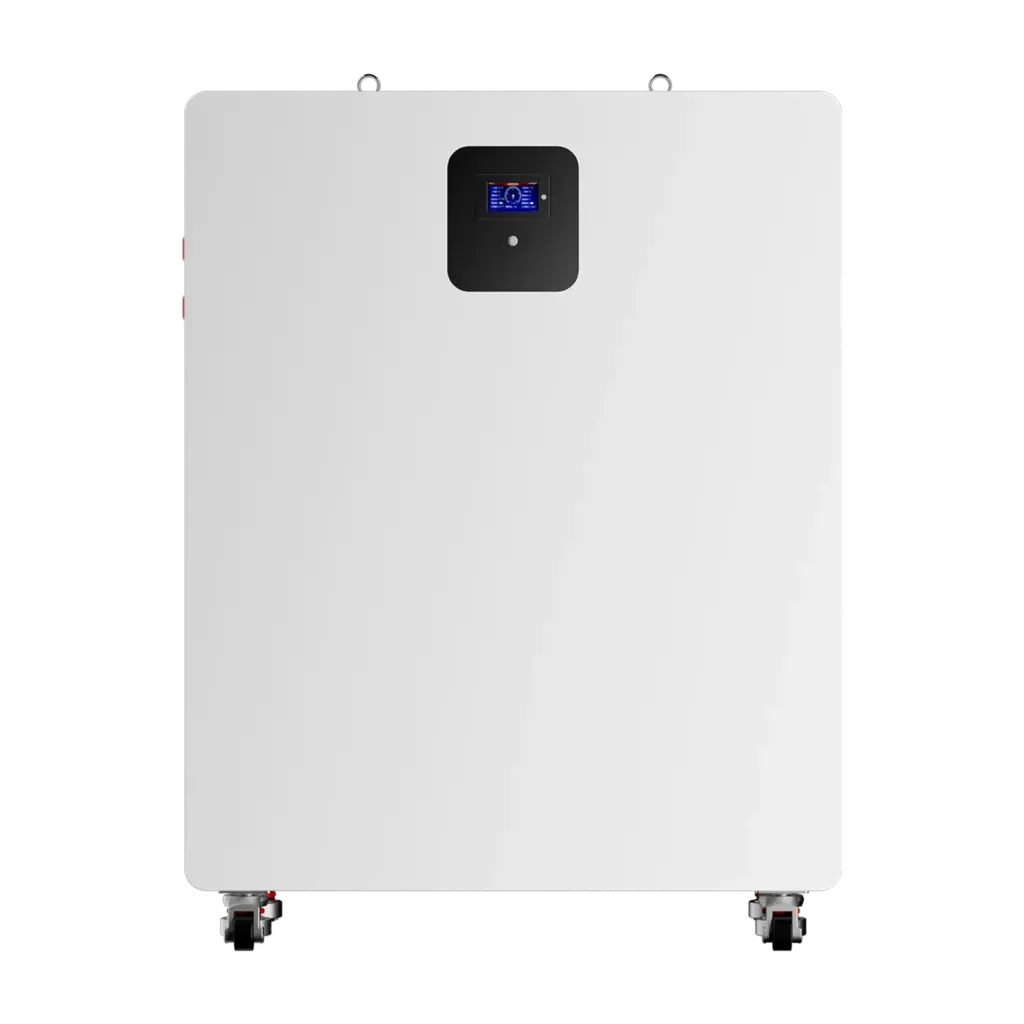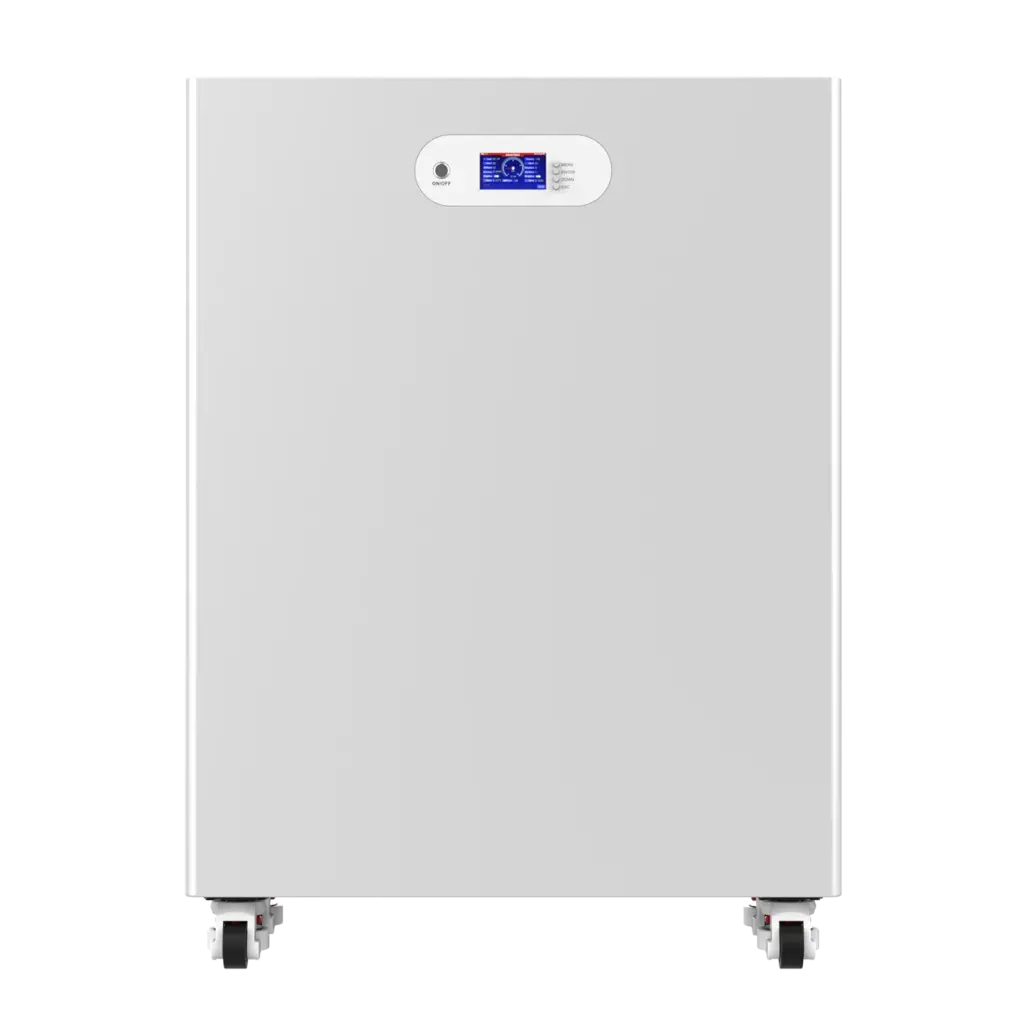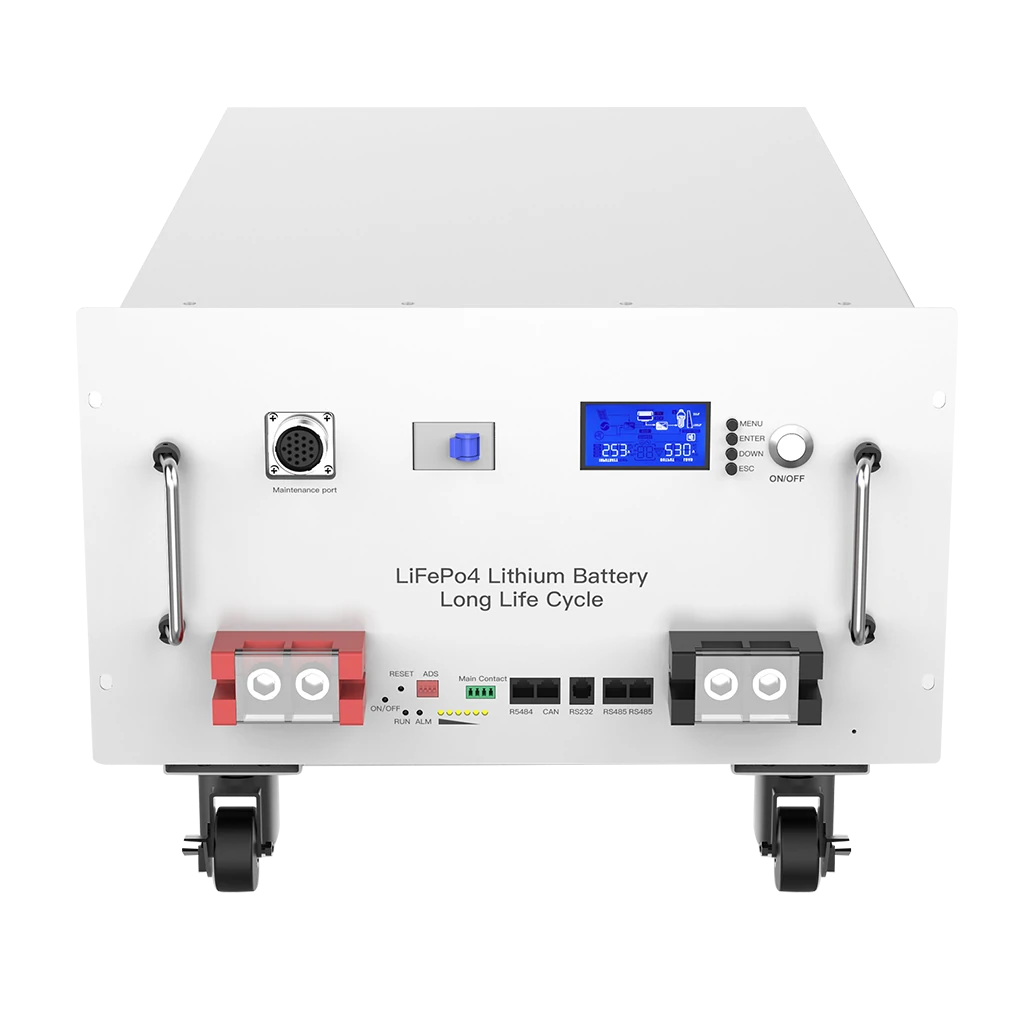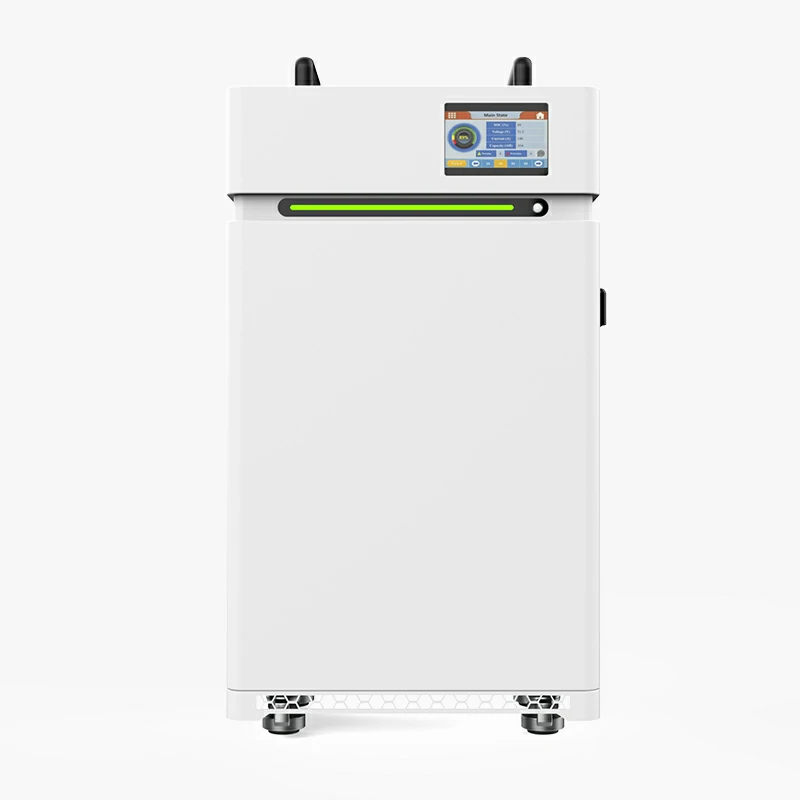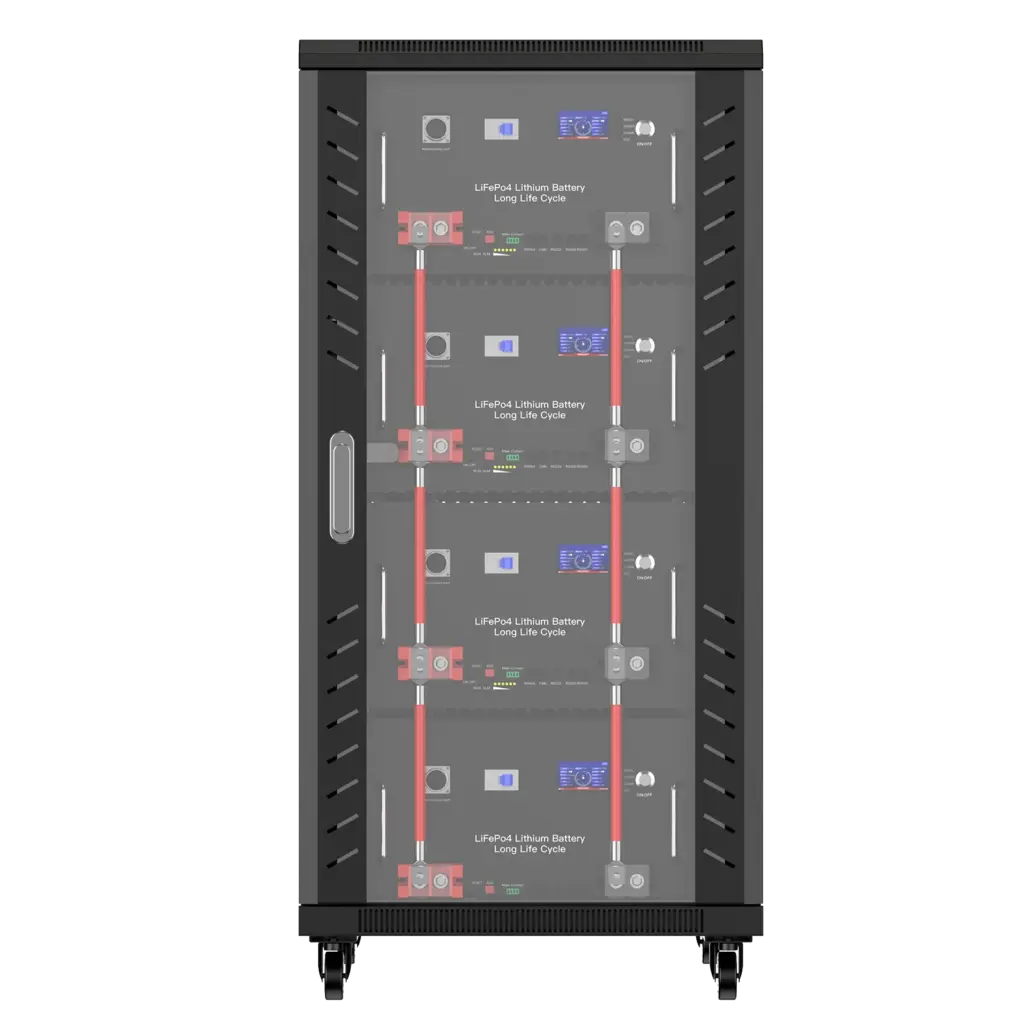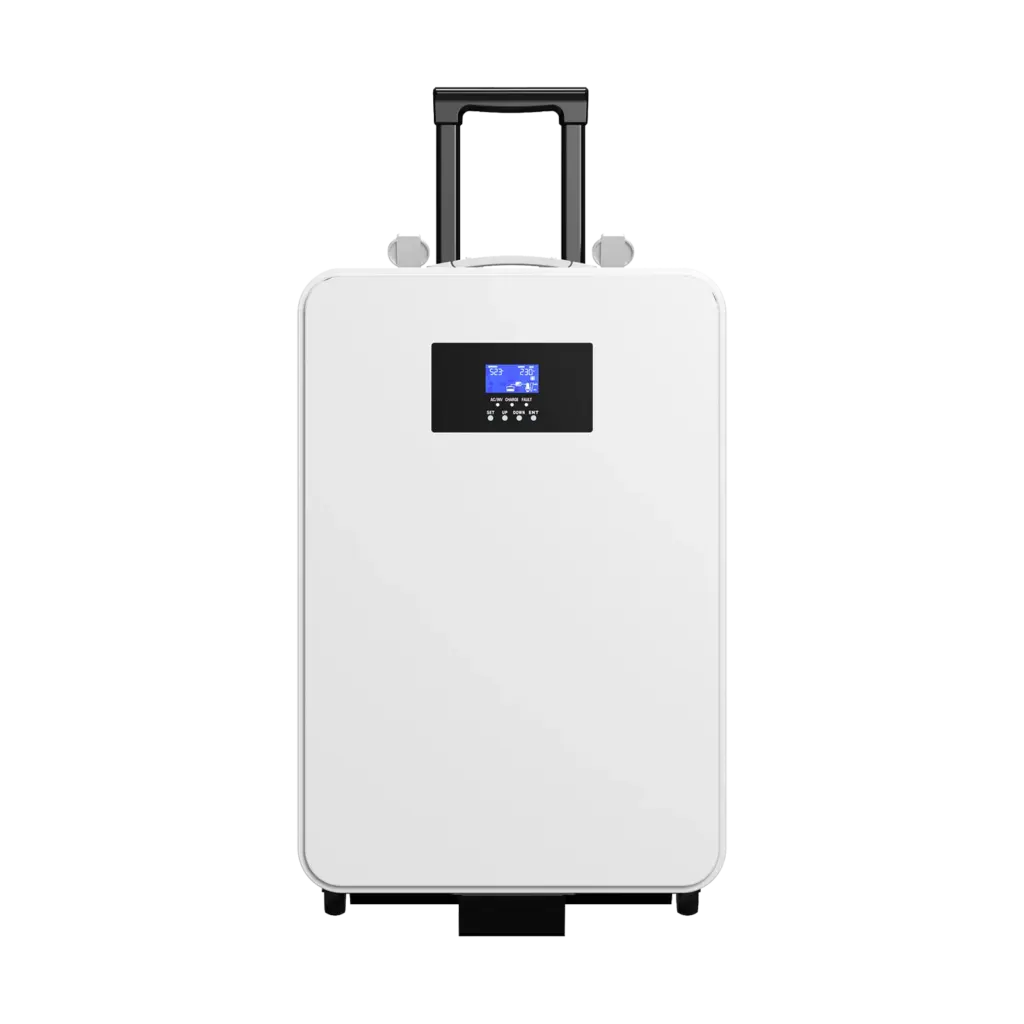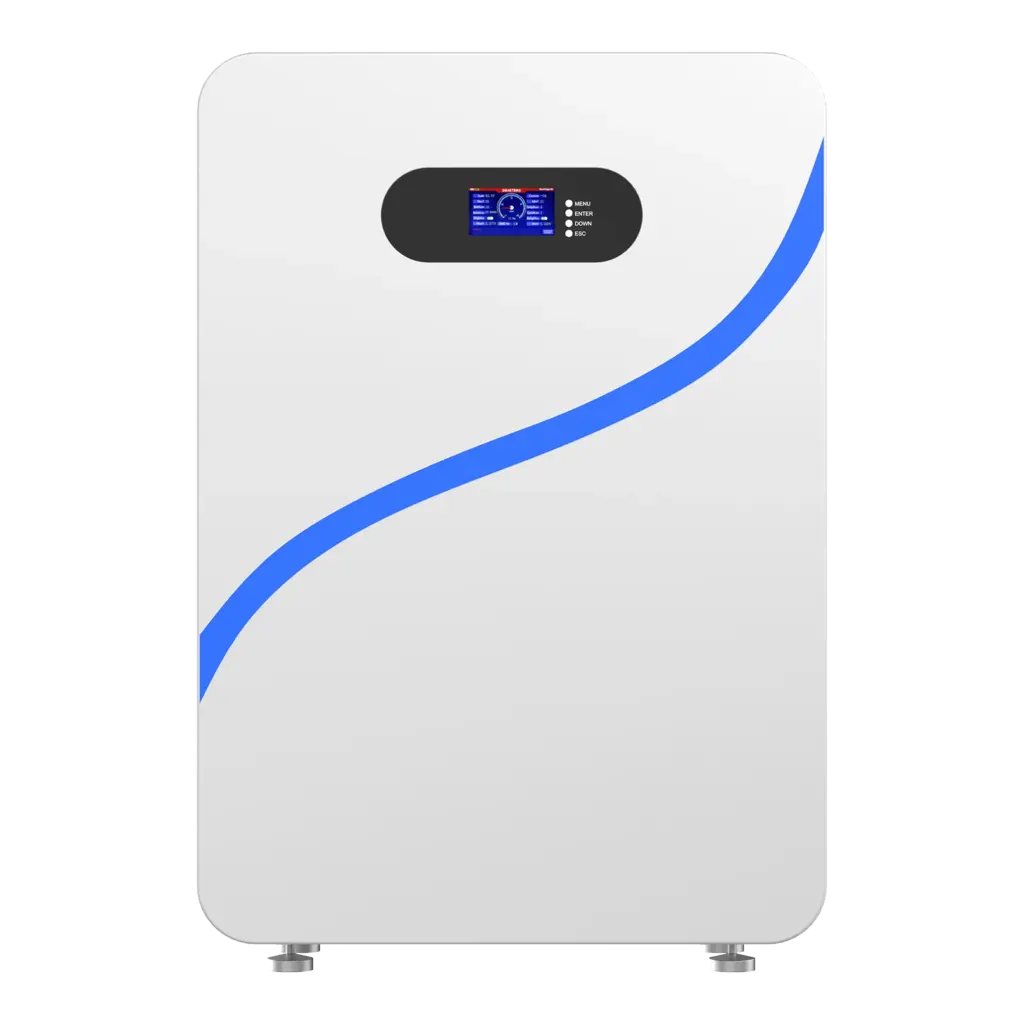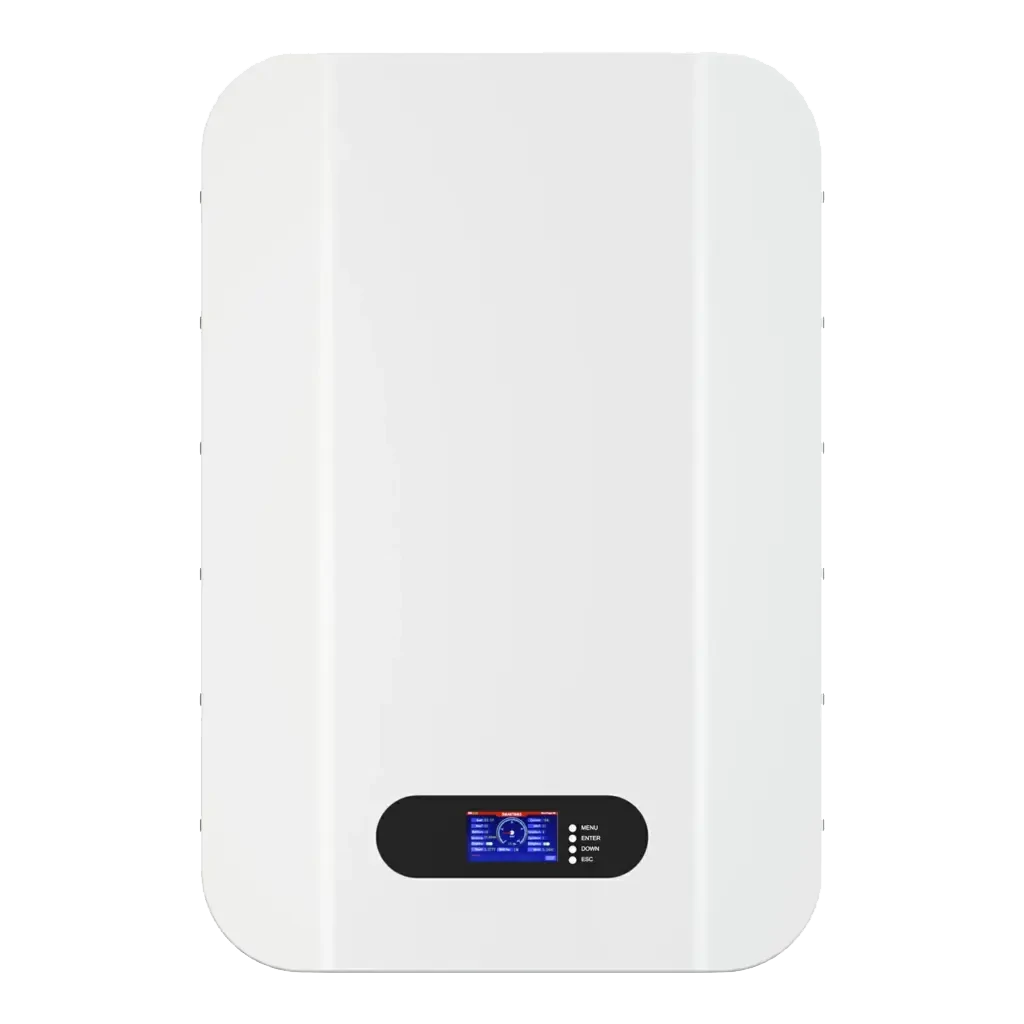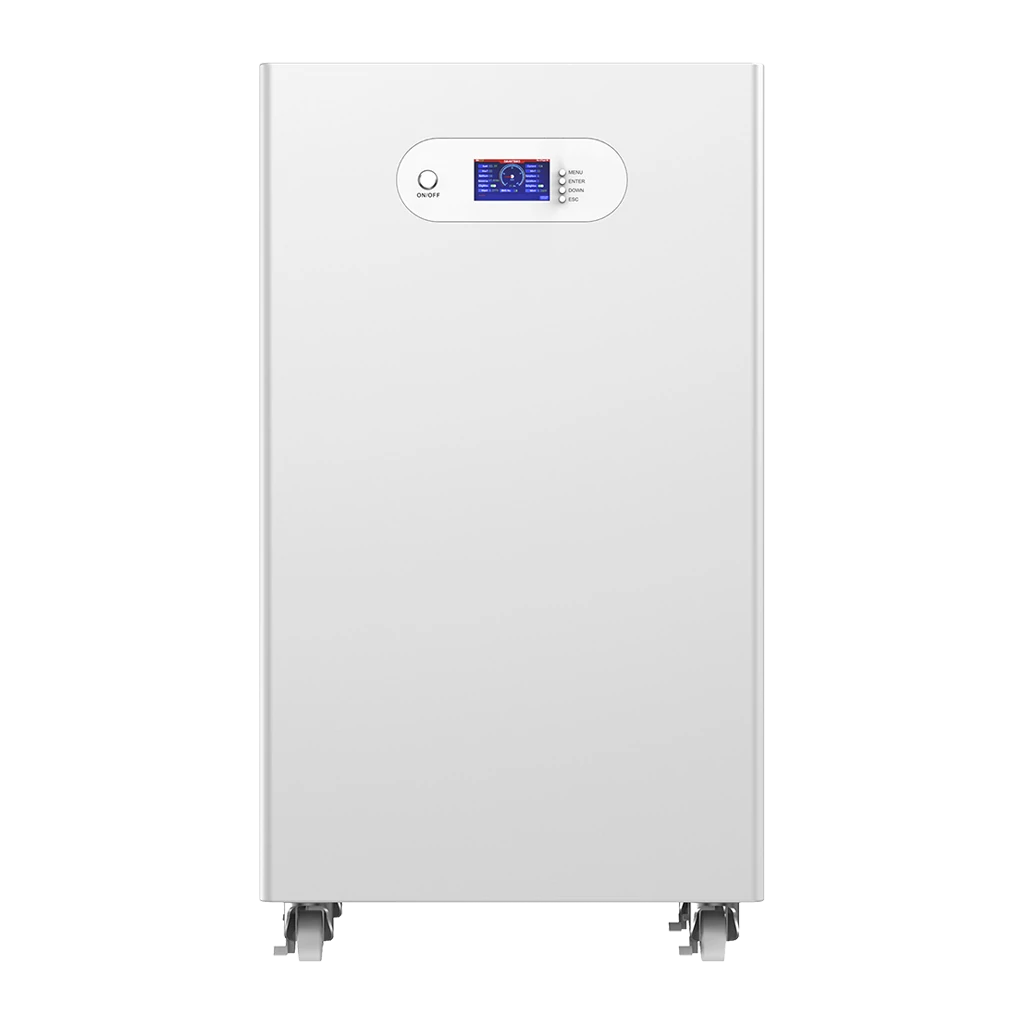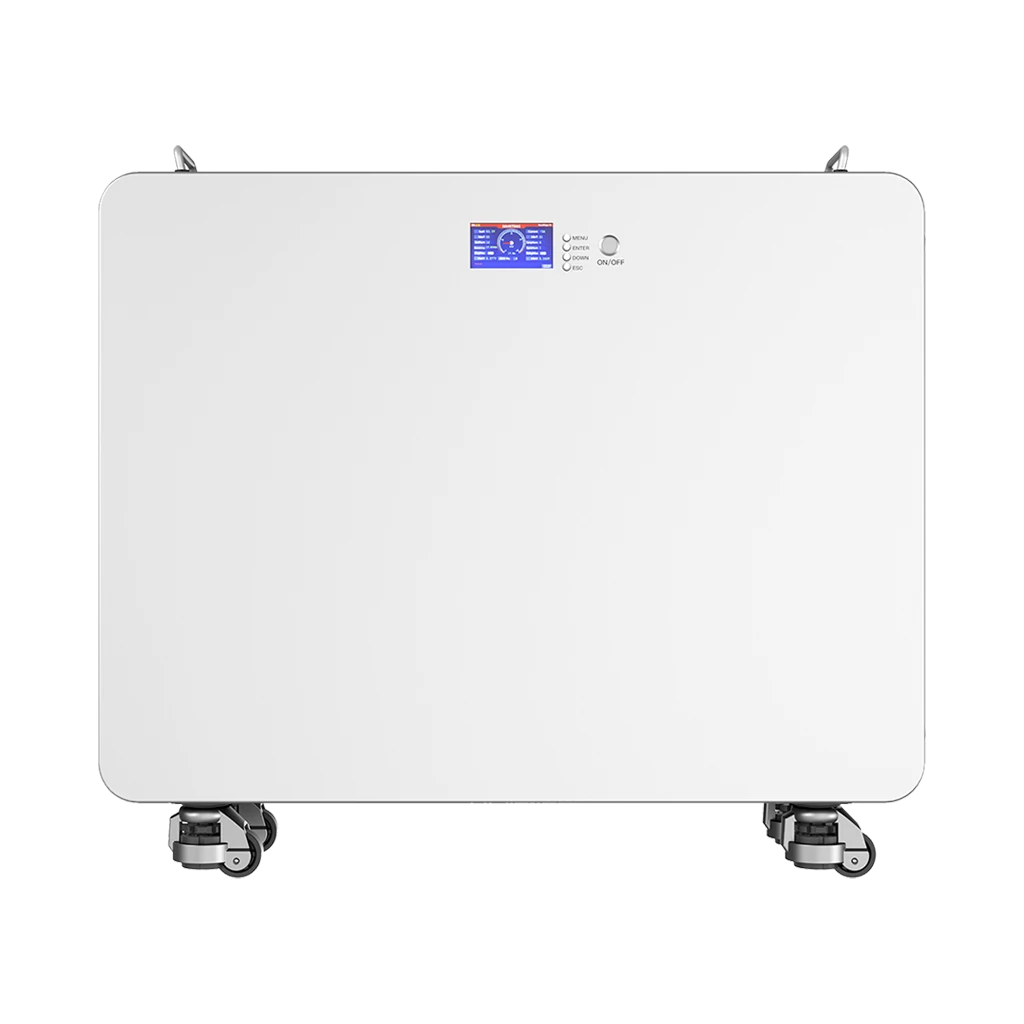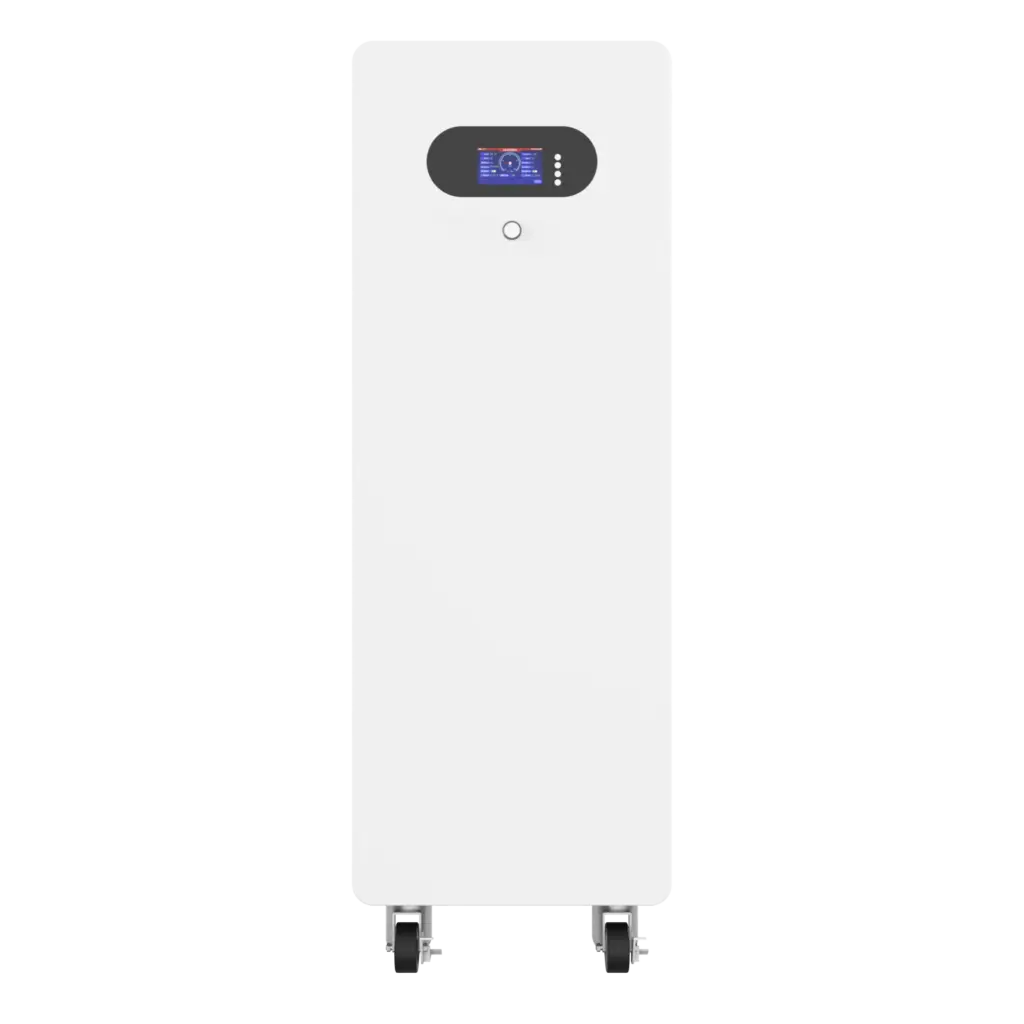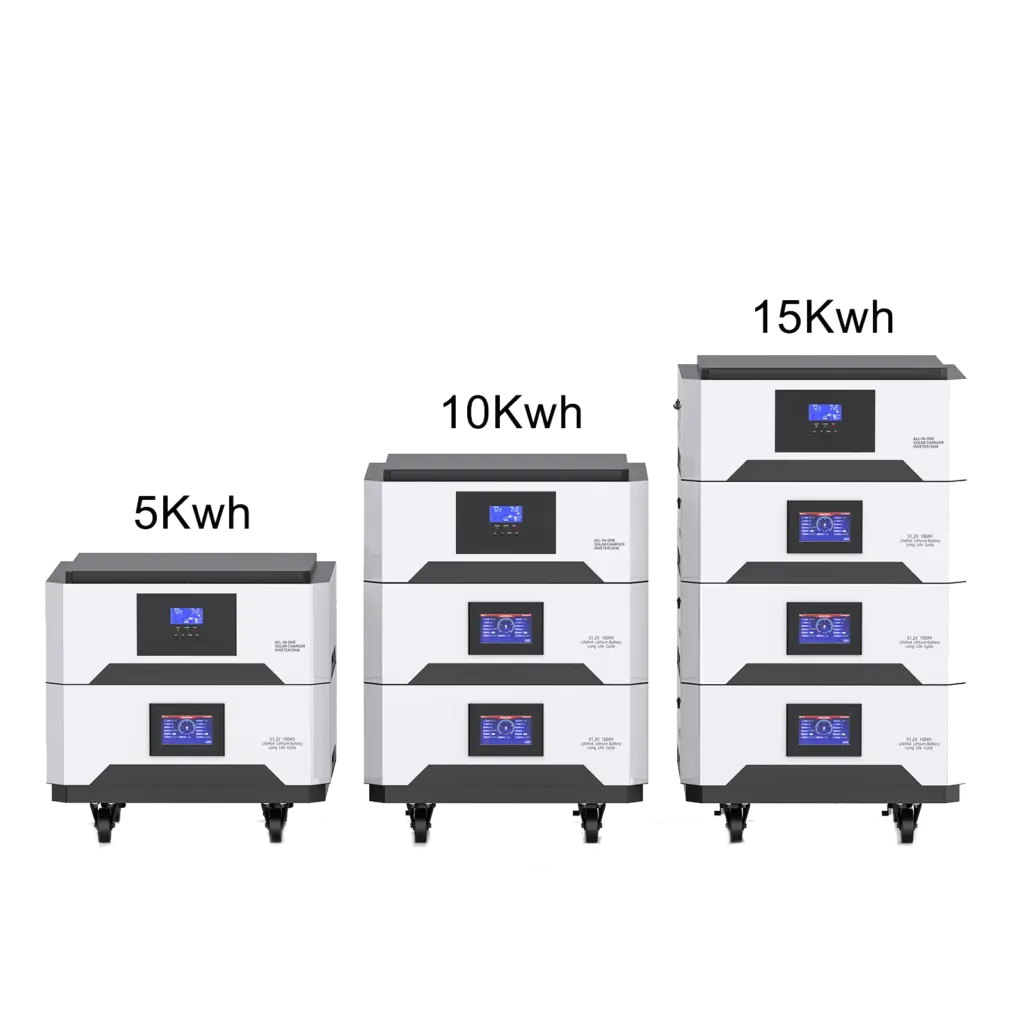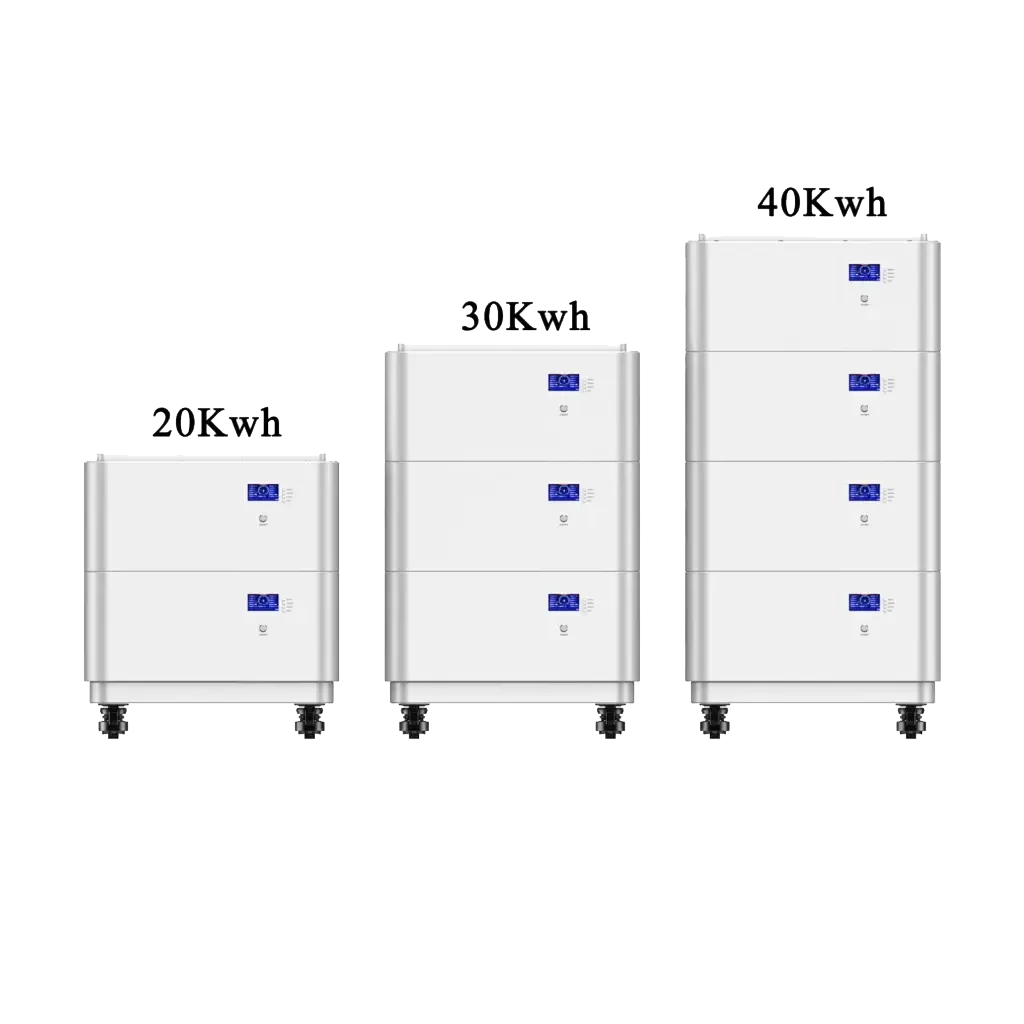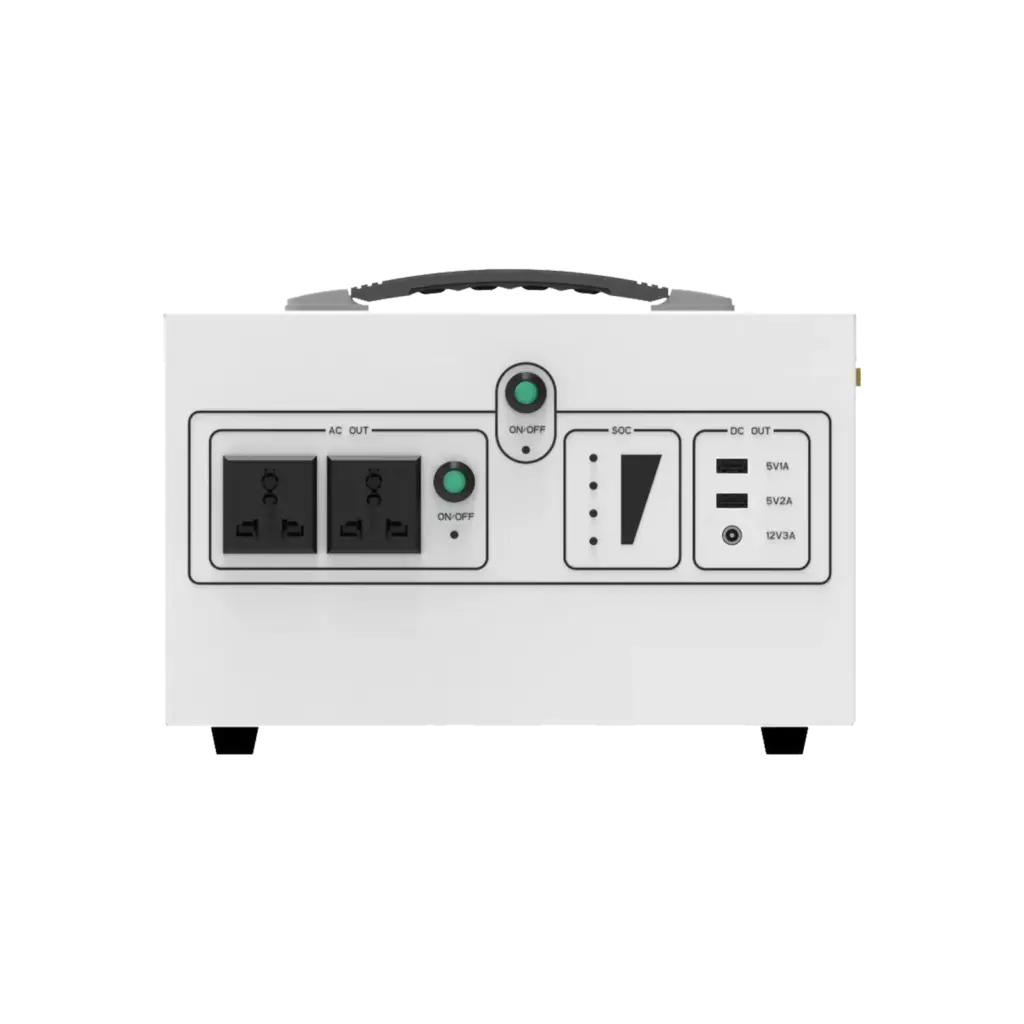


Every camper needs a dependable battery bank. Your lights, fans, pumps, fridge, outlets, and electronics all rely on stored energy when you travel away from hookups. For a camper or motorhome this “house” battery should be a deep-cycle battery, not an automotive starter battery, because RV loads need steady energy over many hours rather than a short starting burst. You can still use a regular starting battery for the RV’s engine (the chassis battery), but the living-area circuit should run on a dedicated deep-cycle RV battery bank.
This guide explains how a camper battery works, how you should compare common battery types, how you should size a bank for your trips, and how you should charge and care for it so the system lasts.
Best RV Camper Battery: Lead-Acid vs. Lithium
The biggest choice you face is between the traditional lead-acid batteries and the modern lithium (specifically Lithium Iron Phosphate, or LiFePO4) batteries. Lead-acid batteries (flooded, AGM, GEL) have been the traditional choice because they’re affordable and available almost everywhere RVers travel.
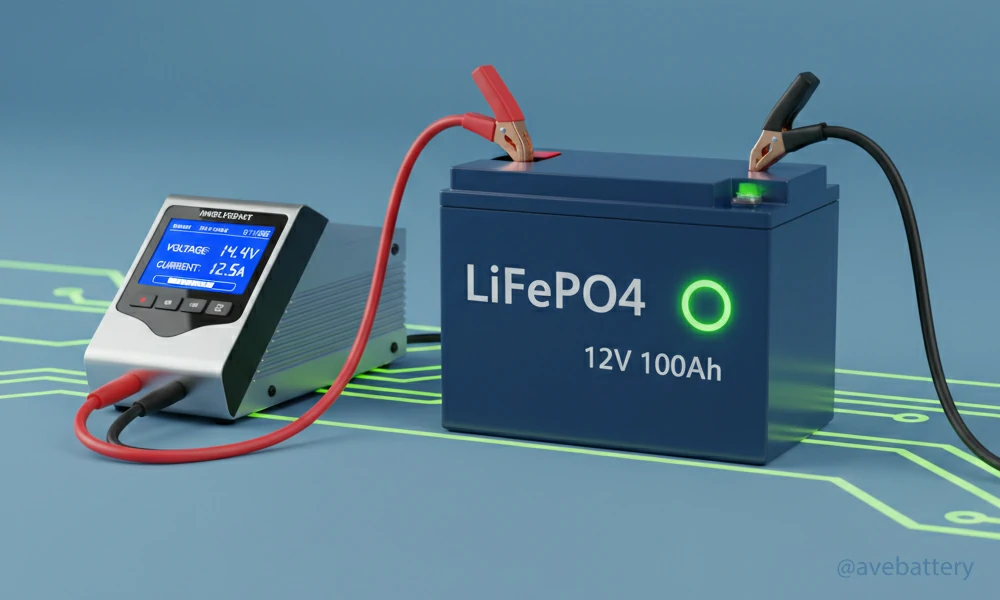
While lead-acid batteries have been the RV standard for decades, lithium technology offers so many advantages that it’s quickly becoming the best option for off-grid living. For today’s campervans and leisure RVs, LiFePO4 is generally the “best” battery because it’s lighter, gives more usable capacity, and tolerates partial charging much better, which is exactly what happens in off-grid camping.
Read this article to learn more about AGM Battery vs. Lithium.
| Feature | Group 31 AGM | Avepower Lithium |
|---|---|---|
| Voltage | 12V | 12.8V |
| Amp Hours (Ah) | 98Ah | 100Ah |
| Waterproof | Not waterproof | IP65 |
| Usable Capacity | ≈50% | ≈80% |
| Life Cycles @ 80% DOD | 400 cycles | 4,000 cycles |
| Weight Each (lbs) | 60 lbs | 30 lbs |
| Replacement | 2–3 years | 10+ years |
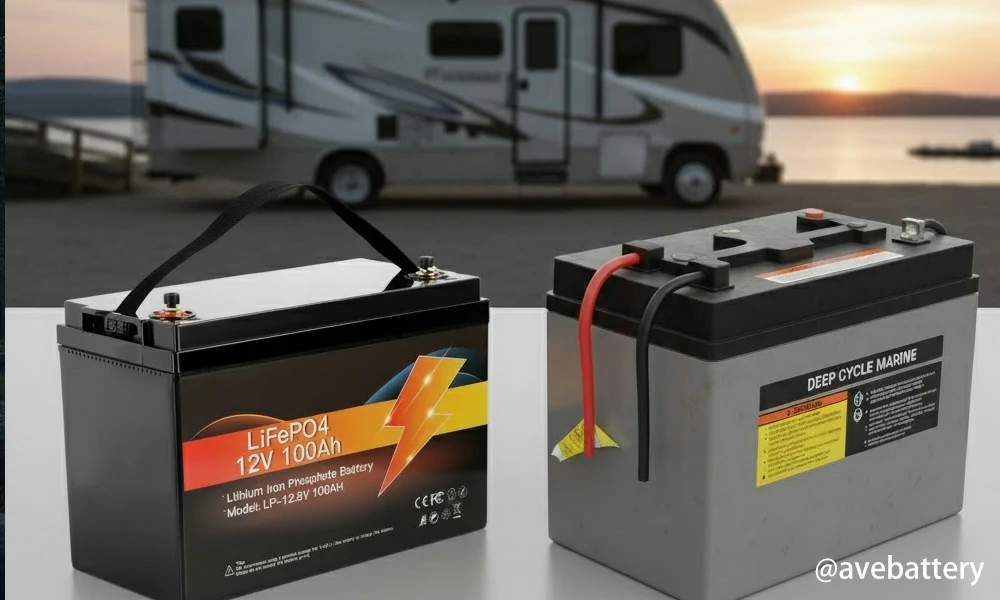
The biggest initial hurdle for many people is the price. The table shows a Group 31 AGM battery costs $149, while an Avepower lithium battery costs $299. The lithium battery is now only about twice the price. However, focusing only on the sticker price completely misses the true economic picture: the cost per cycle.
A “cycle” is one full charge and discharge of the battery. The true measure of a battery’s value is how many times it can successfully do its job before it needs replacement.
| Battery Type | Cost Each | Life Cycles @ 80% DOD | Cost per Cycle Calculation | Cost per Cycle |
|---|---|---|---|---|
| Group 31 AGM | $149 | 400 cycles | $149 ÷ 400 | $0.37 |
| Avepower Lithium | $299 | 4,000 cycles | $299 ÷ 4,000 | $0.07 |
The Avepower LiFePO4 battery is dramatically cheaper per cycle. The calculation shows that the Avepower LiFePO4 battery is about 80% cheaper per cycle than the lead-acid battery. Stated differently, the AGM lead-acid battery’s cost per cycle is nearly five times higher than the Avepower LiFePO4 battery’s cost per cycle ($0.37/$0.07≈4.98).
Furthermore, the lead-acid battery lasts only 2−3 years, while the LiFePO4 battery is expected to last 10 years or more. In the time it takes the LiFePO4 battery to wear out, you would have bought and replaced the lead-acid battery four or five times, easily exceeding the lithium’s upfront cost. This is why frequent campers, boondockers, and people who run fridges or CPAPs off-grid generally end up choosing lithium even if AGM looks cheaper on day one. Lithium is absolutely the most cost-effective choice in the long run.
In short: choose AGM lead-acid if you camp occasionally and want low initial cost; choose LiFePO4 if you camp often, stay off-grid, or want the lightest, longest-lasting option.
Dealing with Partial State of Charge (PSOC)
The Partial State of Charge (PSOC) problem is a major killer of many lead-acid RV batteries. As we discussed, discharging a lead-acid battery below 50% capacity, or not consistently recharging it to 100%, negatively affects its lifespan. Managing this requirement can be very difficult when you are camping off-grid.
What happens if you rely on solar panels to recharge your batteries but face several cloudy days in a row? What if you park your RV in a campsite that does not allow you to run your generator? These situations force you to keep your lead-acid batteries in a PSOC condition, and their life will suffer.
LiFePO4 batteries do not have this problem. They are not damaged by partial charging. Their expected lifespan and their power delivery performance remain exactly the same, regardless of whether you top them up completely or only charge them halfway.
That’s one of the key reasons lithium is “better for camping”: real-world RV use rarely lets you bring a lead-acid bank to 100% every single day.
Storage and Longevity
Additionally, lithium batteries are much better for long-term storage. If you know you won’t be using your RV for several months over the winter, for example, you can put your lithium batteries into a storage state (around 50% charge) for extended periods. This has no negative effects on the battery. A lithium battery will only lose about 3% of its Amp-hour capacity for every month it sits in storage.
With lead-acid, if you leave the battery sitting connected to the RV, small “parasitic” loads such as LP detectors, radio memory, control boards, and trackers will keep drawing power and can drain the battery completely if there is no charger connected.
Lead-acid batteries need constant maintenance charging to avoid sulfation and permanent damage. So, if you ask “what drains an RV battery when not in use?”, the answer is usually these background draws plus natural self-discharge — use a disconnect switch or a maintenance charger to prevent it.
Charging Speed and Efficiency
Spending less time charging your batteries means more time enjoying your trip. This is another area where lithium technology shines.
The Resistance Problem in Lead-Acid
Lead-acid batteries have naturally high internal resistance. This resistance increases even faster as the battery charges. Because of this, charging algorithms must slowly raise the voltage, dramatically slowing down the charging process, especially once the battery reaches about 80% charge. Charging the last 20% can take as long as the first 80%.
Low Resistance, High Speed in Lithium
Avepower lithium batteries have a much lower internal resistance. This allows them to accept a quick, high-current charge right up to a very high state of charge (often 95% or more).
In practical terms, this lower resistance facilitates charging up to six times faster than a comparable lead-acid battery. This is a massive benefit, translating directly to:
- Less generator run time: You spend less time listening to a noisy, polluting generator.
- More effective solar charging: You capture and store available solar energy more quickly, especially during shorter periods of peak sunlight.
This is especially helpful for campervans that only drive short distances — the alternator or solar only has a small window to refill the battery, so fast-charging chemistries win.
How Your RV Class Influences the Battery Choice
Your RV class affects how much current you pull and how much space and weight you can spare.
Smaller campers and teardrops can often get by with a single 100Ah 12V battery — that size is popular because it’s easy to fit, easy to wire, and gives a realistic 1–2 days of light use. If you already know you’ll be running a 12V compressor fridge, fan, water pump, and charging phones/laptops, going straight to 200Ah of lithium makes the system much more forgiving.
Avepower is a brand that offers reliable LiFePO4 batteries suitable for these applications.
RV Class | Usage Profile | Avepower Battery Bank | Estimated Usable Capacity (Ah) | Typical Run Time (Off-Grid) |
|---|---|---|---|---|
| Small Teardrop / Pop-up | Basic lighting, phone charging, minimal use | (1) 100 Ah 12V Lithium | 90 – 99 Ah | 1 – 2 Days |
| Class B Van / Small Travel Trailer | Lights, fridge, fan, laptop, weekend use | (2) 100 Ah 12V Lithium | 180 – 198 Ah | 2 – 3 Days |
| Class C / Mid-size Travel Trailer | Microwave, extended dry camping, residential fridge | (2) 200 Ah 12V Lithium | 360 – 396 Ah | 3 – 5 Days |
| Large Class A Motorhome / 5th Wheel | Full-time living, heavy appliance use (A/C, washer/dryer) | (4) 200 Ah 12V Lithium | 720 – 792 Ah | 5+ Days |
“2×100Ah or 1×200Ah?” If you want easier wiring, a single 200Ah lithium is simpler and often slightly more efficient; if you want redundancy and the option to split the bank later, two 100Ah batteries are fine — just match chemistry and age.
How to Calculate Your Needs
Battery Runtime Calculator
To find your optimal battery setup, you must determine your daily Amp-hour consumption.
- List all appliances: Include lights, fans, water pump, refrigerator, inverter (for AC devices), and device chargers.
- Estimate hourly use: Note how many hours a day you use each item.
- Calculate daily Ah: Use the formula: (Watts/Volts)×Hours=Amp-hours. Example: A 50-watt appliance on a 12V system used for 2 hours: (50W/12V)×2 hrs≈8.3 Ah.
- Buffer: Once you have your total daily Ah, choose a lithium battery bank with a total usable capacity at least 25% higher than your daily need to provide a buffer for cloudy days or unexpected power draws.
If you consume around 2.5–2.7 kWh per day (roughly 200–220Ah at 12V), a single 100Ah battery will only last 1–2 days without charging, so either add more capacity or plan to recharge daily. Two 12V batteries wired for your house loads can often get you through 2–3 light-use days if you’re only running LEDs and charging phones.
As for system voltage and size, many small RVs use 12V batteries that are roughly 10–11 inches long, 6–7 inches wide, and under 9 inches tall — a 24V unit in that footprint is usually aimed at compact or smaller campers. Choose the physical size that actually fits your battery compartment and ventilation plan.
How Charging Battery Works in a Camper
Your battery does not stand alone. Your charge sources and your wiring plan shape how your system behaves.
Solar Charging
Solar works best with a good MPPT controller. Lead-acid banks want long absorption phases, which stretch into the afternoon. Lithium banks take current faster and reach full earlier. If you camp in real shade often, you should not count on solar alone to recover large daily use.
Alternator Charging
An alternator can be a strong partner if you add a DC-to-DC charger. A DC-to-DC charger protects the alternator and tunes charge voltage. A smart unit supports both lead-acid and lithium profiles. A direct alternator tie can overwork newer alternators and cause voltage sag. A proper DC-to-DC charger prevents that problem.
Shore Power and Generators
A shore charger or an inverter-charger turns campground power or generator power into battery charge. A quality unit lets you select lead-acid or lithium profiles. A lithium bank charges faster when the charger has adequate amperage. A lead-acid bank needs longer absorption time to reach true full.
Battery Charging Time Calculator
Conclusion
A weekend warrior can still make AGM lead-acid work with a smart charge plan and modest expectations. A frequent boondocker will almost always prefer LiFePO4 because the weight, the usable capacity, and the charge behavior let you live better off-grid.
If you want the simplest answer: use a deep-cycle battery for the camper circuits, go lithium if you camp often or off-grid, size it to at least 100Ah (200Ah if you run a fridge), and protect it from parasitic loads when you store the RV.
A large coach with big AC loads should plan a higher-voltage lithium system with strong charging and careful wiring.
FAQ
A camper can use 12 V if the loads are modest and cable runs are short. A large inverter or long runs favor 24 V because current drops in half for the same power. Your devices and your inverter decide the answer.
Your inverter should match your biggest single AC load with some headroom. A coffee maker or microwave often needs 1,000–1,500 W. A hair dryer needs more. A 2,000–3,000 W inverter covers most RVs, but your list of loads should guide the choice.
You should use a shunt-based monitor for accurate state-of-charge readings. Voltage alone can mislead you, especially on lithium.