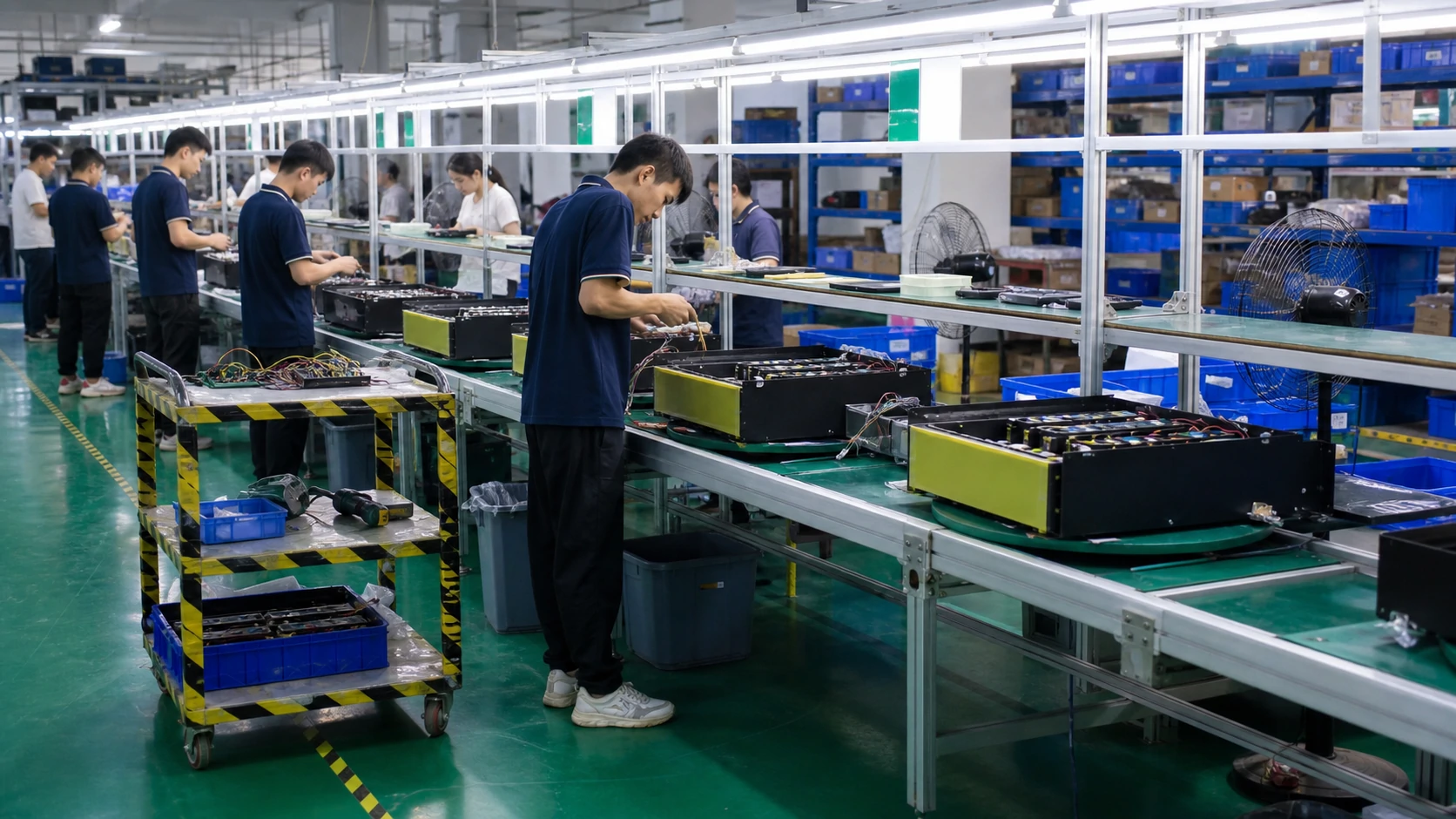


A solar battery on the Gold Coast can help households store excess rooftop solar electricity for evening use, reduce grid purchases and provide backup power when appropriately configured. In November 2026, a 10 kWh home battery costs approximately A$7,384–A$7,984 installed on average across Australia, including the federal battery discount, when a compatible battery-ready inverter is already available.
How Much Does a Solar Battery Cost on the Gold Coast?
A solar battery on the Gold Coast typically costs around A$4,900 to A$38,000 installed, depending on storage capacity, inverter requirements, battery brand and available federal incentives. Smaller 5 kWh battery generally cost less upfront, while larger 30–50 kWh batteries require a higher investment but offer greater storage capacity.
Solar Battery Prices on the Gold Coast in 2026
| Battery Capacity | Estimated Installed Price (AUD) |
|---|---|
| 5 kWh | A$4,900–A$8,800 |
| 10 kWh | A$7,384–A$7,984 |
| 20 kWh | A$14,172–A$15,172 |
| 30 kWh | A$20,689–A$21,889 |
| 40 kWh | A$27,911–A$29,511 |
| 50 kWh | A$35,534–A$38,034 |
For a Gold Coast property, installation costs may increase if the system requires:
- Switchboard upgrades or additional electrical protection.
- A new hybrid inverter or AC-coupled battery inverter.
- Dedicated circuits for blackout backup.
- Longer cable runs or additional mounting work.
- Weather-resistant outdoor equipment or a more complex installation location.
The most useful comparison is the final installed price for the same usable storage capacity and backup functions, not simply the advertised battery price.
What Solar Battery Size Do You Need for a Gold Coast Home?
Most Gold Coast homes need a 5–20 kWh solar battery, depending on evening electricity consumption, rooftop solar generation, and backup power requirements.
| Household Situation | Indicative Usable Battery Capacity | Main Decision Factor |
|---|---|---|
| Small household with 3–5 kWh evening use | 5–6 kWh | Avoid purchasing excess storage |
| Family home with 6–10 kWh evening use | 8–12 kWh | Balance daily cycling and stored energy |
| Larger household using 10–15 kWh after sunset | 13–16 kWh | Confirm sufficient solar surplus |
| Home with an EV, pool equipment or high overnight cooling demand | 15–25 kWh or more | Assess charging schedules and peak loads |
| Property requiring extended blackout backup | Site-specific | Calculate essential energy use and required backup duration |
How to Calculate Battery Capacity From Evening Electricity Use
Start with the household’s measured electricity consumption between sunset and the following morning. Interval data from a smart meter is preferable to estimating from an electricity bill.
A preliminary calculation is:
Required usable battery capacity (kWh) = Overnight electricity demand (kWh) ÷ Battery-to-home discharge efficiency
If a household uses 8 kWh overnight and the assumed battery-to-home discharge efficiency is 92%:
8 ÷ 0.92 = 8.70 kWh
An approximately 9–10 kWh usable battery is therefore a reasonable starting point, provided rooftop solar can recharge it sufficiently.
If the battery’s quoted capacity is nominal rather than usable, further allowance is necessary for its permitted discharge range and reserved energy.
Capacity also differs from power output. A 10 kWh battery may store enough energy for several hours, but it cannot necessarily operate an air conditioner, oven and EV charger simultaneously. The inverter’s continuous and surge power ratings determine which appliances can run together.
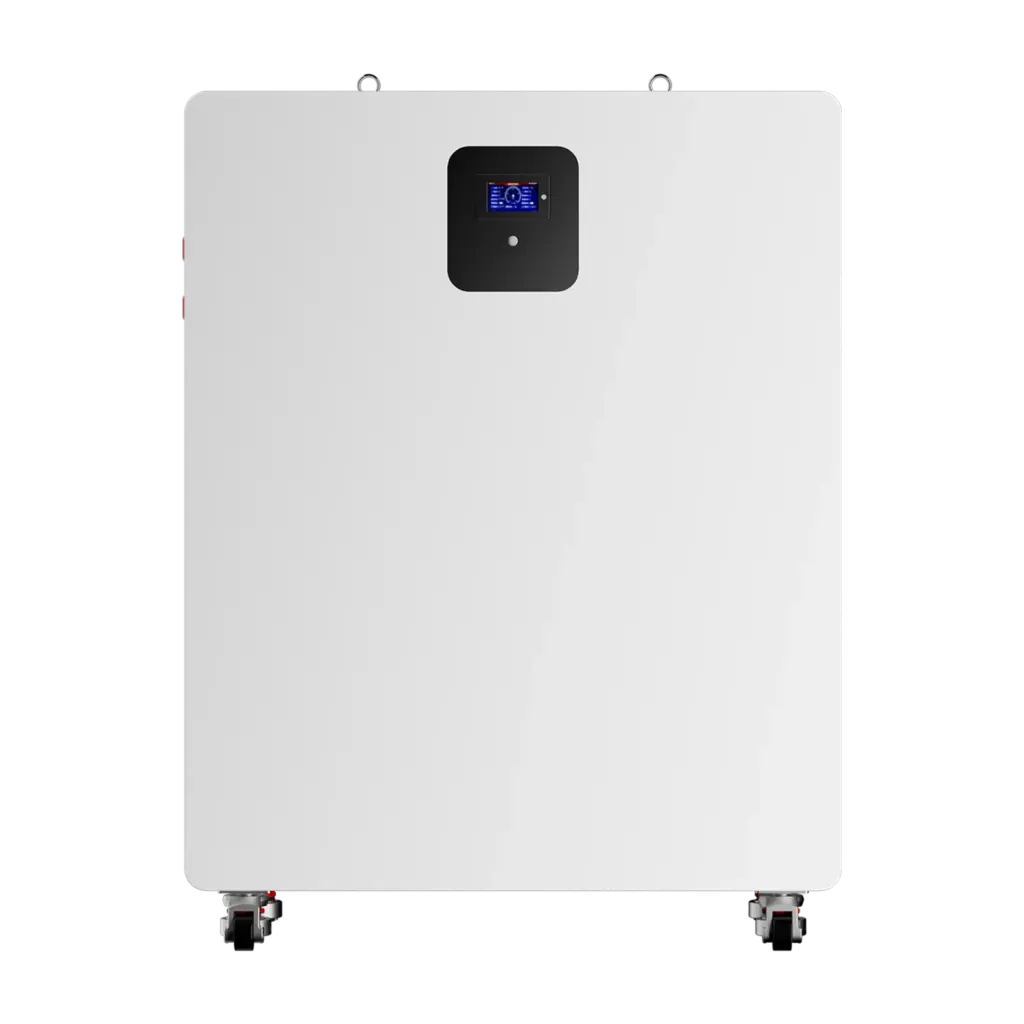
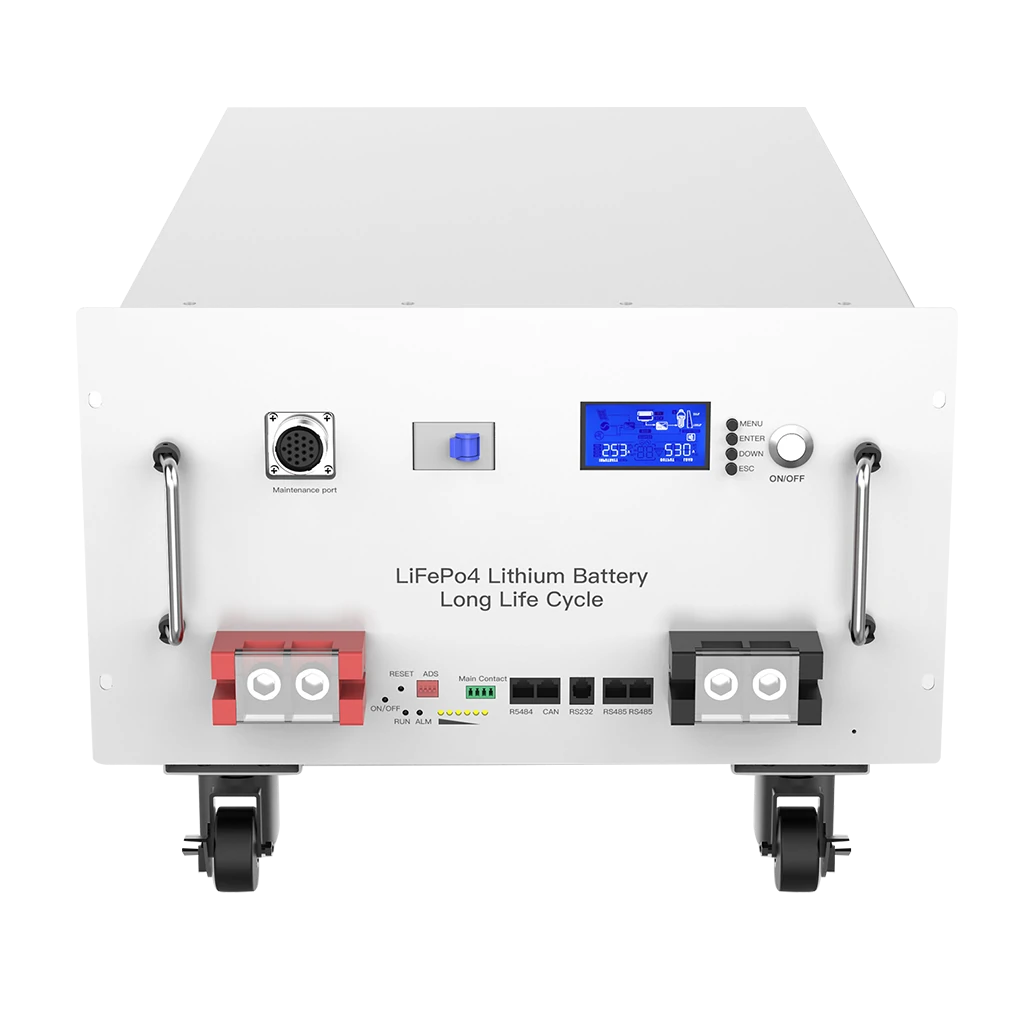
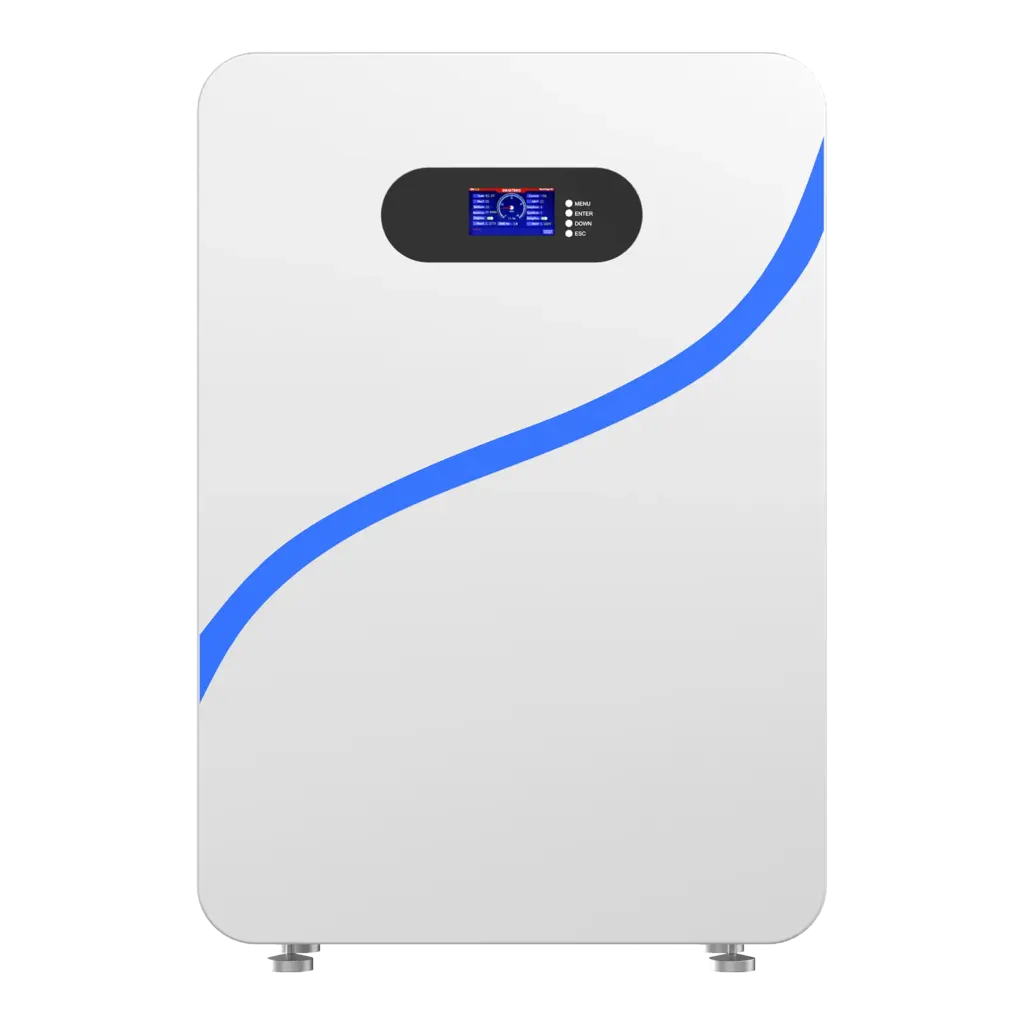
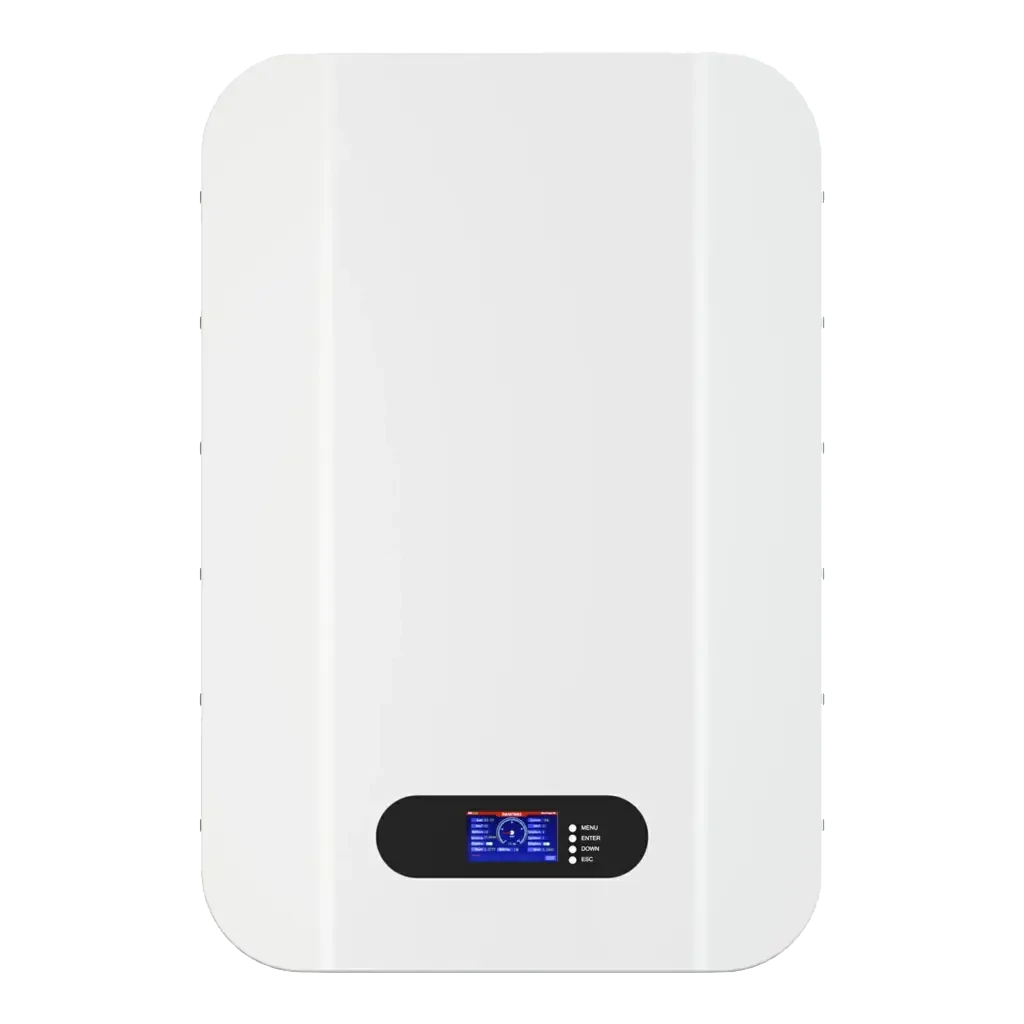
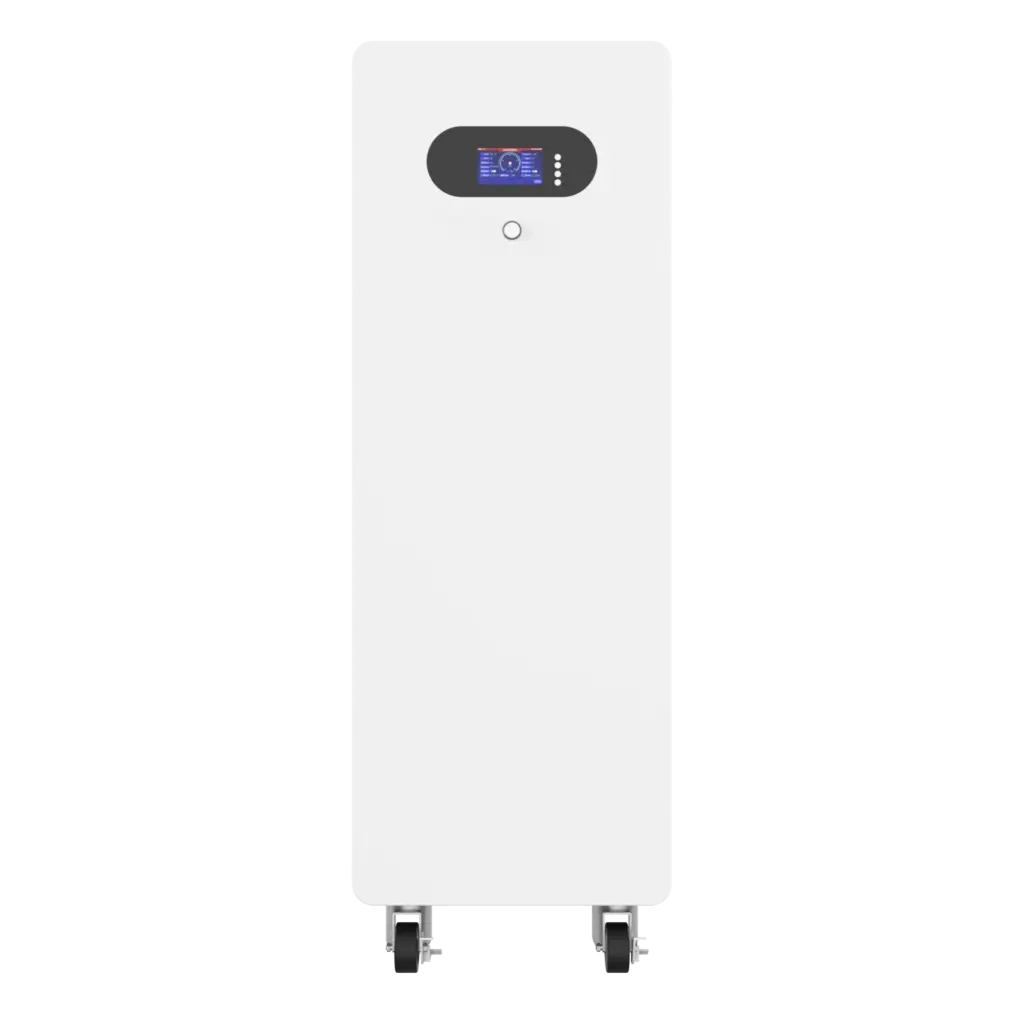
A 51.2 V, 200 Ah Avepower wall-mounted LiFePO4 battery provides approximately 10.24 kWh of nominal energy, making it relevant to this capacity class. Its CAN, RS485 and RS232 communication interfaces support inverter integration when the required protocols are compatible.
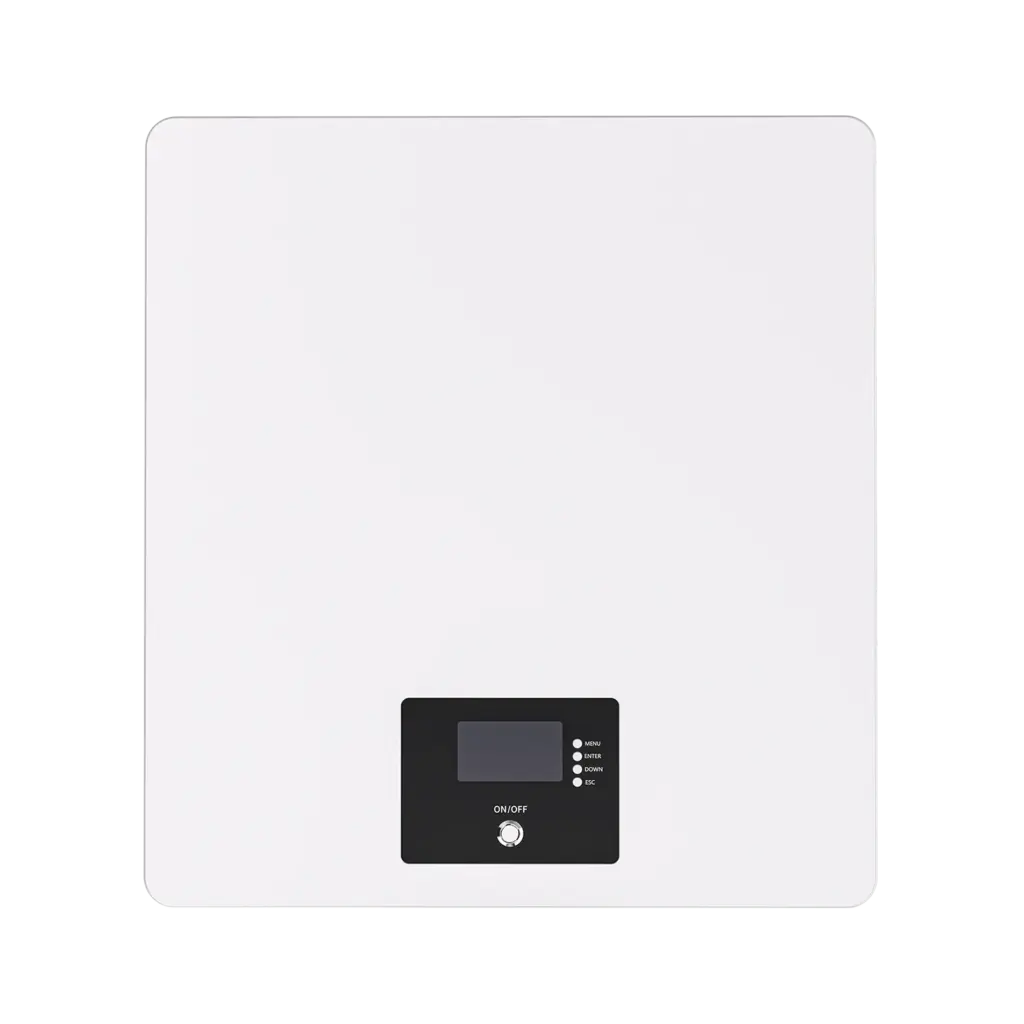
10kWh Wall Mounted LiFePO4 Battery
Avepower wall-mounted battery delivers 10kWh of reliable energy storage for solar systems, backup power and off-grid applications. Supporting up to 16 units in parallel.
Is a Solar Battery Worth It on the Gold Coast?
A solar battery is more likely to provide worthwhile financial savings when a household regularly exports excess solar energy during the day and purchases electricity at higher rates after sunset. The calculation must account for battery losses and the feed-in credits that would otherwise have been earned.
A household with limited surplus solar or minimal evening consumption may achieve a longer payback period, even with a government discount.
How Much Can a Solar Battery Save Each Year?
The value of stored solar electricity is not simply the retail electricity price. Electricity diverted into a battery can no longer be exported for the same feed-in credit, and some energy is lost during charging and discharging.
Consider an illustrative Gold Coast household with these assumptions:
| Calculation Input | Assumption |
|---|---|
| Surplus solar directed into the battery | 8 kWh per charging day |
| Assumed round-trip efficiency | 90% |
| Battery electricity supplied to the home | 7.2 kWh per charging day |
| Avoided grid electricity price | A$0.32/kWh |
| Forgone solar feed-in tariff | A$0.06/kWh |
| Equivalent charging days annually | 300 |
Step 1 — Avoided grid purchases
7.2 kWh × A$0.32 = A$2.304 per charging day
Step 2 — Lost solar export income
8 kWh × A$0.06 = A$0.48 per charging day
Step 3 — Net benefit
A$2.304 − A$0.48 = A$1.824 per charging day
Step 4 — Illustrative annual savings
A$1.824 × 300 = approximately A$547 per year
This is a worked scenario, not an estimate of average Gold Coast household savings. The tariff rates, efficiency and number of charging days are assumptions rather than measured local averages.
At an installed cost of A$7,384, the simple payback from these savings alone would be approximately 13.5 years.
What Solar Battery Rebates Are Available on the Gold Coast in 2026?
Eligible Gold Coast households can access the Australian Government’s Cheaper Home Batteries Program, which provides financial support through small-scale technology certificates (STCs). The amount depends on usable battery capacity, the installation date, applicable certificate factors and the value realised from those certificates.
The program changed on May 1, 2026. Battery support is now tiered by usable capacity.
| Portion of Usable Battery Capacity | Applicable STC Factor Percentage |
|---|---|
| First 14 kWh | 100% |
| Above 14 kWh to 28 kWh | 60% |
| Above 28 kWh to 50 kWh | 15% |
For installations completed between May 1 and December 31, 2026, the underlying STC factor is 6.8. It is scheduled to decrease to 5.7 for January–June 2027 installations.
A qualifying 10 kWh usable battery installed during the remainder of 2026 would therefore generate approximately:
10 × 6.8 = 68 STCs
Which Batteries Qualify for the Federal Discount?
A battery must meet the program’s product, installation and technical requirements to qualify. Being a lithium battery, carrying international certification or having a compatible-looking inverter does not establish eligibility.
Key requirements include:
- A new battery system with 5–100 kWh nominal capacity.
- Installation with new or existing rooftop solar.
- Inclusion on the applicable Clean Energy Council approved battery list.
- Installation by a Solar Accreditation Australia accredited installer with the required battery endorsement.
- Compliance with applicable Australian electrical and installation standards.
- Virtual power plant capability for grid-connected systems.
- Compliance with the one-eligible-battery-system-per-premises rule.
The incentive only applies to the first 50 kWh of eligible usable storage capacity.
An Australian installer should verify the exact battery model, approved inverter combination, installation conditions and certificate entitlement before presenting a rebate-inclusive quote.
Queensland’s earlier Battery Booster program is closed to new applications. Buyers should not assume that an additional Queensland state battery rebate is currently available without checking the latest program information.
Can Gold Coast Households Charge a Battery With Free Midday Electricity?
Eligible households in South East Queensland can opt into the Solar Sharer Offer, which provides a three-hour daily free-electricity window from 11 am to 2 pm. The offer began on July 1, 2026 and can be used to charge an appropriately configured home battery.
Eligibility depends on having a suitable smart meter, retailer and supply arrangement. The offer is optional, and electricity charges still apply outside the free period.
The free window covers up to 24 kWh of electricity consumption per day, subject to the applicable tariff conditions.
A battery owner should check whether the system supports scheduled grid charging and whether the savings from midday electricity outweigh any higher usage charges at other times.
Households with rooftop solar should also compare the value of charging from the grid with using their own surplus generation. The least expensive charging strategy depends on the selected retail plan and the home’s actual load profile.
Will a Solar Battery Keep Your Home Running During a Blackout?
A solar battery can provide electricity during a grid outage only when the system includes compatible backup hardware, appropriate electrical isolation and correctly configured backup circuits. A battery that reduces bills during normal operation does not automatically keep the property powered when the grid fails.
A battery with 10 kWh of usable energy could theoretically support a constant 500 W load for 20 hours. After assuming 90% battery-to-home efficiency, approximately 18 hours is a more appropriate illustration.
Actual runtime varies with appliance cycling, reserve settings, conversion losses, battery condition and the amount of stored energy available when the outage begins.
For a Gold Coast household concerned about storm-related power interruptions, a practical backup design should identify the required refrigerator, lighting, internet and other essential circuits. Air conditioning, pumps and high-power appliances need separate load and starting-current assessments.
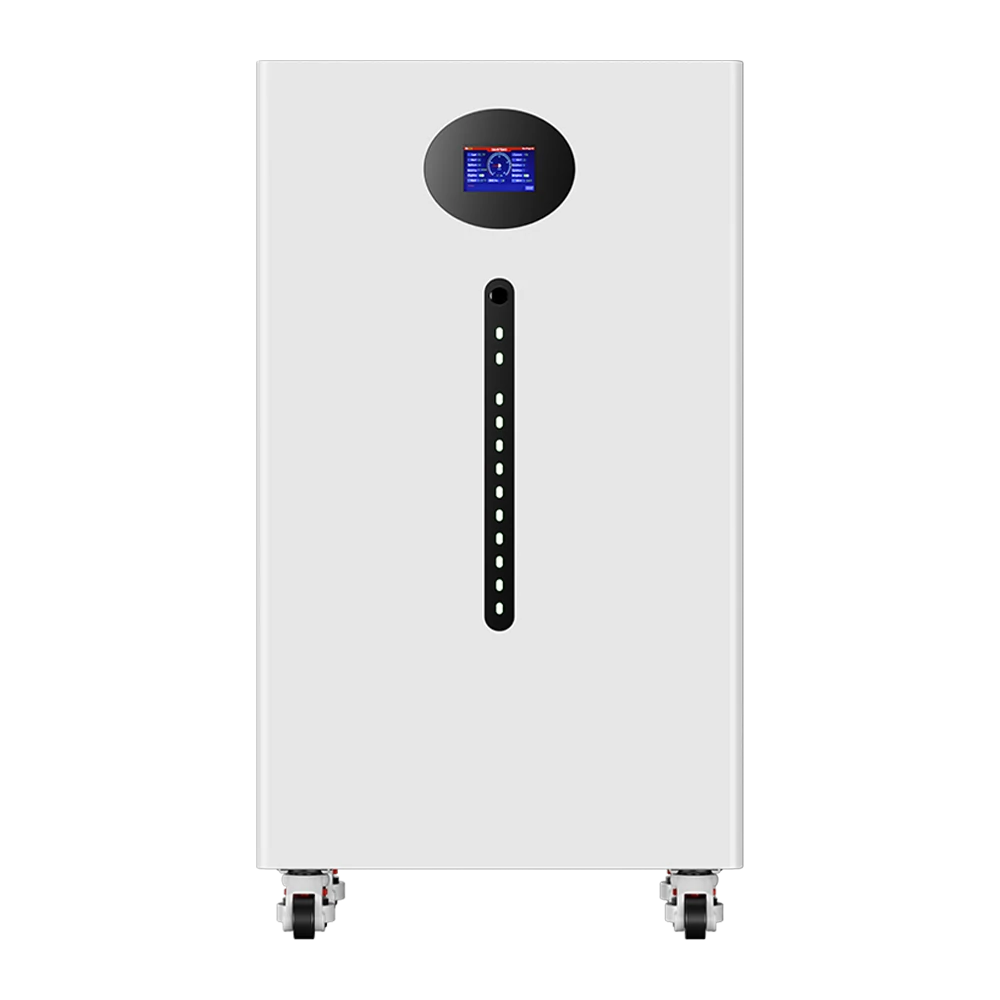
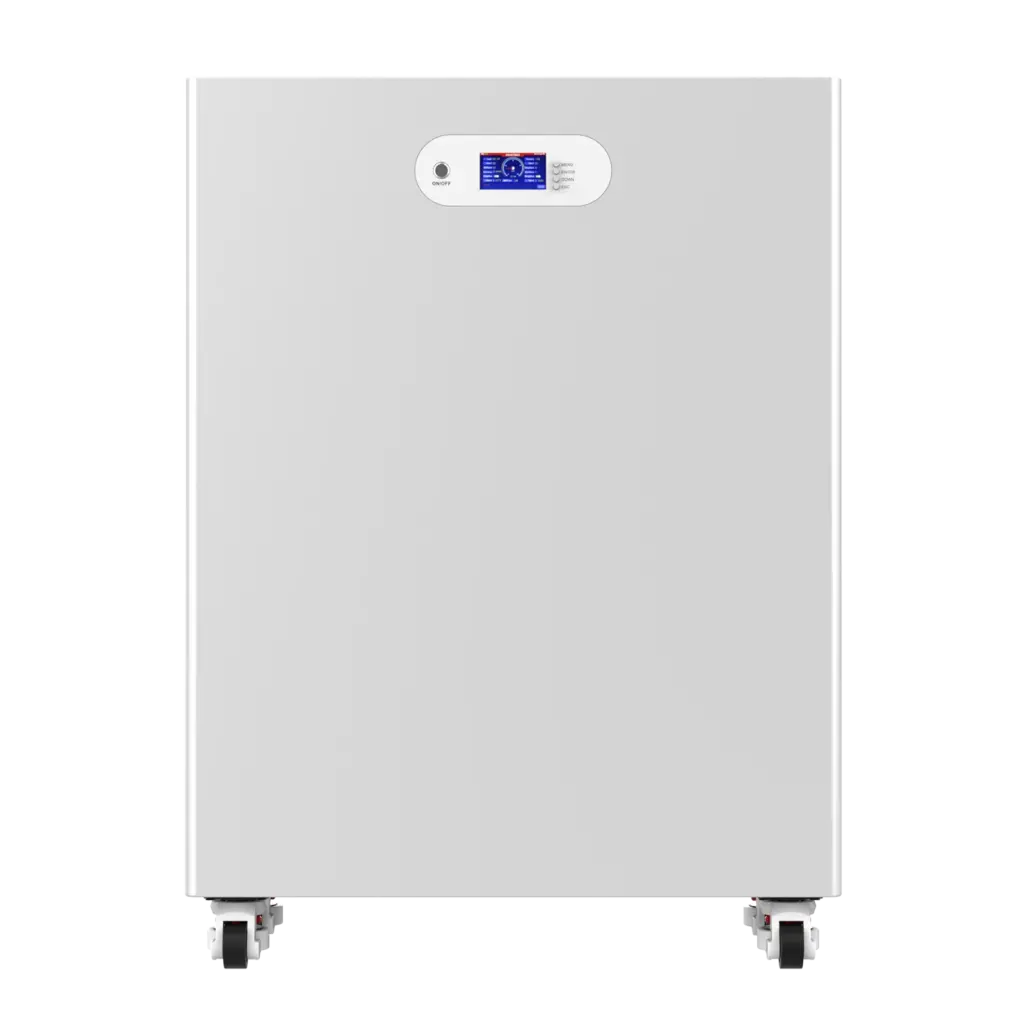
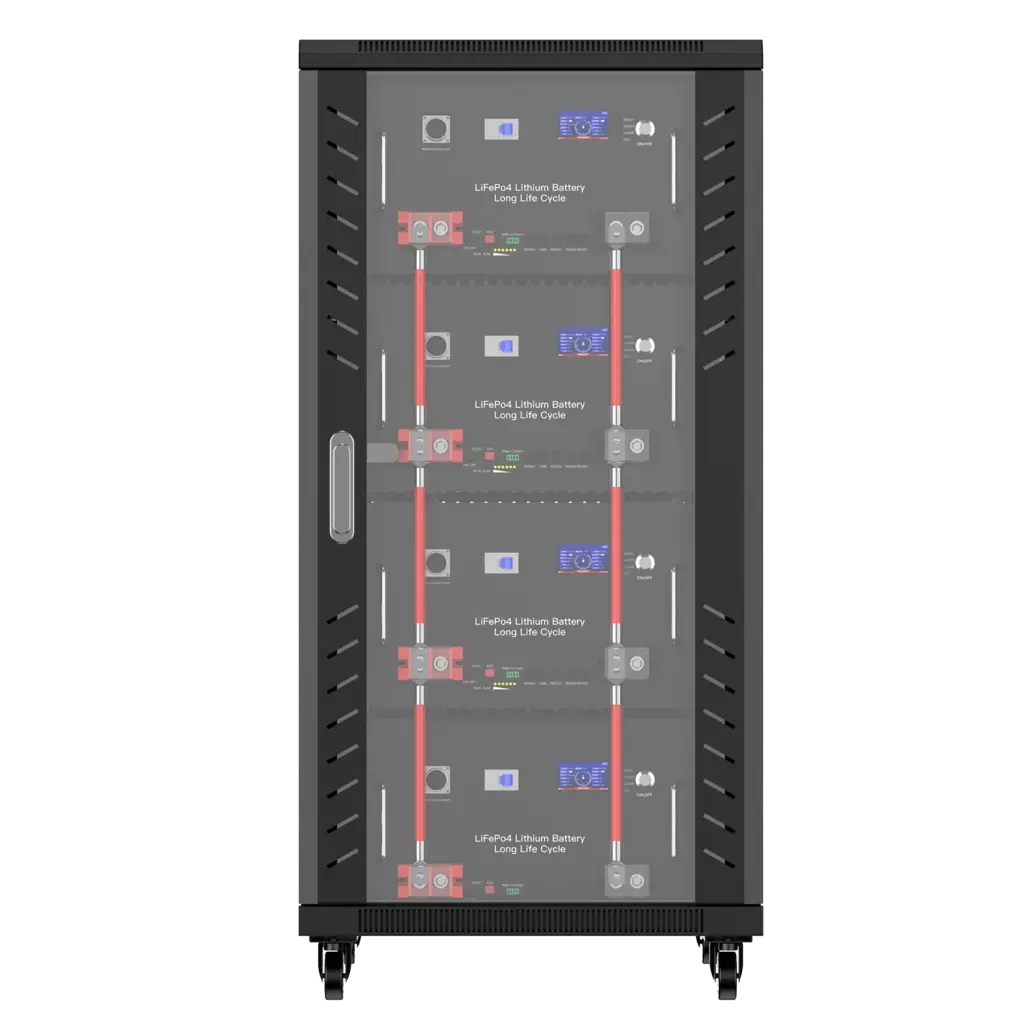
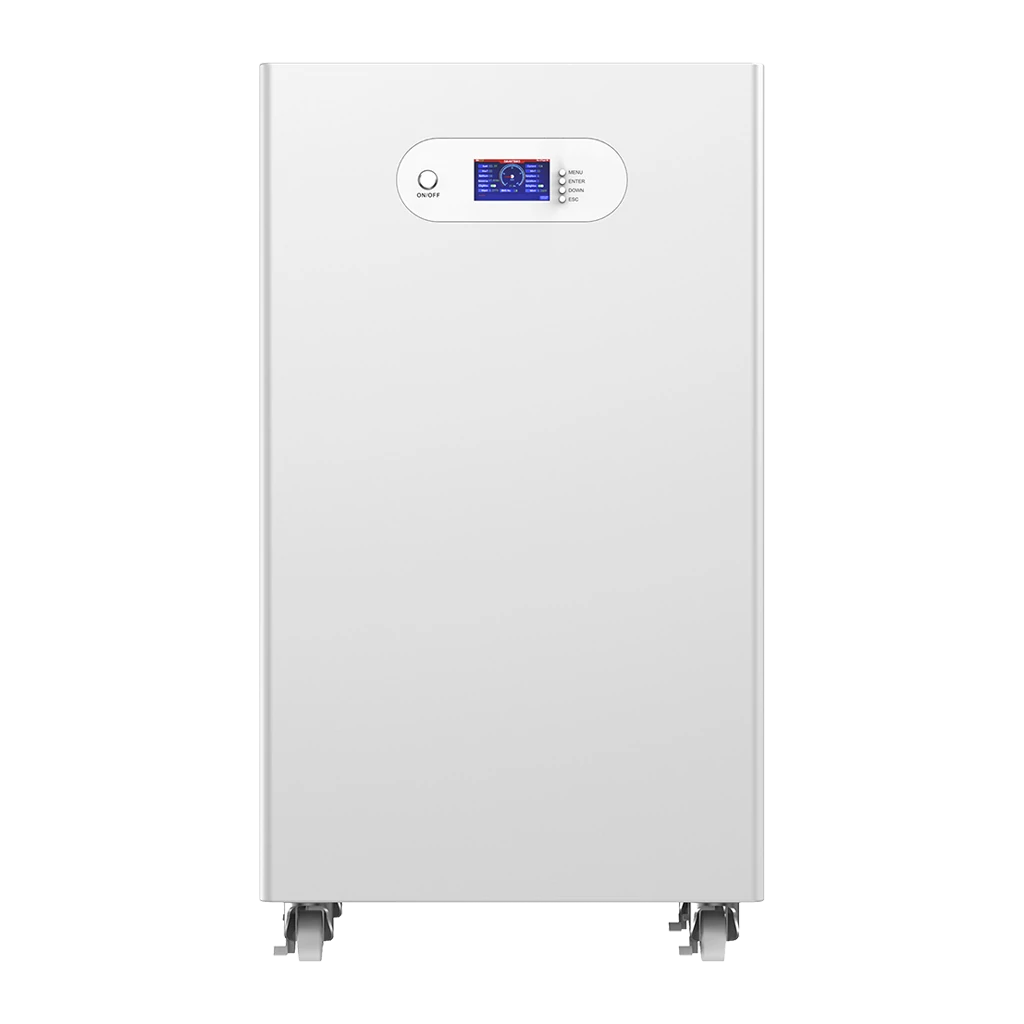
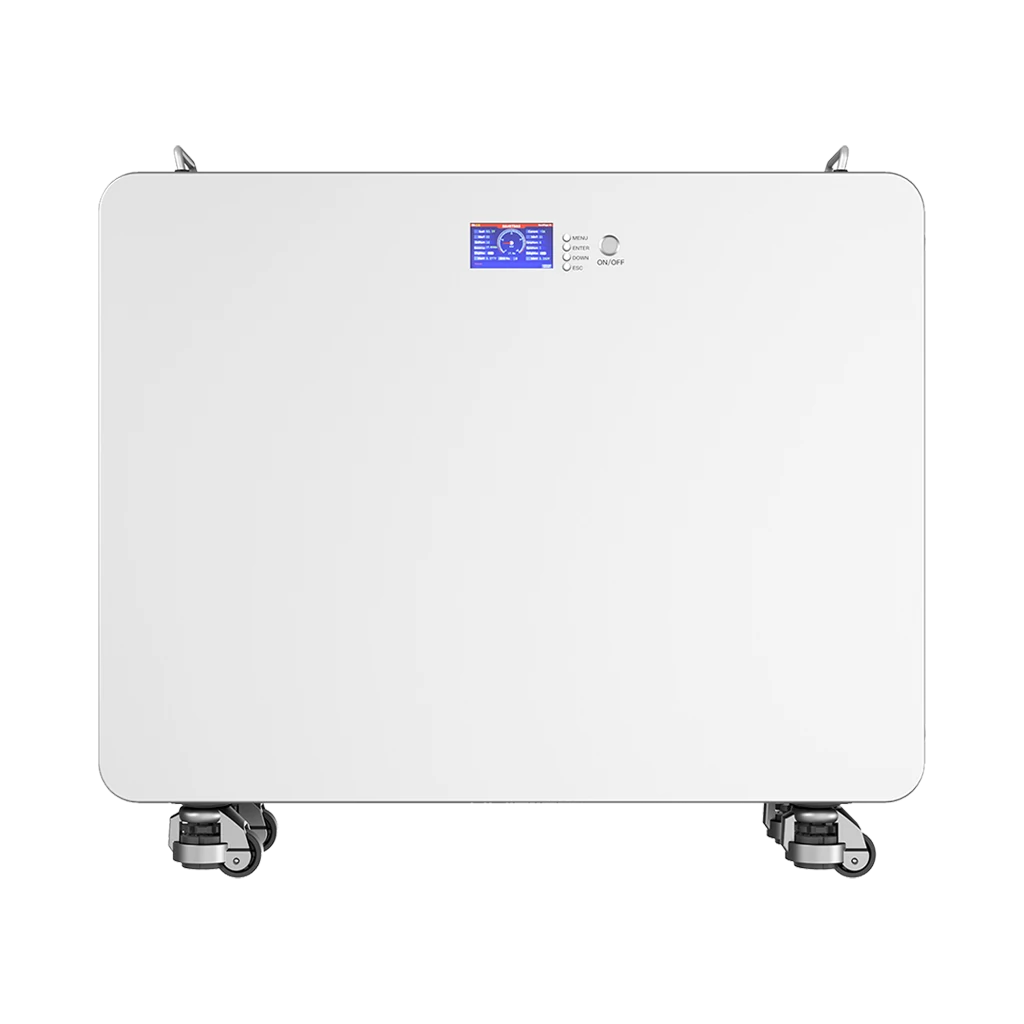
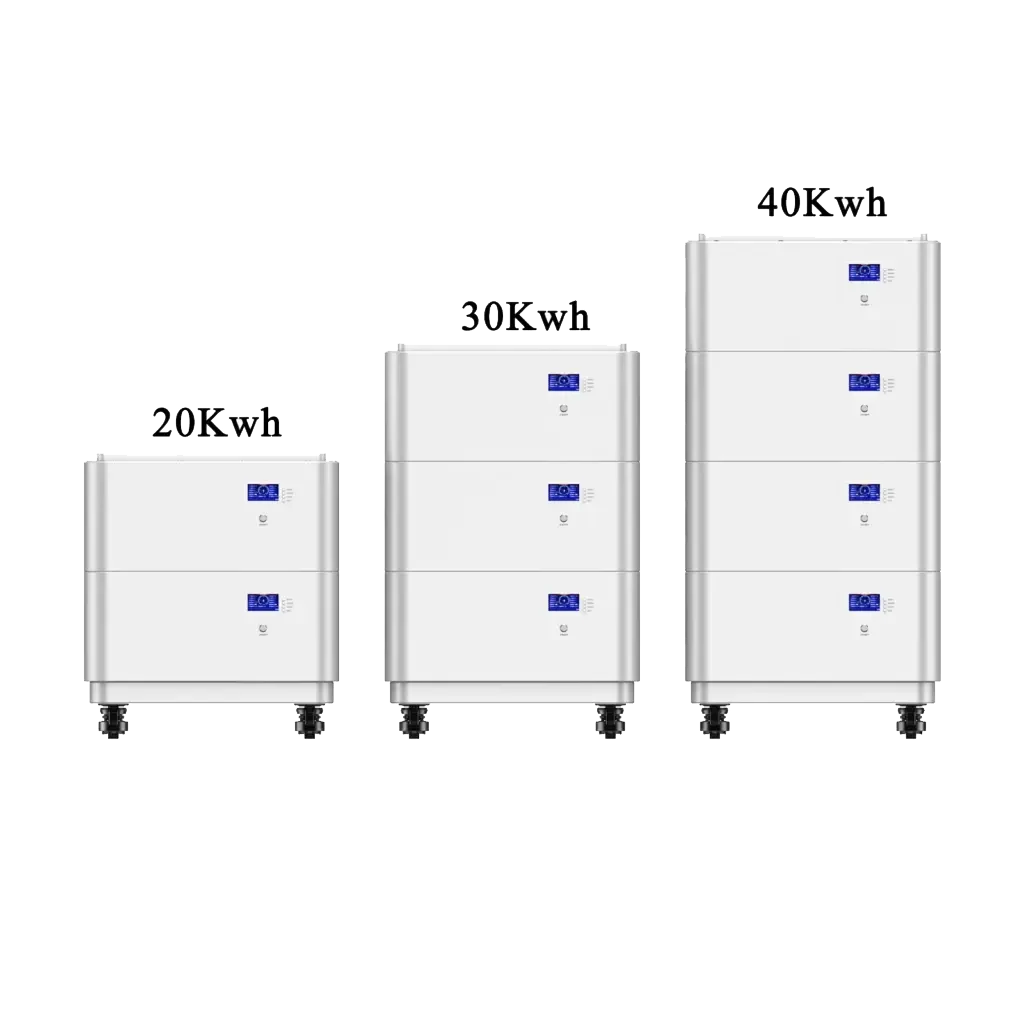
Battery systems that allow modular expansion can provide flexibility when energy requirements increase. The Avepower stackable LiFePO4 battery range offers 5 kWh, 10 kWh and 15 kWh configurations for residential and small-project energy storage. Suitable backup operation still depends on inverter support, system design and local electrical approval.
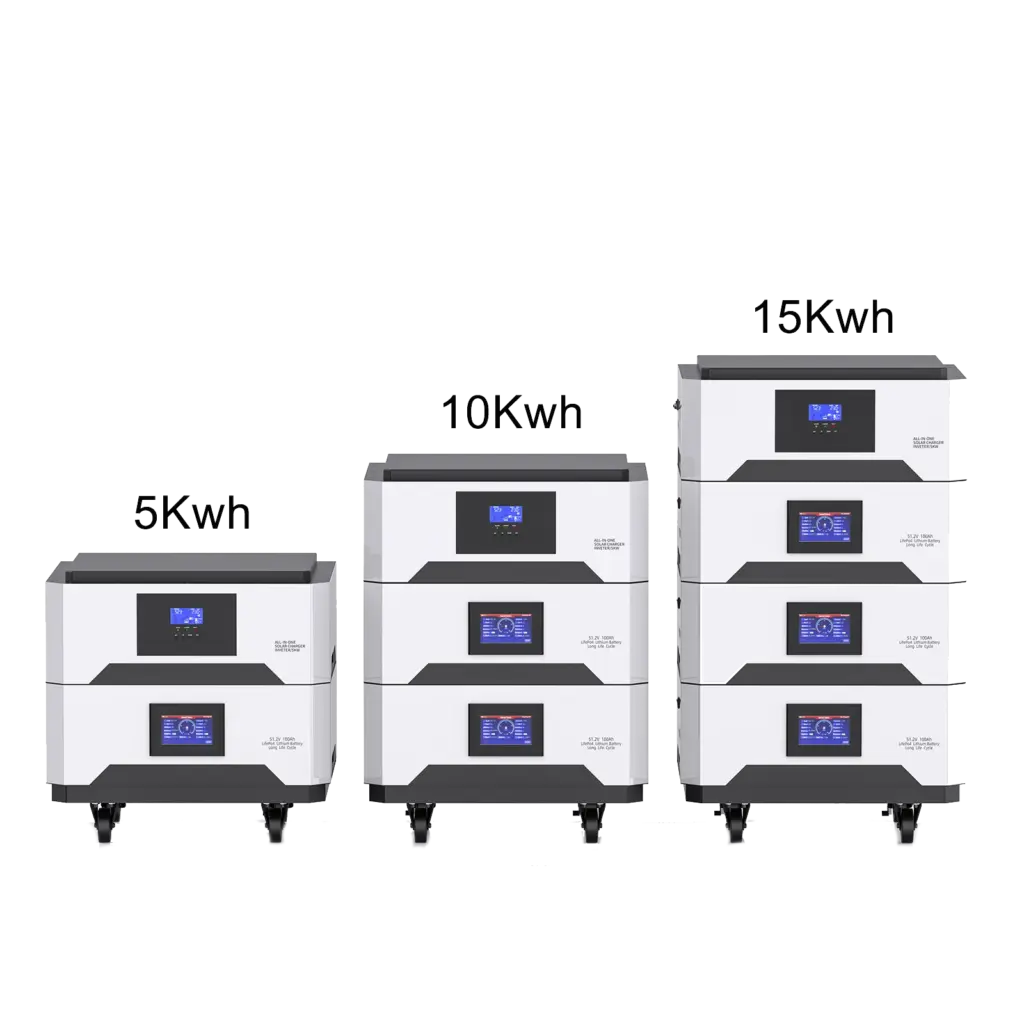
5kWh 10kWh 15kWh Stackable Batteries
Avepower 51.2V stackable LiFePO4 solar batteries offer flexible 5kWh, 10kWh and 15kWh storage configurations for solar systems and backup power. Expandable up to 16 units in paralle.
What Should Gold Coast Homeowners Check Before Installation?
A suitable battery installation must meet the household’s electrical requirements and the physical conditions at the property. On the Gold Coast, potential exposure to coastal salt air, strong sunlight, heat and heavy rain makes the proposed battery location particularly important.
Before accepting a quotation, check:
- Installation location: Weather exposure, ventilation, sunlight, clearances and the manufacturer’s permitted operating environment.
- Equipment approval: Exact battery and inverter model eligibility, rather than relying on a brand name alone.
- System compatibility: Battery voltage, charge and discharge limits, communication protocols and inverter support.
- Backup capability: Which circuits remain powered, maximum output and expected runtime.
- Network requirements: Energex connection approval, export settings and any effect on the existing tariff.
- Warranty and service: Product warranty, capacity-retention conditions, installer workmanship coverage and Australian after-sales support.
- Installed price: GST, required electrical work, rebate treatment, commissioning and monitoring.
Coastal homes may require particular attention to corrosion-resistant equipment and sheltered installation locations. A product should not be assumed suitable for outdoor or marine-influenced conditions unless its documented enclosure and environmental ratings support that use.
Choosing the Right Solar Battery for Your Gold Coast Property
A worthwhile solar battery purchase begins with the household’s electricity data, not the advertised storage capacity. Compare usable energy, inverter compatibility, installed cost, backup requirements and the value of storing surplus solar before committing to a system.
For residential storage projects, installer supply or OEM requirements, contact Avepower to discuss LiFePO4 battery configurations and technical compatibility. Australian equipment eligibility and local installation requirements should be confirmed before purchase.
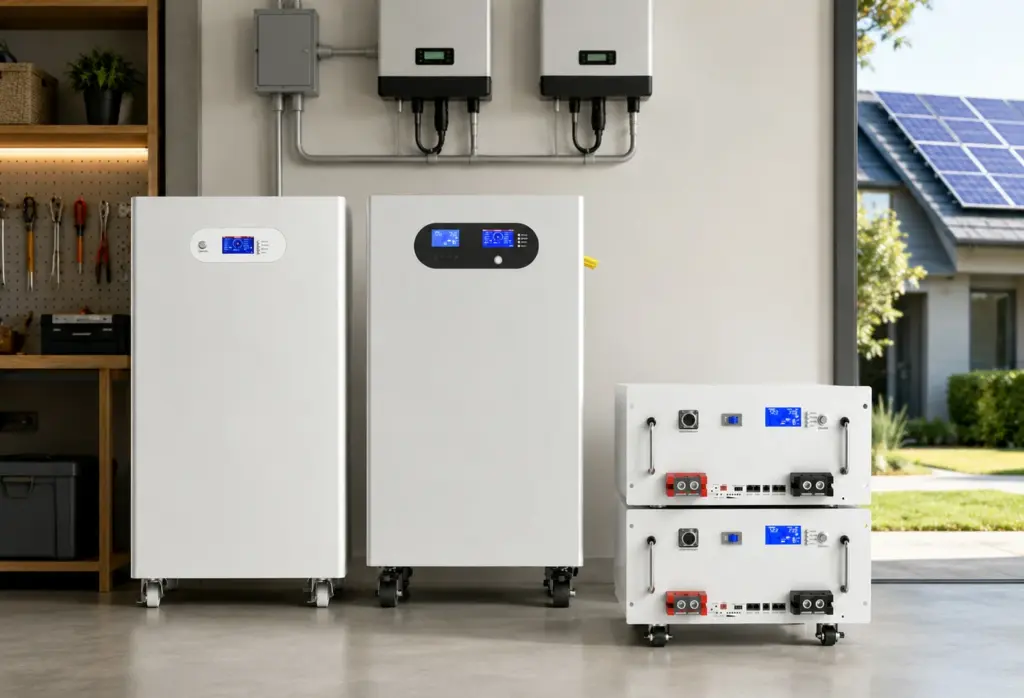
Take Control of Your Energy with Avepower!
Reliable home solar battery solutions with OEM/ODM customization and in-house manufacturing, tailored to the needs of distributors, installers, and energy partners.
FAQ
A November 2026 Australian benchmark is A$7,384 installed with a suitable existing battery-ready inverter, or A$7,984 with an additional inverter. Both figures include the federal discount and GST. Gold Coast quotes may differ due to equipment, switchboard upgrades and installation requirements.
A 5 kWh usable battery can suit a low-consumption home that mainly needs to cover basic evening loads. It may be insufficient for households with substantial overnight air conditioning or high appliance demand. Compare measured nighttime electricity use before deciding.
A battery can technically store electricity purchased from the grid, subject to the equipment and local connection rules. However, the federal Cheaper Home Batteries Program requires eligible systems to be installed with new or existing solar PV. A grid-only system should not be assumed to qualify for that discount.
It can. Customers receiving the original Queensland 44 c/kWh feed-in tariff should check their arrangement before adding a battery, particularly if they intend to export stored electricity. Energex identifies restrictions that may affect these installations.
The decision depends on current installation costs, future electricity savings, battery utilisation and incentive changes. The federal STC factor is scheduled to decrease from 6.8 to 5.7 on January 1, 2027, but future equipment prices may also change. Compare complete installed quotations rather than relying on the incentive alone.