
Solid-state batteries offer the potential for higher energy density and improved safety, while conventional lithium-ion batteries remain the more practical choice for most applications in 2026. Lithium-ion technology benefits from established manufacturing, competitive costs, extensive real-world testing, and proven performance in electric vehicles, electronics, and energy storage systems.
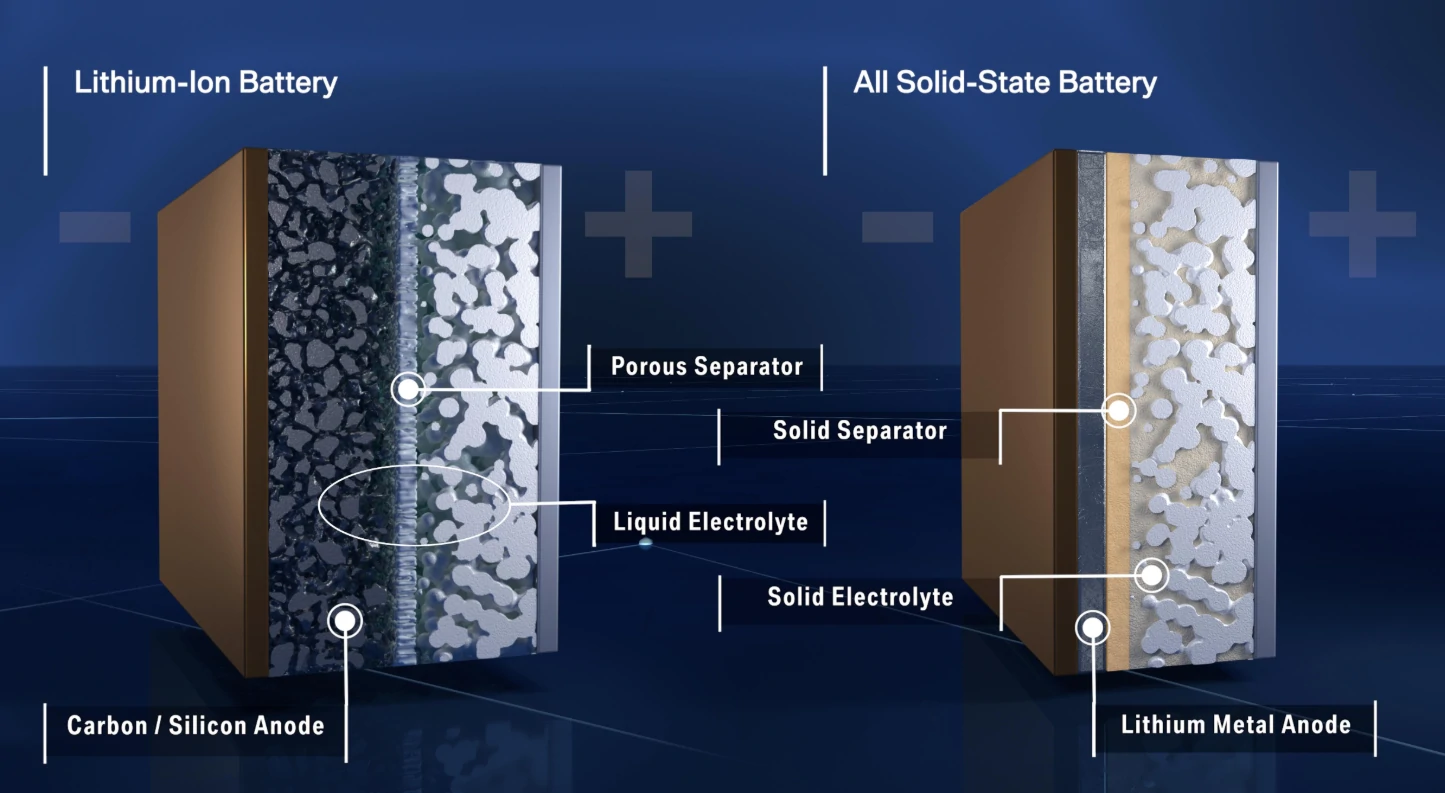
The main difference is the electrolyte: conventional lithium-ion batteries typically use a liquid electrolyte, while solid-state batteries use a solid material to transport ions between electrodes.
Quick verdict:
- Energy density: Advanced solid-state designs have higher potential, especially when using lithium-metal anodes.
- Safety: Solid electrolytes can reduce flammable-liquid risks, but solid-state batteries are not inherently fireproof.
- Charging speed: Some prototypes charge rapidly, but performance is design-dependent.
- Lifespan: Commercial lithium-ion batteries have better-established long-term operating data.
- Cost: Conventional lithium-ion technology currently benefits from a much more mature manufacturing industry.
- Availability: Lithium-ion is commercially established; all-solid-state EV batteries remain largely in the development and scale-up stages.
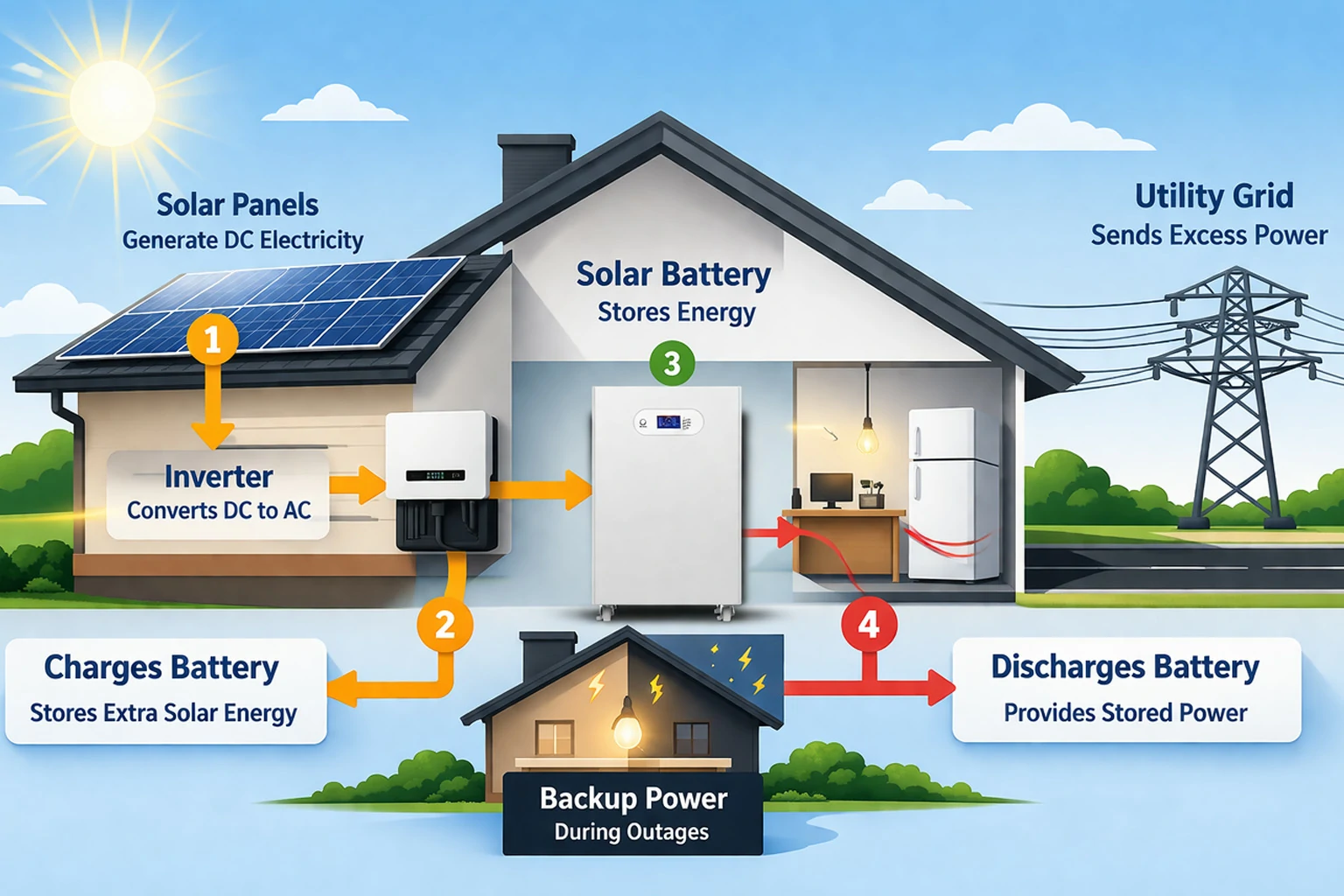
For electric vehicles requiring maximum range, solid-state batteries could eventually offer important advantages. For today’s residential solar storage and commercial battery energy storage systems, lithium iron phosphate (LiFePO4 or LFP) remains a strong, established option.
Solid-State vs Lithium-Ion Comparison Table
| Feature | Conventional Lithium-Ion | Solid-State Battery |
|---|---|---|
| Electrolyte | Generally liquid organic electrolyte | Solid ceramic, sulfide, polymer or other solid conductor |
| Common anode | Graphite or graphite-silicon | Lithium metal, silicon, graphite or other designs |
| Energy density | Established commercial performance | Higher potential in selected advanced designs |
| Safety | Mature protection technology; flammable electrolyte concerns | Potentially less flammable; other failure risks remain |
| Charging speed | Product-dependent; fast charging widely available | Potentially faster; not universal |
| Cycle life | Extensive commercial data | Highly design-dependent; still being validated |
| Manufacturing | Large, established global supply chain | More complex scale-up for many designs |
| Cost | Competitive due to industrial scale | Generally higher at current limited production volumes |
| Commercial availability | Widely available | Limited, depending on solid-state classification |
| Main applications | EVs, electronics, home storage, BESS | Emerging EVs, specialized devices and selected premium applications |
| Technology maturity | Commercially established | Ranges from commercial niche products to advanced prototypes |
How Do Solid-State and Lithium-Ion Batteries Work?
Both technologies store electrical energy through electrochemical reactions and transport ions between positive and negative electrodes. In conventional lithium-ion cells, a liquid electrolyte enables ion movement through the cell. Solid-state batteries use a solid ion conductor instead, changing how the electrodes interact and creating different opportunities and engineering challenges.
How Conventional Lithium-Ion Batteries Work
A rechargeable lithium-ion battery normally includes:
- A positive electrode, often using LFP, NMC, NCA, or another lithium-containing material.
- A negative electrode, commonly graphite or graphite blended with silicon.
- A liquid electrolyte that transports lithium ions.
- A separator that helps prevent direct contact between electrodes.
- Current collectors and cell packaging.
During charging, lithium ions generally move from the positive electrode toward the negative electrode. During discharging, they move back while electrons travel through the external circuit.
Lithium-ion batteries are not a single chemistry.
For example, LFP and NMC differ in cathode composition, energy density, material cost, and thermal behavior.
For a deeper explanation, see battery chemistry types and their practical applications or Avepower’s LFP vs NMC battery comparison.
How Solid-State Batteries Work
A solid-state battery uses a solid electrolyte to transport ions.
Depending on the design, the solid electrolyte may be:
- Sulfide-based
- Oxide or ceramic-based
- Polymer-based
- A composite of multiple solid materials
The electrolyte can also perform part or all of the separator’s function.
Some advanced designs use lithium-metal anodes instead of graphite to increase energy storage potential.
However, replacing a liquid with a solid creates new engineering challenges. The solid materials must maintain reliable contact while electrodes expand and contract during charging and discharging.
Why Can Solid-State Batteries Have Higher Energy Density?
Advanced solid-state batteries can achieve higher energy density because certain designs support high-capacity lithium-metal anodes and more compact cell structures. However, a solid electrolyte alone does not guarantee a higher Wh/kg value. Actual performance depends on electrode materials, electrolyte thickness, packaging, operating pressure, and the amount of energy delivered by a complete cell.
Understanding Battery Energy Density
There are two commonly used measurements:
| Measurement | Unit | Meaning |
|---|---|---|
| Gravimetric energy density | Wh/kg | Energy stored per kilogram |
| Volumetric energy density | Wh/L | Energy stored per liter |
Higher Wh/kg can reduce battery mass.
Higher Wh/L can reduce battery volume.
Both measurements matter for electric vehicles, portable electronics, and weight-sensitive applications.
For stationary energy storage systems, energy density still matters, but installation cost, usable capacity, lifespan, and safety can be more important.
What Is the Energy Density of a Solid-State Battery?
Solid-state energy density cannot be described accurately with one universal number.
The U.S. Department of Energy’s Battery500 program documented progress in high-energy lithium-metal cells, including a 350Wh/kg research cell reported in 2020. However, lithium-metal technology is not automatically equivalent to an all-solid-state battery.
A more directly relevant commercial-development example is QuantumScape’s QSE-5 B-sample.
The manufacturer reported:
| QSE-5 B-Sample Metric | Reported Value |
|---|---|
| Gravimetric energy density | 301 Wh/kg |
| Volumetric energy density | 844 Wh/L |
| Cell energy | 21.6 Wh |
| Cell mass | 71.8 g |
| Nominal voltage | Approximately 3.84V |
| Fast charging | Under 15 minutes from 10% to 80% under specified conditions |
Example: How Much Weight Could Higher Energy Density Save?
Consider a hypothetical 60kWh battery cell assembly.
Assume two alternative cell technologies:
- Conventional lithium-ion: 240Wh/kg
- Advanced solid-state: 301Wh/kg
Battery cell mass = Stored energy (Wh) ÷ Energy density (Wh/kg)
Conventional lithium-ion:
60,000 ÷ 240 = 250kg
Solid-state:
60,000 ÷ 301 = 199.3kg
| Parameter | Conventional Li-Ion | Illustrative Solid-State |
|---|---|---|
| Stored energy | 60kWh | 60kWh |
| Cell-level energy density | 240Wh/kg | 301Wh/kg |
| Estimated cell mass | 250kg | 199.3kg |
| Mass difference | — | 50.7kg lighter |
Under these assumptions, higher energy density reduces total cell mass by approximately 20%.
Do Solid-State Batteries Last Longer Than Lithium-Ion Batteries?
Cycle life describes how many equivalent charge-discharge cycles a battery can complete before reaching a defined end-of-life threshold.
That threshold might be 80% of original capacity or another value specified by the manufacturer.
Cycle-life results depend on:
- Depth of discharge
- Charging and discharging rate
- Operating temperature
- SOC window
- Charging voltage
- Calendar aging
- Cell and pack design
A battery rated for 6,000 cycles under one testing condition cannot be directly compared with a battery rated for 3,000 cycles under different conditions.
Why LFP Is Still Important for Long-Life Energy Storage
LFP is a commercially mature lithium-ion chemistry commonly selected for solar and stationary energy storage.
Its advantages include stable cathode chemistry, established manufacturing, and demonstrated suitability for repeated cycling.
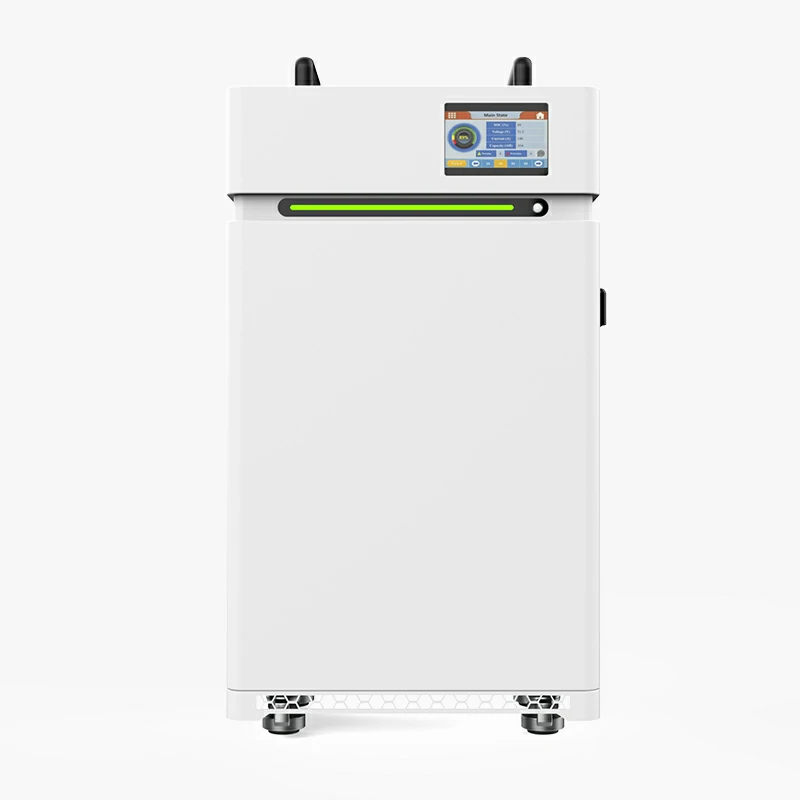
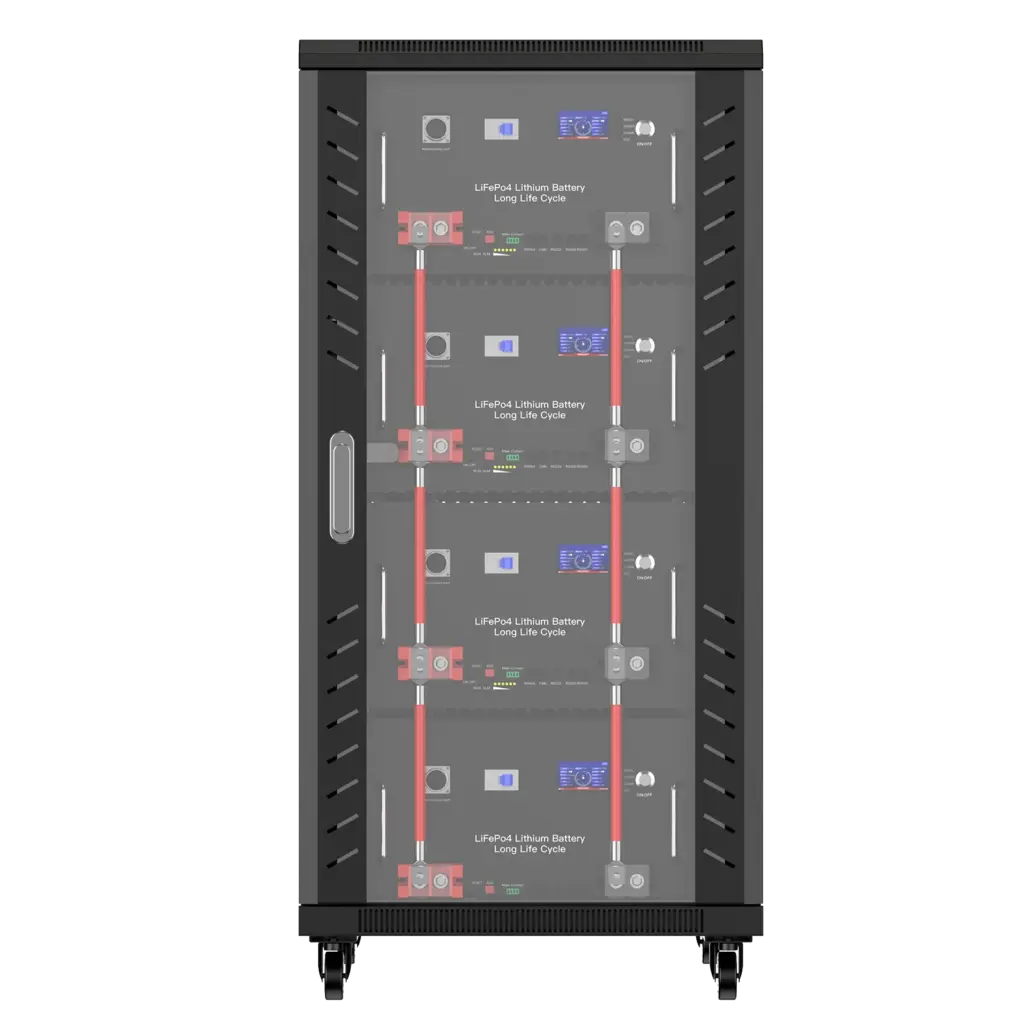
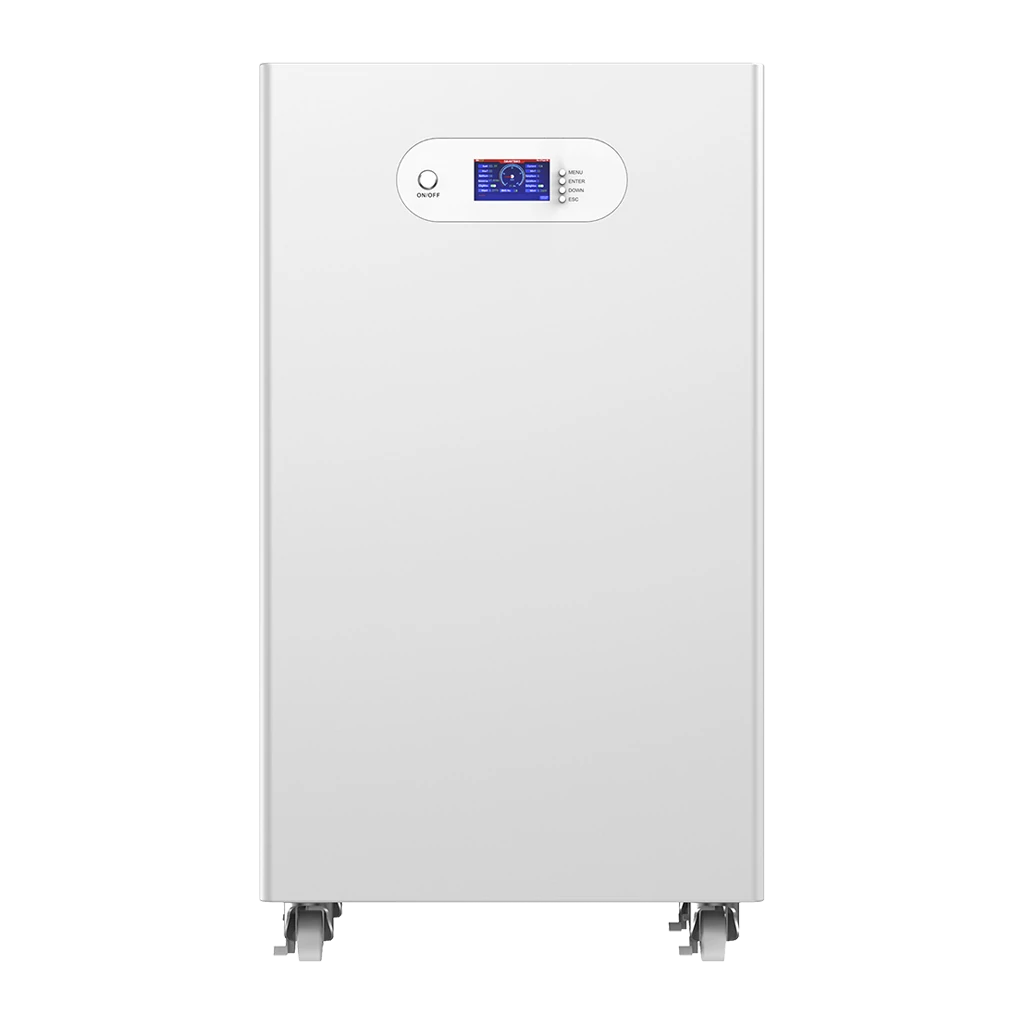
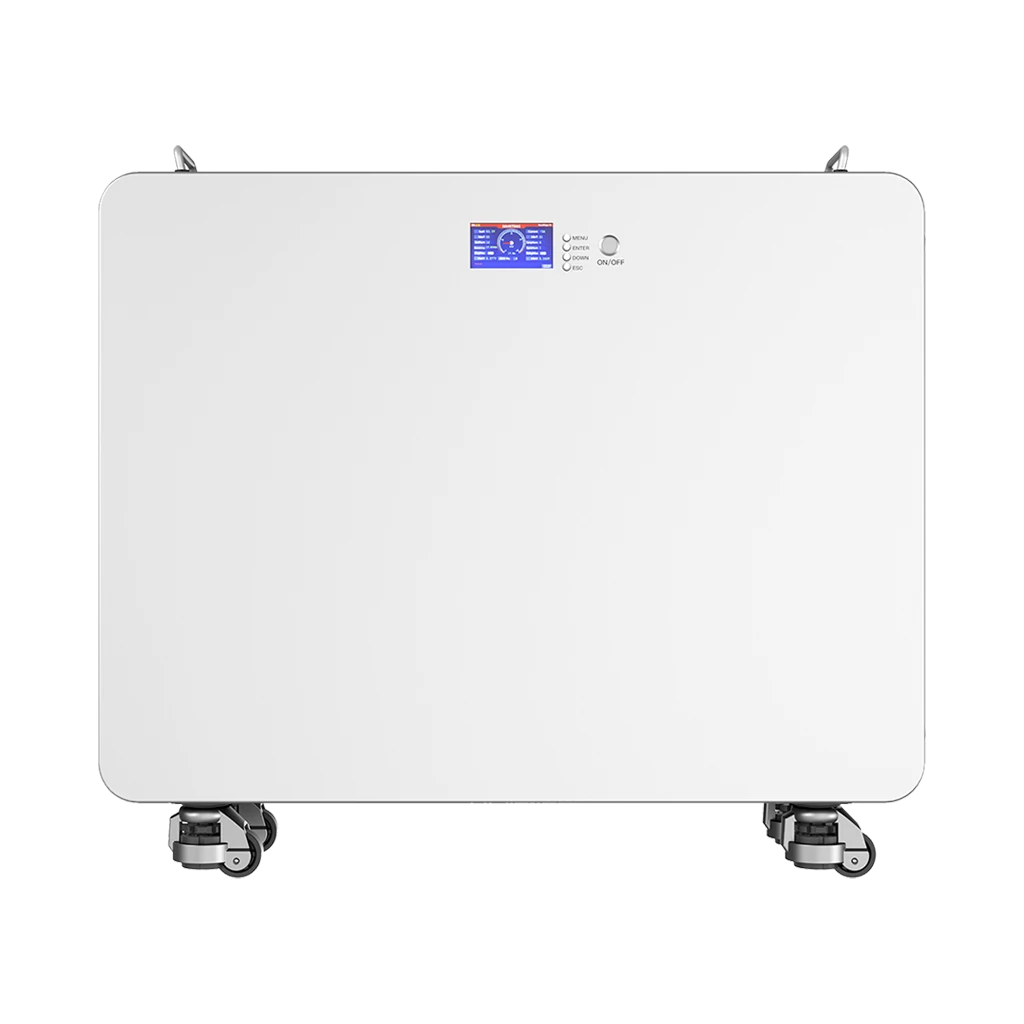
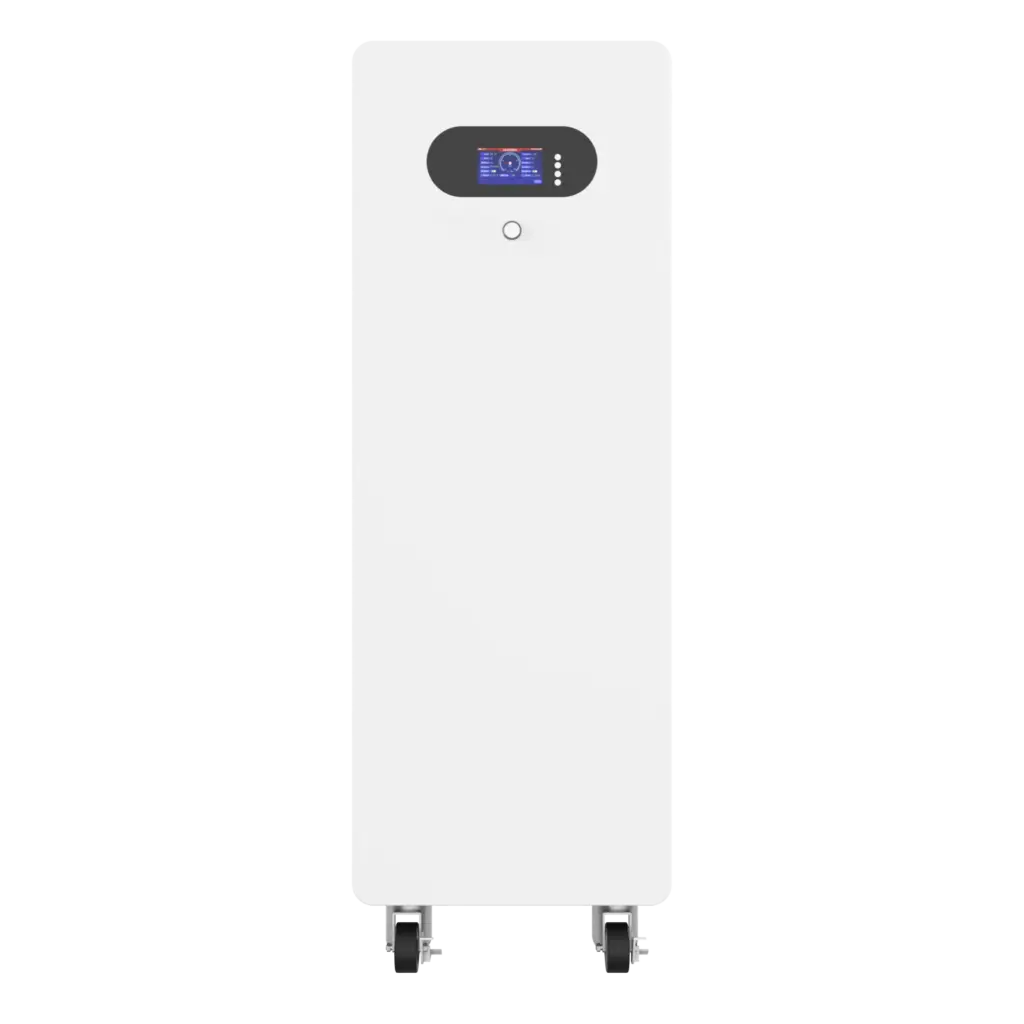
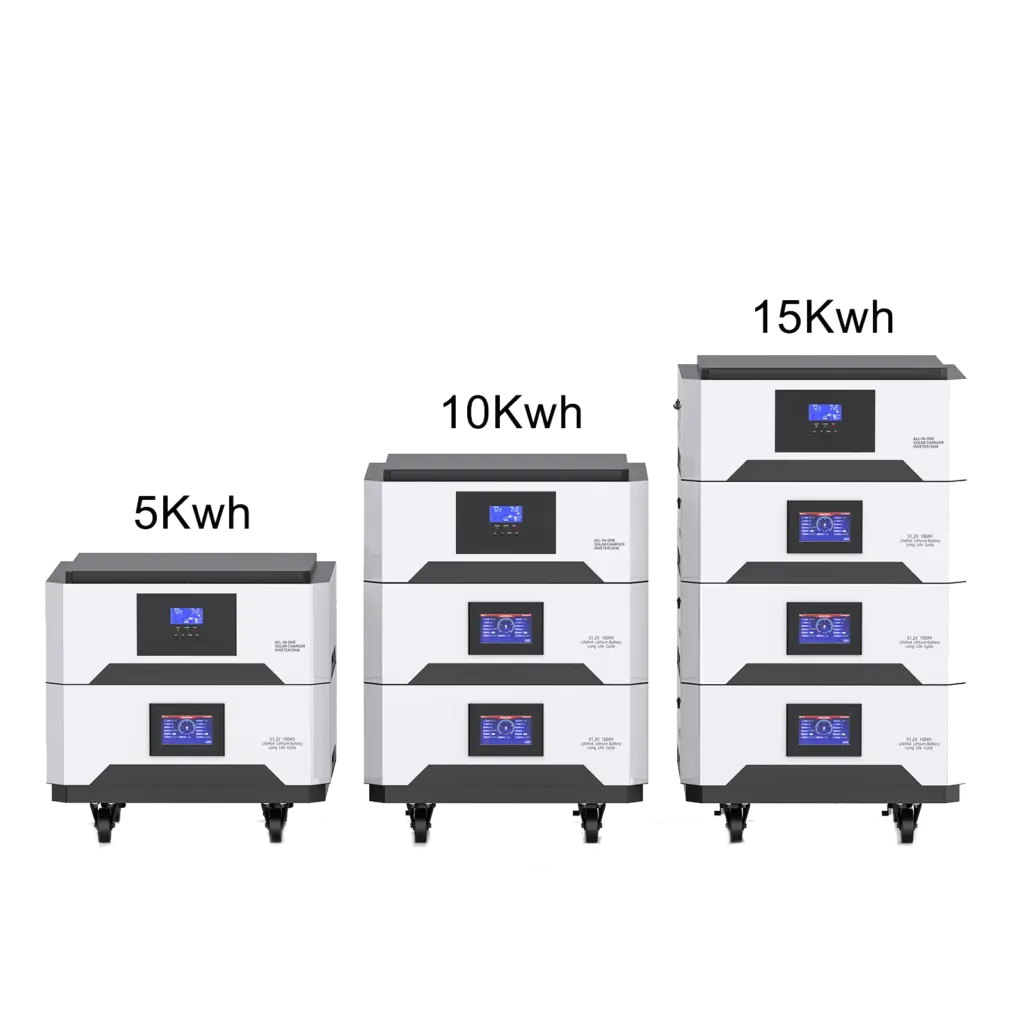
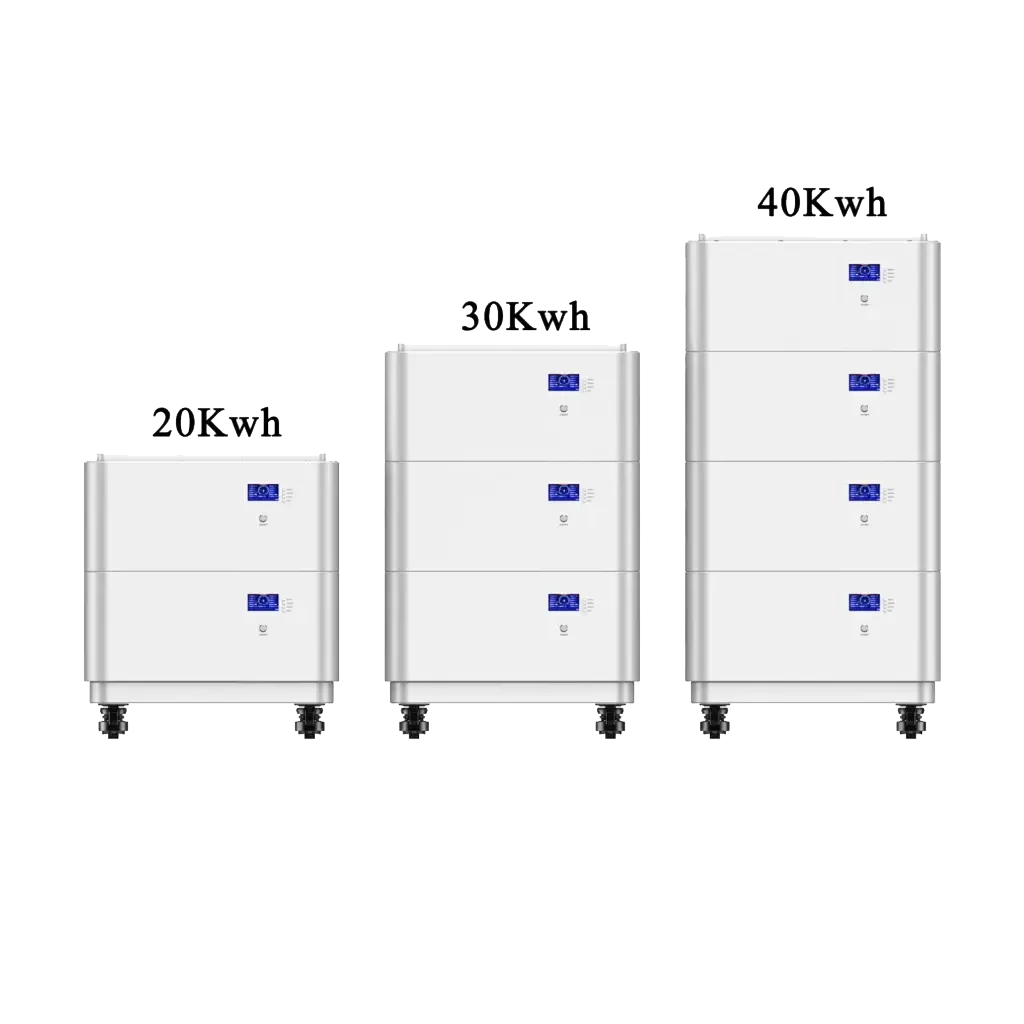
For example, Avepower’s 5kWh, 10kWh and 15kWh stackable solar battery system lists:
| Product Parameter | Published Specification |
|---|---|
| Battery chemistry | LiFePO4 |
| Nominal voltage | 51.2V |
| Nominal energy per module | 5kWh |
| Configuration | Stackable modular system |
| Cycle-life specification | 8,000+ cycles at 80% DoD |
| Communication | CAN / RS485 / RS232 |
| Maximum continuous discharge current | 100A under specified conditions |
Are Solid-State Batteries Safer Than Lithium-Ion Batteries?
Solid-state batteries can reduce certain safety risks because they may eliminate flammable liquid electrolytes. However, they are not automatically immune to internal short circuits, overheating, or thermal runaway. Safety depends on electrolyte chemistry, electrode reactivity, manufacturing quality, mechanical stability, and the complete battery protection system.
Why Conventional Lithium-Ion Batteries Need Protection
Many commercial lithium-ion cells use flammable organic electrolyte solvents.
Under severe damage, manufacturing defects, inappropriate charging, or overheating, internal reactions can generate substantial heat.
A serious failure can develop into thermal runaway.
Modern lithium-ion systems reduce these risks through several protective measures:
- Battery Management Systems (BMS)
- Voltage and current limits
- Thermal monitoring
- Cell balancing
- Temperature control
- Short-circuit protection
- Mechanical and electrical isolation
LFP lithium-ion batteries are particularly relevant in stationary storage because their cathode chemistry generally offers better thermal stability than several high-nickel lithium-ion formulations.
For more information, see Avepower’s battery safety technology.
Why Solid-State Batteries Still Have Safety Challenges
Replacing a flammable liquid electrolyte can reduce one major source of fire risk.
However, solid-state designs may still experience:
- Lithium dendrite growth
- Internal short circuits
- Mechanical cracking
- Loss of electrode contact
- Unstable electrode-electrolyte interfaces
- Localized heating
- Lithium-metal-related reactions
Explore Proven LiFePO4 Energy Storage Solutions From Avepower
Avepower develops LiFePO4 energy storage solutions for residential solar systems, commercial installations, distributors, installers, and OEM/ODM partners.
Our published energy storage case studies document real project configurations, while our manufacturing information provides background on our production capabilities.
Rather than selecting a battery based on chemistry claims alone, compare usable capacity, power, BMS integration, inverter compatibility, safety documentation, cycle-life conditions, and lifecycle costs.
Looking for a reliable battery solution for your solar or commercial energy storage project?
Explore Avepower’s custom battery storage solutions and share your required capacity, voltage, application, installation country, and inverter model for a project-specific recommendation.
FAQ
Not in every application. Solid-state batteries may eventually deliver higher energy density and improved safety, while conventional lithium-ion batteries currently offer mature manufacturing, extensive validation, competitive costs, and established commercial availability.
The main difference is the electrolyte. Conventional lithium-ion batteries generally use liquid electrolytes, while solid-state batteries use solid ion-conducting materials.
They can reduce some risks associated with flammable liquid electrolytes, but they are not inherently fireproof. Internal shorts, electrode reactions, manufacturing defects, and mechanical damage can still create hazards.
Not necessarily. Solid-state battery lifespan depends on the specific design and test conditions. Commercial lithium-ion technologies, especially LFP, already have extensive cycling experience and documented long-life products.
Some prototypes demonstrate rapid charging, but the result depends on temperature, electrode design, electrolyte conductivity, charging current, and SOC range. Faster charging is not guaranteed simply by using a solid electrolyte.
There is no confirmed universal replacement date. Industry roadmaps anticipate limited all-solid-state vehicle introductions later this decade, but widespread adoption depends on manufacturing scale, reliability, and cost competitiveness.
No. Solid-state battery systems still require suitable monitoring, electrical protection, charge control, thermal management, and fault detection.