
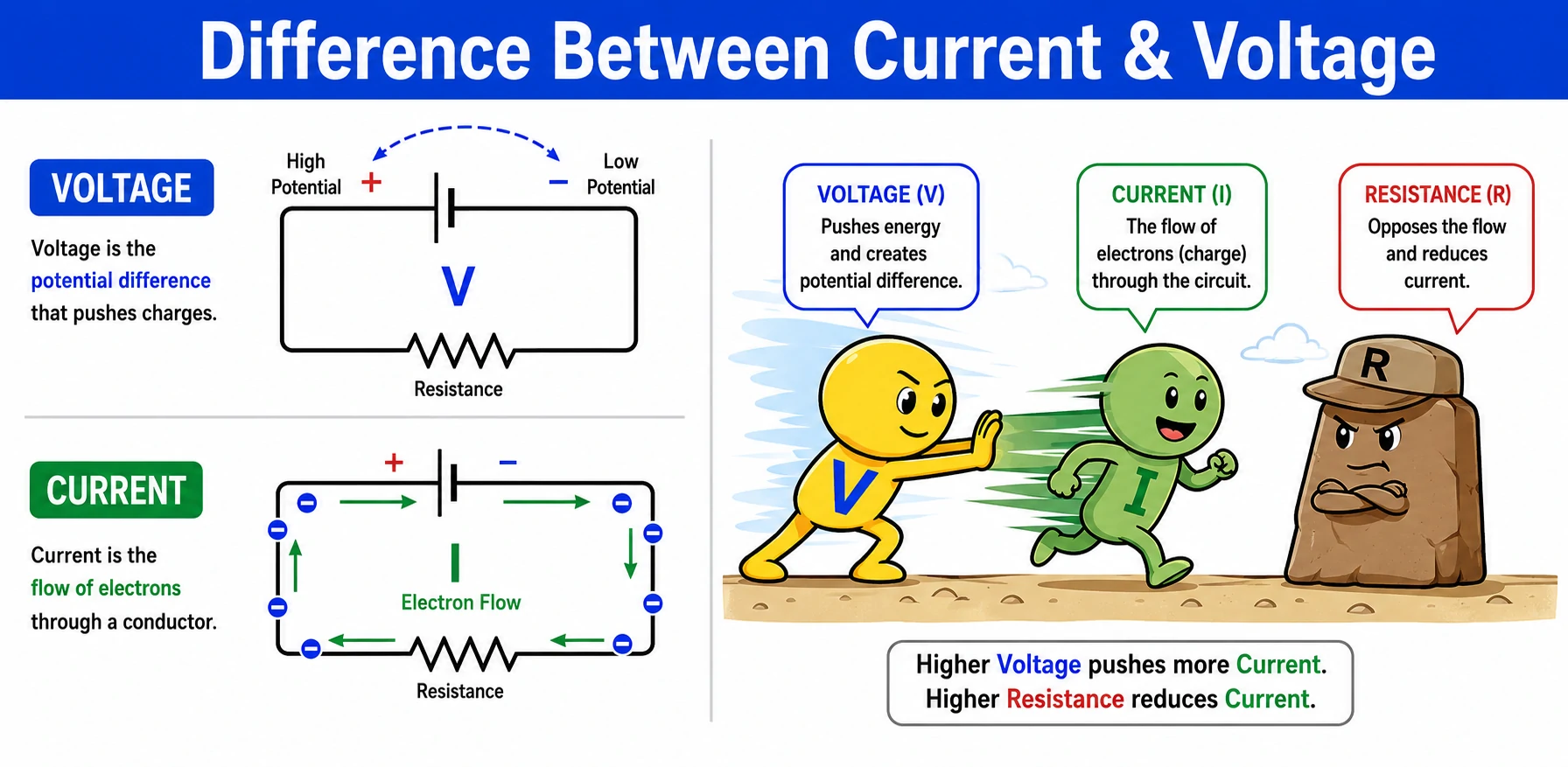
What is voltage vs current? Voltage is the electrical pressure between two points, while current is the actual flow of electric charge through a closed circuit.
In simple words, voltage is the “push” and current is the “movement.” A battery can have voltage even when nothing is connected, but current only flows when there is a complete circuit and a load.
For example, a 51.2V LiFePO4 battery has electrical potential at its terminals. But if the inverter or load is not connected, there is no useful current flow. Once the circuit closes, current starts moving and the battery begins delivering power.
Voltage vs Current: What Is the Main Difference?
Voltage is the cause that can drive current, while current is the result that flows through a load under circuit conditions.
| Factor | Voltage | Current |
|---|---|---|
| Meaning | Electrical potential difference | Flow of electric charge |
| Unit | Volt (V) | Ampere (A) |
| Symbol | V | I |
| Simple analogy | Water pressure | Water flow rate |
| Can exist in open circuit? | Yes | No |
| Main design impact | System voltage class, inverter matching, safety rating | Cable size, heat, breaker rating, BMS limit |
| Battery example | 51.2V LiFePO4 pack | 100A or 200A charge/discharge current |
| Key formula | V = I × R | I = P ÷ V or I = V ÷ R |
A battery can show 51.2V at its terminals even when no appliance is connected. But if the circuit is open, current is zero. Once the inverter or load is connected and operating, current flows according to the load demand, resistance, inverter control and BMS limits.
What Is Voltage?
Voltage is the potential difference that drives charge from one point to another when a circuit allows current to flow.
Voltage is measured in volts (V). A 1.5V AA battery, a 12V car battery, a 48V solar battery and a 230V wall outlet all describe different voltage levels. Higher voltage does not automatically mean more energy storage, but it can deliver the same power with lower current when the system is designed correctly.
For energy storage, this is why many home batteries use 48V or 51.2V platforms. Avepower’s 48 Volt Battery Guide explains that a 16-cell LiFePO4 battery commonly has a nominal voltage of 51.2V, because 16 × 3.2V = 51.2V.
What Is Current?
Current is the movement of electric charge, measured in amperes, and it determines cable heating, breaker size and BMS load.
Current is measured in amps (A). If voltage is the push, current is the actual flow. A small LED may use milliamps, while a home battery inverter may draw more than 100A from a low-voltage battery during high-power discharge.
In practical battery systems, current matters because higher current usually requires thicker cables, stronger connectors, proper fuses, suitable breakers and a BMS that can handle the load.
Need help matching voltage, current and capacity for a solar storage project? Avepower provides LiFePO4 home battery systems with 48V/51.2V platforms, smart BMS protection, CAN/RS485/RS232 communication and flexible OEM/ODM support for installers, distributors and project buyers.
Need a Battery System with the Right Voltage and Current?
Avepower helps you match battery voltage, discharge current, inverter compatibility and backup capacity for home solar and energy storage projects.
How Are Voltage and Current Related?
Voltage and current are related by resistance in simple circuits, but real devices also use control electronics and power limits.
For a simple resistive load, Ohm’s law is:
V = I × R
I = V ÷ R
R = V ÷ I
Where:
| Symbol | Meaning | Unit |
|---|---|---|
| V | Voltage | Volt |
| I | Current | Ampere |
| R | Resistance | Ohm |
This means that if resistance stays the same, increasing voltage increases current. Educational references such as All About Circuits and SparkFun explain this relationship through voltage, current and resistance models All About Circuits and SparkFun.
However, this does not mean every real device behaves like a fixed resistor. Inverters, chargers, LED drivers, MPPT controllers and BMS-controlled batteries regulate current and power. For battery storage systems, power is often the more useful planning number.
What Is the Difference Between Voltage, Current and Power?
Voltage and current combine to produce power, so system design should compare watts and kilowatt-hours, not amps alone.
The power formula is:
Power (W) = Voltage (V) × Current (A)
Current (A) = Power (W) ÷ Voltage (V)
For the same 5,000W load:
| System voltage | Current needed for 5kW |
|---|---|
| 12V | 416.7A |
| 24V | 208.3A |
| 48V | 104.2A |
| 400V | 12.5A |
This is why higher-voltage systems are often used for larger power levels.
Why Does Higher Voltage Reduce Current?
For the same power demand, increasing voltage reduces current, which can reduce cable heating and make larger systems easier to design.
Here is a simple 5kW example:
5,000W ÷ 12V = 416.7A
5,000W ÷ 48V = 104.2A
5,000W ÷ 400V = 12.5A
Lower current matters because cable loss is related to current squared:
Cable Loss = I² × RIf cable resistance is 0.01Ω:
| Voltage | Current | Estimated Cable Loss |
|---|---|---|
| 12V | 416.7A | 1,736W |
| 48V | 104.2A | 109W |
| 400V | 12.5A | 1.6W |
This is a simplified calculation, not a wiring design recommendation. But it explains why 48V batteries are common in home solar storage, while high-voltage batteries are preferred for larger C&I energy storage systems.
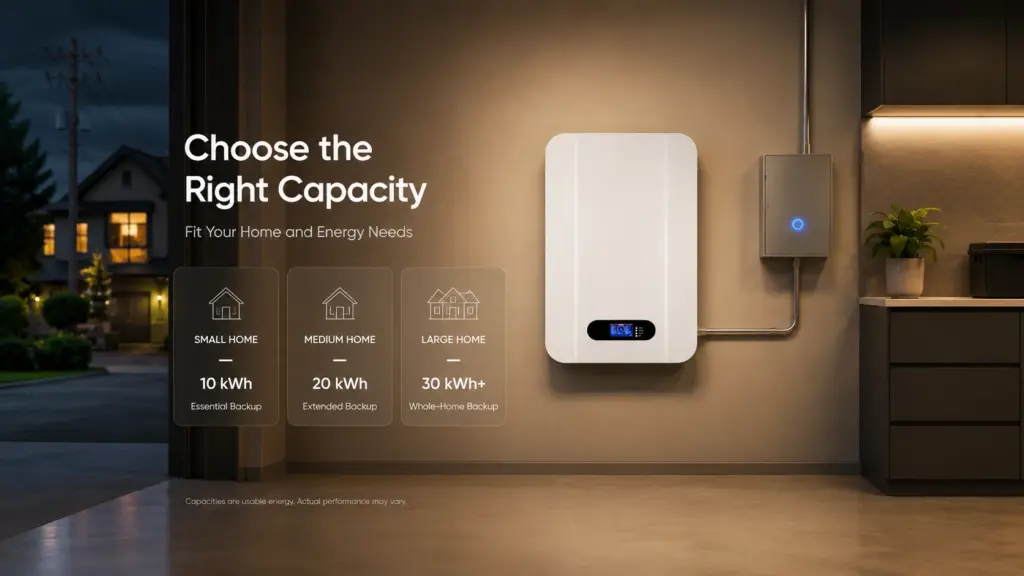
Not Sure Whether 48V, 51.2V or High Voltage Is Right?
Our team can help installers and project buyers compare voltage platforms, current limits, cable design and expansion needs before choosing a LiFePO4 battery system.
How Do Voltage and Current Affect Battery Capacity?
Battery capacity in Ah is incomplete unless voltage is included, because usable energy is measured in Wh or kWh.
A common mistake is comparing batteries only by amp-hours. A 12V 100Ah battery and a 51.2V 100Ah battery both say “100Ah,” but they store very different energy.
| Battery rating | Formula | Nominal energy |
|---|---|---|
| 12V 100Ah | 12 × 100 | 1.2kWh |
| 24V 100Ah | 24 × 100 | 2.4kWh |
| 48V 100Ah | 48 × 100 | 4.8kWh |
| 51.2V 100Ah | 51.2 × 100 | 5.12kWh |
For deeper sizing, Avepower’s guide on battery capacity, Ah, Wh and kWh explains why voltage must be included when comparing solar batteries.
Practical Case: 48V LiFePO4 Battery Current Calculation
In a real solar battery, voltage sets the platform, current sets the output limit, and both decide usable power.
Take an Avepower 48V-class LiFePO4 battery as an example. The Avepower 48V 280Ah 15kWh vertical battery lists 48V nominal voltage, 280Ah capacity and 200A maximum discharge current.
Approximate nominal energy:
48V × 280Ah = 13,440Wh
13,440Wh ÷ 1,000 = 13.44kWh
Approximate battery-side DC power at 200A:
48V × 200A = 9,600WThis does not mean every installation can continuously run 9.6kW AC loads. Real output depends on inverter rating, battery voltage range, temperature, BMS settings, cable size and system protection. But the calculation helps installers quickly check whether voltage and current are suitable for a project.
Is Voltage or Current More Dangerous?
Current through the body causes injury, but voltage, resistance, contact time, moisture and current path decide the actual danger.
It is often said that “current kills, not voltage.” That is partly true, but incomplete. Voltage is what pushes current through the body; body resistance, moisture and contact path affect how much current flows. CDC/NIOSH warns that electrical hazards include shock, burns, arc exposure and fire, and only qualified persons should work on energized equipment CDC/NIOSH Electrical Safety.
OSHA also notes that arc flash danger depends strongly on amperage, clearing time and worker distance, and low voltage does not mean low risk OSHA Arc Flash Hazards. For solar batteries and inverters, always follow local electrical codes, use properly rated breakers and disconnects, and have qualified installers handle high-current or high-voltage work.
Why Voltage vs Current Matters in Solar Battery Selection
Solar battery buyers should check voltage compatibility, current limit, inverter power, usable kWh and communication protocol together.
For residential and small commercial storage, voltage and current affect four decisions:
- Inverter compatibility: The battery voltage range must match the inverter or hybrid inverter.
- Power output: Higher current support allows stronger discharge, but only within BMS and thermal limits.
- Wiring design: Higher current requires better cables, terminals, breakers and installation quality.
- Expansion: Parallel batteries increase capacity and available current, but must be balanced and correctly configured.
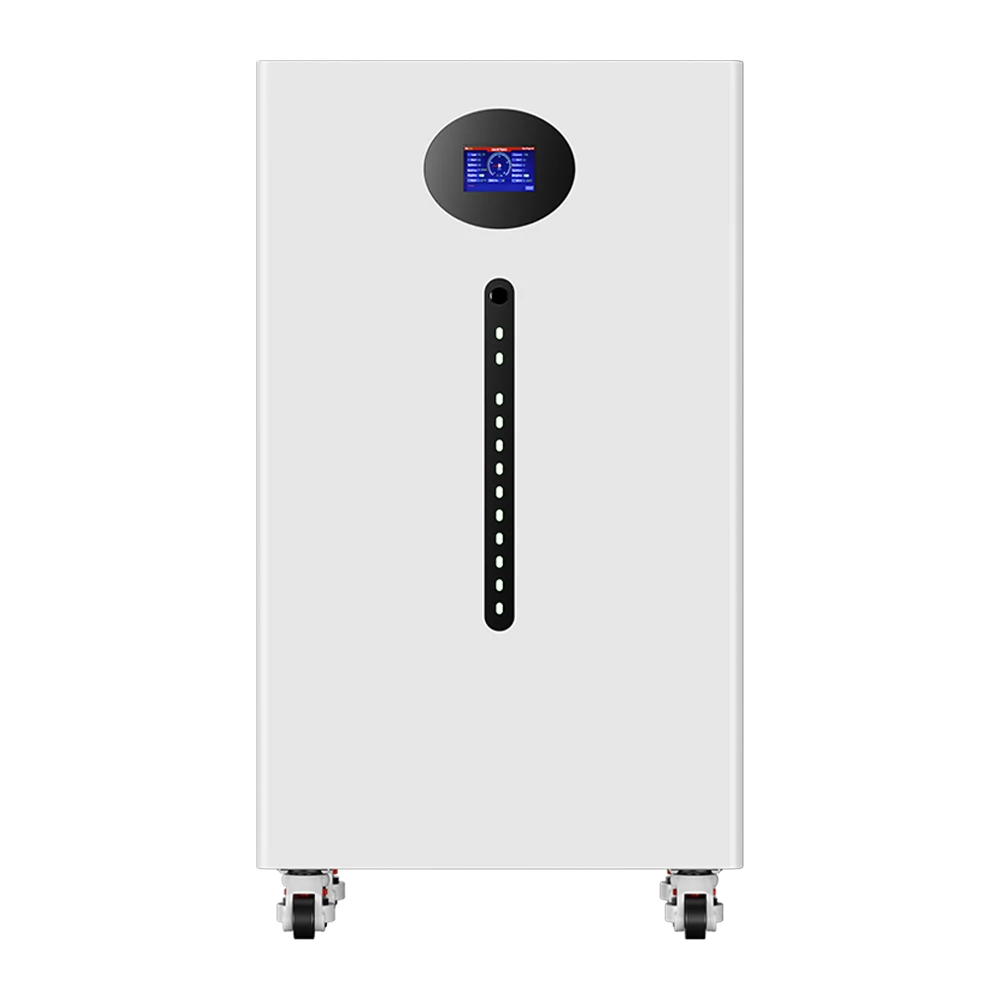
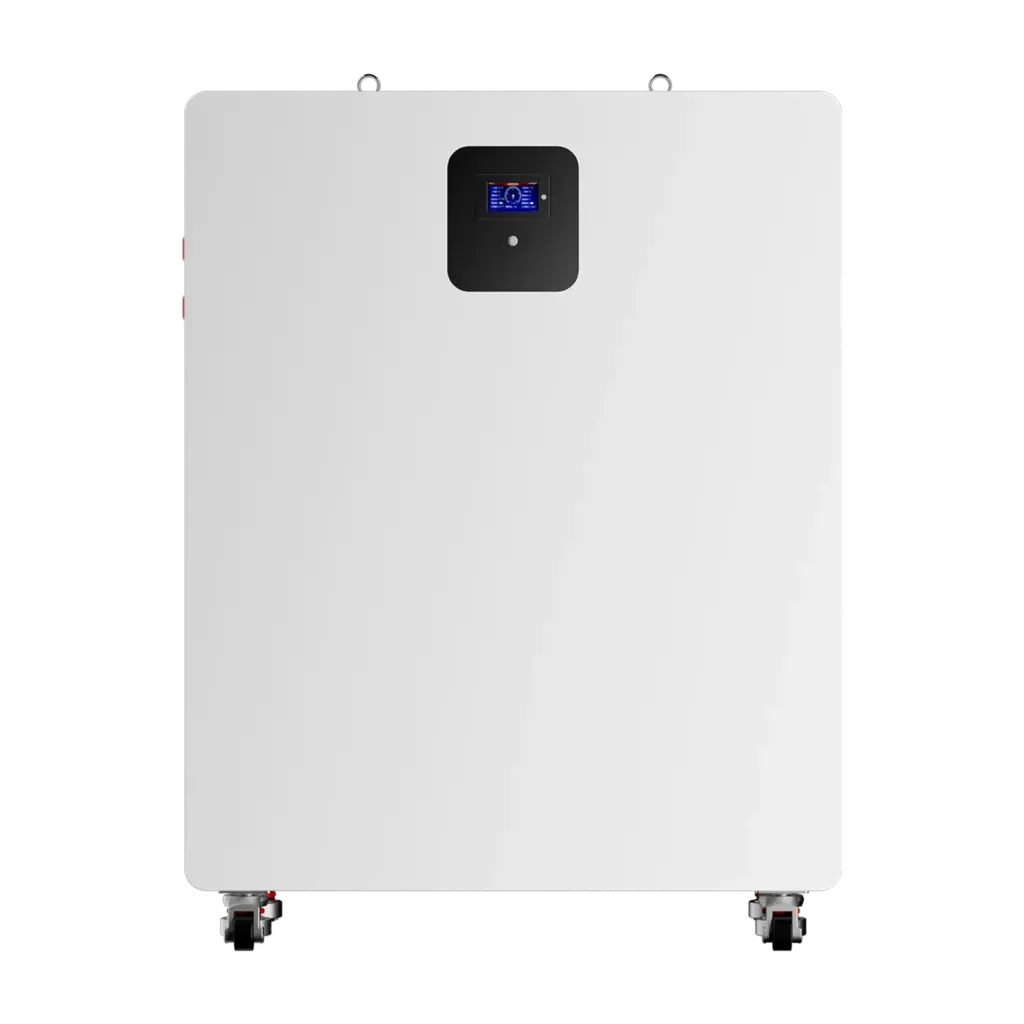
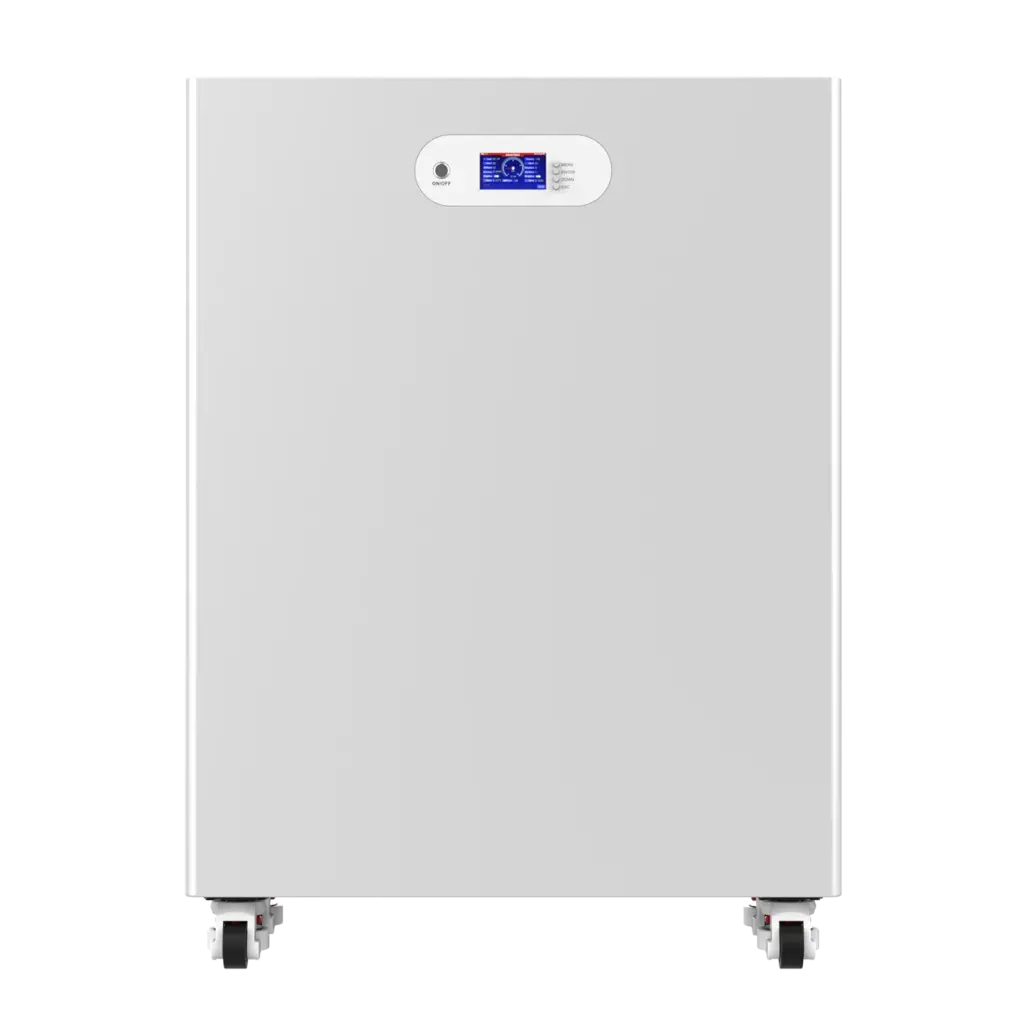
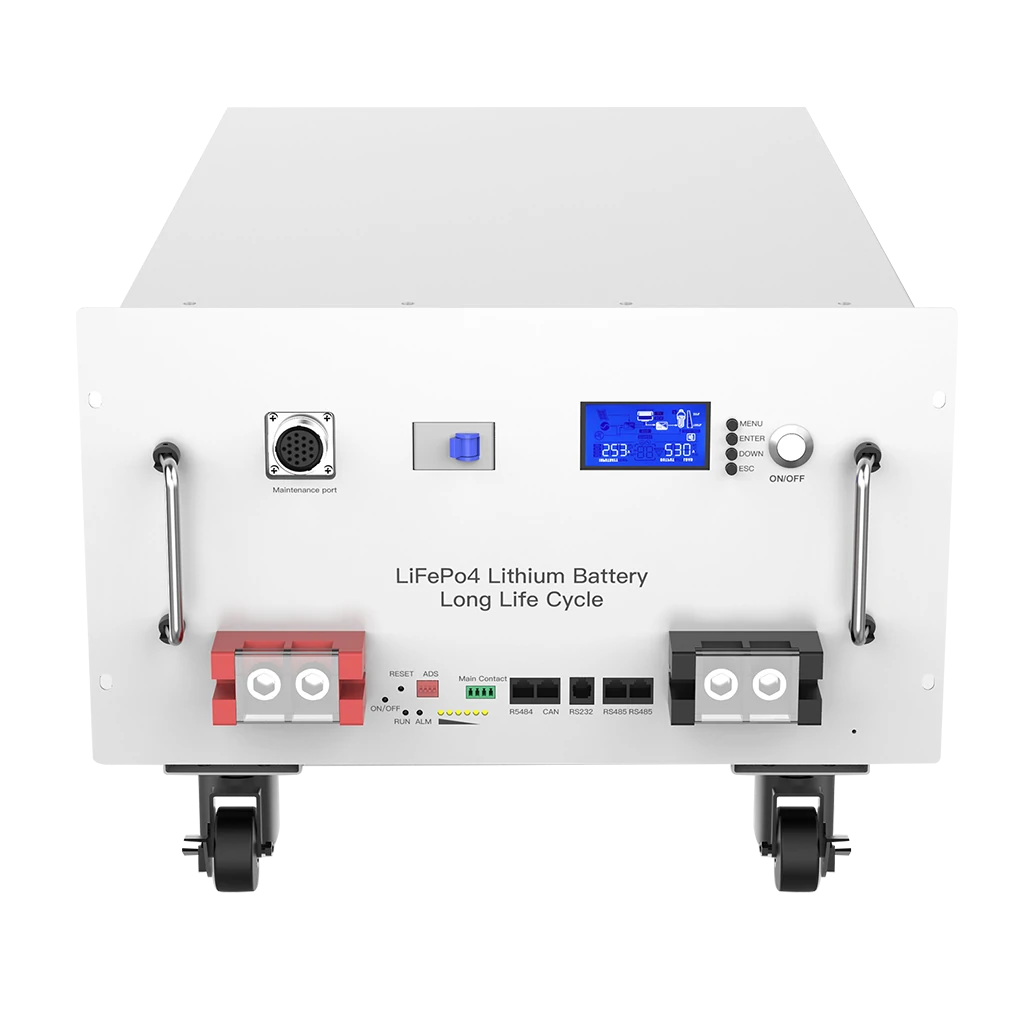
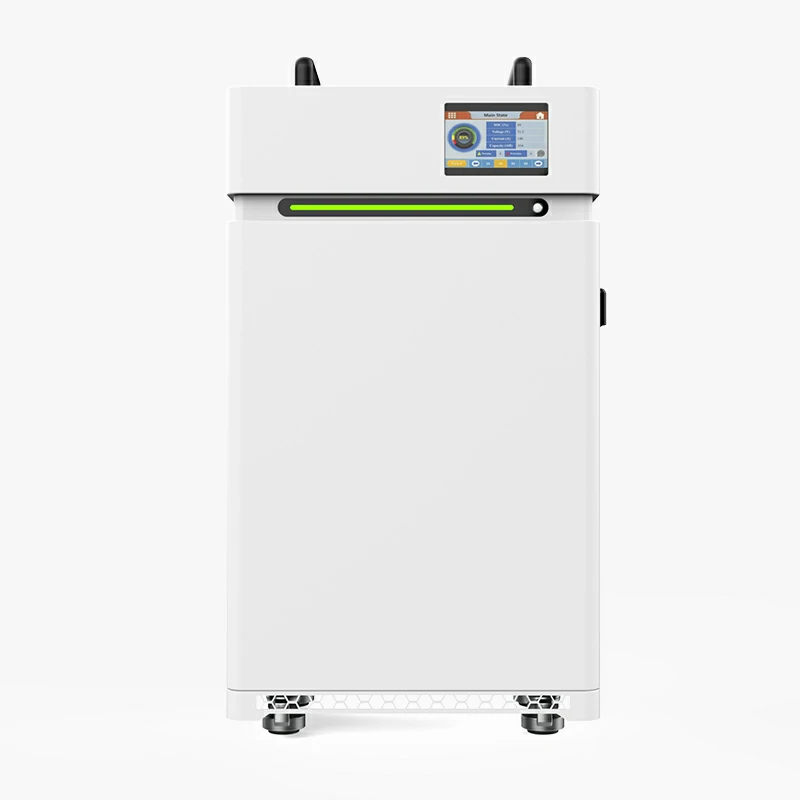
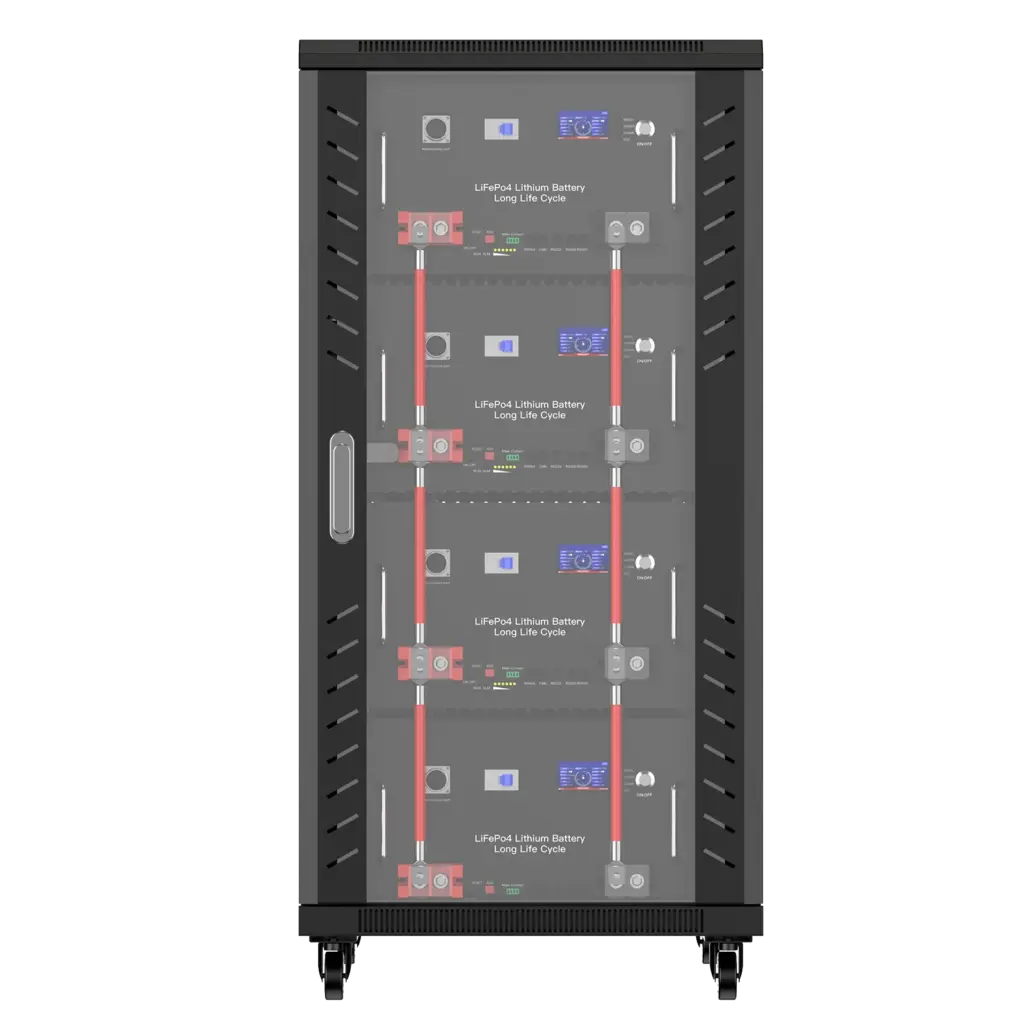
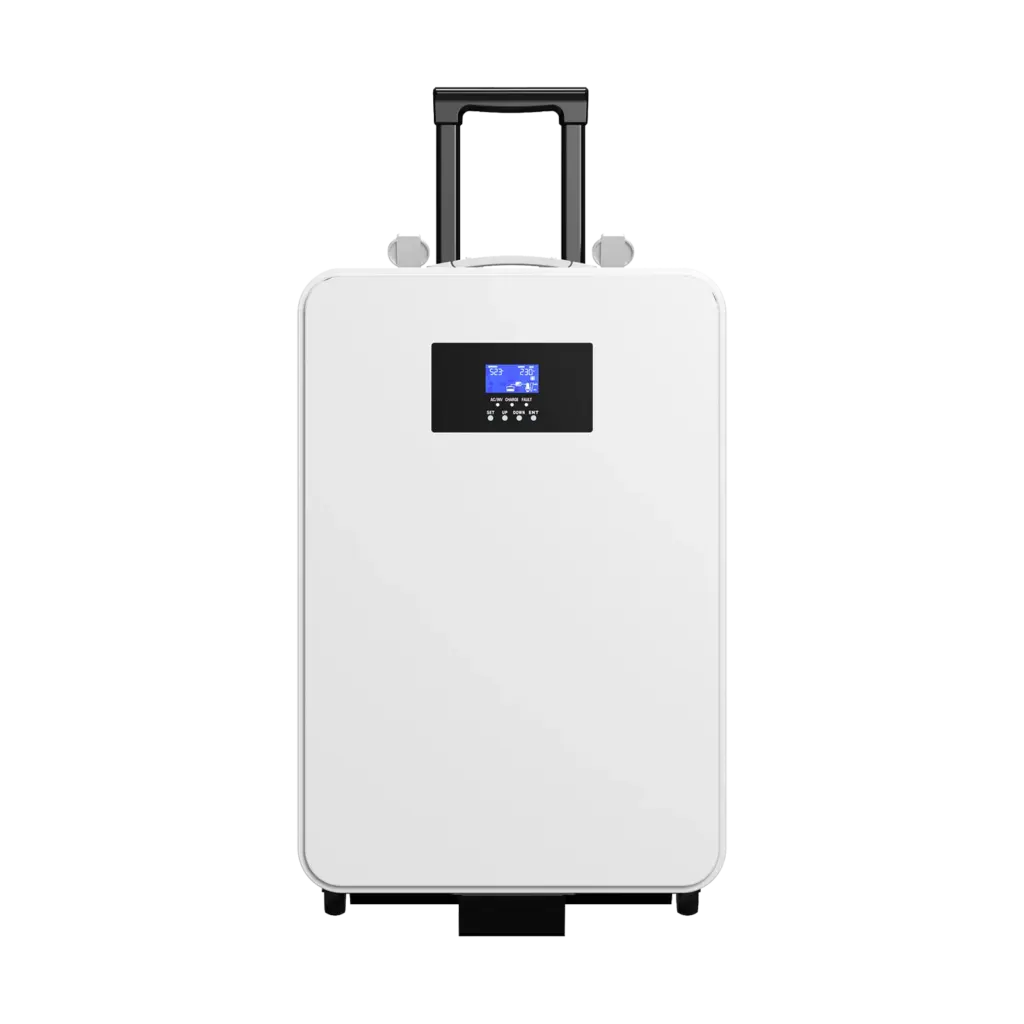
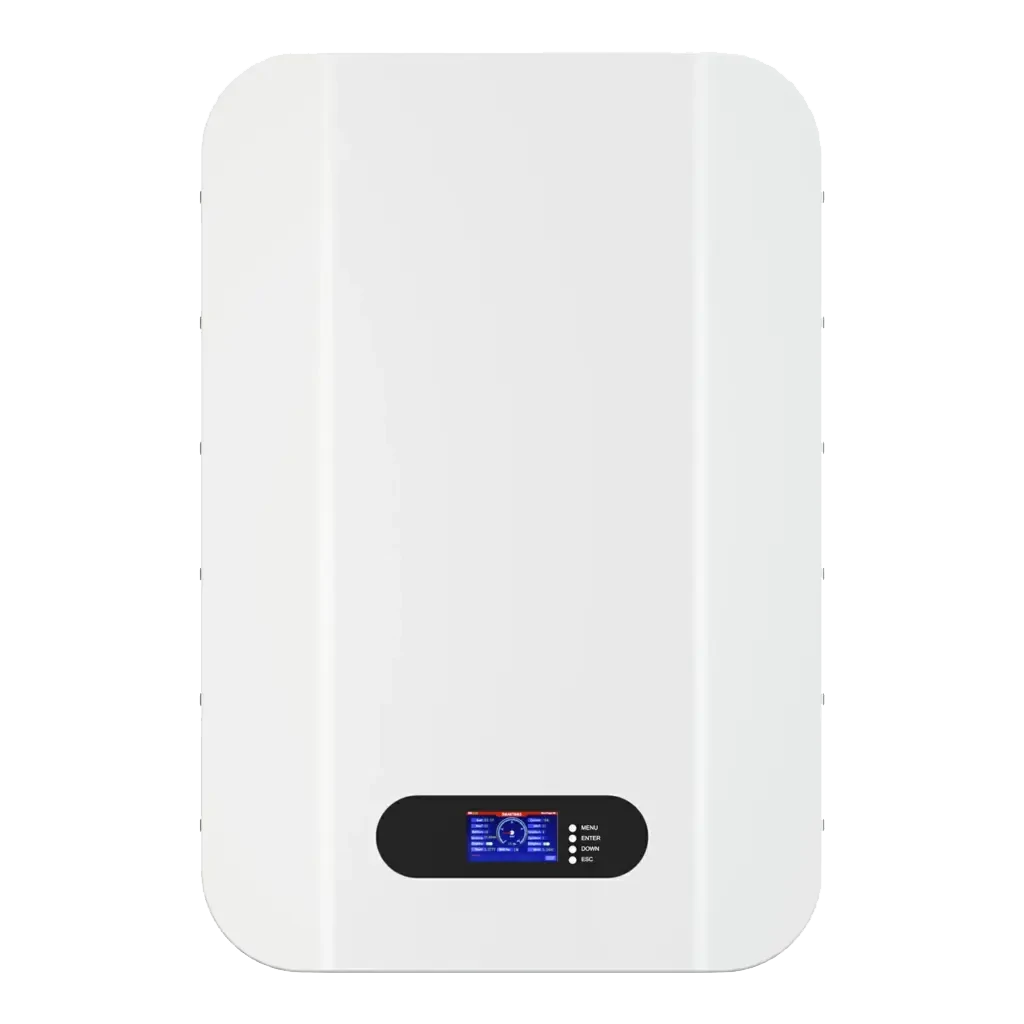
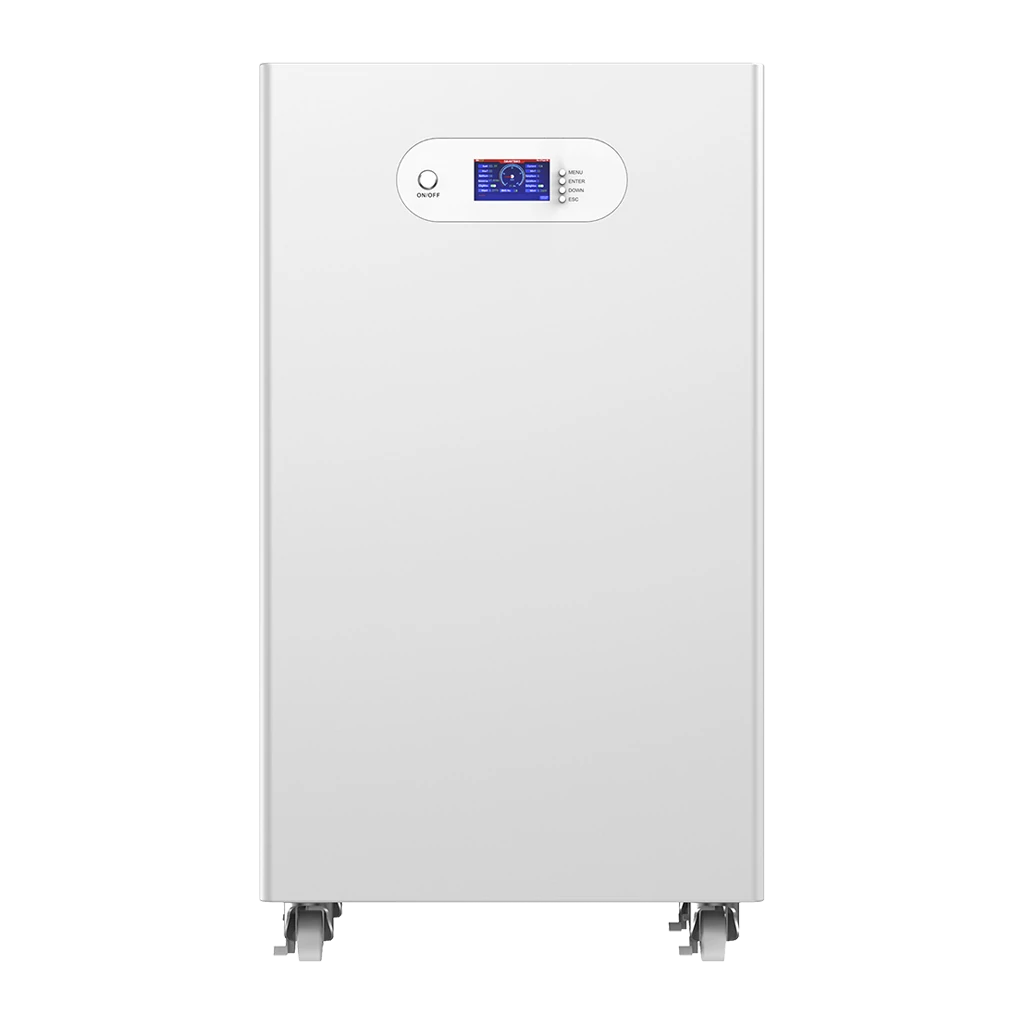
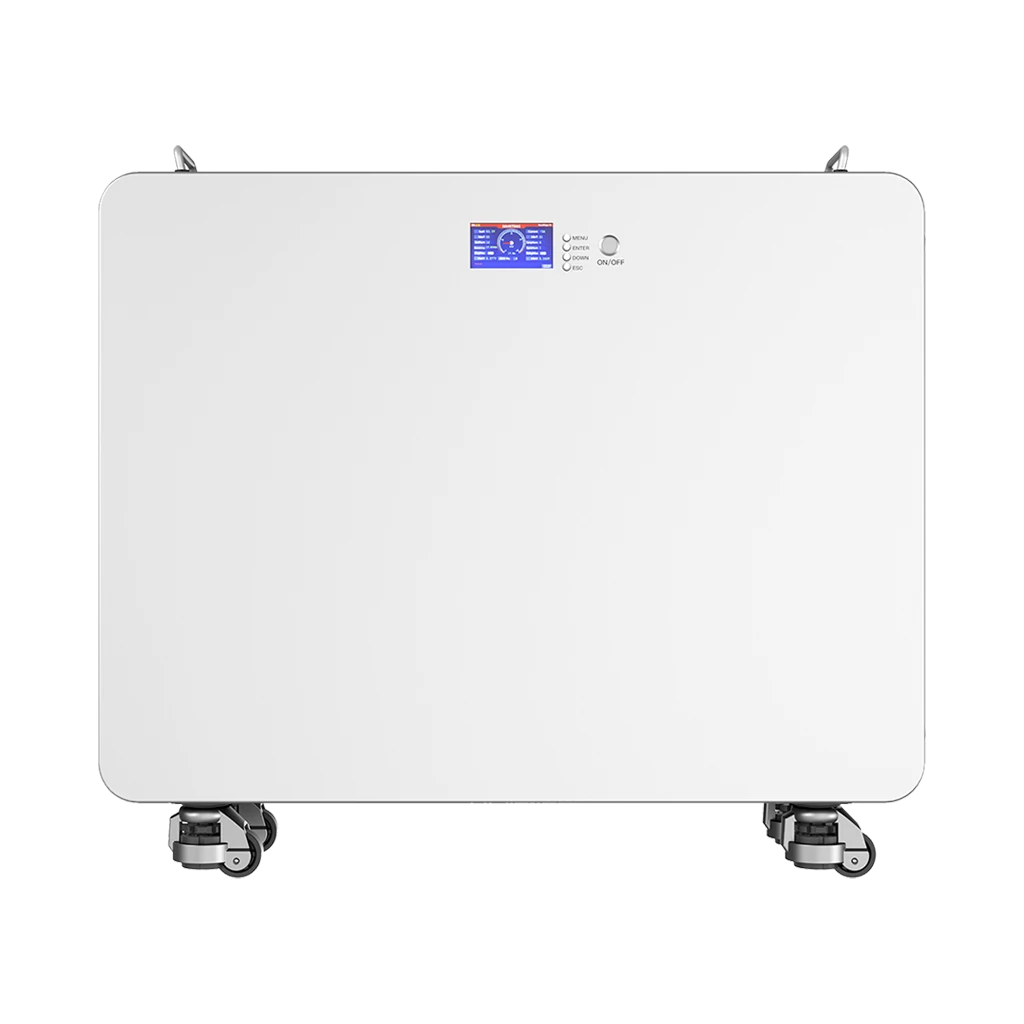
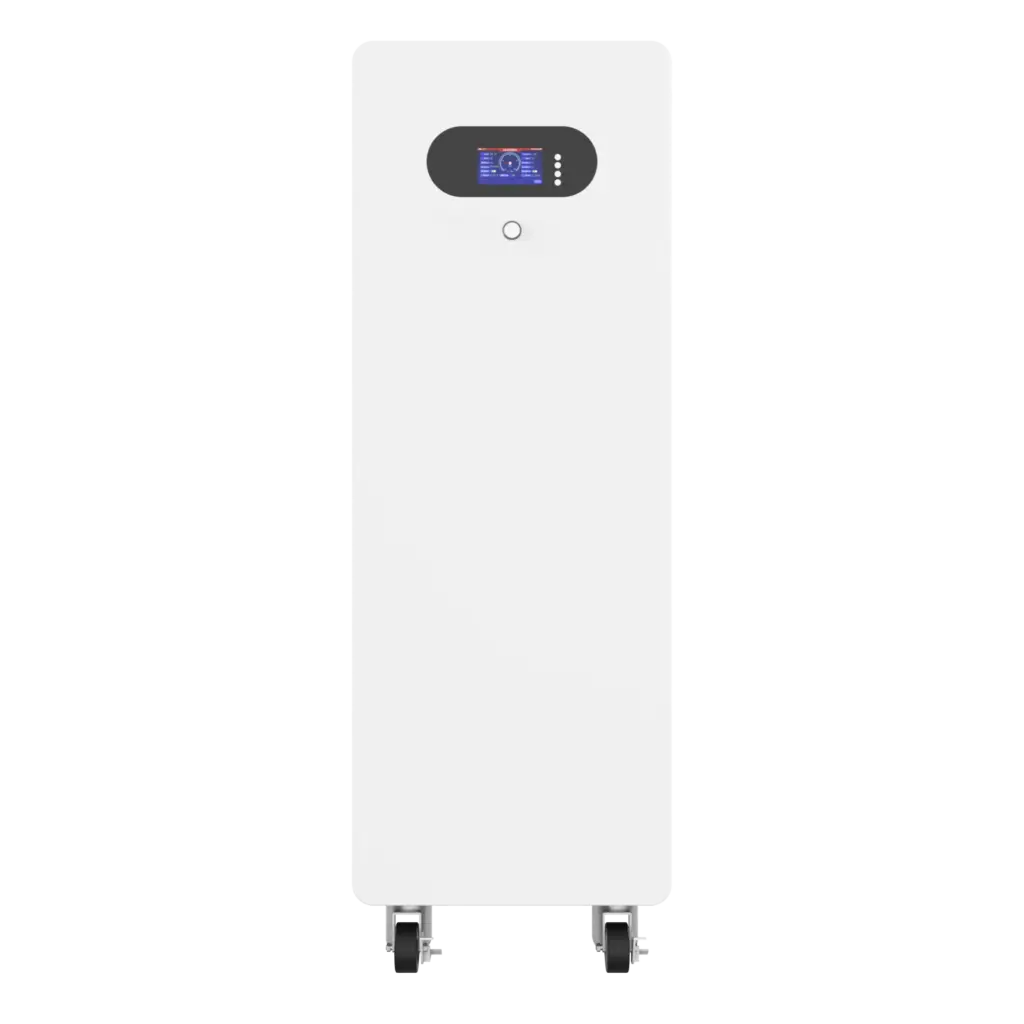
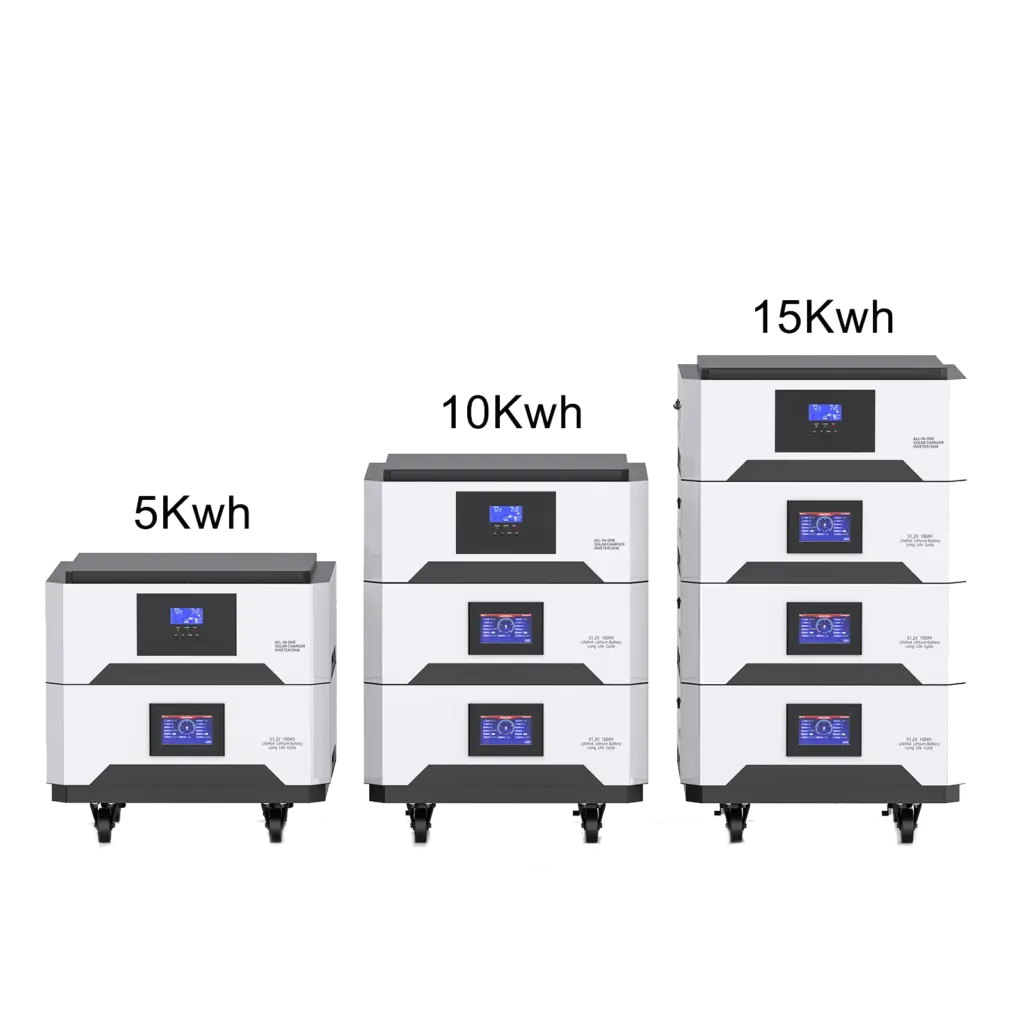
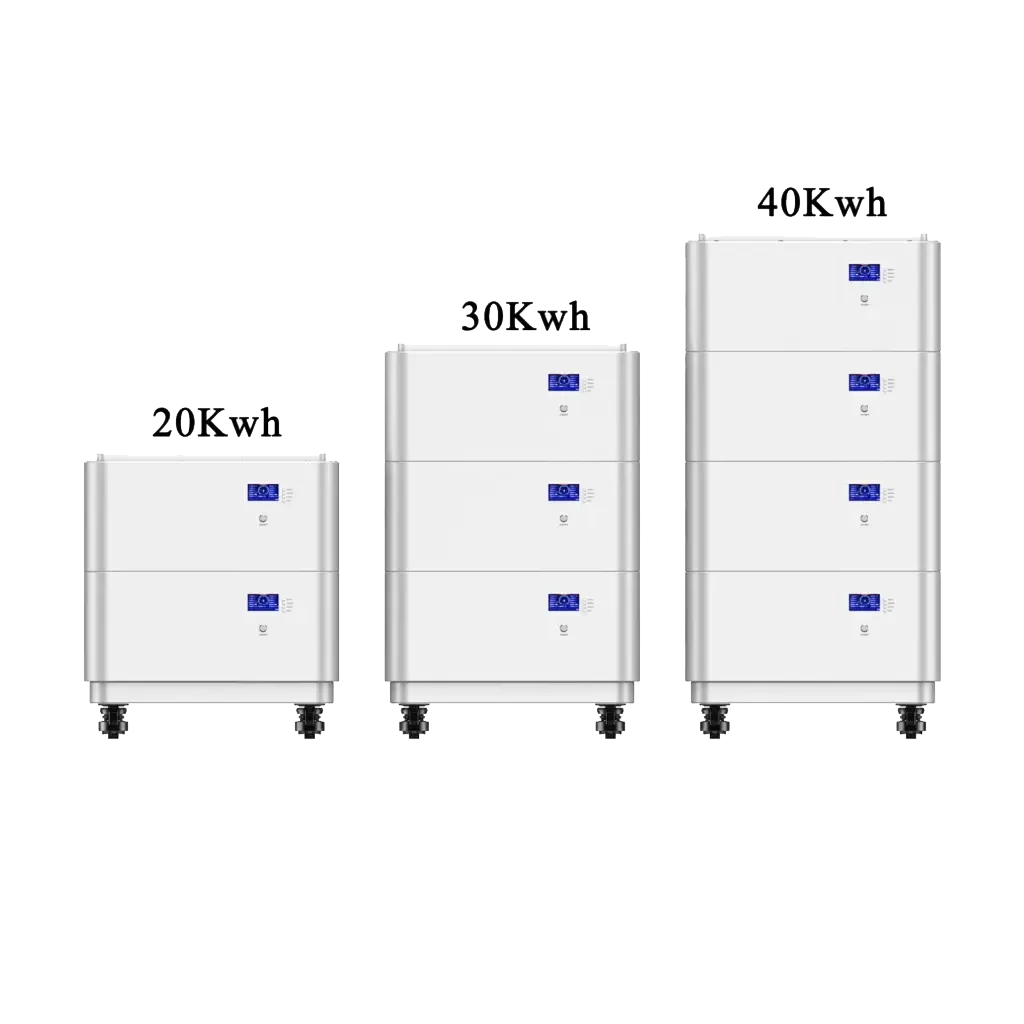
Avepower’s home energy storage battery systems include wall-mounted, rack-mounted, vertical and all-in-one LiFePO4 battery formats. For compact systems, a 48V 200Ah 10kWh wall-mounted battery may fit home backup and solar self-consumption. For larger homes or light commercial projects, a rack-mounted LiFePO4 battery system or vertical LiFePO4 battery can offer easier expansion and installer-friendly service access.
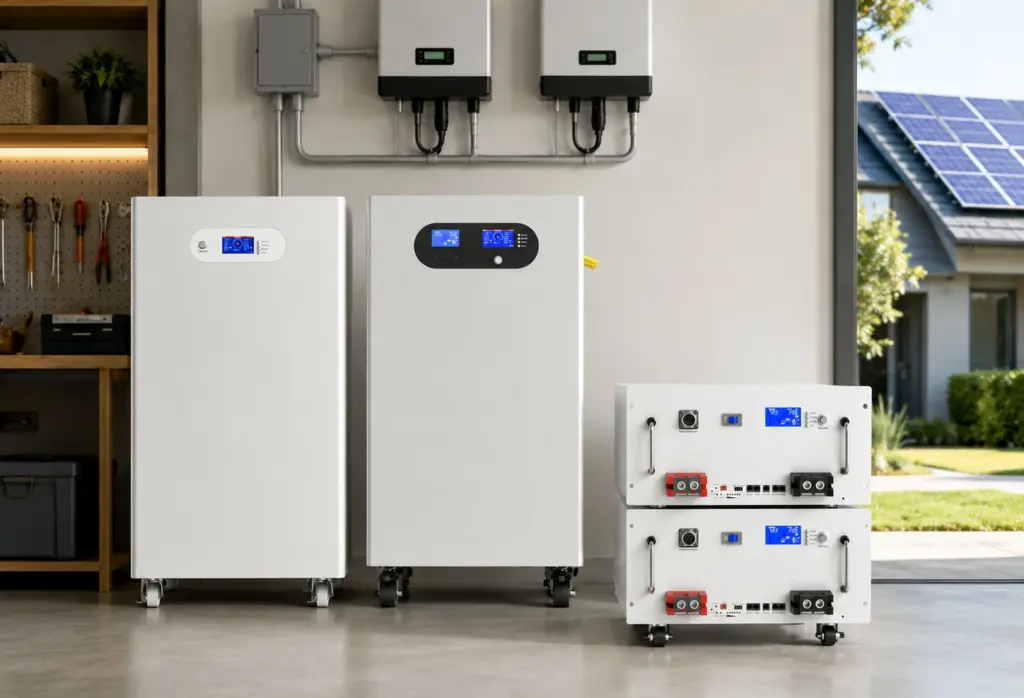
Take Control of Your Energy with Avepower!
Reliable home solar battery solutions with OEM/ODM customization and in-house manufacturing, tailored to the needs of distributors, installers, and energy partners.
Conclusion
Voltage explains the electrical push, current explains the actual flow, and together they determine power, heat, safety and battery performance.
For simple learning, remember this: voltage is measured in volts, current is measured in amps, and power equals voltage multiplied by current. For real solar storage projects, go one step further: check kWh capacity, inverter compatibility, BMS current rating, cable design and expansion plan.
Avepower provides LiFePO4 battery systems for home solar storage, backup power, off-grid systems, installers, distributors and OEM/ODM projects. If you are selecting a 48V, 51.2V or larger battery platform, Avepower can help match voltage, current, inverter protocol and capacity to your actual project requirements.
FAQ
Voltage is the push, and current is the flow. A battery can have voltage with no load connected, but current only flows when the circuit is closed.
Many LiFePO4 solar batteries use 16 cells in series. Since each LiFePO4 cell is about 3.2V nominal, 16 cells create a 51.2V nominal pack, often called a 48V battery class.
No. Higher voltage can reduce current for the same power, but it also requires compatible equipment, stricter safety design and qualified installation.
Compare voltage, kWh, usable capacity, max charge/discharge current, BMS rating, inverter communication, cycle life, warranty and installation requirements.