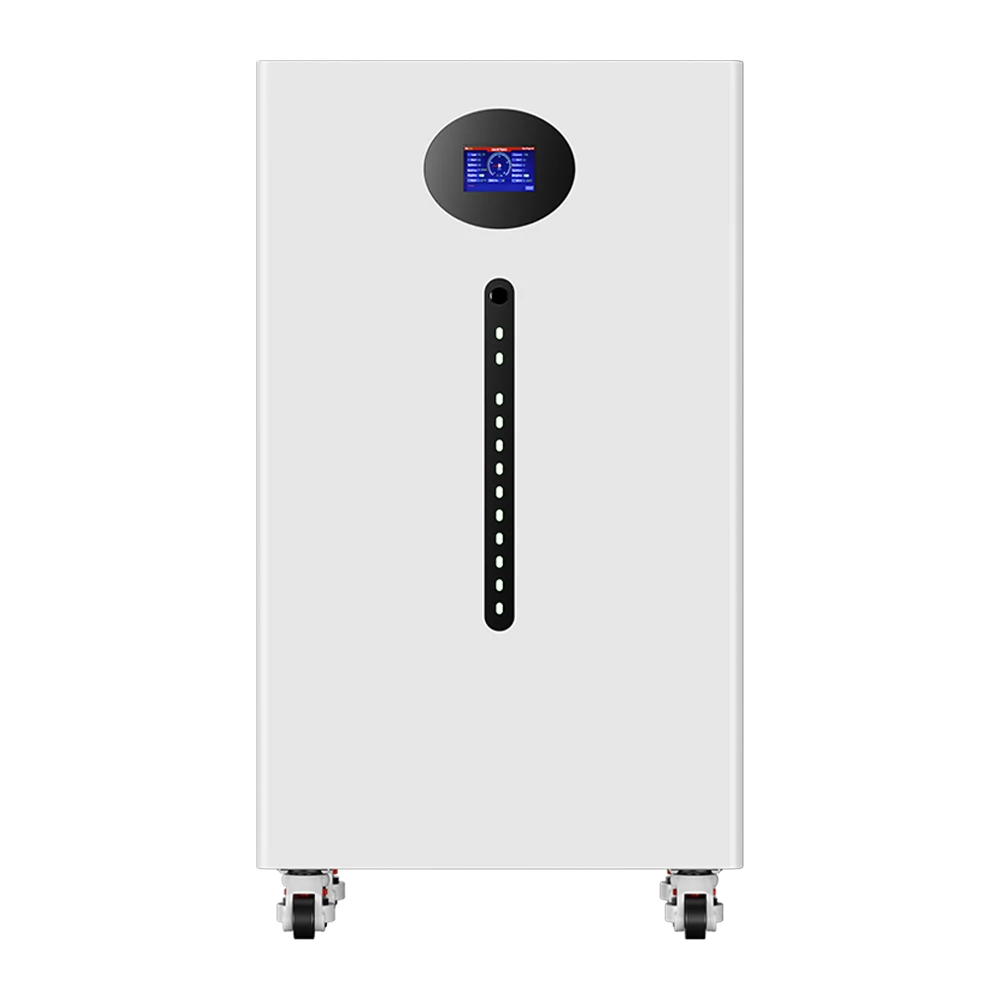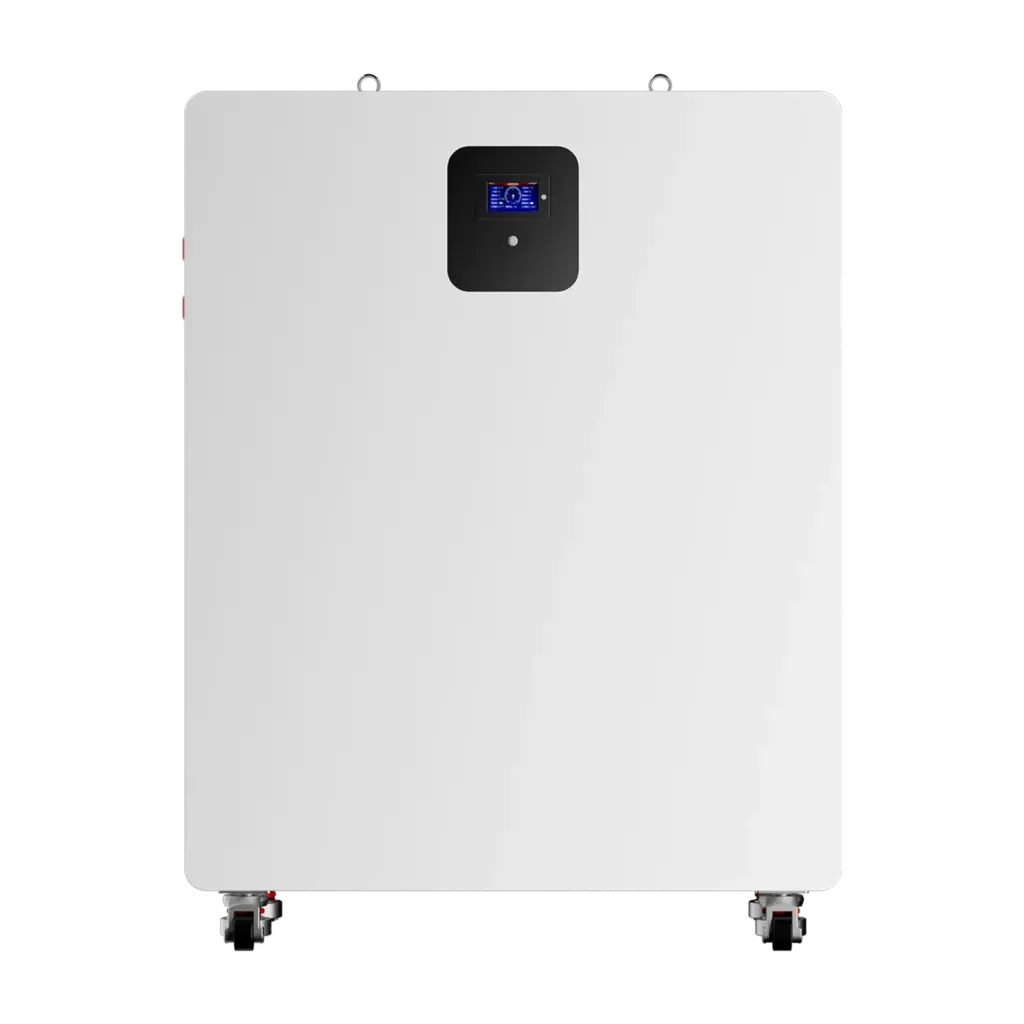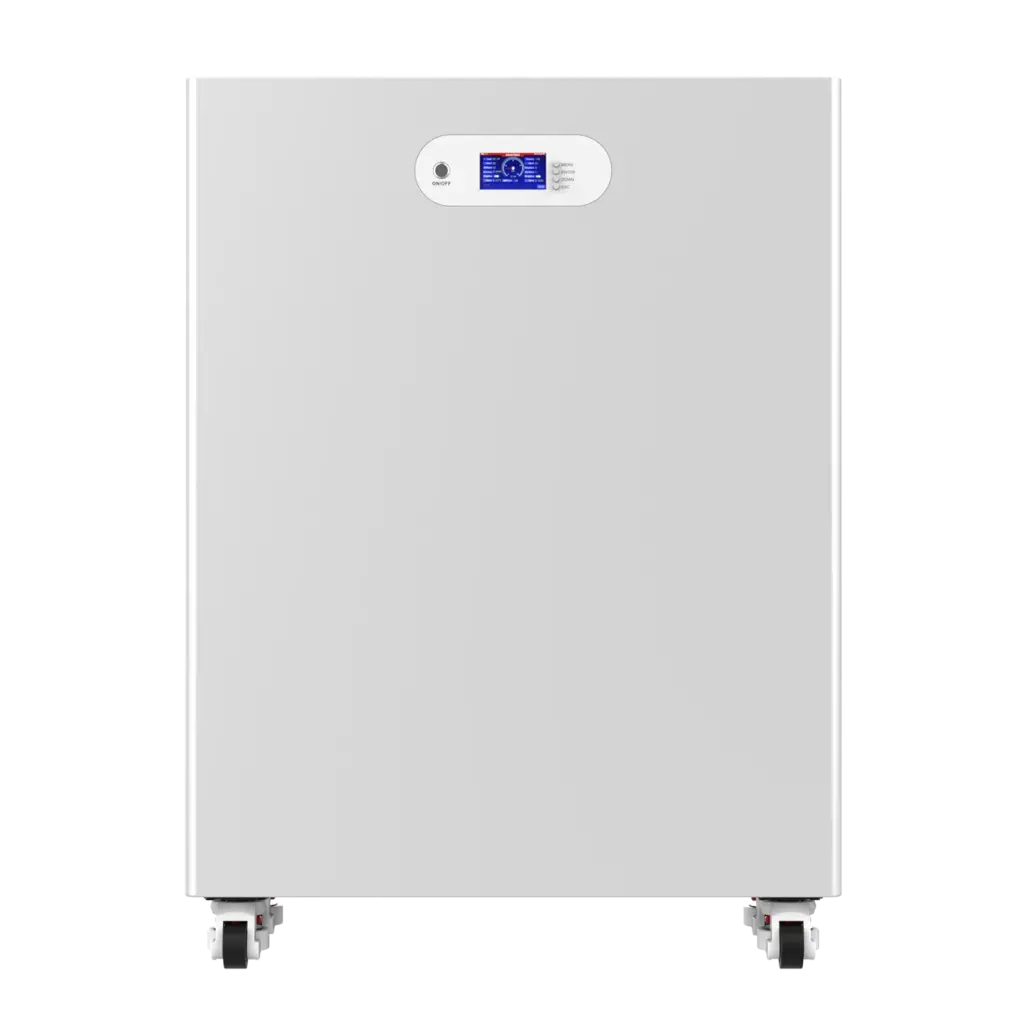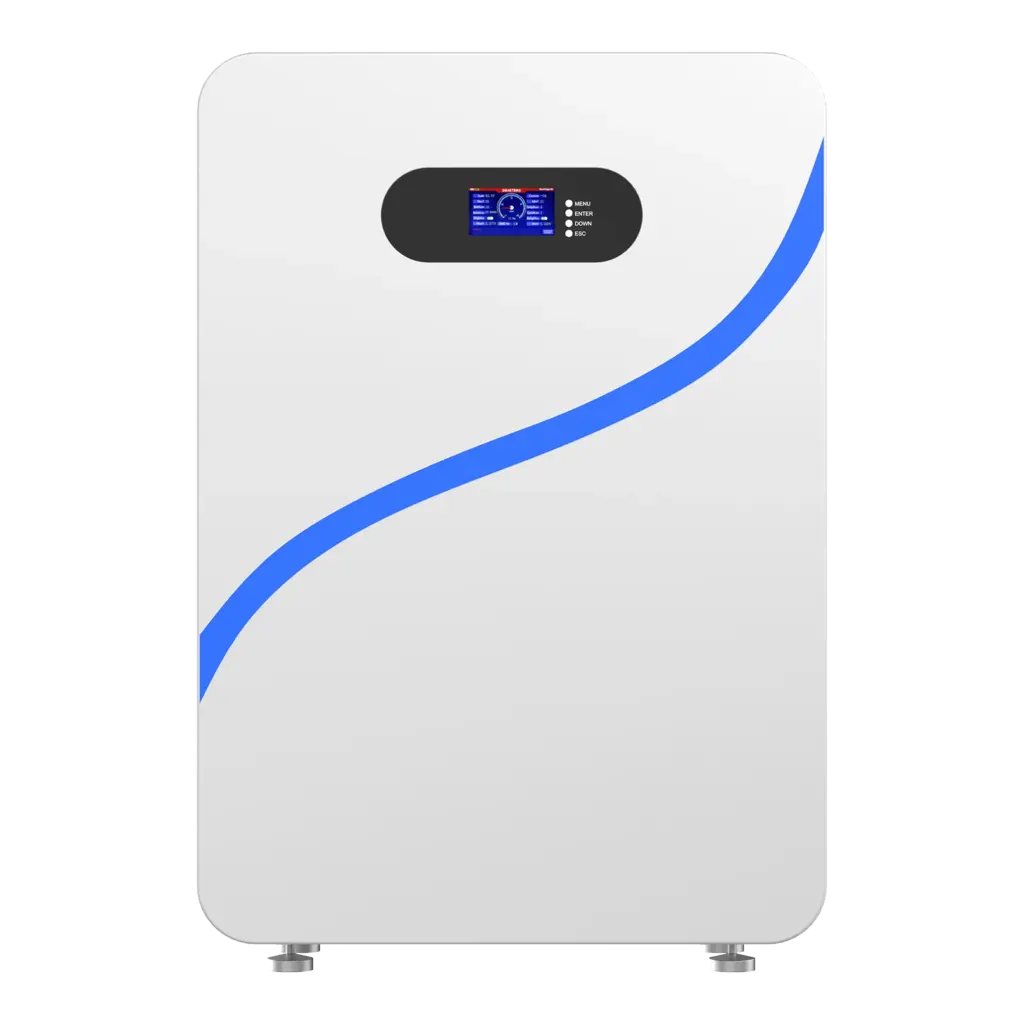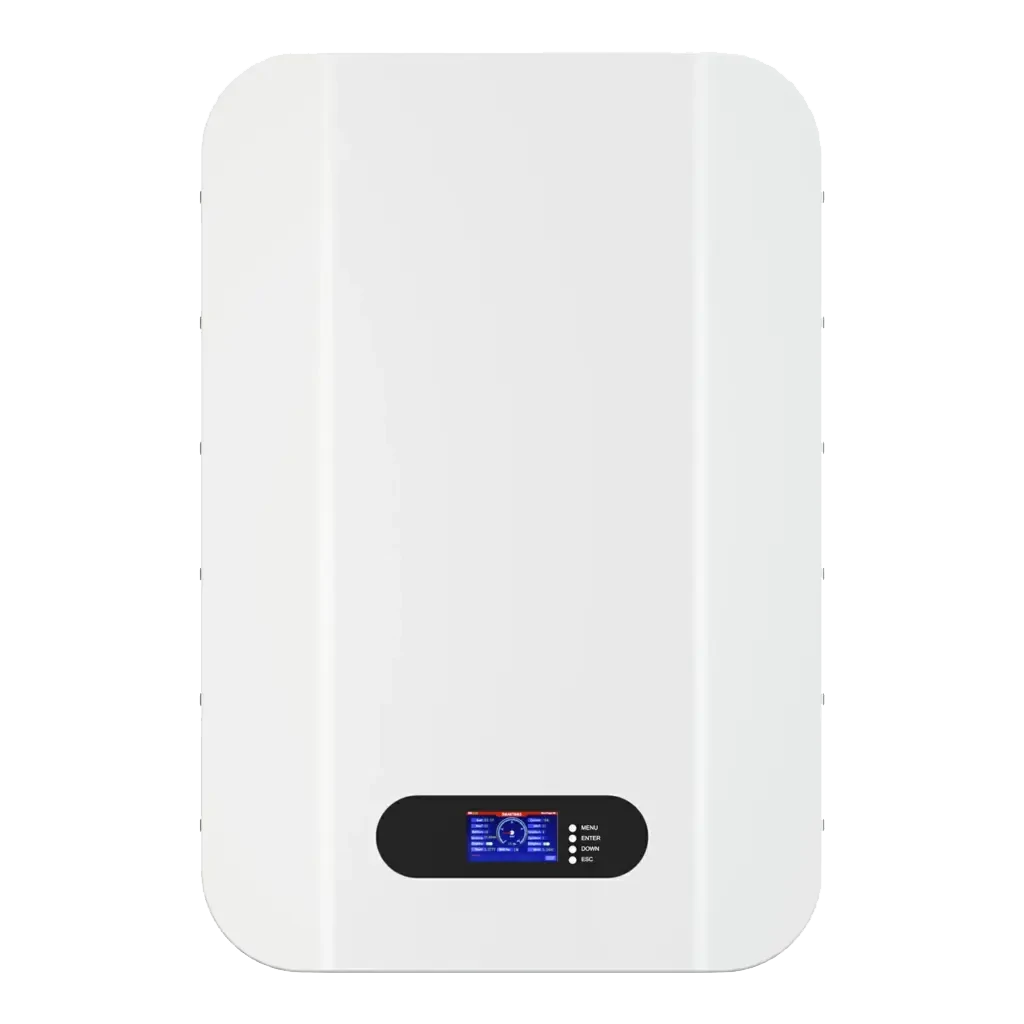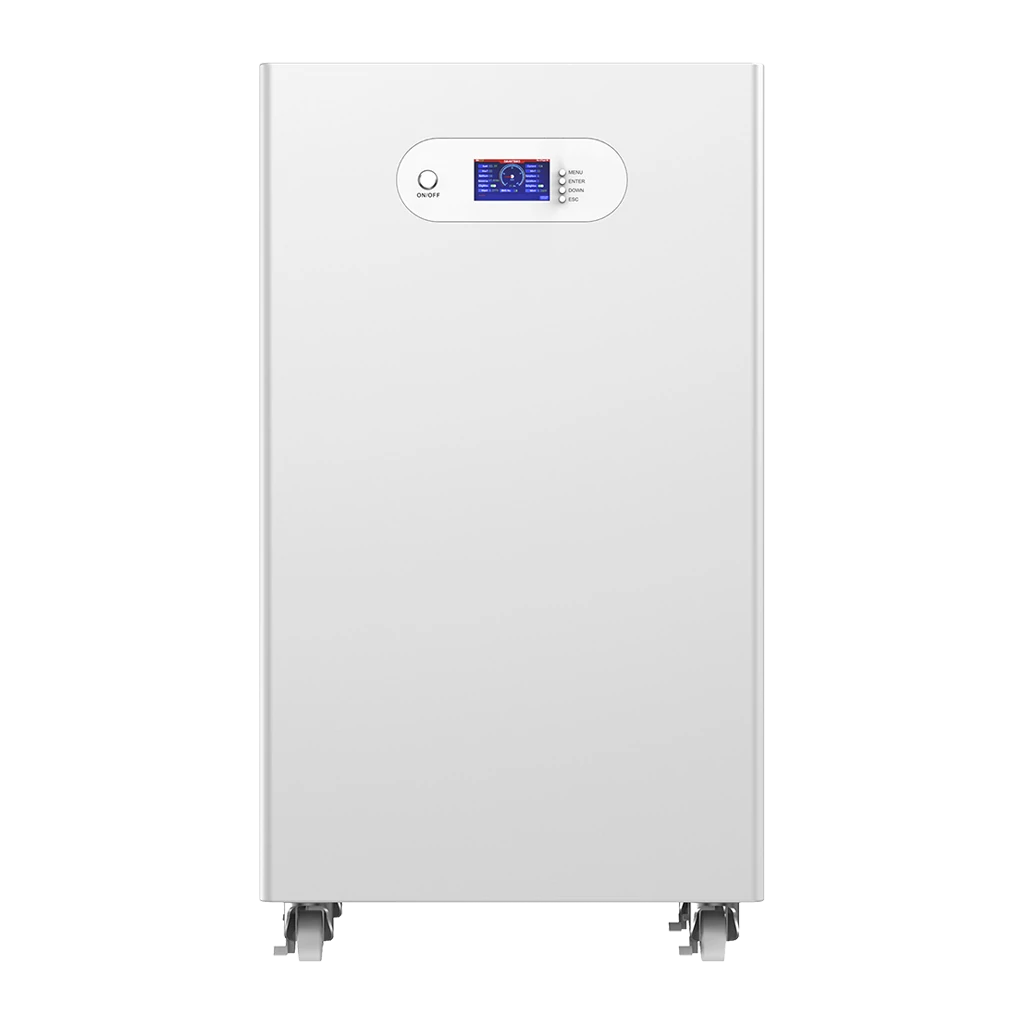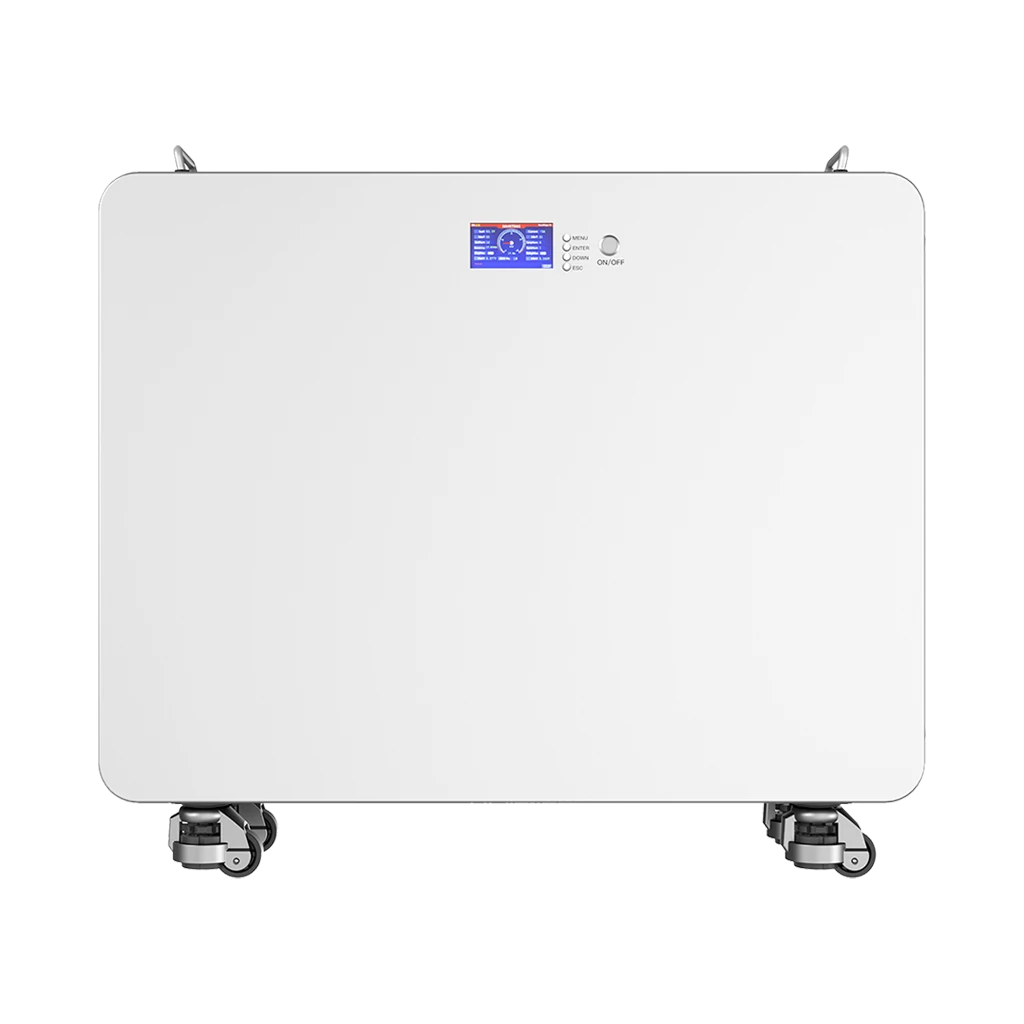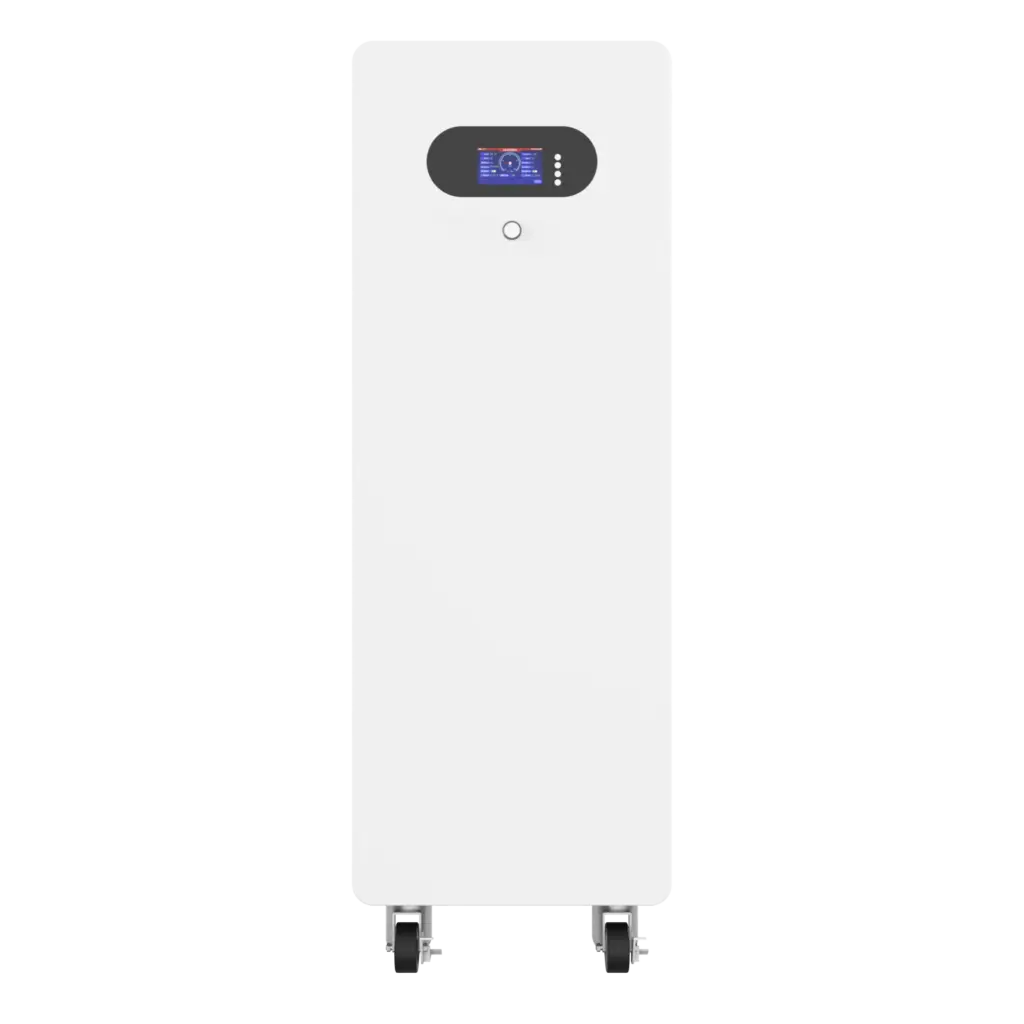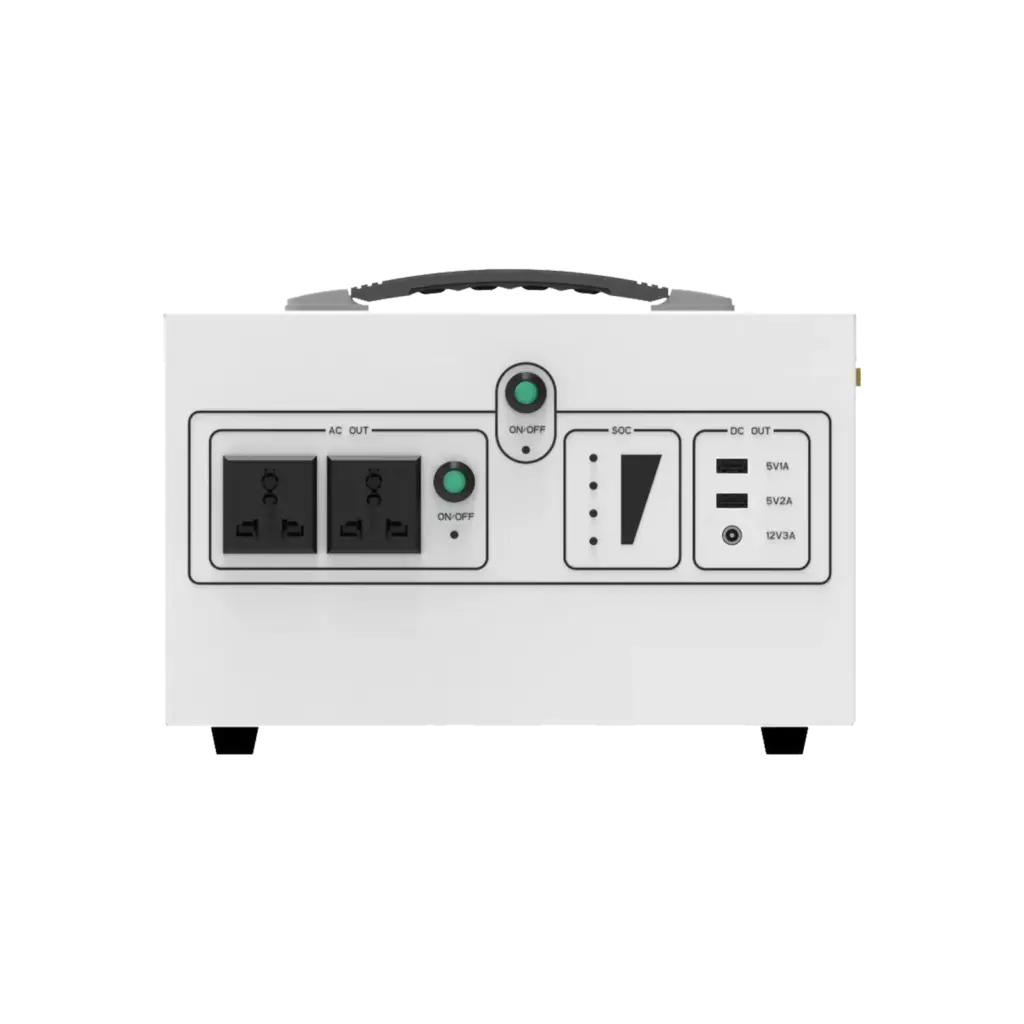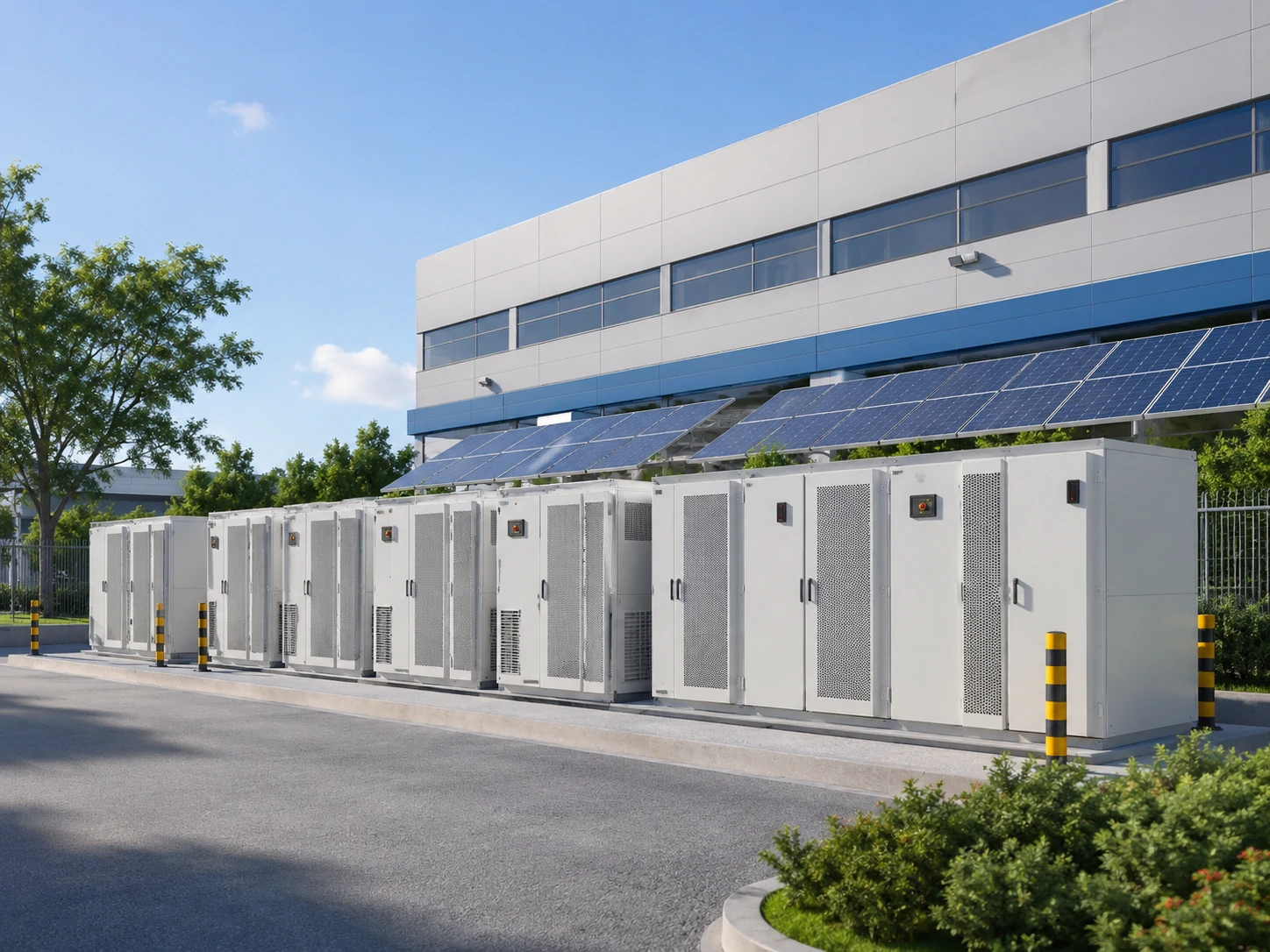

Battery energy power solutions are systems that store electricity in batteries and deliver it when power is needed. For homes, they can store solar energy, provide backup during outages, and reduce grid dependence. For businesses, they can support peak shaving, load shifting, solar self-consumption, backup power, and more stable energy cost management.
In practical terms, a battery power solution is not just a battery pack. A complete system usually includes battery modules, a battery management system, an inverter or PCS, an energy management system, protection devices, communication interfaces, and installation design.
What Are Battery Energy Power Solutions?
Battery energy power solutions are energy storage systems designed to capture, store, manage, and deliver electricity. They can be connected to solar PV, the grid, generators, EV charging systems, or hybrid microgrids.
A complete solution may support:
- Backup power during grid outages
- Solar energy storage for day-to-night use
- Time-of-use electricity optimization
- Peak shaving for commercial demand charges
- Load shifting for factories, buildings, and facilities
- Off-grid or weak-grid energy supply
- Renewable energy integration
- Energy independence for homes and businesses
Main Types of Battery Energy Power Solutions
Different applications require different battery formats. A small home backup system does not need the same architecture as a commercial peak shaving system or a high-voltage project.
| Solution type | Best for | Typical capacity | Key advantage |
|---|---|---|---|
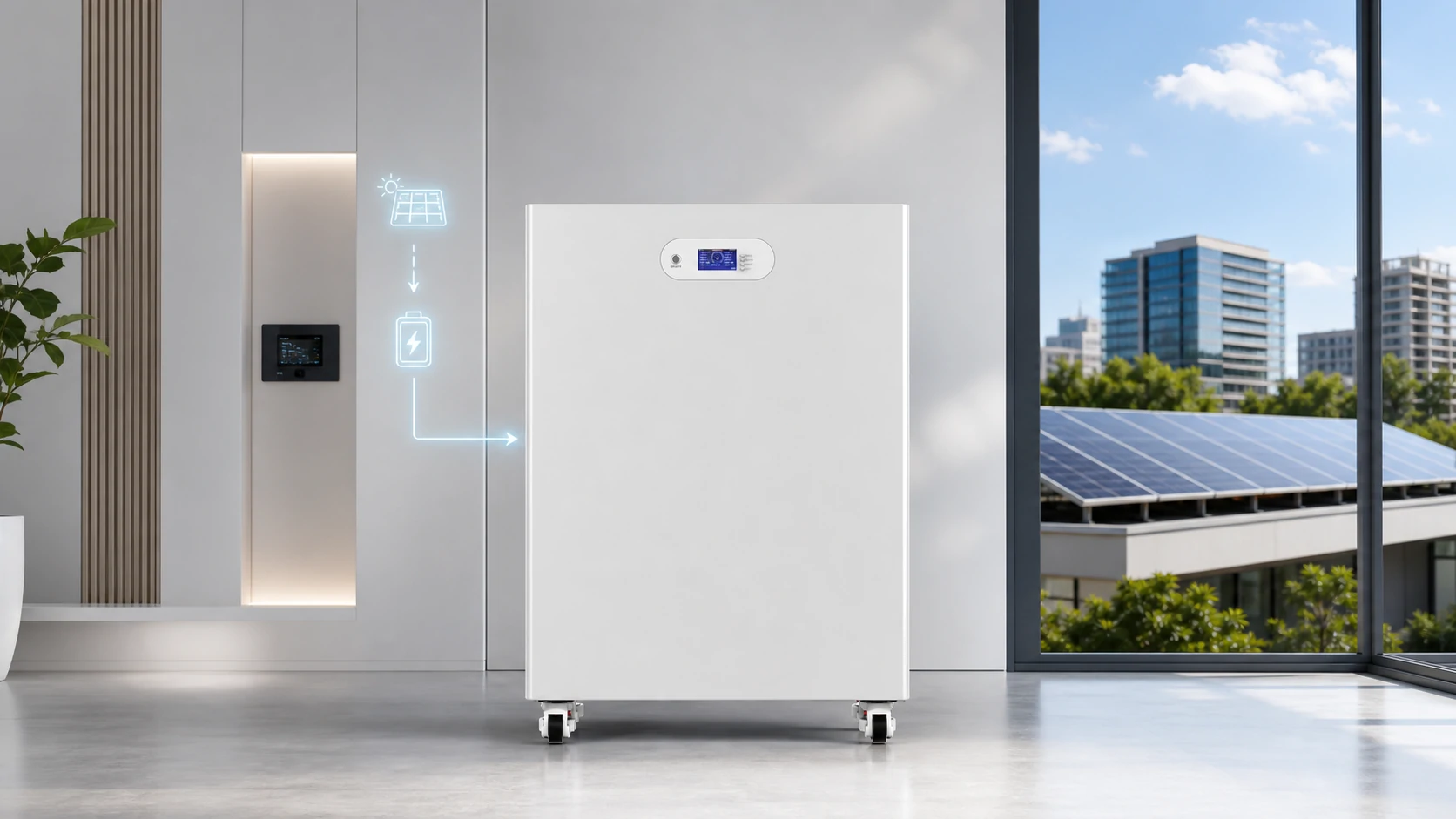
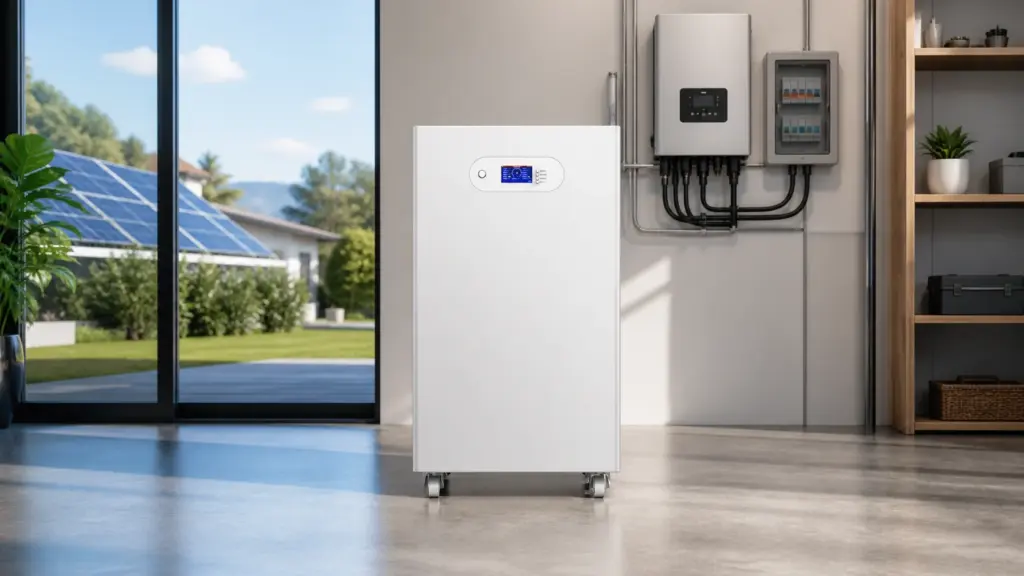
| Wall-mounted battery | Homes, villas, small solar systems | 5–20 kWh | Space-saving and simple installation |
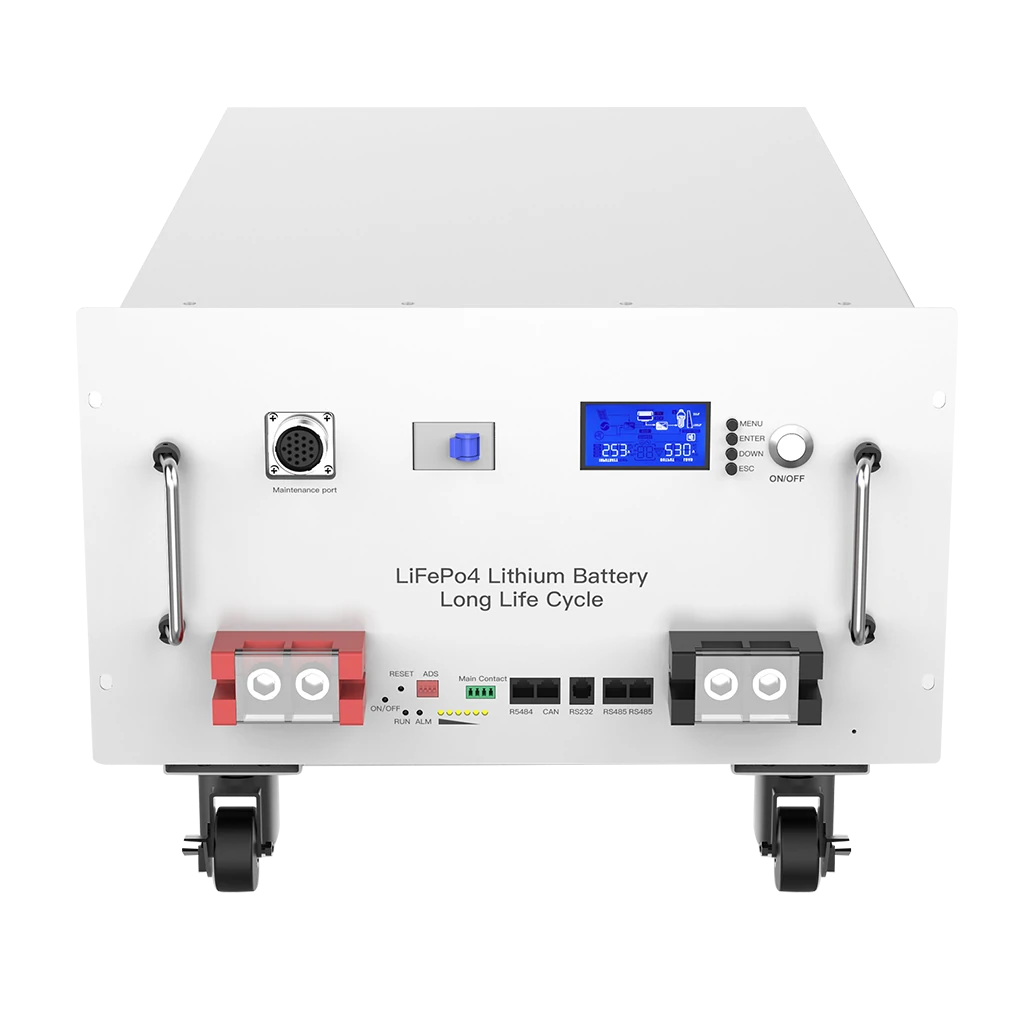
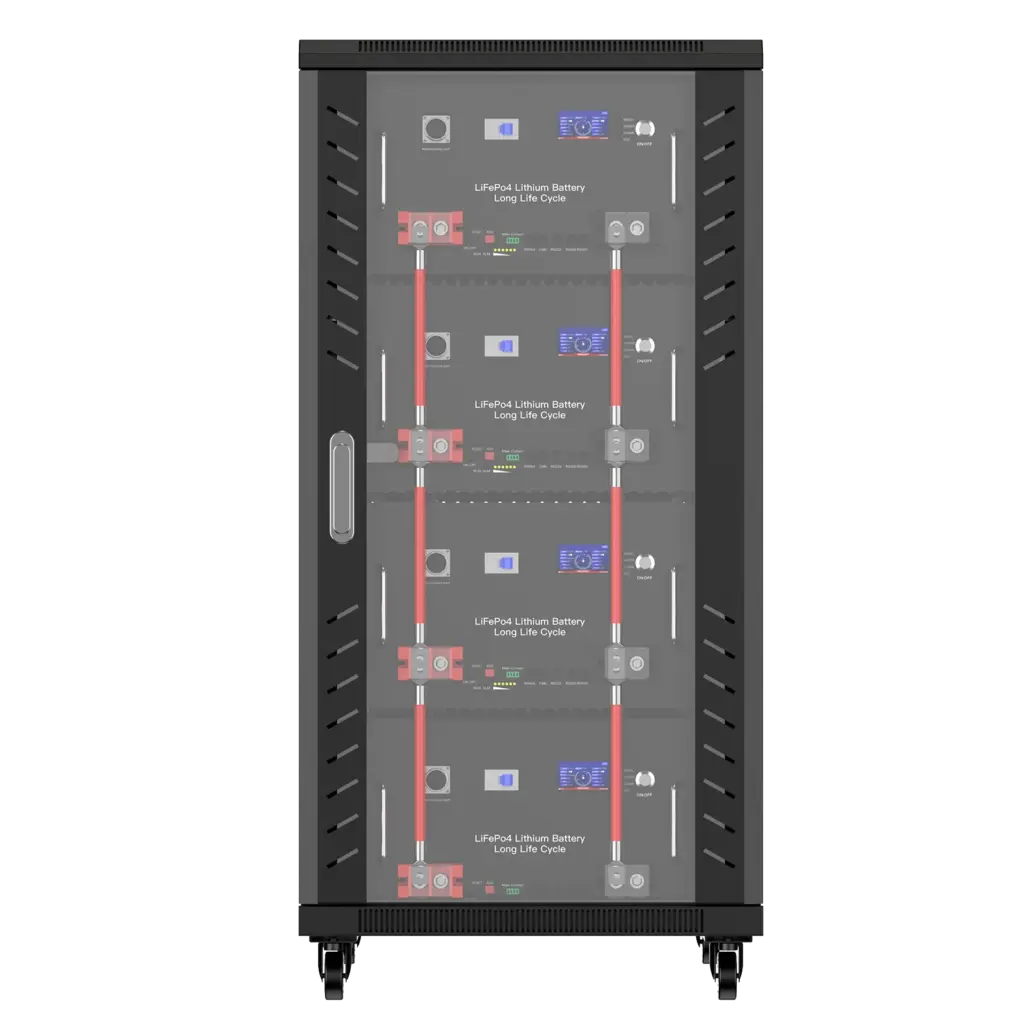
| Rack mount battery | Solar rooms, telecom, small commercial projects | 5–50 kWh+ | Organized cabinet installation |
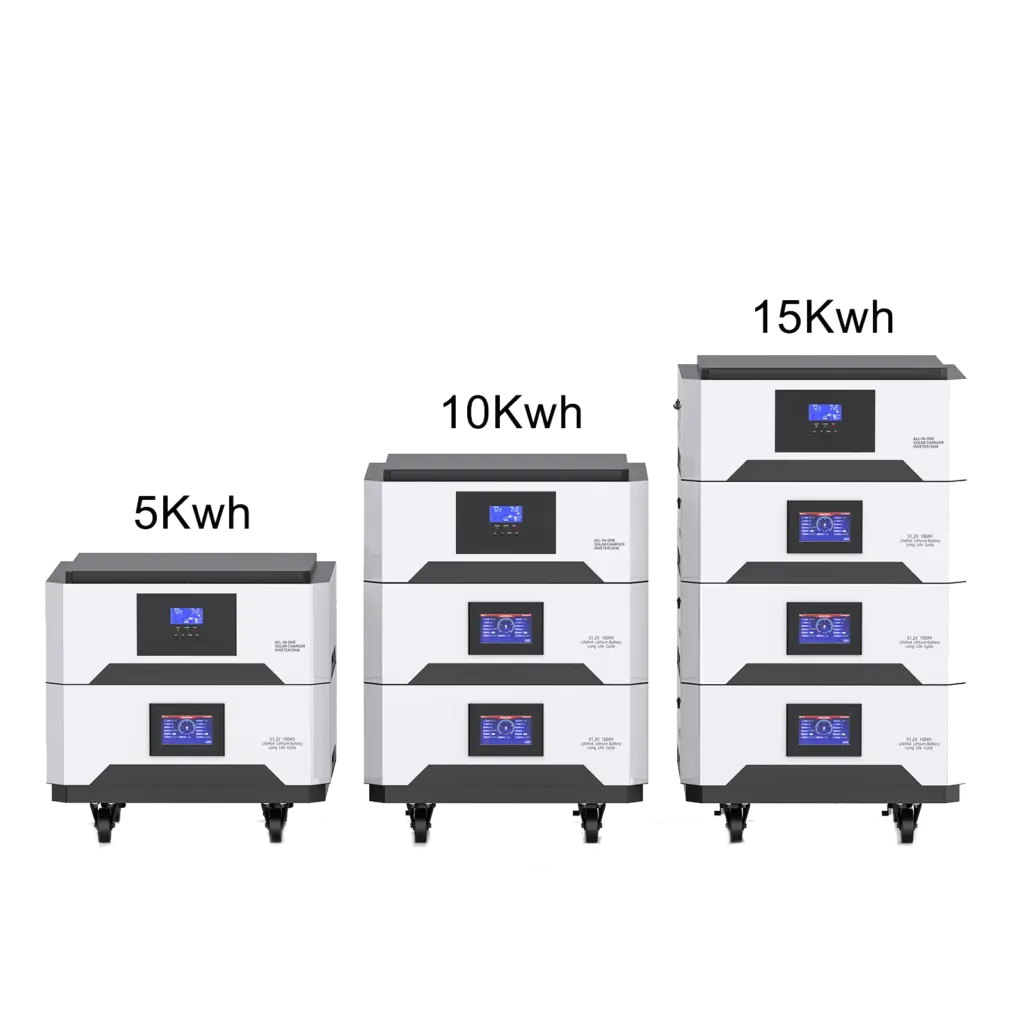
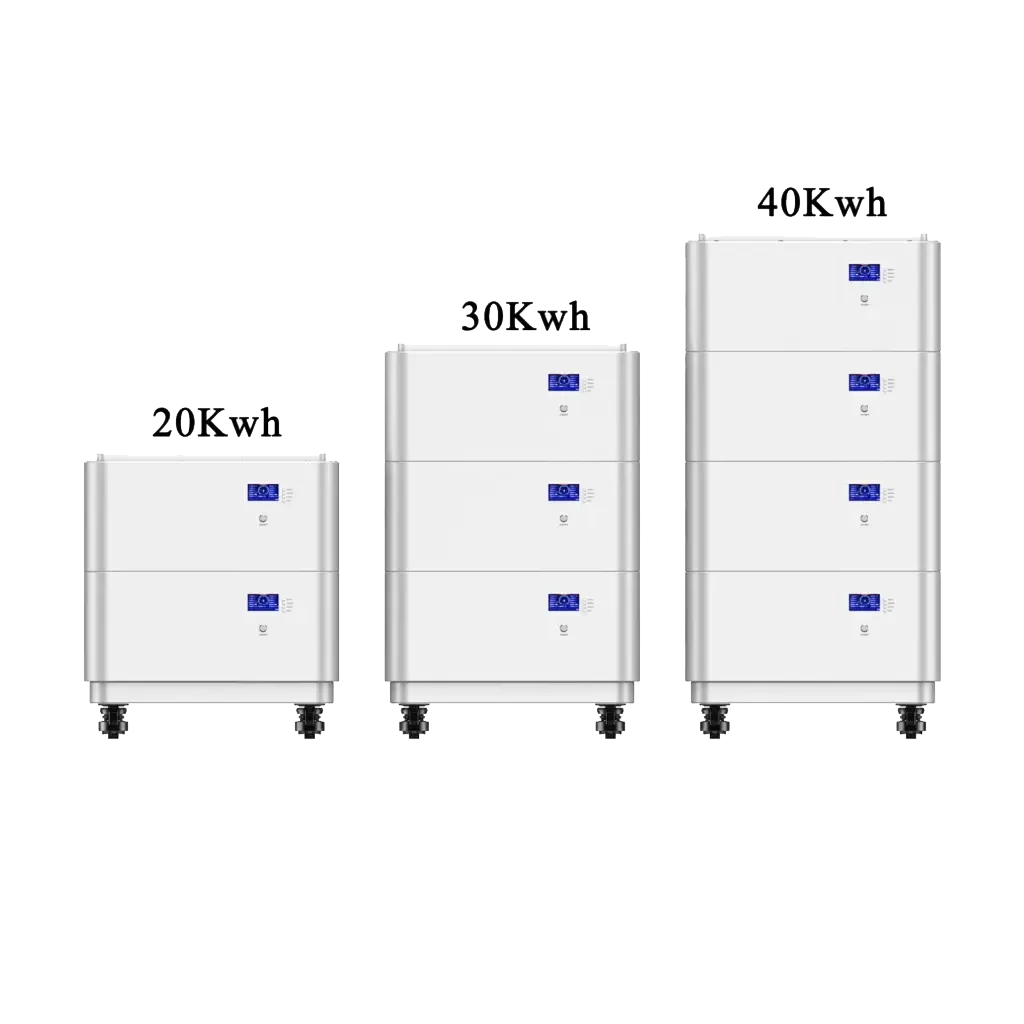
| Stackable battery | Homes, installers, staged expansion | 5–40 kWh+ | Modular capacity growth |
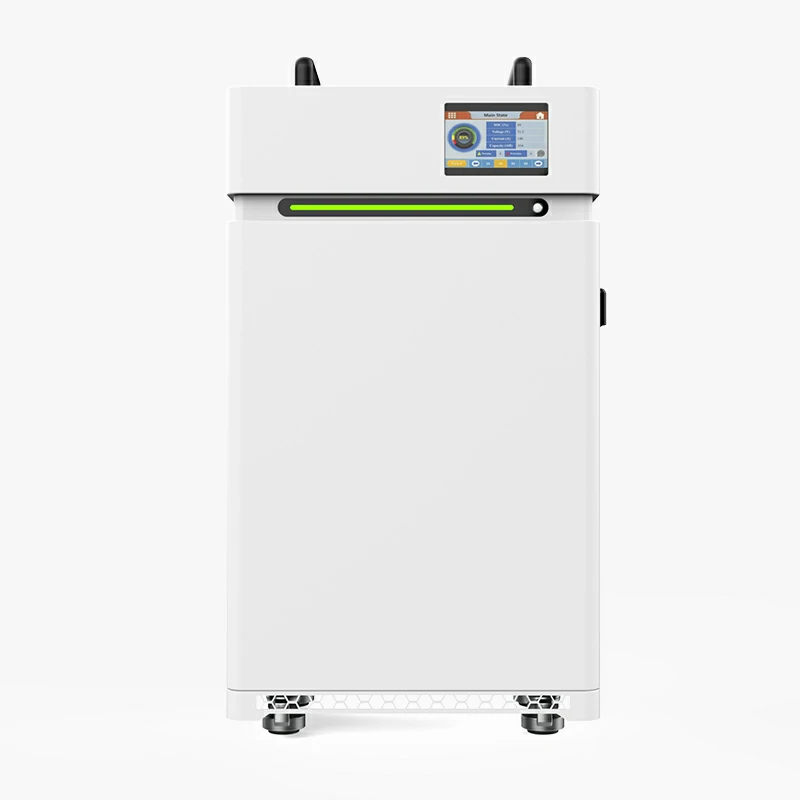
| All-in-one battery | Homes needing battery + inverter | 5–15 kWh+ | Integrated design |
| High-voltage battery system | Larger residential and C&I projects | 50 kWh to MWh scale | Higher efficiency for larger systems |
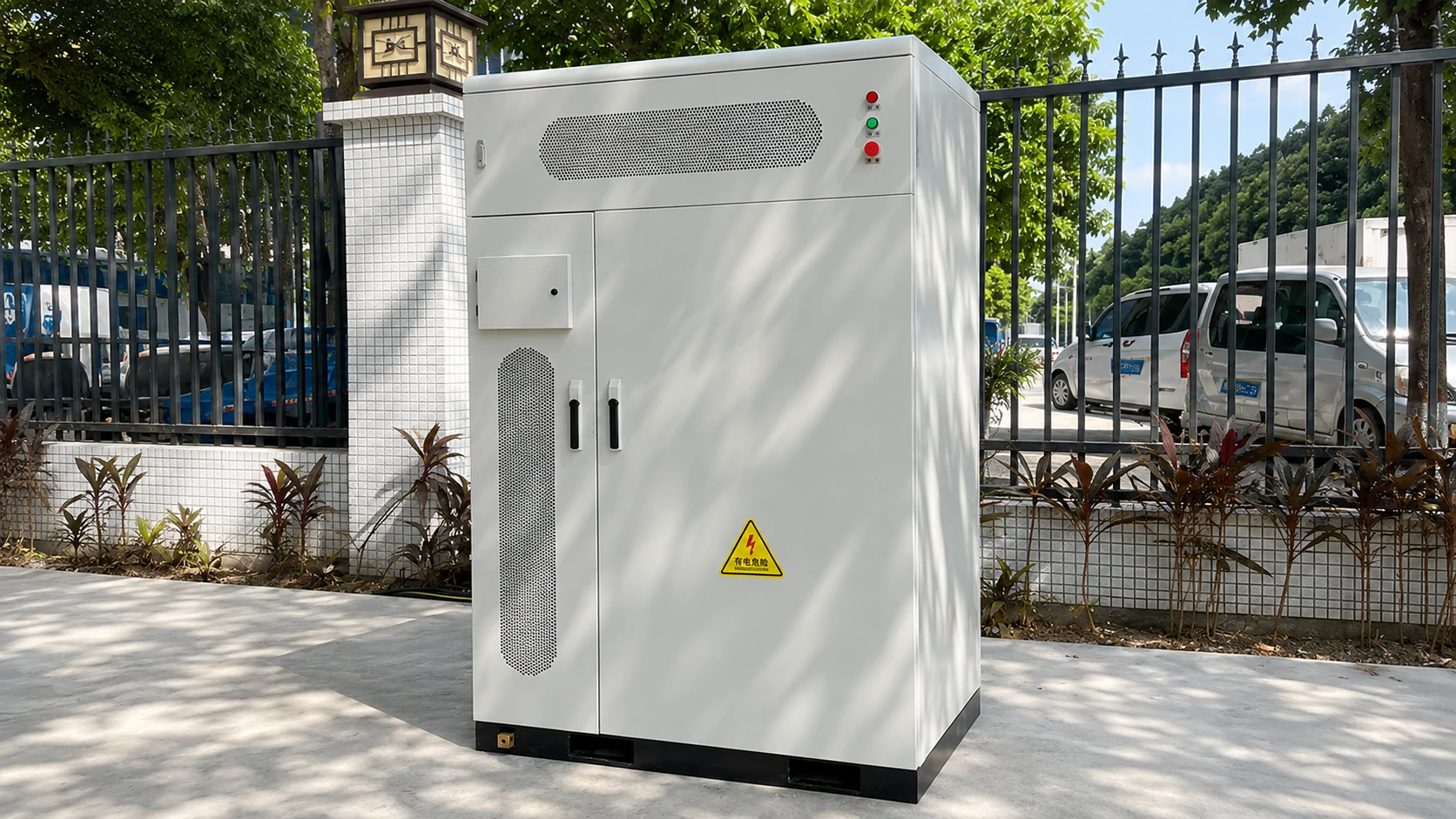
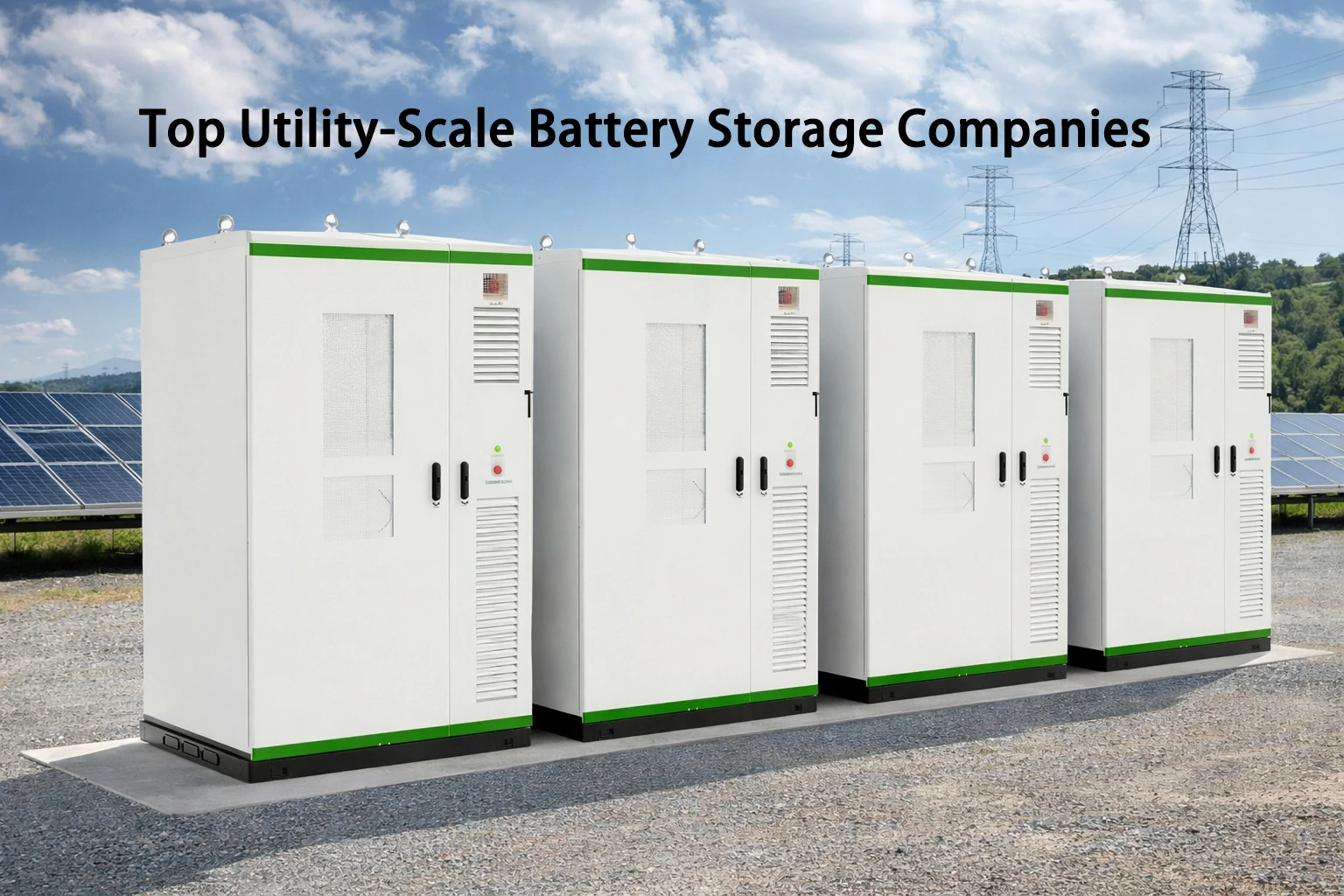
| C&I energy storage cabinet | Factories, commercial buildings, EV charging | 100 kWh to MWh scale | Peak shaving and business energy control |
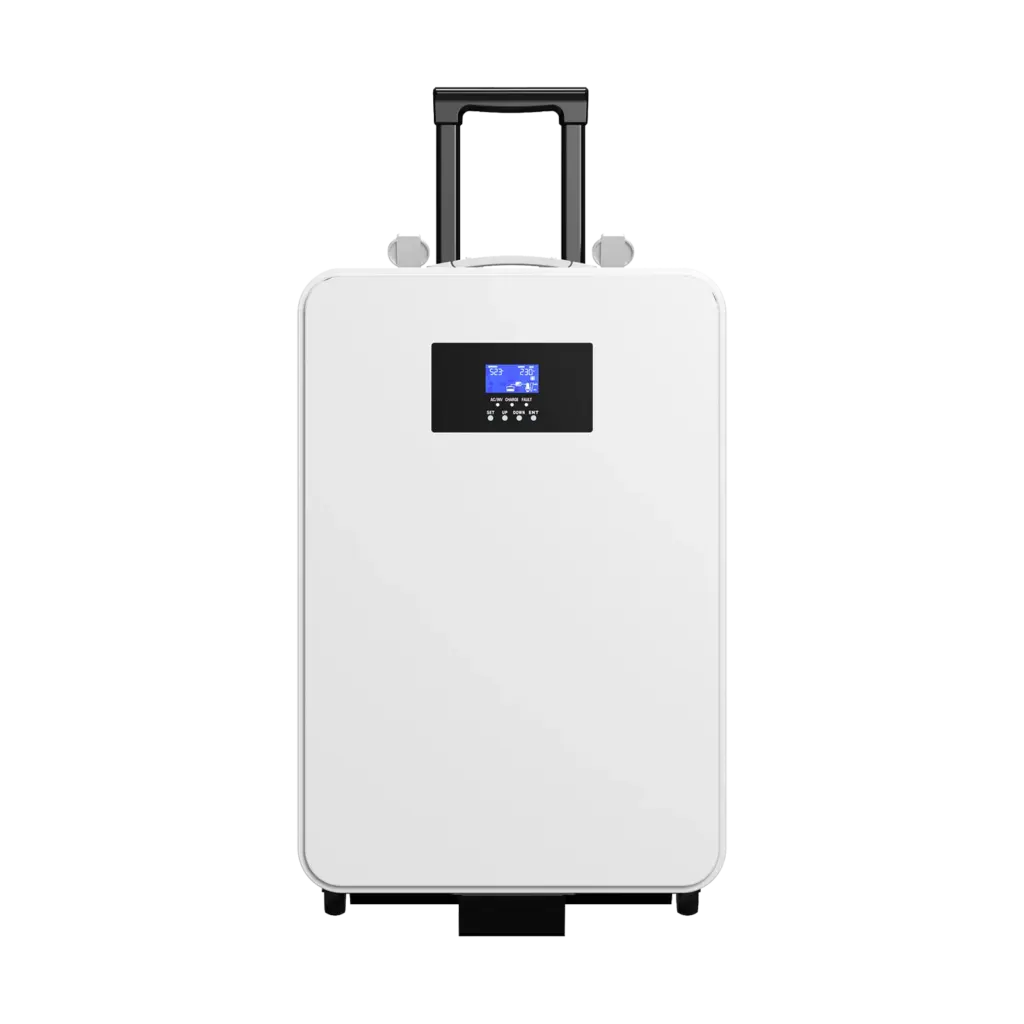
Avepower offers multiple LiFePO4 battery formats, including wall-mounted LiFePO4 batteries, rack mount battery systems, stackable battery storage, all-in-one battery systems, and custom high-voltage battery storage systems.
Need Help Choosing the Right Battery Storage System?
Tell us your project size, inverter model and application scenario. Avepower can help you match the right LiFePO4 battery solution for home, commercial or OEM/ODM energy storage projects.
How Battery Energy Storage Works
A battery energy power solution follows a simple operating logic:
- Charge: The system stores electricity from solar panels, the grid, wind power, or another source.
- Store: The battery keeps energy available for later use.
- Manage: The BMS monitors voltage, current, temperature, SOC, SOH, and protection limits.
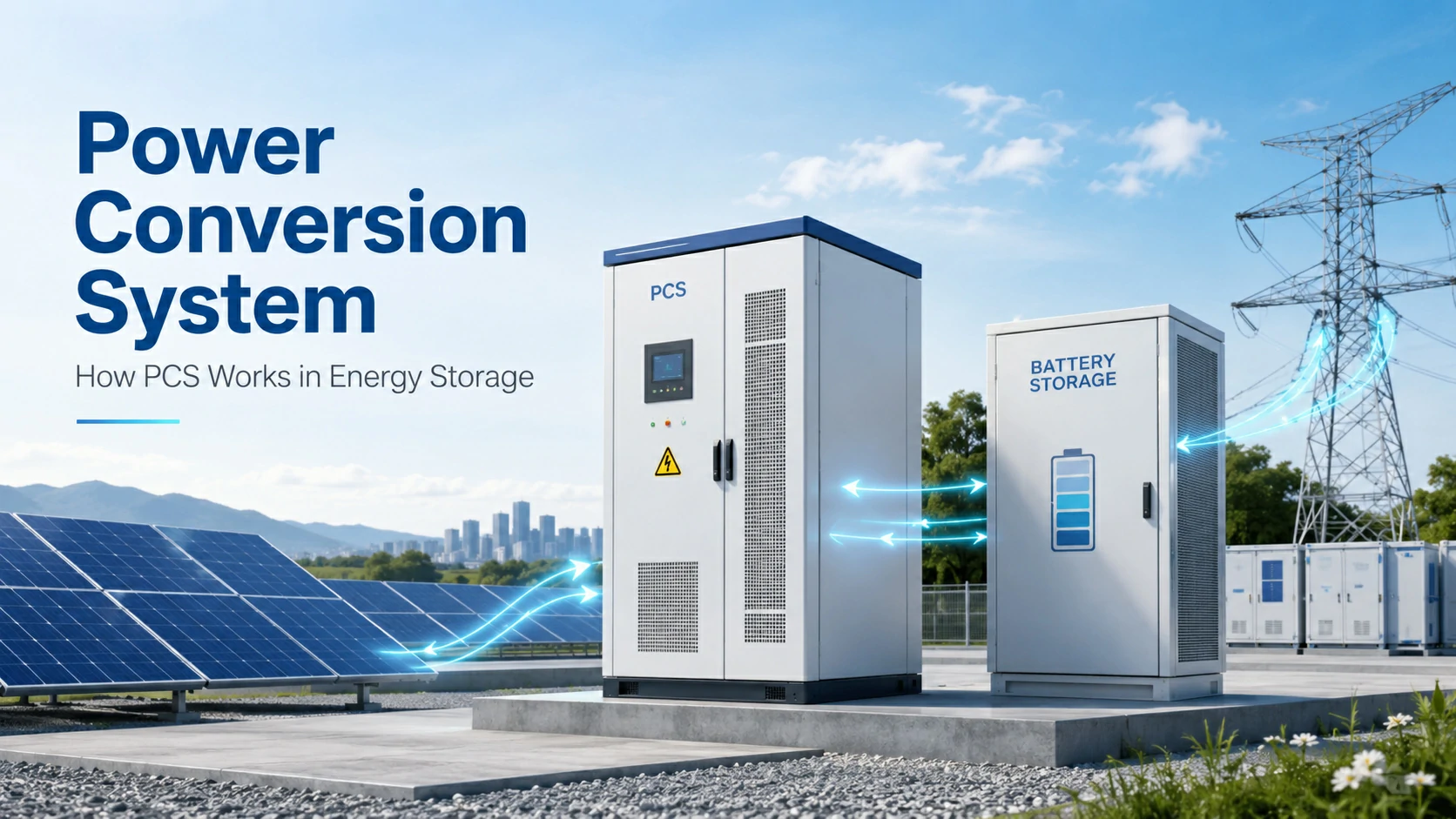
- Convert: The inverter or PCS converts electricity between DC and AC when needed.
- Discharge: The system supplies power to home loads, business equipment, EV chargers, or the grid.
For solar-plus-storage projects, batteries can help store daytime solar generation and discharge it at night or during high-rate periods.
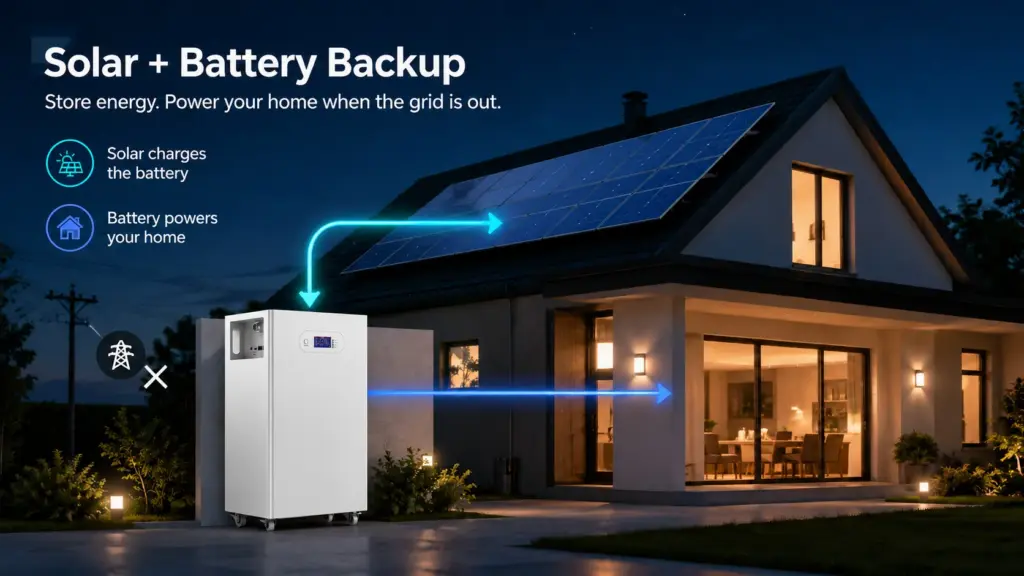
Residential Battery Energy Power Solutions
For homeowners, a battery energy power solution is usually designed around three goals: backup power, solar self-consumption, and electricity bill control.
A residential system can help you:
- Keep essential loads running during blackouts
- Store excess solar energy instead of exporting it at low rates
- Use stored energy during evening peak-rate periods
- Reduce dependence on the grid
- Add energy storage to an existing solar PV system
- Build a more resilient home power setup
For residential projects, Avepower’s home energy storage battery system and residential battery energy storage systems are suitable for installers and homeowners who need scalable LiFePO4 battery options.
A typical home system may include:
| Home energy need | Suggested solution |
|---|---|
| Backup for lights, Wi-Fi, fridge, basic outlets | 5–10 kWh wall-mounted battery |
| Solar self-consumption for daily use | 10–20 kWh battery system |
| Larger home backup | 20–40 kWh stackable or rack system |
| New solar + battery installation | All-in-one battery or hybrid inverter system |
| Staged expansion | Stackable battery modules |
Commercial and Industrial Battery Energy Power Solutions
For commercial and industrial users, battery energy power solutions are usually evaluated by return on investment, power reliability, demand charge reduction, and operational continuity.
Common C&I applications include:
- Peak shaving
- Load shifting
- Solar self-consumption
- Backup power for critical equipment
- EV charging support
- Microgrid operation
- Demand response participation
- Power quality support
Peak shaving is one of the most common commercial use cases. When a facility has short periods of high electricity demand, a battery can discharge during those periods to reduce grid demand. This can help businesses manage demand charges and reduce stress on electrical infrastructure.
Avepower provides commercial and industrial energy storage solutions for businesses, EPC teams, project developers and investors who need scalable battery systems for solar storage, backup power, peak shaving and long-term energy cost control.
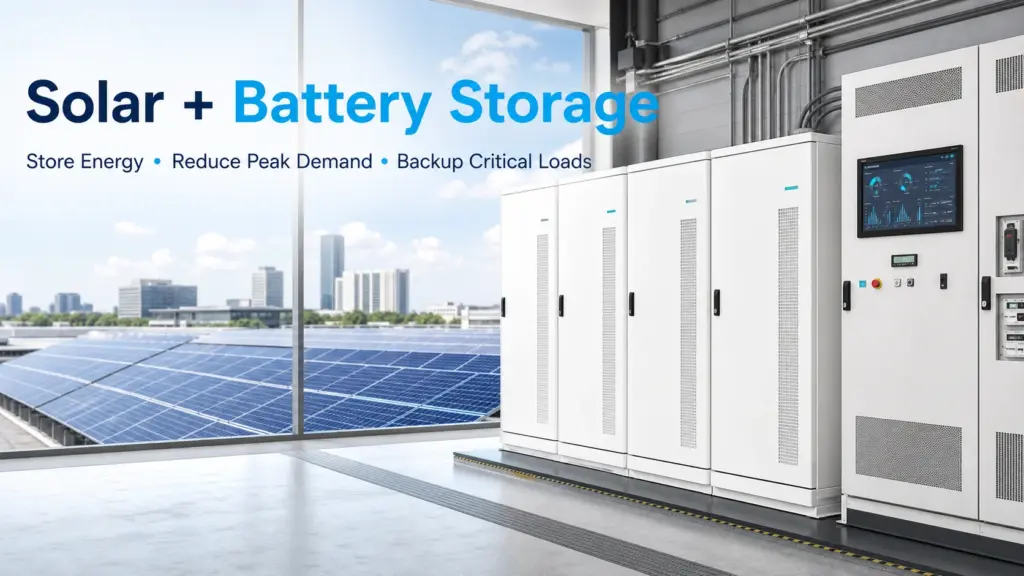
Build a Scalable Energy Storage Project with Avepower
From peak shaving to solar self-consumption and backup power, Avepower provides commercial and industrial battery storage solutions with flexible capacity, BMS/EMS support and project-based customization.
Residential vs Commercial Battery Solutions
| Factor | Residential Battery Solution | Commercial Battery Solution |
|---|---|---|
| Main goal | Backup power, solar self-use, lower bills | Peak shaving, backup, ROI, energy control |
| Typical scale | 5–40 kWh | 100 kWh to MWh scale |
| Battery format | Wall-mounted, rack, stackable, all-in-one | Cabinet, high-voltage rack, containerized ESS |
| Control system | Hybrid inverter, BMS, app monitoring | EMS, PCS, BMS, monitoring platform |
| Buyer | Homeowner, installer, distributor | Business owner, EPC, project developer, investor |
| Key concern | Safety, capacity, inverter compatibility | ROI, demand charges, system integration, service |
Why LiFePO4 Is Commonly Used in Battery Power Solutions
LiFePO4, or lithium iron phosphate, is widely used in stationary energy storage because it provides a strong balance of safety, cycle life, thermal stability and daily charge-discharge performance.
Compared with traditional lead-acid batteries, LiFePO4 batteries usually offer:
- Longer cycle life
- Higher usable capacity
- Better charging efficiency
- Lower maintenance
- More stable thermal performance
- Better suitability for solar storage
- More compact installation
LiFePO4 also supports a more predictable product platform. Installers and distributors can use the same chemistry across wall-mounted, rack-mounted, stackable and commercial systems, making training, after-sales service and product positioning easier.
Avepower focuses on LiFePO4 battery energy storage solutions with smart BMS protection, CAN/RS485/RS232 communication, modular expansion and OEM/ODM customization for installers, distributors and energy storage brands.
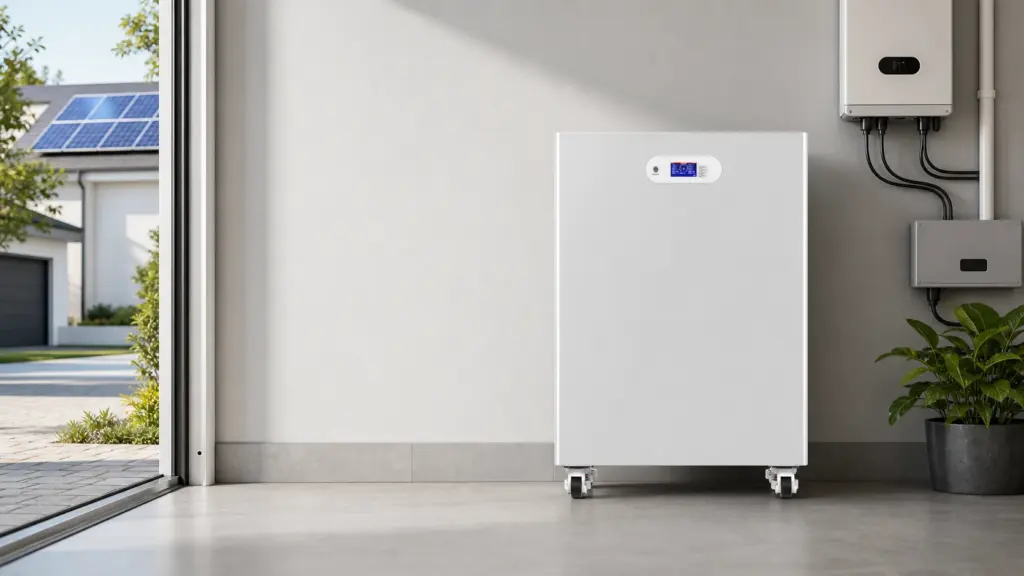
Key Components of a Reliable Battery Power Solution
A reliable battery power solution should be evaluated as a complete system, not only by battery capacity.
- Battery cells
- BMS
- Inverter / PCS
- EMS
- Communication
- Enclosure
- Certifications
- Technical support
For larger systems, the EMS becomes especially important. If you want to understand this part more deeply, Avepower’s guide to what an energy management system is explains how EMS logic supports energy scheduling, monitoring and optimization.
How to Choose the Right Battery Energy Power Solution
Before selecting a battery system, buyers should clarify the project goal first. A backup system, solar self-consumption system and commercial peak shaving system may all use batteries, but they are not designed the same way.
For example, an installer working on home solar projects may prefer wall-mounted or stackable batteries because they are easier to transport, install and expand. A distributor may need 5 kWh, 10 kWh, 15 kWh and 20 kWh options to cover different customer budgets. A commercial project developer may need high-voltage systems, cabinet-level design, EMS logic and project documentation.
Safety and Compliance Considerations
Battery energy storage safety depends on chemistry, BMS design, enclosure design, installation quality, electrical protection and local compliance.
Important safety points include:
- Use qualified lithium battery cells
- Choose a battery with reliable BMS protection
- Match the battery with the correct inverter or PCS
- Follow proper cable sizing and protection design
- Install in a suitable environment
- Keep clear service access and ventilation
- Follow local electrical and fire safety rules
- Use qualified installers for grid-connected systems
The Clean Energy Council states that approved lithium-based batteries should meet best-practice requirements, including international battery safety standards and additional consumer protection requirements (Clean Energy Council Approved Batteries).
Compliance also affects sales readiness. Before purchasing batteries in bulk, ask the manufacturer for datasheets, manuals, warranty terms, certification documents, communication protocol support and after-sales guidance.
Avepower Battery Energy Power Solutions
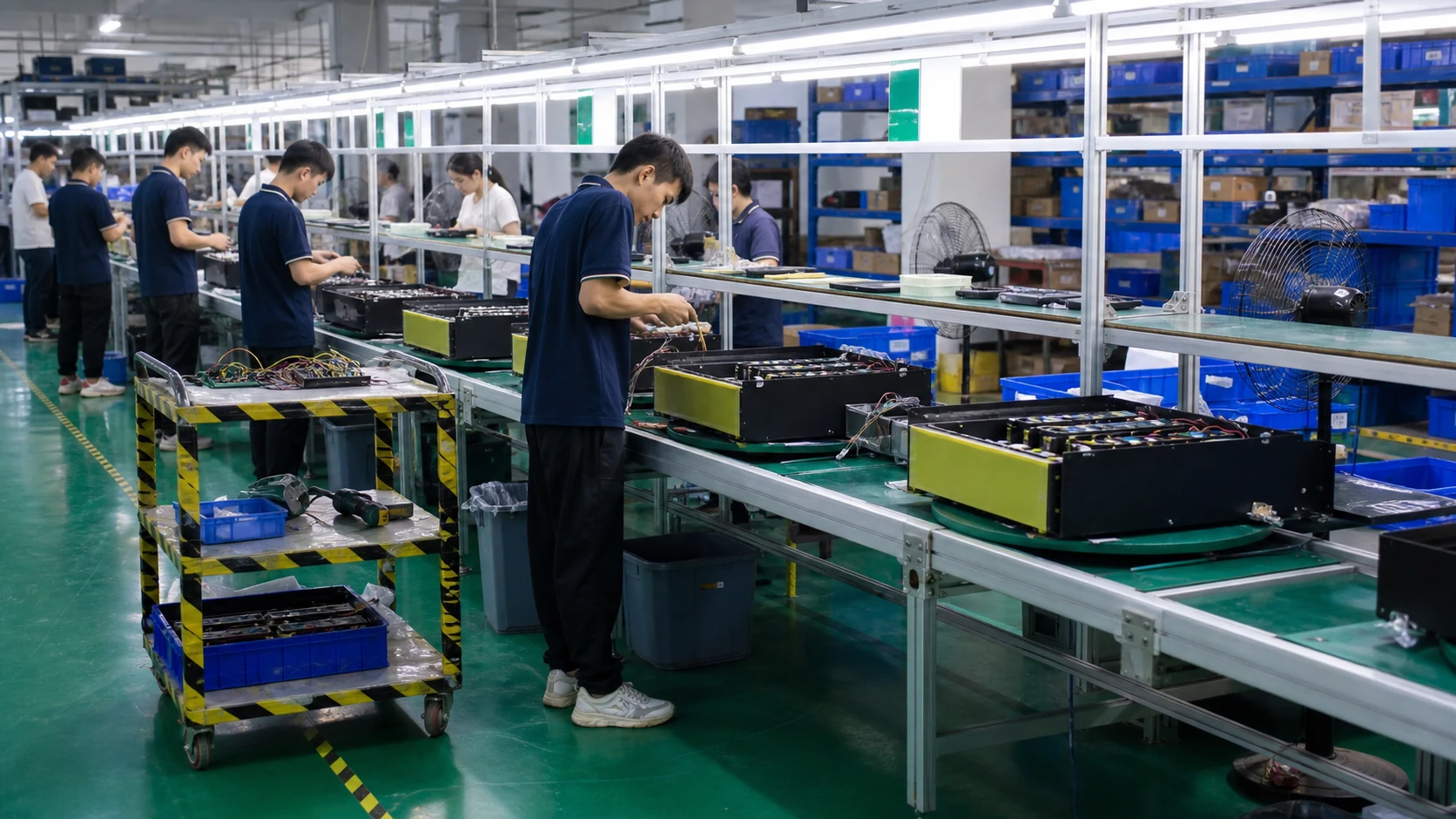
Avepower is a battery energy storage system manufacturer providing LiFePO4 battery solutions for residential, commercial and customized energy storage projects. Its product range includes wall-mounted batteries, rack-mounted batteries, stackable batteries, vertical batteries, all-in-one systems, high-voltage storage and C&I energy storage cabinets.
Avepower solutions are suitable for:
- Home solar battery storage
- Backup power systems
- Off-grid and hybrid solar systems
- Villas and residential buildings
- Installer-led solar projects
- Distributor battery product lines
- OEM/ODM private-label programs
- Commercial solar storage
- Peak shaving and load shifting projects
- High-voltage ESS projects
Avepower supports custom battery capacity, enclosure design, branding, communication protocol, packaging, documentation and project configuration. This makes Avepower a practical partner for installers, wholesalers, distributors, EPC teams and OEM/ODM energy storage brands.
You can also explore Avepower’s guide to battery energy storage manufacturers and its explanation of what ESS means in energy storage for more background before choosing a supplier.
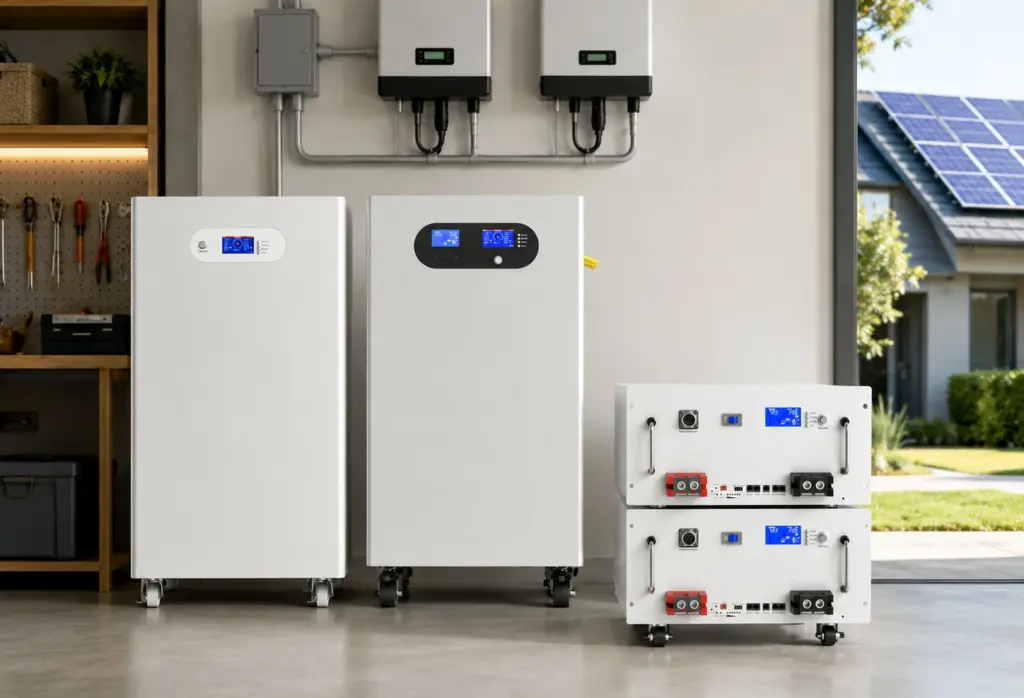
Take Control of Your Energy with Avepower!
Reliable home solar battery solutions with OEM/ODM customization and in-house manufacturing, tailored to the needs of distributors, installers, and energy partners.
Final Thoughts
Battery energy power solutions are becoming essential for modern homes, businesses and renewable energy projects. They make electricity more flexible by storing power when it is available and delivering it when it is needed.
For homeowners, the right system can provide backup power, improve solar self-consumption and reduce dependence on the grid. For businesses, it can support peak shaving, load shifting, energy resilience and long-term cost control. For installers, distributors and OEM/ODM buyers, the best battery partner should provide not only reliable products, but also technical support, customization, documentation, stable supply and long-term cooperation.
Avepower’s LiFePO4 battery energy storage solutions are designed for this broader need, covering residential storage, commercial projects, high-voltage systems and partner-ready OEM/ODM battery programs.
FAQ
Battery energy power solutions are systems that store electricity in batteries and deliver it later for backup power, solar storage, peak shaving, load shifting, or off-grid use.
No. They can work with solar panels, the grid, generators, wind systems, EV charging systems, or hybrid microgrids.
LiFePO4 is commonly preferred for home and stationary storage because it offers strong safety, long cycle life, stable performance, and low maintenance.
A small backup system may use 5–10 kWh for essential loads. A larger home may need 15–30 kWh or more, depending on appliances, runtime expectations, and solar charging.
Yes. It can store solar energy or off-peak grid electricity and discharge during expensive peak-rate periods. Commercial systems can also reduce demand charges through peak shaving.
The BMS monitors and protects the battery by managing voltage, current, temperature, state of charge, and fault protection.
Yes. Avepower supports OEM/ODM customization for battery capacity, enclosure, branding, communication protocols, packaging, and documentation for distributors and energy storage brands.
Commercial battery storage is suitable for factories, office buildings, warehouses, EV charging sites, hotels, farms, telecom sites and businesses with high electricity demand or backup power needs.