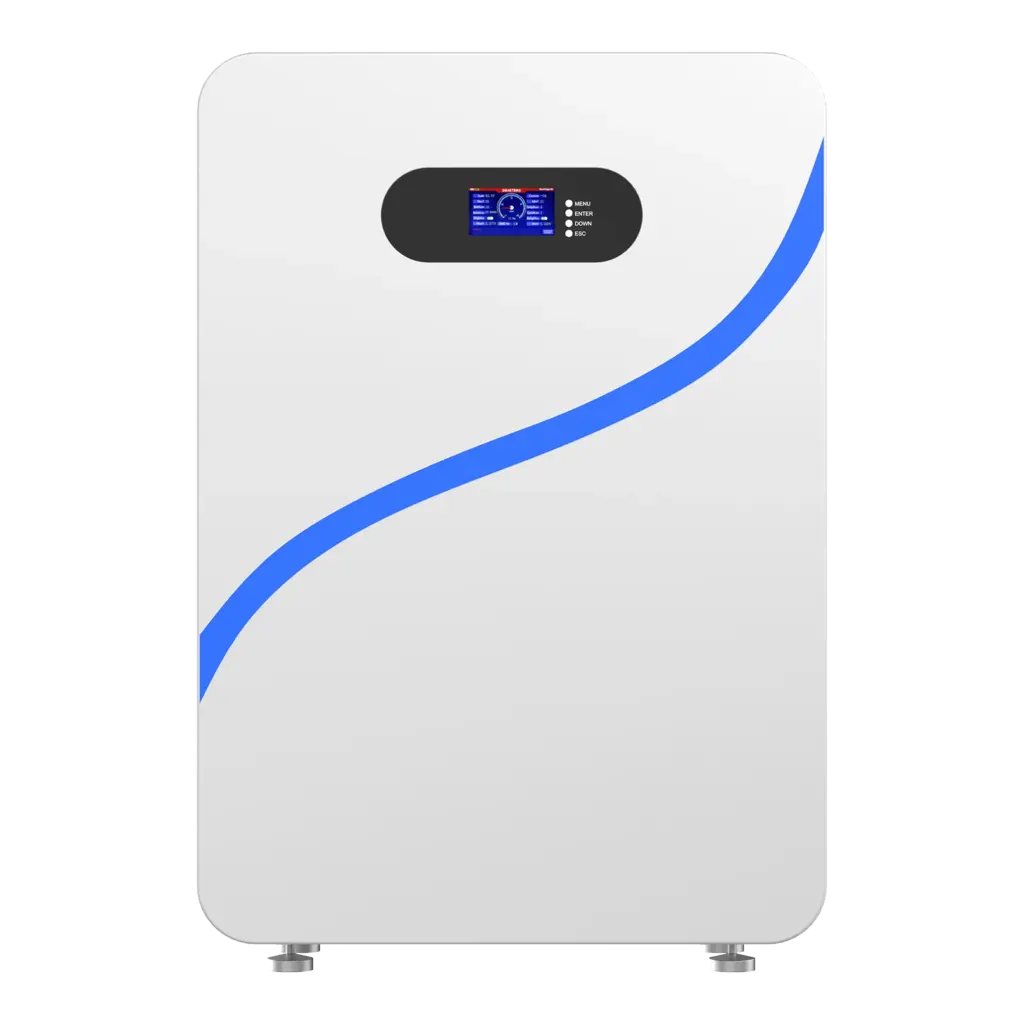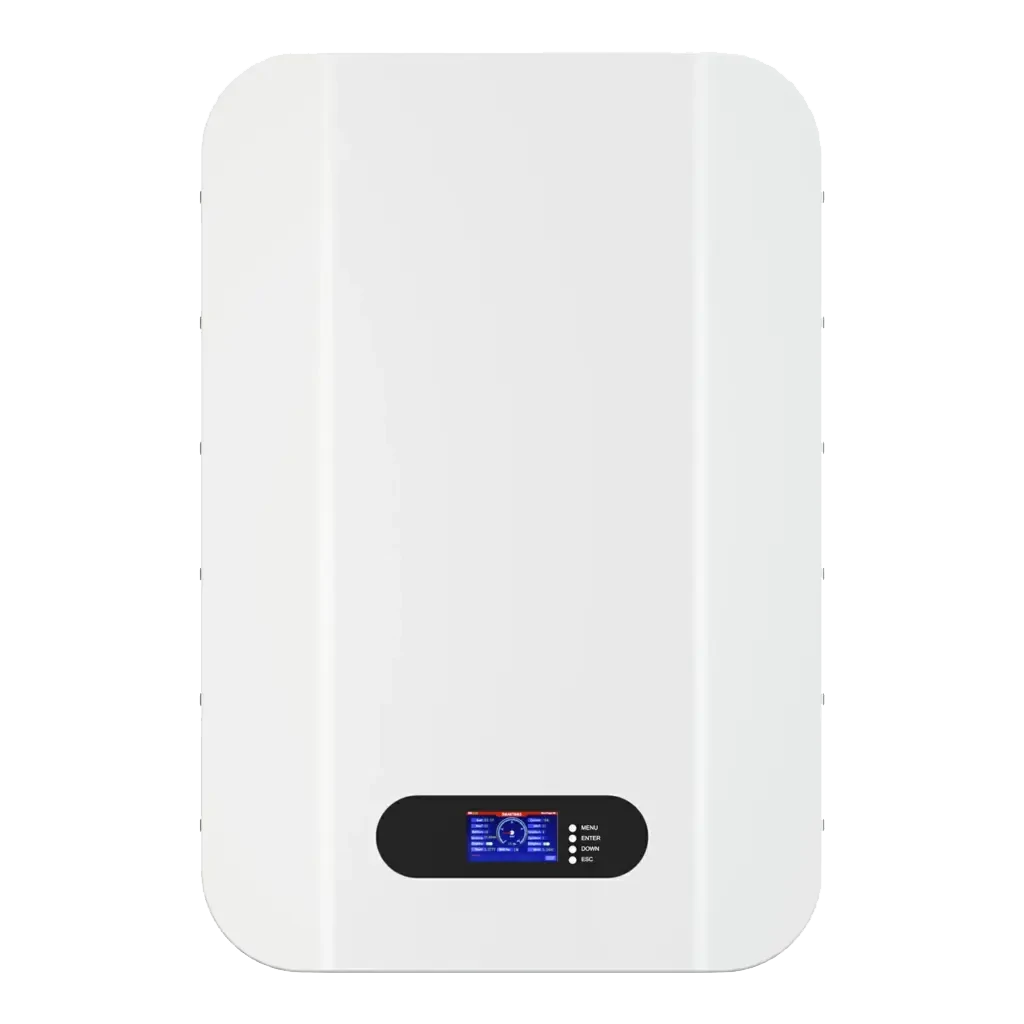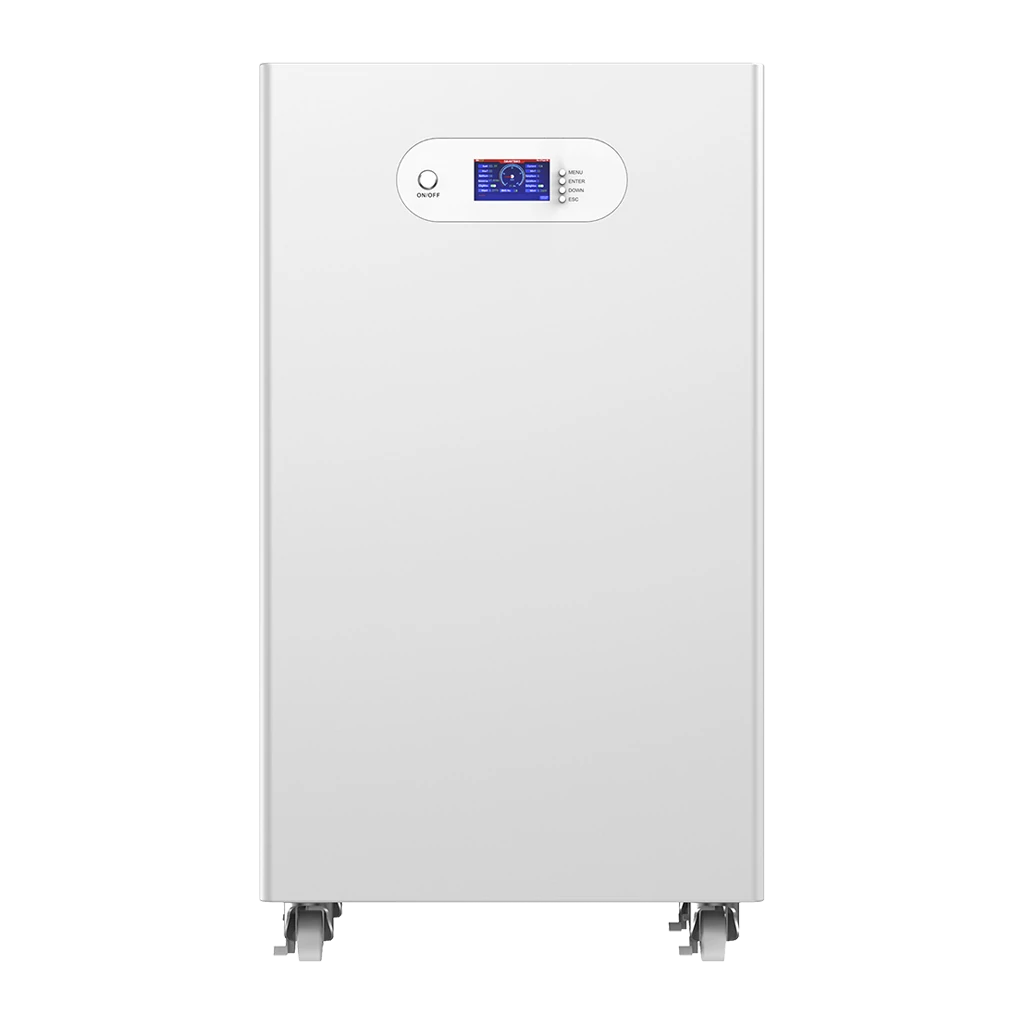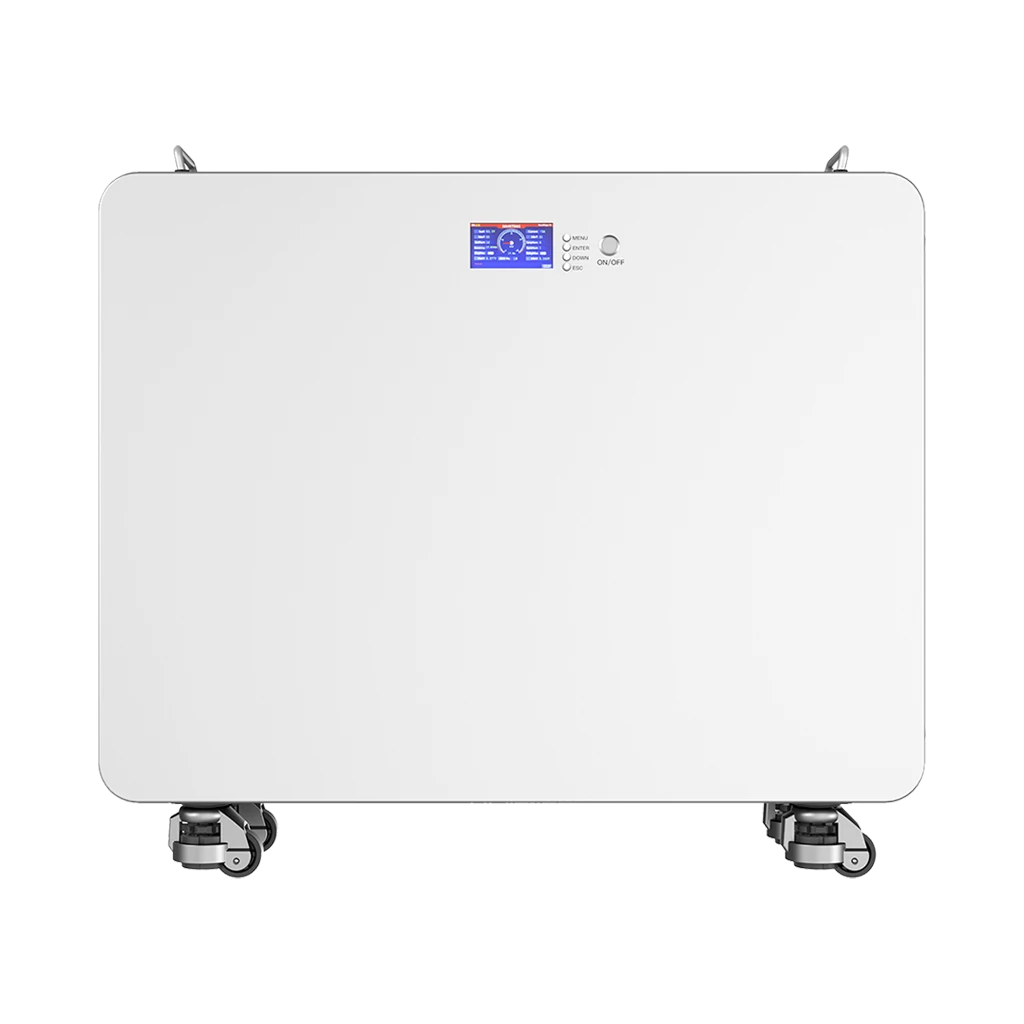
Energy arbitrage and peak shaving are two of the most common reasons businesses, installers, project developers and homeowners consider battery energy storage systems. They are often mentioned together because both use the same basic tool: a battery that charges at one time and discharges at another.
However, they are not exactly the same strategy.
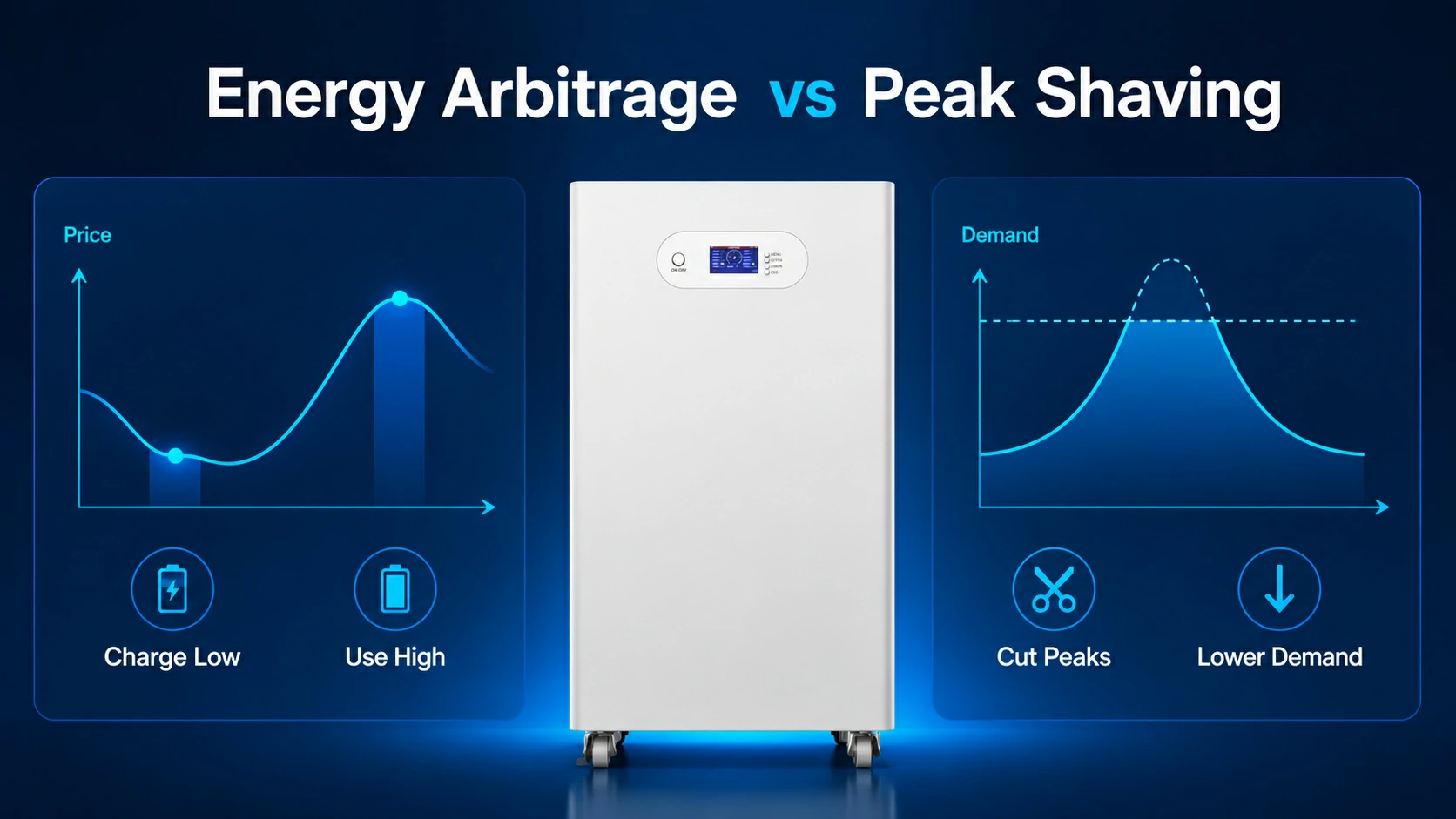
Energy arbitrage focuses on the price difference of electricity over time. The battery charges when electricity is cheap and discharges when electricity is expensive. Peak shaving focuses on reducing the highest power demand seen by the grid or utility meter. The battery discharges when site demand is about to exceed a target level.
This guide explains energy arbitrage vs peak shaving in practical terms, how each strategy works, when they can be combined, and what to consider before designing a battery energy storage system.
Quick Comparison: Energy Arbitrage vs Peak Shaving
| Item | Energy Arbitrage | Peak Shaving |
|---|---|---|
| Main goal | Use electricity price differences | Reduce maximum demand spikes |
| Main metric | kWh energy price spread | kW peak demand reduction |
| Battery action | Charge at low-price periods, discharge at high-price periods | Discharge when site load approaches a demand threshold |
| Best for | Time-of-use tariffs, dynamic pricing, wholesale markets, solar export optimization | Commercial sites with demand charges, factories, EV charging stations, hotels, warehouses |
| Control logic | Schedule-based or price-signal-based | Real-time load monitoring and threshold control |
| Main value | Energy cost savings or export revenue | Demand charge reduction and grid capacity relief |
| Key risk | Price spread may be too small after efficiency losses and battery degradation | Battery may be undersized for the duration of the demand peak |
| Can combine with solar? | Yes | Yes |
| Can combine with backup power? | Yes, if reserve capacity is managed | Yes, if reserve capacity is managed |
Planning a Battery Storage Project?
Whether your goal is energy arbitrage, peak shaving, solar self-consumption or backup power, the right battery configuration starts with your load profile and tariff structure.
What Is Energy Arbitrage?
Energy arbitrage means using a battery to take advantage of electricity price differences.
A typical behind-the-meter energy arbitrage strategy works like this:
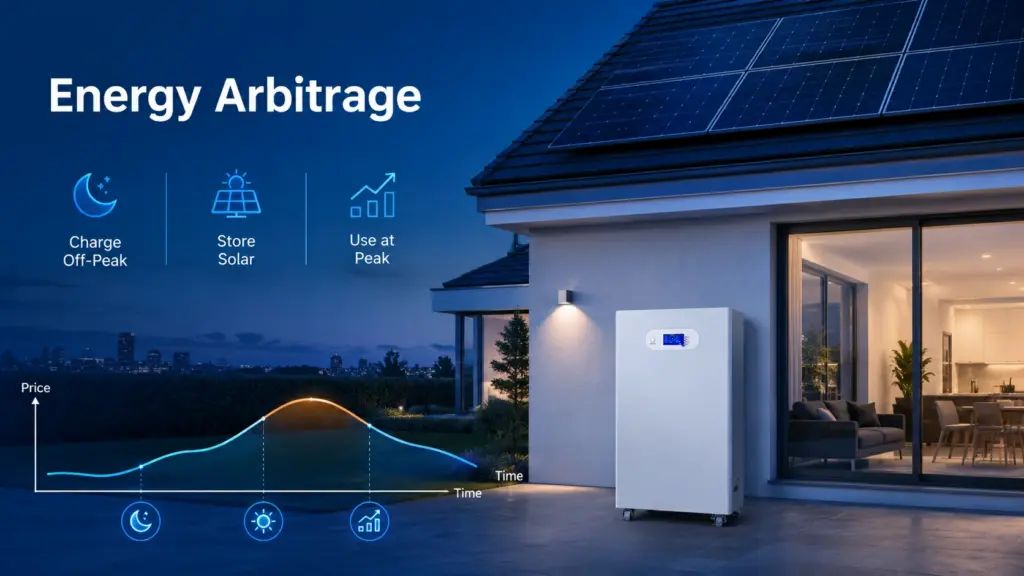
- The battery charges from the grid or solar when electricity is cheap.
- The battery stores that energy.
- The battery discharges when electricity is expensive.
- The user avoids buying expensive grid electricity or exports energy if the local tariff allows it.
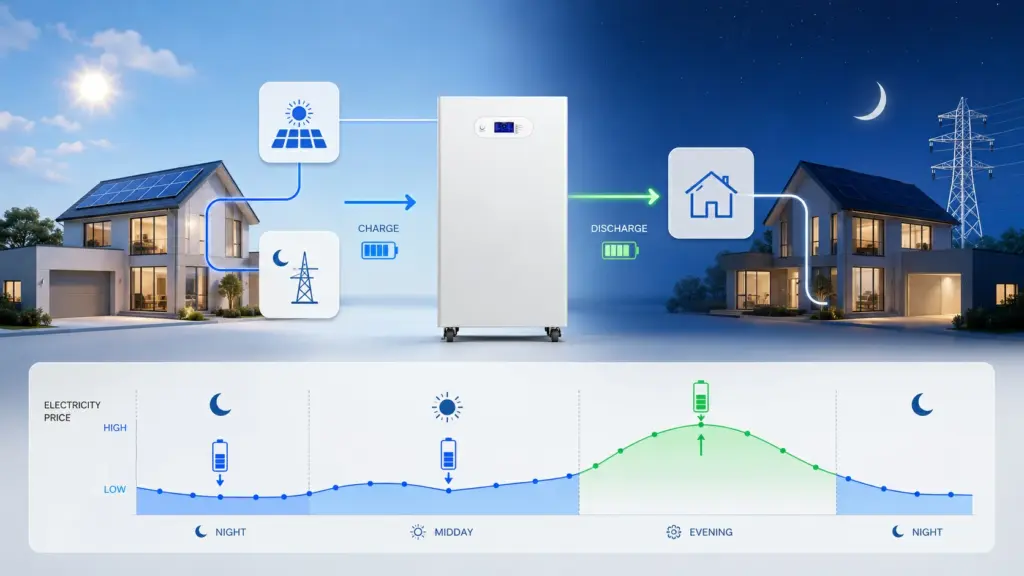
For example, a facility may charge a battery overnight when power prices are low and discharge during the afternoon or evening peak when electricity rates are higher. In a solar-plus-storage system, the battery may store excess solar generation during the day and release it later when the site needs power or when export prices are higher.
In this strategy, the key question is:
Is the price difference large enough to cover round-trip efficiency losses, battery cycling cost and system investment?
This is why energy arbitrage is not just “buy low, sell high.” A real calculation should consider:
- Off-peak electricity price
- Peak electricity price
- Export tariff or feed-in rate
- Battery round-trip efficiency
- Battery degradation cost per cycle
- Inverter efficiency
- EMS and metering accuracy
- Local market rules
- Whether grid charging is allowed
- Whether export revenue is available
For project modeling, tools such as NREL REopt can help evaluate system sizing and dispatch strategies for distributed energy resources, including battery storage.
What Is Peak Shaving?
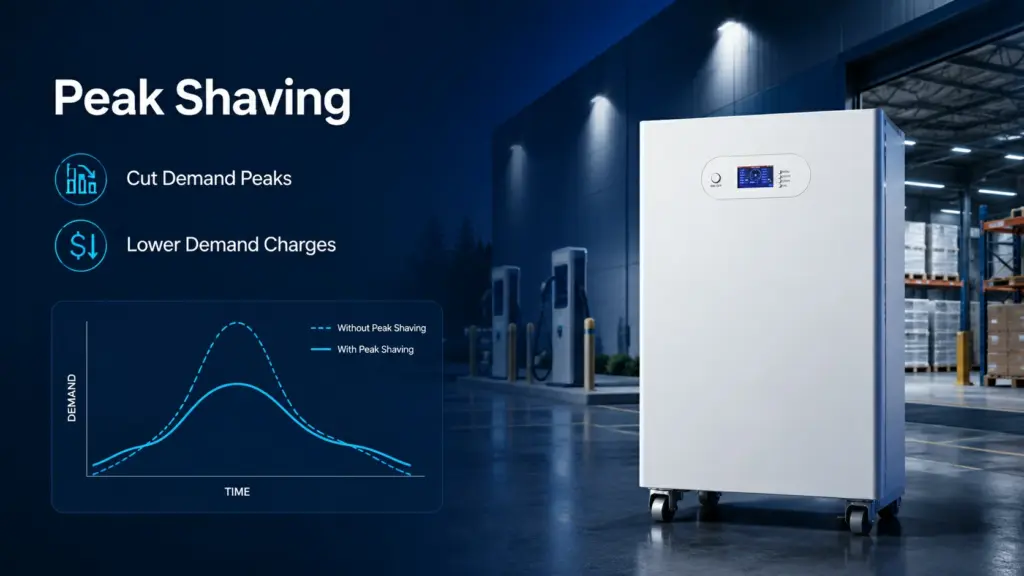
Peak shaving means using a battery to reduce short periods of high power demand.
Instead of focusing mainly on electricity price per kWh, peak shaving focuses on the maximum power draw in kW. This is especially important for commercial and industrial customers whose utility bills include demand charges.
A typical peak shaving strategy works like this:
- The EMS monitors the site’s real-time load.
- A demand limit is set, such as 300 kW.
- When site load rises close to the limit, the battery discharges.
- The battery supplies part of the load so the grid meter does not see the full spike.
- The facility avoids setting a new high-demand record for the billing period.
For example, a factory may normally operate at 250 kW but sometimes spikes to 420 kW when large motors, compressors or production lines start at the same time. If the utility bill charges based on monthly peak demand, that short spike can create a high demand charge. A battery can discharge during the spike and keep the grid draw closer to the target level.
Peak shaving is common in:
- Manufacturing plants
- Warehouses
- Hotels
- Supermarkets
- Cold storage facilities
- EV charging stations
- Telecom sites
- Commercial buildings
- Industrial parks
- Farms with high-power equipment
For commercial buyers, peak shaving is often a “cost protection” strategy. The battery does not need to discharge every day for long hours, but it must respond quickly and provide enough power during peak events.
Energy Arbitrage vs Peak Shaving: The Key Difference
The simplest way to understand the difference is this:
Energy arbitrage is about kWh price spread. Peak shaving is about kW demand reduction.
Energy arbitrage asks:
When is electricity cheap, and when is it expensive?
Peak shaving asks:
When is the site’s power demand too high, and how much battery power is needed to reduce it?
That difference affects nearly every design decision.
For energy arbitrage, the battery usually needs enough usable energy capacity to shift energy across several hours. A 2-hour, 4-hour or longer duration system may be needed depending on the tariff window and load profile.
For peak shaving, the battery must have enough power output to reduce demand spikes. Sometimes a high power rating is more important than a very large energy capacity. However, if the peak lasts for several hours, capacity becomes just as important.
Need a Battery for Peak Shaving or Energy Arbitrage?
Avepower provides LiFePO4 battery storage solutions for installers, distributors and commercial energy projects. Share your project voltage, capacity and inverter requirements to get a suitable battery recommendation.
When Energy Arbitrage Works Best
Energy arbitrage is usually attractive when there is a clear price spread between charging and discharging periods.
It works best when:
- The site has time-of-use electricity tariffs.
- The price difference between off-peak and peak periods is large enough.
- The battery has enough usable capacity to cover expensive hours.
- The inverter and EMS can follow tariff schedules.
- The system can charge from solar, the grid, or both.
- Battery cycling cost does not exceed the expected savings.
For homeowners, energy arbitrage may mean charging a home battery at night and using it in the evening. For solar homes, it may mean storing surplus daytime solar and using it after sunset. For C&I sites, it may mean charging when grid electricity is cheaper and discharging during high-price windows.
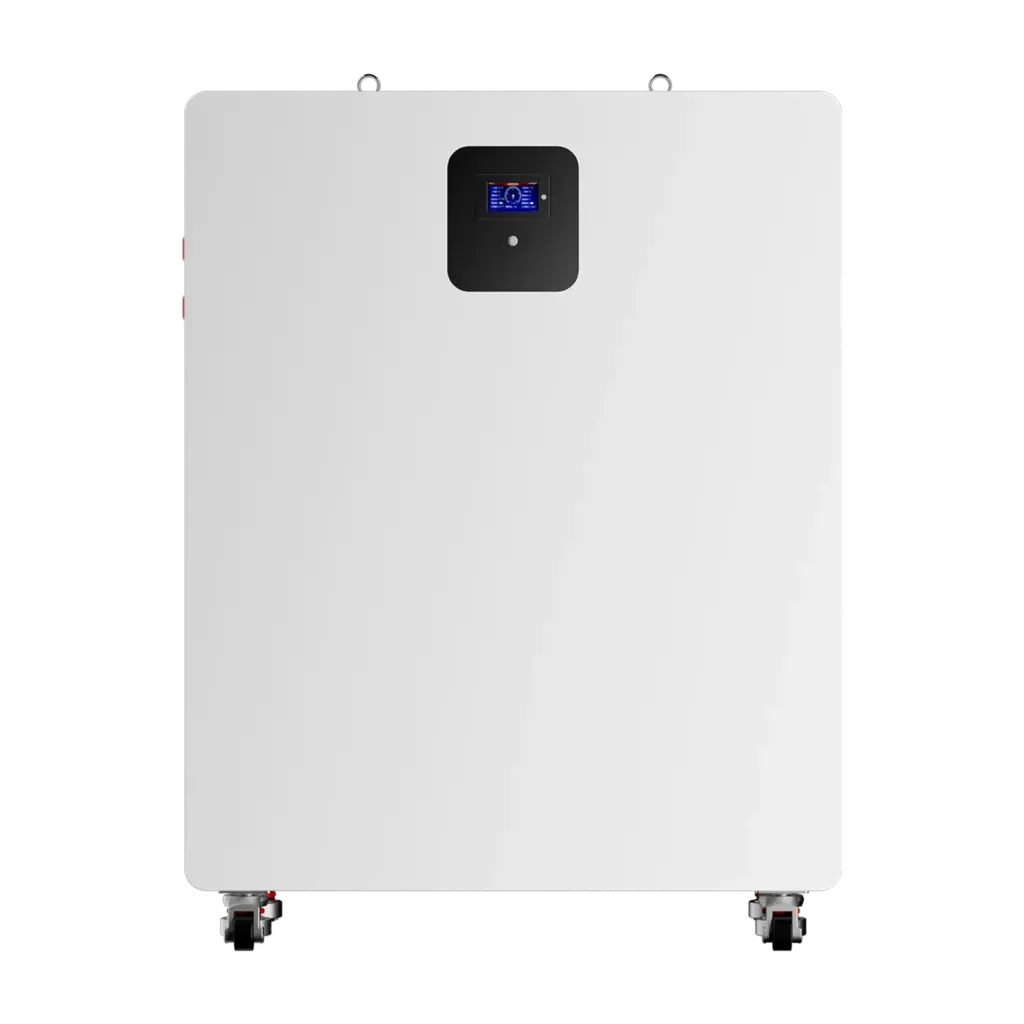
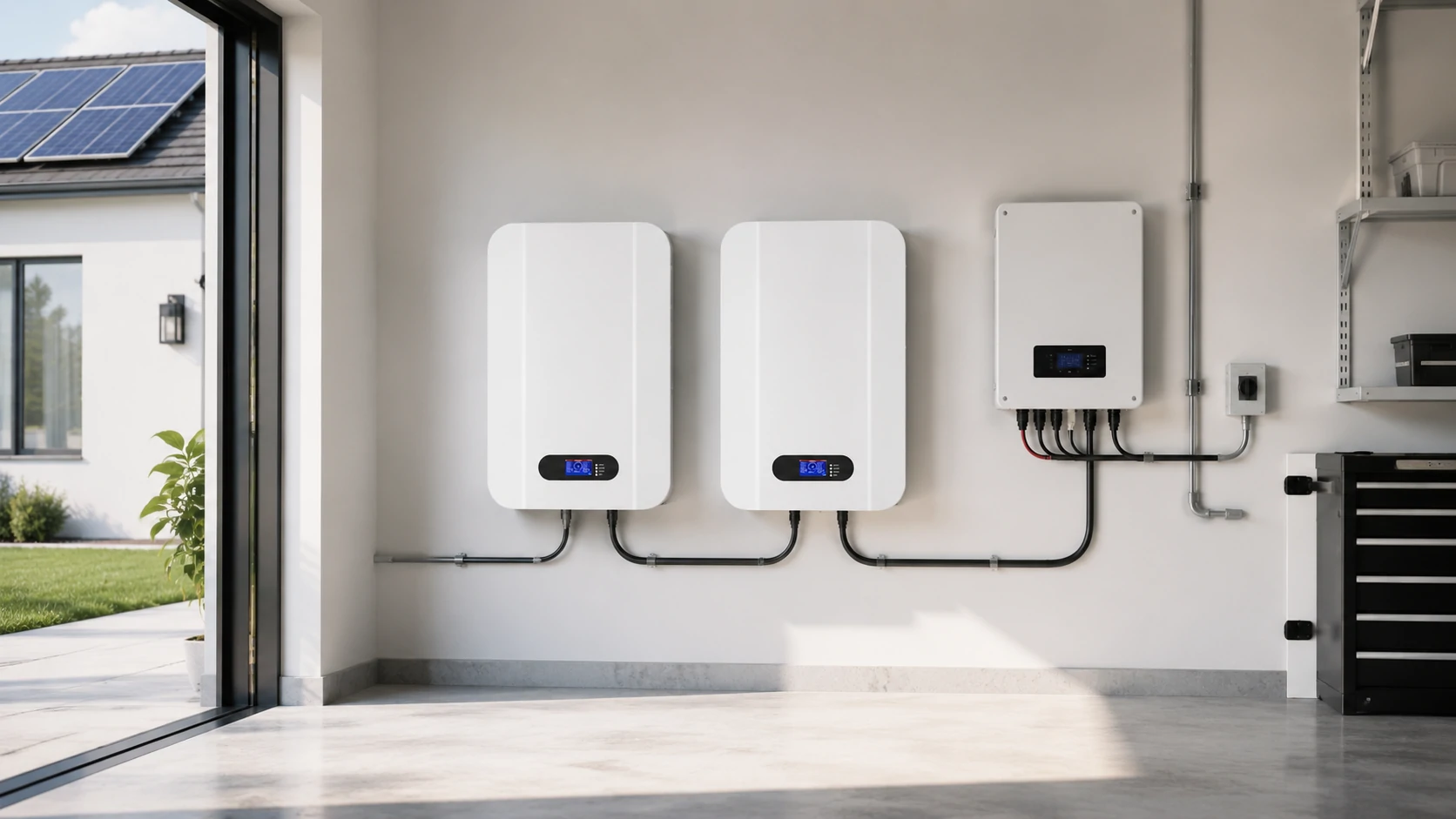
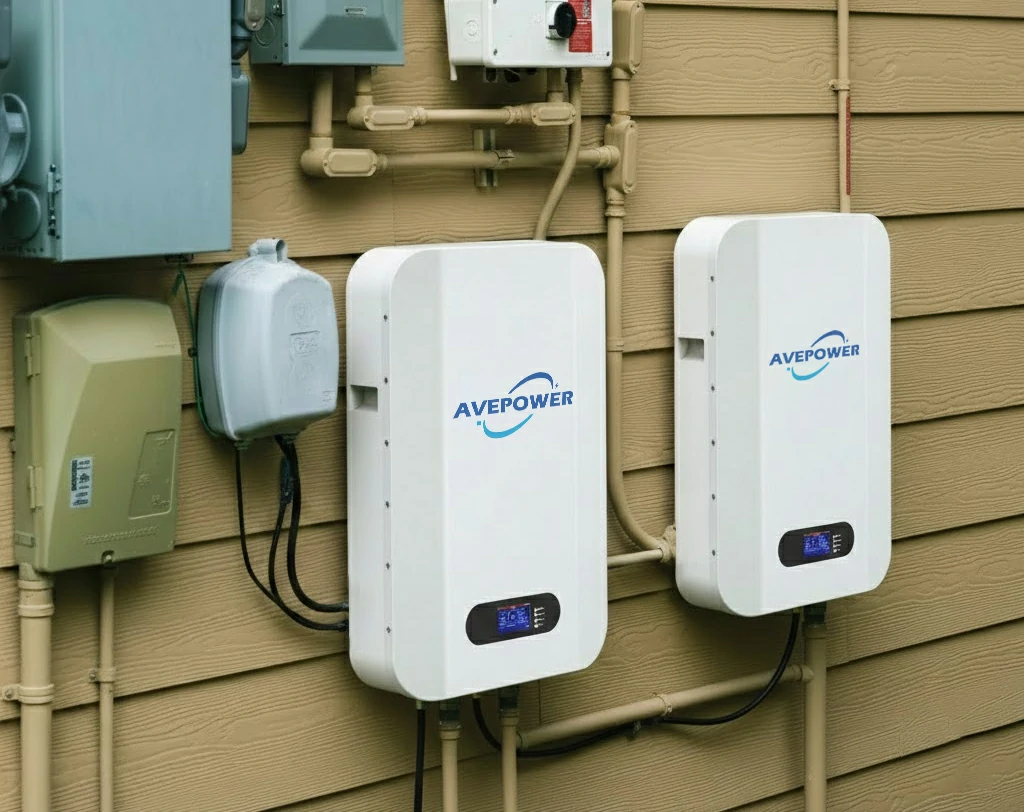
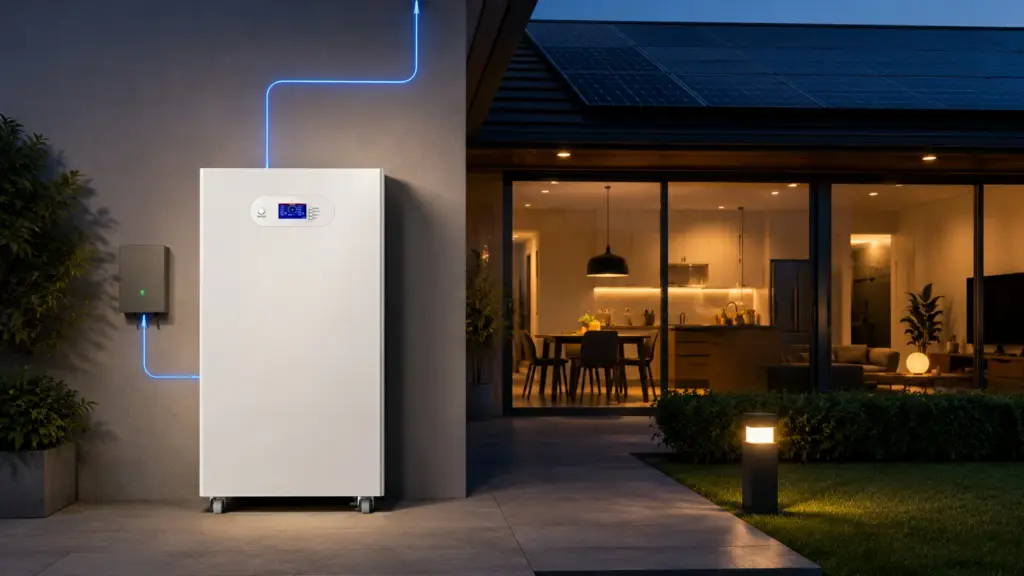
A wall mounted battery can be suitable for residential solar storage, home backup and TOU bill reduction when paired with a compatible hybrid inverter and proper control settings.
For larger energy users, arbitrage modelling should include:
- Local tariff structure
- Import and export rates
- Battery round-trip efficiency
- Degradation cost per cycle
- Grid charging rules
- Solar production profile
- Load profile
- EMS dispatch capability
Energy arbitrage should not be evaluated only by the difference between two tariff prices. The real value depends on usable discharged energy after losses and the long-term cost of cycling the battery.
When Peak Shaving Works Best
Peak shaving is usually most valuable when a site pays high demand charges or faces grid capacity limits.
It works best for:
- Manufacturing plants with equipment start-up peaks
- Warehouses with compressors, refrigeration or forklifts
- Commercial buildings with HVAC peaks
- EV charging stations with sudden charging demand
- Data centers and telecom sites with power spikes
- Farms and irrigation systems with motor loads
- Facilities with limited transformer or grid connection capacity
Peak shaving can also help sites avoid costly grid upgrades. If a facility wants to add EV chargers or expand production but the grid connection is limited, a battery can discharge during short high-demand periods and reduce the load seen by the grid.
For peak shaving, power output is critical. The system must be able to respond fast enough and discharge enough kW to reduce the peak. The EMS must monitor real-time power demand and trigger battery discharge before the demand threshold is exceeded.
Important design questions include:
- What is the historical maximum demand?
- How long do demand peaks usually last?
- Are peaks predictable or random?
- What demand charge rate applies?
- Is the billing demand based on 15-minute, 30-minute or other intervals?
- How much peak reduction is realistic?
- How much state of charge should be reserved for peak events?
If demand peaks are short and sharp, a high-power system may be more important than a large-capacity system. If peaks last for several hours, both power and energy capacity are needed.
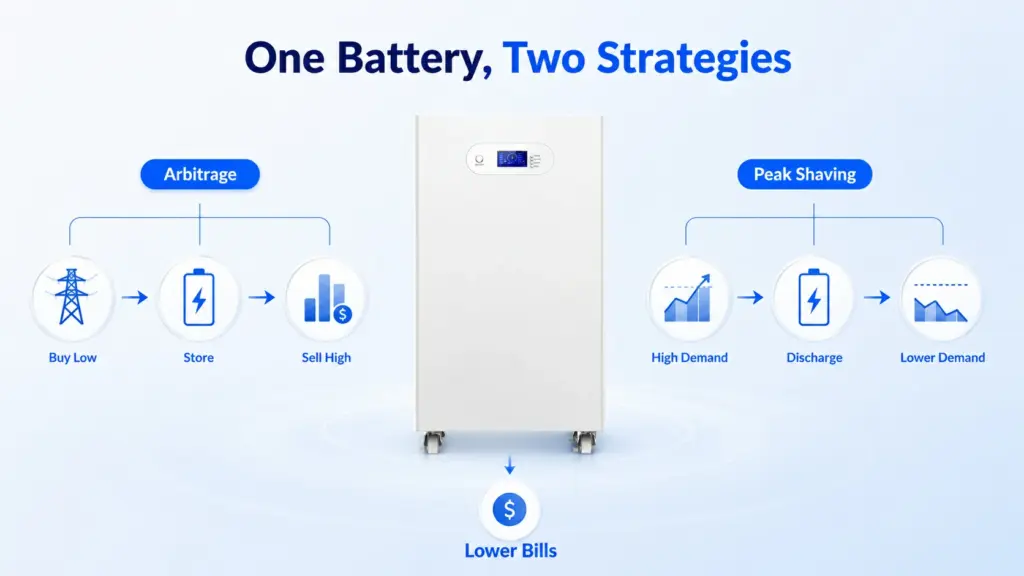
Can One Battery Do Both Energy Arbitrage and Peak Shaving?
Yes. A well-designed battery energy storage system can often do both.
For example, a commercial site with rooftop solar may operate like this:
- Charge the battery with excess solar during the day.
- Discharge during high-price evening periods to reduce electricity purchases.
- Keep part of the battery available for short demand spikes.
- Maintain a backup reserve for critical loads.
In this case, the same battery supports solar self-consumption, energy arbitrage, peak shaving and backup power.
However, this does not mean the strategies should be modeled as the same thing. They may compete for the same battery capacity.
For example, if the battery is fully discharged for arbitrage before a sudden load spike, it may not have enough energy left for peak shaving. If the system always keeps too much reserve for peak shaving, it may miss arbitrage opportunities.
That is why C&I projects need a clear EMS priority logic, such as:
- First priority: critical backup reserve
- Second priority: peak shaving threshold
- Third priority: solar self-consumption
- Fourth priority: energy arbitrage
- Optional priority: grid service or flexibility revenue
The best dispatch strategy depends on the site’s tariff, load profile, solar generation, backup requirement and commercial goal.
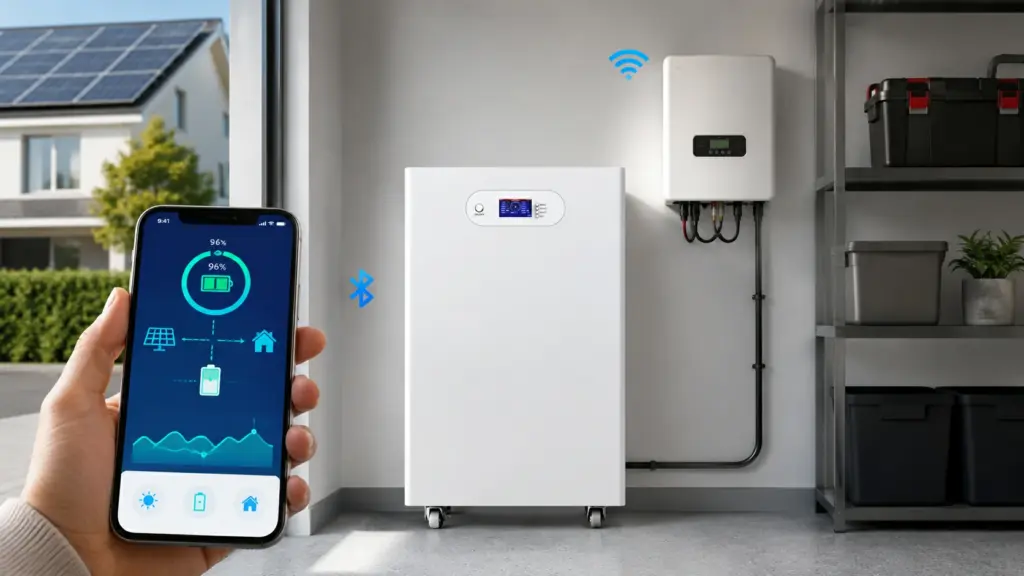
Build a Smarter Energy Storage System
From home solar batteries to commercial BESS projects, Avepower supports flexible battery solutions for energy cost reduction, backup power and long-term energy management.
Battery Sizing: What Changes Between the Two Strategies?
Battery sizing depends on whether the project is focused on kWh shifting, kW reduction or both.
For Energy Arbitrage
Key sizing questions include:
- How many hours of expensive electricity should the battery cover?
- How much energy does the site consume during the high-price window?
- What is the usable battery capacity after depth-of-discharge limits?
- How many cycles per day are expected?
- Is solar charging available?
- Is grid charging allowed?
- What is the round-trip efficiency?
- What minimum reserve should be kept for backup?
For arbitrage, capacity is often the limiting factor. If the battery is too small, it may run out before the expensive period ends.
For Peak Shaving
Key sizing questions include:
- What is the current maximum demand?
- What demand limit should the site target?
- How many kW must the battery discharge to stay below the limit?
- How long do the peaks last?
- Are peaks predictable or random?
- Does the EMS have enough response speed?
- Can the inverter deliver the required discharge power?
- Will repeated high-power discharge affect battery life?
For peak shaving, power output is often the limiting factor. If the inverter power rating is too low, the battery cannot reduce the peak enough even if it has enough energy capacity.
For Combined Use
A combined strategy needs both sufficient capacity and sufficient power. It also needs clear EMS priority rules. For example, the system may reserve 30% state of charge for peak shaving and backup, while using the remaining capacity for arbitrage.
If you are an installer, distributor, EPC or project buyer planning a residential or commercial battery storage project, Avepower can support system selection, OEM/ODM customization, inverter matching and scalable LiFePO4 battery solutions. Explore Avepower’s commercial and industrial energy storage solutions or request a custom battery proposal for your target market and project requirements.
ROI Factors to Check Before Choosing a Strategy
Before investing in a battery system, project buyers should check these factors carefully.
1. Tariff Structure
If the site has high demand charges, peak shaving may be the first priority. If the site has strong time-of-use price differences, arbitrage may be attractive. If both exist, the project may need a stacked strategy.
2. Load Profile
A site with sharp, short load spikes is suitable for peak shaving. A site with predictable daily energy consumption may be suitable for arbitrage or load shifting.
3. Solar PV Generation
Solar changes the calculation. Excess solar can charge the battery at a low marginal cost, then be used later when electricity prices are higher. For more background, read Avepower’s guide on what is solar energy storage system.
4. Battery Cycle Life
Arbitrage often requires frequent cycling. Peak shaving may use shorter and less frequent discharge events. Battery chemistry, depth of discharge and thermal management all affect long-term economics.
5. Round-Trip Efficiency
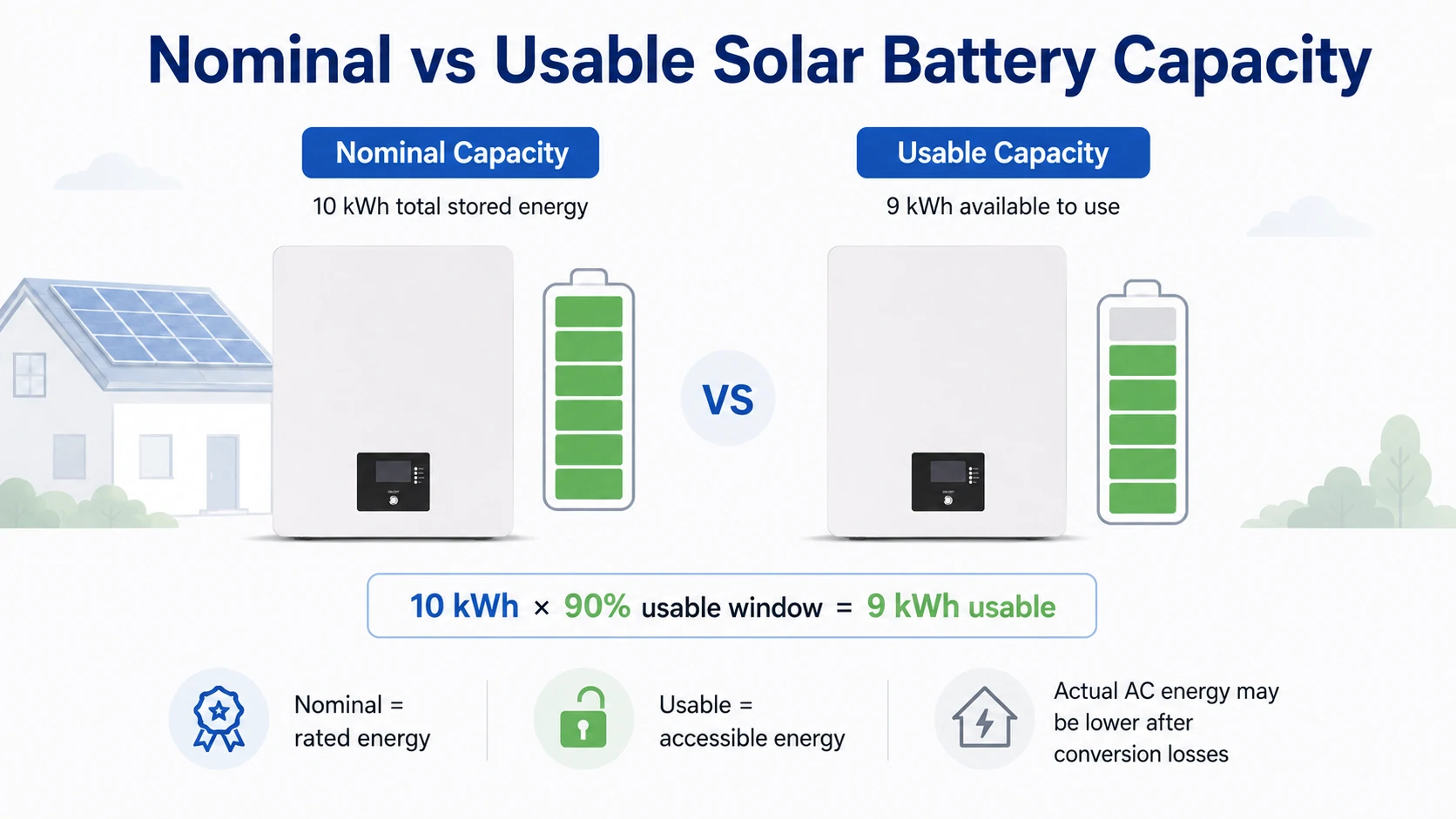
A battery with 90% round-trip efficiency returns about 9 kWh for every 10 kWh charged. This loss must be included in arbitrage calculations.
6. EMS Control Logic
A battery without smart control may miss the most valuable dispatch windows. For C&I projects, EMS logic should coordinate load monitoring, solar output, tariff rules, backup reserve and battery protection.
7. Backup Reserve
If the battery is also used for backup power, not all capacity should be used for arbitrage or peak shaving. Critical loads may require a minimum state of charge.
8. Project Scale and Expansion
Installers, distributors and EPC companies should consider whether the selected battery platform can expand as the customer’s load grows. Modular battery design can help match different project sizes.
Common Mistakes When Comparing Energy Arbitrage vs Peak Shaving
Mistake 1: Treating kW and kWh as the Same
A battery may have enough kWh capacity but not enough kW output to shave a demand spike. Or it may have high power output but not enough capacity to shift energy across a long peak-rate window.
Mistake 2: Ignoring Battery Efficiency
Energy arbitrage depends on the price spread after losses. If the battery has 90% round-trip efficiency, every 10 kWh charged may deliver about 9 kWh usable energy. The tariff spread must be large enough to make the cycle worthwhile.
Mistake 3: Ignoring Battery Degradation
Daily arbitrage can increase cycle count. Peak shaving may create fewer cycles but higher power events. Both affect long-term battery economics.
Mistake 4: Using Average Load Instead of Interval Data
Monthly energy consumption is not enough for peak shaving design. A site may look normal on a monthly bill but have short, costly spikes in 15-minute or 30-minute data.
Mistake 5: Forgetting Backup Reserve
If the same battery is also used for backup power, the EMS must reserve enough capacity for critical loads. Otherwise, the system may save money during normal operation but fail to provide backup when needed.
Mistake 6: Choosing Hardware Before Defining the Strategy
A BESS should be selected after confirming the use case. Energy arbitrage, peak shaving, solar self-consumption and backup power may require different inverter ratings, battery capacities, control logic and communication protocols.
How Avepower Supports Battery Storage Projects
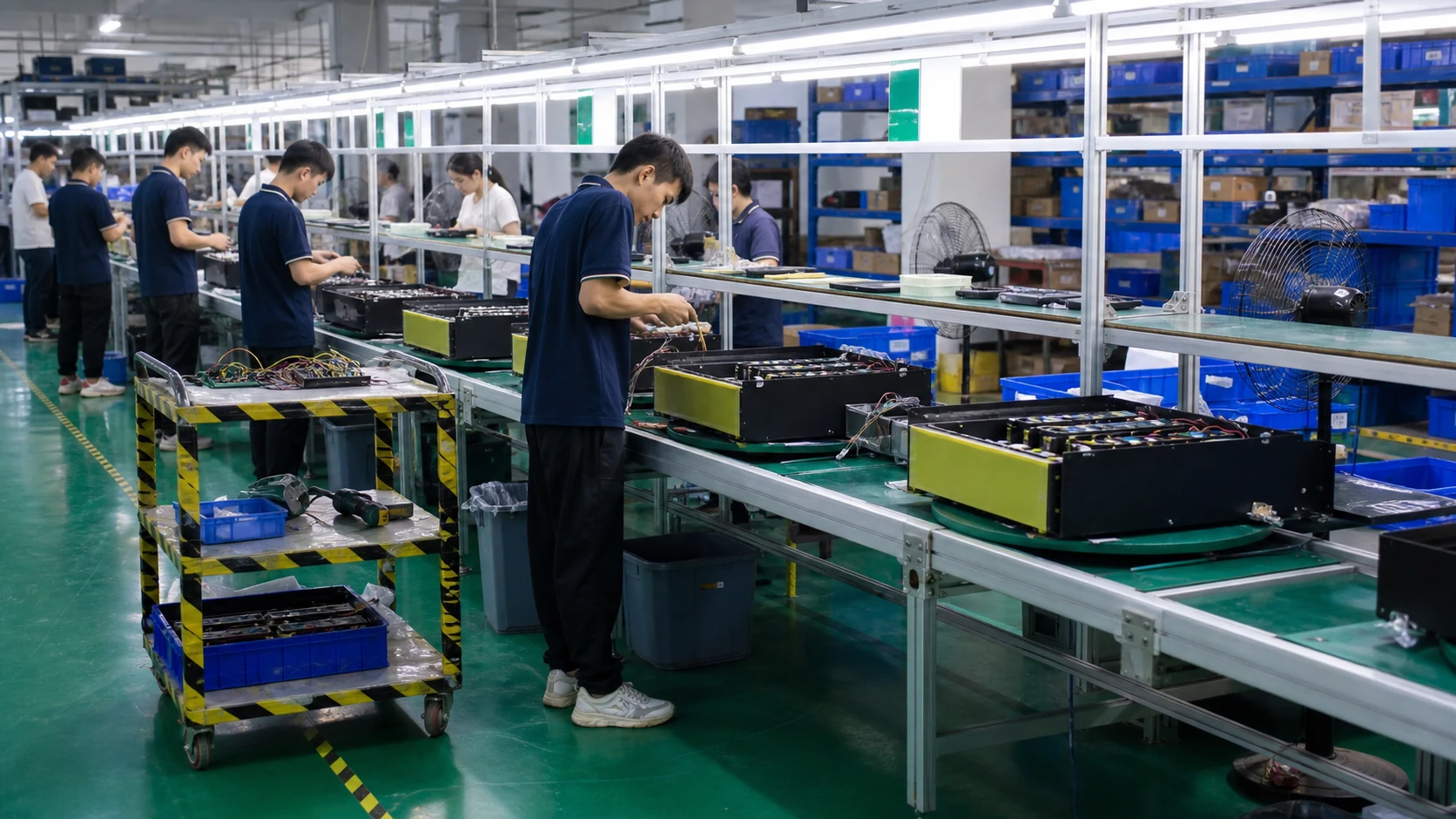
Avepower is a battery energy storage system manufacturer offering LiFePO4 battery solutions for residential, commercial and industrial energy storage applications.
For installers, distributors, EPC companies, solar developers and OEM/ODM buyers, Avepower can support battery storage projects used for:
- Solar self-consumption
- Peak shaving
- Load shifting
- Energy arbitrage
- Backup power
- Commercial energy management
- Modular capacity expansion
- OEM/ODM battery customization
For commercial buyers, Avepower’s battery storage solutions can be matched to different project needs, including communication protocol, inverter compatibility, battery capacity, enclosure design, BMS configuration and documentation support.
When planning an energy arbitrage or peak shaving project, it is useful to prepare:
- Site load profile
- Electricity tariff details
- Demand charge structure
- Solar PV system size
- Required backup loads
- Inverter model
- Target battery capacity
- Expected daily cycling pattern
- Installation environment
- Expansion requirements
With this information, suppliers and project engineers can recommend a more suitable battery system instead of simply quoting a standard capacity.
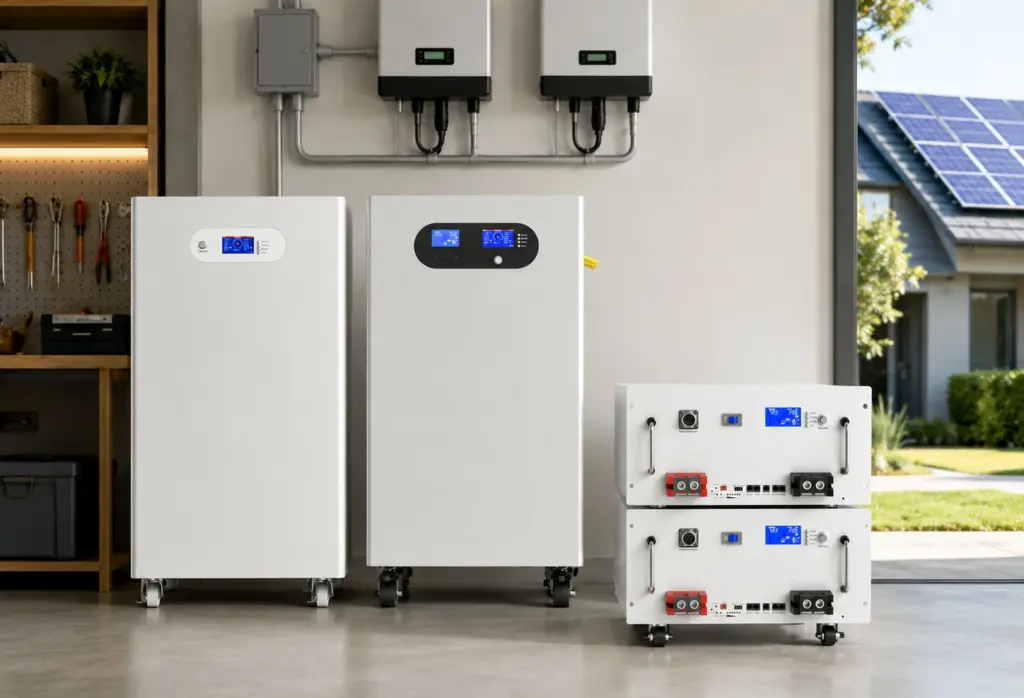
Take Control of Your Energy with Avepower!
Reliable home solar battery solutions with OEM/ODM customization and in-house manufacturing, tailored to the needs of distributors, installers, and energy partners.
Conclusion
Energy arbitrage and peak shaving are both valuable battery storage strategies, but they solve different problems.
Energy arbitrage is best understood as kWh price optimization. It moves stored energy from low-value periods to high-value periods.
Peak shaving is best understood as kW demand control. It reduces the maximum grid demand that drives demand charges or capacity limits.
Before selecting a battery energy storage system, review the tariff, load profile, solar generation, inverter compatibility, EMS control logic and backup requirements. A reliable battery energy storage system should not only store energy, but also match the real economic goal of the project.
FAQ
No. Energy arbitrage focuses on kWh price differences, while peak shaving focuses on reducing peak kW demand. However, one battery can often support both strategies.
No. Energy arbitrage can work with grid charging if local rules and tariffs allow it. Solar can improve the value by providing low-cost or self-generated energy for charging.
Commercial and industrial users benefit most because they often pay demand charges. Residential users may also use a similar concept by reducing grid imports during expensive peak-rate periods.
It depends on the bill structure. If demand charges are high, peak shaving may provide more predictable savings. If time-of-use price spreads are large, energy arbitrage may be more attractive.
Yes, but the EMS must reserve enough battery capacity for backup and prioritize dispatch properly. Without good control logic, one use case may reduce the value of another.
For C&I projects, use interval load data, demand charges, energy prices, solar generation, site operating schedules, backup load requirements and future expansion plans. For homes, daily consumption, solar output, tariff windows and backup needs are usually the starting points.
EMS decides when the battery charges, discharges, reserves backup energy and responds to load spikes. Without good control logic, the battery may miss savings opportunities or reduce its own ROI.