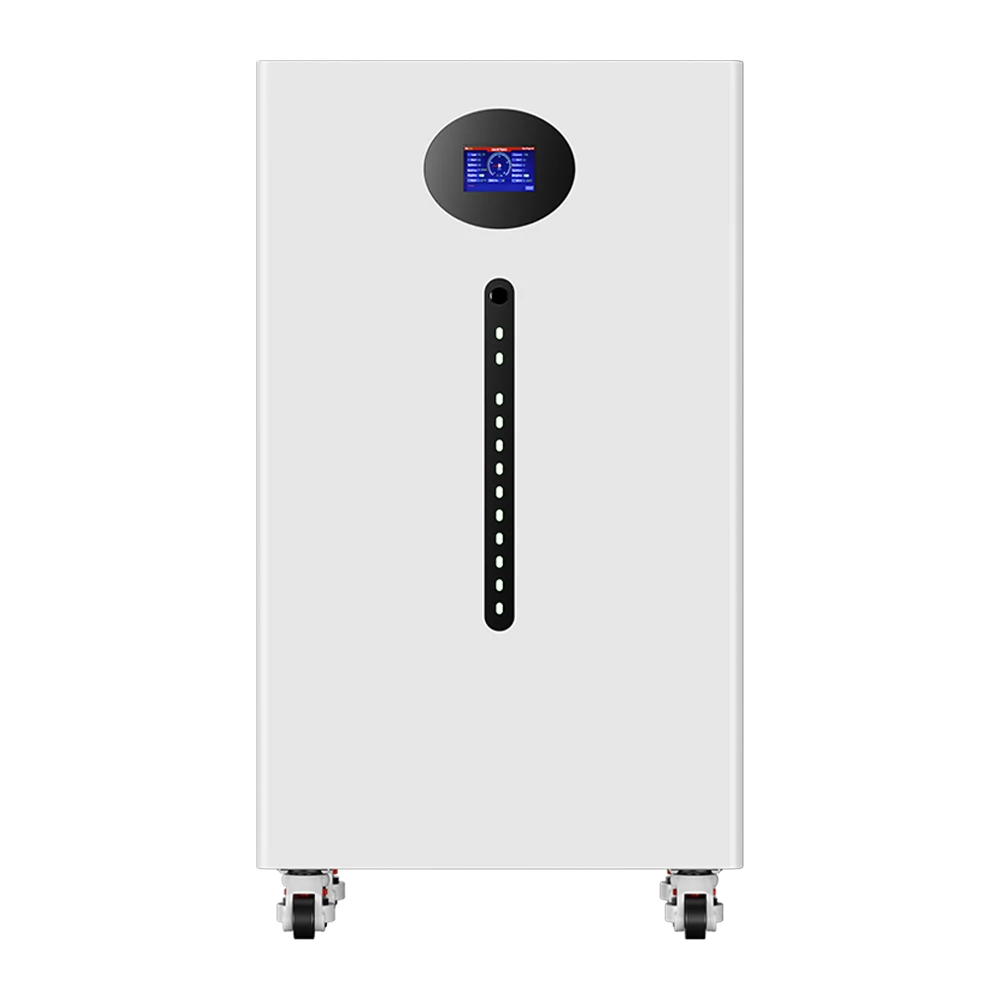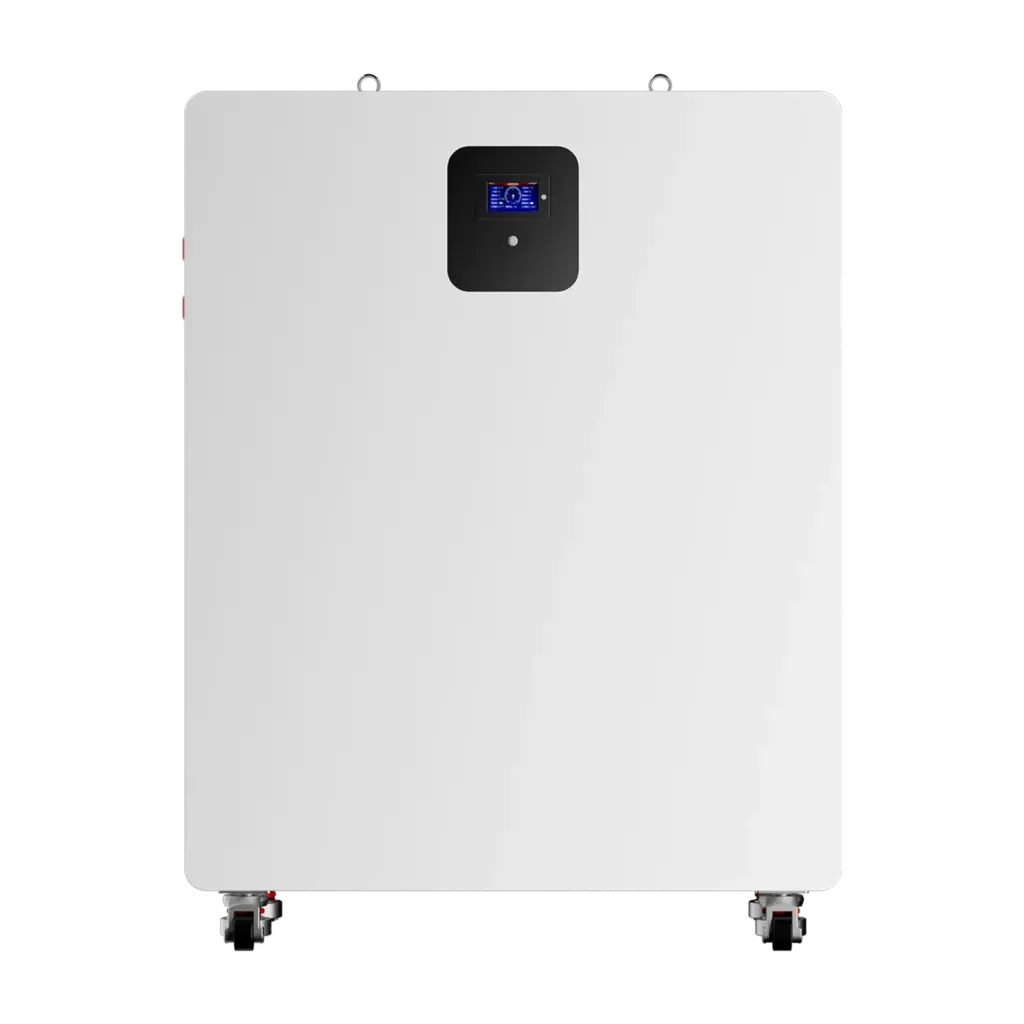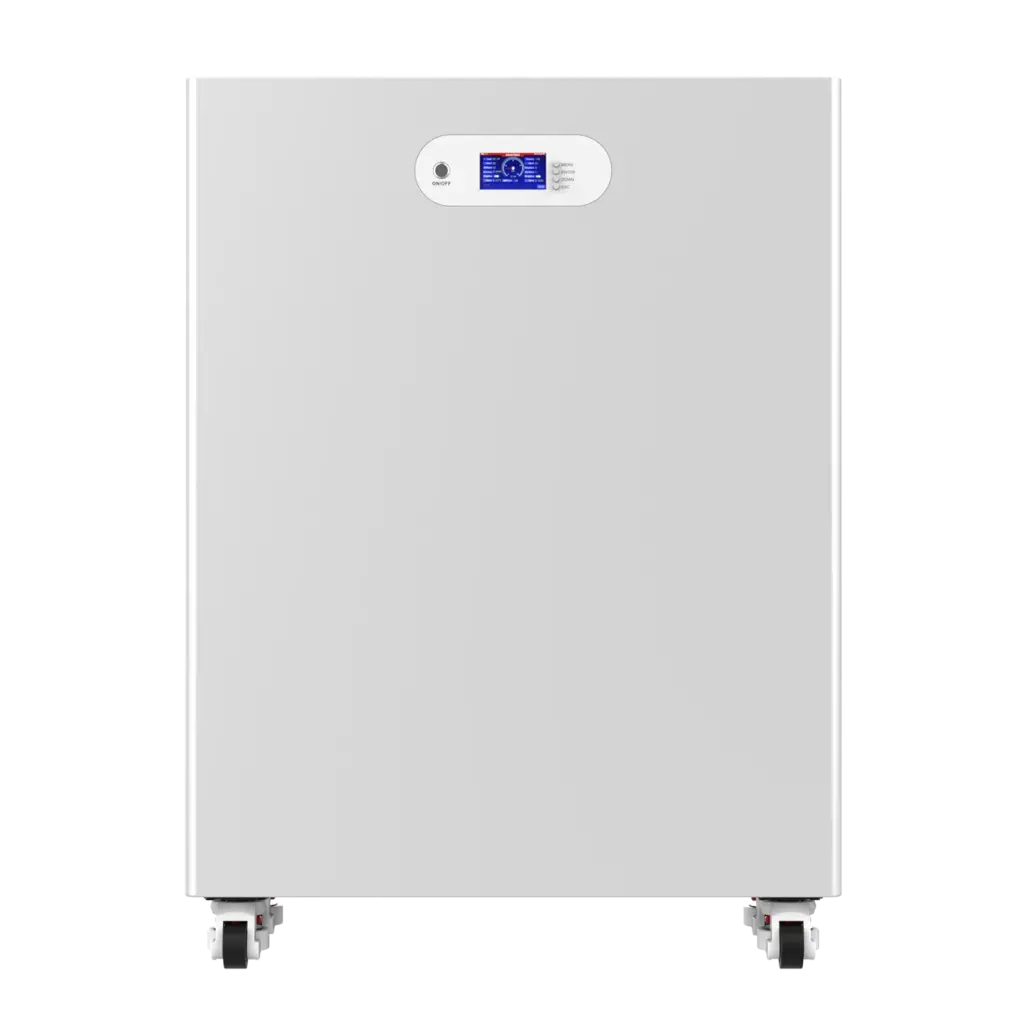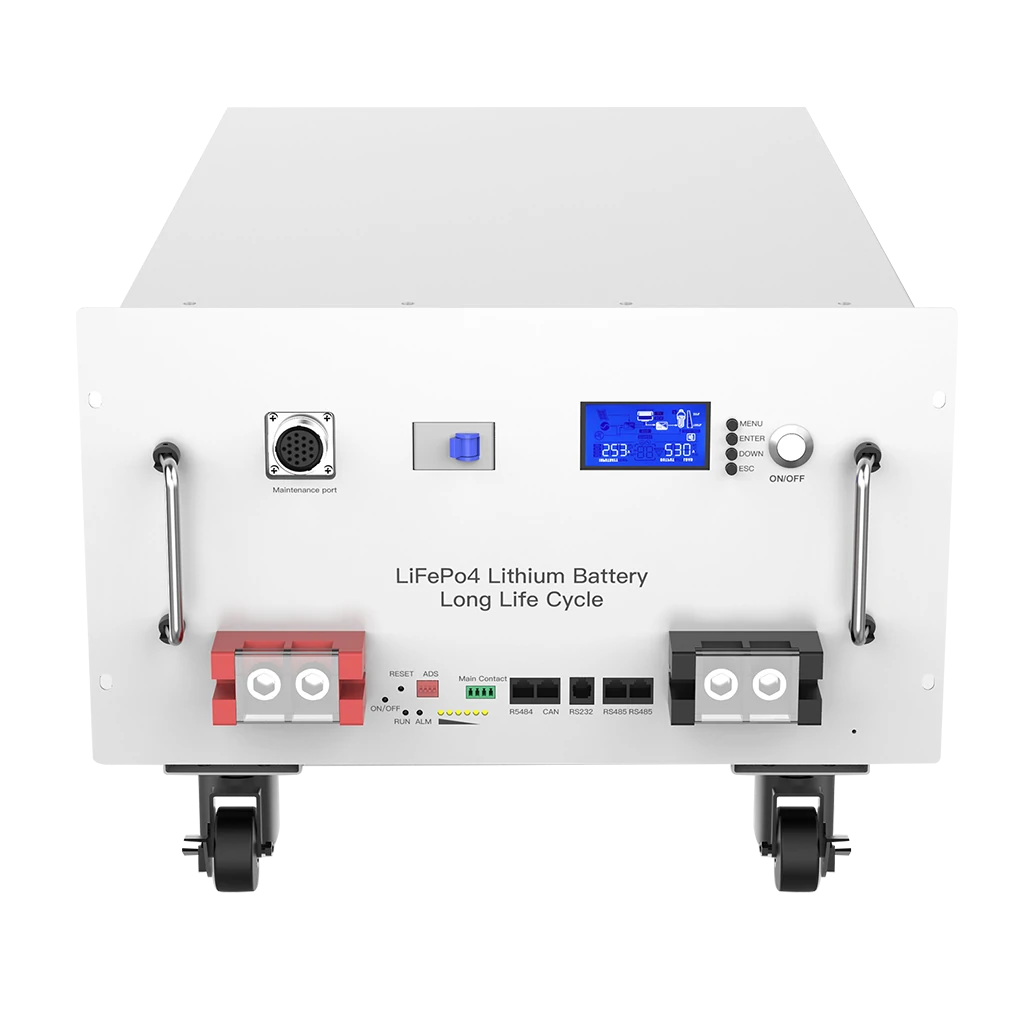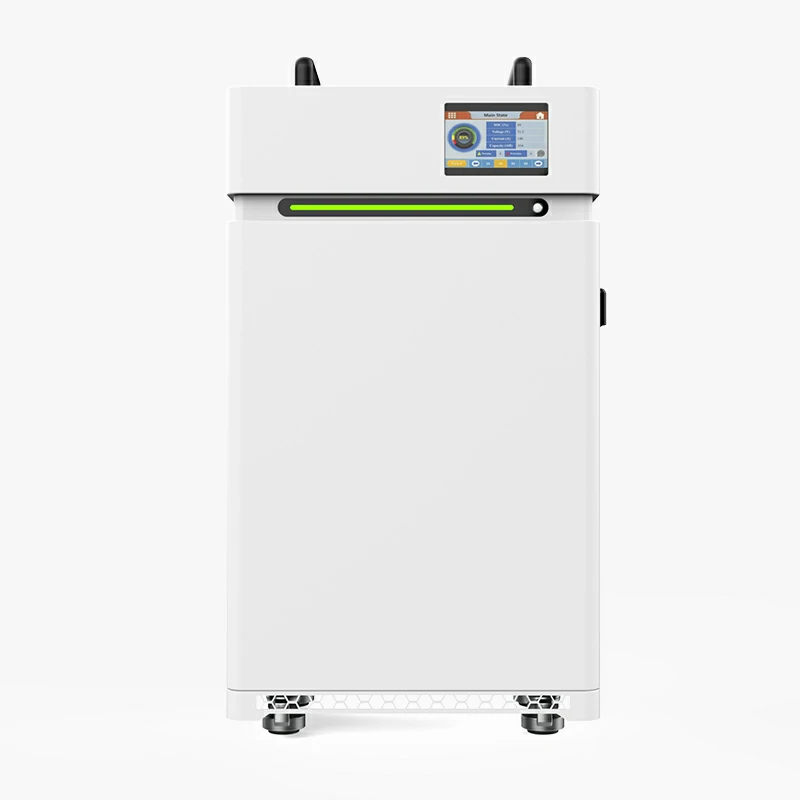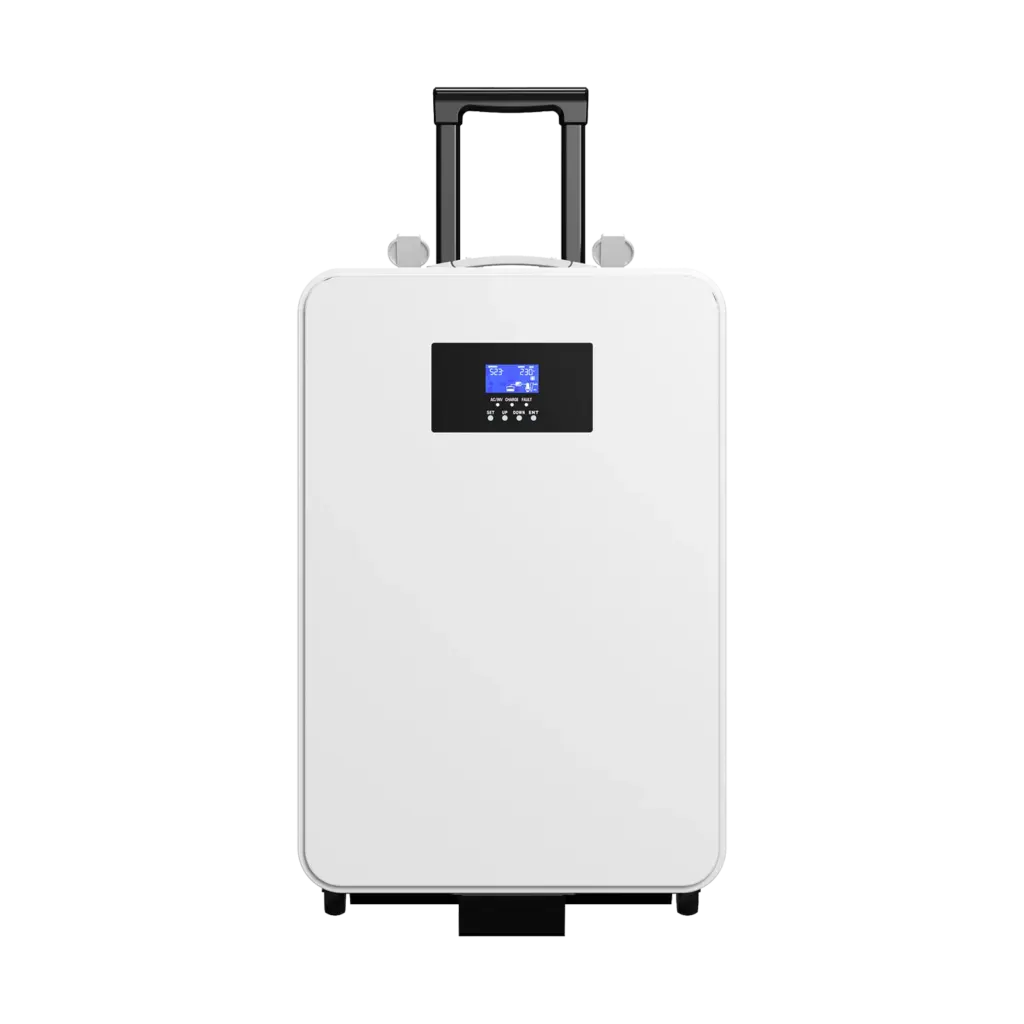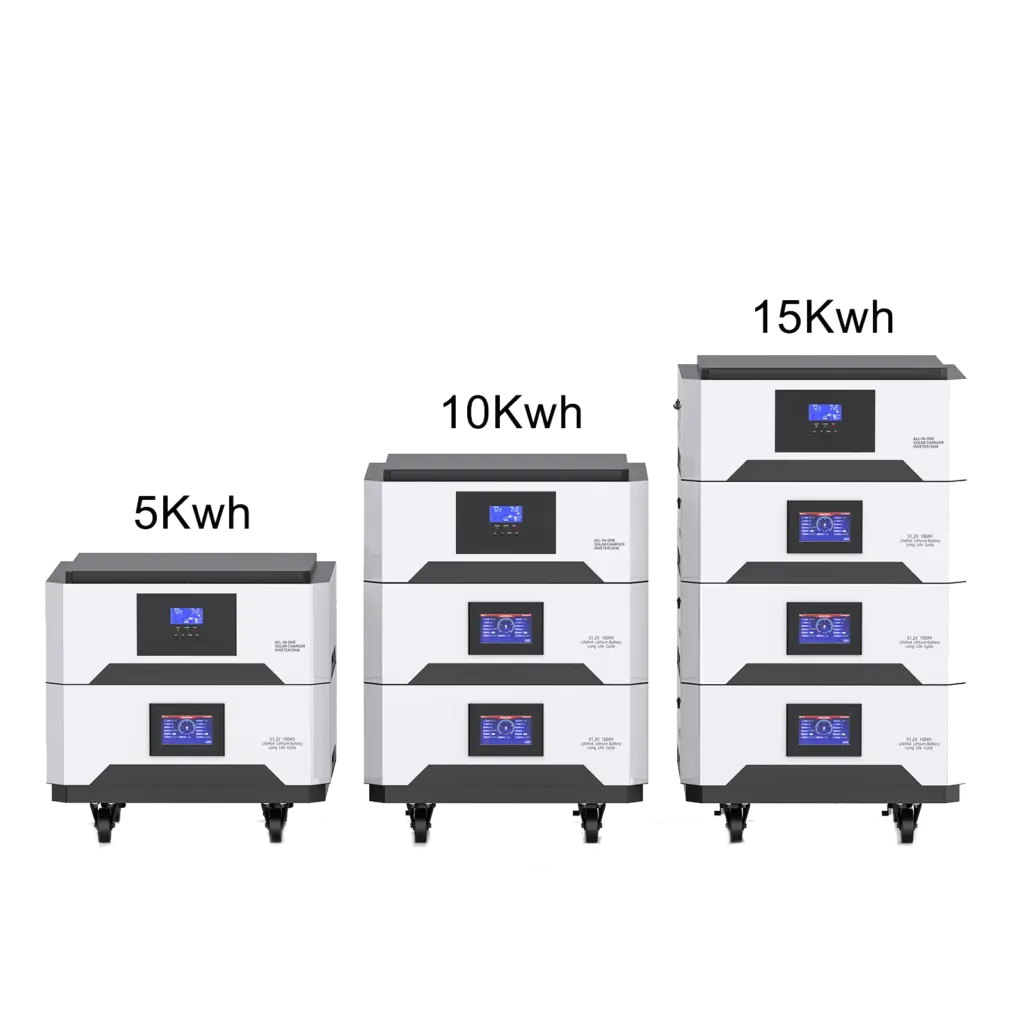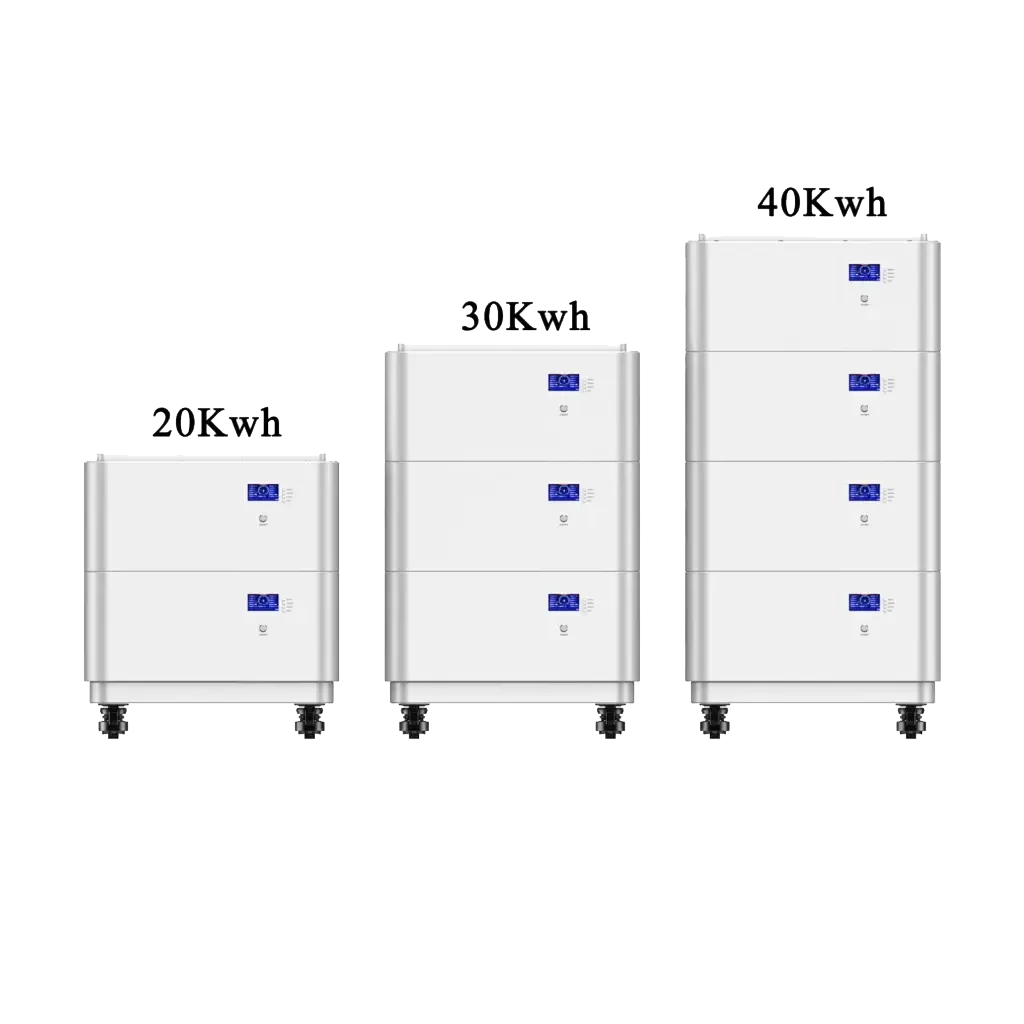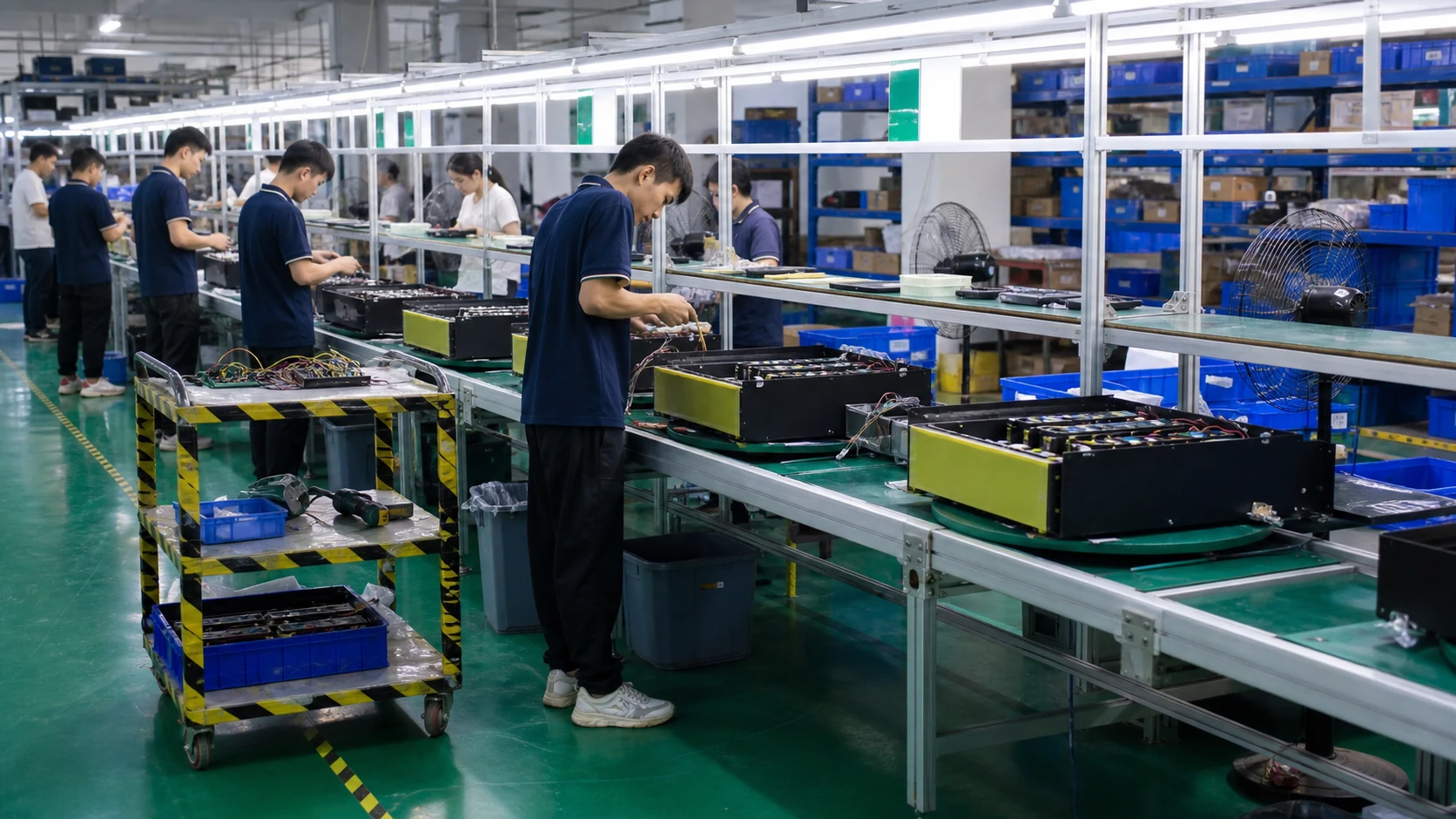

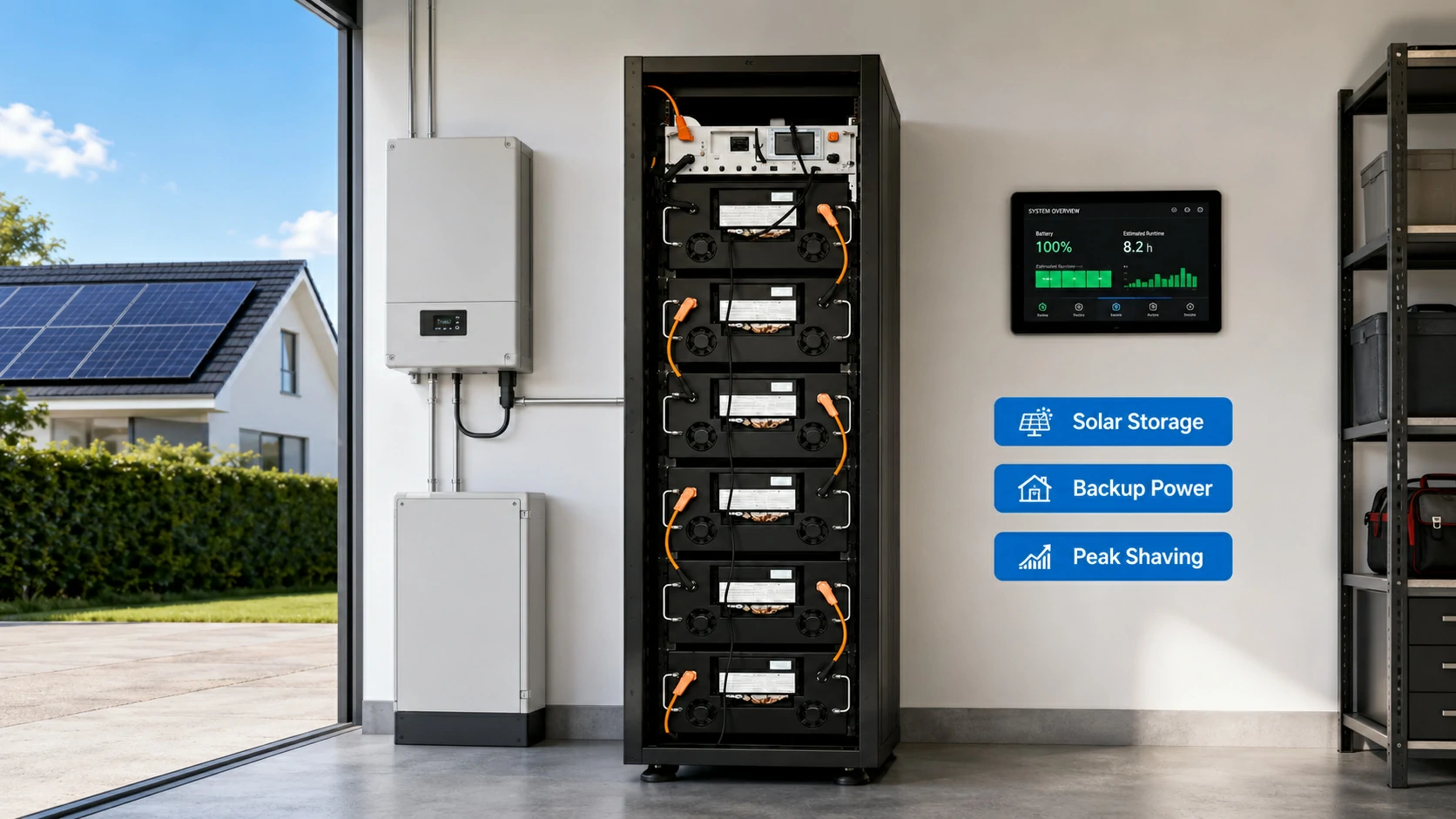
Unlike a small 5 kWh or 10 kWh home battery, a 130 kWh battery is usually selected for system-level energy planning. Buyers need to consider not only battery capacity, but also inverter power, usable energy, discharge rate, installation space, battery chemistry, BMS protection, communication protocol, safety certification and long-term maintenance.
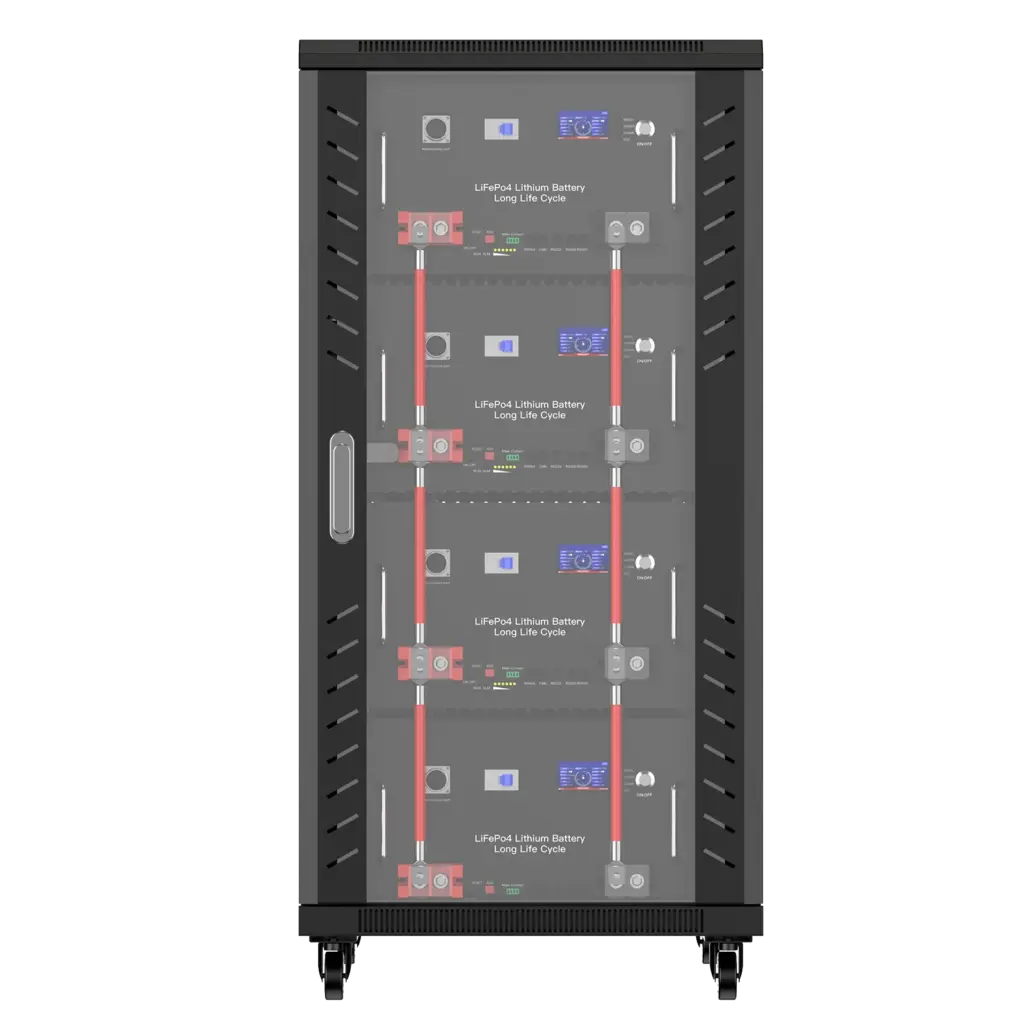
For installers, distributors and project developers, a 130 kWh battery system can be a practical capacity point because it sits between residential battery storage and larger commercial energy storage. It can be built from modular low-voltage batteries, high-voltage battery racks or an integrated cabinet-style BESS depending on the project design.
If you are sourcing a scalable system for solar storage or backup power, Avepower provides custom battery energy storage system solutions for installers, distributors, OEM/ODM buyers and project developers.
What Is a 130 kWh Battery?
A 130 kWh battery is an energy storage system with around 130 kilowatt-hours of nominal or usable energy capacity. In real projects, the exact capacity may be slightly different depending on the battery module configuration. For example, a system may be built as 128 kWh, 130 kWh, 131 kWh, 133 kWh or 135 kWh and still serve the same general application range.
Modern stationary storage systems often use lithium iron phosphate chemistry. NREL notes that lithium-ion batteries used in stationary storage include NMC and LFP chemistries, with LFP becoming the primary chemistry for stationary storage starting in 2021.
What Size Inverter Do You Need for a 130 kWh Battery?
The inverter size depends on the maximum simultaneous load, not just the battery capacity.
For large homes, an inverter range of 20–50 kW may be enough depending on whether the system supports whole-home backup or essential loads only. For small commercial systems, 50–100 kW may be more common. For peak shaving or three-phase applications, the PCS rating should be matched to the site’s demand profile and grid interconnection limits.
A 130 kWh battery paired with a 50 kW inverter is roughly a 2.6-hour system at full output. With a 30 kW inverter, it is roughly a 4.3-hour system. With a 100 kW inverter, it is roughly a 1.3-hour system. This is why battery systems are often described by both power and energy, such as 50 kW / 130 kWh or 100 kW / 130 kWh.
Who Needs a 130 kWh Battery?
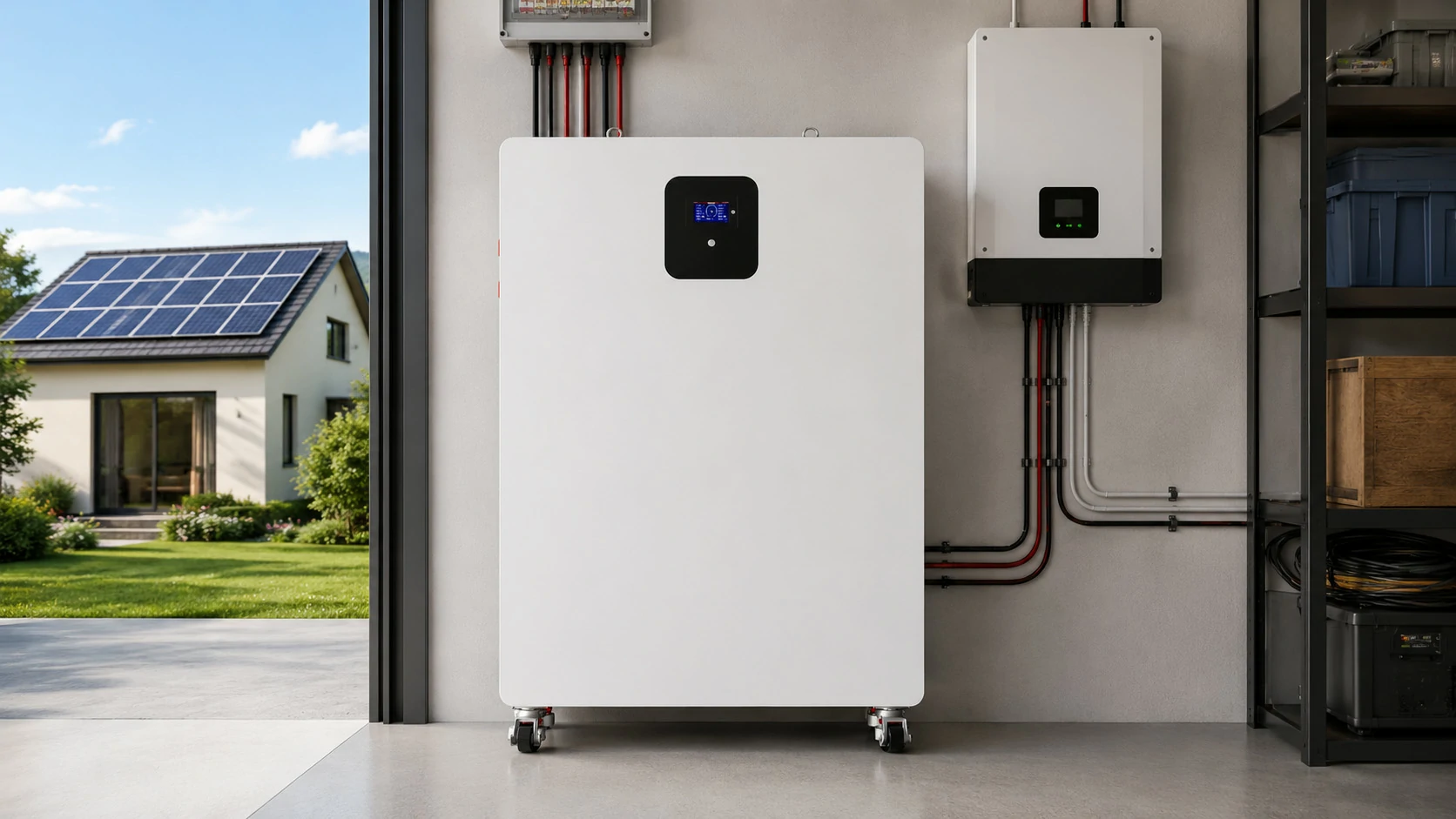
It is suitable for large homes that need extended backup for lighting, refrigerators, air conditioning, water pumps, security systems and selected appliances. It is also useful for villas, farms and remote homes where grid power is unstable or where solar energy needs to cover evening and overnight loads.
For small commercial applications, a 130 kWh battery can support offices, shops, restaurants, clinics, warehouses, workshops, farms, telecom rooms and small manufacturing facilities. It can help reduce peak demand charges, shift energy use from high-rate periods to low-rate periods and provide backup power for critical equipment.
A 130 kWh system may also fit solar EPC and installer-led projects where the customer wants a scalable battery bank rather than a small plug-and-play home battery. For buyers comparing options, Avepower’s home energy storage battery system portfolio covers residential and light-commercial storage use cases, including self-consumption, load shifting, outage backup and inverter compatibility support.
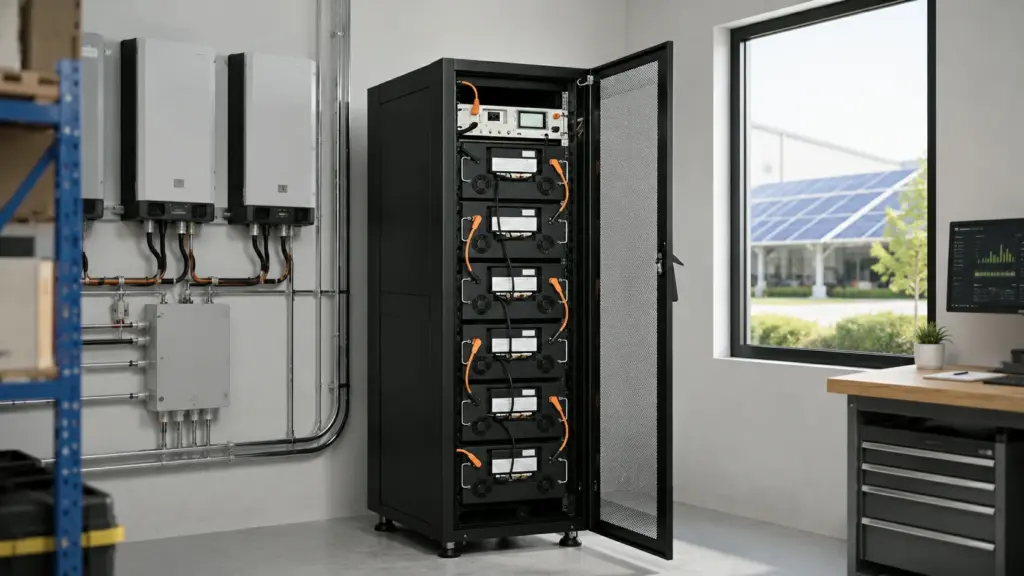
Need a 130 kWh Battery Solution for Your Project?
Avepower provides scalable LiFePO4 battery storage systems for solar storage, backup power, off-grid sites and small commercial energy projects. Our team can help you choose the right battery capacity, voltage platform and inverter-compatible configuration.
What Can a 130 kWh Battery Power?
If the full 130 kWh is considered as nominal energy, the estimated runtime looks like this:
| Average Load | Approximate Runtime from 130 kWh | Practical Runtime at 80% Usable Capacity |
|---|---|---|
| 5 kW | 26 hours | 20.8 hours |
| 10 kW | 13 hours | 10.4 hours |
| 15 kW | 8.7 hours | 6.9 hours |
| 20 kW | 6.5 hours | 5.2 hours |
| 30 kW | 4.3 hours | 3.5 hours |
| 50 kW | 2.6 hours | 2.1 hours |
These are simplified estimates. Real performance will vary because inverters are not 100% efficient, loads fluctuate, battery discharge limits apply and some systems reserve energy to protect battery health.
For backup projects, the best approach is to separate loads into essential loads and non-essential loads. Essential loads may include refrigeration, lighting, communications, access control, medical equipment, pumps, control systems and basic office equipment. Non-essential loads may include large HVAC equipment, heavy machinery, EV chargers or high-power heating loads unless the system is specifically designed to support them.
How to Calculate Runtime for a 130 kWh Battery
The basic formula is:
Battery runtime = usable battery capacity ÷ average load
If a 130 kWh battery provides 110 kWh of practical usable energy after depth-of-discharge limits and system losses, the estimated runtime would be:
- 110 kWh ÷ 20 kW = 5.5 hours
- 110 kWh ÷ 30 kW = 3.7 hours
- 110 kWh ÷ 50 kW = 2.2 hours
This formula is useful for early planning, but real runtime can change because loads are rarely constant. Air conditioners, motors, compressors, pumps and EV chargers can create large peaks. A professional system design should review both average energy use and peak power demand.
130 kWh Battery for Solar Storage
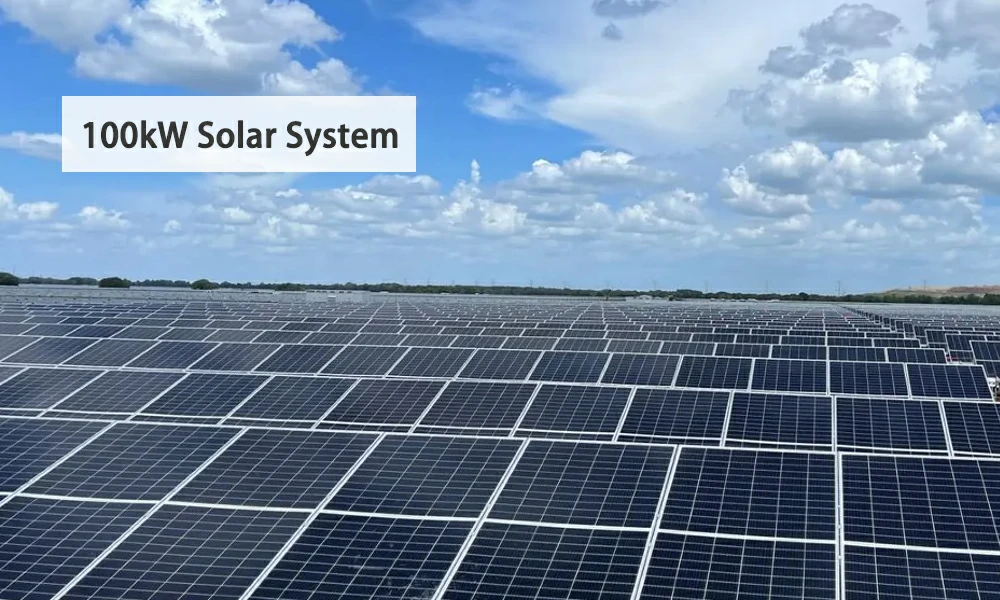
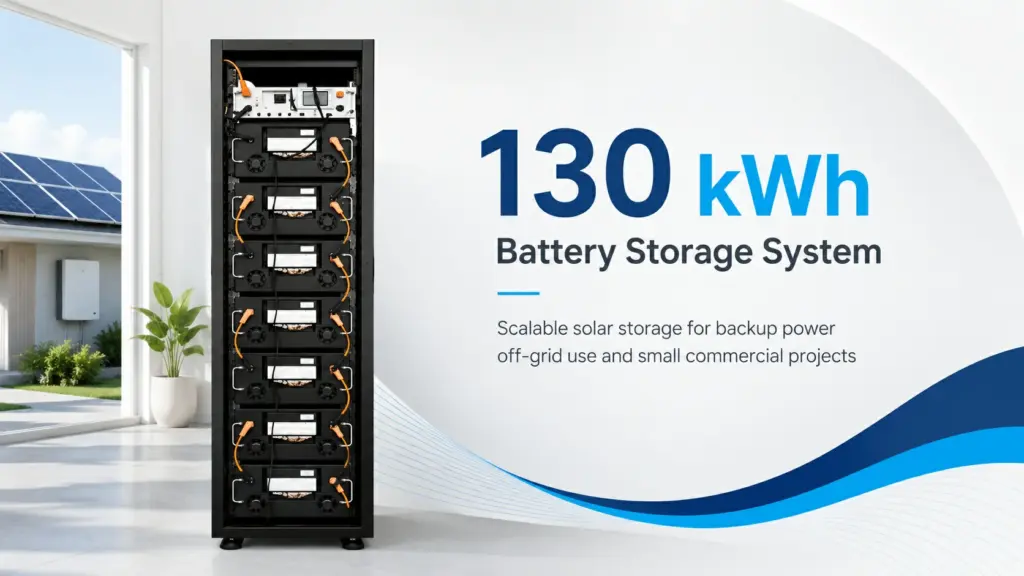
A 130 kWh battery is often used with a solar PV system to increase solar self-consumption. Without storage, excess solar energy may be exported to the grid at a low rate or wasted if export is limited. With battery storage, that energy can be stored and used later.
A solar-plus-storage system can help in several ways. It can store daytime solar power for evening use, reduce grid purchases during peak-price periods, provide backup during outages and support off-grid or hybrid systems.
The solar array size should match both daytime consumption and battery charging requirements. A 130 kWh battery does not mean the solar system must fully charge it every day, but the PV system should be large enough to make the battery economically useful.
As a rough planning guide:
| Solar PV Size | Typical Relationship with a 130 kWh Battery |
|---|---|
| 20 kW solar | May partially charge the battery depending on daily loads and sunlight |
| 30–50 kW solar | Common range for small commercial solar-plus-storage projects |
| 60–100 kW solar | More suitable when the site has high daytime generation and larger evening demand |
| 100 kW+ solar | Often used for C&I projects with stronger load shifting or peak shaving goals |
The right PV-to-battery ratio depends on local solar irradiation, electricity tariffs, daily load curve, backup requirements and export rules.
Common Applications of a 130 kWh Battery
1. Large Home Backup Power
For large homes, a 130 kWh battery can provide much longer backup than a typical 10 kWh or 15 kWh battery. It may support essential home circuits for one to several days, depending on load control. This is useful for villas, rural homes, farms and properties where outages are frequent.
However, whole-home backup must be designed carefully. Air conditioning, heating, pool pumps, well pumps and EV charging can quickly drain the battery. A practical design usually separates critical loads from high-power optional loads.
2. Small Commercial Backup
For shops, offices, clinics and small warehouses, a 130 kWh battery can protect critical operations during grid interruptions. It can keep POS systems, lighting, internet, security systems, refrigeration, computers and essential equipment running.
This is especially valuable in locations where even a short outage can cause product loss, customer disruption or operational downtime.
3. Solar Self-Consumption
In many regions, solar export rates are lower than retail electricity rates. A 130 kWh battery allows a building to store more of its own solar production and use it later. This can improve the value of the solar system and reduce dependence on grid electricity.
4. Peak Shaving
Commercial electricity bills may include demand charges based on short periods of high power use. A properly sized battery can discharge during demand peaks and reduce the site’s peak grid draw.
Peak shaving requires careful power sizing. A battery may have enough energy capacity but still need sufficient inverter power and discharge current to reduce demand peaks effectively.
5. Off-Grid and Hybrid Systems
A 130 kWh battery can support off-grid homes, farms, telecom stations and remote buildings when paired with solar, generator backup or hybrid inverters. For off-grid use, the system must be sized for worst-case weather, seasonal solar variation and generator strategy.
6. Telecom and Equipment Rooms
Telecom sites, security monitoring systems and equipment rooms often need stable backup power. A 130 kWh battery can provide extended runtime and reduce generator usage, especially where loads are predictable and continuous.
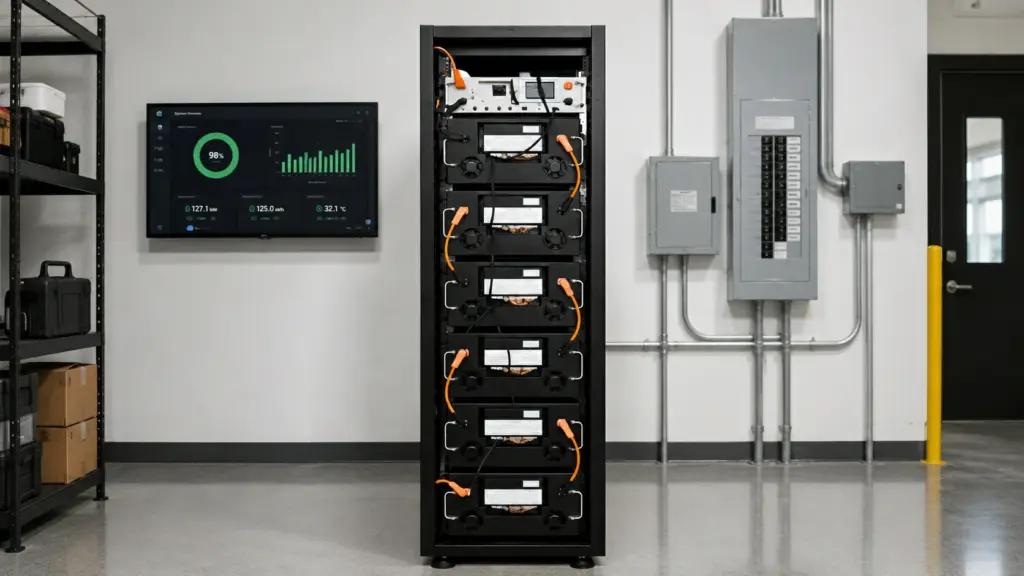
Planning a Solar + Storage System Around 130 kWh?
Whether you are building a large residential backup system, farm energy storage project or small commercial battery solution, Avepower can support modular battery configuration, CAN/RS485 communication matching and project-based technical guidance.
Low-Voltage vs High-Voltage 130 kWh Battery Systems
A 130 kWh battery can be designed as a low-voltage or high-voltage system. The better choice depends on inverter type, project scale, current level, installation distance, system efficiency and safety requirements.
Low-Voltage Battery System
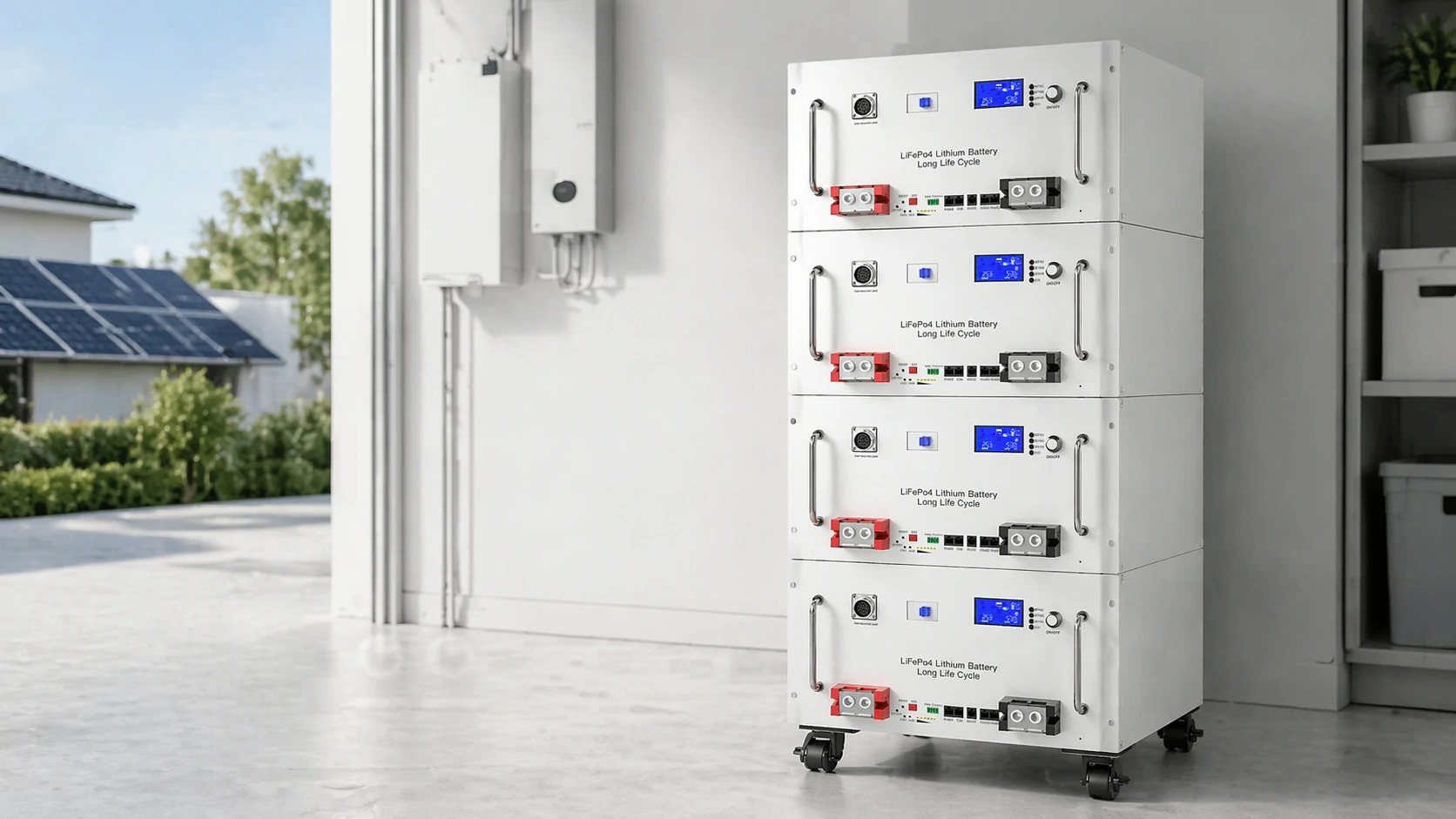
Low-voltage systems are common in residential and small off-grid projects. They often use 48V-class battery modules connected in parallel. They are familiar to many installers and can be easier to expand in smaller steps.
However, as capacity and power increase, current becomes much higher. Higher current requires larger cables, stronger busbars, proper breakers, careful wiring and good thermal design.
High-Voltage Battery System
High-voltage systems are more common in commercial and industrial energy storage projects. Higher voltage can reduce current for the same power level, which can improve system efficiency and reduce cable stress when designed correctly.
Avepower’s custom high voltage lithium battery storage system is designed for scalable ESS projects with configurable voltage platforms, cabinet layouts, BMS/BCU control, CAN/RS485 communication and project-based customization. This type of system is more suitable when the project requires commercial energy storage, higher power output, PCS integration or customized battery cluster design.
How to Build a 130 kWh Battery System
A 130 kWh system can be built in different ways. The most common methods include modular low-voltage expansion, rack-mounted battery banks or high-voltage cabinet systems.
For example, if each battery module is around 15 kWh, then 9 modules can create about 135 kWh. If each module is around 16 kWh, then 8 modules can create about 128 kWh. In real engineering, being slightly above or below 130 kWh is normal as long as usable energy, inverter power and backup goals are met.
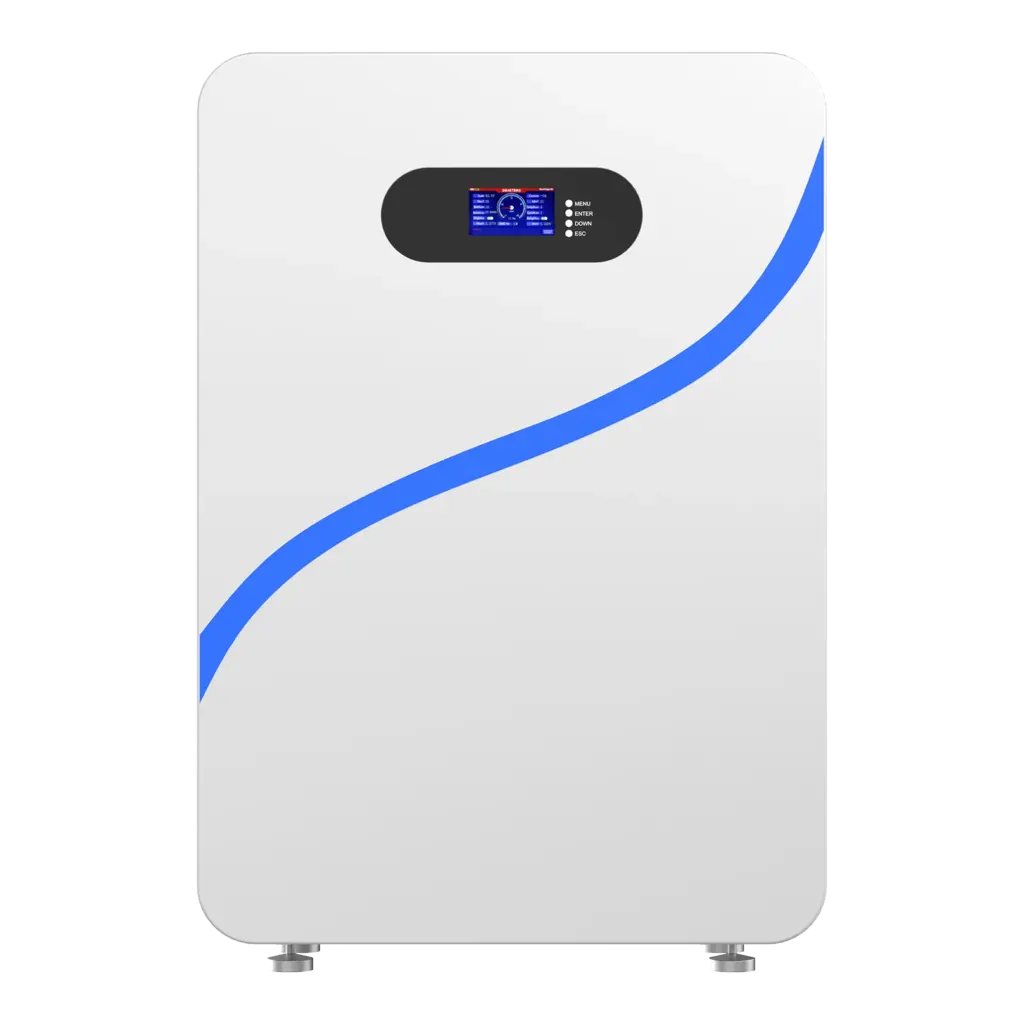
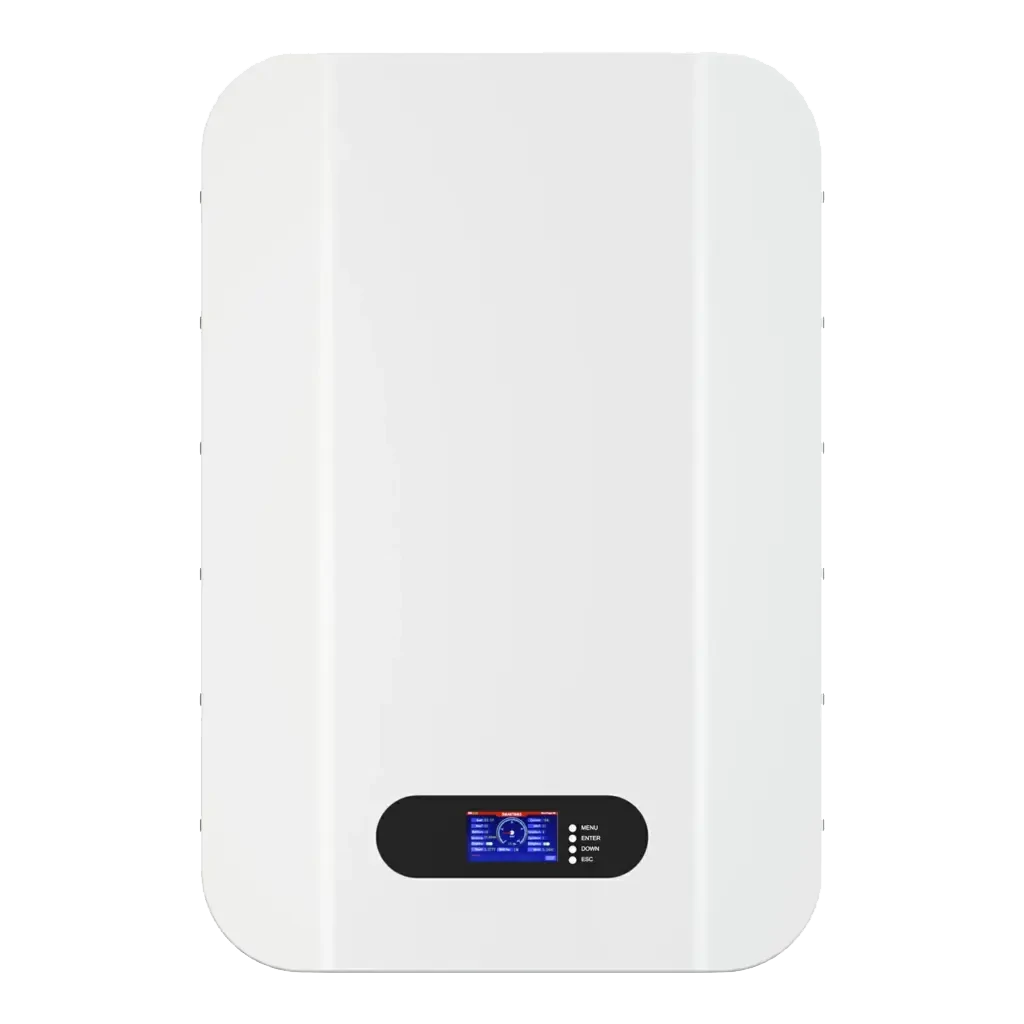
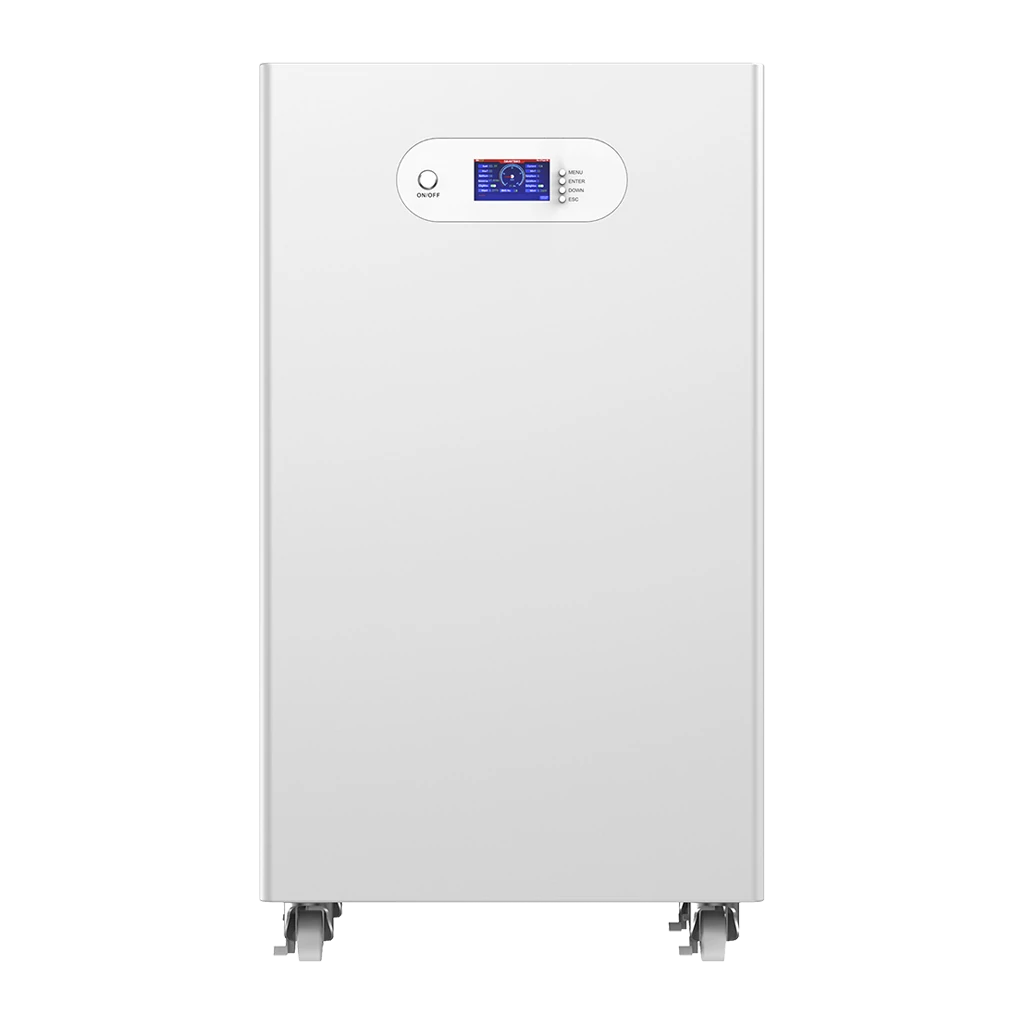
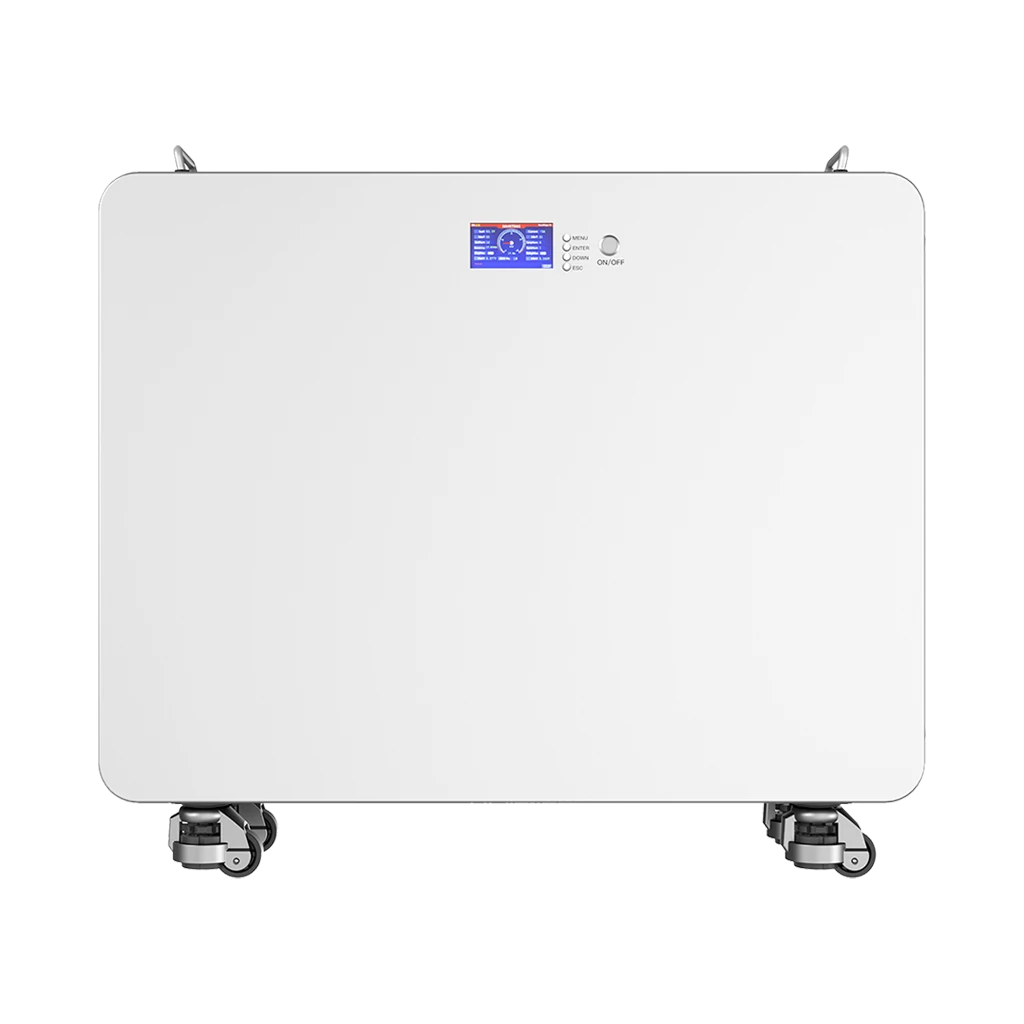
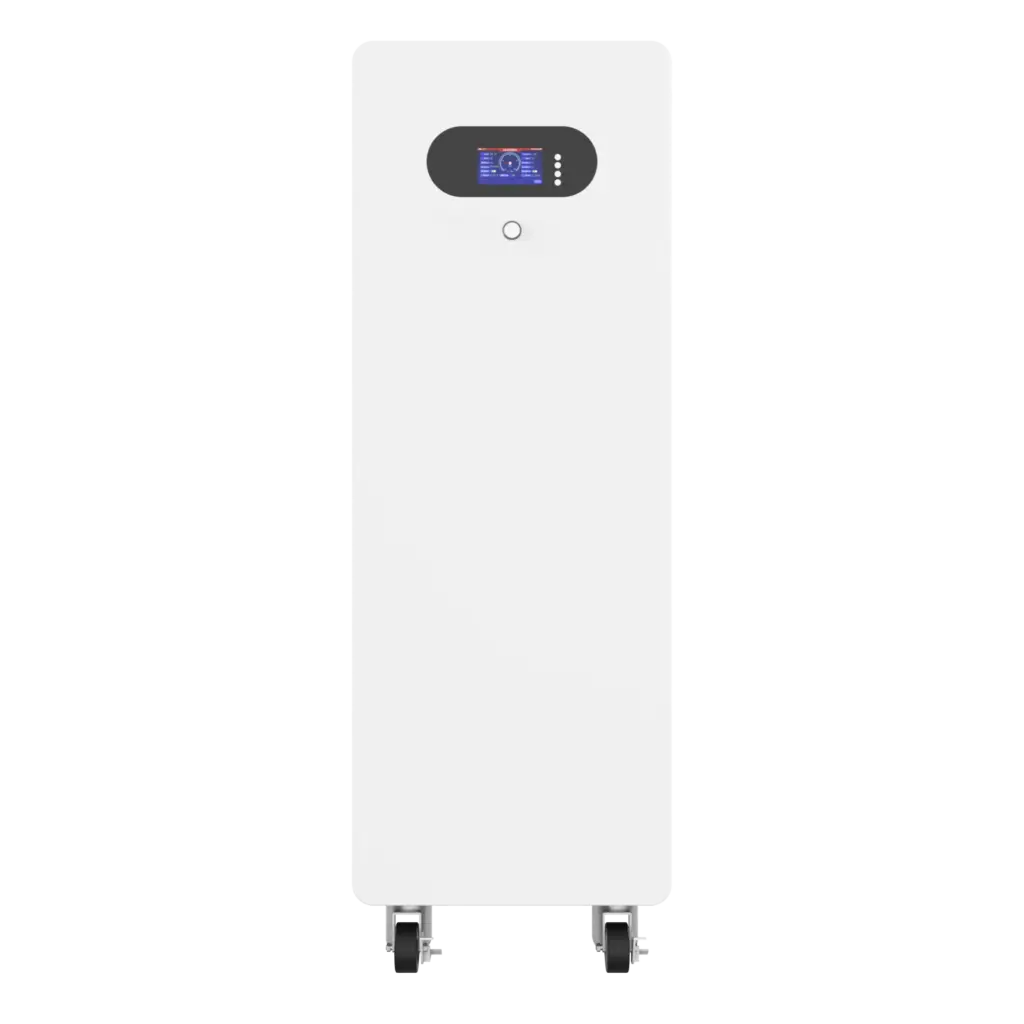
Avepower’s 15kWh 48V 300Ah LiFePO4 battery is designed for residential solar storage, backup power, off-grid systems and small commercial projects. The product page lists CAN, RS485 and RS232 communication, Bluetooth support, a 200A protection board, 4.3-inch touchscreen, battery level indicator lights and support for up to 16 units in parallel.
A practical 130 kWh battery project should include:
- Battery modules or cabinets
- Battery management system
- Hybrid inverter or PCS
- DC and AC protection devices
- Communication cables and protocols
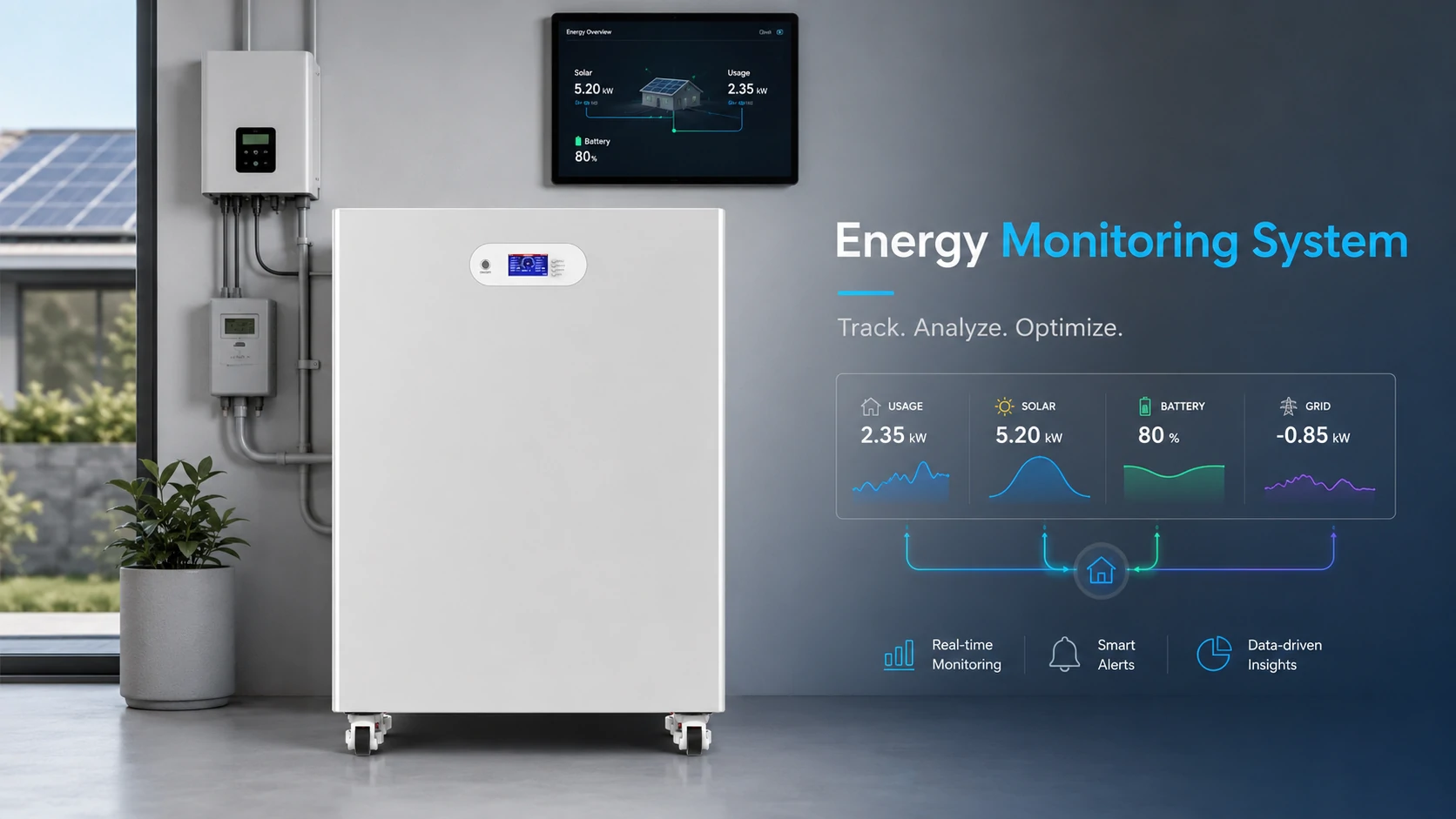
- Energy management system if required
- Fire and electrical safety design
- Proper ventilation or temperature management
- Installer commissioning and documentation
The battery should not be selected only by capacity. A 130 kWh battery with poor inverter matching or weak protection design may perform worse than a smaller but properly engineered system.
130 kWh Battery Cost
The cost of a 130 kWh battery depends on battery chemistry, voltage platform, inverter or PCS size, enclosure type, installation labor, certifications, fire protection, shipping, local code requirements and whether the system is indoor, outdoor, residential or commercial.
A 130 kWh battery system may cost approximately:
| Cost Basis | Estimated Range for 130 kWh |
|---|---|
| Battery system at larger-scale pricing, $180–$300/kWh | $23,400–$39,000 |
| Typical C&I installed range, $250–$450/kWh | $32,500–$58,500 |
| Smaller or more complex installed systems, up to $580/kWh | Up to $75,400 |
A real quote should confirm battery capacity, usable energy, inverter power, enclosure rating, installation scope, shipping, taxes, certifications, warranty terms and commissioning support.
The lowest price is not always the best value. A system with reliable BMS protection, clear communication protocols, long cycle life, stable supply and technical support may provide a better total cost of ownership than a cheaper system with poor documentation or limited after-sales service.
Avepower Solutions for 130 kWh Battery Projects
Avepower supports residential, light-commercial and project-based energy storage applications with LiFePO4 battery systems, scalable configurations, inverter communication support and OEM/ODM customization.
For a project close to 130 kWh, one practical approach is to configure multiple low-voltage battery modules in parallel, such as 8 units of around 16 kWh or 9 units of around 15 kWh depending on the selected model and usable capacity target. For higher-power C&I projects, a customized high-voltage battery system may be more suitable.
Avepower battery solutions can support solar storage, backup power, off-grid systems, telecom backup, installer-led battery cabinets and small commercial energy storage projects. For distributors, installers and OEM customers, customization can include capacity, appearance, function, communication, labeling and packaging.
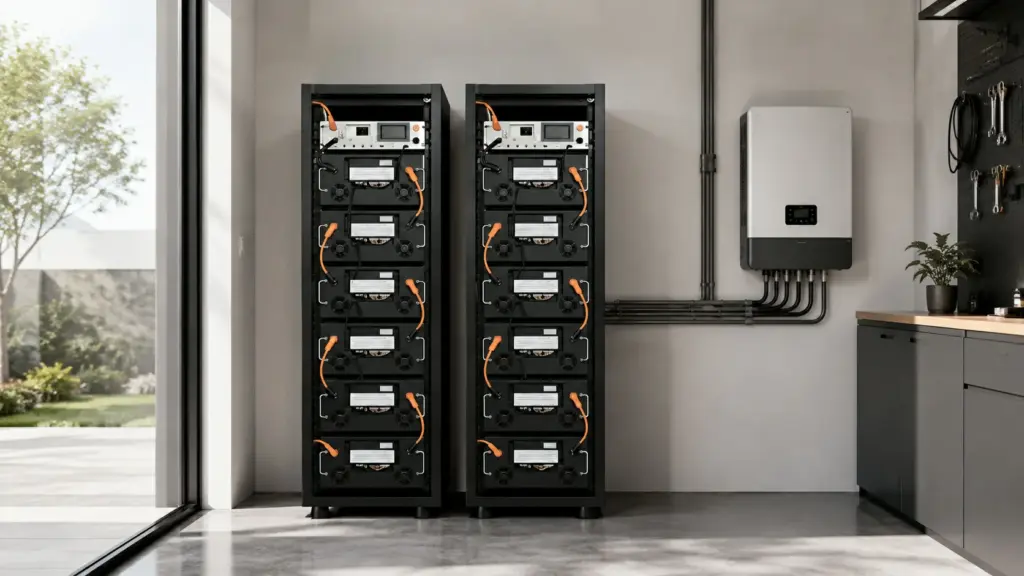
Start Your 130 kWh Battery Project with Avepower
From LiFePO4 battery modules to high-voltage energy storage systems, Avepower supports installers, distributors, EPC companies and OEM/ODM customers with reliable battery solutions, customization options and technical support.
Conclusion
A 130 kWh battery is a practical energy storage size for large homes, farms, villas, telecom sites and small commercial projects that need stronger backup power, higher solar self-consumption or peak shaving capability. It offers more flexibility than a typical residential battery while remaining smaller and more accessible than large containerized C&I storage systems.
The most important step is not simply buying 130 kWh of capacity. The system must be matched with real load data, solar generation, inverter power, usable capacity, installation conditions, communication protocols and safety requirements.
For installers, distributors and project buyers looking for scalable LiFePO4 energy storage, Avepower can support customized battery configurations for residential and light-commercial projects, including modular systems, inverter communication support and OEM/ODM cooperation.
FAQ
Yes. Avepower provides customizable battery energy storage solutions for residential and commercial applications, including modular battery systems, high-voltage storage platforms, communication matching and OEM/ODM options.
It can support selected business loads, but it may not run all equipment. Critical loads should be separated, and the inverter should be sized to handle the required power output.
It depends on panel wattage, sun hours, system efficiency and daily load consumption. A 30 kW to 50 kW solar system may be suitable for many small commercial applications, but larger systems may be needed if the battery must be charged quickly or daily.
For many commercial and industrial projects, yes. High-voltage systems can reduce current, improve efficiency and work better with higher-power PCS or three-phase inverter systems. Low-voltage systems may still be suitable for modular residential or small backup applications.
A 130 kWh battery stores 130 kilowatt-hours of nominal energy, equal to 130,000 watt-hours. Usable energy is usually lower after considering depth of discharge, inverter losses and reserve settings.
Yes. A 130 kWh battery can support peak shaving if paired with the right PCS or inverter and EMS control. It can discharge during high-demand periods to reduce grid demand.
Check usable capacity, battery chemistry, cycle life, BMS protection, inverter compatibility, charge and discharge current, certifications, enclosure rating, warranty, monitoring, installation requirements and after-sales support.