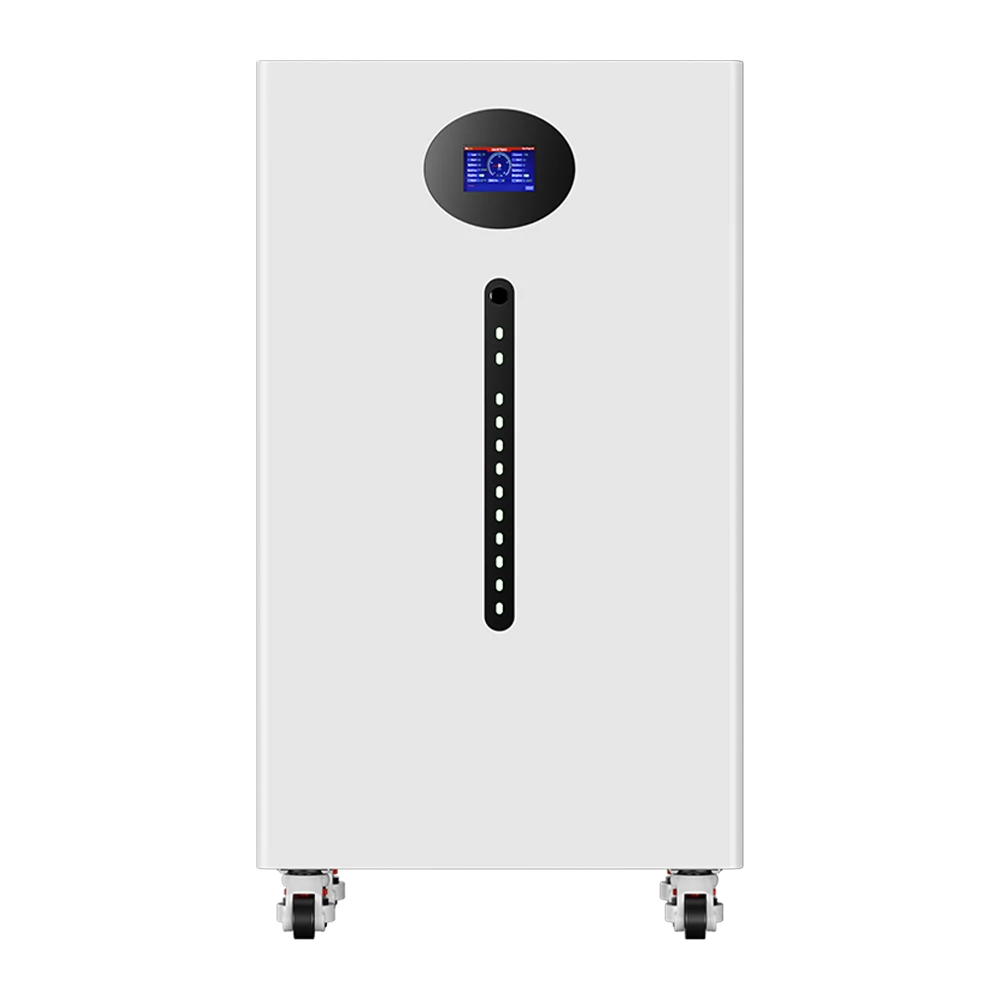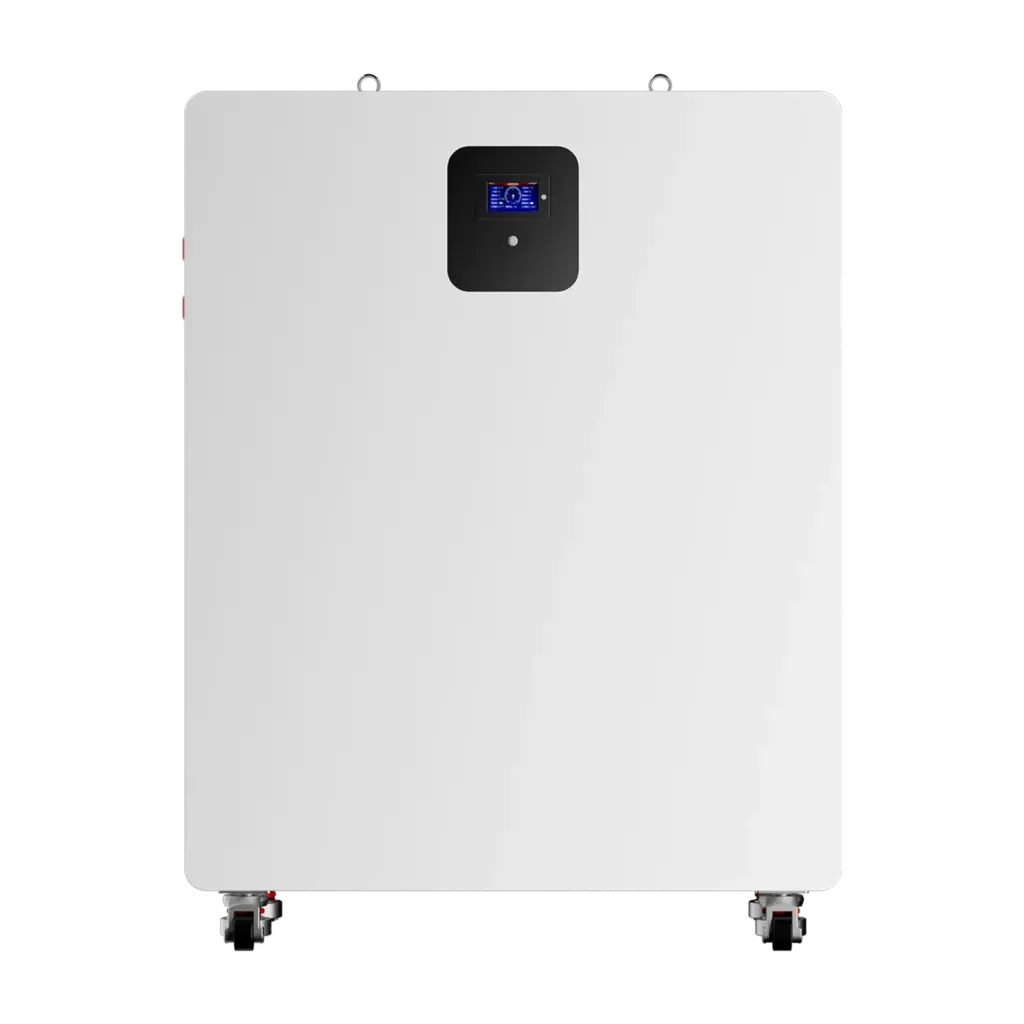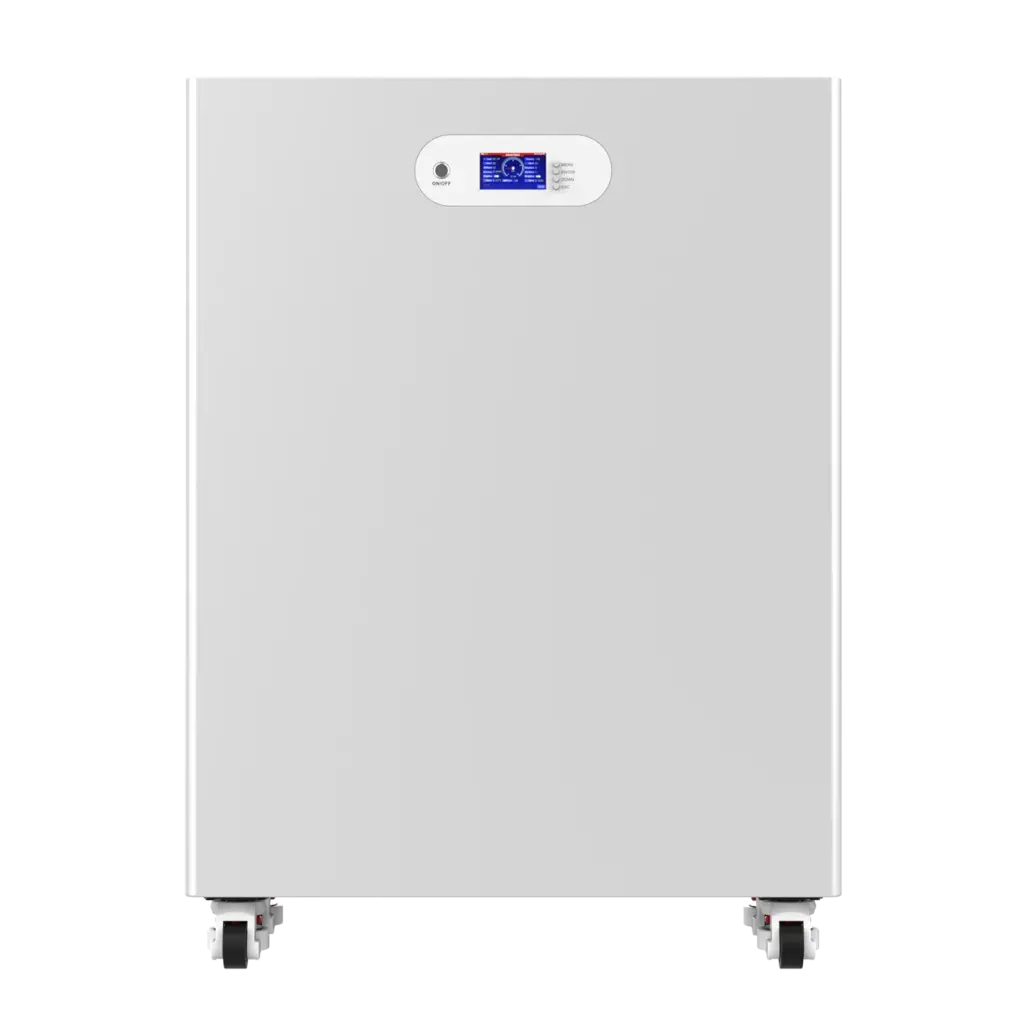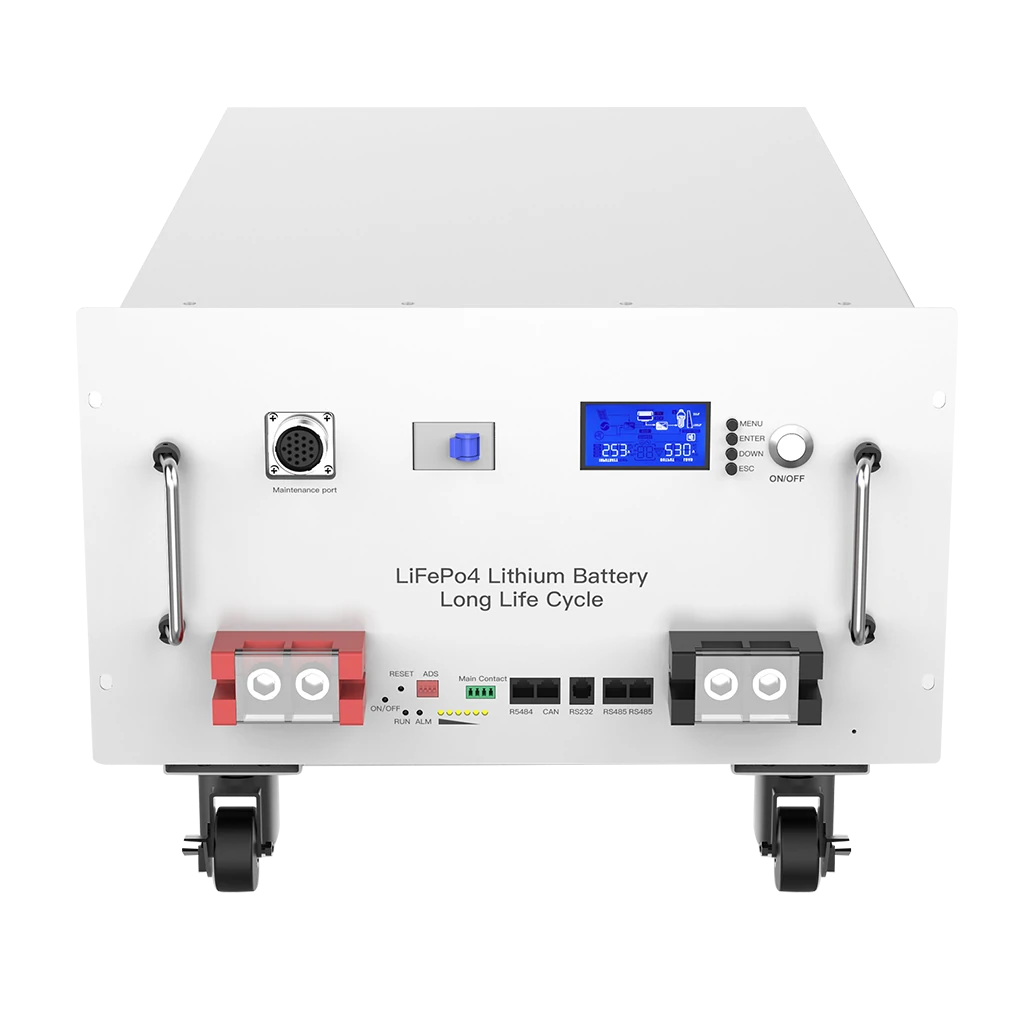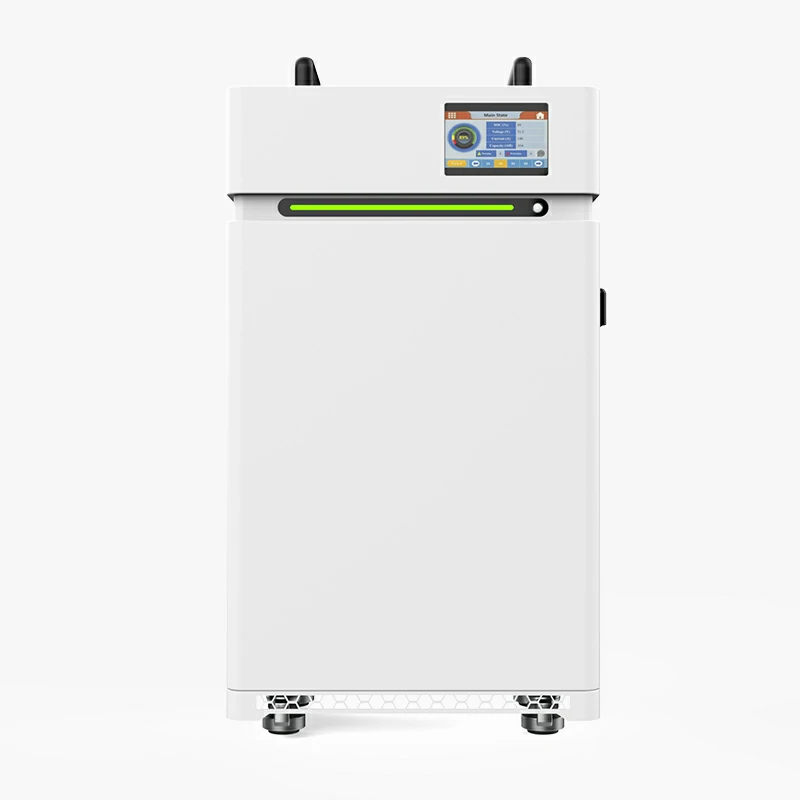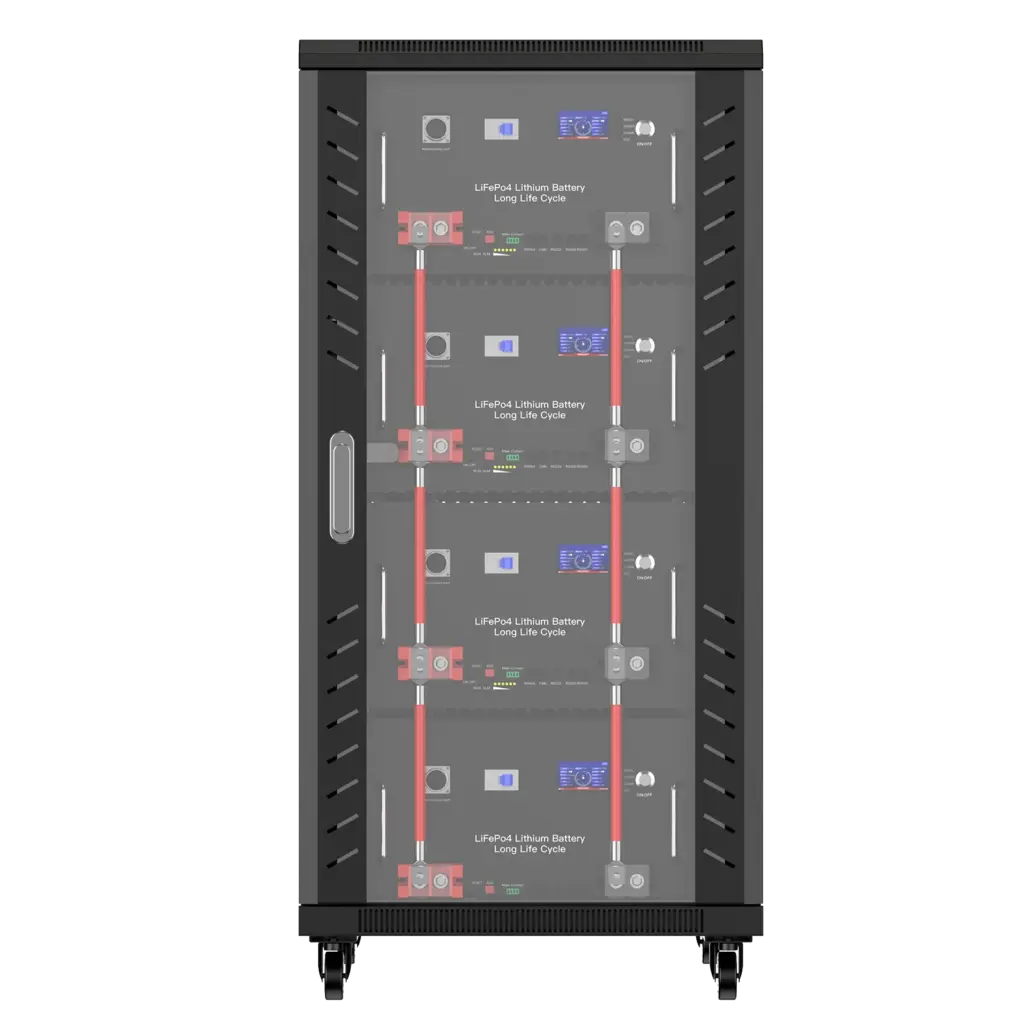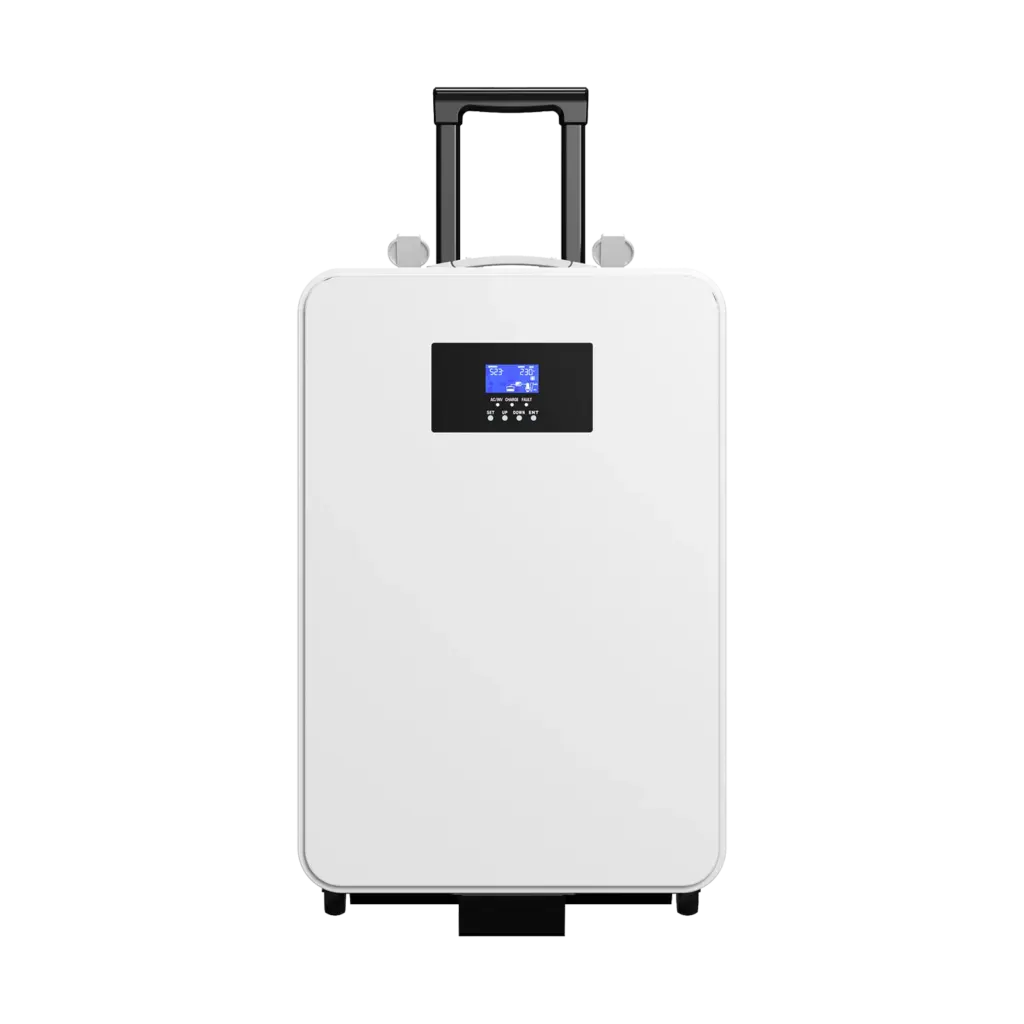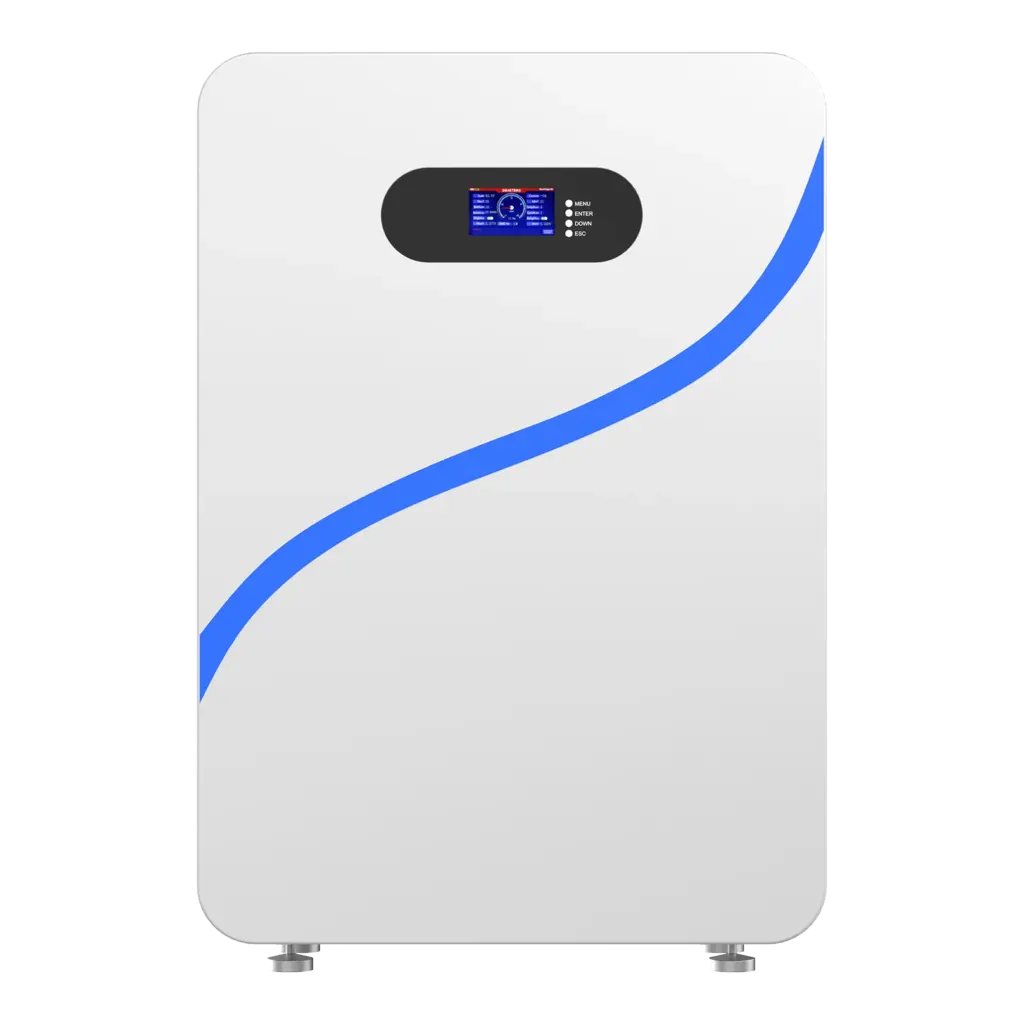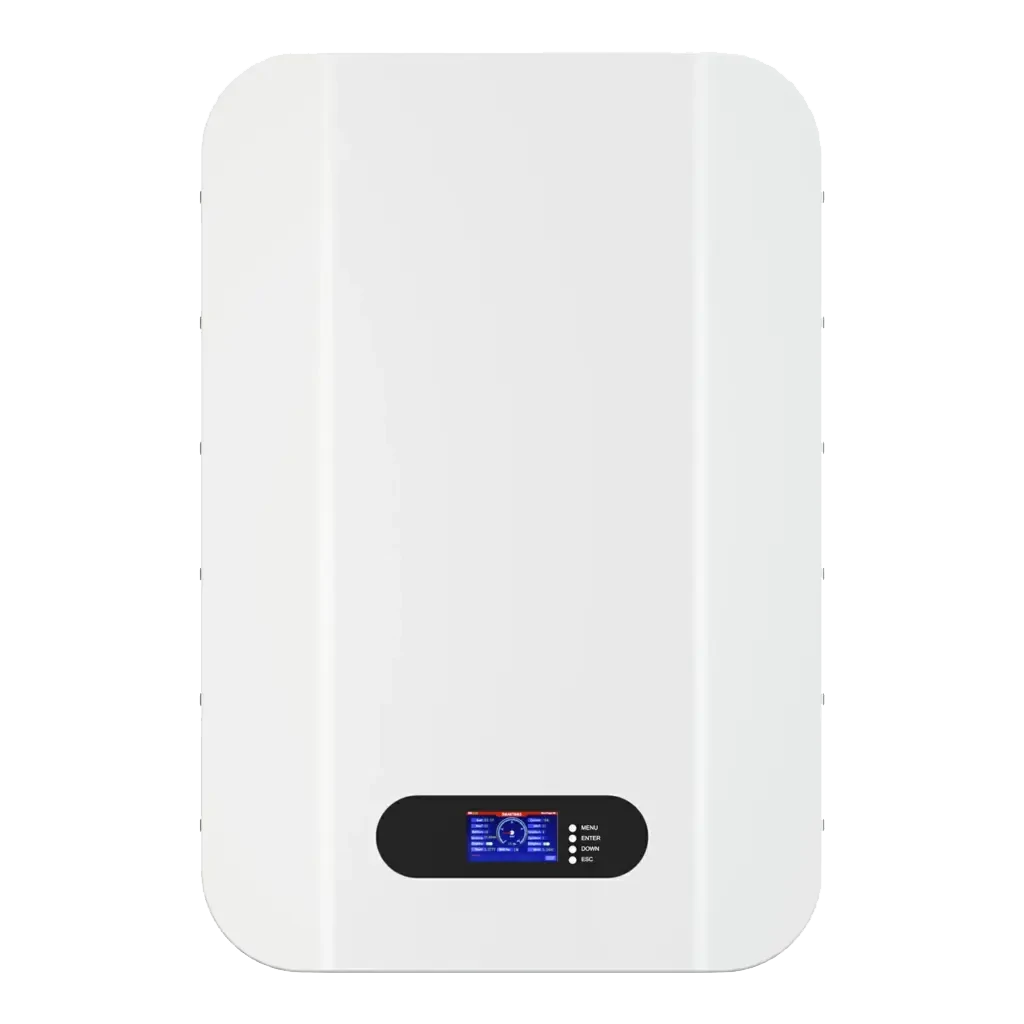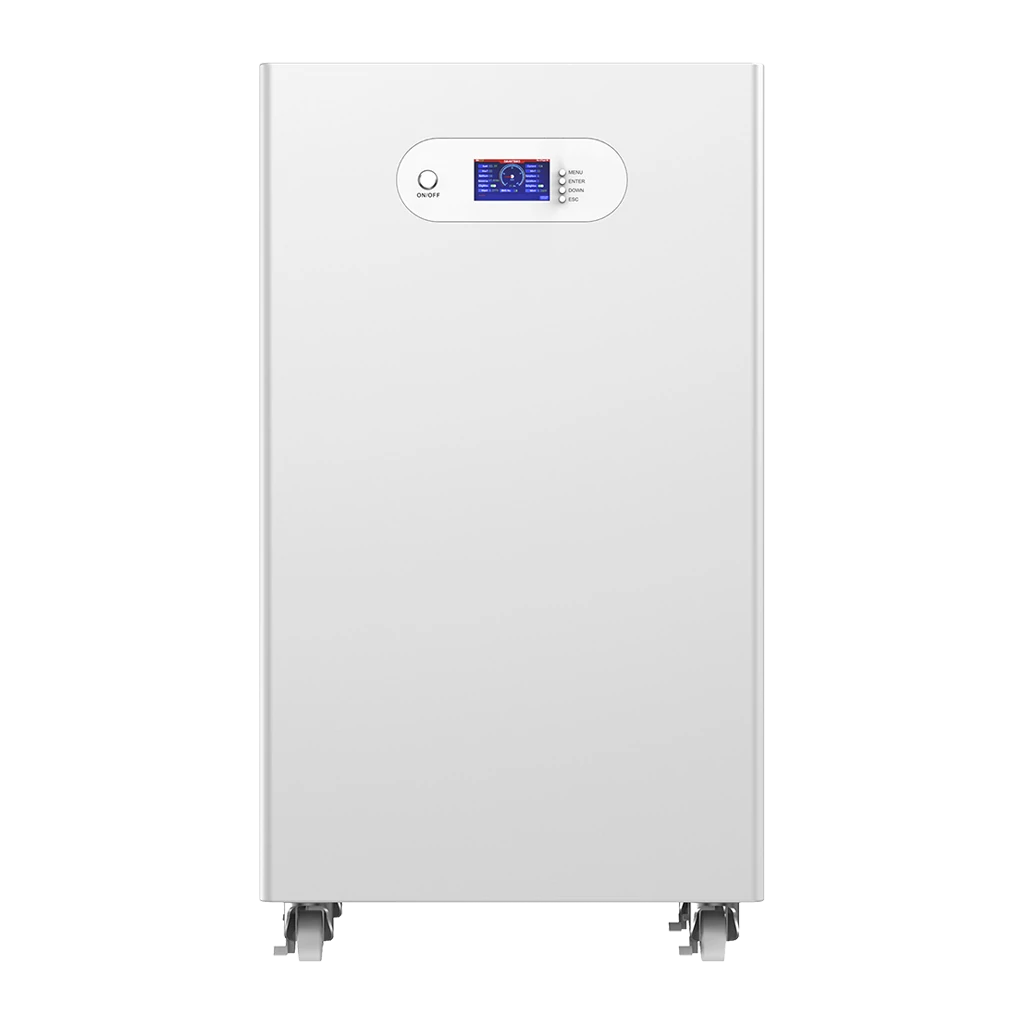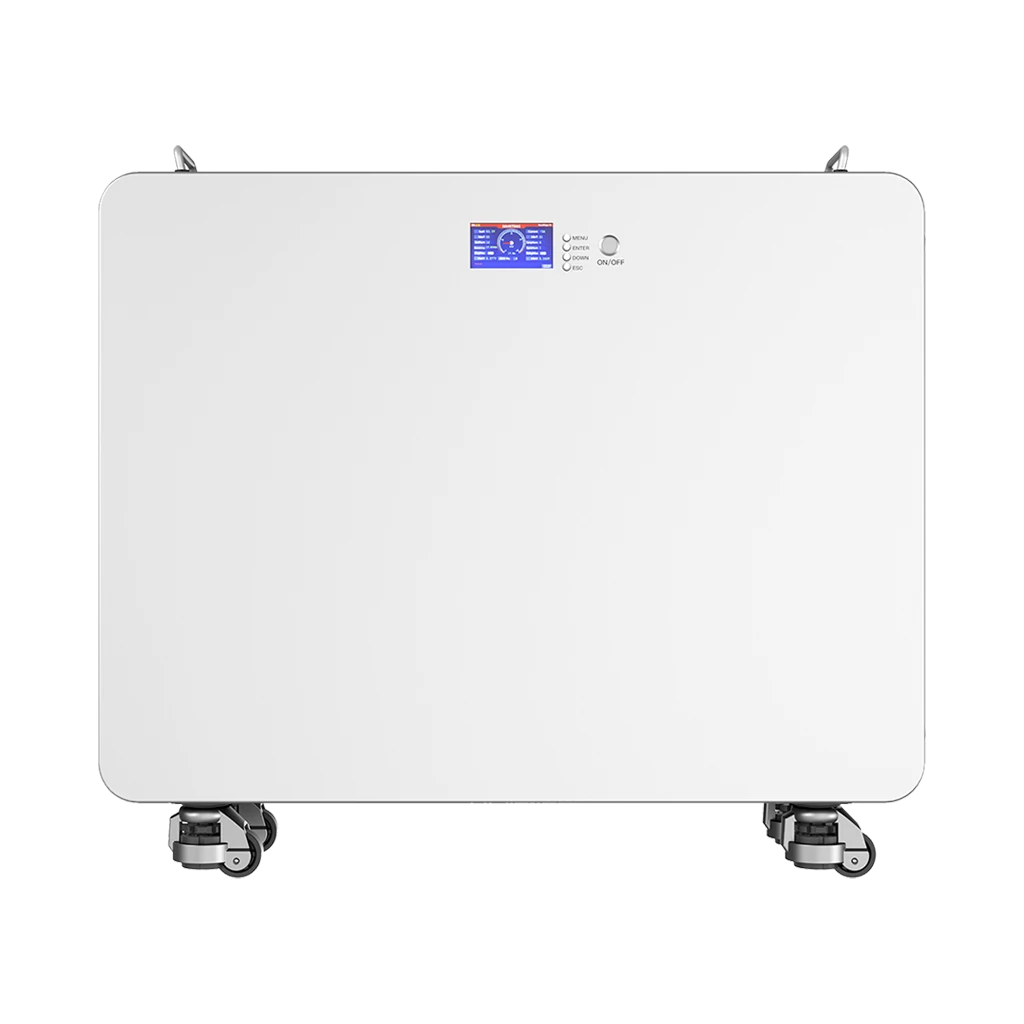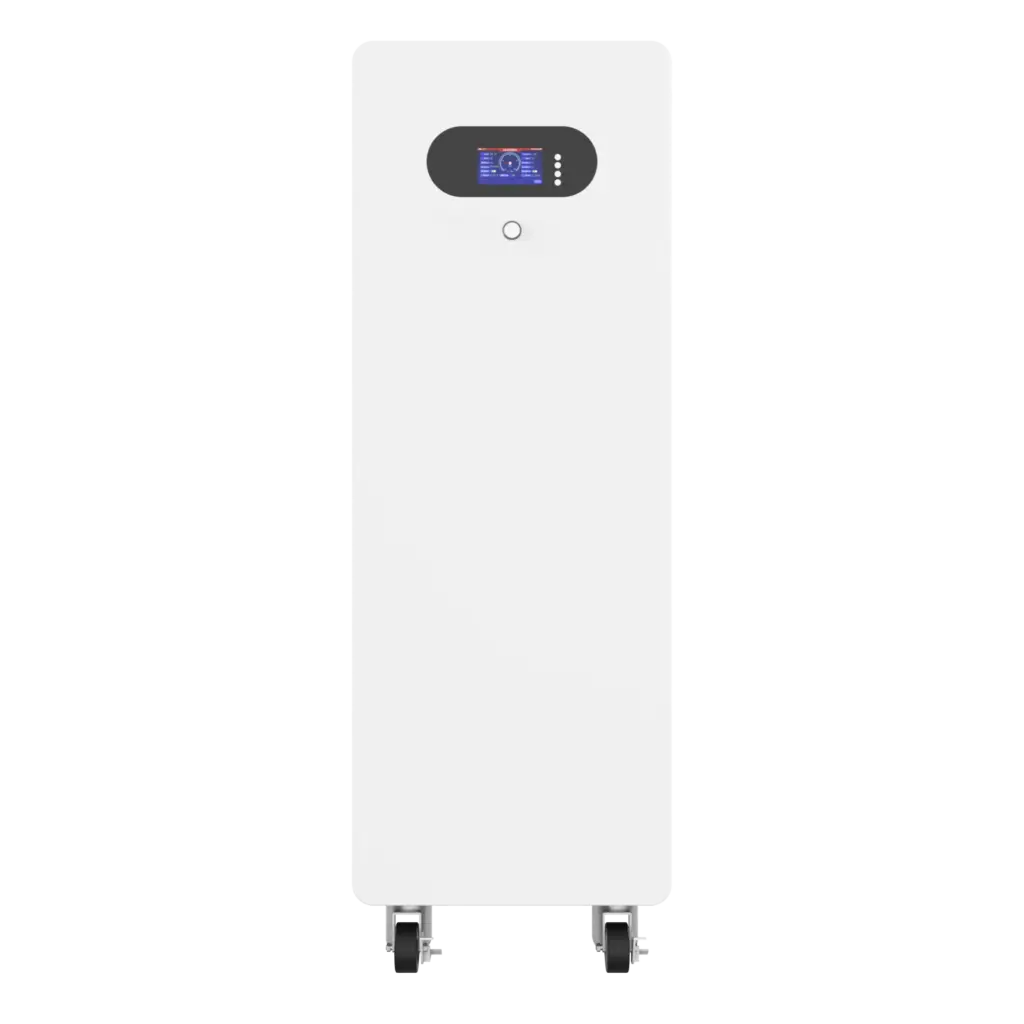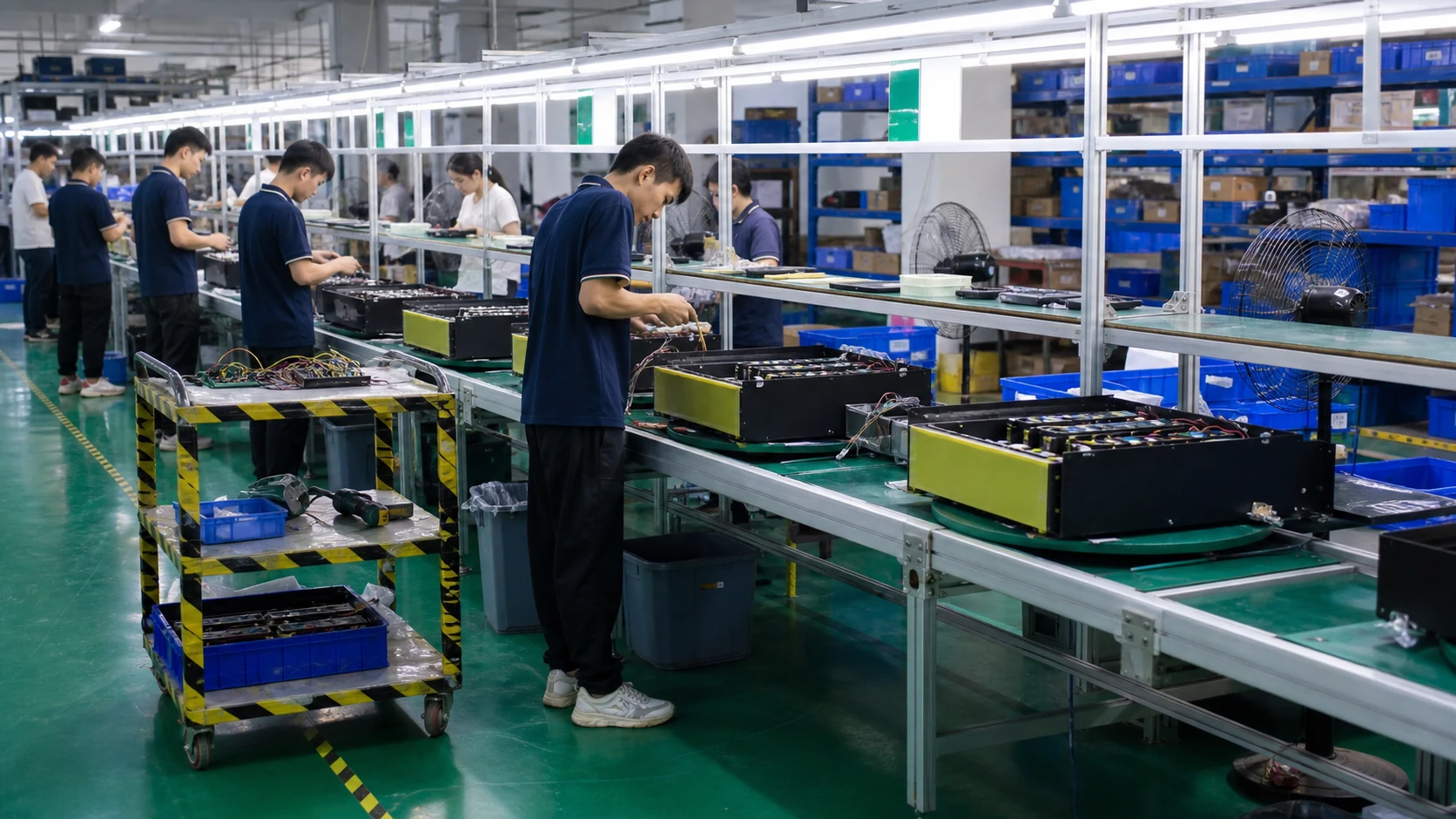

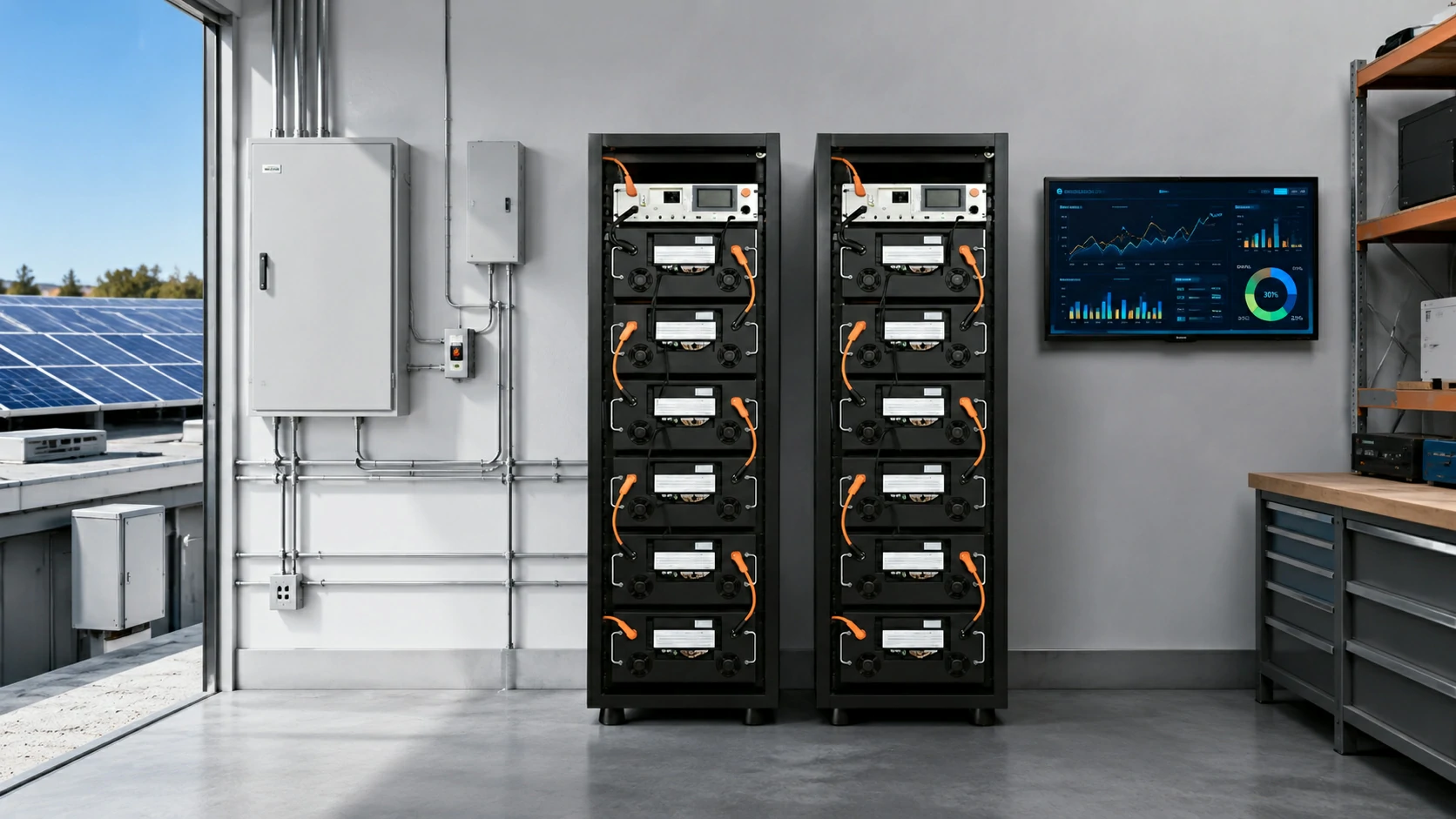
A 180 kWh battery is a large energy storage system designed for projects that need more than simple home backup. It can support solar self-consumption, peak shaving, backup power, off-grid operation, EV charging support, telecom backup, farms, villas, supermarkets, hotels, workshops, and small commercial facilities.
This guide explains the practical value of a 180 kWh battery system, including sizing logic, cost factors, runtime examples, application scenarios, safety checks, and buying tips.
If you are planning a commercial solar storage or larger residential backup project, Avepower provides customizable high voltage battery storage systems and modular stackable LiFePO4 battery solutions for installers, distributors, OEM buyers, and project developers.
Quick Answer: What Is a 180 kWh Battery?
A 180 kWh battery is an energy storage system with a nominal storage capacity of 180 kilowatt-hours. In simple terms, it can theoretically deliver 180 kW for one hour, 90 kW for two hours, 45 kW for four hours, or 30 kW for six hours before considering depth of discharge, inverter efficiency, temperature limits, and system reserve settings.
In real projects, usable AC-side energy is usually lower than nominal capacity. For example, if a 180 kWh battery uses 90% usable depth of discharge and about 94% inverter efficiency, the practical usable energy may be around:
180 kWh × 90% × 94% = about 152 kWh usable AC energy
That means a 180 kWh battery could support a 30 kW average load for about 5 hours, or a 50 kW average load for about 3 hours, depending on system design.
How Long Can a 180 kWh Battery Run?
Runtime depends on the average load, usable battery energy, inverter efficiency, discharge limit, and whether the load is stable or has high surge demand.
A simple planning formula is:
Runtime = usable battery energy ÷ average load
| Average Load | Theoretical Runtime from 180 kWh | More Realistic Runtime After Losses |
|---|---|---|
| 5 kW | 36 hours | 30–31 hours |
| 10 kW | 18 hours | 15–16 hours |
| 20 kW | 9 hours | 7–8 hours |
| 30 kW | 6 hours | 5 hours |
| 45 kW | 4 hours | 3.3–3.5 hours |
| 60 kW | 3 hours | 2.4–2.6 hours |
| 90 kW | 2 hours | 1.6–1.8 hours |
A site with motors, pumps, compressors, HVAC systems, refrigeration, welding equipment, or EV chargers may need a higher-power inverter or PCS even if the battery capacity is enough.
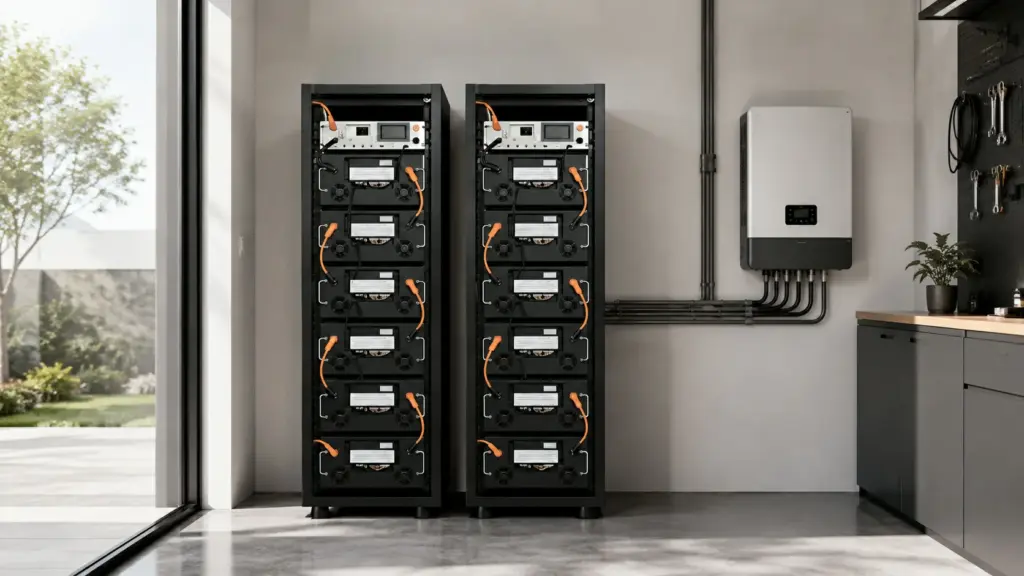
Planning a 180 kWh Battery Storage Project?
Get a scalable LiFePO4 battery solution designed for commercial solar storage, backup power, off-grid systems, and high-consumption residential projects.
Common 180 kWh Battery Configuration Type
There is no single universal 180 kWh battery design. The right configuration depends on voltage platform, inverter type, installation space, site load, safety requirements, and whether the project needs indoor or outdoor installation.
| Configuration Type | Example Setup | Main Features | Suitable Applications |
|---|---|---|---|
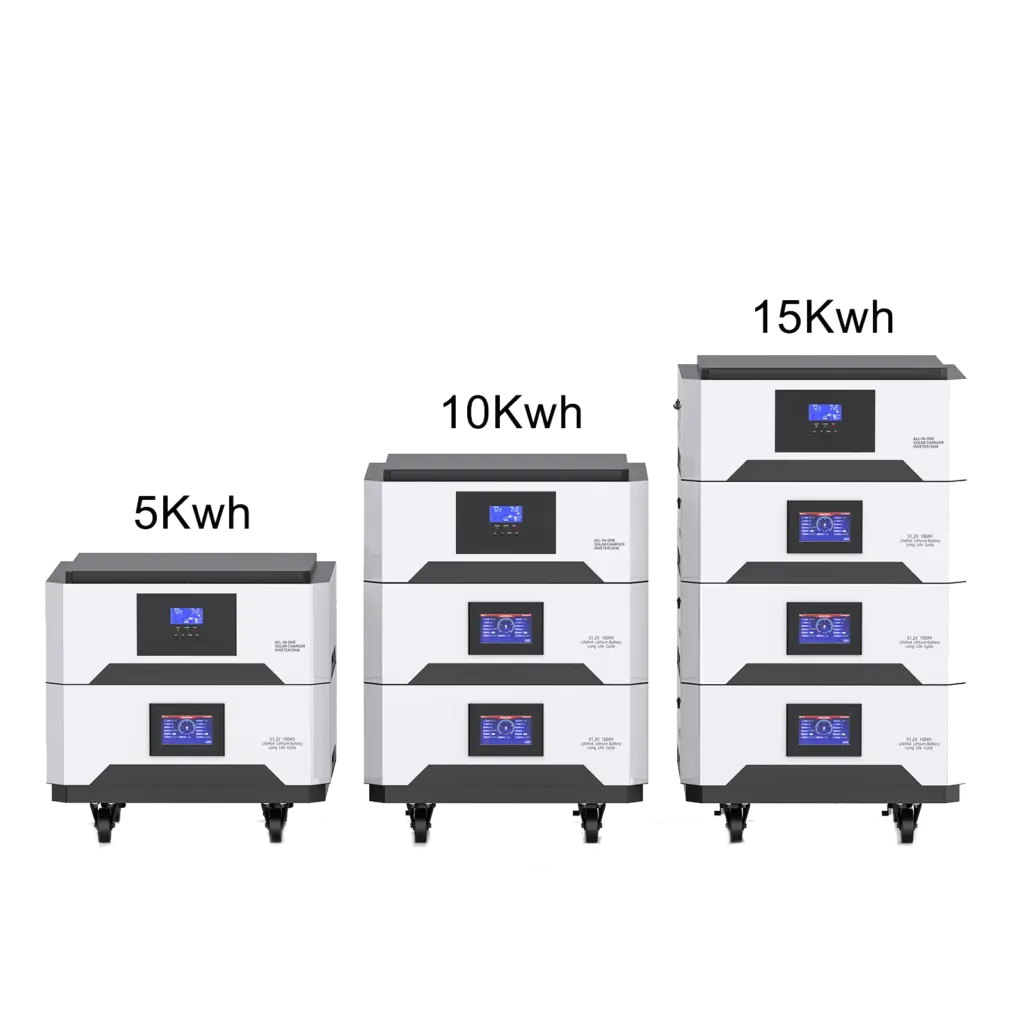
| Modular low-voltage battery bank | 12 × 15 kWh batteries | Flexible expansion, easier transport, modular installation | Large homes, farms, off-grid systems, installer-led projects |
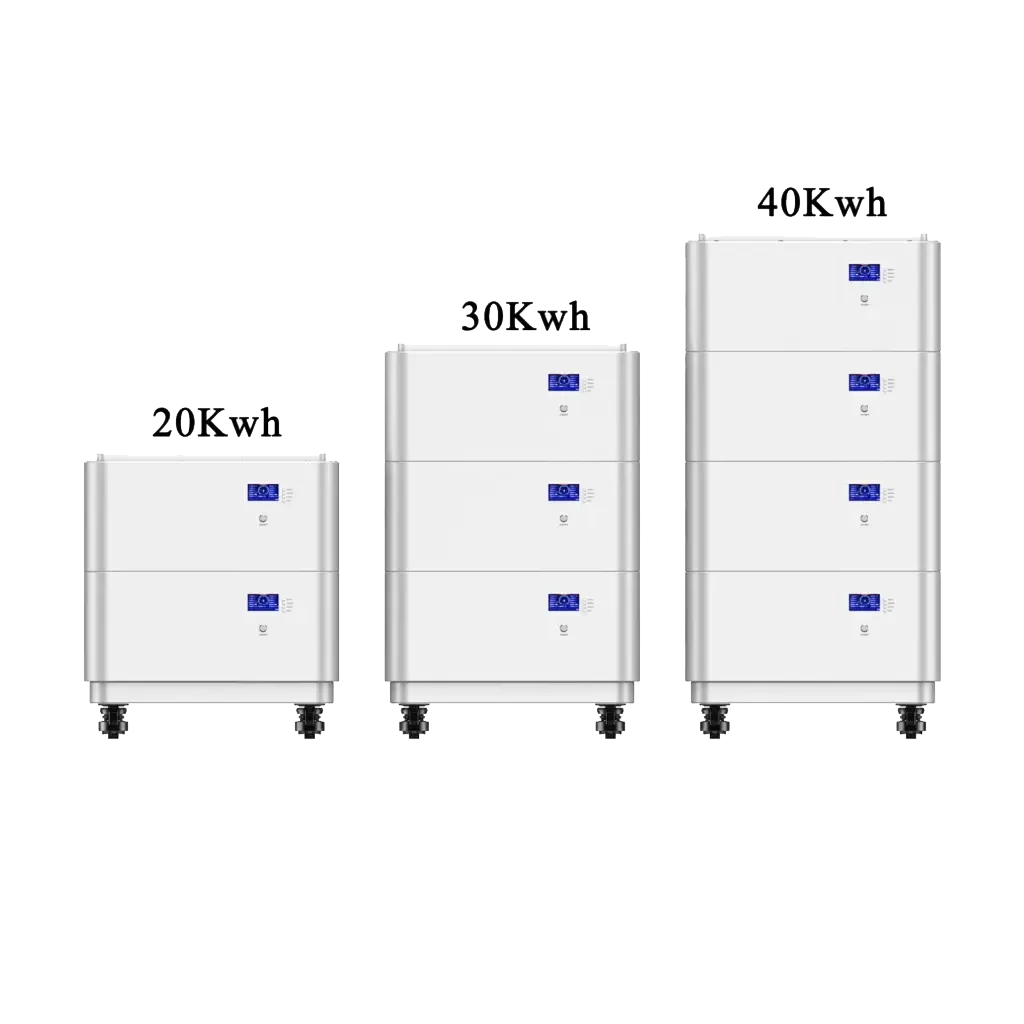
| Medium cabinet system | 6 × 30 kWh cabinets | Fewer units, cleaner wiring, stronger project layout | Villas, workshops, telecom rooms, small businesses |
| High-voltage battery system | Custom HV battery cabinet around 180 kWh | Lower current, better match with three-phase PCS | Commercial ESS, solar-plus-storage, peak shaving |
| All-in-one C&I ESS | Battery + PCS + EMS + thermal management + fire protection | Integrated design, faster deployment, easier O&M | Offices, factories, hotels, schools, commercial buildings |
| Generator hybrid system | Battery + PCS + generator + solar | Reduces generator runtime and fuel use | Remote sites, farms, construction, island projects |
For projects that require a tailored voltage platform, cabinet design, and communication protocol, Avepower’s custom high voltage battery storage system can be configured for commercial solar storage, backup power, and integrated ESS applications.
What Size Solar System Do You Need for a 180 kWh Battery?
Solar sizing depends on how much energy you want to recharge each day, local peak sun hours, system efficiency, roof or land area, and the daily load profile.
For example, if you want to recharge about 150 kWh of usable battery energy in one day, and your site receives about 4 peak sun hours, a rough PV size may be:
150 kWh ÷ 4 hours ÷ 0.8 = about 47 kW of solar PV
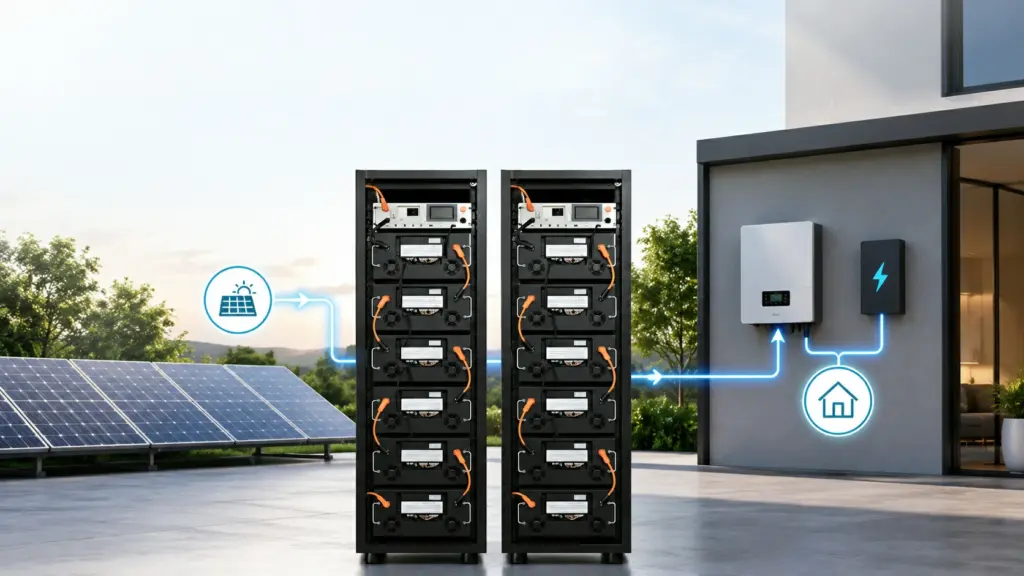
In real projects, many 180 kWh battery systems are paired with 50 kW, 80 kW, 100 kW, or larger PV systems depending on daytime load, export rules, charging window, and whether the battery is used mainly for backup or daily cycling.
How Much Does a 180 kWh Battery Cost?
The cost of a 180 kWh battery system depends on battery chemistry, PCS size, voltage platform, cooling method, EMS functions, fire protection, installation location, certifications, shipping, commissioning, and warranty scope.
Small to medium C&I systems in the 50–500 kWh range at about $500–$1,000 per kWh installed, while larger containerized systems can fall around $180–$320 per kWh because of stronger economies of scale.
For a 180 kWh project, a practical budget may look like this:
| Project Scope | Rough Cost Range |
|---|---|
| Battery equipment only | $35,000–$80,000+ |
| Battery + inverter or PCS | $55,000–$130,000+ |
| Fully installed commercial ESS | $90,000–$180,000+ |
These are planning ranges, not fixed prices. A cheaper quote may exclude important items such as PCS, fire protection, EMS, wiring, shipping, commissioning, monitoring, permits, or integration support.
What Should Be Included in a 180 kWh Battery Quote?
A professional quotation should not only show the battery capacity. It should clearly specify the full system design.
Important items include battery chemistry, nominal capacity, usable capacity, depth of discharge, PCS or inverter power rating, voltage range, BMS functions, EMS monitoring, communication protocols, inverter compatibility, cooling method, fire protection, enclosure rating, operating temperature, cycle life, warranty, installation scope, shipping terms, commissioning support, and after-sales service.
For installers and EPC teams, communication compatibility is especially important. Avepower’s inverter compatibility list helps buyers check supported inverter brands and communication options before system design.
Common Applications of a 180 kWh Battery
1. Commercial Solar Storage
A 180 kWh battery is often used with commercial solar PV systems to store daytime solar generation and discharge it later. This can help increase self-consumption, reduce grid imports, and improve the return on a solar investment.
For commercial projects, a 180 kWh battery may be used in office buildings, retail stores, supermarkets, restaurants, small factories, workshops, schools, and agricultural facilities.
2. Backup Power for Critical Loads
A 180 kWh battery can support essential loads during grid outages. These may include lighting, refrigeration, security systems, communication equipment, water pumps, IT systems, point-of-sale systems, and selected HVAC loads.
For example, one commercial solar backup case in Panama used an 89 kW solar system with 72 kW / 180 kWh lithium battery storage for a supermarket, where refrigeration and continuous operation were critical.
3. Peak Shaving and Demand Charge Reduction
For businesses that pay demand charges, the highest short-term power draw can increase the electricity bill. A battery system can discharge during peak load periods to reduce grid demand.
A 180 kWh battery can be useful when a business has predictable demand peaks, such as refrigeration startup, EV charging, machinery operation, HVAC demand, or evening load spikes.
4. Off-Grid and Hybrid Power Systems
A 180 kWh battery can be used in off-grid solar systems, hybrid solar-diesel systems, island power systems, farms, telecom sites, and remote buildings.
In these projects, the battery usually works with solar panels, hybrid inverters or PCS, a generator, and an EMS. The goal is not only to store energy, but also to reduce generator runtime, stabilize voltage and frequency, and improve fuel efficiency.
5. EV Charging Buffer
A 180 kWh battery can also act as a buffer for EV charging stations. It can charge during low-demand or solar-rich periods and discharge when vehicles need charging. This can reduce grid connection pressure and help stabilize charging loads.
For sites where grid capacity is limited, a battery-supported EV charging system may be easier than upgrading the transformer or utility connection.
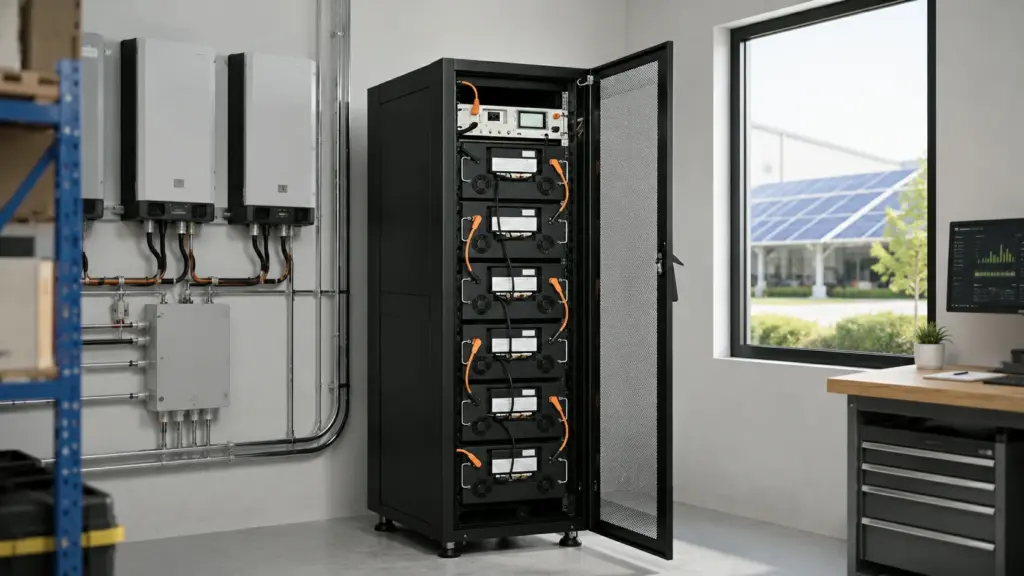
Need Help Sizing Your 180 kWh Battery System?
Share your load demand, inverter model, solar system size, and backup requirements. Avepower can help you choose the right battery capacity, voltage platform, and system configuration.
Is a 180 kWh Battery Suitable for Home Use?
A 180 kWh battery is usually larger than what most normal homes need. However, it may be suitable for very large homes, villas, estates, farms, off-grid houses, rural properties, or multi-building residential projects with high energy demand.
It may be considered when the property needs to support air conditioning, water pumps, refrigeration, EV charging, workshop equipment, lighting, security systems, internet, and several days of essential backup.
For a standard home, a smaller system such as 15 kWh, 30 kWh, 50 kWh, or 100 kWh may be more cost-effective. For very large homes or mixed residential-commercial sites, a 180 kWh battery can make sense if the load data supports it.
| Battery Size | Best Fit | Typical Use |
|---|---|---|
| 100 kWh | Large home, farm, small business | Backup, solar self-consumption, light peak shaving |
| 150 kWh | Higher-load home or small commercial site | Longer backup, stronger solar storage, generator hybrid |
| 180 kWh | Commercial, farm, hotel, workshop, EV charging support | Peak shaving, backup power, solar storage, off-grid power |
| 215 kWh | Standardized C&I cabinet projects | Commercial ESS, industrial storage, larger PCS integration |
If a site only needs emergency backup for selected circuits, 180 kWh may be oversized. If the site has large HVAC systems, motors, production equipment, cold storage, or fast EV charging, 180 kWh may still be too small unless the system is designed for selected loads.
Avepower also offers C&I cabinet options such as a 215 kWh liquid-cooled energy storage cabinet and high-voltage custom ESS designs. Avepower C&I page lists integrated systems with LFP batteries, PCS, BMS, EMS, thermal management, fire protection, monitoring, and scalable cabinet configurations.
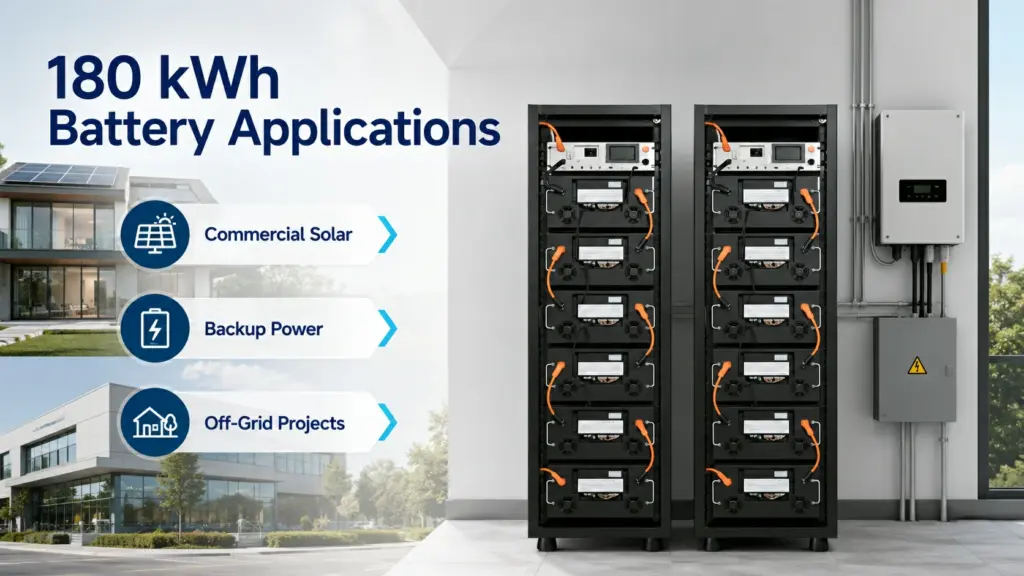
Low Voltage vs High Voltage 180 kWh Battery Systems
A 180 kWh battery can be built in different ways.
Low Voltage Modular Battery System
A low-voltage system may use 48V or 51.2V LiFePO4 battery modules connected in parallel. This approach is common in residential and light commercial projects. It is flexible, familiar to many installers, and easier to expand in stages.
For example, a system can be built with multiple 15 kWh battery modules. Twelve 15 kWh modules can create about 180 kWh nominal capacity. However, high current, cable sizing, busbar design, protection devices, inverter limits, and parallel communication must be carefully planned.
Avepower’s stackable battery series uses LiFePO4 technology and supports modular expansion for solar storage, backup power, and scalable residential or light commercial projects. Stackable series supports up to 16 units in parallel for varying load requirements.
High Voltage Battery System
A high-voltage system is often more suitable for commercial projects, three-phase systems, and higher-power applications. It can reduce current at the same power level, support better system efficiency, and match high-voltage hybrid inverters or PCS platforms.
Avepower’s custom high voltage lithium battery storage system is designed for customers who need a scalable ESS platform, with configurable system structure, voltage platform, cabinet layout, and communication solution.
For 180 kWh commercial projects, a high-voltage cabinet or multi-cabinet design may be more practical when the project requires three-phase output, larger inverter power, commercial EMS control, or more advanced protection design.
All-in-One C&I Battery System
An all-in-one commercial system integrates the battery, PCS, EMS, power distribution, thermal management, and fire protection into a cabinet. This can reduce installation complexity and save space.
30–180 kWh small C&I systems in the market are designed as integrated cabinets for commercial complexes, office buildings, hotels, schools, and other smaller commercial facilities. One competitor article notes that all-in-one systems can integrate battery packs, bidirectional converters, EMS, distribution, thermal management, and fire suppression in one cabinet.
Example Configuration for a 180 kWh Battery System
A practical 180 kWh commercial solar battery system may include:
- 180 kWh LiFePO4 battery capacity
- 50 kW to 100 kW inverter or PCS capacity
- 80 kW to 150 kW solar PV array
- EMS for peak shaving and self-consumption
- Remote monitoring
- Battery cabinet or modular battery racks
- AC/DC protection and distribution
- Optional generator integration
- Fire safety and thermal management design
- CAN/RS485 communication with inverter or PCS
For a modular low-voltage design, the system may use multiple 15 kWh or 16 kWh battery modules in parallel. For a high-voltage design, the system may use battery clusters connected to a three-phase hybrid inverter or PCS.
Why Choose Avepower for 180 kWh Battery Projects?
When choosing a 180 kWh battery supplier, do not compare only the price per kWh. A low-cost battery without proper integration support can create higher long-term costs through installation problems, communication issues, reduced usable energy, thermal problems, or poor after-sales support.
A good supplier should be able to support system sizing, battery chemistry selection, inverter or PCS matching, communication protocol setup, cabinet layout, documentation, certifications, logistics, commissioning guidance, and long-term after-sales service.
Avepower supports residential, commercial, and industrial battery storage projects with LiFePO4 battery systems, OEM/ODM customization, inverter compatibility support, and scalable energy storage solutions. Grade A LiFePO4 home storage batteries with 8000+ cycles and C&I storage cabinets with BMS, PCS, EMS, thermal management, fire protection, and remote monitoring features.
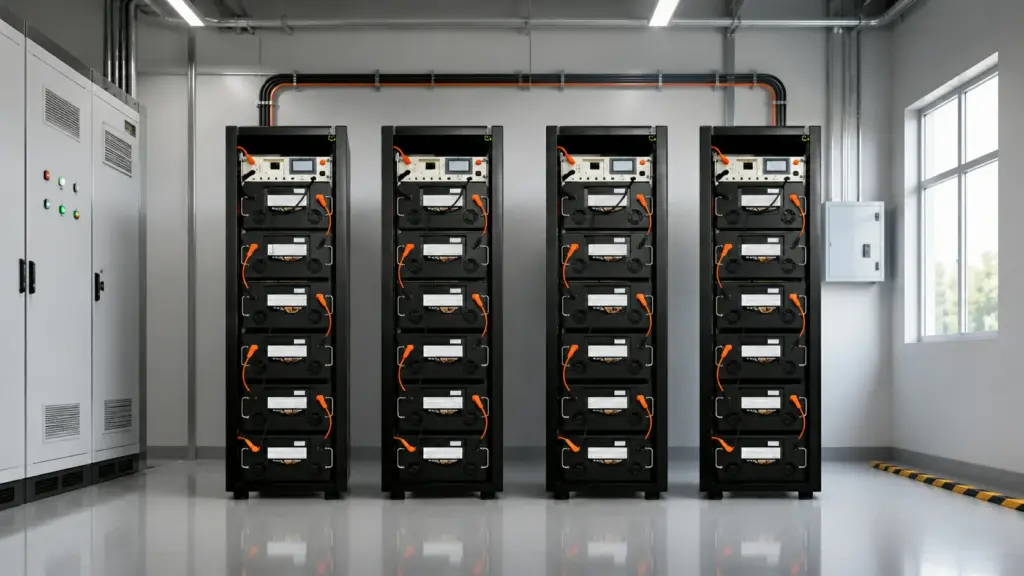
Build a Reliable 180 kWh Energy Storage System with Avepower
Whether you are an installer, distributor, OEM buyer, or project developer, Avepower provides customizable LiFePO4 battery storage systems for solar energy storage, peak shaving, backup power, and off-grid applications.
Conclusion
A 180 kWh battery is a practical size for commercial solar storage, backup power, off-grid energy, farms, hotels, workshops, telecom sites, EV charging support, and large residential properties. It is large enough to provide meaningful backup and load shifting, but still flexible enough for cabinet-based or modular ESS design.
The best 180 kWh battery is not simply the cheapest option. It should be selected based on usable capacity, PCS or inverter power, battery chemistry, voltage platform, system efficiency, safety design, thermal management, monitoring, communication compatibility, installation environment, and future expansion needs.
For installers, distributors, EPCs, OEM/ODM buyers, and project developers, Avepower can support project-based 180 kWh-class battery storage solutions through commercial and industrial energy storage solutions, modular LiFePO4 battery systems, and custom high voltage battery storage designs.
FAQ
The inverter or PCS size depends on the required power output. Common options may include 50 kW, 60 kW, 90 kW, 100 kW, or higher, depending on peak load, backup circuits, solar size, and whether the system is single-phase or three-phase.
A 180 kWh battery can be enough for offices, farms, workshops, telecom rooms, restaurants, clinics, small hotels, and light commercial sites. Larger factories, cold storage sites, or EV charging stations may need a higher-capacity system or a larger PCS.
A fully installed 180 kWh commercial battery storage system may roughly cost from $90,000 to $180,000 or more depending on PCS size, battery chemistry, installation complexity, fire protection, monitoring, certifications, and site requirements.
You need 12 units of 15 kWh batteries to reach 180 kWh nominal capacity. The usable capacity will be lower after depth of discharge limits and inverter efficiency losses.